Home Blog Page 97

Is lab meat kosher?

0

picture of meat

Each time you sit down to eat a meal with meat products, do you ever take a minute to think about what it took to get this food on your plate? Every year, 70 billion land animals are slaughtered for consumption worldwide. While many organizations and law enforcement across the globe work to ensure the slaughter of animals is done without inflicting pain on the animals, it is nearly impossible to ensure that all slaughterhouses are following these rules. In addition, slaughtering animals in general is an inhumane practice and is done for the sole purpose of feeding us. However, the cultivated meat industry and specifically lab meat is taking the world by storm and may be the end of animal slaughter.

What is lab-cultivated meat?

Lab-grown or cultivated meat uses animal cells to grow meat in a lab as an alternative to slaughter. Labs growing cultivated meat take animal cells from a live, healthy animal in a harmless skin sample. This innovative way of producing meat was originally concocted in the early 2000s but was brought to media attention in 2013 when a cultivated meat patty was tried at a conference in London for a lump sum of money. Later Singapore was the first country to begin sales of cultured meat.

picture of test tubes

Israel is one of the leaders in the cultivated meat industry. In 2020, the company SuperMeat opened a restaurant in Tel Aviv called “The Chicken” which offered a cultivated chicken burger to see if their customers noticed the difference. Other Israeli companies developing cultivated meat are Aleph Farms and Believer Meats.

Environmental impact

A carnivore diet takes a major toll on one’s carbon footprint. In fact, meat makes up 60% of greenhouse gas emissions. Beef is the world’s most detrimental food product in carbon emissions due to methane production which makes up 32% of greenhouse gas emissions.

picture of cows

After the livestock has been slaughtered, there are additional greenhouse gases that go into the atmosphere from the transportation of livestock, processing in factories, and then the packaging of the final product. In total, the entire process, from the initial raising of livestock to the final destination of stocking groceries stores is a constant carbon dump.

Deforestation is also a major problem when it comes to livestock farming. Much of the land livestock is raised on has been deforested for the sole purpose of raising more and more cattle. In addition, the constant grazing of livestock diminishes grassland productivity to the point where grass can no longer grow. Eventually, farmers need to revert to unconventional methods of crop irrigation by using polluting fertilizers so livestock can be raised.

And don’t forget about the extensive water use that goes into farming. It takes 1,799 gallons of water to produce one pound of beef. This comes from the keeping of land, cleaning, and drinking requirements of the cattle. Especially in the heat of summer and in bad drought conditions, water use can exceed a considerable amount and massively increase the amount of water needed to grow livestock.

Is lab meat kosher?

There has been much speculation on the increasing popularity of cultivated meat in Israel. Especially for religious Jews and Rabbis who keep kosher, many are questioning the reliability of the industry.

For meat to be kosher, the animal must be in good health, killed a certain way, drained of its blood, and salted. In addition, only certain parts of an animal can be consumed. All these parts of keeping kosher in relation to meat make the discussion of cultivated meat more complicated.

However, back in January of this year, the Chief Rabbi of Israel, Rabbi David Lau declared that the steak made from Aleph Farms is kosher, marking a monumental decision in the cultivated meat industry. He claimed that because the meat was grown instead of slaughtered, the meat is not actually meat, and can be thought of like a vegetable. Because the meat does not contain milk nor dairy and no blood from an animal, Rabbi David Lau declared it to be parve. Dozens of other rabbis from the Tzohar Rabbinical Organization have also called cultivated meat kosher.

While Rabbi Lau’s ruling is particularly for the meat produced in Aleph Farms, it is still unsure if all cultivated meat can be considered kosher as there needs to be a careful inspection at all cultivated meat companies and they need to be certified to be kosher. In addition, many may argue that it is not kosher as cultivated meat has animal origins as it is derived from animal cells.

Rabbi Genack from the Orthodox Union Kosher Division has questioned the reliability of cultivated meat being kosher as he has said that even microscopic specimens of cells derived from a living animal would not be considered kosher. In order for the meat to be kosher, the cells need to be taken from a kosher slaughtered animal.

Another aspect of the cultivated meat industry is the question of how Orthodox Jews can keep their legitimacy when choosing meals to ensure they don’t sin on Jewish law. Rabbi Yonathan Neril from The Interfaith Center for Sustainable Development is an environmental advocate for cultivated meat.

While he believes that in itself lab-grown meat is kosher, it should not be mixed with dairy. According to Neril who tells Green Prophet: “If Jews start eating lab-grown meat with cow’s cheese, then they might come to mistakenly eat cow’s meat with cow’s cheese, which would be a violation of Jewish law.”

Neril insists that Jews mixing cultivated meat with normally derived cheese can fray on the principle of marit ayin, which is when the action of an observant Jew may seem unkosher when in actuality it is.

This term is coined by the judgment of others’ skepticism; the Jew is technically adhering to the law. However, Rabbi Neril added, “If lab-grown meat and lab-grown cheese replace animal meat and animal cheese in mainstream consumption, then it could be that over time, it would no longer be a problem in Jewish law to eat the lab-grown meat and lab-grown cheese together.”

Earth or Tradition?

Unfortunately what this means for the kosher community is one’s own personal opinion. With the current emergencies that face our climate, it is important to consider the environmental benefits of choosing cultivated meat. The environmental advantage of cultivated meat is enormous and can massively decrease global greenhouse gases. In addition, kosher law requires slaughter, which is devastating in itself.

The final decision is still in the hands of Jews, which reflects the ideals of modernity. Is it time we update the traditional laws of Judaism and put what’s facing us in the climate first in line? Are Orthodox Jews willing to sacrifice what’s traditional for the sake of our planet?

5 Simple Ways to Take Care of Your Mental Health

0
mindfulness for mental and sexual health
Yoga and mindfulness can help mental wellness by reducing stress and anxiety.

Mental health is incredibly important to your overall well-being. Yet, it can sometimes be challenging to take care of your mental health when you’re busy and distracted with daily obligations. However, it doesn’t have to be! We’re here to offer 5 simple ways to take care of your mental health to live the most positive and happy life possible.

Prioritize Quality Sleep

Quality sleep is essential when it comes to maintaining your mental health. Research continues to show that people who lack quality rest are more prone to experiencing mental health issues such as anxiety and depression, along with many other mental and physical health disorders. Prioritizing quality sleep is an excellent way to take care of your mental health, as it gives your mind and body the rest that it needs.

Connect With Others

Humans are social creatures, and that’s why it’s paramount you make an effort to regularly connect with others. Even if you’re an introvert, quality time with loved ones and a few meaningful conversations a week with close friends or family members is just enough to help prevent you from feelings of isolation, sadness, and loneliness – which often lead to mental health issues such as depression.

Those who struggle with feelings of disconnection may benefit from seeking various Addiction & Mental Health Resources, which provide guidance and support for those in need. Engaging in community activities, joining clubs, or even participating in online support groups can also foster a sense of belonging and improve overall emotional well-being.

Practice Mindfulness

Mindfulness is a powerful practice that has a major impact on your mental health. Research has shown that mindfulness helps to increase positive emotions and decrease negative feelings like stress and anxiety. Practicing mindfulness also strengthens your self-awareness, which helps you be more equipped to regulate your emotions and develop meaningful relationships. There’s a valid reason that more and more mental health professionals are using mindfulness techniques as part of their therapeutic practices.

Spend Time In Nature

forest bathing, OCD therapy, woman hipster contemplating nature in dark green forest
Forest bathing can help mental health and improve intimacy in relationships.

Spending time in nature offers a plethora of positive benefits including reducing feelings of stress and anxiety. Not only does spending time in nature help to decrease negative emotions but it’s also been shown to have a positive impact on your mood and self-esteem. That’s what makes spending time in nature one of the easiest ways to take care of your mental health.

Feel Your Feelings

Mental health has more to do with just our thoughts. Our emotions play a strong role in our mental health, as they are often what drive the thoughts that we have. That’s why it’s so important that you learn how to feel your feelings instead of suppressing them or coping with them in unhealthy ways. Learning how to be comfortable and aware of your emotions is an important part of taking care of your mental health. There are plenty of effective ways to learn how to comfortably manage your emotions, meditation practices and therapy being two of the most common methods.

A sustainable nights sleep

picture of a mattress

Picture this: you just had a long day of work, you finally come home, get ready for bed, and ultimately knock out. But have you ever thought about what the mattress you sleep on every night is made of?

There is always a more sustainable way of living. Almost every aspect of your life can become more sustainable. Today, I will talk about your mattress and the kinds of impacts they have on the environment.

Mattresses are made from a wide range of materials, including organic ones such as cotton and wool, and synthetic fibers such as polyurethane. Polyurethane, a plastic material often used in furniture, bedding, and carpets, is popular for its flexibility and durability. The issue with the development of mattresses in both organic and synthetic materials is due to fossil fuel use. However, the massive size of mattresses and the extensive need for mattresses generates tons of greenhouse gases, polluting our planet and contributing to climate change.

picture of emissions

While the production of mattresses is just one thing, the disposal and decomposition of mattresses are even more polluting. Millions of mattresses are disposed of each year, most going to landfills. According to Canadian Mattress Recycling, a mattress can take decades to decompose in a landfill. Even worse, only 19 percent of mattresses are being recycled. Mattresses are not biodegradable. This is why leaving them in landfills is utterly unsustainable because they are massive and sit in the landfill taking up too much space. The best way of ridding of an old mattress is to bring it to a recycling center or have it picked up by one. Most people don’t realize that most mattresses are recyclable. Other options for disposing of your old mattresses can be by warranty-based recycling, donating, or reselling them.

If you are looking to buy an eco mattress, then keep reading. When looking for an eco mattress, your best options are mattresses made from organic, biodegradable materials. These mattresses are typically 100 percent recyclable, so this is your best bet for disposal. Even if the mattress finds its way into a landfill, it is biodegradable and won’t further pollute landfills. One mattress you can buy from is Birch, their eco mattress is made of wool, cotton, and latex, all of which are biodegradable and from natural sources.

Bamboo

Another option for purchasing eco mattresses is mattresses made from bamboo. Gaining popularity, bamboo mattresses are a great option for producing mattresses because they are renewable and come from the bamboo plant, which is fast growing and doesn’t require excess water or irrigation to grow. Mattress production from bamboo also has a much smaller carbon footprint compared to production from other sources, making it more environmentally friendly. In addition, bamboo is a natural growing plant and is biodegradable and compostable so if it ends up in a landfill, it won’t be there for so long. And don’t be hesitant to its name, bamboo mattresses are comfortable and efficient as they are moisture-wicking to keep you cool all night.

picture of bamboo

Other Factors

There are a lot of companies out there that now sell eco mattresses, so it’s important to look into the company you want to buy from to ensure the materials they use are organic and natural. Also check to make sure the company you are buying from takes extra strides to commit to being an eco-friendly company through their production methods, transportation, and other factors. Look into buying from a high-quality company, so that your mattress lasts you a while to reduce waste. You should also be sure that the mattress is eco-friendly by being non-toxic to yourself and your home.

6 Surprising Benefits of Taking Cold Showers

0
woman in ice bath in a lake drinking whiskey
Some of us look to get away from the cold, others embrace the Wim Hof method of taking cold showers. You can have both worlds together. The tropics and cold showers or ice baths. Here are the benefits of bathing in the cold.

Starting your day with a cold shower has a number of benefits for your physical and mental health. It’s an easy way to noticeably feel more positive, productive, and focused, and it only takes a couple of minutes out of your day.

Take a quick break from researching a private jet to Cayman Islands, and let’s look at 6 surprising benefits of taking cold showers.

Boosts Your Immunity

Taking cold showers can actually help keep you from getting sick. The shock your body gets from the cold water hitting your skin causes the release of helpful blood cells that protect you from infections.

Improve Circulation

When you take a cold shower, your body essentially goes into survival mode as it’s trying to prevent you from getting hypothermia. This process involves a large increase in your blood flow circulation. After repeated cold showers, your body eventually becomes more capable of moving blood throughout your body faster.

Aides Weight Loss

Exposure to the chilly water from a cold shower or a bath in melting ice (Wim Hoff style) has been shown to increase your metabolism. During a cold shower, your body is trying to get its temperature back to baseline. This results in your body burning calories and an increase in metabolism. While cold showers alone won’t move the scale too much, it’s certainly helpful in aiding weight loss.

Relieves Muscle Aches & Pains

The cold temperature from a cold shower will cause your blood vessels to constrict, making them smaller. At the same time that your blood vessels are tightening, your blood becomes filled with nutrients and turns to oxygen as it’s rushed to your body’s core organs. Once your body starts to heat up again after the cold shower, your blood vessels start to expand again, and then the nutrient-rich blood goes back to your tissues. During this process, it essentially gets rid of inflammation which helps to relieve muscle aches and pains.

Helps with Mental Health

Taking a cold shower can actually help you to feel happier and experience fewer symptoms of mental health disorders such as anxiety and depression. When the cold water hits your body, it sends a signal to your brain to release a hormone called endorphins which are known to make you “feel good.”

Increase Productivity

Cold showers are often recommended in the morning. This is because they’re known to help wake your body and mind up with a surge of energy. Cold showers also cause more oxygen in the brain which wakes it up helping to improve your clarity, focus, and productivity levels.

How Do I Start Taking Cold Showers?

early morning shower
A cold morning shower has proven health benefits

When it comes to making cold showers a part of your regular routine, you’ll want to start off slow. We recommend that you start by taking a cold shower for 30 seconds and slowly increasing the duration over a period of days or weeks. It’s not necessary that you ever extend your cold shower past 3 to 4 minutes.

How to Start a Perfect Morning Routine

0

Desert morning looking out the tent
You might spend your mornings looking out to the desert as a global nomad, but at some point your morning routine is likely from a stationary place in a city. Here are some tips to help you start your day.

Creating a perfect morning routine has many mental and physical health benefits. If you struggle to start your day off on the right foot, we’re here to help. Here’s some advice on how to start a perfect morning routine. It can be simpler than hiring a Phoenix moving company to help you move into a new house, so let’s dive in.

Wake Up Early

early morning shower

When it comes to perfecting your morning routine, it actually starts the night before. You want to make sure that you make quality rest a priority and get to bed at a decent hour so you can wake up early. Waking up earlier gives you the time you’ll need to get your mind and body prepared for the day ahead, instead of rushing out of bed and getting straight to work.

Make Your Bed

Once you’ve opened your eyes, it’s time to get to it. One of the first things you should do in the morning is make your bed. This starts your day off by doing something productive which will set the tone for the hours ahead of you. It only takes a couple of minutes, so don’t overthink it.

Get Sunlight

Exposure to sunlight first thing in the morning is incredibly beneficial to your mental and physical health. When you’re exposed to sunlight, hormones are released in your body that produce an increase in energy, positive emotions, and immune function.

Practice Mindfulness

man in yoga pose, CBD anxiety
Stressful events like the day-to-day grind or moving houses can be stressful. Yoga can help.

Practicing some form of mindfulness is crucial when it comes to the perfect morning routine. Mindfulness helps to increase self-awareness and positive emotions while decreasing feelings of stress and anxiety. When we wake up, cortisol, the stress hormone, surges through our body which can cause those racing thoughts. Starting your morning with mindfulness practices helps combat these pesky thoughts and emotions in a healthy way.

Drink Water

Naturally, our bodies don’t get water while we’re sleeping. That’s why we often wake up dehydrated. You’ll want to make pouring yourself a cold glass of water one of the first things you do each morning as it’ll help you keep your bodily fluids balanced as the day goes on.

Create a To-Do List

After you’ve been awake for about 30 minutes or more, you’ll want to start slowly easing into the tasks ahead of you for the day. Creating a to-do list for your day is an important part of creating a perfect morning routine. When you have lined up what you need to get done, it takes some pressure off of worrying you’re missing something or feeling anxious about not being sure what the day looks like ahead.

Get Active

There are multiple benefits that come along with working out in the morning. Getting your exercise accomplished first thing helps you to be more focused, energized, and it even boosts your metabolism which promotes more calorie burn throughout the day.

SolarGik’s trackers help catch the sun in hard to reach places

0
solargik solar trackers
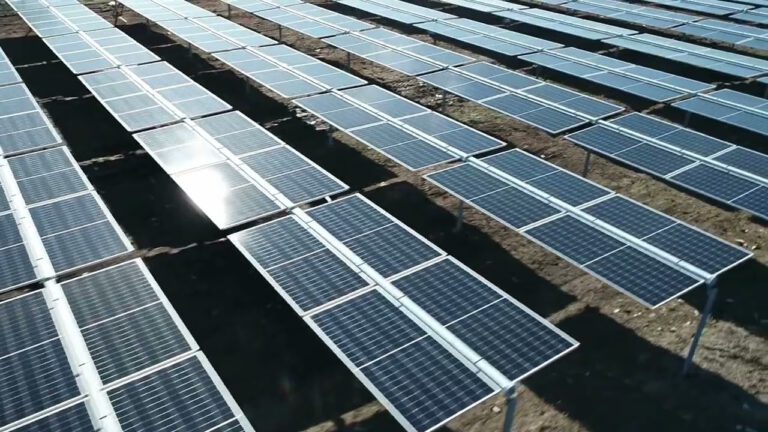
SolarGik’s trackers help maximize the rays of sunshine converted to power

Solar energy is becoming increasingly popular, but there are challenges to overcome. Suitable lands for solar panels are becoming scarce and expensive, and rising interest rates make it harder for solar projects to succeed. Even in desert areas, like what Brightsource confronted in the California desert, all animals and plants need to be protected as well. To address these challenges, developers are exploring non-traditional methods for solar installations.

In traditional solar setups, panels remain stationary in large fields throughout the day. However, solar trackers are special devices that optimize energy production. Trackers, made of metal pipes and tubes, move the panels to face the sun as it moves from morning to evening.

SolarGik stands out in the solar energy industry with its innovative solar trackers. These trackers are more advanced than traditional ones, according to the company, and offer exceptional performance. Their versatility makes them even more remarkable—they can be installed not just on the ground but also on rooftops, parking lots, greenhouses, and even over crops.

The demand for renewable energy is high, but outdated infrastructure, complex regulations, and the difficulty of finding affordable land near existing infrastructure poses obstacles. SolarGik understands the importance of financial viability and optimizes costs for materials, shipping, and onsite work, ensuring a profitable investment.

SolarGik’s primary goal is to make solar energy accessible and affordable for everyone while improving the quality of electricity worldwide. They achieve this by using advanced trackers and technology to maximize the potential of solar energy. Instead of limiting solar panels to flat fields, SolarGik places them in unconventional locations, expanding the reach of solar power and benefiting more people at a reasonable cost. This is their niche.

By continuously tracking the sun’s movement, solar trackers can generate 15 to 30% more energy compared to fixed panels. This increase in energy production has led many solar fields to adopt trackers, capturing more sunlight and producing electricity more efficiently.

SolarGik is a game-changer in the solar energy industry. Unlike other trackers, SolarGik’s solution can be installed on challenging terrains with slopes of up to 30% and irregular land shapes, eliminating the need for costly civil work and long-distance power transfer. The trackers are also incredibly lightweight, thanks to their innovative motion unit. This results  in a significant reduction in weight and cost compared to traditional options.

SolarGik’s trackers incorporate advanced software algorithms that enhance their performance. These algorithms enable the trackers to adapt to different angles, ensuring optimal energy production. Each panel’s angle can be adjusted individually, maximizing energy generation.

The trackers utilize satellite sensors and weather forecasting to respond to onsite changes, further optimizing energy output precisely. Their trackers effectively address issues such as shading and cooling, guaranteeing a higher overall energy yield. Additionally, these trackers feature shorter rows, providing flexibility in filling the landscape efficiently, resulting in less steel required and lighter trackers with thinner poles and a smaller, more affordable engine.

The motor used is a six-watt stepper motor, similar to those found in printers. In case of any issues, the motor can easily be replaced by unscrewing six screws. SolarGik’s innovative design ensures simplified maintenance and cost-effective operation.

SolarGik uses a supervisory control and data acquisition system (SCADA), a computer-based control system to monitor and control industrial processes and infrastructure. Energy, oil and gas, water and wastewater management, transportation, and manufacturing use SCADA systems. The SolarGik system, SOMA, connects and controls all essential components, thus, offering advanced monitoring, data collection, onsite optimization, and automated controls for efficient and profitable solar installations.

How does SolarGik compare to competitors?

Elisheva (de la Fuente) Sultan, the marketing manager at SolarGik, is in charge of branding and digital marketing at SolarGik. She explains this all to Green Prophet: “The cost of SolarGik’s trackers is 20 to 30% less than traditional options,” states Sultan. She continues to say there are no limitations to the types of solar panels that SoalrGik can use.

“On most solar fields, each piece of hardware usually has its own system to optimize that specific piece of hardware. Our SCADA system communicates with every hardware component, bringing all the information together into a centrally optimized decision-making system,” mentions Sultan.

They actively incorporate real-time weather and solar forecasting with grid data and crop data to support real-time decision-making and preempt and not just react to onsite conditions. “We’re incorporating multiple different hardware and software pieces, not just trackers,” says Sultan.

Other companies in this space from Israel include Doral and SolarEdge.

::Solargik


The importance of impact investing with Pitango’s Cecile Bilious

0
Cecile Bilious
Cecile Bilious leading impact investing at Israel’s largest venture capital fund, Pitango

What is impact investing? Impact investing, which is investment strategies that target companies or industries that produce social or environmental benefits, is essential for several reasons. It addresses social and environmental challenges while performing investments that promote social responsibility. It creates sustainable solutions while paving a word that unlocks innovation and entrepreneurship. 

Many studies show that impact investments are also giving better returns after a certain number of years. In short, they are the most resilient investments. ESG concentrates on a company’s environmental impact while yielding high returns. ESG is an acronym you will hear a lot in the impact space and it refers to a set of environmental, social, and governance standards that socially conscious investors use to select investments. The majority of businesses that engage in ESG investing have improved financial results. Financial performance is improved when investment decisions are made using ESG criteria.

Cecile Bilious, head of impact and sustainability at Pitango Venture Capital in Israel, works to integrate ESG and sustainable development goals (SDG) into mainstream venture capital. She is actively working to make impact investing more common and accessible in the VC world. Impact investments create paths towards a healthier planet and align values with investments.

Pitango, established in 1993, is Israel’s largest venture capital fund with over $2.8 billion under management.

Contrary to a popular misconception, many impact investments have demonstrated the potential for competitive financial performance while generating a positive impact. Cecile has been working passionately for the past 20 years to bring her vision of using technology to impact society and the planet positively. She tells Green Prophet: “Every investment we make and have made in the past we saw could make a major contribution to society or the planet,” says Cecile. She looks at her work as a holistic approach. She says her role in her career is to push the market forward to create as many solutions to as many challenges that humanity faces, environmentally or socially.  

How has the world of impact investing changed?

“I think if you spoke about impact ten years ago, social or environmental, people would look at you like you’re crazy. Like you’re on the fringe, and nobody knows what you’re talking about,” says Cecile. If a startup had an impact and wanted to get funded by mainstream investors, they most likely would not get supported if they spoke about their implications.

Cecile continued to explain that, to a certain extent, many VCs still need to be on par with the rest of the world regarding understanding the industry impact, but it is getting better each year. 

EarthX and a blueprint for sustainable investing

There is little time left to save the environment, and we must work fast. It is so vital that VCs push capital flows into ideas that can make a difference. Israel has shown tremendous potential to impact significantly because of the country’s entrepreneurial drive and funding mechanisms. 

Companies have started to know that technology can be a huge driver for change. This realization has led them to consider their role in making a difference.

“When we speak to entrepreneurs, these are intelligent people. Even if they have succeeded in building a gaming company or a cybersecurity company, suddenly you see that more and more second-time entrepreneurs don’t want just to set up another cyber company; they want to do a company that has an impact,” says Cecile. They are moving into healthcare, education, agriculture, and climate-related technology because these align with their values. It’s becoming more common to incorporate weights into the business model and make them an integral part of a company’s identity. 

In the past few years, there has been a shift in mindset. Now, when you present your impact-driven strategy in a boardroom seeking funding, everyone wants to invest in you.

The mindset around impact investments has changed from coming off as a liability to presenting itself as an asset. “It’s a good thing now to be able to speak about your impact and verbalize it and even quantify it for the SDGs (sustainable development goals) and just bring that to the table,” says Cecile.

People finally realize that we don’t have much time and need to address the social and environmental challenges facing humanity. They understand that technology can play a significant role in solving these challenges. 

“More and more mainstream VCs like us are starting to invest in climate-related or social-related companies,” says Cecile. The world is starting to move in the right direction, which is good news. However, it needs to happen faster, and that’s the downside.

What does Cecile look for when investing?

When investing, Cecile looks for investments that complement and align with each other. She believes in investing in various sectors such as mobility, climate cybersecurity, and healthcare, as each of these areas contributes to addressing the challenges faced by humanity. 

“You have to think about your investments as things that match with each other or blend with each other for example investing in mobility and investing in climate cybersecurity, healthcare, all kinds of things each one addresses a little bit of the challenges that we have as humanity and if you look at it as a generalist then it is not about one specific company that is going to change the world.”

She views investments as part of an ecosystem, considering what it takes to create companies that can effectively address these challenges. Cecile emphasizes the importance of providing support, funding, knowledge, and expertise to these companies, as well as facilitating access to markets. 

What now?

We’re running out of time, and if we don’t take more action quickly, we won’t have a plan for a better future by 2030. It’s crucial to encourage more investment in ideas that can truly make a difference, and that’s a positive trend. Israel has great potential to be part of this effort because we have the drive, the talent, the entrepreneurs, and the funding mechanisms in place. However, if our government continues on the current path for the past six months, it may create a situation where people are hesitant to invest in Israel. 

They might see it as unsafe, lacking transparency, and risky due to uncertainty around intellectual property protection, taxes, and payment regulations.

The world is slowly recovering, but in Israel, the government has caused a lot of problems in the past six months. There is a lack of trust and chaos in the legal system, and the support for the high-tech industry is uncertain. This has resulted in a decline in funding for startups. The number of new startups founded since the beginning of 2023 has been very low, and the amount of capital raised during these six months is unprecedentedly low. If the government continues with its current approach, there is a risk of losing the factors that made Israel a thriving hub for innovation.


Best Water Systems for the Home 

0
mayu water purifying system
Mayu is a home water enhancement system that enriches distilled water

Environmentally friendly water systems for the home are a must! They are extremely important for conservation of natural resources, protection of ecosystems, reduction of carbon footprint, health and safety purposes, and promote sustainable practices. Water systems minimize wastage to ensure responsible use of water in the home. With growing concerns of water scarcity in the Middle East, using water systems that prioritize sustainability are crucial.

Environmentally friendly water systems prioritize the removal of harmful contaminants while minimizing the use of chemicals that can have adverse health effects. By investing in these systems, homeowners can ensure that the water they consume and use for daily activities, such as bathing and cooking, is free from pollutants, toxins, and potentially harmful substances. This promotes better overall health and well-being for both individuals and the environment.

Here are some of the best at home water systems:

Reverse osmosis systems

Reverse osmosis (RO) systems are highly effective in removing contaminants, including bacteria, viruses, heavy metals, and chemicals. These systems use a semipermeable membrane to filter out impurities. RO systems typically consist of pre-filters, a membrane, and post-filters to ensure comprehensive purification. They are considered one of the most reliable and widely used water treatment systems for households.

Whole house filtration systems

Whole house filtration systems offer a comprehensive solution by filtering water at the point of entry into the home. These systems are designed to remove sediment, chlorine, chemicals, and other impurities from all water sources, including faucets, showers, and appliances

​​Ultraviolet (UV) disinfection systems

UV disinfection systems utilize ultraviolet light to neutralize harmful microorganisms like bacteria, viruses, and parasites in water. These systems are highly effective at destroying various pathogens without using chemicals, making them a safe and environmentally friendly choice. UV systems are often used in conjunction with other filtration methods to provide a multi-barrier approach to water purification.

Water softeners 

Hard water which contains high levels of minerals like calcium and magnesium could benefit from a water softener. Water softeners work by removing these minerals through a process called ion exchange, preventing scale buildup on plumbing fixtures, prolonging the lifespan of appliances, and improving soap lathering. Softened water can also have a positive impact on skin and hair, leaving them feeling smoother and less dry.

Carbon filters 

Carbon filters are an excellent option for improving the taste and odor of water. These filters use activated carbon to remove chlorine, volatile organic compounds (VOCs), and other contaminants that can affect the taste and smell of water. Carbon filters are often installed under the sink or attached to the faucet. 

In water-scarce countries, it becomes even more crucial to be mindful of our water consumption. The availability and accessibility of clean water are limited, making it imperative for individuals to recognize the importance of conserving this precious resource. By being conscious of our water usage habits, adopting water-saving practices, and investing in efficient water systems, we can play a significant role in preserving water.. Taking proactive steps to minimize wastage and promote responsible water consumption is not only essential for the sustainable development of these regions but also demonstrates our commitment to being responsible global citizens.

How to properly clean up from dinner mindfully

0

mindful cleaning after dinner

My mom is a composting and recycling enthusiast. When my family cleans up from dinner, we properly compost and recycle our food and materials. Every family can make an impact in their way.

Home composting

gabriel borochov make compost
A composter that is rolled by kids

Composting plays an essential role in our efforts to manage organic waste. Home composting is gaining popularity in countries like Israel, with many households adopting composting practices to reduce organic waste sent to landfills. You can compost through a few methods, such as backyard compost bins or, if you are feeling adventurous, worm composting (vermicomposting); home composting allows individuals to turn their kitchen scraps, yard trimmings, and other organic materials into nutrient-rich compost for their gardens or potted plants.

You can compost food scraps, except for meat and dairy products. You can dispose of it at home. You can get a subsidized home composter from the Municipality to help with composting.

With the subsidized home composter, you can throw your organic food scraps into it and cover them with dry materials like branches, leaves, or grass. The composting process turns the organic waste into high-quality fertilizer for your garden or somebody else’s.

Composting organic waste is a simple and effective way to reduce landfill waste and help the environment. It also eliminates the hassle of dealing with heavy, smelly trash bags. Plus, your plants will benefit from excellent fertilizer.

Recycling 

Each local government has its system for collecting and recycling waste. You must visit your Municipality’s website to know the specific color bins provided and the types of waste your area recycles. Refer to the chart below to understand which trash belongs in each color bin.

Figure out locally what material goes into what color bin. 

You can recycle various packaging materials like plastic containers for dairy products and salads, bags for dry food and snacks, metal containers, and beverage cartons, except for glass and cardboard.

What happens to each type of material?

Metal is recycled into raw material for the construction industry by companies that you will find locally.

Rigid plastic and plastic bags are converted into rubber sheeting for the construction industry at recycling plants.

Plastic bottles and beverage cartons are sent overseas for recycling. The plastic industry turns Plastic bottles into raw materials.

Important tip:

Remember only to discard empty containers in the recycling bins. Wet waste like food scraps or dirty diapers can harm the recycling process. Some countries like Canada accept diapers as organic waste and they go into the organic waste bin. Make sure to clean your containers thoroughly. And keep them sealed to keep out rodents and raccoons.


Why the Mediterranean Diet?

0
Mediterranean Diet, this is a salad
A Mediterranean Diet starts with a lot of salads

The Mediterranean diet is gaining popularity as a healthy and sustainable eating plan. Health professionals recommend it to individuals with chronic conditions like heart disease or high blood pressure to reduce the risks of heart disease, dementia, and depression. 

Our food choices have a significant impact on our physical and mental well-being, as well as our daily functioning. Adopting healthy and natural eating practices like the Mediterranean diet benefits both our bodies and the planet. 

What is the Mediterranean diet? 

A cactus fruit

The Mediterranean diet isn’t a strict diet plan but rather a way of eating based on the dietary traditions of Crete, Greece, and Southern Italy during the mid-20th century. They believed that a diet rich in fruits, vegetables, beans, nuts, whole grains, fish, olive oil, small amounts of dairy, and red wine offered extensive health benefits. 

The diet emphasizes healthy fats, with olive oil being a recommended primary fat source. It highlights other foods like avocados, nuts, and oily fish for their beneficial fats, particularly omega-3 fatty acids in walnuts and fish.

The Mediterranean diet suggests consuming fish at least twice a week, while people should consume poultry, eggs, and dairy products in smaller portions daily or weekly. Eating red meat is limited to a few times per month. 

fish and the med diet
Baked fish and avocado on toast is a good way to enjoy the Mediterranean Diet

A typical breakfast on the Mediterranean diet could consist of mashed avocado spread on whole-grain toast, accompanied by fresh fruit and a low-fat Greek yogurt. For lunch or dinner, a recommended meal might include a vegetable and grain dish cooked with olive oil and seasoned with herbs. This could include roasted root vegetables, leafy greens, a side of hummus, and small portions of pasta or whole grain bread. As a source of lean protein, grilled fish is often suggested.

The diet encourages water as the primary beverage, with moderate consumption of wine allowed during meals. 

The ultimate hummus recipe

According to a Harvard nutrition study the Mediterranean diet effectively reduces the risk of cardiovascular diseases and overall mortality. For instance, a study involving nearly 26,000 women found that those who followed this diet had a 25% lower risk of developing cardiovascular disease over 12 years.

Similarly, a meta-analysis of 16 studies with over 22,000 women showed that individuals with the highest adherence to the Mediterranean diet had a 24% lower risk of cardiovascular disease and a 23% lower risk of premature death than those with insufficient compliance. Sustainability has become a significant focus of the food discussion, particularly concerning climate change and food security. Researchers, farmers, and policymakers are seeking effective ways to feed the growing global population of 9.7 billion by 2050. 

In what ways is the diet personally and environmentally sustainable?

The diet conserves water by choosing less water-intensive foods like whole grains compared to beef. Fruits and vegetables are also more water-efficient choices  It also conserves land by reducing reliance on agricultural land for animal-based products. 

The Mediterranean diet decreases the need for fertilizers by incorporating nitrogen-absorbing legumes like chickpeas. Legumes such as beans, lentils, and peas, decrease fertilizer requirements and enrich the soil when decomposing, benefiting subsequent crops. This sustainable process allows pulses to be grown eco-friendly and reduces the resources needed for other Mediterranean diet staples like whole grains, fruits, and vegetables. 

The Mediterranean diet is personally sustainable because it offers an enjoyable eating experience. It includes delicious foods, promotes physical health, and encourages mindful consumption. While following this eating pattern can lead to weight loss and improved health, it primarily involves adopting a long-term lifestyle change with sustainable benefits!


Shopping Mindfully on Amazon

0

shopping on Amazon with the planet in mind

Online shopping has become increasingly popular, with platforms like Amazon offering convenience and a wide range of products at our fingertips. However, as conscious consumers, it is important to shop mindfully and consider the ethical and sustainable aspects of our purchases. 

Why to shop mindfully

The rapid production of clothing in the fast fashion industry requires a substantial amount of raw materials, leading to a considerable accumulation of waste, pollution, and harm to the environment, including air, water, and wildlife habitats.

Research the Seller:

Before making a purchase, take the time to research the seller. Look for information regarding their commitment to ethical and sustainable practices. Check if they have certifications like Fair Trade, Organic, or B Corp, which indicate a commitment to social and environmental responsibility. The Butterfly Mark is a new certification for luxury goods. Or maybe they are running a small business from home making the goods locally. 

Consider Product Origins:

When browsing products on Amazon, pay attention to where they are manufactured or sourced from. Search for products that are locally produced or made in countries with strong environmental and labor regulations. Choosing products that minimize long-distance transportation helps reduce carbon emissions and supports local economies.

Read Product Descriptions:

Carefully read product descriptions to gain insights into the materials used, manufacturing processes, and any sustainability claims. Look for keywords like “recycled,” “organic,” “sustainably sourced,” or “eco-friendly.” Also look for ways they back up these claims without greenwashing.

Check for Sustainable Packaging:

Packaging waste is a substantial environmental concern. Look for products that are shipped with minimal packaging or packaging made from recycled materials. Some sellers offer sustainable packaging options, such as biodegradable or compostable packaging. Consider consolidating orders to reduce the number of individual packages and minimize waste.

Evaluate Product Durability and Quality:

Mindful shopping involves considering how long the products will last as well as the quality of products. Choose items that are built to last, reducing the need for replacements. Read customer reviews to understand the durability and reliability of the product. Investing in higher-quality items not only reduces waste but also saves money in the long run. 

Support Socially Responsible Brands:

Support brands that prioritize social responsibility and treat their workers fairly. Look for companies that follow ethical labor practices, provide safe working conditions, and pay fair wages. Look out for  sellers on Amazon that explicitly mention their commitment to social causes or fair trade practices in their product descriptions.

Utilize Amazon’s Sustainability Features:

Amazon has implemented sustainability initiatives, such as its “Climate Pledge Friendly” program and “Compact by Design” certification. These labels identify products that have lower carbon footprints and are designed to be more efficient in terms of packaging and shipping. Take advantage of these features to find more sustainable options.


Making DIY Sugar Wax!

0
sugaring is an ecological way for shaving your legs
Sugaring is an ecological way for shaving your legs

Save money and make yourself sugar wax at home with only three ingredients. All you need is granulated white sugar, water, and lemon juice. Sugar wax is less painful than traditional hot waxing because it does not remove hair follicles. Sugar wax is an excellent alternative for people with sensitive skin. 

My roommates and I decided to try sugar waxing, and to our delight, we successfully pulled it off using ingredients readily available in our apartment. The experience turned out to be enjoyable and surprisingly efficient. In just 30 minutes, we completed the entire process, saving both time and money compared to visiting a salon.

Not only was the home sugar waxing less painful than a salon treatment, but it also left our skin feeling incredibly smooth and with a delightful fragrance. Overall, it was a fantastic and rewarding experience that we would definitely repeat in the future.

Sugar wax originates in the Middle East and is fully biodegradable ! Though the exact origin of sugaring is hard to determine, most historians concur that this ancient hair removal method was already in use during the old civilizations of Mesopotamia, Egypt, and Greece around 1900 BCE.

It was known as “sukkar” in the Middle East and “moun” in Persia. Since sugar was limited to the regions near Persia until 1,000 after CE honey served as the primary sugaring agent to create the waxing paste during that era.

Is sugar wax better than regular waxing?

Sugar wax is made of ingredients that break down easily when thrown away. Synthetic waxes are not biodegradable and are more harmful to the environment. 

Sugar wax can be made at home and uses inexpensive and common home ingredients instead of visiting a salon or using cosmetic waxing kits found at the store. 

Ingredients 

  • 1 cup (200 g) granulated white sugar 
  • ⅛ cup (30 ml) lemon juice
  • ⅛ cup (30 ml) warm water 

Making your sugar wax

natural, recipe, sugar wax, beauty, arabic, health, ancient

Put a medium-sized pot on your stove and add white sugar, lemon juice, and warm water. 

Mix frequently and bring the mixture to a boil over high heat.

Turn the heat down to medium once the mix is boiling and bubbling. If the blend keeps bubbling, turn it down to low heat. 

When the mix becomes golden brown, remove the pot from the stove. Continue to mix the golden brown mix until it becomes smooth and has a deep brown color. 

The consistency should resemble hot syrup; if it appears thick, like honey, it must be heated for longer.

Pour the mix into a bowl or a jar and let it cool for 30 minutes. Sugar wax should be used at room temperature, unlike traditional hot wax.

Applying your sugar wax

sugar wax persian

Scoop a small amount of warm wax with your fingers and roll it into a ball. 

Put the wax onto a small skin area opposite to hair growth. Spread the wax to create a layer that is about 0.6 cm thick. Work on small sections, limiting their length and width to just a few inches. 

Pull!

Swiftly remove the wax in the opposite direction of hair growth, similar to pulling off a bandage. Make it quick to limit the pain. There is an option to apply paper strips on top of the wax to smooth it out and pull it off.

Apply the wax in small sections until finished. 

All leftover mix can be refrigerated and used at a later time. Use it within 4 to 5 weeks. 

Prepping your skin for sugar wax

  • Wash your skin with soap and water and use warm water to open your pores and to risk your chance of infection
  • Exfoliate up to two days before waxing to make the sugar wax stick better 
  • Moisturize the night before, not the day off, because you want to wax with clean skin

Post-wax aftercare

  • Moisturizer with natural oils, body butter, or serum to keep your skin soft and avoid ingrown hairs
  • Wait two days to exfoliate again to prevent ingrown hairs and continue to do so every 2-3 days
  • Do not use products that might irritate your skin

Risks of sugaring

Sugaring when done correctly does not have a lot of risks. People who have sunburns in areas they want to wax or have moles, warts, or varicose veins in places they want to wax should avoid waxing in total. Also people with preexisting skin conditions should speak with a doctor before sugaring. 

Any type of waxing presents risk of side effects such as It is also worth noting that any form of waxing can cause side effects such as:

Ingrown hairs: When hair grows back and curls back into the skin, causing raised and itchy spots.

Folliculitis: Inflammation in hair follicles, leading to tender bumps on the skin. It can occur anywhere on the body where hair grows, either on the surface or deep within.

Post-inflammatory hyperpigmentation: Darkening of the skin after an injury. Even though sugar waxing is gentler, it can still cause some skin trauma, resulting in inflammation and possible discoloration. People with darker skin tones are more likely to experience this.

Infection: If sugar waxing is done incorrectly or with poor hygiene of the waxing tools and area, it can lead to skin irritation and infection.


10 ways to lower your personal carbon footprint

Nana Estate winery in Israel
Take a wine tour. It’s sustainable!

As you probably have heard, climate change and global temperatures are on the rise. Our carbon sinks like the forests in Canada are burning and there is no time to put this beside us. The human-induced temperature change from the burning of fossil fuels has been heating the planet at an alarming rate.

The latest report by the IPCC has declared the expected rise in global temperatures will be 1.5°C above pre-industrial levels. Each decade, temperatures have been increasing by 0.08°C since 1880. These catastrophic measurements are only getting worse and can be reflected in society’s carbon footprint.

Your carbon footprint is measured by the amount of carbon dioxide your everyday life emits into the atmosphere. Actions like eating meat, driving cars, and using a lot of water and electricity increase your carbon footprint. Luckily, there are many ways to reduce our carbon footprint and take hold of climate change.

Today, I will share with you 10 tips that you can do today to reduce your carbon footprint.

Take the bus, walk, bike, skate or scooter

This one is especially easy if you live in a city. In Tel Aviv, using public transportation is also the easiest way to get around. The bus system is extremely convenient and buses leave from so many spots every couple of minutes. There are also many apps that you can download to easily find out where the buses are, how long it will take and it will map out your entire trip. In addition, Middle East cities like Istanbul and Tel Aviv are walkable cities and should be taken advantage of.

picture of a person on a bike

Unless it is in the midst of summer, when the weather is nice, walking is a great way of getting around and is a great way to get in some exercise. Another cool feature of Tel Aviv is the scooters that can be found all throughout the city. Tel Aviv is designed for bikes and scooters, with lanes everywhere designated only for users. They are eco-friendly, easy to use, and go fast, so you can always count on one to get you places.

Try going vegan for a day

VioLife 100% vegan mac and cheese
100% vegan mac and cheese

Have you ever tried to go vegan? Going vegan is pretty easy now a day, and is definitely something everyone should try if they haven’t. Even just for one day, going vegan cannot hurt you. In fact, going vegan is good for you because it promotes a healthier diet full of fruits and vegetables.

According to a study done by the University of Oxford, going vegan can reduce your carbon footprint by up to 73 percent. Even if you are a big meat person, there are tons of alternatives to meat that taste similar to real meat that can be picked up at your local grocery store.

Turn off the lights before heading out

A sustainable light made from buttons

This one is so simple yet so many people forget to do it. Turning off lights, appliances, and AC units before heading out for the day is extremely important when trying to reduce your carbon footprint. In Israel, electricity generation is responsible for 53 percent of greenhouse gas emissions. Therefore turning off lights will vastly reduce the need for electricity generation until we can switch to electricity generation primarily from renewable sources. It also reduces your electricity bill, and according to The Department of Energy can reduce your electricity bill by $10 a month.

Use a reusable water bottle, don’t buy a plastic one

picture of a reusable water bottle

This one I am proud to say I greatly take part in. I have probably bought 3 plastic water bottles this entire year. I carry my reusable water with me everywhere I go. I personally use a Hydro Flask, which carries 32 fl oz of water and has a straw and a handle to carry it, but any reusable bottle will do. I also suggest getting one that is insulated so that your water can stay cool in the heat of the summer. Especially living in Israel, it is convenient to carry around a reusable water bottle because it is safe to drink the tap water.

Cook and pack your lunch for the day

Tebha can save your life. This Libyan dish was prepared by Mia Schem as a way to keep the Hamas terrorists keeping her in Gaza both calm and happy.
Tebha can save your life. This Libyan dish was prepared by Mia Schem. It’s a one-pot tbeha dish that can feed you for days. 

Cooking from home is not only better for the environment, but is also typically better for you. This way you know what you are consuming and don’t risk consuming things that were badly sourced. Pick up some reusable containers or thermos and pack your lunches for the day. This reduces the amount of waste that is generated from eating out and it also saves you money.

Shop locally

Hila Gadidi, spice shop Levinsky Market
It’s rare for a Middle East spice market to be women-owned and run. But this Persian woman defies market logic in Tel Aviv. Meet the spice witch of Tel Aviv at Tavlinsky.

This one is one that people often forget about and how much better it is overall. Instead of driving a farther commute to a large supermarket, see if there are local farmers’ markets in your area. Not only do farmers’ markets have higher-quality produce, but they are also fun to check out and are locally sourced. Many stands at farmers’ markets are also small businesses, so it’s always good to support them. F

or clothing shopping, try checking out your local thrift store. Buying online or in large chain stores in shopping malls is fast fashion and is very bad for the environment. Thrift stores often have very unique items and are better for the environment because it is used clothing and typically at a much lower price.

Go through old clothes and donate them

A fun activity you can do today if you have some free time is to go through your closet and pick out things you no longer need. I’m sure there are tons of items in your closet that you no longer wear and have forgotten about. Instead of just throwing them away, find your closest donation site and donate them to people who need it. You can even upcycle your clothes if you’re into fashion and create it into something new. You can also try selling your old clothes online or having garage sales.

Hang your clothes on the drying rack

instanbul clotheslines
A clothesline in Istanbul, a city known for its second hand clothing shops

Did you know that a dryer can generate 2 to 6 kilowatts of electricity per hour? This is a massive amount of electricity and can be avoided by using a drying rack. It is also better for your clothes as dryers often shrink your clothes and is bad for the fabric.

Take a shorter shower (together?)

shower blue, woman, water sprinkling, sustainable shower

Try taking a shorter shower today. The average American uses 17.2 gallons of water in an eight-minute shower. You should look into buying a low-flow showerhead or a filtered showerhead to reduce pollutants to your skin and body.

Also, stop taking baths. Not only is it unsanitary, but it also wastes a massive amount of water. According to the U.S. Environmental Protection Agency (EPA), a full bathtub requires about 70 gallons of water. Save more water by not shaving – try growing a unibrow or your leg hair out for Januhairy.

Take the stairs

Dictaphone Group Beirut

Lastly, if you are able, take the stairs. Especially if you live on the second, third, or fourth floor, it is better to take the stairs. The elevators go up and down all day long, constantly wasting tons of electricity. Taking the stairs is quick, good exercise, and safer. Take the stairs because there is always the chance of getting stuck in an elevator.

​​​​​​4 Fun Crafts to Reduce Waste

0

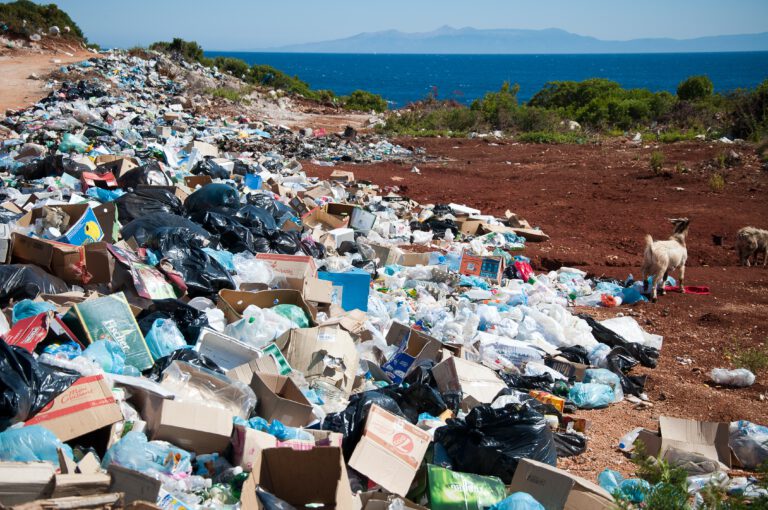
picture of a landfill

Did you know that humans produce 2.6 trillion pounds of trash per year? Waste is one of the many significant problems that is damaging our environment. Pollution, whether it’s in the air, water, or soil, each pollution holds an equal and tremendous hazard to people, land, animals, and the entire ecosystem. While air and water pollution are more difficult for an individual to control, the daily garbage waste that an individual creates is easier to control. While recycling, not using plastic, and composting are great ways to help reduce waste, it is not incentivizing enough for all people. Therefore, I will tell you some ways in which you can reduce your waste, but in a fun way.

Repurpose old bottles and cans

How often are you constantly discarding your used toiletry bottles? Make use of your old, shampoo, conditioner, or any bottle and cut the top off and use it for anything. There are so many things that just lay around without a place and this is an easy and effective way to organize your items. You can also paint and decorate the bottles after you cut the top off. Keep your pens, makeup brushes, or cooking utensils in these and you will feel much more organized in an environmentally friendly way.

pictures of pencils in a jar

Candles from old jars

Making candles is super easy and always looks great. All you need is a wick, wax, and some scissors. Take your old jar and stick the wick to the bottle of the jar with a piece of tape.

CreatCreaMelt wax on the stove and then pour it into the jar, making sure to hold up the top of the wick. Fill it to the top keeping some of the wick above and that’s it! You can even add some fragrance and essential oils to the melted wax if you like a scented candle. Another easy one is the orange peel candle.

https://www.greenprophet.com/2016/10/the-orange-peel-candle-a-how-to-guide/

picture of a candle

Vase from plastic or glass bottle

This one is a great alternative to buying a vase, is good for the environment, and can be created into however you’d like it. Buy a bunch of colorful gems and decorate the outside of the bottle, or paint the bottle with fun designs and artwork. However you like your art to be, do it on a bottle. Then, cut the top of the bottle off, or leave it as is and put some flowers in it. Or how about making a mini vase you can wear with a tiny boutonniere.

picture of flowers in repurposed cans

CD art

Have a ton of old CDs just lying around? Instead of throwing them out, make some fun art out of them. Just grab a bunch of acrylic markers or paint and get creative!

Oil drilling near the Great Amazon Reef System would wipe out mangroves

0
Mangrove forest in the Amazon

The world is up in arms about the new frontier in mining – deep sea mining for minerals like lithium and gold from virgin seafloors around the world. Prospectors say that the growth of electric cars has left us no choice as the batteries need lithium and other rare metals to function. But mining for oil at sea has been ongoing for decades. Offshore drilling began in America in the 1880s and the damage of oil exploration at sea is only too well known after great oil spills.

Now a Brazilian petrochemical company called Petrobras wants to drill exploratory oil wells in the ocean near the mouth of the Amazon. Scientists worry if the plan gets approved, inevitable oil leaks could damage nearby ecosystems, including a vast reef system and the second-largest mangrove forest in the world. Little is known about the reef, so “a comprehensive evaluation of the risks from oil and gas exploitation is currently impossible”, says marine ecologist Rodrigo de Moura in a new Nature article.

His colleague concurs: “There’s a palpable risk of an oil spill if activities proceed — the fact it is an exploratory well for studying the region’s potential for deep-sea oil doesn’t exempt it from accidents,” says Carlos Rezende, a marine biologist at the State University of Northern Rio de Janeiro in Campos dos Goytacazes, Brazil.

In defense, Petrobras said it will not be endangering delicate ecosystems, “there is no record of any nearby conservation units, nor is it located near rivers, lakes, floodplains or reef systems” they wrote, but the scientists familiar with the region know that the Great Amazon Reef System is only about 40 miles away and any oil spill or leakage will easily travel that distance.

Oil prospecting: Map showing the location of a possible exploratory oil well just beyond the Great Amazon Reef System.

Source: Nature

Studies suggest that the reef that the reef somewhere between 9,500 and 56,000 square kilometers across the mouth of the Amazon River. When it was first described by scientists in the 1970s, the researchers then did not observe any impressive range of biodiversity. But recent studies found an ecosystem with corals, sponges and fish.

“It is huge, and it is sensitive,” says Ronaldo Francini-Filho, a marine ecosystems researcher at the University of São Paulo in Brazil. “And we don’t know even 5% of what’s down there.”

Brazil has other megaprojects in the Amazon region that are under debate including the repaving of a highway that would pass through a preserved rainforest, the construction of a major railway for grain transport and the renewal of a giant hydroelectric dam’s license. Countries in South America were easy to exploit in the past but with environmental awakening and the understanding of a country’s need to protect their assets, citizens are expecting more from their leaders who will need to make tough decisions.