Home Blog Page 99

Marine ecosystems in danger: what is deep sea mining?

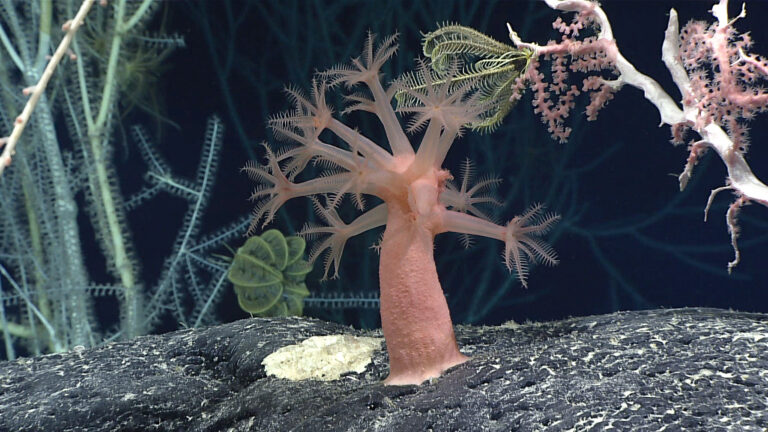
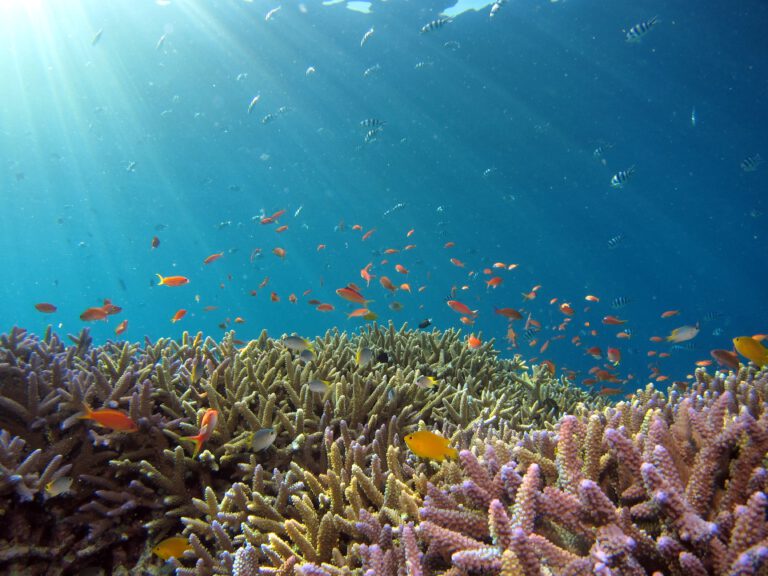
Picture of an ocean ecosystem

Earth’s oceans cover over 70 percent of the planet’s surface and hold more than 1.3 billion cubic kilometers of water. Inside these vast waters inhabitants over 236,878 marine species, but likely way more as we have only explored 20 percent of the oceans. Today, we estimate that the ocean is roughly 11,000 meters at its deepest point.

Just like any other ecosystem, it is imperative to protect the numerous species that inhabit the deep sea. Deep sea mining is now threatening these species due to the discovery of rich minerals such as cobalt and lithium that can be found in seabeds.

The International Sea Bed Council has already put in approval of plans for work as early as September. Luckily, the DSCC is working amongst other NGOs to stop companies from committing these devastating ocean effects.

There are three types of mining that are in the plans to take place. Polymetallic nodules from the abyssal plains, cobalt crusts from seamounts, and polymetallic sulphides from hydrothermal vents. These underwater areas are rich in biodiversity and threatened to be destroyed if the mining takes place. Since much of the ocean has not been explored, we don’t know the severity of the mining, and can be more destructive than we expect.

This is why it is so important to get on board with the DSCC, fisheries, and law and policy enforcement to ensure that permits do not go out to allow this mining. According to the DSCC, scientists have warned us that the impacts of deep-sea mining are inevitable and most likely irreversible.

“The last thing we need is deep sea mining digging ourselves into a deeper hole,” says Louisa Casson at GreenPeace on a conference call Green Prophet joined recently.

The risks that deep sea mining imposes are numerous: The disturbance of natural seabeds and ecosystems creates plumes of sediment that can threaten species’ habitats and threaten extinction. Plumes can also be created through the deposit of wastewater in the mining process that can spread hundreds of square kilometers. It also generates a lot of noise pollution which greatly disturbs species.

According to a study released by Green Peace, the noise pollution that deep sea mining creates can disrupt whales’ ability for frequency navigation, communication between breeding partners, and communication between mothers and calves. And with these frequencies operating 24 hours a day, there is significant detrimental harm to species of whales for the long haul.

picture of whales swimming in the ocean

“Seabed mining is not a climate solution, it’s a potential climate disaster,” said Bobbi-Jo of The Ocean Foundation on the same call we jumped in on meant to bring journalists up to date with the latest research. With the goal of seabed mining being to provide cobalt and nickel to the EV electric vehicle industry, seabed mining is not going to help these industries much because lithium is most important to this industry for its batteries and is not found in large quantities in the polymetallic nodules of ocean beds. For this reason, seabed mining would be disturbing the sea floor and the marine ecosystems unnecessarily.

Seabed mining can not be marketed as a climate solution because it does not make mining on Earth any less. Although seabed mining may take away from mining on land, it shifts it to mining underwater and further disrupts the earth’s surface, just now underwater.

This makes people think that we are finding solutions to climate issues on land, but they are just moving it underwater where people can not visibly see the damage.

The Canadian company The Metals Company or TMC is a leading proponent of seabed mining. TMC has been called out numerous times because they have put out misleading statements to investors. The company has had two class action cases after failing to disclose information and downplaying reality. They make themselves look like they are doing good work for the metals industry, when in actuality they are heading towards massive blocks from moratorium and difficulties financing their commissions.

Fortunately, countries all over the world are coming together to address and moratorium deep sea mining. “We are seeing a coalition of countries from the Pacific, Latin America, and Europe all making statements,” said Casson from GreenPeace. There is cross-regional support for a moratorium on deep sea mining as statements are being released and a silent majority were against deep sea mining. Governmental and NGO officers showed overwhelming support for the moratorium. Specifically in France and Germany, governments were for deep-sea mining, but as evidence was released that proved the destructive effects of deep-sea mining, these countries turned around and decided there was no future for deep-sea mining.

It is in the hands of activists, NGOs, and others to speak up against deep-sea mining and continue to push for a moratorium on deep-sea mining. As long as we continue to push these scientific facts globally, we can convince nations all over the world to a global moratorium. Deep sea mining is destructive to marine ecosystems and cannot be allowed in any way, shape, or form.
The Dead Sea is Shrinking

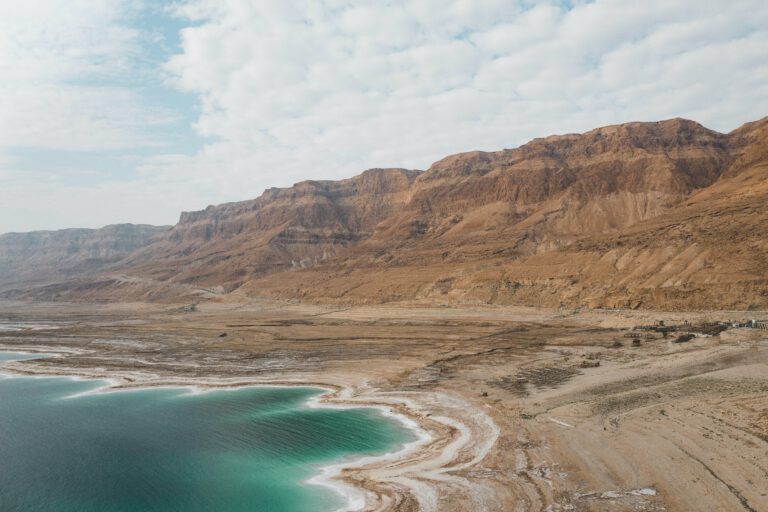
Picture of the Dead Sea

While I was on my 10-day Taglit Birthright Israel trip, I had the opportunity to go to the Dead Sea, and it was one of my favorite places I have ever been to. It was like no other place I’d ever seen. It was so beautiful, it felt like I was in a dream. Floating in the Dead Sea was magical, and the color of the water with the mountains in the background was unreal. This gem of Israel is by far the highlight of any trip to Israel and I hope to return again soon.

The Dead Sea is the lowest point on Earth. It is the saltiest water body on the planet, with a salt concentration of 36 percent, so salty that no life can live in this sea except for some rare form of bacteria. When you go swimming in the sea, you float entirely. It borders Jordan and Israel and is the world’s most unique and extraordinary phenomenon, holding great historical and religious significance.

picture of a man floating in the Dead Sea

Unfortunately, the Dead Sea is shrinking, and at an alarming rate. According to EcoPeace, a trilateral water protection org working between Israel, the Palestinian Authority and Jordan, the Dead Sea is dropping by more than one meter every year. This catastrophic event is in need of urgent matters as the disappearance of the Dead Sea would cause a multitude of problems. Already of which is the issue of sinkholes, which is caused by the salt deposits that dissolve underground and cause massive craters in the earth’s surface.

There are two significant reasons why the Dead Sea is shrinking, and it’s entirely man-made that has little to do with climate change. Water flows from the north, into the Sea of Galilee, down the Jordan River, and eventually makes its way into the Dead Sea. However, this process is being disrupted.

First off, no freshwater is coming from the Jordan River. This is because tributaries are being blocked and Jordan and Israel are diverting the water between the two of them. Oded Rahav, an expert on the Dead Sea and the founder and CEO of the Dead Sea Guardians organization, said only 8 percent of the water flows down the Jordan River to the Dead Sea. The rest of the water is getting pulled out so it never reaches the Dead Sea. This diversion of water from the Jordan River began in the 1960s when surrounding countries learned they can access freshwater from this flow. However, this process now is entirely unsustainable and urgently needs to be discontinued.

The second reason is due to dead sea factories extracting minerals. Both Israeli and Jordanian mineral factories are contributing to this problem (I wrote about the issue of resource management between countries in my article about why international environmental law is an important career). Companies like the ICL, for example, mine the dead sea for minerals because the Dead Sea is rich in minerals such as potash, bromine, sodium chloride (salt), magnesia, magnesium chloride, and metal magnesium.

Another company, The Dead Sea Works, is vastly contributing to mineral extraction from the Dead Sea, which people like Gidon Bromberg from EcoPeace are working to stop. These detrimental human activities are profitable yet unsustainable. This mineral extraction is largely intensifying the rate of evaporation in the Dead Sea and therefore contributing to its shrinking.

Other contributors to the Dead Sea shrinking include evaporation in the summertime and increased temperatures due to climate change, but as I mentioned before, diversion and mineral extraction are the most significant reasons for the Dead Sea shrinking.

These losses are causing great damage to the landscape around the Dead Sea. “Every three days we are losing one centimeter,” Rahav told Green Prophet. These losses from the Dead Sea are risking the formation of sinkholes. Sinkholes are vast and expansive, roads are falling through, and people’s livelihoods are at risk.

Alison Ron of the Ein Gedi Kibbutz feels saddened as she watches the Dead Sea shrink away each and every day. “The Dead Sea has character” she vocalized. “It’s hard watching something you grew up with sink away”. As sinkholes continue to pop up as the years go on, it is no longer an issue that can be ignored. This is the world’s greatest, most present issue to date that will be the first thing to go. Sinkholes are now forming rapidly. Over the past 40 years, there have been more than 8,000 sinkholes have formed and they are dangerous.

Luckily, there is hope. Organizations such as EcoPeace and The Dead Sea Guardians are rising up to come up with solutions. “So much of the rest of the Middle East is so unstable for various reasons that the water crisis further feeds that instability and could be the spark for a further internal uprising,” say’s Gidon Bromberg of EcoPeace, while he deals with a number of climate crises in Israel and the Middle East.

Some actions that EcoPeace is taking in regards to the Dead Sea is registering the Dead Sea as a UNESCO World Heritage Site. This way, the Dead Sea would enlist requirements for sustainable practice and promotes regional cooperation in surrounding countries. Another EcoPeace plan of action is to rehabilitate the water that was lost and divert it back to the Jordan River. EcoPeace also aims to grant a public trust obligation to any company that wants to extract minerals from the Dead Sea. This would regulate mineral extraction in order to best preserve the sea.

Similarly, The Dead Sea Guardians is working to revive the Dead Sea through the Israeli government. The Dead Sea Guardians is trying to get the Israeli government to implement policies that would one, return water back to the Sea of Galilee and the lower Jordan River, and two, provide a framework to mineral extracting companies that would limit their volume of evaporated water that is done in their production methods.

While there are extraordinary companies working long and hard to stabilize the Dead Sea and return it to its original state, it is important that we continue to urge attention to this critical issue. There is no time to wait and this issue will not fix itself. The Dead Sea is remarkable and needs to be preserved for the rest of time.

How To Set Up A Green Business

0
sustainable note taking, hand and watch notebook
Plan well when setting up a sustainable business. Efficiency is key.

In a world increasingly concerned about environmental sustainability, setting up a green business has become a compelling choice for entrepreneurs. With the recognition of why going green is important for businesses, a green business focuses on minimising its ecological impact while maximising its positive contribution to the environment. By embracing renewable energy and sustainable practices, these businesses not only benefit the planet but also tap into a growing market of eco-conscious consumers. In this article, we will explore the essential steps and concepts involved in setting up a green business.

Why Green Businesses Are Important

Green businesses play a crucial role in addressing environmental challenges and fostering a sustainable future. By adopting environmentally friendly practices, these businesses contribute to reducing greenhouse gas emissions, conserving resources, and minimising waste. They demonstrate a commitment to responsible corporate citizenship and serve as role models for other industries. Additionally, green businesses can enjoy financial benefits, such as cost savings through energy efficiency measures and access to incentives and grants for renewable energy projects.

Green Business Concepts Explained

Before diving into the process of setting up a green business, it’s important to understand key concepts that underpin the green economy. Here are some fundamental terms you should be familiar with:

  • Carbon Footprint: This refers to the total amount of greenhouse gases, mainly carbon dioxide, emitted directly or indirectly by an individual, organisation, or product. Green businesses aim to reduce their carbon footprint through energy efficiency measures, renewable energy adoption, and carbon offsetting initiatives.
  • Renewable Energy: Renewable energy sources, such as solar, wind, hydro, and geothermal power, are derived from natural resources that replenish themselves over time. Green businesses prioritise the use of renewable energy to reduce dependence on fossil fuels and promote a clean energy transition.
  • Waste Management: Green businesses implement efficient waste management strategies to minimise waste generation, increase recycling rates, and reduce the overall environmental impact of their operations. This includes proper disposal of hazardous materials and the adoption of circular economy principles.
  • Eco-friendly Products/Services: These are goods or services designed and manufactured with a focus on environmental sustainability. Green businesses offer eco-friendly alternatives that minimise resource consumption, reduce pollution, and have a lower ecological footprint.

Going Green Beyond Regulatory Requirements

While regulatory compliance is crucial for any business, going green should extend beyond meeting minimum requirements. Green businesses proactively seek opportunities to implement environmentally friendly practices, even when not legally mandated. By doing so, they position themselves as leaders in sustainability, attracting eco-conscious customers and gaining a competitive edge in the market.

To go beyond regulatory requirements, businesses can:

  • Conduct a Sustainability Assessment: Evaluate your business operations to identify areas where sustainable practices can be integrated. Assess energy usage, waste generation, and supply chain processes to pinpoint opportunities for improvement.
  • Implement Energy Efficiency Measures: Invest in energy-efficient equipment, conduct regular energy audits, and educate employees about energy-saving practices. Simple actions like switching to LED lighting or optimising heating and cooling systems can yield significant energy and cost savings.
  • Engage Stakeholders: Collaborate with employees, customers, suppliers, and local communities to raise awareness about sustainability issues and encourage sustainable behaviour. Engaging stakeholders fosters a culture of sustainability and promotes collective action.

Corporate Structures Suitable for Green Businesses

Choosing the right corporate structure is crucial for establishing a green business. SFM Corporate Services, for instance, offers valuable expertise in this area. They are a pioneering force in the corporate services industry, demonstrating their commitment to environmental sustainability as a net-zero company. SFM sets an example for other global corporate service providers by actively reducing carbon emissions and contributing to the mitigation of climate change.

captura carbon sequester
Carbon capture from the sea, Captura

There are various options available for green businesses, each with its own unique advantages and considerations. Some common structures suitable for such endeavours include:

  • Limited Liability Company (LLC): An LLC provides limited liability protection for its owners while allowing flexibility in management and tax treatment. It is a popular choice for small to medium-sized green businesses due to its simplicity and adaptability.
  • Benefit Corporation (B Corp): B Corps are for-profit companies that meet strict social and environmental standards. They are legally bound to balance their profit-making objectives with a commitment to sustainable practices and social impact. B Corp certification demonstrates a business’s dedication to the triple bottom line: people, planet, and profit.
  • Cooperative: Cooperatives are member-owned enterprises that prioritise democratic decision-making and equitable distribution of benefits. Green businesses seeking a participatory and community-oriented approach may consider this structure, which aligns well with sustainable values.

Sustainability and Sustainable Supply Chain Management

Sustainability is at the core of every green business. It involves adopting practices that meet present needs without compromising the ability of future generations to meet their own needs. In addition to reducing environmental impact, sustainable businesses consider social and economic aspects, creating a balanced approach to long-term success.

One critical aspect of sustainability is supply chain management. Green businesses aim to source materials and services from suppliers that uphold environmental and social responsibility. By partnering with like-minded suppliers, businesses can ensure that their entire supply chain adheres to sustainable practices, reducing the overall ecological footprint of their operations.

Innovation and Impact Companies

H2 Clipper says large electric airships lifted and powered by green hydrogen stand ready to transport massive cargo loads over enormous distances.

Innovation plays a pivotal role in the success of green businesses. By harnessing technological advancements, businesses can develop innovative solutions that address environmental challenges. From renewable energy technologies to waste reduction strategies, innovation drives sustainable progress.

Additionally, impact companies are emerging as a powerful force for change. These are businesses that prioritise generating positive social and environmental impacts alongside financial returns. Impact investing and social entrepreneurship are key components of the green business landscape, attracting investors and consumers who value purpose-driven initiatives.

It’s Time To Take The Next Step

Setting up a green business requires careful planning, a deep understanding of sustainability principles, and knowledge of relevant legislative requirements. To navigate the complexities involved, it is advisable to seek the expertise of a reputable corporate services company. Such companies possess in-depth knowledge of various jurisdictions and can provide invaluable guidance on legislative and regulatory compliance, as well as advice on the best jurisdictions to establish specific company types.

By setting up a green business, you not only contribute to a more sustainable world but also position yourself at the forefront of the growing green economy. Embrace renewable energy, prioritise sustainable practices, and let your business thrive while making a positive impact on the planet.

The EU’s new Deforestation Regulation is a Game-Changer

0
acid rain forests bounce back, sweet woman in the forest
Forest bathing is a kind of therapy called for in some cultures like Japan. It can help you communicate better with people. All the more reason to protect this vast natural resource with policy and deforestation regulation.

The European Union (EU) has long been a global leader in environmental protection, and its latest move – the EU Deforestation Regulation – is a testament to its commitment to safeguarding our planet’s future. This regulation is a significant step forward in the fight against deforestation, with far-reaching implications for businesses, the environment, and the global community. The EUDR is a comprehensive legislative measure aimed at curbing the availability and export of commodities and products associated with deforestation and forest degradation within the EU market. These include cattle, soy, palm oil, coffee, timber (wood), rubber, and cocoa. The law was enacted by the European Parliament and the Council on 31 May 2023, and has entered into force as of June 29, 2023.

The regulation acknowledges the environmental, economic, and social benefits of forests, recognizing their role in maintaining ecosystem functions, protecting the climate system, and providing livelihoods for approximately one-third of the world’s population. It also highlights the severe consequences of deforestation and forest degradation, including the reduction of essential carbon sinks and the increased risk of new diseases and pandemics.

An infographic by satellite data analytics company LiveEO, which offers deforestation detection, breaks down the complex legislation.

EU deforestation regulation infographic

Why is the bill important?

Deforestation and forest degradation are occurring at an alarming rate, contributing significantly to global warming and biodiversity loss. The EU’s consumption is a significant driver of these environmental issues on a global scale. The regulation aims to combat this by reducing the impact of the Union’s consumption on deforestation, promoting sustainable trade, implementing ambitious environment and climate policies, and working in partnership with producer countries.

The regulation is a crucial part of the measures needed to reduce greenhouse gas emissions and comply with the Union’s commitments under the European Green Deal and the Paris Agreement. It also seeks to combat biodiversity loss and comply with the Union’s commitments under the UN Convention on Biological Diversity.

Who Needs to Comply – and How?

The regulation applies to companies operating within the EU that deal with commodities and products associated with deforestation and forest degradation (see infographic), which need to ensure that their supply chains are deforestation-free. This involves conducting due diligence to identify and address deforestation risks in their supply chains, sourcing commodities and products from sustainable and certified sources, and implementing traceability systems to track the origin of commodities and products.

Businesses are also required to adopt sustainable practices in their operations. This could include implementing sustainable agricultural practices, reducing waste, and minimizing their carbon footprint. They will need to report on their efforts to combat deforestation, as well as disclose information about their supply chains. Publishing annual sustainability reports, participating in third-party audits, and disclosing information to regulatory authorities will be part of this effort.

In addition, companies are encouraged to work in partnership with other stakeholders, including local communities, non-governmental organizations, and governments, to address deforestation. This could involve participating in multi-stakeholder initiatives, supporting local conservation efforts, and contributing to sustainable development projects.

The EU Deforestation Regulation is a significant step towards a more sustainable future. It not only addresses a critical environmental issue but also sets a precedent for other regions to follow. As companies adapt to comply with this regulation, they will play a crucial role in protecting our planet’s forests and, ultimately, our future.


5 Subtle Signs You’re On The Right Path

0
Trying to find your path in a book or through meditation? The sustainable journey looks for the quiet way.

If only we had a crystal ball that showed us that we’re on the path toward becoming the best versions of ourselves that we can be. As far as we know, crystal balls are a thing for fairytales. However, this doesn’t mean you can’t get some clues about the direction of your life.

That’s why we’re here to help by offering a list of 5 subtle signs you’re on the right path. Take a quick break from looking into Hofmann Designs products, and let’s get into it.

Feeling Emotions More Strongly

If you’ve noticed that you’ve been more sensitive to your emotions lately or that you’re feeling them more strongly than you have in the past, this is a good sign. It likely means that you’re no longer repressing or suppressing emotions. Instead, you have the courage and determination to face them – as you know this is a necessary part of growing and evolving into the person you were meant to become. Becoming consciously aware of your emotions is the first step towards increasing your self-awareness which is essential for guiding you along the right path.

Cutting People Out of Your Life

Have you noticed that you have fewer friends or acquaintances than you once did? While this realization may make you uncomfortable, it’s actually a sign that you’re working towards becoming a more authentic version of yourself. When you start to place more energy into your positive relationships with others and yourself, and no longer make time for people who bring you down, this is one of the ultimate acts of self-love.

Not Taking Things Personally

It’s challenging to not take the opinions or behaviors of others personally, and one of the clear signs that you’re on the right path is if you no longer give great importance to what others think of you. Instead, you know that others’ views of you are really just a projection of how they view themselves. You see with more clarity that the opinion of you that matters the most is the opinion that you have of yourself.

Seeking Out Solitude More Often

acid rain forests bounce back, sweet woman in the forest
Forest bathing is a kind of therapy called for in some cultures like Japan. It can help you communicate better with people.

Introvert or not, if you notice that you’ve been seeking out time to yourself more often than you used to it’s a sign that you’re on the right path. You know that time for reflection and introspection is vital toward working on yourself and being the best version of yourself that’s possible, and this can only be done in solitude. While you still enjoy the company and connecting with others, you don’t place as much of an emphasis on going out every weekend or filling up your social calendar.

Feeling Uncomfortable

You may not have expected this, but feeling discomfort is actually a sign that you’re on the right path. All growth requires some discomfort, you could consider how it’s hard to lift weights, but you know that your muscles are growing. There’s no difference when it comes to putting in the work toward evolving into your highest self. If you feel more uncomfortable, consider these growing pains, as that’s exactly what it is. As long as you keep up the work, you’ll see the results in no time at all.

Demystifying Colorado’s Marijuana Laws – Your Comprehensive Guide

0

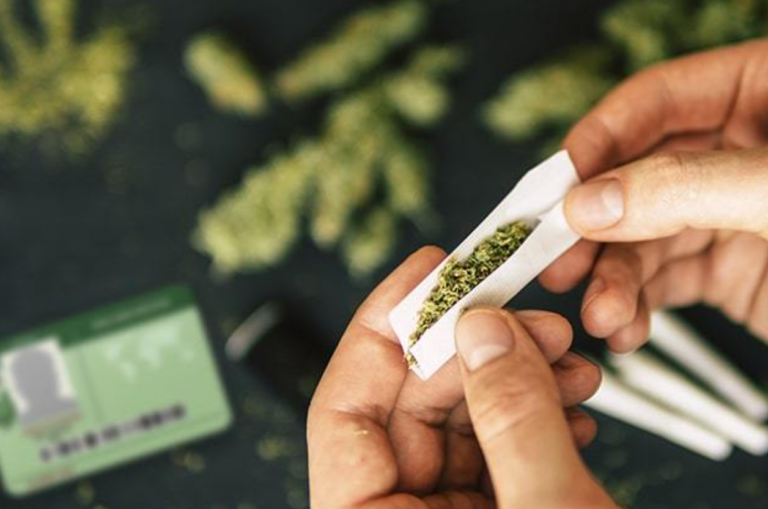
Medical Cannabis Card, colorado

It’s no mystery that marijuana laws throughout the United States are often confusing. Marijuana is a federally illegal substance, yet most states have MMJ programs. Moreover, many locations now allow adults aged 21+ to purchase weed without a medical marijuana card. 

Also, it is a federal crime to transport cannabis across state lines. This remains the case even if you travel from one state with recreational marijuana to another.

Regarding marijuana in Colorado, one would assume that the rules are simple. After all, the Centennial State has allowed recreational cannabis for around a decade. The thing is, apart from dealing with state laws, consumers must also remain up to date with local regulations.

This article outlines the state of play in Colorado, highlighting a surprising gap between how the plant is perceived in different parts of the state.

When Did Colorado Legalize Marijuana?

Alan Shackelford, medicinal cannabis doctor Charlotte's Web
Israeli American physician Alan Shackelford was the first to treat children, using CBD. He helped legalize cannabis as medicine in Colorado where he practices.

Colorado was among the first states in America to legalize medical marijuana. Voters said ‘yes’ to Amendment 20 in 2000. It seemed a question of ‘if’ rather than when regarding adult-use weed. The most interesting aspect of the equation was whether any other state would beat CO to the punch.

Technically, Washington State achieved this aim by a narrow margin. Nonetheless, marijuana advocates rejoiced in November 2012 when recreational weed became legal in Colorado. However, residents had to wait until January 2014 for legal sales to begin.

Yet, it’s still worth your while getting a Colorado MMJ card online despite the existence of adult-use cannabis. Your card entitles you to an impressive allowance of two ounces per purchase, NOT per month. Therefore, you could theoretically buy two ounces per day. 

Regarding marijuana in Colorado, one would assume that the rules are simple. After all, the Centennial State has allowed recreational cannabis for around a decade. The thing is, apart from dealing with state laws, consumers must also remain up to date with local regulations.

Also, as a medical marijuana cardholder, you avoid paying a sales tax of 15%. Furthermore, some dispensaries sell more potent products to MMJ patients than recreational users. Finally, having a card lets you buy weed if you’re 20 or under. A minor can apply for an MMJ card with the permission of a parent or legal guardian. 

What Are Colorado’s Cannabis Laws?

As you might expect, CO is rather lenient when it comes to marijuana purchasing. All adults aged 21+ can buy and possess up to two ounces. If you’re caught with over two ounces, you could receive a $100 fine. Possession of 6+ ounces is a misdemeanor, with a possible jail term ranging from three months to 364 days.

There are harsher punishments for the illegal sale of weed. The sale of any amount without the right licensing is a misdemeanor. You could spend between 6 and 18 months in jail if convicted. 

Anyone caught selling over four ounces strays into felony territory. In this case, a prison term of up to two years is possible, along with a fine of up to $100,000.

Predictably, research shows that Colorado’s rules have resulted in a huge decrease in the number of marijuana-related arrests since legalization. 

Is Marijuana Legal Everywhere in Colorado?

Incredibly, the answer is ‘no.’ The state has 64 counties, and some have elected to avoid the green revolution. It seems as if the east of the state has the biggest issue with legalization. Aspen, yes, Weld counties no.

You may find that cities and towns within Bent, Delta, Lincoln, and Weld counties prohibit the sale and use of marijuana. The biggest clue you’re in one of these locations is a lack of licensed dispensaries. 

Some tiny towns, such as Hooper in the San Luis Valley, have voted against the sale of marijuana. For the record, Hooper has a population of under 100! Therefore, although recreational cannabis is legal on a state level, this doesn’t necessarily hold in certain countries and towns.

Final Thoughts on Colorado’s Mysterious Marijuana Laws

Medical and recreational marijuana is legal in Colorado, and the state has an incredible number of dispensaries. As an MMJ cardholder, you can purchase a significant volume of weed.

Yet, it is possible that you live in a part of CO that has never legalized medical marijuana, let alone recreational cannabis. Should you happen to live in such a region, you had best exercise caution. You could still be arrested and charged with a crime by local law enforcement for an activity legally enjoyed by a huge number of Colorado residents, not to mention tourists!


H2 Energy Now for hydrogen storage

0

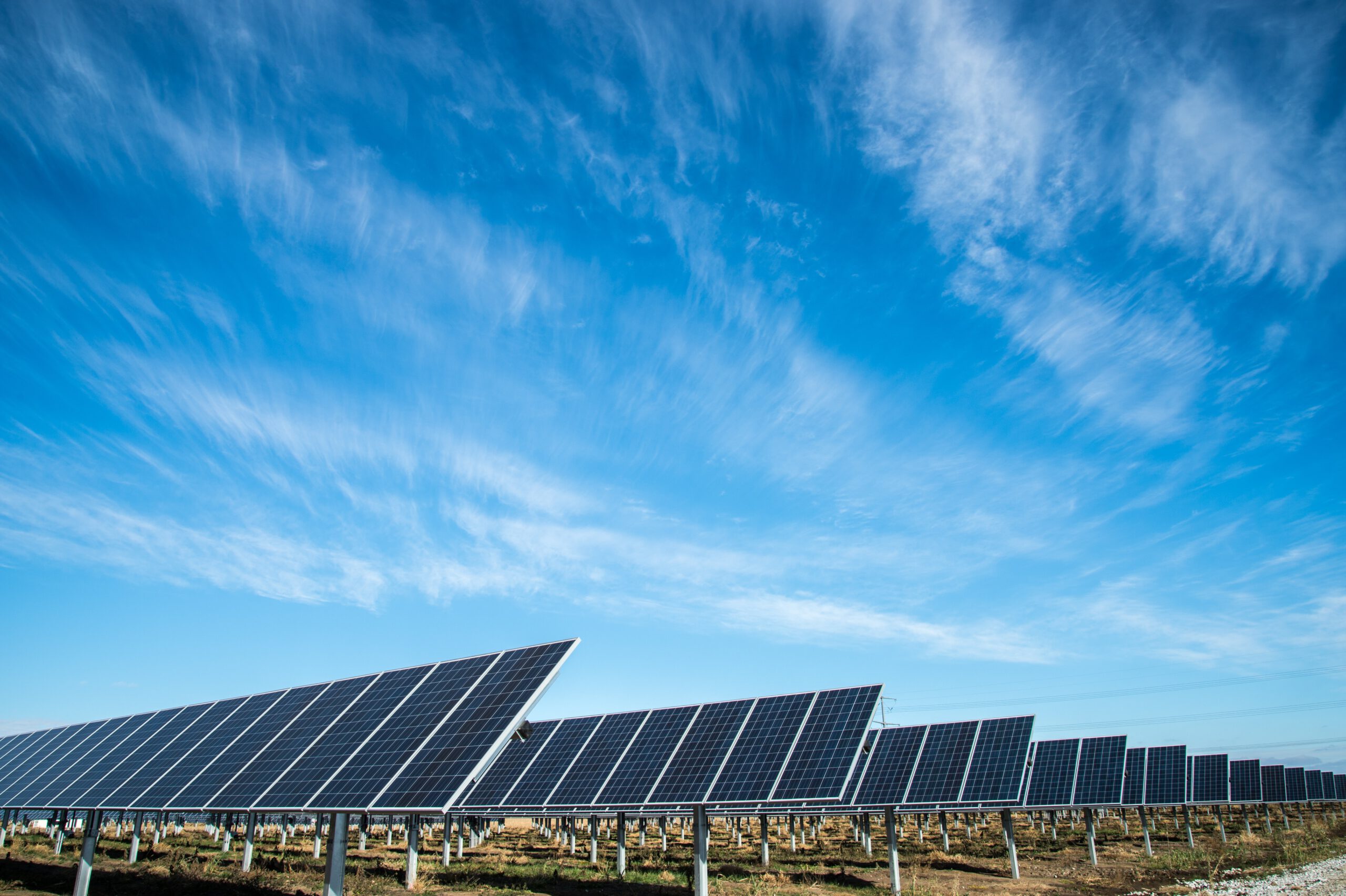
picture of a field of solar panels

As many already know, renewable energy is the future of electricity generation. Solar, wind, geothermal, hydrogen, and hydropower are necessary sources of renewable energy our planet needs in order to slow the effects of climate. Obtaining energy via renewables is the best alternative to energy generation because it does not release greenhouse gas emissions.

However, renewable energy does not get stored on its own. For example, when solar panels absorb sunlight and generate electrical charges, the electricity generated does not stay there forever if it does not get used. For this reason, I will share with you a company that has designed a solution to this problem.

Meet H2 Energy Now. Founded by Sonya Davidson in 2011 and based in Beersheba, Israel, H2 Energy Now has developed technology that makes renewable energy more usable by storing it so that none of it goes to waste. Sonya was inspired to start the company by her fascination with water, and she learned from her mother the principles of water and took it into her career.

She knew from her high school science project that energy storage was key to solving future energy problems which we are faced with today. Now, with 15 years in Israel, Sonya’s company is excelling in the renewable energy industry.

H2 Energy Now creates green hydrogen that is efficient and costs less. Much of the energy that is produced from wind and solar energy is not being used, therefore goes to waste. For this reason, H2 Energy Now has generated a prototype that allows them to store the energy in the form of hydrogen.

When energy is needed, the hydrogen is then able to be converted into usable forms of energy. By using electromagnetic waves, the hydrogen energy storage system separates water that is able to generate electricity. The good thing about this is a small amount of water can generate a large amount of hydrogen, and the water can come from both salt and fresh water. This technology is better for their customers because the power is always available for use and it’s grid stable. In addition, it is more cost-effective as it cuts their payback on the investment in half.

picture of H2 Energy Now's prototype technology
Prototype of the technology that converts hydrogen into electricity

Tests have shown that H2 Energy Now is 88% efficient for 60% electrolysis and that the capital expenditures are half of electrolysis. They have reached the proof of principle prototype stage and have patents granted in the US and in Europe. In addition, they have patents in France, Germany, and Great Britain. They were also selected as the winner by Corporate Live Winner in 2023 and by NASA as a top 10 energy company. They are currently working to commercialize their prototype and have completed two six-month high-tech accelerators.

picture of Sonya Davidson
Sonya Davidson, founder and CEO of H2 Energy Now

This company wants to change the world, and they are already on their way to do just that. They are currently  fundraising and are self-funded up until now.

“Who is wise? The answer is those willing to learn from everyone,” Sonya quoted from a philosophy of the Jewsh fathers. Sonya said that her and H2 Energy Now are inspired by this quote and this is what they look at in order to learn, educate and move forward in this innovation towards a green sustainable future.

Eco solutions against cockroaches


pictures of a cockroachCockroaches are everywhere, getting in our houses, food, and garbage. Some cultures might eat them but these pesky pests are annoying, large, and gross. No one wants cockroaches roaming their homes. While we all want to get rid of these pests, it is important to do so in a manner that is eco-friendly because pesticides can kill. I will teach you how to get rid of cockroaches in a way that is won’t harm the environment or you.

Pesticides are bad for the environment because the chemicals in them runoff into water bodies and contaminate the water. According Adam Teva Ve Din, Israel still uses glyphosates and more chemicals on its fields than most other Western nation. In Israel, there is widespread use of herbicides in agriculture and urban landscaping. Glyphosate is used widely in Israel to grow wheat, banana, avocado, watermelon, melon, grapes and other agricultural produce. Municipalities often use Roundup (owned by Scotts) and other pesticide products that contain glyphosate to maintain landscaping in parks, gardens, playgrounds and other public open spaces.

Consider that eight of Canada’s ten provinces have instituted restrictions or bans on the use of non-essential pesticides including glyphosate. Roundup has been banned in numerous other countries, states, and cities, due to concerns that exposure to the pesticide may lead to serious health concerns including cancer.

Pesticide contamination on the landscape is detrimental to ecosystems too. Pesticides are also bad for vegetation and soil as they kill plants and insects non-selectively – the good ones and the bad. In addition, pesticides are toxic to humans and can cause unpleasant side effects, such as headaches, nausea, and even cause death in extreme cases. In general, pesticides are so toxic that they quite literally kill everything.

picture of a man spraying grass with pesticides

Luckily, there are ways around the toxicity of pesticides so they can be used in an eco-friendly way. One way is by using an all-natural powder called diatomaceous earth (DE) which some people also eat for health reasons. DE is a naturally occurring remnant of fossils and shells found in underground deposits. It can be found in sediments of water bodies such as rivers, streams, lakes, and oceans all over the world. It is used in everyday products such as toothpaste and face washes.

Simply dust this powder over areas that you don’t want cockroaches in and this option works great. It cannot harm you if ingested or inhaled, so it is a great option to use as a pesticide alternative. It also works on a wide range of pests because it absorbs the oils that insects are attracted to. You can usually find it in health stores.

picture of a fossil beach

Borax as antidote to cockroaches

The next eco pesticide to get rid of cockroaches is one you can make at home. By mixing borax and sugar, you can have a pest-free house. Borax is also naturally occurring and can be found in household cleaners and laundry detergents. But it is toxic to your body to injest (to your kidneys, and don’t inhale the powder). This method works because pests eat the borax, so you will need to mix it with sugar.

Mix equal parts of borax and sugar and you have an alternate, eco pesticide. Sprinkle this powder over the areas that you want pests to avoid and will kill many insects, including cockroaches. Although this method is environmentally friendly, it is still toxic and needs to be handled carefully. Avoid children being exposed to it, getting it on the skin, or eyes, or inhaling it. Keep it away from food. Under-counter or where the cockroaches hide is a good place to start.

Eco pesticides you can buy

If you are looking for companies where you can buy all-natural, eco-pesticides directly, this is a good one:  Wondercide creates a wonderful pest control spray based on peppermint that is safe to use in the household and is made from natural essential oils.

This peppermint spray kills cockroaches and other pests that may make their way into your home. The spray is vegan, cruelty-free, and does not contain any artificial colors, dyes, or fragrances. It is safe for humans and pets, so it’s a great option in the household.

Spray Essential Oils

Research has found that some essential oils—especially rosemary oil—are effective at repelling roaches. Rosemary oil was found to offer a 100% roach mortality rate at the concentration range of 2.5% to 30%. So mix it with warm water, mix vigorously, and spray away at your problem areas. We find lavender oil works well against fleas too.

picture of peppermint leaves

If you are trying to avoid using any powders or sprays, Pest Reject is another option that is eco-friendly. Pest Reject is a plug-in device that uses an ultrasonic frequency to repel pests such as mouses, spiders, mosquitos and cockroaches.

This device is long-lasting, low consumption, does not produce any radiation, and has no chemical odor. It does not make any noise so everyone in the household can sleep peacefully. The device can cover up to 1200 square feet per unit, so they recommend that you have one device per room.

They can be found online. I highly recommend this device if you struggle with pests of all kinds.

No one should have to worry about cockroaches infesting their homes, so take these sustainable steps to kick them out of your house.

Deep sea mining and what’s at risk

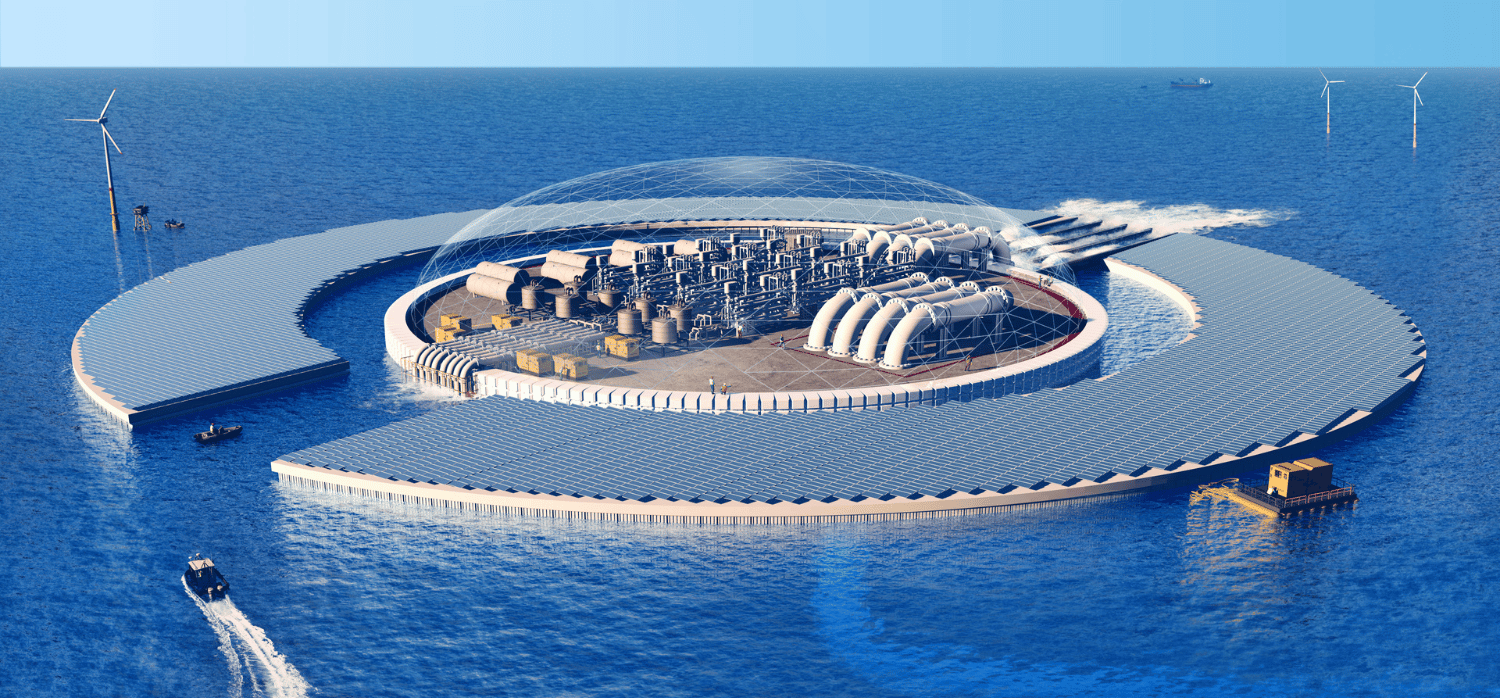
deep sea mining and what you might disturb under the ocean
Global organizations call for more research and policy on deep sea mining

Deep sea mining involves the retrieval of minerals and deposits from the ocean floor found at depths of 200 metres, up to 6,500 metres. From the 10 to 28 of July the world’s governments will convene in Kingston, Jamaica to negotiate rules and regulations that if agreed and adopted, would open up our ocean to the largest mining operation humanity has ever seen. This emerging industry if unregulated properly will destroy pristine ecosystems untouched since the beginning of time.

The Deep Sea Conservation Coalition (DSCC), founded in 2004 in response to international concerns over the harmful impacts of deep-sea bottom trawling is calling on countries of the world to draw a line and stop this potentially devastating emerging industry.

Today over 100 non-government organizations, fishers organizations and law and policy institutes worldwide are working together under the DSCC to protect vulnerable deep-sea ecosystems with the goals of reducing the greatest threats to life in the deep sea, and to safeguard the long-term health, integrity and resilience of deep-sea ecosystems.

Working with scientists, non-governmental organizations (NGOs), intergovernmental organizations and governments, we target the United Nations and other bodies to call for action. Members of the DSCC will be present in Kingston throughout the International Seabed Authority’s Council and Assembly meetings, urging governments to support a moratorium on the destructive, emerging industry.

The meetings coincide with the deadline of a 2-year legal loophole triggered by Nauru on behalf of would-be mining company, Nauru Offshore Resources Inc, a subsidiary of Canadian company, The Metals Company.

According to the DSCC, “This loophole stipulates that mining be given the greenlight by July 9, irrespective of whether regulations are in place. Nevertheless, an increasing number of governments are recognising that the only responsible way to prevent irreversible damage to our critical, fragile deep ocean is to support a moratorium.”

The Canadian newspaper The Star has a good back report on how a Canadian company The Metals Company partnered with a tiny nation of Naura in Micronesia to trigger the loophole.

Please register using this Zoom link to join the conversation on July 5 at 14:00 -15:00 BST with the DSCC, Greenpeace, The Ocean Foundation and others for a media briefing ahead of negotiations where panellists will explore the issues surrounding the emerging industry and upcoming negotiations and answer key questions.

Speakers will include:

  • Sian Owen – Deep Sea Conservation Coalition Director
  • Louisa Casson – Global Project Leader for Greenpeace’s Stop Deep-Sea Mining campaign
  • Bobbi-Jo Dobush – Legal Officer at The Ocean Foundation, focusing on deep-sea mining

Greenpeace is calling leaked undercover footage of wastewater pouring into the Pacific ocean during deep sea mining tests “damning”. The undercover footage shown above of the latest deep sea mining tests in the Pacific Ocean shows wastewater being dumped by Canadian miner The Metals Company at the ocean surface, with unknown toxicity and ecological impacts.

What you can do? Send this Zoom call link to journalists heading environmental news locally and nationally. Every nation in the world needs to be onboard knowing how our shared resource and lifeline is at risk. It’s not only the prospect of deep-sea mining that worries scientists today, but existing activities such as offshore oil exploitation and natural gas drilling need to be part of the conversation.


Eco luxury and sustainable hotels in Israel

0

picture of jaffa

Are you planning a trip to Israel and don’t know where to stay? I want to share 10 hotels in Israel that are worth looking into. These hotels all practice sustainable management, from locally sourced food, to energy-saving light bulbs, and bans on plastic waste. From luxury hotels to a simpler, rugged desert experience, I have covered them all.

1. Six Senses Shaharut

Six Senses Negev Desert, eco luxury hotel in Israel
Six Senses Negev Desert, an eco luxury hotel in Israel with very high prices

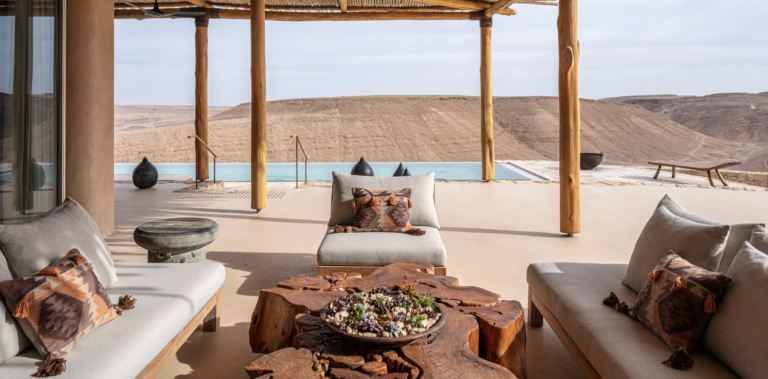
Six Senses Shaharut is a magnificent place to stay if you are traveling to the Negev Desert. This beautiful property is committed to being a sustainable hotel, and they even list their sustainable measures on their website. The hotel is the first in Israel to be certified to achieve LEED by the US Green Building Council, although some Middle East countries use their own standard rating called Pearl.

The hotel was designed in a way that reduces energy consumption by 25 percent. The lighting systems are made motion censored and are energy-efficient. The food waste is composted and then used on-site in their garden. They also produce and bottle their own water in glass bottles and partner with BevGuard to ensure high-quality drinking water. The oil they use for cooking is recycled into biodiesel and they do not discharge any waste liquids via the use of a palm grove that absorbs all the treated wastewater.

They even have an Energy Lab where they encourage their guests to come and learn about the resort’s sustainability efforts.

2. The Vera

The Vera Hotel, Tel Aviv
The Vera is sustainability in the middle of Tel Aviv

This hotel is located in Tel Aviv just north of the Florentin neighborhood and has much to offer. Designed by Assaf Solomon, an architect, and designer of many hotels in Israel, this hotel is well worth staying in if you want to stay in a prime location in Tel Aviv. Besides having great amenities like a spa, cafe, bar, and fitness center, the hotel has a modern design that incorporates sustainable measures into its operation.

Firstly, they were the first hotel to ban single-use plastics. “The elimination of single-use plastics is an obvious decision and a forward step for the hotel industry,” says Danny Tamari, CEO and founder of The Vera. “We continually strive to build an environmentally-conscious society, and The Vera’s action reflects our vision of what a modern hospitality experience should be.”

In addition, The Vera uses locally sourced products they get from a company called Arugot, which their products are made from seeds in the western Negev. They also use an energy-efficient air-conditioning system and use eco-insulation.

picture of a desert

3. Abraham Hostel

Abraham Hostel, Tel Aviv

One of my personal favorites which I stayed in myself was Abraham Hostel. Located on Levontin St in a prime location in Tel Aviv, this hostel was much to offer. Environmentally, the hostel takes part in sustainable practices to encourage sustainable travel for its guests.

They encourage recycling by having recycling spaces throughout the hostel. They also use LED lighting and use timers for the shower heaters to conserve energy. In terms of food, they make accommodations for vegans and get their food from local sources. They encourage public transportation with awareness campaigns on buses, bikes, and scooters. The hotel created an entire sustainable guide to travel that they share with their guests and is up on their website.

They also have locations in Jerusalem. Eilat, Nazareth, and Sinai, although the Sinai location is rumored to have shut down over political issues between its local owners there.

4. Dan Hotels

picture of Jerusalem

This Israeli hotel chain has 18 locations in Jerusalem, Tel Aviv and Herzilya, Eilat, Caesarea, North, and Haifa. They are highly regarded as being a sustainable and eco-friendly hotel. The hotels earned a 9.1/10 on the ETIC ethical and sustainable score according to the ETIC Hotels.

Most of the properties are made with isolated windows to increase thermal efficiency, which decreases the amount of energy needed for cooling and heating. They are also switching all our their lighting to LED, Neon lamps, or Fluorescent bulbs.

This energy-saving system that Dan Hotels are currently working to incorporate into all their locations works as a two-fold system, it saves energy lost while also being able to share energy generated from the air conditioning to heat the pools and so on.

5. Tzlil Hateva 

Wood cabins Israel

The Tzlil Hateva Hotel in Hosen is inspired by a wood cabin design that is located alongside the mountains and the valley. This hotel takes big steps to be an eco-friendly hotel. This hotel uses biomass as its renewable energy source, which reduces its emissions of greenhouse gases. It’s not a luxury hotel so don’t expect the look and feel of Tel Aviv or other hotels on this list, but it’s a decent budget option that puts sustainability into its practice.

Some of the other practices the hotel takes part in are getting materials for building from sustainable sources, using LED lighting, sustainable toilets, having low-flow toilets, composting organic waste, diet for vegetarians, and so much more. In addition, the hotel is part of the Travel Sustainable program, which is designed to adhere to the needs of the environment and sustainable development.

For more budget eco travel in Israel, here are some tips to avoid the very high prices of hotels. Israel runs a network of SPNI field schools and basic lodging. Usually set in Israel’s most untouched nature, an SPNI Field School in locations like Ein Gedi are a the nature-lover’s dream destination. SPNI Field Schools provide accommodation, and educational hiking and walking tours. Don’t expect the amenities of an eco hotel, but these sites are adequate for getting out into nature.

6. Hotel Indigo Tel Aviv – Diamond District

Hotel Indigo, Tel Aviv
Inside Hotel Indigo, Tel Aviv

This luxurious hotel located on Aholiav Street in Tel Aviv is modern, elegant, and spacious. The hotel is part of the IHG Green Engage system, showing that sustainability is a major player in their operations. This system allows the hotel to measure and manage their impact on the environment by providing all information they need to reduce their energy, waste, and emissions.

Nestled in the sophisticated Diamond District among eclectic architecture and fashion boutiques, the Hotel Indigo Tel Aviv Diamond District hotel is designed to be an Art Deco reinterpretation of the world’s most precious stone.

The hotel was rated 9.3/10 on their ETIC ethical and sustainable score because they completed all requirements to be an IHG hotel. This means they have reduced their energy consumption by 25 percent. They also earned a bioscore sustainability level A. Similar hotels are found in countries around the world and this boutique hotel has a location in Oman and one in Dubai.

7. Hotel Saul 

Hotel Saul, Tel Aviv
Eco-practicing at Hotel Saul

Hotel Saul in Tel Aviv is the heart of Tel Aviv and commits to a range of sustainable practices. The Saul is the first hotel in Israel to be a part of the Green Key Program, which sets standards for global sustainability tourism. The Green Key Program, which started in 1994 pushes the hotel and other operations in the tourism industry to pledge to sustainable practices and technology.

The Shaul specifically, has numerous operations that are sustainable. Some of which include the separation of waste and locally sourced products. They also use LED lights and harness a Miso system for lighting which is a power-saving technology. They use an economical water heating system and use Sunergy windows which help to maintain room temperatures by use of natural light.

8. Desert Shade Eco-Lodge 

Desert Shade, Mitzpe Ramon
Desert Shade, Mitzpe Ramon crater

This lodge is for people who like to be out in nature. In the Ramon Crater, the Desert Shade Eco-Lodge is a hand-built, unique desert experience that is known for the breathtaking views of the night sky. This hotel is eco because it allows its guests to reconnect with nature and get away from the craziness of the world. It supplies many desert activities such as stargazing, Nomad breakfast, fire pits, and bedouin tents, as well as drinking wine from their boutique winery.

There are 7 eco-huts, which were made sustainably with mud bricks and straw. In addition, the lodge only uses composting toilets. If you are looking for an authentic desert experience, this is the place for you.

9. Fabric Hotel

Fabric Hotel, Tel Aviv
The Fabric Hotel in Tel Aviv

This hotel in Tel Aviv is in a prime location on Nahalat Binyamin Street. Like many other green hotels, this hotel does not use single-use plastic and gets all of the food locally sourced. In order to promote sustainable travel, the hotel has free bikes available for its guests. The green spaces all use LED bulbs and the rooftop is a hit among guests. The directors of the hotel also own a chain of hotels, including Shalom & Relax, Tal by the Beach, Backstage Hotel, and more. All these hotels use similar sustainable practices to inspire and spread the sustainable tourism industry.

10. Alberto by Isrotel Design

alberto hotel in Tel Aviv
The Alberto Hotel in Tel Aviv

This hotel has numerous sustainable practices with waste, water, energy, and nature. They take numerous initiatives towards sustainable waste management by not using single-use plastic, recycling, and water dispensers to promote reusable water bottle use. They have water-efficient toilets, showers, and the option to opt out of room cleaning so guests can reuse towels.

Food in the hotel is locally sourced and great for vegans. They use LED bulbs, and double-glazed windows, and have green spaces such as gardens and rooftops. They also invest a large portion of revenue in community/sustainable projects.

Israel’s uneven impact in the cultivated meat market

0
Believer Meats
Believer Meats is cultivated meat made in a lab

Israel is the global hotspot for alternative meat technology. The country’s growing population and limited farmable land, and climate change-induced water shortages have motivated Israeli companies to focus on developing cultivated meat as an environmentally-sustainable alternative. Alternative meat can mean a lot of things: it can be meat made in a lab using original meat or animal cells to create chicken or beef or fish; it can also mean creating meat-like proteins from plants or insects. But cultivated meat is meat that is real meat, made in a warehouse from original meat or animal cells, and which removes a lifetime of misery and pain for any animal by taking the animals out of the story.

Prime Minister Benjamin Netanyahu and President Isaac Herzog have publicly endorsed cultivated meat by investing $18 million USD and allowing Israel to ultimately lead in alternative meat and protein production.. Israeli start-up companies and academic labs dedicated to advancing cultivated meat technology has become a national research and development priority for Israel. And Israeli rabbis have essentially declared cultivated meat to be “non-meat” by agreeing its kosher status to be parve, the same as bread, apples, and vegan foods we eat today. It is classified to them as neither meat nor milk.

In 2021, Israel accounted for nearly a quarter of venture capital dollars invested in cultivated meat start-ups globally. Consider that three of the first eight cultivated meat companies in the world began in Israel, and today all three of them —Aleph Farms, Super Meat and Believer Meats, along with the new Nasdaq-listed Steakholder Foods—are poised for international distribution once the cost of producing these cultivated meats can be at par with traditional meat.

The top cultivated meat companies from Israel

Believer Meats, formerly known as Future Meat Technologies, is a cultivated meat company excited to scale to feed the world. Driven by a mission to ensure that all future generations can enjoy real and delicious meat, Believer’s technology and process will make meat accessible and affordable to all. Believer Meats culture meat from chicken cells and is working on cultured lamb kebabs and beef burgers. Based in Israel, its main office is located in Jerusalem, while its primary production facility is operating in Rehovot. 

Aleph Farms invested in by people like Leonardo DiCaprio, grows cultivated beef steaks, from non-genetically engineered cells, that are not immortalized, isolated from a living cow, without slaughtering the animal and with a significantly reduced impact to the environment. The company was co-founded in 2017 by Didier Toubia, The Kitchen Hub of the Strauss Group, and Professor Shulamit Levenberg from the Biomedical Engineering Faculty at the Technion – Israel Institute of Technology. The company’s vision is to provide unconditional nutrition for anyone, anytime, anywhere.

SuperMeat also from Israel is developing cultivated chicken meat, grown directly from cells, in a sustainable and animal-friendly process. 

BioBetter is creating complex proteins for the cultivated meat industry. They apply advances uses in the lab for making vaccines in tabacco plants to procure proteins that can be used for cultivated meat companies. Consider them a raw material supplier to the alt meat industry.

Steakholder Foods, formerly MeaTech 3D  “STKH” (formerly MITC), is developing a slaughter-free solution for producing a variety of beef, and seafood products — both as raw materials and whole cuts — as an alternative to industrialized farming and fishing.

This past month, the United States Department of Agriculture and the Food and Drugs Administration approved the sale of cultivated meat in the US, which is a landmark decision marking it safe for consumption. Until now the only country that allowed sale of cultivated meat to the consumer was Singapore. Two prominent US companies, Upside Foods and Good Meat, successfully introduced their “cultivated chicken” at a cost that competes with regular meat. Not long ago companies such as Aleph introduced steaks but at a cost of thousands of dollars an ounce to produce. 

According to the MIT Technology Review, Upside, one of the companies that received approval from the FDA, can churn out 50,000 pounds (22,600 kg) of completed goods annually. It will eventually be able to increase to a maximum annual capacity of roughly 400,000 pounds (180,000 kg). 

How is cultivated meat made?

Compared to meat alternatives cultivated meat is made in a lab from real meat. It takes harmless existing cells from an animal and growing them inside what scientists call a cultivator. This cultivator mimics what occurs inside an animal’s reproductive organs to give the cells warmth and the environment necessary to transform it into meat. This includes proteins, fats, carbohydrates, vitamins, and minerals. A cultivator is very similar to growing plants inside a greenhouse. Eventually, the product produced is the same as regularly processed meat at a cellular level. However, it is made in a much more environmentally-friendly way, according to founders of the company. 

The emergence of cultivated meat represents a significant milestone in the quest for sustainable food production. With the tagline of “meat without slaughter,” these products offer a humane and environmentally-friendly alternative to traditional animal agriculture. Cultivated meat technology holds tremendous promise for resource conservation.They can reduce greenhouse gas emissions and alleviate the strain on land resources.

According to the Good Food Institute, cultivated meat can reduce water usage by up to 78% and land requirements by up to 95% compared to traditional beef farming. 

The Israeli population has also shown a growing interest in alternative diets. A survey conducted in 2017 revealed that 5% of Israelis identify as vegan, 8% as vegetarian, and an additional 23% expressed a desire to reduce their meat consumption. 

Even the Israeli army has embraced alternative proteins, providing vegan meals and animal product-free gear to recruits. While cultivated meat may not appeal to those who altogether avoid animal products, it is expected to resonate with individuals who are already concerned about the environmental impact, inefficiencies, and ethical concerns associated with conventional animal farming.

Approving lab-grown meat for sale marks a significant step towards a more sustainable future. As more countries and companies embrace alternative proteins, cultivated meat has the potential to revolutionize the food industry and address pressing global challenges such as climate change, resource scarcity, and animal welfare concerns.


The Blue Green Deal and climate pacts between enemies

peace sign young man made in dirt
Making peace in the Middle East through water

We learn from models such as Gidon Bromberg – the founder of EcoPeace – how a career in international environmental law can change the world and help young people impact the consequences of climate change. As countries across the globe struggle with climate change Middle East states such as Israel, the Palestinian Authority, and Jordan show the world how struggles with climate negotiation cooperation can lead to hope for sustainable peace.

Bromberg and his Jordan and Palestinian partners at EcoPeace have created a project to dismantle areas of complications and form stronger bonds. When there are sensitive subjects in relationships between countries, climate agreements becomes millions of times more complicated and much more challenging to discuss solutions among enemies. For this reason, EcoPeace has created the Green Blue Deal, which may be an answer to climate troubles in the Israeli-Palestinian conflict.

The Green Blue Deal

The Middle East is a ticking time bomb. To defuse catastrophic consequences which may be larger than the climate question, the Green Blue Deal has worked up four key areas in order to create climate resilience in the Middle East.

For starters, the Green Blue Deal attempts to improve relations between Jordan, Palestine, and Israel by creating a water and energy exchange system that allows the countries to share water and energy to benefit all of the Middle East. In this deal Israel will build a desalination plant in the region of Emek Hefer and Jordan will be able to purchase the water at reasonable rates.

The business arrangements, to be financed by third parties, will be part of a larger business plan that includes Jordan developing and supplying solar energy which it can then feed back to the Israeli grid. The cost of labor and more open space makes Jordan a more ideal place for solar energy production over Israel.

Part of the deal, EcoPeace will rehabilitate the shared Jordan River and will create education programs that target youth groups for early education on climate resiliency and diplomacy.

Through this deal, EcoPeace charters the way toward a region that is not only creating a greener environment but also building a stronger community. Settling disputes via climate discussion, is a passive method of compliance between nations that were previously in a high-tension state.

By working together “we can build the framework for peace and climate security for all,” hopes EcoPeace directors collectively. This deal sets up the framework for a mutual economic support system for the environment, and promotes solutions between Israeli-Palestinian conflict.

This is not only an Israeli, Palestinian or Jordanian discussion. EcoPeace also calls on leaders from other countries to help support the Middle Eastern deal.

How local conflict impacts us globally

Countries such as Australia, Germany, the United States, and Russia are all being urged to join a ‘coalition of the willing’ to help EcoPeace support the implementation of the Green Deal. In addition, countries in Europe can even benefit from EcoPeace’s plans, as Bromberg explains to Green Prophet from his office in Tel Aviv:

“All public areas were without heating in the winter,” and this was due to being dependent on Russian gas that was inaccessible at the time. However, with renewable energy technologies, countries all over the world can benefit from connections with other countries by getting resources for renewable energy from others.

This is why relationships between nations are so important, not only in the Middle East but everywhere. This plan can lay the foundation for inspiration for countries all over the world to come to a middle ground, settle disputes, and better our environment.

The Health Benefits of Dried Meat: A Nutritious and Delicious Snack

0
sustainable homemade snack made from meat
Preppers and people who live off the land know the importance of drying meat. It’s a sustainable way to keep meat without freezing it.

Drying meat is a beloved culinary tradition that continues to captivate people with its long-lasting qualities and delectable taste. The process involves dehydrating or removing moisture from the meat, resulting in a nutrient-dense and lightweight food option.

Because of these qualities, dried meat has been a popular food choice among various cultures since ancient civilizations, proving a portable and convenient source of sustenance. Aside from its convenience, dried meat provides a wide array of health benefits, making it a nutritious option for people who need a snack packed with protein.

This article will delve into the many health benefits of consuming dried meat, exploring its positive impact on muscle development, weight management, nutritional composition, and overall physical well-being. It will also explore the historical significance of dried meat as a survival food and the fundamental processes involved in producing the popular snack.

What is dried meat?

Commonly known as jerky, dried meat refers to the type of meat that has gone through dehydration. It’s a process that involves removing the majority of its moisture content. Removing water from the meat inhibits the growth of microorganisms that significantly extends the shelf life of the meat.

Since the invention of the first home electric refrigerator was not until the 20th century, various cultures throughout history needed a creative solution to address meat spoilage and scarcity. As a result, drying meat became a popular preservation method, ensuring meat shelf life and a readily available food source for long journeys or periods of scarcity.

The Historical Significance of Dried Meat

The practice of drying meat goes as far back as forty thousand years ago, at the beginning of the Cro-Magnon era. During that period, dried meat was far from the delightful shredded beef jerky snack you know today.

For ancient civilizations like the Native Americans, Mongols, and Egyptians, drying meat was more for preparation and survival rather than producing convenient snacks. As mentioned, drying meat was an essential method for preserving food for extended periods, allowing explorers and nomadic tribes to sustain themselves during harsh winters and long expeditions.

During ancient times, dried meat was particularly favored by travelers and hunters due to its long shelf life and lightweight nature. It provided a concentrated source of essential nutrients, energy, and protein, making it the ideal option for survival in the harshest environments and conditions.

Because of its significance in history, dried meat cemented itself as a culinary tradition millions worldwide can continue to enjoy today.

Traditional Methods of Drying Meat

Producing dried meat entails several steps to ensure proper flavor development and dehydration. While modern technology has introduced faster and more efficient meat drying methods, many individuals who still appreciate the time-honored art of producing dried meat utilize traditional techniques.

While different cultures and individuals have their own variations and recipes for drying meat, they all still follow the fundamental steps. These traditional methods of meat drying involve selection, preparation, slicing, marinating, drying, testing for doneness, and storing.

Meat selection

man hipster beard deli europe
A keto diet is based on meat. Scientists say the diet improves spatial memory and visual memory, lowers indices of brain inflammation, causes less neuronal death and slows down the rate of cellular ageing

During the meat selection, it is imperative to select lean cuts of meat, such as turkey, venison, pork, or beef, with minimal fat content. Fat can turn rancid during the drying process, affecting the taste and quality of the final product.

Meat preparation

Meat preparation entails trimming off any connective tissue or visible fat from the meat and then partially freezing the meat for a short time to make it easier to cut uniformly.

Slicing

The slicing process involves cutting the meat against the grain into thin strips. This helps achieve the ideal tender texture in the final product.

Marinating

After cutting the meat into thin and uniform strips, it’s time to prepare the seasoning or marinade blend according to a standard recipe or personal preference. Typical ingredients dried meat producers utilize in their marinades include vinegar, liquid smoke, spices, herbs, natural sweeteners, soy sauce, and Worcestershire sauce.

The person responsible for preparing and measuring the ingredients must then marinate the meat in the mixture overnight or for several hours to infuse the flavors into the meat.

Drying

The next step is the drying process once the marinade adequately infuses its flavors into the meat. The drying process has various traditional methods, including sun drying, air drying, and smoking. 

Sun drying involves hanging or laying out the marinated meat strips under direct sunlight to dry out, similar to leaving wet clothes to dry. This drying method entails a high dependency on the weather conditions that must be dry and warm climates.

Additionally, the sun drying method requires regular protection from insects and monitoring, and it can take from several days to weeks for the meat to thoroughly dehydrate.

The air drying method involves hanging the marinated strips of meat in a well-ventilated location, which is often a cold and dry room. The person in charge of drying the meat leaves it to air dry naturally with the assistance of good air circulation.

Similar to the sun drying method, air drying is a time-consuming process that can take several days to about two weeks to dehydrate the meat thoroughly.

4 Summer Vacation Details To Iron Out Before Your Trip

0
minimal packing
Pack lightly to travel sustainably. But also listen to poet John Milton’s words: “Luck is the residue of design.“

Your plane tickets are in-hand, your hotel is booked, and you are ready for your much-needed vacation. You have a solid plan set out, and you’re pretty sure you haven’t missed anything. Your toothbrush is packed, but are you missing anything else? 

The worst feeling in the world is being 20,000 miles away from home and realizing you forgot something important. It’s easy to do, and everyone has done it, but that doesn’t mean that’s how it has to be. In this article we will identify some frequent vacation details that get swept under the rug, and show you how to iron them out before you get to the vacation destination of your dreams. 

Digitize Your Group’s Schedule

Having a prepared schedule truly elevates any vacation, as it offloads the mental load of figuring out what to do well before you get into vacation relaxation mode. Once prepared, it can easily be shared with your entire group, and ensure everyone is where they need to be at the right time. It’s also just exciting to look forward to a long list of all the fun things you have planned!

Digital calendar scheduling tools have a variety of benefits, such as a polling option so you and your group can decide what to do, when to do it, or what to eat. While Calendly is a popular digital scheduler choice, there is a whole world of Calendly alternatives that may be a better fit for your group. These tools also allow you to easily share a group schedule, and even notify you and your group about upcoming events. 

Putting in the extra effort to have a digital schedule also means mid-trip or on-the-fly additions aren’t a hassle. A spontaneous hike thrown onto the shared schedule helps keep your group informed of your whereabouts without having to reach out to every person. 

Prepare for the Weather

A classic blunder when it comes to vacationing is making assumptions about the weather without checking. Assuming the Bahamas will be warm or Minnesota will be cold make sense logically, but the weather is a fickle thing, and a crazy heat wave or thunderstorm could always be around the corner. So make sure you prepare for the worst. 

While it may seem obvious, step one is to actually check the weather. This is the quickest and easiest way to have an overview of which days are best for the plans you’d like to make. Making sure your planned beach day is on a sunny day instead of an overcast one can make all the difference. Knowing there is a chance of rain on certain days gives you a chance to prepare backup plans if worst comes to worst. So hop on the weather app, Google, or check local new stations to get the weather on your radar. 

Step two is to be prepared for weather shifts. Even if the forecast looks warm and sunny, a light jacket may be a good choice to throw in your bag. It doesn’t take up much space, is great for any chilly flights, and when it does get cold, you’ll be thankful you brought it. No matter the expected weather, it never hurts to bring some “just in case” clothes. 

Plan Out Transportation

The Israel train line to Jerusalem from Tel Aviv
Travelling by train is the most sustainable way to travel on this planet

You might have a ton of cool ideas as to where to go and what to do, but have you considered how to get there? Transportation is a boring, though essential, logistic you should hash out before you arrive at your destination. Though all-inclusive destinations might eliminate this need, it’s still worth looking into if there are any local spots in the area you want to travel to. 

Plan to rent a car, use local transit, or taxi everywhere. These options might sound self-explanatory but deserve a little bit of time and research. Make sure your chosen option is possible, check for frequent issues, and plan ahead. If you rent a car, consider the parking situation of the locations you’ll be driving to. If using public transit, look up the schedule to ensure it is a realistic option. Planning for these problems in advance helps turn disasters into inconveniences, minimizing their impact on your trip. 

Make a List, and Check it Twice

Packing can seem like a simple task, but it really can make or break a trip. Forgetting a single thing can really throw a wrench in the carefree vacation headspace, and the best way to avoid it is to not forget anything in the first place! Start by checking out a travel packing list, and systematically go through what you do and don’t have.

Taking the time to check for things you might be missing is super smart, and saves you emergency trips for chapstick or deodorant while traveling. Depending on how much you travel, it might also be worth it to make your own list. Everyone has different things they need the most, and having a personal list that you can use repeatedly will help every trip be the best it can be. 

Finally, take the time to consider if you need anything specific for your trip. A towel? A water bottle for hikes or long city walks? A travel phone charger? You can pack tons of items that will nip some very real problems in the bud. If nothing else, picking up a travel size sunscreen can prevent sunburns and help you remain happy and healthy during your trip. 


This history of carrots and how they went from purple to orange

7

carrots colorsOriginating in ancient Egypt, carrots didn’t start out so orange. Can you imagine how Bugs Bunny would look chomping down on one of these?

When you think of carrots what is the first thing that comes to mind? One thing is for sure, you don’t think “Gee, you mean that long purple vegetable.”  Well here’s news for you, the original color of the carrot was not orange! Carrots originated in Middle Asia with some historians believing that they were known as far back as Ancient Egypt over 5,000 years ago. It is not clear if they were actually cultivated at this time, however by the 10th century in Afghanistan, they were being grown in the colors purple or yellow.

These weren’t the only colors around, however. In addition to purple and white, carrots were grown in red, yellow and even black. In fact to begin with carrots were not favored as a favorite vegetable, but rather in the times of the Ancient Romans, as a medicinal herb and even as an aphrodisiac. A “green” aphrodisiac at that.

carrots colorful purple
Here’s a simple way to add colour onto your table 

Today we know that carrots have great nutritional value being low in calories. Not only that but carrots are an excellent source of carotene, which the body converts into Vitamin A. It is this particular vitamin that really helps with vision, which is why carrots are a great vegetable to add to your diet. If you ask us, your natural advisor? Search no more! Carrots are the thing!

Blame it on the “orange” Dutchmen

When you are preparing your carrots for eating, whether you plan on cooking them or eating them raw, there is something important to keep in mind: don’t peel the skin! In carrots, like many vegetables, most of the nutritional value is just below the skin, so instead of peeling, just scrub the skin clean. And choose organic varieties when you can.

So our popular orange carrot of today, isn’t even one of the original, natural color. Actually it is the product of cross breeding the red and yellow carrots. In the 16th century some Dutch farmers succeeded in growing the first orange carrots in honour of the House of Orange. It is this color carrot, which is most widespread today.

So when you are next making a delicious carrot salad, think just how much more colorful purple would look on your table. Try a local farmer’s market, or health food store near you and taste the difference. Or look for a way near you to order seeds of heirloom varieties of ancient carrots.

Read more on vegetables and health:
How green is your garlic
RECIPE – Flavors of Peasant Cooking: Majadra Means Lentils and Rice
Conserve What You Eat