A coworking space within walking distance can cut commuting time and give you a reliable place to work, but distance alone does not make it useful. Test the internet, noise, privacy, desk setup, environmental claims and real cost before committing to a membership.
Yazan Al Homsi looks at two very different bets — Aduro Clean Technologies and Rocket Doctor — to show what investors should watch as small-cap companies attempt to move from promising technology to commercial scale.
Breast reconstruction can be an important part of recovery, but persistent pain, infection, changes in breast shape or mesh movement deserve medical attention. Here are the warning signs patients should know after breast mesh surgery.
As ABA practices grow, so can their administrative footprint. Smarter billing and documentation systems can reduce duplicated work, wasted staff time and inefficiencies while supporting sustainable growth.
Meta description:
The Houthis have turned Yemen’s Red Sea coast into part of a global geopolitical crisis. But behind the missiles, shipping disruptions and Suez Canal headlines is Mocha — the ancient Yemeni port that gave the world its name for coffee.
A coworking space within walking distance can cut commuting time and give you a reliable place to work, but distance alone does not make it useful. Test the internet, noise, privacy, desk setup, environmental claims and real cost before committing to a membership.
Yazan Al Homsi looks at two very different bets — Aduro Clean Technologies and Rocket Doctor — to show what investors should watch as small-cap companies attempt to move from promising technology to commercial scale.
Breast reconstruction can be an important part of recovery, but persistent pain, infection, changes in breast shape or mesh movement deserve medical attention. Here are the warning signs patients should know after breast mesh surgery.
As ABA practices grow, so can their administrative footprint. Smarter billing and documentation systems can reduce duplicated work, wasted staff time and inefficiencies while supporting sustainable growth.
Meta description:
The Houthis have turned Yemen’s Red Sea coast into part of a global geopolitical crisis. But behind the missiles, shipping disruptions and Suez Canal headlines is Mocha — the ancient Yemeni port that gave the world its name for coffee.
A coworking space within walking distance can cut commuting time and give you a reliable place to work, but distance alone does not make it useful. Test the internet, noise, privacy, desk setup, environmental claims and real cost before committing to a membership.
Yazan Al Homsi looks at two very different bets — Aduro Clean Technologies and Rocket Doctor — to show what investors should watch as small-cap companies attempt to move from promising technology to commercial scale.
Breast reconstruction can be an important part of recovery, but persistent pain, infection, changes in breast shape or mesh movement deserve medical attention. Here are the warning signs patients should know after breast mesh surgery.
As ABA practices grow, so can their administrative footprint. Smarter billing and documentation systems can reduce duplicated work, wasted staff time and inefficiencies while supporting sustainable growth.
Meta description:
The Houthis have turned Yemen’s Red Sea coast into part of a global geopolitical crisis. But behind the missiles, shipping disruptions and Suez Canal headlines is Mocha — the ancient Yemeni port that gave the world its name for coffee.
A coworking space within walking distance can cut commuting time and give you a reliable place to work, but distance alone does not make it useful. Test the internet, noise, privacy, desk setup, environmental claims and real cost before committing to a membership.
Yazan Al Homsi looks at two very different bets — Aduro Clean Technologies and Rocket Doctor — to show what investors should watch as small-cap companies attempt to move from promising technology to commercial scale.
Breast reconstruction can be an important part of recovery, but persistent pain, infection, changes in breast shape or mesh movement deserve medical attention. Here are the warning signs patients should know after breast mesh surgery.
As ABA practices grow, so can their administrative footprint. Smarter billing and documentation systems can reduce duplicated work, wasted staff time and inefficiencies while supporting sustainable growth.
Meta description:
The Houthis have turned Yemen’s Red Sea coast into part of a global geopolitical crisis. But behind the missiles, shipping disruptions and Suez Canal headlines is Mocha — the ancient Yemeni port that gave the world its name for coffee.
A coworking space within walking distance can cut commuting time and give you a reliable place to work, but distance alone does not make it useful. Test the internet, noise, privacy, desk setup, environmental claims and real cost before committing to a membership.
Yazan Al Homsi looks at two very different bets — Aduro Clean Technologies and Rocket Doctor — to show what investors should watch as small-cap companies attempt to move from promising technology to commercial scale.
Breast reconstruction can be an important part of recovery, but persistent pain, infection, changes in breast shape or mesh movement deserve medical attention. Here are the warning signs patients should know after breast mesh surgery.
As ABA practices grow, so can their administrative footprint. Smarter billing and documentation systems can reduce duplicated work, wasted staff time and inefficiencies while supporting sustainable growth.
Meta description:
The Houthis have turned Yemen’s Red Sea coast into part of a global geopolitical crisis. But behind the missiles, shipping disruptions and Suez Canal headlines is Mocha — the ancient Yemeni port that gave the world its name for coffee.
A coworking space within walking distance can cut commuting time and give you a reliable place to work, but distance alone does not make it useful. Test the internet, noise, privacy, desk setup, environmental claims and real cost before committing to a membership.
Yazan Al Homsi looks at two very different bets — Aduro Clean Technologies and Rocket Doctor — to show what investors should watch as small-cap companies attempt to move from promising technology to commercial scale.
Breast reconstruction can be an important part of recovery, but persistent pain, infection, changes in breast shape or mesh movement deserve medical attention. Here are the warning signs patients should know after breast mesh surgery.
As ABA practices grow, so can their administrative footprint. Smarter billing and documentation systems can reduce duplicated work, wasted staff time and inefficiencies while supporting sustainable growth.
Meta description:
The Houthis have turned Yemen’s Red Sea coast into part of a global geopolitical crisis. But behind the missiles, shipping disruptions and Suez Canal headlines is Mocha — the ancient Yemeni port that gave the world its name for coffee.
A coworking space within walking distance can cut commuting time and give you a reliable place to work, but distance alone does not make it useful. Test the internet, noise, privacy, desk setup, environmental claims and real cost before committing to a membership.
Yazan Al Homsi looks at two very different bets — Aduro Clean Technologies and Rocket Doctor — to show what investors should watch as small-cap companies attempt to move from promising technology to commercial scale.
Breast reconstruction can be an important part of recovery, but persistent pain, infection, changes in breast shape or mesh movement deserve medical attention. Here are the warning signs patients should know after breast mesh surgery.
As ABA practices grow, so can their administrative footprint. Smarter billing and documentation systems can reduce duplicated work, wasted staff time and inefficiencies while supporting sustainable growth.
Meta description:
The Houthis have turned Yemen’s Red Sea coast into part of a global geopolitical crisis. But behind the missiles, shipping disruptions and Suez Canal headlines is Mocha — the ancient Yemeni port that gave the world its name for coffee.
A coworking space within walking distance can cut commuting time and give you a reliable place to work, but distance alone does not make it useful. Test the internet, noise, privacy, desk setup, environmental claims and real cost before committing to a membership.
Yazan Al Homsi looks at two very different bets — Aduro Clean Technologies and Rocket Doctor — to show what investors should watch as small-cap companies attempt to move from promising technology to commercial scale.
Breast reconstruction can be an important part of recovery, but persistent pain, infection, changes in breast shape or mesh movement deserve medical attention. Here are the warning signs patients should know after breast mesh surgery.
As ABA practices grow, so can their administrative footprint. Smarter billing and documentation systems can reduce duplicated work, wasted staff time and inefficiencies while supporting sustainable growth.
Meta description:
The Houthis have turned Yemen’s Red Sea coast into part of a global geopolitical crisis. But behind the missiles, shipping disruptions and Suez Canal headlines is Mocha — the ancient Yemeni port that gave the world its name for coffee.
They weren’t prepared for 116F or 47C degree heat: about 20 people have died from Jordan and Iran and more are missing amid the ongoing Hajj pilgrimage in Saudi Arabia. Officials to urge worshippers to avoid the blistering heat as climate change take its toll on the region.
Hajj is a pilgrimage to Mecca that Muslims are encouraged to take at least once in their lifetime to Mecca, the holiest site in Islam. It began on Friday and ends on Wednesday. Hajj means “pilgrimage made to the Kaaba“, a journey that Muslims believe will clean their souls from sins – the same way Jews and Christians would make the pilgrimage to Jerusalem to the Holy City. But no-one should expect to die on the journey.
Shocking videos of people left on the side of the road to die are circling on Twitter, prompting people to ask why are other pilgrims leaving the bodies alone, and also asking why the Saudi authorities aren’t taking care of the situation by warning people about the dangers of heat stroke and death by extreme climate events.
The Hajj is an annual Islamic pilgrimage to the city of Mecca. It began on Friday this year and will run until Wednesday. Muslims often travel to Medina as well during the pilgrimage.
Covid shut down Hajj, but not an intense heat wave that has killed an estimated 20 people on June 17.
Temperatures have been high during this pilgrimage in the past years when it fell on summer months. AccuWeather reported a high of 113 degrees F (45 degrees C) in Mecca on Monday, June 17. But AFP reported that the Saudi weather service recorded a reading of 125 degrees F (52 C) at the city’s grand mosque.
The Saudi Health Ministry said that 2,764 pilgrims on Sunday suffered from heat stress.
What can Saudi Arabia do to keep people cool? Start planting trees. Natural shade offered by trees allows the air to circulate, cooling ground temperatures as well. Trees cool our cities by providing shade but also by releasing water vapor from their leaves, which cools the air when it evaporates. Trees can provide up to 10 degrees C less (or 18 F less).
In the meantime, cooling mists, personal umbrellas, staying hydrated. Or, perhaps, postponing the Hajj to the evening time when the sun has set.
Tips to stay cool during Hajj
Cool shades isn’t enough. Plastic shades create a greenhouse effect blocking air circulation.
Avoid direct exposure to sun.
Use light-colored umbrellas.
Drink enough water to replace lost fluids.
Sit in shade and cool areas.
Get enough sleep and rest.
Do not rush to perform the rituals of Hajj to avoid fatigue.
Sauntering around the local open-air market this week, I was happy to see mangoes on sale. Smallish, roundish, yellow mangoes with a red blush – the Maya variety. Later in the season, at least four more mango varieties will be available, but Maya is the first out and the most popular.
Mangoes – exotic, delicious. Luscious.
Mangoes are cultivated around the Sea of Galilee and the Jordan River valley, where the climate is subtropical and humid. But living as I do in Central Israel, I see the occasional mango tree in gardens nearby. A tree heavy with mature green and red mangoes is a sight to see. I confess to gardener’s envy when I do see one.
Immigrants from India and Iraq brought to Israel a taste for mangoes in savory contexts. The best-known one is amba, a sauce made with pickled mangoes. Stop in at any falafel or shwarma joint, and you’ll see squeeze bottles lined up on the counter, containing tahini, ketchup and amba. Amba is dark yellow with turmeric, and runny. You won’t want to wear a white shirt when you’ve drizzled amba over your nosh.
We have recipes for other exotic condiments like walnut-based muhammara and fiery Yemenite zhug.
Or just eat carefully so as not to spill. The savory, spicy, fruity relish adds an even more exotic dimension to your fast food. Amba is delicious spooned over rice or meat dishes like kebabs, but especially good with any fried food: fish, French fries, etc.
You’ll need to buy a spice mix called “amba powder.” It can be found in ethnic Indian stores. In Israel, it’s called “baharat amba” and can be found in some supermarkets.
Wash the mango well. Peel it, slice thinly, and discard the kernel.In a large bowl, soak the mango slices for about an hour with the salt. Add the amba powder and red paprika. Mix and add water. Mix until a slightly thick mixture is obtained. If too thick to drop from a spoon, thin with a little warm water.
Transfer the mixture to a sterilized jar and leave in a sunny place for 2 or 3 days, turning the jar once a day.
Taste to see if all the flavors are absorbed; if not, allow to sit another day or two.
Notes
Choose large, under-ripe mangoes, not ripe, soft ones.
Ever grabbed a cookie or indulged in a sugary drink and then wondered if it’s doing you any favors? We all know that what we eat matters for our health, but have you thought about how those sweet treats and processed foods might be impacting your fertility? Let’s explore the good, the bad, and the surprising ways these diet choices can affect your chances of having a baby.
The Sweet Culprit: Sugar
Sugar is everywhere. From the obvious sources like candy and desserts to the hidden sugars in processed foods, it’s easy to consume more than we realize. But what does sugar have to do with fertility?
Insulin Resistance and PCOS
One of the significant ways sugar impacts fertility is through its effect on insulin levels. Consuming high amounts of sugar can lead to insulin resistance, a condition where the body’s cells become less responsive to insulin, causing the pancreas to produce more. This condition is particularly problematic for women as it is closely linked to Polycystic Ovary Syndrome (PCOS), a common cause of infertility. Women with PCOS often have higher insulin levels, which can disrupt their hormonal balance, leading to irregular menstrual cycles and ovulation issues.
Hormonal Imbalance
Insulin resistance doesn’t just affect women with PCOS; it can also impact those without the condition. High insulin levels can lead to an imbalance in other hormones, including those crucial for reproduction. For example, insulin can increase androgen production, which can interfere with ovulation and menstrual regularity.
Inflammation
Another way sugar affects fertility is through inflammation. High sugar intake can lead to chronic inflammation in the body, which can negatively impact the reproductive organs and overall fertility. Inflammation can interfere with the implantation of an embryo and may contribute to other reproductive issues.
The Processed Foods Problem
Processed foods are often laden with unhealthy fats, sugars, and artificial ingredients. They are convenient and tasty, but their impact on fertility can be significant.
Nutrient Deficiency
One of the primary issues with processed foods is that they are often low in essential nutrients. Fertility relies on a range of vitamins and minerals, including folate, vitamin D, and omega-3 fatty acids. A diet high in processed foods can lead to deficiencies in these crucial nutrients, impacting reproductive health.
Doctors performing tubal ligation reversal surgery always advise patients to eat a balanced diet rich in whole foods and key nutrients. This helps support overall reproductive health and improves the body’s readiness for pregnancy.
Hormone Disruptors
Processed foods often contain artificial additives, preservatives, and chemicals that can act as endocrine disruptors. These substances can interfere with the body’s natural hormonal balance, affecting ovulation and menstrual cycles. Some processed foods also contain trans fats, which have been linked to decreased fertility in women.
Weight Gain
A diet high in processed foods is often high in calories and low in nutritional value, leading to weight gain. Obesity is a well-known risk factor for infertility. Excess weight can cause hormonal imbalances and ovulation problems, making it more challenging to conceive.
Fertility Monitor: Keeping Track of Your Journey
As you navigate your fertility journey, using a fertility monitor can be incredibly beneficial. These devices help track your menstrual cycle, ovulation, and other fertility indicators, providing valuable insights into your reproductive health. By combining the use of a fertility monitor with a healthy diet, you can better understand your body and make informed decisions to support your fertility.
Tips for a Fertility-Friendly Diet
Now that we’ve explored how sugar and processed foods can impact fertility, let’s look at some practical tips to create a diet that supports your reproductive health.
1. Go for Whole Foods
Load up your plate with fruits, veggies, whole grains, lean meats, and healthy fats. These natural goodies are packed with the nutrients your body needs to stay healthy and boost your fertility.
2. Cut Down on Sugar
Keep an eye on those sneaky sugars hiding in processed foods. Choose natural sweeteners like honey or maple syrup in moderation, and let fruits satisfy your sweet tooth.
3. Pick Healthy Fats
Make friends with avocados, nuts, seeds, and olive oil. These healthy fats are great for hormone production and can give your fertility a helping hand.
4. Stay Hydrated
Keep sipping on water throughout the day. Staying well-hydrated helps your overall health and can improve the quality of cervical mucus, which is super important for conception.
5. Consider Supplements
If you’re concerned about nutrient deficiencies, consider taking a prenatal vitamin or fertility supplement. These can provide essential vitamins and minerals that support reproductive health.
6. Monitor Your Fertility
Use a fertility monitor to track your cycle and understand your body’s rhythms. This information can help you identify your most fertile days and make informed decisions about your reproductive health.
Wrapping It Up
Think of your diet as the fuel that powers your body. Just like putting premium gas in a car keeps it running smoothly, eating nutritious foods can keep your body in top shape, especially when it comes to fertility. While sugary snacks and processed foods can throw your system off balance, switching to wholesome, nutrient-packed meals can give you a boost on your fertility journey.
By paying attention to what you eat and using helpful tools like a fertility monitor, you’re setting yourself up for success. It’s all about making those small, positive changes that add up over time. So, the next time you’re tempted by a sugary treat or a quick, processed snack, remember your long-term goals. Opt for foods that nourish your body and support your dream of having a family.
You’re not alone in this! Many women are making these changes and seeing great results. With a bit of patience, determination, and a focus on healthy living, you can improve your fertility and increase your chances of conceiving. Cheers to a healthier, happier you and a bright future filled with new beginnings!
The world is shifting towards an eco-friendly approach to various facets of life, including the business sector. This environmental awareness provides a new motivation for companies to start going green. And for most of them, going paperless is a great transition to an overall eco-friendly business operation.
Choosing to go paperless offers significant benefits to businesses and the environment. By cutting down on paper usage, waste is reduced significantly. Companies can also save money and resources in the long run. This shift towards digital solutions helps streamline processes and increase efficiency at work while minimizing a business’s environmental impact.
Research shows that businesses in the US spend over eight billion dollars annually on managing paper, and the average cost to file a single document is $20. Adopting a paperless solution is key to saving money and reducing the need for deforestation and paper production. Going paperless is a smart business approach that can lead to sustainability and a reduced carbon footprint.
Financial Benefits of Going Paperless
Being part of the sustainability movement can benefit businesses. It can help them save a lot of money. A paperless system maximizes efficiency and cost-effectiveness, which cannot be easily achieved through managing and storing paper documents. Transitioning to digital solutions helps streamline processes and reduce expenses.
Statistics show that 59 percent of businesses that transitioned to paperless solutions achieved total ROI in less than 12 months. Among those companies, 84 percent achieved payback at least 18 months later. Indeed, migrating to the digital realm can have a significant positive impact on your business. Among the benefits you can experience include:
Cost savings on paper and printing
Those who have been active in the business world for quite some time can attest to the expenses that must be allotted to traditional documents. Purchasing ink, paper, and printers alone can result in substantial costs. On top of that, printers need to be regularly maintained and possibly repaired after a while. However, these are expenses you can avoid with digital solutions.
Going paperless saves you costs on paper and printing. You’ll no longer have to worry about high electricity consumption from printers and copiers. You won’t have to be concerned about the materials you need to produce documents. For example, a mid-sized company has saved over $10,000 annually after they switched to digital reports and invoices.
Storage and space efficiency
Are you doing the #vanlife? No space for paper on the road.
We have established that shifting to paperless solutions can be a strong move for your finances. In addition to this primary benefit, you can maximize storage and space efficiency. Paper documents take up much physical space, making larger office areas necessary. However, you can eliminate this need when you go paperless.
Pay Stub Generators:
Payroll management is another area where businesses can embrace paperless technology. A pay stub generator eliminates the need for printing pay slips by allowing companies to create and distribute digital pay stubs instantly. This not only reduces paper waste but also ensures employees have secure and organized access to their financial records. For small businesses, it’s a cost-effective solution that aligns with the paperless goal while improving efficiency.
Digital documents can be conveniently saved and retrieved from computers and devices, saving much storage space. Doing so also cuts down the costs of rental fees for storage. It’s also relatively easier to retrieve and manage documents since you can be as organized as possible in a digital space.
Improved productivity and efficiency
Digital systems speed up the processing and retrieval of documents via digital systems. The paperless movement reduces businesses’ time filing and searching for paper documents, which could be time-consuming. You can also integrate digital tools with your existing business software to ensure a seamless operation.
Restaurants have been benefiting from this transition for some time now. Restaurant point of sale software enables establishments to maximize work efficiency and productivity. At the same time, it reduces the need for paper copies, decreasing the demand for paper production.
Environmental Impact of Going Paperless
Save paper and you can spend more time hugging trees
The paperless movement has a significantly positive impact on the environment. With the decrease in paper usage comes the reduction of the need for deforestation. The migration to digital solutions also contributes to reduced pollution and carbon emissions. This change leads to the green movement and environmental mindfulness we aspire to achieve.
Going paperless ensures that your company leaves less carbon footprints. According to Lancashire Business View, 420 million tons of paper are produced yearly worldwide. In the early weeks of 2022 alone, 15 million tons of paper were already made. Transitioning to digital solutions can help remedy this serious problem the environment currently faces.
Reducing deforestation
Paper production demands a lot from the remaining forests in the world. However, sustainable forestry practices can mitigate the damage caused by this high demand. Companies can initiate change and inspire consumers to do the same. For example, Sims Limited is one of the global leaders in metal recycling and ranked first among international companies at the forefront of sustainability.
Global corporations that shift to greener operations, such as digital billing, can tremendously impact the environment. By making these changes, companies show that commercial industries must participate in conserving natural resources.
Lowering carbon footprint
Carbon emissions are usually associated with paper production and transportation. Heavy reliance on traditional hardcopies and documentation can increase your company’s carbon footprint. Again, this can be avoided through adopting digital solutions. By going paperless, you eliminate the need for any of these processes.
A study by Unilever shows that approximately a third of consumers worldwide have shifted their interest to sustainable brands. People gravitate toward and prefer brands that observe the proper social and environmental practices. By supporting companies that help protect the environment, consumers can also observe eco-friendly practices on their own terms.
Decreasing waste and pollution
Statistics show that 26 percent of waste in landfills is paper waste, most of which could have been recycled. Nearly 50 percent of the business waste is paper products. Although it only takes 30 percent less energy to recycle paper than to make new ones, paper production is still widely rampant. Excessive paper manufacturing comes with pollution that could have been otherwise reduced.
Going digital has an immense effect on the path to waste reduction. By choosing digital solutions, you eliminate the need for paper as much as possible. For example, an educational institution can reduce waste by half by adopting electronic communication and giving digital assignments. This shift maximizes the existing technology while preserving natural resources.
The Role of Technology in Going Paperless
Technological advancements have made transitioning to a paperless environment easier. These innovations have made everything, including tools and software, much more accessible and effective. A survey shows that 80 percent of respondents believe companies and organizations should go digital instead of using paper copies. Fortunately, technology abounds in this field.
Document Management Systems (DMS)
DMS provides automated, singular hubs designed for organizing various formats of essential documents and converting paper copies. Companies can benefit from DMS because it helps reduce costs, improve work efficiency, and promote better collaboration among colleagues. It’s also convenient for emergency recovery of files, enhances security, and reduces storage space.
Electronic signatures and forms
E-signatures promote better legality and efficiency in the workforce. You can speed up paperwork significantly through e-signature solutions and the transition from paper to digital forms. For example, real estate agencies can reduce contract processing time through e-signatures.
Cloud storage solutions
Storing documents in the cloud maximizes usability, accessibility, and security. It’s also relatively cost-efficient compared to its counterparts. Files can be synced and accessed by multiple users simultaneously. The cloud also gets rid of the fear of losing vital data since recovery is possible.
Always observe the best practices to ensure you use the cloud to its fullest potential. Choose the right cloud service provider, organize your files accordingly, and emphasize security. It’s also best to sync files across all devices but remove anything that’s no longer necessary. Financial firms can take advantage of the enhanced data security and accessibility cloud storage offers.
Implementing a Paperless Strategy
Transitioning to a paperless environment will take careful planning and even better execution. Companies must consider multiple factors to ensure their implementation is smooth and successful. You can do so by keeping track of current trends, preparing your staff, and monitoring your company’s progress in this field.
Assessing current paper usage
An audit of the company’s paper usage can help you determine which areas necessitate paper and which ones can do without. However, it’s best to be realistic about your goals and the timelines you set for gradually reducing paper usage. You can use tracking tools to help you gather data when you conduct an audit.
Training and support for employees
Training your employees on the new digital tools and systems your company will use is crucial. Check-in on your employees to ensure they’re faring well in the transition. Practice constant support and troubleshooting during the implementation phase. Companies that offer comprehensive training can see a tremendous adoption rate of new digital tools.
Monitoring and evaluating progress
It’s ideal to set up metrics to track the progress and success of your paperless movement. You can review your progress regularly and adjust your strategies accordingly. Take note of the feedback and results you gather, and celebrate milestones and achievements to keep your employees invested and motivated. Try using management software to monitor progress and establish accountability.
Conclusion
Going paperless offers many benefits for businesses and the environment. Financial savings and a reduced carbon footprint are just two advantages of transitioning to digital solutions. Implementing technology and well-planned strategies can propel your business to new heights while supporting the sustainability movement.
Businesses have a responsibility to the environment, just as ordinary people do. So, make the shift from paper to digital. You will save money and the planet. It’s a win-win situation in every way.
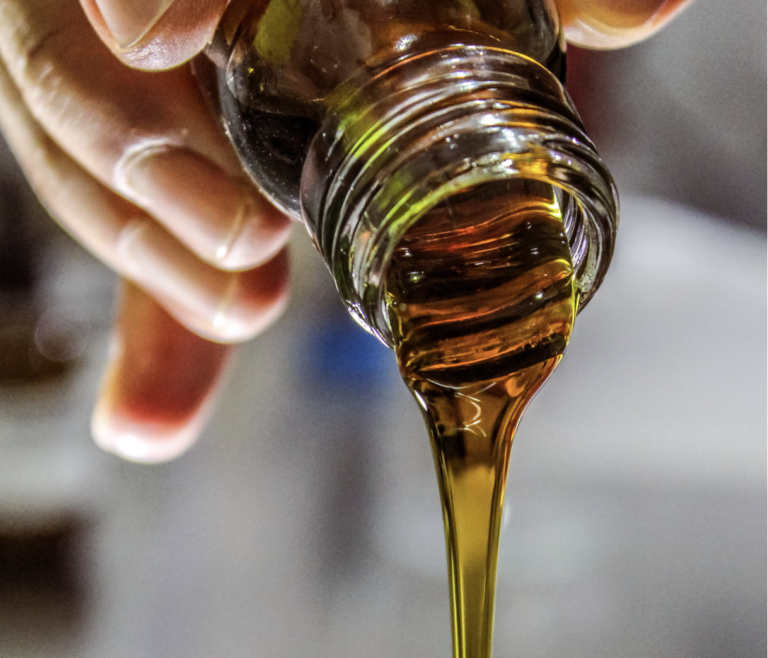
In a new study US researchers found that mice fed a regular serving of extra virgin olive oil exhibited a reduction in numerous inflammation biomarkers.
Senior Author Dr. Domenico Praticò is a Professor at the University of Temple Lewis Katz School of Medicine, and Director of ACT, coordinated the study. He is also the Scott Richards North Star Charitable Foundation Chair for Alzheimer’s Research, Professor and Director of the Alzheimer’s Center at Temple, and Professor of Pharmacology at the Lewis Katz School of Medicine at Temple University.
Until more research on humans is done, why not drink a spoon a day like this researcher inspired by Jewish traditions?
A trash sorting robot can help avoid contact with hazardous waste
Can a garbage collecting robot find me a pile of money in a mattress? Can it spare real-life sorters from the dangers of e-waste? Will they take over jobs and a way of life?
Plenty of people the world over rely on livelihoods out of sorting trash. My father did it for years. And I joke to a lot of people that he found me at the side of the road. But the same people and children who pick through trash are also exposed to an overload of toxic chemicals and e-waste. My dad was always burning out the plastics on the copper wire he found and I believe it contributed to the cancer he succumbed to.
Today’s robots can already be programmed to accurately recognize many objects through vision and touch. Tactile information, obtained through sensors, along with machine learning algorithms, enables robots to identify objects previously handled.
But sensing is often confused when presented with objects similar in size and shape, or objects unknown to the robot. Other factors restrictive to robot perception include background noise and the same type of object with different shapes and sizes.
Children in China play in electronic waste
In Applied Physics Reviews, researchers from Tsinghua University in Beijing, China worked to break through the difficulties of robotic recognition of various common, yet complex, items.
Humans possess many different types of touch sensing, one of which is temperature: cold metal, warm wood. The researchers aimed to mimic this ability by designing a robotic tactile sensing method that incorporated thermal sensations for more robust and accurate object detection.
The Chinese team created a layered sensor with material detection at the surface and pressure sensitivity at the bottom, with a porous middle layer sensitive to thermal changes. They paired this sensor with an efficient cascade classification algorithm that rules out object types in order, from easy to hard, starting with simple categories like empty cartons before moving on to orange peels or scraps of cloth.
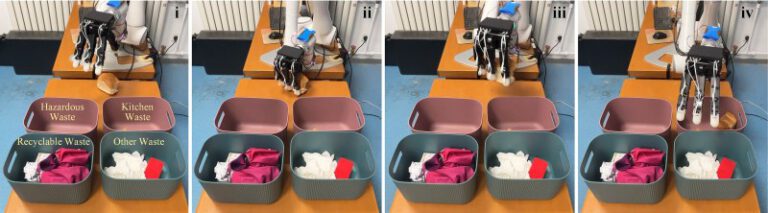
To test the capabilities of their method, the team created an intelligent robot tactile system to sort garbage. The robot picked up a range of common trash items, including empty cartons, bread scraps, plastic bags, plastic bottles, napkins, sponges, orange peels, and expired drugs.
It sorted the trash into separate containers for recyclables, food scraps, hazardous waste, and other waste. Their system achieved a classification accuracy of 98.85% in recognizing diverse garbage objects not encountered previously. This successful garbage sorting behavior could greatly reduce human labor in real-life scenarios where so much goodness goes to landfill.
Can you train the robot hands to find a pile of money in a mattress or gold hidden in an old shoe? We will keep an eye out for this one but also be mindful of trash sorting communities in the world that depend on upycyling.
Well known trash sorting communities in the world include:
The Zabbaleen (Cairo, Egypt): The Zabbaleen are informal Christian garbage collectors who recycle a significant portion of Cairo’s waste. They have developed an efficient system using pigs too! that sorts and repurposes materials from household waste, making them a critical part of the city’s waste management.
Zabaleen in Cairo via Wikipedia
The Catadores (Brazil) are cooperative groups of waste pickers who collect and recycle materials from urban waste. They play a vital role in Brazil’s recycling efforts and have helped formalize the recycling sector. Several movies have been made about the importance of garbage collecting for these people.
The Zero Waste Town (Kamikatsu, Japan) has committed to becoming a zero-waste town by implementing extensive sorting practices. Residents separate waste into 45 different categories to maximize recycling and composting.
Kamikatsu, Japan
The Dharavi (Mumbai, India) is one of Asia’s largest slums but it is a hub for recycling and waste management. Small-scale industries in Dharavi recycle plastics, metals, and other materials, contributing significantly to Mumbai’s waste reduction.
Salmon is paired with red wine in this perfect Mediterranean Diet dish
Over the past three decades, rates of colon and rectal cancers—collectively known as colorectal cancer—have steadily risen among people under the age of 50. It’s particularly striking to researchers because rates have been declining among older people during the same time period.
Young people tend to be diagnosed at later stages of the disease, making it harder to cure.
“In past years, we’ve thought of colorectal cancer as a disease of aging,” said Joel Mason, a gastroenterologist and Senior Scientist at the Jean Mayer USDA Human Nutrition Research Center on Aging (HNRCA) at Tufts. “If you look at the absolute incidence rates, it’s still higher amongst older people, but the rate is going up steadily in young people, whereas it’s going down in older people. It’s a disturbing trend.”
Mason said that the rates are rising too quickly to be attributed to genetic changes. “It seems most likely to be an environmental factor or combination of factors,” he said, “but we can really only speculate at this point.”
Working in stressful environments like online businesses where work never stops can be one of the problems. Social media and stress about where one fits in could be another.
The obesity epidemic may be partly to blame, because having excess body fat is associated with a higher risk of being diagnosed with colorectal cancer. Mason said declining rates among older people may be due to effective screening and an increased awareness of protective lifestyle factors like a healthy diet and regular exercise.
For those looking to reduce their risk of colorectal cancer, Mason said studies have consistently found that a healthy diet and exercising at least three times a week are associated with lower rates, while being overweight and smoking are associated with higher rates.
“Among all the common cancers,” Mason said, “colorectal cancer is one where the risk is most sensitive to dietary factors.” Over the past few decades, multiple studies have shown that colorectal cancer risk can be reduced with a diet that contains plenty of fruits, vegetables, and fiber, and much less (if any) processed meat, red meat, and alcohol. Processed meat includes bacon, sausage, ham, hot dogs, and luncheon meat.
A Turkish salad high in lycopenes
Some common symptoms of colorectal cancer are rectal bleeding, iron-deficiency anemia, and a distinct change in bowel habits. All of these symptoms also can be caused by other less dire conditions, such as hemorrhoids, menstrual bleeding, and food sensitivities. In light of rising rates of colorectal cancer in young people, Mason said providers and patients shouldn’t be too quick to attribute rectal bleeding to hemorrhoids or iron-deficiency anemia to menstrual bleeding.
“I hate to raise the anxiety level of younger people,” he said, “but the trends are very disturbing and in balance maybe it is worth making our younger population a little more vigilant about symptoms that need to be paid attention to.”
So in the space sector news, there are some results in from the four civilian passengers of the Inspiration4 spaceflight about what happens to untrained-for-space bodies in orbit: during a short 3-day trip into Earth’s orbit.
Researchers found the space travellers experienced some of the same physiological changes during their roughly three-day trip into Earth’s orbit as astronauts on much longer missions.
“Civilian participants have different educational backgrounds and medical conditions compared to astronauts with career-long exposure to spaceflight. Understanding their physiological and psychological responses to spaceflight and their ability to conduct research is of utmost importance as we continue to send more private astronauts into space,” explained Dr Emmanuel Urquieta, chief medical officer at the Translational Research Institute for Space Health (TRISH), in a statement.
The results are published in a new Nature paper explaining how even short spaceflights might affect human biology. Just a few days in orbit can cause immune-cell disruption, dehydration and cloudy thinking — but most of these conditions revert to normal soon after travellers return to Earth, according to the largest catalogue of data detailing the impacts of space travel on the human body.
Every crewmember experienced lengthening of their telomeres during the flight. These are the protective caps on the ends of chromosomes, and they get shorter during our lives as our bodies’ cells undergo ccycles of replication. Eventually, the telomeres become so short that they lose their power to protect.
Scientists have been experimenting with ways of boosting longevity by slowing telomere shortening.
All Inspiration4 crew showed evidence of telomere lengthening during their brief sojourn into space so it can be said that they got genetically “younger” during the mission. “It’s really a remarkable finding in a number of ways and helps us solidify our findings,” commented Susan Bailey, a professor at Colorado State University, in a press briefing.
“This is the beginning of precision medicine for spaceflight,” says geneticist Christopher Mason, who is a co-author on some of the papers.
The reports aim to chart how spaceflight affects space tourists, who have a wider variety of health histories and issues than selected and highly trained astronauts.
Neste’s SAF biofuel tested in Boeing Emirates flight in 2023
Emirates, the official national airline of the United Arab Emirates, has begun using sustainable aviation fuel (SAF) as part of its fuel agreement with Neste, Singapore on flights departing from Singapore Changi Airport, marking its first investment in SAF investments Asia. Approximately 807,000 gallons of blended SAF have been integrated into the fuelling system of Changi airport over the course of the last few weeks.
Neste is a Finnish company but its Singapore refinery, with 300 employees, started its SAF operations in 2010 producing exclusively renewable products.
“Emirates’ investment into Neste-produced SAF in Singapore marks a first step forward in our SAF adoption in Asia, a region that is primed to become a leading supplier of SAF, which continues to be in short supply,” said Adel Al Redha, Deputy President and Chief Operations Officer, from Emirates.
Emirates is tracking the delivery of SAF into the fuelling systems, accounting for and assigning its environmental benefits through widely used and accepted industry methodologies. Earlier this year, the airline closely collaborated with Neste for the supply of 2.6 million litres of neat SAF in the fuelling systems of Amsterdam Schiphol airport.
The SAF being provided by Neste is produced from sustainably sourced and 100% renewable waste as well as residue raw materials, including used cooking oil and animal fat waste. SAF used as part of this agreement can be safely used in existing Emirates aircraft and airport fuelling infrastructure, and in neat form reduces lifecycle carbon emissions (CO2) by up to 80% compared to using conventional jet fuel.
Emirates currently operates flights from Amsterdam, London Heathrow, Paris, Lyon and Oslo with SAF. The airline also integrated SAF into the fuelling systems at its Dubai hub late last year.
In 2023, Emirates was also the first airline in the world to operate two landmark demonstration flights from Dubai on the Boeing 777 and A380 with 100% SAF in one engine in partnership with Neste and other committed partners, supporting future certification where 100% drop in SAF is approved for commercial airline operations.
Currently, SAF is approved for use in all aircraft, but only in blends of up to 50% with conventional jet fuel.
Over the past few decades, mobile technology has advanced rapidly, transforming how we communicate, access information, and conduct business. Mobile technology has evolved rapidly since the introduction of 2G networks in the early 90s, primarily facilitating voice communication. The advent of 4G LTE brought high-speed internet to our fingertips, revolutionizing connectivity. Each generation of mobile technology has brought significant speed, capacity, and functionality improvements.
However, The 5GThe Manufacturing smartphones and network equipment requires substantial amounts of raw materials, including rare earth elements. The energy needed to operate and maintain network infrastructure has contributed to greenhouse gas emissions. The frequent upgrading of devices has led to an increase in e-waste, with many not being recycled. In fact, 76 percent of e-waste is unaccounted for, as most are left sitting in storage homes or aren’t disposed of properly.
With 5G technology, will the world deal with more environmental concerns, or is it the technological efficiency we are looking for?
The Rise of 5G Technology and Its Environmental Impact
5G technology isn’t only revolutionizing internet speeds. It represents a shift towards increased connectivity and intelligent ecosystem promoting ecological sustainability.
Energy efficiency and 5G
One of the most compelling eco-friendly aspects of 5G technology is its potential to reduce energy consumption. Thanks to advancements in hardware and network architecture, 5G networks are more energy-efficient than previous generations.
For instance, 5G uses beamforming techniques to direct signals more precisely, reducing power wastage and enhancing the overall efficiency of data transmission. The infrastructure supporting 5G can dynamically adjust energy usage based on demand, minimizing unnecessary energy expenditure.
The environmental benefits of 5G extend beyond its direct energy efficiency. 5G technology can substantially reduce energy usage across various industries by enabling more innovative applications and services.
Smart buildings, for example, can utilize 5G to optimize heating, ventilation, and air conditioning systems, significantly cutting down on energy consumption. Similarly, industrial processes can become more efficient with real-time monitoring and automation, reducing waste and improving productivity.
Reducing electronic waste
5G technology also has the potential to contribute to a more sustainable, circular economy by reducing electronic waste. For example, users can upgrade their 5G Samsung phones through software updates rather than hardware replacements. This shift extends the lifespan of electronic devices. As a result, it reduces the need for new hardware production, which is often resource-intensive and environmentally damaging.
By embracing 5G, manufacturers and consumers alike can play a part in minimizing electronic waste and promoting sustainable consumption practices.
Furthermore, the enhanced connectivity provided by 5G can facilitate better management and recycling of electronic waste. IoT-enabled devices can be tracked throughout their lifecycle, ensuring they are responsibly disposed of or recycled. This comprehensive waste management system can significantly reduce the environmental impact of discarded electronics.
5G networks supporting a circular economy will highlight the interconnected nature of technological advancement and environmental sustainability.
Smart agriculture and sustainable farming
Implementing 5G technology will benefit the agriculture sector immensely, particularly in the context of sustainable farming practices. With 5G-enabled precision agriculture, farmers can leverage real-time data to optimize crop management, irrigation, and pest control.
This approach enhances productivity but also minimizes the use of water, fertilizers, and pesticides, leading to more sustainable farming operations. The efficiency brought about by 5G can help farmers meet the growing global food demand while reducing their environmental footprint.
Moreover, 5G can support the development of innovative agricultural technologies such as autonomous tractors, drones, and sensor networks. These tools can perform various tasks with high precision, from planting and harvesting to monitoring soil health and weather conditions. Farmers can enjoy higher yields with fewer resources with these technologies, promoting a more sustainable and efficient agricultural system.
Driving transportation efficiency with 5G
The transportation industry is responsible for about one-quarter of global greenhouse gas (GHG) emissions. 5G technology is poised to transform the transportation and logistics sectors significantly. By enabling real-time data exchange and communication, 5G can enhance the efficiency of transportation networks and logistics operations.
For instance, 5G-powered smart traffic management systems reduce congestion and emissions by optimizing traffic flow and providing real-time updates to drivers. This can lead to more efficient transportation, reducing fuel consumption and lowering vehicles’ carbon footprint.
5G can facilitate more efficient supply chain management in the logistics industry through enhanced tracking and monitoring capabilities. With real-time and actual visibility into the location and condition of goods, companies can optimize their logistics operations, reducing delays and minimizing waste.
Additionally, deploying autonomous vehicles and drones for delivery services can enhance efficiency and reduce environmental impact.
Sustainable medical innovations
The healthcare industry is set to undergo a revolution with the integration of 5G technology, particularly in terms of sustainability and efficiency. 5G enables the deployment of telemedicine and remote monitoring solutions. It reduces the need for physical visits, thereby cutting down on associated travel emissions. Patients can get high-quality care from the comfort of their homes, reducing the environmental impact of healthcare services.
Moreover, real-time data sharing facilitated by 5G can improve patient outcomes and streamline medical processes.
5G can support the development of advanced medical technologies such as connected medical devices and AI-driven diagnostics. These innovations can improve the accuracy and efficiency of medical treatments, reduce waste, and improve patient care.
For example, smart medical devices can continuously monitor patients’ health and adjust treatments in real-time. This minimizes the need for excessive medication and reduces overall healthcare costs.
Embracing a Sustainable Future with 5G
The widespread adoption of 5G technology promises to drive significant advancements in sustainability and efficiency across various sectors. However, it must be a collective effort from all stakeholders. With the expansion of 5G networks, it’s best to prioritize eco-friendly practices and leverage this technology to its fullest potential.
Doing so can pave the way for a greener, more sustainable world, ensuring a better quality of life for future generations. Embracing 5G is about enhancing connectivity and building a smarter, more sustainable future for all.
Black olive producers have been duping us all this time. The black isn’t a fermented olive, and it’s actually a green olive in food coloring. The left are fake olives. The ones on the right are the real deal. Mushy, greyish, with
Olives –– the symbol of the Mediterranean and of good heart health and peace. The Old Testament speaks of olives are as loved as honey, figs, grapes, and pomegranates. As cherished as they are, black olives may be keeping a not-so-healthy secret. Olives naturally turn from green to black when they ripen, but they usually don’t ripen uniformly. To even out the color and look of black olives, and to make them cure quicker, Californians invented a way to dye them so that they will look and taste great.
What we are saying is that most black olives that you buy are actually green olives dressed up in black! It’s like the take of pink pistachios.
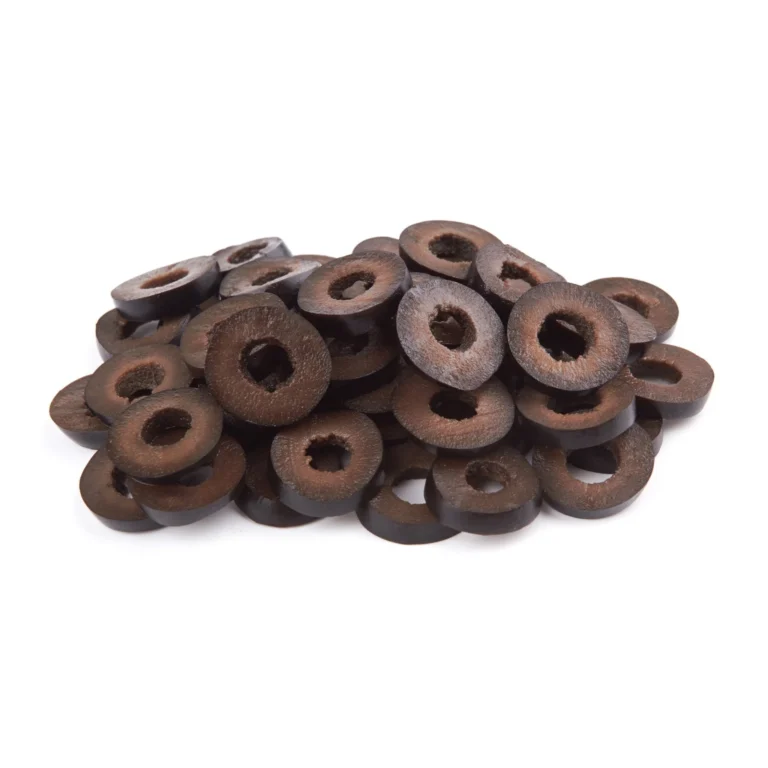
Uniform in color, and like a small rubber tire: these are fake olives and they are as dead as pickles cured in vinegar.
So when you buy ripened black olives in a can, the olives are usually neither actually black or ripe. Many olives in a can are picked when they are green and are cured using an iron salt and brine and lye solution to cause the olives to darken and preserve quickly. Additives may include lye, acetic acid, chloride salts, iron salts (such as ferrous gluconate also known as ferrum sulfate) and compressed air bubbled through the olive curing vats help develop the black color.
Naturally darkened olives. They aren’t uniformly dark.
Some health effects of eating ferrous gluconate, which is generally regarded as safe, or GRAS for human consumption: This chemical study found that there are people who may have allergies to ferrous gluconate, represented by the food labeling E number E579 in Europe: “Although ferrous gluconate is widely applied in food processing and is generally regarded as safe, it should be used according to the prescribed level. Excessive application can lead to iron overload.”
This site is a food additives watchdog that points out some potential side effects of ferrous gluconate, used as a common iron supplement pill. Possible Side Effects of Ferrous Gluconate E579 can be gastrointestinal discomfort, anorexia, diarrhea, nausea, heartburn, vomiting, constipation, fecal impaction, darkening of stools, gastrointestinal necrosis, and hematemesis. Allergic reactions and cardiovascular effects such as circulatory collapse.
Green olives colored black. Read the label. Naturally fermented olives should in
Natural shops offer what they call black olives that are not “dead” or treated with pasteurization, lye and other chemicals.
Are these real black olives or fake?
They argue the case against additives in olives are to make them look better: “Olives don’t need to be this way. The difference between raw and pasteurised; between brine or salt or water and the chemical lye is little known, but significant on all levels. And that difference can be vast.
“Olives are a huge global market and something that we are likely to consume with little thought on a regular basis. Increasingly, even modern processing methods such as lye are being outpaced by techniques such as ultrasound, taking a natural process even further away from its roots,” they add.
Wait, is there a problem with green olives too?
Lye is a powerful corrosive substance which may be still present when you or your family eat the olives. It is used in commercial olive processing in both green and black olives to speed up the process, but like vinegar to make pickles, this method of using lye takes out all the good stuff that fermented fruits and vegetables can give you. Traces may be left on the olives.
Self sufficient culture explains why he won’t use lye. “I use lacto fermentation to cure my olives because I want good bacteria to survive the curing process and be present in my olives for the heath qualities it brings particularly for “gut” health.” We have piles of stories on health fermentation. Start with Jeff’s article on Sandor Katz.
While we have made and cured ripened black olives in the past (here is a recipe for making olives at home, which include blackened olives), we are now going to think twice about buying any black olive in brine if it means eating additives that may be harmful to my health or my kids. We are also going to look for naturally fermented green olives, because we didn’t realize that green olives in the can are industrialized.
How you can avoid lye and ferrous gluconate in your olives?
Make your own olives means you need to live close to a Mediterranean market or olive groves in California. We have done the process which involves washing the olives every day for a month and then letting them sit for a month more. My son did it for a school project without the washing part. They added salt and lemon and after a few weeks they were picked perfectly. If you live in a Med area country, there ma be olive trees that you can forage from in towns and cities. Ask around.
Buy your olives at a natural food stores with labels and vendors you trust.
Go visit natural, slow food farms as part of your summer holidays in Europe and eat your heart out.
Make your own tasty marinade, no matter what olives you have at home.
The price of your grocery bill does not need to suffer over the cost of olives. You can buy simple fermented olives from California or if you live in the Mediterranean from France, Italy or Greece, and upgrade the olives with a marinade you make it home. Marinating olives is not the same as fermenting olives, a process which takes months and which turns a very bitter olive into a delightful side dish eaten with a glass of wine, cheese or any Mediterranean salad. Olives come in hundreds of varieties. Here are 17 of the best olives you can try with your new marinade. Scroll down for the recipe.
Marinating Olives
Upgrade store bought olives with this olive marinade
glass jar with lid to store the olives in the fridge
Ingredients
2cupsoliveseither one variety or an assortment of different colors and sizes
1/2cupolive oilextra virgin
1peellemontry to use organic lemon as most sold contain pesticides on the peel. You can also add wedges, to taste.
2clovesgarlicthinly sliced
1 leafbay Take a large bay leaf, broken up, or 2 small whole bay leaves
1/2teaspoondried thyme, rosemary, oregano, or za'atarCrushed
1coriander seeds
2red wine vinegar
1/2teaspoonchili pepper flakes(optional) or to taste
Instructions
If using black olives, rinse them separately to prevent discoloring the rest of the olives.
Drain all olives; place them in a large bowl.
Smash the coriander seeds in a mortar once or twice. Don't pulverize them. If you don't have a mortar and pestle, wrap the seeds in a kitchen towel and bang them with the bottom of an empty bottle or jar a few times.
Toast the coriander seeds in a dry pan for 2 minutes, or until the fragrance rises. Remove from the heat.
Combine the oil, coriander seeds and the rest of the seasonings, except for the vinegar, in the pan. Heat this seasoned oil over low heat for 2 minutes. Remove from the heat and allow it to cool.
Pour the marinade over the olives. Drizzle the vinegar in. Mix gently.
Cover the olives and allow them to marinate at least a couple of hours at room temperature, turning them over twice. But they'll taste better after a week in the refrigerator, and will keep for up to a month there, the flavors improving as they mature. Take the olives out of the fridge an hour before serving, to let the solidified olive oil thaw.
Stedsans is an off-the-grid forest resort in Southern Sweden (2 hours from Gothenburg/Malmö and less than 3 hours from Copenhagen) with a regenerative farm, a restaurant that goes deep into the flavors of seasonal ingredients, 16 simple wooden cabins, campsite, and a floating sauna on the lake. You could buy it to make it into an eco-friendly rental.
The vision was started by a Swedish chef who moved her passion to the forest where people could book a cabin and a lovely communal meal created by findings from the forest and hyper local suppliers nearby. But every vision and creation, when done well, has a lifespan.
They are selling: “After 8 years in the forest it is time for us to hand over our beautiful project to someone else. Our decision to let go of this very special place has not been easy. We have poured our hearts into creating a little slice of paradise on Earth, and we hope and expect to find new owners who will take well care of it and all of the potential it offers.”
Stedsans is now a popular restaurant and forest resort with it’s own permaculture farm, but it may very well become something else, they suggest. “Maybe a retreat center, a conference space for a forward-thinking business – or a private home, maybe even a little village, with amazing development potential. Whatever dream you carry in your heart, we will be happy to show you around and give our feed-back to ensure we find a really good match for this place and business.”
In a new survey by the French energy company Veolia, they found that 86% of Saudi residents in 2024 believe that climate change is real, compared to 59% in 2022, indicating a growing acknowledgment of climate change within the population.
These findings are part of the second edition of the Barometer of Ecological Transformation, a biennial survey conducted by Veolia in partnership with Elabe to understand the world’s views on existing solutions for addressing the triple challenges of climate change, biodiversity loss, and pollution. The results of the global study can be found here (links to PDF).
Other Saudi Arabia data highlights on environmental issues:
52% of Saudi residents feel exposed and vulnerable to pollution-related illnesses
43% of Saudi residents feel exposed and vulnerable to migration due to pollution and climate factors
86% of Saudi residents in 2024 believe that climate change is real, compared to 59% in 2022
58% of Saudi residents think that the future is still in our hands, and we can still limit climate disruption and pollution
A majority of Saudi residents would consume food (68%) and water (58%) grown from recycled water
The positive increases in belief and awareness regarding climate change and ecological transformation in Saudi Arabia between 2022 and 2024 reflect the efforts in the Kingdom as well as the region to prioritize sustainability and an emissions-free future – underscored by two COPs being held in the region, the UAE’s Year of Sustainability Initiative, and the Saudi Green Initiative. This year Saudi Arabia hosted the UN World Environment Day.
According to the latest edition of the survey, the perception of climate disruption risk being serious and immediate increased from 56% in 2022 to 67% in 2024, showing a heightened awareness of the urgency of addressing climate issues.
In an encouraging sign of progress, 78% of respondents in Saudi Arabia believe that there is sufficient discussion about implementing solutions to mitigate pollution and climate disruption. Acceptance rates for green solutions have greatly improved, with recycling initiatives and water treatment receiving moderate support while significant acceptance is evident in adopting measures like consuming food (68%) and water (58%) grown from recycled water.
This exclusive study aligns well with Veolia’s 2024-2027 strategic plan GreenUp, which aims to stimulate innovation and growth to depollute, decarbonize, and regenerate our resources. The drivers behind the GreenUp strategy will uniquely position Veolia to meet the challenges raised in the recent survey.
Globally, more than 66% of the world is gripped by ecological fears, with respondents feeling vulnerable to risks linked to climate change and pollution. The findings highlight widespread recognition of climate change (89%) and a prioritization of health over cost in decisions regarding water, waste, and energy (97%), with two-thirds foreseeing greater costs from inaction and expressing openness to health-centric solutions despite potential cost increases.
The survey was conducted in 26 countries across 5 continents, involving over 29,500 people. Collectively, these countries represent nearly 60% of the world’s population, 67% of global greenhouse gas (GHG) emissions, and 77% of global GDP.
Veolia is a French transnational company with activities in three main service and utility areas traditionally managed by public authorities – water management, waste management and energy services
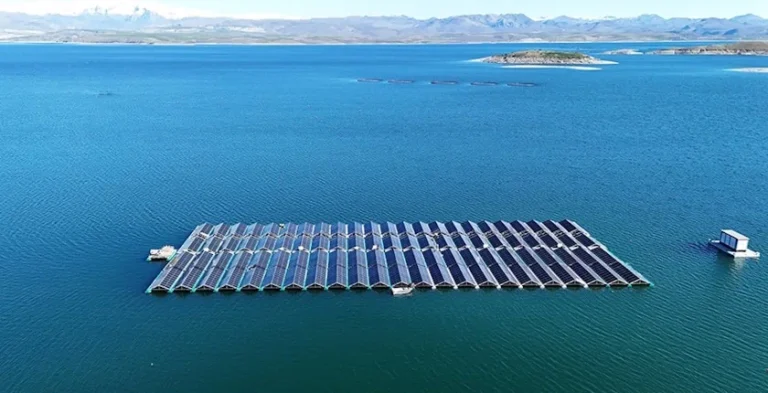
The installation of a new floating solar power project in Elazığ, worth $2.2 million USD and with a capacity of 1 MW, has been completed by the State-owned General Directorate of State Hydraulic Works (DSI), marking the initiation of its test production phase. This project, with a total cost of EUR 2.2 million, is anticipated to produce approximately 1.8 GWh annually.
With dam reservoirs covering about 4000 square miles in Turkey, the country envisions significant potential for floating solar power plants. Such plants could generate 79.5 billion kilowatt-hours annually, meeting a substantial portion of the nation’s energy demand while conserving water resources. Turkey is currently building one of the world’s biggest dams, the Ilisu dam and water experts believe it will impact the drought in Iraq. (For the last 15 years Iraq has been asking Turkey and Syria to help release water from their dam projects.)
The project director, Yumaklı, highlighted that the floating solar power plant is complemented by a 2 MW unit situated on land. Comprising 5,028 panels spread across 1.5 hectares, this land-based unit is expected to generate an additional 4.2 GWh per year.
Yumaklı underscored the financial strain caused by pumping systems, especially in cases where irrigated areas are situated at a higher altitude than the reservoir. To mitigate such expenses and adapt to the effects of climate change, Yumaklı emphasized Turkey’s shift towards closed irrigation systems utilizing gravity wherever feasible.
The potential of floating solar power extends beyond electricity generation, with significant implications for water conservation. Yumaklı mentioned ongoing scientific monitoring of water quality and aquatic life in the Keban area, where the project has been implemented.
Turkey has some great new projects happening in solar energy. But the fact that it is also actively building nuclear energy plants is not great news for environmentalists. Germany shut down its last operating nuclear reactor last year as Turkey fired up its first.