On the surface, arts and ecology don’t seem to intersect, yet some artists have discovered a connection between our relationship with the earth and their creative endeavors. With Robert Hass, we explored the relationship between poetry and the environment.
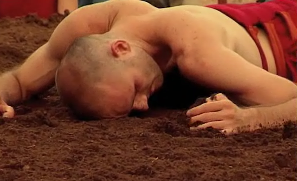
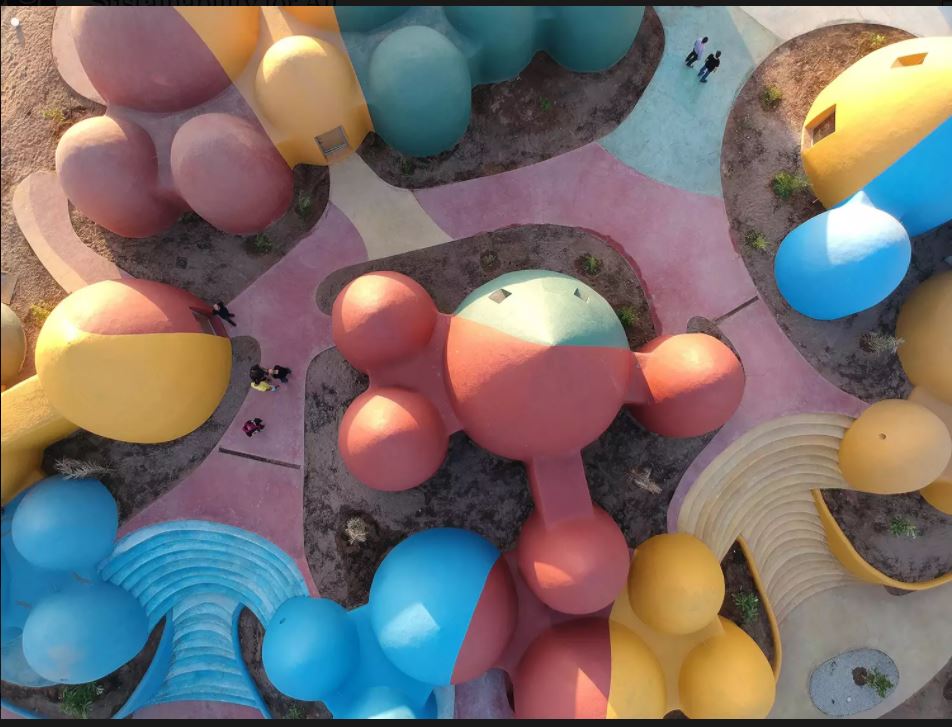
Now Vertigo Dance Company, one of Israel’s best-known modern dance companies, is exploring the relationship between the environment and the world of dance. The dance company is creating an “Eco-Arts Village” in Ella Valley, a spot of Israeli countryside.
Green Ps (that’s a new abbreviation we made up today), are of the notion that only people who are housed, employed, healthy and happy can take on extras like yoga classes and only then start worrying about issues such as climate change and the environment.
That’s why we were happy to see that the US is going to finance mortgages for people in the Palestinian Authority. The houses may not be green, but it’s one step, we believe, to creating sustainable communities and an all round greener Middle East.
In a press release we received this week from the US Embassy, they write that the President of the US government’s Overseas Private Investment Corporation (OPIC) Robert Mosbacher, Jr. will provide up to $500 million for a residential mortgage loan program to support the expansion of affordable housing for Palestinians.
Update 2022: looks like Buddha Burgers is closed. We are keeping this article here for archive purposes. Enjoy looking back.
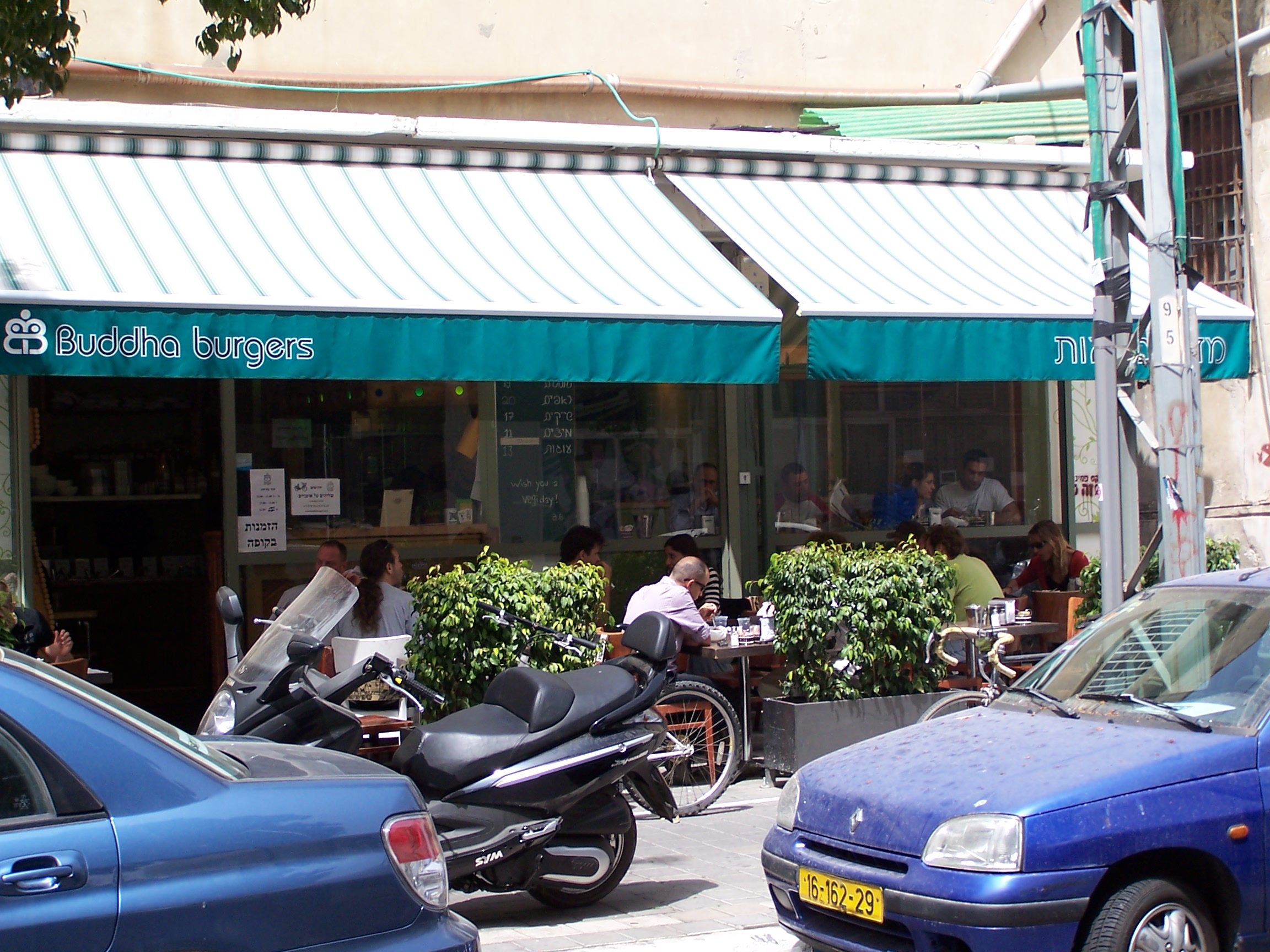
You wouldn’t think that a vegan burger joint would be able to draw a crowd in a city where shwarma stands, hamburger restaurants, and steakhouses run rampant. But Tel Aviv’s Buddha Burgers proves that theory wrong.
And the name “Buddha” is right on – this place has karma like you wouldn’t believe. Green karma, that is.
For starters, this burger joint is 100% vegan – meaning, no animal products whatsoever are offered on the menu. No meat, no dairy, and no eggs. This, in and of itself, is incredibly environmentally friendly since livestock production and the consumption of animal products contributes around one fifth of global greenhouse gas emissions. And there’s no tradeoff on taste, for those of you who are hardcore carnivores – their burgers are delicious.
But there’s more. If you want to order a Buddha Burger delivery to your apartment then they offer human-powered, emission-free deliveries. The deliveries made from their Yehuda Halevy branch are by bicycle, and the deliveries made from the Ibn Gvirol branch are on foot.
If low-emission food is your thing, Buddha Burgers also offers a variety of raw food snacks which are healthier for both you and the environment.
Wait, it gets better. The Yehuda Halevy branch is constructed from and decorated with reused materials. Stools are made from old pipes, the walls are made of old olive oil tin boxes, and chairs are decorated with old newspapers.
Now that’s a burger I’d like to sink my teeth into.
Buddha Burgers: 21 Yehuda Halevy (03-5101222), 86 Ibn Gvirol (03-5223040)
The tell-tale sign of an apartment being renovated in Tel Aviv or Jerusalem is the huge green dumpster holding piles of wood, doors, windows and tiles. Green Prophet says it’s time to reclaim some of those perfectly useful materials instead of sending them to landfill.
Why not bypass that trip to IKEA and create simple, useful and beautiful furniture from material rescued from the trash. Be inspired by the creations of Brazilian designer Carlos Motta.
Ten miles from Mexico, nestled in a humid valley in Arizona we arrive in Canelo for a straw bale building workshop. This is a place where 11-year olds drive, breakfast with songstress Linda Ronstadt is not uncommon, and people from all walks of life share a common ground.
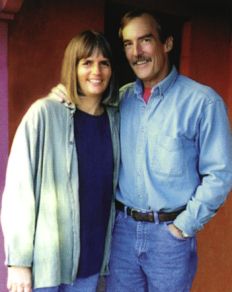
The workshop hosts, Bill and Athena Steen are natural building gurus who call their non-profit organization The Canelo Project. They have helped thousands of people locally and around the world build sustainable homes from a low-cost, readily available material: straw bales.
A strawbale building guest house
Athena was raised in a New Mexico Pueblo Indian family and witnessed her family building their home from adobe. Bill has been photographing and writing books on alternative buildings for many years. With his small, pantless son Kalin balancing off his hip, Bill tosses me a delicious quesadilla and talks about how peaceful his homestead is:
“Here, [in Canelo] there are several small buildings in various stages that allow you to see, touch and experience many of the materials and techniques that we teach. You will leave inspired – empowered with new possibilities and skills.”
Throughout the week we learned about the advantages of straw bale for the outside environment and the human body.
Strawbale houses hurricane resilient
Contrary to the ‘Little Pigs’ fairytale, buildings made with straw bales are unusually strong and sturdy. Bill says that when a hurricane ravished a barrio in Sonoro, Mexico the only buildings left standing were the ones made of bales.
Straw Bale homes are perfect for places with hot summers and cold winters. The thickness of the walls and the large overhang of a typical straw bale home make the interior cool in the hottest days of summer and warm in the coolest days of winter.
When heating the home, many families attest that a small wood stove is enough for heating the entire home, even in cooler climates, like Canada. So, energy savings by building with straw bale can save heaps of cash in the long run.
“We explore ways of living that connect us to others and the natural world,” says Bill. “Athena and I seek to balance the wisdom and skills of the past with those things which have value today. We combine our efforts with others to create simple, comfortable shelter using local and natural materials with handcrafted care.”
Straw bale homes breathe. Contrary to modern homes built with, bricks, stone and drywall, the straw bale home is alive. Air can pass through the earthen plaster, through the straw, through another layer of earthen plaster to you. As the materials you build with are usually natural and best if local, i.e. no artificial additives to the paints, sealers, insulation, you and your family can breathe toxin-free air.
You can also do it yourself. With basic knowledge on building, gathered from a workshop, books, and the Internet you and yours can put a straw bale home together in no time. You can create niches and rooms that softly embrace you.
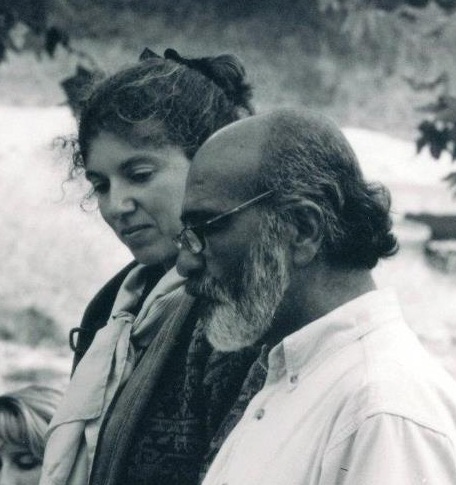
Nader Khalili with his wife Iliona Khalili
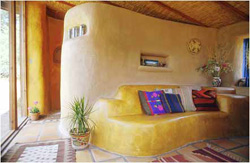
The late alternative builder Nader Khalili from California via Iran calls his sleeping enclaves ‘bedwombs.’ Made to nurture the human psyche, the caverns are soft and organic (like people), without modern sharp, square edges.
Straw bale buildings are beautiful. Living inside these spaces can dramatically affect your quality of life. Imagine the difference between living in a home with natural walls that breathe as opposed to being surrounded by cement.
Straw bale homes are low cost
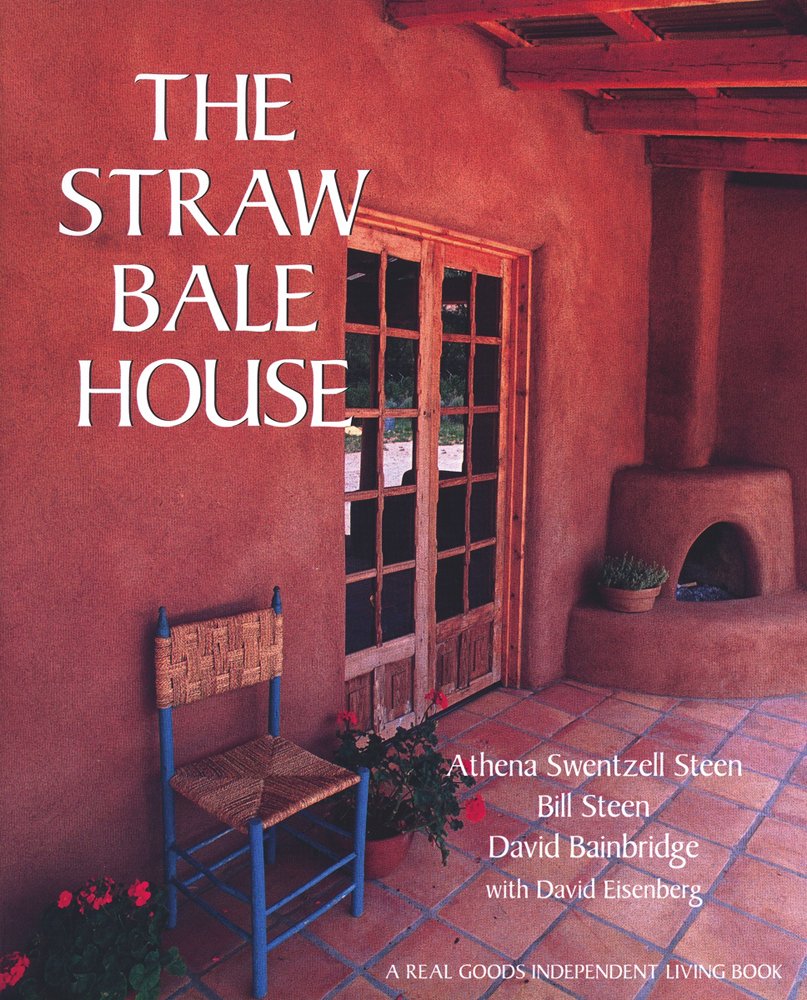
Straw bale homes can be built with less than half the money of traditional homes. There are even those who manage with a few thousand dollars. See testimonials in Bill and Athena’s book “The Beauty of Straw Bale Homes.” Because straw bale building is a ‘new’ concept, homebuilders can host onsite wall raisings where participants will pay to learn more from the hosts.
“Many facets of designing and building a straw bale home are similar to that of building a conventional house,” comments Athena.
“Developing small and efficient straw bale buildings that are well matched to their climate and context and maintain a level of comfort through passive conditioning is a strong focus of our workshop. As are simple and sensible methods and skills that allow for the artistic creation of a uniquely personal and handcrafted home.”
Sounds good. So what are the drawbacks?
Building that suits space and the desert
Straw bale walls are thick. The homeowner can lose considerable floor space or property. For this reason, it is more practical to build in the countryside than in the city, especially in Israel where urban land is scarce.
Bill and Athena Steen have written books on how to build strawbale homes. You can buy the book here.
Another issue to consider is moisture retention. If not properly sealed and maintained, the straw bale home can rot. It is important to maintain the walls and ensure roof overhangs are large enough to prevent moisture buildup. Even in places like Amsterdam and Montreal, healthy happy straw bale homes and institutes are housing people during persistent rain and extreme temperatures and snow. So, it can be done.
In Canelo, we wake every morning to a serene desert landscape, sparse shrub brush and cottonwoods dancing across the meadows.
At an elevation of 1500 meters, altitude and plenty of trees and grasses buffer the usual Arizona heat and dryness. There is a disproportionately large population of frolicking deer. The home-schooled children meld with the landscape and the barefoot boys are by far the best-adjusted and mature kids I’ve ever met. Each day I take a walk with the eldest son, Benito. We discuss philosophy and colors.
The participants come from all walks of life – there were two Christian missionaries working in non-profit organizations, a talent agent from Hollywood, a real estate agent who wanted to sell homes she felt good about, a potter, a carpenter, an ex-advertising agent, a Mennonite parson…all of them had a common dream – to build homes they feel good about.
For more information about building with natural materials, check out the Steen’s website at www.caneloproject.com
Spring is here at last which also means the festival of Passover (or Pessach in Hebrew) is soon upon us. Many Jewish festivals represent an opportunity to reflect on our ecological and ethical footprints and this is especially true on Pessach when our thoughts fall on the issues of our food, freedom and those who have none to take for granted.
With this in mind, our friends at Hazon, a Jewish community group that reveres sustainability in the United States, have put together a set of Healthy and Sustainable Passover Resources which include tips on everything from disposing your hametz to how to green your seder, including shopping for local, organic and Fairtrade ingredients as well as welfare-friendly meat and eggs.
“Pesach offers a perfect opportunity to combine the wisdom of a traditional Jewish holiday with our contemporary desire to live healthily and sustainable in our world. For example, some families put an orange or olive on their seder plate to recognize women’s rights and solidarity with Middle East peace,” say Hazon.
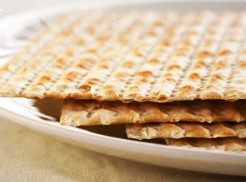
A Hazon’s Sustainable Passover Menu includes almond quinoa salad, matzah lasagna and chocolate dipped macaroons. Yum.
Normally, we’re not big into doom and gloom here at Green Prophet. Not because we don’t believe that bad things can happen, but rather because we believe that focusing on solutions is usually more helpful. And we’re determined to focus on solutions now, because it’s clear that Israel is running out of water. Fast. And that is enormously scary. The question is, what can the average person do about it?
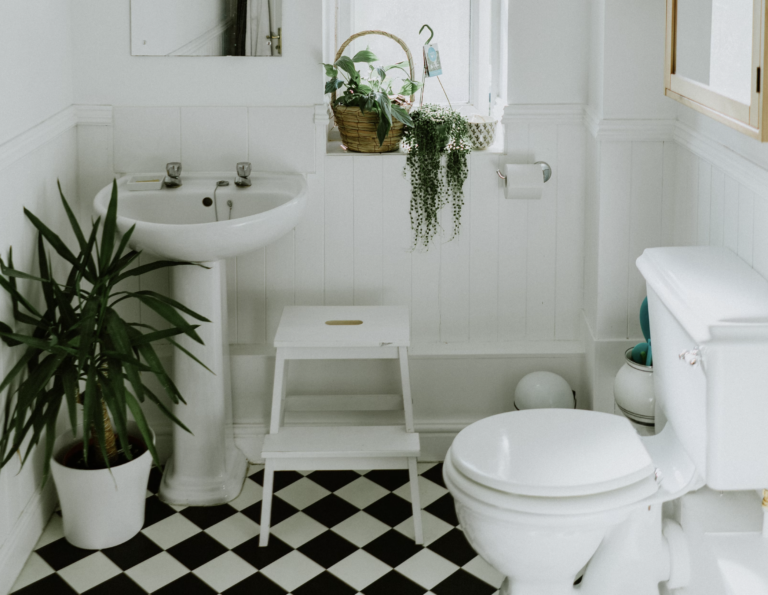
According to the statistics in the above video (in Hebrew), the average person uses about 30 gallons of water per day. Some 40% of this water is used for the toilet.
See, the flush toilet that we use now was invented by Brits, and I’m guessing that water conservation was not one of their most pressing issues. But the fact is that the toilet uses way more gallons per flush than it actually needs to to get the job done.
So here’s what you do:
Get a bottle and fill it with water. Then shut off the water that leads into the toilet by turning the knob next to the tank. Next step is to flush the toilet, which lets out the water from the tank.
Now take the top off the tank (no tools are necessary!). Put the bottle inside the toilet tank, cover the tank, turn the water back on and you’re set. Now whenever the toilet flushes, it will use at least a quarter gallon less than it usually does–and still get the job done. If you have concerns about this, ask your local handyman or plumber.
It’s a particular shame that toilets use so much water, when it is pretty much the only water we use that can’t be recycled. Water we use to bathe or wash in is called “gray water,” and is usually recyclable for certain uses. But water from the toilet, or “black water,” is gone forever as far as our ability to reuse it is concerned.
Seems like it’s time for a change–and the most effective changes start at home.
Cut the junk out of coffee junkie. Instead of a foam or paper cup, use your own travel mug if you are on the go, or ask the café for glass if you have a few extra minutes. Drinking from class or a coffee in a handmade pottery mug is always tastier than dribbling coffee down your shirt in the drive through.
Not only can you cut waste but Styrofoam can actually disrupt your hormones. And you don’t want to ingest the chlorine used to bleach paper cups, they create carcinogenic dioxins during production.
How to have a sustainable coffee break
Avoid capsules
Use an American drip, pour-over or classic espresso machine to brew your coffee
Buy organic and fair-trade coffee or visit cafes that support regenerative agriculture and farm to table
Drink slowly and from a glass cup or coffee mug
Talk to your neighbor or read a print newsaper or book
Recycle your coffee grounds in the compost
Compost filters or make your own cotton reusable filter
Use organic milk or a no-milk alternative like oat milk
If your home java is as good as store bought then consider bringing it in a thermos. You can save cash and regulate your intake at the same time.
One of the things that I am often talking about with people in my guise as an ecomum, is taking life just that little bit slower, not rushing from place to place with your kids, feeling that if you don’t move you are missing out on something.
I am always encouraging the idea of just sitting down with your children and simply enjoying your time together. So it was a very pleasant surprise the other day to come across an article about Mindful Parenting (MP) and to know that there is a whole movement out there encouraging parents to slow down and connect with their children.
Ministers of the Environment from across the region will address the challenges and opportunities of tackling climate change, the links between global competitiveness and environmental policies at the end of April.
Heading to Paris, ministers from the OECD (Organization for Economic Cooperation and Development) countries, their counterparts from Chile, Estonia, Israel, Russia and Slovenia, and ministers from Brazil, China, India, Indonesia, and South Africa will discuss ways they can work together to achieve common environmental goals. Reducing pollution, conserving nature and producing less carbon is on the agenda.
The Ministers will base their discussion on the recently published policy solutions for climate change, biodiversity loss, water scarcity and health impacts of pollutions. The Environment Minister of Italy, with the Environment Ministers of Denmark, Japan, Mexico, Portugal and the US will chair the discussions.
Unlike at Bali, we hope that Israel’s Gideon Ezra does make it to the event, and not send a representative. It is Pessach, however.
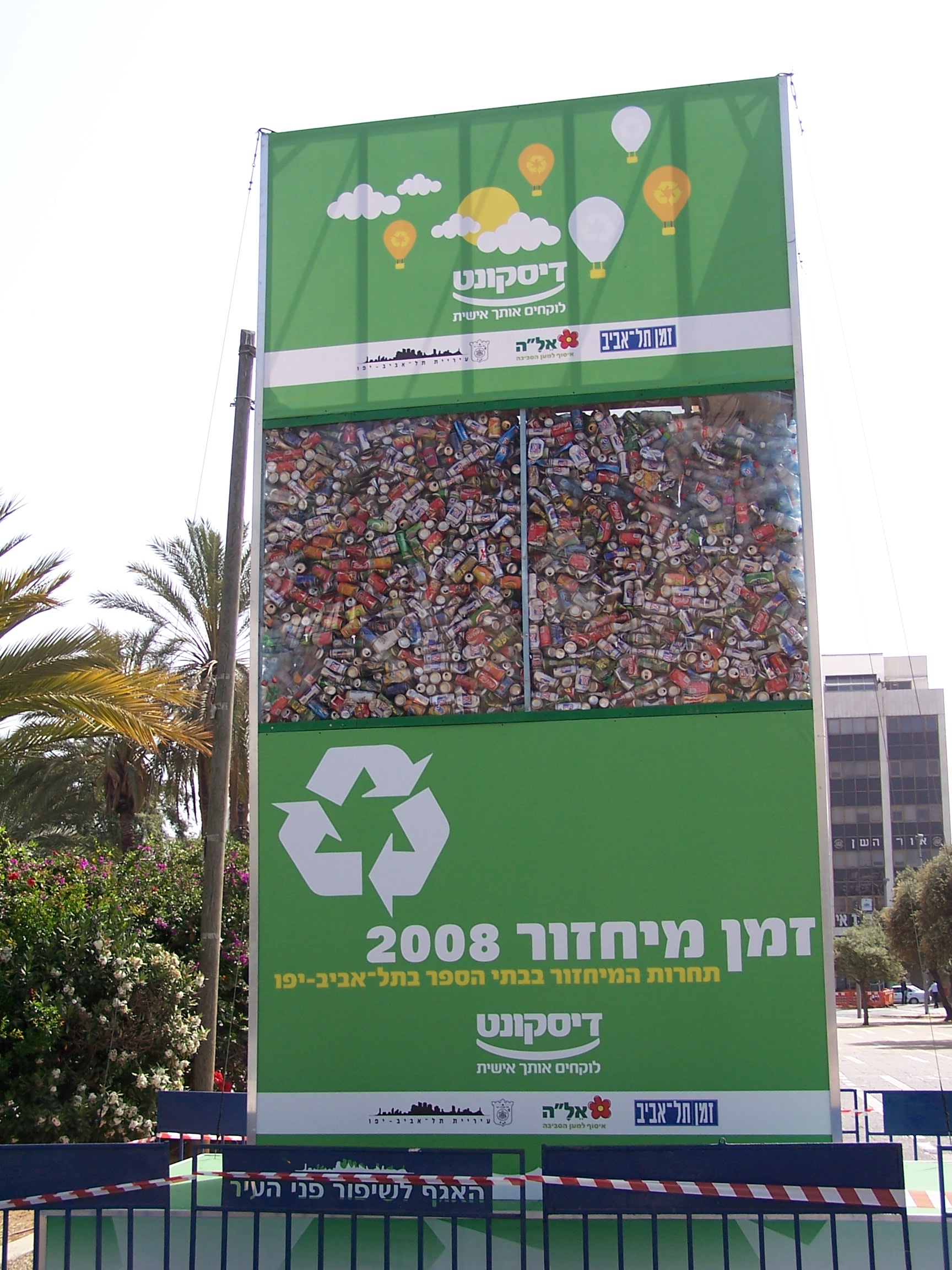
For the second year in a row, Israeli schools are participating in a recycling competition called “Recycle Time 2008” to see which school recycles the most bottles and cans.
The four month educational program and competition – which has been taking place in Tel Aviv, Haifa, Ashdod, Rishon Lezion, Kfar Saba, Beer Sheva, Rahat, and Modiin – began in December and is now coming to an end.
The money raised from the recycling deposit refunds for the bottles and cans will be returned to the schools and the winning school will be given prizes as well.
Last year the competition was held in Tel Aviv alone and 76 thousand beverage containers were collected.
The “Giborei Israel” (Heroes of Israel) school took first place, with a total of 12 thousand containers.
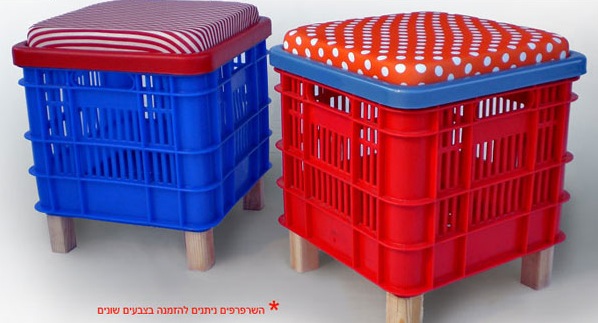
Though I’ve been busy with my mom visiting, I haven’t forgotten the fun at last weekend’s HaSalon Israeli designer home accessories fair in Tel Aviv. And that’s because one of these supergreat industrial crate benches is now in my living room.
Lool 82 is an Israeli design collective that creates funky home accessories from benches and end tables to wall hangings to stuffed animals. All bear impeccable attention to detail and a real sense of quality. To say these things can really hold is a double entendre: Not only do they hold real people sitting on them but open the lid and they can hold anything else – and hide it away. We bought a bright red one with a neato retro patterned cushion top – deep chocolate brown with golden flowers – to hide away some of the growing piles of toys and dolls in our living room. I also wanted to buy one of these but we’re maxed out on end side tables.
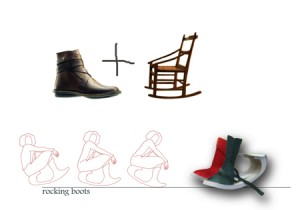
We are enamoured by Yael Mer’s evacuation kayak skirt and slipper rocker inventions which first appeared here on Green Prophet. The slipper rocker is a take on a Waldorf education playboard made from wood. Yael’s version incorporates slippers but also limits the function of the board.
And of course, the wildly popular StickyStains of Yael’s boyfriend and design partner Shay Alkalay.
The StickyStain turns your stain into an alien hero.
Today, take a gander at an extension of Mer’s slipper rocker, the Rocking Boots. The big question is where can we get a pair?
Ilan Bar-Kat and Lisa Bloom live in Zichron Yaacov, after having spent 7 years in the green (in both senses green) emerald Isle of Eire. Lisa was born in Dublin’s fair city, where they tapped into the recycling & composting ethic which is so strong there – Ireland was the first country to ban plastic bags (so Green Prophet salutes the land of Ireland & the Irish for that!). Slainte!
If you’re out and about and you know that you will be sitting idle in your car for more than a minute, turn your motor off. It’s a great way to safe energy, gas and money. Those drops add up over time.

 On the surface, arts and ecology don’t seem to intersect, yet some artists have discovered a connection between our relationship with the earth and their creative endeavors. With Robert Hass, we explored the relationship between poetry and the environment.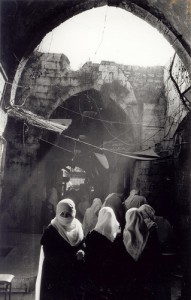
 Green Ps (that’s a new abbreviation we made up today), are of the notion that only people who are housed, employed, healthy and happy can take on extras like yoga classes and only then start worrying about issues such as climate change and the environment.













 We are enamoured by


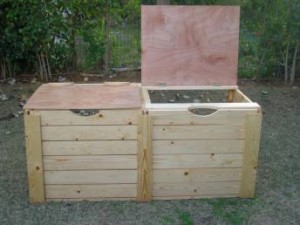
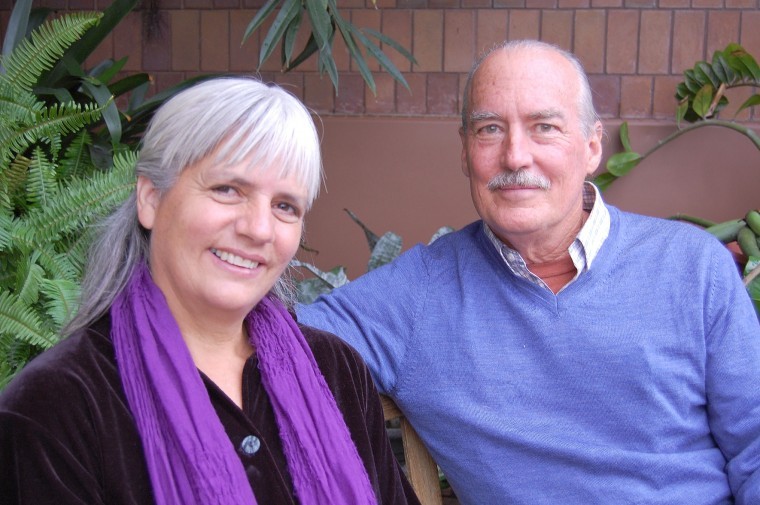
 Green Prophet was contacted this week by a green husband and wife team who are in the eco-business of making composters here in Israel (see left).