Priests and religious Sisters in Lebanon have explained how the solar panels donated by a Catholic charity have enabled them to survive soaring energy costs. Basic necessities like electricity are prohibitively expensive in Lebanon and Syria because of an ongoing economic crisis, making renewable energy systems crucial, according to the local Church.
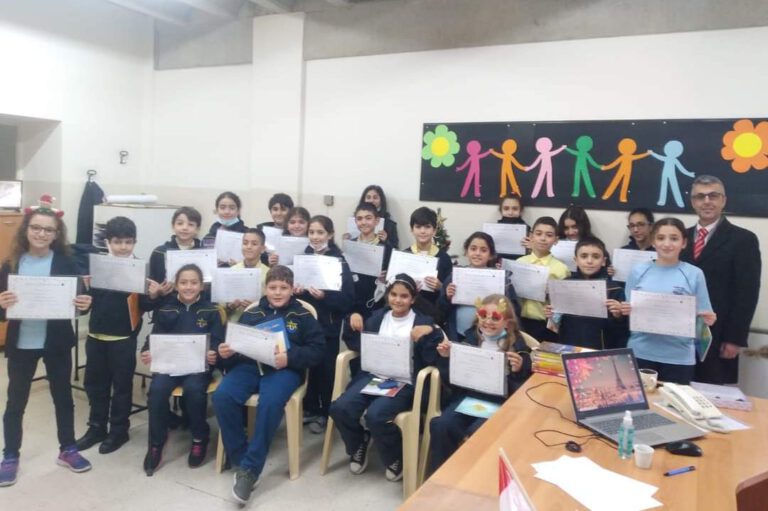
Sister Yaout of the Maronite Sisters of the Holy Family in Lebanon – whose congregation runs an orphanage and supports those with learning disabilities – told Catholic charity Aid to the Church in Need (ACN): “The state provides one or two hours of electricity a day, but it is very expensive…
“We used to have to pay a subscription to the generator, which cost us $30 [£24], plus expenses of between $300 [£240] and $400 [£320] – but now with the solar panels it is down to $6 [£4.80], and for the autumn months it was nothing at all, so we have saved a lot.”
The Sisters’ orphanage in Jezzine, southern Lebanon – which cares for around 30 children – is now supplied with electricity converted from the sun’s rays. The new power system was supported by ACN.
Local Church contacts said that the recession has severely impacted Church activities, with parishes and religious communities being unable to organise pastoral programmes because of the high costs of heating and food storage.
Church-run institutions – such as orphanages and nursing homes – are also struggling to operate in the darkness, and food poisoning is rampant due to a lack of refrigeration.
ACN has provided solar panels for the Church in Lebanon and Syria as part of a support package worth more than £1.3 million ($1.7 million) over the last two years.
The beneficiaries of ACN’s help include 24 religious congregations, 37 parishes in 16 dioceses, 22 schools, 11 convents and seven seminaries and novitiates across the two countries.
Father Pierre Jabbour, bursar at the Maronite Patriarchal Seminary in Ghazir, Lebanon said: “After 4 years of crisis, we have learnt to save a lot and to reduce the budget for food, activities and other things.
“Thanks to your help, we have been able to install a solar panel system, which has enabled us to reduce our annual fuel bill.”
Father Jabbour concluded: “Thanks to the help of your generous donors, the seminarians were able to follow their formation courses and carry out their missionary activities in complete serenity, despite the circumstances surrounding Lebanon.”
Egypt is setting a benchmark in the region with the development of its first integrated waste management city in the Middle East, located in the 10th of Ramadan City.
This pioneering project, inaugurated in February, was attended by notable officials including the Minister of Environment, Dr. Yasmin Fouad, the Minister of Local Development, and the governors of Cairo, Qalyubia, and Giza.
10th of Ramadan is a city located in the Sharqia Governorate, Egypt. It is a first-generation new urban community, and one of the most industrialized. It enjoys close proximity to the city of Cairo, and is considered part of Greater Cairo.
It is spearheaded by a 100% Egyptian company, selected from a competitive pool of 33 candidates, and is part of the larger Cairo Air Pollution and Climate Change Management Project funded by the World Bank.
Strategically positioned near key locations, the waste management city is just 7 kilometers from Ismailia, 12 kilometers from Badr City, and 4 kilometers south of the industrial area of the 10th of Ramadan City.
Currently, about 25% of the initial phase has been completed, which focuses on constructing robust infrastructure.
This includes the installation of a 9-kilometer perimeter wall with a tree-lined fence, an extensive irrigation network, two 4-kilometer roads each 60 meters wide with two main gates, and beautifully landscaped areas with palm trees.
The initiative is a crucial element of the government’s effort to manage air pollution and climate change in Greater Cairo, as mandated by Presidential Decree 111 of 2021.
This project is designed to reduce air pollutants and aligns with Egypt’s commitment to enhancing environmental sustainability and urban development.
Pyramids from the plane, Cairo
Zabaleen, or Christian garbage workers handle much of the waste in Cairo but over the years have been forced out of work. They are known as Cairo’s Garbage People.
The Zabaleen (or Zabbaleen) which translates directly from Arab into English as “Garbage People” harvest and hand-sort 15,000 tonnes of waste every day, recycling nearly 80% of that. Although they are responsible for one of the most successful recycling programs throughout the Middle East, this community of roughly 70,000 Coptic Christians face all kinds of discrimination. We recently featured the cave churches that they built despite not being able to own land and construct to build their own churches.
One reader Nesreen El-Solamy points out on a past article of ours on the Zabaleen: “Thank you for pointing out this magnificent church. However, for someone who isn’t familiar with the country, your article passes an impression that christians in Egypt are treated as outcasts.
“The wealthiest and most successful families in Egypt are Christian, and all Christians live side by side with Muslims. Unfortunately, the garbage collectors are looked down upon and built there own living areas. Because of their job not religious belief. Historically, as you said, mostly Christians accepted that job on account of raising pigs on organic waste. Nowadays, it has become common for all, as it turned to be a very profitable field of work.”
Cairo, we know, is not as tolerant as some people would like to portray. Cairo contains a number of synagogues, though only a handful of Jews remain. As of December 2022, there were 12 remaining synagogues but only 3 native Egyptian Jewish inhabitants in the city down drastically from a population of 80,000 Jews in 1948.
CABI, an international research group that identifies and solves problems for invasive pests in agriculture and forestry, has published a ‘Guide to the naturalized, invasive and potentially invasive plants of Socotra, Yemen,’ a place designated in 2008 a UNESCO Natural World Heritage site rich in flora and fauna not found anywhere else in the world.
The guide, written by Dr Arne Witt, CABI’s Invasives Coordinator, South, and co-authored by Ahmed Said Suleiman Abdullah, provides detailed descriptions of 50 invasive alien plant species, including more than 200 colour images, with information on their impacts and management.
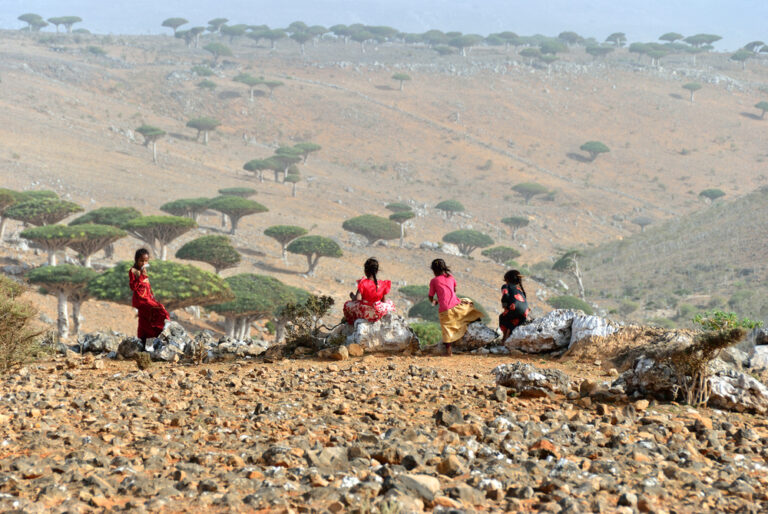
The dragon blood tree, the socotra of Yemen
This includes the species the authors consider to be the biggest threat to biodiversity – mesquite (prosopis juliflora)and erect prickly pear (Opuntia stricta)– as well as the most widespread and abundant species on Socotra, the medicinal herb billy goat weed (Ageratum conyzoides) and Mexican poppy (Argemone mexicana).
‘Galapagos of the Indian Ocean’
The Socotra Archipelago, in the Northwest Indian Ocean is often referred to as the ‘Galapagos of the Indian Ocean.’ Of the ca. 850 plant taxa known from the archipelago, 37% are endemic, while 90% of its reptile species and 95% of its land snail species do not occur anywhere else on earth.
However, much of this unique diversity is threatened by Invasive Alien Species (IAS). To help raise awareness and build the capacity of people and organizations to manage IAS, CABI developed this field guide after working with the United Nations Environment Programme (UNEP) and the Royal Society for the Conservation of Nature (Jordan).
The guide was funded by the Global Environment Facility (GEF) whose remit includes providing grants and finance for projects related to, amongst others, biodiversity, climate change, land degradation, sustainable forest management and food security.
Threatened by a host of factors
Dr Witt said, “The Socotra Archipelago is ranked among the richest island systems in the world in terms of biodiversity with a rich and distinct flora and fauna. Indeed, Socotra is among the top ten continental islands in the world in respect of botanical diversity alone.
“However, this extraordinary biodiversity is threatened by a host of factors including immigration, uncontrolled infrastructure development, poor governance at local and national level, over-use of the limited available natural resources (both marine and terrestrial) leading to increased land degradation, and plant and animal invasions.”
The authors say that several exotic species have been introduced to the Socotra Archipelago, either intentionally or accidentally, and are now widely established. Their impacts on Socotra are largely unknown but can be inferred from studies undertaken elsewhere. For instance, the black rat and brown rat are widely established and are known to have had dramatic impacts on island fauna and flora – having driven native species to extinction elsewhere.
Dr Witt and Ahmed Said Suleiman Abdullah added that there have been ongoing efforts to eradicate mesquite and erect prickly pear and the populations are low, but the seed bank, especially of mesquite, is a constant threat.
Another species, wild tobacco (Nicotiana glauca), has been eradicated, at least for now, the authors say. Other species, such as wild tamarind (Lysiloma latisiliquum) and Jerusalem thorn, are locally abundant. Then there are a few other species which they believe could become invasive in the future. In the guide, they include various species such as bush morning glory (Ipomoea carnea) and several Datura species.
Improving the lives and livelihoods of thousands of people
Co-author, Ahmed Said Suleiman Abdullah, said, “By managing invasive alien plants more effectively we will not only be contributing to biodiversity conservation, but also to improving the lives and livelihoods of thousands of people who depend directly on natural resources for their survival.”
The Guide, the authors say, will also contribute to Yemen meeting its obligations to various international agreements and treaties, such as the Convention on Biological Control (CBD). By managing IAS more effectively Yemen will also be facilitated in meeting many of the United Nations Sustainable Development Goals.
Taofeg Abdulwahd Al-Sharjabi, Minister of Water and Environment, Yemen, said, “There is no doubt in my mind that this field guide will contribute significantly to our understanding and management of invasive alien plants in the Socotra Archipelago, and even more widely in the region. I thank all of the contributors and donors that made this possible.”
Saudi Arabia is no friend to the Houthi terror group that has been firing on Saudi Arabia over the past years. But the wealthy oil nation neighbor does want to see prosperity for the Yemeni people. Saudi Arabia has launched a project that will secure water using renewable energy so 1.7 million people in Yemen can access clean drinking water.
Sanaa, the capital of Yemen, has been facing a severe water crisis, with water being drawn from its aquifer three times faster than it is replenished. The city is predicted to run completely out of water by around 2030, making it the first national capital in the world to do so.
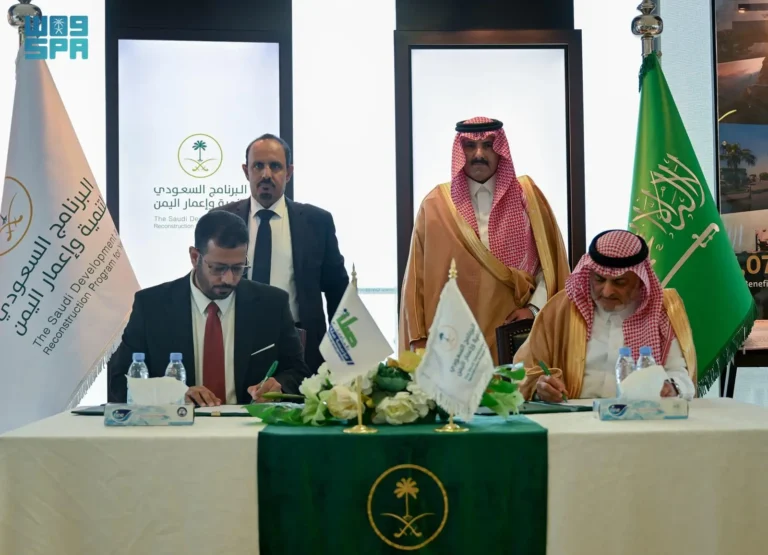
The Saudi Development and Reconstruction Program for Yemen has more than 229 active projects in 8 sectors, including education, health, water, transportation and agriculture.
The Saudi Development and Reconstruction Program for Yemen (SDRPY) and the Selah Foundation for Development will work in the coastal areas and and valley of Hadhramaut, Yemen.
The project to enhance water security in Hadhramaut governorate aims to increase water resources through solar energy in nine districts on the coast and valley of Hadhramaut.
Adopting clean energy will reduce dependence on fuel in operating wells and reduce production costs. The project will also work to build the capabilities of workers in fields in terms of the use and operation of solar energy systems.
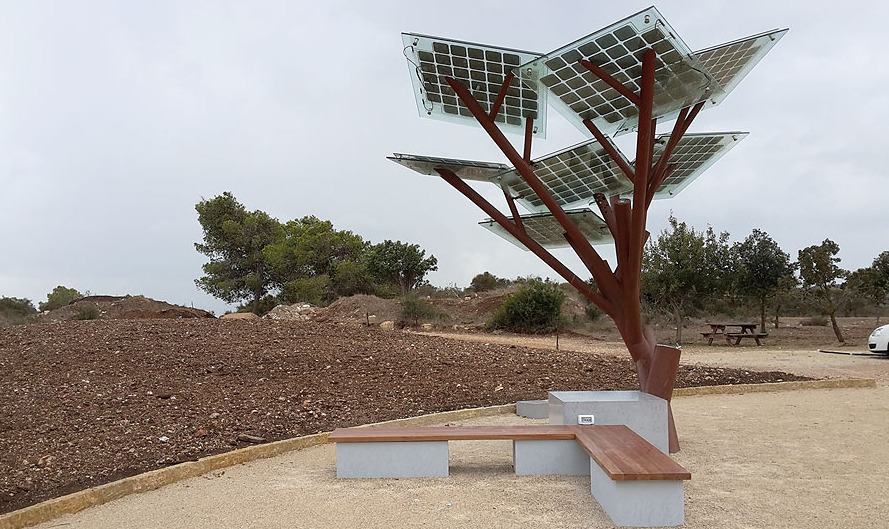
It caused a sensation more than 10 years ago in Israel. An Israeli solar power integration company called Sologic envisions a different kind of tree for societies, the eTree. This concept “tree” solar energy sculpture they developed for social good is a hybrid station for the wayward urban traveller.
Sologic solar tree invented in Israel 10 years ago
Now Masdar City, an Abu Dhabi, UAE-based sustainability and innovation hub dedicated to making all cities a solution to climate change, has revealed a new installation called Solar Tree as its latest eco-friendly addition to its Eco Plaza.
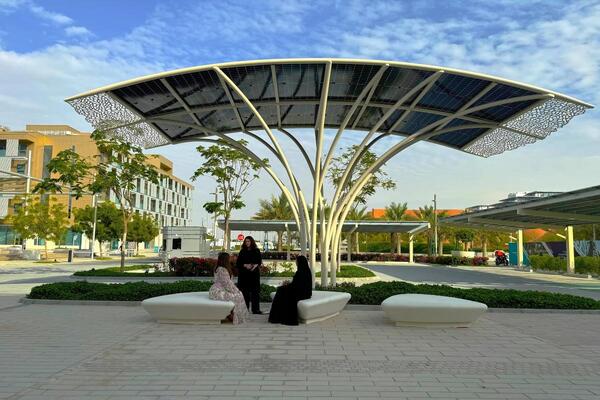
Solar Tree was designed as an art piece to spark public engagement around sustainability practices. It is also an example of multi-purpose urban development. It mimics a natural tree, with its slender, asymmetric columns and 16 gently curved solar panels, providing a shaded seating area while also producing clean and renewable energy.
Featuring 16 bi-facial solar panels that capture sunlight from both sides, Solar Tree has a capacity of 50 kwh and feeds energy directly into the Abu Dhabi power grid. It stands at 5.5 meters tall and 10 meters wide.
The placement of Solar Tree was informed by a 2023 heat study of Masdar City. In collaboration with a start-up called FortyGuard, Masdar City collected six million data points using sensors and drones over a period of nine months.
These data points provided a thermal map of Masdar City and Eco-Plaza that identified zones of high heat that needed to be addressed. Other recent measures to address hot zones in Eco Plaza include new trees, shrubs, and turf, removal of dark paving, and water features.
When one thinks of the UAE or Dubai, we imagine gold plated Mercedes, gold bar vending machines and cheetahs in Porsches and on leashes. Yes, there is the over-the-top towering skyscrapers (where the poop is trucked out), opulent malls, and indoor skiing that make climate change activist cringe. Don’t be distracted by the nonsense: from rugged mountains to tranquil oases, the UAE is home to a diverse array of ecosystems that showcase the country’s rich biodiversity and offer a sanctuary for both wildlife and weary urbanites seeking solace in nature.
Here are five nature sites that stand out in the UAE:
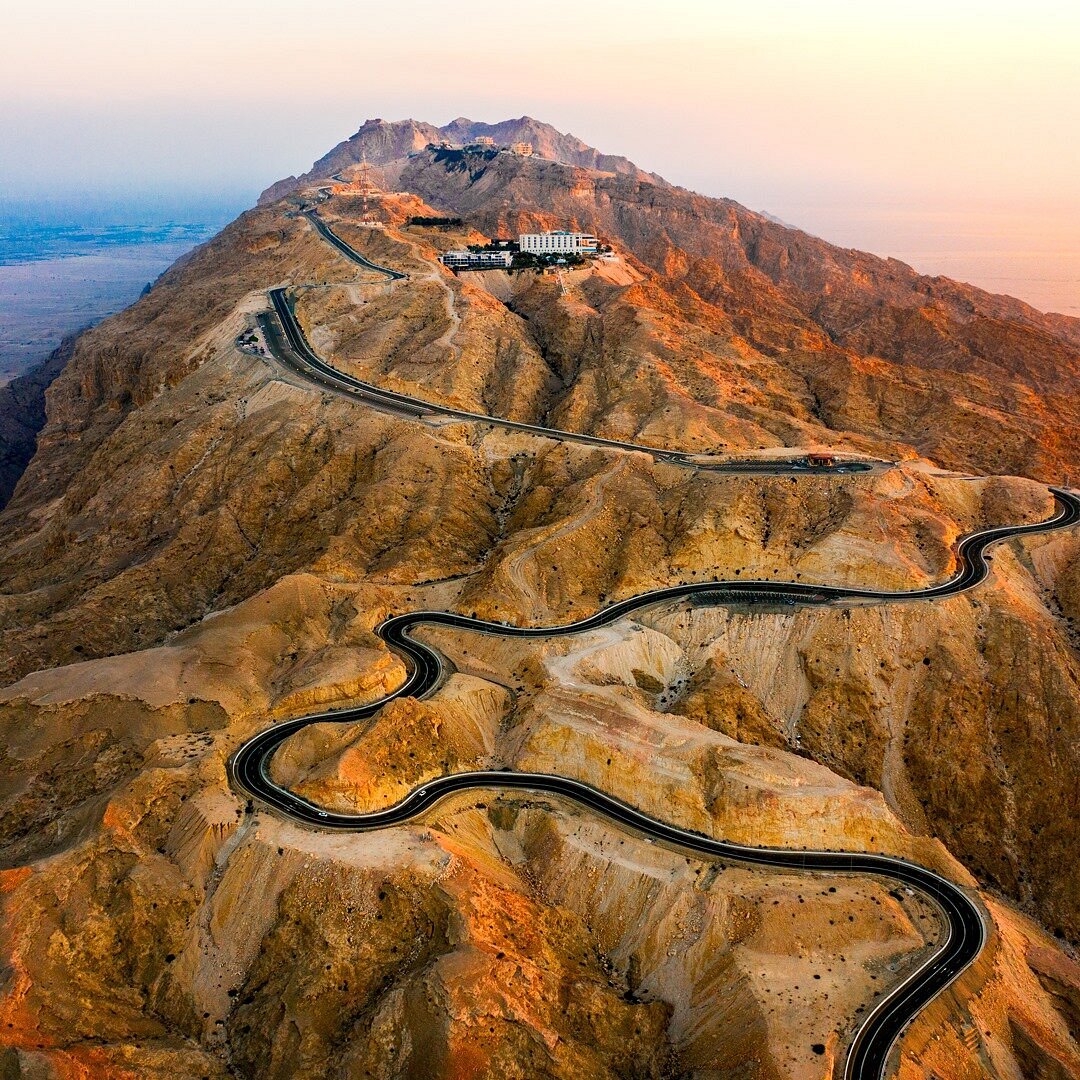
Rising majestically on the outskirts of Al Ain, Jebel Hafeet stands as the UAE’s second tallest mountain, offering breathtaking vistas and a welcome respite from the desert heat. The winding road to its summit, flanked by rocky cliffs and arid landscapes, is a favorite among thrill-seeking cyclists and motorists alike. At the top, visitors are rewarded with panoramic views of the surrounding desert plains and the distant skyline of Al Ain city. Jebel Hafeet is also home to a wealth of biodiversity, with rare plant species and elusive wildlife thriving in its rugged terrain.
2. Hatta Pools:
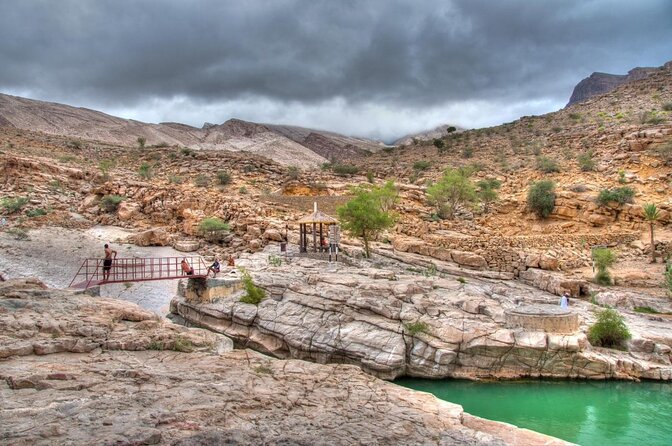
Hatta Pools, UAE
Located in the Hajar Mountains near the border with Oman, the Hatta Pools are a series of natural rock pools fed by freshwater springs. Surrounded by craggy cliffs and verdant date palm plantations, these crystal-clear pools offer a refreshing escape from the desert heat. Visitors can swim, picnic, or simply soak in the serenity of this tranquil oasis. For the more adventurous, hiking trails meander through the surrounding mountains, offering glimpses of local wildlife and stunning vistas of the rugged landscape.
3. Sir Bani Yas Island:
Sir Bani Yas Island
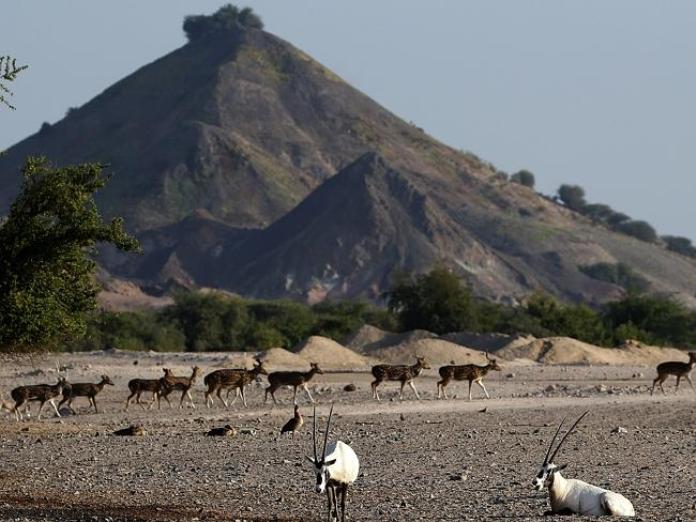
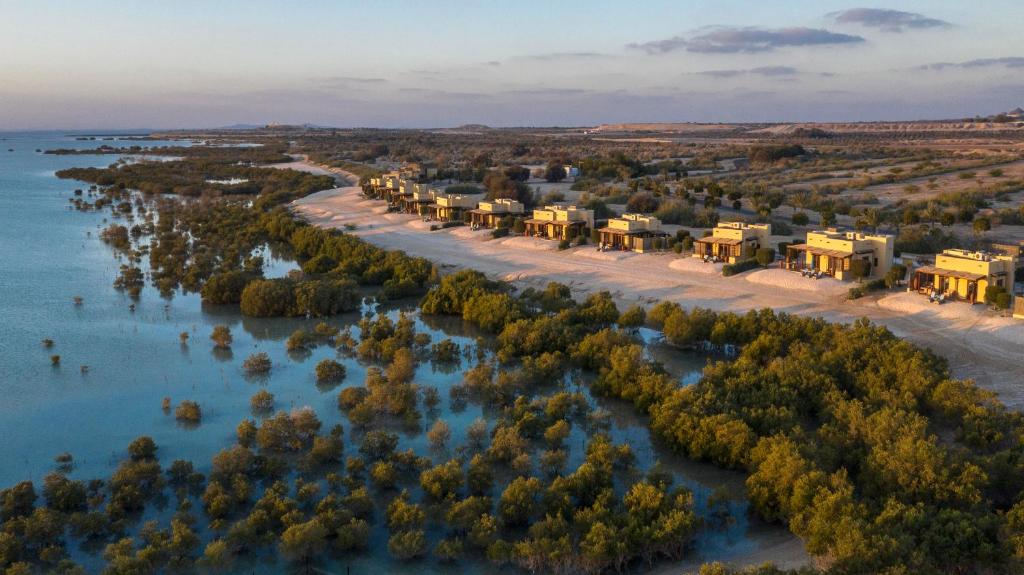
A true gem of conservation in the Persian Gulf, Sir Bani Yas Island is a testament to the UAE’s commitment to preserving its natural heritage. Originally established as a private reserve by the late Sheikh Zayed bin Sultan Al Nahyan, the island is now home to a thriving population of indigenous wildlife, including Arabian oryx, gazelles, and ostriches. Visitors can go on guided wildlife safaris, kayak through mangrove forests, or simply unwind on pristine beaches. With luxurious eco-resorts offering unparalleled comfort amidst the wilderness, Sir Bani Yas Island is the perfect blend of luxury and adventure.
4. Al Wathba Wetland Reserve:
Al Wathba Wetland Reserve
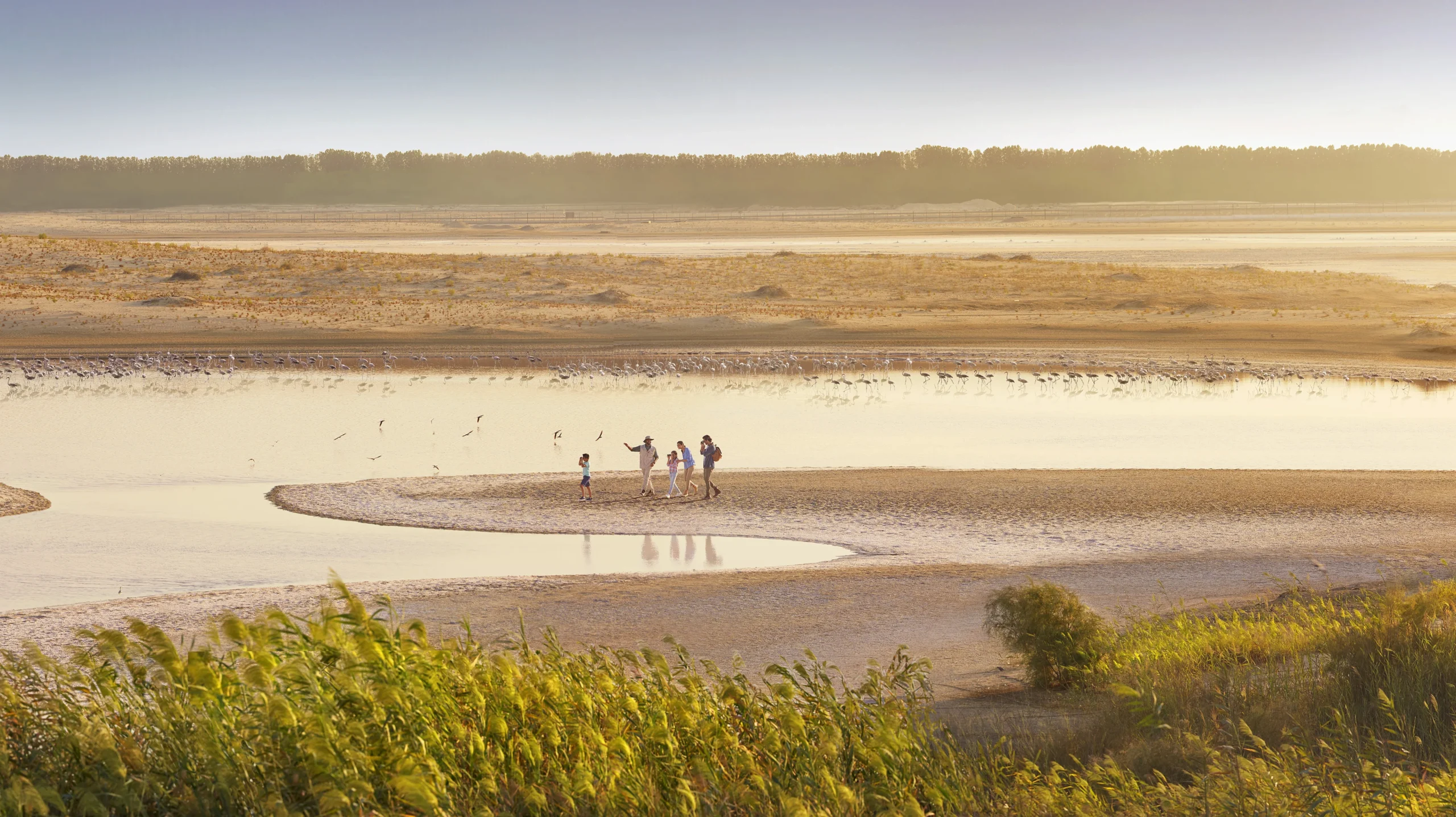
In the vast desert plains east of Abu Dhabi, the Al Wathba Wetland Reserve is an oasis of biodiversity teeming with birdlife and aquatic species. Spanning over 5 square kilometers, the reserve comprises a network of lagoons, salt flats, and mudflats that provide vital habitat for migratory birds such as flamingos, herons, and terns. Visitors can explore the reserve on guided walking tours or birdwatching expeditions, immersing themselves in the sights and sounds of this vibrant wetland ecosystem.
5. Jebel Jais: Towering over the rugged landscape of Ras Al Khaimah, Jebel Jais is the highest mountain in the UAE, offering adrenaline-pumping adventures and awe-inspiring scenery. The recently opened Jebel Jais Flight – the world’s longest zipline – allows thrill-seekers to soar above the rocky ravines and terracotta cliffs at speeds of up to 150 kilometers per hour. For those who prefer to keep their feet on solid ground, hiking trails traverse the mountain’s slopes, offering panoramic views of the surrounding valleys and distant coastline. As the sun sets behind the jagged peaks, Jebel Jais casts a spell of magic and wonder, inviting visitors to witness the beauty of the UAE’s natural wonders.
While the UAE may be renowned for its modern metropolises and extravagant luxury, its natural beauty is equally deserving of admiration and exploration. From the rugged mountains of Jebel Hafeet to the tranquil oases of Hatta, the UAE’s nature sites offer a glimpse into the country’s rich biodiversity and cultural heritage. If you only have a short stopover and want to catch a bit of nature, jump out and visit the nearby to the Abu Dhabi airport Falcon Hospital.
In recent years, the Middle East has emerged as a significant player in renewable energy, embracing the potential of wind power to diversify its energy mix and reduce reliance on fossil fuels. Despite being synonymous with oil-rich landscapes, countries across the region are investing heavily in wind energy infrastructure, establishing some of the largest wind farms in the world. Here are the most notable wind projects in the Middle East.
Dumat Al Jandal Wind Farm, Saudi Arabia
The wind farm is located 900 kilometers north of Riyadh in the Al Jouf region of north-western Saudi Arabia. The project is 51 per cent owned by EDF Renewables and 49 per cent by Masdar.
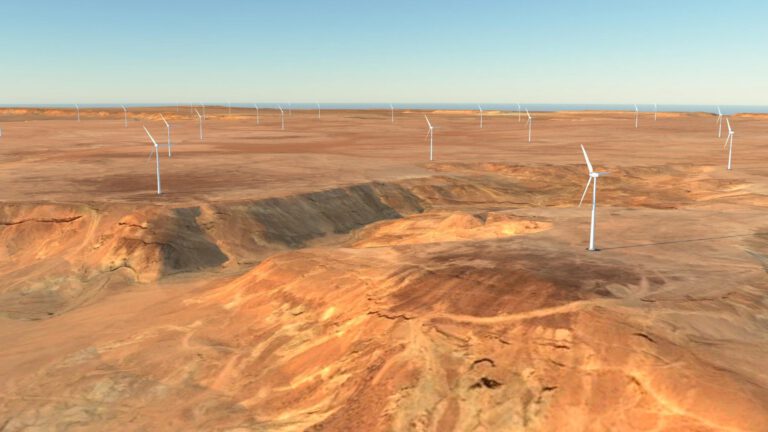
Standing majestically in the northern deserts of Saudi Arabia, the Dumat Al Jandal Wind Farm is a true marvel of engineering. Boasting a capacity of 400 megawatts (MW), it is the largest wind farm in the Middle East. With 99 towering turbines supplied by GE Renewable Energy, this project is set to power around 70,000 homes and significantly reduce carbon emissions in the kingdom. The $500M USD project was commissioned by Saudi Aramco and delivered by the UAE’s Masdar and EDF from France.
Al Rajef Wind Farm, Jordan
Al Rajef Wind Farm
The Al Rajef Wind Farm is a testament to Jordan’s commitment to renewable energy. With a capacity of 117 MW, it comprises 34 turbines supplied by Vestas. Since its inauguration in 2019, it has been a vital contributor to Jordan’s efforts to diversify its energy mix and enhance energy security.
Al Marmoom Wind Farm, United Arab Emirates
Dubai, known for its skyscrapers and luxurious lifestyle, is also leading the charge towards sustainability with the Al Marmoom Wind Farm. This project, located in the expansive Al Marmoom desert, boasts a capacity of 100 MW. With 30 turbines supplied by Siemens Gamesa, it is a cornerstone of Dubai’s vision to become a global hub for clean energy.
Ma’an Wind Farm, Jordan
Ma’an Wind Farm
The Ma’an Wind Farm, situated in the Ma’an Governorate of southern Jordan, is another shining example of the region’s renewable energy ambitions. Operational since 2018, it has a capacity of 86 MW, comprising 27 turbines supplied by Vestas. This project underscores Jordan’s commitment to sustainable development and economic growth.
Gilboa Wind Farm, Israel
Gilboa Wind Farm
Israel, known for its innovation and technological prowess, is harnessing the power of the wind with the Gilboa Wind Farm. Located on the picturesque slopes of Mount Gilboa, this project is a beacon of Israel’s renewable energy aspirations. With a capacity of 169 MW, it is one of the largest wind farms in the country, contributing significantly to Israel’s clean energy goals and reducing its carbon footprint.
Tafila Wind Farm, Jordan:
Tafila wind farm
Located in the Tafilah Governorate of Jordan, the Tafila wind farm has been operational since 2015. With a capacity of 117 MW, it consists of 38 turbines supplied by Vestas. The Tafila Wind Farm plays a crucial role in Jordan’s efforts to reduce dependence on imported fossil fuels and meet its growing energy demands sustainably.
Alta’ir Wind Farm, Saudi Arabia:
Alta’ir Wind Farm, Saudi Arabia
Situated in the northwest of Saudi Arabia, the Alta’ir Wind Farm is one of the kingdom’s pioneering renewable energy projects. With a capacity of 50 MW, it comprises 16 turbines supplied by Vestas. Operational since 2020, the Alta’ir Wind Farm contributes to Saudi Arabia’s ambitious goals for renewable energy deployment and economic diversification.
Jbel Sendouq Wind Farm, Morocco:
The new Khalladi wind farm, which came into service in 2018, is located in Jbel Sendouq, 20 miles from the city of Tangier. With a capacity of 120 MW, it can supply energy to 400,000 people in Morocco.
While not geographically part of the Middle East, Morocco’s Jbel Sendouq Wind Farm (the Khalladi wind farm) is worth mentioning for its impact on renewable energy in North Africa. Situated near Tangier, this wind farm has a capacity of 115 MW, making it one of the largest in the region. Operational since 2020, it contributes significantly to Morocco’s renewable energy targets and efforts to mitigate climate change.
The wind farm was developed by ACWA Power in collaboration with ARIF investment fund, is the first private renewable energy project in the country. It has been developed under a renewable energy law that allows private producers to sell electricity directly to clients connected to the high voltage and medium voltage grid, mainly industrial companies.
Oman is planning the Harweel Wind Farm is a 199.4MW onshore wind power project. It is planned in Dhofar, Oman. According to GlobalData, who tracks and profiles over 170,000 power plants worldwide, the project is currently at the partially active stage.
Kuwait has 5 wind turbines installed: The Kuwait Institute for Scientific Research (KISR) has developed the innovative Shagaya Renewable Energy Project, which constitutes the first phase (Phase I) of an ambitious Master Plan to generate approximately 3.2GW at the Shagaya Renewable Energy Park.
Iran announced in 2023 that it will build wind farms of 3000MW. New sanctions for its support on terror will likely stall these ambitions. The Iranian regime is currently supporting terror groups such as the Houthis, Hezbollah and Hamas. New sanctions against them will stall growth in all sectors of its economy including renewables.
Despite being a global supplier of wind turbines, Vestas, the world’s number one wind turbine maker, said it swung to a 75-million-euro ($80-million) loss in the first quarter of this and warned “geopolitical volatility” would continue to cause uncertainty. Revenue fell 5.2 percent to 2.68 billion euros in the first three months of the year, compared to the same period a year earlier. Its net loss followed a net profit of 16 million euros in the first quarter of 2023.
Who are the leading wind turbine manufacturers?
Vestas, Siemens Gamesa, Goldwind, Nordex and Enercon.
The wind farm is located 900 kilometers north of Riyadh in the Al Jouf region of north-western Saudi Arabia. The project is 51 per cent owned by EDF Renewables and 49 per cent by Masdar.
The Dumat Al-Jandal wind farm with a capacity of 400MW, stands as a pioneering endeavor in Saudi Arabia’s renewable energy landscape in an ancient land. It’s Saudi Arabia’s first wind farm. At 400MW, it is the largest wind farm in the Middle East, displacing almost one million tonnes of CO2 annually.
Developed by a consortium led by EDF Renewables (51%) and Masdar (49%), with the client being Saudi Aramco this project not only marks the kingdom’s inaugural utility-scale wind power initiative but also ranks among the largest wind farms in the Middle East.
EDF Renewables (formerly EDF Renouvelables) is a wholly owned subsidiary of the French utility EDF Group, specializing in renewable energy production.
With an estimated investment totaling $500 million USD, construction started in August 2019 following the consortium’s attainment of financial closure in June 2019. The installation of the first turbines began in August 2020.
In August 2021, the initial phase of the wind farm successfully connected to the grid, marking the commencement of power generation, with full-scale commercial operations that started in 2022.
While the project’s primary aim is to harness wind energy for sustainable electricity generation, comprehensive environmental assessments have been integral to its development. Prior to construction, thorough evaluations were conducted to assess potential impacts on archaeology, avian and terrestrial fauna, and flora in the region.
These assessments aimed to mitigate any adverse effects and ensure the preservation of cultural heritage and biodiversity.
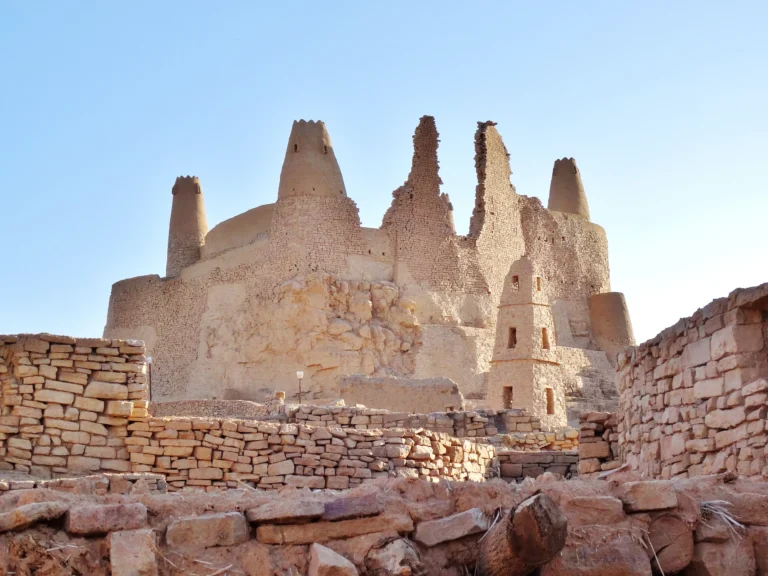
Dumat al Jandal archeology site
Three of the target species recorded within the development site are listed as ‘Endangered’ by the IUCN (2017); Egyptian vulture (six individuals), saker falcon (one individual) and steppe eagle (75 individuals, including constant effort survey records). Refined collision risk modelling predicted 0.77 collisions per year for steppe eagle, which is equivalent to a collision every 1.3 years. For Egyptian vulture and saker 0.10 and 0.01 collisions per year were predicted. No reports of danger to wildlife have been made since the wind farm started operating.
Situated in the Al Jouf region of north-western Saudi Arabia, approximately 900km north of Riyadh, the wind farm’s location atop a plateau offers optimal wind resources for efficient energy production. However, this region is also home to a diverse range of wildlife and ecosystems, necessitating careful consideration of environmental factors throughout the project’s lifecycle.
Key findings from environmental assessments highlighted the presence of archaeological sites of historical significance, as well as habitats supporting various species of birds, plants, and animals. To safeguard these assets, measures such as site delineation, monitoring, and mitigation strategies were implemented during construction and operational phases.
The wind farm’s core components include 99 units of Vestas’ V150-4.2MW wind turbines, each positioned to minimize disturbance to local ecosystems. Additionally, transmission infrastructure, including a 380kV overhead power line and associated equipment, was strategically designed to minimize environmental impact while ensuring efficient power transmission.
As the Dumat Al-Jandal wind farm emerges as a testament to sustainable development, it underscores the importance of integrating environmental considerations into renewable energy projects. By prioritizing environmental stewardship alongside energy production, this pioneering initiative sets a precedent for responsible development in the renewable energy sector.
Moderate Middle East energy countries understand the importance of green energy policies as fossil fuels will no longer be relevant in a climate-sensitive world. The United Arab Emirates renewable energy company Masdar and Bapco Energies from Bahrain will co-develop up to 2GW of wind projects in the Kingdom of Bahrain, both parties announced this week.
This is Masdar’s first energy foray in Bahrain, and it’s with the nation’s energy leader Bapco Energies. The agreement will focus on exploring the joint development of near-shore and offshore wind projects and will support the Kingdom of Bahrain’s National Energy Strategy target to cut emissions by 30 percent by 2030.
“As a global clean energy pioneer, Masdar will utilize its well-established expertise and track record in delivering wind energy projects globally, both onshore and offshore. It is a privilege to be supporting the Kingdom of Bahrain to achieve its net zero ambitions and power a more sustainable future,” says Masdar Chief Executive Officer, Mohamed Jameel Al Ramahi.
“Today marks a significant milestone in Bapco Energies’ pathway towards sustainable energy development. Our partnership with Masdar demonstrates our commitment towards diversifying the Kingdom of Bahrain’s energy mix to include cleaner energy sources, underscoring our role as leaders in renewable energy development. This strategic collaboration signifies a bold step towards realizing the ambitions outlined in Bahrain’s National Energy Strategy, propelling us closer to our net-zero goals. Together, we will pave the way for a more sustainable and resilient future for generations to come,” says Bapco Energies Group Chief Executive Officer Mark Thomas.
Masdar has developed a number of landmark wind projects across the world, including the 400MW Dumat Al Jandal wind farm, the largest in the Middle East and the first in Saudi Arabia, the 630MW London Array offshore wind project in the United Kingdom which powers half a million British homes and the 103.5MW UAE Wind Program, which utilizes innovative technology to capture low wind speeds at utility scale.
Masdar is aiming for a renewable energy portfolio capacity of 100GW by 2030, as well as supporting the target set out in The UAE Consensus to triple global renewables capacity by the end of this decade, and aims to be a leading producer of green hydrogen by the same year.
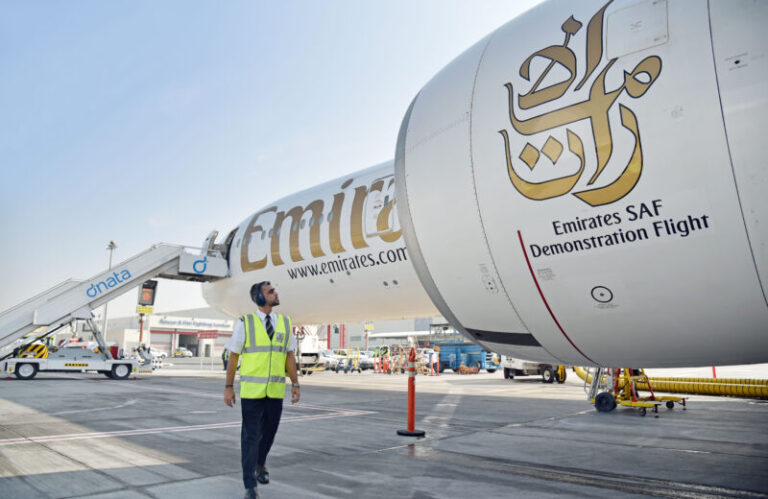
Neste’s SAF biofuel tested in Boeing Emirates flight in 2023
Sustainable aviation fuels (SAF) are alternative fuels derived from renewable sources that aim to reduce the carbon footprint of aviation. These fuels are produced from feedstocks like used cooking oil, algae, municipal waste, agricultural residues, and even carbon dioxide captured from industrial processes.
Unlike conventional jet fuels derived from crude oil, SAF can significantly lower greenhouse gas emissions because they either emit less carbon dioxide during combustion or are carbon-neutral.
“When Germany’s economic performance is anemic at best, denting its competitiveness with more taxes on aviation is policy madness. The government should be prioritizing measures to improve Germany’s competitive position and encouraging trade and travel. Instead, they have gone for a short-term cash-grab which can only damage the economy’s long-term growth,” said Willie Walsh, IATA’s Director General.
The International Air Transport Association (IATA) is the trade association for the world’s airlines, representing some 320 airlines or 83% of total air traffic. The trade group supports many areas of aviation activity and helps formulate industry policy on critical aviation issues.
The IATA says Sustainable Aviation Fuel (SAF) could contribute around 65% of the reduction in emissions needed by aviation to reach net zero CO2 emissions by 2050. The largest acceleration is expected in the 2030s as policy support becomes global, SAF becomes competitive with fossil kerosene, and credible offsets become scarcer.
But “government policy has an instrumental role to play in the deployment of SAF. IATA encourages policies which are harmonized across countries and industries, while being technology and feedstock agnostic. Incentives should be used to accelerate SAF deployment,” says a statement from the IATA.
Several companies are actively involved in the research, development, and production of sustainable aviation fuels. Some prominent examples include:
Neste: A Finnish company known for its renewable diesel and sustainable aviation fuel production. Neste is one of the largest producers of SAF globally and has partnerships with various airlines and airports.
Gevo is a NASDAQ-traded US-based company that focuses on developing bio-based alternatives to petroleum-based products. They are actively working on producing SAF from renewable feedstocks such as corn, wood waste, and other sustainable sources.
Velocys is a British company specializing in sustainable aviation fuels and renewable diesel. They use gasification and Fischer-Tropsch technology to convert waste biomass into fuels suitable for aviation.
World Energy: This company, formerly known as AltAir Fuels, is based in the United States and produces renewable diesel and SAF from various feedstocks, including waste fats, oils, and greases.
Shell:While primarily known as an oil and gas company, Shell has been investing in renewable energy and alternative fuels, including sustainable aviation fuels. They are involved in various projects and partnerships aimed at developing SAF technologies.
SkyNRG: A Dutch company dedicated to developing and supplying sustainable aviation fuels. They collaborate with airlines, airports, and other stakeholders to promote the adoption of SAF in the aviation industry.
The NASDAQ-traded XCF. XCF Global aims to be a leading producer of SAFs with an initial annual production capacity of 38 million gallons following the acquisition of New Rise Renewables, which owns a flagship plant and adjacent site in Reno, Nevada.XCF will be the only pure-play public SAF producer in the US market, with competition mainly coming from legacy crude oil providers.
Inflation often sounds like a bad thing, making young people worried that the future looks bleak as travel, food and restaurants become more expensive. But inflation can help individuals make more eco-friendly choices in various ways:
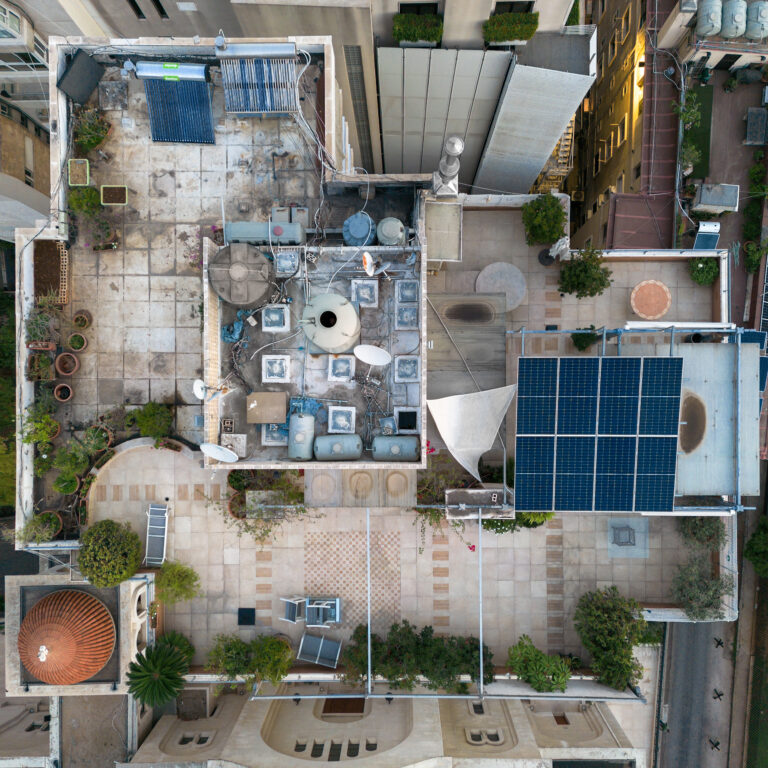
Solar Panels: Rising energy costs due to inflation can motivate people to invest in solar panels for their homes. With inflation driving up electricity bills, harnessing solar energy becomes a cost-effective and environmentally friendly alternative. Plus, it reduces reliance on fossil fuels, cutting down carbon emissions.
There is no regular power in Lebanon. People have turned to solar power.
Cooking at Home: As dining out becomes more expensive due to inflation, people may opt to cook at home more often. This not only saves money but also reduces the carbon footprint associated with the production and transportation of restaurant meals. By using locally sourced ingredients, individuals further contribute to sustainability by supporting local farmers and reducing emissions from food transportation.
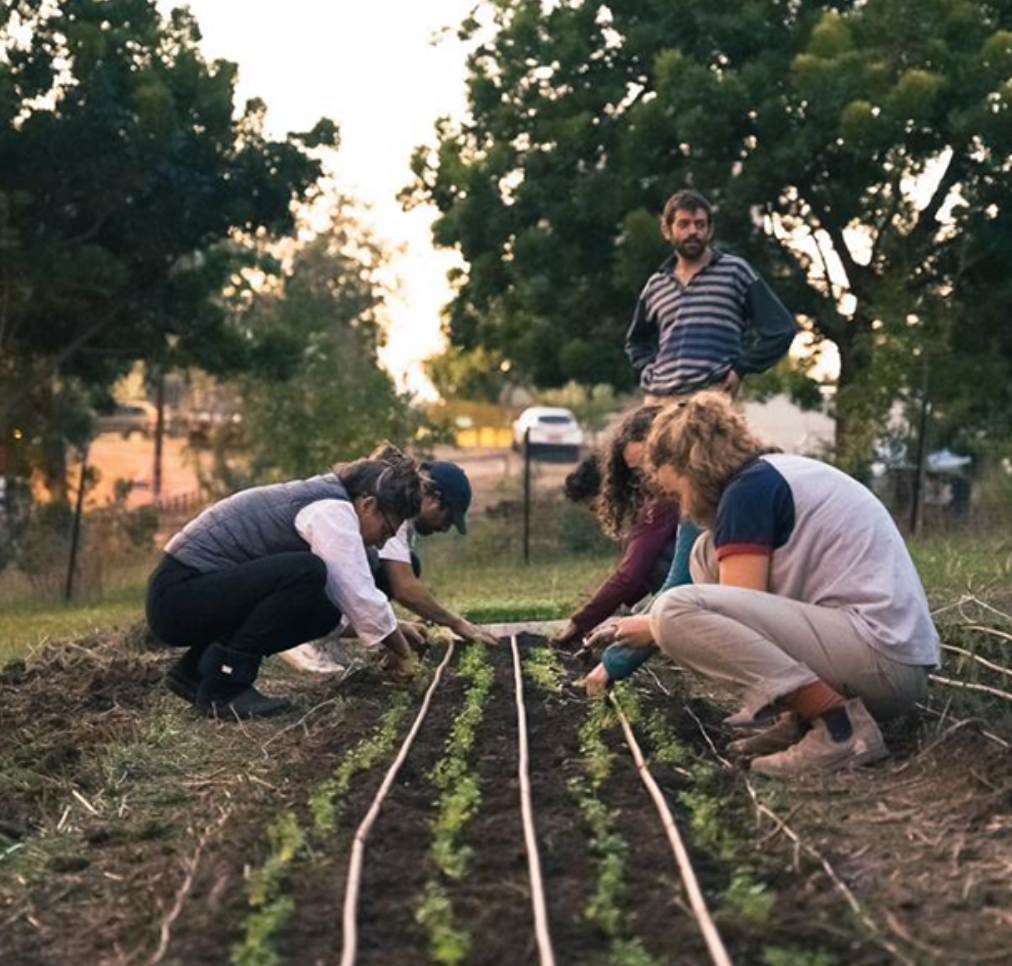
Growing a Garden: Inflation-driven price hikes on fresh produce can inspire individuals to grow their own fruits and vegetables. Cultivating a garden at home not only provides access to organic, locally sourced produce but also reduces the need for grocery store trips, cutting down on transportation emissions. Additionally, composting kitchen scraps can further minimize waste and contribute to soil health.
Tel Chubez, a garden share in south Tel Aviv. Residents create coupons for contributing to the garden is areas such as composting and can redeem them for fresh food.
Tiny Homes: Escalating housing costs due to inflation can prompt people to consider downsizing to tiny homes or opting for more sustainable housing alternatives. Tiny homes require fewer resources to build and maintain, leading to reduced energy consumption and lower carbon emissions. Moreover, their smaller footprint encourages minimalist living and less material consumption.
A tiny home in nature
Spending Less: Inflation often leads to tighter budgets, prompting individuals to adopt more frugal lifestyles. This can translate into conscious consumption habits, such as buying fewer disposable products and investing in higher-quality, longer-lasting items. By reducing overall consumption, people lessen their environmental impact by generating less waste and consuming fewer resources.
Buy things that last. Reupholster furniture.
Inflation can indirectly promote eco-friendly behavior by encouraging individuals to seek alternative, sustainable solutions to mitigate rising costs. From harnessing renewable energy to embracing self-sufficiency through gardening and minimalism, economic pressures can spur environmentally conscious choices that benefit both individuals and the planet.
The term “climateflation” means the intertwined challenges of climate change and inflation. This phenomenon poses significant threats to economies worldwide, and the countries of the Middle East are no exception. From resource depletion to extreme weather events, the region faces unique risks exacerbated by the dual forces of climate change and inflation. In this article, we look at the impact of climateflation on Middle Eastern nations, highlighting key risks and proposing potential solutions.
Saudi Arabia: Oil Dependency Under Threat
Tomatoes growing at RedSea farms, Saudi Arabia. The country is investing in low-energy crop production.
Biggest Risks and Problems: Saudi Arabia, heavily reliant on oil revenues, faces the dual challenge of declining oil prices due to shifts towards renewable energy and the inflationary pressures driving up costs domestically. The country’s economy is vulnerable to the volatility of global oil markets and the increasing frequency of extreme weather events, such as heatwaves and dust storms.
Possible Solutions: Diversification of the economy away from oil, investment in renewable energy sources like solar power, and implementing sustainable water management strategies to mitigate the impacts of climate change. It is trying through its investment in alternative areas of energy (hydrogen – see ACWA) and tourism (Neom) to bring Saudi into the 21st century.
United Arab Emirates: Vulnerability of Coastal Infrastructure
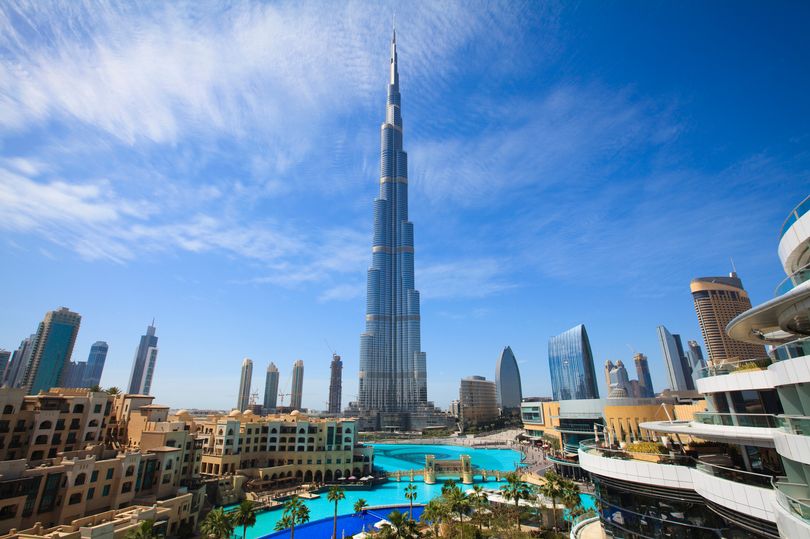
The Burj Khalifa is the tallest building in the world and cost $130 billion to make but it is not connected to Dubai’s sewage system and so every day a platoon of trucks queue up to remove its poo
Biggest Risks and Problems: As a nation with a significant portion of its population and infrastructure located along the coast, the UAE is particularly susceptible to rising sea levels and extreme weather events. Inflationary pressures further strain the government’s ability to invest in climate adaptation measures and infrastructure resilience.
Water availability, urban heat island effect, and energy use are major concerns shared by desert cities around the world.
Biggest Risks and Problems: Qatar’s arid climate and limited freshwater resources make it highly vulnerable to water scarcity, exacerbated by climate change. Inflation compounds the challenges faced by the agricultural sector, which relies heavily on imported food due to limited domestic production capacity.
Possible Solutions: Implementation of water conservation measures, investment in desalination technology, and promotion of drought-resistant crops to enhance food security. See Doha’s agriculture convention.
Kuwait: Energy Intensive Economy at Risk
A cars diving in a main street in Kuwait city as a sandstorm hits Kuwait.
Biggest Risks and Problems: Kuwait’s energy-intensive industries, including oil refining and petrochemicals, contribute significantly to greenhouse gas emissions and environmental degradation. Inflationary pressures drive up production costs, posing challenges to the country’s economic competitiveness in the global market.
Possible Solutions: Transitioning towards renewable energy sources, improving energy efficiency in industrial processes, and diversifying the economy to reduce dependence on oil revenues.
Iran: Environmental Degradation and Socioeconomic Impacts
Biggest Risks and Problems: Iran faces a multitude of environmental challenges, including air and water pollution, deforestation, and soil degradation. Climate change exacerbates these issues, leading to adverse effects on public health and exacerbating social inequalities. Inflation further strains government resources, hindering efforts to address environmental degradation. Women’s rights and an Islamic regime makes it impossible for environmental voices to speak. Those that try are killed or put in jail.
Possible Solutions: Strengthening environmental regulations and enforcement, investing in clean energy technologies, and promoting sustainable agriculture practices to mitigate the impacts of climate change and inflation. Strenthening women’s rights and freedom of expression.
Climateflation presents a complex and multifaceted challenge for Middle Eastern economies, requiring concerted efforts from governments, businesses, and civil society to address effectively. By prioritizing sustainable development, investing in climate adaptation measures, and diversifying their economies, countries in the region can navigate the dual threats of climate change and inflation while ensuring long-term prosperity and resilience.
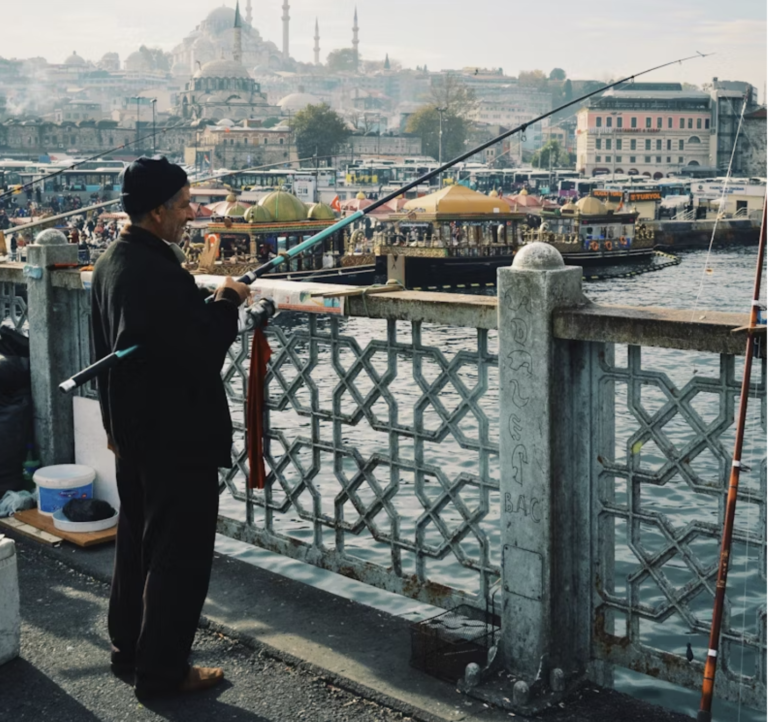
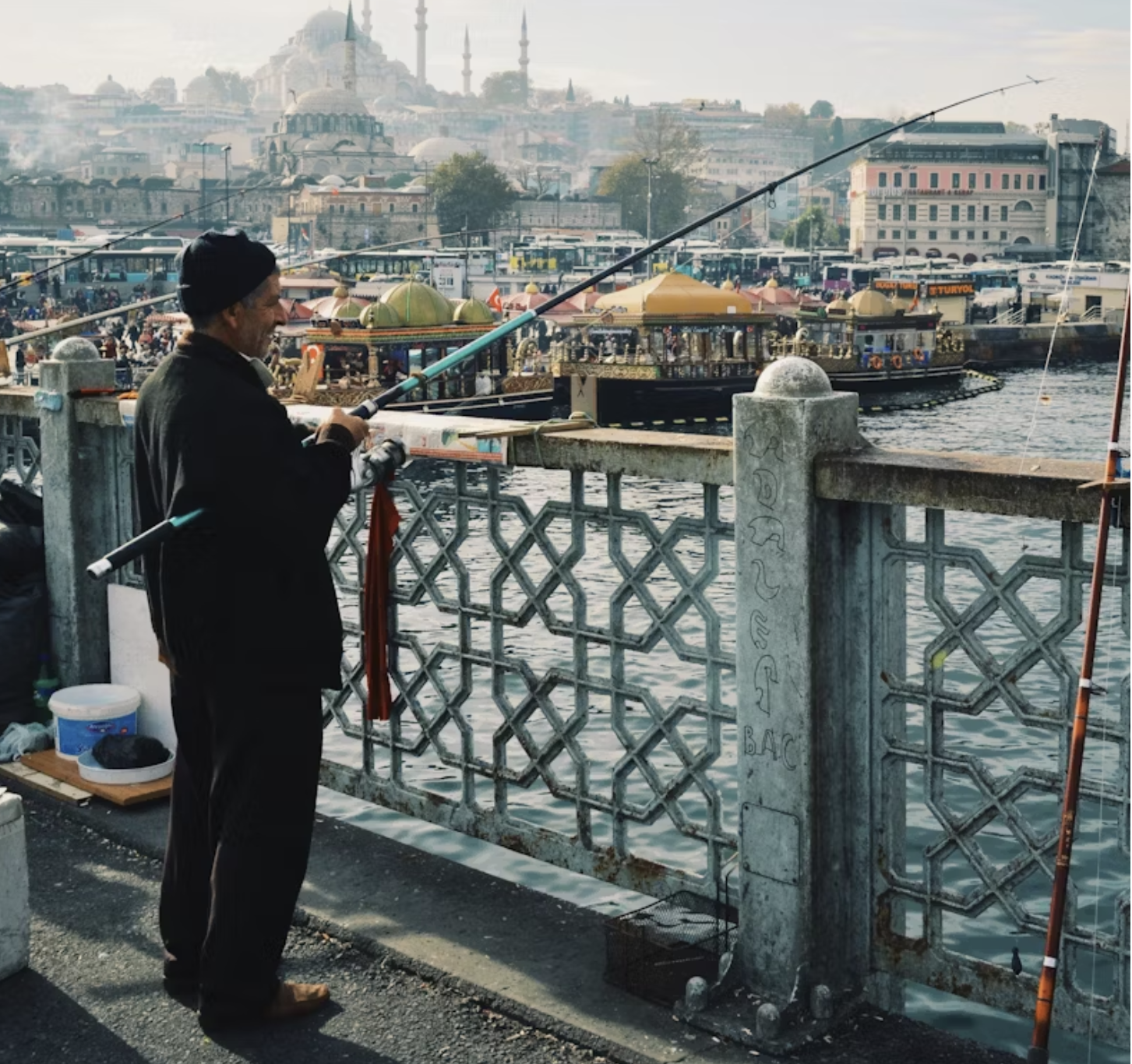
Turkey, the only country in the world that is partly in Europe and mostly in Asia is suffering from drastic inflation. Reuters reports that Turkey’s inflation rose this year to almost 70%, with strong increases in the prices of hotels, education and restaurants.
According to the Turkish Statistical Institute month-on-month, consumer price inflation was 3.18% in April compared with 3.16% in March.
As we see in Lebanon with inflation spiraling out of control, people return to the basics. Solar energy installations are now becoming essential for surviving rolling blackouts and people skip the restaurants and make healthier food at home. The ongoing war between the Ukraine and Russia is one of the reasons that the global economy is out of whack. Even in stable countries like Canada, young people say they are no longer able to afford the cost of rent. Buying a house is out of the question.
What news organizations fail to talk about is climateflation, the significant rise in prices triggered by the impact of climate change, as extreme weather events. The most classic and typical example is the increase in food prices, where we see prices go up due to fewer goods being produced as a result of a reduction in agricultural activity and damage to crop yields.
Positive Money, an EU NGO explains that central banks must acknowledge the existence of fossilflation and climateflation, and adapt their policymaking accordingly.
Turkey is no stranger to climateflation: Droughts and heatwaves are the main hazards due to the climate of Turkey getting hotter. The temperature has risen by more than 1.5 °C (2.7 °F), and there is more extreme weather. Lake Marmara has completely dried out; a lawsuit ongoing in 2024 alleges that there is not enough rainfall for upstream irrigation dams. Meanwhile Turkey is dead set on the idea that nuclear energy is clean energy.
Lake Wenchi is a paradise on earth. But a new eco resort could ruin it all.
Addis Ababa, the capital city of Ethiopia has a lot to see and do in terms of local culture, markets, and nightlife – if you can handle urban pollution from cars and trucks. We arrived Friday morning, and by afternoon, I was choking on the smoke from cars and trucks without catalytic converters.
The capital city of Africa hosts the Mercato, the largest open-air market in Africa, and it will make your head spin. Thousands of people and cars, carrying mattresses, carpets, clothes, hats, electronics, water bottles for recycling, dresses, and food, weave in and out in every direction, risking their lives between the cars. We took an hour or two to visit a fraction of it by car, jumping out if we wanted to buy something along the way. While I hadn’t read much about the security situation in Ethiopia, my senses said it was better to stay in the car with the kids.
Lake Wenchii rowboat
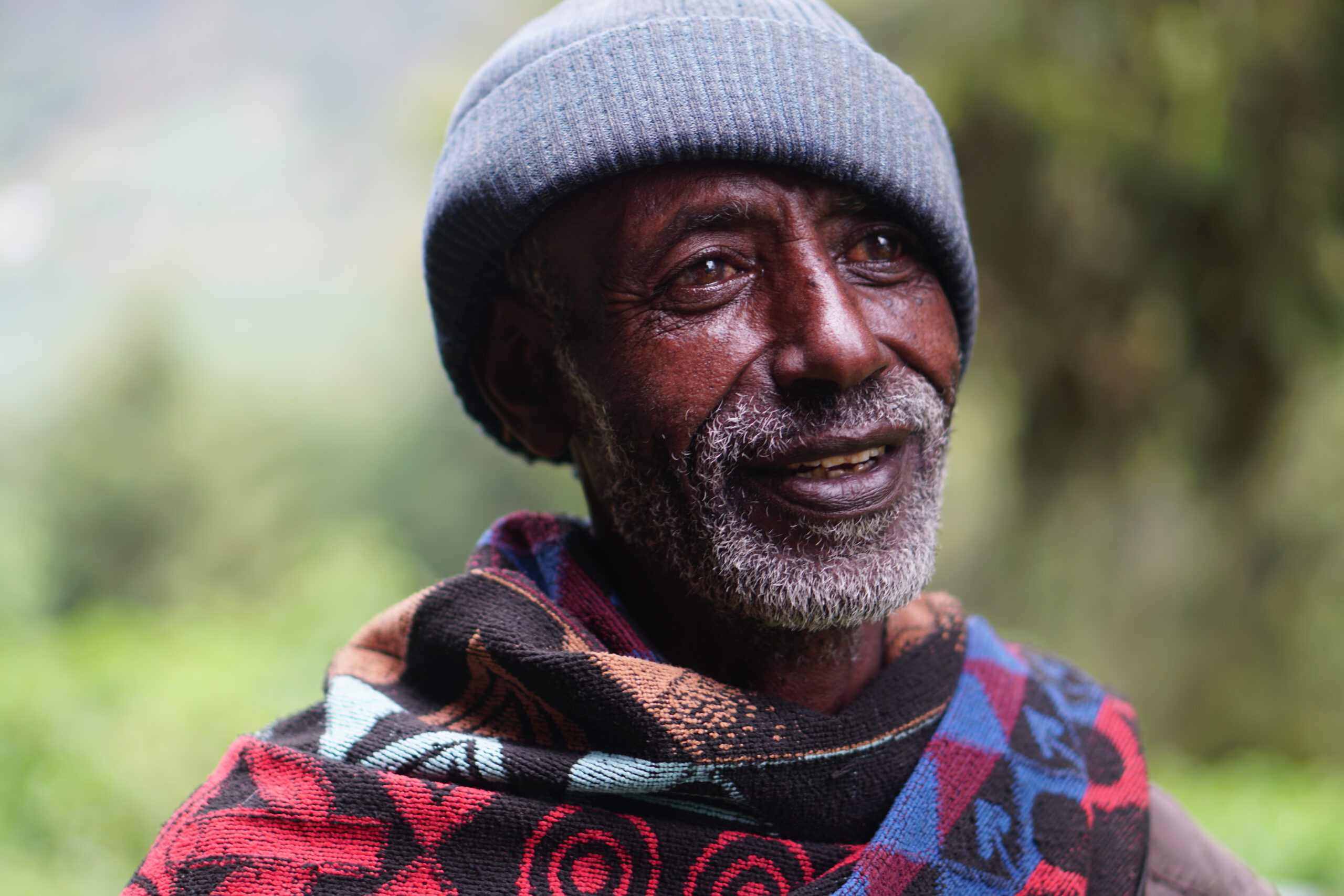
If you find yourself in Addis Ababa for a few days, first of all, find a guide and driver (you can message me, and I will connect you to mine); it’s recommended to go out of the city on day trips. There are a number of volcanic lakes to explore, and on two day trips we visited, there were no other foreign tourists on the lakes we explored. Our guide spoke English and was able to determine what roads were safe. He negotiated things we wanted to buy in the local currency and overall made our stay more than pleasant. Amanuel felt like family.
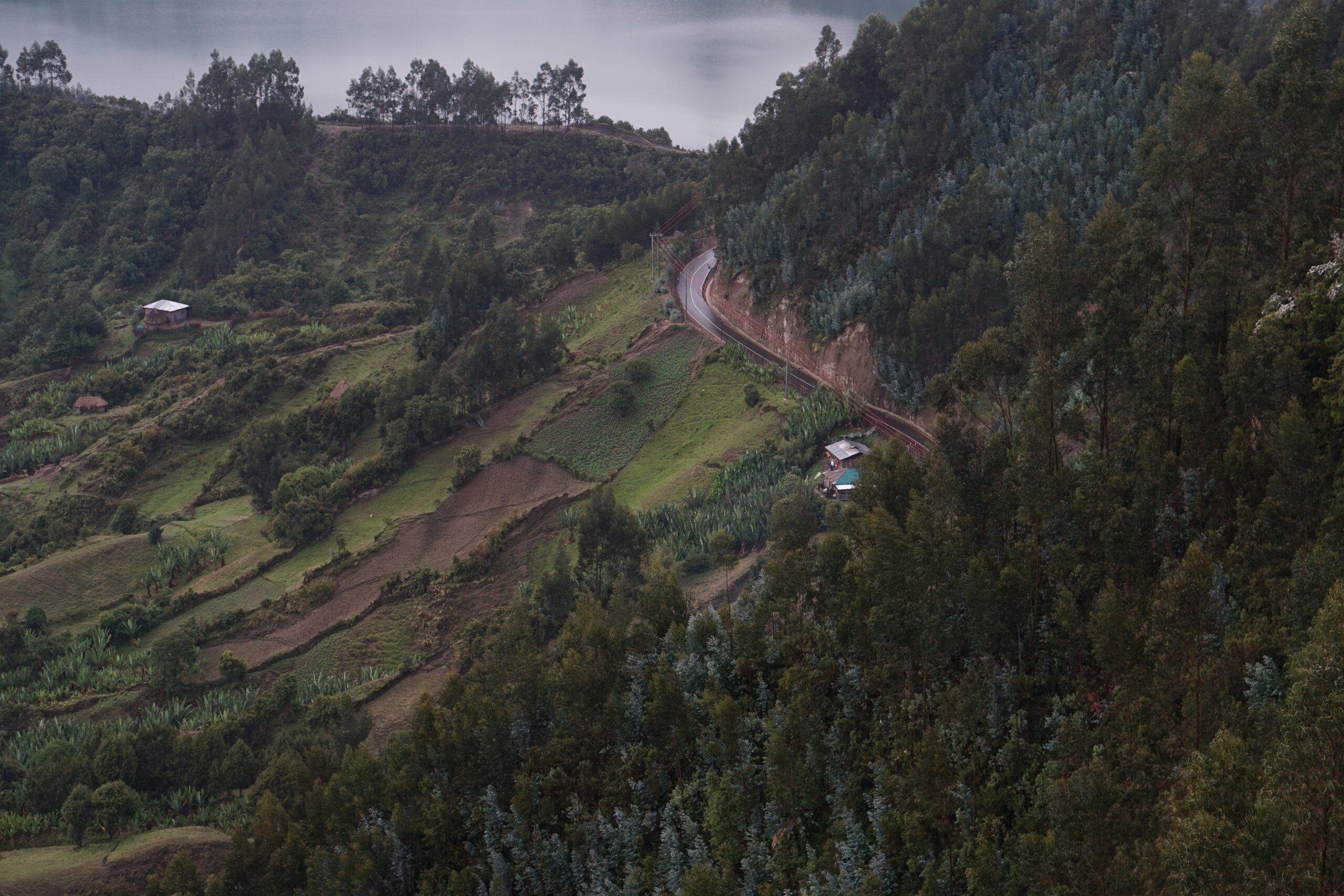
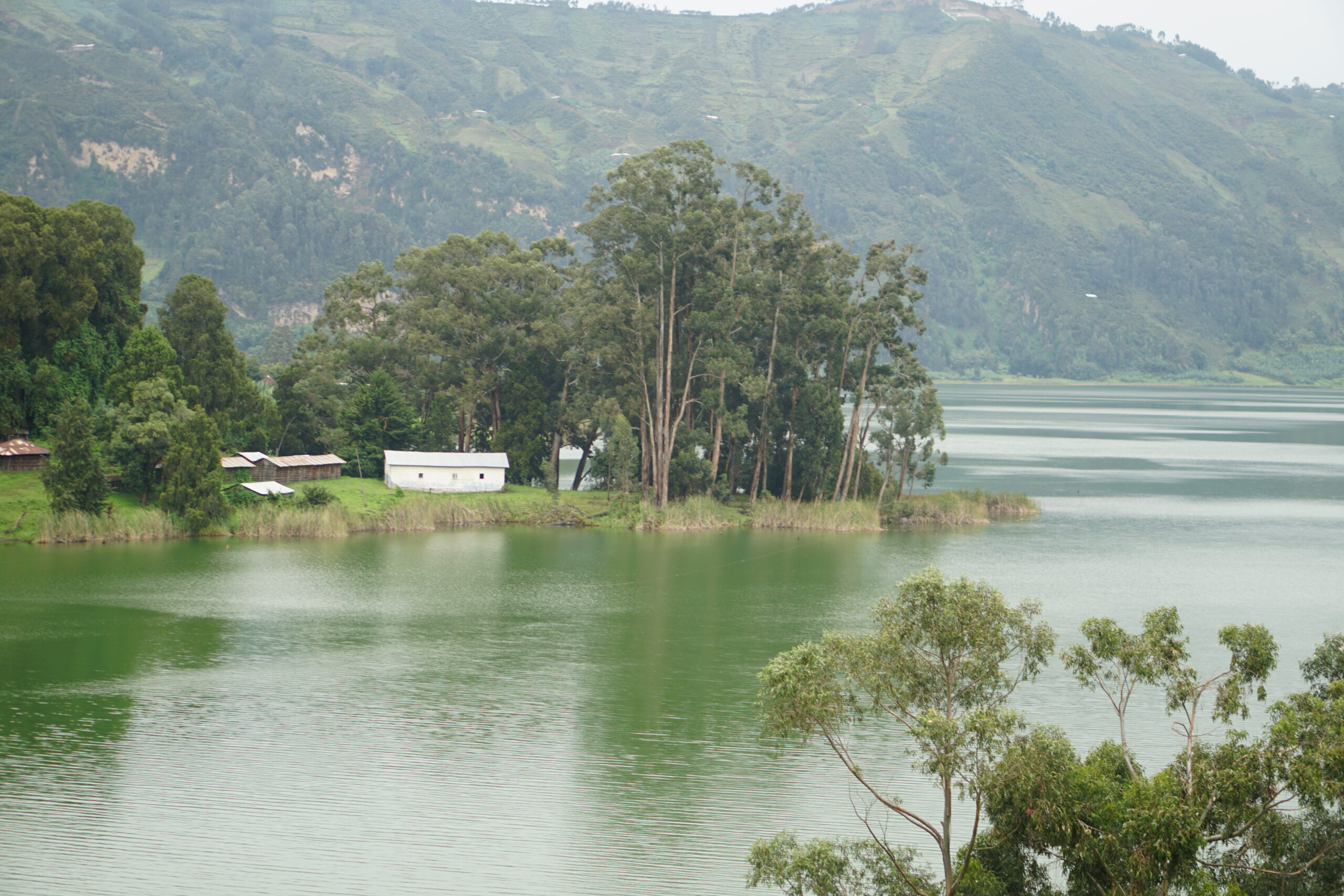
We chose Wenchi Lake, a nature reserve that includes a volcanic lake, Lake Wenchi, about 3,450 meters (11,320 ft) above sea level. We drove about 4 hours to get there. Could this be the actual spot that is known as the cradle of humanity? It looked like heaven.
The inactive volcano lake has islands and an ancient church from the 14th century, a popular tourist destination. We arrived during a downpour and were reluctant to get out, but the clouds cleared over. It was a bit of heaven, its scale enough to hold in your mind.
The hours we drove to get there passed through endless villages and dusty savannah, but Wenchi was its own heaven, home to about 90,000 people, all Christian. A local warden took us to an office, and we registered for the park.
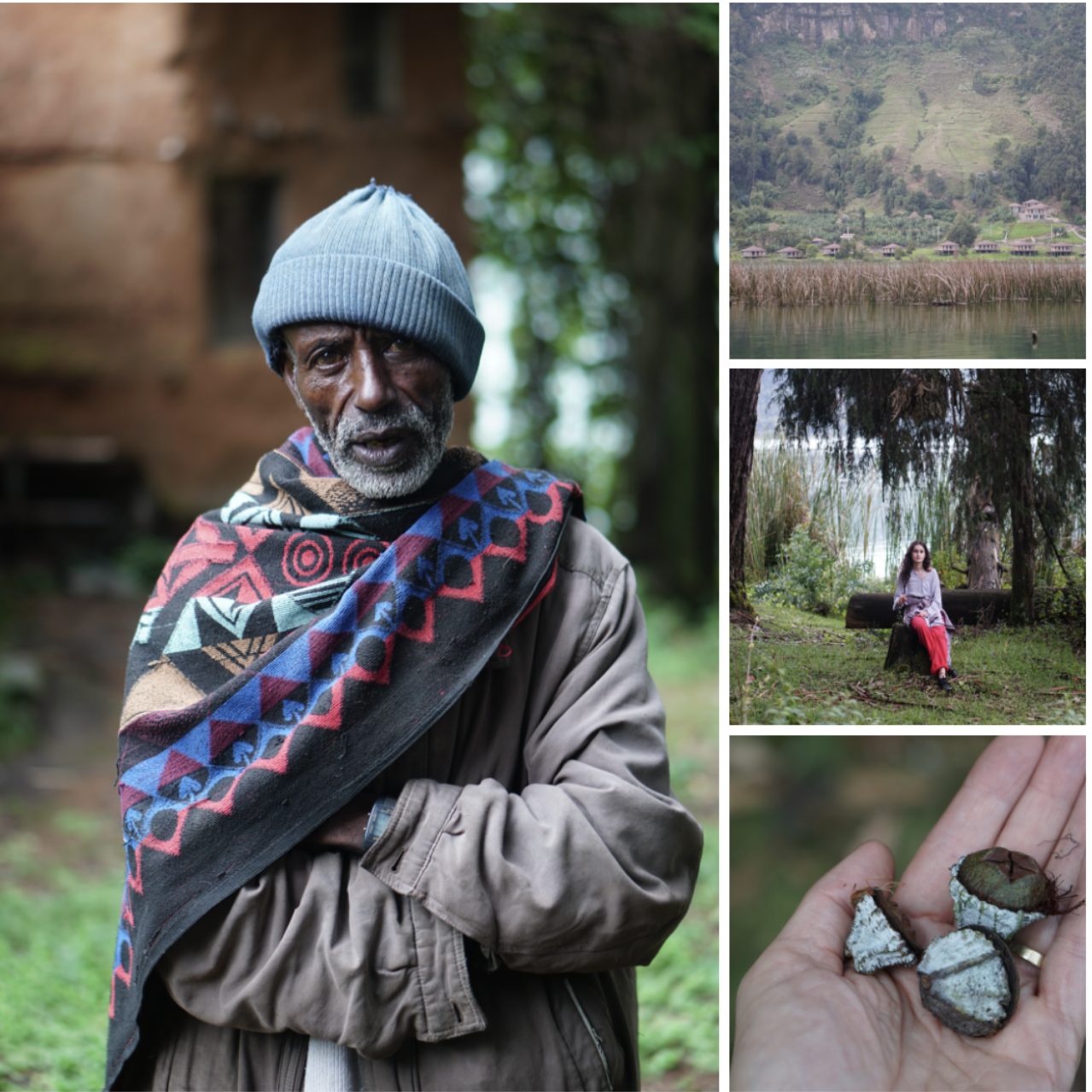
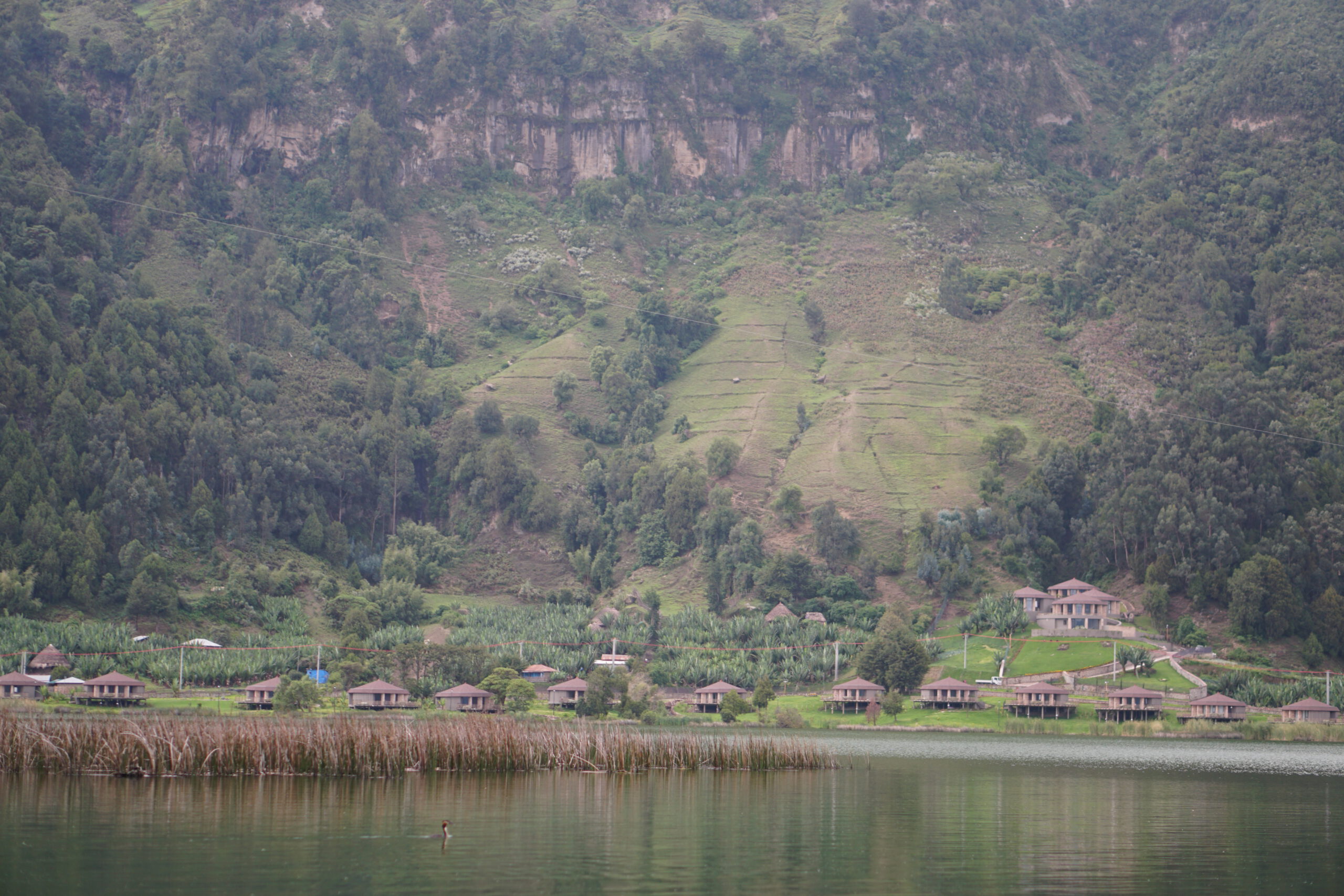
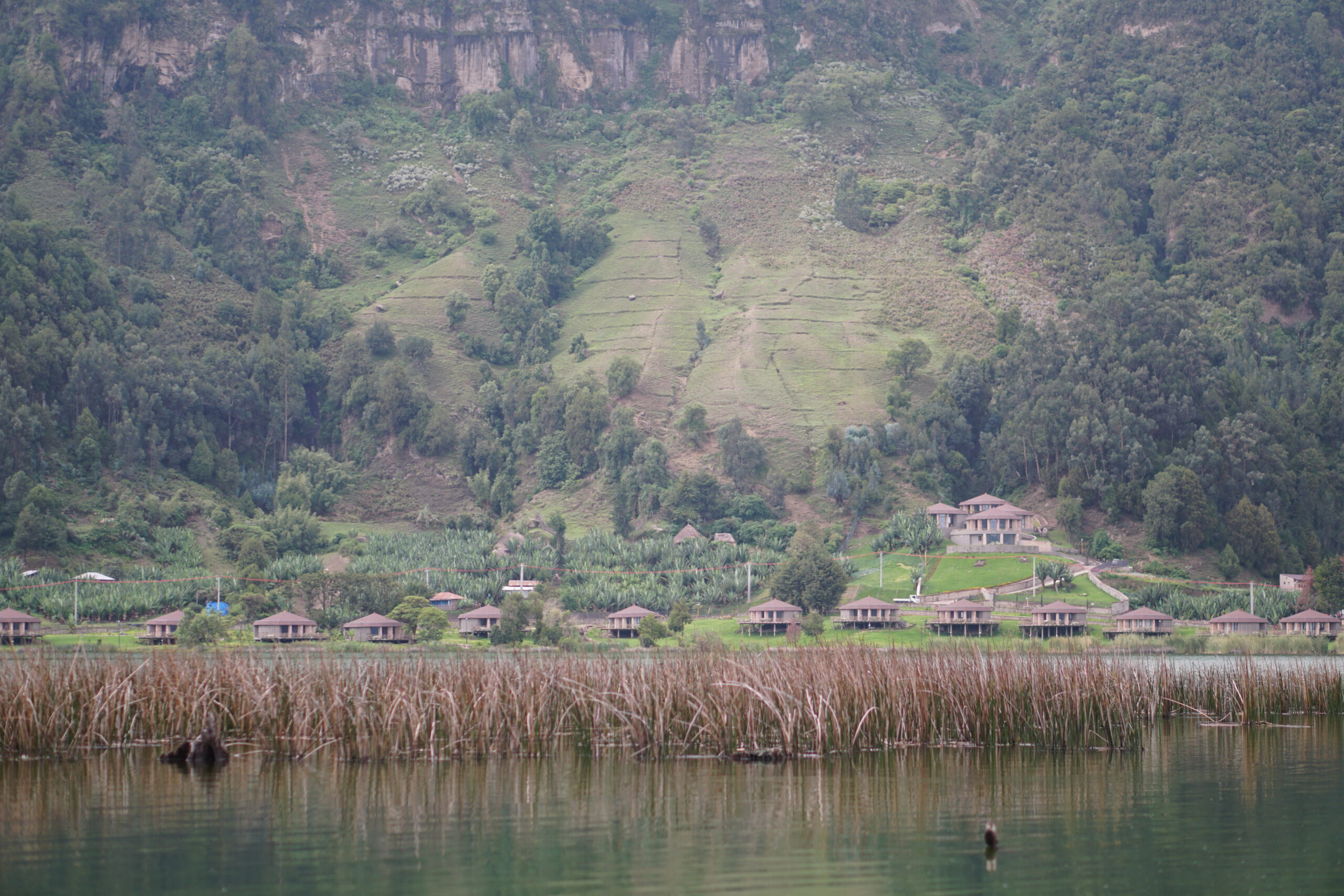
Eco resort, Lake Wenchi, built by Ethiopian Airlines
Noticeable from a lookout point overseeing the lake was a new so-called eco-resort, not yet operating, but built by Ethiopian Airlines. With so little developed for local people in Ethiopia, we wonder how the opening of this resort will affect local dynamics and its fragile ecosystem.
Warqee (also known as ensete) is by far the most important staple crop in the area, and our guide pointed out the “banana” like trees, of which they eat the seed, he explains.
We drove down to the almost-open eco-resort being worked on by dozens of people, and where we were supposed to meet our horses to take us to the lake, but only one was available. We returned to the car for a new meeting point close to the lake.
I was reluctant to take the horses as the newly paved road and the horses’ hooves would mean it would be dangerous for the horse and its rider. The kids jumped on, and then my “guide”, a five-year-old kid, suggested I jump on his horse, and he gently escorted me and my horse down the lake.
Lake Wenchi island
Some locals were swimming in the lake, and luckily for us, we weren’t tempted. Schistosomiasis, also known as bilharzia, is a disease caused by parasitic worms and is common in Ethiopia. But I’d only read about that later when we returned home.
But we weren’t thinking about these things as we were rowed to the quiet island where we met a monk who has been there for 14 years, guarding the church and a small temple that is supposed to symbolize Bethlehem.
The boat we took was paddled to the island by 4 local men from the village of Wenchi.
Our guide Amanuel told us of the first Ethiopian horror movie he saw as a young man featuring the white building on the island. I wanted to go over and peek in.
Wenchi in this 2006 Amharic horror film:
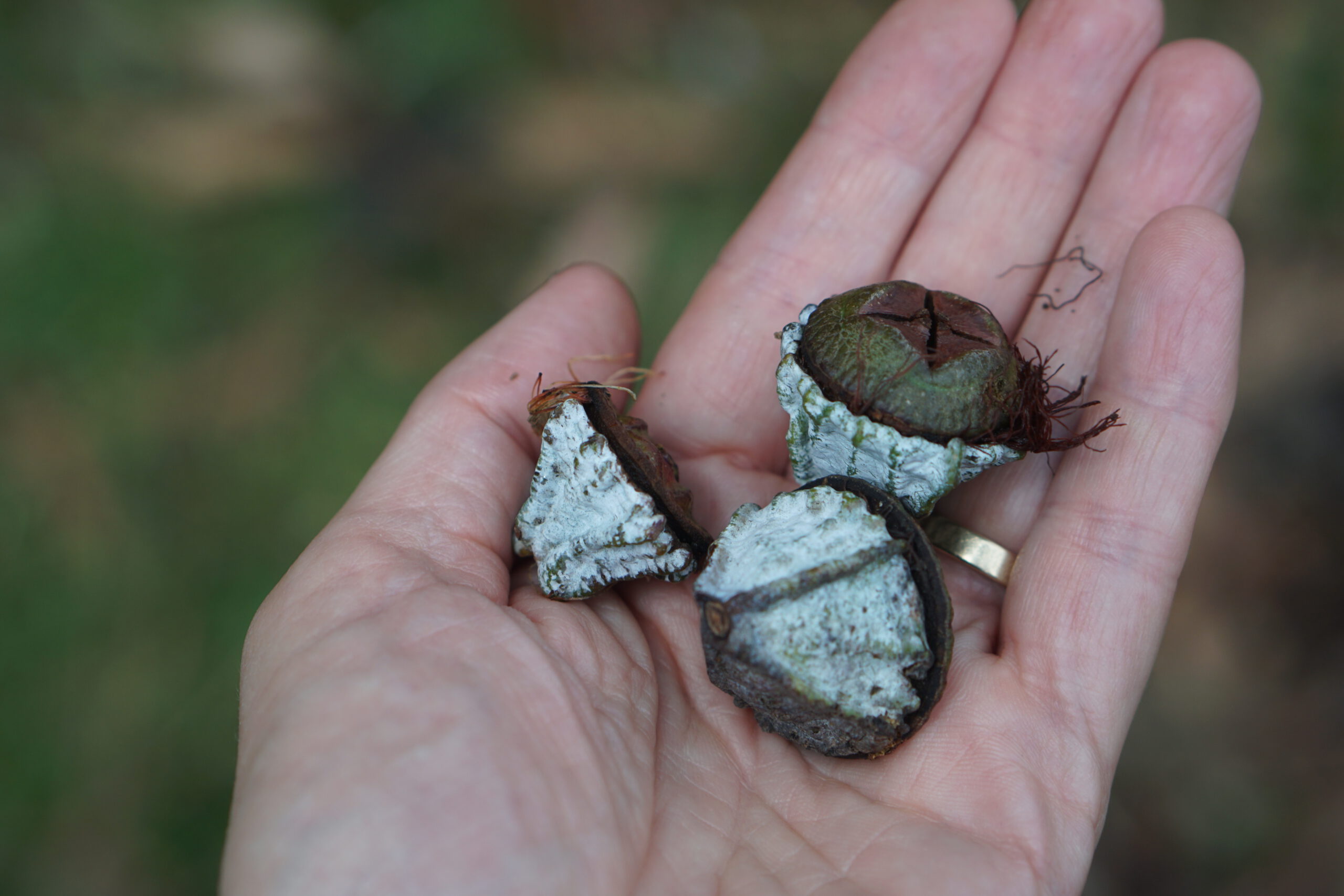
He told us about the priests who planted trees on the island hundreds of years ago and how locals come for school trips and festivals and enjoy the island. I collected some large seeds from a type of eucalyptus tree I haven’t seen before.
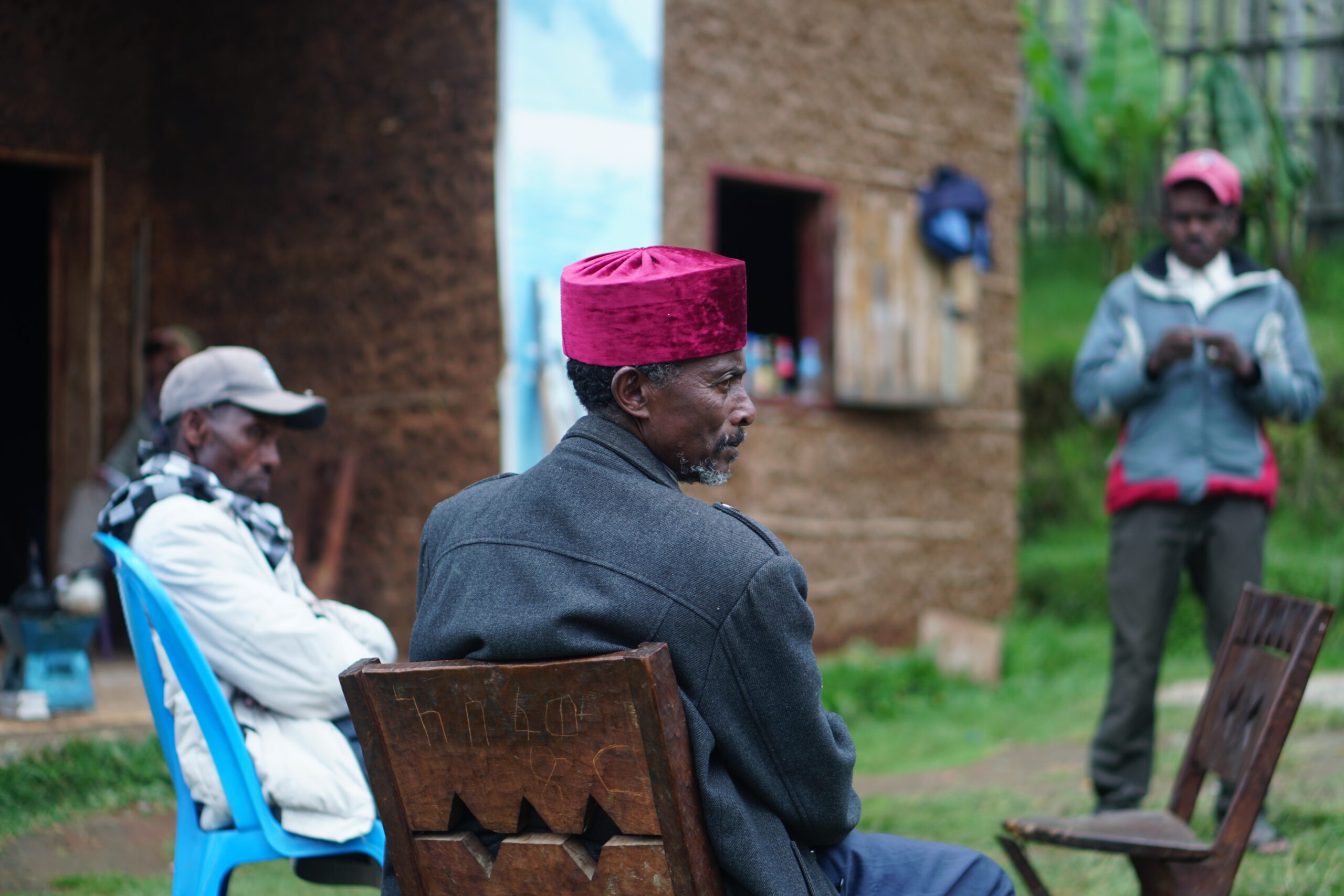
We walked quietly around the island, feeling the nature of the place. Our boatmen then took us around the island, and we returned to a mud house serving as a cafe and community center. A party had started with young people listening to music, drinking beer, the Muslim friends sipping on Fanta. Two-thirds of Ethiopia is Christian, the other third Muslim.
While we noticed no tensions between the two groups during our time there, if you read the news, flare-ups are not uncommon. Our guide checked the news regularly to make sure our roads were safe.
Wenchi is a great idea for a family day trip in Ethiopia. The locals all smiled at us as we drove and walked around, although there was some fighting over who was going to take us back up the mountain on the horses.
There is no consensus on who gets to work with locals when they arrive, and the local young men seem troubled that others got work and they didn’t.
Ethiopia Airline eco resort for Lake Wenchi. Not yet open.
I expressed to our guide that once the resort is open, the fighting over tourism might become worse. He said that he spoke with them about creating a system for each guide and that the elders already decided against motorized boats on the lake. We spoke about plastics, noise, and what happens when too many people are on the lake. What’s great about this “heaven” is that there aren’t many people.
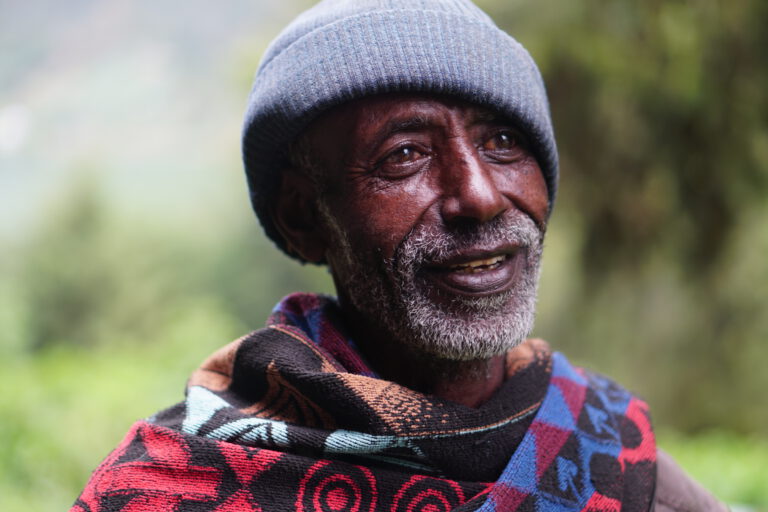
The monk who has lived on Lake Wenchii Island for 14 years. He protects the church. Rings the bell.
Going to visit Ethiopia for a few days was humbling and exciting. We’d arrived from Japan, one of the richest countries on earth, to Ethiopia –– one of the poorest. When it comes to happiness, I can’t say for sure, but the Ethiopians smiled a lot more,
Ethiopia, the only African country to have escaped European colonialism, has retained much of its authentic, ancient cultural identity and is considered by many to be the cradle of humanity: Lucy was one of the first hominin fossils found in Ethiopia. Ethiopia is also considered one of the earliest sites of the emergence of anatomically modern humans, Homo sapiens.
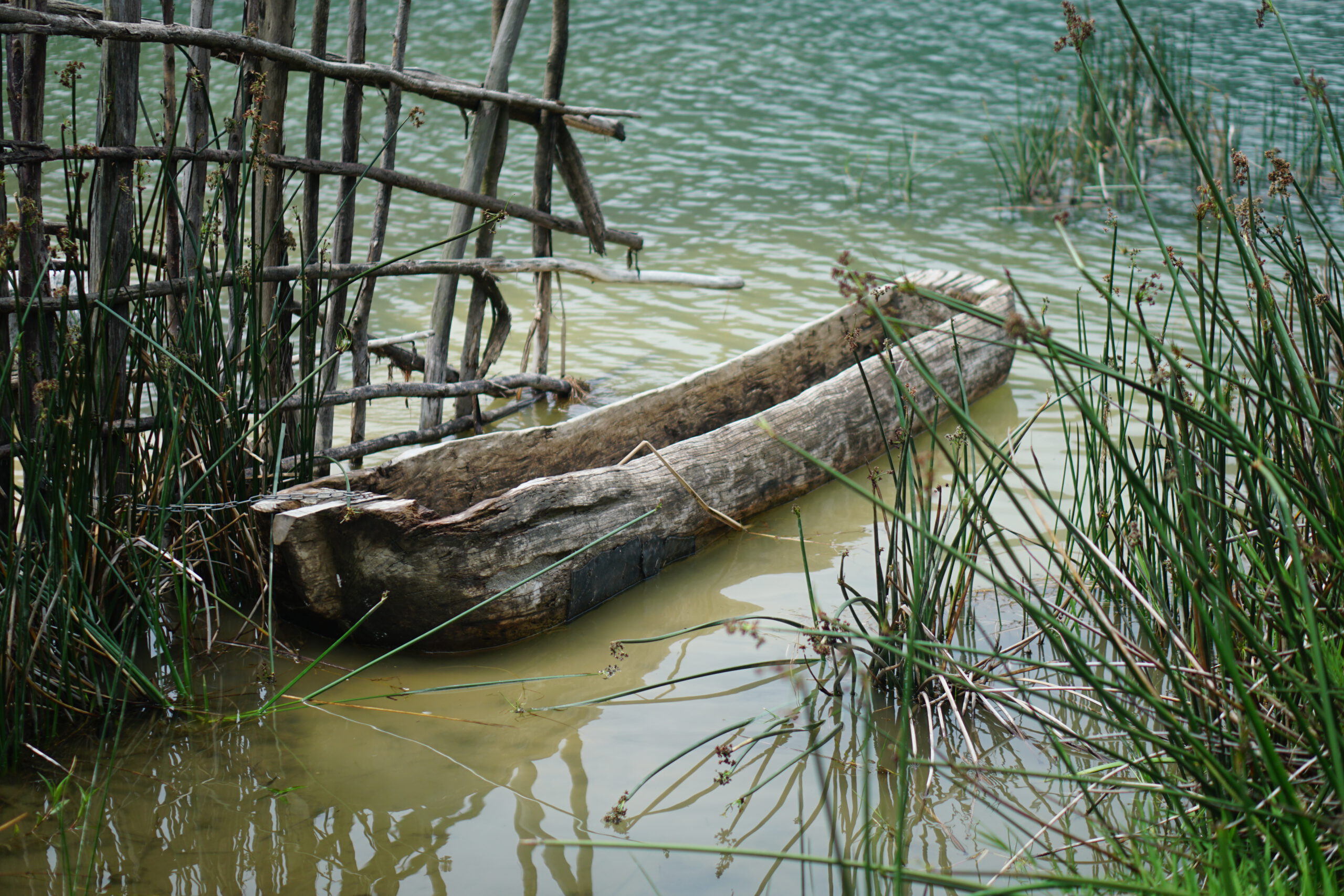
Traditional Wenchii boat. No longer used.
If we acknowledge this, the world should do a better job of supporting Ethiopia in developing itself in industry, agriculture and tourism. China is an obvious partner in Ethiopia for its own reasons. We’d like to see more involvement from democratic nations helping the good people of Ethiopia, a landlocked country, develop its future.
Consider the intricate interdependence between Egypt and Ethiopia, where Egypt’s economic stability hinges significantly on developments in Ethiopia. Ethiopia serves as the primary source of water and sediment for the Nile, contributing 90% of the water flow and 96% of transported sediment, notably through the Blue Nile and other tributaries like the Tekezé and Atbarah. Ethiopia’s ambitious plan to intermittently dam the Nile for power generation purposes adds a layer of complexity to the situation.
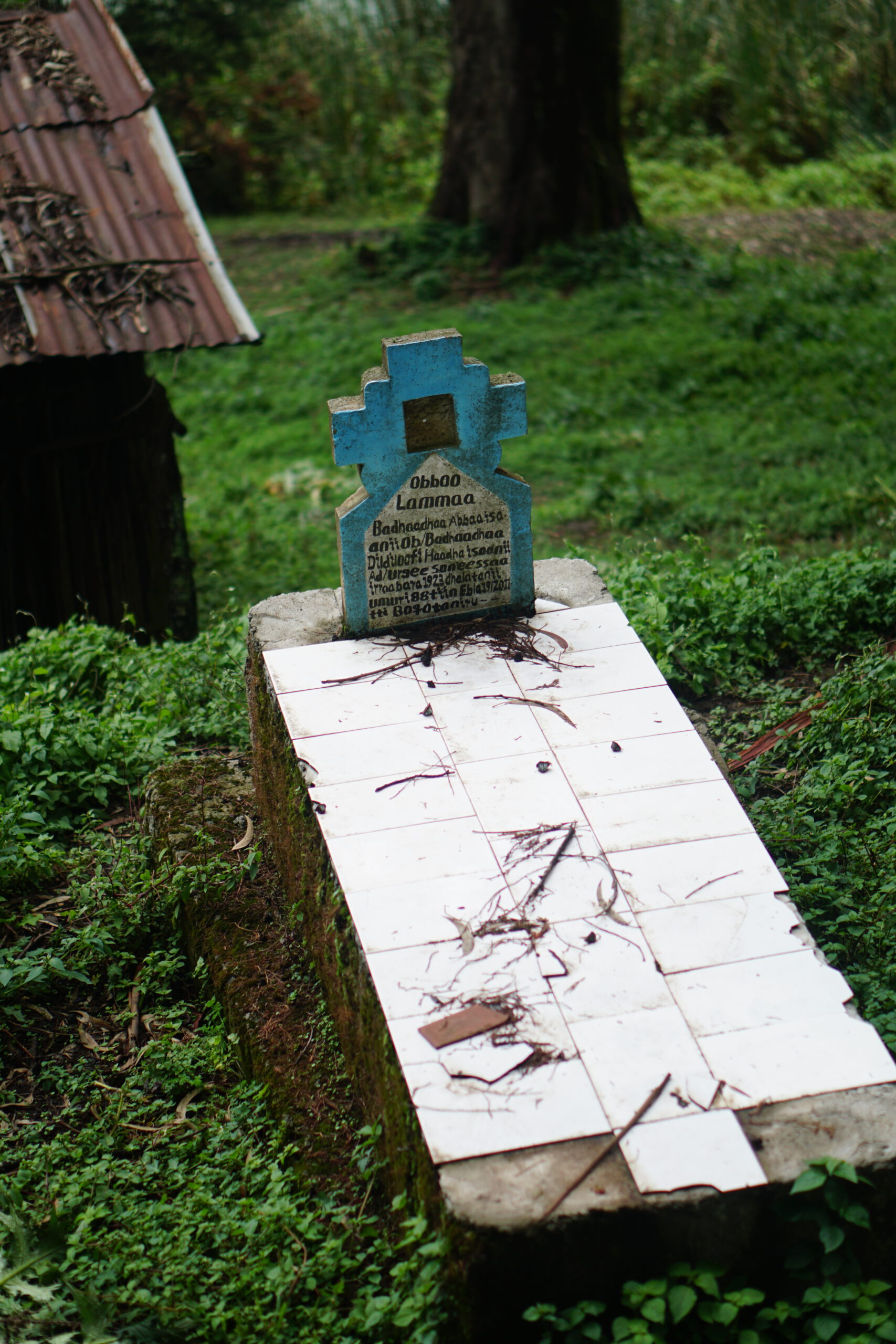
Monks and priests buried on the island
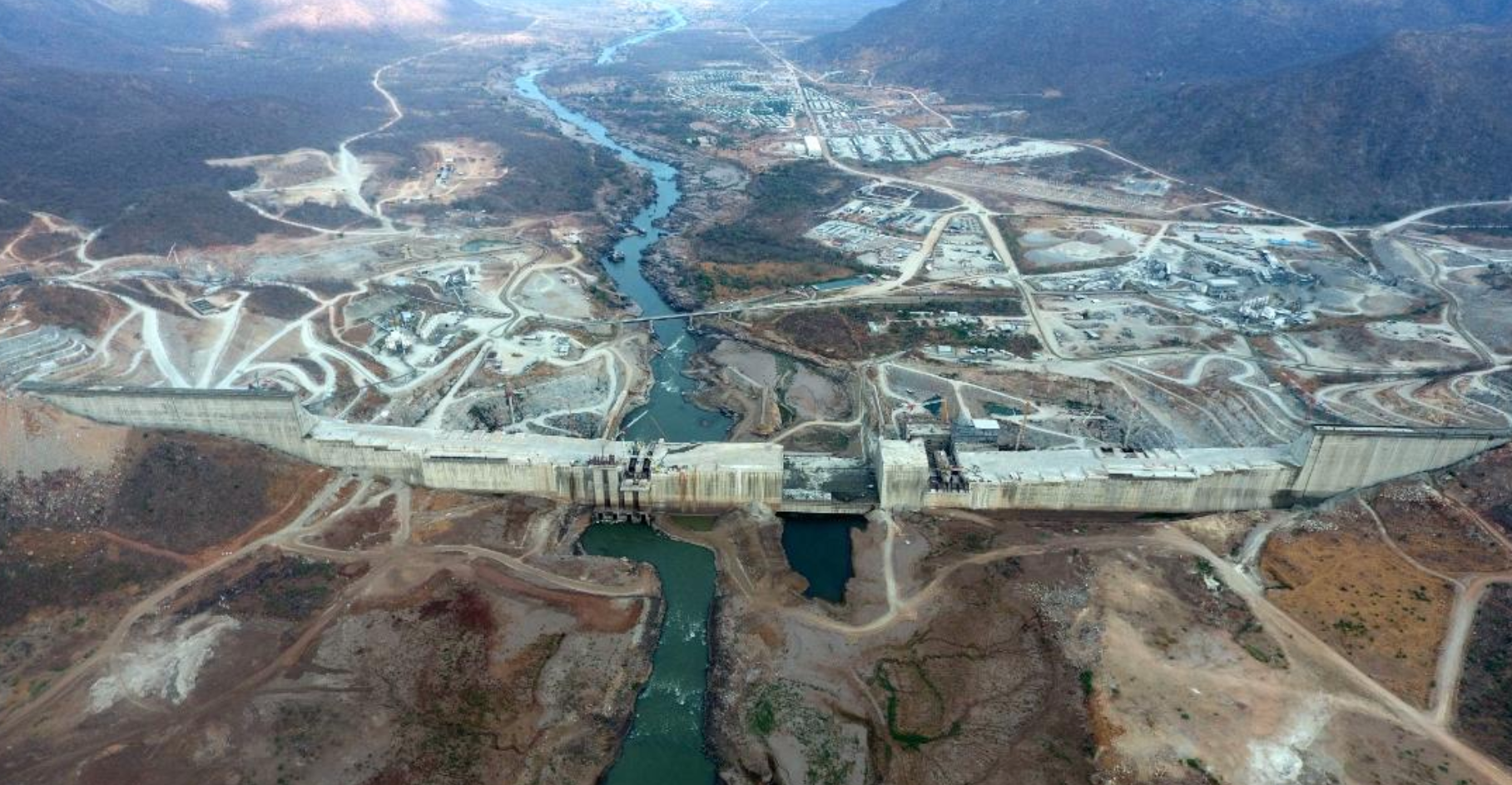
The longstanding dispute over the Grand Ethiopian Renaissance Dam (GERD) on the Blue Nile has spanned twelve years, creating a volatile situation. Any decision by Ethiopia to disrupt the Nile’s flow to Egypt could quickly escalate tensions. Positioned just 19 miles (30 km) from Sudan’s border, GERD stands as Africa’s most extensive hydroelectric dam endeavor, stretching over a mile in length and reaching a height of 145 meters.
Creation of the GERD dam
Ethiopia’s motivation behind GERD lies in its aspiration to provide electricity to the 60% of its population currently devoid of access. The project aims to potentially double Ethiopia’s electricity production, offering a reliable power supply to businesses and fostering developmental growth. Yet, the project’s implications extend far beyond Ethiopia’s borders, impacting neighboring countries like Egypt and Sudan and sparking concerns about water security and regional stability.
Europe faces a daunting public health crisis with its escalating obesity rates. Obesity amongst children is particularly of concern due to the wide array of non-communicable diseases (NCD) and a shortened life expectancy that is often linked. According to the World Health Organization, one in three children in the European region is living with overweight or obesity.
For Europe’s youth, excess weight is associated with many harmful comorbidities. Furthermore, it is associated with an increased risk of obesity in adulthood, thus contributing to social inequalities in health throughout life. The recent symposium hosted by Competere.eu, featuring MEP Rosa D’Amato of the Greens / EFA group, shone a spotlight on the complexities of obesity and the inadequacies of the European Union’s response, particularly its insistence on the continued harmonization of the Front of Pack (FOP) label.
The Limitations of Nutri-Score
Of all the FOP labels, one system that has gained attention due to its controversies is Nutri-Score. It aims to make nutrition more understandable by categorizing foods from ‘A’ (healthiest) to ‘E’ (least healthy), using a stop light color-coded system. While its supposed intention is to guide consumers toward better choices, it has been rightfully criticized for oversimplifying complex nutritional data, particularly in its approach to fat and salt. This can lead consumers to make misinformed decisions, as the system fails to capture the nuances of modern diets and the varied nutritional needs of individuals. The misinformation surrounding Nutri-Score has resulted in a parliamentary motion in Switzerland, potentially making it the first adopter country to roll back Nutri-Score and prohibit its use. Romania has decided to stop before it is too late, banning the label because of its inability to accurately inform consumers.
The symposium rightly highlighted that obesity is a complex condition influenced by a wide variety of factors beyond simply caloric intake. Prof. Luc Van Gaal from the University of Antwerp pointed to genetics, lifestyle choices, environmental factors, and socioeconomic status that all contribute to obesity. This complex etiology clearly illustrates that one-dimensional solutions like Nutri-Score are insufficient and often even misleading.
Prof. Donatella Saccone referenced the vital importance of food security, which is not just about having enough food but also about having access to nutritious food that people are able to afford, especially in the current cost of living crisis. Effective strategies against obesity must tackle these broader issues to ensure that access to healthy choices is widely available.
Adding to the discussion, Prof. Michele Carruba of the University of Milan proposed viewing obesity as a chronic disease. By framing obesity as a chronic disease it is easier for people to understand how it requires sustained and comprehensive solutions, rather than quick fixes. This perspective necessitates a shift towards comprehensive public health strategies that include education, community planning, and sustained policy initiative, rather than simply slapping a confusing label on products.
Expanding Strategies Beyond Labeling
To effectively address Europe’s obesity epidemic, a comprehensive strategy encompassing several facets of public health is essential. First, extensive and innovative public health campaigns are crucial. These campaigns should focus on educating the public about nutrition, physical activity, and overall health, and must be tailored to culturally and demographically diverse audiences to ensure broad reach and impact.
Urban planning plays a pivotal role in promoting healthy lifestyles. By designing cities that include parks, bike paths, and community sports facilities, urban planners can greatly facilitate physical activity. Ensuring that these amenities are accessible to all is essential for encouraging active lifestyles across diverse communities.
Education is another critical area. Schools have the unique capability to influence lifelong habits. Integrating comprehensive nutrition and physical education programs into school curriculums from an early age can equip children with the knowledge and habits they need to lead healthy lives.
Finally, supporting research and innovation is fundamental in understanding the causes and treatments of obesity more effectively. Investment in food technology is crucial, as it can lead to the development of healthier food options that are both appealing and accessible to the public. This combination of education, urban planning, and research forms a robust approach to combating obesity and promoting a healthier future for all European citizens.
Leveraging the Electoral Cycle for Health Policy Reforms
As the European parliamentary elections approach, there is a unique opportunity to place public health at the forefront of the political agenda. Candidates and parties need to recognize the importance of comprehensive health strategies in their platforms. Voters are increasingly aware of how public health policies affect their daily lives, and they are likely to support candidates who propose thoughtful, evidence-based policies to combat health issues like obesity.
The upcoming elections also provide a platform for advocacy groups and public health organizations to influence policy. By engaging with candidates and raising public awareness about the importance of effective obesity strategies, these groups can help shape the political discourse. It’s crucial that the new legislative framework post-election prioritizes holistic and sustainable health policies that can address the root causes of obesity and ensure a healthier future for all European citizens.
In conclusion, tackling the obesity crisis in Europe demands strategic overhaul and proactive policy making. The EU must move beyond Nutri-Score to adopt comprehensive strategies that address dietary education, food accessibility, urban health initiatives, and regulatory reforms. The upcoming elections present a pivotal moment for electing leaders committed to making these changes, emphasizing the need for policies that not only address the symptoms of obesity but also its underlying causes.