Home Blog Page 74

Impact Investing: A Way to Improve the World

0
Innovation Africa
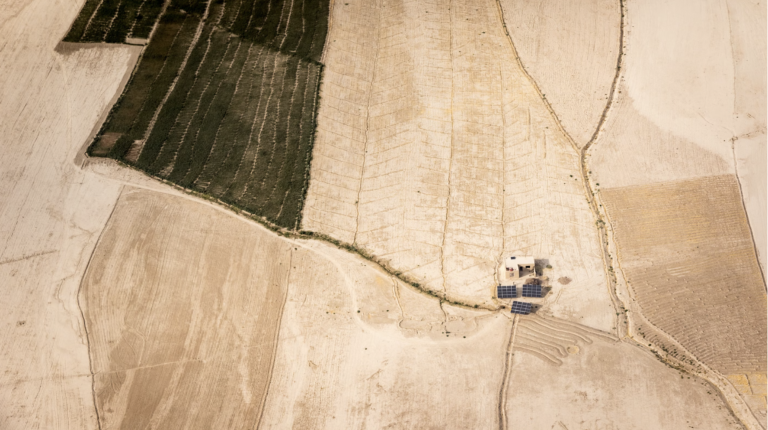
Organizations like Innovation Africa invest in solar energy and water technologies so they can be used in regions where it counts

Environment, social, and economic problems have plagued most economies. The governments need a lot of money to address these problems, and even then, it won’t be simple to solve them in months or years. Profound issues such as poverty, hunger, and climate change require a great deal of effort, money, and time on the part of the public and government.

This explains why ideas like impact investing, SRI, and ESG have become popular in recent years. These three are included in sustainable investment, which aims to persuade investors to focus more on promoting environmentally sustainable development globally rather than only financial gains. The goal of sustainable investment is to raise money to address these socioeconomic issues gradually. This post will cover the idea of impact investing as well as several other topics you should be aware of. 

Learn more about impact investing 

It’s a common misconception among investors that the only way to address environmental and socioeconomic problems is through charitable giving, with no thought of profit. This is when concerns about impact investment arise. The attraction of impact investing is its capacity to generate profits while enabling investors to impact positively society.

Investment in developing sectors that aim to address specific social, economic, and environmental challenges, such as sustainable agriculture, affordable housing, renewable energy, education, health care, and other related areas, is made possible by impact investment. By making investments in these fields, businesses may concentrate more of their resources on finding solutions for different ESG issues. 

Things to examine before making an impact investment 

Mark Tester, Indiana Jones of the Plants
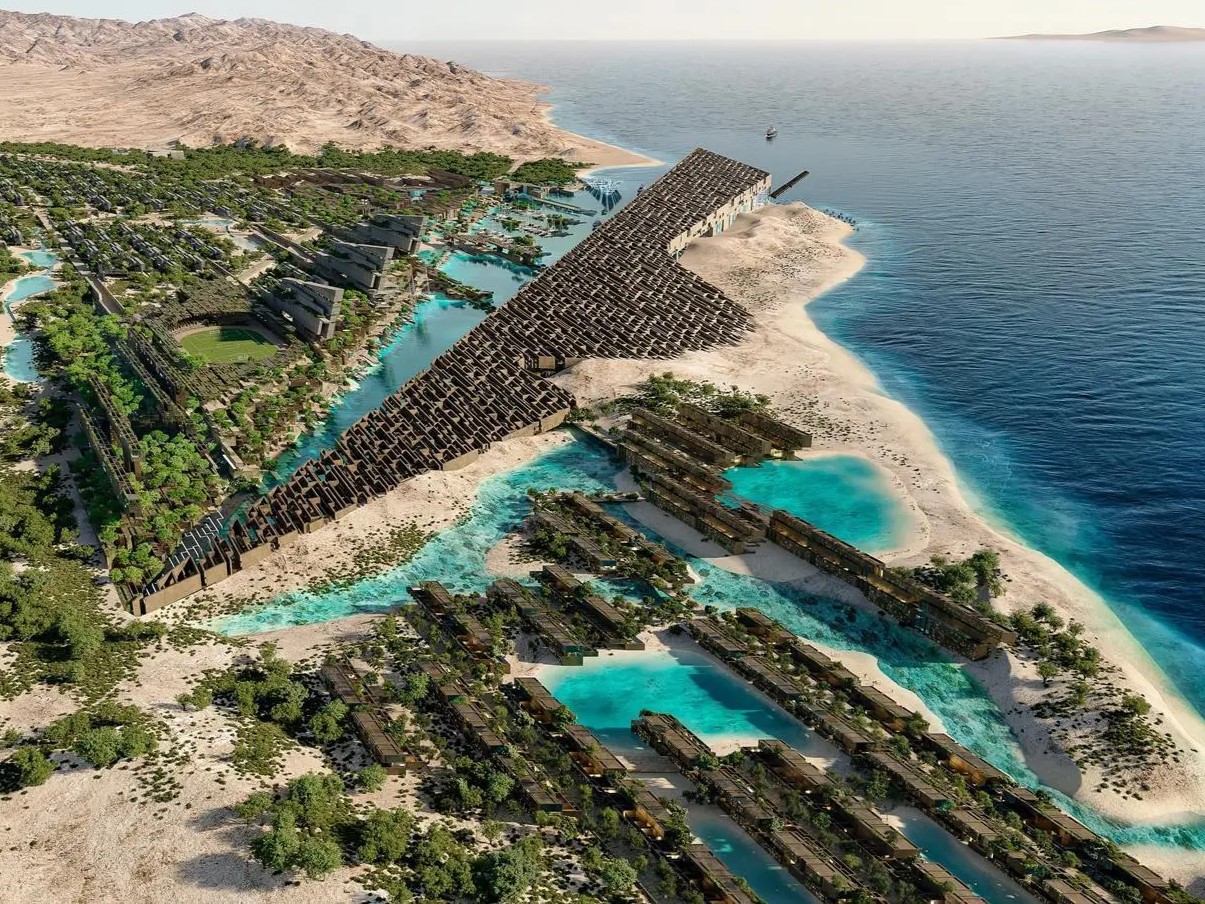
Mark Tester, Indiana Jones of the Plants hunts for new varieties of salt-tolerant crops he can grow at Red Sea in Saudi Arabia. It’s a company poised to make change and profits.

Investment in businesses or organisations that aim to improve the world is not the focus of impact investment. Impact investing offers investors financial gains in addition to a sustainability concern. As a result, it’s critical to consider some aspects when choosing an investment. 

  • Watch Out for Risks: Investing in every organisation has some risk, which is why a sane investor should always evaluate the risk before making a purchase. Analyse the possible harm that each of those hazards represents by comparing them. 
  • Spread your money across many sectors: Investing is a popular strategy among investors. It lowers risks and offers a fall back to recover lost money if a corporate component fails. Since impact investments have the same risks as ordinary investments, you may apply this theory to them.
  • Make a strategy in advance: When making investments, you must constantly consider the future. You must continually consider the possible dangers associated with your investments as well as the fields’ potential future advancements, given that you are making investments in ever-evolving sectors. It will facilitate additional reinvestment possibilities and assist you in strategically allocating your assets.
  • Invest through an investment manager: Investing in an investment advisor is considerably safer than investing on your own. It is strongly advised that you seek the help of a manager if you are new to impact investing. Investment managers may make wise choices on your behalf and guarantee that your money is in capable hands.

An increasing number of businesses are looking for possible investors to study and discover fresh approaches to address diverse social, environmental, and economic problems as sustainable investing gains traction. In addition, a lot of businesses advise clients on sustainable investment and walk them through its nuances. Governments everywhere now have fresh faith that in a few decades, they can resolve most issues and improve the world.

Amphibian nurses its young with ‘milk’

0
Amphibian nurses its young with ‘milk’

A species of amphibian is the first observed to nourish its young with a milk-like product, which it squirts from the cloaca, a combined rear opening for its reproductive and digestive systems.

Siphonops annulatus is a blind, worm-like caecilian that lives underground. Lactation is considered a key characteristic of mammals, but a handful of other animals — including some birds, fish, insects and even spiders — produce nutrient-rich liquid for their offspring.

The finding that S. annulatus is “both a skin feeder and now a milk producer is pretty amazing”, says Marvalee Wake, an evolutionary biologist at the University of California, Berkeley. It is probably just one of the caecilians’ many biological quirks. “Most species have not been studied at this level of detail,” says Wake. “So, who knows what else they’re doing.”

More pilgrims to the Dubai Mall than Mecca and the Vatican

0
Dubai Mall aquarium
Dubai Mall aquarium

Middle East mall in the UAE is the most visited site in the world in 2023.

In a sad state of affairs for humanity, a mall in Dubai has become the most visited place in the world, in 2023. Dubai Mall said it achieved a record-breaking 105 million visitors in 2023, a 19% increase from the previous year, making it the most visited place globally. The Eiffel Tower saw 6.3 million people in the same time frame, the Giza pyramid, 14 million, and a Muslim pilgrimage to Mecca, called Hajj, attracted 13.5 pilgrims in 2023.

New figures released by the Dubai Mall on Tuesday also showed a staggering 20 million people visited the mall in the first two months of this year alone, with 2024 set to be another record year. Events like the Dubai Shopping Festival and digital engagement have been key to its success.

Read Also: Dubai Mall sells dinosaur bones – should ancient artifacts be up for sale?

Dubai Mall dinosaur
Dubai Mall dinosaur

“These numbers reflect Dubai Mall’s impressive status and mirrors the forward-thinking leadership and strong economy of Dubai. Our mall embodies the city’s vibrant spirit and dedication to excellence, turning the leadership’s vision into a reality. Being an integral part of Dubai’s economic fabric, we play a crucial role in the city’s success and innovation,” said Emaar founder Mohamed Alabbar.

Dubai Mall entrance at twilight

There is no clearer symbol of Dubai’s excess than the world’s tallest tower, the Burj Khalifa, which stands in close proximity to the mall. Nor is there a more appropriate example of the Emirate’s shabby urban planning. It has approximately 160 floors and no.on-site.human.waste.system! Instead of flowing through a network of carefully-laid piping to a municipal waste treatment center, every day some poor unfortunate soul has to truck approximately 8 tonnes of human waste from this skyscraper and sit in line for up to 24 hours to have it dumped.

How does a Dubai Mall compare to other world sites of interest?

The Vatican

The Vatican City in Rome is the smallest country in the world, and its own city-state ruled by the Pope. According to statistics sent out by the Vatican it receives over 5 million visitors a year.

The Eiffel Tower

In 2023, the year in which France celebrated the 100th anniversary of Gustave Eiffel’s passing, the Eiffel Tower welcomed 6.3 million visitors. Both national and international tourists seem to be fond of the monument and, with the Olympics coming to Paris in 2024, a promising new touristic year has started for the Eiffel Tower.

Pyramids of Giza

Over 14 million people visited the Pyramids of Giza last year making it one of the most popular tourist sites in the world. Additionally, Giza is known for it’s punishing desert heat.

The Old City of Jerusalem
Estimates suggest about 3 to 4 million people visited Israel last year, and most of those visitors saw Jerusalem, and the Western Wall, and the Dome of the Rock in the Old City.
Mecca
There are 2 billion Muslims in the world, and Saudi Arabia has reported that over 13.5 million Muslims undertook the Umrah pilgrimage to Mecca in 2023, marking a record-breaking year for Islam’s holiest city and representing a 58% increase in international pilgrims compared to 2022.


Qatar aims for 100% electric public transport: will anyone use it?

Doha driverless train
A Doha driverless train

In a country that honors the private vehicle and its wealth from oil and gas, in a twist of opposite expectations Qatar says it plans on making all public transportation electric by 2030. Qatar’s Ministry of Transport (MoT) has boasted a significant milestone: 70% of public buses are now electric, with an ambitious goal of a fully electric fleet by 2030. Qatar also wants 35% of all cars to be electric cars in this same time frame.

According to Arabian Gulf Business Insight, electric vehicle sales could make up 20 percent of the total auto market in Qatar by 2032, experts forecast, as the Gulf state launches its first EV brand.

Doha and the rest of Qatar are dominated by cars. Get a job offer in Qatar (if you aren’t from Pakistan, India or Sudan in construction) and you will get a car, and a house as a part of the deal. Everybody drives in Qatar where the private vehicle reigns, and while public transport  technically “exists” in the form of buses and a brand new Doha Metro system, taxis are still the easiest way of getting around if you have cash. Much of the time it is too hot outside to walk far.

Read Also: This EV factory is built out of the oil industry

So still in a dream stage his eco-friendly shift promises a significant impact: cleaner air, reduced energy consumption, and a smaller carbon footprint.

The environmental benefits are substantial but only when the electric power itself is derived from clean and renewable energy sources.

Whether you’re taking a bus in Doha or the tram in Lusail, the public transport network in Qatar means there are plenty of options for your daily commute to work.

Electric buses produce zero tailpipe emissions, drastically reducing air pollution in urban centers heavily reliant on public transport.

Additionally, the switch from fossil fuels to electricity translates to lower energy consumption and a reduced national carbon footprint, aligning with Qatar’s commitment to combating climate change. MoT’s Director of Land Transport Licensing, Hamad Ali Al Marri, emphasized these benefits during a recent ceremony.

He pointed to the creation of an integrated infrastructure – likely a network of strategically placed charging stations – to support the electric bus operation.

Bus station, al ghanim

This electrification initiative coincides with the launch of “Environmental Sustainability in Qatar: Achievements and Challenges.”

Read Also: Saudi Arabia’s electric vehicle market

Qatar-based Ecotranzit showcased the first prototypes of its Vim-branded electric vehicle in 2023. They are manufactured under its exclusive intellectual property rights deal with partners including China-based Beijing Automotive Works. The company plans to design and build its own electric cars in the future and has started to invest in assembly plants and preliminary production lines, according to Qatar News Agency.

The Qatari Gulf state ranks behind the UAE and Saudi Arabia in electric vehicle production, where multi-billion dollar investments have been made to set up factories and attract big-name players such as Lucid.

Did Vikings have dentists?

X-ray examination of teeth reveals caries lesions on several of the posterior molars. Photo: Carolina Bertilsson, Henrik Lund

A new study on ancient Viking teeth showed that they modified their teeth for status and possibly beauty. There are signs of advanced dentistry, after scientists study X-rays of Viking teeth

When we sit back and open wide when we visit the dentist, one has to wonder: surely our ancient ancestors didn’t have to do this. Teeth that ached must have been pulled, plain and simple. But research shows something else: teeth found in Viking populations from Sweden showed advanced signs of dental work and modification. 

This is according to the University of Gothenburg’s Institute of Odontology. While Vikings did have widespread caries and signs of toothaches, they had dental work and filing in the front of their teeth. 

The study looked at 3,293 teeth from 171 individuals among the Viking Age population of Varnhem in Västergötland, Sweden. This particular site is known for extensive excavations of Viking and medieval settlements, including tombs where skeletons and Viking teeth have been preserved well in favorable soil conditions.

The researchers looked at the teeth using today’s dentistry tools and X-rays were performed on the teeth held in an intact skull. 

Read Also: 9 ways to make your dental practice green

The results published in the journal PLOS ONE, showed that 49% of the Viking population had one or more cavities. Of the adults’ teeth, 13% were affected by caries – often at the roots. Children with milk teeth – or with both milk and adult teeth – were cavity-free, suggesting the diet then didn’t erode their teeth.

A filed hole from the crown of the tooth into the pulp – a procedure that reduces toothache and infection.

But Vikings showed advanced and new ways of modifying their teeth: “There were several signs that the Vikings had modified their teeth, including evidence of using toothpicks, filing front teeth, and even dental treatment of teeth with infections,” says Carolina Bertilsson, a dentist and Associate Researcher, and an author in the study.

The researchers found molars with filed-down holes, from the crown of the tooth down into the pulp to relieve pressure and alleviate toothaches from infection. 

Bertilsson added: “This is very exciting to see, and not unlike the dental treatments we carry out today when we drill into infected teeth. The Vikings seem to have had knowledge about teeth, but we don’t know whether they did these procedures themselves or had help.”


Medical cannabis now legal in Greece and country eyes being major European grow hub

0
The €40 million project by Israel-based Tikun Olam, located near Corinth, will be built on a land parcel of six hectares. The facility includes 21,000 square meters of state-of-the-art hybrid greenhouses, a vertically integrated production plant and a fully equipped R&D department.

In patient Greek style, with seven years of delays, Greece has finally legalized medical grade cannabis. Zorba would be proud. Patients will get licenses in situations where medical cannabis has proven to be effective in areas such as relief from chemotherapy, therapy against HIV or hepatitis C, chronic pain, MS and in palliative care to help with appetite.

The Greek market is expected to be about $330 million USD, and will be a good place for new grow ops to start operations. The first medical grade cannabis plant opened in January at Examilia, in Corinth under an investment from Tikun Europe, a subsidiary of Tikun Olam from Israel.

“A new era is beginning for our country with the operation of our Tikun Europe facility, paving the way for Greece to become one of the main players in the field of production and export of medical cannabis products,” said Greek Development and Investments Minister Adonis Georgiadis who said Greek patients will benefit from these products, despite cannabis “having a difficult history due to its nature as a narcotic.”

The Greek facility aims to be an export hub to all of Europe, reviving Greek’s agriculture industry. But also the Pharma business.

Pharmaceutical manufacturing is one of Greece’s main industrial sectors, comprising dozens of local and foreign companies and accounting for roughly 10% of employment. The country exports around €3 billion worth of medicines a year to some 140 countries, making it Greece’s second-largest export sector. Much of the global supply of antibiotics, and medicines for treating cholesterol and diabetes, are produced in Greece.

Several international drug companies – like Germany’s Boehringer Ingelheim – have invested heavily in their Greek production facilities with an eye to exporting more. Overall, approximately €1.2 billion is now being invested in a dozen new production units and 18 new research centers that are expected to further boost production and exports.

The development of a plant focusing on medical cannabis represents a major investment in what is expected to be a growing market worldwide. Two other such production facilities, by investors from Europe and North America, are also planned at different locations in Greece.

Greece had already inaugurated its first ever production facility for medical cannabis − the largest such facility in Europe − and the latest in a string investments that are boosting the country’s position as a leading exporter of pharmaceutical products to the world.

The specialist doctors able to prescribe cannabis in Greece include medical cannabis include anaesthetists, neurologists, and pathologists specializing in cancer, infections, and rheumatism.

Treatments for medical cannabis will not yet fall under state insurance, so high costs of $90.03 for 5-grams (0.17 ounces) might just lead people to obtain it through illegal channels. Lavipharm and Pharmaserve-Lilly will be dispensing the cannabis.

Anna Paga, a 60-year-old mother of three with psoriatic arthritis told the Athens Macedonian News Agency: “What can I say about this day? A very big thank you, relief, vindication, freedom to live. I was among the first to get the prescription via the electronic prescription system and I didn’t expect it, I couldn’t believe it. I burst into tears … an end to the risks and fear.”

Greek patient advocacy group Mamaka says it will still fight for the right for people to cultivate at home for personal use.

Alan Shackelford, medicinal cannabis doctor Charlotte's Web
Israeli American physician Alan Shackelford was the first to treat children, using CBD. He helped legalize cannabis as medicine in Colorado where he practices.

Medical cannabis has changed lives around the world. Green Prophet interviewed Dr. Alan Shackelford, the Israeli-American doctor who prescribed cannabis to a child, Charlotte Figi, saving her from hundreds of epileptic seizures every week. He was the first in America to do this through legal channels.

ADVERTISEMENT

Are you interested in sustainable investment and generational wealth? Green Prophet is working with 36North, an investment advisory in Canada on how to teach you how to build generational wealth. Email [email protected] for an introduction.

How the Emirates is green powering Caribbean islands

0
Bermuda hurricane resistant solar panels
Island nations are at risk for climate change. A new solar plant will enable Barbuda to reduce annual diesel fuel consumption by 406,000 litres and cut carbon dioxide emissions by over 1 million kg.

The United Arab Emirates UAE-Caribbean Renewable Energy Fund (UAE-CREF) announced that the hurricane-resistant power project developed by Masdar for Antigua and Barbuda to withstand even the fiercest winds, is now operational.

In the wake of Hurricane Irma, which destroyed 95 percent of Barbuda on 6th September, 2017, and forced all 1,800 residents to be evacuated to Antigua, the climate-resistant plant is designed to survive 265 km-per-hour winds and provide a safe, reliable, and sustainable supply of electrical power for the island.

Some of Green Prophet’s family members were airlifted out of Dominica after a hurricane destroyed the island.

The hybrid solar, batteries, and back-up diesel project is already helping to support the twin-island nation’s objective of meeting 86 percent of its electricity sources from renewable energy by 2030. The Green Barbuda project was formally inaugurated at an event on the island of Barbuda by Gaston Browne, Prime Minister of Antigua and Barbuda, Hazza Ahmed Al Kaabi, UAE Ambassador to the Republic of Cuba, and Ambassador Brian Challenger from Ministry of Energy of Antigua and Barbuda, accompanied by a delegation from local and state entities.

Masdar developed and implemented the Green Barbuda project as part of its work under UAE-CREF, the largest renewable energy investment of its type in the region.

greencells masdar office
Masdar’s model eco city just outside Abu Dhabi

Fully financed by the Abu Dhabi Fund for Development (ADFD), the US$50 million UAE-CREF was launched at Abu Dhabi Sustainability Week 2017 as a partnership between the Ministry of Foreign Affairs (MoFA), ADFD and Masdar. New Zealand, Antigua and Barbuda and the CARICOM Development Fund (CDF) also provided funding for the project.

Mohamed Saif Al Suwaidi, Director-General of ADFD, said, “It is a landmark achievement for the UAE-CREF to have driven an energy transformation in Antigua and Barbuda at such a scale. The project took into consideration the country’s high dependence on fossil fuel imports for energy needs despite having the potential to exploit its solar, wind and geothermal power. This initiative highlights the extraordinary capability of clean energy to drive socioeconomic development. This is why ADFD is multiplying its effort to accelerate the energy transition in the developing world, as the UAE leads the way to a low-carbon and zero-emission future.”

Read Also: Masdar shows off smart city and smart irrigation

Renewable energy plays a key role in enhancing energy security within emerging markets, especially in small island countries that are vulnerable to the consequences of climate change.

The Prime Minister of Antigua and Barbuda, Gaston Browne, said, “The Government and people of Antigua and Barbuda are extremely appreciative of the assistance from the UAE in our efforts to achieve sustainable development. In that regard, the Green Barbuda electricity project has been a truly transformative one for Barbuda. It harnesses our indigenous renewable energy resources and has provided for the transfer of cutting-edge technologies as well as capacity building at the local level to manage the project.

The project supports Antigua and Barbuda’s efforts to reduce its dependence on costly and volatile imported petroleum fuels and to develop our own renewable energy resources. At the same time, it also enables us in both adapting to and mitigating the adverse impacts of climate change. We look forward to continuing to collaborate with the UAE and other partners in expanding this project as a showcase of sustainable energy in the Caribbean.”

The project combines a hybrid solar photovoltaic (PV) plant, featuring 720 kilowatts-peak (kWp) of solar PV panels, connected to an 863 kilowatt-hour (kWh) battery, and capable of fully meeting the island’s current daytime energy demand. The plant will enable Barbuda to reduce annual diesel fuel consumption by 406,000 litres and cut carbon dioxide emissions by over 1 million kg.

The UAE-CREF initiative intends to deploy renewable energy projects in 16 Caribbean countries in three cycles to reduce energy costs, increase energy access, and enhance climate resilience.

Projects have already been successfully launched in the Bahamas, Barbados, and Saint Vincent and the Grenadines.

ADVERTISEMENT

Are you interested in sustainable investment and generational wealth? Green Prophet is working with 36North, an investment advisory in Canada on how to teach you how to build generational wealth. Email [email protected] for an introduction.

EcohubMap: Empowering Environmental Sustainability Through Information Systematisation

0


Trees roots and sunshine

Today, environmental information systems are essential weapons in the arsenal of organisations in the quest to promote environmental sustainability. These systems facilitate the dissemination of ecological data to assess climate impact, greenhouses, and other environmental pollutants and highlight measures and policies to address these issues.

Knowledge of environmental issues continues to grow, making information systems unique because of their growing use in decision-making to drive positive change, raise awareness and inspire many to be environmentally conscious. The impact of this revolution is already being felt, especially in the monitoring and control of emissions.

Globally, biodiverse-rich regions are under threat, facing several environmental issues, including climate change and land degradation. The result? Decline of natural resources and their unique species.

The global approach to environmental protection has significantly evolved over the past decades to become more comprehensive. This change demonstrates an increased recognition of the interconnectedness of various ecological issues and, hence, the need for multi-faceted solutions to address them effectively.

EcohubMap, an innovative online platform that serves as a comprehensive business directory, listing and promoting sustainable companies globally, stands at the forefront of information systemisation.

By recognizing that environmental challenges are interrelated and necessitate coordinated solutions, this platform has more sustainability sectors, but these are the most popular:
Renewable Energy: Companies in this sector are harnessing natural resources to produce clean energy from wind, solar, and bioenergy sources. These businesses are pivotal in transitioning the state towards a more sustainable energy future.

Agriculture: Innovative agricultural firms are implementing eco-friendly practices to boost productivity while preserving the natural ecosystem. They focus on sustainable land management and the use of renewable resources to minimise their carbon footprint.

Waste Management: With a commitment to the circular economy, waste management enterprises are finding new ways to reduce, reuse, and recycle waste materials. Their efforts are crucial in reducing landfills and promoting resource recovery.

Electric Vehicles: The electric vehicle industry is gaining momentum across the globe, with companies dedicated to reducing transportation emissions. They are at the forefront of developing and promoting electric mobility solutions.
Undoubtedly, sustainable businesses across the globe are growing every day to tackle challenges posed by climate change or loss of habitat. While advocating for sustainability, their efforts alone are inadequate in addressing global perturbations of natural systems, hence the need to utilise EcohubMap’s innovative platform.

How Can We Leverage Systematisation to Achieve Positive Environmental Change?

The current environmental issues demand innovative solutions, and most sustainable companies worldwide are well-positioned to be agents of change. Leveraging systematisation through EcoHubmap functions, businesses can achieve positive environmental impact.

Here is how:

Data-driven decision-making: Systematisation allows for data-driven decision-making, leading to better environmental initiatives.

Building robust feedback loops: Robust feedback loops are enabled through systemisation to help tackle the impact of our interventions. This ensures we are constantly improving and directing the efforts where they are most needed.
Habitat management: Systematisation facilitates mapping the conservation of natural habitats. This is achieved by mapping habitats and species distribution, status, and threats. As a result, this can help conversations identify environmental hotspots and do something to mitigate issues.

Environmental communication: Systematisation can help facilitate communication of ecological information to various policymakers, researchers and the media. When properly used, this can help raise awareness, educate people on environmental issues, and teach them to take action.

Leveraging on systematisation will enable an integrated economy while addressing environmental concerns that require a multidimensional approach. In many ways, systematisation will continue to contribute positively to the environment by advocating sustainable environmental practices.

How Does Ecohubmap Connect and Support Environmental Organisations?

EcohubMap is the world’s largest eco-business directory of environmental organisations. It connects and supports conscious business and environmental organisations by providing an innovative platform where they can easily be discovered and connect with others.

The platform achieves systematisation by fostering collaboration among different businesses to initiate environmental change or address environmental issues. Think of it as a one-stop shop for green changemakers.

Having been following up on the site for several months, EcohuMap has expanded the functionality of its platform, making it easier for sustainable businesses to be added to the business directory. It is easier to locate a list of green businesses globally. This allows organisations to share best practices, join forces, and tackle challenges.

Having a team working around the clock 24/7, the platform offers real-time monitoring of environmental issues. Thus, it keeps related organisations updated and empowers them to act swiftly on emerging environmental issues.

In essence, EcoHubMap nurtures a thriving network dedicated to ecological sustainability.

How Can Eco-Friendly Businesses and Non-profit Environmental Organisations Globally Use and Benefit From the Platform?

Climate change and renewable energy are pressing issues globally, but many other local issues include overgrazing, bushfires, pollution and land degradation. Addressing these challenges is paramount for the sustainable future of our planet.

Several sustainable companies worldwide are at the forefront of this fight, and they can significantly benefit from EcohuMap’s innovative platform. This platform offers practical solutions that can save time for such organisations.

Take, for example, an organisation aiming to show its green initiatives and connect with like-minded individuals. It can list its company in the business directory. It features more than 100 sustainable companies and environmental organisations, enabling them to showcase their environment-friendly initiatives.

While the planet grapples with various environmental challenges, a call to action resonates with this discourse – EcohubMap as an innovative platform that bridges ecological entities, facilitating sustainable practices and collective efforts. Organisations can easily add a business page to enhance their credibility and reach.

Mitigating climate issues globally requires collective effort. As a concrete step towards moving forward, it is essential to consider partnering with innovative knowledge systems such as Ecohubmap.

Conclusion
The global environmental crisis demands transformative solutions, and information systematisation offers a powerful tool to achieve them. EcohubMap is a transformative tool that paves the way for a greener and sustainable future.

Eco-businesses should consider partnering with this innovative platform in its more significant effort to unite them in their contribution towards world environmental protection. Every day, the platform gets even better with new features added. This is important for eco-conscious businesses worldwide with a shared commitment to safeguarding our planet’s environment for future generations.

Muslim Climate Watch and the Green Ramadan Calendar Download 2024

Muslim ramadan calendar

Nazish Qureshi, Green Muslim
Nazish Qureshi, Muslim Climate Watch

Nazish Qureshi, the founder of Muslim Climate Watch says that the Muslim-fasting month of Ramadan offers “a wonderful pathway towards rejection of a culture of consumption and wastefulness, factors that have contributed to Earth’s pollution and accelerated global warming.

“Abstaining from food and choices that impede our self-actualization enables us to transcend the vices of greed and envy, which thrive in the realm of overindulgence and consumerism,” she says.

Green Muslims
Green Muslims create a calendar for Ramadan

She founded Muslim Climate Watch to empower Muslims with the education and resources to lead the climate justice movement as khalifa on Earth. “We advocate for climate action rooted in Islamic principles and inspired by the teachings of Prophet Muhammad (pbuh).

Read Also: 11 books for eco-Muslims

“Through research-based education and advocacy, we amplify the voices of marginalized Muslims disproportionately affected by climate change.

As we enter this holy time for Muslims, Qureshi shares a resource developed together with Green Muslims, Green Ramadan, and Interfaith Power & Light –– a Ramadan Creation Care calendar, to print and post in your masjid or at home.

Get your Ramadan calendar here (links to PDF).

Read Also: Green Prophet’s sustainable Ramadan guide


Treating epilepsy across the brain barrier with an injectable CBD

0
injections of CBD to cross the blood brain barrier
CBD injections to help epilepsy, pain relief.

Cannabis has been found anecdotally to treat epilepsy. The mode of action is inhibiting neurotransmitters in the brain. But turning parts of a plant into an actual pharmaceutical can take years, even decades to figure out dosing, efficacy and to check safety protocols. An Israeli-Canadian company Innocan, traded on the Canadian stock exchange (CSE: INNO) (FSE: IP4) (OTCQB: INNPF) is trying to tackle pain relief and epilepsy by injected a CBD formulation along with a lipid so it can linger longer in the body.

In a new study in animals they say their CBD-based injection that can last several weeks in the blood, passing through to the brain where it can offer relief potentially for weeks.

The proof-of-concept study found that CBD could be found in the brains of both mice and rabbits weeks after a formulation of CBD and liposomes was subcutaneously injected to them. These results show a strong correlation between the prolonged blood exposure of CBD and its brain distribution. Their delivery technology called LPT keeps the CBD in the bloodstream enabling CBD to pass the blood brain barrier (BBB) and deliver long brain exposure over time.

“The company is encouraged by these study results,” said Eyal Kalo, Innocan’s R&D Director. Sufficient exposure of CBD in the brain is the hallmark of CBD therapy associated with various neurological conditions, he says.

Read Also: We meet the cannabis doctor who prescribed cannabis to Charlotte Figi 

CBD or cannabidiol has demonstrated positive effects in association with various neurological disorders. Besides its well-established anti-epileptic activity, CBD can also protect brains pathology via the activation of anti-inflammatory and antioxidant mechanisms.

For example, CBD was demonstrated to efficiently protect brain cells from Alzheimer-induced degeneration, reducing the onset of the diseases. In addition, CBD can protect from damage that occurs following an ischemic brain stroke leading to better tissue regeneration and patient recuperation. CBD was shown to have strong beneficial effects in other neurological conditions such as autism or schizophrenia emphasizing its high contribution in improving behavioral impairment usually associated with such pathologies.

The fact that LPT-CBD successively delivers CBD to the brain in a long-lasting manner opens a big venue for the treatment of various neurological disorders.

Read Also: THC to treat autism

According to physicians Green Prophet has interviewed, they suggest a small amount of THC administered to each therapy in order for the CBD to have a maximum effect. THC is the pyscho-active compound in cannabis and its use is still illegal in some US states. Medical marijuana and recreational cannabis is legal in Canada making it easier for approvals for Health Canada to oversee studies and regulations.

CBD is typically take in drops infused in oil but once the compound hits the stomach it is quickly digested by gut enzymes, leaving less of the treatment to enter the blood system. Delivering the drug this way makes it harder to dose patients and a drug would need to be taken several times a day for efficacy. Innocan, in theory, offer a drug delivery mechanism for all types of CBD therapies tackling a wide range of needs.


How to Make Sure Your Audience Understands Complex Information

Treetoscope’s ingenious system monitors plant indicators in real time to provide worldwide farmers a SaaS platform to optimize irrigation at substantial water savings
The Treetoscope app helps people understand the complex processes in orchards.

Sharing information is crucial for building a collaborative culture focused on creativity and innovation. Whether you are a business executive, a teacher, or an online influencer, strong communication can be key to your success. In many instances, your audience is there to learn from you. This means you have a responsibility to be an effective communicator. The ultimate objective is to convey the message in the simplest, yet fastest, way possible.

Sometimes topics that seem simple to you may be difficult to grasp for your listeners. In such cases, the speaker must meet the level of the listener, guiding them through the learning curve. Whether you’ve been given the job or taken the responsibility of teaching, make it worthwhile for the audience. If they leave without understanding the subject, it may be seen as a failure on your part, not theirs.

Communication relies on several factors including the speaker, the audience, and the environment. Here are five tips that can help improve your communication and strengthen connections both in your personal and professional lives.

1. Use the Correct Medium

BeeHero screengrab
BeeHero screengrab.

Modes of sharing information are continually evolving. Remember how the chalkboard gave way to the whiteboard, which eventually turned into projector screens and now smart touchscreens? With online discussions becoming the norm nowadays, practices like screen recording or using a screenshot app are becoming increasingly popular for capturing and sharing information. These tools allow participants to easily capture important points in real-time.

These types of tools also enable the audience to learn at their own time and pace, since they can refer to the information later on. Many people are visual learners, so try to utilize color-coded charts, flow diagrams, and infographics wherever possible. This helps break down complex text into simple chunks, which can be digested more easily. Visuals enhance clarity and engage the audience, making the learning experience more informative and enjoyable.

2. Know Your Audience

Apples Jewish new year
Apples picked by hand in Europe

Whether you’re explaining quantum physics or a cheesecake recipe, tailor your information according to your listener’s level of comprehension. Consider their demographic, educational background, and familiarity with the subject matter. The job gets tricky if your audience is diverse, but being aware of this prepares you better for your session. 

If you’re explaining that cheesecake recipe, you may choose to provide guides to help your audience know what measurements to use. If you are baking with cup measurements, still include grams and ounces in the written caption of your YouTube video. This way your viewers, no matter where they’re located, will have the right amounts. They won’t have to perform a conversion to see how much vanilla and sugar they need.

When presenting more complex information, starting off with ice-breakers can give you an idea of your audience’s basic level of understanding. Once you have the baseline, start building gradually. Use simple language and analogies to make abstract ideas more tangible. Be creative and use your imagination. Find ways to ensure the session doesn’t feel like a boring lecture but something more enjoyable.

3. Tell a Story

tiny office on the road
Work remote, do the #vanlife or stay where you are. Work environments are flexible these days

Everyone loves a good story. Narratives with various characters or conflicts help anchor complex information in the minds of your audience. Let the audience feel like a main character out on a quest for knowledge.

By incorporating jokes and puzzles, you can make the listeners feel like they’re a part of the story. By the end, they should feel like they’ve embarked on an intellectual adventure and not just received a data dump. Simple language helps your message resonate with a broader audience as well. So avoid technical jargon and convoluted sentences that may confuse your audience.

Keep pausing in between your points and assess whether the audience is with you or not. Allow attendees to ask questions. This can keep people engaged. You can even plant some good questions in the audience to break the ice. Remind yourself that the goal is not just to showcase your expertise. Primarily, you should be there to facilitate understanding.

4. Encourage Interaction

It’s natural to zone out if you’re unable to understand what is being said. As the speaker, it is your responsibility to keep your audience awake. Encourage questions, discussions, and feedback. Including a hands-on activity could be a game changer as well. Once your audience is actively engaged, they’ll find it easier to take in the information and share their perspective.

While getting audience feedback and having active participation is great for engagement, it can be difficult to deal with arguments and different viewpoints. During a photography workshop focusing on composition techniques, participants might express contrasting viewpoints on the use of negative space in framing a subject. Some may argue for minimalist approaches, emphasizing the power of simplicity, while others advocate for more detailed compositions to convey richer narratives. 

Encouraging respectful dialogue and providing evidence-based insights can help address conflicting viewpoints while maintaining a productive atmosphere. For a healthy learning experience, acknowledge the diversity of viewpoints and present a balanced synopsis. This allows your audience to see the complexity from different angles, for a better understanding. By creating and encouraging open discussions, you’re teaching your listeners to think critically and come to their own conclusion.

5. Reinforce Key Points

While the discussion may go any way, don’t forget to reinforce the key points at the end of the session. With finite memory and dwindling attention spans, instructors need to reinforce core material. Repetition is a strong tool and can drill the information into the minds of the audience. Use different methods, such as visual cues or anecdotes to highlight the critical information.

If you’re on-site, distributing handouts with key points can also be helpful. That way the audience can have a concise summary to refer to later. Don’t forget to add your own name and contact information if you’re speaking to a new group. Making yourself available for listeners who take more time to process information shows empathy and a commitment to teach.

In a world where information overload is the norm, take time out to strategize your plan of communication. Make sure you’ve organized your content so the audience can grasp one concept before moving onto the next. Don’t let them drown in a sea of intricate details. Instead, hold their hand as you embark on this journey with them. Give them confidence and clarity so they’re able to navigate the vast sea of information.


Songbird poaching reaches new highs in Cyprus, Malta and Italy

songbirds trapped in a net A volunteer with the Committee Against Bird Slaughter frees a bird snared in a mist net in Sardinia. Suspended between two poles, the nets are made of thread so fine that birds in flight don’t see them.

Finch trapping was banned in Malta in 2018, but conservation groups say it hasn’t stopped.

A new report coming out of Cyprus alleges that more than 400,000 songbirds were trapped illegally in the autumn of 2023, poached for an illegal dish. And animal rights activists there say the practice is on the rise.

“Illegal bird trapping has become a demand-driven wildlife crime, with the trading of trapped birds in lawbreaking restaurants being the key economic driver for organised trappers, who, as is generally acknowledged, make thousands of euros of illegal profit every year,” says BirdLife Cyprus.

Songbirds are trapped in nets and then cooked into what is known as ambelopoulia, a controversial dish of grilled, fried, pickled or boiled songbirds. It is a traditional dish enjoyed by native Cypriots and you can find it in some restaurants.

pickled songbirds

BirdLife Cyprus, who conducted the study found that “illegal bird trapping with mist nets showed an apparent increase during autumn 2023, based on the survey data. Despite this increase, the enforcement efforts of both the SBA police and the Game and Fauna Service are fully acknowledged.

“Autumn 2023 was a good case study of what would happen if resources are removed/ or diverted too soon. Pressure and sufficient enforcement resources committed to tackling bird trapping need to be maintained for many years, to ensure that trapping levels remain low. Any relaxation could undo the positive progress recorded over the last few seasons,” they recommend.

Mark Thomas, the head of the bird group RSPB investigations, said organised trappers are continuing to make huge profits for little risk. “We cannot allow the progress we have made to be undone and the shocking levels of songbird killings to return to the abhorrent levels we once saw,” he said.

The death death toll estimates do not take into consideration any illegal bird trapping taking place into the Turkish occupied part of Cyprus.

Trapping songbirds is currently illegal in Cyprus as it involves trapping wild birds such as blackcaps and European robins. As spring begins in the Middle East and Africa, and migratory birds head to Europe be cautious to not support this illegal dish. While some countries ban the consumption of wildlife to protect it, there is often a problem enforcing the law – as is the case with shark fin soup.

songbird poaching net Cyprus
A songbird poacher net in Cyprus

You can also find songbirds for sale in restaurants in Italy and Malta, and according to BirdLife Italy it is estimated that more than 5 million birds are hunted illegally in Italy every year. Some are killed for use in traditional dishes and others, particularly songbirds, are kept alive to be smuggled into Malta.

In northern Italy, “polenta uccelli” is a traditional autumn dish. The birds are grilled on a spit and served with a portion of polenta, as well as a local sausage.

In France a songbird Ortolan Bunting is eaten and is called the sin plate. To hide their shame, people eat it with their heads covered in napkins to hide their sin from God. It is banned in France, but the practice continues.

french eating ortolon
The french eating songbirds, ortolon. Source: unknown
Roast Ortolon
According to a Reddit submission: Roast Ortolan, an adorable bird the size of a man’s thumb and weighs less than an ounce. It is meant to be eaten feet first with the beak and head being last so you can enjoy the subtle flavours of the brain when the little skull breaks between your teeth. It’s a French delicacy.

What’s a person to do? Keep an eye our for bird poaching nets when on hikes in Cyprus, Turkey-occupied Cyprus, Italy, and Malta. If you find the nets or this illegal dish for sale in a restaurant, contact BirdLife Cyprus or BirdLife International. The group also offers ideas for you to do your part, like how to protect songbird nests. last thing: never order a wild bird for dinner.

Get the report on songbirds in Cyprus here. Scroll down to see the report in English.


Forage Wild Herbs of the Mediterranean Winter: Navelwort, AKA Pennywort

0

Navelwort

In my foraging walks during late winter and spring, I’m always glad to find Navelwort (Umbelicus rupestris). It’s a fleshy, light-green plant often rooted in damp old walls and piles of rocks. Navelwort, also known as pennywort, is becoming rare.

I collect a few of the juicy leaves for use in my moisturizing formula, where they’ll add soothing, anti-inflammatory properties. Is navelwort edible? Yes, and if by chance I come across a place where navelwort grows abundantly, I’ll bring a few more leaves home to eat raw in salad – to be honest, more because I enjoy the experience than because of their flavor, which is mild and neutral.

For the hungry forager, we have a post about a tastier, more easily found wild edible: beet greens.

The seventeenth-century herbalist Nicholas Culpepper knew and appreciated navelwort, saying this of it:

“The juice or the distilled water being drank, is very effectual for all inflammations and unnatural heats, to cool a fainting hot stomach, a hot liver, or the bowels: the herb, juice, or distilled water thereof, outwardly applied, heals pimples, St. Anthony’s fire, and other outward heats.

“The said juice or water helps to heal sore kidneys, torn or fretted by the stone, or exulcerated within; it also provokes urine, is available for the dropsy, and helps to break the stone. Being used as a bath, or made into an ointment, it cools the painful piles or hæmorrhoidal veins. It is no less effectual to give ease to the pains of the gout, the sciatica, and helps the kernels or knots in the neck or throat, called the king’s evil: healing kibes (ulcerated chilblains) and chilblains if they be bathed with the juice, or anointed with ointment made thereof, and some of the skin of the leaf upon them: it is also used in green wounds to stay the blood, and to heal them quickly.”

According to the Plants For A Future Plant Database (PFAF), navelwort can be found in leaf all year, in flower from June to August. The seeds ripen from July to September. The species is hermaphrodite (has both male and female organs) and is self-fertile. The flowers turn red if the plant grows in a sunny spot.

Keep in mind that PFAF’s articles concern plants growing in the UK and Europe, not often mentioning growing conditions in the Levant. In Israel, where I live, navelwort has dried up and disappeared by July.

If you’re intrigued enough to try cultivating Navelwort, it’s (again, via the PFAF database) suitable for light (sandy) and medium (loamy) soils and prefers well-drained soil. Suitable pH: mildly acid, neutral and basic (mildly alkaline) soils. It can grow in semi-shade (light woodland) or no shade. It prefers moist soil.

I myself don’t think of cultivating navelwort; it’s too dry and hot where I live. But when I lived in the cool north of the country, where there are still many uncultivated green spots and ancient, fallen-down stone houses, I’d love to find the round leaves, that look like a collection of belly-buttons, poking up from some old wall. Those ancient Romans had a knack for naming things: umbilicus meaning navel, and rupestris, of the wall.

Or you can imagine  that a long-ago someone poked a finger into the leaves to leave a dimple in the middle.

I cherish navelwort not only for the uses I put it to, but because of its growing rarity. The places that favor its growth are fast disappearing under urban construction.

It recalls a much earlier time, when a kindlier climate allowed these innocent herbs to thrive undisturbed, and humans in their foraging took only what they needed and left the rest alone.

Navelwort

Sea cucumbers are janitors of the sea

0

Sea cucumbers

“If you remove all the scum suckers in the great fish tank of Earth, you’re going to get a dirty tank eventually”

Known as the rainforests of the sea, coral reefs create habitats for 25% of all marine organisms, despite only covering less than 1% of the ocean’s area.  Coral patches the width and height of basketball arenas used to be common throughout the world’s oceans. But due to numerous human-generated stresses and coral disease, which is known to be associated with ocean sediments, most of the world’s coral is gone.

“It’s like if all the pine trees in Georgia disappeared over a period of 30 to 40 years,” said Mark Hay, Regents’ Chair and the Harry and Anna Teasley Chair in Environmental Biology in the School of Biological Sciences at the Georgia Institute of Technology. “Just imagine how that affects biodiversity and ecosystems of the ocean.”

Read Also: Houthis sink Red Sea ship putting reefs at risk

In first-of-its-kind research, Hay, along with research scientist Cody Clements, discovered a crucial missing element that plays a profound role in keeping coral healthy — an animal of overlooked importance known as a sea cucumber.

Their study, undertaken in remote tropical islands in the Pacific, investigated the role that sea cucumbers play in coral health. The small, unassuming, sediment-eating organisms function like autonomous vacuum cleaners of the ocean floor.

But, because they have been overharvested for decades for food and cannot reproduce effectively when in low densities, they are now rare and slow to recover following harvests. They have been gone so long that it wasn’t known exactly how important they are — until now.

“We knew that removing big predators has cascading effects that commonly change how ecosystems are organized and how they function,” said Hay. “What we didn’t know is what would happen following removal of detritivores — or as we like to call them, the janitors of the system.”

The team’s research was published in the journal Nature Communications.

A Missing Component

French Polynesia coral reefs Khalid bin sultan

The idea began when Hay saw an etching of a 19th-century sailing ship in a Fiji museum. The caption explained that the ship was leaving Fiji carrying many tons of dried sea cucumbers. Hay realized that the creatures he would rarely see while diving and working around reefs had likely once covered the bottom of shallow tropical oceans.

Sea cucumbers are invertebrate sea animals that come in all different sizes, colors, and shapes. They lie on and burrow under the sand all day, sucking, digesting, and excreting sediment, consuming bacteria and other organics. Hay and Clements were curious about the role sea cucumbers played when they were abundant. But it wasn’t until Clements was doing unrelated field work in Mo’orea, a tropical island in French Polynesia, that an opportunity presented itself.

Clements, who has worked in coral restoration for years, has planted upwards of 10,000 corals in his career. He was planting corals in the sand just off the island shore, in an area where many sea cucumbers were present. He decided to clear out the sea cucumbers from the area because there were so many.

He noticed that the corals started to die, which seemed unusual.

Read Also: Artificial reefs take the pressure off the natural reefs letting them recover

artificial reef in Eilat, Israel
An artificial reef in Eilat

“I’ve planted a lot of corals in my day, and my corals generally don’t die,” Clements said. “So I thought there must be something to this.”

Hay and Clements set up patches to monitor coral health with and without the presence of sea cucumbers. They marked the patches via GPS and went to check them daily.

For the patches without sea cucumbers, they often observed a white band developing at the base of the corals, which would work its way up and eventually kill the entire colony. It was a hallmark of sediment-associated coral diseases seen around the world.

The presence of sea cucumbers seemed to suppress coral disease. They observed that corals without sea cucumbers present were 15 times more likely to die. They did a similar experiment in Palmyra Atoll, which is part of the U.S. Minor Outlying Islands that is protected by the Nature Conservancy and the U.S. Fish and Wildlife Service. In Palmyra, the experiment had different coral species and different sea cucumbers, but they found similar results — suggesting a robust interaction.

“If you remove all the scum suckers in the great fish tank of Earth, you’re going to get a dirty tank eventually,” Clements said. “People have paid lip service to the idea that sea cucumbers could be important for a long time, but we didn’t know the scale of their importance until now.

“Basically, we’ve been polluting our environs at the same time that we’ve removed all the janitors,” Hay said.

Hay and Clements hope their findings will encourage communities to limit harvesting and begin to repopulate sea cucumber species.

Drought and then wildfires favor invaders

0
Migrants are moving around Africa because of drought

In a study recently published in the journal Ecology, University of California, Irvine scientists uncover the intricate dance between drought, wildfires and invasive species in Southern California’s coastal sage scrub ecosystems. The research, led by Sarah Kimball, director of the Center for Environmental Biology at UCI, sheds light on the critical interplay of these factors and its profound implications for ecosystem health.

The research, conducted at the Loma Ridge Global Change Experiment, showcases how prolonged drought acts as a catalyst, influencing not only the severity of wildfires but also paving the way for invasive species to take center stage. By simulating drought conditions, the study clarifies connections between climate change, wildfire dynamics, and shifts in plant communities.

Reduced fire severity associated with drought creates an environment conducive to invasive species. Non-native grasses, in particular, thrive in these conditions, potentially leading to a transformation of the landscape and abundance and diversity of native species.

The findings carry significant implications for managing these vulnerable ecosystems. The study advocates for strategies that carefully consider the frequency of wildfires and the control of invasive species post-fire. Controlled burns, commonly used in other ecosystems, are not recommended for coastal sage scrub systems, as they can inadvertently promote invasive species.

“This study is unique in that replicate experimental plots were subjected to several years of different precipitation regimes prior to the wildfire, allowing an opportunity to test how a range of pre-fire weather conditions influenced fire severity and resulting plant community composition,” says Kimball: “We found feedbacks between invasive species and low-severity wildfire, indicating that control burns should not be conducted in this system.”

Beyond academic circles, the research holds significance for the public. As wildfires increasingly impact communities, comprehending the factors influencing their severity becomes paramount. The study prompts a reevaluation of traditional wildfire management approaches, highlighting the urgent need to address climate change for the preservation of natural ecosystems.