Home Blog Page 613

BeBeirut Offers Eco-Friendly Tours in Lebanon’s Capital

0

Enjoy a tour of Beirut the low carbon-emission way, with a walking or running tour.

Walking is the best way to get to know any city, whether it’s the city you live in or a city that you’re visiting as a tourist.  It’s also the most eco-friendly way.  The only energy you’re using is your own, and you don’t emit any harmful carbon.  For the independent tourers out there, grab a map and some sneakers and head out on your way.  But if you want some guidance – those of you living in or visiting Beirut – check out BeBeirut.

Green Student Life Using “10 Ways to Change the World in Your Twenties”

10 go green guides twentiesI am a fanatical ‘thrifter,’ an unstoppable charity shop consumer; the best bit about shopping in this way is that all the guilt of buying too many clothes is eradicated because they are second hand.

Instead of being a part of the disposable fashion industry, I am reusing loved clothes as well as donating my own. I am one of a growing breed of charitable, fashionable students without a guilty conscience.

Libuse Binder would be proud. Her book “10 ways to change the world in your twenties” is full of similar stories and messages, which ring true for me as a student who strives to be as eco aware as possible in everyday life. Binder focuses on how we can simply and practically change our habits and actions to benefit the wider world with bold heading, chunky boxes, and relevant logos.

This book, as Binder says, “is not limited to any age group.” However, the presentation of facts and suggestions  makes for easily digestible reading, a rare thing in the world of eco-literature and a bonus for any busy student.

Recipes for simanim (signs) for Rosh Hashanah’s symbolic foods

1

fish head for rosh hashannah rosh hashana simanimA play on words and a plea for blessings. Start the Jewish New Year with a variety of salads that symbolize things you desire.

Rosh Hashana’s symbolic foods represent things we ask to be granted in the coming year, the Jewish New Year. But they simply might represent words. Enjoy these easy-to-make symbolic salads and the puns that go with them on Rosh Hashanah.
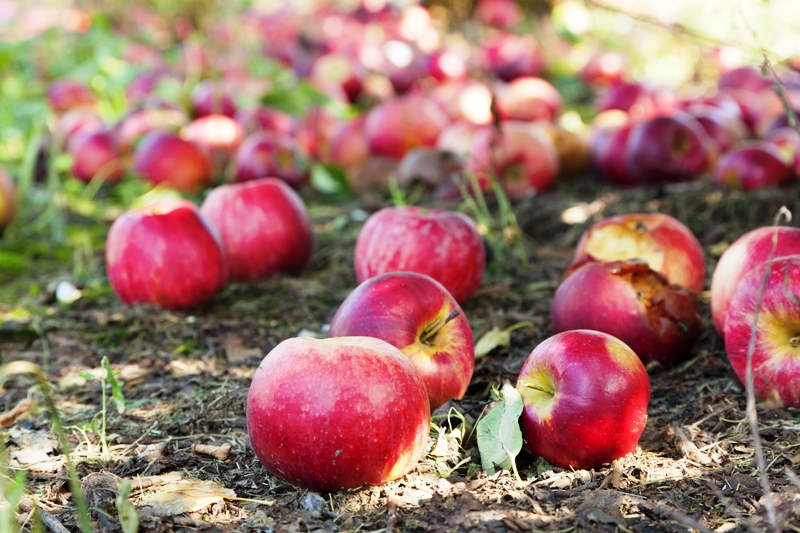
apples for rosh hashana or rosh hashannah, the simanim, or the signs for the Jewish New Year

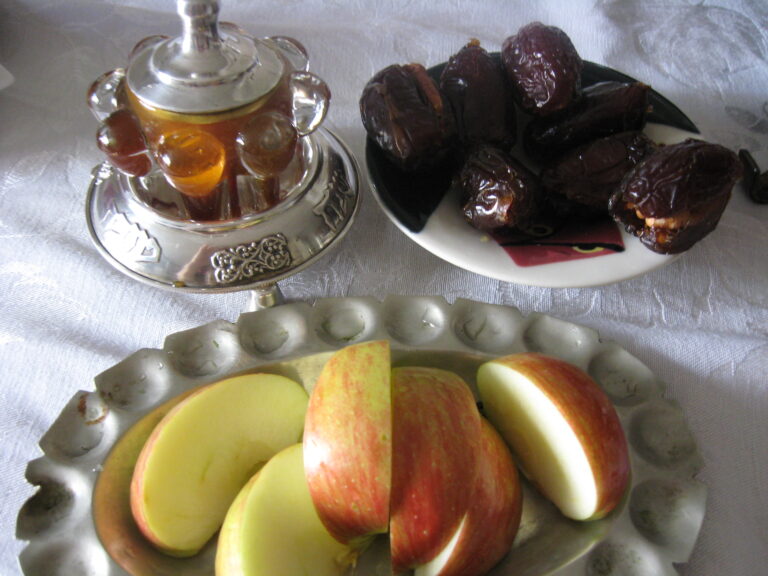
Apples dipped in honey are the classic first siman. They represent our wish that the coming year may be sweet.

Beets are selek (in Hebrew), which reminds us of the word lesalek – to remove. “May our enemies be removed.”
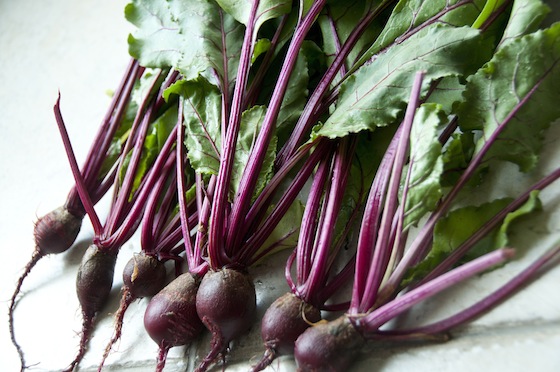
beets for rosh hashana or rosh hashannah, the simanim, or the signs for the Jewish New Year

Make a beet salad with some thinly sliced onion, salt, pepper, a little cumin, olive oil, a little sugar, and vinegar. Just add seasonings and keep tasting and adjusting till you like it.

Black-eyed peas are rubiah – similar to yirbu – to increase.  “May our merits increase.”

Rather than serve them hot, make another salad of them, seasoning it with a little chopped onion and a handful of mixed, chopped cilantro, parsley, and celery tops. Add lots of fresh lemon juice to balance the earthy taste of the peas. Salt and pepper to taste.

Pumpkin – in Hebrew k’ra. This is a homonym, in Hebrew, for both “tear apart” and “read.” “May any evil decree be torn up, and may our merits be read in Your presence.”
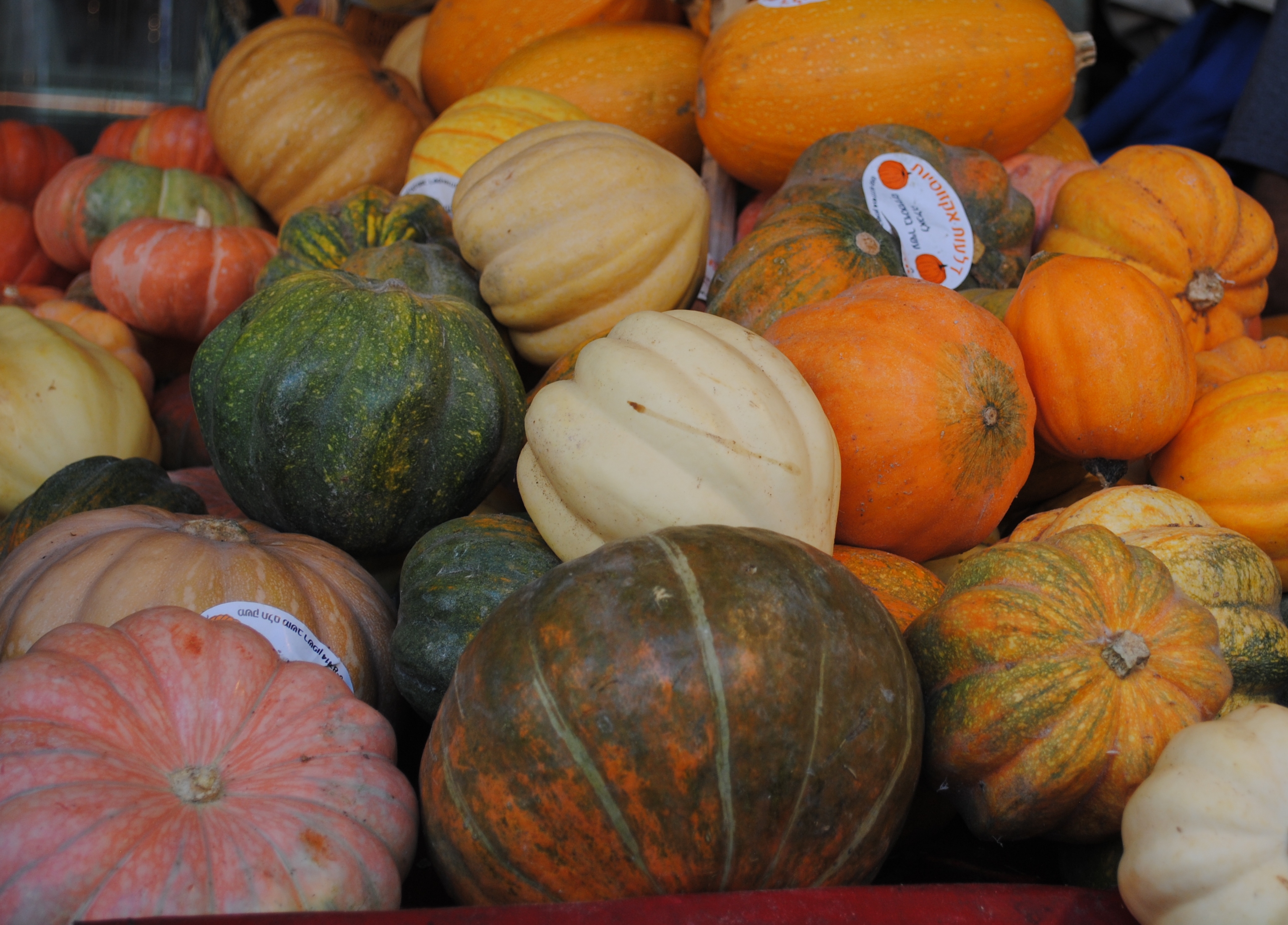
image-squashes or squash for rosh hashana or rosh hashannah, the simanim, or the signs for the Jewish New Year

This is a simple saute of onions, chopped tomatoes, and thin slices of pumpkin in olive oil. Add a handful of your favorite fresh herbs: cilantro, parsley, a little sage, thyme.  For body, splash in a dollop of white wine or two tablespoons of good soup. Give it all a good stir and it’s ready.

Leeks, in Aramaic karsi, are associated with the Hebrew word karas – to cut down – “May our enemies be cut down.”

Slice the whites of slender, fresh leeks and stir-fry them in olive oil. Add lemon juice, salt and pepper, and serve cold.

Dates, tamarim, sound like the word sheyitamuconsumed. We wish for those intending evil to be consumed.
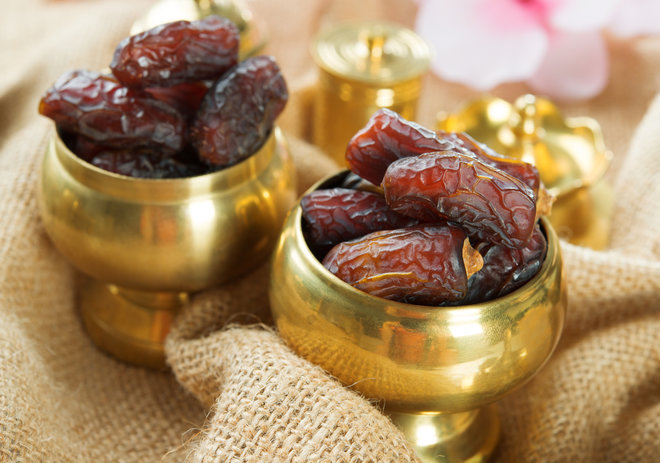
freshly dried dates for rosh hashana or rosh hashannah, the simanim, or the signs for the Jewish New Year

Stuff pitted dates with pecans or walnuts, and serve.

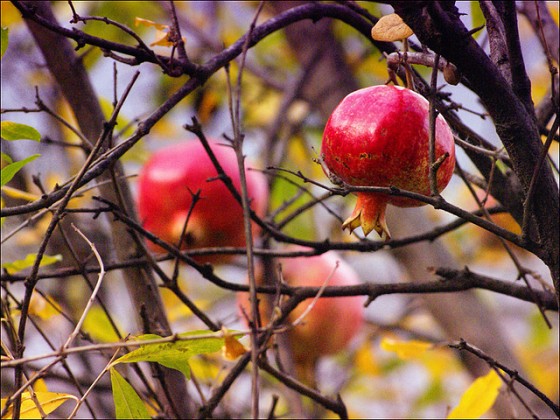
Pomegranates are said to contain 613 seeds each: the number of the mitzvot given to the Jewish people. We eat pomegranate seeds in hopes of fulfilling all our mitzvot in the coming year.
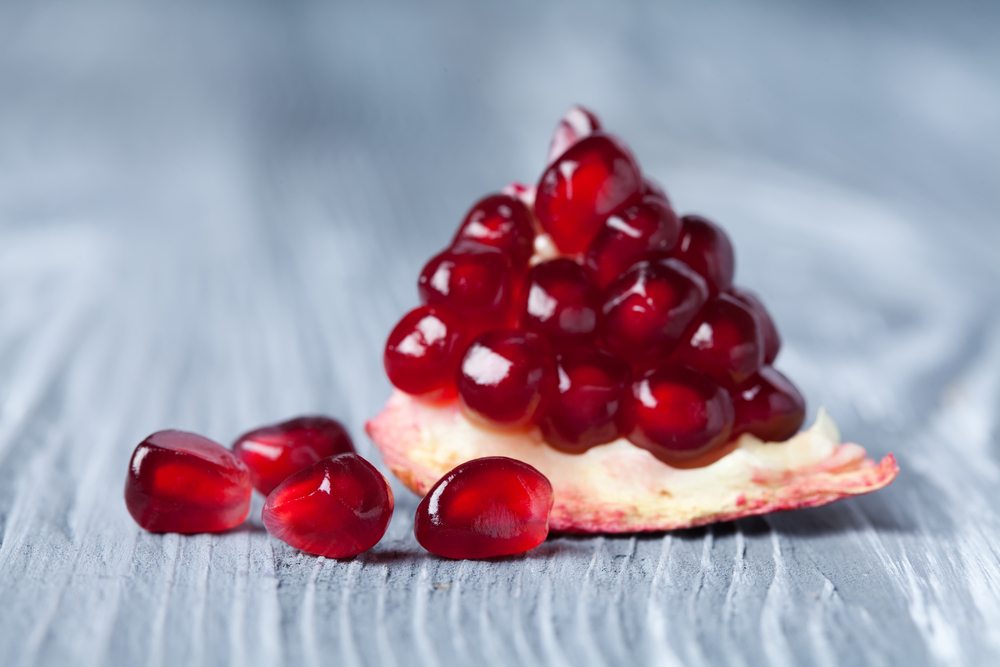
how to open a pomegranate for rosh hashana or rosh hashannah, the simanim, or the signs for the Jewish New Year

An easy way to get the seeds without splashing yourself scarlet from the juice is to submerge the fruit in a deep bowl full of water. Cut and de-seed the pomegranate while it’s in the water. Remove the seeds with a slotted spoon to a bowl for serving.

Carrotsgezer in Hebrew, sounds like g’zar – decree. May we be granted a good decree for the coming year.

carrot salad for rosh hashana or rosh hashannah, the simanim, or the signs for the Jewish New Year

An ever-popular carrot salad: finely grate 1 medium carrot per person; add the juice of an orange and a handful of white raisins.

The Head of a Fish symbolizes our wish to be “as the head, and not as the tail” in the world.

Prada-fish-leather-fashion fish heads for rosh hashana or rosh hashannah, the simanim, or the signs for the Jewish New Year

Lay a fresh, cleaned fish (making sure it’s local and chemical-free) in oiled baking paper. Stuff it with 1/4 cup breadcrumbs, salt and pepper, 1/4 cup chopped onions, and a handful of parsley/cilantro/mixture of thyme and rosemary as you like. Salt and pepper it, shake ground cumin and paprika over it, and drizzle olive oil over all. Bake for 20 minutes – 1/2 hour at 350 F 180 C, or until the flesh comes away from a probing knife in white flakes.

Or try this recipe for Moroccan Fish Stew. Enjoy the fish – save the head for the siman!

How to say the request. Before the first bite of each siman, say the following formula, ending the sentence according to the symbolism attached to each one.

“May it be Your will, our G-d, and G-d of our fathers,  that (apples with honey) we have a sweet new year…(beets) that our enemies be removed…(black-eyed peas) that our merits increase…(pumpkin) that any evil decree be torn up, and may our merits be read in Your presence…(leeks) that our enemies be cut down…(dates) that those intending evil be consumed…(pomegranates) that we fulfill the mitzvot…that we be granted a good decree for this year…(fish head) that we may be as the head and not as the tail!”

…And…Does anyone actually ever eat the head of the fish? Depending on the size of the fish, there’s actually a nice amount of flesh in the cheeks. But many families simply display the head and eat the rest.

More festive recipes on Green Prophet:
Rosh HaShanah Honey Cake
Golden Roasted Potato Wedges
Fresh Figs with Arak and Cream

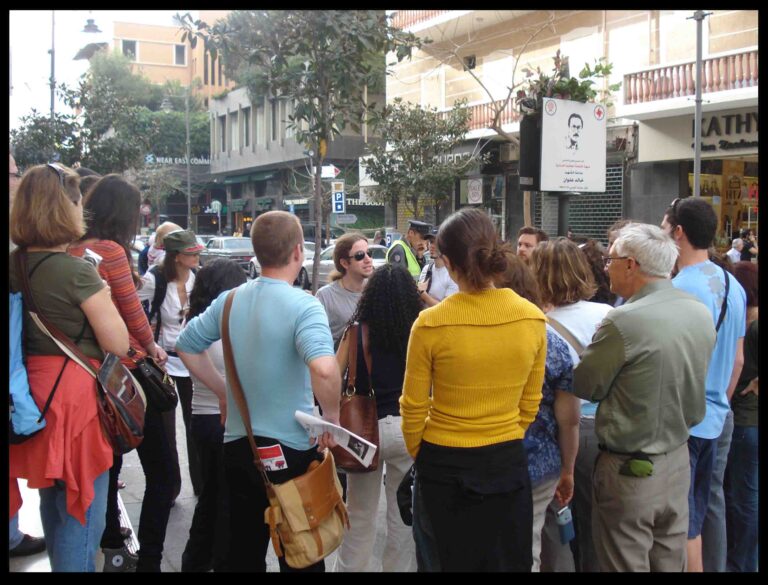
 

Go Green and Go Offline For Green Yom Kippur

0

uncross-your-wires-yom-kippurDoes  your relationship with technology give you feelings of impatience and narcissism? Go offline.

Along with numerous other bloggers, we have argued that a culture of doing and spending creates an impetus to do and spend more than the earth can provide. What happened to the simplicity of art to ease our earthly cares? Or simple earth-based architecture that celebrates and enhances its natural surroundings?

The Industrial Revolution happened, and more recently, an explosion of technology without which people believe they simply can not live. Certainly some technology makes life easier – like these solar stoves used in Darfur – but how often does your boss need to contact you on your shiny new iphone while you’re supposed to be having dinner with your friends or family?  

5 Tips to Save You Time and Energy in the Kitchen

0

people-smiling-in-the-kitchen
Do you smile when you walk into your kitchen or does it make you frown? Maybe it is time to change your kitchen into a room you like.

Summertime can be stressful with vacation from school, children around, not to mention the incredible heat we have been having here in the Middle East. When it comes to meal times, often we find ourselves lacking the time and energy to create a full, healthy meal. Still, the benefits of home-cooking means you know exactly what you are eating, so you can control the amount of salt or sugar in your food. There are a few time saving tricks that can help you out on those chaotic days.

Make authentic Egyptian molokhia, soup of the enlightened

3

jute leaves soup

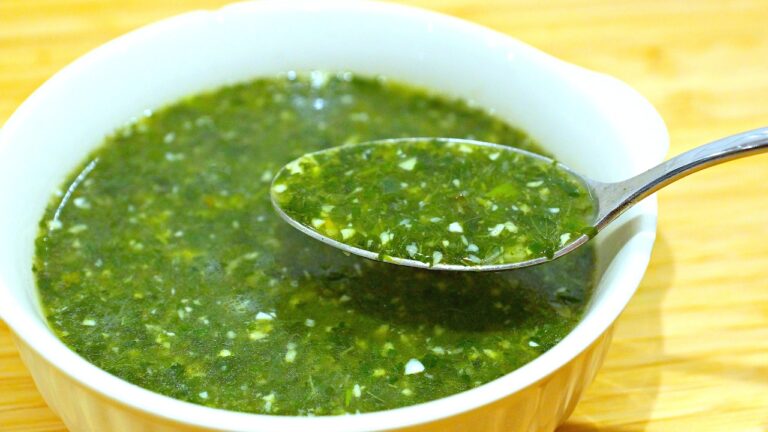
This popular Egyptian soup made with minced Jute leaves is nutritious and delicious over rice and chicken (or tofu!)

Whatever faith and holiday you celebrate, there is no better way to enjoy them all than be eating some classic Egyptian food delicacies, some of which have been popular since the time of the Pharaohs.

egyptian solar energy for residential consumers

One of the most popular is a vegetable and meat soup known as molokhia or mulukhiyah; a dish so popular that many Egyptians consider it to be one of their country’s national dishes. Another name for the leaves is jute. You can grow them indoors in a hydroponic garden year round, or sew some seeds in your garden in spring.

Mulukhiyah is made from the leaves of a leafy plant that bears the same name and is usually found only in parts of the Middle East. Not available in most supermarkets or even in many open air markets, molucheya leaves have to be sought after, and then prepared while the leaves are still fresh.

One of the best recipes I know comes from my own mother-in-law, who is originally from Alexandria and spent many years living in Cairo. The preparation of molucheya soup is a cherished family tradition that is lovingly passed down from mother to daughter.

To prepare mulukhiyah soup:

1.   Grind about 1/2 kg of molokhia leaves in either a food processor or hand grinder until the leaves almost resemble a green paste.

2.   Fry 4 or 5 large garlic “teeth” in olive oil, and add about a tablespoon of  chopped coriander, known to locals as “cusbara”.

3.  Have either a meat or chicken stock ready to use to mix the molucheya paste and other ingredients in.

4.  Add veggie, beef or chicken soup stock with the other ingredients and add pieces of either boiled meat or chicken (or tofu!), and cook all the ingredients together in a pot on a low fire for 10 to 15 minutes. You can add other spices like black pepper, cumin, and salt to taste.

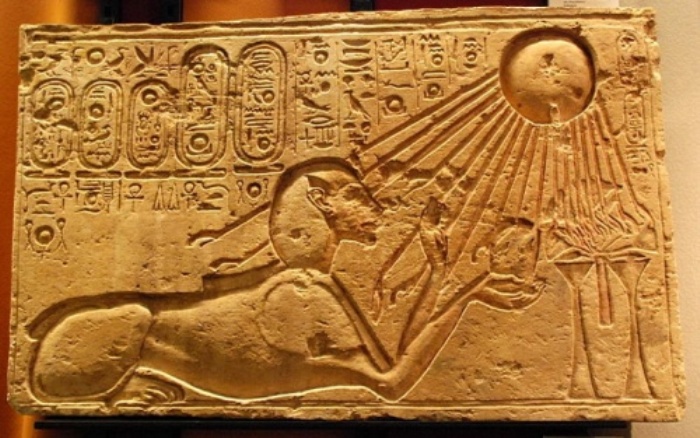
Mulukhiyah soup is best served hot with a lot of rice added. It takes a bit getting used to, but once you do, it’s easy to understand why this ancient dish was once a favorite of the Pharaohs.

Mulukhiyahmolokhiamulukhiyyamalukhiyahnalita, or Jew’s mallow (Arabic: ملوخية‎) is the leaves of jute and related Corchorusspecies used as a vegetable in Middle Eastern, East African, North African, and South Asian cuisine.

BONUS desert!


More Middle Eastern food ideas:

Za’tar Pesto Recipe  from Israel’s Premiere Slow Food Chef

Silky White Malabi, Middle Eastern Milk Pudding

Taking on the Middle East: Baba Ganoush Classic Eggplant Recipe


A Black Smog-Craft Chokes Cairo’s Skies

0

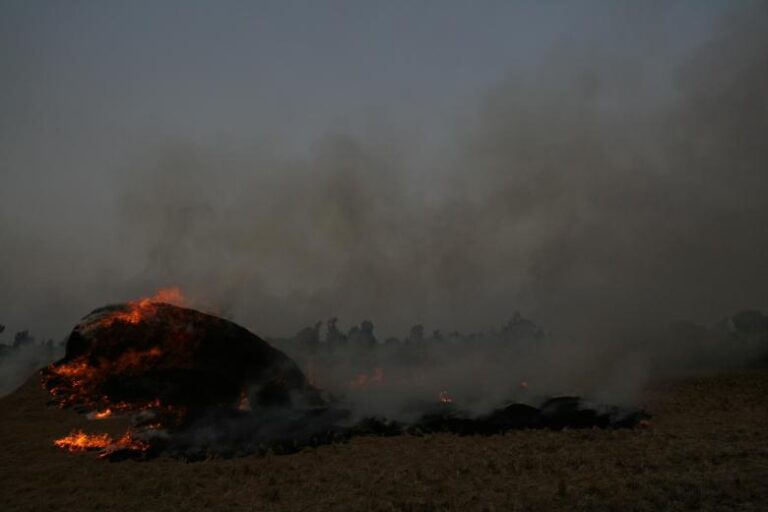
burning-rice-wasteTrapped air and burning rice waste turns Cairo’s already sullied skies black during “Black Cloud Season”

Not long ago I took a trip to the Mediterranean Sea and was appalled that from Cairo’s city center, in the Nile river, to well beyond the pyramids of Giza lie mounting heaps of trash: litter on the side of the streets, abandoned vehicles, industrial discards, and a general disrepair characterizes this once great city.

But I was even more disturbed, returning in the evening, to discover a suffocating smog hovering over Egypt’s outlying villages. My hosts explained that although technically illegal, this smog is caused by burning rice straw, and warned that this was just the beginning. Hoda Baraka, whose photography we recently featured, confirms that Cairo’s annual Black Cloud season has returned.

Australian Eucalyptus Trees Keep Israel’s Honey Buzzing Year-Round

2

israel-bee-keeperWith nectar now readily available year-round, Israeli bees are increasing their honey production.

Israel may be a desert, going six months of the year without rain, but local bee populations are thriving and honey production rising thanks to a new flowering tree brought over from Australia.

It’s not a good time for honeybee populations worldwide. All over the globe bee numbers are dwindling, as hives are hit by Colony Collapse Disorder – an ailment which an Israeli company, Beeologics, claims to have now developed a vaccination for. Last winter alone, more than 36 percent of the US bee colonies collapsed, affecting honey production, and the one-third of all food production that requires pollination – from fruits and nuts to the dairy and beef cows that feed on alfalfa.

The Gaza Islamic University Environmental Engineering Blog

0

green-prophet-middle-east-blog-reviewA weekly Green Prophet series that looks at the Arabic “green” blogosphere and online communities
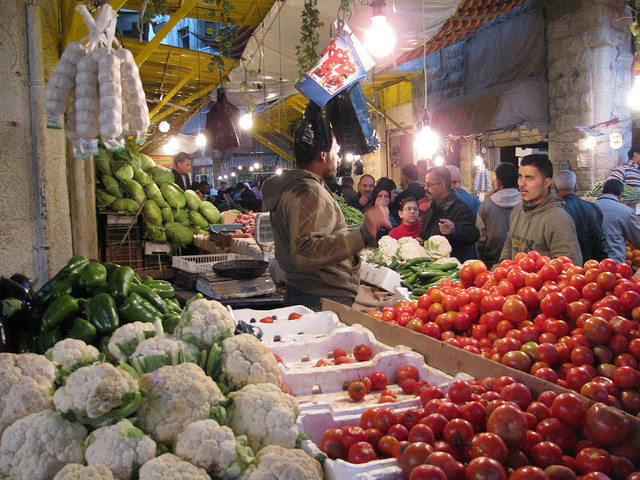
After looking at The Forum of the Ornithological Society of Kuwait, the Saudi Green Blog, The Oman Eco Group Blogs, the UAE Environment & Life Blog, and the Yemenite Blog for Sciences and the Environment, we are now continuing our journey through the Middle East. Today we are arriving at the Gaza Environmental Engineering Blog.

According to the blog’s summary (no longer online, 2021), it deals with environmental engineering as well as scientific news. Its aim is to “supply all the pioneers in the fields of environmental engineering and sciences in beneficial and satisfactory information concerning the fields of environmental sciences and culture.” All this is done with an environmental encyclopedia. Active since December 2009, it is written in Arabic and administered by the students of the Department of Environmental Engineering within the Islamic University of Gaza.

General Articles on Environmental Engineering and Sciences

This blog includes many general articles on environmental engineering and sciences such as: an article on Environmental Engineering, important environmental links, international environmental dates, climate change, reports on environmental chemistry, environmental pollution, and more.

Environmental Issues in the Gaza Strip

This blog includes also many articles concerning environmental issues in the Gaza Strip. One of these articles is titled “Corrupted Fetus in Gaza because of the Israeli Nuclear Waste”.

According to the authors, a Palestinian institute for human rights said in December 2009 that the birth rate of corrupted fetus in the eastern areas of the Gaza Strip increased as a result of the radiation emanating from the Israeli nuclear plants and its waste, which is buried throughout the Israeli border with the Gaza Strip.

The Palestinian Institute said that only 48% of the toxic waste from the Israeli plants is buried in the formal waste burial places, while the burial place of 52% of the toxic waste is unknown. It is suspected that it was buried in the Gaza Strip and the West Bank.

Another article titled “Al-Mizan Center Publishes A Report concerning Environmental Pollution and the Issue of Medical Drainage in Khan Yunes” gives information about another environmental issue which is prevalent in the Gaza Strip.

On December 15, 2009, the Mizan Center for Human Rights issued a report on environmental pollution and the issue of medical drainage in Khan Yunes.  According to this report, Khan Yunes is suffering from the issue of medical drainage, also because of the negligence of Israel, which needs to establish a mechanism to drain the waste water.

Some of the recommendations mentioned are to allocate emergency funding to complete the mechanism to drain medical waste water in the city; to allocate money out of the general budget to develop the sources of water in the Gaza Strip; to prepare the rain water drainage network, and to work on benefiting from the rain water. At the end of the report, the Mizan Center stressed that Israel is to blame for the creation of the issues of the medical waste drainage as well as the pollution of ground water in the Gaza Strip and especially in Khan Yunes.

It also demanded that the international community push Israel to lift the siege from the Gaza Strip in order to allow needed materials to complete a medical waste water drainage system.

According to an article dealing with medical waste purification stations in the Gaza Strip, there are three such stations. Beit Lahiya station in the north was established in 1976 and serves about 190,000 people; the Gaza waste water station, which was also established in 1976 and serves all the population of the city of Gaza. And there is a station for the treatment of waste water in Rafah.

Moreover, an article titled “Wadi Gaza… and the Going On Blow on Human and Environmental Rights” tells the sad story of Wadi Gaza, which according to the writer of the article, instead of being a natural reserve has become a polluted river. Wadi Gaza begins near Hebron and spills into the Mediterranean Sea in the Gaza Strip. Its length is about 160 kilometers.

Wadi Gaza within the Gaza Strip is full of animal corpses, debris, solid waste, and waste water. This results in the pollution of the ground water within the Gaza Strip. The writer of the article blames Israel for all of this damage. This is because Israel built a few dams and water reservoirs in the streams of Wadi Gaza, which caused the Wadi water to stop taking its natural course and to flow less in Wadi Gaza. According to this article, Israel has been preventing water from flowing to the Gaza Strip for a long time by way of Wadi Gaza in order to build dams on the border between Israel and the Gaza Strip. Thus, in case of floods or heavy rain, the agricultural lands on both sides of the Gaza Wadi are flooded.

Sum On the Gaza Environmental Blog

The Gaza Islamic University Environmental Engineering Blog is a very unique environmental blog, since it brings to the fore the concept of the environment as seen by a militant radical Islamic group, in this case Hamas. This blog provides valuable information concerning the environmental concept of the Islamic University in Gaza, ruled by Hamas.

While giving valuable information concerning some of the environmental issues and challenges faced by the Hamas government in the Gaza Strip, the blog writers claim that the State of Israel is the source and to blame for all all these problems.

This blog is a window through which one can see how radical groups, in this case Hamas, take advantage of the environment in order to attack their enemies, in this case Israel, and blame them for all their problems, including environmental ones.

More On Environment in Gaza
Hamas Thwarts A Greener Gaza
Electric Cars in Gaza: Necessity is the Mother of Invention!
Solar Cooking Ovens: Another Eco-Solution from the Gaza Strip

We removed links to this blog in 2021 as it was no longer online

The Romans Would Be Proud of Jordanian-Greek Wind Farm Outside Jerash

0

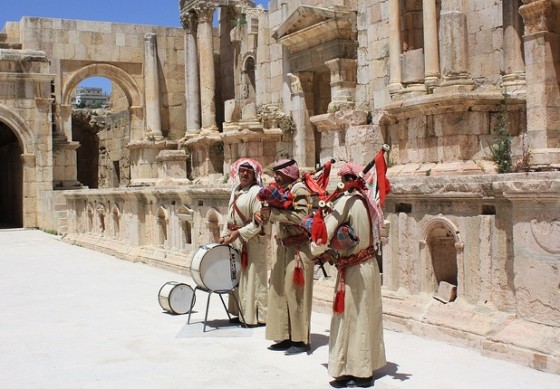
jerash jordan bagpipersA new wind farm is planned nearby the Jordanian city of Jerash. Located 48 kilometers north of Amman, the site is considered one of the largest and most well-preserved sites of Roman architecture outside Italy.
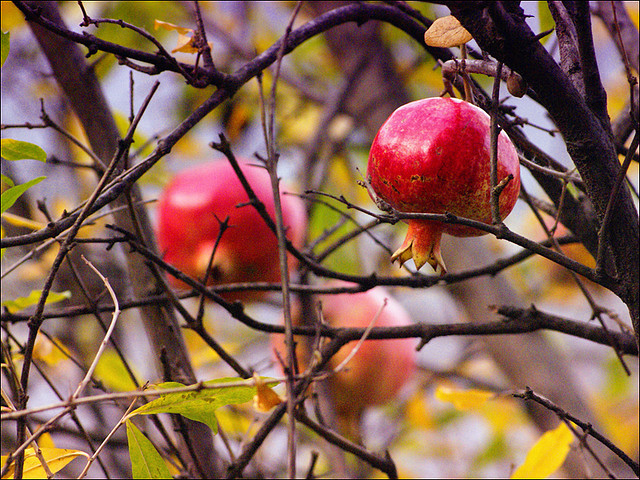
Yet another Middle Eastern country is looking to wind power for a quick solution to an ever-increasing population. This time it’s Jordan, which unlike its Gulf neighbors hasn’t been blessed with vast reserves of oil and gas, that hopes to harvest the winds sweeping the desert kingdom. The Jordanian daily Jordan Times is reporting that the Jordanian Ministry of Energy and Minerals are conducting negotiations with the Greek firm Terna Energy SA over the country’s first wind power plant.

Rehabilitate and Detox Your Lifestyle in Time for the New Year

0

Detoxing your lifestyle of non-green habits doesn’t have to be as dramatic as drug rehab. It can be simple and is a great way to start the new year.

Rosh Hashana, or the Jewish New Year, is only a few days away and as a time of reflection many of us may be thinking of ways that we want to change our lifestyles for the coming year.  If the words “detox” or “rehab” call to mind dramatic associations rehab clinics from the movies, you’re going too far.  Invent your own mellow and green version of rehab – one that leads you to a gentler, kinder way of treating yourself, your resources, and the environment.

“Titanic” Ship Leads Mediterranean Sea Floor Research Mission From Israel

0

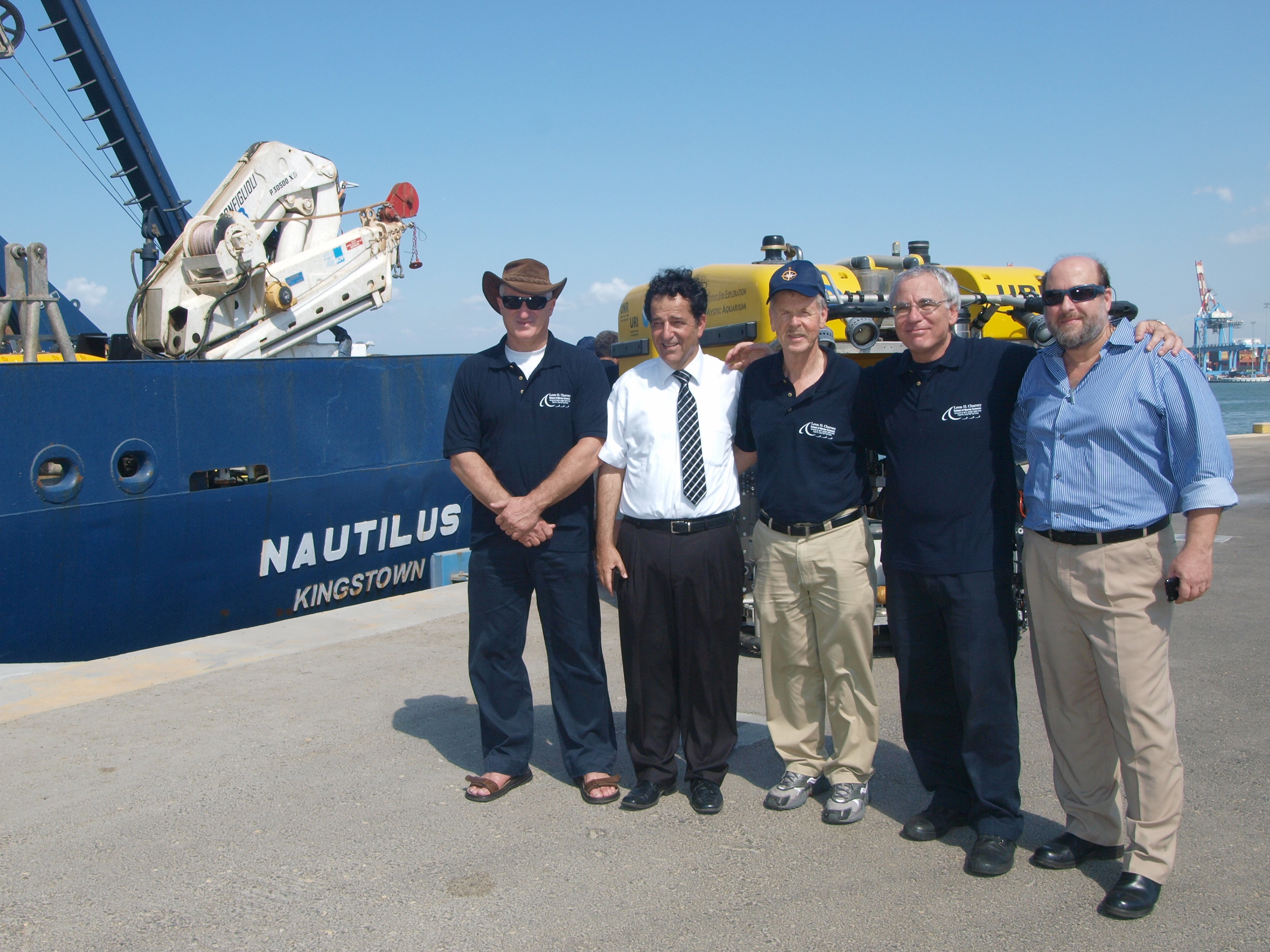
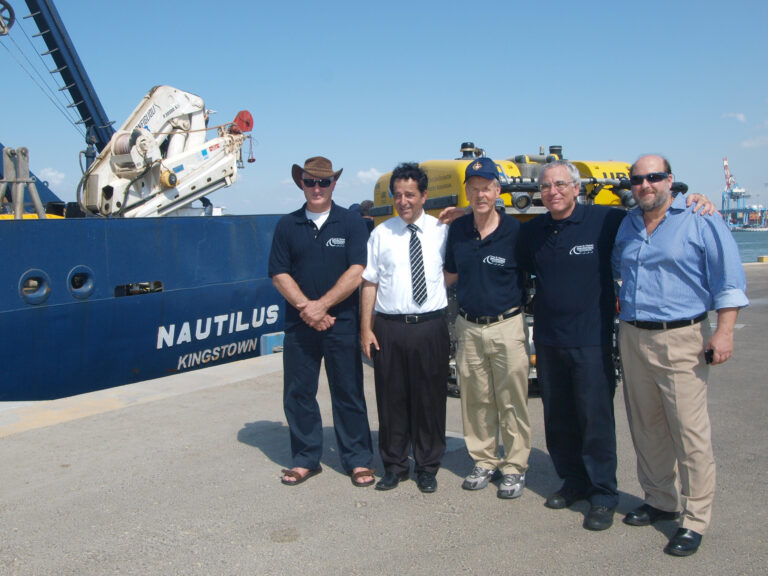
nautilus-haifa-portScientific heavyweights to scour the Mediterranean Sea Floor in a first of its kind research mission

We worry about the possibility of a giant trash heap floating in the Mediterranean, and about the effect that this and Israel’s new gas fields will have on marine life. We are also concerned that various oil exploration projects could culminate in accidental leaks that would have deleterious effects on the sea’s well-being. But we are mostly uncertain about what prowls on the sea floor. Our knowledge of this relatively unexplored region could deepen, though, since the premiere scientist Zvi Ben-Avraham, who is also the Israeli President’s scientific adviser, will lead a two week research mission aboard the Nautilus.

5 Green Dating Ideas for the Middle Eastern Romantic

1

green-dating-ideasImpress your date and reduce your negative impact on the environment with a green-ified date.

Dating can be rough. Firstly, it can be hard to find that special someone (which is facilitated, in our modern times, by some form of online dating site or one of those popular US dating sites), and secondly, it can be difficult to come up with a date that is fun for you, your date, AND the environment. The classic “dinner-and-a-movie” date often involves a great deal of wastefulness since most restaurants are major resource and food wasters. But it doesn’t have to be. If you want to flex your creative side and show off some environmental muscle, try going on a green date.

Jordan Combines Conservation and Tourism To Combat Environmental Woes

0

azraq-wetland-egret
In a historic measure that demonstrates Jordan’s new environmental commitment, the Royal Society for the Protection of Nature has agreed to establish nine more protected areas

With the help of certain enlightened individuals, such as the activists who pranced through Amman wearing lettuce to encourage vegetarianism, and Friends of the Earth Middle East (FoEME), who have been working hard to save the Jordan river, Jordan is beginning to realize that the environment is crucial to the country’s overall survival. As a result, officials are combining conservation with tourism in order to entice visitors to explore the country’s natural beauty in addition to its history. Gemma Bowes from the Guardian takes us on a comprehensive tour through Jordan’s national parks and protected areas, making suggestions for a few  good, eco-friendly places to stay along the way.

Car Talk With the “Driving Dutchman” Highlights Many Green Auto Issues

0

driving-dutchman-car-talk
Testing Better Place Taxi in Tokyo. Will Taxi drivers go for only 130 km per charge?

Jerusalem’s Rusty Mike Radio station is relatively new to the Middle East, but it is already popular with thousands of listeners in worldwide, especially with the station’s Wednesday night Car Talk  talk show that is devoted exclusively to cars and issues related to driving. Moderated by Joop Soesan, formerly from Holland, and who also goes by the name of “the driving Dutchman,”  the one hour program often covers subjects like electric cars, hybrid cars, and the technology behind both.

I attended last Wednesday’s Car Talk program as Soesan’s guest, representing Green Prophet. Subjects covered during the hour long program included issues surrounding various car engine technologies, including biomass fuels and natural gas. Much of our conversation about electric cars centered around those being developed by Better Place Company headed by Mr. Shai Agassi. I described my experience in visiting the Better Place Electric Car Education and Test Drive Center near Tel Aviv .