Home Blog Page 589

Israeli Companies Winners in GE Green Innovation Marathon

0

Two of the five winners of the $200 million GE Ecomagination Challenge for powering the grid are companies from the Middle East – GridON and WinFlex.

This summer GE turned to the internet global hive mind by issuing an open invitation to any and all to compete for the best ideas for greening the grid, in one of the largest projects ever launched to accelerate the development of the next generation of clean-technologies via open collaboration.

Selected out of more than 4,000 entries from around the globe, each winner receives $100,000 to develop their ideas. Two of the five winners for greening the grid are from Israel, and perhaps that is appropriate. The Middle East generally is most at risk from not solving climate change. One idea would help even out the grid as more renewable energy is added, the other makes wind power cheaper.

Scientists Dig Into Dead Sea To Provide Earth Clues

0

dead sea history worksScientists are coring into the Dead Sea floor to reveal more about regional climate change and earthquakes over time.

Five hundred thousand years of Earth’s history is expected to be bored out of the Dead Sea, reports UPI. A multi-national team of scientists have started drilling from a platform near the Dead Sea resort of Ein Boqeq in Israel. The researchers will take a thin slice of Earth’s history through a 3,937-foot-deep borehole and will examine the layers f sediment like rings on a tree, or core samples from icebergs in the North Pole.

How Do You Hide From An Oil Spill? Bahrain Aims To Find Out.

0

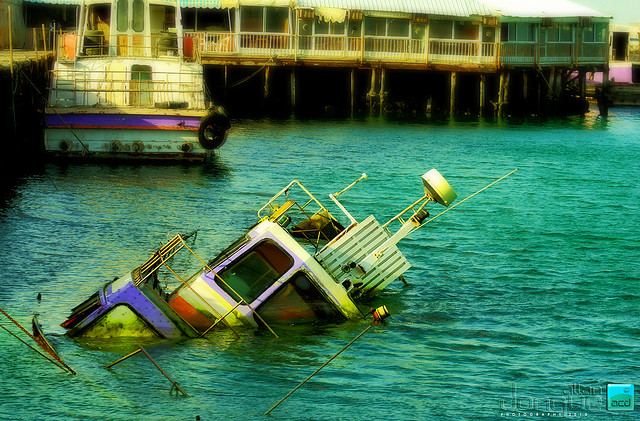
bahrain-sinking-shipBahrain intends to save its portion of the Gulf before the ship sinks by staging and practicing its response to a major oil spill.

In an alarming testament to the bizarre times in which we live, Bahrain is planning a new kind of drill. As small children we listened eagerly for the sound of the siren that would give some reprieve from our soporific classes for even a few minutes; then we would huddle under our desks, giggling, completely ignoring our earnest teachers explain what to do should a fire come sweeping through school.

It’s unlikely anyone involved with the upcoming drill in Bahrain will be giggling as members from several important agencies gather for three days to stage a dreaded BP-esque oil spill disaster, because an oil spill in Bahrain has the unwelcome potential to shut down desalination plants and a vibrant fishing industry.

Vegetarian Thanksgiving Meal Can Have Meaning in the Middle East

0

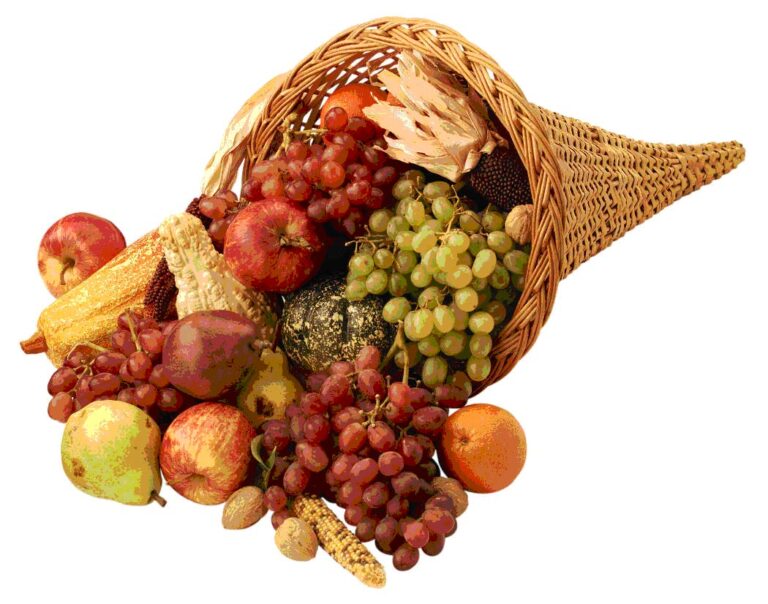
vegetarian thanksgiving dinner imageNo turkey here; but plenty of other good things that can make holiday meals festive yet veggie.

Although I admit to sometimes being a meat eater, I do agree that eating meat can go overboard on national secular holidays like Thanksgiving in America, and especially when I look back on how it was celebrated back in the 1880’s. This can also apply to religious holidays like the Muslim Eid al Adha  holiday that coincides with the annual Hajj pilgrimage currently in progress.

Vegetarians have a particularly difficult time during holiday food fests, and I recall going to a Thanksgiving dinner back in the “old country” where some of my relatives who were vegan vegetarians and even more strict than those who simply choose not to eat meat  since vegans also shun foods containing animal products. Seeing them eat a plate of boiled veggies and a green salad, while the rest of us were woofing down turkey and all the trimmings, did not seem very appetizing to say the least.

Celebrating Eid Island Style In Kenya

0

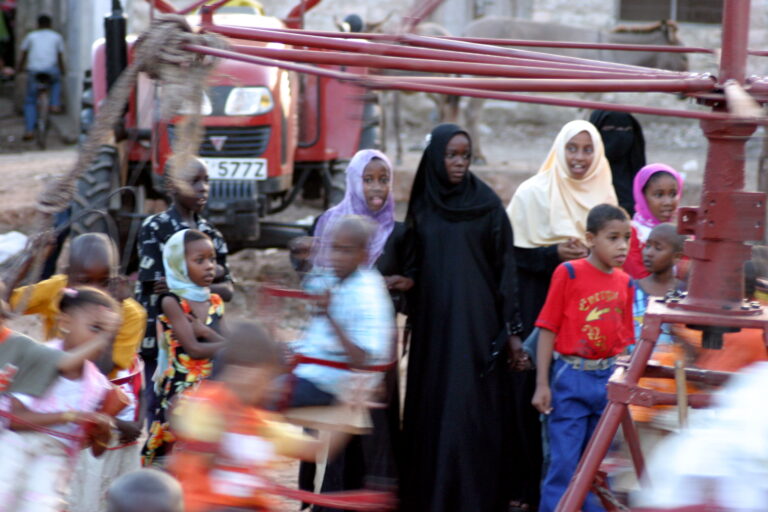
eid-kenya-lamuChildren whirl around on a swing constructed specially for Eid festivities.

A stone’s throw south of the Somali border lies a little known island called Lamu, a UNESCO protected heritage site that maintains one of the best preserved Swahili cultures in East Africa. In 1652, Oman helped rid Lamu of the Portuguese, setting in motion a period rich in arts, crafts, politics and literature.

And then in the 1880s Habib Salih settled in Lamu, establishing a Madrasa that has since secured Lamu’s place as an important center for Islamic education. Although no Mecca, the island’s colorful Eid celebrations lured children and their mothers out on to the streets usually dominated by kikoy-clad men chewing ghat.

Exploring the Middle East the Old Fashioned Way, On Your Own Two Feet

0

"dana reserve jordan"Use the heel-toe express to wander through Jordan, Lebanon, Israel and Palestine.

The Middle East is a pretty amazing place (just ask any of the locals), and there is a lot to see.  A LOT to see.  So it would be a shame to miss anything by sticking to conventional modern (and polluting) forms of transportation, such as personal cars, buses, motorcycles, or even trains.  You could take a bike, but not all paths are well suited for wheels.  Which brings us back to the most ancient form of transportation that there is (an appropriate way to get around in a region with so much ancient heritage) – your own two feet.

Wanderlust recently rounded up their choice of the region’s most interesting hikes, and they sounded so great we thought we’d share them here.  From shortest to longest, here’s a list of interesting hikes to guide you through the Middle East:

A Turning Point for Serious Environmental Problems In Dubai

0

dubai islands towers
Artificial islands are sinking in the mire: Dubai has to face new environmental woes that come with “progress.”

When one thinks of Dubai shopping, economic prowess and cleanliness come to mind. While all three have become staples and synonymous with the Gulf city, the environmental toll that has been unleashed as a result is beginning to force government officials to take note. The city’s energy output, in order to turn sewage into fresh water, pump electricity into houses and the need to keep all the grand edifices running smoothly, is being hampered now by the environmental degradation that has come in its place. Officials are now worried that without action, Dubai could face major problems in the near future.

Wet Cupping or ‘Hijama’: The Ancient Muslim Art of Healing

25

hijama wet cupping

From Aztecs and A-list celebrities, the ancient healing practice of cupping has such a diverse fanbase and illustrious history that it’s hard to credit one culture with its conception. The practice is believed to date back to thousands of years with evidence of the method amongst medicinal traditions of the Egyptians, Chinese and Greeks.

The holistic therapy consists of heating small round cups on an open flame and placing it on the skin which creates a vacuum that sucks up the skin and encourages blood flow. The most popular form of cupping in the Muslim world is ‘wet cupping’ where small incisions are made to the skin after cupping to draw out blood.

How Hijama Is Done

Wet cupping or ‘Hijama’, which comes from the Arabic word for ‘sucking’, took on particular importance in the Arab world after the Prophet Muhammed (pbuh) said: “Healing is in three things: in the incision of the cupper, in drinking honey, and in cauterizing with fire, but I forbid my Ummah (nation) to use cauterization.” (Al-Bukhari) Although over time the popularity of cupping has waned significantly, Muslims in the Middle East and North Africa carry out wet cupping to soothe their aches and pains till this day.

Wet cupping has been credited in the Islamic faith as a cure for various ailments such as headaches, stomach problems, poisoning and alleviating pain. As Abu Zakariya, a Hijama practitioner in the UK explains, “Hijama is like an oil change for the human body- if you compare the body to a car- you remove the old dirty (oil-blood), so the body can replenish the circulatory system with clean blood. Hijama helps to remove impurities and stimulate the bone marrow to produce new, healthier blood and increase blood circulation.”

Hijama, which is basically a combination of cupping and blood-letting, also has the added benefits of these two therapies. Cupping is widely used to treat pain and muscular aches, indigestion, colds, fever and even arthritis. Whilst blood-letting is credited with removing toxins, excess iron and excess red blood cells from the body.

Leeches which were used in the past to aid blood letting appear to have made a comeback in recent times as they are now used in hospitals to clean wounds and improve blood circulation in damaged tissue.

Although the practice has an important place in most Muslim communities, there does tend to be a DIY attitude to the whole thing with people using the ‘guy down the street’ to carry it out.

This probably stems from the fact that traditionally it was the barber who carried out the practice, along with other small operations such as circumcisions, but my advice is to seek a professionals or registered practitioner who will ensure that the hijama is carried out in a sterile environment. Abu Zakariya’s advice is to make sure the practitioner is medically qualified and follows strict universal cross infection control procedures (ie all cups are disposable and single use).

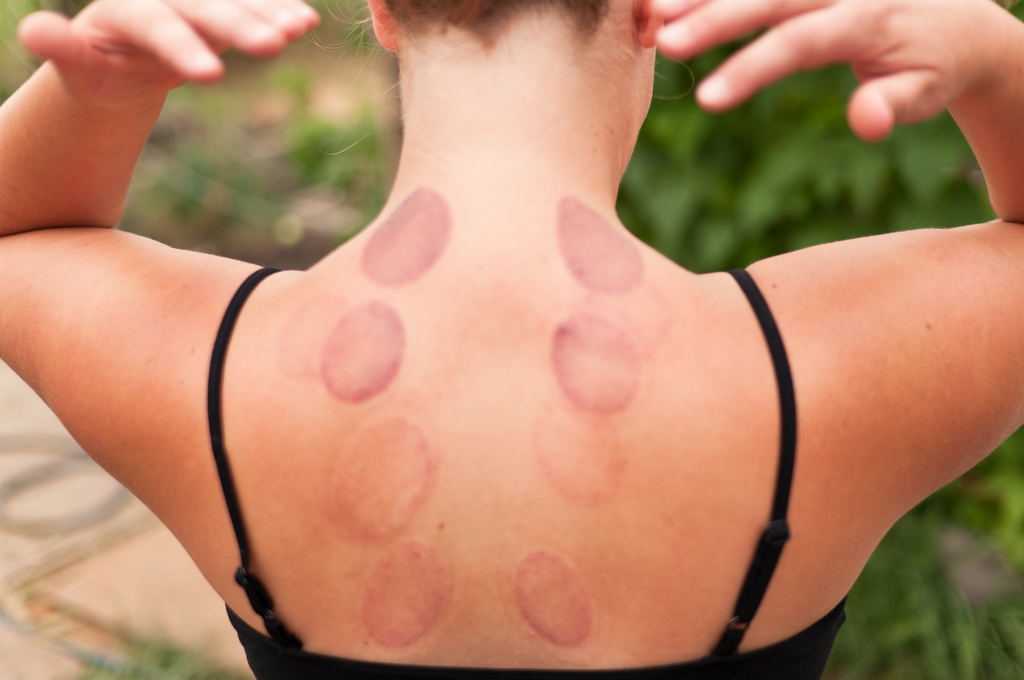
Despite the alien-like bruises that this alternative therapy leaves behind, the procedure for wet cupping is quite straight forward and consists of encouraging blood circulation using suction and pressure combined with small incisions. The bruising which occurs due to the suction from the cups fades within days and I have been told repeatedly that cupping looks a million times more painful than it actually is. Most people say that they find the procedure soothing and effective form of pain relief which helps them detox.

For More on Alternative Medicine see:

Pauline Wafts Through “Uses & Abuses of Plant-Derived Smoke”

Black Cumin: Islam’s Miracle Cure Seed

The Healing Powers of Honey

Israel, Iran Take Top 2 Endangered Species Design Prizes

0

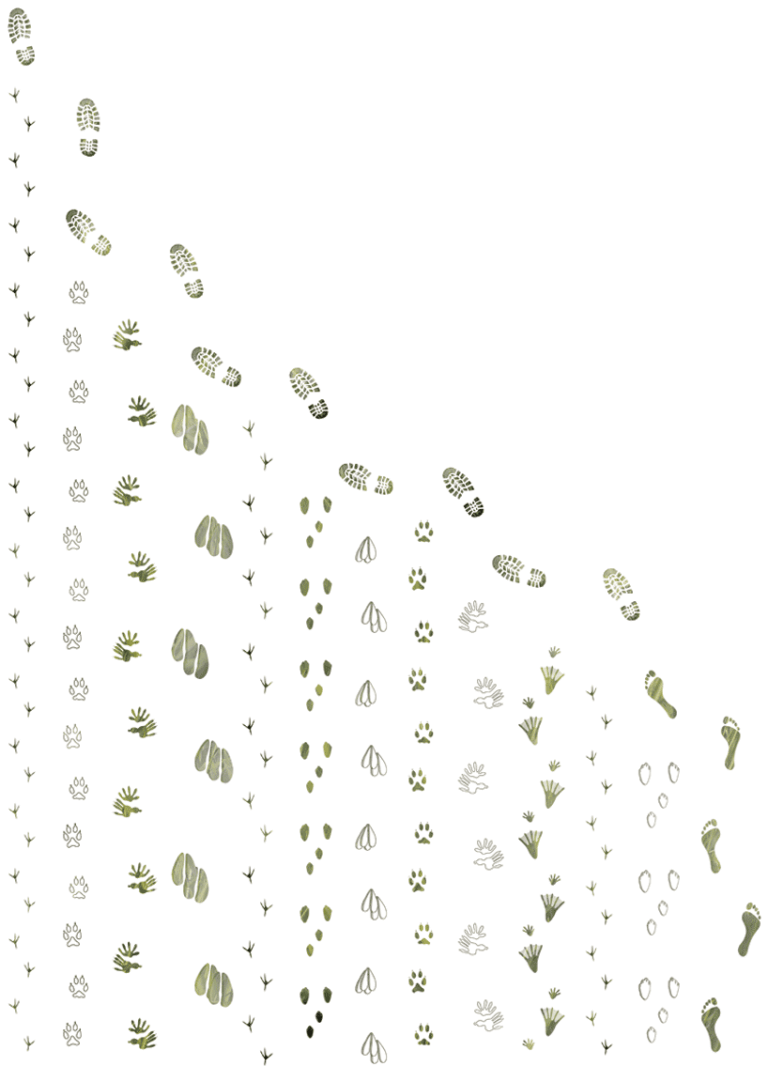
designboom-life-tracksArtists bridge the divide and draw attention to the plight of endangered species.

Israel and Iran may be arch enemies politically, but a recent design competition demonstrates that their artists are more alike than different. Although we have featured many Israeli designs in the past, such as these outrageous shoes and this lovely ceramic e-cooler designed by the Boaz couple, we have had fewer opportunities to show off the good work coming out of Iran.

But that does not mean that none exists. One of the world’s most foremost night sky photographers is an Iranian whose art both delights and unites its viewers. And yesterday designboom announced that an Iranian student took second place in an international competition designed to draw attention to the plight of endangered species. An Israeli student won with a beautiful design called “Life Tracks.”

Pamela Anderson Urges Orthodox Jews to Give Up Fur

0

[youtube]http://www.youtube.com/watch?v=bCzZWlFgjFM[/youtube]

Pamela Anderson tries to convince orthodox Jews to get with the times and give up the fur.

During a visit to Israel a few weeks ago, former Baywatch star and current Honorary Director of People for the Ethical Treatment of Animals (PETA) Pamela Anderson tried to convince orthodox Jews to forgo their traditional fur hats in the name of preventing animal cruelty.  The hats, or shtreimels, are typically worn by Hassidic men on festive occasions and became a part of the orthodox tradition in 18th century Europe.  Despite the fact that fur hats are extremely ill suited to the balmy, hot Middle Eastern climate, the tradition has persisted to this day in Israel.  Pamela Anderson was hoping to seduce the community into modernity.

Morocco Determined To Reach Summit Of Trash Mountain

0


By 2020, Morocco plans to install a solid waste treatment plant in every one of the country’s urban centers.

I knew a woman who had questionable hygiene and eventually became chronically depressed. At first her car and home had the odd coke bottle and junk food wrapper tossed on the floor, but in time, both became major dumps. And the bigger the dump, the less strength she had to do anything about it. This is how our global waste problem feels.

What once started with the odd chocolate wrapper on the street has metastasized into heaps of the stuff. Everywhere we look there are seemingly insurmountable mounds of bottles and plastic bags and banana peels, the disposal of which seems impossible. But Morocco has pulled itself together and demonstrated that it’s not impossible, nor that hard, to come up with a better plan.

The West Bank Cheese Incident

0

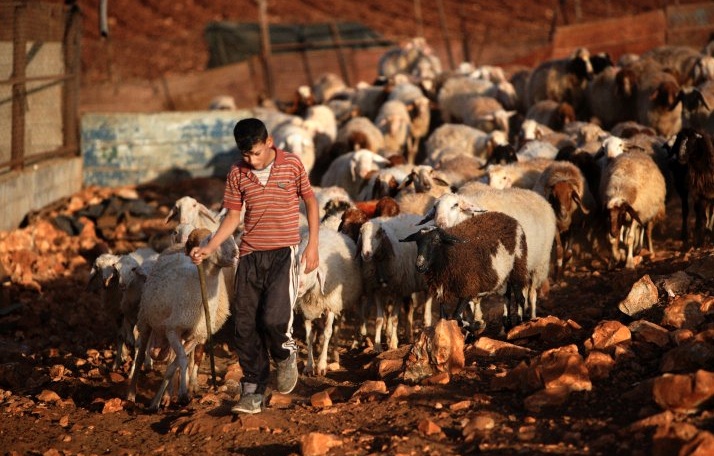
golden sheepThe Golden Sheep makes Palestinians proud with gourmet Italian cheese.
The Arab Geographer al-Muqaddasi wrote between the 9th and 11th centuries that while Palestine (Judea and Samaria) has olives, dried figs, raisins and the Carob fruit, Jerusalem has cheeses, Aninuni and Duri raisins, apples, and pine nuts.

More recently, an influx of foreigners – including Italians – broadened Palestine’s menu, bringing olive oil, oregano, and baked bread.

Today a whole new flavor has emerged, reports Christian Monitor correspondent and Green Prophet contributor Daniella Cheslow, except this time a Palestinian master cheesemaker flew to Italy to study their craft and brought it back home.

RELATED: the best cheese made without cows

The Golden Sheep dairy produces a dazzling array of gourmet Italian cheeses from Tubas in the West Bank, including pecorino, scamorza, and ricotta. On the day that Daniella visited, Mr. Kemal Daher and Abu Sultan Zakzuk were “churning” out blobs of mozzarella cheese.

making-cheese-palestineTheir yellow cheese is infused with red pepper, saffron, and zaatar, and all are aged in an air-conditioned room “with a wet blanket.” It’s not certain what the wet blanket does, but it must do something good because the cheese fetches up to $25 per roughly two pounds. That may be too much for Mr. Daher, and Abu Zakzuk’s children don’t like it, but there are plenty of buyers.

Though it received funding from the European Commission, a Swiss foundation, and an Italian town called Boltsano, the $1.7 million agriculture station with its 80 sheep and goats, fodder store, and veterinary clinic generates a decent sum.

“Italian agronomist Stefano Baldini, who helped launch the program, says that this year Golden Sheep earned about $36,000 in sales, enough to make it financially independent,” wrote Ms. Cheslow.

“Lots of [Palestinians have] traveled abroad,” Mr. Baldini told her. “They know what cheese is available in France and Italy, and they are proud to buy Palestinian.”

Will Iran Be Ready for the Next Tsunami?

4

Historical documents and a break down of a telegraph machine suggest tsunamis occurred in the recent past. Will Iran be ready for the next one?

A joint workshop in co-operation of the Iranian National Center for Oceanography (INCO) and UNESCO was held in south east of Iran.  The purpose of the workshop has been to define the probability of occurring tsunami and to estimate the results of a tsunami in the Gulf of Oman. According to the head of INCO, Vahid Chegini, such a disaster has previously occurred in the region. In 1945 high waves hit the Iranian coast, which were caused by Mokran Fault under the sea water. The experts have examined the big stones and rocks that can be brought to the coast only by tsunami or powerful hurricanes and also interviewed with some witnesses around Chabahar Port and Jask in south east Iran. So will Iran be prepared for the next tsunami?

Israel Reclaims Waste Water Using Nuclear Technology

0


Israel reclaims 75 percent of its wastewater.

Besides being a world leader in reverse osmosis desalination plants, this little country of 7.5 million people is the world leader in reclaiming sewage water for use in agriculture, especially in the country’s dry Negev region. What goes down the john can also water our crops: Israel now manages to reclaim 75% of its wastewater, by treating and filtering it in ultra modern filtration plants like the Shafdan Wastewater Treatment Plant located just outside Tel Aviv.

“Green Deen” Ibrahim Abdul-Matin Connects Environmentalism With Islam

feature_ibrahim_abdul-matin_0Ibrahim Abdul-Matin’s acclaimed book educates American believers, “Green Deen: What Islam Teaches About Protecting the Planet.”

For the past ten years, Ibrahim Abdul-Matin has been a passionate voice for transforming our pollution based way of life to one that prioritises our planet and its people. His book Green Deen: What Islam Teaches about Protecting the Planet is a voice for educating us on greening our lives and faith, and here, Ibrahim explains how we can do that.