“In the midst of uncertain time, renewable energy remains consistent and steadfast in its expansion,” said Francesco La Camera, IRENA’s Director-General. “A more decentralised energy system, with a growing share of renewables and more market players, is structurally more resilient.”
Health insurance is a regulated financial product. Insurers operate under binding contracts, overseen by state insurance commissioners, that legally obligate them to pay claims meeting policy terms. Policyholders who believe a covered claim was wrongfully denied have legal recourse through state regulatory channels.
The New Zealand Merino Company, now rebranded as Zentera, has quietly removed the phrase “world’s leading ethical wool brand” from its website, a notable change that comes after a disturbing investigation by PETA Asia-Pacific into the company’s ZQ-certified wool supply chain, PETA reports to Green Prophet.
Somehow vegetables with short seasons excite the imagination and appetite more sharply than produce that’s available all year around. Good Middle Eastern cooks have many recipes for delicate fava beans, and this turmeric-fragrant soup is one.
“In the midst of uncertain time, renewable energy remains consistent and steadfast in its expansion,” said Francesco La Camera, IRENA’s Director-General. “A more decentralised energy system, with a growing share of renewables and more market players, is structurally more resilient.”
Health insurance is a regulated financial product. Insurers operate under binding contracts, overseen by state insurance commissioners, that legally obligate them to pay claims meeting policy terms. Policyholders who believe a covered claim was wrongfully denied have legal recourse through state regulatory channels.
The New Zealand Merino Company, now rebranded as Zentera, has quietly removed the phrase “world’s leading ethical wool brand” from its website, a notable change that comes after a disturbing investigation by PETA Asia-Pacific into the company’s ZQ-certified wool supply chain, PETA reports to Green Prophet.
Somehow vegetables with short seasons excite the imagination and appetite more sharply than produce that’s available all year around. Good Middle Eastern cooks have many recipes for delicate fava beans, and this turmeric-fragrant soup is one.
“In the midst of uncertain time, renewable energy remains consistent and steadfast in its expansion,” said Francesco La Camera, IRENA’s Director-General. “A more decentralised energy system, with a growing share of renewables and more market players, is structurally more resilient.”
Health insurance is a regulated financial product. Insurers operate under binding contracts, overseen by state insurance commissioners, that legally obligate them to pay claims meeting policy terms. Policyholders who believe a covered claim was wrongfully denied have legal recourse through state regulatory channels.
The New Zealand Merino Company, now rebranded as Zentera, has quietly removed the phrase “world’s leading ethical wool brand” from its website, a notable change that comes after a disturbing investigation by PETA Asia-Pacific into the company’s ZQ-certified wool supply chain, PETA reports to Green Prophet.
Somehow vegetables with short seasons excite the imagination and appetite more sharply than produce that’s available all year around. Good Middle Eastern cooks have many recipes for delicate fava beans, and this turmeric-fragrant soup is one.
“In the midst of uncertain time, renewable energy remains consistent and steadfast in its expansion,” said Francesco La Camera, IRENA’s Director-General. “A more decentralised energy system, with a growing share of renewables and more market players, is structurally more resilient.”
Health insurance is a regulated financial product. Insurers operate under binding contracts, overseen by state insurance commissioners, that legally obligate them to pay claims meeting policy terms. Policyholders who believe a covered claim was wrongfully denied have legal recourse through state regulatory channels.
The New Zealand Merino Company, now rebranded as Zentera, has quietly removed the phrase “world’s leading ethical wool brand” from its website, a notable change that comes after a disturbing investigation by PETA Asia-Pacific into the company’s ZQ-certified wool supply chain, PETA reports to Green Prophet.
Somehow vegetables with short seasons excite the imagination and appetite more sharply than produce that’s available all year around. Good Middle Eastern cooks have many recipes for delicate fava beans, and this turmeric-fragrant soup is one.
“In the midst of uncertain time, renewable energy remains consistent and steadfast in its expansion,” said Francesco La Camera, IRENA’s Director-General. “A more decentralised energy system, with a growing share of renewables and more market players, is structurally more resilient.”
Health insurance is a regulated financial product. Insurers operate under binding contracts, overseen by state insurance commissioners, that legally obligate them to pay claims meeting policy terms. Policyholders who believe a covered claim was wrongfully denied have legal recourse through state regulatory channels.
The New Zealand Merino Company, now rebranded as Zentera, has quietly removed the phrase “world’s leading ethical wool brand” from its website, a notable change that comes after a disturbing investigation by PETA Asia-Pacific into the company’s ZQ-certified wool supply chain, PETA reports to Green Prophet.
Somehow vegetables with short seasons excite the imagination and appetite more sharply than produce that’s available all year around. Good Middle Eastern cooks have many recipes for delicate fava beans, and this turmeric-fragrant soup is one.
“In the midst of uncertain time, renewable energy remains consistent and steadfast in its expansion,” said Francesco La Camera, IRENA’s Director-General. “A more decentralised energy system, with a growing share of renewables and more market players, is structurally more resilient.”
Health insurance is a regulated financial product. Insurers operate under binding contracts, overseen by state insurance commissioners, that legally obligate them to pay claims meeting policy terms. Policyholders who believe a covered claim was wrongfully denied have legal recourse through state regulatory channels.
The New Zealand Merino Company, now rebranded as Zentera, has quietly removed the phrase “world’s leading ethical wool brand” from its website, a notable change that comes after a disturbing investigation by PETA Asia-Pacific into the company’s ZQ-certified wool supply chain, PETA reports to Green Prophet.
Somehow vegetables with short seasons excite the imagination and appetite more sharply than produce that’s available all year around. Good Middle Eastern cooks have many recipes for delicate fava beans, and this turmeric-fragrant soup is one.
“In the midst of uncertain time, renewable energy remains consistent and steadfast in its expansion,” said Francesco La Camera, IRENA’s Director-General. “A more decentralised energy system, with a growing share of renewables and more market players, is structurally more resilient.”
Health insurance is a regulated financial product. Insurers operate under binding contracts, overseen by state insurance commissioners, that legally obligate them to pay claims meeting policy terms. Policyholders who believe a covered claim was wrongfully denied have legal recourse through state regulatory channels.
The New Zealand Merino Company, now rebranded as Zentera, has quietly removed the phrase “world’s leading ethical wool brand” from its website, a notable change that comes after a disturbing investigation by PETA Asia-Pacific into the company’s ZQ-certified wool supply chain, PETA reports to Green Prophet.
Somehow vegetables with short seasons excite the imagination and appetite more sharply than produce that’s available all year around. Good Middle Eastern cooks have many recipes for delicate fava beans, and this turmeric-fragrant soup is one.
“In the midst of uncertain time, renewable energy remains consistent and steadfast in its expansion,” said Francesco La Camera, IRENA’s Director-General. “A more decentralised energy system, with a growing share of renewables and more market players, is structurally more resilient.”
Health insurance is a regulated financial product. Insurers operate under binding contracts, overseen by state insurance commissioners, that legally obligate them to pay claims meeting policy terms. Policyholders who believe a covered claim was wrongfully denied have legal recourse through state regulatory channels.
The New Zealand Merino Company, now rebranded as Zentera, has quietly removed the phrase “world’s leading ethical wool brand” from its website, a notable change that comes after a disturbing investigation by PETA Asia-Pacific into the company’s ZQ-certified wool supply chain, PETA reports to Green Prophet.
Somehow vegetables with short seasons excite the imagination and appetite more sharply than produce that’s available all year around. Good Middle Eastern cooks have many recipes for delicate fava beans, and this turmeric-fragrant soup is one.
doTERRA’s Hawaiian reforestation project hits a major milestone.
In the lush oasis of Hawaii’s Big Island, a green revolution is taking root. DoTERRA, the essential oils giant, has reached a significant milestone in its ambitious reforestation project. The company has successfully planted over 500,000 native trees at the Kealakekua Mountain Reserve, marking the halfway point of its goal to plant 1 million by 2030.
The KMR project, launched in 2018, spans an impressive 9,627 acres. DoTERRA’s partnership with the Hawaiian government aims to conserve and protect remnants of the native forest while rebuilding an ecosystem threatened by centuries of over-logging and grazing. The effort is the largest reforestation project in Hawaii, with many locals rolling up their sleeves to carefully plant seedling after seedling back into Hawaii’s fertile earth.
Beyond Planting: The Ripple Effects of DoTERRA’s Reforestation Project
Greg Hendrickson, general manager of KMR, expressed his enthusiasm for the project’s progress. “Reaching the halfway point to our 2030 goal has been an amazing collective effort involving our community, partner organizations, and the incredibly committed team at KMR,” he said in a press release.
The impact of this reforestation effort extends beyond the trees themselves. Hendrickson noted that the project has already begun to heal the land and encourage the return of native birds.
One of the key components of the KMR project is the sustainable harvesting and distillation of ‘Iliahi, or Hawaiian sandalwood. This practice allows doTERRA to produce a highly valued essential oil while simultaneously supporting the growth of other native Hawaiian species.
“I’ve always believed that in order for a forest to be productive, it needed to be protected,” Hendrickson said in a video. “But in order for it to be protected, it needed to be productive. The resources we get from the oil are put right back into this forest.”
The company’s commitment to responsible sourcing and environmental restoration hasn’t gone unnoticed. In 2021, doTERRA received the SEAL Environmental Initiative Award for its work in native forest restoration, including its efforts with ‘Iliahi.
“The ethical and sustainable sourcing of ‘iliahi (Hawaiian sandalwood) at KMR requires a commitment to restore the natural habitat that previously existed on the land, and to do so in a way that reverences the remarkable culture of the Hawaiian Islands,” Hendrickson said in a LinkedIn post shared by doTERRA. “KMR is helping ‘iliahi and other native Hawaiian species thrive once more.”
The KMR initiative is not simply about planting trees. DoTERRA has developed a comprehensive management plan in partnership with the Hawaii State Division of Forestry and Wildlife. This plan aims to reestablish a healthy native forest, ensuring that the reforestation efforts have long-lasting effects.
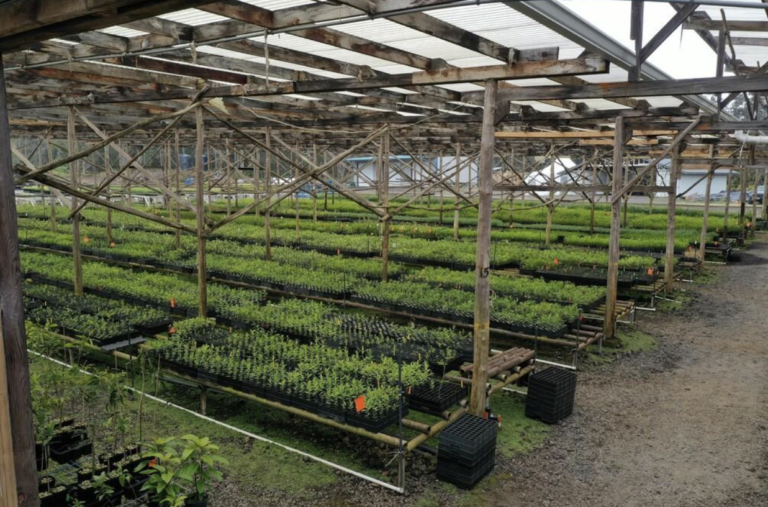
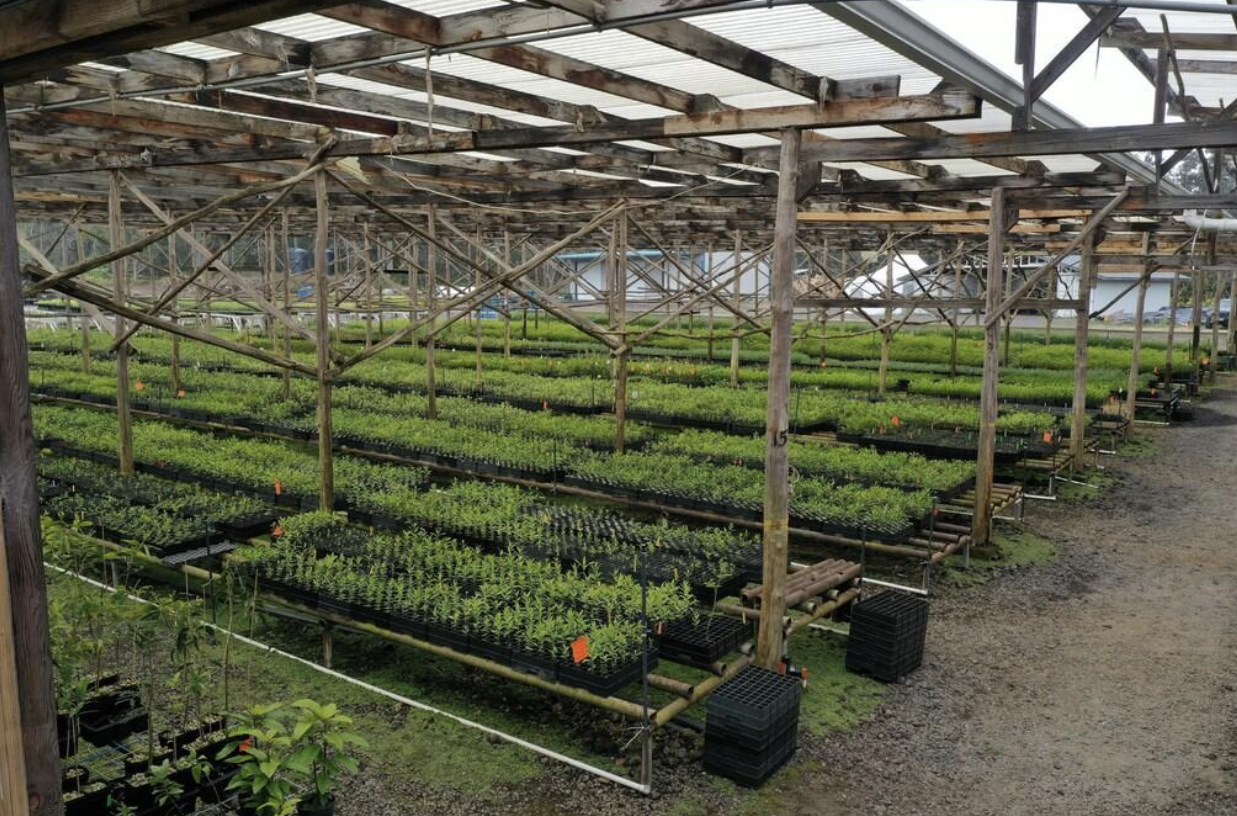
The company also established a nursery that supplies the trees for the KMR project and serves as a valuable resource for other conservation efforts in the region.
DoTERRA’s approach to sourcing and sustainability isn’t limited to the borders of Hawaii. The company’s Co-Impact Sourcing model partners with local growers around the world, emphasizing fair wages, sustainable practices, and community development.
The success of the KMR project thus far is encouraging, but the work is far from over. With a goal of planting 600,000 trees by the end of 2024, doTERRA is on track to surpass its 2030 target.
“We are proud to be part of this prestigious group of organizations and individuals who are doing what it takes to make our world a better place,” doTERRA posted on LinkedIn.
Building a villa in Dubai offers a unique opportunity to construct a home to your precise
specifications in one of the world’s most vibrant and luxurious cities.
Thanks to the availability of land in ultra-exclusive gated communities, such as Palm
Jumeirah and Emirates Hills, and access to world-class service providers in the home
construction industry, building a villa in Dubai can easily become a reality.
If you’re considering villa construction in Dubai, read on for an outline of the process and
how to make your dream villa a reality.
Villa construction in Dubai
Step 1: Design Consultation
The first step in building a luxury villa in Dubai is the design consultation phase, which
includes meetings with selected architects and designers to discuss your overall vision,
preferences, and lifestyle requirements. This includes discussing the villa's architectural
style, layout, and unique features, which helps to set the foundation for a personalised
design approach. At this stage, you may meet with several architects and designers to
ensure you select a team that aligns with your vision.
Step 2: Source land or property for renovation
The next step in the villa construction process is to source land if building a luxury villa
from scratch or acquire a property to renovate. Working with an experienced design firm
and real estate agency will provide you with knowledge on the most exclusive destinations
in Dubai to own land or to purchase a luxury villa in need of renovation. You will also want
to consider factors such as proximity to schools, local amenities and leisure facilities, and
zoning laws.
Step 3: Development of mood board & initial sketches
Following the initial design consultation, your chosen architects and designers will create
various mood boards and initial sketches to capture your desired design aesthetic. There
will often be multiple revisions at this stage until your vision is finally realised.
Step 4: Final design drawings & 3D renderings
Once an initial round of sketches has been completed the final design drawings and 3D
renderings will be created. These will offer a comprehensive view of the villa’s final
design, including the interior and exterior spaces. The 3D renderings are instrumental in
helping to visualise the space, providing an opportunity to make any final adjustments
before construction commences.
Before any building work starts, it is essential that planning permission and other legal
requirements are secured. This is especially important if you are building from scratch.
Your designated team will need to work with the relevant local authorities in Dubai to
ensure your planned villa complies with zoning laws, building codes, and other regulatory
standards.
Step 6: Source contractors & project management team
The next step is to source skilled contractors and assemble the right project management
team for the planned build. This team will likely consist of highly experienced engineers,
builders, and project managers responsible for executing the design vision to the most
exacting standards while ensuring high-quality craftsmanship. A reputable design studio or
architectural agency will be able to project manage the build and will boast deep industry
contacts, ensuring the very best team constructs your new villa in Dubai, on time and
within budget.
Step 7: Build starts
With the design finalised, the land secured, the planning and legal requirements in place,
and a team assembled, it’s time to start building your dream villa in Dubai. This is arguably
the most exciting phase when your dream villa starts to take shape, covering everything
from site preparation and laying the foundation to constructing walls, roofs, and interior
spaces. Regular site visits and progress updates ensure the build is on track and aligned
with the design.
Step 8: Furniture & styling
As construction nears completion, attention shifts to sourcing luxury furniture and bespoke
high-end items as part of the villa’s interior styling. Furnishing and accent pieces are
selected to match the villa's design, ensuring harmony in colour, texture, and material. With
wellness a key trend in the home construction industry, many people opt for a focus on
sustainable and eco-friendly items, including natural fabrics that will help enhance overall
well-being.
Step 9: Snagging & furnishing
Snagging is the process of identifying and fixing any minor issues before the final
handover. Once this process is completed, the villa is fully furnished and expertly styled
according to your preferences, ensuring every detail is perfect. This step ensures the space
is move-in ready and styled to perfection.
Step 10: Closing & handover of villa
The final step involves the official handover of the completed villa. During this step, the
project team will conduct a thorough walkthrough to ensure all expectations are met. Once
you are satisfied, the villa is closed and the ownership transferred, marking the completion
of the luxury build process.
How can I build a luxury villa in Dubai?
The best way to construct a villa in Dubai is to work with a reputable architectural and design studio that specialises in building luxury villas in Dubai. The best will boast in-
depth knowledge and industry intelligence and will offer a bespoke service, advising and
offering guidance on every facet of the build process, from land acquisition to architectural
drawings and furnishing your new home.
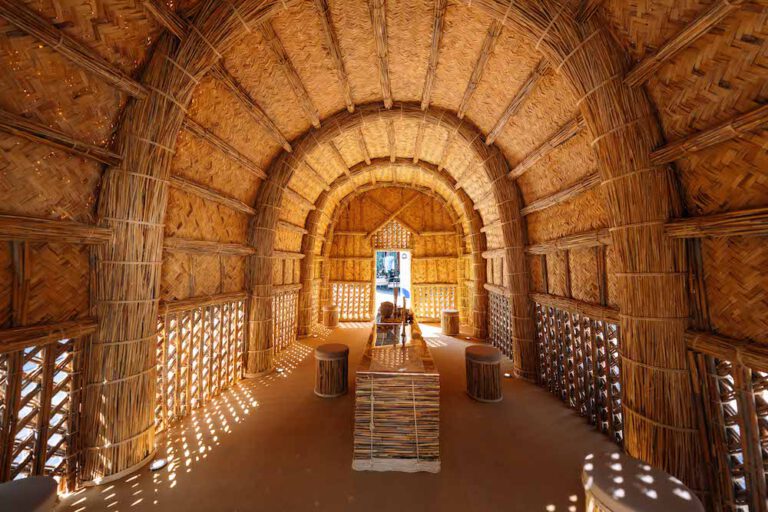
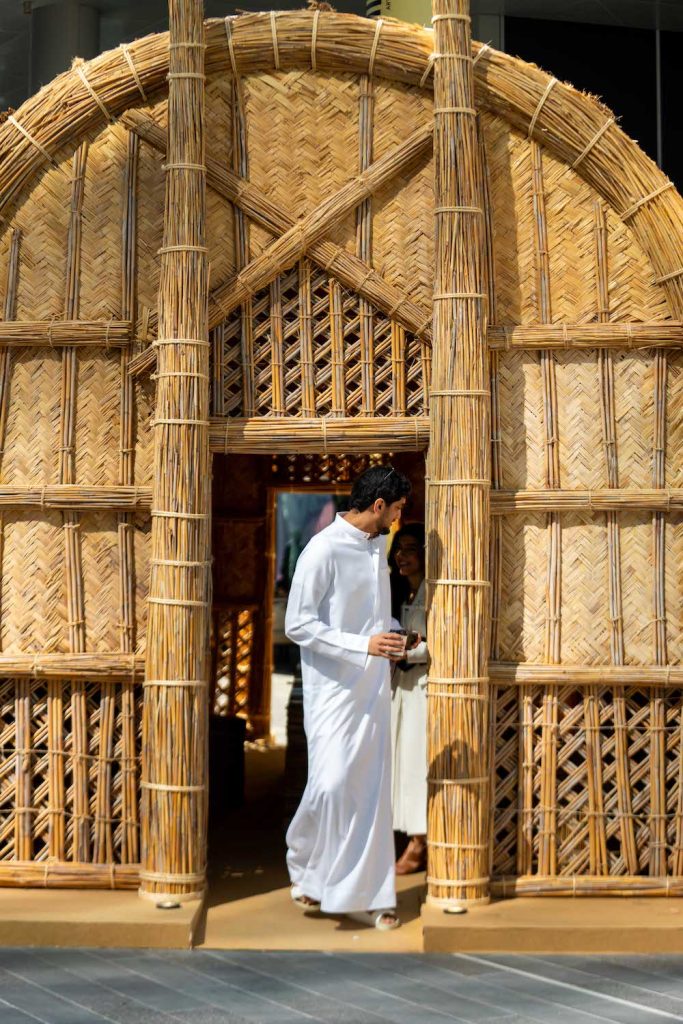
Mudhif, from the Arab Marsh people built at Dubai Design Week
We got so much international attention when we wrote about the Iraqi mudhouse called a mudhif built with US veterans and Iraqi refugees in the US. You can read the story here. Vernacular architecture is that built without a plan by local people is taking the world by storm as people consciously and subconsciously are drawn to simpler times when design was functional and from materials that nature made.
The proof is in the pudding at Dubai Design Week where a designer from Kuwait, with Mesopotamian origins, recreates an Iraqi or Mesopotamian mudhouse. Don’t you feel like you’d like to step inside?
In the US they were constructed of phragmites, an invasive reed grass, and built on the grounds of the Schuylkill Center for Environmental Education in Northwest Philadelphia.
Ola Znad, the designer, turns the traditional gathering place for Marsh Arab communities into a multi-sensory experience. The buildings were designed, of course, for centuries before without any one person taking claim. She says they were crafted in Iraq from locally sourced reeds and mud: the materials that have supported Marsh Arab communities for generations.
According to the paper The Ecology of the Mudhif, the mudhif was built and used, by the Marsh Arabs of the region, until 1993 when Saddam Hussein began to drain and dam the marshes, in an attempt to destroy the life and culture of those Arabs. But after his defeat 10 years later in 2003, the Arabs dug up his dykes, canals and damns, re-flooded the marshes and began to resume their ancient way of life.
Inherently nomadic, the author muses: “the prejudice against a fixed life is strong, only the lowest of the tribe will condescend to remain stationary; but change is in progress.”
The paper notes that mudhifs were built by the culture which not only developed the world’s first cities, with their great mud-brick ziggurats and temples; it also invented writing, for the keeping of temple records. And of course, for sustenance, the cities had to be surrounded by agricultural villages hence, in the marshes, buildings constructed entirely of reeds. Is this why our pull toward them is strong?
By portraying the Mudhif as an open and inclusive space, Znad says she “reflects the traditional architecture of the Marsh Arabs and emphasizes the contemporary need for sustainable design.”
This is true in every culture everywhere especially the UAE which has designed itself out of the desert from scratch over the last 50 years. It may be why cardboard was also featured this year. We are all going back to the basics.
Enjoy the photos and if you are at the Dubai Design Week this week drop us a line.
An overwhelming majority of the Israeli public is concerned about climate change. Some 1,180 respondents from all adult population groups in Israel were asked about their knowledge and attitudes towards climate change and its impacts on the environment, economy, society, and health. While Tel Aviv may get an A for Sustainability, the survey looked at parts of Israeli society.
The survey was conducted by the National Institute for Climate Policy Research in cooperation with the Laboratory for Communication Research and Social Bias headed by Dr. Yossi David from the Department of Communications Studies, and in consultation with climate researcher Dr. Avner Gross, all from Ben-Gurion University of the Negev. The data was collected between June 26-30, 2024 by the research institute ‘Panel-Hamidgam’.
The breakdown of climate concerns
Concern about climate change crosses political lines.
77% of the Israeli public is concerned about climate change; the difference between right-wing and left-wing voters is smaller than expected: 72% of right-wing voters and 89% of left-wing voters express concern about climate change.
There is an understanding that the climate crisis is man-made.
There is high trust in science and scientists (63%) compared to very low trust in social media (only 14%).
There is a willingness to change behavioral habits for the sake of environmental protection (36% are willing to eat less meat, 33% are willing to travel more by public transport).
How the study was developed and why
Bike lanes in downtown Tel Aviv
One-third of survey participants expressed a willingness to change their behavior for the sake of environmental protection. 36% are willing to eat less animal-based food; 33% are willing to travel more by public transport; 24% are willing to fly less and only 13% are willing to pay higher taxes to promote environmental protection.
“It seems that the public is readier to change their habits than policymakers believe,” said Tamar Zandberg, head of the National Institute for Climate Policy Research at Ben-Gurion University and former Minister of Environmental Protection.
“The most significant change that Israelis are willing to make is in their dietary habits, although the issue is not usually associated with climate change in Israel. Our conclusion, therefore, is that it is not only possible but necessary to think about more ambitious policy measures. The public is eager to hear from decision-makers as moral compasses and are waiting for a call to action at the individual and community level, in order to reduce environmental damage.”
Another key finding from the survey indicates that the majority of the Israeli public (77%) is concerned about an increase in air pollution influenced by human activities, such as burning fuels; 76% are concerned about extreme events, such as fires, heatwaves, and floods; and 51% are concerned about the flooding of coastal cities due to rising sea levels.
For most Israelis, climate change is caused by humans, but belief in conspiracy theories that challenge the scientific consensus on climate change is also high. 62% of respondents believe that there are economic interests behind the claims about climate change; 58% of respondents believe that there are political interests and 40% believe that science is divided on whether there is climate change.
“The Israeli public is surprisingly knowledgeable about the dangers of the climate crisis, despite the lack of sufficient public discussion on these issues,” noted Dr. David.
The findings also show that the Israeli public wants change but doesn’t have enough reliable information. Most of the Israeli public from all political backgrounds (63% in total) has high trust in science and does not trust social media. The highest level of trust is in scientists and academics (63%); trust in friends and family is also prominent (59%), 40% expressed trust in the Ministry of Environmental Protection and only 14% expressed trust in social media. The high trust in scientists and science indicates the need to make scientific knowledge about climate change and environmental protection accessible to the public.
“This is one of the most interesting findings of the survey in my opinion. This finding indicates the public’s thirst for reliable scientific knowledge and the ability of such knowledge to influence public attitudes,” explained Dr. Gross. “It seems that the involvement of academia in the climate discourse in Israel and in direct dialogue with the public is crucial.”
The entire Israeli public recognizes the need to promote policies that will enable adaptation to climate change. There are some differences between right-wing and left-wing supporters, but they are significantly smaller than the differences in other countries, particularly the United States.
It seems that self-identifying leftists tend to be slightly more concerned than rightists about the impacts of climate change; they are more supportive of promoting policies to reduce climate change and are more willing to change behavior to cope with climate change than rightists.
An overwhelming majority (89%) of respondents from the left expressed concern about an increase in air pollution resulting from human activities, while the center (76%) and the right (72%) expressed similar concern. The differences found were relatively small compared to the United States and indicate that attitudes towards climate change have not yet been fully politicized in Israel.
Women are more concerned than men
Examining the differences between men and women shows that women are more concerned than men about the impacts of climate change. While an overwhelming majority (85%) of women expressed concern about an increase in air pollution resulting from human activities, a smaller majority (69%) of men expressed similar concern. Women are more supportive of promoting policies to reduce climate change and are more willing to change behavior to cope with climate change than men. 43% of women are willing to eat less animal-based food compared to 28% of men; 35% of women are willing to travel by public transport compared to 30% of men; 26% of women are willing to fly less compared to 22% of men.
“The data on the differences between men and women is similar to the data we know from other places around the world,” emphasized Dr. David. “However, the differences between right and left in Israel are smaller than in the United States, for example, indicating that the issue has not been fully politicized in Israel.”
Tamar Zandberg added that “this indicates that there can be broad and cross-party support for more significant policy measures to address the climate crisis.”
The survey findings show that an overwhelming majority of the Israeli public believes that climate change is dangerous to humanity and that the government should prepare for climate change.
“Public attitudes and perceptions towards the climate crisis are critical elements in humanity’s response to the greatest challenge in its history,” explained Tamar Zandberg. “Governmental policy actions – local, national, and international – require agreement, support, and even public pressure for their implementation. This is the time for climate decision-makers to establish a series of actions that will reduce the ongoing damage to the environment and correct behavior-changing laws, as suggested in the survey.”
The Emirates Development Bank (EDB) has signed a financing agreement of $27 million USD with Yellow Door Energy (YDE), a leading sustainable energy partner in the MENA region, to support the development and operation of over 60 solar photovoltaic (PV) plants across the United Arab Emirates.
EDB’s financing will expand YDE’s portfolio of solar PV systems, enhancing its capacity to lease solar power plants through solar leases, also known as power purchase agreements (PPAs) tailored for industrial and commercial enterprises. Under this strategic collaboration, Yellow Door Energy will offer leasing opportunities to major industrial players in the UAE.
These companies will benefit from long-term access to clean electricity, significant energy cost savings, and promotion of sustainable energy usage across the nation.
Yellow Door Energy solar installation
Ahmed Mohamed Al Naqbi, Chief Executive Officer of Emirates Development Bank, said: “Our strategic collaboration with Yellow Door Energy marks a new milestone in our mission to enhance the UAE’s renewable energy landscape and accelerate its journey towards a net-zero future.”
Jeremy Crane, Group CEO of Yellow Door Energy stated: “As a company founded and headquartered in the UAE, we deeply value our relationship with the nation’s leading federal bank. Together, we are committed to supporting businesses in reducing their energy costs, enhancing resilience, and achieving their sustainability and Net Zero goals.”
EDB’s plan to provide AED 30 billion in financing to support five priority sectors, including renewables, underlines its crucial role in driving economic growth and fostering a more resilient economy.
Since the launch of its strategy in 2021, EDB has provided a cumulative total of AED 12.97 billion in financing, including more than AED 1.78 billion to empower the renewable energy sector, further consolidating its position as a leader in sustainable finance. Seems like the UAE is a hot place to be for financing and developing renewable energy projects.
The global import food import bill is expected to increase by 2.2 percent from the previous year to more than $2 trillion in 2024, pushed up by higher prices for cocoa, coffee and tea and also buoyed by higher import costs for fruits and vegetables, according to Food Outlook, a report from the UN’s Food and Agriculture Organization.
Import expenditures on cocoa, coffee and tea are anticipated to increase by 22.9 percent, accounting for more than half of the overall increase in value terms. That reflects soaring international prices for these commodities due mostly to weather conditions and logistics issues. Cocoa prices reached almost four times their ten-year average earlier this year, those for coffee nearly doubled, and those for tea rose 15 percent above their usual long-term levels.
Exports of these commodities play an important role in the economy of numerous countries, FAO economists noted. Coffee export earnings in Burundi and Ethiopia typically cover nearly 40 percent of their respective food import bills, tea does the same for more than half of Sri Lanka’s bill, and Côte d’Ivoire’s cocoa exports more than offset all of the country’s food import costs.
Meanwhile, declining import bills for cereals and oilseeds offer relief to lower-income countries. High-income countries account for two-thirds of the global food import bill and will face a 4.4 percent increase in 2024, while the bills for upper-middle-income, lower-middle-income and low-income countries are likely to contract.
The FAO Food Outlook, a biannual publication, offers updated forecasts for the production, trade, utilization and stocks of major food staples as well as explores a series of topical themes. In particular, olive oil and fertilizers are featured in the latest issue.
FAO’s latest forecasts point to favourable output outlooks across most basic foodstuffs, although global production systems remain vulnerable to risks from extreme weather events and rising geopolitical tensions and policy changes which could tip delicate demand-supply balances and dampen prospects for international trade in food commodities and global food security.
Wheat and coarse grains output is expected to decline in 2024 from high levels but remain above utilization rates. Rice, meanwhile, is a bright spot, with the 2024/25 season poised to mark a record-breaking harvest, which could enable global rice utilization, reserves and international trade to increase. Per capita food intake of wheat and coarse grains is expected to decline somewhat in Low-Income Food-Deficit Countries while that for rice is expected to increase by 1.5%.
Global meat and dairy production is forecast to increase moderately while that for sugar declines. Worldwide fisheries output is set to expand by 2.2 percent driven by aquaculture. Soybean and palm oil outputs are on course to expand while those for rapeseed and sunflower seeds contract. Global vegetable oil consumption could exceed production and lead to stock drawdowns for the second consecutive season, while robust crushings are expected to result in expanding global inventories for oilmeals.
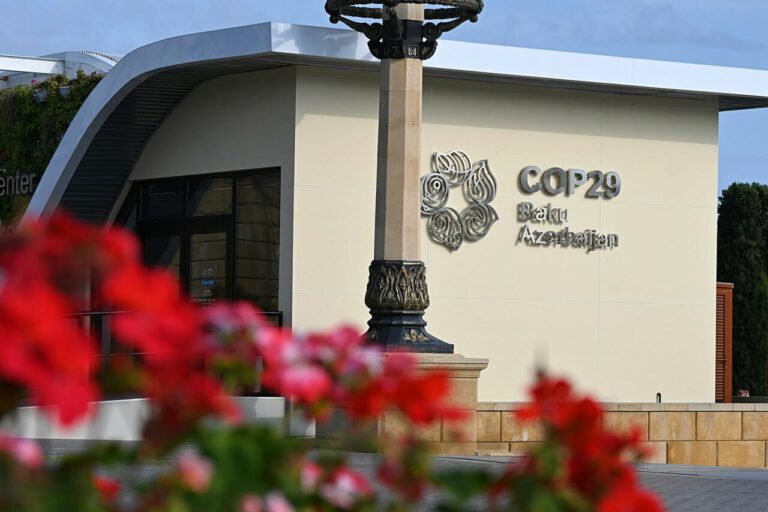
As Europe faces mounting environmental challenges, European Commission President Ursula von der Leyen’s decision to skip the COP29 climate summit in Baku signals a troubling lack of urgency. While the Commission cites its “transitional phase” as the reason for her absence, this explanation feels hollow against the backdrop of an escalating climate crisis that demands the EU’s full attention and leadership. COP29, held in a country economically tethered to fossil fuels, is already mired in controversy. Von der Leyen’s absence only adds to concerns that the summit will lack the commitment needed for substantive progress.
The climate summit’s agenda this year is as pressing as ever, focusing on critical topics such as funding climate action in developing countries and establishing frameworks for carbon trading. With the frequency of climate-driven natural disasters increasing worldwide, immediate action is essential. In Spain’s Valencia region, for instance, deadly floods have recently destroyed homes and taken lives, serving as a sobering reminder that climate change is not a future threat—it is already here. Against this urgent backdrop, von der Leyen’s absence could be interpreted as a troubling signal that the EU has other, more pressing concerns than addressing the climate crisis.
An Inconvenient Absence Amid Global Turmoil
Von der Leyen is not alone in her decision to miss COP29; other prominent leaders, including French President Emmanuel Macron and the outgoing U.S. President Joe Biden, are also skipping the summit. However, the EU’s role as a climate leader sets it apart, particularly as it faces the likelihood of a less climate-conscious U.S. administration. Without strong EU representation, there is a risk that COP29 will be dominated by fossil fuel-producing countries like Azerbaijan, which holds a vested interest in slowing the transition away from oil and gas. This situation threatens to turn the summit into more of a greenwashing spectacle than a forum for meaningful action.
European lawmakers and environmental advocates have voiced their disappointment. Michael Bloss, a German Green MEP, called von der Leyen’s decision “a fatal signal,” while WWF’s climate specialists warned that the absence of key leaders could undermine confidence in global climate commitments. The climate crisis will not pause for political convenience, nor will it wait for ideal conditions to act. Europe’s climate leadership is critical, particularly as other global powers waver on their commitments.
The EU’s Complicated Climate Commitments
In recent years, the European Union has prided itself on its ambitious climate policies, from the European Green Deal to its commitment to cut emissions by 55% by 2030. Yet, von der Leyen’s absence from COP29 raises questions about the EU’s true priorities. As discussions around implementing the European Green Deal remain contentious, the debate on front of pack labeling systems such as Nutri-Score somehow continues to attract attention. This controversial system, which rates foods based on a simplified color code, has sparked endless debate and backlash. This focus reflects misplaced priorities, as time is diverted from more significant issues like climate action.
Initially implemented in France in 2017, Nutri-Score aims to help consumers make healthier food choices by ranking products from green “A” to red “E.” However, this attempt at nutritional clarity has been met with widespread backlash for oversimplifying complex dietary information, confusing consumers, and undermining cultural food traditions that define the European diet. It has also been criticised for encouraging the consumption of proteins, which often translates into eating meat – hardly an environmentally friendly consumer choice.
The EU’s emphasis on initiatives like the harmonization of labeling over pressing climate issues can appear tone-deaf in the current context. Prioritizing these debates while Europe endures deadly climate-induced events sends a confused message to the world.
Financing and Transparency: The Stakes of COP29
COP29 is a critical moment for securing climate finance for developing nations—a key factor in enabling them to implement their climate action plans. Developing countries have long called for clear commitments from wealthier nations, not just promises. Yet, the financing debate has stalled, with disagreements over the amounts, sources, and mechanisms of support. With the EU’s leadership role diminished by von der Leyen’s absence, there is a real risk that the conference will yield only superficial outcomes.
Azerbaijan, as COP29’s host, has established the Baku Global Climate Transparency Platform, intended to enhance transparency in climate commitments. But Azerbaijan’s poor track record on transparency, coupled with its dependence on fossil fuels, calls into question its commitment to meaningful climate action. The country ranks high in corruption indices, and restrictions on civil society have intensified ahead of the summit. The irony of a petro-state presiding over a climate summit is not lost on observers, and von der Leyen’s absence only adds to the perception that the EU is failing to lead.
The Path Forward: A Call for Focused Climate Leadership
The stakes at COP29 could not be higher. From the latest global temperature records to the devastating floods in Valencia, the evidence of climate change’s impact is undeniable. Europe, with its legacy of environmental leadership, has a unique responsibility to push for substantial progress, particularly as other global leaders falter in their commitments. The EU’s leaders must urgently re-evaluate their priorities to reflect the gravity of the climate crisis. Instead of being sidetracked by secondary issues or internal political considerations, Europe needs to focus on the larger picture, pressing for robust international commitments and ensuring that financing mechanisms meet the scale of the challenge.
In von der Leyen’s absence, the EU delegation will be led by climate commissioner Wopke Hoekstra, but the symbolic weight of Europe’s top official missing the summit will linger. As world leaders convene in Baku, the hope is that they can overcome the limitations imposed by the summit’s context and make real progress on climate action.The world needs a climate commitment it can count on, not only when it is politically convenient but when it matters most.
The Irish philosopher George Berkely, best known for his theory of immaterialism, once famously mused, “If a tree falls in a forest and no one is around to hear it, does it make a sound?”
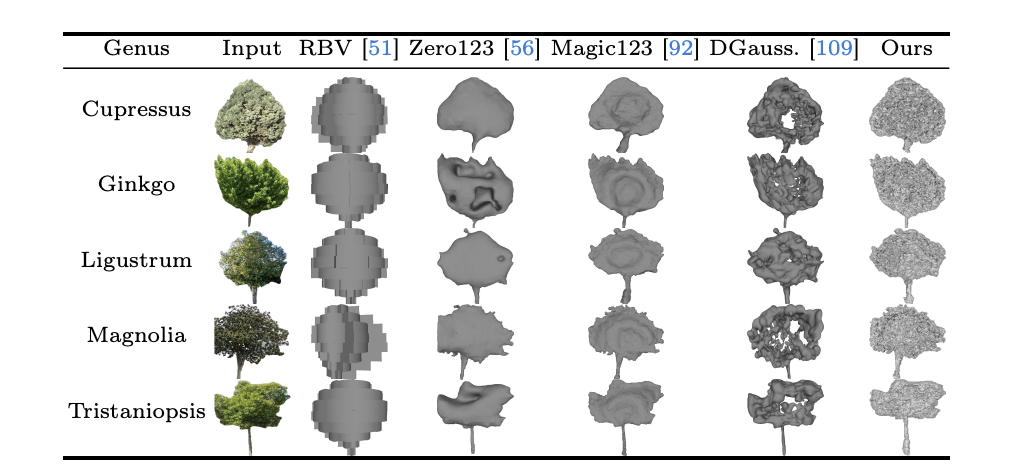
What about AI-generated trees? Probably wouldn’t make a sound, but critical nonetheless for things like conservation efforts to adapt our urban forests to climate change. To that end, scientists from MIT CSAIL, Google, and Purdue University’s novel “Tree-D Fusion” system merges AI and tree-growth models with Google’s Auto Arborist data to create accurate, 3D urban trees.
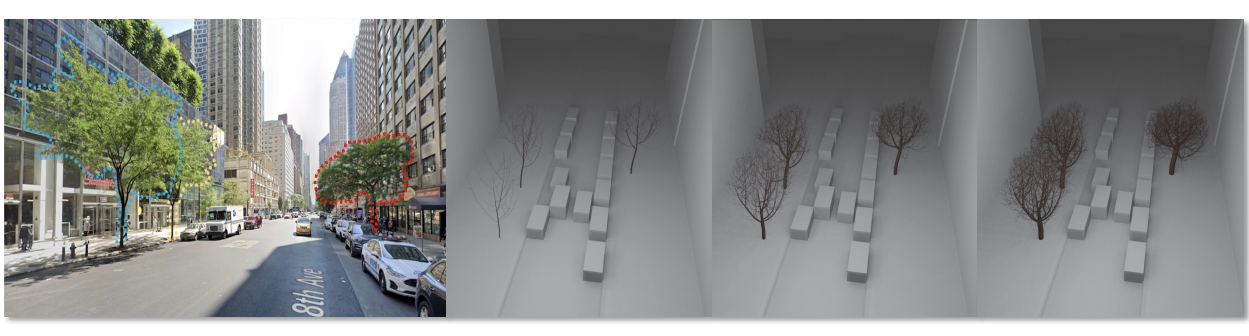
Tree-D Fusion takes a single view image (left) and reconstructs a 3D simulation ready tree model. The tree model can be used to simulate growth over time with a detailed branching structure with leaves. We provide a dataset of 3D reconstructed tree models from 600,000 Google Street View images.
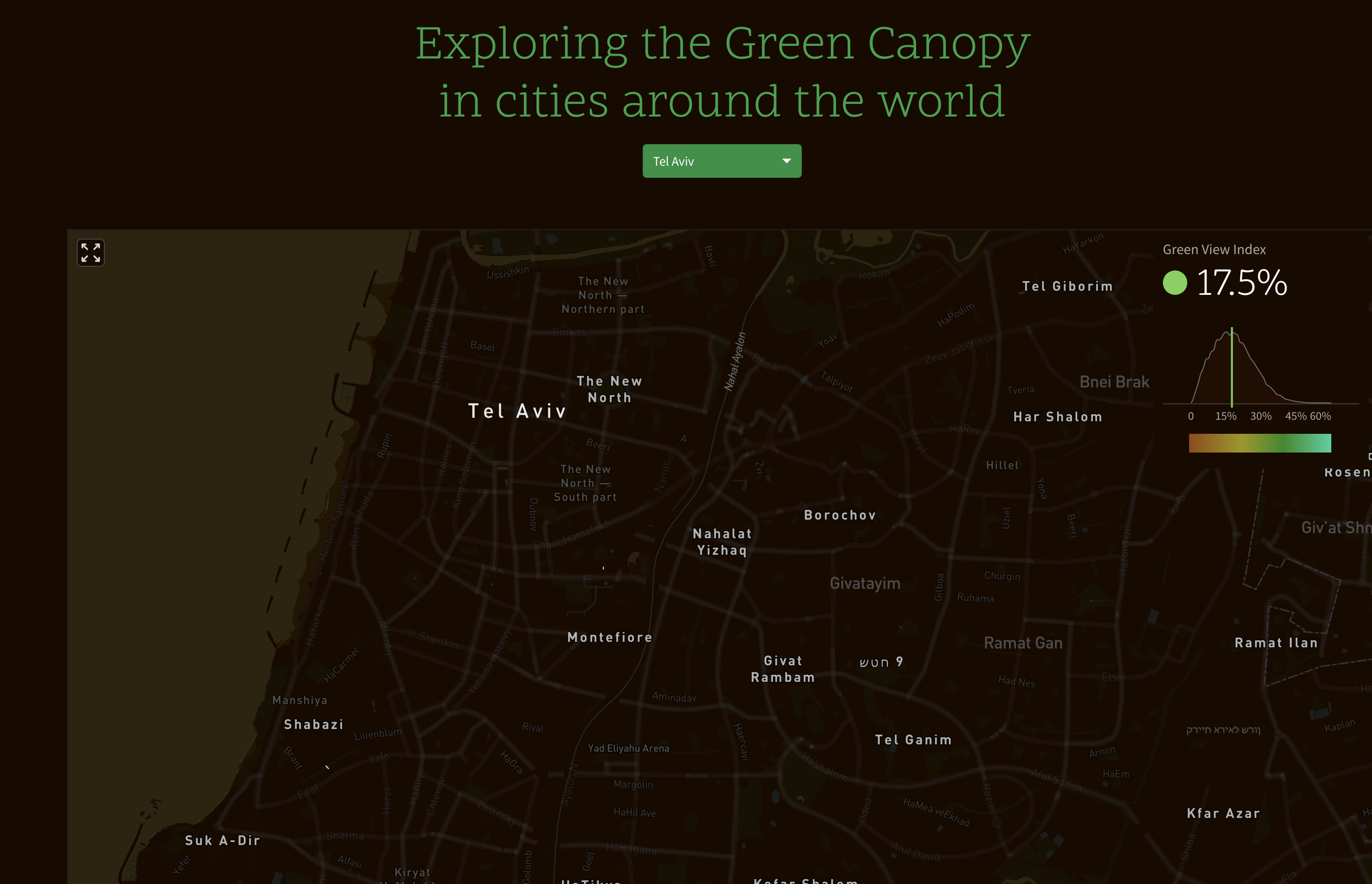
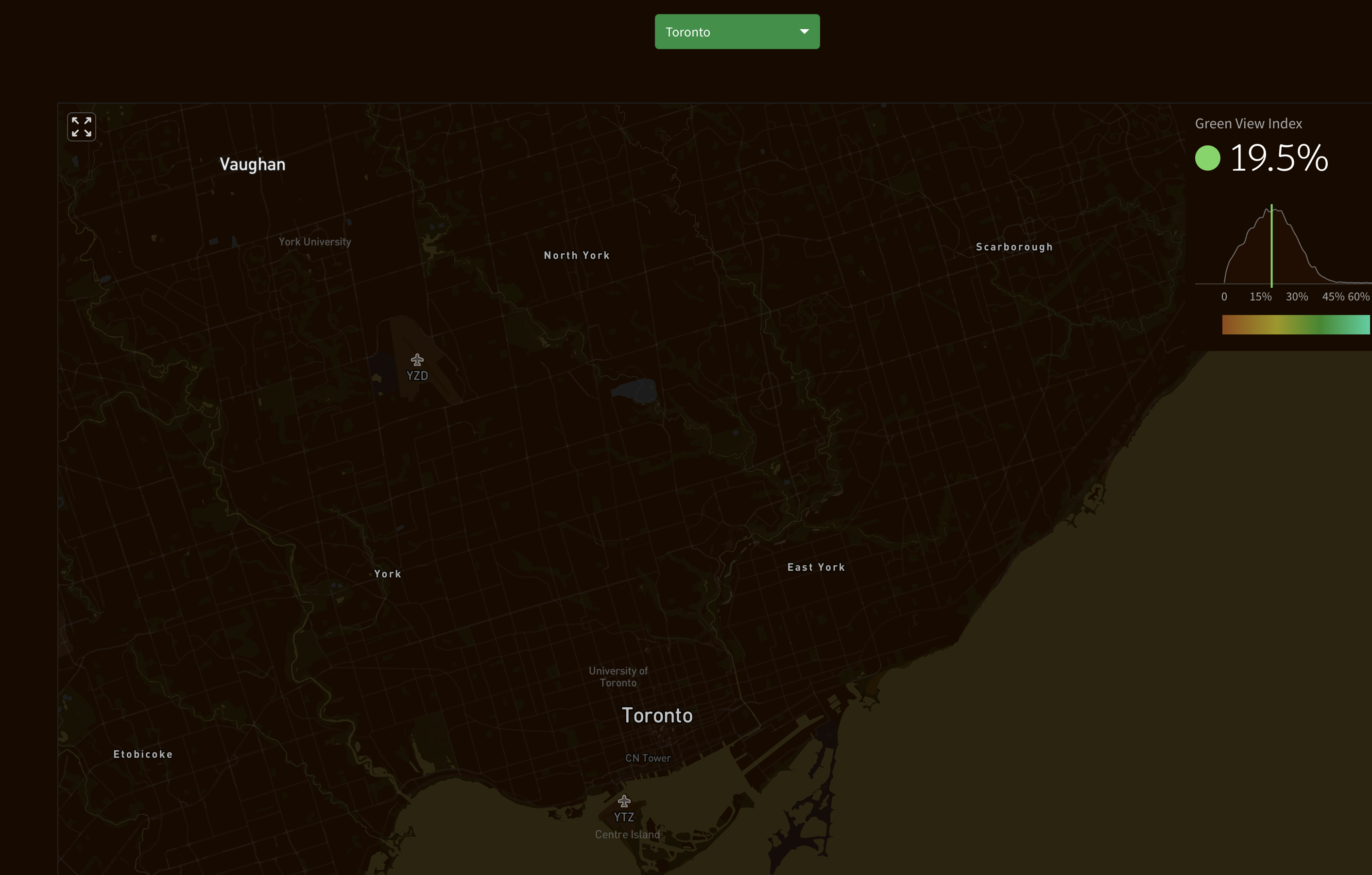
The project produced the first-ever large-scale database of 600,000 environmentally aware, simulation-ready tree models across North America. This helps urban planners understand where they can build more green lungs. Cities like Toronto get a 17.5% green canopy, while Tel Aviv gets a 17%.
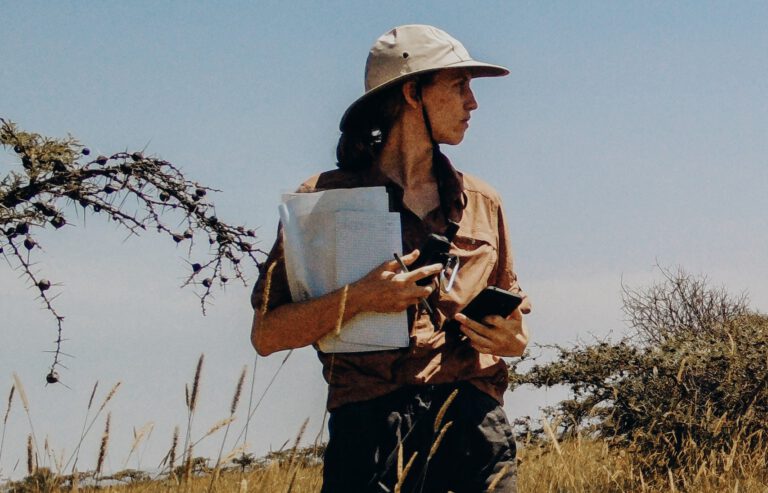
“We’re bridging decades of forestry science with modern AI capabilities,” says Sara Beery, MIT EECS Assistant Professor and MIT CSAIL Principal Investigator, a co-author on a new paper about Tree-D Fusion. “This allows us to not just identify trees in cities, but to predict how they’ll grow and impact their surroundings over time. We’re not ignoring the past 30 years of work in understanding how to build these 3D synthetic models, instead, we’re using AI to make this existing knowledge more useful across a broader set of individual trees in cities around North America, and eventually the globe.”
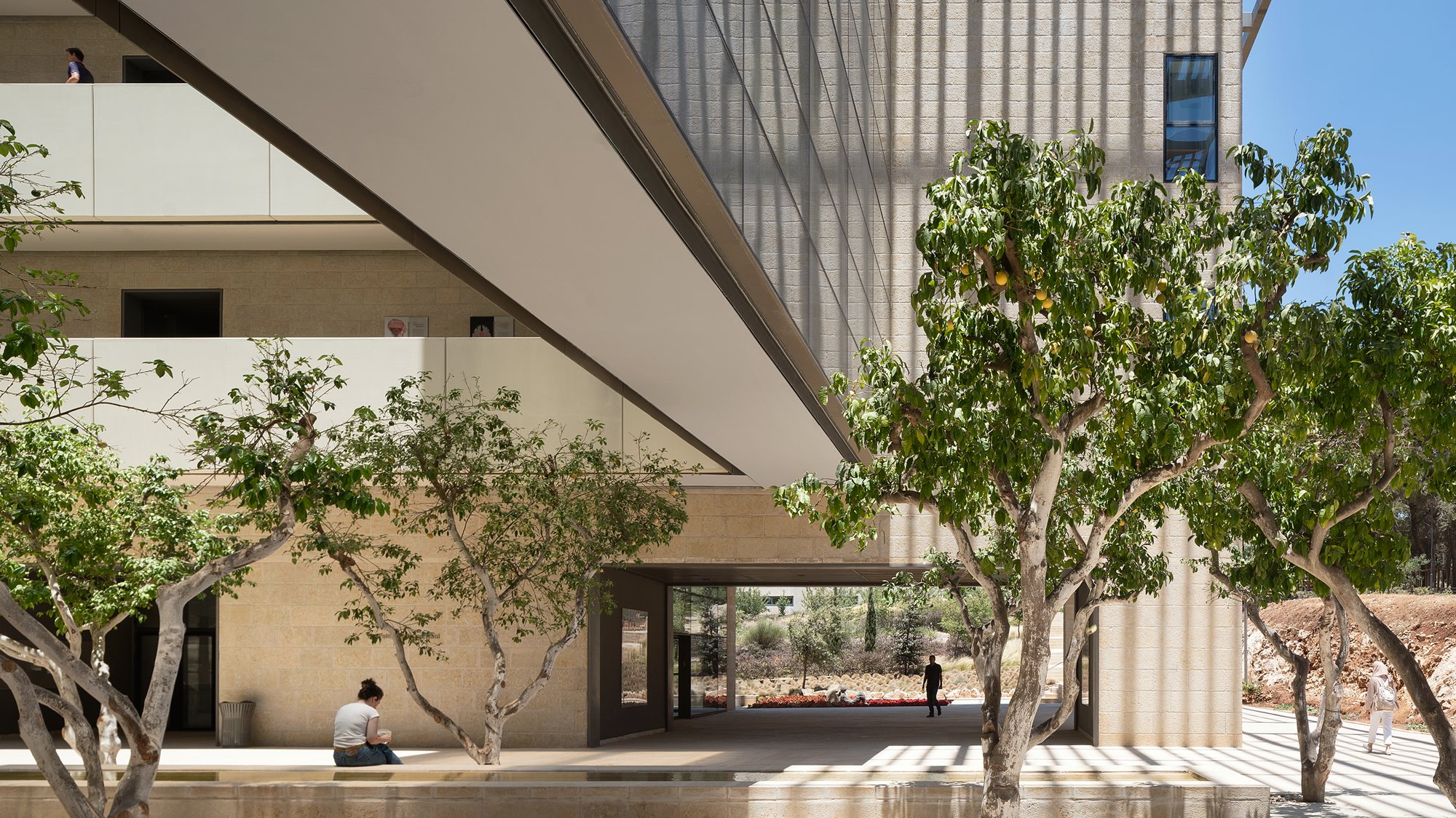
Orange trees help passively heat and cool in this Foster + Partners sustainable building. But are these sparsely planted trees enough?
Tree-D Fusion builds on previous urban forest monitoring efforts that used Google Street View data, but branches it forward by generating complete 3D models from single images. While earlier attempts at tree modeling were limited to specific neighborhoods, or struggled with accuracy at scale, Tree-D Fusion can create detailed models that include typically hidden features, such as the back side of trees that aren’t visible in street-view photos.
A forest of trees in Jaffa
AI trees and implications for making cities cooler, safer, better maintained
The technology’s practical applications extend far beyond mere observation.
City planners could use Tree-D Fusion to one day peer into the future, anticipating where growing branches might tangle with power lines, or identifying neighborhoods where strategic tree placement could maximize cooling effects and air quality improvements. They can map how trees might respond to climate change or stop catastrophic flooding. These predictive capabilities, the team says, could change urban forest management from reactive maintenance to proactive planning.
Oranger Suspendu, a hanging orange tree in Old City Jaffa by Ran Morin
“This high level of specificity in tree simulation has broad applications in forestry, where species and genera vary in growth, ecological roles, and climate resilience,” says Jan Stejskal, Assistant Professor at Czech University of Life Sciences Prague, who wasn’t involved in the research. “Also, it enables city planners to simulate how urban forests affect air quality, shade, and biodiversity, helping optimize tree planting for urban cooling, carbon sequestration, and habitat creation, ultimately fostering more sustainable cities.”
A Tree Grows in Brooklyn (and many other places)
The researchers took a hybrid approach to their method, using deep learning to create a 3D envelope of each tree’s shape, then using traditional procedural models to simulate realistic branch and leaf patterns based on the tree’s genus. This combo helped the model predict how trees would grow under different environmental conditions and climate scenarios such as different possible local temperatures and varying access to groundwater.
Now, as cities worldwide grapple with rising temperatures, the research offers a new window into the future of urban forests. In a collaboration with MIT’s Senseable City Lab, the Purdue University and Google team is embarking on a global study that reimagines trees as living climate shields. Their digital modeling system captures the intricate dance of shade patterns throughout the seasons, revealing how strategic urban forestry could hopefully change sweltering city blocks into more naturally cooled neighborhoods.
“Every time a street mapping vehicle passes through a city now, we’re not just taking snapshots — we’re watching these urban forests evolve in real-time,” says Beery. “This continuous monitoring creates a living digital forest that mirrors its physical counterpart, offering cities a powerful lens to observe how environmental stresses shape tree health and growth patterns across their urban landscape.”
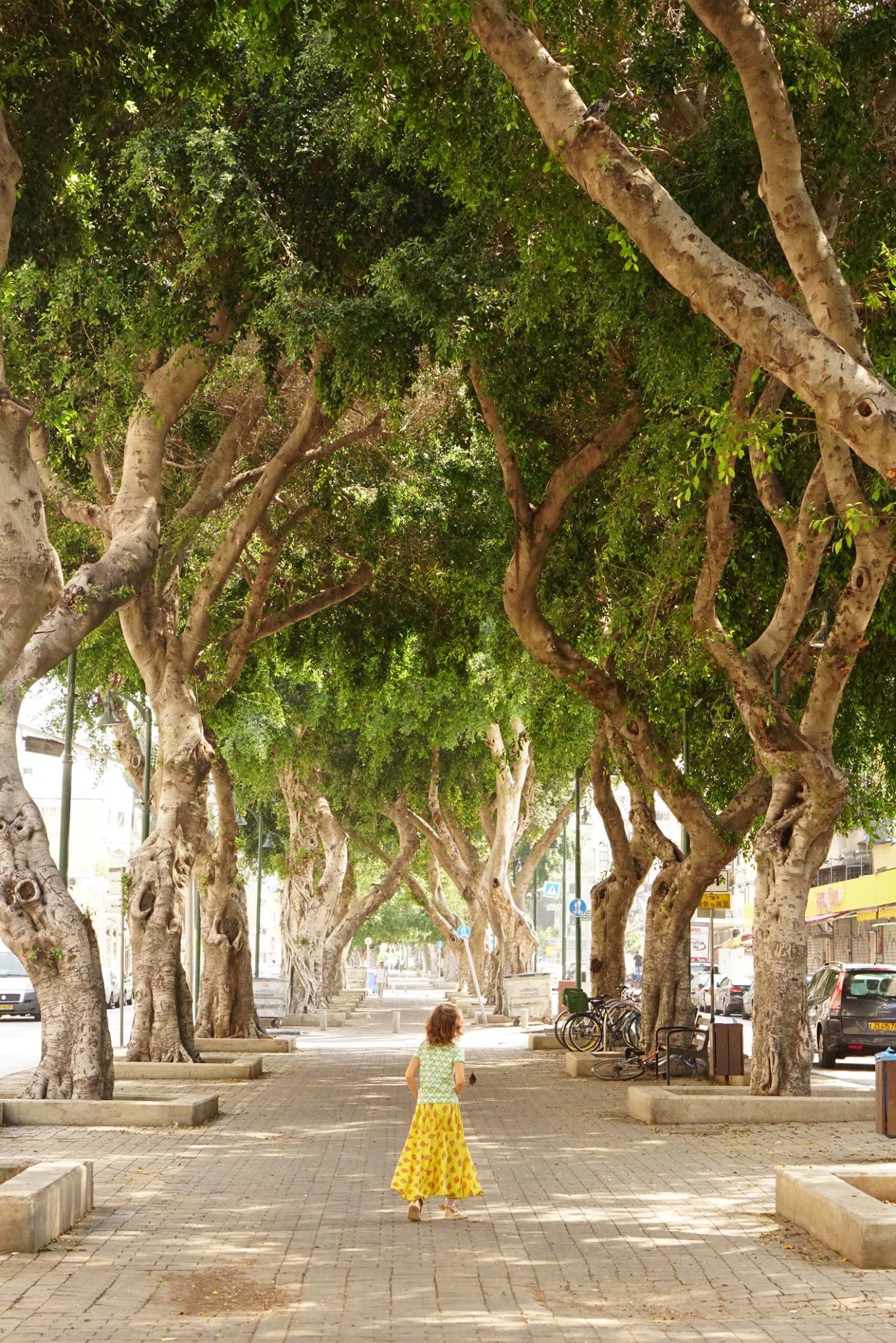
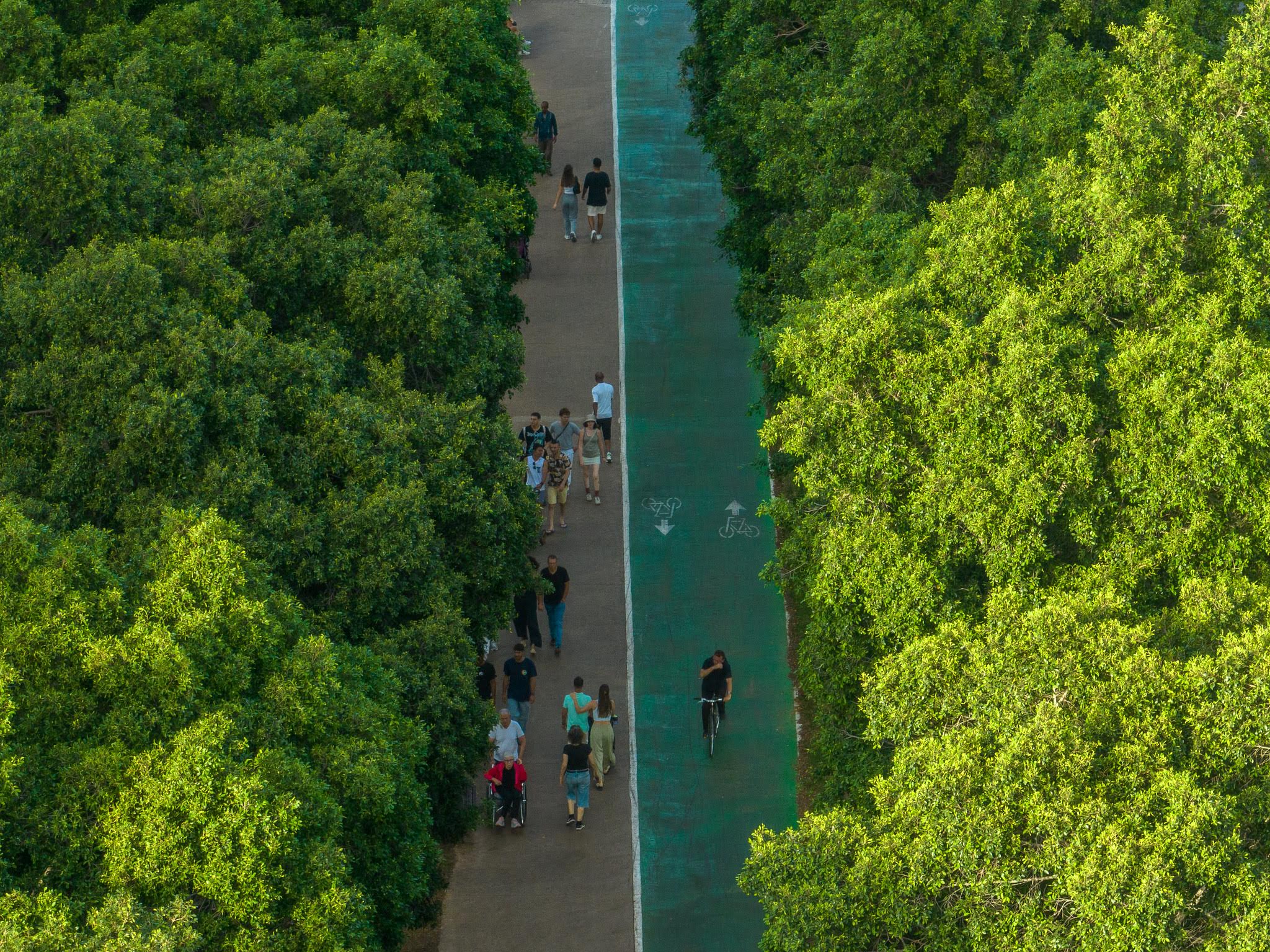
Rothschild Boulevard trees along the bile path in Tel Aviv, Photo by Yonatan Honig (Courtesy – Tel Aviv Jaffa)
AI-based tree modeling has emerged as an ally in the quest for environmental justice: By mapping urban tree canopy in unprecedented detail, a sister project from the Google AI for Nature team has helped uncover disparities in green space access across different socioeconomic areas. “We’re not just studying urban forests — we’re trying to cultivate more equity,” says Beery. The team is now working closely with ecologists and tree health experts to refine these models, ensuring that as cities expand their green canopies, the benefits branch out to all residents equally.
While Tree-D fusion marks some major “growth” in the field, trees can be uniquely challenging for computer vision systems. Unlike the rigid structures of buildings or vehicles that current 3D modeling techniques handle well, trees are nature’s shape-shifters — swaying in the wind, interweaving branches with neighbors, and constantly changing their form as they grow. The Tree-D fusion models are “simulation ready” in that they can estimate the shape of the trees in the future, depending on the environmental conditions.
“What makes this work exciting is how it pushes us to rethink fundamental assumptions in computer vision,” says Beery. “While 3D scene understanding techniques like photogrammetry or NERF excel at capturing static objects, trees demand new approaches that can account for their dynamic nature, where even a gentle breeze can dramatically alter their structure from moment to moment.”
The team’s approach of creating rough structural envelopes that approximate each tree’s form has proven remarkably effective, but certain issues remain unsolved. Perhaps the most vexing is the “entangled tree problem”, when neighboring trees grow into each other, their intertwined branches create a puzzle that no current AI system can fully unravel.
The scientists see their dataset as a springboard for future innovations in computer vision, and they’re already exploring applications beyond street view imagery, looking to extend their approach to platforms like iNaturalist and wildlife camera traps.
“This marks just the beginning for Tree-D Fusion,” says Jae Joong Lee, a Purdue University PhD student who developed, implemented and deployed the Tree-D-Fusion algorithm. “Together with my collaborators, I envision expanding the platform’s capabilities to a planetary scale. Our goal is to use AI-driven insights in service of natural ecosystems – supporting biodiversity, promoting global sustainability, and ultimately, benefiting the health of our entire planet.”
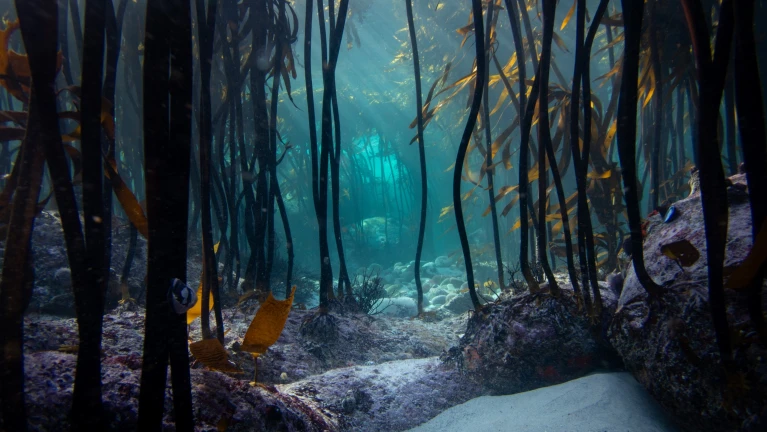
The Great African Seaforest is a unique large-scale marine ecosystem that covers about 1000 kilometres of the South African coast line.Credit: Jannes Landschoff
Kelp forests are some of the most biodiverse ecosystems on Earth. We might know kelp as a superfood but in the sea it provides shelter, food, and breeding grounds for countless marine species. Unfortunately, these vital underwater habitats are in decline due to factors like climate change, pollution, and overfishing. With millions of divers exploring the world’s oceans, there’s a unique opportunity to engage the dive community in protecting these ecosystems. And we want to show you how by interviewing a leading expert in the field who also dives! Meet Dana Janke from Canada!
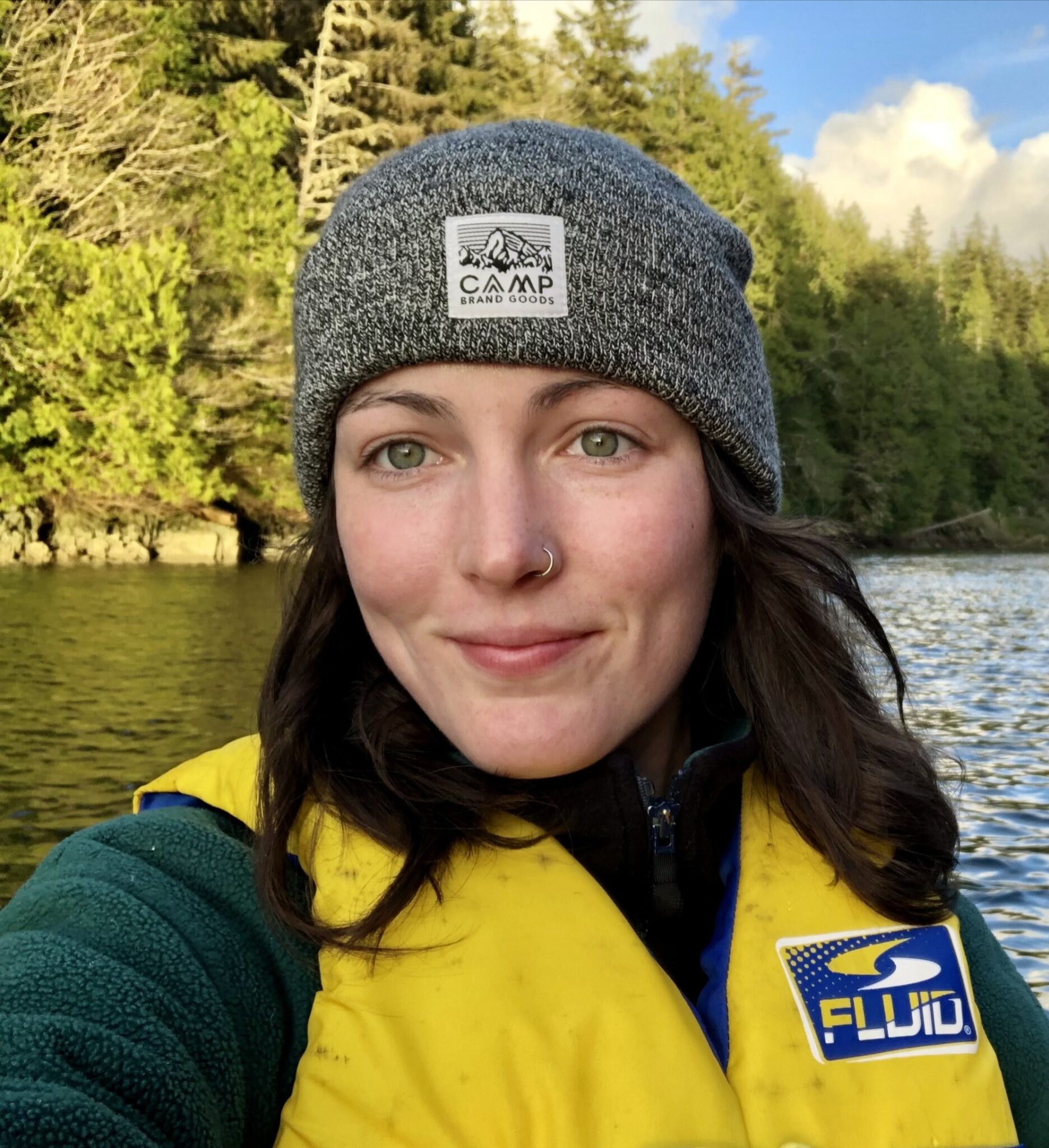
Diver and marine ecologist Dana Janke
Dana Janke, Seaforestation Coordinator, B.Sc, B.I.T. from Ocean Wise, tells us that divers can help by participating in citizen science programs, joining underwater clean-ups, and following sustainable diving practices to minimize disturbance to fragile kelp habitats.
Engaging divers in kelp forest preservation not only aids conservation efforts but also fosters a deeper appreciation for these underwater forests and the roles they play in ocean health. Through education and responsible diving, divers can contribute to the restoration and preservation of kelp forests, safeguarding these incredible ecosystems for future generations.
1. There are millions of divers worldwide, many traveling to remote locations with extensive kelp forests. Can you list the top 10 most important kelp forests that intersect with recreational diving? For example, are there kelp forests in places like Egypt, where many US and European divers go? How can they get involved?
North Vancouver Island, especially Port Hardy, has beautiful kelp forests that attract divers globally. In my opinion, it’s some of the best diving in the world. Other top kelp forest diving locations include Monterey Bay and the Channel Islands in California, the Cape Town region in South Africa, Tasmania and Southern Australia, Norway, Japan, New Zealand, and the Strait of Juan de Fuca (BC and Washington).
Kelp is generally associated with cold waters, so it’s unlikely you’d find kelp forests in Egypt that resemble those in the Ocean Wise and Kelp Forest Alliance’s “Monitoring Kelp Forest Ecosystems” guidebook.
2. How can divers help kelp forests if they lack a background in marine biology?
The first step is to learn a bit about local marine life! One of my favorite parts of diving is discovering underwater critters and algae, then searching for them in ID books after the dive. I love Marine Life of the Pacific Northwest: A Photographic Encyclopedia of Invertebrates, Seaweeds, and Selected Fishes by Andy Lamb and Bernard P. Hanby, as it covers a lot of marine life in the Pacific Northwest. I recommend asking your local dive shop for ID book suggestions for your area.
Participating in clean-up dives is also helpful. Pollution significantly impacts ocean health, so any opportunity we, as a dive community, can take to care for the ocean is essential.
3. How can dive centers create training material to add kelp forest preservation to their sustainable travel practices?
A great start is hosting educational workshops—virtual or in-person—that teach divers about the importance of kelp forests and the stressors causing their decline. Helping divers understand the many benefits of kelp forests is the first step.
Next, hands-on experience and training are key, starting with how to ID kelp species underwater (it can be challenging!). Ocean Wise and the Kelp Forest Alliance’s Monitoring Kelp Forest Ecosystems Guidebook offers step-by-step instructions on monitoring various metrics. Dive centers can use it to create training materials on dive monitoring techniques and recognizing signs of kelp health decline.
4. Can individual divers make a difference? How? What’s the biggest impact?
Yes! Individual divers can significantly impact by collecting data, raising awareness, and promoting responsible diving. Citizen science is critical in expanding scientific knowledge, as data collection is time-consuming and costly. Data from citizen scientists is becoming increasingly valuable for research.
Many organizations utilize citizen science in kelp forest research. Kelp Tracker 2.0, a web-based platform by The Nature Conservancy Australia, allows divers to map and record kelp observations along the Tasmanian and Australian coasts, informing local restoration projects. The Puget Sound Restoration Fund’s All Eyes on Deck project, in partnership with Reef Check Foundation, trains volunteer divers on species identification and survey protocols to collect data on kelp forest health in the Pacific Northwest. Platforms like iNaturalist also allow users to record species observations and validate identifications, providing invaluable data for science and conservation.
I suggest finding citizen science dive programs in your area and getting involved. Knowledge gaps on kelp status and health exist, and programs like these help close them over time.
5. Can divers be harmful to kelp forests? Are there places they should avoid?
Divers help restore kelp forests
Divers can be detrimental to kelp forests. These forests are often dense and challenging to navigate, so it’s easy to disturb or damage them, especially if you’re new to diving. Diving lets us explore often-overlooked underwater worlds, but it’s essential to dive respectfully. If you’re a beginner or haven’t mastered skills like buoyancy, I suggest avoiding kelp forests until you’re more experienced. Also, consider diving with a local guide who knows the sites well and can guide you through a safe, low-impact dive. Remember to take only photos, leave only bubbles, and respect the underwater flora and fauna (no touching!). Know your limits and stay within them.
6. Could universities partner with dive centers to train divers who are also biologists?
That’s a fantastic idea! While we don’t currently have a specific program, we are exploring a volunteer-driven program for 2025 and beyond. We’ll keep you in the loop!
More about Dana Janke, Seaforestation Coordinator, B.Sc, B.I.T.: Dana is a passionate environmentalist with a background in ecological restoration. She has been an avid diver for the past decade and works as a PADI Divemaster, guiding divers around British Columbia’s coast in Canada, introducing them to the unique flora and fauna found under the water. She mergePacifuc Pacific s her interest in restoring BC’s ecosystems with her passion for the marine environment in her role as Coordinator for the Seaforestation Initiative at Ocean Wise.
More about Ocean Wise:
Ocean Wise is a global organization that builds communities that take meaningful action to protect and restore our ocean. Together – with business leaders, researchers, community members, governments and ocean lovers around the world – we are monitoring and protecting whales, fighting climate change and restoring biodiversity, protecting and restoring fish stocks, innovating for a plastic free ocean, educating and empowering youth.
Tel Aviv’s seaside marathon set for February 28, 2025
The Tel Aviv-Yafo Municipality announced that the Tel Aviv Marathon, Israel’s largest sporting event, will take place for the 16th time on February 2025. Early registration at a discounted rate is now open for all runners—both amateur and professional—across various race categories until December 1, 2024. Marathons in the Middle East are best enjoyed in the winter when the weather is cool. Get our best marathons guide here.
Over 40,000 runners are expected to participate in one of the five scenic urban routes throughout the city, including along the iconic coastline: Marathon (42.195 km), Half Marathon (21 km), 10K Race, 5K Race, and a Kids’ Mini Marathon on February 26, 2025 (800 meters and 1.2 km).
The marathon takes you through Jaffa along the seashore
“The 2025 Tel Aviv Marathon will return with full force in February 2025,” says the city’s mayor Run Huldai. “This marathon is an important event for our city, a city that breathes and lives sports. In these times, we need to remind ourselves that sport is not only for physical health but also as a remedy for the soul. Through sports, we allow ourselves to both feel pain and find comfort, and we remember that both body and spirit have enabled us to overcome many challenges before.
“This time too, we will succeed and rebuild, and we are proud to continue hosting this unique marathon that unites the entire nation. I invite everyone to join us, and I hope we will soon see our hostages back with us, together.”
How the Tel Aviv Marathon will be Sustainable
Reducing bottle usage by over 60% by using of biodegradable cups at water stations along the course, The empty 1.5-liter bottles used for refilling will be collected and recycled after the race.
Recycled non-woven fabric bags will be used for race kits. During registration, participants will have the option to either purchase an official running shirt from a leading brand or receive a discount on the registration fee, thereby reducing demand on the global textile industry. If the plastic non-woven bags are the ones they are mentioning, note that these bags are not green at all and usually take more plastic with them to landfill.
“Pay It Forward” a social green project will also take place as part of the marathon, inviting all participants to bring sports clothing (excluding shoes) for donation on race day. The donated items will be laundered, folded, and given to charities for distribution to those in need
Reducing print as part of its green initiative, runners will receive the marathon guide in digital format, and all promotional signage along the course will be recycled at the end of the event.
There are so many ways to do sustainable tourism in the Middle East. Get our Middle East marathon guide here.
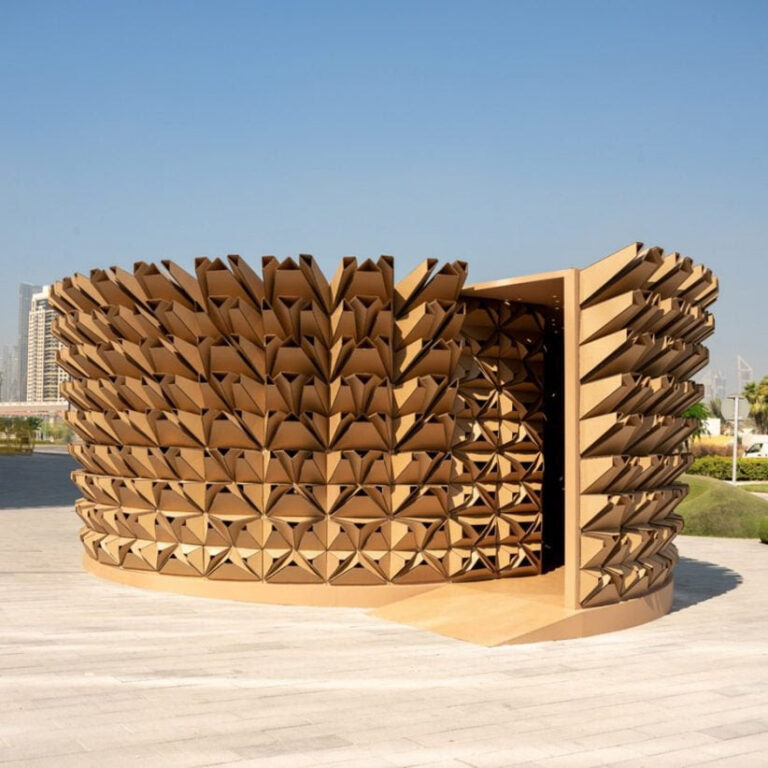
Lovegrove’s parametric cardboard pavilion for Dubai Design Week.
You know the old saying: I can’t afford to dress so poor as I am not so rich? This looks like the take by British designer Ross Lovegrove’s when creating his parametric cardboard pavilion for Dubai Design Week.
The pavilion is to mark the debut of Deond, the design studio he co-founded with creative director Ila Colombo after moving to the United Arab Emirates.
The centerpiece of this project is their Enfold pavilion, a striking structure that captivates the eye with its 945 sheets of recycled cardboard. Each sheet has been meticulously hand-folded into trapezoidal modules that gracefully overlap, forming a stunning design around a circular timber frame meant to resemble a palm tree.
Remember when this $9 cardboard bike from Israel took over the design world by storm? Design doesn’t need to be permanent. Especially in a city and environment that is so opulent and over the top. Sometimes simple and natural is the most deluxe.
Pieces of a 3D created wetsuit the firm is creating.
A Jewish woman in Damascus, Syria when Jews were allowed religious freedom in Syria. Her shoes are better than Lady Gaga’s. (1865, hand colored photo from the Institut du Monde Arabe).
We didn’t meet a single Jew when we visited Syria because it’s not safe for them under the Captagon-pushing Assad Dynasty, and it’s not allowed to even say the word Israel when you are out and about but we would like to see these shoes make a comeback and dancing again in Damascus.
Rainwater tanks have become an essential item in Israel where people are afraid that an Iranian attack will threaten their domestic water supply. But like the ancient Nabateans who knew how to sequester water in the desert, the modern Swiss collect water from farm roofs and homes to water their gardens. They may pay a tax in Switzerland, but the rain is either free or cheap and it’s charged with beautiful ions that plants love.
It might seem obvious but in countries starving and on the brink of disaster from an internal terror group taking over, Yemeni farmers are finding relief in growing their harvest but getting access to basic farming tools such as rainwater collection systems. The UN is helping give them the know how to build rainwater tanks. The Houthis in Yemen are using water as a weapon in war. But a not so sophisticated water pool can pull people out of misery
A farmer’s field in Yemen. With the construction of rainwater tanks farmers can now grow vegetables year-around in Utmah district, Dhamar Governorate.
The UN reports that Yemen’s agriculture sector, a lifeline for millions and a cornerstone of the nation’s economy, has been severely affected by extreme climate change. Continued conflict with the Houthis has further exacerbated the situation, contributing to one of the world’s worst humanitarian crises and widespread food insecurity.
In an effort to address water scarcity caused by climate change, two rainwater harvesting tanks were constructed in in Bait Al-Samhi Village, Dhamar Governorate, improving access to water for community members. Each rainwater tank has the capacity to hold 940 cubic metres of water.
Fouad, a farmer in Bait Al-Samhi Village, is confident that the project will significantly increase production in the coming season. He explains, “We rely on rainfall to irrigate our crops. During the winter, our lands become dry, and agriculture ceases due to the lack of irrigation water. Before the project, the situation was very difficult. We had no source to irrigate our crops after the rains stopped, which led to crop failure and financial losses. Now, after the project, the situation has changed. I can farm even after the rainy season.”
Working against the Houthis to give rainwater to the Yemenis
Rainwater harvesting tanks enhance food security for families by supporting farmers to reclaim degraded agricultural lands, and improve irrigation systems. Mutee, the coordinator of the local community committee, says, “Climate change has affected agricultural lands in the region. Due to water scarcity, many people have abandoned farming.”
Mutee explains that the project was implemented to ensure continued farming activities of the local population, which is their primary source of income.
He adds, “The project has positively impacted community members by expanding their cultivated lands, increasing crop production, and improving their living conditions.”
Saeeda, a mother of five, pictured below, was strongly affected by land degradation due to climate change.
She says, “I grow corn and vegetables during the rainy season, but in winter, farming stops due to water scarcity.”
She explains how the rainwater harvesting tanks will enable her to continue farming after the rainy season.
“Now, I have been able to cultivate two plots of land and will increase the cultivated area with the irrigation from the tanks. Things have changed, and I feel happy when I see my farm green and the crops thriving without damage.” Saeeda hopes her land will remain green enough to cultivate several times in a single season.
The project has created job opportunities for local community members in Bait Al-Samhi, providing income and helping them to acquire new skills through a cash-for-work program.
Bader, a father of six and a community member who worked on the rainwater harvesting tanks project, says, “The project provided me with a temporary job for 45 days, which helped me support my family and meet their basic needs while serving the community.”
“In addition to improving agricultural production in the long term, the rainwater harvesting tanks have created job opportunities to help people financially,” says Abdullah, an engineer and project officer with UNDP’s local partner, SFD. Pictured below.
The project has increased local farming areas and improved food security by providing approximately 124 farmers with access to alternative water sources.
A great start. Now how can all farmers get access to this beautiful and easy opportunity?
Study the opportunity to help Yemen below (in Arabic).
At the Hindu cow dung festival via the Hindustan Times
Rise in nitrous oxide emissions endangers pathway to 1.5°C, the ozone layer, and human health
Nitrous oxide (N₂O), a potent greenhouse gas, is rapidly accelerating climate change and damaging the ozone layer, jeopardizing the 1.5°C warming target and posing a serious threat to public health, according to a new United Nations report.
Launched at the COP29 in Baku, Azerbaijan, the Assessment, published by the United Nations Environment Programme (UNEP) and the Food and Agriculture Organization of the United Nations (FAO), signals that emissions are rising faster than expected, and that immediate action is required to curb the environmental and health impacts of this super pollutant.
Nitrous oxide is approximately 270 times more potent than carbon dioxide in terms of warming the planet, and currently responsible for approximately 10 percent of net global warming since the industrial revolution. Primarily emitted from agricultural practices such as the use of synthetic fertilizers and animal manure (cow farts), N₂O is the third most significant greenhouse gas and the top ozone-depleting substance still being released into the atmosphere.
Sum up on nitrous oxide
The report warns that without urgent action on rising N₂O emissions, there is no viable pathway to limiting global warming to 1.5°C and provides tangible tools to reduce emissions by more than 40% from current levels.
The Assessment shows that N₂O is currently the most significant ozone-depleting substance being emitted, risking exposing much of the world’s population to higher UV levels and an increase in skin cancers and cataracts.
Taking ambitious action to reduce N₂O emissions could help prevent up to 20 million premature deaths globally by 2050 due to poor air quality and avoid the equivalent of up to 235 billion tonnes of carbon dioxide emissions by 2100.
Implications and recommendations
The findings from the Assessment are clear: urgent action on N₂O is critical to achieving climate goals, and without a serious reduction in emissions, there is no viable path to limiting warming to 1.5°C in the context of sustainable development as outlined in the Paris Agreement. Abating N₂O emissions could avoid up to 235 billion tonnes of CO₂-equivalent emissions by 2100 – the equivalent of six years’ worth of current global carbon dioxide emissions from fossil fuels.
This Assessment identifies practical, cross-sectoral abatement strategies that could cut N₂O emissions by more than 40 percent from current levels. Through transforming food production systems and rethinking societal approaches to nitrogen management, even deeper reductions could be achieved, offering a critical opportunity to move the world closer to its climate, environmental, and health goals.
The Assessment also shows that N₂O emissions from the chemical industry can be quickly and cost-effectively abated; agricultural and industrial practices impact the natural nitrogen cycle, leading to increased N₂O emissions.
Simultaneously reducing nitrogen oxide emissions and ammonia would also significantly improve air quality, potentially avoiding up to 20 million premature deaths globally by 2050. Abatement measures would also enhance water quality, improve soil health, and protect ecosystems from the impacts of nitrogen runoff.
The Assessment underscores the need for immediate and ambitious action to reduce N₂O emissions, as part of a broader strategy to tackle super pollutants, which, alongside efforts to achieve net-zero carbon dioxide emissions, will put the world on track to meet long-term climate, food security, and health goals.
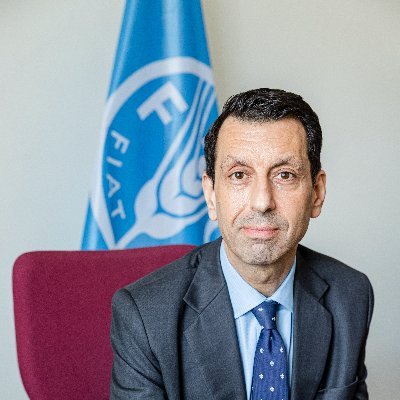
Kaveh Zahedi
“Addressing nitrous oxide emissions is essential for ensuring sustainable, inclusive and resilient agriculture that simultaneously helps countries achieve their climate and food security goals. As the Assessment clearly shows, there are ways to produce more with less, by improving the efficiency of nitrogen use in agriculture and reducing excessive nitrogen application,” said Kaveh Zahedi, Director of FAO’s Office of Climate Change, Biodiversity and Environment.
“Abating N₂O emissions could avoid up to 235 billion tonnes of CO₂-equivalent emissions by 2100,” stated David Kanter, Associate Professor of Environmental Studies, NYU and Co-Chair of the Assessment. “This is equivalent to six years’ worth of current global carbon dioxide emissions from fossil fuels.”
“A sustainable nitrogen management approach not only reduces nitrous oxide emissions but also prevents the release of other harmful nitrogen compounds,” said A.R. Ravishankara, chemist and atmospheric scientist, Colorado State University and Co-Chair of the Assessment. “This could improve air and water quality, protect ecosystems, and safeguard human health, all while maintaining food security.”
“The ozone layer is crucial for all life on Earth. For decades, parties to the Montreal Protocol have worked hard to safeguard it. This Assessment highlights the need for continued vigilance, commitment and action for the ozone layer to recover as soon as possible to its pre-1980 levels,” said Megumi Seki, Executive Secretary of the Montreal Protocol Ozone Secretariat, United Nations Environment Programme.
“This Assessment sounds the alarm on a relatively forgotten super pollutant that contributes greatly to climate change and air pollution,” said Martina Otto, Head of Secretariat of the UNEP-convened Climate and Clean Air Coalition.
“By using the abatement tools highlighted in the Assessment that are already available to us, we can yield multiple benefits across climate, clean air, and health,” she added.
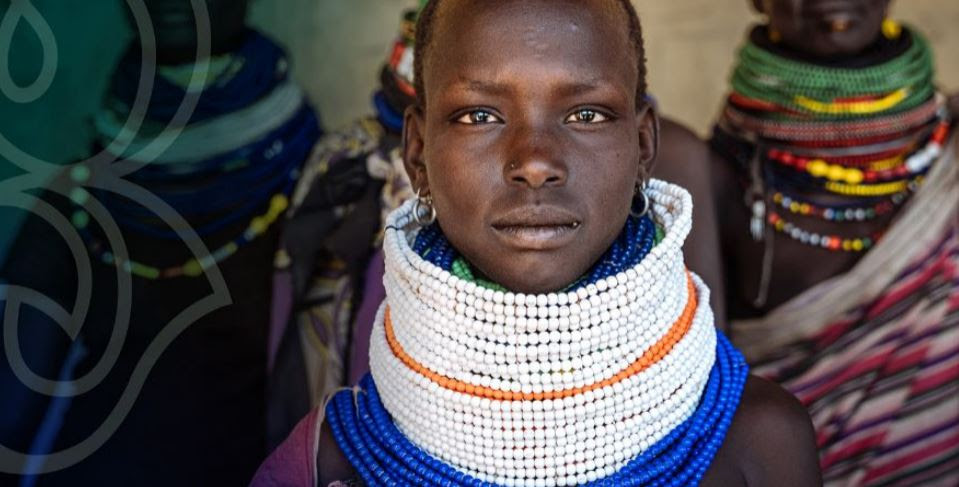
Me and my family travelled to Ethiopia this past April. People were dirt poor and happy for small handouts and our business, but they were happy. It was clear that if they could many people in Ethiopia would leave. One must be in a terrible place to want to leave one’s home and culture. Instead of focusing on refugees, the world needs to put more attention in helping people stay in their country, supports the UN. Happy, healthy people don’t want to leave home.
Hiking in Ethiopia, not far from Addis Ababa
“We must come up with better ways to help people and communities become more resilient to climate change’s impacts, to ensure that people who are especially vulnerable have the chance to adapt and thrive,” said Director General Amy Pope of the UN’s International Organization for Migration (IOM).
As world leaders gather at the 29th session of the Conference of the Parties (known as COP29) in Azerbaijan this year this organization says they need more concrete and sustainable solutions for the communities most affected by the impact of climate change to help them stay.
Climate adaptation and resilience measures are needed for people who want to remain in their home, ensuring their livelihoods can sustain and recover from the impacts of climate change: “We must come up with better ways to help people and communities become more resilient to climate change’s impacts, to ensure that people who are especially vulnerable have the chance to adapt and thrive,” she said.
Flooding in Spain and North Carolina this year makes people worry about how unprepared we are when climate events hit. Climate migration is not just a concern of the future, it is the present reality for millions globally, DG Pope noted. Last year alone, disasters caused more than 26 million internal displacements (GRID 2024, IDMC). Syria is a prime example.
In the Horn of Africa, for instance, recurrent droughts and flash floods have pushed entire communities, especially pastoralists and smallholder farmers, to relocate in search of water and grazing land. In Bangladesh, rising sea levels and frequent cyclones have led to the displacement of coastal populations, forcing families to migrate to urban areas in search of stability.
Meanwhile, parts of Central America have experienced severe droughts that have decimated agricultural livelihoods, compelling thousands to move in search of work and resources. These examples demonstrate that climate migration is a pressing issue today, affecting diverse populations across continents.
Rewilding in Ethiopia. People finding eco-tourism in Wenzi, not far from Addis Ababa
Around the world, climate change is influencing how and why people move. It prompts some to move for job opportunities as its impacts change livelihoods. In extreme cases, communities dealing with extreme impact of climate change and are no longer possible to adapt are compelled to relocate to safer areas. It is important that there are solutions in place that protect and support those who want to stay, those on the move and those needing or wanting to move.