Millions of visitors swim in the pristine waters of the Galápagos each year, but new research suggests sunscreen chemicals and other human-made pollutants are reaching even the islands' most protected marine habitats. Scientists are calling for urgent monitoring to safeguard one of Earth's most iconic ecosystems.
Artificial intelligence is opening a new chapter in Dead Sea Scrolls research. By combining machine learning with chemical analysis, scientists hope to uncover where the ancient manuscripts were produced, identify connections between scribes, and reveal hidden patterns across more than 25,000 fragments that have remained unsolved for decades.
Microplastics are showing up everywhere—from dollar store toys and synthetic clothing to bottled water, toothbrushes and even human sperm. A new Ocean Conservancy survey finds that nearly 9 in 10 Americans are concerned about the health impacts of microplastics, while support is growing for tougher regulations. As scientists uncover plastic particles in the heart, placenta and reproductive organs, the question is no longer whether microplastics are affecting our lives, but how much damage they are already doing.
Karl Studer occupies an unusual position in American business. As President of Quanta Services, he oversees electrical infrastructure operations across the United States, Canada, and Australia, managing thousands of employees and multibillion-dollar projects.
A fresh oil spill in the Tigris River, filmed by an Iraqi university student, has reignited concern over Iraq's polluted waterways. From ancient Mesopotamia to modern Basra, the country's dependence on oil has come at a steep environmental and human cost, with activists warning that unchecked contamination is putting ecosystems and public health at risk.
Millions of visitors swim in the pristine waters of the Galápagos each year, but new research suggests sunscreen chemicals and other human-made pollutants are reaching even the islands' most protected marine habitats. Scientists are calling for urgent monitoring to safeguard one of Earth's most iconic ecosystems.
Artificial intelligence is opening a new chapter in Dead Sea Scrolls research. By combining machine learning with chemical analysis, scientists hope to uncover where the ancient manuscripts were produced, identify connections between scribes, and reveal hidden patterns across more than 25,000 fragments that have remained unsolved for decades.
Microplastics are showing up everywhere—from dollar store toys and synthetic clothing to bottled water, toothbrushes and even human sperm. A new Ocean Conservancy survey finds that nearly 9 in 10 Americans are concerned about the health impacts of microplastics, while support is growing for tougher regulations. As scientists uncover plastic particles in the heart, placenta and reproductive organs, the question is no longer whether microplastics are affecting our lives, but how much damage they are already doing.
Karl Studer occupies an unusual position in American business. As President of Quanta Services, he oversees electrical infrastructure operations across the United States, Canada, and Australia, managing thousands of employees and multibillion-dollar projects.
A fresh oil spill in the Tigris River, filmed by an Iraqi university student, has reignited concern over Iraq's polluted waterways. From ancient Mesopotamia to modern Basra, the country's dependence on oil has come at a steep environmental and human cost, with activists warning that unchecked contamination is putting ecosystems and public health at risk.
Millions of visitors swim in the pristine waters of the Galápagos each year, but new research suggests sunscreen chemicals and other human-made pollutants are reaching even the islands' most protected marine habitats. Scientists are calling for urgent monitoring to safeguard one of Earth's most iconic ecosystems.
Artificial intelligence is opening a new chapter in Dead Sea Scrolls research. By combining machine learning with chemical analysis, scientists hope to uncover where the ancient manuscripts were produced, identify connections between scribes, and reveal hidden patterns across more than 25,000 fragments that have remained unsolved for decades.
Microplastics are showing up everywhere—from dollar store toys and synthetic clothing to bottled water, toothbrushes and even human sperm. A new Ocean Conservancy survey finds that nearly 9 in 10 Americans are concerned about the health impacts of microplastics, while support is growing for tougher regulations. As scientists uncover plastic particles in the heart, placenta and reproductive organs, the question is no longer whether microplastics are affecting our lives, but how much damage they are already doing.
Karl Studer occupies an unusual position in American business. As President of Quanta Services, he oversees electrical infrastructure operations across the United States, Canada, and Australia, managing thousands of employees and multibillion-dollar projects.
A fresh oil spill in the Tigris River, filmed by an Iraqi university student, has reignited concern over Iraq's polluted waterways. From ancient Mesopotamia to modern Basra, the country's dependence on oil has come at a steep environmental and human cost, with activists warning that unchecked contamination is putting ecosystems and public health at risk.
Millions of visitors swim in the pristine waters of the Galápagos each year, but new research suggests sunscreen chemicals and other human-made pollutants are reaching even the islands' most protected marine habitats. Scientists are calling for urgent monitoring to safeguard one of Earth's most iconic ecosystems.
Artificial intelligence is opening a new chapter in Dead Sea Scrolls research. By combining machine learning with chemical analysis, scientists hope to uncover where the ancient manuscripts were produced, identify connections between scribes, and reveal hidden patterns across more than 25,000 fragments that have remained unsolved for decades.
Microplastics are showing up everywhere—from dollar store toys and synthetic clothing to bottled water, toothbrushes and even human sperm. A new Ocean Conservancy survey finds that nearly 9 in 10 Americans are concerned about the health impacts of microplastics, while support is growing for tougher regulations. As scientists uncover plastic particles in the heart, placenta and reproductive organs, the question is no longer whether microplastics are affecting our lives, but how much damage they are already doing.
Karl Studer occupies an unusual position in American business. As President of Quanta Services, he oversees electrical infrastructure operations across the United States, Canada, and Australia, managing thousands of employees and multibillion-dollar projects.
A fresh oil spill in the Tigris River, filmed by an Iraqi university student, has reignited concern over Iraq's polluted waterways. From ancient Mesopotamia to modern Basra, the country's dependence on oil has come at a steep environmental and human cost, with activists warning that unchecked contamination is putting ecosystems and public health at risk.
Millions of visitors swim in the pristine waters of the Galápagos each year, but new research suggests sunscreen chemicals and other human-made pollutants are reaching even the islands' most protected marine habitats. Scientists are calling for urgent monitoring to safeguard one of Earth's most iconic ecosystems.
Artificial intelligence is opening a new chapter in Dead Sea Scrolls research. By combining machine learning with chemical analysis, scientists hope to uncover where the ancient manuscripts were produced, identify connections between scribes, and reveal hidden patterns across more than 25,000 fragments that have remained unsolved for decades.
Microplastics are showing up everywhere—from dollar store toys and synthetic clothing to bottled water, toothbrushes and even human sperm. A new Ocean Conservancy survey finds that nearly 9 in 10 Americans are concerned about the health impacts of microplastics, while support is growing for tougher regulations. As scientists uncover plastic particles in the heart, placenta and reproductive organs, the question is no longer whether microplastics are affecting our lives, but how much damage they are already doing.
Karl Studer occupies an unusual position in American business. As President of Quanta Services, he oversees electrical infrastructure operations across the United States, Canada, and Australia, managing thousands of employees and multibillion-dollar projects.
A fresh oil spill in the Tigris River, filmed by an Iraqi university student, has reignited concern over Iraq's polluted waterways. From ancient Mesopotamia to modern Basra, the country's dependence on oil has come at a steep environmental and human cost, with activists warning that unchecked contamination is putting ecosystems and public health at risk.
Millions of visitors swim in the pristine waters of the Galápagos each year, but new research suggests sunscreen chemicals and other human-made pollutants are reaching even the islands' most protected marine habitats. Scientists are calling for urgent monitoring to safeguard one of Earth's most iconic ecosystems.
Artificial intelligence is opening a new chapter in Dead Sea Scrolls research. By combining machine learning with chemical analysis, scientists hope to uncover where the ancient manuscripts were produced, identify connections between scribes, and reveal hidden patterns across more than 25,000 fragments that have remained unsolved for decades.
Microplastics are showing up everywhere—from dollar store toys and synthetic clothing to bottled water, toothbrushes and even human sperm. A new Ocean Conservancy survey finds that nearly 9 in 10 Americans are concerned about the health impacts of microplastics, while support is growing for tougher regulations. As scientists uncover plastic particles in the heart, placenta and reproductive organs, the question is no longer whether microplastics are affecting our lives, but how much damage they are already doing.
Karl Studer occupies an unusual position in American business. As President of Quanta Services, he oversees electrical infrastructure operations across the United States, Canada, and Australia, managing thousands of employees and multibillion-dollar projects.
A fresh oil spill in the Tigris River, filmed by an Iraqi university student, has reignited concern over Iraq's polluted waterways. From ancient Mesopotamia to modern Basra, the country's dependence on oil has come at a steep environmental and human cost, with activists warning that unchecked contamination is putting ecosystems and public health at risk.
Millions of visitors swim in the pristine waters of the Galápagos each year, but new research suggests sunscreen chemicals and other human-made pollutants are reaching even the islands' most protected marine habitats. Scientists are calling for urgent monitoring to safeguard one of Earth's most iconic ecosystems.
Artificial intelligence is opening a new chapter in Dead Sea Scrolls research. By combining machine learning with chemical analysis, scientists hope to uncover where the ancient manuscripts were produced, identify connections between scribes, and reveal hidden patterns across more than 25,000 fragments that have remained unsolved for decades.
Microplastics are showing up everywhere—from dollar store toys and synthetic clothing to bottled water, toothbrushes and even human sperm. A new Ocean Conservancy survey finds that nearly 9 in 10 Americans are concerned about the health impacts of microplastics, while support is growing for tougher regulations. As scientists uncover plastic particles in the heart, placenta and reproductive organs, the question is no longer whether microplastics are affecting our lives, but how much damage they are already doing.
Karl Studer occupies an unusual position in American business. As President of Quanta Services, he oversees electrical infrastructure operations across the United States, Canada, and Australia, managing thousands of employees and multibillion-dollar projects.
A fresh oil spill in the Tigris River, filmed by an Iraqi university student, has reignited concern over Iraq's polluted waterways. From ancient Mesopotamia to modern Basra, the country's dependence on oil has come at a steep environmental and human cost, with activists warning that unchecked contamination is putting ecosystems and public health at risk.
Millions of visitors swim in the pristine waters of the Galápagos each year, but new research suggests sunscreen chemicals and other human-made pollutants are reaching even the islands' most protected marine habitats. Scientists are calling for urgent monitoring to safeguard one of Earth's most iconic ecosystems.
Artificial intelligence is opening a new chapter in Dead Sea Scrolls research. By combining machine learning with chemical analysis, scientists hope to uncover where the ancient manuscripts were produced, identify connections between scribes, and reveal hidden patterns across more than 25,000 fragments that have remained unsolved for decades.
Microplastics are showing up everywhere—from dollar store toys and synthetic clothing to bottled water, toothbrushes and even human sperm. A new Ocean Conservancy survey finds that nearly 9 in 10 Americans are concerned about the health impacts of microplastics, while support is growing for tougher regulations. As scientists uncover plastic particles in the heart, placenta and reproductive organs, the question is no longer whether microplastics are affecting our lives, but how much damage they are already doing.
Karl Studer occupies an unusual position in American business. As President of Quanta Services, he oversees electrical infrastructure operations across the United States, Canada, and Australia, managing thousands of employees and multibillion-dollar projects.
A fresh oil spill in the Tigris River, filmed by an Iraqi university student, has reignited concern over Iraq's polluted waterways. From ancient Mesopotamia to modern Basra, the country's dependence on oil has come at a steep environmental and human cost, with activists warning that unchecked contamination is putting ecosystems and public health at risk.
Aircraft behemoth Boeing estimates at least 90,000 commercial planes fly daily: a massive fuel burn that translates into elephantine emissions of toxic air. There is opportunity for change in the Middle East.
If you are not already afraid of the giant plume of methane gas now emitting greenhouses gases into the atmosphere, there’s another worry: air emissions. Airplane emissions are plunked into two broad source categories: stationary (think factories) or mobile: planes, ships, heavy construction equipment. Environmental agencies have a hard enough battle regulating fixed assets within defined geopolitical limits, never mind chasing these moving polluters around the globe. Did you know that aviation has been exempt from all international controls on greenhouse gas (GHG) emissions?
The Upper Tigris River in Iraq could get a new lease on life as an Iraqi conservation group receives support to study its numerous environmental threats.
Western governments are much more interested in Iraq’s post-conflict “democracy building” than environmental issues, according to the folks over at Nature Iraq, who are well known for their combat zone conservation work. The small conservation outfit attempted to keep an eye on the country’s degraded waterways but had to give up once they ran out of financial resources in 2009.
Their main concern is to monitor the Lesser Zab River, which rises in Iran and eventually runs into the Tigris River. This historically important waterway is threatened by fuel spills from smuggling activities, water diversion and irrigation projects, dam construction, gravel mining operations; and municipal sewage and solid waste impacts among other issues, but Nature Iraq has felt powerless to do anything about it. Until now.
After gaining official acceptance to the International Waterkeeper Alliance this year, Iraq’s Waterkeeper Nabil Musa set out to familiarize himself with rivers under his jurisdiction and to conduct a number of clean-up, outreach and educational projects. Even more importantly, the Waterkeeper received a grant from the UK-based Rufford Small Grants Foundation to conduct a threat assessment of the Lesser Zab River in Kurdistan, Northern Iraq and develop action plans for addressing the river’s unique threats.
One day, giant algae biofuel farms like this prototype may help solve world fuel and food needs
Interest in creating biofuels from algae is increasing. We’ve covered Isaac Berzin from GreenFuel who rejuvenated NASA’s original idea; then there is Iran creating biofuel from algae (they didn’t answer our emails though); and Seambotic an Israel company launching a commercial algae farm in the USA to grow algae for use in both biofuel and food products.
There are other players in our global village: California based OriginOil, an innovator in algae based biofuel technology is forming a joint venture, Future Energy Solutions Unlimited Inc (FES), with the Energime Group of Companies to test and eventually produce algae based biofuels for strategic fuel centers throughout the world. This biofuel is targeted to be used for satisfying a “mission-critical need of US military and NATO for strategic fuels independence.”
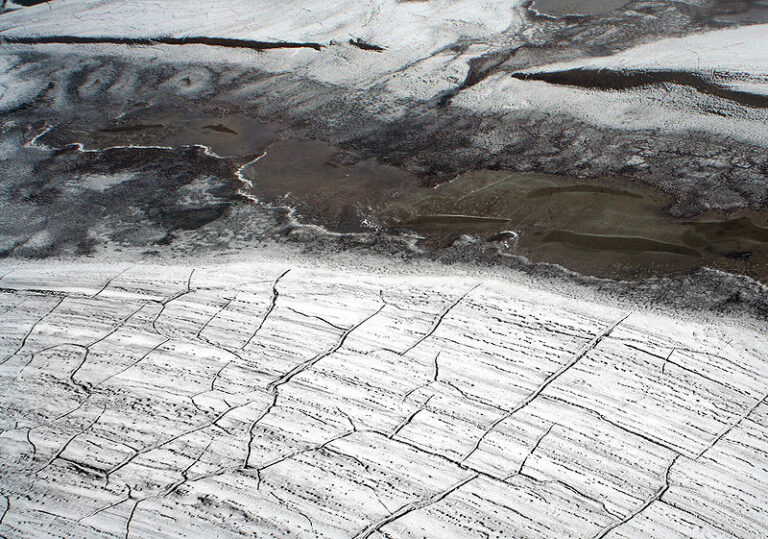
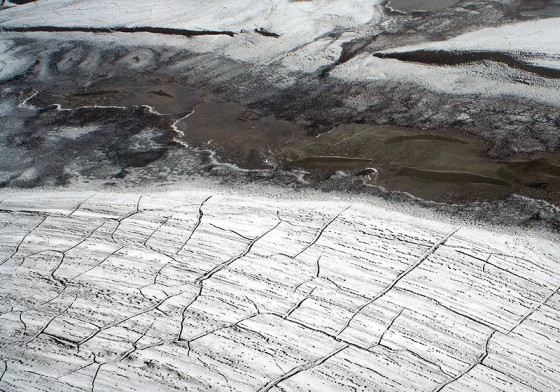
Recent discoveries have confirmed scientists’ longstanding fears that global warming would catalyze the release of millions of tons of potential greenhouse gas emissions locked up in ice and permafrost in the great white north.
Layer after layer of plant debris that has not yet decomposed lies trapped in arctic and subarctic permafrost. As global temperatures rise and this perennial ice begins to melt, previously frozen organic matter will thaw out and decompose, releasing huge quantities of greenhouse gases into our already saturated atmosphere.
This may not seem like such an earth-shattering phenomenon, but scientists are deeply troubled since there’s a strong chance that methane (CH4) will be released – as it does in anaerobic wetland conditions – which does not bode well for planetary warming since it is 21 times more effective at trapping heat than carbon dioxide (CO2).
But even though the discovery will likely increase Israel’s GDP by more than 2 percent, and help it produce energy domestically, a recent report by the Milken Institute says there may be some serious negative consequences as well. Presented at the Globes Israel Business Conference, which took place on December 11 to 12 in Tel Aviv, the report recommends that Israel create a “sovereign investment fund,” a government-owned gas company stock portfolio that could be invested in international markets.
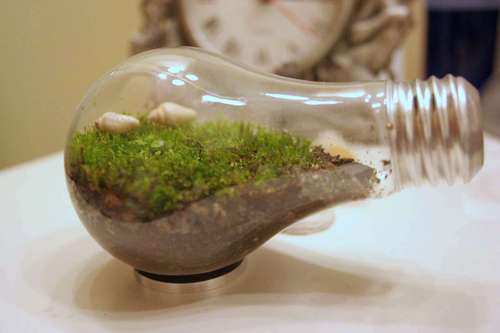
As shown in the photo above, a light bulb terrarium is literally a green way to reuse an old incandescent bulb. These small terrariums are a bright gift idea and are perfect for decorating a desk, shelf, or window sill. Check out instructions on how to pull this off at Instructables.
2. Light Bulb Christmas Ornaments
Ho ho ho and and an old halogen light bulb (or other form of incandescent bulb). With the Christmas season upon us, some upcyclers may be looking for ways to make Christmas ornaments. Light bulbs are easily personalized and decorated with yuletide cheer. Get some inspiration at Instructables.
3. Converting Light Bulbs into Chemical Glassware
A more scientific project would be to convert your old light bulbs into chemical glassware. This idea is not new (it was published in Popular Science in 1933, as seen above), but it’s still relevant. Check out the full instructions at Modern Mechanix.
4. Light Bulb Hanging Vase
Small, clear, and vase-shaped already, old incandescent light bulbs are easily transformed into miniature vases. You could either build a stand for the bulb, or have it hang with thread or wire. Place a flower plucked from your garden in the bulb vase, or alternatively you could use it to keep your basil fresh. Easy instructions can be found at Instructables.
5. Light Bulb Oil Lamp
Brooklyn-based designer Sergio Silva sells similar light bulb oil lamps for a hefty sum, but you can make your own with fairly basic equipment. Make a single oil lamp or a set of nine as an alternative and upcycled Hannukah menorah. Learn how at Instructables.
Note: Before attempting any of these projects, make sure that you have safely hollowed out the wiring from the light bulb.
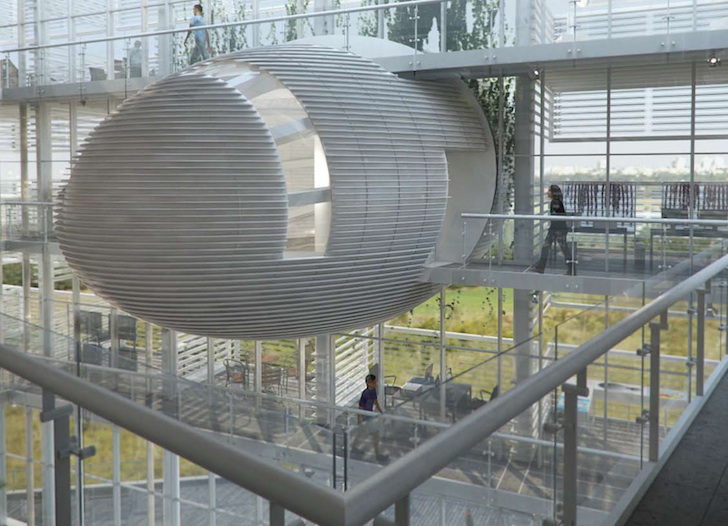
We’re so thrilled to announce that Geotectura has finally broken ground on Israel’s very first LEED Platinum Building.
We’ve been waiting for this happy moment since November 2008 when Geotectura together with Axelrod-Grobman Architects and Chen Architects first won a prestigious international competition to design TAU’s Porter School of Environmental Studies. After years of information gathering and preparation, the firm is finally breaking ground on what they hope will be Israel’s very first LEED Platinum certified building.
Although there are few precedents in Israel’s architectural history, the designers and PSES have approached this project with an uncompromising commitment to reducing its environmental impact. From brownfield rehabilitation to the most advanced energy and water saving techniques, the PSES EcoBuilding’s groundbreaking design is bound to inspire a whole new era of sustainable development.
GE Energy demonstrates its Jenbacher gas engine at the Gas Arabia Summit 2011 in Oman today.
The extent of the global problem of gas flaring can be seen in this satellite photo of North America, that is quite bewildering at first sight. On the right we see the twin cities of Minneapolis and St Paul Minnesota, but the much larger spread-out bright light on the left is out in the middle of nowhere, in the almost unpopulated states northwest of Minnesota. What on earth is that light there? Has some new city sprung up in those deserted lands, unknown to the rest of us?
Often thought of as too expensive or sophisticated for the average driver, plug-in electric vehicles will soon be available even to the occasional driver. Israel’s largest car rental company, Eldan, signed an agreement with Better Place electric vehicle company on December 5, making hundreds of Renault Fluence Z.E. electric cars available to the general public by 2012 through Eldan’s standard rental program. The decision, which makes Eldan the first car rental company to offer EVs as an option, may push the electric vehicle (EV) farther into the Israeli mainstream.
The wonderful thing about living in the Middle East is that we have so many holidays each year. But we like to celebrate the earth-friendly way, so check out our suggestions for good places to buy sustainable gifts.
We know most of our readers are unlikely to buy into the mad consumer rush that Christmas has become and our Christmas wish list is also quite simple, but giving away thoughtful, socially-conscious gifts that tell the people in your life how special they are definitely makes the season warmer. We have compiled a list of 6 stores throughout the Middle East that offer everything from natural beauty products and local crafts to the most beautiful recycled glass art – all of which are reasonably-priced and both earth and people friendly. If you’re looking for gifts that you can be proud of, come on in to see what our region’s talented artisans have to offer.
No sewing experience or fancy equipment necessary! For this easy 4-step project you will need: an old t-shirt or tank top, scissors, needle and thread, and old socks.
California-based startup company Blueseed has plans to either build or retrofit a ship that will provide accommodation and office space for talented foreign innovators who don’t meet America’s stringent working visa regulations. Since the September 11 attacks on the World Trade Center in New York City, even the brightest would-be entrepreneurs have met serious legislative barriers to getting their companies off the ground in Silicon Valley.
Blueseed’s CEO Max Marty and his team aims to change all that by giving 1,000 of the best entrepreneurs a chance to develop their ideas “in an ecosystem designed for their success” in the contiguous zone just 12 nautical miles from San Francisco. Although still in the planning stage, Paypal’s founder Peter Thiel has already entered the 500K USD “seed funding” round of the project, which will also showcase cutting edge waste management and energy generating technologies.
Doomsday and after-apocalypse movies have been around for some time. A post-nuclear holocaust Television movie entitled The Day After came out in 1983 and was later followed by a film on global warming and then on ozone depletion. How to survive events such as these was depicted in the 1993 movie The Fire Next Time.
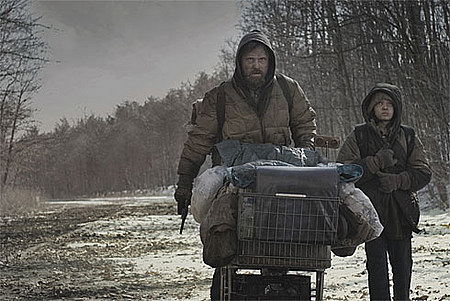
I don’t want to frighten all of you, but the idea of how to survive catastrophe, as graphically portrayed in yet another post apocalyptic movie, The Road brings home the reality of what people might do (to themselves and to others) in order to survive.
Survival is only for the fittest
Many of us now live in modern urban environments and are totally dependent on supermarkets for food, cars and other motorized vehicles for transportation, and electricity and gas to cook and preserve our food, light our homes, and keep warm in winter or cool in summer.
Computers, cell phones, and other electronic devices are needed just to communicate with one another. Even going to a doctor is dependent on modern clinics and medicines manufactured by large pharmaceutical companies.
In a post-apocalyptic world, none of these modern conveniences would be available; and only people who know the basic skills needed for survival would be able to carry on.
Lighting a fire using flint and steel sets, the sun’s rays via a magnifying glass, or by the ancient method of a bow-like device making friction on a piece of wood would be very handy in a situation where no matches or other fire starters are available.
As for finding food for self preservation, possessing some kind of firearm or even a bow and arrow set could mean the difference between life and death.
Unfortunately, outside of countries like the USA, Australia, and a few others, few families possess any kind of firearm due to strict anti-gun laws in the countries they live in. This is especially true in the Middle East – including Israel.
Gardening is good for surviving anything, even Covid.
Some basic preparations, aside from those mentioned above, include having a small garden at home, even if only on a balcony.
It’s a good idea to store enough basic food and water to last for at least a couple of months.
Bottled water, canned and dried food, and herbs are good things to keep in your pantry, and enough first aid and other basic medical supplies and medicines are also necessary.
And for those who need certain prescription medicines, try to get extra amounts over normal prescriptions.
This is not an easy subject to write about; but then again, we do not live in an easy world. In fact it’s getting more difficult all the time and it behooves us to face this unpleasant reality.
At the ongoing Eye on Earth summit in Abu Dhabi, there has been a lot of talk about sharing environmental data. But we question whether knowledge is enough.
As early as 1930, a British engineer named Guy Calendar warned that increased carbon emissions as a result of industrialization was beginning to raise the global surface temperature of the earth. The following year, a man named E.O. Hulbert wrote in the Physical Review that if atmosphere CO2 concentrations doubled or tripled, then the earth’s surface temperature would increase by 4 and 7 degrees Celsius.
Now — nearly a century later — climate change is well underway. This is what a handful of high profile luminaries are currently addressing at the Eye on Earth Summit in Abu Dhabi, and The National reports a focus on knowledge. Sharing environmental data, experts say, will bring us closer to mitigating climate change. Will it?

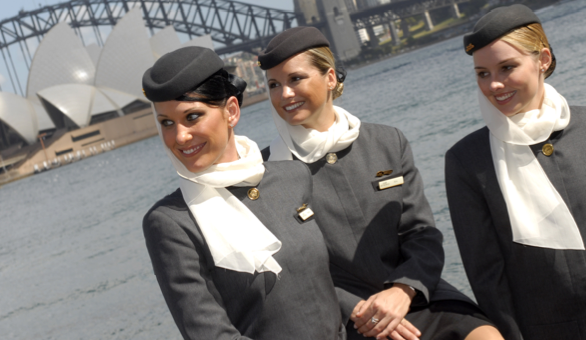
 Aircraft behemoth Boeing estimates at least 90,000 commercial planes fly daily: a massive fuel burn that translates into elephantine emissions of toxic air. There is opportunity for change in the Middle East.










 Rent an electric car when you travel to Israel.