In a post-apocalyptic world, you must be prepared to face everything!
Are you prepared for what could happen in the event of a total economic collapse or natural calamity, a terrible war, or serious civil descent into anarchy generated by a prolonged food crisis as already occurring in a number of Middle Eastern countries such as Syria, Afghanistan and even in Egypt?
These subjects are not very pleasant to think about. But in today’s uncertain environment exacerbated by the effects of climate change and global warming, even former “bread basket” agricultural countries like Egypt may soon be in dire straits due to a serious lack of food, clean water, and other basic necessities.
The unthinkable becomes reality
Doomsday and after-apocalypse movies have been around for some time. A post-nuclear holocaust Television movie entitled The Day After came out in 1983 and was later followed by a film on global warming and then on ozone depletion. How to survive events such as these was depicted in the 1993 movie The Fire Next Time.
I don’t want to frighten all of you, but the idea of how to survive catastrophe, as graphically portrayed in yet another post apocalyptic movie, The Road brings home the reality of what people might do (to themselves and to others) in order to survive.
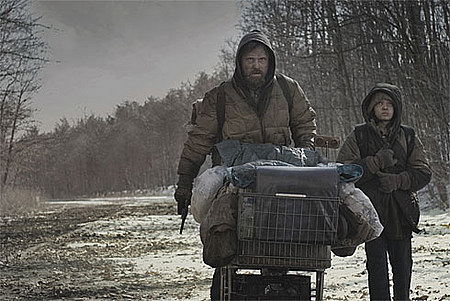
Survival is only for the fittest
Many of us now live in modern urban environments and are totally dependent on supermarkets for food, cars and other motorized vehicles for transportation, and electricity and gas to cook and preserve our food, light our homes, and keep warm in winter or cool in summer.
Computers, cell phones, and other electronic devices are needed just to communicate with one another. Even going to a doctor is dependent on modern clinics and medicines manufactured by large pharmaceutical companies.
In a post-apocalyptic world, none of these modern conveniences would be available; and only people who know the basic skills needed for survival would be able to carry on.
These basic skills include rudimentary medical care, including performing some types of surgery, resuscitation, and making home remedies from available plants and other materials.
Lighting a fire using flint and steel sets, the sun’s rays via a magnifying glass, or by the ancient method of a bow-like device making friction on a piece of wood would be very handy in a situation where no matches or other fire starters are available.
As for finding food for self preservation, possessing some kind of firearm or even a bow and arrow set could mean the difference between life and death.
Unfortunately, outside of countries like the USA, Australia, and a few others, few families possess any kind of firearm due to strict anti-gun laws in the countries they live in. This is especially true in the Middle East – including Israel.

Some basic preparations, aside from those mentioned above, include having a small garden at home, even if only on a balcony.
It’s a good idea to store enough basic food and water to last for at least a couple of months.
Bottled water, canned and dried food, and herbs are good things to keep in your pantry, and enough first aid and other basic medical supplies and medicines are also necessary.
And for those who need certain prescription medicines, try to get extra amounts over normal prescriptions.
This is not an easy subject to write about; but then again, we do not live in an easy world. In fact it’s getting more difficult all the time and it behooves us to face this unpleasant reality.
Read more to prepare you for the worst:
Iran Sanctions Bolster Nuclear Ambitions, Pollute Environment
Food Geo-Politics Hits Middle Eastern Streets
End Hunger: Food and Vertical Farming in the Middle East
5 Supermarket Vegetables You can “Upcycle” and Grow at Home





 Dr. Jane Goodall, Bill Clinton and Philippe Cousteau are all speaking in Abu Dhabi this week as part of the “Eye on Earth” Summit.