PEOPLE Festival returns to Berlin’s Funkhaus this October, bringing 180 musicians together for a week of collaboration, improvisation and more than 200 one-off performances.
Teletherapy can make mental health care easier to access by reducing travel, scheduling and location barriers. Here are six ways virtual therapy can help people connect with professional support more easily.
A coworking space within walking distance can cut commuting time and give you a reliable place to work, but distance alone does not make it useful. Test the internet, noise, privacy, desk setup, environmental claims and real cost before committing to a membership.
PEOPLE Festival returns to Berlin’s Funkhaus this October, bringing 180 musicians together for a week of collaboration, improvisation and more than 200 one-off performances.
Teletherapy can make mental health care easier to access by reducing travel, scheduling and location barriers. Here are six ways virtual therapy can help people connect with professional support more easily.
A coworking space within walking distance can cut commuting time and give you a reliable place to work, but distance alone does not make it useful. Test the internet, noise, privacy, desk setup, environmental claims and real cost before committing to a membership.
PEOPLE Festival returns to Berlin’s Funkhaus this October, bringing 180 musicians together for a week of collaboration, improvisation and more than 200 one-off performances.
Teletherapy can make mental health care easier to access by reducing travel, scheduling and location barriers. Here are six ways virtual therapy can help people connect with professional support more easily.
A coworking space within walking distance can cut commuting time and give you a reliable place to work, but distance alone does not make it useful. Test the internet, noise, privacy, desk setup, environmental claims and real cost before committing to a membership.
PEOPLE Festival returns to Berlin’s Funkhaus this October, bringing 180 musicians together for a week of collaboration, improvisation and more than 200 one-off performances.
Teletherapy can make mental health care easier to access by reducing travel, scheduling and location barriers. Here are six ways virtual therapy can help people connect with professional support more easily.
A coworking space within walking distance can cut commuting time and give you a reliable place to work, but distance alone does not make it useful. Test the internet, noise, privacy, desk setup, environmental claims and real cost before committing to a membership.
PEOPLE Festival returns to Berlin’s Funkhaus this October, bringing 180 musicians together for a week of collaboration, improvisation and more than 200 one-off performances.
Teletherapy can make mental health care easier to access by reducing travel, scheduling and location barriers. Here are six ways virtual therapy can help people connect with professional support more easily.
A coworking space within walking distance can cut commuting time and give you a reliable place to work, but distance alone does not make it useful. Test the internet, noise, privacy, desk setup, environmental claims and real cost before committing to a membership.
PEOPLE Festival returns to Berlin’s Funkhaus this October, bringing 180 musicians together for a week of collaboration, improvisation and more than 200 one-off performances.
Teletherapy can make mental health care easier to access by reducing travel, scheduling and location barriers. Here are six ways virtual therapy can help people connect with professional support more easily.
A coworking space within walking distance can cut commuting time and give you a reliable place to work, but distance alone does not make it useful. Test the internet, noise, privacy, desk setup, environmental claims and real cost before committing to a membership.
PEOPLE Festival returns to Berlin’s Funkhaus this October, bringing 180 musicians together for a week of collaboration, improvisation and more than 200 one-off performances.
Teletherapy can make mental health care easier to access by reducing travel, scheduling and location barriers. Here are six ways virtual therapy can help people connect with professional support more easily.
A coworking space within walking distance can cut commuting time and give you a reliable place to work, but distance alone does not make it useful. Test the internet, noise, privacy, desk setup, environmental claims and real cost before committing to a membership.
PEOPLE Festival returns to Berlin’s Funkhaus this October, bringing 180 musicians together for a week of collaboration, improvisation and more than 200 one-off performances.
Teletherapy can make mental health care easier to access by reducing travel, scheduling and location barriers. Here are six ways virtual therapy can help people connect with professional support more easily.
A coworking space within walking distance can cut commuting time and give you a reliable place to work, but distance alone does not make it useful. Test the internet, noise, privacy, desk setup, environmental claims and real cost before committing to a membership.
The 6th electro, automation & energy event in Algiers is happening May 5 to 8.
Interested in knowing more about renewable energy opportunities in North Africa and the Arab world? Then head to Algeria this May to meet a high profile group of decision makers and companies targeting the growing Algerian energy sector. In step with the Algerian Government’s “Renewable Energy and Energy Efficiency Program” penned in March 2011, meet the Algerian Ministry of Energy and Mines along with market leaders and suppliers from 10 countries already confirmed.
Some notable new investments made in the MENA region include a new solar thermal power plant in Saudi Arabia.
The revolutions that have been taking place in the Arab world since December 2010 have had a significant impact on the economy, not only in the countries involved, but also the rest of the World. How is the Arab Spring, which has caused massive financial losses on one side, also able to influence growth and development of renewable and green sources of energy?
There is no doubt that the Arab Spring has had a significant influence on oil prices. Mohammed Al Hamli, the United Arab Emirates’ oil minister, recently said that a reasonable price for oil would be around $80 to $100 a barrel. This is a significant increase from $50 a barrel, which is what OPEC oil ministers defined as a reasonable price just five years ago.
The International Monetary Fund (IMF) stated in their latest bi-annual “Regional Economic Outlook: Middle East and Central Asia”-report that breakeven oil price for the UAE has risen from $60 in 2008 to $80 a barrel.
Geopolicity published “The Cost of the Arab Spring” back in October 2011, the same month as the war in Libya ended, and concluded that “Oil exporters were winners and oil importers were losers.” – with the exception of Libya, where revenues had dropped by 84 percent.
“More than 740,000 people have fled the country since the start of the conflict, and the severe disruption in the hydrocarbon sector has devastated the economy.”
According to the same report, Egypt, Syria and Libya paid the highest financial price as a result of the Arab Spring.
On the other hand, big oil-exporting countries such as Saudi Arabia, United Arab Emirates Kuwait that have avoided the worst uprisings, and some of which have only have had minor protests, have seen great increases in revenue since the Arab Spring started. In fact, public revenues are up as much as 31% in UAE.
Renewable energy has become more attractive
Net importers of energy face great economical challenges caused by the high and unstable oil prices. In countries such as Egypt, where fuel subsidies are rooted in the financial structure of the country’s budget, the high oil prices encourages the development of renewable energy power.
Rising fuel costs and increasing demand in solar power reduces the need of governmental incentives to support the growth of renewable energy. According to Emirates Solar Industry Association (ESIA), photovoltaics have reached a level of cost-competitiveness on par with conventional electricity generation based on fossil fuels.
Has the Arab Spring lead to renewable growth so far?
Investments are happening that possibly wouldn’t have taken place if it weren’t for the Arab Spring and high oil prices. Major projects have been announced during the last six months.
Same month, Abu Dhabi’s Enviromena Power Systems and American owned Petra Solar announced an alliance, stating that they would work together to develop integrated solar power and smart grid projects in the Middle East North Africa region.
And lastly, just a few days ago, Germany’s Centrotherm Photovoltaics announced that they are building a a new polysilicon plant in Saudi Arabia.
Stability is still a problem in the post Arab Spring world, especially in the countries that have had the greatest losses. Investor confidence has to be rebuilt. With new governments in place in Tripoli, Tunis and Cairo, all located in countries where sun and space is abundant, new investors from abroad are likely starting to get involved. High oil prices combined with the European power demand to meet green quotas, makes further development of the renewable resources inevitable.
Ban Ki-Moon, the UN Secretary General, stated the following earlier this year at the World Future Energy Summit in Abu Dhabi:
“Investing in the green economy is not simply a luxury of the developed countries. It represents opportunity for job creation and economic growth in developing countries.”
Renewable energy will bring many new jobs to the table, spur economic growth and make industries and countries less vulnerable against volatile energy prices. The transition to democracy seems to be an intrinsic part of fighting global warming.
Mathias Aarre Mæhlum is doing a masters degree in energy and environmental engineering at NTNU in Norway. In his spare time he runs EnergyInformative where he writes about green energy and increasing energy efficiency.
I speak to historian Relli Shechter about smoking in Egypt, consumerism and why the Middle East still has a long way to go before it embraces sustainability
When we think of consumerism and the consumer society, the Middle East is not the first thing to come to mind. Wall St, Las Vegas, London, China – maybe. The Middle East? Not so much. Even so, over the last half a century the region has been transformed into a consumer society. It may not be at the scale witnessed in the Western world but nonetheless it has happened. Relli Shechter, a lecturer from Ben-Gurion University, has been studying this transition to consumerism in countries such as Egypt and Saudi Arabia for some time now. I caught up with him to talk about the influence of the oil boom of the 70s and 80s and whether the Arab world is ready to explore a more sustainable path.
Camel milk joins the herd of new ingredients in milkshakes, cheese and ice cream. Laurie tells you where you can find camel milk products.
Exotic camel milk is climbing to the top the menu in coffeehouse classics like cappuccino, latte, and the improbably named Americano (can someone tell me what’s so “stateside” about java with whole milk?). For centuries, milk from the one-humped Arabian camel has been a Bedouin staple, but this is the first time it’s being produced on a large commercial dairy scale, and marketed for secondary use in baked goods and fine chocolates.
Dubai coffee shop Cafe2Go was the first to introduce the cow-alternative, inviting customers to sip specialty camel-milk coffee drinks such as their custom Camel-ccino.
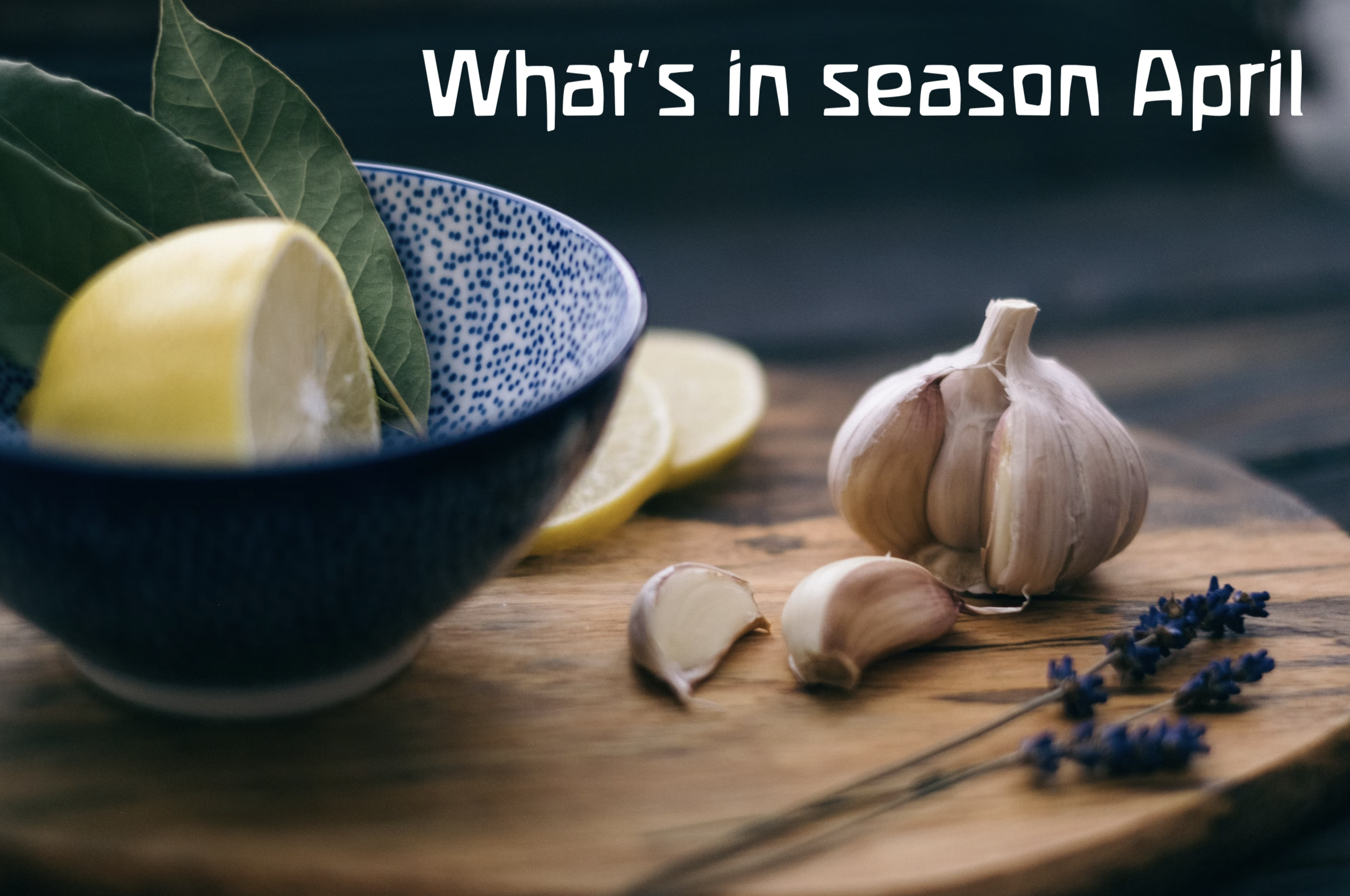
If you love the odorous bulb – and don’t mind your house smelling like a salami for a few days – now is the time to head out to the shuk and snatch up braided ropes of fresh garlic. Or braid your own, or simply hang it up to dry in a shady, dry place. It will keep for at least 9 months.
Prices are about the lowest they’re going to go, so hurry to buy now, because garlic season will soon be over. And with a stash of dried local garlic, you can afford to ignore the bleached Chinese garlic in the supermarkets.
What fruits are in season?
Fruit: Avocados are still going strong. Strawberries are wonderful now, with prices going down. Now really is the time to make strawberry ice cream and jam (recipe for strawberry jam below).
Cantaloupes, honeydews and watermelons are all excellent, just in time for hotter weather that approaches. Fresh green almonds in their fuzzy pods are now sold in the shuk. Crack their shells open and scoop out the milky, gel-like kernel. It’s a taste like no other, and doesn’t last long because the kernels begin hardening within a few days of harvest.
Loquats are still falling off trees in neighborhood gardens, as are oranges, clementines, grapefruit and pomelos. For those who don’t have those trees, look for the fruit in markets. Small, squat peaches just appeared, but prime peach (and apricot) season will come in the next weeks. Lemons are still abundant.
Bananas are good, with reasonable prices. There are local apples and green pears, but they seem to have come from cold storage. There are plenty of flavorless imported apples.
Vegetables in season in April
Vegetables: Cauliflower heads are full, fat, and white right now with good prices. Broccoli, however, looks sad and not worth buying unless you chance upon a new crop. Fresh, green ful (fava) beans are in, as are string beans, broad Italian beans and wax beans.
For some reason, all those fresh beans are still quite expensive, although in season and looking good. Root vegetables continue good: kohlrabi, beets, turnips, and red radishes. The exotic radishes such as daikon seem to be played out for now.
Cucumbers, zucchini, and corn are abundant and at good prices. Cabbages, both white and red, are very inexpensive right now – time to make sauerkraut before the weather goes really hot.
Artichokes are still available, but very much at the end of their season. All the nightshade vegetables are in and affordable: tomatoes, eggplants, and all the varieties of peppers. Fennel is in evidence and looking full and fat. Potatoes continue excellent, although the new-crop baby potatoes aren’t so new anymore.
Herbs in season in April
Fresh zaatar
Herbs: Are much the same as in March, with the exception of new za’atar (chop some up to top pita, as in our recipe), oregano, and savory. The herb vendors display the usual lettuces (romaine, iceberg, ruffled white and purple), Swiss chard, leeks, mushrooms, spinach, parsley, sorrel, chives, wormwood, rocket, watercress, celery, parsley and green onions. Mint is especially big and beautiful now.
Fresh mint in season for tea, salads, lemonade
Get a bunch of mint and put in cold water with a slice of lemon for a refreshing drink. You can also dry some for future teas, and put a few big sprigs in water to grow roots. Some markets carry fresh grape leaves now.
Foraging in April
Forager’s notes: Local trees are full of citrus blossoms. Gather a small handful to flavor malabi or warm, sweetened milk. Use the blossoms to bake in sweets or treats or cocktails, alcoholic or non. Plantain still hasn’t dried up. Wild oats are everywhere – pick the whole aerial part for a soothing tea, and to give to pet birds. Birds love pecking at wild oats, either fresh or dried.
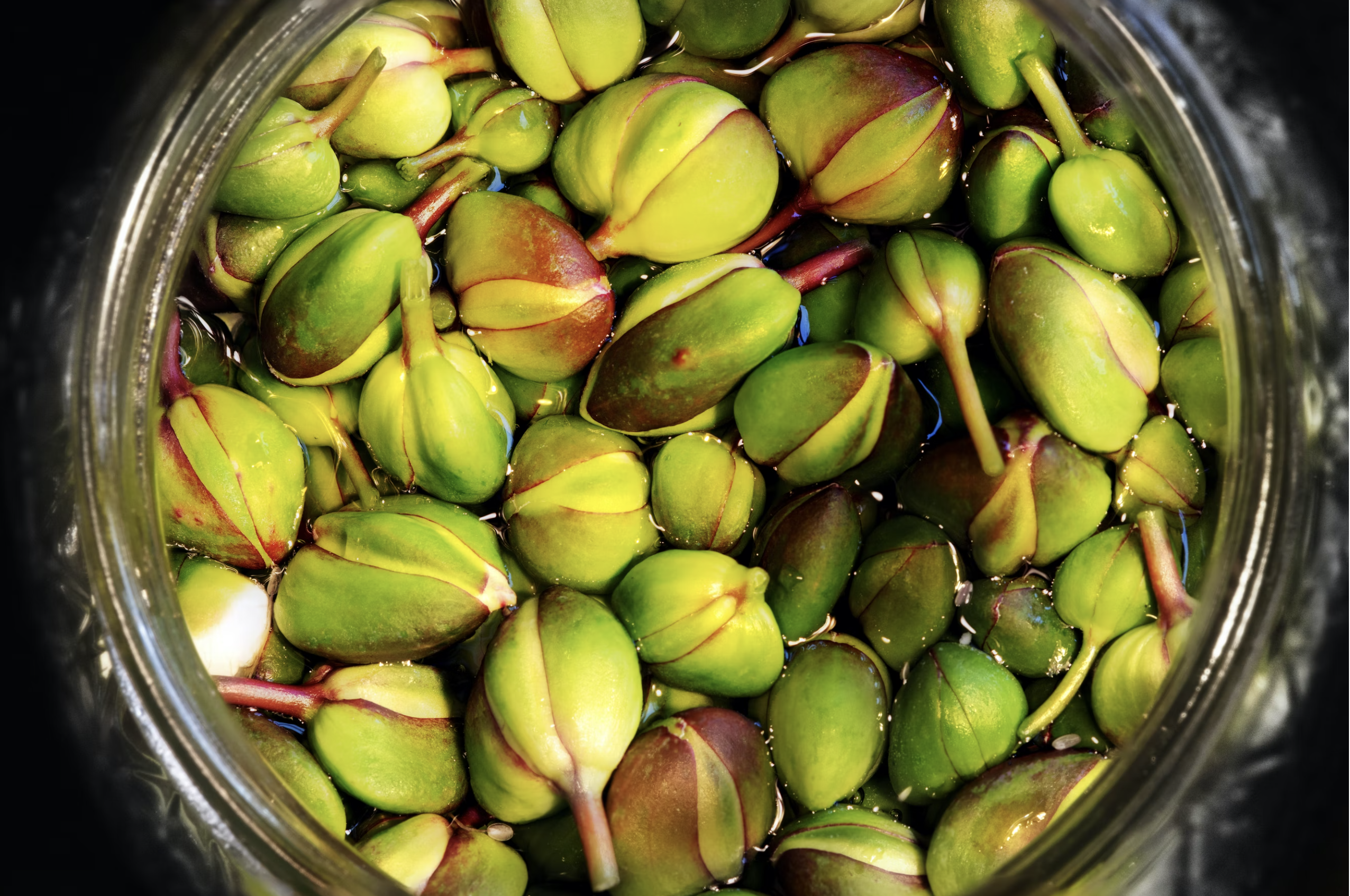
You may find wild rocket (eruca sativa) for your salad. Capers have started to bloom – brave the thorns and pick a few buds that have opened just enough to show a white stripe. Place the bud in a little bowl of water and it will open into a beautiful white and purple flower in your home.
Wild hollyhocks are in glorious bloom: snip off a few leaves and flowers to dry as a cough-remedy tea for winter. Hollyhocks also grow easily from seed, so if you see any dry brown seed capsules, take a couple and plant them in your garden or in pots.
Recipes starring Middle-Eastern produce in season in April:
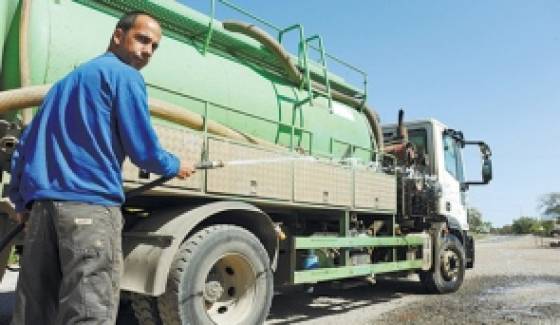
Israeli polluters can no longer dump raw sewage, lest they get caught. Drivers often dump collected waste into open areas to save on fuel and avoid paying authorized landfills. One incident occurred in 2009 in which drivers dumped the contents of 50 trucks worth of sewage food waste near the Sea of Galilee, polluting the area’s groundwater. But will the government put GPS trackers on all the country’s sewage trucks to monitor their whereabouts?
Green Prophet goes on another water trip with Friends of the Earth and guests from Sri Lanka.
“Even sewage has a national flag,” said Gidon Bromberg, co-director and co-founder of Eco-Peace/Friends of the Earth Middle East (FoEME). Israel Director of the organization for 18 years, Bromberg says he’s seen how natural resources, like water, and even human waste, have become political tools in the Middle East regional conflict. A sewage treatment plant that was built for West Jerusalem, for example, does not treat the sewage from East Jerusalem. His goal: to use these very environmental tools to instead find common goals and connection and to build peace.
Despite periodic volunteer clean up efforts, much of Israel’s beach front suffers from public littering
Lawyer Amit Bracha, director of Israel’s Union for Environmental Defense, was a recent guest on Israel’s Channel 10 morning TV show, speaking on the official opening of beach season for 2012. Bracha told the program moderators that despite greater efforts being made to clean up the beachfronts many beaches are still very dirty, with the main responsibility for this situation falling on the Israeli public. This statement by Bracha come despite continuing efforts to clean up the country’s beaches with various clean-up projects that been ongoing since at least the summer of 2008.
2012 Marks the ninth year that green globes have been awarded to Israel’s most sustainable movers and shakers, and a small Arab school northeast of Tel Aviv is among this year’s nine recipients. Located in Kafr Qasim, the Alzahraa school has not only established an ecological garden and solar station in their own school, but the headmaster Safwat Tahah told Jerusalem Post that they are particularly proud of engaging with the surrounding community to raise the specter of environmental issues.
The owner Mohammed Awaida opened the zoo shortly before Israel’s three-week offensive against Hamas militants in December, 2008. During that time, he was unable to get to the animals, many of whom succumbed to starvation and neglect. Instead of disposing of their bodies, the self-trained taxidermist went online to learn how to stuff them using formaldehyde and sawdust.
Mangled dead animals
On display are a skeletal lion with a mangy coat, a monkey missing limbs, and a porcupine with a hole in its head. And the 65 live animals, according to Dalia Nammari and Daniella Cheslow, aren’t in much better shape. Since there are no animal activists in the forsaken Gaza Strip nor an official body overseeing zoo facilities, anything goes.
Since Israel has blocked all but one entrance into Gaza to deter Hamas militants, the animals are smuggled to Gaza from Egypt through underground tunnels that have come under fire after three Palestinian men drowned in a wastewater flood. But they are not properly cared for.
Dismal state of animal affairs
Awaida receives veterinary advice by telephone from Egypt, which also has a dubious and long record of inflicting abuse and neglect on its wild animals.
“We have humble capabilities, but the ministry encourages zoos,”Hassan Azzam, director of the veterinary services department in Gaza’s ministry of agriculture, told the journalists, who emphasize that despite being a rather grim experience, the Gaza Strip’s 1.7 million residents have few other entertainment options.
A 14 year old boy visiting Khan Younis said he had never seen stuffed animals before and told reporters he was going to put a photo on his wall of him standing next to the bedraggled lion.
It has no uranium, but lots of solar – yet Saudi Arabia plans to double down on nuclear capacity.
As we covered previously, working with China, Saudi Arabia will spend more than $100 billion to build 16 nuclear energy plants within the next few years, as part of ramping up its electric capacity. But the proposed solar budget might shock you.
The rapidly growing nation expects its installed electric capacity to about double by 2030 to 110 GW. Official sources from Saudi Arabia say that they plan to get 20% of their electricity from nuclear, which will remain at a fifth of their electricity, even while domestic demand is growing at an estimated 8% over the next ten years.
“We have allocated $3 billion to produce solar energy panels in Jubail and Yanbu,”Commerce and Industry Minister Abdullah Zainal Alireza told a Saudi U.S. business forum where investment opportunities totaling $385 billion in the Kingdom were outlined.
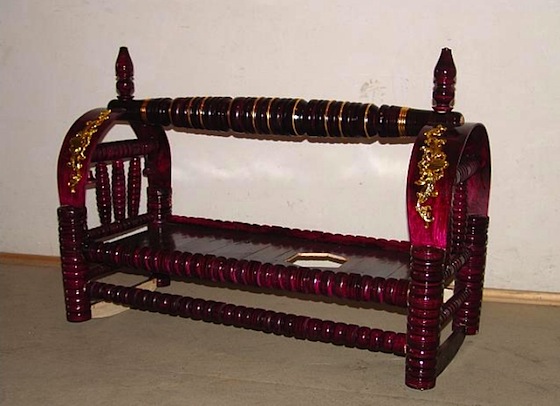
Non-biodegradable diapers are not only an environmental nightmare, but they often cause terrible rashes and cost a fair sum too. Cloth diapers are one viable alternative, but washing them is time consuming, requires energy and water expenditure, and frankly doesn’t look like an awful lot of fun. So how about mitigating all of these problems by building a Beshik cradle from Uzbekistan? Hit the jump to learn more about baby’s first bed pan.
After sleeping with their mothers for six weeks, Uzbeki babies are treated to their first major celebration — the Beshik Toyi. This involves a gathering with family members who show up with armfuls of food and other essentials, and baby’s new cradle.
The elder women leave the younger generation to create a festive environment while they bed baby down in this unusual contraption using blankets and straps. The cradle is decorated with all sorts of colorful tassels and trinkets, and they come in varying degrees of opulence.
There’s a hole at the base of the Beshik, which appears to be an exit point for baby’s number two, while a bucket at the end of the cradle catches urine transported via a short pole that looks like a very thin and hollow eggplant.
Since boys and girls have different apparatus, it stands to reason that different mechanisms are used to capture their waste.
Having met a handful of talented Uzbeki musicians, I can attest that they seem perfectly normal and not at all traumatized by starting out life strapped to a cradle.
That being said, we are uncertain how long they stay in their Beshik or how they stay clean and dry when running free.
Still, we are big fans of indigenous solutions to daily needs and this is no exception.
Egyptian Natural Gas Holding Company announced on Sunday that they have cancelled their agreement to sell natural gas to Israel following at least one dozen attacks on the pipeline linking the two countries. Israeli Finance Minister Yuval Steinitz said the move was of “great concern,” but Egypt insists that the decision was motivated purely by commercial reasons, not political.
Israel has received 40% of its natural gas supply from Egypt as part of a 1979 peace accord between the two countries that has been hugely unpopular among Egyptian citizens, who believe that Mubarak sold the gas too cheaply. Meanwhile, Egypt, population 81 million, has been suffering from crippling energy shortages over the last few months.
This week I spoke to Kevin Smith, the CEO of SolarReserve, the U.S. company constructing the largest 24 hour solar project worldwide in Nevada, who told me that they are beginning to be active in the Middle East North Africa region as well.
“We do have projects in development,” he said, “in Morocco, and Algeria and Saudi Arabia, Oman, which we’re looking at. There’s real opportunity there. So we’re looking at projects in those markets there, not as part of the Desertec program, but part of the buildup of the potential of solar in the Middle East and North Africa region.”
A growing but still small cadre of environmentalists are taking on the final frontier: nature and intimacy.
Julie McIntyre, an ‘Earth ceremonialist’ and director for the Center for Earth Relations is an ecological visionary. Trained in plant medicine, Ayurveda, Reiki, medical herbalism, wilderness survival and holistic health, she’s the lastest to write a book about human relationships and the environmental movement: Sex and the Intelligence of the Heart: Nature, Intimacy and Sexual Energy (Destiny Books, 2012).
In this exclusive Earth Day interview, Julie shares her vision for falling in love with the planet, explains why she thinks the environmental movement has shied away from Ecosex, and how the Ecosex movement can mentor in greater environmental awareness in the Middle East.

 The 6th electro, automation & energy event in Algiers is happening May 5 to 8.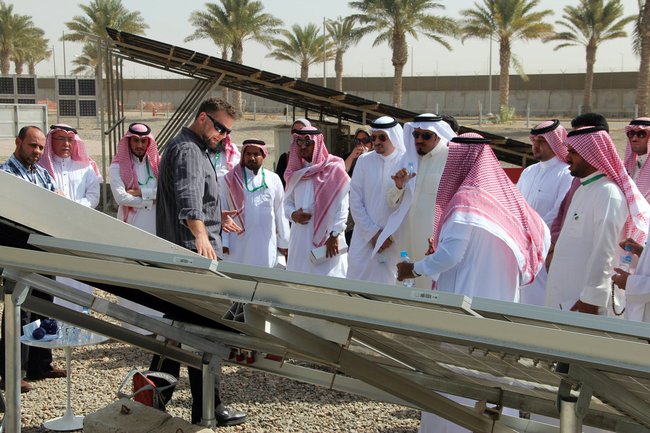
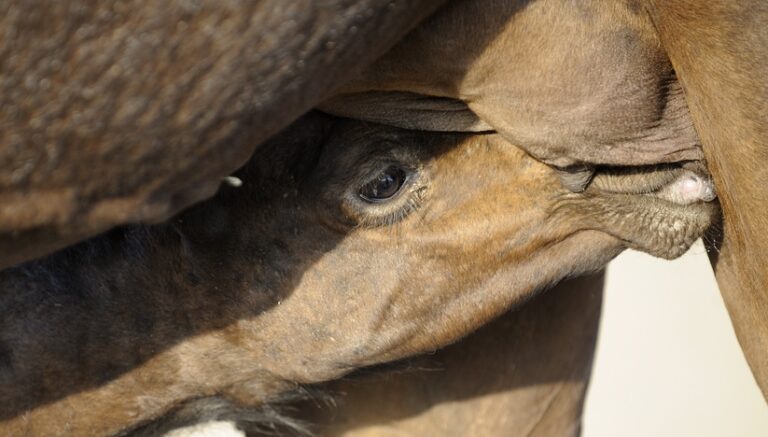
 Camel milk joins the herd of new ingredients in milkshakes, cheese and ice cream. Laurie tells you where you can find camel milk products.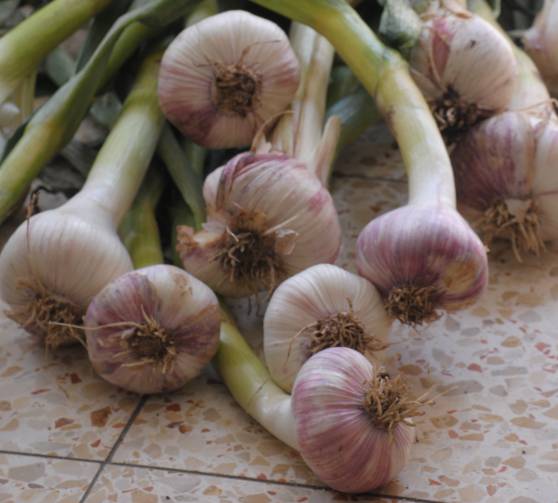


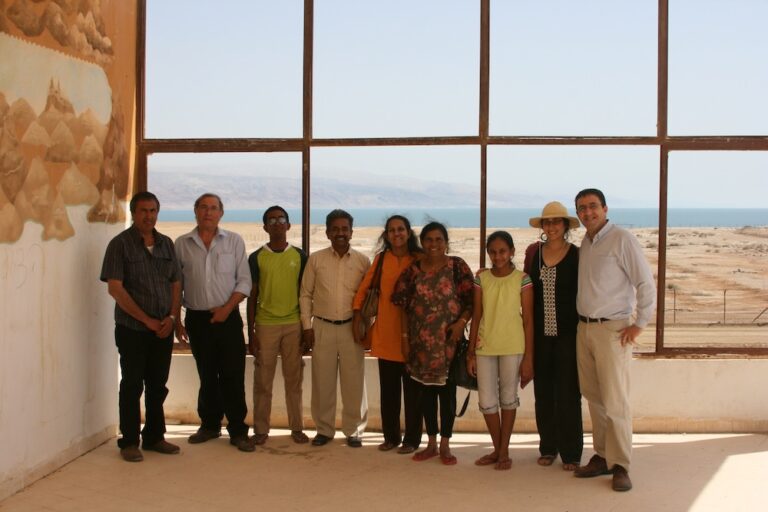
 Green Prophet goes on another water trip with Friends of the Earth and guests from Sri Lanka.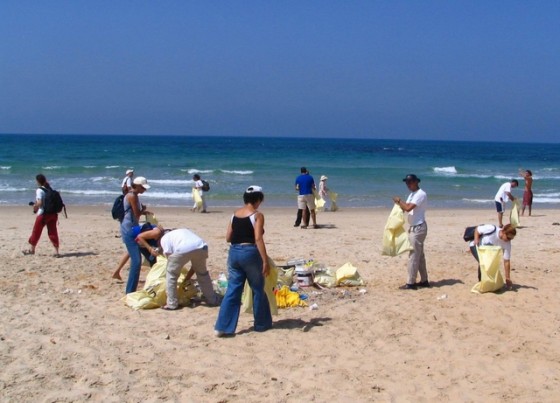





 A growing but still small cadre of environmentalists are taking on the final frontier: nature and intimacy.