Home Blog Page 448

Raphael Mechoulam, pioneer of medical cannabis chemistry

0
Raphael Mechoulam, TCH, medical cannabis, CBD Greenprophet
Raphael Mechoulam, discoverer of THC, CBD in medicinal cannabis

While Americans petition state senators to legalize medical marijuana, the Dutch simply go to an Amsterdam café to self-medicate, and Canadians secretly smoke in their basements, thousands of Israelis are enrolled in a regulated medical marijuana program. As talk-show veteran Montel Williams recently saw for himself, Israel is one of the most progressive countries in the world to “legalize it.”

Israel’s inroads into legalizing cannabis for pain relief and managing terminal illness rest on the seminal research of Prof. Raphael Mechoulam of the Hebrew University in Jerusalem’s Center for Research on Pain.

Back in 1964, working from bags of hashish seized by the local police, Mechoulam isolated the active compound from cannabis, THC. He came to be a trusted consultant on the topic to governments and individuals — even to a US senator who was worried about his child’s use of cannabis at jazz clubs — and urged that derivative compounds called cannabinoids be legalized for medical purposes in Israel.

Mechoulam’s work has inspired generations of research teams around the world to look to marijuana for alleviating medical conditions from chemo-induced nausea to chronic pain. His work led to the discovery of ananamides, naturally occurring THC-like materials in the brain.

Mechoulam was recently awarded the Rothschild Prize in physical and chemical sciences in recognition of his contributions. With the help of his efforts, Israel started to develop policies so that medical marijuana can be accessed by those who need it most.

Marijuana decreases the reliance on opiates

Mechoulam’s lab was one of the stops on a recent tour of Israel’s medical marijuana researchers by US celeb Montel Williams, who told reporters that the United States could learn a few things from Israel’s approach.

Diagnosed with multiple sclerosis (MS) in 1999, Williams advocates for research and education on new directions in treatment, including medical marijuana, through his MS Foundation. Williams says that medical marijuana helps ease his neuropathic pain and he’s working to legalize it in the United States.

Mechoulam acknowledges that Israel’s approach is probably the most advanced in the world, considering the numbers of patients taking medical marijuana in a supervised way.

“At present, about six or seven thousand people get it for various reasons, for [chronic] pain and for cancer, as it’s helping the symptoms of cancer by lowering the amount of opiates patients have to take,” Mechoulam tells says. That number is expected to rise to about 40,000 by 2016.

“People who are in great pain who are taking opiates aren’t really functional anymore. Taking THC as a medical marijuana, or in its pure form, means that the opiates can be lowered, and then this person will have a better way of life,” he says.

The Health Ministry slowly began the program in 1994, but it really got going in 2002 under the direction of Dr. Yehuda Baruch from Abarbanel Hospital, a psychiatric facility in Bat Yam.

Patients of all ages may apply for approval through their own medical doctor or through the Sheba Medical Center, and must pass a rigorous screening process. Those eligible include cancer patients undergoing chemotherapy; cancer patients with final-stage tumors; patients enrolled in an Israeli HIV center; and people under treatment for chronic pain, Crohn’s or ulcerative colitis, MS and post-traumatic stress disorder.

When properly dispensed under medical supervision, medical cannabis has a very low rate of abuse, says Mechoulam.

Quantifying THC and CBD for posing and effect

Still working as a researcher, Mechoulam is asked periodically to test the levels of THC in pot grown by licensed Israelis. And while he’s happy with the country’s progress, he says more research needs to be done on standardizing the dosages and incorporating missing elements in the medical strain used in Israel.

“Basically Israel is moving in the right direction. THC has to be better quantified, and cannabidial, CBD, a potent anti-inflammatory agent, needs to be present in the doses used in Israel,” he says. Cannabidial alleviates possible undesirable side-effects of THC.

These room-to-grow tips notwithstanding, “Israel is one of the leading cannibinoid centers of research in the world. There are about two dozen groups working on it and people come from all around the world to see what we do,” Mechoulam concludes.

Read more on medical marijuana:
Tikun Olam is Israel’s Hidden Pot Farm
Israel Relaxes Laws on Medical Marijuana
A Moroccan Love Potion Spiced With Pot
An Israeli Sewage Plant is a Hot New Art Venue for Passover

9

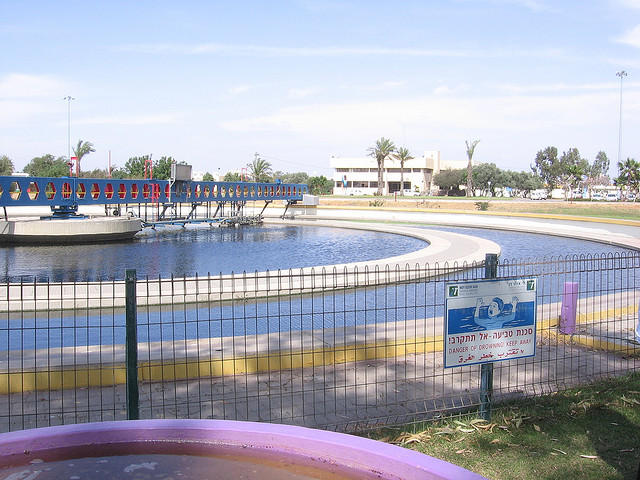
wastewater treatment, design, art, Passover, education, environmentA wastewater treatment plant in Israel rolls out the brown carpet for holiday tourists

We’ve seen the most foul waste treatment plants come out smelling like roses after reclamation programs, and energy generated from human waste is no longer surprising to anyone who hears about it, but we never really thought that our most refined instincts (art) could rub shoulders with one of our most base (pooping.)

Apparently we didn’t think this through carefully enough. The Dan Region Waste Treatment facility in central Israel is rolling out their brown carpet for another year to host an art exhibition during the Passover holiday. The idea is to tease out the ways in which design can be used to address the numerous environmental concerns facing the country, including waste treatment and water shortages.

Smaller Fonts Save Trees – The Minus One Project

minus one project font save treesA bit ridiculous? Change your font size by one point and save trees…? 

It’s called the Minus One Project, and it is a very neat example of a practical project with one very specific objective: it encourage offices, schools, homes and everyone else to lower their font by one size before printing. Maybe not the perfect idea for minimizing fonts on phone books, and good thing for the planet that we already have electronic phone books – YP.com.

But the Minus One Project offers a new idea. Set up by Vishal Sagar from Cheil, an advertising company in India, it is now being adopted as a green initiative by Samsung. Sagar believes that this is a small step (hoho) towards conserving one of the world’s valuable resources: forests and saving paper.

Traditional Palestinian Farming Spurs Rare Plant Boom

terraced farms and gardens, Jerusalem, Battir, ancient ecological farming without irrigation
Low impact farming starts new cycle of plant life in the Palestinian Authority. Agriculture terraces in West Bank Battir. Image via Olivier Fitoussi 

Age-old agricultural techniques in the West Bank help conserve rare plants that might otherwise have perished, according to the Israel Nature and Parks Authority.

A new survey shows that farmers following traditional practices in the south Hebron Hills have sustained a large number of rare plants.  According to plant researcher Yair Or, the fieldwork turned up several species “that had been found decades ago in the Jerusalem area and since then had not been found and were considered extinct.”

Traditional Palestinian farming is practiced throughout much of the test area.  Therefore, researchers determined it has played an invaluable role in the survival of rare plants.

Unfortunately, not all agricultural practices are so helpful.  The hills around Ein Gedi were covered with at least ten species of trees and shrubs until 60 years ago, when land development in Israel intensified.  Those species had specifically adapted to Ein Gedi’s dry microclimate.

Groundwater pumping by Kibbutz Ein Gedi and land clearing by several farms eventually wiped out the native plants.  Now the Authority is rehabilitating Ein Gedi.  Park staff planted the first set of new flora about four years ago.

Rangers created intricate plans for seeding, germinating and caring for the fledgling trees and shrubs, according to the Authority.  After successfully developing a nursery with several hundred plants, ecologists planted experimental plots.  This process helped them learn to properly water and prune the trees and shrubs.

And the  Israel Nature and Parks Authority has worked diligently to preserve rare plants elsewhere in Israel.  In the Beit Netufa Valley – considered a flora hotspot – there are more than 60 species of unique plants, several of which are in danger of extinction.

A rare type of yellow-petal iris called Grant- Duff’s Iris is among them.  It densely populates the valley but is not adequately bearing fruit.  Hypothesizing that artificial agricultural growth is inhibiting insects from pollinating the irises, the  Israel Nature and Parks Authority initiated a breeding program for the flowers.

So why has agriculture in the Hebron Hills actually helped rare plants, in contrast to the deleterious effects of agriculture in Beit Netufa and Ein Gedi?

Traditional Palestinian agriculture utilizes low impact farming methods, such as harvesting by hand, avoidance or limited use of pesticides and fertilizers, and shallow plowing.  Several of the rare species that flourish in the area are annuals that grow amidst the cultivated crops.  They share a similar life cycle.

Additionally, these traditional practices promote rainwater percolation and soil aeration.  Several rare plants, particularly those with bulbs or corms, favor such conditions.  And the microclimate of the southern Hebron Hills is also partially responsible for the rare plant boon.

The findings in the Hebron area add credence to the beliefs of organic agriculture proponents.  Low-impact agriculture has been proven to conserve water, reduce pollution, and minimize exposure to crop disease.  Now those proponents can add another reason to their list – preservation of rare plants.

Professor Zev Naveh, an ecologist at the Technion Israel Institute of Technology, notes that “the farmers of the Mediterranean area did not neglect and deplete the soils, but rather knew in different periods how to preserve them and to exploit their biological variety correctly.”

Ironically, it was originally human activity, including agriculture, that created the diversity of flora and fauna currently found in the Mediterranean Basin.

How wonderful to know that our agricultural practices need not be at odds with nature.  Turns out it isn’t necessary to wrestle the very lifeblood from the land to earn our daily bread.  Perhaps we have something to learn from the keepers of traditional farming in the south Hebron Hills, and from the generations of agriculturalists before them.

Building a Green Deck for Hanging Gardens and Middle East Sensibilities

1

deck patio istanbul, arab porch mosque, allahCould you ever imagine patios like this one built with composite materials?
If you’ve been thinking about building a hanging garden on your urban Middle East deck, patio, or porch, spring is the perfect time to start planting your seeds. While people living in crazy and compact Middle East cities like Beirut, Tel Aviv, Cairo and Istanbul may not have much in the way of private and open green space, most people can count on having a little balcony space to start growing herbs, tomatoes, even lettuce.

In some cases, your porch might be covered over with a makeshift wall to provide space for that office or an extra storage nook. If you’re spring cleaning, consider getting rid of all that extra clutter you haven’t been using anyway, and open up your deck to let some fresh air in.

Lebanon’s cowboys are made at El Rancho outside of Beirut

2

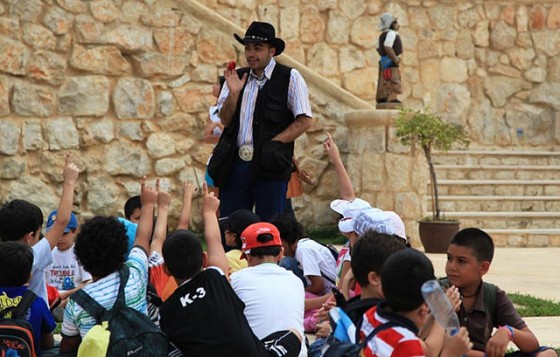
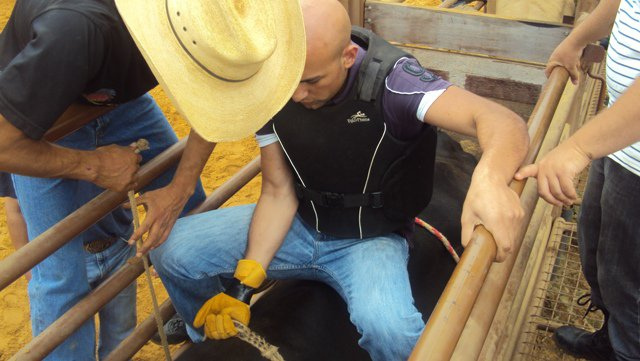
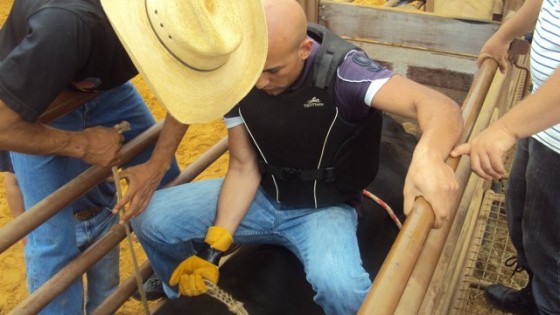
eco-tourism, easter, ranch, organic farm, sustainable travel, natureA Lebanese man takes on a bucking bull at Lebanon’s very own dude ranch… do you think he made 8 seconds?

If you’ve always dreamed about cowboys and Indians, stop. They fought and killed each other and it was grisly. But the southwestern ranch lifestyle is entirely less violent and now it’s possible to taste the experience without traveling all the way to North America. (Solar-powered planes don’t travel that far yet, and there must be more exciting ways to use up your carbon allowance, right?)

Instead, saddle up your vehicle and head to El Rancho in the Ghodras Hills, which is less than a 40 minute drive from Beirut. And then, put the sooty city behind you, don your hat and boots, sharpen up your lasso and ride baby, ride into the Lebanese sunset… with the easter bunny.

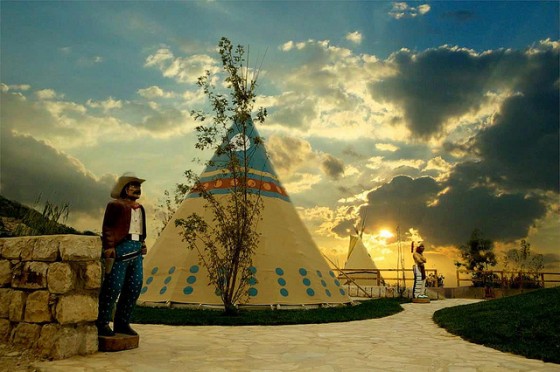
eco-tourism, easter, ranch, organic farm, sustainable travel, nature Tipis in Lebanon!

No really. This is a genuine option. There is a 300,000 square meter ranch estate that promises a genuine Tex-Mex experience. (That is a compound of Texas and Mexico that is typically reserved for food, at least as far as we know.)

Owned by Lebanese, El Rancho has horses, pigs, a peacock and even tortoises, in addition to all kinds of other animals, and they’ll set you up in tipis if you’re bold enough to try. In Lebanon!

Albeit somewhat cheesy, for lack of a better word, this is no run-of-the-mill touristy operation. El Rancho is a real certified organic farm that produces quail meat and eggs, dairy products, and chicken.

And they have all the facilities that will keep you rooted to the western world, if you so choose. There’s an ATM, laundry facilities, and even free internet (in case you need to brush up on your Native American history while you’re there.)

Every year, the ranch offers fun activities for various holidays, including easter. Here is what is on the agenda in the next few days:

Today there will be a tug of war contest, a crafts production event, and a breakdance show. There will also be an arts and crafts competition and the first candle will be lit for Palm’s Day.

eco-tourism, easter, ranch, organic farm, sustainable travel, nature

On Good Friday the Ranch will be closed, but it opens again with a whoop and a holler on Saturday, when there will be a dancing and singing workshop and knife throwing (best leave the kids in the sand pit for that one), a bonafide rodeo show, and a firecamp when the sun goes down.

Grow in Heart, Mind, and Spirit

On Sunday, the kids will be able to get their easter egg hunt fix and there will be an Alice in Wonderland themed activity as well. This sounds like serious fun, and there’s loads more to be had right up until April 15th. According to Lebanon Hotels, the owners “want to make you grow, in heart, mind, and spirit.”

If this sounds like something you’d like to do, contact El Rancho Lebanon at any of the following numbers and who knows who will pick up your call: + 961 9 741188, 741133, 70 899201.

More on Earth-Friendly Tourism in Lebanon:

Be-Beirut Offers Eco-Friendly Tours in Lebanon’s Capital

Landmines and Eco-Tourism Protect Lebanon’s Vulnerable Cedar Forests

Lebanon’s 275 Mile Mountain Trail is a World Class Hiking Destination

Shisha: Don’t Read This If You Love Smoking It

0

shisha, hookah, water pipe, arabian man
This guy may look kind of sexy with his pipe, but the BBC unveils just how toxic smoking shisha really is.

It’s always been a source of curiosity to me that even my health-conscious friends in the Middle East rarely pass up an opportunity to suck on a shisha pipe – as though that seductive bubbling inferno of nauseously sweet tobacco is neither addictive nor harmful.

Me? No. Way. I’ve tried it twice and it literally makes me sick to my stomach. And now, thanks to a recent BBC article, I have a much better sense of why. The stuff is toxic, and way more so than a piddly little cigarette. Read on to learn more but be warned, shisha lovers may not want to hear what we have to say.

Heart Attacks in Kids for One or More Cans a Day?

2

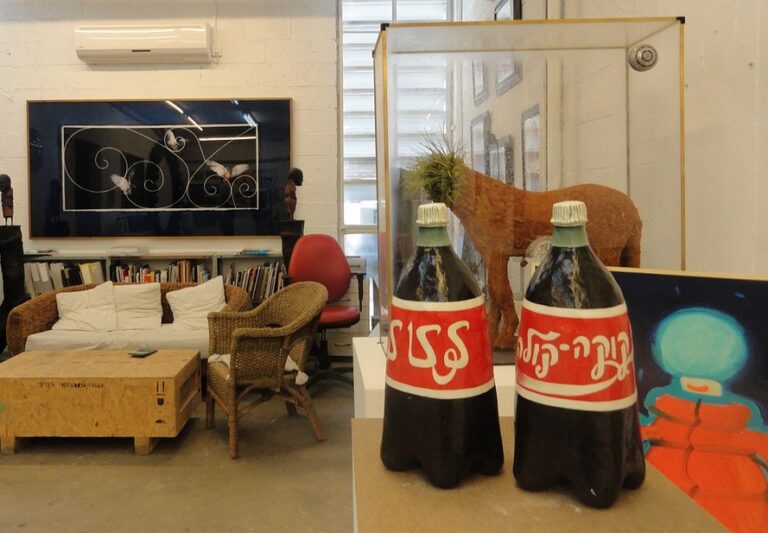
cola coke in arabic and HebrewKids in the Middle East love those super-sweet soda and drink beverages. Loaded with sugar, parents should limit intake for new reasons.
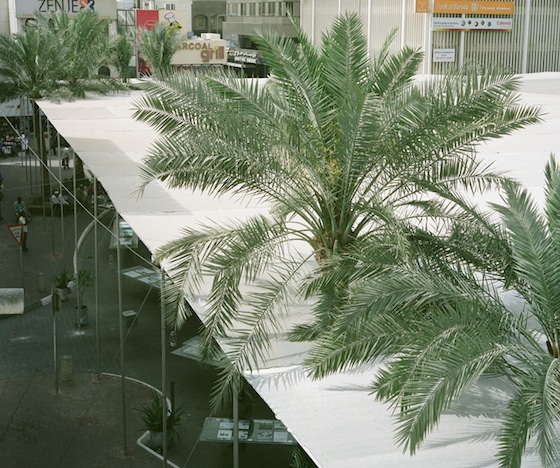
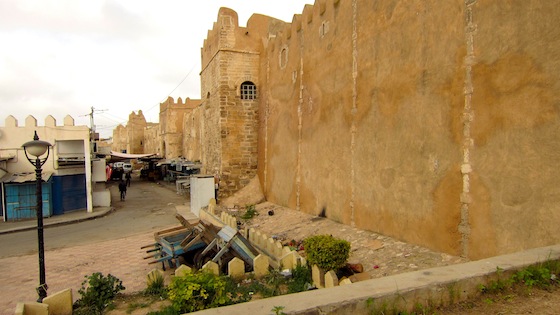
With all the food and beverage issues making headlines, like pink slime hamburgers and meat glue worries, there is new bad news on syrupy soft drinks that people order with those “slime burgers” and French Fries would have their share of controversy as well. A couple of years ago, an article posted in Green Prophet reported that long term consumption of soda with high amounts of sugar, contributes to diabetes, heart disease and causes fatty liver as well. New research in finds that one or more of these drinks a day can cause heart disease in later life. 

A Simple Piece of Fabric Transforms Bahrain Gateway (PICS)

0

green design, urban, architecture, Bahrain, Bab al Bahrain, Camille Zakharia, A-BureauA new pavilion by A-Bureau takes back an area of downtown Bahrain overrun by traffic – even if only temporarily.

Right in the midst of the worst government crackdowns in Bahrain last year, we interviewed Camille Zakharia – a talented photographer whose work has been shown all over the world. Recently he sent us images of A-Bureau’s new Bab Al Bahrain pavilion – a deceptively simple piece of fabric erected in the city center.

Designed by Sir Charles Belgrave and completed in 1945, the “gateway to Bahrain” used to be directly adjacent to the Gulf, but land reclamation and development has completely transformed the area. It is now necessary to walk more than 10 minutes to reach the sea, and traffic has usurped a major rendevouz area. This temporary pavilion changes that, if only for a short while.

Haroset, The Passover Seder’s Sweet Treat RECIPE

1

image-moroccan-harosetEnslaved Jews in Egypt built storehouses in  Pithom and Ramses, according to tradition. But did they cement the bricks with dates and honey?

“Seder” means “order.” The first Passover night’s meal follows a specific  order, and the first thing we see on the seder table is a plate of symbolic foods. In the center of the plate, three matzot – the unleavened bread Jews are commanded to eat during the Passover week. Matzot replace bread in memory of the departure at night from Egypt, when there was no time to let dough rise overnight. Considering that all dough was leavened with slow-rising sourdough and the need for haste, the Jews simply mixed flour and water and baked flat journey cakes with that.

Two kinds of bitter herbs, alluding to the bitterness of slavery, are arranged on the plate; usually horseradish and lettuce. There is also a dish of salt water and a non-bitter herb – parsley or a potato – to dip into it, so that participants at the table may “taste” the tears of hardship in Egypt. A roasted lamb or chicken bone reminds us of the Passover sacrifice brought to the Temple in Jerusalem. Vegetarians substitute a roasted beet for the bone, for its ruddy resemblance to meat. A hard-boiled egg, also symbolizes the festival sacrifice offered in Temple, but with the difference that hard-boiled eggs, the first food offered to mourners, symbolize mourning. On Passover night, one egg symbolizes mourning over the destruction of the Temple.

And there’s haroset – a sticky brown paste of blended fruit, nuts, wine, and honey. Haroset symbolizes the mortar that Jews used in building storehouses (and some say, pyramids) in Egypt.

A Culture Shock Hangover in Tunisia’s Second City

3

development, travel, urban planning, Tunisia, Sfax, tourism

After a rough time in Tunis, Tafline pushed past a culture shock hangover to appreciate Tunisia’s second largest city.

When the bus stopped at the station in Sfax, 170 miles from Tunisia’s capital city, I seriously considered getting back on and heading as far south – away from civilization – as I could get. But the adjacent municipal dump was a strong catalyst for quick decision-making, so when a little yellow taxi pulled up just then, I got in. “To the medina!” I said.

We arrived at the ancient walls via a circuitous route (the driver hadn’t understood my English), as the locals cleared up the market debris. The inside of the medina was dark and deserted. I’ve rarely felt more conspicuous during my travels through the MENA region, nor so depressed. By this stage, I was prepared to pay a cool $5,000 for a room, in which I planned to hide for several days.

Sliced Sweet Potatoes Roasted in Date Honey

3

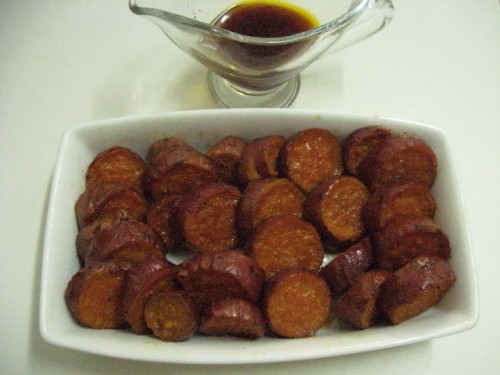
baked sweet potatoes on a plate

Looking for a quick, delicious and healthy side dish? Grab some sweet potatoes.

There’s lots of cooking going on at this time of year. Passover, Easter, vacation time – guests coming over, family at home, and festive meals to prepare. A busy cook needs easy, reliable recipes to fill out her or his menus. Sweet potatoes fill the description, and luckily they’re still in season. If date honey (a familiar ingredient in the Middle East) isn’t available where you live, replace it with maple syrup or plain honey thinned with a little water and blended with a very little lemon juice.

This recipe is popular with everyone, especially kids. The sweet potatoes and date honey combine to make a lightly sweet side dish that has no artificial flavors, coloring, or white sugar.

Sweet Potatoes Roasted in Date Honey Recipe

serves 4

Ingredients:

2 medium sweet potatoes, scrubbed but not peeled

2 tablespoons olive oil

1/2 teaspoon salt

1/4 teaspoon pepper

1/2 teaspoon powdered cumin

1/2 teaspoon paprika

4 tablespoons date honey, maple syrup or diluted honey

Method for baking sweet potatoes:

1. Slice the sweet potatoes thickly and place the slices in a large bowl.

2. Drizzle the olive oil over the slices and roll them around in it.

3. Add the dry spices and roll the slices around again, making sure all surfaces are seasoned.

4. Let the sweet potatoes sit in the seasonings for 15 minutes.

Meantime, preheat the oven to 350° F – 180° C.

5. Place the sweet potatoes on a baking tray. Drizzle date honey over them.

6. Bake for 30 minutes or till tender.

There will be a small amount of cooking juices. Spoon them over the sweet potatoes and serve.

Enjoy!

More Green Prophet posts about spring holidays:

How to avoid food waste on Passover

4

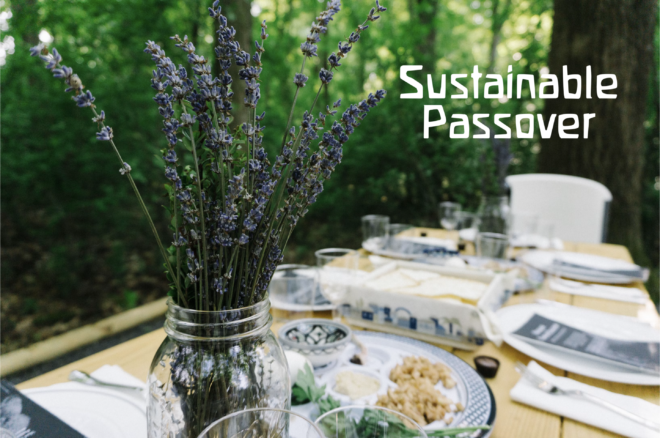
sustainable passover

Jews in Israel and around the world prepare at least a couple weeks in advance for the week-long Passover holiday More than any other Jewish holiday, Passover is all about the food.

We get rid of the chametz (leavened food), buy matzah (unleavened bread), and cook up the dishes that make the holiday special. But Passover doesn’t have to mean throwing out food. 

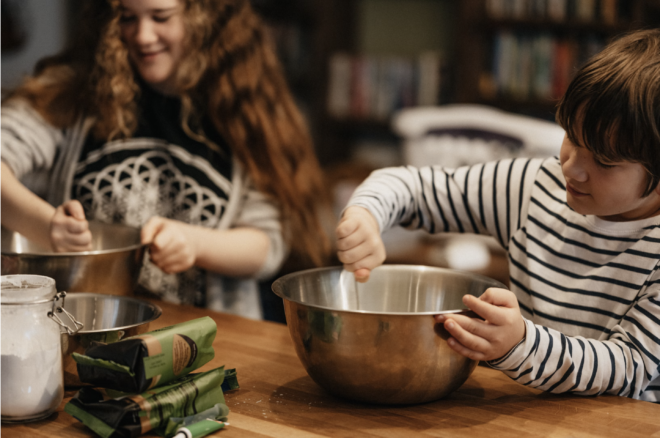
kids cooking, boy and kill, stirring bowls

Here are tips to make the most of your food this Passover, so you don’t waste, and therefore make the holiday more “green.”

  1. Use up your chametz (leavened food) before Passover instead of throwing it out. If you have extra, sell it or give it to a non-Jew. You can even sell chametz online. Many charitable organizations collect unopened packages for distribution to the poor after the holiday.
  2. Make a detailed menu and shopping list, then buy only what you need. Keep your list from year to year, noting how much you actually used. If your family eats matzah at every meal, a kilogram (two pounds) per person is a fair estimate.
  3. Avoid buying Kosher for Passover specialty items like cake mixes. They often aren’t as tasty as the year-round variety, and tend to get thrown out later. Making simple food from scratch is better for the environment and healthier too.
  4. Plan an easy menu. The more items you make, the more likely leftovers will get thrown out. You’ll save on cooking gas, water and electricity too.
  5. Don’t overeat. Food that ends up on your waist is also a “waste.”
  6. Turn your refrigerator to the coldest setting in advance of cooking. Put cooked foods away while they are still hot, to protect them from spoiling. Don’t forget to switch the refrigerator setting back once the food has chilled.
  7. Stagger cooking so that your refrigerator can cool food efficiently.
  8. Return leftovers to the refrigerator quickly. Save food containers with covers for storing leftovers.
  9. Share extra food with neighbors and friends.
  10. Donate the money you’ve saved for the mitzva (commandment) of kimcha de-Pischa (Passover flour), to help those in need enjoy their holiday.

For more green saving tips:
Five Edible Wild Plants You Can Pick Yourself
Save Water and Energy in Your Washing Machine with Top Tips
Ten Common Misconceptions about Breastfeeding Your Baby

Dubai Police Capture Saffron Bandit

9

Saffron, Bandit, Iran, Dubai, SanctionsA man identified as “A.M” made off with $1 million worth of saffron before Dubai authorities launched an undercover investigation to nab him!

Who would have thought that stealing saffron would be such a lucrative venture? An expert, apparently. Formerly a spice trader in Iran, a man living in Dubai stole more than $1 million worth of saffron from street merchants over the past year. Using the tricks of his former trade, the unnamed bandit disguised himself as a porter and then lifted the aromatic spice from 11 shops while their owners were away. Having received tip offs from locals, police eventually launched an undercover investigation to capture the elusive thief.

Canadian Jailed in Lebanon for Selling Rotten Potatoes to Algeria

0

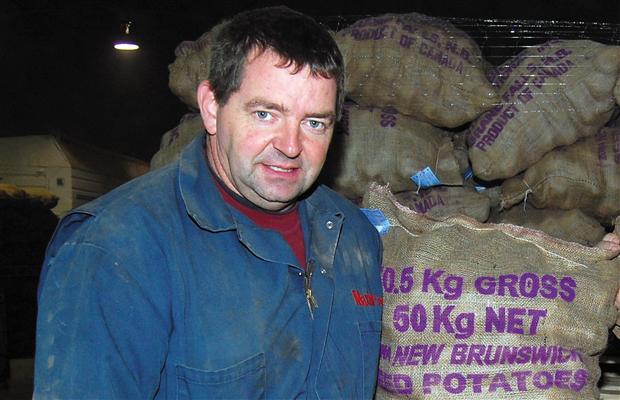
agriculture, potato farmer, Interpol, Henk Tepper, Lebanon, Algeria, Canada, FarmingA Red Notice was sent through Interpol accusing this man of selling rotten potatoes to Algeria. image via Vancouver Sun

First of all, a Canadian man named Henk Tepper was accused by Algerian officials of selling rotten potatoes. Rather than take it up with him in a civil court, they issued a “Red Notice” through Interpol – treatment usually reserved for hardened criminals on the run, not gentle farmers from New Brunswick.

Then the Canadian government failed to catch whiff of the alert, so when Tepper traveled to Beirut last March to attend an agricultural trade mission to market seed potatoes from Canada, he was promptly nabbed by local authorities and shared a 10×10 m cell with 40 other prisoners for more than one year.