Reliable light matters in more places than ever. It matters on a back road after sunset, in a cabin with limited power, and at home during a storm outage. Research across sustainability guidance, preparedness resources, and off-grid living coverage points to one clear takeaway: people want lighting that works well, lasts longer, and creates less waste.
Reading nutrition advice from 50, 40, and even 20 years ago feels like stepping into an alternate universe. It’s hard to believe how close-minded and definitive those tips were when we look at them in relation to today’s actual scientific studies.
Before promoting sustainability progress, companies must ensure their initiatives are genuine and measurable. Today’s audiences are increasingly skeptical of vague environmental claims, particularly as awareness of “greenwashing” has grown.
Sydney is best known for the Opera House and the Harbour Bridge. If you’re looking to enjoy dinner with views of these landmarks, here are some great options.
Reliable light matters in more places than ever. It matters on a back road after sunset, in a cabin with limited power, and at home during a storm outage. Research across sustainability guidance, preparedness resources, and off-grid living coverage points to one clear takeaway: people want lighting that works well, lasts longer, and creates less waste.
Reading nutrition advice from 50, 40, and even 20 years ago feels like stepping into an alternate universe. It’s hard to believe how close-minded and definitive those tips were when we look at them in relation to today’s actual scientific studies.
Before promoting sustainability progress, companies must ensure their initiatives are genuine and measurable. Today’s audiences are increasingly skeptical of vague environmental claims, particularly as awareness of “greenwashing” has grown.
Sydney is best known for the Opera House and the Harbour Bridge. If you’re looking to enjoy dinner with views of these landmarks, here are some great options.
Reliable light matters in more places than ever. It matters on a back road after sunset, in a cabin with limited power, and at home during a storm outage. Research across sustainability guidance, preparedness resources, and off-grid living coverage points to one clear takeaway: people want lighting that works well, lasts longer, and creates less waste.
Reading nutrition advice from 50, 40, and even 20 years ago feels like stepping into an alternate universe. It’s hard to believe how close-minded and definitive those tips were when we look at them in relation to today’s actual scientific studies.
Before promoting sustainability progress, companies must ensure their initiatives are genuine and measurable. Today’s audiences are increasingly skeptical of vague environmental claims, particularly as awareness of “greenwashing” has grown.
Sydney is best known for the Opera House and the Harbour Bridge. If you’re looking to enjoy dinner with views of these landmarks, here are some great options.
Reliable light matters in more places than ever. It matters on a back road after sunset, in a cabin with limited power, and at home during a storm outage. Research across sustainability guidance, preparedness resources, and off-grid living coverage points to one clear takeaway: people want lighting that works well, lasts longer, and creates less waste.
Reading nutrition advice from 50, 40, and even 20 years ago feels like stepping into an alternate universe. It’s hard to believe how close-minded and definitive those tips were when we look at them in relation to today’s actual scientific studies.
Before promoting sustainability progress, companies must ensure their initiatives are genuine and measurable. Today’s audiences are increasingly skeptical of vague environmental claims, particularly as awareness of “greenwashing” has grown.
Sydney is best known for the Opera House and the Harbour Bridge. If you’re looking to enjoy dinner with views of these landmarks, here are some great options.
Reliable light matters in more places than ever. It matters on a back road after sunset, in a cabin with limited power, and at home during a storm outage. Research across sustainability guidance, preparedness resources, and off-grid living coverage points to one clear takeaway: people want lighting that works well, lasts longer, and creates less waste.
Reading nutrition advice from 50, 40, and even 20 years ago feels like stepping into an alternate universe. It’s hard to believe how close-minded and definitive those tips were when we look at them in relation to today’s actual scientific studies.
Before promoting sustainability progress, companies must ensure their initiatives are genuine and measurable. Today’s audiences are increasingly skeptical of vague environmental claims, particularly as awareness of “greenwashing” has grown.
Sydney is best known for the Opera House and the Harbour Bridge. If you’re looking to enjoy dinner with views of these landmarks, here are some great options.
Reliable light matters in more places than ever. It matters on a back road after sunset, in a cabin with limited power, and at home during a storm outage. Research across sustainability guidance, preparedness resources, and off-grid living coverage points to one clear takeaway: people want lighting that works well, lasts longer, and creates less waste.
Reading nutrition advice from 50, 40, and even 20 years ago feels like stepping into an alternate universe. It’s hard to believe how close-minded and definitive those tips were when we look at them in relation to today’s actual scientific studies.
Before promoting sustainability progress, companies must ensure their initiatives are genuine and measurable. Today’s audiences are increasingly skeptical of vague environmental claims, particularly as awareness of “greenwashing” has grown.
Sydney is best known for the Opera House and the Harbour Bridge. If you’re looking to enjoy dinner with views of these landmarks, here are some great options.
Reliable light matters in more places than ever. It matters on a back road after sunset, in a cabin with limited power, and at home during a storm outage. Research across sustainability guidance, preparedness resources, and off-grid living coverage points to one clear takeaway: people want lighting that works well, lasts longer, and creates less waste.
Reading nutrition advice from 50, 40, and even 20 years ago feels like stepping into an alternate universe. It’s hard to believe how close-minded and definitive those tips were when we look at them in relation to today’s actual scientific studies.
Before promoting sustainability progress, companies must ensure their initiatives are genuine and measurable. Today’s audiences are increasingly skeptical of vague environmental claims, particularly as awareness of “greenwashing” has grown.
Sydney is best known for the Opera House and the Harbour Bridge. If you’re looking to enjoy dinner with views of these landmarks, here are some great options.
Reliable light matters in more places than ever. It matters on a back road after sunset, in a cabin with limited power, and at home during a storm outage. Research across sustainability guidance, preparedness resources, and off-grid living coverage points to one clear takeaway: people want lighting that works well, lasts longer, and creates less waste.
Reading nutrition advice from 50, 40, and even 20 years ago feels like stepping into an alternate universe. It’s hard to believe how close-minded and definitive those tips were when we look at them in relation to today’s actual scientific studies.
Before promoting sustainability progress, companies must ensure their initiatives are genuine and measurable. Today’s audiences are increasingly skeptical of vague environmental claims, particularly as awareness of “greenwashing” has grown.
Sydney is best known for the Opera House and the Harbour Bridge. If you’re looking to enjoy dinner with views of these landmarks, here are some great options.
Dubai-based initiative My Ex Wardrobe for selling and buying womens clothes
In today’s world, the privileged among us tend to live in a world of endless possibilities: endless food, endless clothes, even endless travel destinations. Some of these are great (the travel options) but some things are better in small doses to avoid waste.
One day Sian Rowland living in Dubai was clearing out her wardrobe when she realised just how much excess clothes she had. Things she no longer wore, skirts that didn’t fit and dresses with the label still on. Most woman have found themselves in this situation with more shops that we can keep up with and all too easy access to fashion, most woman (and men too) will find themselves only wearing 20 percent of the many item that crowd their ever-expanding wardrobes.
It was then that Sian and two of her sisters Teagan and Becky, all now living in Dubai, decided to start the initiative “My Ex Wardrobe” which in their own words: not only allows people to de-clutter their wardrobes but gives clothes a second chance at happiness.
I catch up with Applied Clean Tech to know more about their recycled toilet paper projectAbove: recycled poo pellets that serve as raw material for recycled paper
It will probably take a certain market approach and finesse to get people to accept, let alone truly appreciate, recycled toilet paper. But Refael Aharon, the CEO and founder of Applied Clean Tech, is convinced that his company has landed on a sort of goldmine. It has refined the process of turning the cellulose in sludge — toilet paper, fecal matter and washing machine lint — into new paper.
Frying pan company Neoflam smacks TV show with libel law suit
There was consumer chaos a few months ago in Israel when a local investigative report TV show Kolbotek, not unlike 60 Minutes in the US, tested ceramic frying pans and pots for potentially dangerous levels of toxic chemicals like cadmium and lead. The report was scathing. According to the show’s report several new companies on the market did not make the grade. Even though the interior surfaces of the pots and pans were clear, questionable amounts of toxins on the colorful outer surfaces could potentially leak into the food, especially if they were scratched, the report said.
One company Neoflam, based in Korea was singled out and as soon as the report was issued, local sales collapsed. The marketing manager for Neoflam Oren Hamama emailed Green Prophet hoping to set the record straight. He says that Neoflam’s products do pass all international standards testing bodies, and in response to the Kolbotek report Neoflam is suing the Israeli TV show for about NIS 5 million (about $1.5 million USD).
Activists have launched an international campaign to boycott key Namibian industries ahead of its annual slaughter of 91,000 seals.
Not long ago we wrote a story about Hatem Yavuz, the “King of Seal Killers,” and our readers were outraged. An Australian man with Turkish heritage, Yavuz is now responsible for 85% of the world’s seal market. The Canadian seal hunt with haunting images of bloody ice? He harvests the majority of those animals for their fur. The lesser known hunt in Namibia? Much of it can be traced to Yavuz.
I interviewed him for a story that was published today in The Ecologist; he claims that his operation is the ‘best worst option out there,’ but animal rights activists disagree and have launched a campaign to boycott all of Namibia’s key industries until the government ends the annual, brutal slaughter of 91,000 seals for their fur and body parts.
Turkey’s massive wind resource has long been recognized. Now China’s wind giant Sinovel has signed an agreement to supply turbines to build 600 MW of wind projects in Turkey, in what could be the company’s largest overseas deal to date.
In the deal sealed this week in Beijing when Turkish prime minister Tayyip Erdogan visited China’s capital, not only will China supply the turbines, but the lions share of the financing as well: 60% will be provided by China Development Bank.
Rather than a single large wind farm, the deal would be split up into more than 10 smaller projects, but the turbines would be Sinovel’s 1.5 MW, 3 MW and 3.6 MW, according to Li Lecheng, senior vice president at Sinovel.
100 eco-minded individuals will gather in Israel next weekend to brainstorm creative technological approaches to environmental challenges.
Have you ever dreamed about brainstorming with 99 other eco-minded individuals to find clever solutions to our various environmental challenges? If so, this may be for you. TentTech is an invitation-only gathering of 100 artists, scientists, designers, agriculturalists, and other interdisciplinary innovators that takes place in Beerotayim, Israel next weekend. The goal is to develop earth-friendly projects in four categories: water, energy, shelter, and communication in a power and water-scarce environment. More details after the jump.
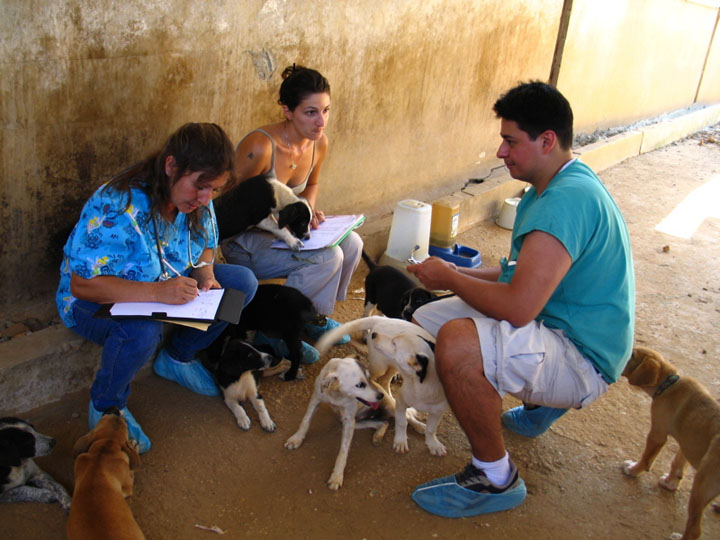
Formerly an architect, Helena Hesayne left her career to care for Lebanon’s abused animals nearly a decade ago, CNN reports, but now fancy villa owners are trying to shut down the shelter that she help to found.
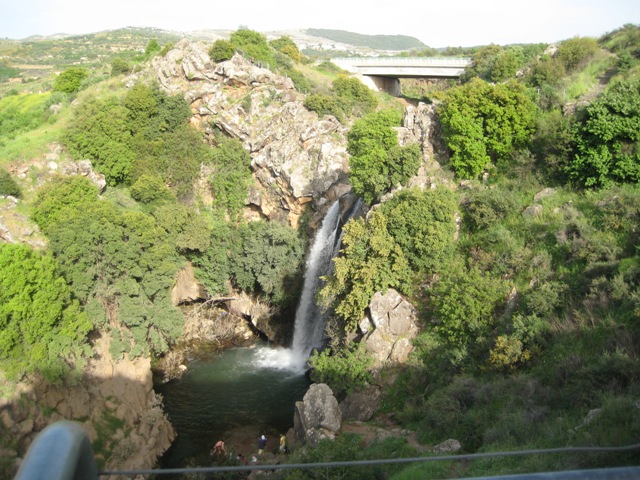
Sa’ar Stream waterfall near the Banias: Israel’s natural beauty at its best
Like other Middle Eastern countries, Israel continuously suffers from a chronic water shortage, which is most often seen in the water level in it’s historic water supplier, the Kinneret or Sea of Galilee. But due to above average rainfall this past winter (the Sea rose 2 meters!), Israel’s green areas, including the Galilee region and Golan Heights, are decked out in Mother Nature’s annual spring greenery and floral displays.
This lush beauty was revealed to us during a day long spring foliage tour to these areas this week.
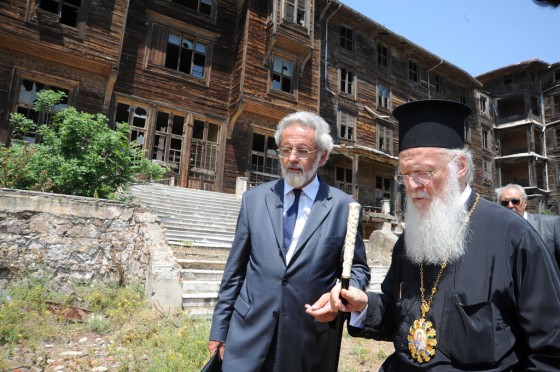
Patriarch Bartholomew I, of the Istanbul-based Greek Orthodox Ecumenical Patriarchate, stands outside the rundown former orphanage.
Atop the highest hill on Büyükada (“Big Island” in Turkish), the largest of the picturesque “Princes Islands” in the Marmara Sea off the coast of Istanbul, stands a sprawling, abandoned structure rumored to be the largest wooden building in Europe.
Once an orphanage owned by the Greek Patriarchate, the building has been empty since 1964 because of worries about its structural integrity. But soon the space will house a international civil society foundation devoted to environmental work and research, according to recent remarks by Bartholomew.
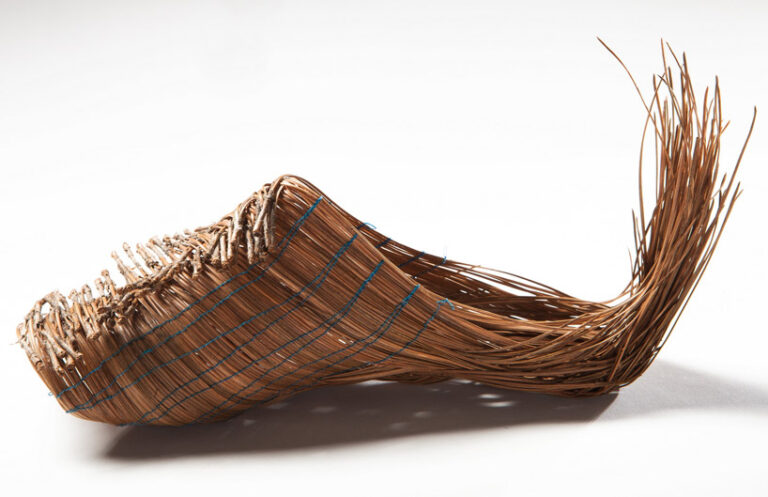
Israeli designer Hadas Ilani makes unique shoes out of pine needles!
We absolutely love these awesome elven shoes called Needle and Thread by Bezalel Academy of Arts and Design student Hadas Ilani. Displayed at Ventura Lambrate during Milan Design Week 2012 as part of the academy’s “Design Bonanza” installation, the shoes are made out of locally-sourced pine needles and depict a combination of playfulness and respect for nature, as well as an incredible attention to detail.
Five men and four Bactrian camels travel 1500 km through India, but it doesn’t go quite the way it was planned.
If there are two things we love (apart from the planet), it’s camels – because they are the desert dweller’s best friend – and adventure. Do the two go hand in hand? Absolutely. And not only in Morocco and Dubai, but also in India.
Collective Moments of Madness is a heartful documentary about five international travelers who planned to trek 1500 km with Bactrian (double humped) camels through the Himalaya Mountains in Northern India all the way south to the Pushkar Camel Festival in the desert. But as we discovered recently in Tunisia, even the best laid plans go awry, and the camel odyssey was fraught with unexpected challenges that began with ominous words from an Indian Oracle.
Climate change is here and it looks like there is no way back.
Scientists and policymakers are increasing concerned about extreme weather and climate events. These include extended waves of abnormally hot or cold weather, unseasonal temperatures, changes in precipitation and wind patterns, along with more dramatic occurrences like unprecedented blizzards, cyclones sudden downpours, sudden floods and extended droughts.
Attempts to curtail climate-altering phenomena, which is known as mitigation, has been the focus of international protocols (Montreal, Kyoto) and gatherings (such as the failed Copenhagen Summit of late 2009). While the international community can claim modest achievements in some areas, for example, pacts that have led to a decrease in the use of ozone-reducing substances, reducing the emission of greenhouse gases has been far from encouraging. Accordingly, there is a second focus in the climate change literature, dealing with adaptation.
It is sobering then, that the focus of a special report entitled Managing the Risks of Extreme Events and Disasters to Advance Climate Change Adaptation released last week, by The Inter-Governmental Panel on Climate Change (IPCC) is not on how climate change can be forestalled. Rather, it deals with what societies will have to do to adapt to such change.
As we learn from Starbucks and their new sustainable approach of using a red beetle to color their pink drinks (that’s instead of oil tar), when you follow dietary laws for any religion, sometimes the least healthy option is the one you have to take. In the midst of the Jewish holiday of Passover, Jews in the United States will not be able to drink Kosher for Passover Coca Cola this holiday season unless they consume a toxic variety.
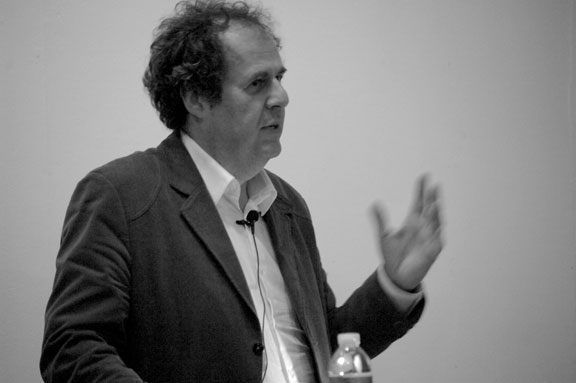
We speak to Mario Cucinella the architect behind Gaza’s eco schools about building under conflict, water, education and bringing hope to a desperate region
Early 2013 will see the launch of a green school which will collect rainwater and regulate internal temperature using thermal technologies. Whilst such a project would not be noteworthy in Europe, this project is coming to the energy-scarce, water-poor and conflict-ridden region of the Gaza Strip. Constructing a green building in such a region definitely comes with a whole cache of problems- it also comes with a whole load of benefits. Building green schools that save water and reduce the amount of energy needed offers huge benefits to the people of Gaza. I caught up with Mario Cucincella, the architect behind the project to find out more.
On one hand it is planting mangrove forests. On the other it’s developing Neom and ski resorts in climates too hot to ski. Saudi Arabia needs a special climate plan.
Who doesn’t want to jump onto the carbon offset bandwagon when you see Coldplay advocating it? I mean come on, that’s a cool bunch of guys, and if they are doing it, it must be the right thing to do. As interest in environmental issues has grown, so has the alluring, politically correct, celebrity-sanctioned model of carbon off-setting.
Carbon offsetting is still a relatively unknown concept in Saudi Arabia but a few foreign carbon offset companies have stated to speed up their marketing efforts in the Kingdom. While I am all for conserving the ecosphere, I think it makes sense to question the relevance and feasibility of offsets in the kingdom. Many experts now believe that the offset model comes with its own set of challenges and it will be interesting to see how these manifest in the Saudi context. Here are my arguments for why I think it won’t work:
1. Coldplay shows how trees can be Troublesome:
Forestation makes up about 20 percent of the carbon offset market. Based on the idea that trees absorb carbon, companies wishing to offset their emissions sponsor the planting of trees designed to reduce greenhouse gases in the atmosphere.
While this seems great in theory there are multiple problems with this. Firstly “Carbon emissions from burned oil, gas or coal cannot be considered as equal to the same amount of biological carbon in a tree,” according to scientists at the Forests and the European Union Resource Network.
Secondly, it may take years before a tree is able to fully offset the estimated emissions and companies mistakenly offset immediate emissions with reductions that would occur only during the 100-year life span of a tree.
Lastly and most importantly, as we saw in the case of the “Cold Play Forest”, Trees are not the most reliable carbon offset investments. Ten thousand trees were planted in India to offset the Band’s emissions during their second album and according to this detailed article in The Telegraph, 40% of those trees died within 4 years.
2. Shift of Responsibility:
There have been concerns internationally that the carbon offset model triggers the natural human desire to compensate and consumers may see it as an excuse to indulge in pollution and overly consumptive behaviours.
Saudi society is well known for its excessively lavish lifestyle and if the carbon offset model becomes the norm or the “IN” thing there is a risk that it may lead to people using it as an excuse to pollute.
3. Redistribution not Reduction:
Last but not the least, the main reason I think an offset model cannot work for Saudi Arabia is because it does not address the real issue of carbon emissions in the first place. Consumers and companies in Saudi Arabia need to discover their environmental stance before they rethink it.
In a country where the utilities are dirt cheap and the fuel costs less than a can of soda, the real problem is to wake people from their stupor. To make them realize that the resources are not unlimited and that the time is running out.
The danger of carbon offset model is that it is the easy way out. As Kevin Anderson, a scientist with the Tyndall Centre for Climate Change Research puts it, “Offsetting is a dangerous delaying technique because it helps us avoid tackling the task [of dealing with climate change]… It helps us sleep well at night when we shouldn’t sleep well at night.”
I think more than the star-crusted, latest new fad of buying carbon credits, what Saudi Arabia needs is a new model of carbon offset; a model where companies can offset their emissions by investing in their own renewable resources and energy-efficient products. A lot of local companies are already shifting to green products but what is needed is to link it with their emissions through their own customized carbon offset model.

 Dubai-based initiative My Ex Wardrobe for selling and buying womens clothes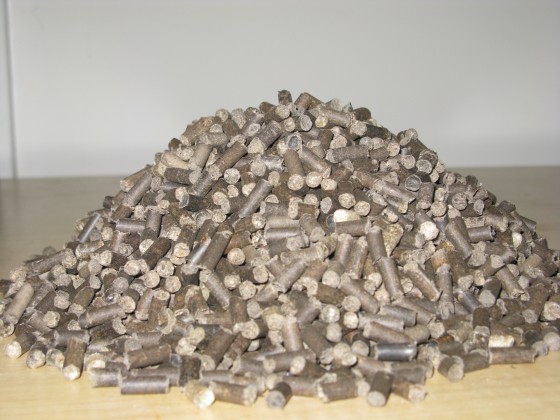

 Frying pan company Neoflam smacks TV show with libel law suit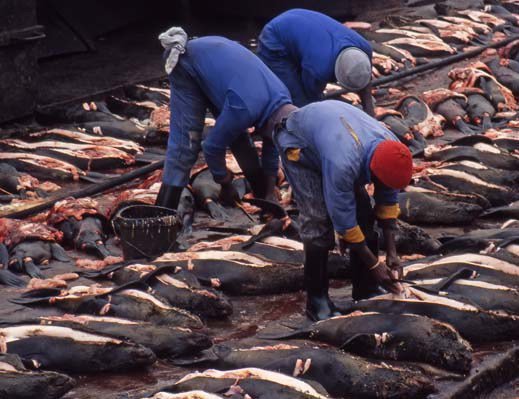


 Sa’ar Stream waterfall near the Banias: Israel’s natural beauty at its best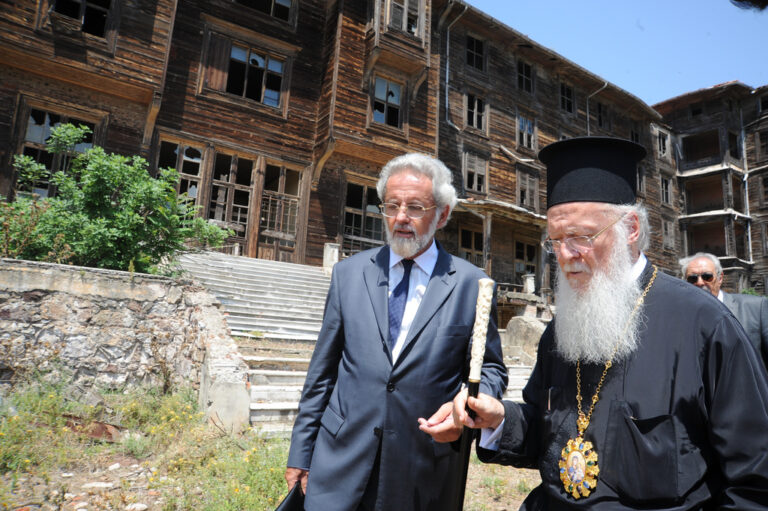


 Climate change is here and it looks like there is no way back.