One of the surprising facts in Florence William’s new book: breast milk is more expensive than oil.
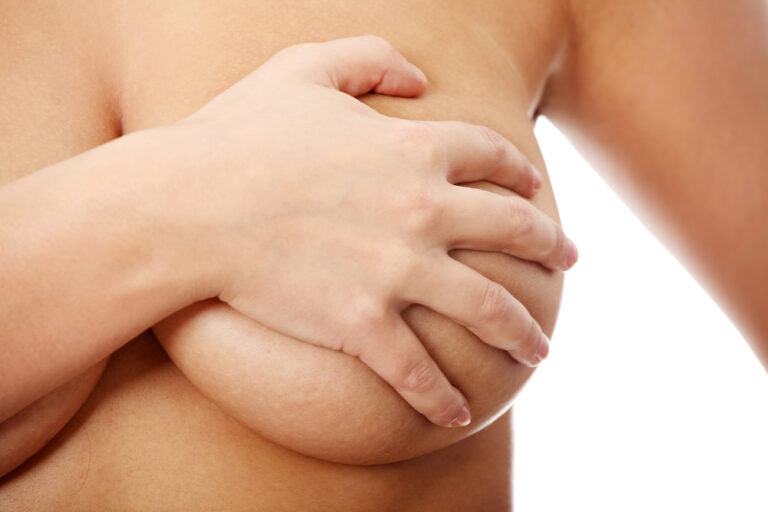
Jet fuel in breast milk? Breasts getting bigger than generations ago? These are just two discoveries that investigative journalist, Florence William’s, shares in her latest book about the environmental impact on breasts.
Breasts: A Natural and Unnatural History (2012) is more than an ode to those beguiling curves; it is part of the growing body of research and awareness about eco-conscious intimacy, a movement some are calling ‘ecosexuality.’ A term originally coined by Greenpeace about 10 years ago, among other things ecosexuality invites us to examine the impact of toxins on our reproductive selves.
“For such an enormously popular feature of the human race — even today, when they are frequently bikinied, bared, flaunted, measured, inflated, sexted, YouTubed, suckled, pierced, tattooed, tassled and in every way fetishized — it’s remarkable how little we know about their basic biology,” Williams says.
Being made primarily of fat and glandular tissue, “breasts, it turns out, are a particularly fine mirror of our industrial lives,” Williams explains. “In the course of a lifetime, [they] meet many friends and foes: lovers, babies, ill-fitting undergarments, persistent pollutants, maybe a nipple ring, a baggie of silicone or a dose of therapeutic radiation. It’s a lot to ask of breasts.”
Measurable consequences include bigger breasts developed earlier with toxins finding hiding places in unsuspecting bosoms. Toxins come from industrial sources including air pollution. William’s had her breast milk tested and found that it was laced with miniscule amounts of jet fuel. However, consumers are also inadvertently exposed to daily household use items.
Many of those are in our beauty, cleaning and pleasure aid products. For example, lead in lipsticks reduces fertility in men and women. Toluene in nail polish and hair dye stops menstruation and decreases sperm count. Phthalates are reproductive toxins found in fragrances, cosmetics, and personal care products (even many vibrators and dildos). Bisphenol-A in plastics has been shown to cause spontaneous abortions and alter a man’s sperm.
Breast cancer rates vary around the globe, with women in Israel having rates similar to the west. It kills fewer women than heart disease, but because its scars reach deeper than our skin, it’s the rallying call that resonates with women’s private erotic selves. This touches on another aspect of the ecosex movement; our attitudes towards pleasure, our bodies and what is considered ‘natural.’ For better or for worse, Williams message about breast health underscores the complicated relationship society often has with the female body.
From the author’s website:
“Feted and fetishized, the breast is an evolutionary masterpiece. But in the modern world, the breast is changing… and attracting newfangled chemicals. Increasingly, the odds are stacked against us in the struggle with breast cancer – even among men. What makes breasts so mercurial – and so vulnerable?”
Her investigation follows the life cycle of the breast from puberty to pregnancy to menopause, bringing her from a plastic surgeon’s office where she learns about the importance of cup size in Texas to a lab where she discovers the presence of environmental toxins in her own breast milk.
Endowed with a witty and inquisitive voice, Williams explores where breasts came from, where they have ended up, and what we can do to save them.
Florence Williams work often focuses on the environment, health and science. She is a contributing editor at Outside Magazine and a freelance writer for New York Times, New York Times Magazine and numerous other publications.
Read more breast health news:
Ecosex and Why Environmentalists Are Avoiding the e-Spot
Are Hormones in the Environment Making Women’s Breasts Bigger?
Natural Breast Enhancement

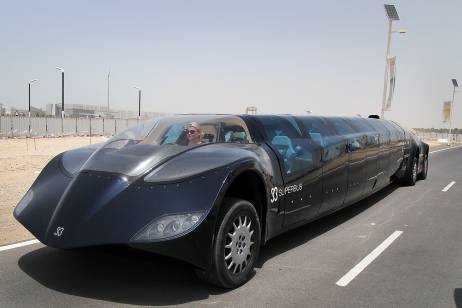 With 23 seats and 16 doors, the all electric Superbus is no ordinary car