
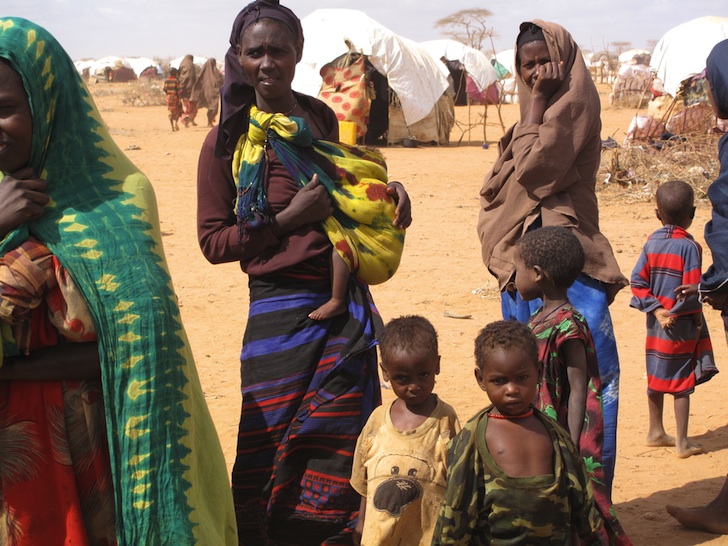
 Up to 100,000 people died in Somalia during the 2011 famine that devastated the Horn of Africa, and British scientists have reported that climate change is partly responsible. The short rains at the end of 2010 failed as a result of natural variations in weather caused by La Nina, Peter Stott of Britain’s Met Office told the Associated Press, but the early 2011 long rains that typically occur around March and April are said to have failed because of climate change.
Climate Change (Officially) Contributed to Somalia Famine
Why Earth Hour Still Matters
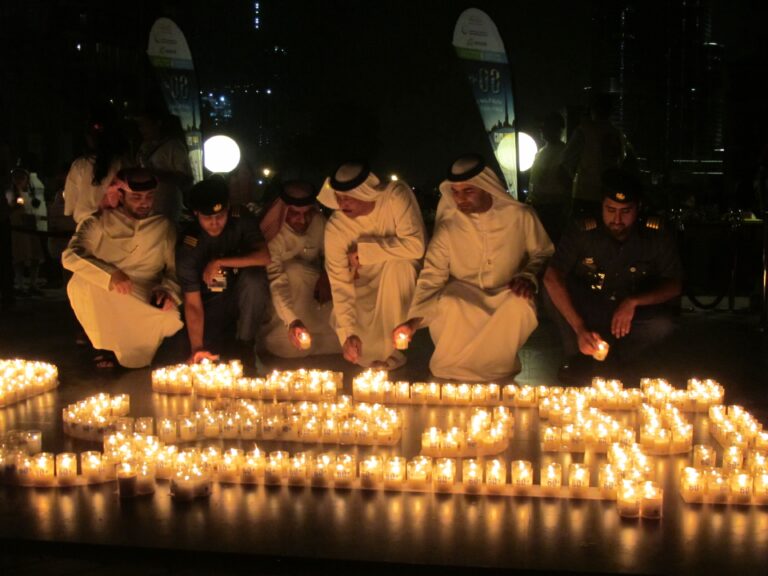
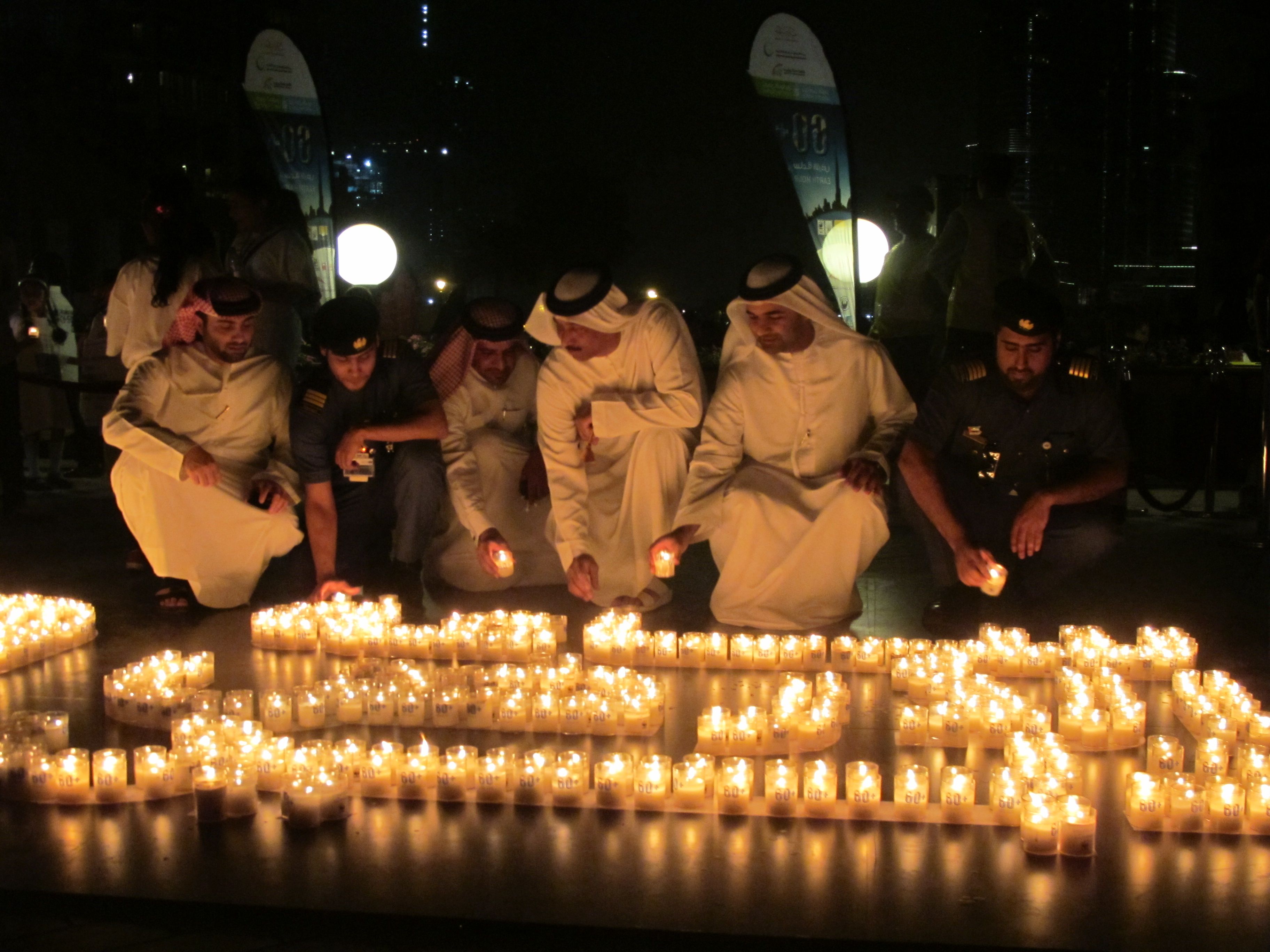 March 23 at 8:30 PM marks Earth Hour. Will you switch off?
Writing for Slate magazine, Bjorn Lomborg argues against what he believes to be the futility of Earth Hour. But Mr. Lomborg’s inability to see the value in such collective environmental efforts makes a compelling case for why we need them. As I pointed out here in Green Prophet, modern electric lights are thousands of times more efficient than ancient candles. Mr. Lomborg is also correct that today’s centralized coal power plants are unable to efficiently cope with a short-lived drop in demand. But this points to a failure our energy infrastructure, not in the Earth Hour concept. So, what is the true value of Earth Hour?
Chemical Waste Destroying Turkey’s Historical Bafa Lake Reserve

Two thousand years ago, Lake Bafa was a bay in the Aegean Sea, known as the Gulf of Latmus. The remains of ancient Byzantine monasteries can still be found on its islets and nearby mountains. Today, the lake in Turkey’s Muğla Province is home to remarkable biodiversity: 261 bird species, 25 plant species, 22 reptile species, and 19 mammal species. But all that is under threat. The lake’s waters have started turning green and foamy thanks to salinization and polluting discharge from factories and fish farms.
3 Ways Eco-Consciousness can Improve Your Love Life

 When you think of being eco-conscious, does your love life come to mind?
There are few things more natural than making love. For all the time we might think about it or dedicate to the discussion of it, how many of us consider the connection between the environment and intimacy? That is changing. As more environmentalists are finding their ‘E-Spot,‘ and learning about ‘Ecosex‘ – terms made popular by activists in the US – the message is being heard around the world: how we treat the planet and how we treat ourselves shows up very much in our most private experiences.
With spring upon us, and all that means for romance and love, here are 3 ways being eco-savvy now can improve your relationships for a lifetime.
Japan Mines Seabed “Fire Ice” – The World’s Most Dangerous Source of Energy?
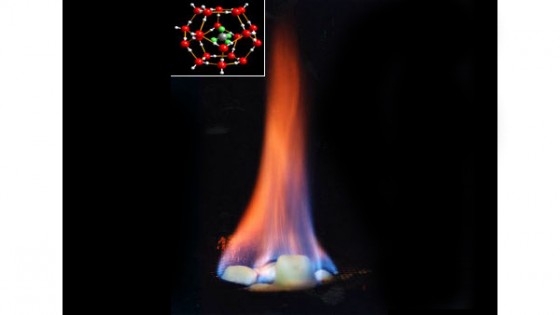
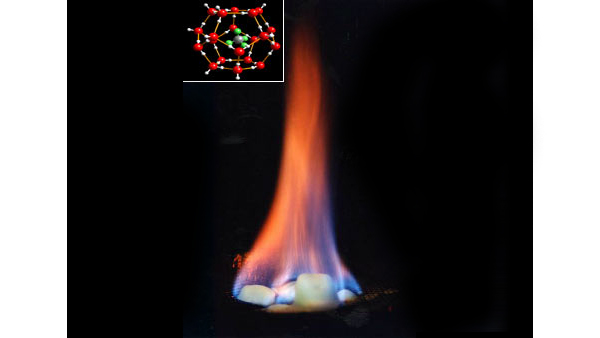 Japan Oil, Gas and Metals National Corporation, a Japanese state-owned prospecting company says it has successfully extracted methane gas from an undersea methane hydrate deposit in the Nankai trench south of Japan’s main island of Honshu. This marks the first successful extraction of methane from such deep sea deposits. The team expects their pilot rig could extract up to 10,000 cubic meters of methane gas per day. Deep sea methane hydrates could supply Japan’s energy needs for 100 years.
For a resource-poor country still recovering from the aftermath of the March 2011 tsunami and Fukushima nuclear disaster, this sounds almost too good to be true. But methane hydrate mining carries unique risks which could make this one of the most dangerous sources of energy.
Markus Kayser’s Sun Cutter is Low-Tech Laser Cutter Powered Entirely by Sun
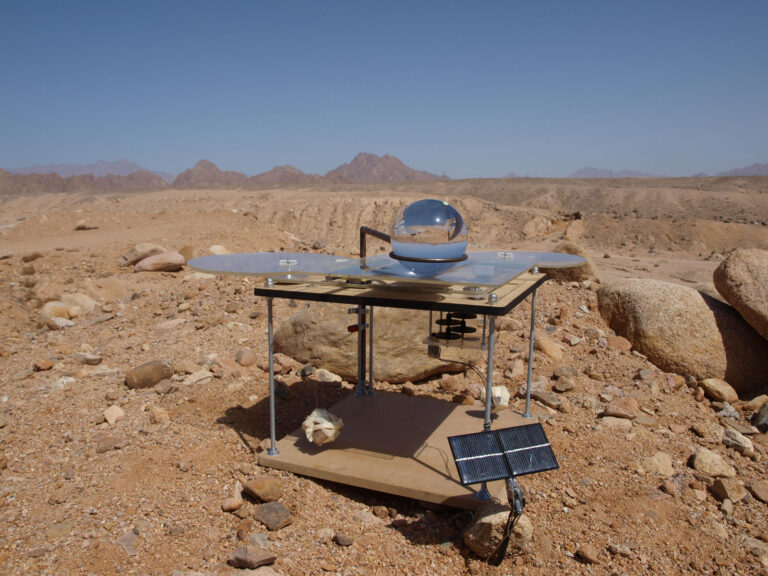
 Anyone who loved the 3D Solar Sinter that uses the sun’s energy to turn sand into functional glass objects will love the Sun Cutter. Also designed by Markus Kayser, this homemade laser cutter carves pre-programmed industrial designs into a variety of materials – including cardboard, paper and even thin slabs of plywood – and it is entirely solar-powered.
Summer World Cup in Qatar Doesn’t Thrill FIFA Medical Chief

After months of debate about the wisdom of holding the 2022 World Cup football tournament in Qatar during the height of summer, FIFA’s medical chief has announced that he is not thrilled with the idea. Michel D’Hooghe told The Associated Press that while he has received strong assurances that the solar-powered stadiums and training facilities will be climate controlled, D’Hooghe expressed concern for the thousands of fans who will have to contend with “elevated” temperatures.
Anti-Tobacco Images Fail to Sway Jordanian Smokers
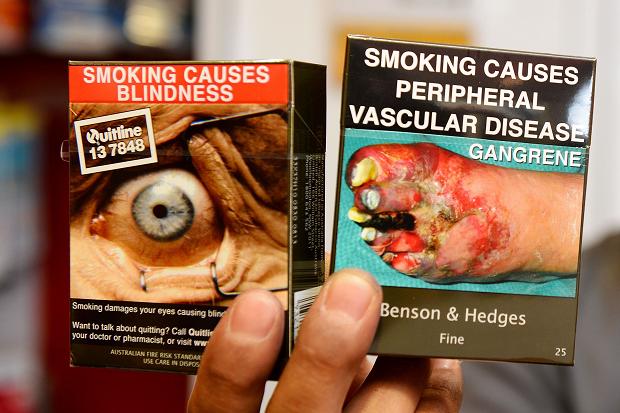
If new anti-smoking images slapped on Jordan’s smokes don’t help puffers kick the habit, maybe Jordan should look Down Under for greater motivation: Beginning this year, as part of Jordan’s obligations to the World Health Organization’s Framework Convention on Tobacco Control (FCTC), the Ministry of Health asked cigarette companies to feature graphic anti-smoking images on cigarette packs. These images are too graphic for us to post. Google will ban our ads here if we do.
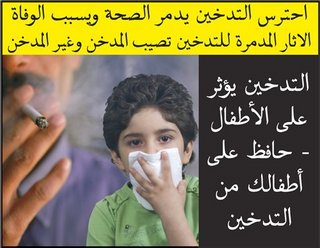 So packs sold in Kingdom now contain very small pictures of a damaged lung, or a coughing child (see image at left), or a cartoony-fetus in its mama’s womb.
The change aims to sharply raise awareness of tobacco-caused diseases and the dangers of second-hand smoke.
According to smokers interviewed by The Jordan Times, it’s not working.
Musa, who’s smoked for 16 years, told the paper, “Whatever they are going to place on the tobacco packs, I will not quit smoking, unless I want to.” George, another interviewee, said, “These pictorials have no effect. I open the pack and smoke without paying any attention to the images.”
Cigarettes sold in duty-free shops or on the black market don’t bear the no-smoking imagery.
A study conducted by the King Hussein Cancer Center’s cancer control office had indicated that the graphics would motivate an estimated 25% percent of smokers to quit.
“I don’t care what pictures they put on the cigarette packet,” Mohammed told the Times. “I started smoking when I was 18, and I haven’t stopped since. I don’t think a picture would make me stop smoking.”
Female smokers said they weren’t put off by the photos. Raeda noted that kicking the habit was a personal choice, saying, “Nothing, neither placing ugly images nor increasing cigarette prices would encourage me to quit smoking unless I want to.”So she says, but steeply raising cigarette prices with hefty taxation does prompt even long-term users to kick the habit.
Last year the Department of Statistics reported that Jordan’s cigarette spending was on the rise, with total spending on tobacco products reaching $678.7 million in 2010 (compared with $497.4 million in 2008). The Heath Ministry reports that smoking cost the country $1.4 billion last year, including money spent on money spent smoke-related diseases.
Smoking similarly smacked the Australian economy, with annual health costs at $33 billion and an estimated death toll of 900,000 over the last 60 years. So in 2012, Australia took it up a notch: the High Court ruled that all smokes must be sold in uniform packaging with minimal branding or logos on a drab brown background. The packs feature a range of eye-popping (and stomach-turning) imagery of a gangrenous foot, a cancerous mouth, or a cadaverous cancer sufferer; in-your-face reminders of the risks of lighting up. See image above for an example.
“They’re so horrifyingly ugly that they are magnificent,” Fiona Sharkie, executive director of anti-smoking campaigner Quit Victoria told Bloomberg News. She said callers to its hotline said the packaging was the “final push” they needed to stop smoking.
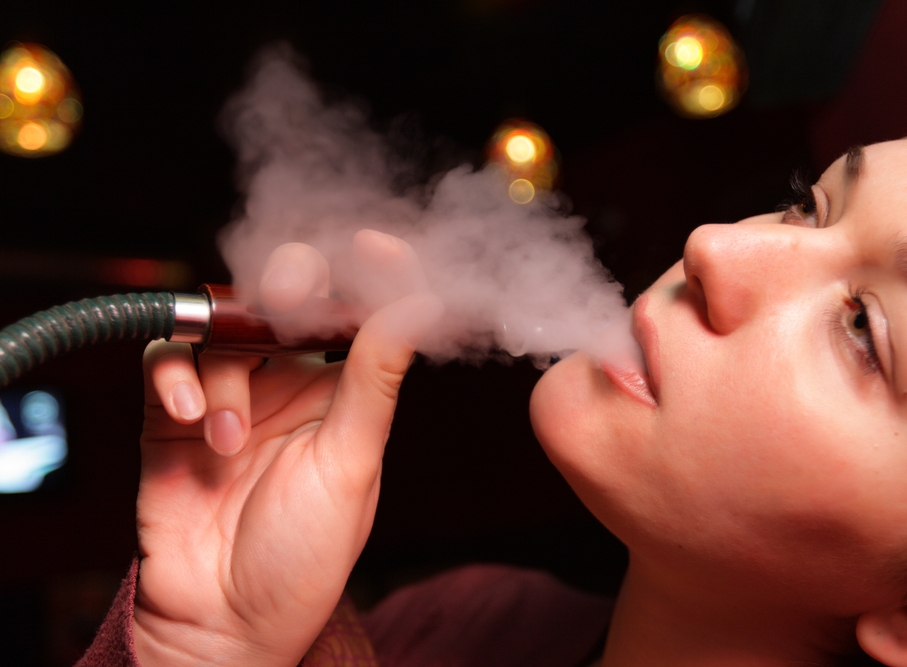
Approximately 29% of Jordanians above 18 are smokers, in addition to 14% of kids between ages 13-15, one quarter of whom smoke sheesha. According to WHO, tobacco is killing about 6 million people each year. It contains over 4,000 chemicals of which 60 are carcinogens, in addition to addictive nicotine.
Scary statistics warrant scary warnings. Jordan would be wise to adopt the new Australian packaging and pull no punches when it comes to tobacco addiction.
Turkey Plans to Introduce Emissions-Based Tax on Motor Vehicles
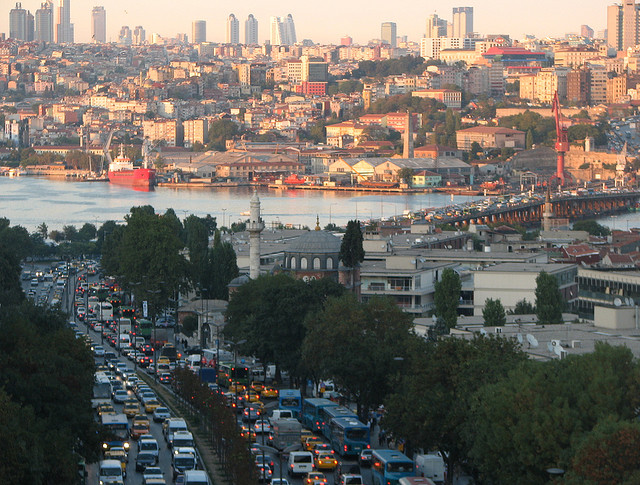
There are currently 1.6 million automobiles on Istanbul’s roads, according to Embarq Türkiye — and each day, 640 more are registered.
Following British and German models, the Turkish Finance Ministry has begun designing a new scheme for taxes on motor vehicles and their purchase, reports Turkish paper Hürriyet Daily News. Under the plan, the taxes will be based on the amount of pollution emitted by a vehicle, rather than the engine capacity and age of the vehicle, as used to be the case.
Ethical Oil, Gas and Mining? EITI is the LEED of Fossil Fuels

Roughly half of the world’s population lives in resource-rich countries, and yet the same number survives on less than $2.50 per day. How can this be? Partly, the answer lies with irresponsible resource extraction. Giant corporations move in to communities, suck up their oil, gas, or minerals, make shifty deals with corrupt governments, and leave behind a big mess.
Rivers are polluted, air quality destroyed, and a way of life for people who survive on those natural resources is often irrevocably destroyed. But what if there was a better way? What if companies try to lessen their environmental impact and regenerate the landscape? What if they voluntarily ensure that communities also benefit from the wealth obtained? Cue the Extractive Industries Transparency Initiative (EITI).
Masdar CEO Appointed Minister of State
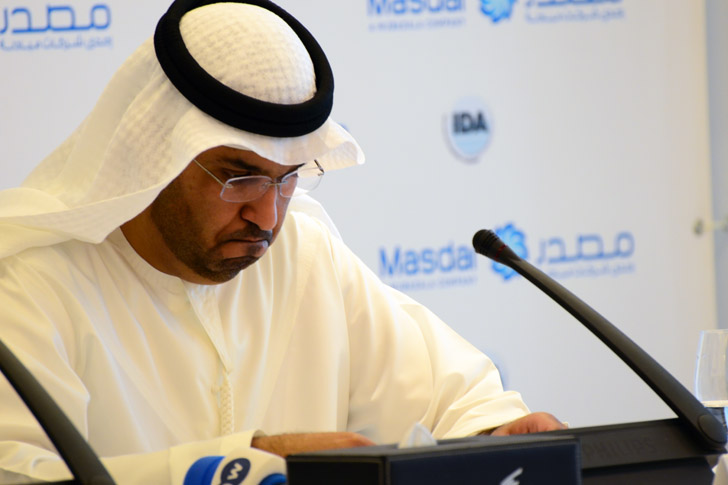
By appointing the Chief Executive Officer of the country’s leading renewable energy initiative as Minister of State, the oil and gas rich United Arab Emirates sends a very clear message to its own people and the world that they are serious about cleaning up their overall energy portfolio.
Last week the UAE rearranged its cabinet, appointing several new ministers, including Dr Sultan Al Jaber – CEO of government-backed Masdar. The cabinet reshuffling took place just days before Masdar announced that Shams 1 – the world’s largest Concentrated Solar Power (CSP) plant outside of Abu Dhabi – has finally gone online. Dr Al Jaber has led the organization since its inception in 2006.
SunDwater Solar Mirrors Focuses the Sun to Make Dirty Water Clean
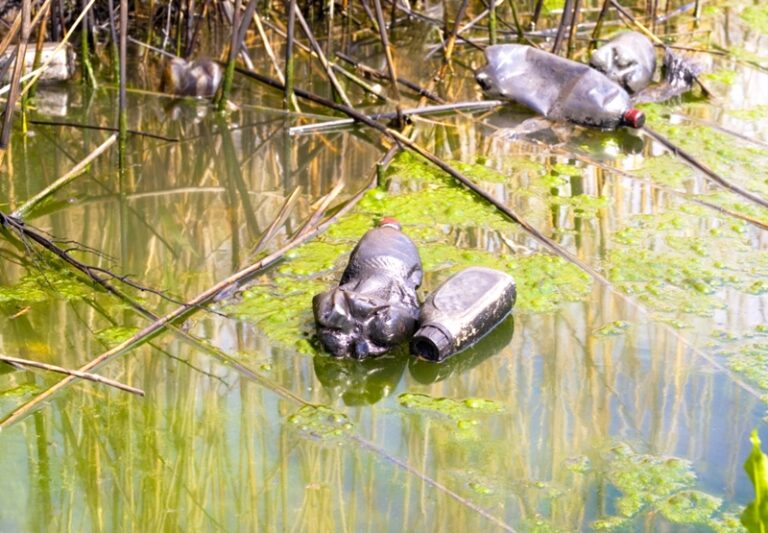
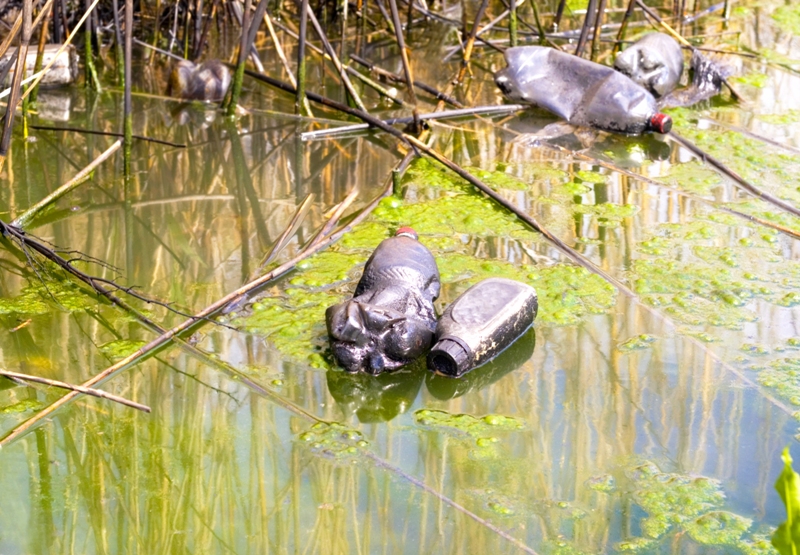 SunDwater’s solar powered water distiller can convert polluted water like this into clean drinking water
Chronic and even acute shortages of fresh drinking water is one of the developing world’s most serious issues today; especially in areas torn by internal conflict such as Syria. A number of viable methods for making water potable have been put forward in Green Prophet; including very simple ones such as using sunlight to purify dirty water enclosed in plastic bottles and “Life Straw” hanging filters that can be taken anywhere and used in emergency situations such as post hurricane and typhoon locations as well as in temporary shelter areas for conflict region refugees.
With Swordsmen in Short Supply, Saudi Considers A Greener Execution Solution

 Can executions be green? Laurie answers this tongue in cheek.
Tardy executioners have prompted Saudi Arabia to re-evaluate their centuries-old practice of public beheadings.The use of capital punishment in Saudi Arabia is based on a hardline interpretation of Sharia (Islamic) law. The practice attracts international scorn because of the wide array of crimes which garner the death penalty, ranging from murder to witchcraft. Lose your head after your fourth theft, too.
After centuries of public beheadings, the kingdom is considering firing squads as an alternative means of execution. The New York Times reports that a special inter-ministerial committee recommended that the kingdom’s governing princes should have the option to utilize firing squads “because of the scarcity of swordsmen and their unavailability in a number of regions,” according to a statement from the committee.
That statement explained that the few “officially authorized” swordsmen were so busy traveling between different regions to conduct executions that they sometimes arrived late, “which causes security confusion” complicated by waves of “resulting spreading of rumors through modern technology”. Using local firing squads resolves those problems – and – lowers the executioners’ carbon footprint by eliminating regional travel.
China’s Suntech Solar, Owing Millions, Faces Emminent Takeover
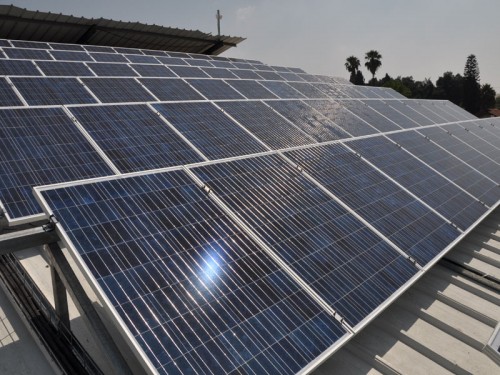
Suntech’s financial woes may have an effect on solar energy plant projects like this one
Suntech Solar, the Chinese solar panel manufacturing company that became involved in a number of Middle East solar energy projects, including deals to sell home solar panels in Israel and a bid for Abu Dhabi’s Masdar City’s Nour 1 solar energy project is now on the verge of financial collapse and eminent takeover. This revelation, as reported March 13 in the Energy and Environment section of the NY Times said that Suntech, one of the world’s largest manufacturers of photo voltaic (PV) solar panels, has nearly run out of cash as a result of investing more than 530 million Euro ($630 million) in German bonds which may prove to be fraudulent. This is bad news since Suntech had announced create a solar research center in Israel.
Fungi Could Clean Pollution, Give Fuel and Food: Egypt Research
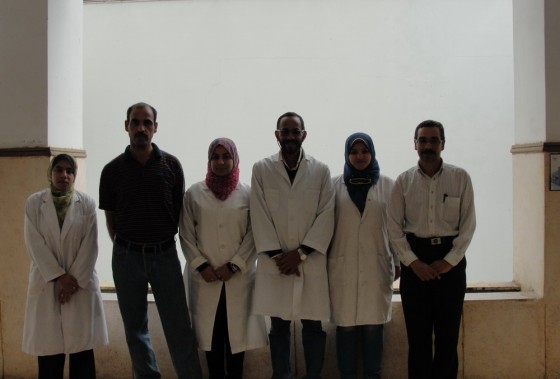
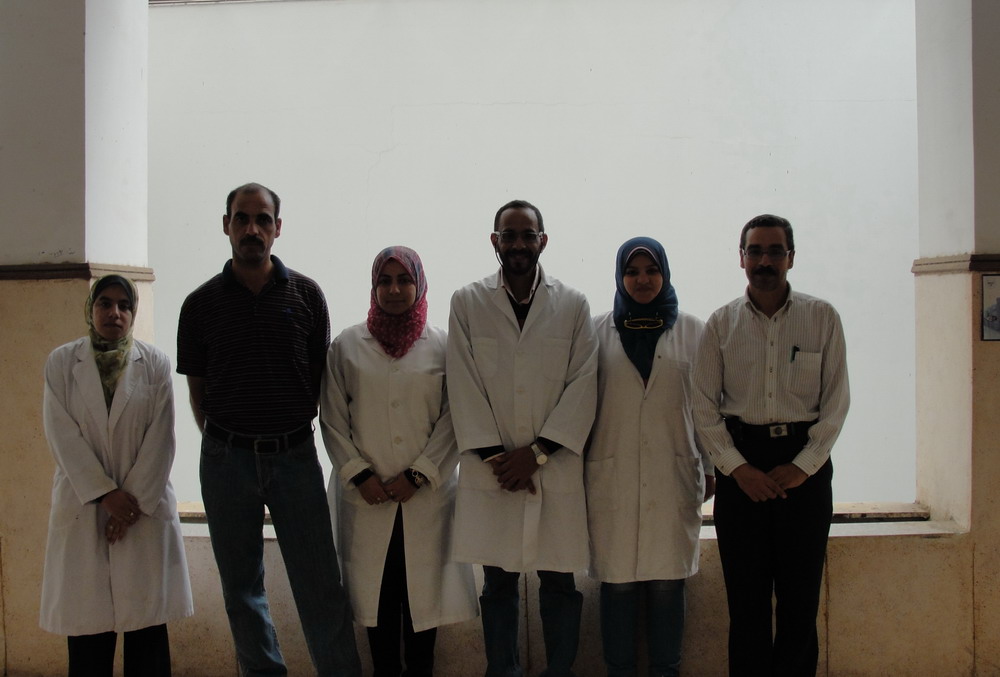 Ahmed Abdel Azim and his team at Suez Canal University advance research in mycology (fungi)
Its not the first time that Green Prophet covers stories on how Egyptian scientists are applying science to public policy. In 2011 Azza Abdel Hamid Faiad, winner of the European Union Contest for Young Scientists, found a new way of turning plastic into biofuel. In the last couple of years mycology research in Egypt has been flourishing as new research studies and projects are beginning to look at ways in which fungi could help overcome many of the economic and social problems in the Middle East North Africa region.
In 2010 Ahmed Abdel Azim, mycologist at Suez Canal University and founder of the Arab Society for Fungal Conservation, published the first fully documented checklist of 2281 species of fungi in Egypt. In an interview with Green Prophet, Abdel Azim reveals some of the many research projects which could help tackle waste and soil pollution, fuel scarcity and food security in the Arab world.