 A newborn baby boy has died and his three-year-old brother is critically ill in hospital after they inhaled a toxic pesticide used in the apartment next door to his family’s home in Sharjah, in the United Arab Emirates (UAE). Police said the neighbour sprayed his flat with the banned bug-killer, which he was given by a friend, then left for a few hours. The boys experienced terrible pain and vomiting after inhaling aluminium phosphide fumes, which likely passed through the apartments though an air conditioning vent. The baby’s death is the latest caused by pesticides.
Sharjah polices arrested the neighbor and charged him with wrongfully causing the death of the child, despite his claims that he did not know the pesticide was a banned substance. They found traces of the chemical inside his apartment, and dead insects in both units.
Police also found cans of the illegal bug “bomb” outside the building, with children playing nearby. “Those bottles can explode if there is a fire beside them,” said Colonel Abdul Qader Al Ameri, the head of the forensic lab at Sharjah Police. “Only God could have saved those kids.”
“We opened the neighbor’s door and the smell was even stronger and a large amount of insects were lying dead on the ground,” a police official told the National.
Police are still looking for the man who supplied the chemical, which releases a poisonous gas that can cause suffocation.
It is illegal to use aluminium phosphide in residential areas as it creates a gas that quickly can leak to other parts of a building through the air ducts and wall vents, causing lethal poisoning. The chemical was banned from public sale in 2009 and only licensed operators may use it. It is usually sold in tablet form.
“It’s just sad to know more people are dying because of reckless individuals who used this prohibited material,” another police official said, “Some people still use cheap things as pesticides and use unlicensed companies. They don’t care for their neighbors’ lives.”
Last July, a Filipino worker died and five others were hospitalized in Dubai’s Al Nahda area after a neighbor used the powerful pesticide phosphine. Doctors initially thought they were suffering from food poisoning.
In 2010, a pest control company in Ajman exposed triplets to bug-killer, killing two boys, aged 5 months, and critically sickening their sister. A year later, pesticide exposure killed a 33-year-old Dubai man, and in May 2012, 10 people were hospitalized after exposure to the chemical in a residential building in Naif, Dubai.
Lallan Yadav, agriculture engineer at Elite Xpress Cleaning, said that the chemical is meant for warehouse fumigation and should only be handled by professionals. Companies must pass municipality tests before being authorized to handle the fumigant.
Pesticides used in Sharjah must comply with municipality-approved specifications, public health and environmental standards and technical requirements about amounts used and methods of application. In Sharjah and Abu Dhabi, companies must be registered with the Centre for Waste Management and the Department of Economic Development.
Health officials in Dubai have issued warnings about hiring illegal companies, with municipal regulations prohibiting importing, handling and trading of pesticides without permission. This latest fatality may prompt more stringent controls for pest control, and raise public awareness to the tragic consequences of not abiding them
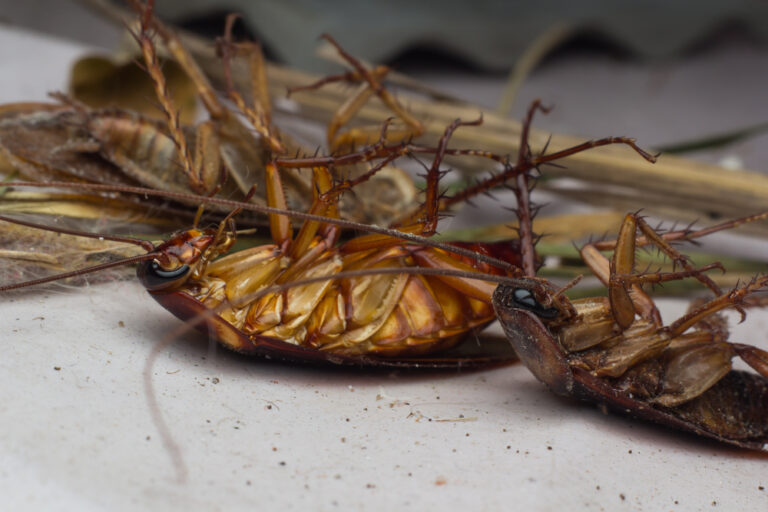
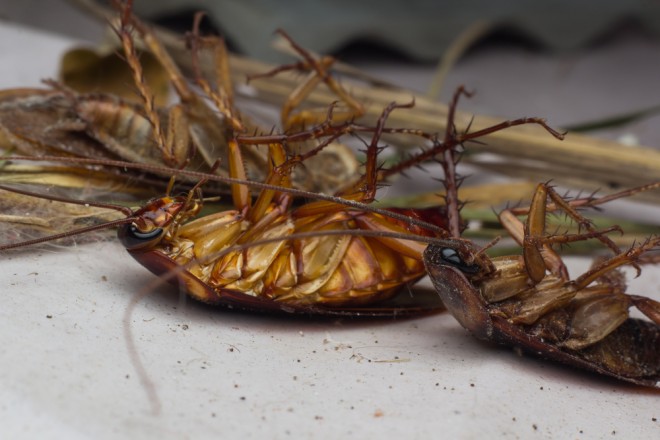
Image of dead cockroaches from Shutterstock


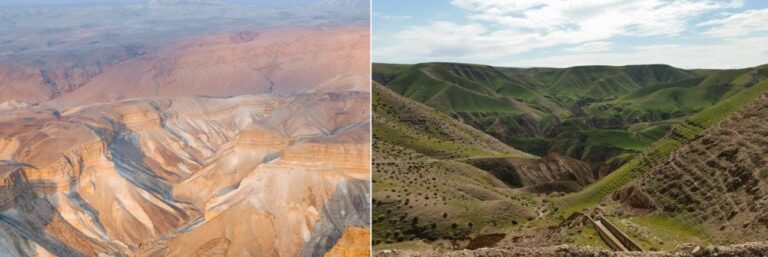
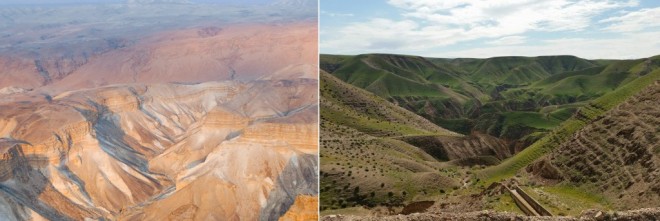 Record rainfalls dumped on the region in this winter’s storms rendered a remarkable makeover of the Judean Desert, turning it from a Middle East dust bowl into rolling English hills. Israeli photographer Nir Cohen captured the transformation in these stunning images; see before and after photos above.
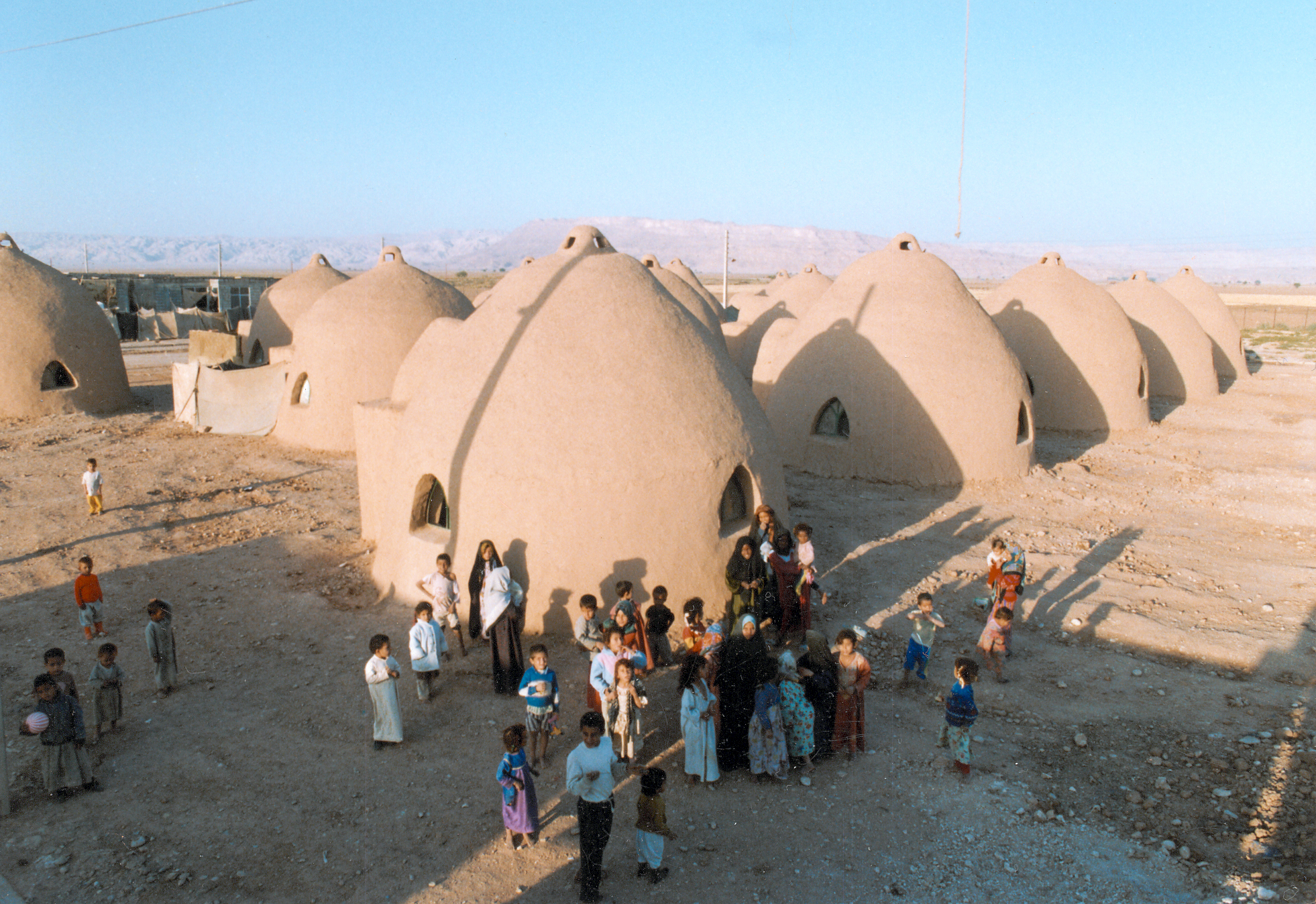
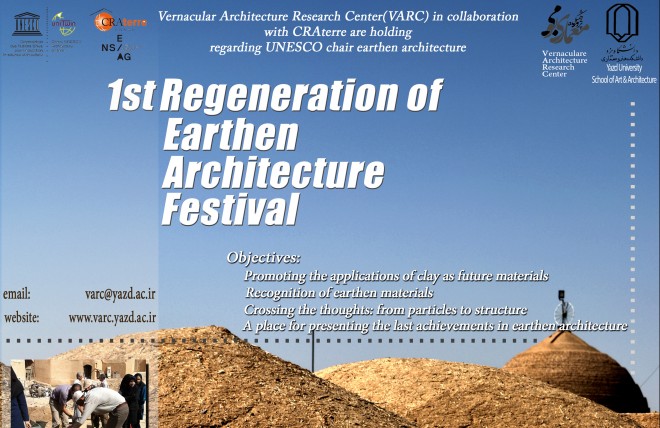
 This is a positive step forwards towards the recognition and practical application of Iranian sustainable building knowledge still locked inside vernacular architecture.
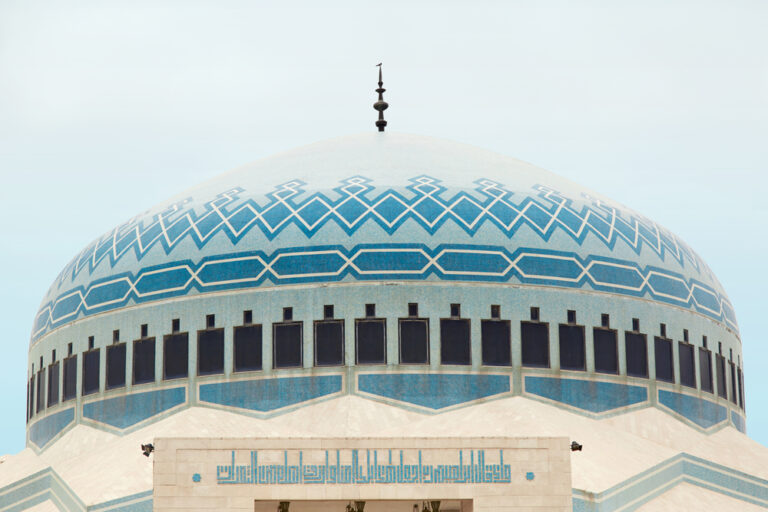
 Jordan’s Ministry of Energy and Mineral Resources announced a new initiative that will convert all 6,000 of the kingdom’s mosques to solar generated power beginning this year. It’s part of a five-year program to decrease the nation’s reliance on crude oil while diversifying its energy portfolio to include more renewable energy sources, such as wind and solar power.


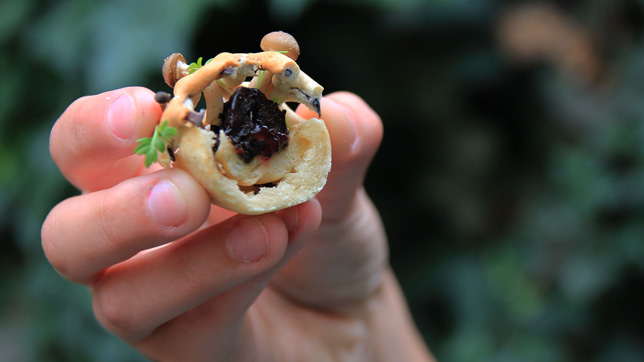
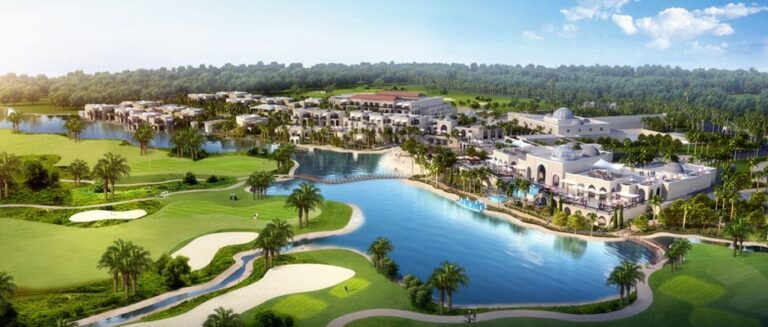
 Dubai developers reach a new zenith in outrageous investment with just-announced plans to build a tropical rainforest on the desert outskirts of the city. The forest will exist within a climate-controlled dome as a key feature of a new luxury housing development. But the real news within this news is that local environmentalists are complaining, finally.

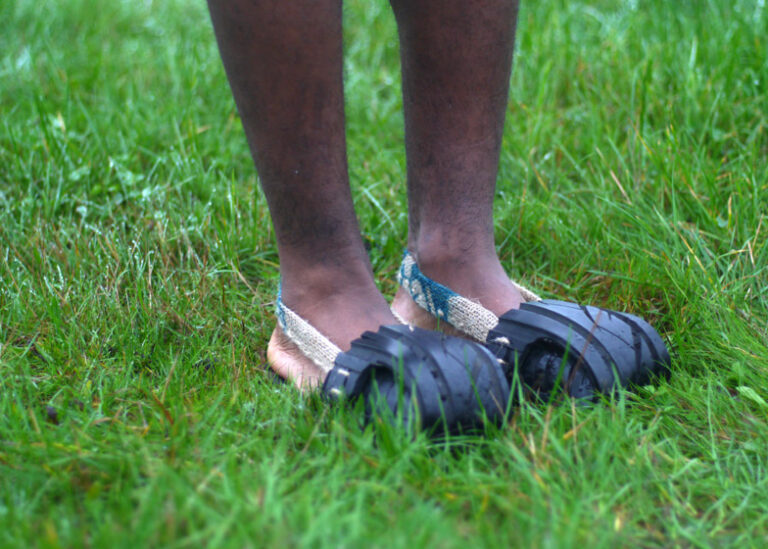
 The tire industry is one of the largest users of virgin rubber, blending it with sulfur and heating the mix to create ‘vulcanized rubber’. It’s a highly durable material that is notoriously difficult to recycle. Design schools, small rural start-ups, and major clothing manufacturers are all working to develop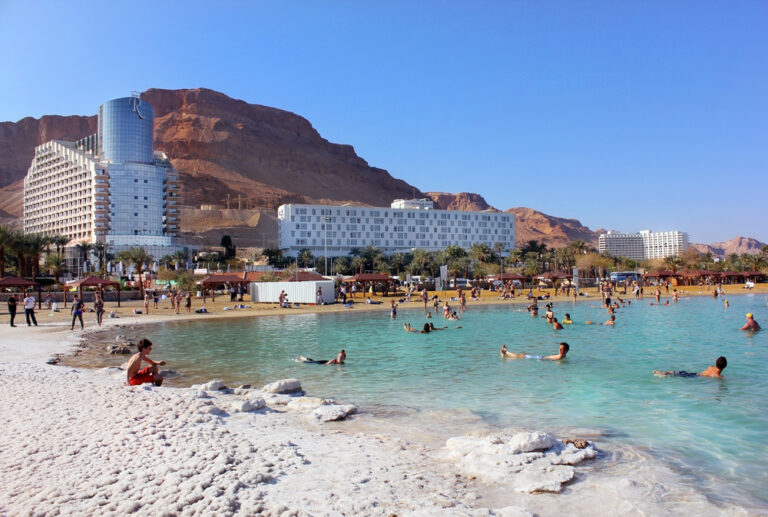

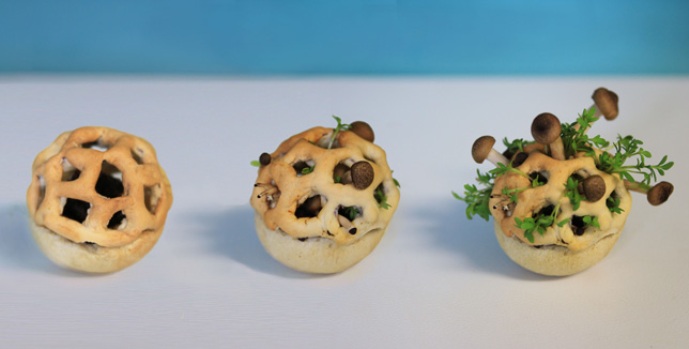
 Who says you can’t have your cup and eat it too? The maker of those