
Home Blog Page 260

Investors get primer on Impact Investing in Israel

2

impact-investing-israel

What’s the social value of a new app that connects me to the best pizza in town? Or a gadget that can help me talk to a fellow gamer in China? Maybe the answer is zero, but maybe not. There is a new investment trend in town and it’s called Impact Investing. While the East and West Coasts of America are already familiar with the term Impact Investing, the Middle East is not. But you know some Impact companies already: Tom’s Shoes. Ben and Jerry’s ice cream.

Doing good for people and planet are known themes in the eco world. But investors haven’t caught up. They may have followed on the clean tech bandwagon, and got burnt from solar, but since that’s fallen out of fashion, what’s next?

Aligning language with practice is a new organization in Israel called Impact Investing Israel with a mission to motivate investors and startups to connect to that place, grounded in reality, where society impacts made by companies can be tangible, measurable and real. You can find Impact Summits from Chicago to New York to San Francisco and now Israel is getting its first.

What can Impact Investment mean? A new startup that 3D prints artificial limbs? A device to help people grow food more sustainably? An app that saves people’s lives from malaria?

The idea of Impact investing seems to have been a natural knock-on effect of what’s been happening in the world of sustainability over the last 15 years where die-hards follow the Triple Bottom Line: People, Planet, Profits. Impact loosely follows the spirit, and is guided by organizations like the B Corp in the US which helps develop criteria for Impact investors to know – what kind of company will have a measurable impact on society?How can we judge and predict a startups’ future Impact?

Over in Israel, investors and entrepreneurs will explore the theme and opportunities at the country’s first Impact Investing Conference taking place on Monday, March the 16th.

I’ve been covering the startup scene in Israel for nearly 15 years. There are so many Israeli companies in biotech and cleantech that could easily be branded as Impact companies, a good idea now that the word clean tech is out since solar energy investments, and investments in biofuel, even promising electric car ventures went belly up. Impact is less specific and gives more room to breath. This is my assessment but I am sure I have lots to learn.

Getting to Know Impact

ronny faivelovitzRonny Faivelovitz, the founder of Impact Investing Israel tells me that the event is a primer, a way for the Israeli investment community to “get to know Impact Investing. There is a lot of talk and buzz about investing in this field,” she says, “but not everyone knows about how to do it right.

“The conference is about aligning this information,” Faivelowitz stresses. Coming from the sustainability world and now charged with the goal of impacting Impact, “I want to give all the information knowledge and techniques to Israeli investors and startups so they can assign to global standards. We will show case studies and ways to learn from experience.”

In the past Faivelowitz best describes her work with startups in the areas of “clean tech, water solutions, social businesses.”

She saw that Israel has a lot to offer and that Israeli companies have great ideas that can make an impact on society.  And no, Impact isn’t just about Africa and feeding the poor, she stresses: “Companies need to know how to build a business plan and an Impact plan. That’s what an Impact Investor will want. They can’t just want to change the world, but need a sound ROI strategy in a global language standard,” she tells Green Prophet.

As for who’s on target for Impact, the event will showcase 11 Israeli startups that have demonstrated a measurable effect or potential for greatly influencing the health of society. But this is more of an event for investors: “The main subject we are dealing with is not from the side of startups,” Faivelowitz urges.

“We want to talk with VCs, private investors, philanthropists. We want to show them how and hold their hand as they take their first steps out in the field.”

Countering notions that Impact companies take longer for the Big Exit or IPO, Faivelowitz shrugs this off. “It’s not that all companies take more time. Each one is different. Most startups from the outset will not make an exit.”

What she does want to do is encourage traction in this investment area, because it’s worth it: “Investors should take it on as a professional field and strategic move. Research has shown that if you invest in these companies they will be more sustainable, and there is less of an investment risk over all because they are built according to regulation. And most can be profitable,” Faivelowitz says.

Consider this: “If you are building a company by definition as Impact it can actually help you with the next funding round because there are a lot of big institutes now already courting publicly their investments in Impact companies,” she concludes.

The event next Monday expects to bring out 300 people, mainly investors.

Who’s got it right? There is an Israeli company called Keepod that provides makes a small computer on disk on key, or a flash drive, for $7.

When you buy one the company also sends one to someone else in Africa. Like the Tom’s Shoes model. It all goes back to eco in the end. But I am going with the flow and believe Impact will be a much more sustainable direction than the eco brand or green, at least in terms of semantics. If not practice.

Among the speakers at the Impact Investing Conference will be:

  • Sir Ronald Cohen, Social Impact Investment Taskforce
  • Abigail Noble, World Economic Forum
  • Eitan Stiva, Vital Capital
  • Chemi Peres, Pitango
  • Danny Almagor, Small Giants
  • Robert Rubinstein, TBLI

According to the Impact Investing Israel group Israel has more “high tech start-ups and a larger capital industry per capita than any other country in the world. Now, an increasing number of Israeli innovators and social entrepreneurs are focusing their attention on solving some of the world’s greatest social and environmental challenges, from addressing issues of food security through agricultural technologies to providing sustainable energy and health solutions.”

Let’s wait and see what sort of Impact investments will be coming out of Israel.

Sensilize delivers chemistry lab by drone to the farmer’s field

4

sensilize robin

Drones, those small, unmanned remote controlled airplanes with cameras can now be ordered by anyone online. They freak some people out. Not everyone loves the idea of a drone honing in on you in your backyard, but in agriculture, forestry and even in conservation they are the hot topic of the year. How can we make the most of drones to better food production, and help our planet?

Consider that Abu Dhabi is already using drones to train eagles, and for conservation efforts, but Abu Dhabi has banned drones for recreational use. American and European farmers are already enjoying the remote control possibilities of “seeing” their crop from the office at the farmhouse.

But just sending out a drone to man the fields doesn’t solve the bigger questions: what to do with all the footage, and how to make smart decisions from the hours of data collected?

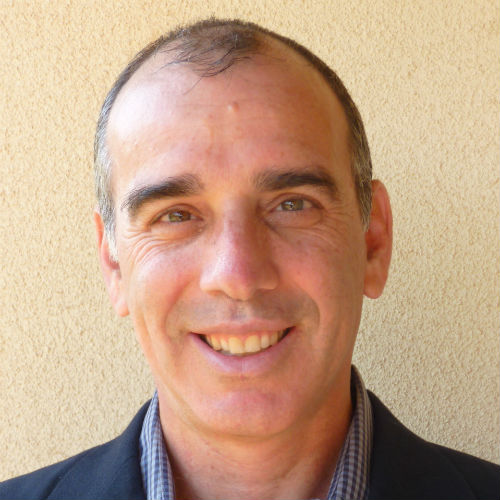
Two wonder whizzes from Israel have the key. Robi Stark, the CEO of Sensilize, and his partner Yoav Zur are experienced scientists that understand imaging data. They’ve both done PhD level work in the area long before going on to work in remote sensing for defense companies like Elbit Systems. In recent years they decided that they wanted to make an impact on this world and set themselves on a year-long journey studying what’s missing in agriculture.

After buying their own drone and then realizing the legal framework for flying the vehicles is rife with complications – from the United States to Europe to Asia – they understood that a tool for drones, to help them collect better data, would scale their skills and expertise.

robbi-starck-robin-sensilize

sensilize-robin

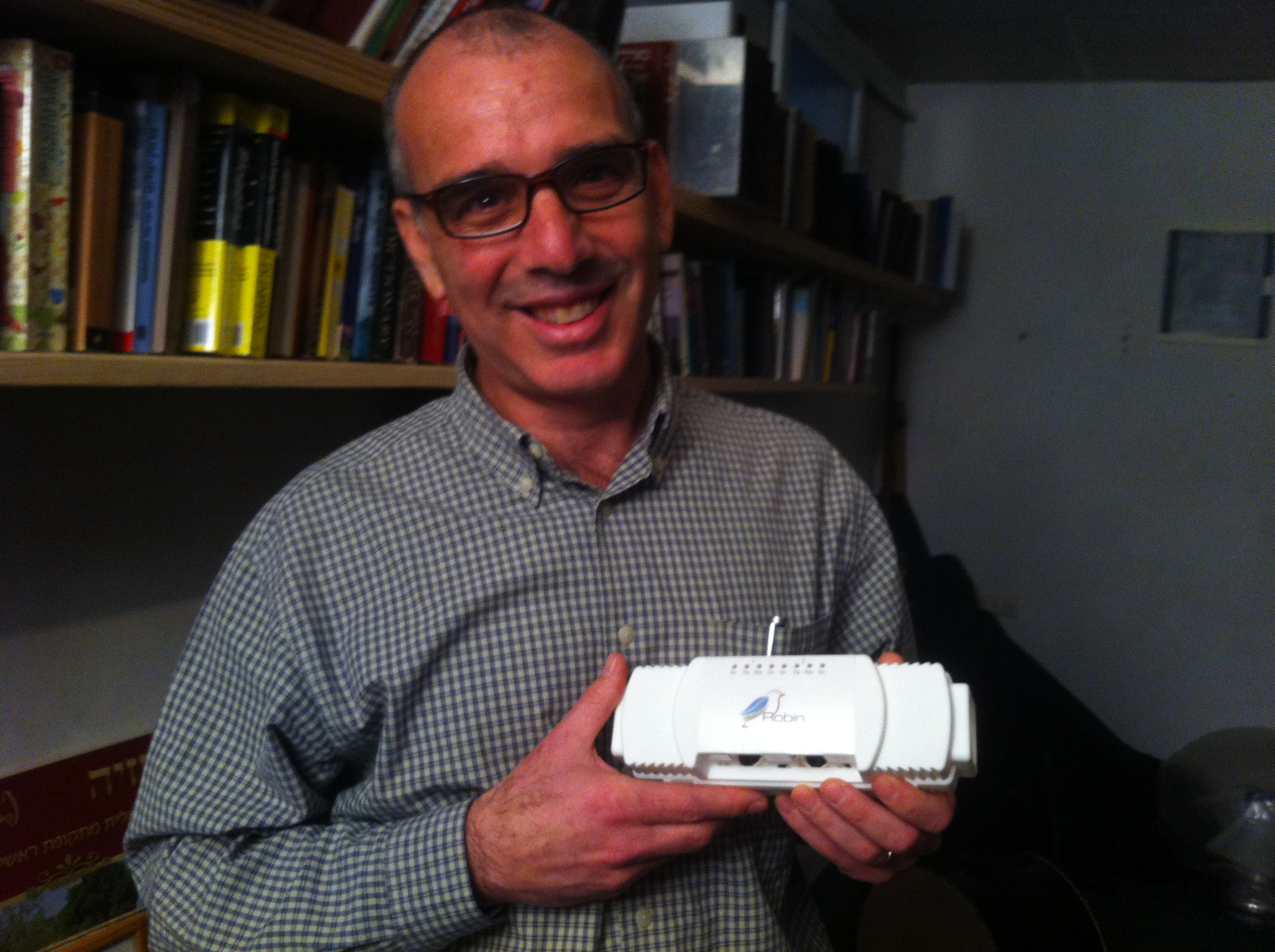
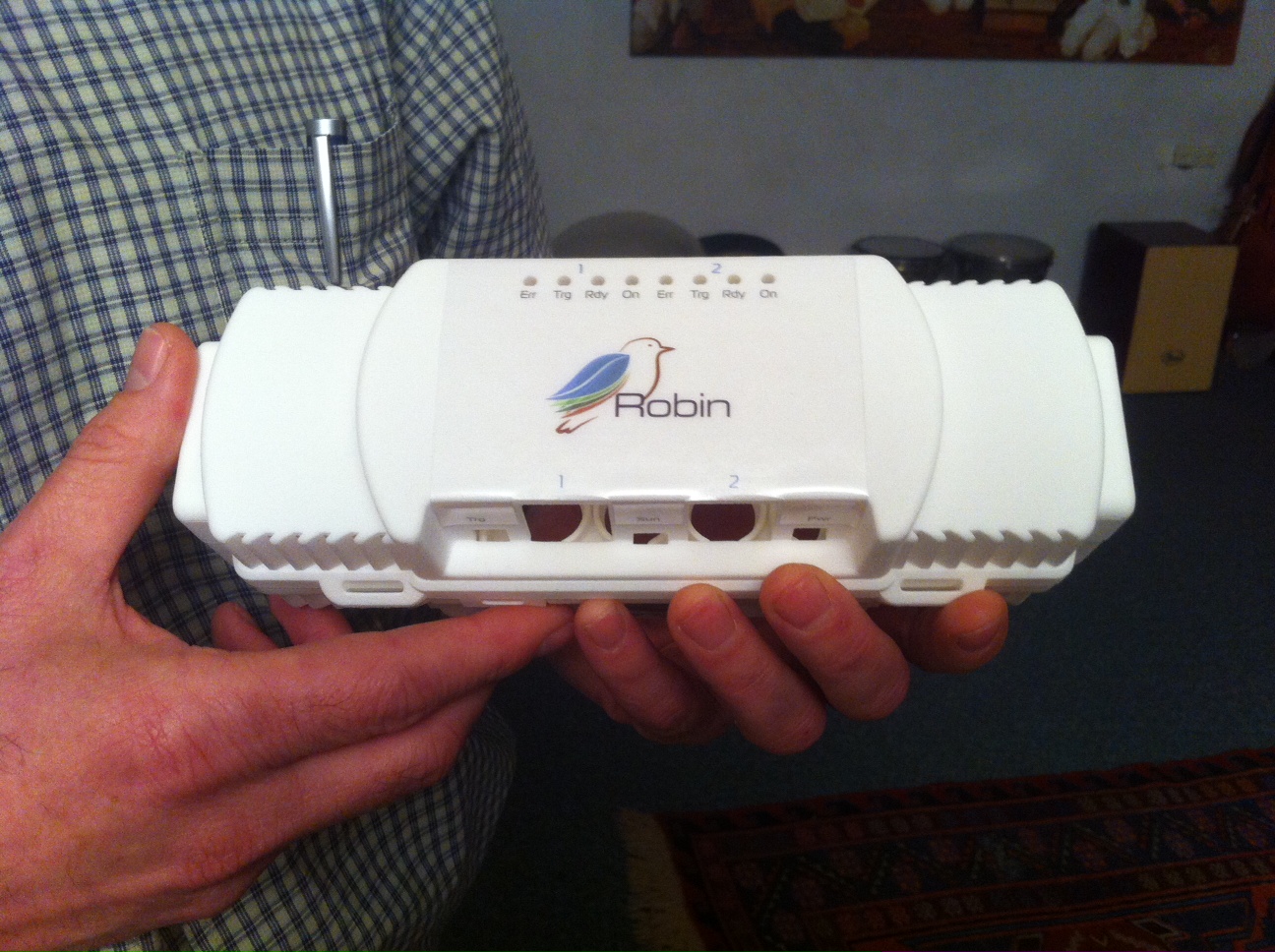
Today Sensilize offers the Robin system: one component is the Robin Eye, a small lightweight sensor about the size of a pencil case that is integrated into the drone. It collects raw data imagery so farmers, or those advising them, can make smarter and swifter decisions about crop management. When disease strikes, or when it’s time to harvest thanks Robin Mind, the software behind the sensors, can analyze the acquired data.

Just a few weeks ago the Food and Agriculture Organization’s director Jose Graziano emailed me saying that “Agriculture must change.”

Can this form of monitoring help change the way agriculture is managed? Stark is just back from the World AgriTech Investment Summit in San Francisco where he presented the Sensilize solution. He tells Green Prophet that he saw an enormous interest in his technology from CEOs of leading agtech companies and related industries.

Robi-Stark“Precision agriculture is going into the big farming operations. Everyone is looking to feed the world,” says Stark in an interview with Green Prophet. “We can’t provide our needs only by GMOs and biotech but also by better management.”

After a flyby with Robin on board Sensilize, the technology drills down using image processing to map vegetation mapping while conducting leaf analysis from above to see if there is any stress or deficiency in the crop or forest canopy.

Current solutions just take pictures of what’s going on below without any deep level analysis of what’s really happening, Stark tells Green Prophet.

“Others seem to deal with contours or geospatial issues. We are getting into the image and map looking at actual quantitative concentration of the pigment as a chemical lab, in a non-destructive way. All of this based on the “fingerprints” of the crops and soil.”

Getting to that point was an evolution inside the company:

“At first we wanted to develop applications to the consumer world, help you shop so you know which fruits are fresh and which are rotten, then we moved to the flower industry. After understanding challenges there we moved onto vegetation in the professional agtech market and matched this with drones.”

The mistake was actually buying a drone. “It was a flop because regulations globally are too complicated and the importance not rely with the platform of flying but with the data and the ability to transfer it precisely into actionable information,” says Stark.

“With this approach, we are now seeing interest from farmers, agronomists who manage farms, utilities companies and conservationists concerned about forest and land management practices.

“We wanted to create a tool that is available for use and which is simple. Drones are cost effective tools that are flexible. Whereas, satellites have problems with resolution and aircraft is expensive.

“We developed a solution that can be used by most of the drone platforms that exist in the market and once we decided this move everyone became our friends. So we knew that we were on the right track and that our end user wanted data analysis. Today we are one of the few companies that builds an application with sensors for vegetation mapping.

With seed money and later on another investment, both from the BLUE Private Equity Fund Stark and his team raised funds and started working.

Response from the world is that “Everyone from investors to innovators are looking to agriculture. The money is in the data. And with us drone companies can sell more drones. Some 15 plus UAV companies around the world have shown interest in integrating our sensor and using our solutions. Some of them have integrated it already and others are in the pipeline,” says Stark.

“We are bringing good data for actionable information. Taking this whole approach makes us unique. At the end of the day what is important for everyone it is the data..”

Others in the space include Airinov and MicaSense, which have both been acquired by Parrot.

Clients and users that already tested the Robin include Israel’s Jewish National Federation, the organization that plants trees in Israel. They want to use the system know about sick or diseased trees that may fall.

While the plan is not to put foresters out of business, Robin, ready for market this April, aims to arm foresters and farming stakeholders with a plan they can act on before disease or destruction takes root.

If that can save time, money, forest fires and prevent us from using dangerous pesticides we will be the first ones to fly with Sensilize.

::Sensilize

Solar-powered plane’s round-the-world journey underway!

1

Solar plane take off MuscatWe’ve all heard of the benefits of solar power and the emergence of innovative new projects that are making use of the sun’s energy. But one is soaring above the rest of them – a solar-powered plane attempting to fly round the world!

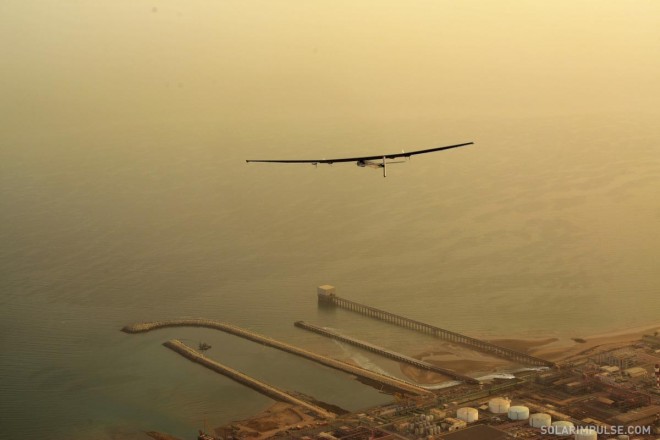
Solar Impulse 2 took off from Abu Dhabi in the United Arab Emirates early on Monday morning and has already completed its first 250-mile (400km) leg, landing in the Omani capital of Muscat. It’s now on its way to India.

Two pilots are attempting the potentially record-breaking voyage. The journey will take several months to complete, and if successful the plane will be the first to fly round the world without any fuel.

Solar Impulse founders André Borschberg and Bertrand Piccard will take it in turns to fly the plane, swapping at each stop. Their 5,000 km (22,000 miles) journey has been organized to garner international attention on sustainable energy.

Pilot in cockpit

After stopping in India, the plane will head to Myanmar and China before flying over the Pacific Ocean and across the United States and southern Europe to eventually arrive back in Abu Dhabi in approximately five months.

The plane weighs around the same size as a family car (2,300 kg, 5,100 pounds,) yet it actually has a wingspan as wide as the largest passenger airliner.

The Solar Impulse website states that: “Solar Impulse wants to mobilize public enthusiasm in favor of technologies that will allow decreased dependence on fossil fuels, and induce positive emotions about renewable energies.” Well, they’ve got off to a flying that with that!

The project has been over 12 years in the making, with research, tests and development. The Solar Impulse team is made up of around 90 people, including engineers, technicians and mission controllers. It also has about 100 partners and advisers to advise on the project, financially and technologically.solar-impulse-plane-3

Images courtesy of solarimpulse.com

Weasel on a woodpecker? Discover Dubai through an eagle’s eye instead!

3

Martin-LeMay-weasel-on-a-woodpecker

The world went wild last week over an unforgettable image of a weasel riding bareback on a woodpecker in flight.  It is difficult to imagine a more astonishing moment that the one captured by amateur British photographer Martin Le-May, unless maybe if that woodpecker had a camera strapped to his chest.  But that sort of nutty nature photography could only happen in Dubai, right?

Rolls Royce Phantom joins Abu Dhabi police fleet

Abu Dhabi police Rolls Royce Phantom
Abu Dhabi police unveiled their latest acquisition cop car, a Rolls Royce Phantom tricked out in purple and white, the colors of the state police force.  It’s the newest addition to the fleet of United Arab Emirates (UAE) police supercars.

Is Tel Aviv’s green bus terminal still blooming?

garden guerrillas attack tel aviv bus station

South Tel Aviv’s Central Bus Station (CBS) sprawls across 10 acres in the poorest part of the city. Inaugurated in 1993 as a “city under a roof”, the neglected station – like many urban transport hubs – has since became a hangout, hotel and unofficial business center for addicts, prostitutes, thieves and homeless. It’s not a place to dawdle. Could plants and paint transform this beast into a safe source of civic pride?  The optimistic folks behind Next Station thought so. But what’s happened since the project’s November launch?

Sun, sea and…solar power for Egypt’s Sharm el-Sheikh

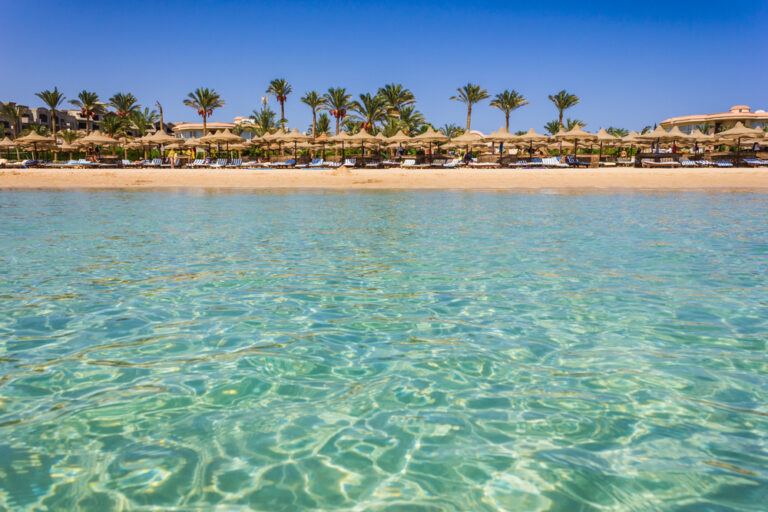
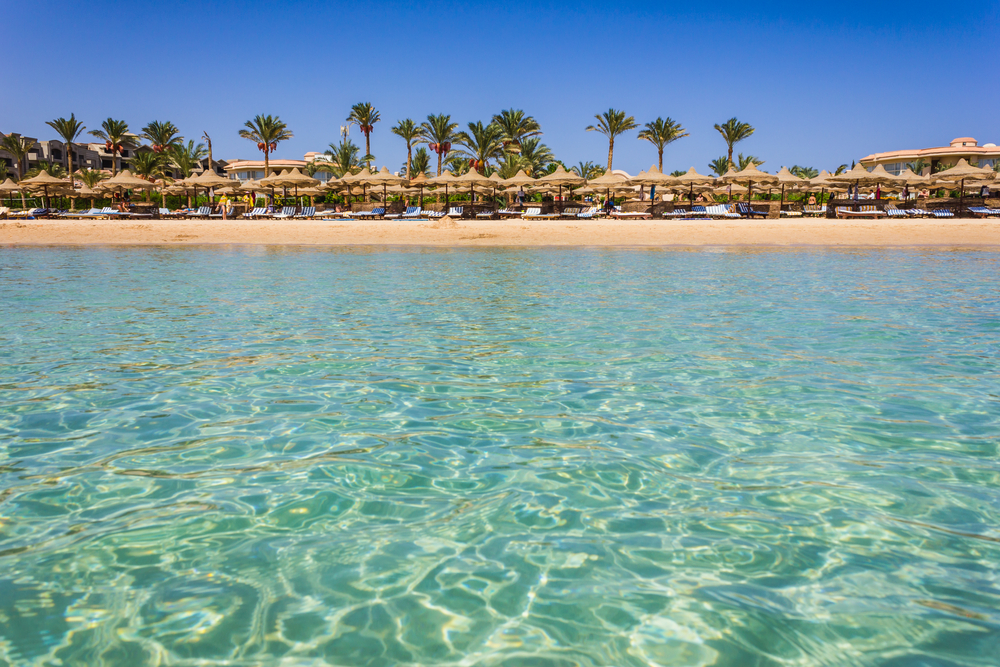
Beach and trees in EgyptEgypt’s tourist hotspot of Sharm el-Sheikh has plenty of sun, sea and sand. Now the popular resort city is set to get a solar power boost too, with plans for all lighting to come from solar energy.

Sharm el-Sheikh already relies on solar power for 70 percent of its lighting, but the Egyptian government wants to improve this figure even more.

The Governor of South Sinai, Khaled Fouda, has indicated that Sharm el-Sheikh hopes to be fully powered by solar energy within the next three months.

Last week Egypt launched a new power plant generated by solar energy in Siwa in the  west of the country.

The move towards alternative energy sources has been a growing trend by the Egyptian government due to an energy shortfall within the country.

Egypt has been facing an energy crisis for years. It aims to build solar power plants and wind energy facilities within the next three years, with a capacity of generating 4,300 megawatts.

Egypt has also signed an agreement with Russia that will assist in the building of a nuclear power plant.

Sharm el-Sheikh will host a major investment summit from 13th-15th March with hopes that there will be investments to help Egypt’s economy.

The government recently said that it expects to start signing deals for solar PV projects at the conference.

Palestinian planned city Rawabi gets water link

0

rawabi-construction
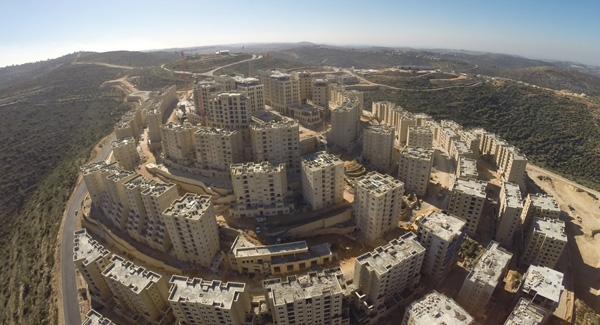
It’s a first for Palestinians in the West Bank – a planned city that from the ground up has been modelled to be a sustainable home for future generations of Palestinians in the West Bank, Palestinian Authority.

rawabi planned palestinian city

Last week the city Rawabi was officially hooked up to its lifeline, Israeli water support, and soon will be home to 5,000 families – one day as many as 40,000 people will live there according to construction plans.

rawabi-inside

Rawabi has been waiting more than a year to be connected to the water grid, and now Palestinians can live the “American” style suburban dream in Rawabi. It’s the greenest Palestinian city or the green washiest city, one Green Prophet writer comments. In fact if you look at the images and plans Rawabi actually looks like any other ordinary “planned” suburb from Amman to Jerusalem.

Let’s hope that the Rawabians at least don’t have to live with planned city mortgages as well.

rawabi-interior

rawabi-apartment-palestinian

For the back story on Rawabi read our 2011 coverage with Bashar Masri the man who started the Rawabi dream.


Via: NYC Bankruptcy Lawyer

Smoked out ants!

 New addiction smoking antsYoung men in United Arab Emirates have jumped on a bizarre, and weirdly “green” addiction, passing on cigarettes and sheesha to smoking dead ants to get high.
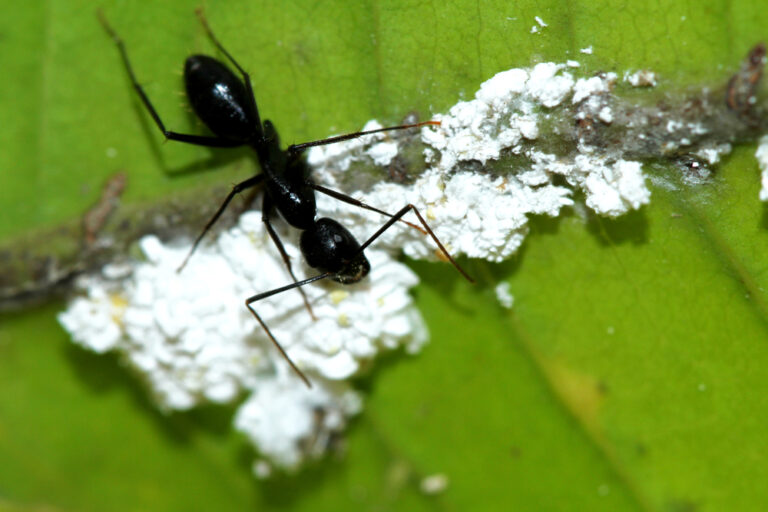
They crush local black ants (Pachycondyla sennaarensis) and blend the crumbs in tobacco, drop them into a medhwak (smoking pipe) or sprinkle them on regular smokes before lighting up, according to Gulf News. Health officials say the consequences could be far more harmful than smoking marijuana or hashish.

In certain neighborhoods of Sharjah and Dubai, teens can be found searching alleys and parking lots for the native red ants, called samsun. The fumes from the burnt insect produce visual and auditory hallucinations like those induced by marijuana.

“Samsun ants contain highly concentrated formic acid which is used by the insect to ward off predators and kill prey. When heated the formic acid produces toxic gases. They are not addictive but inhaling them can cause pulmonary fibrosis and renal failure besides other conditions including irreversible nervous system damage,” a Dubai-based pulmonologist told Gulf News.

When they bite, formic acid causes necrosis or deadening of the tissues. Mohammed al Ali, 27, believes the trend started with labourers from the subcontinent who roll the ants into their bhindis – pure tobacco cigarettes rolled up using a tobacco leaf. “It’s a social thing for Indian workers,” the Emirati told The National News. “Go to Satwa Square and they are sitting there smoking the ants they rolled up into their bhindis.

Dubai’s Tobacco Control committee said it was aware of the ant smoking fad, although they have yet to gauge how widespread the habit is among Arab teens. “Until last year there would be just two of three boys, but now there are several groups,” a local Sharjah resident told the website.

“For some teens, the acid in the poison glands of ants smells like vinegar and they inhale its pungent fumes to get a kick. It’s very dangerous as it can cause lung and other diseases,” Dr. Wedad Al Maidoor, Head of the National Tobacco Control Committee, Ministry of Health, told Gulf News. Dr. Reza Khan, wildlife specialist at Dubai Municipality, said a bite by the ant can be fatal for people with allergies if they are not immediately treated in a hospital.

The fad may have started in labor camps where impoverished guest workers smoke ant-filled beedis (hand-rolled cigarettes made of tendu leaves) as a cheap alternative to illegal drugs.

Smoking ants can cause lung diseases and kidney failure, and in some cases, it can also cause sudden death.

Pesticides kill again, now a Sharjah infant

5

banned pesticides kill child in UAEA newborn baby boy has died and his three-year-old brother is critically ill in hospital after they inhaled a toxic pesticide used in the apartment next door to his family’s home in Sharjah, in the United Arab Emirates (UAE). Police said the neighbour sprayed his flat with the banned bug-killer, which he was given by a friend, then left for a few hours. The boys experienced terrible pain and vomiting after inhaling aluminium phosphide fumes, which likely passed through the apartments though an air conditioning vent. The baby’s death is the latest caused by pesticides.

Sharjah polices arrested the neighbor and charged him with wrongfully causing the death of the child, despite his claims that he did not know the pesticide was a banned substance. They found traces of the chemical inside his apartment,  and dead insects in both units.

Police also found cans of the illegal bug “bomb” outside the building, with children playing nearby. “Those bottles can explode if there is a fire beside them,” said Colonel Abdul Qader Al Ameri, the head of the forensic lab at Sharjah Police. “Only God could have saved those kids.”

“We opened the neighbor’s door and the smell was even stronger and a large amount of insects were lying dead on the ground,” a police official told the National.

Police are still looking for the man who supplied the chemical, which releases a poisonous gas that can cause suffocation.

It is illegal to use aluminium phosphide in residential areas as it creates a gas that quickly can leak to other parts of a building through the air ducts and wall vents, causing lethal poisoning. The chemical was banned from public sale in 2009 and only licensed operators may use it. It is usually sold in tablet form.

“It’s just sad to know more people are dying because of reckless individuals who used this prohibited material,” another police official said, “Some people still use cheap things as pesticides and use unlicensed companies. They don’t care for their neighbors’ lives.”

Last July, a Filipino worker died and five others were hospitalized in Dubai’s Al Nahda area after a neighbor used the powerful pesticide phosphine. Doctors initially thought they were suffering from food poisoning.

In 2010, a pest control company in Ajman exposed triplets to bug-killer, killing two boys, aged 5 months, and critically sickening their sister. A year later, pesticide exposure killed a 33-year-old Dubai man, and in May 2012, 10 people were hospitalized after exposure to the chemical in a residential building in Naif, Dubai.

Lallan Yadav, agriculture engineer at Elite Xpress Cleaning, said that the chemical is meant for warehouse fumigation and should only be handled by professionals. Companies must pass municipality tests before being authorized to handle the fumigant.

Pesticides used in Sharjah must comply with municipality-approved specifications, public health and environmental standards and technical requirements about amounts used and methods of application. In Sharjah and Abu Dhabi, companies must be registered with the Centre for Waste Management and the Department of Economic Development.

Health officials in Dubai have issued warnings about hiring illegal companies, with municipal regulations prohibiting importing, handling and trading of pesticides without permission. This latest fatality may prompt more stringent controls for pest control, and raise public awareness to the tragic consequences of not abiding them

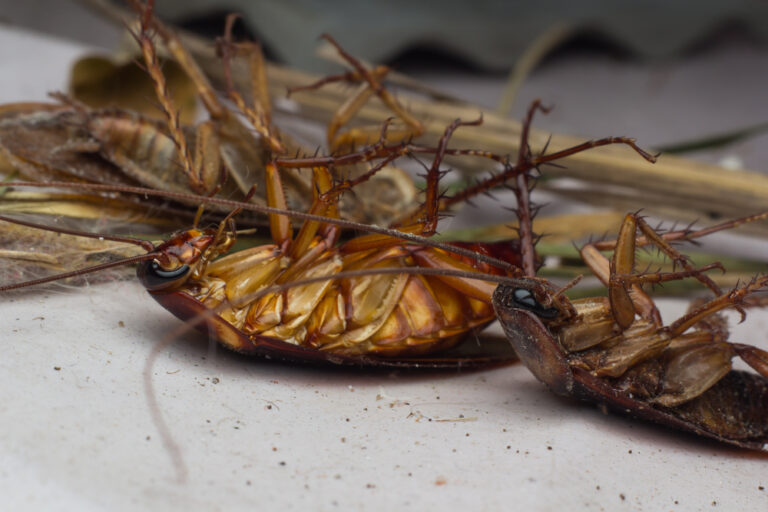
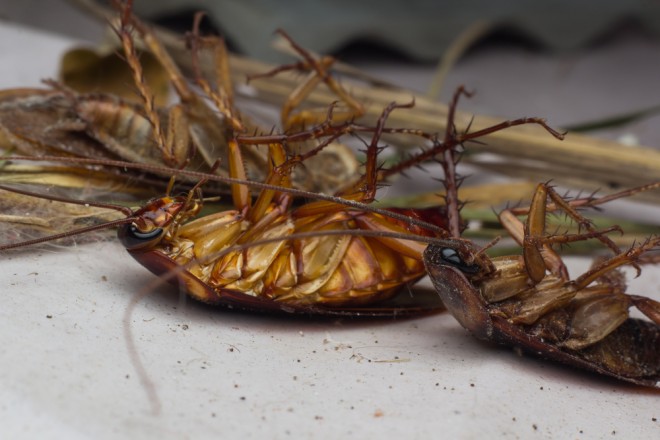
Image of dead cockroaches from Shutterstock

Tiny SCiO scanner reveals calories and chemistry in everything!

2

pocket scanner
Want to know which cantaloupe is sweeter, whether that chicken is fresh, or what’s in that bagel? Just whip out a new pocket-sized molecular sensor, aim it at the item and instantly see its quality, ripeness and nutritional value. Quickly analyze the molecular levels of foods, plants, medicines, and more, with results sent straight to your smart phone for review. SCiO puts molecular scanning at your fingertips.

National Unplug Day 2015: on this Sabbath, tech shall rest

3

REBOOT national unplug day

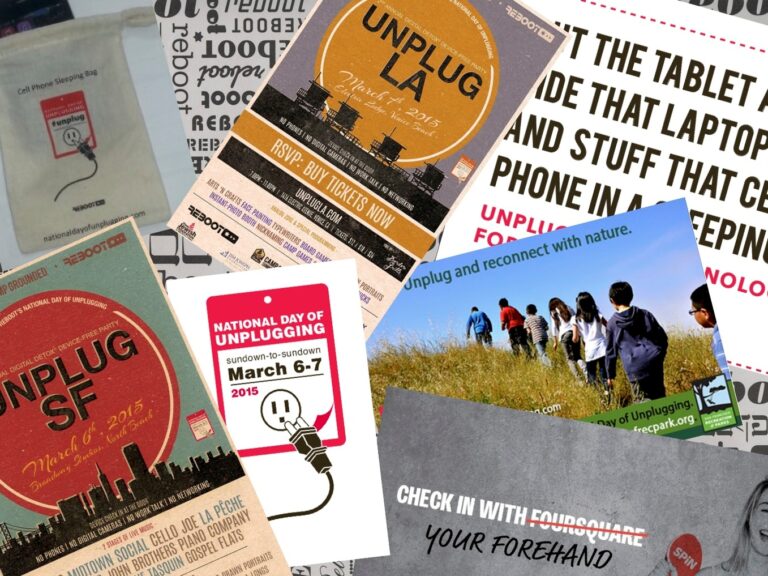
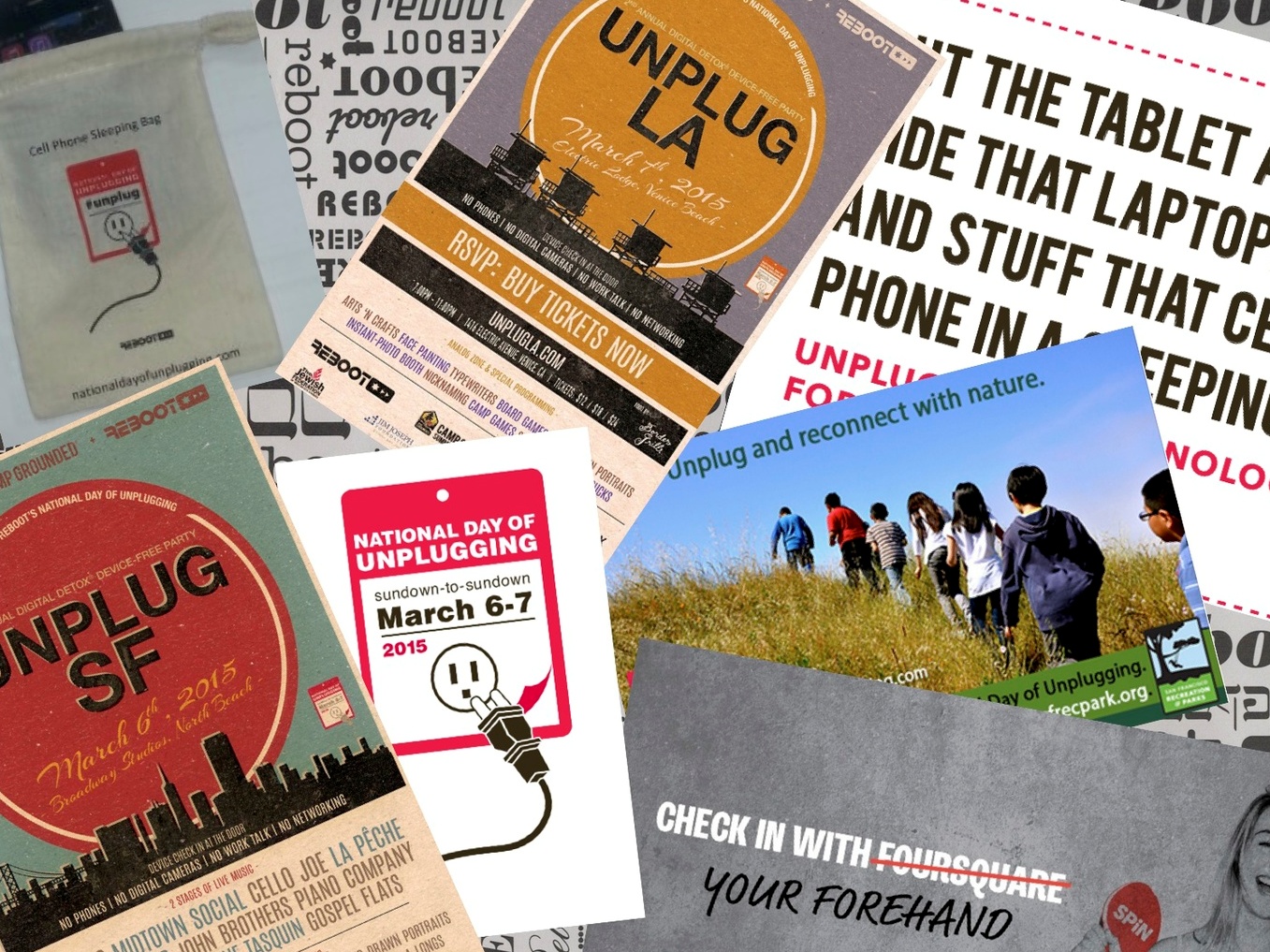
Is nothing sacred? Mealtime with family, meetings with the boss, dates with your sweetie are constantly interrupted by mobile phone calls, texts and tweets.  At weddings and funerals, folks fumble to silence (or peek) at their chirping, beeping, music-blaring phones.  And how do we manage a weekly day of rest? Enter Reboot, a Jewish non-profit based in New York, with their National Day of Unplugging, urging us to call a time-out from digital communication on March 6-7. It’s becoming a global event. 

Omani fishermen catch cattle from sunken ship

Oman-cows-swim-to-shore

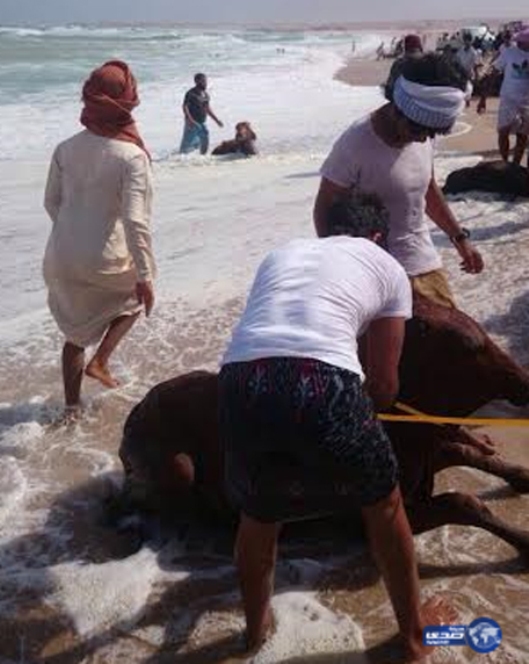
A cargo ship bound for the United Arab Emirates (UAE) with about 350 cattle on board sank off the south coast of Oman mid-afternoon last Saturday. The ship was heading to Somalia when it ran into trouble off Sur in the province of Asharqiyah  Local media reports the ship may was probably overloaded, causing it to take on water in heavy seas and strong winds.

The vessel was on its way from Somalia to the UAE.

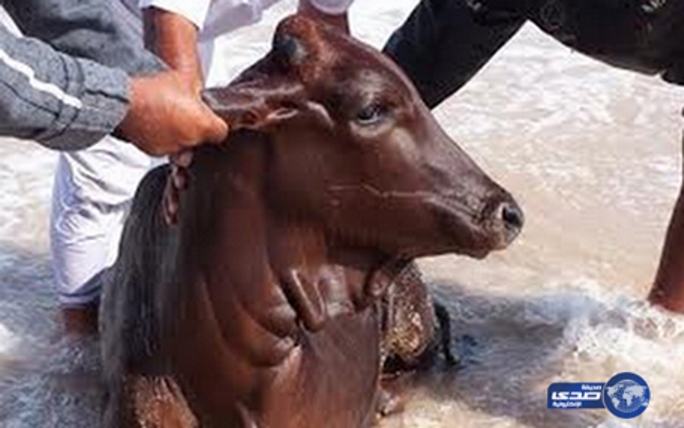
Startled Omani fishermen set down their fishing nets and began to haul in cows, hundreds of which were frantically swimming in the coastal waters.  The men’s shock was short-lived, as they soon learned that the cows were survivors of a sunken vessel in Oman territorial waters.

Oman-cows-swim-to-shore

Several grainy pictures appeared on social media   and in local newspapers in Oman and Saudi Arabia showing the fishermen with their unusual catch.

“It is the first time in their lives that Omanis caught cows instead of fish in their sea,” said Saudi daily Sada.

Witnesses said all the cows and calves either swam to the shoreline by themselves or surfed ashore, pushed by ocean currents, according to The Times of Oman.

All of the ship’s crew survived but, within hours, the ship was completely submerged. The ship owner is Emirati and while the crewmen were Pakistani, reported Al Ittihad, the Arabic-language sister paper of The National.

Remarkably, all the animals, including their their calves made it to shore. Holy cow.

Judean desert goes spectacularly green in wake of winter storms (PHOTOS)

2

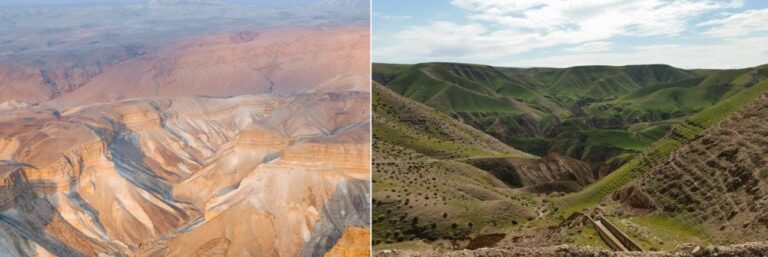
jusean desert after winter 2014 stormsRecord rainfalls dumped on the region in this winter’s storms rendered a remarkable makeover of the Judean Desert, turning it from a Middle East dust bowl into rolling English hills. Israeli photographer Nir Cohen captured the transformation in these stunning images; see before and after photos above.

First Earth Architecture festival in Iran would make Nader Khalili proud

0

earth architecture, earth bag construction, green building, eco building, architecture, nader khalili, hassan fathy, sustainable architecture

Iranian architect Nader Khalili, founder of the California Earth and Architecture Institute and proponent of the- dare we say- revolutionary SuperAdobe building technique, would be proud.

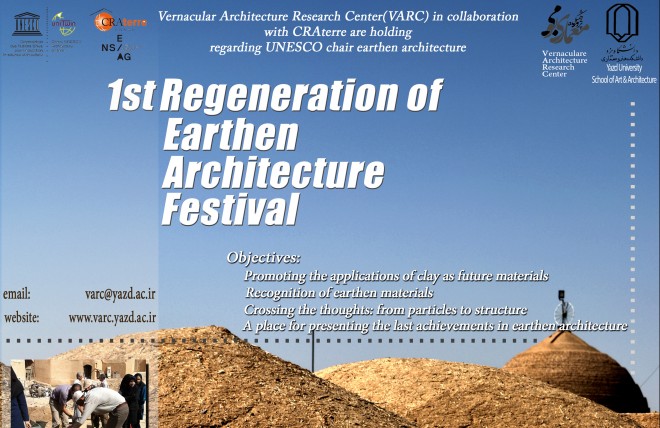
In the coming week from the 11th to the 14th of March 2015, l’Iran will inaugurate the first edition of “Regeneration of earthen architecture festival”  which aims to promote earth as the building medium of the future.

First earthen architecture festival in Iran

The event, organized by the Vernacular Architecture Research Center (VARC), and will take place in Yazd.

naderportrait2402This is a positive step forwards towards the recognition and practical application of Iranian sustainable building knowledge still locked inside vernacular architecture.

Nader spent much of his life pushing for the modern application of ancient building techniques in Iran, but in the end his dream came true in the US and not in his own country (it is true what they say about dreams come true in America).

Today we may start to see changes, like the modern integration on earthen wind catchers -bagdirs- to substitute air conditioning in Iran.