Home Blog Page 26

UNESCO confirms danger to Madagascar’s forests is fading, cementing environmental commitment of President Andry Rajoelina’s government

0

lemur

Headlines in Europe have celebrated Carnac and the Morbihan coast’s recent inscription as UNESCO World Heritage sites. But a quieter, arguably more significant victory was unfolding at the same time in Madagascar. Earlier this month, the island nation had its Atsinanana rainforests removed from UNESCO’s List of World Heritage in Danger, ending a nearly two-decade struggle and marking notable progress in environmental governance.

In a world where international accolades are often seen as the ultimate goal, Madagascar’s achievement shows that sometimes the most important recognition comes from overcoming deep-rooted challenges rather than collecting new honours.

A long road to safety

The six rainforests of Atsinanana (Marojejy, Masoala, Zahamena, Ranomafana, Andringitra, and Andohahela) were first designated a World Heritage site in 2007 because of their extraordinary biodiversity and high number of endemic species. They are home to endangered lemurs, rare amphibians and birds, and unique flora found nowhere else on Earth. But by 2010, the site had been placed on the “in danger” list, after illegal logging surged in the aftermath of political instability. Rosewood and ebony, highly prized on international markets, were extracted at unsustainable rates. Protected areas were raided; wildlife trafficking increased, and enforcement systems collapsed.

Being on the World Heritage list is usually framed as a badge of honour, but obtaining the “in danger” designation is very different. It is a warning, indicating a systemic failure of enforcement and stewardship. For countries already facing economic and political stress, this label can damage reputations, discourage investment, and undermine domestic confidence.

Getting a site removed from the danger list is not a simple matter of drafting a better policy or running a few workshops. It requires sustained political commitment, long-term planning, and the ability to rebuild local trust, something which makes Madagascar’s achievement all the more striking.

Strong national leadership

While international support from partners such as UNESCO and the World Bank was important, the core driver of Madagascar’s recovery effort was national resolve. The Ministry of the Environment and Sustainable Development (MEDD), Madagascar National Parks, and local authorities introduced stronger frameworks to control forest exploitation. Protected area surveillance was increased, anti-poaching patrols were restructured, and penalties for illegal logging were made clearer and more enforceable.

Just as importantly, the strategy extended beyond forest boundaries. The government invested in reforestation and ecological restoration, with satellite data showing significant gains in forest cover. But it also focused on tackling the social and economic drivers of environmental degradation. In rural communities near the protected areas, youth were trained in ecotourism, fish farming, and sustainable agriculture. Infrastructure investments — including a new dam and irrigation systems — enabled triple harvests on rehabilitated land, improving livelihoods and easing pressure on forests.

At the international level, Madagascar’s diplomatic and technical coordination was notable. The Ministry of Culture helped prepare the case file submitted to UNESCO, while the Ministry of Foreign Affairs activated diplomatic channels in support of the outcome. And at the 47th UNESCO General Assembly in Paris, a high-level Malagasy delegation, led by Minister Max Andonirina Fontaine, presented the government’s results with evidence of on-the-ground progress.

The initiative is part of a broader vision set out by President Andry Rajoelina, who has made the protection of Madagascar’s natural heritage and biodiversity a national priority. His administration has increasingly linked environmental governance to national development, positioning conservation as a pillar of economic recovery and international credibility.

Speaking after the decision, Max Fontaine said, “For Madagascar, this decision is more than a technical or political ruling. It represents a true acknowledgment of the government’s efforts over the past decade. First and foremost, it began with political will at the highest level. President Andry Rajoelina prioritized biodiversity conservation. This commitment then translated into strategy, and that strategy into concrete actions… It has been a long journey, requiring genuine political courage. That is why we can now speak of recognition; it is a huge relief for the Malagasy government.”

The removal from the danger list also carries geopolitical weight. It signals to funders and NGOs that Madagascar can deliver. The country has often struggled to attract long-term investment in environmental projects–but this success may help reframe perceptions, showing that national authorities are capable of leading complex, multi-stakeholder environmental initiatives — a point President Rajoelina and his ministers have been keen to emphasize.

A broader movement

woman in Madagascar
Women in Madagascar

Madagascar was not alone. In the same session, UNESCO removed two other African sites from the danger list — Abu Mena in Egypt and the Old Town of Ghadamès in Libya. Each case differs — Abu Mena faced threats from rising groundwater, and Ghadamès from conflict and climate — but together they send a powerful signal. At a time when heritage sites in Africa and the Middle East are under siege from war, urban sprawl, and environmental shocks, these removals show that progress is possible when political will and international cooperation align.

The shift is also part of a broader evolution within UNESCO. Director-General Audrey Azoulay called the removals a “great victory,” noting that the organisation is placing special emphasis on heritage protection in Africa — and that those efforts are beginning to deliver results.

For African nations often treated as passive recipients of aid or attention, this moment reframes the narrative. These are not stories of external rescue, but of domestic capacity, policy innovation, and resilience.

Important implications

baobabs, Madagascar, were a primary leafy green food for people centuries ago
Beautiful alley of baobabs during sunrise in Morondava, Madagascar.

UNESCO designations are more than symbolic. They influence tourism flows, attract development aid, shape national identities, and drive local economic opportunities. According to UNESCO data, World Heritage status can boost tourism by up to 20%, especially in ecologically unique areas. In Madagascar, where ecotourism is one of the country’s most promising but underdeveloped sectors, the potential is considerable.

President Andry Rajoelina’s administration has emphasized this point repeatedly: heritage protection must also create jobs and strengthen local economies. The removal of Atsinanana from the danger list is expected to help Madagascar attract new partnerships, boost tourism revenues, and build stronger links between conservation and community development. For a country where over 75% of the population lives on less than $2 a day, this linkage is critical.

Madagascar’s achievement is not just about restoring a forest. It is about proving that conservation can be part of a national growth strategy. Madagascar has done what few countries in its position have managed to do: reverse environmental decline, regain credibility, and reclaim agency over its environmental narrative.

 

Dar Al Arkan Real Estate Development Company ESG Initiatives Advance Saudi Social Transformation

0

ESG goals

The social dimension of environmental, social, and governance practices in Saudi Arabia’s real estate sector has gained unprecedented significance as the Kingdom advances toward its Vision 2030 objectives. Dar Al Arkan Real Estate Development Company ESG initiatives demonstrate how strategic community development can drive meaningful social impact while supporting national transformation goals through inclusive, culturally sensitive urban planning.

Community-Centered Development and Social Infrastructure

Dar Al Arkan’s approach to social responsibility extends beyond traditional real estate development to encompass comprehensive community building that addresses diverse social needs. The company’s flagship Shams Ar Riyadh development exemplifies this philosophy, creating a “city within a city” that integrates residential, commercial, and social infrastructure to support thriving communities.

This five-million-square-meter development includes essential social amenities such as schools, healthcare facilities, mosques, and recreational spaces, creating an environment where families can build lasting connections while accessing critical services. The integration of cultural and religious facilities demonstrates the company’s commitment to preserving Saudi cultural values while embracing modern urban living.

The social impact of such developments extends beyond immediate residents to influence broader community dynamics, creating spaces where traditional Saudi values intersect with contemporary lifestyle expectations. This balance reflects the sophisticated understanding of social responsibility that underpins effective ESG implementation.

Workforce Development and Gender Inclusion Excellence

The social pillar of Dar Al Arkan Real Estate Development Company ESG strategy encompasses significant commitment to workforce development and gender inclusion. More than 30 percent of the company’s employees are women, substantially exceeding industry averages and demonstrating tangible support for Saudi Arabia’s women’s empowerment initiatives under Vision 2030.

This commitment to gender diversity reflects broader social transformation goals within the Kingdom, where increasing female workforce participation represents a critical component of economic diversification and social progress. The company’s employment practices demonstrate how private sector companies can contribute to national social objectives while building more inclusive organizational cultures.

The company’s emphasis on developing human capital extends to supporting Saudi nationals’ career advancement, with over 43 percent of employees being Saudi nationals. This focus on local talent development contributes to the Kingdom’s goal of reducing dependence on foreign workers while creating meaningful career opportunities for Saudi citizens.

Affordable Housing and Social Access Programs

A cornerstone of Dar Al Arkan’s social responsibility framework involves addressing housing accessibility across different income levels. As Chairman Yousef Al Shelash stated during the World Economic Forum in Davos, “the vision is there not only to facilitate for the developers and for the foreign investors, but also to facilitate affordable housing for most of the Saudi citizens.”

This commitment to affordable housing aligns with Vision 2030’s goal of increasing Saudi homeownership rates from current levels to 70 percent by 2030. The company’s diversified development approach addresses multiple market segments, from luxury offerings to affordable housing initiatives that support government homeownership goals.

The social impact of expanded housing access extends beyond individual families to influence broader community stability and social cohesion. By creating opportunities for homeownership across different economic levels, Dar Al Arkan contributes to building more inclusive communities where diverse socioeconomic groups can thrive.

Cultural Heritage Preservation and Community Identity

Saudi Arabia is home to desert truffles.
Truffle hunting in the deserts of Saudi Arabia

The preservation and celebration of Saudi cultural heritage represents a crucial aspect of Dar Al Arkan Real Estate Development Company ESG social initiatives. The company’s developments consistently integrate architectural elements and spatial arrangements that reflect Saudi cultural values while accommodating modern lifestyle preferences.

This cultural sensitivity is evident in projects like Buraidah Hills in Al-Qassim, which the company describes as “a residential community true to its Saudi roots.” By incorporating traditional design elements and cultural considerations into contemporary developments, Dar Al Arkan helps preserve cultural identity while supporting modernization goals.

The social value of cultural preservation extends beyond aesthetic considerations to encompass community identity and social cohesion. Developments that respect and celebrate local cultural heritage create stronger community bonds and contribute to social stability during periods of rapid change. The company’s approach to cultural integration reflects understanding that healthy communities require both modern conveniences and cultural continuity.

Stakeholder Engagement and Corporate Social Responsibility

Dar Al Arkan’s commitment to social responsibility encompasses active community engagement initiatives that foster social cohesion and civic participation. The company’s developments include communal spaces, recreational facilities, and cultural venues that encourage interaction and relationship-building among residents.

These spaces serve as platforms for social connection and community building, supporting the development of strong neighborhood networks that contribute to social stability and mutual support. The integration of parks, walking paths, and gathering spaces reflects understanding that healthy communities require opportunities for both formal and informal social interaction.

The company’s support of corporate social responsibility and its charity support program demonstrates commitment to being “a force for good in the development of the Kingdom.” This engagement with investors who value environmental, social, and governance metrics in their investment strategies positions Dar Al Arkan as a leader in responsible business practices.

Supporting National Social Transformation Goals

The alignment between Dar Al Arkan Real Estate Development Company ESG initiatives and Saudi Arabia’s broader social transformation goals demonstrates the company’s strategic contribution to national development. The Kingdom’s Vision 2030 emphasizes social progress through economic diversification, cultural preservation, and quality of life improvements—all areas where Dar Al Arkan’s developments make meaningful contributions.

The company’s approach to social responsibility extends to supporting government initiatives through partnerships and collaborative development projects. By working closely with government entities and aligning development strategies with national objectives, Dar Al Arkan amplifies the social impact of its projects while contributing to coordinated progress toward Vision 2030 goals.

As CEO Anand Raheja noted, “We are well positioned to support and contribute to Vision 2030’s objectives of diversifying the economy and increasing the Saudi home ownership rate. The real estate sector is a key element in delivering on Saudi’s aspirations and Dar Al Arkan is determined to play a leading role in helping to achieve these goals.”

Through its comprehensive approach to social responsibility, Dar Al Arkan demonstrates how real estate development can serve as a catalyst for positive social change, creating communities that support individual flourishing while contributing to national development goals.

Eco-Friendly Playgrounds: How Schools and Parks Are Reducing Their Environmental Footprint

0
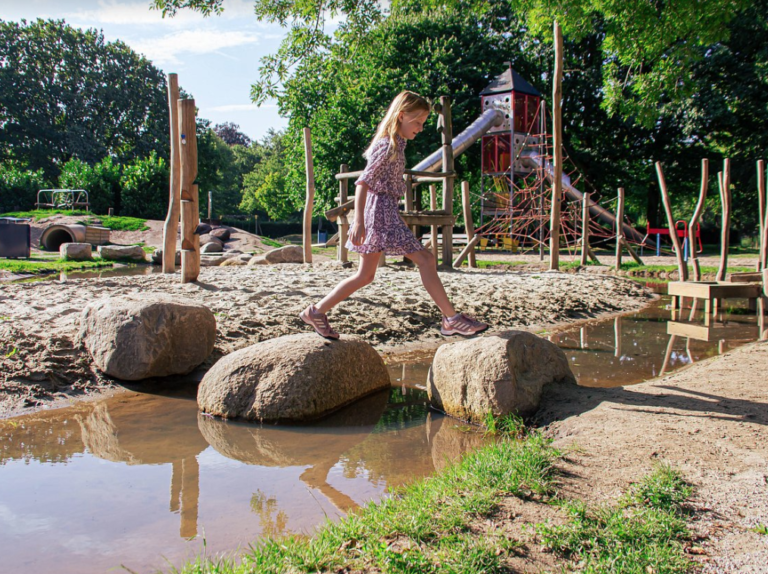
London playground
A playground in London

When you hear the word “playground,” eco-friendly may not come to mind. Playgrounds are designed for children to play freely and exert energy. They serve as community hubs for locals to gather and exchange commonalities. In addition to the allotted recess time, playgrounds also provide schools with the chance to offer outdoor teaching lessons. 

Schools and parks are continuing to prioritize sustainability efforts as more people learn about the impact of certain actions on the planet. As a result, these institutions are considering how to pay it forward and making greener choices. Playgrounds can play a part in a sustainability initiative, providing an opportunity to further concentrate on protecting the earth while also functioning as a play area for kids. Here are three ways schools and parks are reducing their environmental footprint with eco-friendly playgrounds. 

1. Utilizing Sustainable Materials

One way that schools and parks are thinking about Mother Earth first is by using sustainable materials in their infrastructure. Today’s playgrounds can be built with eco-friendly materials, many of which are recyclable or natural materials. For instance, surfacing can be from rubber mulch made from tires. This soft surfacing is splinter-free and will help brace accidental falls and tumbles too. Bamboo — a renewable resource — can be used in various playground structures as well as fencing. 

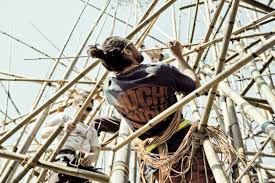
A bamboo playground
A bamboo playground

In terms of playground equipment, many pieces can be made using recycled plastic or recycled wood. Recycled plastic often looks like traditional plastic; it’s just made from leftover materials that could have ended up in a landfill. Wood can be highly durable and long-lasting, especially when treated correctly. It can be used as wood chips for ground cover or bolted together to build new equipment or make seats for picnic areas. 

One of the main concerns with using sustainable materials is that it won’t look like a modernized playground. This couldn’t be farther from the truth! Many of these recycled, sustainable materials can be painted and purchased in fun and vibrant colors. You may just be surprised to see the possibilities. And upon first glance, many visitors may not even realize that the playground is eco-friendly in the first place. 

2. Adding Natural Elements

Playing on bamboo
Playing on bamboo

A playground in the middle of an open field is nice, but it can be more attractive with landscaping around it. Incorporating natural elements into the playground and surrounding areas can beautify the space and promote a sense of calm and well-being. Seeing a butterfly land on a nearby plant or watching a tiny bud pop open into a pretty flower are awe-inspiring moments that will delight children. It also promotes a sense of connection to nature.

When thinking about which natural elements to add, look at your space first and consider what your guests would like most. For instance, a few larger trees can provide shade for standing adults watching the children play. Adding a row of low bushes around the perimeter of the playground can help create a natural barrier from the play area to the park. Logs and stumps can also be used to help designate play zones. 

big bambu
Big Bamboo installation

When bringing in these plants and other natural elements, be sure to consider biodiversity as well. Native plants and trees will attract local wildlife while also holding true to the area’s needs. There’s a reason that certain plants survive better in different parts of the world. A palm tree isn’t going to thrive in snowy Vermont, after all! It may be helpful to conduct some research or hire a professional botanist or horticulturist to design the space. Doing so will help ensure that the area is landscaped with the area’s needs in mind.

3. Reducing Waste 

Lastly, schools and parks that are focused on sustainability should also consider ways to reduce waste within the play area. Solar-powered lighting is an option to keep the playground well-lit without using up any electricity. These devices can be purchased at hardware stores or big box retailers and placed around the area. They are often triggered by low lighting, meaning just as the sky is turning dusk and children are being called back inside, the lights will go on. Solar panels are more of an expense, but can be particularly beneficial to school yards when large areas need to remain lit throughout the night. 

Another way to reduce waste is to focus on recycling and composting. Having clearly labeled bins for recycling and compost bins in handy spots around the playground can deter guests from throwing garbage in the trash can. For example, if there is a nearby picnic bench, be sure to place both containers near it. Of course, this type of system requires some education as well. Look for bins that designate what can be recycled and what can be composted. 

Schools can add composting to their curriculum and education so children know the benefits of throwing scraps of food into the bin as opposed to chucking it in the garbage. Science teachers can even do an outdoor lesson on where the compost goes and how it turns the soil into nutrient-rich food for the plants. Small steps can make a big impact when it comes to reducing overall waste and protecting the planet.

How Eco-Friendly Playgrounds Are Reshaping Community Green Spaces

0
Vrouwenhof an eco playground in Holland

Playgrounds have long acted as social hubs for both adults and children. They bring people from all walks of life together, and they promote health in many ways. Now, however, they are advancing into the future as the environment demands. More citizens are insisting their parks are clean, green, sustainable spaces. And of course, eco-friendly playgrounds have a huge role to play in this movement. Here are the top ways in which these playgrounds are reshaping community green spaces for the better. 

They Act as Outdoor Classrooms

Children are struggling to learn more now than ever. More children are diagnosed with learning disabilities, and many others find it difficult to sit still. Much of the reason for that has to do with being stuck inside a classroom. For thousands of years, human children ran and played in their early years. It makes sense that they would learn better in spaces that encourage this kind of movement regularly. 

One of the most obvious ways in which these eco-friendly playgrounds transform green spaces is by acting as learning hubs. Because the playground equipment is typically made from recycled rubber, plastic, and wood, it integrates well into the natural environment. There, children can learn about the ways their playgrounds are good for the earth and what recycling looks like in real-time. And they can run, jump, and play all the while. 

Sustainable Materials Minimize Costs

The next, and perhaps most obvious way eco-friendly playgrounds impact community spaces is through cost savings. Many cities are on tight budgets and are even under-resourced. They can barely make ends meet when it comes to roads, streetlights, and emergency services. They’re unlikely to be able to spring for a brand new, state of the art playground plus the surrounding park trails, plants, and water features. 

An eco-friendly playground goes a long way toward saving the city money. This is obviously also true for schools and churches that want to create new play spaces for the kids. The equipment can come in at a lower cost because the materials have been repurposed. They’re also usually cheaper to maintain because the equipment is designed to last in a natural environment over time. Thus, the entire green space ends up being a good investment for the community. 

Energy Efficient Materials Reduce the Carbon Footprint

Sadly, landfills and trash have become overwhelming on the planet to the point of microplastics running through virtually every space. This includes in our water and even in our bodies. There are islands of floating trash in virtually every ocean, and humans continue to buy and dispose of items every day. The best move municipalities can make is to encourage citizens to reduce, reuse, and recycle, And the best way to do that is by example. 

That’s where recycled materials for playgrounds come in. When eco-friendly playgrounds are made from recycled tires, old wood, bamboo, and hemp, the spaces have a much lower carbon footprint. They last much longer, manufacturing them doesn’t harm the environment, and even when they do end up outliving their purpose, they can be recycled and reused again for a new product. The carbon footprint of a playground like this is incredibly low. 

Eco-Friendly Practices Conserve Natural Resources

The cost of a playground is only one way in which it impacts the community. It also has a lasting effect on the surrounding environment. Maintaining the park’s lights after dark is a hefty cost. Running water to splash pads and restrooms also takes its toll on natural resources. Oh, and the plants need to be watered regularly as well. While most communities have long considered playgrounds and parks worth the drain on the environment, there’s no defying their carbon footprint. 

Until now. Eco-friendly playgrounds can provide myriad solutions to stressed resources. Cities can install sun shades that act as surfaces for solar panels. Any energy used to run the entire park can be provided by those panels. The Parks and Recreation Department can also practice rainwater harvesting and recycling. That way, splash pads, fountains, and features never waste water. And the sprinkler system can run on harvested and stored rainwater to water drought-resistant plants when necessary. 

Increased Interaction with Nature Promotes Health

Finally, the entire purpose of these eco-friendly playgrounds is to be green. If there’s anything Americans need more of, it’s time in green space. People in the United States of all ages are more stressed out, more depressed, and more anxious than ever. It’s no coincidence that those same citizens spend less time outside, less time exercising, and less time in social settings than ever before. 

These playgrounds encourage people to spend more time in nature. Kids can get ample exercise scaling wooden structures, building forts, rolling in the grass, and climbing trees. Meanwhile, parents can walk around a pond, play pickleball on a court, or just relax on a bench while their kids play. And those without kids can meet new friends, have a picnic date, and more. All of these activities and more promote mental, physical, and emotional health of everyone involved. 

In the end, eco-friendly playgrounds are an ideal answer to the problems of climate change and exhausted resources. They both reduce their cities’ carbon footprint and save the cities money, and promote the health and well-being of the members of the community who visit.  And as a bonus, they offer an opportunity for kids of all ages to start learning about the important role of environmental stewardship. They’re heartwarming, welcoming spaces that serve the greater good.

Charitable Vehicles for Families: Foundations, Funds, and LLCs

0
Innovation Africa
If you are running an impact charity or a small impact solar energy business, you need to know all the ins and outs of government compliance when you get those grants

Charitable giving isn’t just about dropping extra change in a donation jar or saying “yes” to a prompt at the cash register to tag on a dollar for a good cause. These practices are often categorized as “checkbook” philanthropy because they concern individuals writing a check, so to speak, after they’re prompted with an appeal for donations. This is a noble way for individuals to decide if some of their disposable income might find better use addressing an urgent cause.

But there’s another kind of philanthropy that’s more organized, strategic, and impactful, one that involves choosing a vehicle through which charitable activity is conducted. In this guide, we’ll take a look at three common charitable vehicles, weighing the benefits and tradeoffs of each—private family foundations, donor-advised funds (DAF), and limited liability companies (LLCs) used for philanthropic purposes—so you can determine which vehicle is best suited to put your family’s values into action and build a legacy.

Private Family Foundations

Private foundations are nongovernmental, nonprofit organizations often funded by a single source—typically an individual, family, or corporation. They’re tax-exempt under Section 501(c)(3). The Council on Foundations (CoF) reports that around two-thirds of all private foundations are family-managed. This is what people mean when they say “private family foundation,” which isn’t a distinct legal entity from a private foundation, but rather a way a private foundation is managed.

For instance, a private family foundation would be funded by members of one family and remain under the management of at least one family member. According to the CoF, “in many cases, second- and third-generation descendants of the original donors manage the foundation.” This makes the private foundation an ideal charitable vehicle for families who want to make a long-term philanthropic commitment with a deep involvement in how their charitable dollars are spent.

What makes private foundations attractive is the high level of control they offer. Families can define the mission, decide where grants go, hire staff, and manage investments. As for responsibilities, private foundations must distribute at least 5% of their assets annually to charitable purposes. They also must fulfill their administrative requirements, like filing IRS Form 990-PF each year and paying an excise tax on investment income.

Pros:

  • Control: Full authority over investments, grantmaking, staffing, and mission. Families can determine how assets are managed, what causes to support, and who is involved in the decision-making.
  • Legacy: Designed for long-term, multi-generational involvement. Successors can be named and integrated into the foundation’s governance, creating continuity between your family’s values and future generations.
  • Versatility: Foundations support a relatively wide range of charitable activities, including international giving. Private foundations can also run their own programs directly.

Cons:

  • Cost and Complexity: High upfront costs and ongoing expenses must be expected in private foundations, as well as legal, accounting, and administrative requirements.
  • Regulatory Burden: Annual filings, detailed reporting, and compliance with distribution rules may become burdensome.
  • Excise Tax: A 1.39% tax on investment income reduces total funds available for grantmaking. It’s minor, but worth factoring in for long-term planning.


Common Misconception: “Private foundations are a way to shield wealth from taxes indefinitely.” Not quite. Private foundations have to distribute at least 5% of their assets annually and pay an excise tax on investment income. They’re subject to strict IRS regulations, and they’re monitored for compliance.


Donor-Advised Funds (DAFs)

A donor-advised fund (DAF) is a great choice for families who aren’t interested in the administrative and managerial responsibilities of a private foundation. A DAF is an account that allows donors to contribute assets and recommend grants, while the fund is ultimately managed by a sponsoring charity (often a financial institution). In other words, the donor retains advisory power, while the sponsor retains control of the fund. 

DAFs are a good fit for families of donors that are looking for simplicity, streamlined recordkeeping (since you don’t need to keep track of every gift acknowledgement), and tax efficiency without losing say in how their contributions could be used. For instance, you could recommend that your donations be used as a source of long-term funding for any IRS-qualified public charity.

Some people enjoy the anonymity that DAFs make possible while donating to causes, but DAFs can also be established in your family’s name. To that end, you can recommend successors to build and maintain a legacy of giving while the sponsoring charity handles all compliance, investments, and distribution. Once a contribution is made to a DAF, you receive an immediate tax deduction.

Pros:

  • Immediate Tax Deduction: Contributions are deductible in the year they’re made, even if grants are distributed later. That timing flexibility makes DAFs a useful year-end tax planning tool.
  • Low Maintenance: The sponsoring organization manages compliance, accounting, and investments, which means families don’t have to. There’s also no need to form a separate legal entity or file annual tax returns. It’s as close to hassle-free philanthropy as you can get.
  • Tax-Free Growth: Assets in a DAF can grow without being taxed, increasing the pool of funds available for future grants.

Cons:

  • Limited Control: As a donor, you only have advisory power over a DAF. Final decision power rests with the sponsoring charity. Typically, donor recommendations are approved, but there’s no legal guarantee.
  • No Mandatory Payout: Unlike private foundations, there’s no minimum annual distribution requirement. Funds can sit idle for years unless the donor takes initiative. This makes it easier to delay or avoid actual charitable activity.

 

Common Misconception: “Aren’t donor-advised funds just tax shelters without any oversight?” DAFs are regulated by the IRS and managed by sponsoring organizations. While donors recommend grants, the charity holds ultimate control over funds, ensuring they’re directed to charitable causes.


LLCs Used for Philanthropic Purposes

Unlike foundations and DAFs, LLCs that are used for philanthropic purposes are not tax-exempt entities. They’re for-profit limited liability structures that some families and high-net-worth individuals use to pursue their goals, like grantmaking, political advocacy, and impact investing, without the constraints of traditional nonprofits. While sometimes informally referred to as “charitable LLCs,” this is a bit misleading—these entities aren’t charities in a legal or tax-exempt sense. What distinguishes them is their ability to blend financial returns with social goals in one flexible platform.

The primary appeal is control and range. LLCs can make grants to nonprofits, fund political campaigns, lobby lawmakers, and make equity investments—all under the same structure. These activities are more constrained under a 501(c)(3) foundation. As such, LLCs are often used by high-net-worth individuals or families who want to engage in more nontraditional and flexible forms of philanthropy.

But this flexibility comes at a tax cost. LLCs are typically taxed as “pass-through” entities, meaning any income the LLC generates is passed directly to owners, shareholders, or investors and reported on the members’ personal tax returns, regardless of whether that income is actually distributed. Likewise, LLCs don’t offer the same upfront tax deductions as the other models. Deductions would only apply if the LLC itself donated to a qualifying charity, not if a contribution was made to the LLC.

Pros:

  • Flexibility: LLCs aren’t bound by nonprofit restrictions and can engage in lobbying, for-profit investing, and political giving. That makes them a powerful tool for donors who want to influence systems to address philanthropic and business concerns.
  • Control: Owners retain full operational control without oversight from a board or nonprofit regulator.
  • Privacy: LLCs don’t have to file public disclosures like Form 990. Salaries, grants, and investments can be kept private, which may appeal to families who value privacy.
  • Tax Strategy: While not tax-exempt, LLCs offer flexibility in how losses and gains are handled. Impact investment losses can be used to offset other income, while profits can be recycled into future projects.

Cons:

  • No Upfront Tax Deduction: Donors only receive deductions when the LLC gives to a qualifying 501(c)(3), which adds a step and limits immediate tax benefits. This may be a concern for families with near-term planning needs.
  • Tax Exposure: Income from the LLC flows through to members and is taxable, even if it isn’t distributed. That means donors could face tax bills on earnings they don’t actually receive.
Common Misconception: “LLCs can’t serve charitable purposes.” They can, just not in the conventional, tax-exempt sense. For philanthropists seeking charitable and commercial impact, the LLC may be the only model that offers both.


Choosing the Right Structure

There’s no “best” charitable vehicle—it depends on your family’s goals, tax situation, and appetite for control and complexity. Private foundations are ideal for families who want to be hands-on, create a lasting legacy, and directly shape how charitable funds are used, but they do require significant administrative work and costs. Donor-advised funds are streamlined, cost-effective, and tax-efficient, but they offer less control and may require donor initiative to maximize charitable outcomes. LLCs offer maximum flexibility and privacy, but they don’t provide the same tax benefits and require more coordination to be effective.

Families often combine structures to meet their needs. For instance, a DAF can support regular grantmaking with minimal effort, while an LLC can handle impact investing or other activities that a traditional nonprofit can’t. As your charitable vision grows or as your interests shift, the vehicles you use can shift too.

Common Misconception: “Once you choose a charitable structure, you’re locked in.” You’re not. Structures can be reconfigured, expanded, or adapted over time to align with new goals or tax strategies.


About the Author

Bo Parfet is Head of Growth at DLP Capital, a 5+ billion-dollar company, and a 3X author, speaker, and mountaineer. He received his MBA from the Kellogg School of Management at Northwestern and a Master’s Degree in Economics from the University of Michigan. Among his mountaineering adventures, he’s climbed the Seven Summits and K2, and is embarking on an endeavor to ski down Mount Everest to raise money to bring eyesight to 100,000 blind people. He lives with his wife and two sons in Boulder, CO. You can find him on other social media platforms @boparfet.


Disclaimer: Statements are those of Bo Parfet only and are not guaranteed, nor should such statements be relied upon. Forward-looking statements are expressions and beliefs of Bo Parfet and should not be relied upon.

Past performance is not a guarantee or indicator of future results. The information provided is for informational purposes only and does not constitute a recommendation, an offer to sell, or a solicitation to buy. Investment decisions should be made based on your individual financial situation and objectives. Please consult your attorney, tax advisor, or financial professional before making any investment.

Exploring Portugal’s Algarve coast sustainably on a walking holiday

0

Portugal Algarve coast

International holidays, as a whole, are not the most sustainable, especially when they involve flying. On the other hand, we all deserve a sunny getaway every now and then, and breathtaking destinations like Algarve offer a truly once-in-a-lifetime experience. So, how do you find the right balance? A walking holiday could be your answer. 

Reducing your footprint

A walking holiday in Portugal essentially means that, once you get to the airport, you stop using any kind of transport. Instead, you simply walk from A to B, wherever that may be for you. As such, you reduce your carbon footprint significantly, avoiding the use of cars or public transport all together. Besides the sustainability aspect, it’s a highly rewarding way to explore a country, since you get to see parts of it you would normally miss out on. 

Your walking holiday will typically take place on a pre-planned long-distance trail, which could last anywhere between a week and a month. One of the most popular walking routes in Algarve is the Rota Vicentina network of walking and hiking trails. The Fisherman’s Trail, in particular, is a great option if you want a 7-day experience with a balanced mix of sandy beaches, stunning landscapes, authentic villages and delicious foods. 

The idea behind walking holidays is to explore Algarve’s natural beauty in the most respectful and sustainable way possible. The “Leave No Trace” principle is absolutely fundamental here, meaning your footprints should be the only sign of your visit. Respecting the wildlife is also key, particularly as the region is home to a vast variety of bird species (if you’re lucky, you’ll see them stork nests on the cliffs in spring!). 

Supporting the local communities

A huge part of sustainable holidays is where you choose to spend your money. The local communities benefit from tourism, as long as it helps to grow their economy. On a walking holiday, you will typically be staying in small, independent hotels or B&Bs along your route, rather than those owned by global chains.

Moreover, you will be visiting numerous historic towns and fishing villages, where you can savour fresh seafood and other Portuguese produce. Again, when choosing where to shop or eat, make sure to go for locally owned spots, as opposed to tourist restaurants and franchise cafes. Not only will this ensure that your money stays in the local economy, but you will also most likely receive a much more authentic, quality meal without the tourist price tag. 

If you book your holiday through Orbis Ways, they will take care of the accommodation and other services for you. Working with a well-established network of local businesses, Orbis Ways ensure that you stay at charming local hotels or country cottages. Not just that, the agency encourages sustainable travel by compensating the CO2 emissions produced by your trip! 

Small actions with big impact

A walking holiday across Portugal’s Algarve coast will certainly be an unforgettable adventure. And, the small compromises that you make during your travels do not just contribute towards the preservation of this beautiful region, but also make your experience more authentic and rich – making it a win-win for everyone!

How processed food messes with your heart

0
Processed food hurts your heart

Diets rich in phosphate additives, commonly found in processed foods, can increase blood pressure by triggering a brain signaling pathway and overactivating the sympathetic nervous system that regulates cardiovascular function, UT Southwestern researchers discovered. Their findings could lead to treatment strategies for patients with hypertension caused by overconsumption of foods containing high levels of phosphates.

“This research uncovers a previously unrecognized brain-mediated mechanism by which high dietary phosphate intake promotes hypertension and sympathetic overactivation, highlighting central fibroblast growth factor receptor signaling as a novel therapeutic target,” said the study’s first author, Han Kyul Kim, Ph.D., Assistant Professor of Internal Medicine in the Division of Cardiology at UT Southwestern.

Inorganic phosphate is often used as a preservative or flavor enhancer in packaged foods, processed meats, and other dietary staples. As a result, the study reports, the average adult in developed countries consumes phosphate far above the recommended daily allowance.

Following excessive phosphate intake, circulating fibroblast growth factor-23 (FGF23) can enter the brain and induce hypertension, Dr. Kim and his colleagues report in their study, published in Circulation. The research outlines a new paradigm for this previously unclear mechanism and identifies a potential target for developing treatment strategies.

Hypertension occurs when the pressure that pushes against a patient’s arterial walls is too high. Affecting nearly half of the U.S. population, according to the U.S. Centers for Disease Control and Prevention, hypertension increases the risk of life-threatening medical events such as heart attack and stroke.

UTSW researchers ran a series of tests that measured and compared FGF23 protein levels, mean arterial pressure, and renal sympathetic nerve activity in rats receiving a high (1.2%) phosphate diet and another group on a normal (0.6%) phosphate diet. The measurement was repeated during stress response to exercise by stimulation of the spinal cord.

Researchers found that those on the high phosphate diet showed increased levels of FGF23 protein in their serum, cerebrospinal fluid, and brain stem, and that FGF23 proteins were able to cross the blood-brain barrier, causing high blood pressure both at rest and during physical stress.

“FGF23 can cross into the brain and influence the brain stem centers that control blood pressure,” said senior corresponding author Wanpen Vongpatanasin, M.D., Professor of Internal Medicine at UT Southwestern and Director of the Hypertension Section in the Division of Cardiology and the Hypertension Fellowship Program.

Analysis also revealed that inhibiting fibroblast growth factor receptor 4 (FGFR4) during simulated exercise dampened the negative effects of a high phosphate diet, suggesting a connection between FGFR4 and overactivation. Inhibition of FGFR1 did not have the same effect.

Given these results, researchers explored the role of FGFR4 and found that activation of this receptor contributes to an exaggerated increase in blood pressure during simulated exercise. FGFR4 activation caused by an excess of dietary phosphate was accompanied by an increase in the protein calcineurin A and brain stem activity that may contribute to elevated blood pressure and overactivation of the sympathetic nervous system during simulated exercise.

Step Off the Path to a Plastic Planet: UN Treaty Talks Hit Final Stretch

chewing gum pieces, microplastics in gum, synthetic gum, natural gum, saliva with microplastics, plastic particles in saliva, chewing gum research, microplastic contamination, UCLA research on gum, microplastics released from gum, gum base made from plastic, plastic in everyday products, environmental impact of gum, lab research on chewing gum, microplastics from synthetic products, plastic pollution and health risks, people chewing gum with plastic particles
Microplastics are in your gum

As microplastics clog our oceans and nanoplastics infiltrate the cells of marine life, the world inches closer to a pivotal moment. The final round of negotiations on a United Nations global plastics treaty is scheduled to take place this fall, amid mounting scientific evidence that plastic pollution is spiraling out of control — and that mere recycling will not solve the crisis.

The urgency couldn’t be clearer. A Nature editorial this month underscores that if current trends persist, annual plastic production could double by 2050. And while the volume of discarded plastic continues to climb, so too does the evidence of its insidious reach into ecosystems and human health.

Related: teens exposed to microplastics through plastic aligners

Two new studies published in Nature this week hammer the point home. One revealed that nanoplastics — particles smaller than 1 micrometre — have now entered ocean food chains at their foundation. “These are able to pass through cell walls, meaning that they are already incorporated into the ocean phytoplankton which serve as the base of the marine food web,” said Canadian environmental scientist Tony Walker in a comment shared with press.

The second study mapped the industrial pipeline of plastic production and uncovered over 4,200 “chemicals of concern” — compounds used in plastic manufacturing that are toxic, persistent, or otherwise harmful to the environment and human health. These substances range from plasticizers and flame retardants to processing aids, many of which lack comprehensive safety data.

The stakes are high for the UN’s Intergovernmental Negotiating Committee (INC), which will convene for its fifth and final session. While nearly 180 countries have signaled support for a binding global agreement, deep divisions remain. A bloc of oil-producing nations — led by countries with major petrochemical interests — is pushing for a narrow focus on waste management and recycling, sidestepping more aggressive proposals to limit virgin plastic production.

Meanwhile, a coalition including the European Union, Canada, Australia, and the United Kingdom is advocating for upstream solutions — namely reducing production at the source and establishing enforceable global rules around plastic additives, design, and transparency.

In parallel to the UN process, smaller alliances are taking shape. In April 2024, a group of 60 countries formed the High Ambition Coalition to End Plastic Pollution, vowing to eliminate plastic leakage into nature by 2040 and back a robust, legally binding treaty with specific reduction targets.

Whether that ambition is reflected in the final text remains to be seen. As Nature warns, if negotiators fail to reach consensus, “there is a real risk that nations will go their own way,” creating a patchwork of rules that may be less effective and harder to enforce.

Still, the science is no longer ambiguous. Plastic is no longer just littering beaches — it’s in the rain, the food, in our brains, and now, the very cells of the ocean’s smallest life forms. As the world prepares for the final treaty talks, the question is no longer whether action is needed, but whether global leaders will agree on what that action should be.

Countries resisting plastic production caps:

  1. Saudi Arabia: One of the world’s largest oil producers and petrochemical exporters. Has argued that the treaty should not restrict plastic production, but instead promote improved waste management and recycling.

  2. Russia. Also a major oil and gas exporter. Has aligned with producer countries pushing for national-level flexibility and voluntary commitments.

  3. Iran. As a petrostate, Iran supports the position that plastic production is a national economic matter and should not be capped internationally.

  4. China. While complex, China has often sided with production-heavy interests in past rounds. It is the largest plastic producer in the world and may resist enforceable limits on production. However, China also supports some international coordination on pollution control, especially through waste trade restrictions.

Grandfather’s chemical exposure influences grand-daughter’s sexual health

Grandpa and girl on a farmer field plowed in the winter
Grandfathers and the reproductive health of their granddaughters

“While we found that both the mother’s and father’s exposures were linked to when their daughters and granddaughters began puberty, the father’s influence was surprisingly strong.”

It’s often told that a grandmother’s environment and lifestyle effects her unborn grandchildren, because a grandmother’s daughter carries all her children’s eggs inside her tummy too. Grandparents also have an effect on mitochondrial health, pointing to a new study on grandfathers.

A grandfather’s exposure to endocrine-disrupting chemicals, perhaps at work or on the farm, may impact the age when his granddaughter starts her first period, according to a study being presented Sunday at ENDO 2025, the Endocrine Society’s annual meeting in San Francisco, Calif.

“Girls are starting puberty earlier than ever before, which can raise their risk for health problems later in life,” said lead researcher Xin Hu, PhD, of Emory University’s Rollins School of Public Health in Atlanta, Ga. “We wanted to explore why this might be happening by looking at how environmental exposures from grandparents can influence when girls get their first period.”

Endocrine-disrupting chemicals (EDCs) are substances in the environment (air, soil, or water supply), food sources, personal care products, and manufactured products that interfere with the normal function of the body’s endocrine system. Since EDCs come from many different sources, people are exposed in several ways, including air, food and water. EDCs also can enter the body through the skin. Microplastics are also a possible source.

The researchers used data from the Child Health and Development Studies (CHDS), a long-term study that began in the 1960s. They measured thousands of small molecules in blood samples taken from 249 couples in the 1960s. The researchers linked the couples’ chemical and metabolic profiles to the timing of puberty in their daughters and granddaughters.

The researchers studied the age at which their daughters (247 girls) and granddaughters (139 girls) started their periods. They found that while the median age of having a first period was stable between the grandmothers and their daughters, it dropped a full year from the daughters to the granddaughters, whose median year of birth was 1990.

They discovered that certain chemicals in both the mother’s and father’s blood were linked to when their descendants began puberty, with stronger effects seen in the granddaughters’ than in the daughters’ generation. Some chemicals such as phenoxyethanol, a common preservative in personal care products and foods, were linked to earlier puberty, especially when both parents had similar exposures.

“While we found that both the mother’s and father’s exposures were linked to when their daughters and granddaughters began puberty, the father’s influence was surprisingly strong,” Hu said. “Paternal exposure to environmental chemicals may play an unrecognized but critical role in shaping offspring endocrine health.”

She said this is the first population-based study to show that a father’s environment can affect reproductive development in both his daughter and granddaughter. “These findings highlight that prevention is possible if we identify mechanisms to protect future daughters and granddaughters, which cannot be effective if we do not consider the male line,” she said.

“Our results highlight the role of endocrine-disrupting chemicals during the vulnerable period of conception and pregnancy,” said senior author Barbara Cohn, PhD, MPH, of the Public Health Institute in Berkeley, Calif. “This research emphasizes the lasting impact of environmental exposures on reproductive health across generations.”

What Features to Check for the Best Air Operated Double Diaphragm Pump? Top 6 Important Qualities to Consider

0
Pumps are used in the cleantech industry to sustainably manage chemicals that may be dangerous to the environment

Choosing the right air operated double diaphragm pump for your needs can make a big difference in the success of your operation. Knowing what features to look for helps you find a pump that meets your specific requirements and works well with different types of fluids and conditions.

There are many models and suppliers available, so looking at an online supplier of wilden air operated double diaphram pumps allows you to compare different options more easily. Understanding the basics will help you make a confident decision as you shop for the best pump for your job.

Pump Material Compatibility with Fluids

You need to match the pump materials with the fluids you plan to move. Different fluids can cause wear, corrosion, or chemical reactions if the wrong materials are used. Always check the fluid’s temperature, abrasiveness, and chemical makeup before choosing a pump.

Metals like stainless steel may be better for some chemicals, while plastics like polypropylene work well with others. Diaphragm and seal materials also vary, so check what’s most compatible with your liquids.

Choosing the right materials helps your pump last longer and work better. This step prevents leaks, breakdowns, and unnecessary repair costs. Always check chemical compatibility charts and consult with a professional if you have any doubts.

Diaphragm Durability and Wear Resistance

When looking at air-operated double-diaphragm pumps, it is important to check how long the diaphragm will last. A durable diaphragm helps reduce the need for frequent repairs and unexpected downtime.

Diaphragms can wear out from repeated movement, chemical exposure, or abrasive materials in the fluid. Choose materials that handle your fluid’s temperature, chemical makeup, and any gritty particles.

Common diaphragm materials include rubber, Teflon, and other flexible plastics. Each one has different levels of resistance to chemicals and wear. If you use the wrong material, it may fail quickly, leading to leaks or pump breakdowns.

Checking the design and thickness of the diaphragm can also help. Thicker or reinforced diaphragms often last longer in tough applications. Always match the diaphragm type to your specific job to get the best life and performance from your pump.

Air Valve Efficiency and Design

When choosing an air operated double diaphragm pump, you should pay close attention to the air valve. The air valve controls how air is directed through the pump, affecting its energy use and how smoothly it runs.

A well-designed air valve helps the pump cycle efficiently. This means fewer slowdowns or stalls during operation. Pumps with smooth-shifting air valves also tend to need less maintenance over time.

Look for air valves made of durable materials. This helps in longer wear, especially when the pump is used in tough environments.

Check if the air valve allows easy access for cleaning or replacement. User-friendly designs let you fix problems quickly, which reduces downtime.

The size and configuration of the air valve should match your application. Adjustable or self-lubricating valves can give you better control and smoother performance.

Flow Rate and Pressure Capacity

When choosing an air-operated double-diaphragm pump, you should pay close attention to flow rate and pressure capacity. These two factors tell you how much fluid the pump can move and at what force.

Check the maximum flow rate, usually measured in gallons per minute (GPM). Pick a pump that meets your system’s needs without being too small or too large for the job.

Look at the pressure capacity as well. You want a pump that can handle the highest pressure needed for your application. Too little pressure means your pump may not move fluid efficiently.

Flow rate and pressure are often linked. Increasing the air supply can boost both, but it is important not to exceed what your setup can handle. Adjust the air supply for consistent output when needed.

Checking these features helps make sure the pump works properly and matches your requirements.

Ability to Handle Abrasive and Viscous Fluids

When you choose an air operated double diaphragm pump, it is important to check how well it can move abrasive and thick fluids. Some pumps are made with tough parts that resist wear when handling grit, slurries, or other rough materials.

Look for pumps with diaphragms and valves made from strong materials. This helps prevent damage and keeps the pump working for longer periods.

A good pump should also handle fluids with high viscosity without getting clogged or slowing down too much. This is useful for industries that work with heavy oils, pastes, or sludges.

You want a pump that can keep its performance steady, even as it moves thick or grainy fluids. By looking for these features, you can help reduce maintenance needs and keep your system running smoothly.

Ease of Maintenance and Repair

When choosing an air-operated double-diaphragm pump, look for designs that make routine care simple. Pumps with fewer moving parts are usually easier to clean and take apart for inspection.

Check if the pump allows easy access to key parts, like diaphragms and valves. This helps you spot wear or damage early and replace parts without a lot of effort.

Some pumps use standard repair kits. Using these kits can make repairs quicker and reduce downtime. Clear instructions from the manufacturer also help you carry out maintenance without confusion.

Pay attention to how much air or fluid is leaking during use. Excess leaks can indicate parts that need attention. Regular checks keep your pump working well and can prevent surprise breakdowns.

Conclusion

When selecting an air-operated double-diaphragm pump, focus on features like material compatibility, flow rate range, and ease of maintenance.

Check for design elements that allow for simple cleaning and fast part replacement.

Review the pump’s ability to handle dry running, solid content, and various fluid viscosities.

You improve the safety and efficiency of your system by matching the pump’s features to your application’s needs.


Asia Powers Ahead in Global Renewable Boom, But Africa Risks Being Left Behind

Japanese singer Ayako Tanaka visits Japan's Jera wind farm
Japanese singer Ayako Tanaka visits Japan’s Jera wind farm

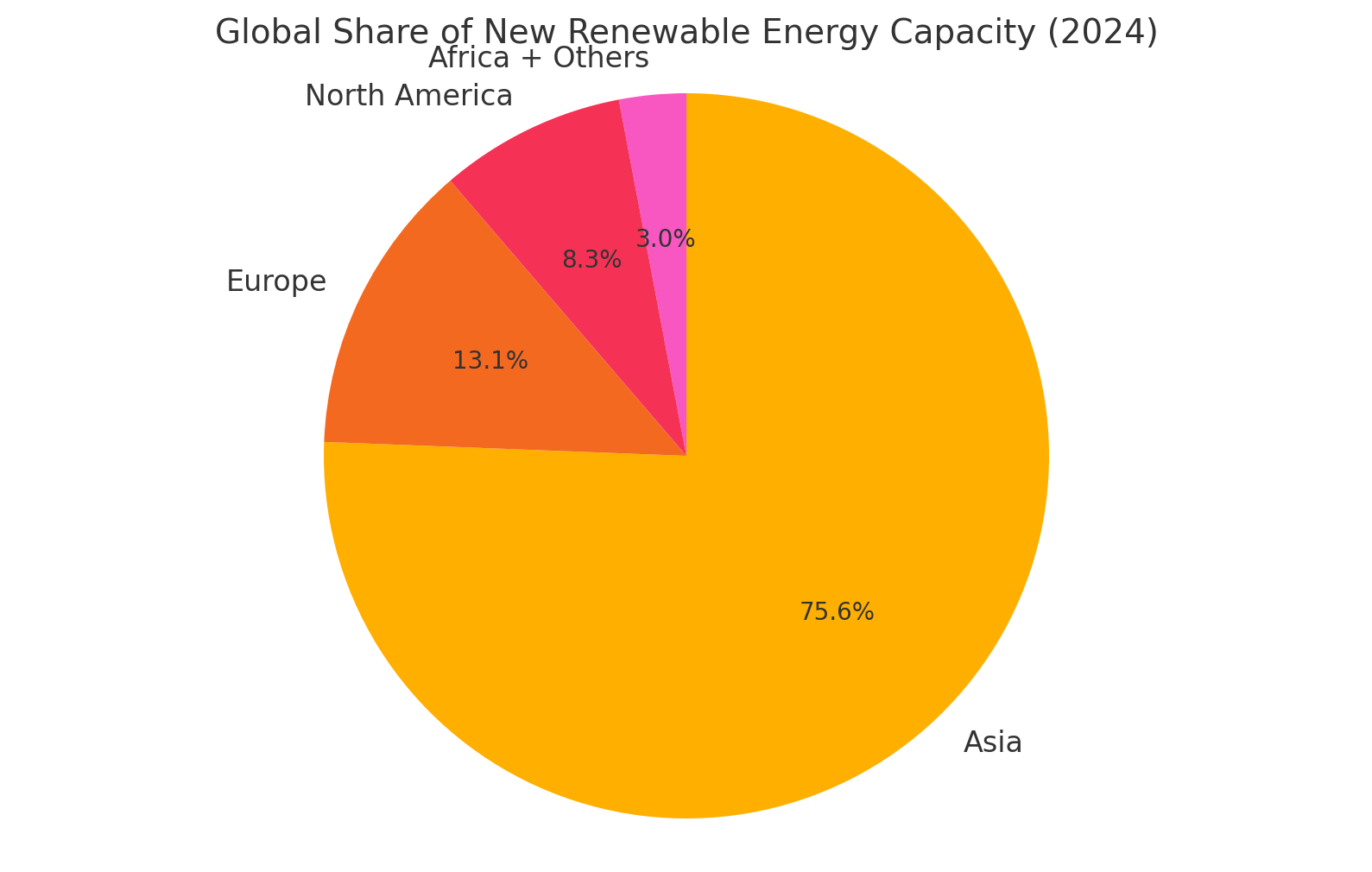
The latest Renewable Energy Statistics 2025 report from the International Renewable Energy Agency (IRENA) based in the United Arab Emirates reveals a widening global divide in the renewable energy transition. While Asia added the lion’s share of new renewable energy capacity in 2024—an astounding 71%—regions such as Africa, Central America, and the Caribbean collectively contributed only 2.8% to global growth.

Africa, in particular, expanded its renewables capacity by just 7.2%, despite its vast untapped resources and pressing need for energy access.

This imbalance poses a serious challenge to the global goal of tripling renewable capacity by 2030, as agreed at COP28. If the current growth trajectory continues, the world will reach only 10.3 terawatts (TW) of installed renewables by 2030—falling 0.9 TW short of the 11.2 TW target. To stay on course, annual capacity must grow by at least 16.6% over the next five years.

Here is a simple infographic showing the global divide in new renewable energy capacity additions for 2024. Asia dominates with 71%, while Africa and other developing regions together account for just 2.8%, highlighting the urgent need for more equitable investment. Would you like a version with additional data or annotations?

Francesco La Camera, Director-General of IRENA, underscores the urgency of closing this investment and infrastructure gap. “The renewable energy boom is transforming global energy markets, driving economies and creating vast investment opportunities,” La Camera said. “However, the growing regional divide highlights that not everyone is benefiting equally from this transition.”

Indeed, countries that have succeeded in attracting renewable investment—particularly in Asia and parts of Europe—are now reaping broader economic rewards, including increased energy security, job creation, and industrial growth.

The 2024 data also highlights the overwhelming dominance of solar and wind energy, which accounted for 97.5% of all net renewables additions. Solar energy alone contributed 453 GW, reinforcing its position as the most cost-competitive and rapidly scalable clean energy source on the planet. Wind followed with 114 GW.

With renewables now representing 46.2% of global installed power capacity—nearly equal to fossil fuels at 47.3%—the economic and environmental case for continued investment is stronger than ever. Renewable electricity generation grew by 5.6% in 2023 compared to 2022, reaching 8,928 terawatt-hours, while non-renewable generation grew by only 1.2%.

Still, the benefits of this energy revolution are not evenly shared. As La Camera notes, “Bridging the divide and closing the investment gap between countries and regions is critical. It requires targeted policies, international financing, and partnerships that unlock capital and technology where they are needed most.”

UN Climate Change Executive Secretary Simon Stiell echoed this call to action: “To deliver on the global agreement at COP28 to triple renewables by 2030, we need to move much further and faster, and make more progress on the key enablers for vulnerable developing countries. The investments required will pay huge dividends—cutting emissions, driving economic growth, creating jobs, and supporting affordable, secure energy for all.”

The message is clear: the green energy future is well underway, but unless more inclusive policies and financing mechanisms are put in place, the clean energy divide could become the defining inequity of the 21st century.

Eat more steak if you are taking anti-fat drugs

picture of meat
Red meat is full of collagen but not a great option for vegans

Losing weight is a struggle and a reason to stay alive. Being obese comes with all sorts of health consequences and if you can’t manage it with diet and exercise you may be taking an anti-obesity drug. To gain the best effects, researchers suggest extra meals of protein to help keep your body healthy and whole.

Women and older adults taking the anti-obesity drug semaglutide may be at higher risk for muscle loss, scientists say, but higher protein intake may help prevent muscle loss in these patients, according to a new, small study being presented Saturday at ENDO 2025, the Endocrine Society’s annual meeting in San Francisco, Calif.

Losing muscle (or lean mass) is a common side effect of weight loss in adults with obesity and may negatively affect metabolism and bone health. This is because muscle helps control blood sugar after meals and plays an important role in keeping bones strong, according to study lead researcher Melanie Haines, M.D., of Massachusetts General Hospital and Harvard Medical School in Boston, Mass.

Related: do weigh loss supplements burn fat?

Approximately 40% of the weight lost from taking semaglutide—a type of weight-loss medication known as a GLP-1—comes from lean mass, including muscle. It is not yet known who is at highest risk for muscle loss or how it affects blood sugar levels, Haines said.

The researchers studied 40 adults with obesity for three months. Of these patients, 23 were prescribed semaglutide, while 17 followed a diet and lifestyle program for weight loss called Healthy Habits for Life (HHL). The researchers evaluated how their muscle mass changed.

Study participants who were prescribed semaglutide lost more weight than those who participated in the diet and lifestyle program, but the percent of weight loss that was lean mass was similar between the two groups.

Related: be careful with cannabis flowers – they aren’t being dosed correctly in medical cannabis dispensaries 

After accounting for weight loss, the researchers found that in the semaglutide group, being older, female or eating less protein was linked to greater muscle loss. Also in this group, losing more muscle was linked to less improvement in blood sugar (HbA1c levels).

Will protein and peptide supplements help?

“Older adults and women may be more likely to lose muscle on semaglutide, but eating more protein may help protect against this,” Haines said. “Losing too much muscle may reduce the benefits of semaglutide on blood sugar control. This means preserving muscle during weight loss with semaglutide may be important to reduce insulin resistance and prevent frailty in people with obesity.”

Haines said that more studies are needed to find the best way to lose fat but keep muscle when using GLP-1 medications.

Rewilding the Suburb: Lagoon Valley’s Profound Plan for Conservation Community in California–– An Interview with Developer Curt Johansen

Find a new conservation community, at the sustainable green build at Lagoon Valley

Not a trend, and not just a community: why Lagoon Valley’s green build may be the blueprint for sustainable living

As the winds of change blow through housing markets and climate conversations alike, more people are asking how—and where—to live in ways that reflect their deepest values. For those seeking community, conservation, and connection, a quiet revolution is taking shape in Northern California. #Vanlife had its day, and global nomadism is lonely. Lagoon Valley might be the natural next step for people looking to live sustainably in a regular-sized green home and community.  

We first reported on Lagoon Valley in 2022 when the idea of a sustainable, conservation community on the edge of Vacaville sounded more like a dream than a blueprint. Readers loved the idea of a local community farm within walking distance, and neighbors sharing similar conservation values, like farm-to-table and community supported agriculture without having to join a cult or commune. Now, after years of planning, the vision has become reality—and the Lagoon Valley model is gaining international attention and we have an exclusive interview with its lead developer and dreamer Curt Johansen. 

85% wild, 100% intentional

The homes—ranging from cottage-style bungalows to age-qualified residences with ADUs—follow rigorous green build principles. They’re designed to meet or exceed California’s already high standards for energy and water efficiency, integrating solar, thermal-pane windows, energy-star appliances, and wastewater-saving systems. 

But Lagoon Valley goes beyond checklists and LEED points for green builds. It’s an experiment in sustainability and conservation communities as a lived experience. A walkable town center, an upcoming organic farm-to-table hub, and clustered neighborhoods that reduce land disturbance are just some of the features aimed at helping residents reconnect with the land and each other. And it’s a place which considers all ages and all kinds of people from families with babies and toddlers to teens and seniors. 

A shift in values, not just real estate

From Europe to the Pacific Northwest, we’ve been tracking the rise of conservation communities—places where long-term ecological thinking drives planning, not short-term gains. Lagoon Valley adds a uniquely Californian flavor to this trend, blending progressive design with deep ecological awareness. It’s not just a real estate offering, it’s a cultural reset.

Conservation has too often been outsourced or compartmentalized. Lagoon Valley developers are saying, what if it’s central? What if your home, your walk, your food, your school, your view—what if all of that is part of the regenerative whole?

Be inspired by our in-depth interview with Curt Johansen, where we dig deeper into the lessons Lagoon Valley offers for the future of green build communities. We’ll explore how developers, planners, and residents alike can reclaim stewardship—and why this model may hold the key to a more sustainable, meaningful way of life.

Curt Johansen
Curt Johansen

Curt Johansen is the Development Director of Lagoon Valley, Northern California’s first conservation community. A longtime advocate of sustainable development, Johansen brings decades of experience designing and managing environmentally responsible, mixed-use communities across California. 

He is a founding partner of UrbanSmart Growth and has led major projects such as Bay Street in Emeryville and the redevelopment of American Canyon in Napa County. His work is rooted in the principles of Reconciliation Ecology—integrating human communities within natural ecosystems—and emphasizes long-term stewardship, biodiversity, and affordable housing. Johansen is known for championing patient capital and regenerative land-use models that prioritize people, place, and planet.

Green Prophet: You’ve said Lagoon Valley turns traditional development ‘on its head.’ What does true land stewardship look like when people are no longer separate from nature, but part of the ecosystem?

A: True land stewardship in Lagoon Valley means recognizing that humans are an integral part of the ecosystem, not separate from it. Instead of dominating or circumventing nature, we actively work to integrate our community within wildlife habitat corridors. Inspired by the principles of “Reconciliation Ecology,” Lagoon Valley minimizes its impact on the environment while allowing residents to learn from and coexist with diverse species of native plants and animals. 

Lagoon Valley becomes a living laboratory where residents reconnect with nature through activities like hiking, birdwatching, and biodiverse agriculture — revitalizing our innate “biophilia,” or love of nature. This not only preserves biodiversity but also enhances residential quality of life, making Lagoon Valley a pioneering model for community-driven, harmonious coexistence with nature.

How did your team ensure that the cultural and ecological memory of the land guided development, not just the economic bottom line?

A: Significant time and financial resources were employed to understand culturally historical conditions, including the avoidance and mounding above obsidian flakes along with careful reconstruction of Native American stream locations. Also, extensive plant and wildlife habitat areas were restored to the master plan, in lieu of far more invasive prior development approvals, to remain as open spaces.

With 85% of the land preserved as open space, how do you measure success—not just in terms of real estate sales, but in community well-being and biodiversity?

A: Recognition by State biologists regarding the success of our new Wetland Preserve has been a strong measure of biodiversity flourishing. Our residents are consistently attracted to the community’s conservation/open space commitments, ranking community open space as the most prominent amenity of the community, and they are engaged with actively getting involved in conversations around ecological literacy.

How can Lagoon Valley become a replicable model for other developers, especially those working in climate-vulnerable regions where affordability and conservation often clash?

A: The potential for success with any attempt at a medium-to-large scale, live-work-play conservation community requires a willingness to cooperate with development innovation on the part of the municipal jurisdiction involved with oversight approvals. On the equity development side, the model is replicable when one has patient capital providers that understand the long-term value return from conservation communities. I have been blessed with two amazing partners who understand and support my work.

Community-Supported Agriculture and education programs are part of the plan. How do you see food, farming, and learning as tools for rebuilding human-nature relationships?

A: Over many years I have observed closely the effect Community Supported Agriculture has on neighborhoods that support their CSA. One important effect is resident bonding around farm-to-table, healthier family eating habits. When kids (and adults of all ages) experience the careful and hard work it takes to produce healthy vegetables and fruits, they also notice a big difference in quality between organic food locally grown from what they buy from the industrial ag system that ships food products an average of 1,300 miles each day and loses to spoil almost one-third of its output. 

I had the great pleasure of meeting Wendell Berry to glean what insight I could from his inimitable wisdom regarding proper farming, and it was transformative. He helped me understand that true knowledge of place is intrinsically tethered to a true knowledge of local agriculture, and that for farmers who bring to the local market products from quality soil, without pesticides or herbicides, without pollution, grown and harvested with labor paid a living wage, it is worth the small extra cost to residents because of the long-term benefits to their health and the “social community glue” CSAs provide.


Curt Johansen
Curt Johansen

In your view, what role do residents play in shaping and sustaining this vision? How do you cultivate a sense of responsibility beyond just living in a ‘green’ neighborhood?

A: Fostering sustainable behaviors in green communities still requires altering existing behaviors, and that comes from instilling a problem-solving, communally-activated approach to prompting healthier behaviors. When resident leaders are trained to present win-win outcomes for their neighbors, it can be inspiring to see how positive outcomes can be recognized and emulated. Creating opportunities for environmental volunteerism in activities that appeal to neighbors helps residents to get to know the open spaces surrounding them more intimately, which in turn invests them in taking greater care of these sacred places.

What advice would you offer to cities or developers who want to transition from extractive models of building toward regenerative, community-centered development?

A: If I had the power to do so, I would require every land developer and every public servant with influence in land planning to visit existing conservation communities and see the difference over time between how home values appreciate instead of depreciate and how residents are generally happier in their neighborhoods. So many of us suffer in varying degrees from the idea of Nature Deficit Disorder. Physically visiting and interacting with residents living in sustainable communities is paradigm-shifting.

We often hear concerns that sustainable communities might sacrifice resale value or long-term investment. What are you seeing—or expecting—when it comes to property value in a place like Lagoon Valley, where ecological integrity is part of the design?

A: Home resale values in successful conservation communities typically outpace the overall market. A good example close to Lagoon Valley is Village Homes in Davis, CA, which has been around for almost 50 years and continues to thrive both ecologically and financially for its residents who are passionate about preserving the many sustainable features embedded in their community’s planning. Other notable conservation communities that have thrived in many ways, including the appreciation of home values, include Prairie Crossing just north of Chicago and Serenbe, just south of Atlanta, to name a few. Sustainability in communities is increasingly seen as long-term enhancement of property values, whereas depreciation is still the norm in many markets where the negative long-term social impacts of conventional, unsustainable development increase over time.

Do you have a childhood memory of being in nature/wishing you were in nature that informs the work you do today? 

A: Until the age of 9, I was a city kid living in New York with lots of concrete in my neighborhood and not much nature. But I was fortunate to have relatives who owned a small family farm on Long Island, when one could take the train for a visit. I still recall vividly my first taste of an organically grown, vine-ripened tomato, many of which my Italian grandmother would use to make spaghetti sauce for the family. It was magnificent and I’ve never forgotten that revelation.

Thank you Curt! 

As cities face the twin pressures of climate instability and housing crises, Lagoon Valley reminds us that sustainability doesn’t mean sacrifice: it means design with intention. It’s a reminder that large-scale development, community and ecological integrity don’t have to be at odds. With 1,300 acres of preserved open space, a thriving local food vision, and a blueprint guided by civic participation, responsibility, and care, this new housing development project shows that living in harmony with nature isn’t just possible—it’s desirable.

To learn more about Lagoon Valley, visit their website: https://lagoon-valley.com/


7 Powerful Reasons I Tried Flirt.com—Why This Dating Site Isn’t a Scam

0
Eco and sustainable dating
Eco and sustainable dating? If you’re wondering whether flirt.com is worth your time—or if it’s just another scam, you’re not alone. I asked the same thing. So I signed up. Here’s my honest, in-depth flirt.com review based on real experience using this dating site.

Getting Started with Flirt.com: Why Signing Up Felt Right

Creating my flirt.com profile was incredibly intuitive, even for someone completely new to the world of online dating. This dating site stands out with its clean, user-friendly design that makes onboarding both smooth and genuinely exciting. Within minutes of signing up, I was asked a series of smart questions about my interests, location, and relationship goals—whether I was looking to meet people for conversation, a casual connection, or even a spontaneous hookup. Almost instantly, flirt.com began suggesting real, active users—genuine flirt members—based on online indicators and location proximity.

It was clear that flirt.com will match you with people who are not only close to you but also actively using the site, which is a refreshing change from many other platforms. Whether you’re hoping to flirt, find a spark, or explore new social circles, the process didn’t feel like a chore. In fact, it was fast, seamless, and a lot more enjoyable than I expected. From the very start, it felt like a good place to truly meet people without pressure.

Exploring Chat Features and First Impressions of the Flirt Community

One of the biggest benefits of using Flirt.com—widely recognized as a popular dating site—is the impressive variety and functionality of its chat features. From the moment I logged in, I could easily send messages, share emojis, send winks, and even take advantage of the built-in video chat feature to engage in face-to-face conversations with other users. What truly stood out to me was the active chat room environment, where I could drop in on casual group discussions, share opinions, and meet new people without the pressure of one-on-one interactions.

This vibrant social setting provided a comfortable way to ease into deeper conversations. Unlike other platforms that often feel rigid or limited, flirt.com has different communication tools tailored to various user preferences—whether you’re just testing the waters or actively pursuing connections. The platform’s smart algorithm also continually introduced me to potential matches based on mutual interests and location, making it feel personalized and dynamic. Whether you’re looking for flirty banter, a spontaneous date, or just someone to chat with, this dating site offers flexible and enjoyable ways to build meaningful connections.

Is Flirt.com a Scam? Busting Myths with Real Experience

sunflowers dance like we do
Looking for a nature lover like you?

Many people assume every online dating site is a scam full of fake profiles, bots, or automatic systems to generate fake emails or messages or steal your information. But I found none of that here. Flirt.com takes these issues seriously. If you feel that a member is acting suspiciously, you can report them.

As soon as they receive notice, they investigate. If a person is under observation, their actions are monitored. The site doesn’t allow use of false profiles and actively works to combat fake reviews. That’s more than I can say for another website I once tried.

Why a Flirt.com Subscription Is Worth It

After a few days of testing the waters, I upgraded to a premium membership. This gave me full access to photos, the ability to send flirtcasts, use video chat, and more. Plus, their subscription plans are transparent—no surprise charges. If you want to cancel my subscription, it’s a quick and easy process.

I even saw that Flirt.com offers a satisfaction guarantee, and if needed, you can request a refund. It’s not one of those platforms where you wonder, “Can I get my money back?” because the site makes their billing policy crystal clear.

The Real Flirt.com Pros and Why It’s a Good Site

There are plenty of things that make this a good site, especially if you’re looking for something casual. First, you’ll find active users who genuinely want to connect. Second, the UI makes it easy to navigate. And third, you’ll actually enjoy the process of engaging with people. I especially liked using flirtcast to send a flirty message to a group. Compared to other dating platforms I’ve tried, Flirt.com felt alive and exciting. It didn’t feel like the typical terrible site where all the profiles are dead or fake.

Flirt.com Pros Details
User-Friendly Interface Intuitive layout makes profile setup and navigation quick and effortless.
Active Community of Flirt Members Many online users available for real-time chatting and interaction.
Flexible Communication Features Includes chat, video chat, flirtcasts, winks, and group chat rooms.
Smart Match Suggestions Personalized potential matches based on preferences and location.
Great for Casual Connections Perfect for singles looking for casual chats or short-term relationships.
Safety Measures in Place Actively combats fake profiles, bots, and suspicious behavior.
Easy Subscription Management Transparent billing, easy to cancel my subscription if needed.
Fast and Responsive Support Quick help via chat or email from the support team.
Privacy Focused Clear privacy policies and proactive moderation for user safety.
Engaging User Experience Gamified onboarding and interactive design enhance the dating experience.

How Flirt.com Makes Meeting New People Simple and Engaging

This dating platform provides an impressive variety of ways to connect with others, making it especially appealing to users who value both flexibility and authenticity. Whether you’re jumping into a lively public chat room, diving into a one-on-one conversation through private chat features, or using the seamless video chat option to speak face-to-face, Flirt.com offers a rich and engaging communication experience. From casual chatting to deeper emotional exchanges, the tools are designed for all comfort levels and intentions.

This diversity of interaction methods is one of the reasons behind the many positive flirt reviews the site receives across dating forums and review platforms. Whether you’re aiming to talk and flirt, enjoy the fun of sending a flirty message, or build genuine, lasting real connections, Flirt.com delivers. More importantly, the site gives you full control to express yourself at your own pace. And thanks to its smart matching algorithm and personalized suggestions, it becomes easier than ever to find the right match based on your interests, location, and activity level. Flirt also emphasizes user safety, giving you peace of mind while enjoying everything the platform has to offer.

Handling Safety, Customer Support, and Your Privacy

From the moment I signed up, I felt safe. The platform’s privacy policies are clear and enforced. And when I reached out to customer support with a basic question, they replied quickly and professionally. If your account is active and something goes wrong, help is just a click away. The company even uses systems to generate fake emails detection to remove shady accounts. If needed, you can always unsubscribe or even removed my account fully.

Should You Try Flirt.com? My Final Takeaway

Absolutely. Whether you’re meeting new people for the first time, looking for casual chats after a long day, or genuinely hoping to spark real connections, Flirt.com delivers a well-rounded experience for all types of users. I had an excellent dating experience using the site—from profile setup to messaging and video chat, everything felt smooth, intuitive, and engaging. What sets this platform apart is that it doesn’t feel like a shady scam or a hub for bots. Instead, it functions as a vibrant, responsive community that fosters authentic interaction. Flirt offers a variety of fun and interactive features such as flirtcasts, winks, advanced search filters, and even group chat room access, all tailored to enhance the user experience.

Additionally, I was impressed by the attentive and reliable customer care team, who were available to assist with questions and concerns in a timely and professional manner. If you’re considering stepping into the world of an online dating service, whether you’re looking for casual connections or more, this platform is a strong place to begin. With engaging features and strong support, Flirt.com sets itself apart in a crowded digital dating space.


Vegetarian Ramadan Recipes From the Middle East

0

ramadan-green-vegetarian-iftar-maamoul-eidFrom Ma’amoul to Couscous, why not try a new vegetarian dish from the Middle East and North Africa region this Ramadan?

There are some dishes that evoke such strong memories of a festive occasion, that eating them any other time of the year feels wrong. For me, Qatayf (mini nut pancakes) and Mamoul (date cookies) are two things I only ever eat during Ramadan and so just seeing them gets me in the Ramadan spirit. Another great thing about these two succulent sweet pastries is that they are vegetarian and with enough sugar and calories to give you a post-fast energy boost.

Indeed there is an amazing array of special Ramadan dishes from around the Muslim world that are suitable for vegetarians. In an effort to encourage more Muslims (and non-Muslims!) to reduce their meat intake during this holy month, I have collated a list of delectable dishes and pastries that would make the perfect Vegetarian iftar.

After a long day of fasting, the last thing I want to eat is heavy, greasy food. It’s too demanding for your stomach and means you end up feeling very uncomfortable and lethargic. Vegetarian food is the answer. As long as you go easy on the pastries and sweets, vegetarian dishes tend to be fresher, healthier and lighter on the stomach. 

I think soups are an absolute must during Ramadan. After a long day of fasting, nothing helps ease your thirst and hunger like a bowl of hot soup. I was lucky enough to try some tasty Moroccan Harira Soup when I was in Tangiers and I highly recommend it. It’s a lovely mix of lentils, chickpeas and vermicelli which is a particular Ramadan favourite.  You could also try our Moroccan wheat soup recipe here which promises a hearty and warming bowl of goodness.

Salads are another must have and you can’t wrong with Tabbouleh and Fattoush. Check out this recipe for Quinoa Tabbouleh Salad for a modern twist on the traditional Tabbouleh by our resident cook Miriam Kresh.

You could also give Fattoush a try – made from leftover pitta bread, tomato, cucumber, mint and lots of other things you should have lying about in your kitchen, it makes a lovely starter. Here’s a great recipe for the traditional Lebanese dish and you could also throw in some avocado to give it a bit more weight.

For main dishes, give couscous a whirl this Ramadan with our very own lemon-scented vegetarian couscous. We even have a special vegan-friendly couscous recipe that you can try out.

Freekah, an ancient grain makes a lovely, hearty soup but could also be cooked as a main and stuffed in a Kobocha squash as you can see below.

Another great vegetarian dish which is a firm favourite even amongst the non-veggies is Imjadarra/Mujaddara. A very traditional Middle Eastern dish, Imjadarra it is made using either rice or bulgar wheat with green lentils, onions and some basic herbs and spices.

Finally to finish off any meal, something sweet. Arabic sweets in my personal opinion are quite tricky to pull off (but I find all pastries and cakes a conundrum to make…) but this recipe for Baklava looks simply enough.

You could also try to make the traditional Ramadan date cookie called Ma’amoul which would really impress your friends. Or even better, you could make the ultimate half-moon shaped Qatayef for a real taste of Ramadan.

For more on going green this Ramadan see:

Go Green This Ramadan (6 Steps)

The Eco-Mosque Checklist – 7 Steps to a Greener Mosque

Feasting on Fairtrade this Ramadan