Home Blog Page 255

Elon Musk’s hyperloop one step closer to reality

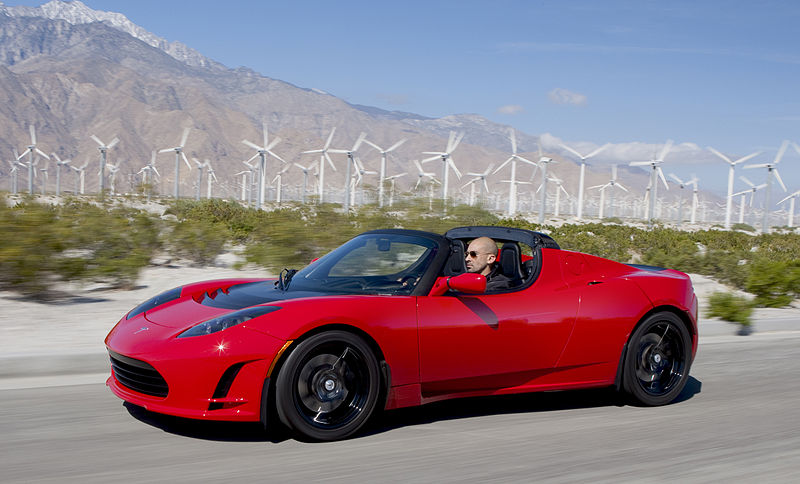
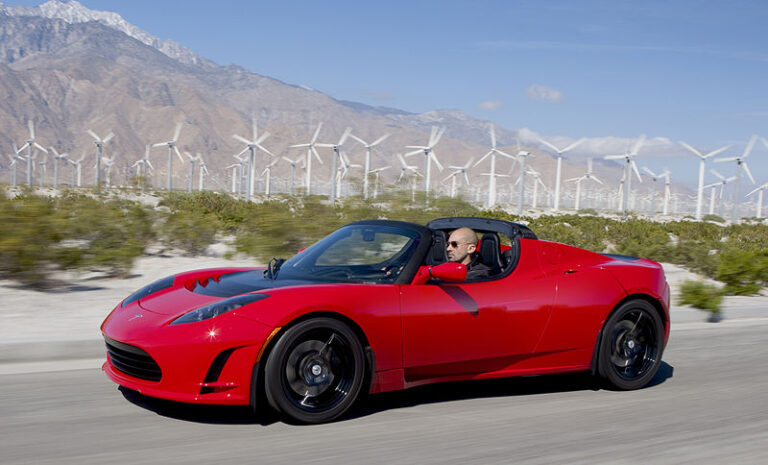
tesla-Roadster_2.5_windmills_trimmed
You have all surely heard of Elon Musk, the billionaire innovator of space travel and the electric vehicles industry. He was the man who made the electric car cool with the launch of the Tesla Roadster (named after Nicolai Tesla), an electric vehicle capable of outperforming many sports cars and have zero emissions at the same time.

Tesla Motors, Middle East, driverless vehicles, automated cars, Mobileye, Elon Musk, collision avoidance technology, green transportation

SolarCity, Silevo, New York city, renewable energy, world's largest solar panel plant, solar energy, photovoltaic panel factory, renewable energy,

Nikola-TeslaBesides his SpaceX team has designed space technology based on reusable rockets, vowing to make space travel affordable for the common folk in the near future.

Hyperloop is another project linked to his name.

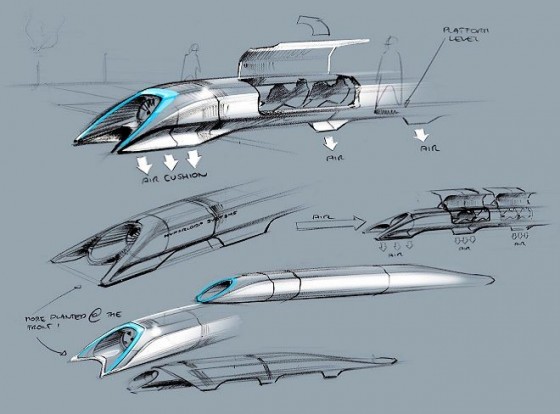
He came up with the idea of a new way of transportation without the need of rails or wheels, immune to weather and completely safe, and also powered by solar panels, as a response to a projected California high-speed rail back in 2012.

hyperloop-transportation-technologies-development-stealth-0

The Hyperloop could be used to transport cargo at high speeds, and people too.

His team put the concept of the Hyperloop on paper, and gave it away to the public, to “see if the people can find ways to improve it”. And the concept was popular among some engineers out there, some of them dedicating their time and effort to transforming it into reality.

This year Elon Musk has taken another step toward the transformation of this safe, fast and green means of transport into reality. Back in January he has announced that he will build a Hyperloop test track in Texas, which would allow teams of engineers to test their pod designs. The test track would be privately founded, and have a length of about 5 miles.

Furthermore, Musk’s SpaceX has also announced that it will build a one mile long test track next to its California facility to test pods designed by teams enrolled into a pod design competition. The contest was announced at the middle of June by SpaceX, and will see independent teams of engineers build a sub-scale Hyperloop pod.

The pods will not be suitable for human transportation at this time, and the competition’s goal is to find a viable, economical and safe way to transform this new way of transportation into reality: “While we are not developing a commercial Hyperloop ourselves, we are interested in helping to accelerate development of a functional Hyperloop prototype,” the SpaceX website states.

All information about the competition, just like the draft Hyperloop plans, will be open sourced.

There are currently two commercial companies in California – Hyperloop Technologies and Hyperloop Transportation Technologies – are working towards the building of the first tracks. SpaceX has no affiliation with any of them.

Dispatch from inside Masdar

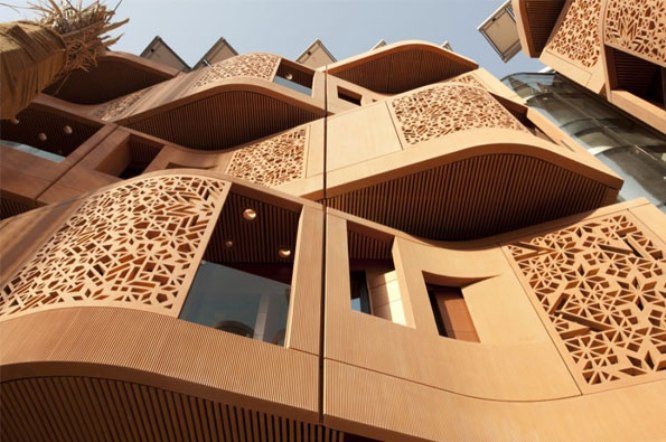
masdar_institute

As an intern at Masdar Institute, I’ve witnessed firsthand how real and possible a drastically improved world is. Masdar serves as a real-life experiment of how our sustainable future might look like.

Solar energy generated by a 10-megawatt solar photovoltaic plant as well as panels mounted on the institute’s buildings provide nearly all of the electricity. Many ingenious techniques were used to decreasing the need for energy consumption. Masdar, which is the Arabic word for source, is also the name of the quickly developing sustainable city built with minimal Carbon emissions, and is where the Institute is located in Abu Dhabi, UAE.

The US department of Energy ranked the UAE 6th globally in petroleum production for 2014, and listed 6 Middle Eastern countries in the top 15. With fossil fuels as the lead emitter of greenhouse gases and the biggest contributor to Climate Change, the Arab World will be a key player this December, when the world will turn its eyes towards COP21 negotiations in Paris. (See coverage of COP20)

COP21, the 21st UN Framework Convention on Climate Change Conference of Parties, comes with a long overdue goal; to achieve a legally binding and universal agreement on Climate Change. It is crucial for nations around the world to raise their ambitions and shorten their timelines.

The effects of man-made Climate Change will not spare this region. In fact, according to a report released by the World Bank during COP18 which took place in Doha, Qatar, Climate Change effects in the Arab World will be dire.

The Arab region has the lowest freshwater resource endowment in the world. Climate Change is expected to decrease water runoff further still by 10% by 2050, while demand is projected to increase 60% by 2045 due to increases in population and per capita use. This, along with changing temperatures, will also decrease agricultural production.

Furthermore, more people are moving into urban areas already due to droughts and resources shortage. A recent study mentioned by a National Geographic article says that rural-to-urban migration helped spark the uprising and consecutive war in Syria, which has displaced millions and killed hundreds of thousands of people.

The Arab region is already very vulnerable to wars and security threats. Another report released by the Pentagon affirmed that Climate Change will have immediate threats to national security. This is true all over the world, as the number of climate refugees keep going up, and resources become scarcer.

A 2014 report released by the Intergovernmental Panel on Climate Change (IPCC) states that in order to limit the destructive effects of Climate Change, the world temperature rise will need to be limited to 2 degrees Celsius. The report states that in order to have a likely chance of limiting the increase by that much, we will need to lower global greenhouse gas emissions by 40% -70% compared to 2010 by mid-century, and to near-zero by the end of this century. This is no easy task and will require a “worldwide push over the next 15 years” according to experts appointed by the UN.

These alarming numbers and predictions are not to mention increasing floods, effects on tourism and historical sites, as well as larger gender equality gaps. Three years later since the publishing of this report, we are still short from having concrete action plans to contain these devastating effects, which the IPCC report says is still possible. The only way to avoid the worst is to act big, and act fast.

The scientific evidence is overwhelming: We are running out of time.

This is a guest post by Munira Sibai, an engineering student and environmental advocate who has attended the UN Climate Change negotiations in 2012 in Doha and in 2013 in Warsaw. 

UN: Innovation needed to feed people of the future

0

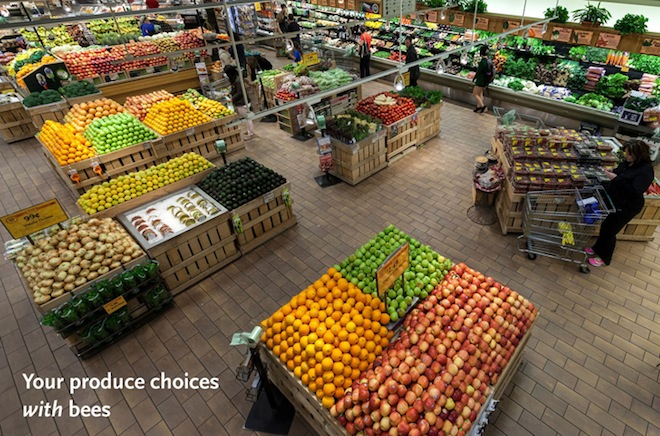
Whole Foods, Bees, Xerces Society, Share the Buzz, a market without bees, world without bees, Colony Collapse Disorder (CCD)

Strong crop yields, higher productivity and slower growth in global demand should contribute to a gradual decline in real prices for agricultural products over the coming decade, but nonetheless, prices will likely remain at levels above those in the early-2000s, according to the latest Agricultural Outlook report produced by the OECD and the United Nation’s Food and Agriculture Organization.

Lower oil prices will contribute to lower food prices, by pushing energy and fertilizer costs down, and removing incentives for the production of first-generation biofuels made from food crops.

The OECD-FAO Agricultural Outlook 2015-2024 projects that agricultural trade will increase more slowly than in the previous decade, while its share of global production and consumption will be stable. The Outlook points to further concentration of agricultural commodity exports among a few exporting countries, coupled with a dispersion of imports over an ever-larger number of countries – trends that make it imperative to ensure the smooth functioning of international markets.

The growing role of a relatively small group of countries in supplying global markets with key commodities could increase market risks, including those associated with natural disasters or the use of disruptive trade measures.

Major changes in demand are expected in developing countries, where population growth, rising per capita incomes and urbanization will increase demand for food, according to the report. Rising incomes will prompt consumers to continue diversifying their diets, notably by increasing their consumption of animal protein relative to starches. As a result, the prices of meat and dairy products are expected to be high relative to crop prices. Among crops, the prices of coarse grains and oilseeds, used for animal feed, should rise relative to the prices of food staples.

Presenting the joint report in Paris, OECD Secretary-General Angel Gurría said: “The outlook for global agriculture is calmer than it has been in recent years, but there is no room for complacency, as we cannot rule out the risk of new price spikes in the coming years”.

“Governments should take advantage of the current conditions to concentrate on developing policies that raise productivity, boost innovation, better manage risk and ensure that robust agriculture systems benefit consumers and farmers alike,” Mr Gurría said.

Calling the Outlook’s projection that developing countries are likely to continue to improve the caloric intake of their populations “good news,” FAO Director-General José Graziano Silva also noted that least-developed countries “remain significantly behind advanced economies; this is cause for concern, as it means hunger in these countries could persist.”

“And malnutrition is an issue: developing countries now have to face problems of overweight, obesity and other diet-related non-communicable diseases,” he added.

Commodity Highlights

The build-up of high cereal stocks over the past two years, combined with low oil prices, should lead to a further weakening of cereal prices in the short term. Slowly rising production costs and sustained demand should strengthen prices again over the medium term.

Strong demand for protein meal will drive further expansion of oilseed production, according to the report. This should result in meal being very important in the overall profitability of oilseeds, and would favour further expansion of soybean production, especially in Brazil.

Higher sugar demand in developing countries should help prices recover from low levels, leading to further investment in the sector. The market outcome will depend on the profitability of sugar versus ethanol in Brazil, the globe’s leading producer, and could remain volatile as a result of the sugar production cycle in some key Asian sugar-producing countries.

Meat output is expected to respond to an improvement in margins, with lower feed grain prices set to restore profitability to a sector that has been operating in an environment of particularly high and volatile feed costs for most of the past decade.

Worldwide fisheries production is projected to expand by almost 20 percent by 2024. Aquaculture is expected to surpass total capture fisheries in 2023.

Exports of dairy products are projected to further concentrate among four prime sources: New Zealand, the European Union, the United States and Australia, where opportunities for domestic demand growth are limited.

Cotton prices should be suppressed in the short term by the drawdown of large stocks in China, but they are projected to recover and stay relatively stable for the remainder of the outlook period. By 2024, both real and nominal prices are expected to remain below the levels reached in 2012-14.

Ethanol and biodiesel use is expected to grow at a slower pace over the next decade. The level of production is projected to be dependent on policies in major producing countries. At lower oil prices, trade in biofuels should remain small as a share of global production.

Outlook for Brazil

This year’s Outlook contains a special focus on Brazil, which is poised to capture most of the trade expansion to be generated by import demand growth, particularly from Asia.

Brazilian agricultural growth is projected to be driven by continued improvements in productivity, with higher crop yields, some conversion of pasture to cropland and more intensive livestock production. Structural reforms and a reorientation of support towards productivity enhancing investments, for example in infrastructure, could foster these opportunities, as could trade agreements that improve access to foreign markets.

Brazil has made outstanding progress in eliminating hunger and reducing poverty. Prospects for further reductions in poverty through agricultural development are growing, for producers of some food crops as well as producers of higher-value products such as coffee, horticulture and tropical fruits.

The Outlook says that Brazil’s projected agricultural growth can be achieved sustainably. While additional supply will continue to come more from productivity gains than area increases, pressure on natural resources can be alleviated by environmental and conservation initiatives, including support for sustainable cultivation practices, the conversion of natural and degraded cropland to pasture and the integration of crop and livestock systems.

Khalifa hydroponic farm’s paying off

6

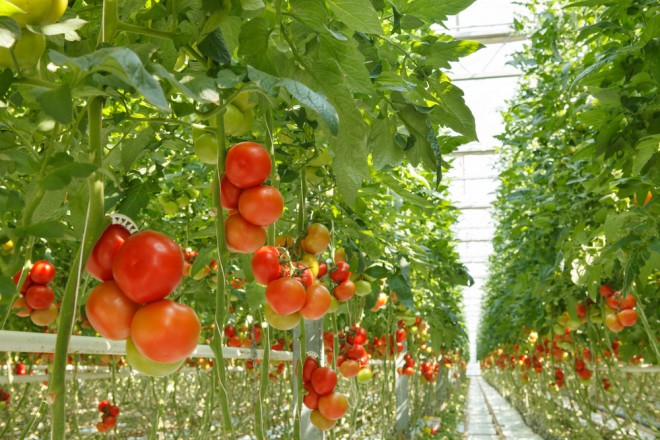
hydroponic-tomatoes

As spring turns into summer, the Khalifa fund’s investment in Abu Dhabi hydroponic agriculture is beginning to pay off.

The Khalifa fund for enterprise development was Launched in 2007 to help local enterprise in Abu Dhabi. At the beginning of 2015, Ahmad Kalfan Al Romaithi revealed that Dh 130 million (approximately 35 million US dollars) had been approved for the funding of up to 130 hydroponic farms.

(Related: flux technology makes it easy for anyone to grow using hydroponics).

Ten farms were initially funded by this project and this number quickly grew to 40.

By mid-June, three of these farms had already begun supplying locally grown fruit and vegetables to union co-op markets in Dubai and Ajman. The co-op’s production of about 60 tonnes of tomatoes per month is expected to double when the remaining farms begin producing by the end of this year.

Hydroponics is an agriculture technology which doesn’t require soil. This technology can allow locally grown crops near cities and in other regions which are unsuitable for traditional farming. It’s space age science that promises to feed a hungry world, especially in dry climates.

Jupiter and Venus meet in Middle Eastern skies

1

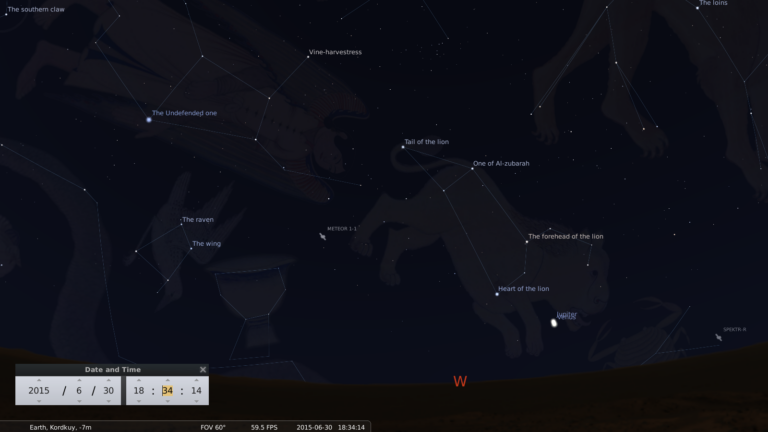
venus_jupiter_conjunction_2015_iranA celestial tryst between the CEO of Roman gods and the Roman goddess of love and beauty?

This seems hardly a match made in heaven. You might even say this relationship is star-crossed. But watch the western sky just after sunset on Tuesday, June 30th and you’ll see a rare conjunction between a beautiful bright greenhouse effected hottie named Venus and Jupiter, a gassy giant who only appears dim because he is so far away.

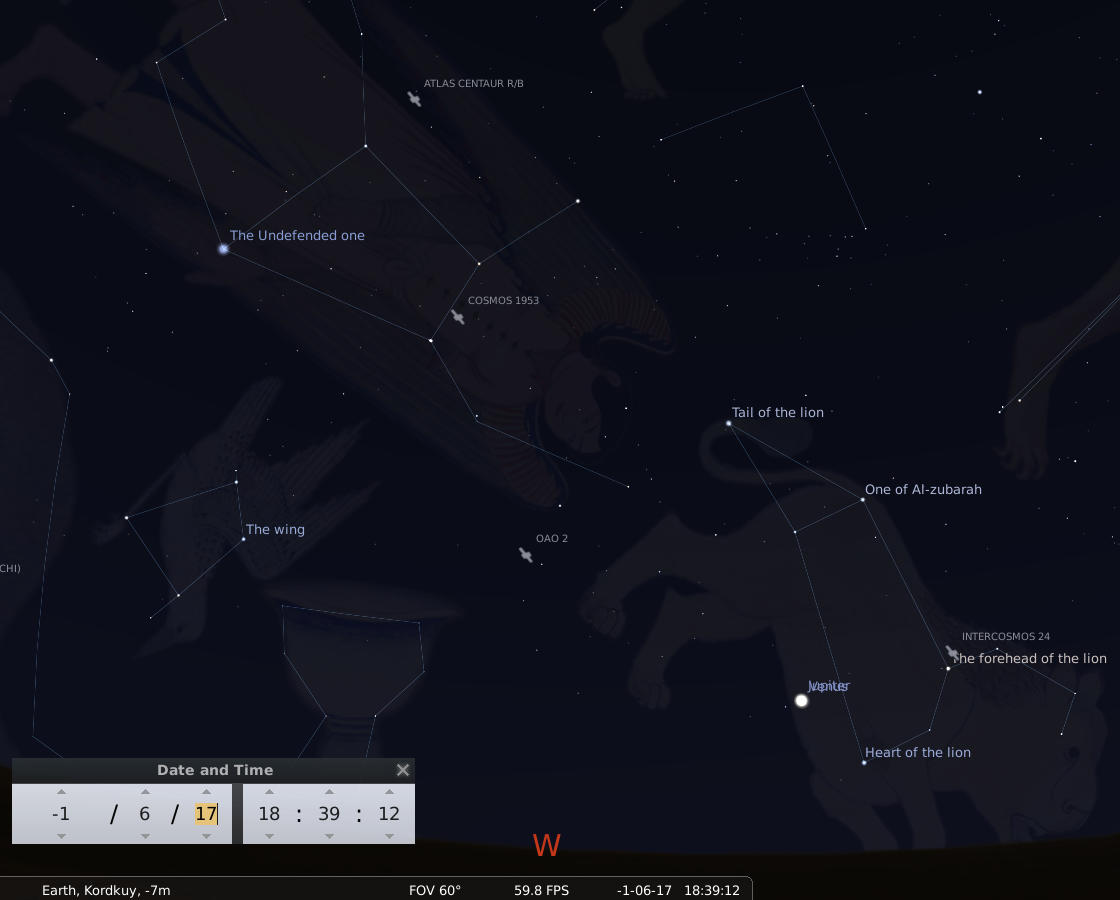
Archaeoastronomers tell us that the last time these planets were so close– in fact a fraction of a degree nearer was June 17, 2 BCE. Some say that Persian astrologers might have seen something in the symbolism of these two nomadic stars coming together as on in Leo, a constellation associated with kings and Jewish people.

Persians in the East who followed this star might have been led West, into the Kingdom of Judea.venus_jupiter_conjunction_2BC_iran

Seven month’s later, a lunar eclipse’s blood moon may have coincided with the death of a notoriously bloodthirsty King Herod. But many Christians believe that the star of Bethlehem is a miracle far beyond anything that could be explained by retroactive celestial calculations.

Many non-Christians are equally unimpressed with attempts to connect predictable orbits and historical events with biblical texts.

But if you find yourself under clear skies, look for yourself with binoculars and your naked eyes.

Now try to imagine watching these bright “stars” touching each other in those days nearly 2,000 years before cable televisions and halogen lights.

Enjoy the night, a leap-second will make June 30th, 2015 the longest day since 2012.

The images of the 2015 and 1 BC Venus-Jupiter conjunction were created by the author with the program Stellarium. Note that since zeroth century Romans hadn’t yet pilfered the number zero from their Middle Eastern neighbours, dates around the year zero are approximate.

Also ignore the American and Russian satellites appearing in the simulated image from 1 BCE. We’re quite certain that the Persian astrologers would not have seen these.

الطهي بالشمس في غزة

gaza-solar-oven

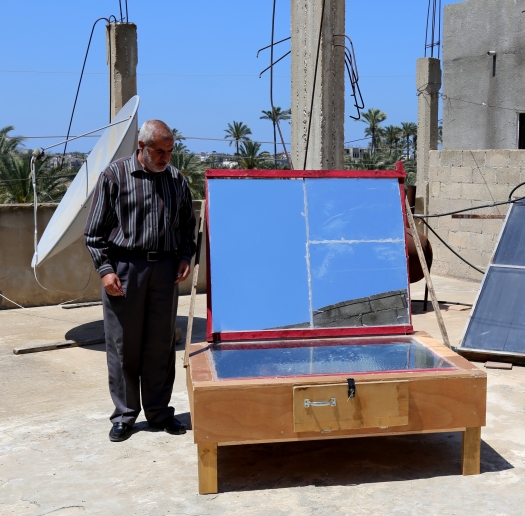
تعرفوا على خالد بشير، أحد سكان دير البلح في قطاع غزة. قصته قصة كفاح في وجه الصعوبات، و عبقرية تلبي الحاجة

سئم خالد من انقطاع التيار الكهربائي في قطاع غزة لفترات طويلة. ففي أحسن الأحوال، يعمل التيار لمدة ثمان ساعات، ليعاود غيابه الطويل. سئم خالد أيضا من النقص الشبه دائم في الوقود، و طوابير طلابه اللامتناهية في حال وجوده. كجميع سكان غزة، يعاني خالد هذه الأحوال المنغصة للحياة بشكل يومي. و لكنه جاء بما يخفف من وطئة هذه الأوضاع – على الأقل، عندما يحين موعد طهي غذائه

بنى خالد أول موقد يعمل بالطاقة الشمسية في العام 2000، و كان ذلك قبل أن تقصف محطة توليد الكهرباء في غزة. فقد كان هدفه الأساس هو الطاقة المستدامة. يقول: هذا الموقد أفضل من نظيره الكهربائي أو الوقودي، فهو يتسخدم طاقة طبيعية و لا تكلف شيئا و متوفرة في سماء غزة على مدار السنة، عدى عن أنه يحافظ على نكهة و جودة الطعام، و لا يتسبب بإحراقه بما أن الشمس في حركة مستمرة

يطهي هذا الموقد الطعام ببطئ، إذ تصل درجة الحرارة في داخله إلى 140 درجة مئوية. و قد قضى بشكل كلي تقريبا على اعتماد خالد على غاز الطهي. يقول: أملئ جرة الغاز مرة بالسنة. أما الموقد فبإمكانه طهي كل شيئ تقريبا، ما عدى الشاي و القهوة. لقد آن الأوان لإشاعة هذه الطريقة بين الناس، لعلها تكفيهم عن الطوابير الطويلة و الاعتماد على الكهرباء و الغاز الشحيحين

حتى الآن، أشرف خالد على بناء 20 من هذه المواقد، معظمها لجيرانه. و قد قال أن ردات الفعل من الزبائن كانت إيجابية

حصل خالد على باكلريوس علوم الكيمياء من الجزائر في العام 1985، و ماجستير من جامعة بريتوريا في جنوب أفريقيا. و حصل أيضا على شهادة بالمراسلة من جامعة مكجيل في كندا. و هو هو خبير في الطاقة المستدامة من الموارد المتجددة، كالطاقة الشمسية، و قد عمل في وزارة الزراعة الفلسطينية لعدة سنوات

أما بناء الموقد الواحد فيستمر لمدة يمومين، و يكلف حوالي ال150 دولار، و يمكن تجنب هذه التكلفة إذا ما تم استخدام خشب أثاث و زجاج مرايا مستعملين

يختتم خالد قوله: أود أن أرى شباب غزة يتجهون إلى الطاقة البديلة. بيتي مفتوح و أنا على استعداد لمشاركة الجميع في هذا العلم

Earth is in the midst of its 6th mass extinction – wake up call, folks

1

erlich-species

Is humanity as a species threatened with extinction? Is global warming resulting in irreversible climate patterns that are destroying animal and plant species at rapid rates, especially in the Middle East? These questions are causing great concern to scientists now studying the rapid extinction of many species of animals on earth during the past 100 years.

Sixth Mass Extinction

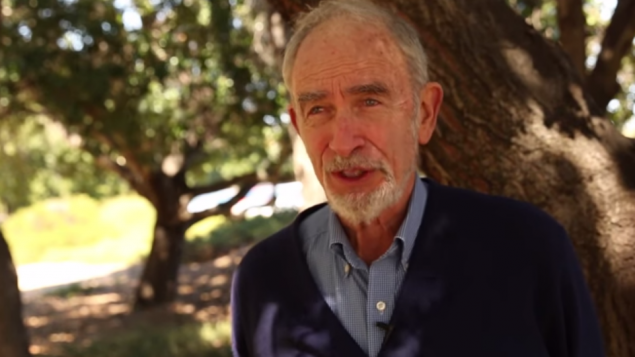
A group of scientists, led by Stanford University biology professor Paul Ehrlich, author of the controversial book Population Bomb, warn that the earth is now  embarking on its “sixth mass extinction” with animals disappearing about 100 times faster than they used to.

This is not the first time that Professor Ehrlich has warned that mankind is destroying life on earth. He predicted back in 1968 that by the year 2000, more than 4 billion people will have died from mass starvation; including 65 million Americans. Obviously, this failed to occur; and despite his dire warnings, the earth’s human population has now increased to over 7 billion.

dinosaurs

In prehistoric times, periods of mass extinction, including the famed Cretaceous-Tertiory mass extinction of 66 million years ago (said to have wiped out the dinosaurs), were attributed  to natural phenomena such as natural climate change, volcanic eruptions and massive asteroids.

According to Ehrlich, this new mass extinction period is largely human caused.

The “sixth mass extinction”, that Ehrlich and his colleagues are now warning is already occurring, deals with the large numbers of vertebrate animal species (396), ranging from fish to mammals, that have become
extinct during the past 110 years alone.

This rate is more rapid than at any other time in recorded history. Invertebrates, including insects, have also experienced significant decreases; with large populations of honeybees disappearing due to a phenomenon known as CCD or colony collapse disorder; and by bee colonies literally freezing to death, due to abnormally cold weather patterns.

Could the demise of bees be a part of Ehrlich’s sixth mass extinction event – now on?

In the video below Professor Ehrlich indicates his concerns over the reduction of numerous animal species, including honey bees.

[youtube]https://www.youtube.com/watch?v=cmb5hn2X2ok[/youtube]

Regions with fragile ecosystems like the Middle East are experiencing reductions of wild animal populations at an alarming rate; with many species of mammals, birds amphibians, reptiles and fish either becoming endangered or extinct altogether.

As a result of  Ehrlich’s study, “rapid, greatly intensified efforts are needed to conserve already threatened species; and  to alleviate pressures on their populations — notably habitat loss, over-exploitation for economic gain and climate change.”

Where more can this apply than to the Middle East, where man caused catastrophes, including frequent warfare (see what ISIS did to Syria this week), are decimating entire regions.

There is hope, however.

Earlier, Ehrlich predicited that countries like England would not exist by the year 2000, due to man-caused ecological calamaties. The UK is still here; and so are most other countries as well. More intense effort is needed, however,  to prevent the “sixth mass extinction” from being so dramatic.

Read more on ecological issues caused by mankind:
Could global warming trigger a new ice age?

The wrath of global warming and the Middle East

Oceans Spiralling Downward, Threatening Life on Earth

 Image of Sixth Mass Extinction: Guardian LV

Alligator sneaks into Iranian gas facility “no man zone”

1

Alligator-iran-gas

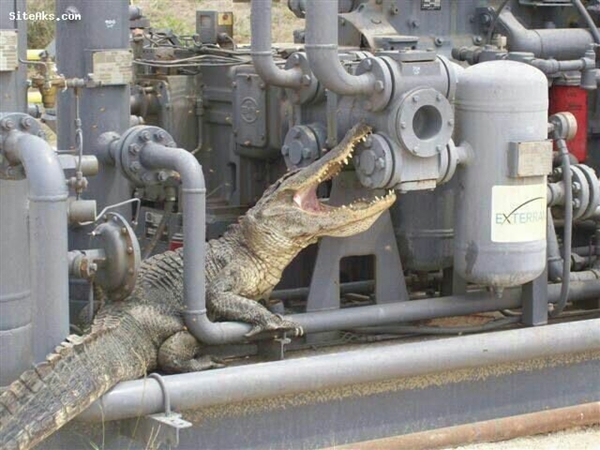
Hey, it says ‘no man’, not ‘no alligator’ says this crocodilian creature caught on film by security at an Iranian gas production facility this month. It climbed onto a gas rig in Southern Iran, in search of food, say local personnel.

It was led back to the swamp.

Unlike in Canada, where police went crazy over a wild bear in Newmarket, Ontario, Iranians do not shoot scary wild animals, unless of course they are hunting for sport.


Iranian gives two decades of his life to the Oaks

1

iran-oak

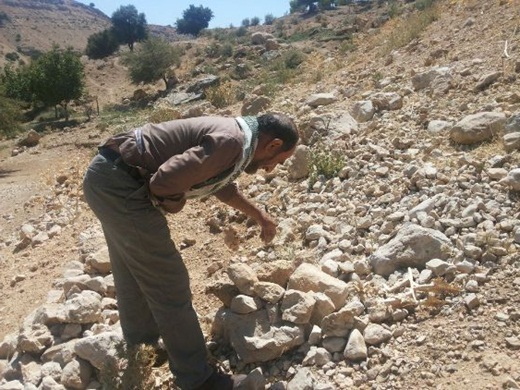
Bust all stereotypes you might have of Iranians: A retired teacher in Kohgiluyeh and the Boyer Ahmad Province has planted over 10,000 oak tree saplings over a two-decade period.

Mohammad Hossein Aria has devoted several years of his life to the protection and revival of forests, and believes that there is no room for famine or flooding in tree-covered areas and that since forests are a sanctuary for plants and animals, they also play a key role in the lives of people.

On what made him start planting the trees, Aria said, “Disappearance of some oak trees in the Zagros Mountains, in particular in my home province, and a film which featured once dense forests of the region galvanized me into action.”

As for difficulties he has faced in his efforts to plant trees, he said, “Once I got a flat tire and I had to walk 40 km.”

He concluded that as a teacher he had always tried to educate his students on the importance of forests.


Meet the High Atlas botanical superhero

high-atlas-mountains-botanyTwo cellphones. Three numbers. Thirty to forty phone calls a day. A road trip-based work life, which, for seven years, has been separated from luxuries like regular hours, weekends and sleep.

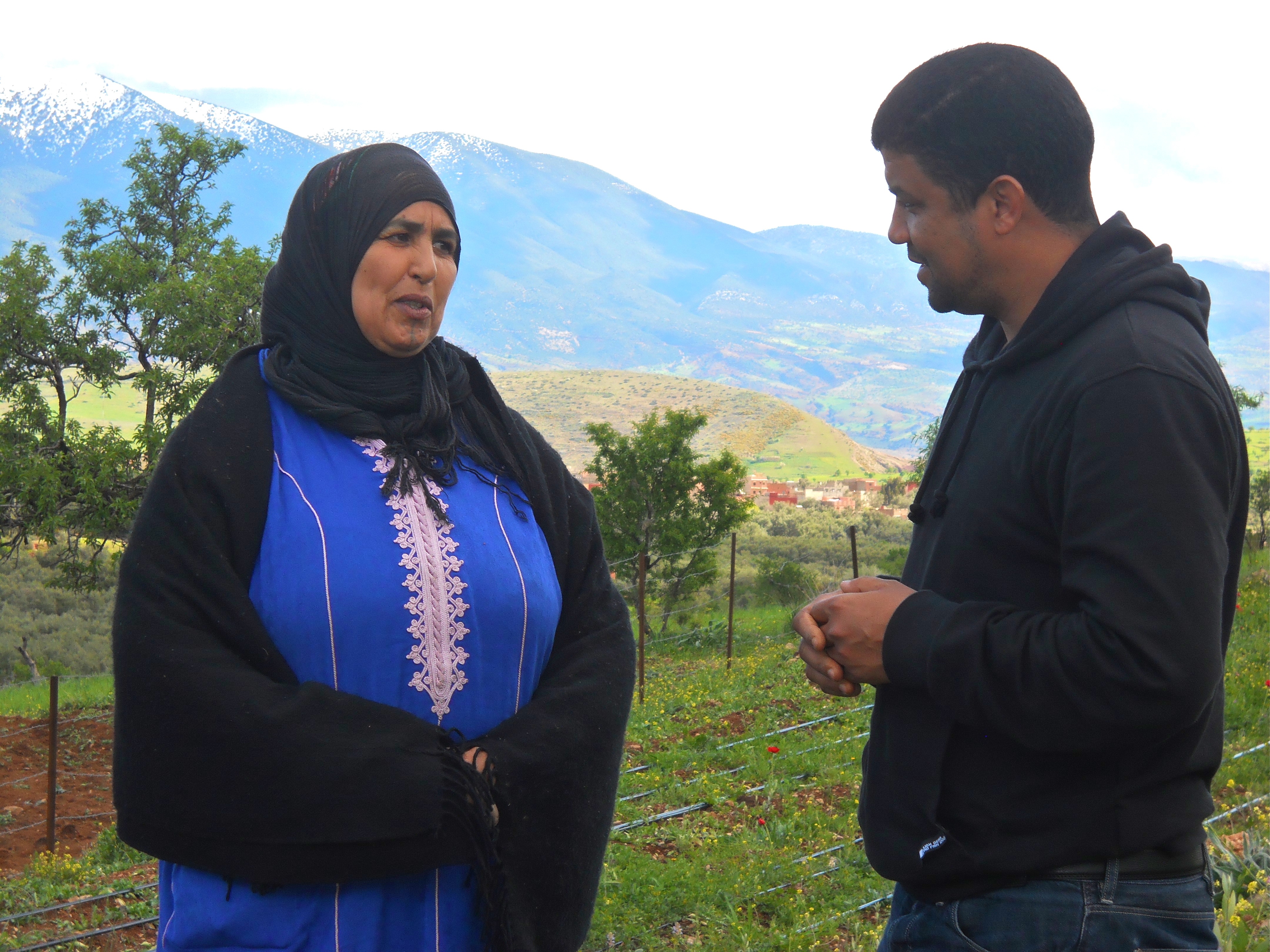
Needless to say, Dr. Abderrahim Ouarghidi, 40, is a busy man.

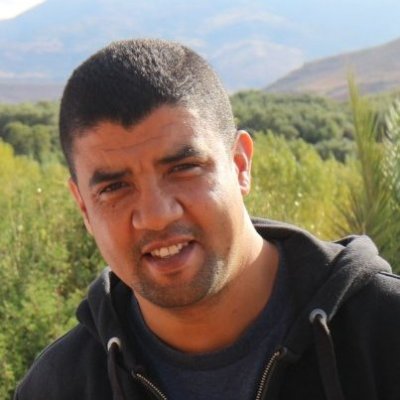
Abderrahim-OuarghidiOfficially the High Atlas Foundation’s director of programs in Marrakech, Ouarghidi, who focused his doctorate work on ethno botany and ecology in rural areas of Morocco and has worked with the Global Diversity Foundation, also advises additional HAF sites on issues like gardening and management. He meets regularly with funders, community leaders and HAF training workshop participants.

With this irregular, busy schedule, what keeps Ouarghidi going is his belief in HAF’s mission of helping rural communities develop themselves. As a scientist and development worker, he has a unique perspective both on preservation and community development.

“The object of being a scientist… is always to preserve resources,” said Ouarghidi. “Being a development agent, you always think about developing the community over the resources. If you’re in the middle, you can… (think) about the preserving and conserving of all the resources, but also (think) about how that can be balanced with developing the community. That’s the position I want to be in the middle, that I can bridge both sides.”

To fulfill this goal, he feels he must be available to local counterparts at all times.

“With (development) work, you can’t say after six o’clock that you’re done,” said Ouarghidi. “People might call you at 12. People might call you at five o’clock in the morning… you’re working 24 hours. Whenever people get stuck or there is an issue… they need to reach you. You cannot anticipate things.”

This availability, says Ouarghidi, creates more than an efficient partnership: it also lays the foundation for long-lasting bonds between HAF and its rural partners.

“We’re seeking to be close to the community. We’re seeking to be participatory, because (local counterparts) know that they can participate. They know that we’re giving them the chance and a place to express themselves, to make their own decisions, then realize their projects.”

For Abderrahim, this empowerment has also lead to deep friendships.

“People, when they love you, they really love you,” said Ouarghidi. “(This job is) something that you do with love. (Local counterparts) want you… they know that you are the solution (to certain problems.)”

Ouarghidi’s effectiveness may stem from his own ties to rural life. Ouarghidi, who is of mixed Arab and Amazigh descent, spent childhood summers in the mountains near Marrakech, where he learned Tachelhit. This connection gave him insight into the lives and struggles of rurally based Moroccans.

“Being in the mountains and seeing people’s struggles and difficulties and going to these fields, you know what people are facing because you’ve been there, and you know exactly what’s happening,” said Ouarghidi. “You know how to get connected to them, and to be connected to their problems, to their priorities.”

In the future, Ouarghidi hopes to focus on how water management affects rural gender empowerment.

“I was fortunate in life. I had a great education, great opportunity. My duty is to give, because I have lots that I have to give.”

This year, HAF has planted 320,000 organic fruit trees at 94 rural schools and community nurseries across Morocco.

Ida Sophie Winter is an undergraduate student of journalism at the University of Missouri. Currently, she is attending Al Akhawayn University in Ifrane as a Boren Scholar.

Solar ovens in Gaza

0

gaza-solar-oven

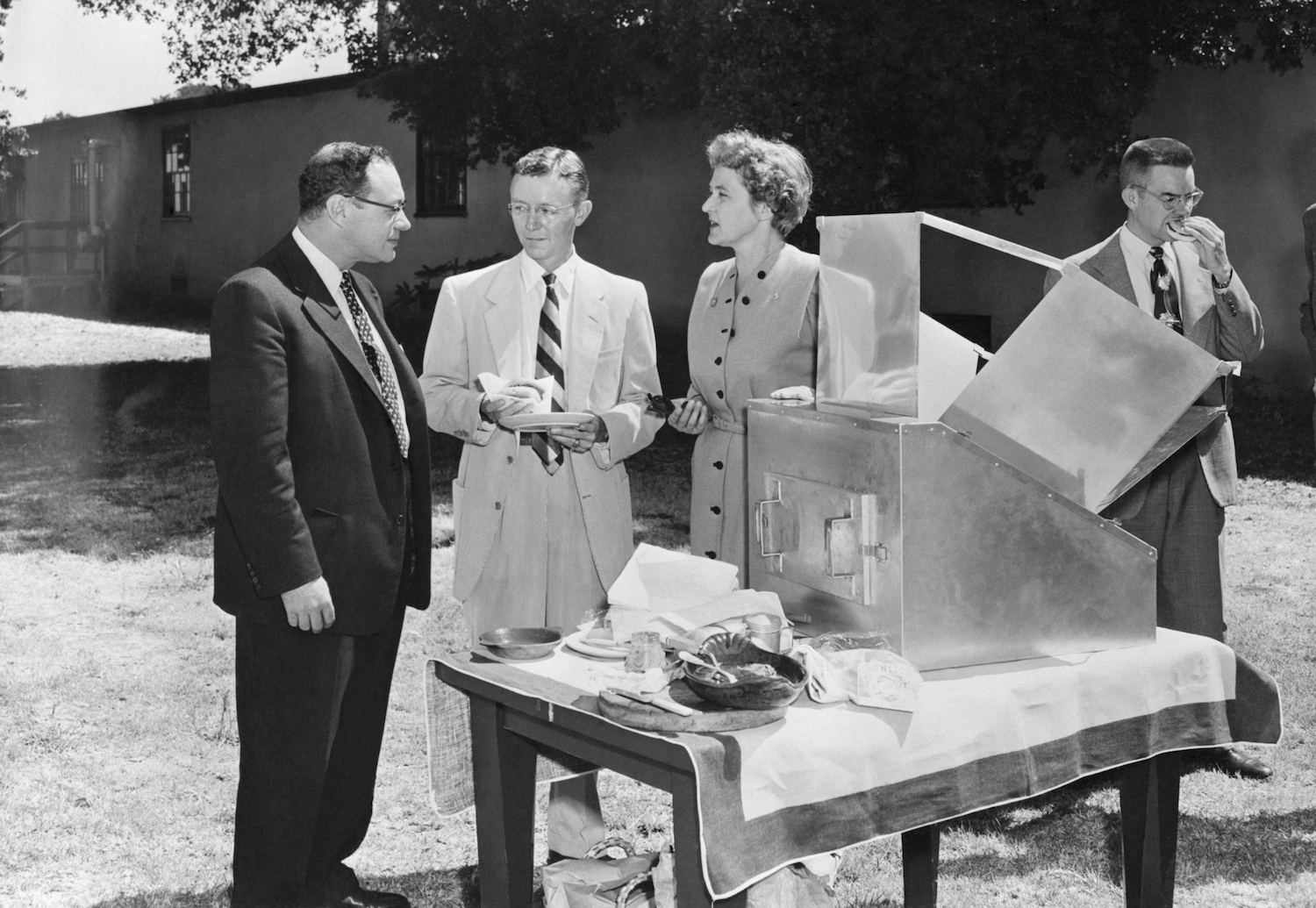
Here’s a story about ingenuity and creativity. About a man who uses a solar cooker to prepare meals. If you wish, you can see it as a testament to how the human spirit prevails even under the toughest conditions.  If you’re willing, you can see it as an opportunity, a mutual interest, or a proposition for using a renewable regional source of energy for the greater good. The solar cooker was first invented by an American-Hungarian woman named Maria Telkes and since the idea has spread as an invention that can save fuel and reduce carbon emissions.


Khaled Bashir, 50, lives in Deir al Balah in the Gaza Strip, Palestinian Authority. Like all Gaza residents, he too has to contend with rationed electricity supply. Now, on a “good” day, electricity is on for eight hours and off for another eight.

Like all Gaza residents, he lives with the constant rattle of generators and the never-ending shortage of fuel. He too is well acquainted with the long lines with which one has to contend to buy a tank of cooking gas. Bashir endures all of this, but a little less than others. He has an oven that requires no electricity and no gas.

In 2000, long before Gaza’s power plant was bombed and years before the closure, Bashir built his first solar oven. “My initial objective was clean energy”, he told Gisha. “This oven is better than an electric or gas oven. It uses natural energy that doesn’t cost anything and is available in Gaza year-round. Solar cooking helps keep the flavor and quality of the food, and it never burns, because the sun is in constant motion.”

Slow Cookers Define Slow Food Movement

The oven heats up to 140 degrees centigrade, making cooking slow. “You can make everything in this oven, except tea and coffee”, says Bashir. The oven managed to end his dependency on cooking gas tanks almost completely. “I fill a tank only once a year. It was only this past year that I realized now is the time to tell people that there is an alternative to gas, electricity and fuel. Instead of waiting in long lines for a tank of cooking gas, they can rely on a source that’s available to everyone.”

So far, Bashir has overseen the building of about 20 solar ovens, mostly for his neighbors. He says the response has been very positive.

Khaled Bashir completed a B.Sc in chemistry in Algeria in 1985 and an M.Sc at the University of Pretoria in South Africa. He also completed a correspondence degree program through McGill University in Canada. He is an expert on sustainable energy using renewable resources, such as solar energy. He worked for the Palestinian Agriculture Ministry for many years. He now works for a company that manufactures construction materials, where he is oversees the materials used for insulating concrete. He makes his solar ovens with a relative.

“I’m not doing this for profit,” he says.

Maria Telkes and her solar cooker invention
Dr. Maria Telkes, “world’s most famous woman inventor in solar energy,” speaks with Dr. J.E. Hobson (left) and Thomas K. Hitch. Here she stands beside the solar oven which she invented with a grant to help provide food for people in developing nations.

To build an oven, all one has to do is come to him, or call him to come and oversee the process. It takes about two days to build the oven and costs about $150 dollars. The cost can be mitigated if recycled wood from unwanted furniture and glass from old mirrors are used.

“I want to see the young people of Gaza turn to alternative energy,” Bashir says. “My house is open, and I’m willing to share my knowledge.”

CropX nails precision agriculture with $9 million investment

0

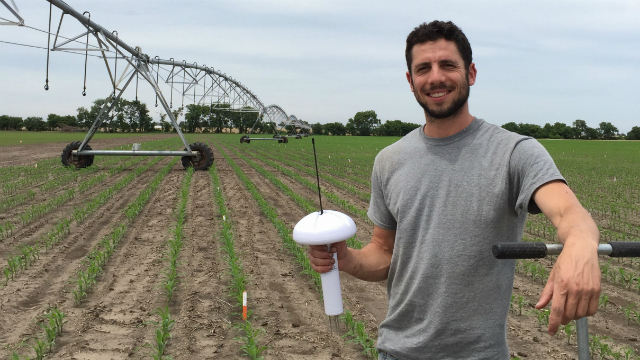
cropx-smart-sensor

In the same space as the American agtech company flux, built on Israeli R&D to help people grow food in cities, another Israeli-founded, American-managed company is taking a stance and big investment dollars in agtech and food production.

They call it CropX.

The company announced this week that it closed its $9 million Series A financing. This is after 5 years of R&D.

The round was led by some familiar names: Finistere Ventures, Innovation Endeavors, and GreenSoil Investments, and each investor in the Series A round is dedicated to agriculture technology innovations.

Israel-based OurCrowd also participated in the round given its previous investment in the company.

“Before CropX, there was no cost-effective way to control our irrigation infrastructure,” noted Mike Mills, a Missouri farmer and CropX customer. “We are now able to accurately and easily manage our irrigation and make real-time adjustments — all from a smartphone and across multiple farms and fields. CropX’s solution allows us to lower our water and energy usage.”

With drought conditions accelerating around the globe, water management has become one of the most critical issues facing the farming sector.

Driving a new era in AgAnalytics, CropX uses advances in the Internet of Things (IoT) and big data to transform traditional farming techniques. The investment will be used to aggressively expand the CropX team and scale the company to meet the increasing need among farmers for low-cost and simplified, remote control of their irrigation, the company reports.

It will also fund new product development including controls in nutrition, plant protection, and planting and harvesting prediction.

“As a pioneer in the AgTech sector, we are always looking for promising technologies with the potential to make a meaningful difference to farmers’ profitability and sustainability,” said Arama Kukutai, co-founder and partner, Finistere Ventures. “CropX is the first retail-priced solution allowing farmers to control irrigation to minimize water use, save on farm energy, augment yield, and control fertilizer runoff, thereby improving environmental compliance.”

The CropX system automatically analyzes the exact water needs of different parts of each field based on topography, soil structure, and current moisture. Farmers download the mobile app and place three wireless sensors in the ground. These sensors continuously send soil readings to the cloud, where the patent-pending CropX software determines how to effectively irrigate different parts of the field based on pattern-recognition analysis and revolutionary algorithms.

It is not the first of its kind to come out of Israel. There are a number of smart water systems in the works that measure soil variables including Common Sensor.

Competitor Edyn, though promising and aiming at a consumer market for now, didn’t get the most impressive review from this savvy smart home user.

With CropX, designed for farmers, users self-install the system without expensive infrastructure or significant consulting input during the installation process.

“CropX is our first AgTech investment since the launch of the Farm2050 collective, which has grown significantly since its inception in late 2014,” stated Innovation Endeavors Managing Partner Dror Berman. “CropX is a leader in the digital agriculture space, helping farmers globally overcome rising irrigation challenges. We are excited to support such a fantastic team that is building the future ag tools.”

CropX’s product was developed by a team of scientists and technology experts in Israel, a global leader in water conservation technology, and New Zealand, and was validated on-farm over the past five years.

“The world is running out of water, and, therefore, food. The US drought is a growing problem that we must tackle head on. The farming industry is struggling to manage rising energy costs and restricted water supplies, while trying to decrease water waste and increase crop yields,” said CropX CEO Isaac Bentwich. “Our simple software service helps farmers easily grow more with less — and eliminates unnecessary water usage.”

News the Pope will love: Faith and ecology teachings making world more holy

The Pope has come out, some might argue too late, with his treaty for Climate Change. How can faith leaders, or at least the Church position itself in the face of massive species die-offs, and the change in the way of life as we know it? Can the Pope’s Encyclical, the treaty itself, aims to serve as some manifesto as how the faithful should approach the impending doom humanity faces?

Perhaps. What’s most useful though in what I have siphoned from the report is the advice that the Pope has given and this resonates with eco-faith groups in the Holy Land, who have taken the treaty to heart.

After surveying hundreds of seminaries in North America, Israel, and Italy, a new report by the Jerusalem NGO, The Interfaith Center for Sustainable Development, reveals what they call “an emerging phenomenon” — that over 160 faith and ecology courses taught in recent years.

This is tailwind for the Pope’s hope, as he wrote in Encyclical: “It is my hope that our seminaries and houses of formation will provide an education in responsible simplicity of life, in grateful contemplation of God’s world, and in concern for the needs of the poor and the protection of the environment.”

The Interfaith Center, active years before the Pope took a stance on climate change, published a Report on Faith and Ecology in North American Seminaries, which reveals how seminaries are part of the faith-based ecological transformation for which Pope Francis has called for.

The group also unveiled a searchable online faith and ecology syllabi collection, which makes scores of courses on faith and ecology easily accessible for instructors and administrators.

The Report and syllabi collection were created based on support of the Julia Burke Foundation.

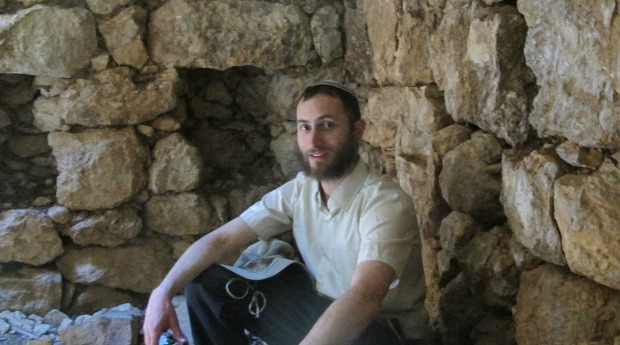
yonathan neril
“We found over 160 courses on faith and ecology at more than 50 seminaries offered in recent years,” says Rabbi Yonatan Neril, ICSD’s founder and director, pictured above.  “While only 22% of the seminaries we surveyed offered such courses, I think Pope Francis’ call will help to move others to follow suit.”

With thousands of seminarians enrolled globally in these courses in recent years, part of the next generation of religious leadership is emerging better equipped to teach on creation care and stewardship.

Scores of Jewish, Christian, and Muslim seminaries exist in the Holy Land, and they can make further efforts to increase their teaching in this area.

Among them, the Schechter Rabbinical Seminary in Jerusalem is the only seminary in Israel to offer a semester-long course on faith and ecology.

The Interfaith Center for Sustainable Development works to catalyze a transition to a sustainable human society through the active leadership of faith communities. Thanks to this group more and more people of the cloth are looking to hold the hand of God as they look to change ecological education for the better.

Going organic in the Land of Milk & Honey

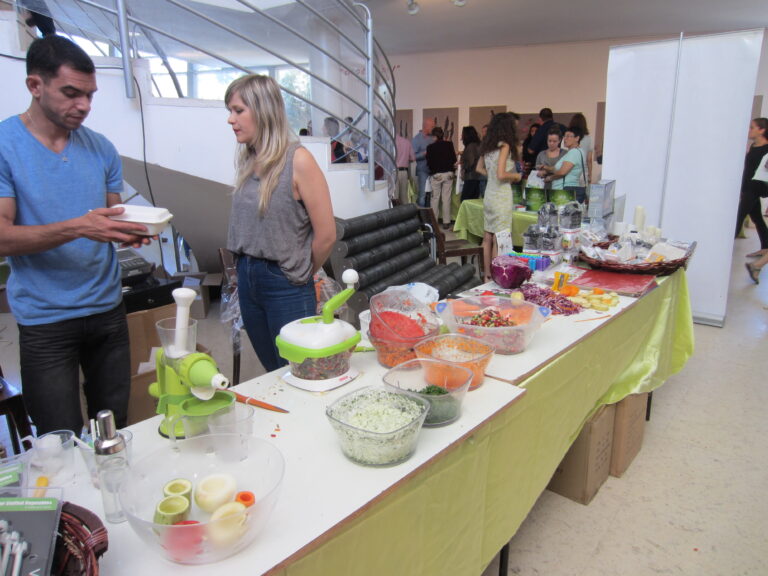
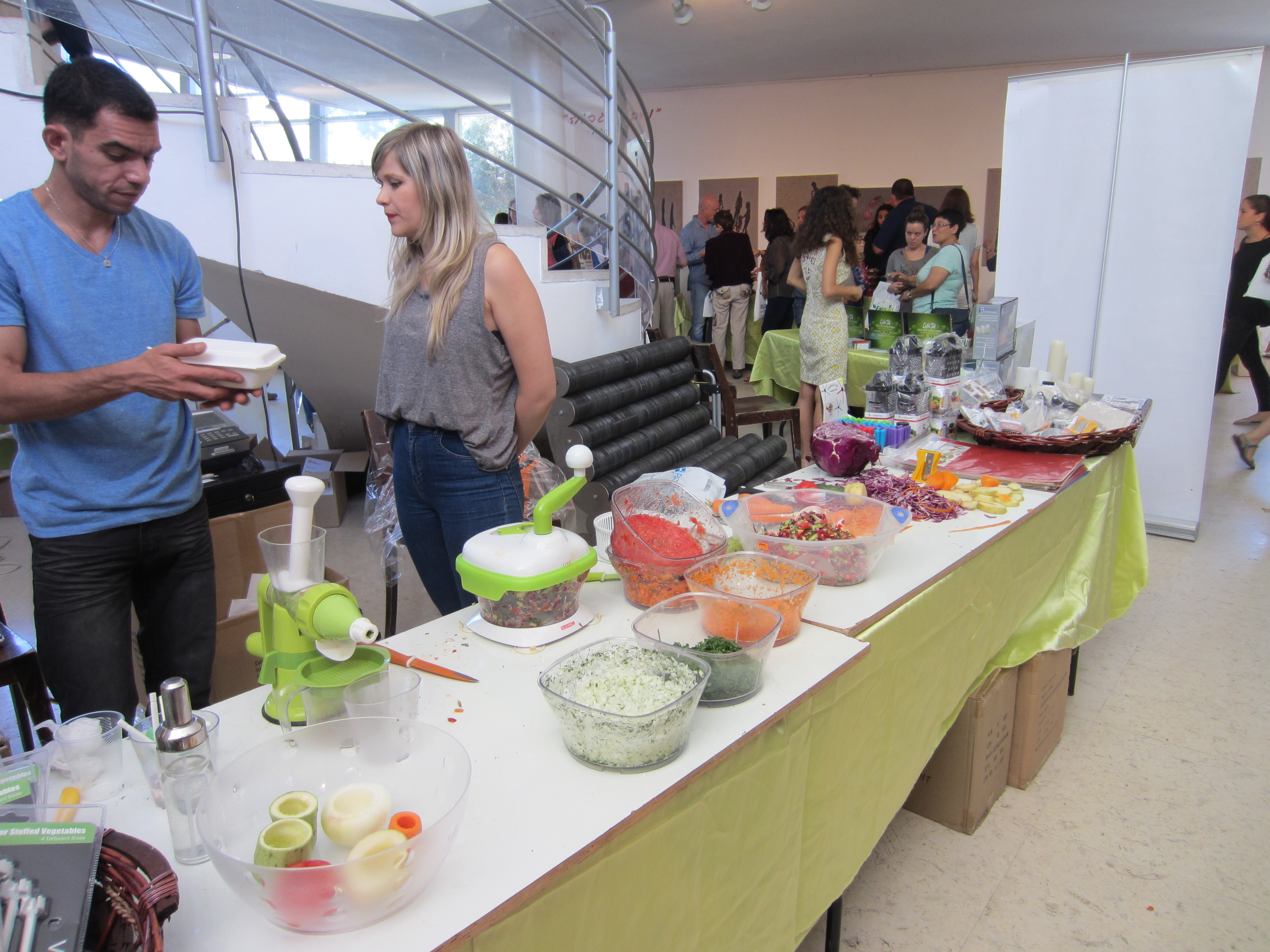
organic-food-expo-milk-honey-israel

As I strolled through the aisles of a large supermarket chain recently, I was overwhelmed by the quantity of mass-produced, industrialized food products lining the shelves. Stacks and stacks of processed food items, replete with refined, nutrient-devoid, artificially preserved, chemically altered and/or genetically modified ingredients, as well as produce grown using environmentally and biologically hazardous agricultural methods. Basically, all of the ills of modern food production that organic practices seek to remedy.

Israel’s first organic food conference took place this year on May 15th at the Givatayim Theater. The conference was organized by eatwell.co.il– Israel’s largest online nutrition portal founded by life coach and health and nutrition enthusiast Ben Yakir. The conference was designed to answer the many common questions surrounding organic food such as: Should we be eating organic? Is organic food really a healthier option? Why is organic so much more expensive?

The conference featured a series of six lectures covering various aspects of organic farming and food production, with plenty of break time to visit stalls exhibiting an array of organic products.

The first lecture was given by Dr. Shirly Gazit of the Israel Bio-Organic agriculture association “Tuv HaSadeh ” (www.organic-israel.org.il). Dr. Gazit presented a formal definition of the term “organic” and provided an in-depth discussion of the 4 principles that underlie organic methods as well as their application- namely, Health, Environment, Fairness, and Responsibility.

The second lecture, presented by Hila Aflalo of “Organic Life” (www.organiclife.co.il), discussed organic consumerism, covering the various reasons why organic is more expensive than non-organic. Aflalo described the unique variables behind organic food production that necessitate the extra expense. When you consider the many ways in which organic foods are superior, of higher quality and are produced using more environmentally responsible methods, the extra expense certainly seems worth it.

Dr. Yitzchak Saklaski, CEO of Agri Or (www.agrior.co.il)- Israel’s main organic inspection and certification authority explained the specific standards and regulations that any food or food product must adhere to in order to be officially certified as “organic.” Also discussed were trends in national and international consumption of organic foods, Israel’s alarmingly high usage of chemical pesticides due to challenges presented by the country’s climate, and safer, more environment-friendly alternatives to managing agricultural pests. While the rules for organic production are strict and strongly enforced, Dr. Saklaski himself was quite open and flexible, inviting anyone in the audience to call him on his personal cell phone with any questions they may have.

Quite a few vegetarian and vegan members of the audience quickly exited the auditorium as Arik Melamed of “Lool Organi” (www.loolorgani.co.il) came on stage to discuss his organically-raised chicken and free-range eggs. However, I, along with other organically-minded non-vegans were happy to learn from his presentation. Melamed described his organic farming and livestock practices, whereby the health of the chickens and their environment is placed at top priority- using ethical and humane farming methods without the use of drugs, antibiotics or hormones. He also warned the audience about usage of the “free-range” label, explaining that “free-range” chickens are not necessarily raised according to organic standards.

Clinical Nutritionist Noam Ochana discussed the mechanisms of genetic engineering and GMOs (Genetically Modified Organisms), summarizing the pros and cons of genetic engineering in agriculture and food production. While certain crops may be engineered to be more nutritious and pest-resistant, there is a danger of disturbing the balance of the ecosystem as cross-contamination with wild plants can lead to their extinction. Many genetically modified crops also have compromised nutritional profiles. Fortunately, GMO crops are not raised in Israel for human consumption, though many imported foods contain genetically modified ingredients- especially those made with corn, soya and canola oil.

The final lecture was given by Ester Lachman of “Arugot” (www.habosem.com) discussing the benefits of natural, organic cosmetics for the most important organ of the body- our skin. Cosmetics refer not only to luxury “beauty” creams and make-up, but to deodorants, hair products, sun block, and any other formulas designed for topical use. Lachman explains that topical use, however, is never just “topical” as the skin is like a sponge and whatever ingredients it absorbs actually penetrates the body. Lachman encourages the use of products whose ingredients come from natural sources with no synthetic compounds and free of toxic elements such as parabens, sulfates, mineral oils and aluminum.

The conference was attended by nearly 200 participants. At a price of 200 NIS per ticket, one would expect a complementary bag or tote with organic samples and such. Or perhaps some refreshments. None were distributed, with the explanation that the conference placed emphasis on quality speakers and information. On that promise, the conference certainly delivered.

Eatwell’s major annual event, “Eating Healthy”- Israel’s largest Health and Nutrition conference, takes place this year in November. With Eatwell’s proven track record in organizing high quality events, this upcoming conference is not one to be missed.

This guest post is by Nili Badanowski, Nutrition and Fitness enthusiast, and owner of Nevet HaSadeh sprouted grain company

أغذية حوض المتوسط في مهب العولمة. هل تصمد؟

Mediterranean diet demise

 في دراسة لمنظمة الأغذية و الزراعة للأمم المتحدة، و بالتعاون مع المركز الدولي للدراسات المتقدمة في الزراعة في حوض المتوسط، خلصت إلى أن مجتمعات دول الحوض مازالت تبتعد عن طرقها الغذائية القديمة و المجربة، و التي كانت قد أثبتت مثاليتها الغذائية و استدامتها في طرائق الإنتاج. و قد استكشفت الدراسة تأثير العولمة و تغيير أنماط المعيشة في مجتمعات تلك الدول على أطباقها الغذائية المثالية، و عرضت نتائج الدراسة في مدينة ميلان الإيطالية في معرض مختص بالدراسات و التعاون لتأمين الغذاء

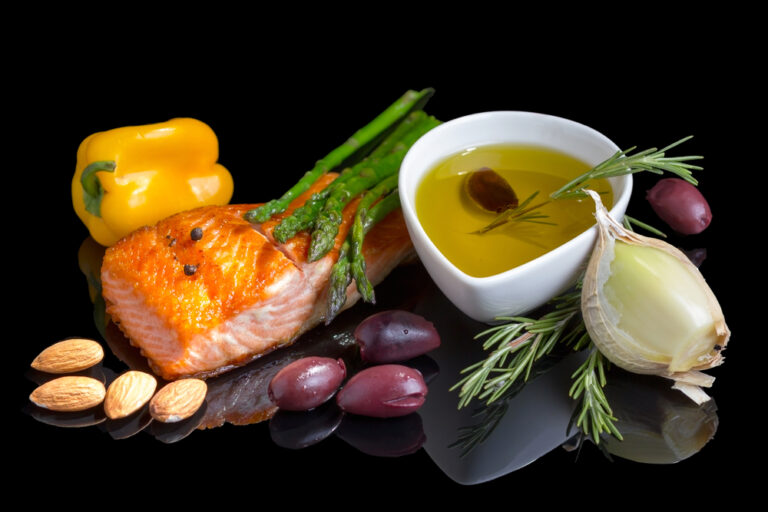
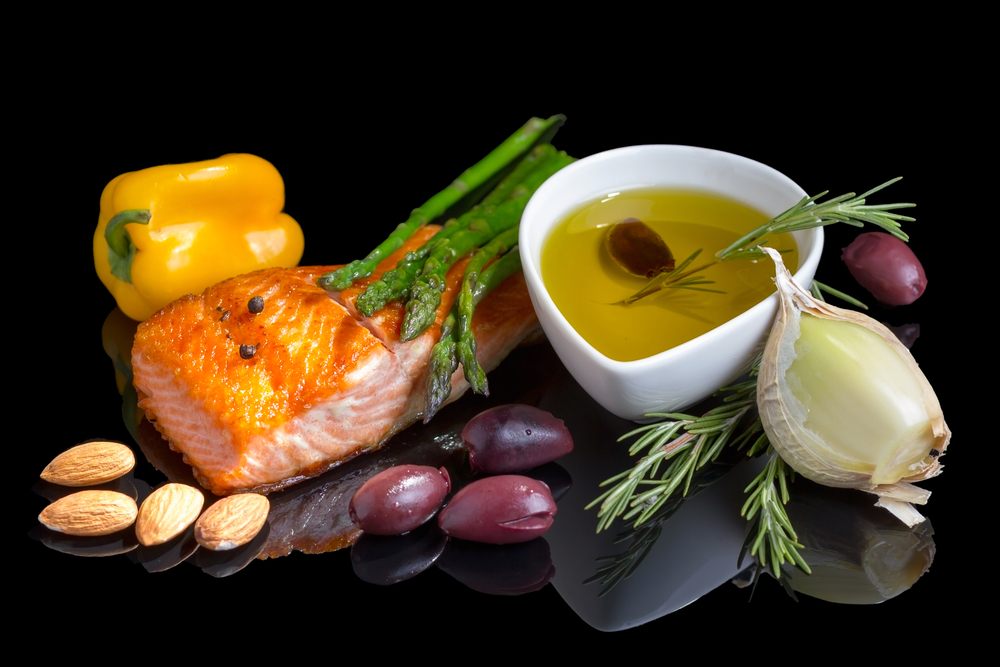
أما الطبق المثالي في حوض المتوسط فيتكون من الخضراوت و البقوليات و الحبوب و زيت الزيتون، بالإضافة إلى كميات معتدلة من السمك و اللحوم و النبيذ الأحمر. و يعتمد هذا الطبق على النباتات أساسا في تكوينه، مما يقلل من الأثر البيئي الناتج عن صناعة اللحوم. و كانت منظمة الأمم المتحدة للتربية والعلم والثقافة قد أدرجت غذاء المتوسط المثالي في لائحة التراث الغير مادي للبشرية في العام 2010

و حذر التقرير من عدة عوامل أدت إلى تقلص حاد في التعددية الجينية للمحصولات و البيئة السلالات الحيوانية في على طول حوض المتوسط، و من هذه العوامل السياحة و التمدن و الجهل بالعادات و الطرائق التقليدية في المعيشة، مما انعكس سلبا على ما يقدم في الأطباق. أما ارتفاع الأخذ بالمأكولات المصنعة و اللحوم و منتوجات الأجبان و الألبان، فكان بمثابة ناقوس الخطر الذي دق معلنا تراجع غذاء المتوسط الصحي و المعتاد لقرون طويلة. و قدرت الدراسة نسبة المحاصيل المزروعة و المستهلكة في المنطقة بعشرة بالمئة فقط، بينما جاءت بقية المحاصيل من شركات تصنيع محاصيل مطورة من خارج منطقة المتوسط

و من المفارقة أم عدة دول على الشاطئ الجنوبي للمتوسط تعاني من سوء تغذية للأطفال، خصوصا أولئك الذين هم أقل من خمس سنوات عمرا، بينما تعاني دول أخرى في المنطقة من التخمة الزائدة و البدانة. و تشهد المنطقة معدلات خطيرة من الأمراض المتعلقة بنمط التغذية و المؤدية إلى الإعاقات الدائمة و من ثم الوفاة. و هنالك عدة دول في الشرق الأوسط تعاني من التخمة و سوء التغذية في آن واحد، و ذلك طبعا في شرائح مجتمعية مختلفة في نفس البلد

ما العمل إذا؟

على الصعيد الشخصي، تنصح الدراسة بإحداث تغيير عبر شراء منتوجات محلية و موسمية و طبيعية. أما على الصعيد السياسي فتعمل المنظمات المذكورة آنفا على توعية الرأي العام في العالم عن كيفية الحفاظ على منظومة الغذاء في حوض المتوسط. و تقوم تلك المنظمات أيضا بالقيام بدراسات حال في الأوساط المحلية عن كيفية دعم المزارعين و المنتجين المحليين، و الالتزام بالطرائق التقليدية من حيث الغذاء و أنماطه

و تنوه الدراسة أيضا إلى ضرورة تعاون صناع القرار و الباحثين مع رواد سوق الأغذية لفهم أفضل لمنظومات الغذاء و المؤشرات المتعلقة بها. وتنصح الدراسة أيضا بالاهتمام أكثر بعمليات انتاج و استهلاك الطعام المتزايدة مع الحرص على الحفاظ على الموارد المحلية. و تشير الدراسة إلى حملات التوعية الضرورية لتشجيع شراء المنتوجات المحلية، آخذة بعين الاعتبار عادات المستهلكين مع الأطعمة المحلية من مختلف أنحاء المنطقة

 و يلخص أخيرا أليكساندر ميبيك، و هو أحد المسؤولين من منظمة الأغذية و الزراعة للأمم المتحدة، دفاع المنظمة عن الأغذية التقليدية في المتوسط قائلا: هو نظام ذو قيمة غذائية عالية و متأصل في ثقافات تلك البلدان، عدى عن أنه ركن مهم في اقتصادات محلية عدة، و لهذه الأسباب يجب علينا الاستمرار بدعمه و تشجيعه