Home Blog Page 256

Over-Stressed Arabian Aquifer – Beyond Repair?

1

aquifers

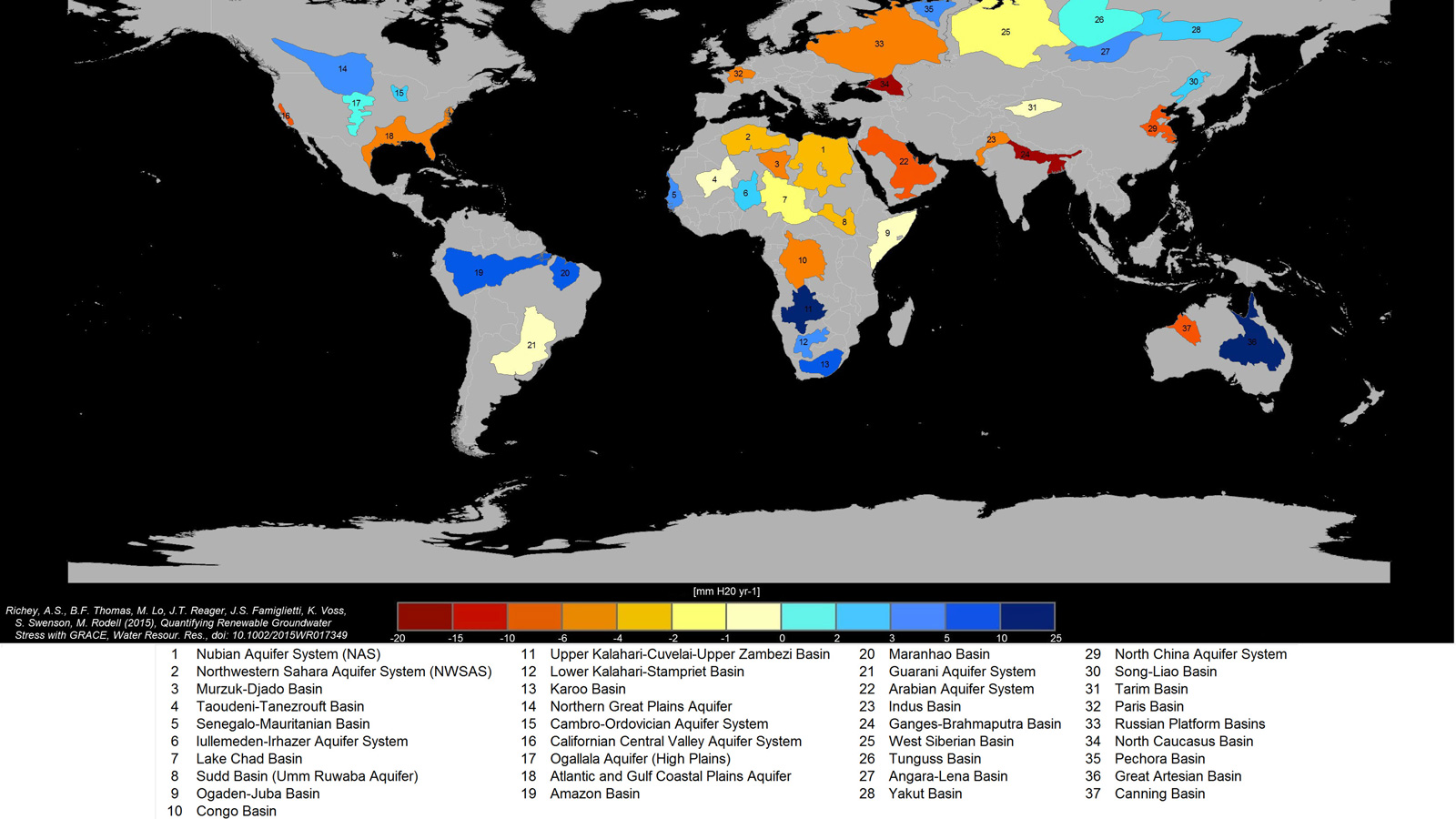
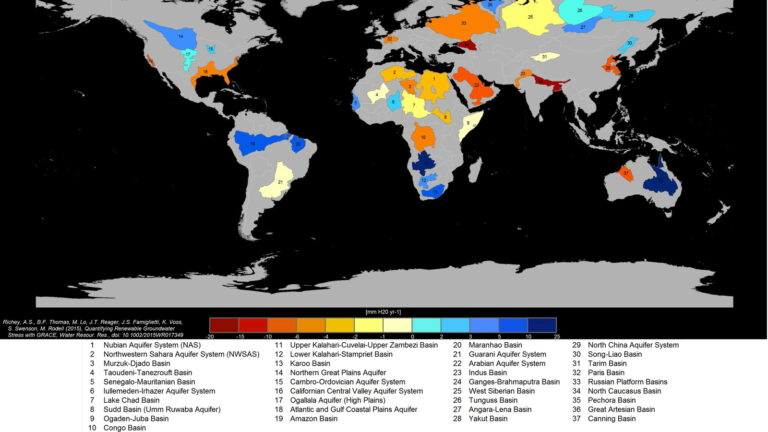
More terrible news from/for the Arabian Peninsula: The Arabian Aquifer System is the most over-stressed groundwater system in the world.

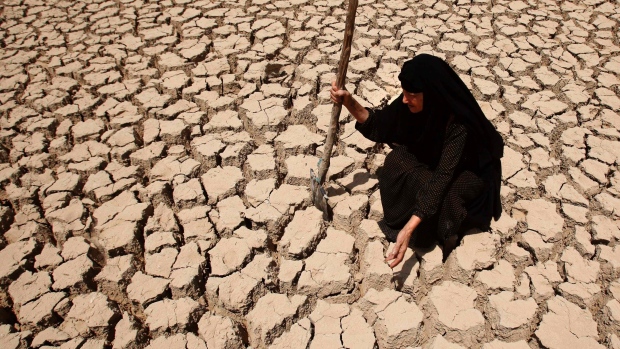
Using data gathered by NASA’s Gravity Recovery and Climate Experiment satellites, two new studies by the University of California, Irvine, came to conclude that 21 of the largest 37 aquifers on earth studied have exceeded their sustainability “tipping points,” meaning they lose more water every year than is being naturally replenished through processes like rainfall or snow melt. Of those 37, the Arabian Aquifer System was crowned to be the world’s most over-stressed. The terrible part of the news is: this aquifer supplies water for more than 60 million people; along with their livestock, agriculture, and aquatic wildlife.

iraq-drought

A closer look at its geographic extent, the aquifer lies beneath all of Saudi Arabia’s western and central provinces; most of the United Arab Emirates; all of Kuwait; all of the southern regions of Iraq and all the way to the eastern Syrian desert; most of Jordan; and most of northern Yemen. Mish-mash the droughts with outrageous political instability washing the region inside-out, and you’ve got a recipe for apocalypse.

oildonkey

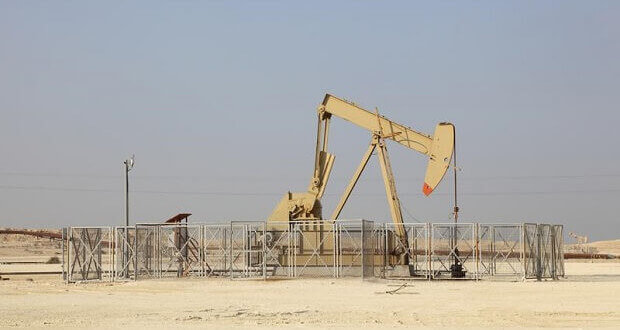
Sadly, the health of this particular aquifer has been abused throughout the 20th century since the first nodding donkey commenced its business in the Peninsula. With next-to-zero environmental policy and enforcement, the region’s groundwater, surficial water bodies, and the lithology in-between have been poisoned by the almost-century-long oil & gas industrial operations; let alone the countless -unreported- spills. I can imagine the horrendous lab results of a random groundwater sample in terms of potability parameters, total petroleum hydrocarbons, total dissolved solids, and/or attenuated levels of nutrients. Now, with the aquifer’s existence is threatened, any plans for effective remediation seem to be far-fetched, if not impossible.

جرش، القدس القديمة و عالم وولت ديزني: إهدار الطاقة في إنارة النهار

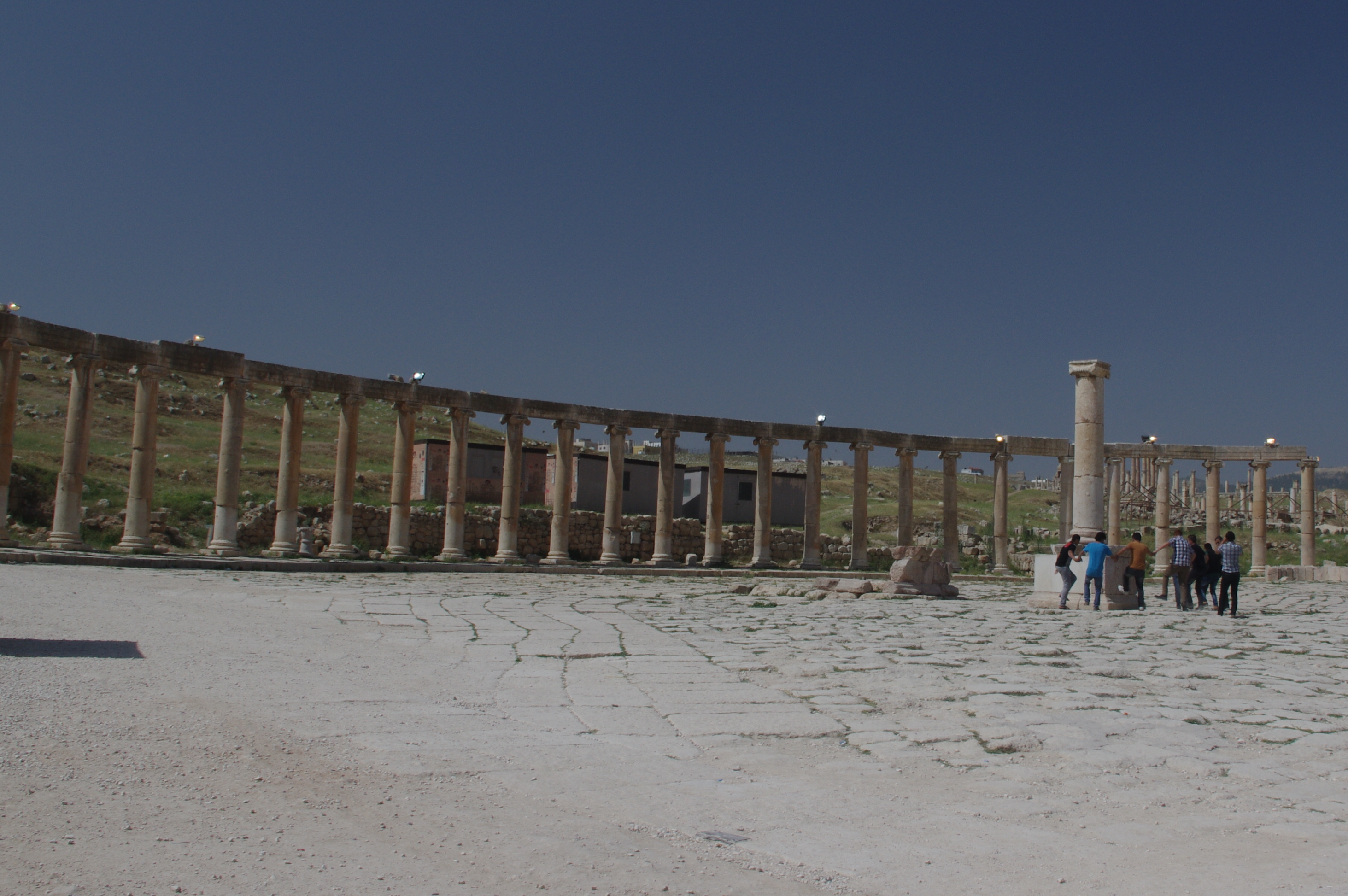
Jerash_wastes_2800_watts

 ما هو الرابط العجيب بين كل من بلدة القدس القديمة و جرش التاريخيتين من جهة، و عالم وولت ديزني في فلوريدا من جهة أخرى؟

.طاقة مهدورة؛ ممثلة في أضواء ذات قوة عالية و مشغلة -ظلما و عدوانا- في وضح النهار

في قصة بثها برنامج “هذه الحياة الأمريكية” على الراديو تروي حكاية رجل يدعى ستيف، الذي كان ينوي الترشح لمنصب رئيس نقابة العمال في إدارة إحدى أحياء نيويورك، و كان قد وضع خطة للإطاحة بمسؤول الصيانة الحالى و إظهاره بالإهمال في مسائل توفير الطاقة. فتعاون مع إحدى العمال على أن يترك أضواء ملاعب كرة القدم الأمريكية الضخمة مشغلة لساعات. و فعلا، نجحت الخطة و رُفد المسؤول من عمله، و ظهر ستيف على أنه المُخلص، صاحب اليد السحرية في توفير نفقات الطاقة على الإدارة

.لا نشجع اتخاذ مثل تلك الخطط الشريرة في جرش و القدس و وولت ديزني، و لكن إطفاء تلك الأنوار الزائدة هي الطريقة الأسهل و الأكثر فعالية في توفير الطاقة

و بما أن يوم الإنقلاب الصيفي على الأبواب (اليوم الأطول نهارا و الأقصر ليلا في السنة)، لقد قمنا بجولة في الشارع ما بين الحائط الغربي للقدس القديمة و جبل الزيتون، و وجدنا أن معظم الأضواء كانت مشغلة في وضح النهار، كما ترون في الصورة التالية

jerusalem_streetlight

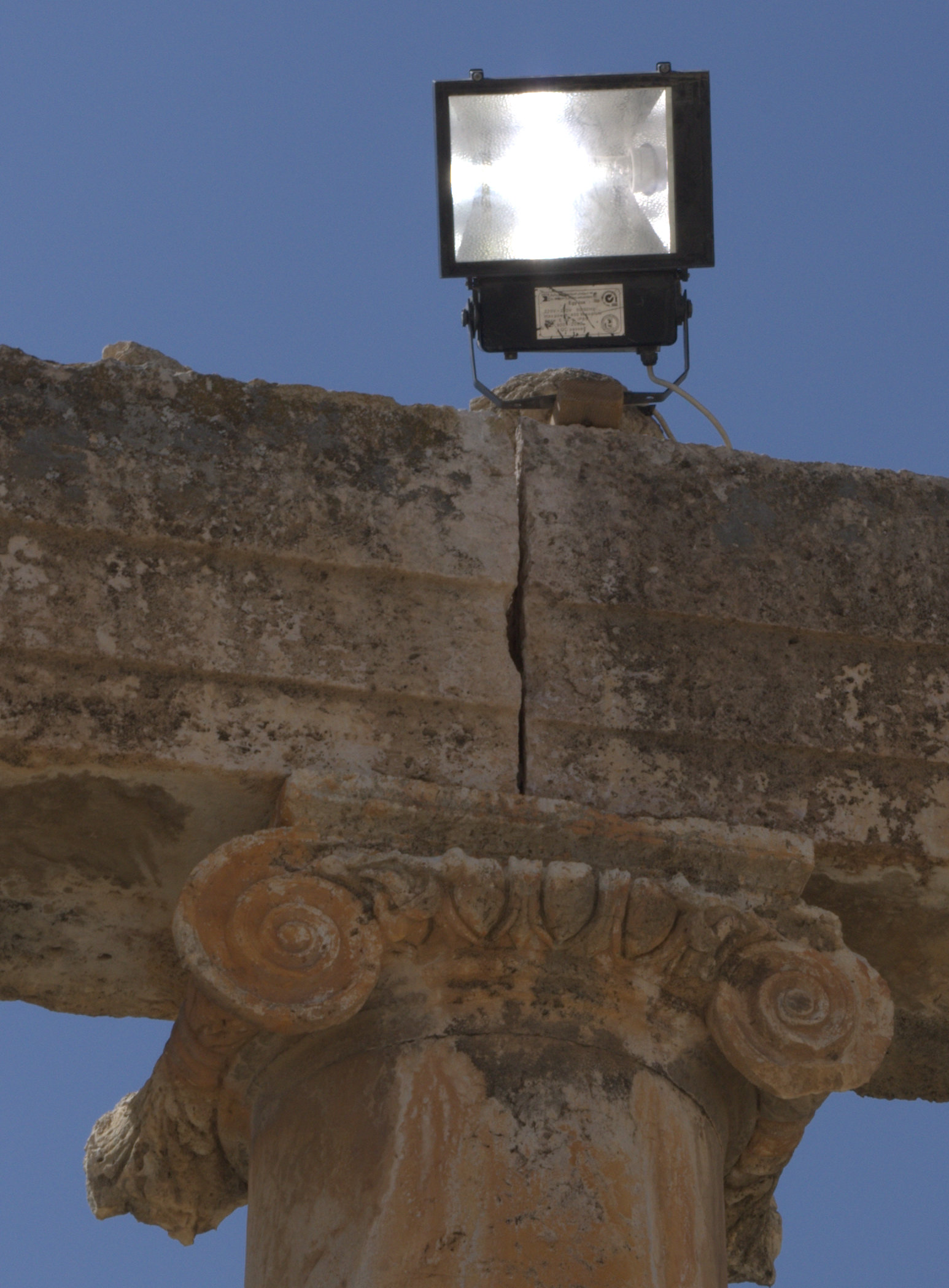
أما في جرش، فالهبل في إهدار الطاقة كان واضحا، كما هو بائن في صورة الأعمدة الرومانية التي يعلوها مصباح ال400 واط. عدى عن أن المصباح يقلل من هيبة الأعمدة و جمالها، و يزاحم نور الأفلاك الجليل في ليل جرش، فالمصابيح كانت مشغلة أيضا في النهار بدون أي داعي

jerash_halogen_closeupjerash_pi_halogen

أما ذهبية أولمبياد إهدار الطاقة فتفوز بها -بجدارة- مملكة عالم وولت ديزني، التي ما زالت تحرق الفحم للتدفئة، و تستخدم طاقة للتبريد تكفي للترويح عن طوابير السياح الملسوعين من شمس فلوريدا الحارقة خارج أسوار عالم ديزني. غير أن المساحات الشاسعة لمواقف السيارات حول ديزني كانت مضاءة أيضا في أكثر أيام الصيف حرارة و شمسا

florida_parking_lot_daylight_and_moonflorida_parkinglot_daytime_lights

و طبعا، حتى مباني عالم ديزني و مرافقها لا تقارن مع تلك المتواجدة في أماكن عدة في الشرق الأوسط من ناحية إهدار الطاقة، كغرف الثلج و منزلقات التزلج على الجليد الصناعية في دبي في الإمارات العربية المتحدة، و التي تنافس في دوري آخر “أعلى مستوى” من منظور كفاءة الطاقة و إهدارها

Jerash, Jerusalem and Disney World waste Watts illuminating the sun

0

Jerash_wastes_2800_wattsWhat does Walt Disney World have in common with the ancient Middle Eastern cities of Jerash and Jerusalem? In each of these places we’ve found glaring examples of wasted energy in the form of high wattage outdoor lights switched on during the brightest hours of sunny days.

The radio program “This American Life” once aired a story about a guy named Steve who was trying to get himself appointed as union boss in the Schenectady New York school district. So Steve developed a plan to make Lou, the current maintenance head, look wasteful. One of his minions explains:

“These football field lights, there are– God, I’m thinking about 120 of these lights and they draw a lot of power. So we had them turned on during the day and they stayed on for a few hours to eat up some energy. You know what I mean?”

So Lou, the “wasteful” maintenance manager is sacked and Steve turns off the stadium lights. Suddenly Steve is a miracle worker, saving the district so much energy he slides into the role of energy czar.

We’re not advocating that anyone should try this nor are we accusing anyone in Jerash, Jerusalem or Walt Disney World of playing Steve’s deceitful game, but turning off these excess daytime lights seems to be the most obvious and simplest form of energy conservation. Two years ago Green Prophet wondered how many off switches we can find before the summer solstice. With northern summer solstice only a few days away, how many unnecessary daytime outdoor can you find?

Here are a few we found:

Between the western wall of Jerusalem and Mount of Olives there is a road and on that road there are streetlights. This photo was taken in the middle of a bright sunny day and nearly all of these streetlights were turned on. I’m going to give Jerusalem’s city managers the benefit of the doubt and assume these are low wattage high pressure sodium lights, maybe 100 watts each for at least a dozen lights, that’s 1200 Watts wasted * 14.22 hours of summer solstice daylight, that’s 17.6 kilowatt hours wasted just during this one day. If these lights are on during the 3468 hours of daylight Jerusalem receives every year, it adds to 4161 kWh our 4.16 Megawatt hours wasted!

Maybe we can also assume that the man in the cherry picker is changing the light bulbs and maybe he needs the lights turned on to help him perform his job. But if Jerusalem were to replace these lights with LEDs, the dangerous task of working on live high-voltage streetlights won’t have to be performed as often.jerusalem_streetlight

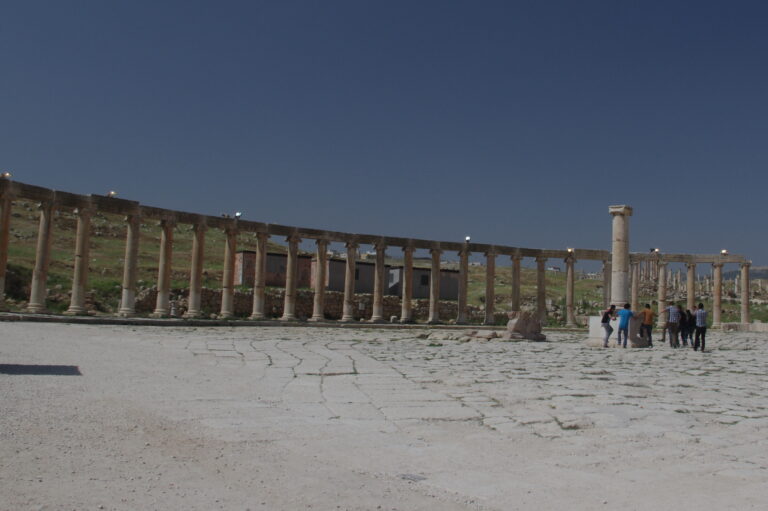
Not to be outdone, Jerash is our next and perhaps finest example of energy hedonism. Notice how the standard 400 Watt hardware store halogen lights blend so perfectly into the two-thousand year-old Greco-Roman columns!

Are these lights turned on for aesthetic purposes or to give an air of historical accuracy? The bank of lights in the top photo must be absolutely eye-watering against a starry desert sky but in daylight they serve another purpose, an absolutely perfect way to waste 400W X 7 = 2800 Watts for no reason at all!

jerash_pi_halogen jerash_halogen_closeup

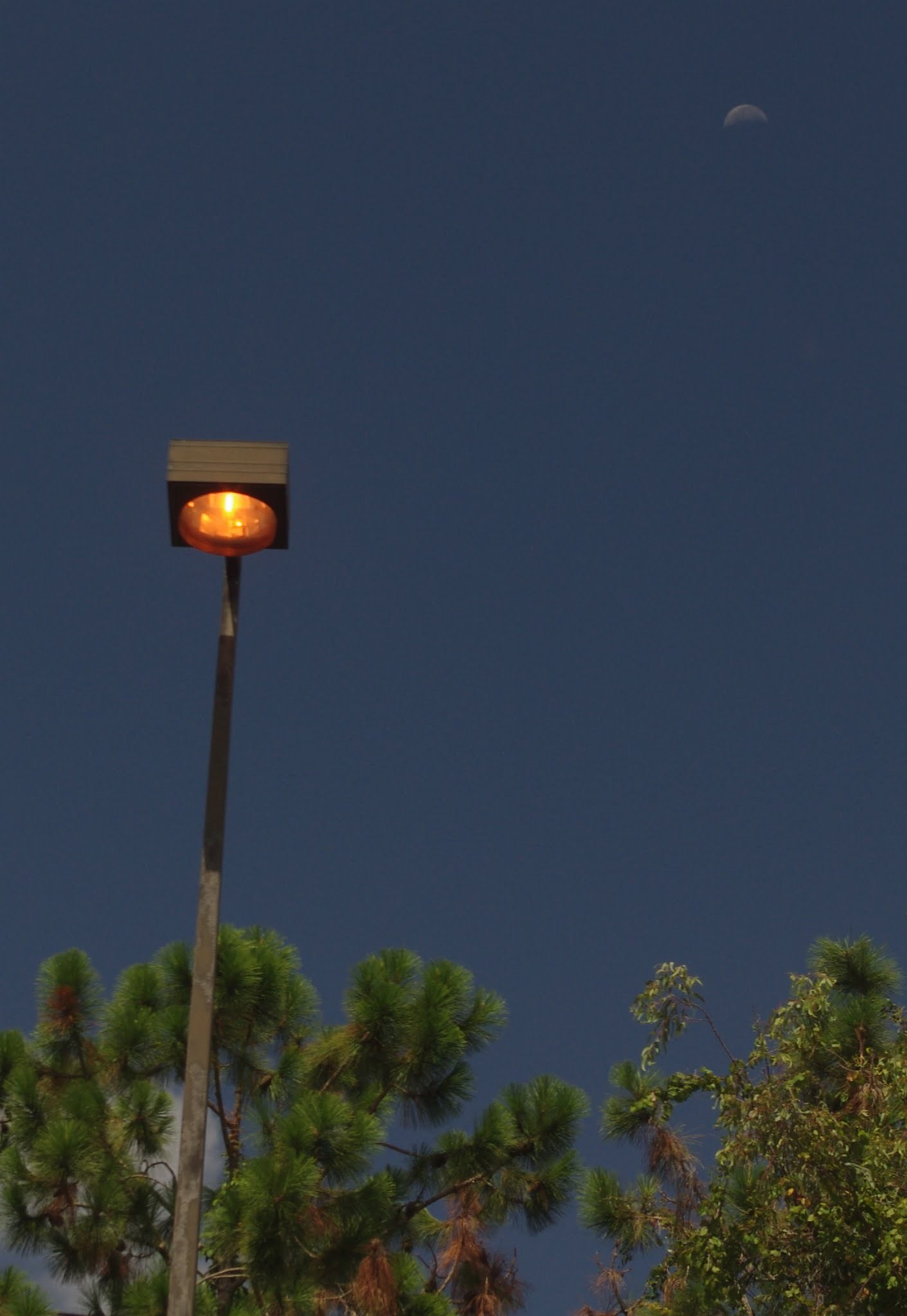
But the magical kingdom of Walt Disney World wins this round of the 2015 energy wastage Olympics. It isn’t florida_parking_lot_daylight_and_moonenough that coal is burned to heat the atmosphere and require more air conditioning which spills out into the Florida outdoors to cool off the queues of sunburned tourists.

No, Walt Disney World also illuminates their massive parking lots during the long bright days of summer. Way to go Disney World but watch your back, Epcot’s retro 1970s style energy hedonism doesn’t hold a candle to what’s in store for places in the Middle East including UAE’s playground malls and cities.

florida_parkinglot_daytime_lights


Millions of newborn stars discovered

0

stars nasa“My God, it’s full of stars!”

Fans of Arthur C. Clarke’s classic science fiction novel 2001 A Space Odyssey might recognize these as the words of astronaut David Bowman, awestruck by revelations of the deep mysteries of space. A team of astronomers from Tel Aviv University and UCLA discovered more than a million newborn stars inside a mysterious gas cloud named, “Cloud D.”

Where are those stars?

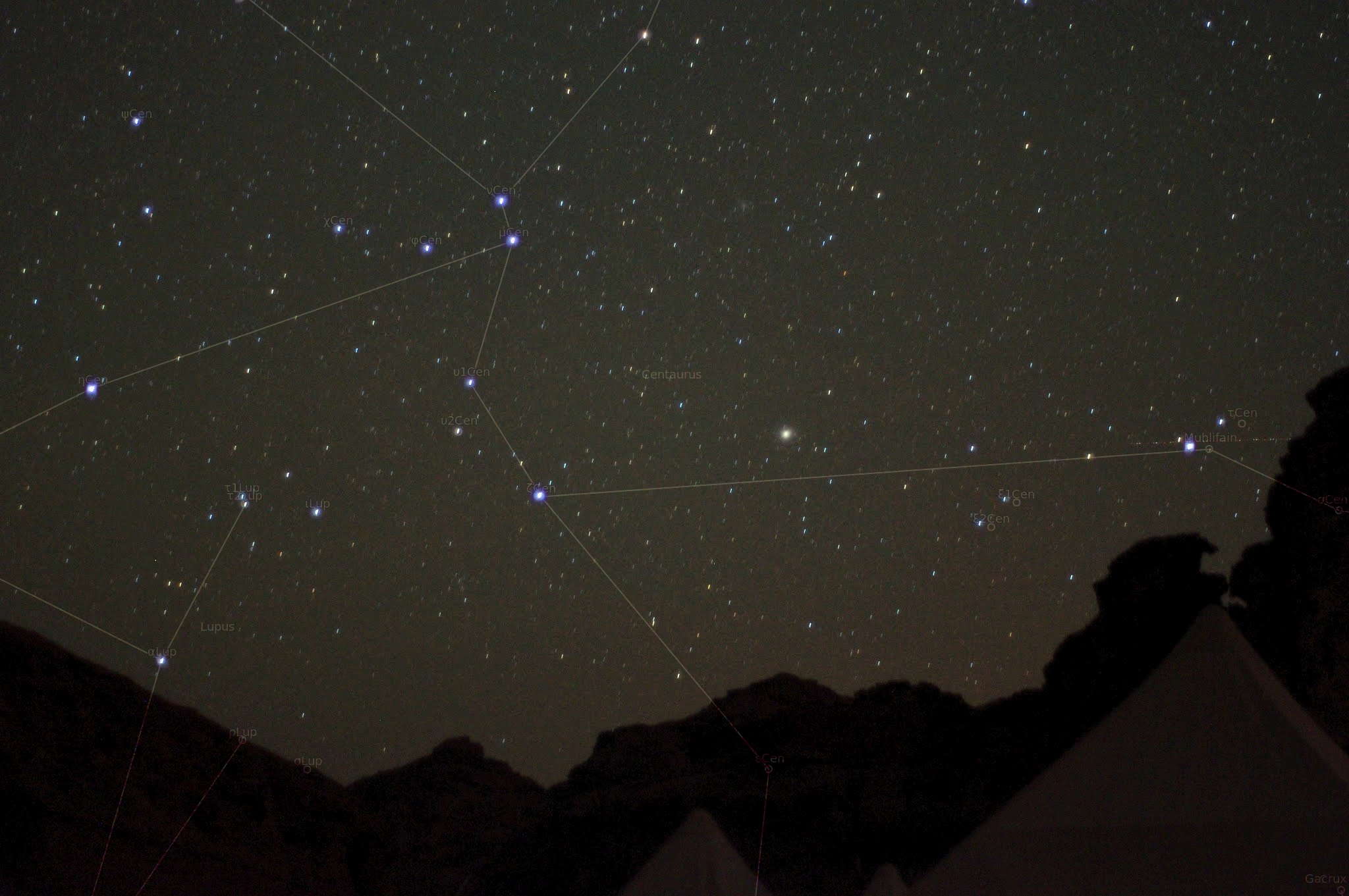
From anywhere in the Middle East you can see the constellation Centaurus low on the southern horizon at about 8:30pm local time in June.

Centaurus is above the peak of the leftmost tent in this photo taken by the author in Jordan's Wadi Rum desert.
Centaurus is above the peak of the leftmost tent

Centaurus is above the peak of the leftmost tent in this photo taken by the author in Jordan’s Wadi Rum desert. The mysterious NGC 5253 is slightly above the upper left of this photo and probably too dim to see without a good telescope but under dark skies or with binoculars you might see it’s neighbor, the enormous globular star cluster Omega Centari aka NGC 5139.

This round fuzzy globular cluster of 10 million stars is 15,800 light years from Earth and 150 light-years across. Ptolemy of Alexandria Egypt first catalogued it as a “luminous spot” in 150 A.D.

Professor Sara Beck of Tel Aviv University’s Department of Astronomy and Astrophysics collaborated with a team of researchers including UCLA’s Professor Jean Turner and a team of researchers at the Submillimeter Array to study another member of the Centarus celestial neighborhood, mysterious “Cloud D” within the compact blue galaxy known as NGC 5253 and hidden behind the dust and gases of star creation.

The researchers found that the cloud is remarkably efficient at creating stars, with more more than 7000 type “O” stars, each a million times brighter than our sun.

Some of the star clusters within this cloud are remarkably young, only about 3 million years old and stars are being created at ten times the rate observed for similar clusters. Beck’s team postulates that a stream of material drawn into the dwarf galaxy is contributing to this high rate of star formation. Such intensely fertile dwarf galaxies are expected to eventually explode from the pressure of numerous bright supernovae. One theory says that the massive Omega Centauri cluster is a remnant of a dwarf galaxy. The team’s paper is published in the journal, Nature.

Photo of NGC5253 Credit: ESA/Hubble & NASA
Photo of Centaurus constellation over Wadi-Rum tents by Brian Nitz

Pope Francis scooped on climate change doctrine!

Pope Francis environmentPope Francis has penned an official text on the environment, the product of a year’s worth of writing. Yesterday, an Italian news site leaked an early draft and Vatican officials cried foul. One, speaking to Bloomberg News on Monday, called the premature release of the papal encyclical a “heinous act”. The official release is on Thursday.

So why should this grab your attention?

Model Mediterranean Diet vs. modernity – which will win?

8

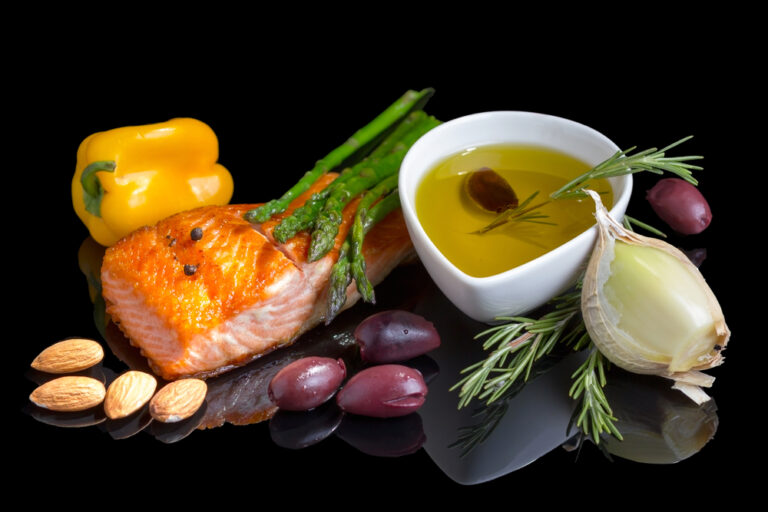
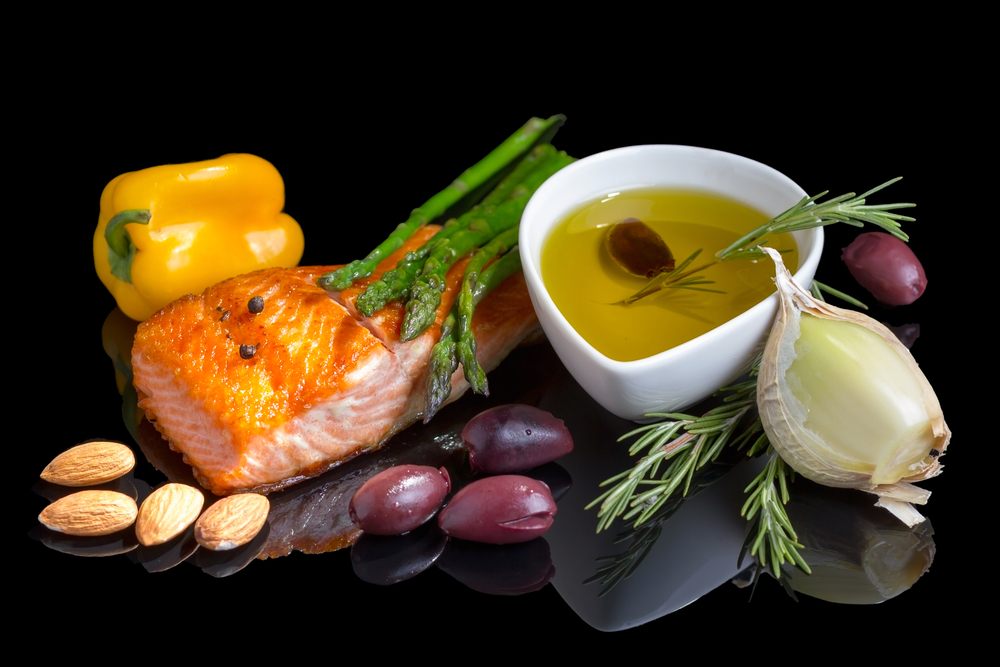
Mediterranean diet demiseThe region known for one of the healthiest diets on earth is moving away from ancient habits proven ideal for human health and sustainable food systems. A new report by the Food and Agriculture Organization of the United Nations (FAO) and the International Centre for Advanced Mediterranean Agronomic Studies (CIHEAM) explored the effects of globalization and lifestyle changes on the model Mediterranean diet, with unappetizing findings. They presented their findings at EXPO Milano earlier this week as part of Feeding Knowledge, the EXPO program for cooperation on research and innovation on food security.

Grow fresh food in the middle of Manhattan? Meet Henry

2

Henry Gordon-Smith

It’s a natural thing for every human being to want: the ability to grow fresh, healthy food anywhere we call home, even if that’s in the concrete jungle of New York City. We may spend our days and nights plunking away at keyboards or talking into little plastic boxes but who doesn’t yearn to eat the freshest food in the world? Food that’s been grown by your own hands? This desire is multiplying. There is a shift in cities across America, and urban farming is something that’s taking root.

Young men and women are graduating college with ambitions of going on to be farmers. To make matters better Quartz reports that most Americans could be sustained on local foods alone, except for LA and New York.

If you are thinking even for a second about growing food on your patio, rooftop, basement, restaurant or little plot between buildings, Henry is here to help. Henry, or Henry Gordon-Smith is an urban agriculture consultant for Blue Planet. While his passion is hydroponics, or growing food on water, Henry can help you decide what, where, how and what technology you should use to maintain and enhance your urban yield.

“I like to look at the whole spectrum of urban agriculture with my clients from soil-based to hydroponics and high tech vertical farms,” Henry tells Green Prophet. “Then, based on if their goals are yield, education, or job-training, our team recommends design, technology, and operations strategies.”

Will it be cucumbers, strawberries and Swiss chard? Or potatoes, lettuce and carrots?  Henry is here to help. I ran into Henry at the AlleyNYC, a co-working space I am sharing with about 30 other startups. He graciously lent contacts, made introductions and shared best practices on what’s happening in the city.

We know that Whole Foods in Brooklyn now operates a large (20,000 sq/ft hydroponics farm on its roof). And New Jersey is about to get something real big. What’s next?

Formally as part of Blue Planet a company that makes nano-bubble aerators to increase hydroponic crop yield, Henry works to grow urban farms so they can be a mainstay in New York, even if you don’t use his company’s equipment. He’s currently consulting a number of big deal projects for Sky Vegetables, an 8000 sq/foot growing vertical farm in the city, for Coop Tech, a training rooftop greenhouse at 96 and 1st. And he’s helping develop a shipping container food art project, hopefully one that will be replicated around schools in the region. You can say that Henry’s putting hydroponics on the map.

As for what’s hot in hydroponics in New York City, Henry plugs three projects:

1. Harlem Grown @134 and Lennox: “With a thriving soil-based farm and a hydroponic greenhouse surrounded by buildings on three sides, this urban farm is a one-of-kind demonstration,” says Henry.

harlem-grown-urban-farm-hydroponic
2. EdenWorks in Brooklyn, which is a data-based company working on making aquaponics feasible. Aquaponics is hydroponics with the addition of fish to provide nutrients in a closed-loop system.

Edenworks Brooklyn

3. New York Sunworks which is developing rooftop greenhouses for schools, and which plans to have 100 hydroponics food labs in the next 5 years around NYC. They’ve built 17.

new-york-sunworks

If you are looking for inspiration, Henry also produces the Agritecture blog which helps people envision future hydroponics and vertical farms. He says: “It’s both Utopia and Real World placed side by side. My hope is that it will inspire others to be bold but also act feasibly.”

agritecture-hydroponic-biodome

Get inside some of his inspiration by reading Dr. Dickson Despommier’s The Vertical Farm if you want to learn more about the practice and economics of hydroponics, and be in touch with Henry if you want to start an urban farm in your city.

[youtube]https://www.youtube.com/watch?v=b1wQ2LXeF-k[/youtube]

I love how Henry is creating both a business and a business climate for hydroponics and mother earth.He’s a citizen of the world, who was born in Hong Kong, but who travels as a Canadian. A man of my own heart. He’s also super friendly.

Connect with Henry at [email protected] and join the Association for Vertical Farming to scale your vision and connect with like-minded companies in the industry.

Morocco celebrates its certified nuts in 11th annual Asni Festival!

0

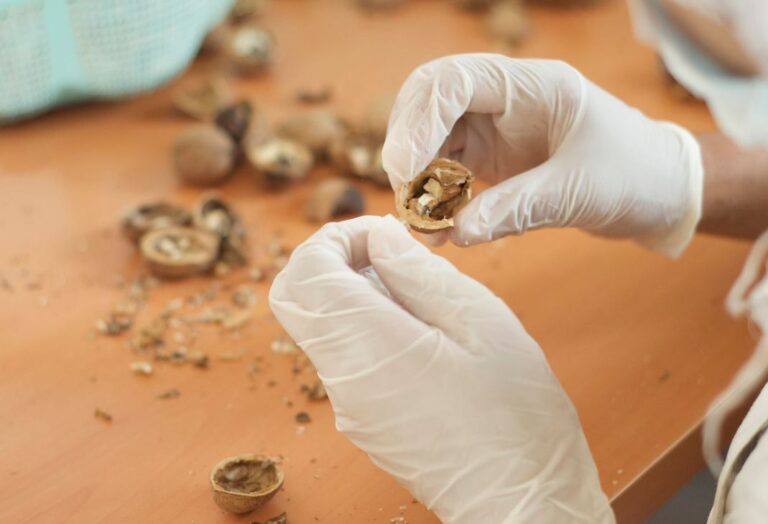
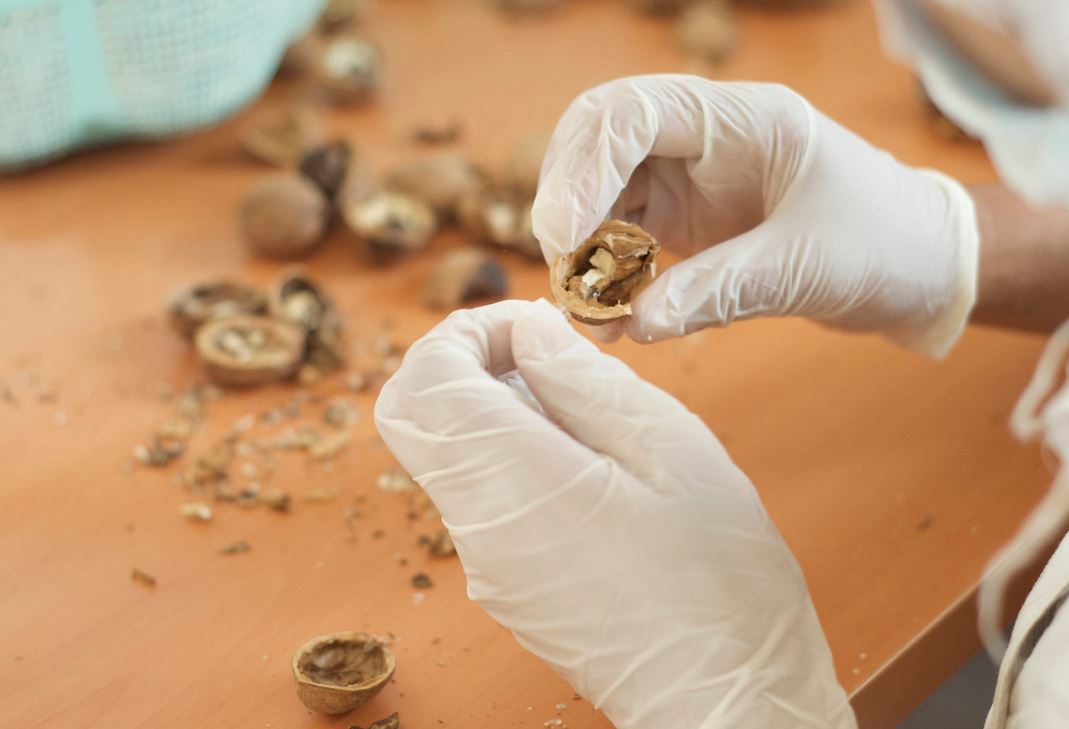
ASNI nut festival MoroccoThe High Atlas Foundation (HAF) joined in the only Moroccan festival solely dedicated to celebrating nuts, a three-day festival held last Friday in Asni, a small village at the foothills of the High Atlas Mountains, south of Marrakesh. The weekend of music and markets celebrates the Asni walnut processing plant, located nearby, where about 40 local women process organic walnuts, extracting oil for food and cosmetics. To date, they’ve produced more than 6 tons of processed organic walnuts and 600 liters of organic walnut oil. 

Raw energy balls with date and coconut

2

raw-energy-date-balls-3.jpg

They’re healthy. They’re sweet. They’re pretty. They’re dense and filling, so one bite will satisfy you but never make you feel guilty about eating it. And you shouldn’t hold back from making them, either, since they’re done in a matter of minutes.

Alright, enough with the fanfare (cause I’m their #1 fan): what are they? They’re my new favorite kind of raw* energy balls, made almost entirely of two of my favorite foods: dates and coconut.

I was inspired by a video by Laura Miller, a YouTube personality I recently discovered. On YouTube, I subscribed to Tastemade, her network company’s channel, and her personal channel because I think that she is, in a word, awesome.

Jump to 2:33 for the start of this recipe!

[youtube]https://www.youtube.com/watch?v=Kbmlwu2wxYg[/youtube]

I do my fair share of watching Food Network and the Cooking Channel, but I’ve never seen a kitchen presence like hers. Half old-fashioned, half hipster, she has this charisma that makes you want to watch her, laugh at her jokes, and head to the kitchen to try out her gastronomic feats for yourself.

Laura Miller, who has no formal culinary training, is what I personally like to call “chefy.” She takes pride in using healthy, good quality ingredients; making wholesome snacks and meals out of those ingredients; and presenting a final product in a way that makes her proud and makes us at home drool.

Take these date-coconut balls, for instance.  They’re so cute because they’re covered in a variety of different “toppings:” chia seeds, hemp seeds, cacao nibs, and cocoa powder.

Let’s get the basics out on the table (no pun intended). A reliable food processor is your best friend for this recipe. Laura utilizes a nice, roomy one. Since I, on the other hand, only own a small food processor, I divided the measurements in half and blended my ingredients together in two batches.

Note that if you’d like to follow along with the video, Laura stands in front of a chalkboard on which she wrote out exact measurements for the energy balls.

1.  Pulse 1.5 cups unsweetened shredded coconut in the food processor until it is made into a flour-like texture.

2. Add in 10 medjool dates, pits removed of course, which you may want to soak for 10-15 minutes beforehand in order to make them more workable for the processor.  (Fun fact: The dates I used come from Israel; where are yours from?)

3. Add in 1/4 cup cocoa powder, 1 tsp vanilla extract, and 1 tsp sea salt.

4. Pulse! You’ll end up with a sort of dough.

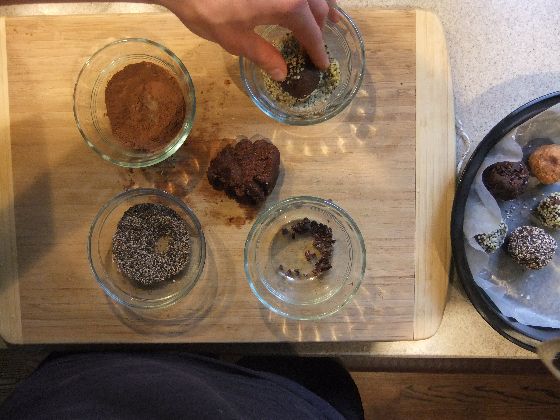
5. Spread out some chia seeds, hemp seeds, cacao nibs, and more cocoa powder – or different “toppings” of your choice, of course – in different corners of your cutting board. Alternately, you can do as I did and pour these things into separate small bowls.

raw-energy-date-balls-1.jpg

6. Get your hands dirty: Use your palms to roll the dough into balls.

7. Roll them in your “toppings!” With all the pop of color and texture, suddenly the balls will seem like something you might find in a candy shop.

raw-energy-date-balls-2.jpg

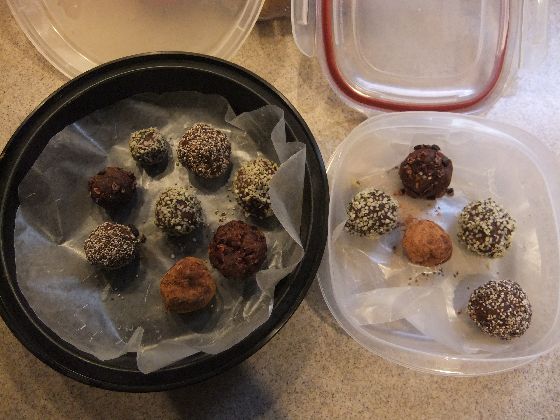
8. Refrigerate or freeze them. In the video, Laura says she prefers to freeze them because she likes the resulting texture. I divided my energy balls into two containers, to put one in the freezer and the other in the fridge, as an experiment to see which I liked best. My preference was the fridge.

These raw energy balls – which, although it probably goes without saying, are vegan – are truly everything you want and need – well, I suppose I can only say with conviction that they’re everything I want and need. Don’t hold back – Laura and I want you to try them today!

*Vanilla extract, which is used in this recipe, is technically not raw.

Images of my energy balls taken by me!

Galilee to Dead Sea: Jordan Valley’s first-ever regional master plan!

Cooperation over the Jordan Valley water resourcesA consortium of leading environmental groups released a Regional NGO Master Plan for Sustainable Development in the Jordan Valley. They announced the action – the first of its kind – earlier today at a conference held on the Jordan side of the Dead Sea. The strategy is akin to a modern Marshall Plan, it aims to convert a toxic river and highly depressed economic area into an international model for river rehabilitation and regional stability.

Mystery energies of solar power solved!

1

sun-catcher-city

Researchers at the Qatar Environment and Energy Research Institute worked alongside colleagues at Trinity College Dublin to solve solar energy mysteries related to the physical properties of photovoltaic perovskite materials. Their discovery may lead to more efficient solar energy harvesting.

Car drifter king goes to prison in Saudi Arabia

drifting into crowds saudi arabia
If you’ve never been to a Gulf-region country – be prepared to scratch your head over the deadly past-time called drifting. The idea is to take your cars out of their carports and then drive your car as fast as possible on the highway, slam on the breaks and then attempt to frighten onlookers and fellow drivers on the road by drifting or sliding your car towards them. People sometimes get killed or badly injured.

This is more likely the reason why women in Saudi Arabia don’t drive. They are too smart to share the road with such losers.

But in all seriousness, offenders caught drifting in Saudi Arabia were rarely punished until now.

Setting an example, the Crown Prince of Saudi Arabia has now clamped down by arresting the drifting legend who calls himself King Al Nadheem, according to recent news reports. This King is reported to have killed one person, while putting the lives of many others in danger and faces 6 years in prison and hundreds of lashes.

What astonishes us though is not just the idiotic and dangerous sport of drifting, but the fact that enthusiastic onlookers clap with glee as these morons slide their cars along the highway.

This is what happens when you have too much money and free gas subsidies on your hands.

People in cars. Drifting or drunk, or drunk while drifting. This world has gone mad.

“The Largest Cleanup In History” – will Boyan Slat’s Ocean Cleanup Array scour plastic from the seas?

1

Ocean CleanupWorld Oceans Day is June 8th – here’s someone who could be it’s Grand Marshall.

Two years back, Green Prophet ran a story about a Dutch engineering student who devised a way to siphon off the gargantuan plastic garbage patches (called gyres) growing unchecked in our seas. Then-19-year-old Boyan Slat claimed his floating “Ocean Cleanup Array”, developed with classmate Tan Nguyen, could clean up each gyre in about 5 years, removing millions of tons of plastic powered by sunshine and using natural ocean currents. Turns out the kid wasn’t just a flash in the eco-pan.

The things I do to feed the world

1

food shortages middle east vegetarian

Even the US Customs guy at the New Jersey airport gave me an approving nod: “A technology for hydroponics?” He flips over my business invitation from the NY company to see if there wasn’t something inside. “Well, you know, it’s still,” in a fake finger-wagging voice, “…illegal here?” he says, waiting for my reply.

There was a long line behind me: “I am doing it to save the world – so people can grow better food.”

Was it a trap? The Canadian in me wondered. I get the stamp and I am in New York City. My startup has landed. And ain’t that America!

When I tell people I am creating hardware so hydroponics can be open to everyone I get one of four reactions: the environmentalists give me high-fives, the high-tech geeks crash their operating systems (girl+blond+device=what the ?$%!!), the potheads ask me when they can buy it, and the rest of the world scratches their head.

Hydro-what?

I am building a device to make hydroponics more accessible, so it’s easy for everyone to balance water chemistry. No, not for you to start up your own “Weeds” reality show, but so that we can help America grow better food that’s more nutritious, with less environmental impact.

Hydroponics is nothing I’ve invented. It’s a system used by Asia to grow rice, or theBabylonians for their ancient hanging gardens. You don’t need dirt to grow food, just plenty of aerated water, and a nutrient solution. Some research bodies like the Food and Agriculture Organization at the United Nations argue that it is the world’s only alternative to conventional farming. Not as a replacement, but important as our world’s population swells by the billions. And as we continue to cause climate change, and face drought.

When I speak with chemical companies they know it’s a young industry growing at a fast clip.

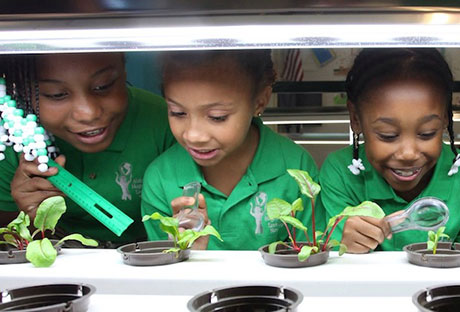
But back to people: Imagine young girls in those new STEM (Science, Technology, Engineering, Math) programs that everyone in Education is talking about. Hydroponics could connect food to STEM so that girls can learn math, chemistry, engineering, physics, farming and nutrition at one tasty go.

Hydroponics uses up to 90% less water than soil farming, and you can grow high-density, high-value organic food literally anywhere, year round.

And if you do it right, with the right mix of nutrients, with the right seeds, and at the right pH, well you’re going to grow food that Five Star restaurants want to buy. Those were William Texier’s early customers decades ago in California, years before Texier wrote the book on hydroponics and became the CEO of Europe to the world’s biggest hydroponics nutrient company, General Hydroponics.

But how do you do it right? Soil farming and water farming are not the same. If we can get that magical number to make it super efficient and cost-effective, more people will do it. Just like buying into solar panels.

The environmental benefits to hydroponics farming at home and at large scale seem to be all there. But those metrics aren’t everything for the bottom line. Many who try it at home or for business fail or complain about the taste (see the comments in this NY Times article).

Texier is now based in France but was back to California, seized by a drought, when I got hold of him. When I told Texier that people find hydroponics food dry and a bit bland (a common complaint), he says bluntly: “It’s not because of hydroponics. It’s because of you.”

Double the vitamins, double the taste

With the right nutrients and the right growing conditions, you can get food that’s “200 percent more of everything,” he tells Green Prophet.

Food that’s twice as tasty, and packed with double the amount of vitamins and nutrients, based on lab analyses he’s done: “This should be the first and most important fact when you talk about hydroponics,” he says. “And that means that food with twice the nutritional value should be sold at twice the price.”

Texier’s not convinced yet that hydroponics will save California’s water. That it uses 90% less water is very generalized, Texier says: “When you are dealing with living organisms and complex chemistry,” water use can be hard to pin down. It may be less, but it really depends what you are growing and where, he tells me. And it’s important to take into consideration the power use needed for lighting, if done indoors.

But big US gardening companies see where hydroponics is headed. Scotts Miracle-Gro, that which we see advertised in Lowes’ fliers, recently bought General Hydroponics for an estimated $130 million USD. And you can already findhydroponics systems online at Home Depot.

So US Customs guy: please don’t ask. I will be coming back to New York next week to continue my quest and to grow my my startup business. Yes, my laptop is full of data that comes from the now legal (in some US States) cannabis business but that’s research which is going to help me feed the planet.

Who’s growing what, where, for how much? What food can be grown with the least amount of water for the best taste? That’s my challenge: to connect environmentalists, with high-tech geeks, with know-how from the medicinal cannabis growers to everyone – and their food.

First-ever interfaith “Eco Slam” happening tonight in Jerusalem!

ICSD eco slamAn inaugural Interfaith Eco Slam is happening in Nachla’ot, Jerusalem tonight, hosted by the Interfaith Center for Sustainable Development (ICSD) and Rabbi Yonatan Neril. Get yourself to the rooftop of 49 Rechov Shabazi for a night of spoken-word poetry that bridges religion and ecology.  The event is in honor of World Environment Day, which rolls in tomorrow.