Home Blog Page 231

Drinkable Air makes water from thin air

1
drinkable air
International Water Symposium, January 2016; .9993 % purity rating

If you can provide the energy required to light one 100-watt light bulb for a day, you can generate 3 litres of water from the air in most locales around the world: that’s the promise of Drinkable Air, Inc. Based in South Florida, the company builds a series of scalable water-from-air machines that take air anywhere and convert it into drinkable water.

This is a much-needed alternative to massive energy- and capital-intensive desalination systems that require access to the sea. Drinkable Air is welcomed in communities in the Middle East where water is scarce, by rural music festival organizers with water needs for specific events, and even by regional utility companies looking to shift power demand to off-peak hours.
drinkable air
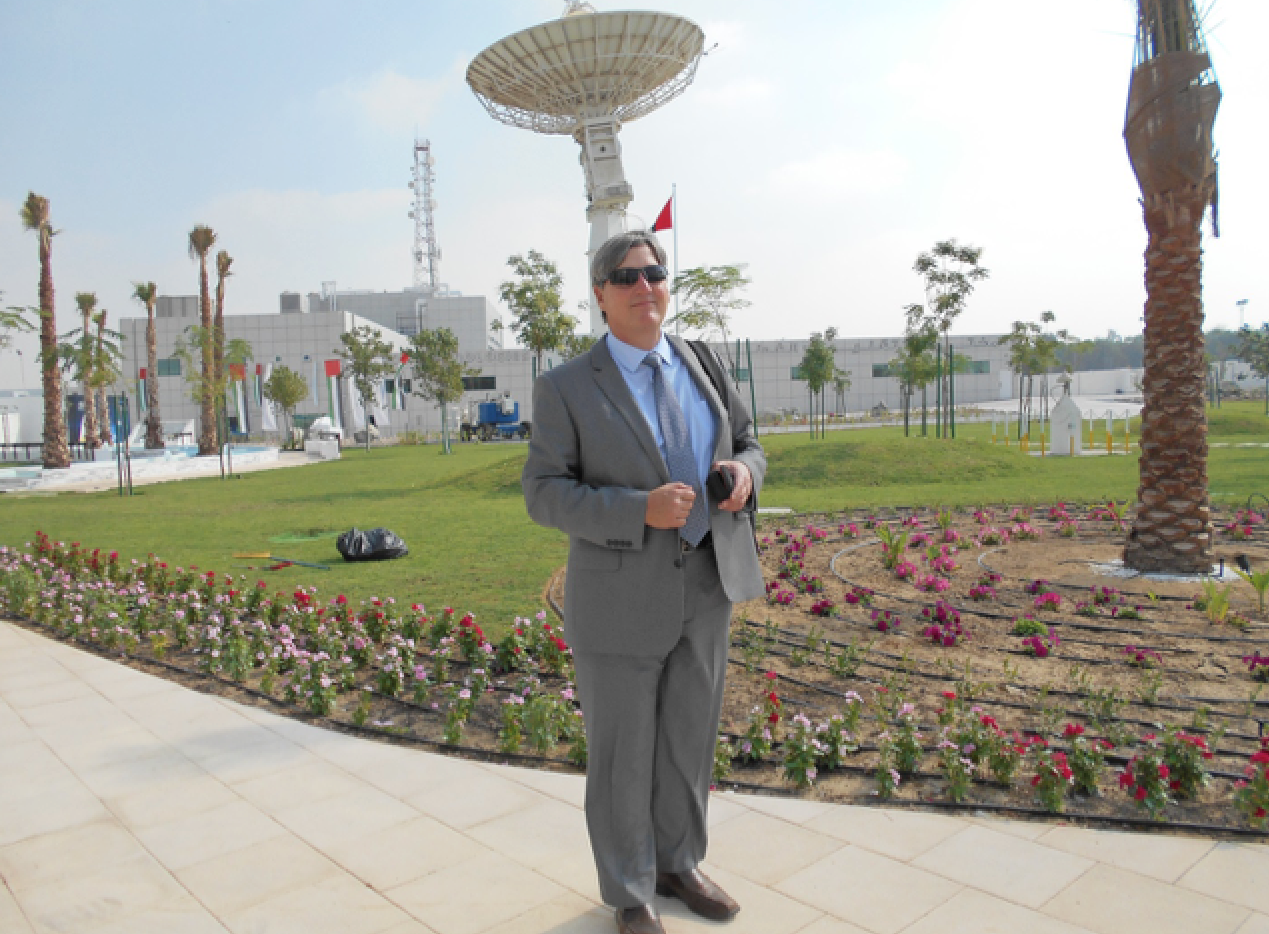
Michael Bourgon at Mohammed Bin Rashid Space Centre, Dubai, UAE

There is water everywhere waiting to be harvested, says Michael Bourgon of Drinkable Air, based in Toronto. “Do you know that there are quadrillions of litres of water sitting in the air at any one time? Water is a gas. There is always humidity and there is always some water in the air. Our trick is to turn that gas into a liquid,” Michael explains. “We need to cool it, which is just what happens when it rains.

How it works
drinkable air
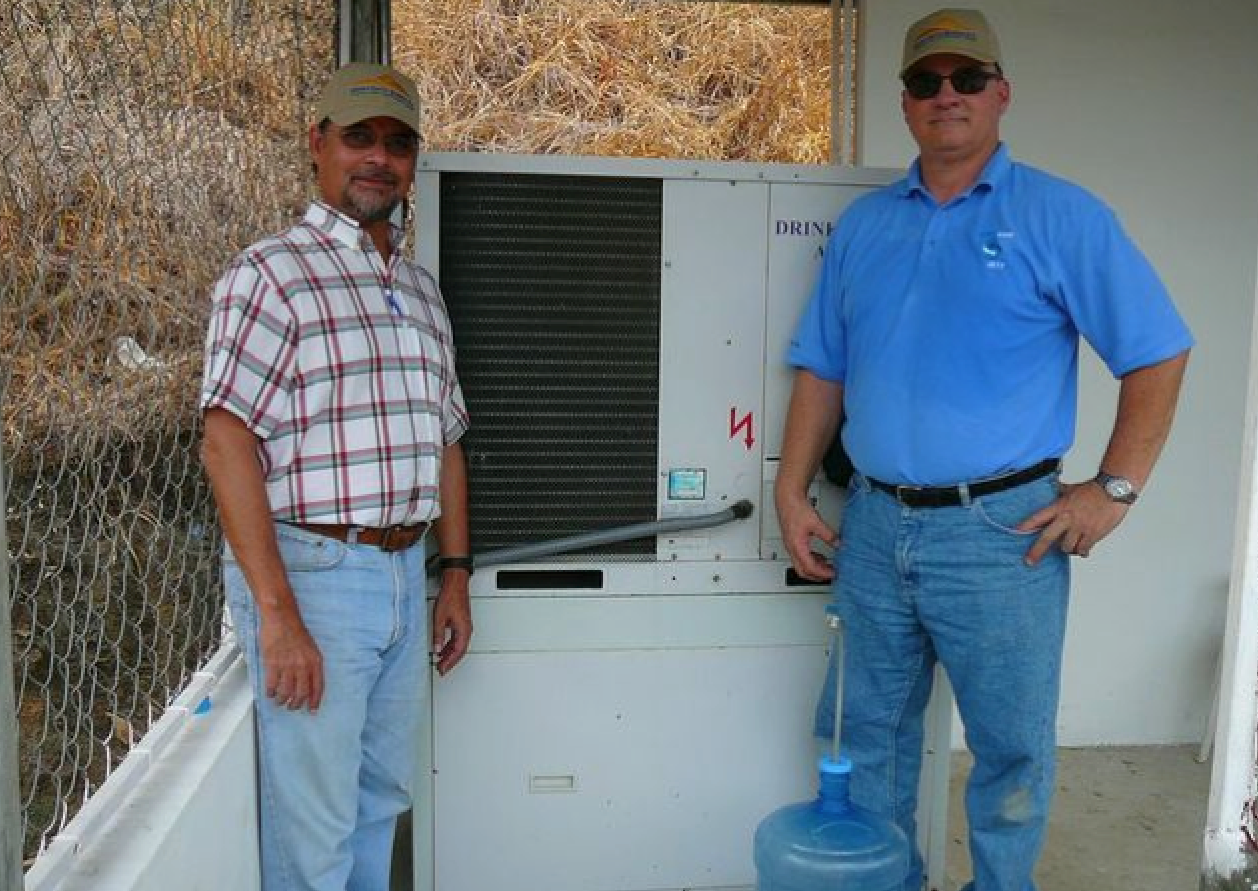
Drinkable Air in Panama

In the same way rain is made, Drinkable Air’s water generators pump air onto a cold surface called a condenser, which then turns it into liquid droplets inside the machine, the way a dehumidifier works. Next, Drinkable Air machines clean the water and enrich it with needed minerals for human consumption. And voila – fresh water.

Water, like oxygen, is a basic necessity we hardly consider in most regions in the United States and Canada, but when you live in the Middle East, North Africa, or Asia, it can be more precious than oil. Lack of water is why there are currently four major ongoing famines on the African continent. It is also the reason why conflict areas like Syria and Iraq are so hostile.

Of course, fossil-fuel rich countries like Saudi Arabia, Qatar and the United Arab Emirates can turn energy into water through desalination. But when desalination is not feasible, Drinkable Air can fill the void.

“Our main goal is to quench thirst,” says Michael. “We are also motivated to provide a commercial product that will solve big issues in the world.”

Drinkable Air products are currently installed in 38 countries around the globe, including the Middle East, Gulf Cooperating Countries (GCC), Africa, and Asia.

drinkable air

With Sky News Arabia WETEX, Dubai, October 2016Custom sizes for any needs

The Drinkable Air systems are designed to produce as little as 10 litres a day (hotel room use) to ones that can generate thousands of litres of water a day – suitable for a village or industrial plant.

The smallest size unit the Chameleon 4 was first commissioned by the director of the Rotana Hotels in Abu Dhabi who wanted a solution that would cut down on plastic consumption. The same type of system is getting a lot of attention in India, where municipal water will never be clean in some people’s lifetimes, says Michael.
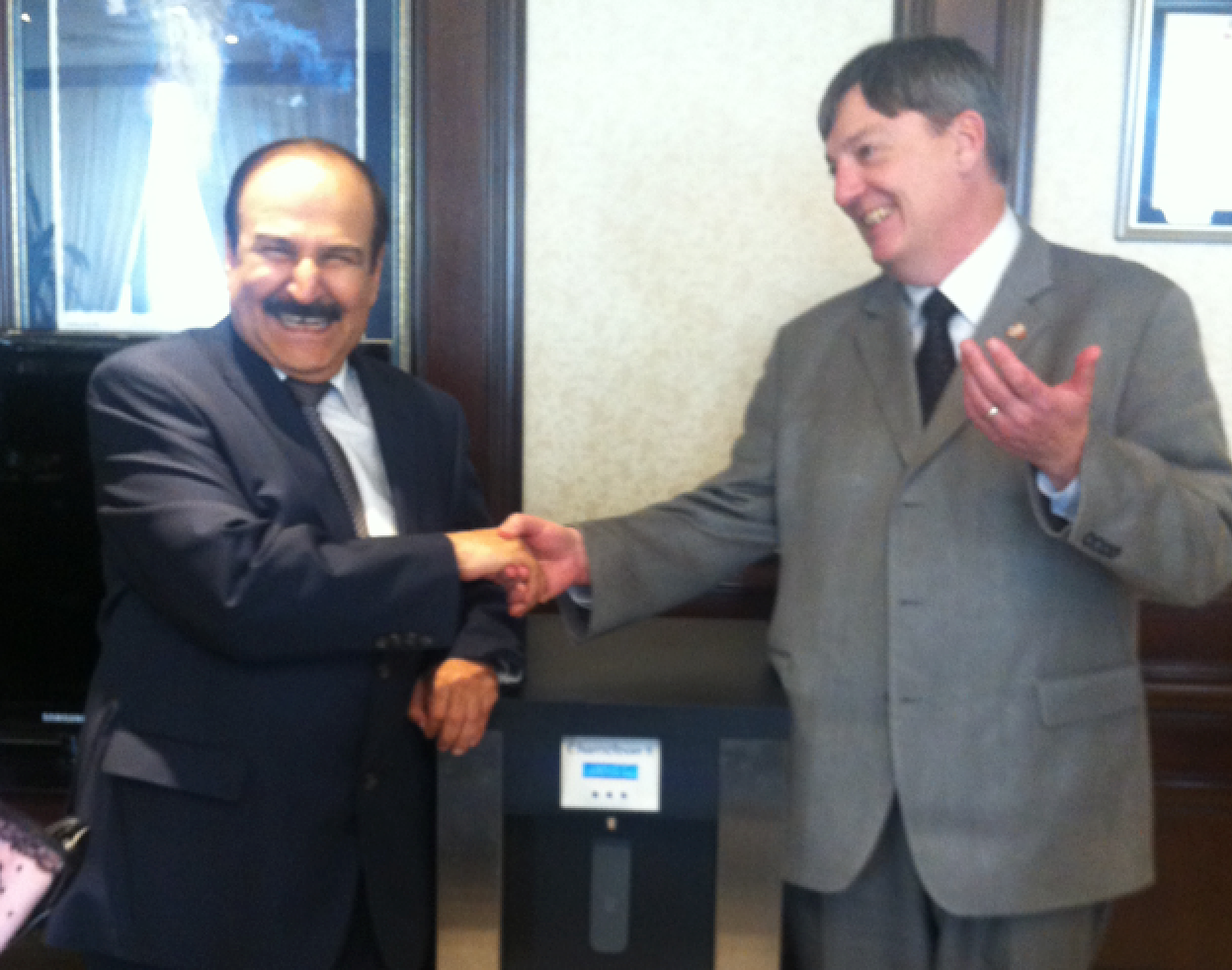
Bahrain with HE Dr. Abdul Hussain Ali Mirza, Minister of Electricity and Water Affairs

Money Savings

To do the basic math, in most cases it costs but 1/8 of a kilowatt-hour for every liter of water produced. In a first world country that’s about 3 cents per litre of drinkable water.

“Apart from the money saved on the water itself,” the reduction in packaging is a significant savings as well – about three liters of water are used to make a half liter bottle,” says Michael.

He notes, that money saved on water is equal to the cost per liter, CAPEX, spare parts and power is about thirteen cents US a litre; which compares that to a 250 ml bottle of Dasani water at $2 US, the cost per litre is $8 US.

One Satisfied Customer

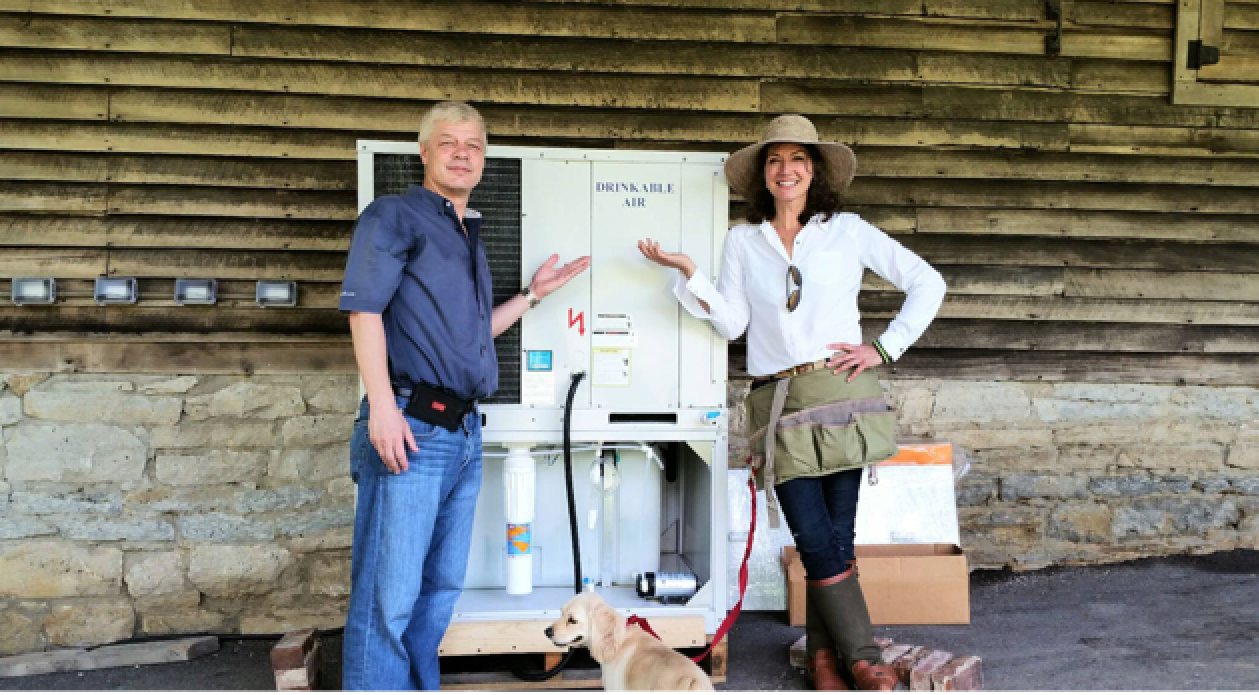
Amy Lee Grant, the American singer married to country singer-songwriter Vince Gill, is a happy customer. Every summer Grant invites dozens of campers, summer staff, and volunteers to come together at Barefoot Republic Camp, representing 40 different ethnicities to her 450-acre farm in Nashville. The natural well water is contaminated with sulphur and one and all rely on Drinkable Air produced water to meet their needs.
drinkable air
Jeff Szur (Drinkable Air Sales VP) and Amy Grant at Barefoot Republic Farm with Chameleon 60 unit.

Green Key

Drinkable Air recently announced the corporate partnership of Green Key Global and Drinkable Air, Inc. Green Key participants in the hospitality industry are present in more than 50 countries around the world, with 2,600 establishments in Europe, Middle East, Africa, Indian Ocean Islands, East Asia, Mexico and the Caribbean. The numbers continue to grow each year. Significant partners include the Starwood and Carlson hotel groups.

Green Key is awarded based on a standard set of international minimum criteria, and based on a standardised application and award process. The new Green Key criteria 2016-2020 are recognised by the Global Sustainable Tourism Council.

Demand Response for Power

Drinkable Air is also working on water production programs with major US power utilities using demand response processes.

Many jurisdictions around the world are utilizing demand response programs. Demand response (DR) essentially encourages a consumer to use power when it is most available (weekends, nights) and rewards the consumer for their co-operation in voluntary rationing (reduced tariffs, rebates, optimized product offerings).

Drinkable Air’s products produce the most water between dusk and dawn. They use the most power when making water (compressor and condenser operational) and little power when cooling, purifying and dispensing water.

The plan is simple: deploy units in an urban environment and remotely control (via the internet) the water making function, turning it ‘on’ when power is most abundant and cheapest and the machine is most efficient.

Consumer benefits include being able to drink the best water in the world, enjoying a reduction in cost for that potable water in the home, the convenience of not having to lug around jugs or bottles of water, no more need for expensive water purifier applications, and contributing to the environment by reducing the use of plastic and municipal resources.

“The end-user enjoys a better tasting and higher quality product, with no need to waste plastic bottles,” says Michael.

But we can’t help wondering – with all that water coming out of the air, can the local climate be changed near a Drinkable Air system?

Nope: “Nature abhors a vacuum,” says Michael. “The amount of water you are removing, even if you multiply by thousands, nature will take care of, and fill in the vacuum right away. Nothing to worry about.”

We can all drink to that.

Be in touch with Michael to do business: [email protected]

::Drinkable Air website

FACTOIDS ON WATER!

  • Nearly 1 billion people live without accessible drinkable water
  • 5 billion live without adequate sanitation
  • 440 million school days lost due to no water
  • 220 million hours each day are spent collecting water
  • 7 miles walked each day by women and children to gather water
  • 4,100 children under five die each day from preventable water-related illness
  • 4 million people die each year from preventable water-related disease
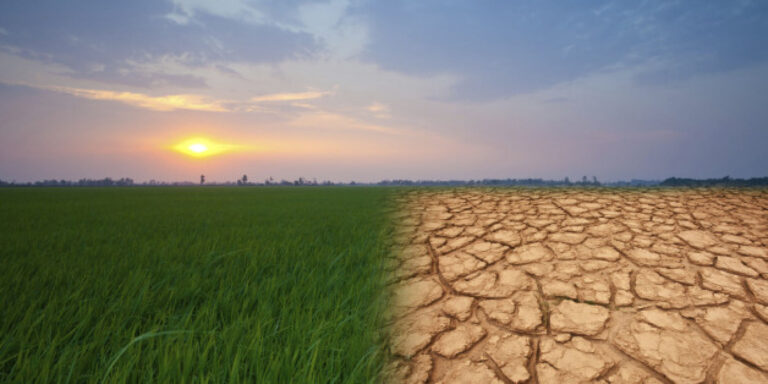
Are UN sponsored climate change goals attainable?

0

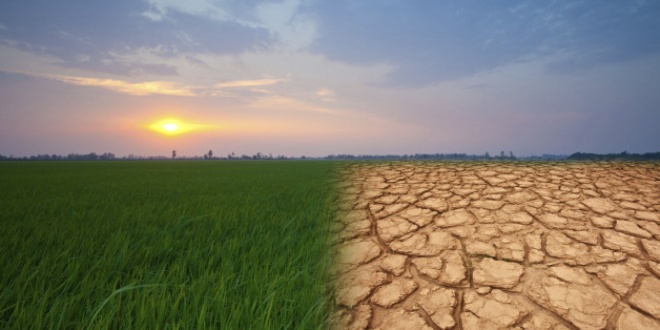
The ravaging effects of global warming and climate change appear to be rocking on unabated. These include monster typhoons and other adverse weather patterns; and severe Middle East drought conditions that NASA says to be “the worst in 900 years”. The important issue now is what the major world bodies can do to slow down the affects of global warming, which is causing Arctic ice to melt even faster than previously estimated. The result is ‘rocking’ world weather.

UN efforts concerning Climate Change

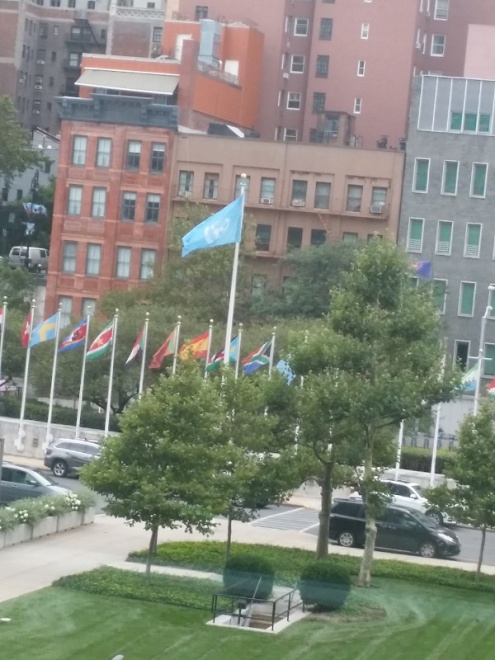
The United Nations or the UN for short is the world’s largest international peace organization, and its activities includes combating Climate Change as number 13 on its 17 Goals to Transform our World.

Although other sustainability goals have higher priorities, combating the ravages of climate change was particularly pointed out during a recent visit to the UN’s headquarters in New York City. There, it was shown that human caused depletion of our planet’s environment, especially over-use of fossil fuels and destruction of the world’s rain forests, are causing global warming to increase at an even faster rate. A chart displayed near the entrance to the UN General Assembly hall shows that while large sums of money are spent by member countries on armaments, over $22 billion US daily, only a small percentage of national budgets is spent by these countries on projects promoting peace; including helping to preserve the environment.

Following US President Donald Trump’s rejection of America’s participation in the Paris Climate Change Agreement, many are wondering if agreed climate change goals are still attainable, due to the US administration’s desire to pull out of the agreement. The Paris agreement entered into force on November 4, 2016. All participating countries agree to work toward limiting global temperature rise to well below 2 degrees Celsius; and “given the grave risks, to strive for 1.5 degrees Celsius.”

On the other hand, we wonder, is the UN really doing anything meaningful but organizing elaborating big events where there is a lot of talk but not a lot of action?

Even without America’s participation (which will only formally take effect in about 4 years), virtually all the other signers to this agreement, including China, Russia, Japan, and the EU, pledge to do their share to implement it. Will this be enough though, as use of fossil fuels continues worldwide; particularly due to lower oil and natural gas prices?

The Middle East, being the largest collective world supplier of crude oil, is still delaying cut downs on oil production, largely due to economic concerns. With this in mind, are oil producing Middle East countries like the UAE, Iraq, Saudi Arabia, Kuwait, and others really concerned about improving climate change caused drought and other conditions now ravaging their lands? Keep tuned in to find out.

Photo Global Challenges by World Universities Network

5 tips to keep your dog happy, healthy and feeling loved

2

You see it all over the TV and sometimes even in your own neighborhood, dogs that are being subject to abuse and neglect that they should never have to go through. The point is, if you are going to have a dog as a pet then you need to do everything in your power to keep your pet happy, healthy and feeling loved. There are several ways to do all of these things for your pet, the easiest being to spend time with your pup on a daily basis in order to give him the attention he needs and deserves. With that in mind, read on below for a few of the top tips to help you keep your pooch happy, healthy, and feeling loved.

Proper Nutrition

There is more to proper nutrition than making sure your dog gets food and water every day. Yes, these things are extremely important, but the type of food you give your pet is important as well. You want to feed your dog a food that is high in quality and full of healthy ingredients. If you are using the correct dog food for your pet, you will be able to see the difference in their coat, increased energy, and easier digestion. There are also supplements for dogs available that can help make sure your pet is getting the proper nutrition as well.

Preventative Care

One of the best ways to care for the dog you love is by preventing anything from happening to him to begin with. This means regular trips to the vet for checkups and dental cleanings. However, that’s not all you can do to keep your pet healthy and happy. Make sure to always have a collar and a tag on your pet, just in case he gets lost and make sure to keep him away from busy roads and animals that could end up hurting him.

Love and Attention

The easiest responsibility a pet owner has is providing love and attention to the dog that they have adopted and vowed to take care of. It’s not hard to set aside at least a few minutes a day to play with your pet. Whether it’s ball in the front yard, a walk around the neighborhood, or just some snuggle time on the couch, love and attention are the number one ways to keep your pet healthy, happy, and feeling loved.

Know the Signs

If you know your dog well, then you will have no problem knowing the signs that something is wrong. If your pup has less of an appetite or seems to have less energy than normal, it’s time to make an appointment with his vet for a checkup. There may be nothing wrong at all, but it’s better to be safe than sorry when it comes to your dog’s health.

Provide Adequate Space

Whether your pup is an inside dog or an outside dog, adequate space is important to keep him happy and comfortable. Make sure that their bedding is properly cushioned, comfortable, and has plenty of space for them to turn around when they are trying to rest. Make sure that their bedding is also clean and dry. For outside dogs, a doghouse with proper bedding is a must.

These are just a few of the top tips that you can follow to make sure your dog is healthy, happy and feeling loved all the time. From dog supplements to dry bedding and from preventative care to love and attention, your dog will thank you and love you forever.

Travelling to Dubai? Vlugzee’s got an app for that

1

Dubai Globe Jumpers

Ah, Dubai. You are so new, and with such ancient traditions of your people at the same time. How does a visitor jump right into the swing of things, when they come to visit Dubai? How do you visit the astonishing architecture sites like the Burj Khalifa and the rest of the skyscraper lined sky? Or the Dubai Fountain, or the artificial islands or the Dubai nightlife? Or the solar energy projects? Or the Globe Jumpers in action?

There are also parties and events sponsored by racing companies, and even local events to celebrate fairtrade and local crafts. There’s an app for that – Vlugzee. It’s like a trip advisor to Dubai with thousands of articles that help you explore the Emirate with purpose, and like a local. To use it right, download the app on iOS or Google Play to get the best results.

Most of us have travelled somewhere for the first time. I really hate that learning curve and try to download as many apps as I can to learn about the local customs and traditions. Want a spa, a massage or just some R&R after your travels by 4X4 Jeep in the deserts of Dubai? Find it on Vlugzee

Until further notice Vlugzee is %100 ads-free so forget about those pop-ups. 

New Toshiba printer uses erasable toner

0

The Japanese electronics giant Toshiba has just developed a new kind of printer that makes it easy for us to use the same paper over again. Their erasable toner allows one sheet of paper to be reused 5 times, slashing paper usage by 80%.

Their printer on the market this past June can fax (important in Japan and Israel!), scan and copy documents, and its erasable blue toner section also includes a special unit that can remove the toner from the paper. Hurray!

Erasing the toner works much in the same way as erasable pens where heat and pressure removes the toner on a page that has been printed. It’s a great feature for a quick printout of emails and drafts. I know I like to read hard copies of drafts to find spelling and grammar mistakes. But I also know I am just going to throw it in the trash just after using it.

The device will reduce the cost of paper usage. And while the device is not a new concept to Toshiba, this one may work. In 2013 they released a product that could erase paper but needed customers to buy 2 additional devices in order for it to work.

In a statement, Bret Davies, general manager of Toshiba Australia and New Zealand’s electronic imaging division, said that “Toshiba has recognised that staff are more environmentally conscious, but with productivity pressures, need to be able to print quickly and effortlessly without the need to be away from their desks for too long.”

“Combining the erasable printing technology into one device makes this unique technology more accessible to businesses and gives users time saving benefits, particularly in smaller offices that often have space constraints,” added Davies.

3D-printed-fashion-Danit-Peleg

Similarly in paper, rapid prototyping of devices means repeated circuit engineering and circuit replication. While you can’t erase circuitboards and use them again, if they are done smartly in prototype stages you won’t have to design them again for a long time.

Useless eco gadgets you should never waste your money on

1

Thanks to rapid proliferation of PCB design tools the world is now being bombarded with an onslaught of useless connected products. We’ve made a short list of gadgets that you should never buy. The planet will thank you.

  1. $400 Wifi-enabled juicer called Juicero. Each juice packet costs $7 and the machine takes several minutes to make your juice. As naysayers have shown, you can just squeeze the packs by hand. Or novel idea…save your money and an app for that and go out and buy some fruit and squeeze it with your hands or a $50 blender. If you really need a machine, then for that price buy a Vitamix. You can make your own juice, flour and ice cream with it. A steal of a deal.
  2. A toaster that burns emojis into your toast? Called a Toasteroid, it’s everything you don’t want on your morning toast, the simplest of pleasures. We can hardly open our eyes in the morning and the last thing we want in the simplest of devices is an app for that! The device can even burn the weather onto your toast. Sigh. We still do finger to the wind.
  3. The Pantelligent Smart Pan tells you when to flip your steak because well, you’ve forgotten how to cook, or did you ever learn? And now, again, there is an app for that. The smarter move would be to buy a food thermometer because while the pan knows its temperature it will never know the temperature inside your food. And who’s eating steak anyway? Aren’t we all vegans already?
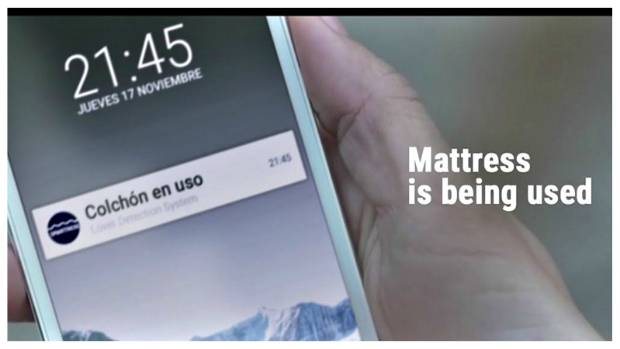
  4. Smartmattress is for people who don’t trust their loved ones. It’s a sensor-based mattress that can tell if there are naughty things going on when you are not home. Factors measured? Intensity, velocity and impact per minute. Yikes. In that detail we’d rather not know.
  5. Hapifork for when you eat fast or slow or? Who cares? It won’t let you know if you are eating spaghetti, tofu or lettuce. For that you’d have to ask your brain.

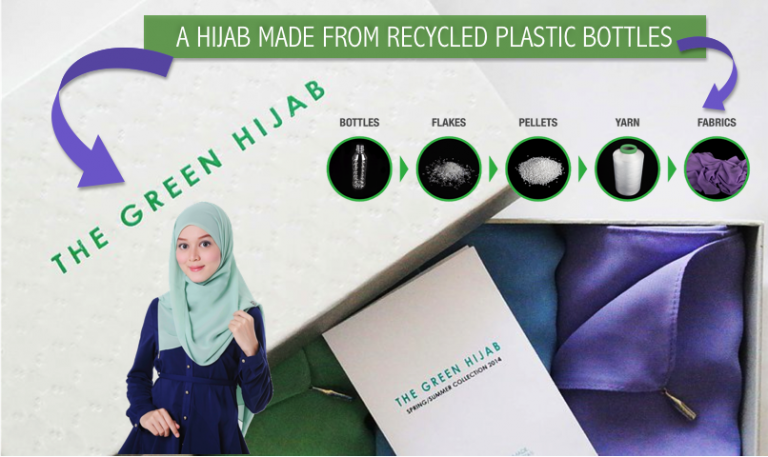
Eco-friendly headscarves (and more!) made from plastic bottles

0

fabric made from plastic bottlesIn a recycler’s reinvention of the Rumpelstiltskin fairy tale, a Malaysian manufacturer is crafting eco-friendly fashion from melted and discarded plastic bottles.

Cutting energy costs of landmark lights

0

energy efficient lights globe

A recent infographic from Festive Lights reveals the cost of lighting the world’s most famously lit landmarks and the energy expended in doing so.

From the infamous Las Vegas Strip to the illuminations of Blackpool, landmarks around the world have always stunned visitors by lighting themselves spectacularly to highlight their best features. Indoor and outdoor lighting company, Festive Lights, have investigated the most brightly lit landmarks, how much energy these attractions use and how much it costs to light them per day.

Notable examples revealed in the infographic include Times Square with its 55 giant LED displays using 161 megawatts per day and costing almost £20,000, and the unfinished Ain Dubai at Bluewaters Island UAE which will be the world’s largest ferris wheel – the lighting alone on this is expected to cost up to £1560 per day to run on 14 megawatts of electricity.

But outshining the rest was the Las Vegas Strip, costing an estimated £960,000 for up to 8000 megawatts per day.

The information for each landmark is below:

Las Vegas Strip
· 8000 megawatts of electricity each day.

· £960,000 per day to run.

· The MGM hotel’s electricity bill alone will be minimum $100,000 per month.

Times Square
· 161 megawatts per day.

· £19,320 per day to run.

· 55 giant LED displays.

Eiffel Tower
· 22 megawatts of electricity per day.

· £2640 per day to run.

· Lit by 20,000 light bulbs.

Blackpool Illuminations
· 15 megawatts per day.

· £758 per day to run.

· The illuminations at Blackpool shine non-stop for 66 nights.

Ain Dubai, Bluewaters Island, UAE
· 14 megawatts of electricity per day.

· £1560 per day to run.

· The wheel is unfinished but planned to be the largest ferris wheel in the world at 210m. It will carry 1400 passengers in 48 capsules (compared to the London Eye’s 32) and house an 80m LED advertising screen.

Spectra Light & Water Show at Marina Bay Sands
· 2.5 megawatts per day.

· £300 per day to run.

· Uses energy efficient bulbs with a 470 watt fixture producing light output similar to a 4000 watt search light.

Christmas Light Display at Petrie Plaza Mall, Canberra
· 0.78 megawatts per day.

· £95 per day to run.

· This is the largest Christmas light display in the world, using 1.2 million LED lights and 75 miles of cable.

Stephen Alty, General Manager at Festive Lights, said: “You can’t travel to a city or landmark around the world without noticing how lighting designers have created spectacular displays out of LED lighting to impress visitors. LEDs have been around for a while now, but in recent years, designs have really gone wild with spectacular lighting shows thrown into the mix alongside the landmarks themselves. Our infographic reveals just how impressive these designs are.”

Essays on sand and rocks to inspire you

34

Abu Dhabi Dust Storm

We’ve already heard the news from NASA that the Middle East will probably be uninhabitable in the next 50 years, thanks to climate change. At a recent conference in Tehran, Iran, participants were warned of an onslaught of Middle East sandstorms, expected to worsen as our world warms. “In the Middle East there has been a significant increase in the frequency and the intensity of sand and dust storms in the past 15 years or so,” said Enric Terradellas, an analyst at the World Meteorology Organisation.

Human-induced factors as well as natural causes create the sandstorms which pile tons of dust into cities, covering people’s lungs with particulate matter. Dams and diversion of water sources is one of the causes for the increase, say experts, reporting in this fantastic essay on the matter.

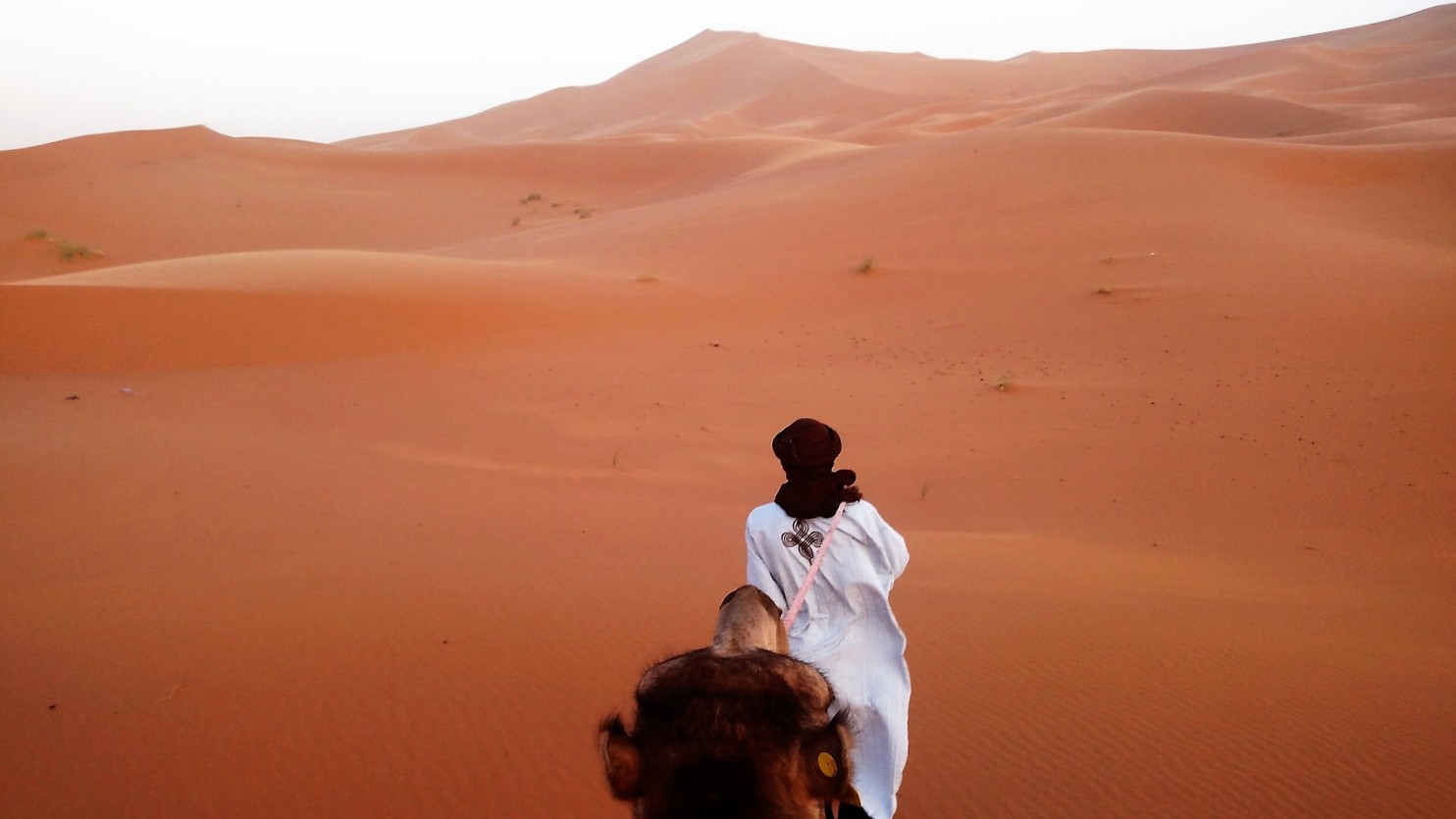
The next essay on traveling solo in the sandy desert, post-divorce caught my heart: Our Marriage Was Built on Traveling Together… and shows how a woman transforms from being a sidekick, to a mom, to being a solo traveller in charge of her own adventures – in Morocco.

She writes: “Our itinerary, rather than love, kept us moving together. But our marriage’s end was signaled by solo travel: He went to Greece for two months, while I left for a yoga ashram in the Bahamas. I no longer wanted an intermediary. No husband driving the rental car around mountains. No husband bargaining in the souk. No husband translating menus. No husband. Only me.”

Related: buy essays online 

A third essay on sand and rocks in America, at Salt Lake City, offers a charming look at nature in in its rawest form, as a family goes to visit the most desolate place in America: “On the highway, mountains surrounded us. The crows had never witnessed a landscape like this; save once when tiny, they had never been west of the East. I urged them to look out the car windows rather than at their phones, and confirm that they were totally undone by the awesomeness. I demanded their indecent staring. But the crows are predominantly city creatures. Nature didn’t interest them as much as civilization and its inhabitants did.

Yemenite green hot sauce (zhug)

zhougPardon me, but you you pass the green zhug?

I’m fresh from brunch with friends newly returned from Jaffa, a feast formed from foods not easily found in my Brooklyn neighborhood. Hidden among the Challah bread french toast, steaming shakshuka (egg and pepper delection that’s my go-to Jerusalem breakfast), imported tahini, and home-cured olives, was a small jar of dark green goo that packed a punch to my palate. I have to tell you about zhug which I write as s’chüg.

Legend has it that Christopher Columbus – fresh from Asia – brought the first chili peppers to Europe, and they quickly migrated to North Africa and the MiddIe East. Fans of the fiery fruit have since spawned over 2000 new varieties, each with a specific form, flavor, and heat.

Middle eastern cuisine is peppered (yes, I wrote that) with recipes built on peppers, from fil fil mahshi (meat stuffed red peppers) to harissa sauce (a Maghrebi hot chili pepper paste) to the roasted pepper salads ubiquitous across regional menus. Peppers are eaten fresh, cooked or pickled, and are an integral part of most every meal. At a minimum, they’re a staple condiment.

Zhug, sahawiq or bisbas is a hot sauce originating in Yemeni cuisine. There are many names for it. And here are a few more…s’chüg (also called zhoug  or schug or zhug – generally meaning “ground”) is believed to harken from Yemen. It’s a hot pepper sauce made from garlic, oil, spices, tons of coriander, and – of course – hot green peppers. It’s heat varies wildly depending on ingredients  (refer to our story on Wilbur Scoville and his hot pepper scale here)  but it’s always very tasty, with a wonderful scent. (Hate coriander? no worries, thanks to the magical mixing of ingredients, you won’t taste it!)

A bit of time online produced this pair of recipes. I tried both, liked both, and offer them to you for your own taste-test experimentation. Ingredients are inexpensive, and prep time is about 20 minutes. It’s the ideal accompaniment for falafel or sabich sandwiches, but it also goes great with grilled vegetables, eggs, fish, chicken and meat. Stored in the fridge in a tightly lidded jar,  it should last a few weeks.

Zhug Recipe Number 1

This version is very hot. Suggest that you wear gloves while chopping the peppers, and keep juices away from your eyes and open cuts to avoid painful burns!

Ingredients (enough to fill a small glass jar)

1 cup of chopped coriander
5 medium-sized hot green peppers
4 garlic clove
1/3 teaspoon cumin
1/2 teaspoon. salt
2 tablespoons extra virgin olive oil

Carefuly cut the peppers into small pieces, and remove all seeds. Combine with all other ingredients in a food processor until the desired consistancy is achieved.

Zhug Recipe Number 2

This is how Israeli chef Yotam Ottolenghi does zhug. His version makes about 1-1/4 cups of the stuff.

35g coriander
20g parsley
2 green chillies
½ tsp ground cumin
¼ tsp ground cardamom
⅛ tsp sugar
¼ tsp salt
2 garlic cloves, crushed
3 tbsp olive oil
2 tbsp water

Put all ingredients in a food processor and blitz to a smooth paste.  He suggests refrigerating it for up to 2 days, but my guess is that leftovers are unlikely.

Can’t stand the heat?  No need to get out of the kitchen.  Instead, whip up a batch of muhammara, a delicious red-pepper, garlic, and walnut schmear born in Aleppo, Syria.  Follow our recipe for this milder mush (link here).

And drop a comment about your experience and any recipe tweaks you recommend!

World’s first color-changing stamp honors a summer solar eclipse

0

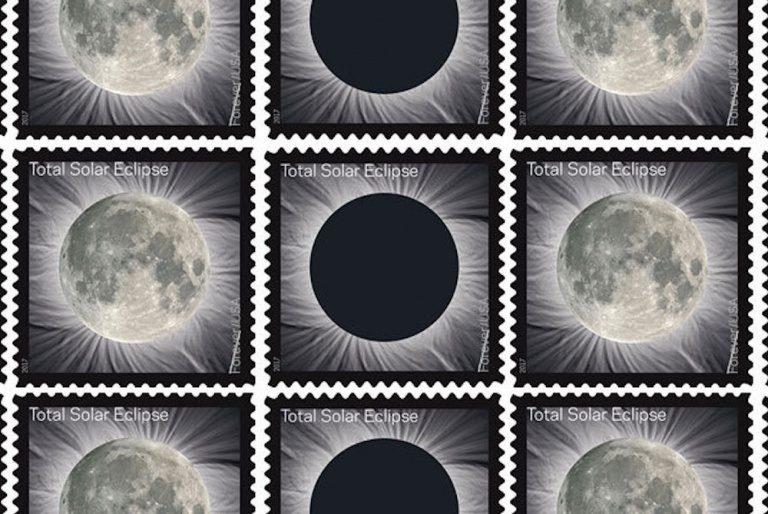
August total solar eclipseOn Monday, August 21, a total solar eclipse will sweep in an elegant arc across the entire width of the continental USA. The event, described as the “Great American Eclipse” as it will be visible in totality only from the United States, is being honored by a new postal stamp whose unique qualities may eclipse the actual eclipse!

The stamp features a solar eclipse, when the moon passes between the sun and Earth, casting a shadow on the planet’s surface and making the sun’s corona brilliantly visible. Graphic designer Antonio Alcalá designed the stamp which contains a special ink that reacts to changes in temperature. Put your finger on the stamp, and activate the ink, causing the dark mass masked by the sun to emerge as a highly detailed and illuminated moon.

Alcalá is the founder of the Alexandria, Virginia, design firm Studio A, which has worked for many museums in Washington, D.C., including the National Gallery of Art, the Folger Shakespeare Library, the United States Holocaust Memorial Museum, and the Library of Congress. As a US Postal Service art director since 2011, he has designed stamps of the solar system and of Pluto, making him the agency’s top space stamp designer.

August total solar eclipseThis is the first USPS stamp to use thermochromic ink, a powerful means to bring a two-dimensional artefact to life. The designer views the new-age stamp as more than a means to pay the government to deliver a letter, he sees it as a subtle branding tool for the nation.
“It’s one of the few things that goes out with the message about who the United States is, what we celebrate, what are important events and people in our history,” Alcalá said, “It goes to every town, every house in the United States. It’s a pretty powerful and effective communications piece.”

Launched in 1792, the USPS has been challenged by emerging trands in digital communication. How do you incite people to use paper mail and postage stamps in the internet age?  Incorporating technology in stamp design might attract new interest. A different design will use a UV coating, another first for the USPS, to “enhance the content and the sensation of this particular stamp subject”, says Alcalá.  (This specific stamp’s subject has not been revealed.)

“We are increasingly looking at different print techniques that we can introduce to the stamps that make them more than just a piece of paper,” said Alcalá.


The total eclipse stamp is meant to celebrate science and America’s proud history of innovation in space. Juxtapose that with the nation’s current devaluation of science (withdrawal from the Paris climate agreement, presidential denial of climate change, emergng support of the coal industry, and loosening of environmental protection laws.) A simple stamp is powerless to improve a national brand if that nation continues to deny science.


Masdar nanotech promises to bring on the rain!

clouding seeding Umbrella sales in the UAE may soon see a surge in pricing. Researchers at the Masdar Institute have filed for a provisional patent with the United States Patent and Trademark Office for their discovery – and innovative cloud seeding material that moves them closer to their goal of producing rain on demand. It appears to be a more practical approach than building artificial mountains.

Build your next home with dirt (and a robot!)

0

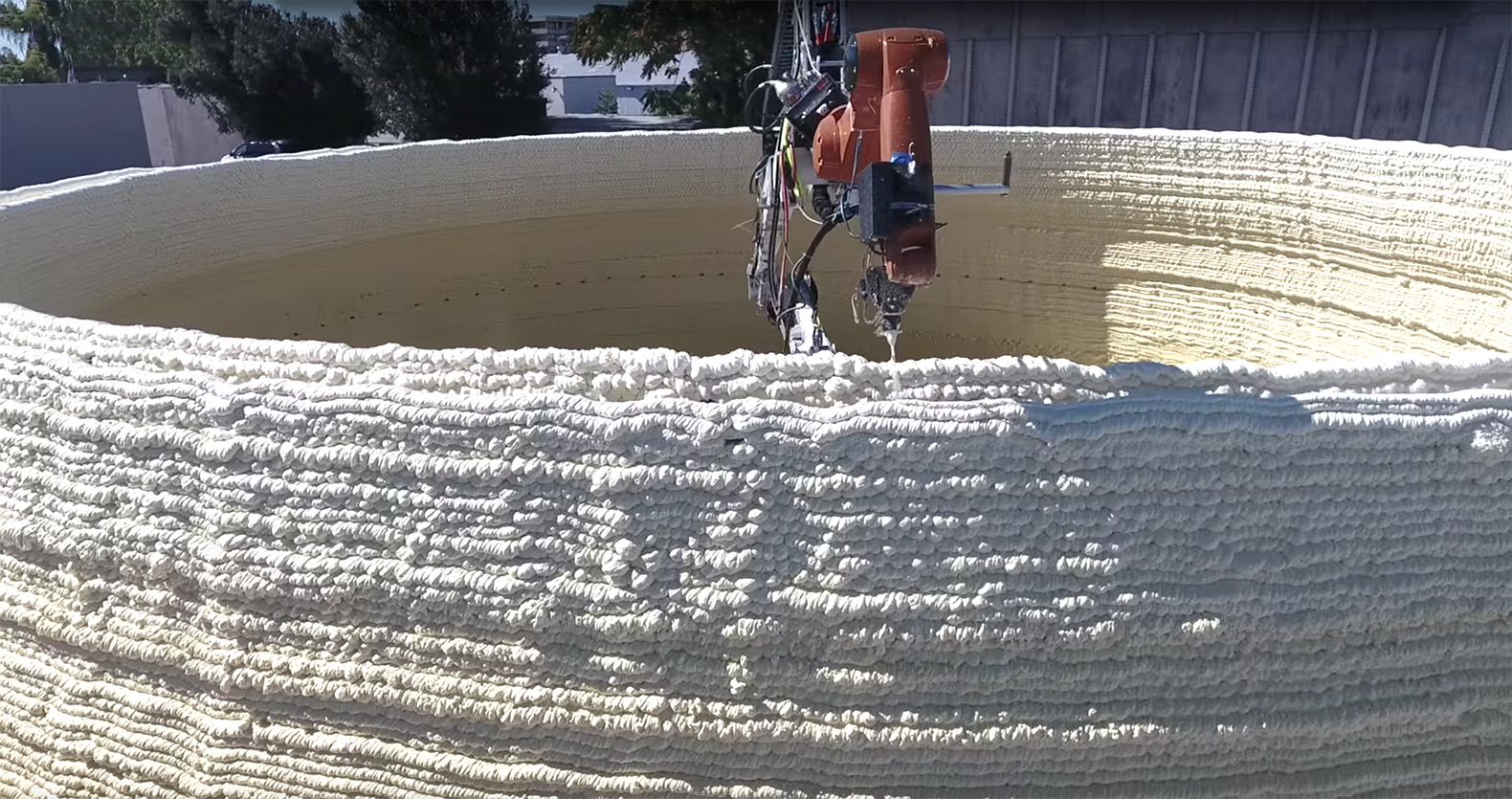
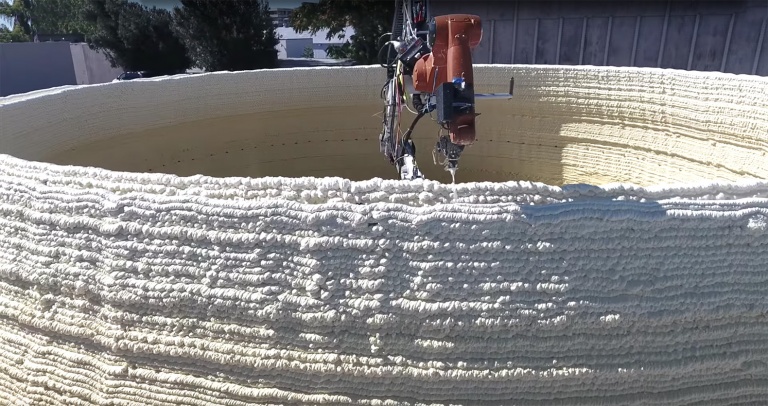
robotic innovationResearchers at Massachusetts Institute of Technology (MIT) have created a mobile robotic system that can build a dome-like habitat in half a day. It’s a new spin on 3D printing that could revolutionize homebuilding, allowing for faster, cheaper and more adaptable construction compared to traditional building methods.

Will U.S. leaving Paris Climate Agreement adversely affect the Middle East?

Concern for our planet due to human caused climate change is definitely not a new subject. Even deceased arch terriorist Osama bin Ladin blamed the U.S. for causing climate change; saying that Arab countries are getting drier due to this. Climate change is also being attributed for rapidly melting Arctic ice caps that are literally rocking world weather patterns.

In light of this, many people, including renown climatologists, are more concerned for the future of our plant following U.S. President Trump’s decision on June 1, 2017 to pull America out of the Paris Climate Change Agreement, saying: “I was elected to represent the citizens of
Pittsburgh, not Paris.”

After signing the Paris Agreement in the summer of 2016, the new US administration has now given a formal rejection to an agreement, signed by over 190 countries, to make a concerted effort to try to prevent world temperatures from rising more than 3.3 degrees during the current century. Without this agreement, temperatures could rise more than 3.6 degrees, if not more, causing dramatic changes in world weather patterns.

Without America’s leadership, the future of the Paris Climate Agreement and the global environment itself could be put in jeopardy; resulting in more severe storms and mass flooding in some areas and severe drought conditions in other regions.

Severe drought is being felt more and more in North Africa and the Middle East, where plentiful fresh water supplies have never been available.The Arabian Peninsula, in particular, is currently in the midst of one of the worst drought situations ever experienced in modern times, This situation is forcing many area countries to resort to obtaining fresh water through desalination; and even to consider schemes to actually drag icebergs from Antarctica to provide fresh water.

Despite  these dire implications, the American administration has decided to pull out of the only international climate accord agreement that has been ratified by more countries than any other climate agreement to date. North African and Middle Eastern countries and territories that have ratified the agreement include Israel, Jordan, Morocco, the UAE, Saudi Arabia, and Palestine. Many others, including Egypt, Kuwait, Oman, Qatar, Libya, Sudan and Yemen have signed but not yet ratified it.

Syria is still one of major holdouts, having not signed nor ratified the agreement. Many of these countries already feel the impact of global warming and climate change, with severe water shortages and intensive summer temperatures.

US President Trump’s reasons for leaving the Paris Agreement center around feelings that the agreement is “unfair to the United States, its businesses, its workers, its people, and its taxpayers”.

Unfair? What is considered to be unfair when the future environment of the planet is at state? This pertains particularly to the harsh reality of the climate of the Middle East.

Read more about climate change and global warming:

Arctic ice melt is rocking world weather

“Before the Flood” now streaming, and you thought Halloween was scary

CNN: The Sixth Mass Global Extinction has arrived

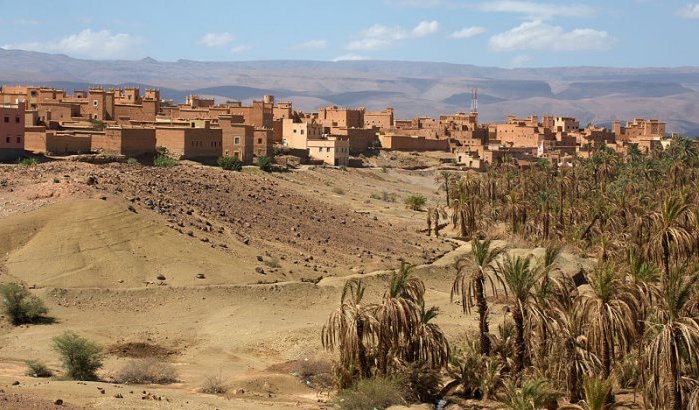
Photo of Drought in Morocco by Geographical News

Photo of US President Trump pulling out of Paris Climate Agreement, by Foreign Policy

The top 6 greenest cities in America

0

All humans are now having to accept that they have a responsibility to protect the planet, and with a number of different implementations to help aid the battle against climate change, we’re taking a look at one of the most populous countries, America, and how they are staying green. Here, we’re listing the top 6 greenest cities in America, and if you want to visit one of them, make sure that you have your USA ESTA before you travel in order to ensure the process is as smooth as possible. Without further ado, here’s the top 6 greenest cities in America.

Portland, OR

Portland is already famous for its rose garden, and with a number of colourful parks, plenty of mass transit options and plenty of sustainable eating options to consider in the city, it takes one of the top spots as a green city in America. There are Bike Bars, electricity-producing exercycles and locally-made clothing being some of the most popular parts of the city, helping Portland to make its name as a top green city in America.

Minneapolis/St Paul

With a huge number of bike sharing schemes around the city, some number 1 green spaces and an entire shopping centre that uses solar power as opposed to a central heating system, there’s plenty of thumbs ups going to Minneapolis for their green policies. They even have LEED-certified Target Field which collects millions of gallons of rainwater and snowmelt every year.

Charleston

Charleston is known for its old-fashioned qualities and with this comes some extra eco-friendly tendencies. With antique stores that love reusing items and restaurants that love local ingredients it’s easy to see why Charleston ranks so highly on this list. In addition to this, Charleston is known for its excellent walkability options across all of the different aspects of the city (such as the museums), and with a number of walking tours to enjoy across the city, Charleston is the perfect green destination to visit or even to live.

Kansas City

With a new public streetcar introduced in 2016, its mass transit ratings are excellent. In addition to this, the city is extra special when it comes to flea markets and BBQ joints which run on locally raised livestock. In addition to this, Kansas City is also excellent when it comes to its wastage.

Honolulu, HI

An interesting addition to this list is the green paradise of Honolulu. Boasting one of 2016’s lowest greenhouse-gas emissions per capita and one of the highest percentages of green space in the whole of America, it’s no surprise to see it make the list.

San Francisco

San Francisco is a surprising addition to this, as for many, they think of San Francisco to be a bustling city. However, San Francisco boasts one of the lowest percentages of people who drive in the whole of America and has one of the highest bikers’ scores. Interestingly, San Francisco also has one of the largest numbers of farmers markets per capita, making it an ideal green place to visit in America.