Health insurance is a regulated financial product. Insurers operate under binding contracts, overseen by state insurance commissioners, that legally obligate them to pay claims meeting policy terms. Policyholders who believe a covered claim was wrongfully denied have legal recourse through state regulatory channels.
The New Zealand Merino Company, now rebranded as Zentera, has quietly removed the phrase “world’s leading ethical wool brand” from its website, a notable change that comes after a disturbing investigation by PETA Asia-Pacific into the company’s ZQ-certified wool supply chain, PETA reports to Green Prophet.
Somehow vegetables with short seasons excite the imagination and appetite more sharply than produce that’s available all year around. Good Middle Eastern cooks have many recipes for delicate fava beans, and this turmeric-fragrant soup is one.
Health insurance is a regulated financial product. Insurers operate under binding contracts, overseen by state insurance commissioners, that legally obligate them to pay claims meeting policy terms. Policyholders who believe a covered claim was wrongfully denied have legal recourse through state regulatory channels.
The New Zealand Merino Company, now rebranded as Zentera, has quietly removed the phrase “world’s leading ethical wool brand” from its website, a notable change that comes after a disturbing investigation by PETA Asia-Pacific into the company’s ZQ-certified wool supply chain, PETA reports to Green Prophet.
Somehow vegetables with short seasons excite the imagination and appetite more sharply than produce that’s available all year around. Good Middle Eastern cooks have many recipes for delicate fava beans, and this turmeric-fragrant soup is one.
Health insurance is a regulated financial product. Insurers operate under binding contracts, overseen by state insurance commissioners, that legally obligate them to pay claims meeting policy terms. Policyholders who believe a covered claim was wrongfully denied have legal recourse through state regulatory channels.
The New Zealand Merino Company, now rebranded as Zentera, has quietly removed the phrase “world’s leading ethical wool brand” from its website, a notable change that comes after a disturbing investigation by PETA Asia-Pacific into the company’s ZQ-certified wool supply chain, PETA reports to Green Prophet.
Somehow vegetables with short seasons excite the imagination and appetite more sharply than produce that’s available all year around. Good Middle Eastern cooks have many recipes for delicate fava beans, and this turmeric-fragrant soup is one.
Health insurance is a regulated financial product. Insurers operate under binding contracts, overseen by state insurance commissioners, that legally obligate them to pay claims meeting policy terms. Policyholders who believe a covered claim was wrongfully denied have legal recourse through state regulatory channels.
The New Zealand Merino Company, now rebranded as Zentera, has quietly removed the phrase “world’s leading ethical wool brand” from its website, a notable change that comes after a disturbing investigation by PETA Asia-Pacific into the company’s ZQ-certified wool supply chain, PETA reports to Green Prophet.
Somehow vegetables with short seasons excite the imagination and appetite more sharply than produce that’s available all year around. Good Middle Eastern cooks have many recipes for delicate fava beans, and this turmeric-fragrant soup is one.
Health insurance is a regulated financial product. Insurers operate under binding contracts, overseen by state insurance commissioners, that legally obligate them to pay claims meeting policy terms. Policyholders who believe a covered claim was wrongfully denied have legal recourse through state regulatory channels.
The New Zealand Merino Company, now rebranded as Zentera, has quietly removed the phrase “world’s leading ethical wool brand” from its website, a notable change that comes after a disturbing investigation by PETA Asia-Pacific into the company’s ZQ-certified wool supply chain, PETA reports to Green Prophet.
Somehow vegetables with short seasons excite the imagination and appetite more sharply than produce that’s available all year around. Good Middle Eastern cooks have many recipes for delicate fava beans, and this turmeric-fragrant soup is one.
Health insurance is a regulated financial product. Insurers operate under binding contracts, overseen by state insurance commissioners, that legally obligate them to pay claims meeting policy terms. Policyholders who believe a covered claim was wrongfully denied have legal recourse through state regulatory channels.
The New Zealand Merino Company, now rebranded as Zentera, has quietly removed the phrase “world’s leading ethical wool brand” from its website, a notable change that comes after a disturbing investigation by PETA Asia-Pacific into the company’s ZQ-certified wool supply chain, PETA reports to Green Prophet.
Somehow vegetables with short seasons excite the imagination and appetite more sharply than produce that’s available all year around. Good Middle Eastern cooks have many recipes for delicate fava beans, and this turmeric-fragrant soup is one.
Health insurance is a regulated financial product. Insurers operate under binding contracts, overseen by state insurance commissioners, that legally obligate them to pay claims meeting policy terms. Policyholders who believe a covered claim was wrongfully denied have legal recourse through state regulatory channels.
The New Zealand Merino Company, now rebranded as Zentera, has quietly removed the phrase “world’s leading ethical wool brand” from its website, a notable change that comes after a disturbing investigation by PETA Asia-Pacific into the company’s ZQ-certified wool supply chain, PETA reports to Green Prophet.
Somehow vegetables with short seasons excite the imagination and appetite more sharply than produce that’s available all year around. Good Middle Eastern cooks have many recipes for delicate fava beans, and this turmeric-fragrant soup is one.
Health insurance is a regulated financial product. Insurers operate under binding contracts, overseen by state insurance commissioners, that legally obligate them to pay claims meeting policy terms. Policyholders who believe a covered claim was wrongfully denied have legal recourse through state regulatory channels.
The New Zealand Merino Company, now rebranded as Zentera, has quietly removed the phrase “world’s leading ethical wool brand” from its website, a notable change that comes after a disturbing investigation by PETA Asia-Pacific into the company’s ZQ-certified wool supply chain, PETA reports to Green Prophet.
Somehow vegetables with short seasons excite the imagination and appetite more sharply than produce that’s available all year around. Good Middle Eastern cooks have many recipes for delicate fava beans, and this turmeric-fragrant soup is one.
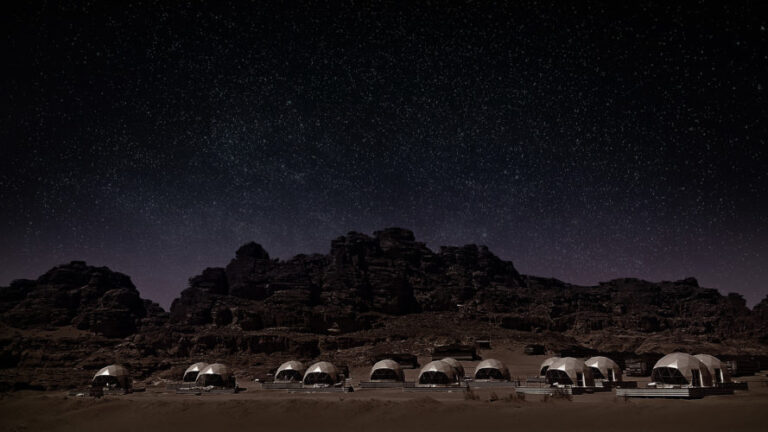
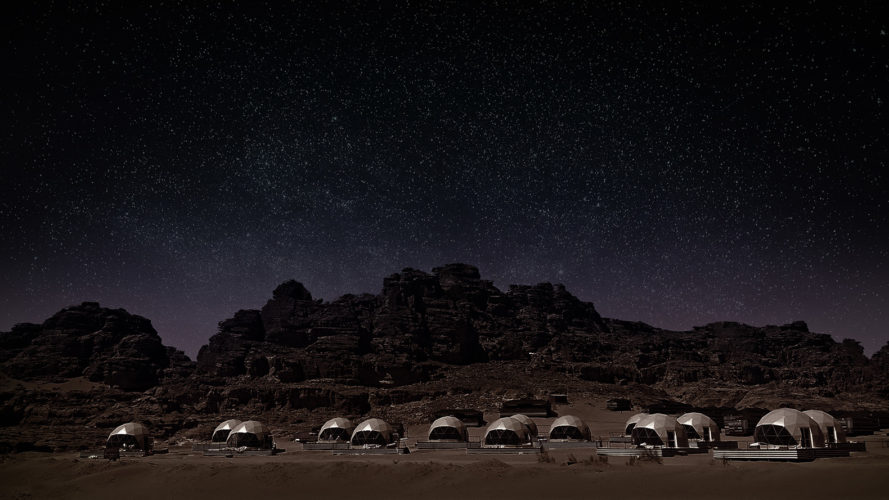
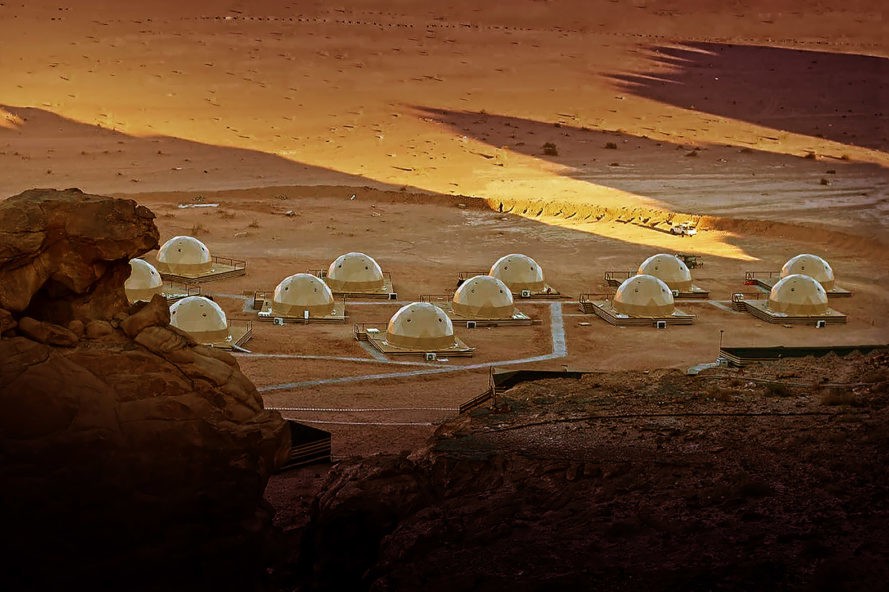
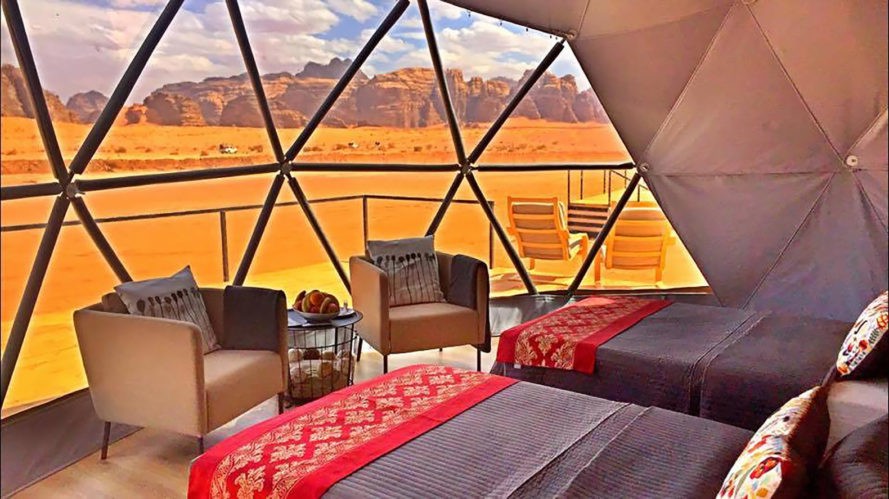
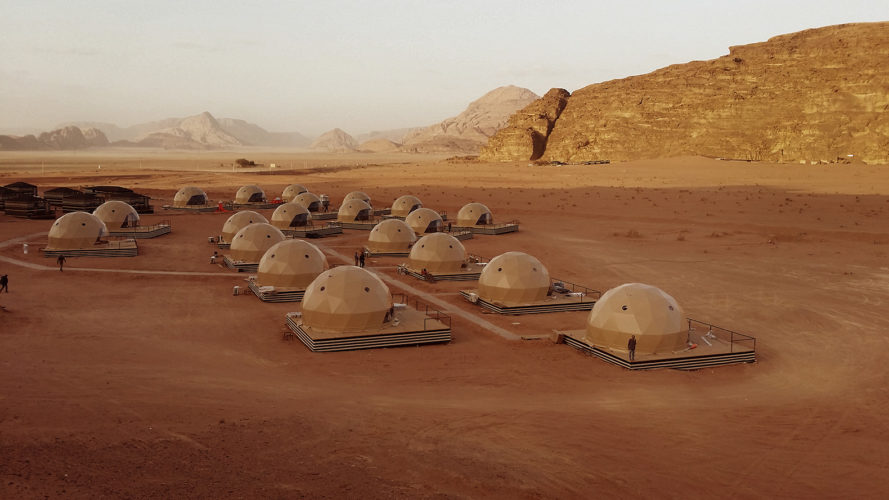
You know us. We are dreaming of Mars daily. But for most of us, getting there will only be a dream. But you can live out the fantasy close to where the film The Martian was shot –– by staying in Freedomes owned by the SunCity Camp in Jordan. The glamping site offers one of 20 geodesic domes for glamor camping. Find similar experiences in Abu Dhabi at Pura’s glamping sites.
Freedomes is a company that offers a relatively inexpensive DIY backyard dome kits. But the company also constructed the domed habitat for astronaut Mark Watney in The Martian’s set.
The Freedomes camp is situated around gorgeous sandstone and granite rock formations, allowing you to feel like you have travelled to another planet. Each dome offers a private bathroom and large window for a viewing Wadi Rum.
What is Wadi Rum known for?
Wadi Rum Desert is famed for its link to T.E. Lawrence the original “Lawrence of Arabia”. Along with Prince Feisal bin Al-Hussein, he made his base here during the Arab Revolt of 1917-1918. At the center of Wadi Rum village is the Desert Police fort.
There are about 5,000 Bedouins who call Wadi Rum home. They call it Valley of the Moon. If you are hankering for more exploration, the camp can set you up with local Bedouin tour guides for more in-depth exploration of the region. Try SunCity’s restaurant if you want a taste of local lamb.
The cost for travelling to and staying on Mars will set you back a few billion likely. So SunCity offers an affordable alternative – at $159 to $318 a night.
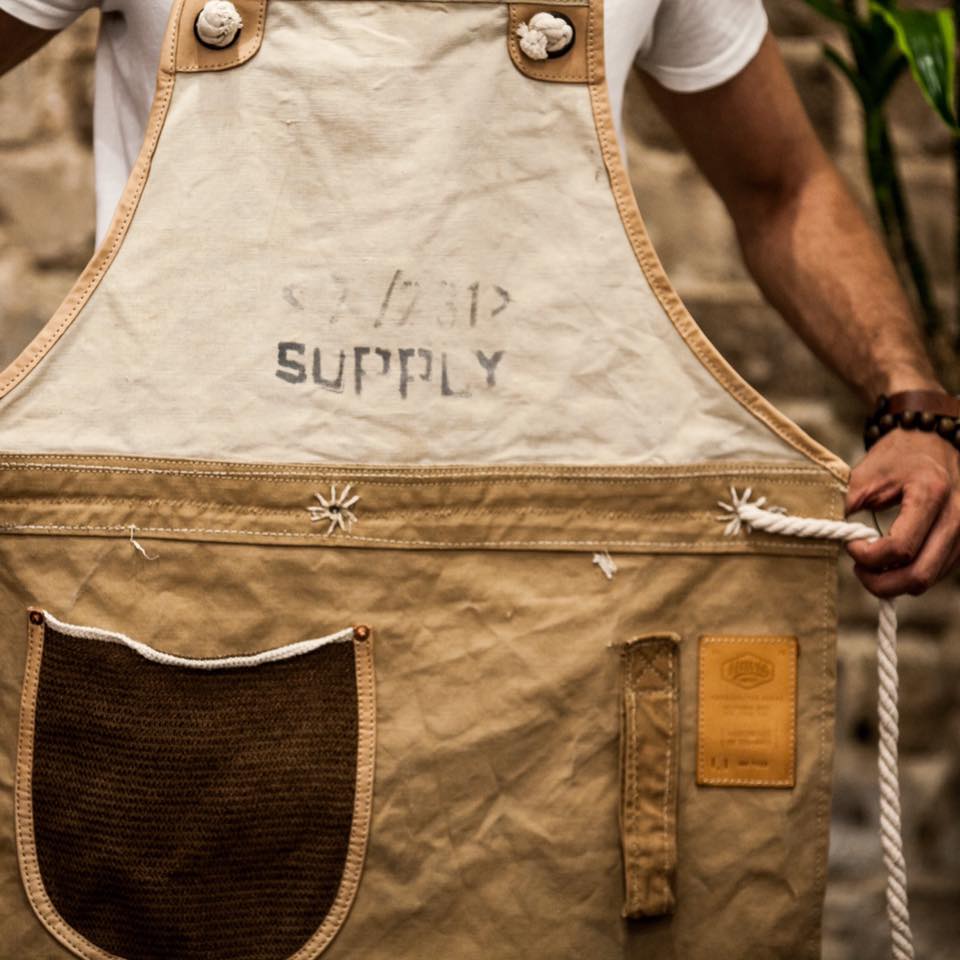
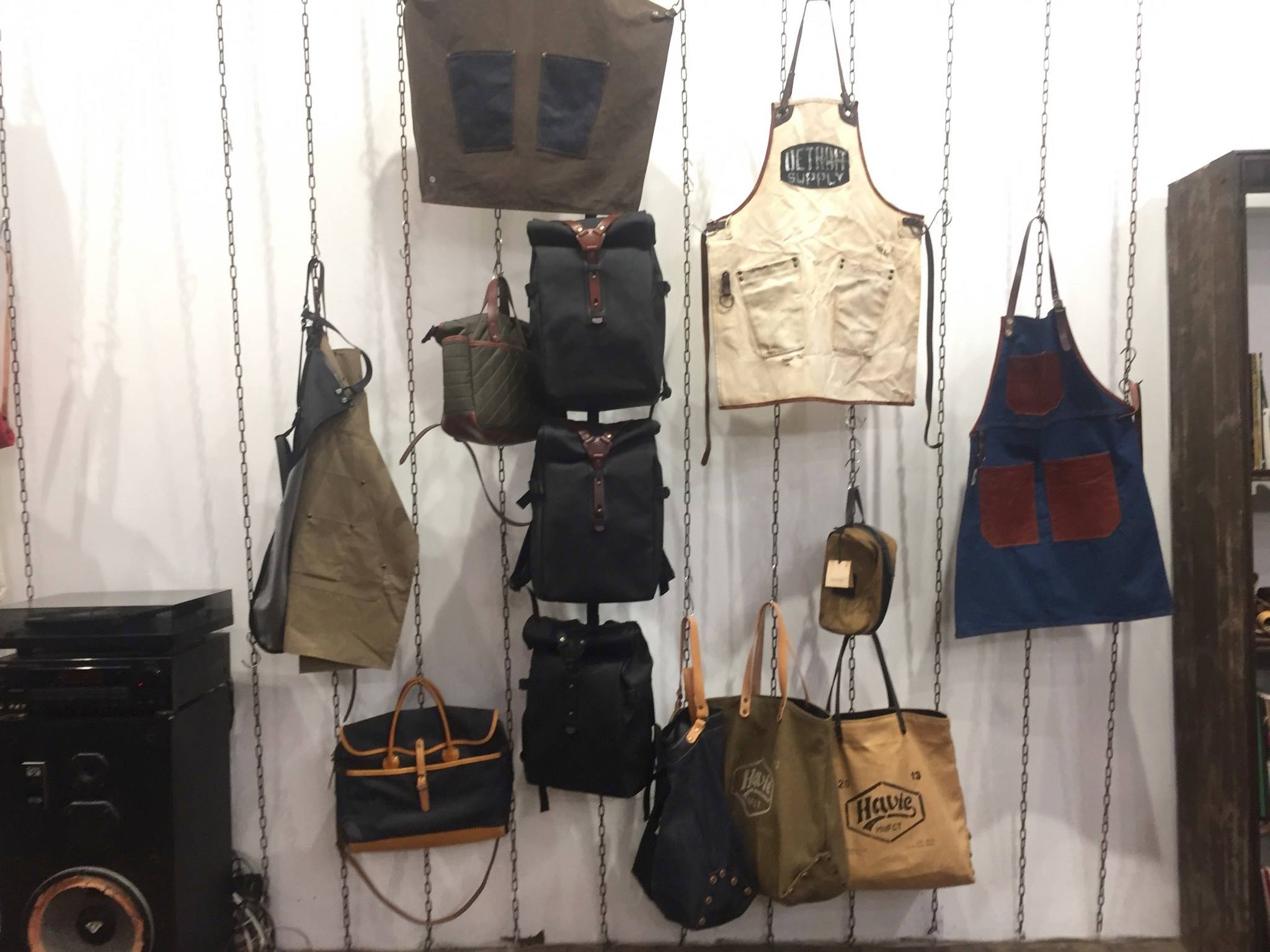
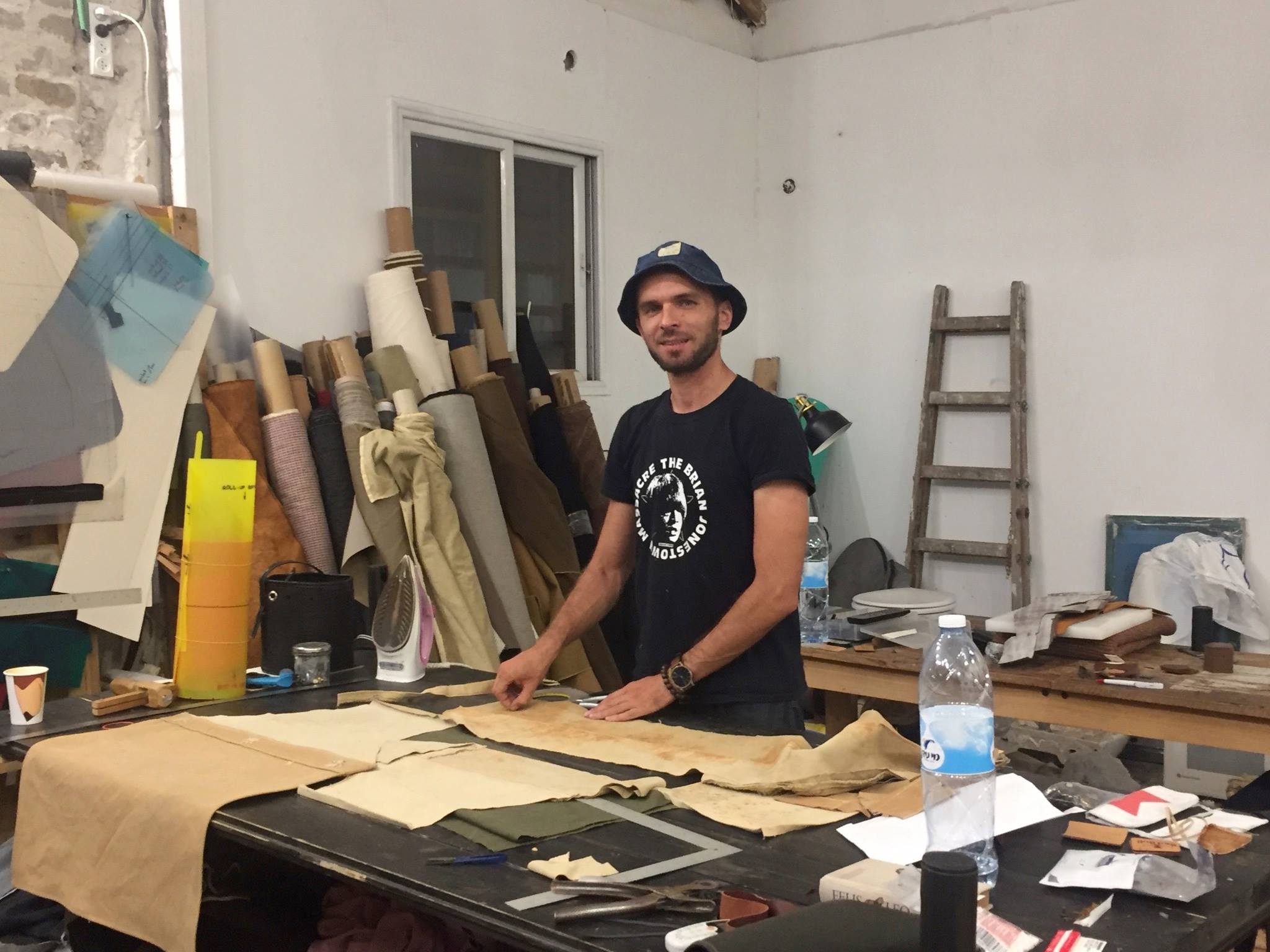
A brown leather wrap kit for your bike’s crossbar. An apron that lets every other bartender in the business to take your tips. A weekender bag made from upcycled army tents, weathered by the desert. With a stamp, Made in Tel Aviv. Meet Archie and Denis, brothers in life and in business. They are the Tel Aviv brand Havie.
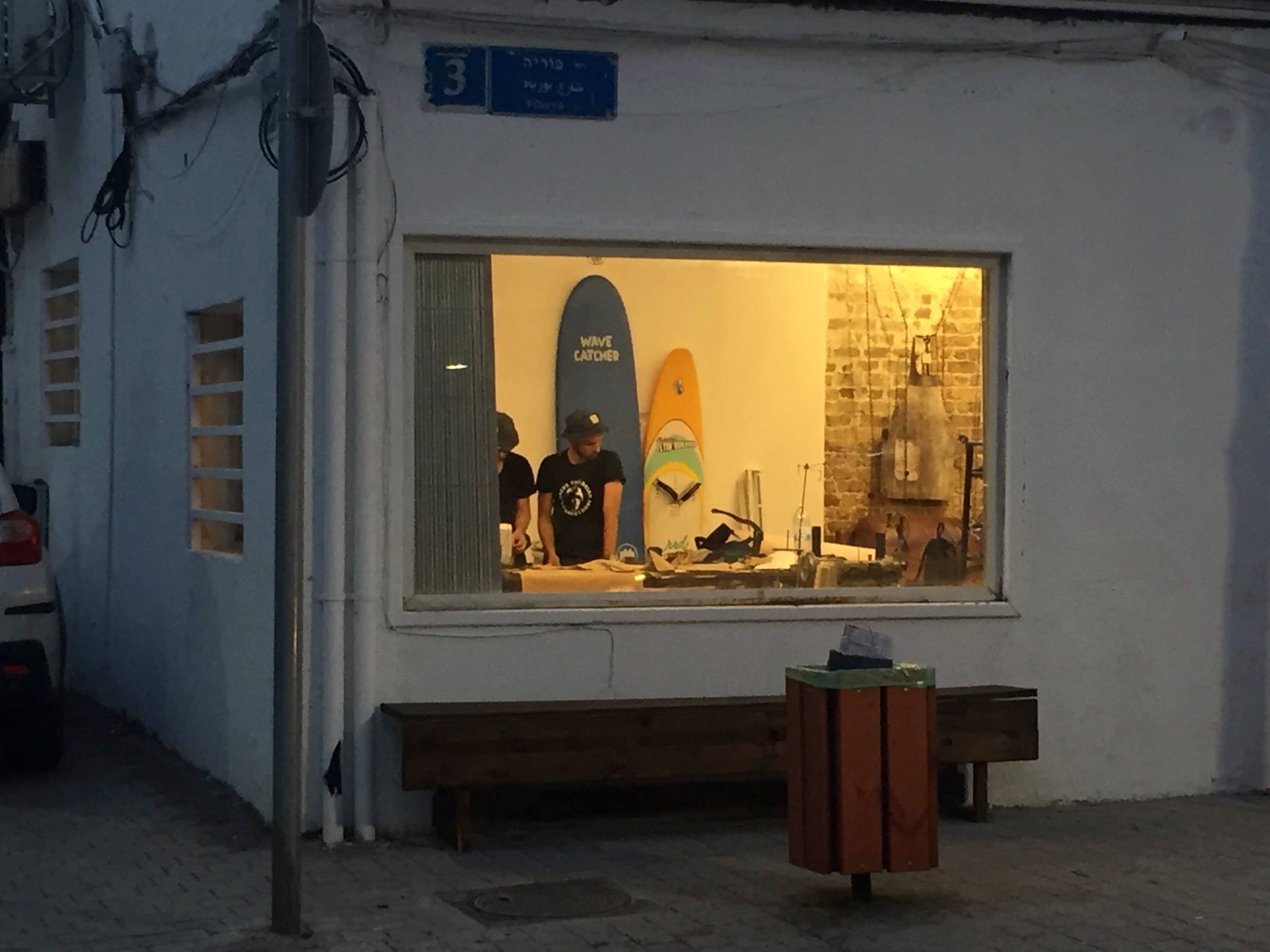
I stumbled across them on one of my early evening walks around the Tel Aviv neighborhood of Jaffa, around the hipster neighborhood of Noga Theatre in Jaffa. At street level I spotted a couple of young and attractive men working away on sewing machines, with surfboards and vintage items stacked in the backdrop. Of course, I had to go in! and there I met the brothers, from the Ukraine, who are giving all their skills to raise a new boutique brand of hand-made called Havie, which to them means “to have”. I just adore handmade goods, especially when they use upcycled materials. But not as a reason to use the materials, but in finding a method to give the old a dignified and even better than previous existence.
“We are building our brand on a foundation that celebrates quality, craftsmanship, and tradition at every stage from raw material to finished product. Our goals are simple; to envision, design, and create in-house and by hand, beautiful pieces,” is their statement.
With backgrounds in finance, then design and inspired by the military and being authentic, the brand was created in the mornings and evenings during day jobs and now all their products are sewn, cut and stitched by hand in their Tel Aviv studio. Some on their sewing machine they call Monika.
“We love how our brand is growing and evolving. To us, our goods express everything we value. We are well aware that the way we work is not the most efficient, and certainly not very cost effective, but we are sure that we have sacrificed nothing of our vision.”
Sourcing raw materials is one of the challenges and joy. The brothers look for old army gear, uniforms, tents and duffel bags –- all which then get upcycled into new products you can love.
Maybe you’ll find someone’s initials handwritten on an old army tent or you’ll decipher a hidden message scribbled down on some canvas 50 years ago. Maybe it’s in Hebrew, Arabic or English – left by British soldiers back in the day? All of the Holy Land is a code waiting to be deciphered. Havie makes us think of the lives and the adventures that these objects in their first incarnation went through.
“We’re not saving lives here, we’re just making bags, but sometimes when a new style is created we have a moment when we feel like we’re saving our own. We want to applaud everyone else who’s working to do the same, because quite simply – it’s hard!”
It seems like every year there is some sort of garbage crisis in Lebanon, where landfill sites from cities spill into the Mediterranean Sea. A new movement, called #BalaPlastic mains to take aim at plastic, but to help fight against the problem of waste in general. While it seems like baby steps, look to any household garbage now in the Middle East. Bottles and bottles and plastic bags upon plastic bags. #BalaPlastic’s aim is to convince people to shy away from single-use plastic products like water bottles, cups, cutlery, and straws.
In Lebanon, only an estimated 10% of its garbage gets recycled. Alternatives?
Don’t buy bottled water. Make more real food, and eat less frozen, packaged junk. Bring your own bags to the store. Shop at a local greengrocer who doesn’t wrap veggies and fruit in easy to consume plastic coverings.
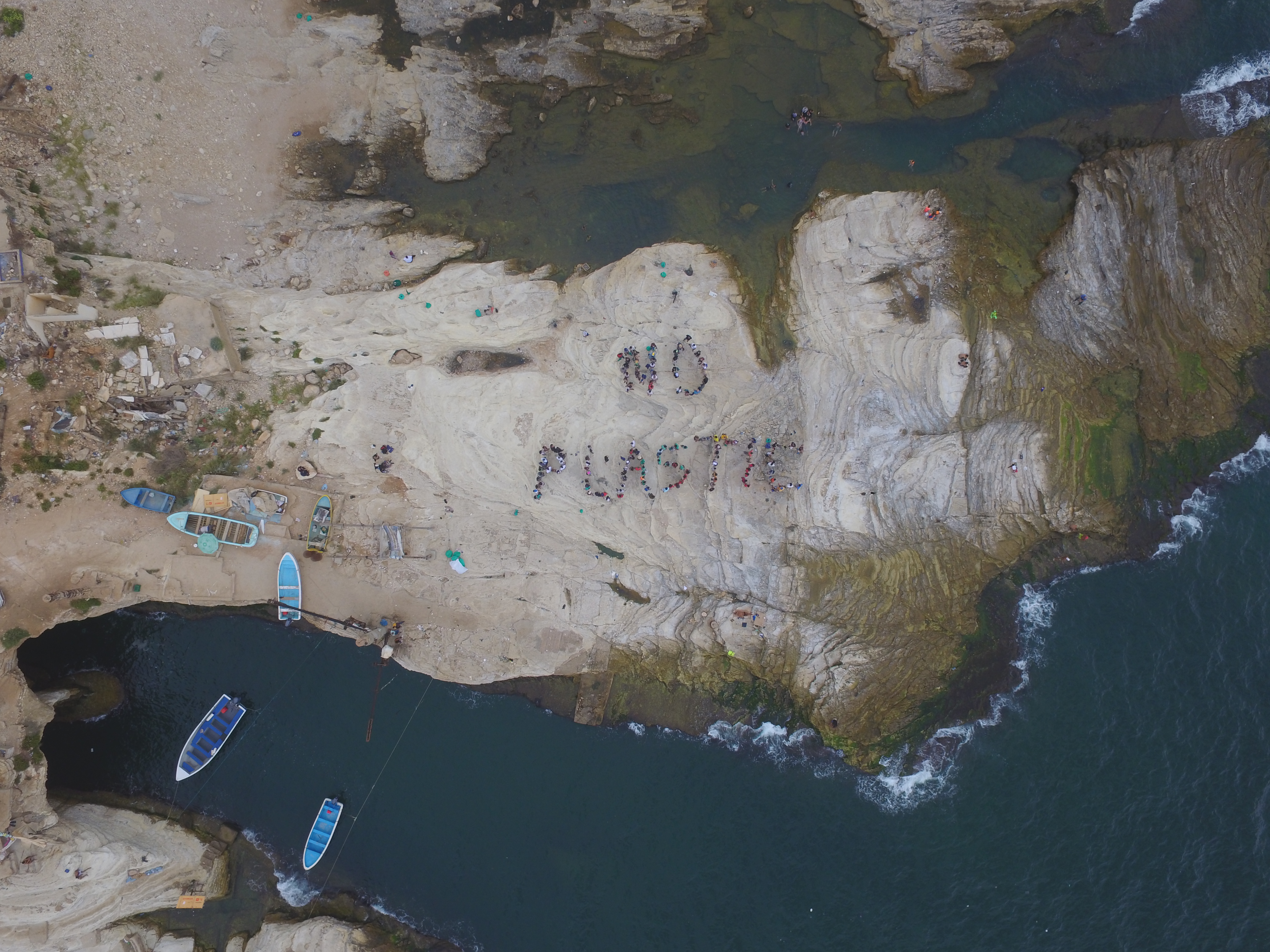
Actions that give local Lebanese hope are Greenpeace’s ship the Rainbow Warrior, which is travelling the Mediterranean Sea to countries like Greece, Italy and Spain to raise awareness on single use plastic. This plastic junk is impacting the future we all share. This report shows how terrible it all is. Thankfully organizations like Recycle Lebanon organize beach cleanups. See the gorgeous image taken from their last one in August from the Raouche Dalieh beach.
The group plans on growing bigger to is to make this the biggest ever beach clean up in Lebanon, with lots of NGOs, groups and individuals participating in cleaning up the beach and sorting out the plastic. Stay on top of what’s happening with plastics and Lebanon via Recycle Lebanon.
A handsome couple built a life together. The mortgage loan was approved for the beautiful four-bedroom home sitting across from a small park abutted by a pond. Together, the couple spend time decorating the house and yard. Initially, after moving into the place, the plan was to have children within the year, as the baby’s room has been decorated. That was almost three years ago, and still the marriage has not borne children. Not quite at the point of panicking or pointing fingers, both husband and wife are anxious about not being prolific. However, they are anxious to the point of actually considering artificial methods of conception. This scenario is a common one that many who want children face. However, before trying artificial insemination, couples can try to get pregnant naturally.
Getting pregnant naturally is a better option for a few reasons. For one, natural conception is not as costly and can be done by simply tracking the woman’s biological cycle during the month. Other interventions like artificial insemination or surrogate parenthood can be extremely expensive for young couples who crave being parents. Some couples prefer to get pregnant through natural methods because of religious or moral beliefs that run contrary to artificial methods of conceiving. Additionally, artificial methods of conceiving might conflict with health issues of the mother. People choose natural methods of conception for a myriad of reasons.
Couples desiring to conceive naturally can take a three-pronged approach to conceiving, which involves monitoring the woman’s monthly cycle, monitoring her nutrition, and getting moderate exercise.
Knowing when
Monitoring the woman’s monthly cycle is to guarantee sexual intercourse takes place during ovulation. The most common methods of doing this is through the fertility awareness method or the natural family planning (NPF) methods. These methods require the mother monitor her cycle for a month from the beginning of the cycle until the end. Most monthly cycles are anywhere between 28 and 32 days. The most opportune time for conception is between days 11-21 of the entire cycle.
A second way to determine the best time for conception is to pay close attention to cervical mucus discharge. As it becomes closer to the time of ovulation, this mucus becomes slippery, wetter, and more stretchy. Women can also check their basal body temperature with a thermometer to determine the best time to have sex, as it is higher after ovulation.
Age is another factor to consider, as fertility declines rapidly from the age of 36. If you have any concerns about your fertility then then the first step in pregnancy planning for you should be to get a fertility test.
Nutrition
Women who are trying to conceive should eat foods high in folate. Research has shown pregnant women who eat foods rich in folate reduce the incidence of neural tube birth defects in their children, and it is especially important during the period directly following conception, when women often are not even aware that they have become pregnant.
Women want to take in anywhere between 400 mcg and 800 mcg of folate a day. Foods rich in folate include dark green, leafy vegetables, asparagus, broccoli, citrus fruits, beans, peas and lentils, avocado, okra, seeds and nuts, cauliflower, beets, corn, celery, carrots, and squash. Women should also eat complex carbohydrates such as grains and fruits; protein; fatty acids like mackerel, salmon, seeds and nuts; and whole milk. Vitamins B6, C, and E benefit both men and women, and the element zinc enhances fertility. Check out some here.
Foods to avoid include: caffeine which has a negative effect on fertility, processed foods that contain preservatives and hormones, red meat, and soy which has been connected to low sperm count.
Exercise
Moderate exercise like yoga can help strengthen the body, in addition to helping to regulate the woman’s monthly cycle.
Women can prepare by beginning to monitor their own monthly cycle in addition to watching their diet and moderately exercising. Other factors that can help a woman conceive naturally include getting adequate, quality sleep and using progesterone creams during the latter part of ovulation (days 16-28) to help balance hormonal levels which are key to conception.
Conceiving can be frustrating, especially when waiting for months to conceive. Before considering alternative methods of conception, couples can monitor the woman’s cycle to determine the best time to have intercourse, and then ultimately conceive. Of course, this requires patience and planning, but in the end, the pregnancy and the impending birth of the child will help to complete a life built together.
Do you want to do your bit for the environment by making your healthcare organization more environmentally friendly? Hospitals, dental practices, healthcare businesses, and a wide range of other healthcare-related organizations have been guilty of wasting huge amounts of natural resources over the years, but this is a trend that is starting to change. Below are some of the ways you can begin to make your healthcare organization a more environmentally friendly place to work in.
Use Less Natural Resources to Improve Your Skills and the Skills of Your Healthcare Employees
Most healthcare organizations are progressive and want their employees to keep learning new things. However, the traditional methods of learning can affect the environment in many different ways. For instance, healthcare students have to travel to and from the college or university they are attending, which leads to more gas consumption and emissions. They also use more natural resources, such as paper.
However, there is a greener solution to this problem. A wide range of reputable colleges and universities, such as George Washington University offer online healthcare courses like their healthcare MBA program. This healthcare MBA online course can be completed from any location and the digital nature of these courses means there is very little need for books, manuals, and other paper-based items.
Use Less Water
Millions of gallons of water are wasted every year in healthcare buildings and businesses throughout the country. A large percentage of this water could be saved and put to better use if the leading figures in these organizations take the appropriate action. Examples of ways you can conserve more water in a healthcare organization include adding more efficient cleaning facilities such as showers, toilets that use less water, and regular maintenance of any features that hold or supply water.
Paper Disposal and Paperless Offices
Huge quantities of paper and cardboard products are used in modern healthcare organizations. Much of this paper is not really needed and is also wasted. A clear policy on how to dispose of paper in a more appropriate manner needs to be introduced in every healthcare organization. Some healthcare leaders are going one step further by creating paperless offices where it’s practical to do so.
Buy Products That Are Produced Locally
Unfortunately, many healthcare organizations ignore local businesses and don’t purchase items, such as food from these local providers. This means the supplies that are delivered to many healthcare organizations, such as hospitals, have to be shipped in from other states, countries, and continents.
The further these items are shipped, the more adverse effects this process has on the environment. Where possible, you should look for local alternatives, even if the products you buy are a little more expensive.
The health of our planet should be just as much a priority for healthcare leaders as the health of their patients. It’s not too late to make the necessary changes listed above, which can make a huge difference as more healthcare organizations adopt them.
More business leaders than ever are realizing that they can have a huge influence on our environment. The way the leading figures in any business act often mirrors the way their business and their employees act too. How you study and complete a business-related course such as an MBA will allow you to do your bit for the environment. The following are some of the ways a business leader can help the environment by studying for an online business course.
There is Less Travel Involved When You Take an Online Course
When you enroll in an advanced business course, such as an online MBA degree, it’s possible to complete this course without ever attending a class or a lecture in person. Courses like a masters in business administration online program take many months to complete, which means you avoid spending hundreds of hours driving to and from your college or university in your car, which reduces emissions that can affect the environment.
You Use Less Paper, Cardboard, and Other Physical Items
The digital nature of online courses means there is less need for paper while you study. Most of the books, guides, and other learning materials used in an online course are usually produced in video, audio or digital text format, which means there’s no need to have any physical items that could be using up many natural resources.
You Produce Less Waste
When a student attends a traditional college or university, they need to buy food, drink, and other items each day. Many of these items come in packaging that then needs to be discarded, which can increase the amount of waste a student produces while they are studying. However, when you study for an online business qualification, this aspect of your life should not change too much and you should not be creating and discarding as much waste as you would if you were in a traditional college setting.
You Can Combine Your Studies with Work and Home Life
If you decide to study online at home or at work, the amount of electricity, light, heat, and water you use should not increase too much. This is not the case if you decide to take a traditional course, where more resources and energy will be consumed.
You Set a Good Example for Others in Your Organization
As a leading figure in your organization, you need to be the one who sets a good example for everyone else in your organization. If you have had a good experience studying for an online business qualification and you think others could benefit, you should encourage your employees to do the same thing. This encouragement can lead to even more people helping the planet by using fewer resources while they study.
There are many good financial reasons why business leaders should take an online business course. However, this method of studying and developing your business skills can also help the environment in each of the ways mentioned above.
Following US president Donald Trump’s announcement that his country will pull out of the Paris climate change agreement, scientists and governments the world over have been wondering if agreed goals of reduced world temperatures are now attainable. This apprehension is particularly high in the Middle East, where summertime temperatures in countries like Iraq now surpass 50 degrees Celsius; and crazy heat domes in the Arabian Gulf region will mean no one can live there by 2100.
An August 7 New York Times article referred to a recent scientific report, warning that global temperatures have been rising steadily since the 1980’s; and that Americans are “feeling the effects of climate change right now” .The report, compiled by scientists from 13 federal agencies appears to be contrary to opinions stated by both President Trump and members of his cabinet, including the Environment Secretary, Scott Pruitt. Pruitt, formerly the Oklahoma Attorney General, is himself an advocate of fossil fuels as a major energy source. A draft of the report, says that “evidence for a changing climate abounds, from the top of the atmosphere to the depths of the oceans”.
The report, which was endorsed by some of America’s top scientific entities, including the National Academy of Science, notes that even a small increase in global temperatures will make a big difference in global climate. A difference in global temperatures of between 1.5 and 2 degress Celcius can result in more intense heat waves, more violent storms; and further destruction of coral reefs (vital to preservation of ocean marine life).
While the report said that linking prolonged droughts in parts of the USA are still difficult to link to human influence, it did indicate that “more then half the global temperature increase since 1951 can be linked to human causes. This “human influence” may now be what is causing such phenomenoms as the above mentioned “crazy heat domes” in the Middle East.
Scientists who were involved in compiling data for the report are now afraid that the Trump Administration may either try to alter the findings of the report or keep them under wraps altogether. This is especially true when issues of national security seem to be now drawing most of the attention in the White House. If the report is not taken seriously by President Trump and his cabinet, it will only be a matter of time before issues of climate change will become those of national security as well.
More articles on climate change and its impact worldwide
New tech hitting the British market next month could be a game-changer in the behaviors behind Western food waste. FridgeCam is a wireless camera from UK smart kitchen company Smarter that you stick inside your fridge. It takes in-fridge snapshots every time you close the door, allowing users to check their food stock in real time. The system can help households slash food waste by nipping overpurchasing and encouraging timely use of what’s already been bought.
Pressure on women to marry young is not unique to the Middle East, but in this region, once a woman turns 25 she is commonly considered past her sell-by date. A Saudi woman defied peer pressure by publicly celebrating her singleness, and – with her story spiraling on social media – her online exposure may just get her hitched.
Denver Union Station, July 9, 2014. Photo by Ellen Jaskol
I had 4 days in Denver for work mainly, but some fun too, and I wanted to experience the pulse of the city. I strive for authentic experiences in every new city I visit and while AirBnB can be a great option to meet locals, sometimes you want your privacy and not risk the unknowns by staying at another’s private house. What is it that makes any city magical? What are its people made from? Some of these things you can only feel.
It was my first time in Denver after being in Aspen for a week and I wanted to get to the pulse of the city. I found that The Crawford Hotel built out of the city’s old Union Station is the best way to stay in a hotel, yet feel part of the city.
A short half hour train ride from the airport, The Crawford is in the center of it all. But it’s in no way typical, presenting itself as a boutique hotel, with rare corners, unique art and staircases, and people all around you. Because let’s face it, how many times have you been in a hotel in any-city and feel that you are anywhere and nowhere? Not The Crawford.
Get off the train at the end of the line to Denver and in 20 steps you are walking through the front door of the old station. Walk to the left, past a cafe and old tables and benches, and you reach the “lobby” a small outpost that modestly shields the staff from the bustle of a revived old train station, now a cultural hub connecting people from all walks of life, locals and tourists, to local beer, local coffee and local merchandise.
I was drawn to a few things. First was the beehive that the hotel keeps on the roof. It says something about management, about their values, that they would invest time in keeping bees. The hotel gave us a personal tour, along with showing us the inside of the roof and the large clock, and we loved every second of it.
John-Mark, the operations director for the hotel told me that “bees are vegan lovers who love to cuddle in the winter,” and that getting stung is a “cosmic inevitability” when you work with them. I felt at home in body and spirit.
I also really loved that the lobby of the hotel is a meeting space for all kinds of people. Newcomers like me, city folk coming to grab a bite at a favorite and long-lined diner (order reservation a day in advance at least); we met rich folk, homeless folk, and in general just a good healthy vibe. Hearts connected. But it’s not too busy, not too quiet.
I also appreciated all the small things in the loft room I stayed in: the coffee machine, the chocolate, the slippers and robe brought out at night, and all the shampoos and creams in the shower and bathroom. Everything smelled fresh, not synthetic, unique but not wild, natural and refreshing.
When it comes to getting around, the hotel offers an electric car shuttle within a 2-mile radius, but anything I wanted to do, like dine at Kimbal Musk’s The Kitchen restaurant, was just a short and happy walk away. With great weather outside, street music and festivals hitting the city when I was there, like the Little People of America, Denver has a feeling of a new city becoming something great, still defining itself. The Crawford fits perfectly into this impression or vision, offering you a sweet taste and gateway into that newness.
The hotel declares: “Our luxury Denver hotel accommodations are designed to give guests everything they need and nothing they don’t.”
When you go on a vacation, and hopefully it will be one that treads light on this planet, be sure to have a credit card at hand to pay for your purchases in an easy and fast way. Gold coins are definitely in the past and carrying around traveller’s checks or cash isn’t safe.
Of course, you may plan your budget and take cash with you, but it is quite difficult to calculate all your expenses for your trip beforehand. In this case, a credit card will become a heaven-sent opportunity for you. No matter what country you go to and how many days you are going to stay there, we strongly advise you to have a plastic in your wallet. Note that far from every credit card is good to be used in a travel, and there is a range of criteria you are to consider when deciding what plastic to take with you on a trip.
Selecting a travel credit card proposed by effectify financial service it is necessary to take into account the following things:
ATM bank fee – to assure no extra commission in charged from your banking account, check its service policies. It is also important to specify how much the bank will charge for withdrawal of money in a different country. Commissions vary for one bank to another and may be in a form of a certain percentage or a predefined amount.
Bank partnership programs – your bank may have some “partner” banks in a country of your destination. They will charge less. Therefore, it is advised to specify what these banks are.
Discount programs – all the banks offer different discount programs to their clients. For example, you can get some points or a gift for paying with a credit card in a shop. Some airlines offer great discounts on air tickets purchased with a specific type of a credit card. So if you want to save money, check all these promotions and discount programs beforehand.
Currency exchange rate – if you are going to a country with a currency different from yours, it is necessary to think about currency change rate. The thing is that you risk losing a lot of money on a simple currency change transaction.
According to the Huffington post statistics, a total of 66,960,943 Americans traveled outside the country in 2016. And one of the popular destinations was Europe, with almost 12 thousand Americans heading to the U.K., Spain, Portugal, Italy, and Denmark. These numbers again prove how much it is important to plan the financial factor of your trip to avoid unnecessary expenses and charges.
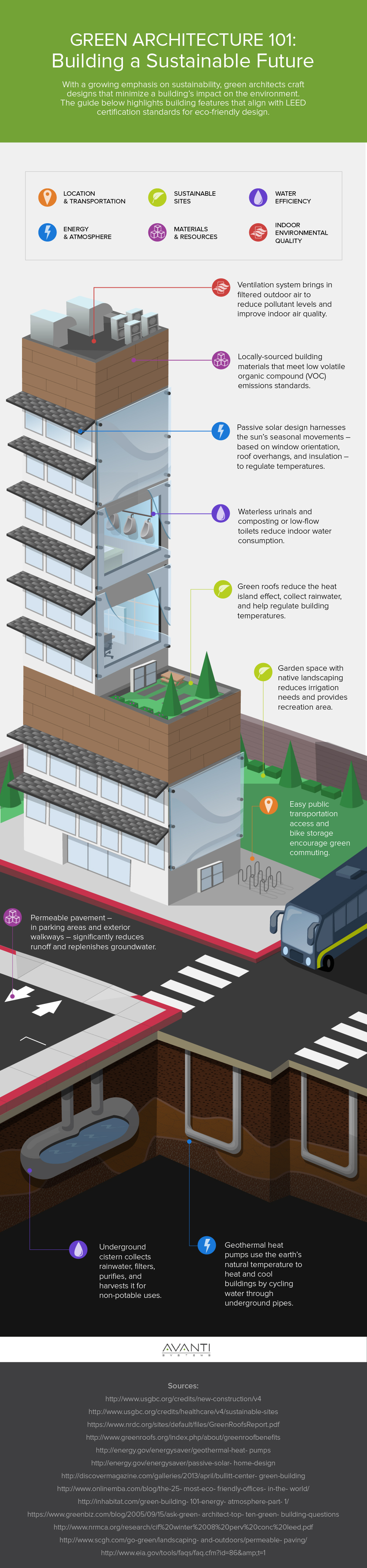
Many people want to make a difference by designing homes of the future more in tune with the planet. This infographic offers a clear breakdown for architects on of ways you can build homes of the future so they are more in tune with the needs of Mother Nature.
We have all seen numerous mails and social media posts campaigning against the extensive cutting of trees for paper. While most of us take this as a joke and wish to ban exams at the thought of it, there is something more serious in the picture. Books and exams are an integral portion of every human’s life. We are what we know and hence the importance of books cannot be undermined.
The environment is getting destroyed with each of our actions. While bringing about a collective movement may seem tough, we can all do our bit for the environment. Fourteen years of education equips each of us with a tone of books. What do we usually decide to do with it? Stack them in a corner and then seldom look at them again. They become the breeding house for bacteria and fungus of all sorts. Not only are we breeding a home ground for infections but also saying no to a major environmental transformation.
If you want to do your bit for the environment and are wondering how to do it, your search ends here. Here we have a list of ways in which you can say an eco friendly goodbye to your books.
Recycle your books: Recycled paper can be used to make all sorts of things. From being used to make clothes, an easier alternative is using them to create more paper. This is a wonderful way to work in opposition of cutting trees to make paper. Every city today has recycling mills that are looking for book donors. You can easily reach out to them and say an eternal goodbye to your books. Not only will it be better than stacking them but also ensure they are being put to good use.
Sell books online: This is another great way to put your books to use and earn some money. Booksrun.com is an amazing online platform that allows you to sell your books online. The entire process is extremely simple and hassle free and should be given a serious thought. The books are reused by the website in various ways. They are open to accepting books across domains and subjects. Be it your child’s kindergarten books or course books from your masters course, there’s place for everything on the website.
Giving away books to charity: How many times have we tried to bring about a change in the society but failed because we lacked direction? Here’s a chance for you to undo your actions. You can contribute by funding a child’s education with your old books. Not only will this give you a good sense of reality but definitely bring a fairytale ending to your old books.
If you have a huge stack of books and are indecisive as to what to do with them, here are a few eco-friendly tips. A tree saved is a tree planted. Go ahead and do your bit for the environment by putting your old books to great use.
When hightech startups are created they are not usually done to create societal impact, but when they are willing can have a great impact in unforeseen ways. In an effort to reduce the staggering number of wild animals that are run over on Israel’s roads every year, The Society for the Protection of Nature in Israel (SPNI) joined forces with Waze towards the end of 2016 to encourage drivers to report roadkill incidents via the popular community-based traffic and navigation app.
Over the last six months, SPNI has compiled the data from more than 12,000 user-generated reports and utilized this information to develop a map detailing which Israeli roadways are most dangerous to the country’s wild animals.
After filtering out urban roads and streets that pass through built-up areas, SPNI has determined that Route 2, the coastal highway from Tel Aviv to Haifa, and Route 6, the trans-Israel highway, have the highest number of roadkill incidents with more than 700 reported sightings each. Some of this roadkill can include much loved pets, like cats and dogs.
“We are currently studying the data from several areas where unusually high levels of roadkill have been observed, and we are examining roads that cross authorized ecological corridors, such as Route number 70/75, east of the Carmel Mountain,” said Shmulik Yedvab, Director of SPNI’s Mammals Center.
“The information streaming in from Waze users is an invaluable resource throughout this process and it illustrates the severity of the problem of wildlife run-overs.”
Over the last several years, the increasing awareness regarding the difficulty and risks roads pose to wild animals led planners to build special passages for animals when constructing new roads or expanding and upgrading old roads, but there are still no solutions on many of the roads now determined to be Israel’s most dangerous for wildlife and escaped or homeless cats and dogs. It is for this reason that SPNI’s campaign with Waze continues to be so crucial for wildlife conservation.
“We call on the public to increase its cooperation with this project and provide SPNI with the additional data required to assist us in formulating the optimal action plan towards reducing roadkill and saving Israel’s wildlife,” added Yedvab.
The public can ensure the continued success of this important campaign by being vigilant about reporting roadkill and encouraging their friends to do the same. And of course by keeping pets like cats and dogs on a leash when out hiking. After clicking the circular orange report icon within the Waze app, users should select the yellow triangular “Hazard” symbol, followed by “On road” and “Roadkill.”
The accumulated data collected by SPNI thus far was presented for the first time at a session of the Knesset Science Committee on June 20, headed by MK Uri Maklev. Initiated by SPNI, the session focused on the subject of using technological tools and methods to assist nature preservation activities and safeguard the environment and Israeli nature.
International Water Symposium, January 2016; .9993 % purity rating
If you can provide the energy required to light one 100-watt light bulb for a day, you can generate 3 litres of water from the air in most locales around the world: that’s the promise of Drinkable Air, Inc. Based in South Florida, the company builds a series of scalable water-from-air machines that take air anywhere and convert it into drinkable water.
This is a much-needed alternative to massive energy- and capital-intensive desalination systems that require access to the sea. Drinkable Air is welcomed in communities in the Middle East where water is scarce, by rural music festival organizers with water needs for specific events, and even by regional utility companies looking to shift power demand to off-peak hours.
Michael Bourgon at Mohammed Bin Rashid Space Centre, Dubai, UAE
There is water everywhere waiting to be harvested, says Michael Bourgon of Drinkable Air, based in Toronto. “Do you know that there are quadrillions of litres of water sitting in the air at any one time? Water is a gas. There is always humidity and there is always some water in the air. Our trick is to turn that gas into a liquid,” Michael explains. “We need to cool it, which is just what happens when it rains.
How it works
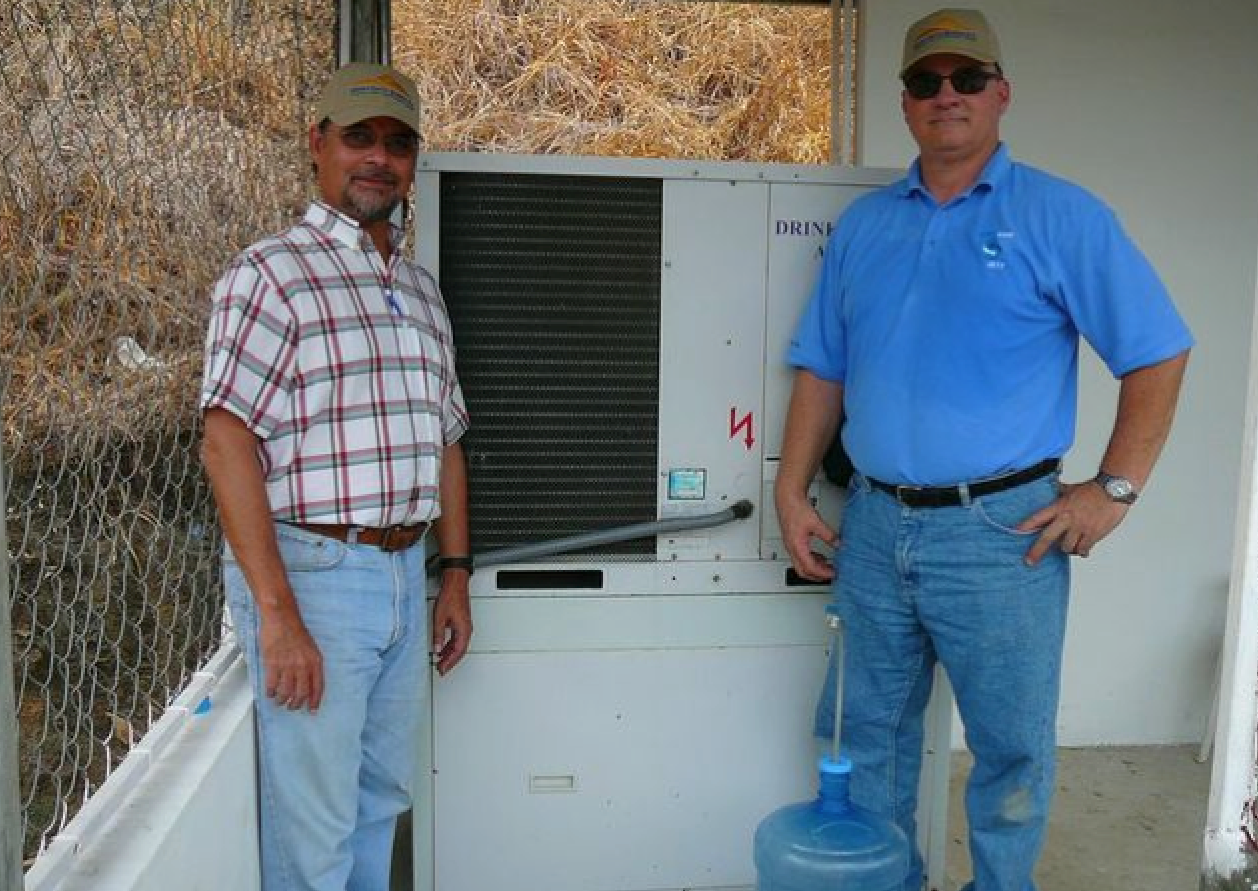
Drinkable Air in Panama
In the same way rain is made, Drinkable Air’s water generators pump air onto a cold surface called a condenser, which then turns it into liquid droplets inside the machine, the way a dehumidifier works. Next, Drinkable Air machines clean the water and enrich it with needed minerals for human consumption. And voila – fresh water.
Water, like oxygen, is a basic necessity we hardly consider in most regions in the United States and Canada, but when you live in the Middle East, North Africa, or Asia, it can be more precious than oil. Lack of water is why there are currently four major ongoing famines on the African continent. It is also the reason why conflict areas like Syria and Iraq are so hostile.
Of course, fossil-fuel rich countries like Saudi Arabia, Qatar and the United Arab Emirates can turn energy into water through desalination. But when desalination is not feasible, Drinkable Air can fill the void.
“Our main goal is to quench thirst,” says Michael. “We are also motivated to provide a commercial product that will solve big issues in the world.”
Drinkable Air products are currently installed in 38 countries around the globe, including the Middle East, Gulf Cooperating Countries (GCC), Africa, and Asia.
With Sky News Arabia WETEX, Dubai, October 2016Custom sizes for any needs
The Drinkable Air systems are designed to produce as little as 10 litres a day (hotel room use) to ones that can generate thousands of litres of water a day – suitable for a village or industrial plant.
The smallest size unit the Chameleon 4 was first commissioned by the director of the Rotana Hotels in Abu Dhabi who wanted a solution that would cut down on plastic consumption. The same type of system is getting a lot of attention in India, where municipal water will never be clean in some people’s lifetimes, says Michael.
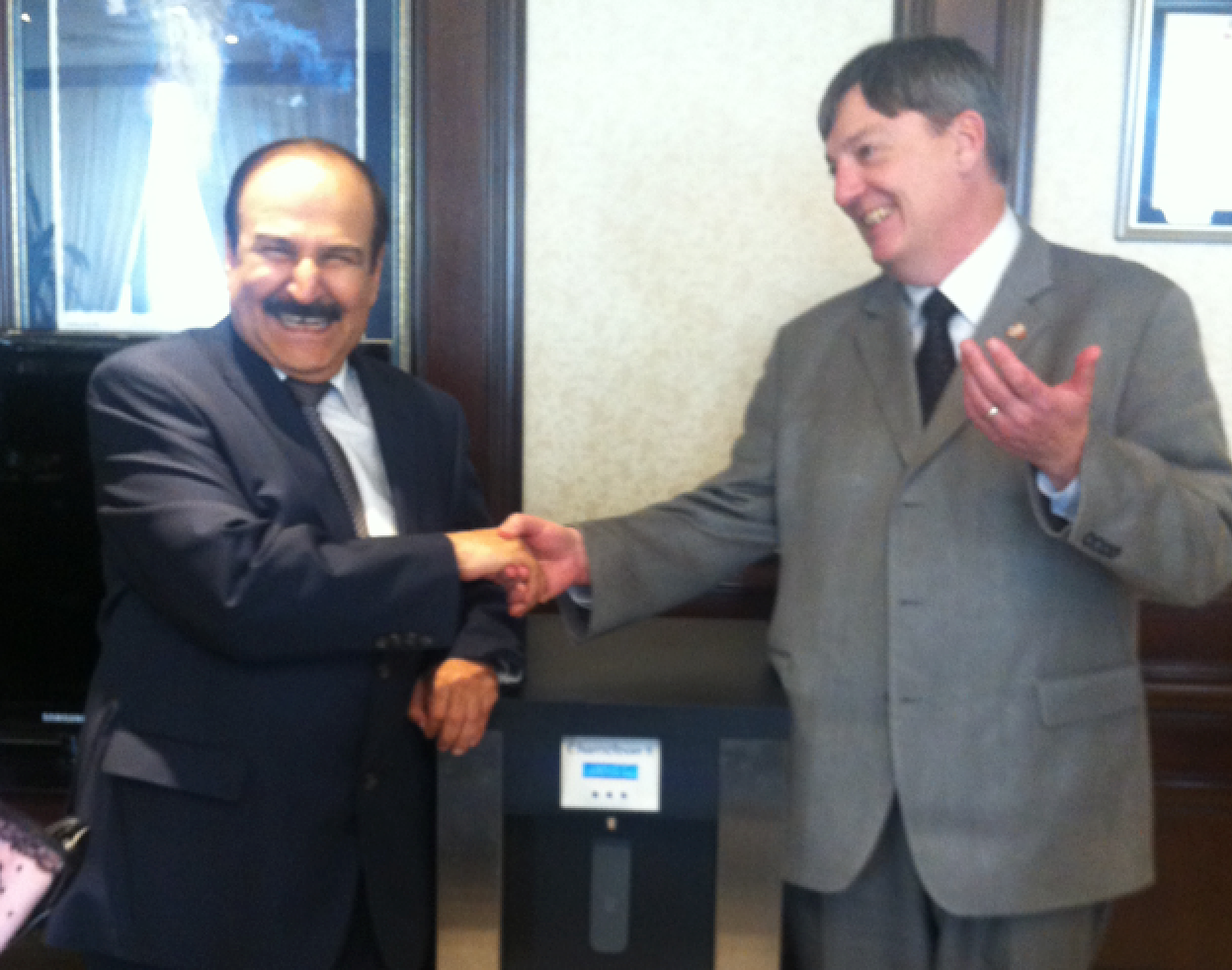
Bahrain with HE Dr. Abdul Hussain Ali Mirza, Minister of Electricity and Water Affairs
Money Savings
To do the basic math, in most cases it costs but 1/8 of a kilowatt-hour for every liter of water produced. In a first world country that’s about 3 cents per litre of drinkable water.
“Apart from the money saved on the water itself,” the reduction in packaging is a significant savings as well – about three liters of water are used to make a half liter bottle,” says Michael.
He notes, that money saved on water is equal to the cost per liter, CAPEX, spare parts and power is about thirteen cents US a litre; which compares that to a 250 ml bottle of Dasani water at $2 US, the cost per litre is $8 US.
One Satisfied Customer
Amy Lee Grant, the American singer married to country singer-songwriter Vince Gill, is a happy customer. Every summer Grant invites dozens of campers, summer staff, and volunteers to come together at Barefoot Republic Camp, representing 40 different ethnicities to her 450-acre farm in Nashville. The natural well water is contaminated with sulphur and one and all rely on Drinkable Air produced water to meet their needs.
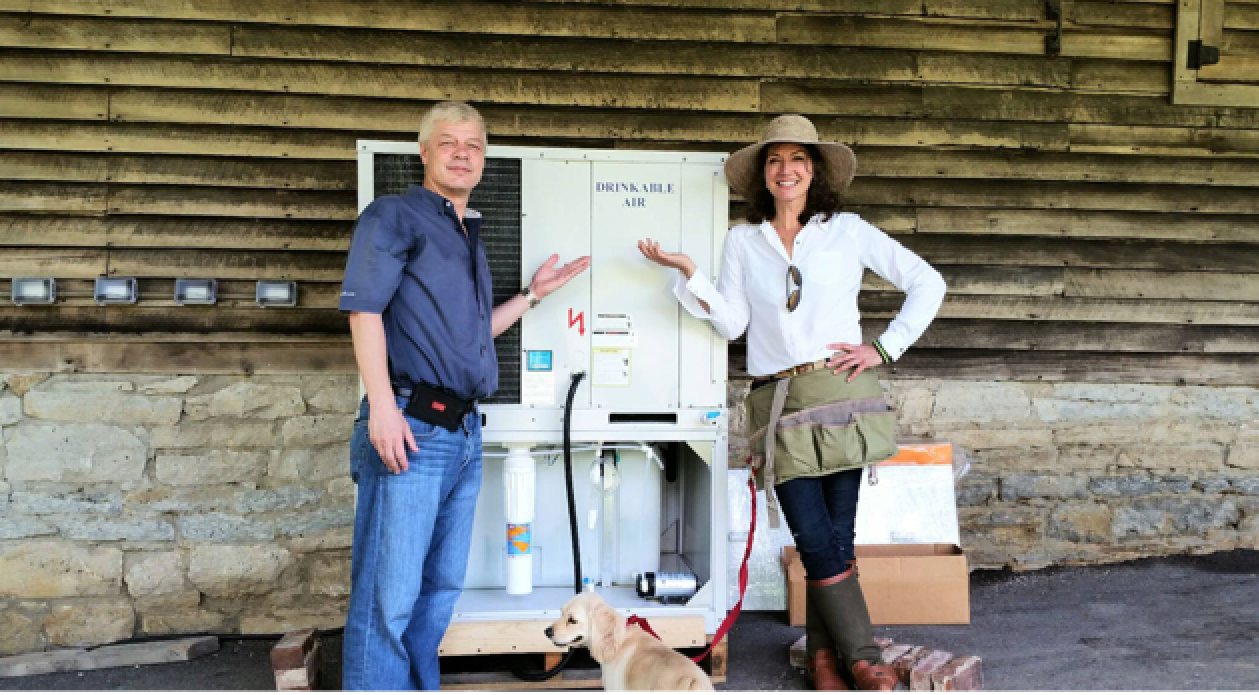
Jeff Szur (Drinkable Air Sales VP) and Amy Grant at Barefoot Republic Farm with Chameleon 60 unit.
Green Key
Drinkable Air recently announced the corporate partnership of Green Key Global and Drinkable Air, Inc. Green Key participants in the hospitality industry are present in more than 50 countries around the world, with 2,600 establishments in Europe, Middle East, Africa, Indian Ocean Islands, East Asia, Mexico and the Caribbean. The numbers continue to grow each year. Significant partners include the Starwood and Carlson hotel groups.
Green Key is awarded based on a standard set of international minimum criteria, and based on a standardised application and award process. The new Green Key criteria 2016-2020 are recognised by the Global Sustainable Tourism Council.
Demand Response for Power
Drinkable Air is also working on water production programs with major US power utilities using demand response processes.
Many jurisdictions around the world are utilizing demand response programs. Demand response (DR) essentially encourages a consumer to use power when it is most available (weekends, nights) and rewards the consumer for their co-operation in voluntary rationing (reduced tariffs, rebates, optimized product offerings).
Drinkable Air’s products produce the most water between dusk and dawn. They use the most power when making water (compressor and condenser operational) and little power when cooling, purifying and dispensing water.
The plan is simple: deploy units in an urban environment and remotely control (via the internet) the water making function, turning it ‘on’ when power is most abundant and cheapest and the machine is most efficient.
Consumer benefits include being able to drink the best water in the world, enjoying a reduction in cost for that potable water in the home, the convenience of not having to lug around jugs or bottles of water, no more need for expensive water purifier applications, and contributing to the environment by reducing the use of plastic and municipal resources.
“The end-user enjoys a better tasting and higher quality product, with no need to waste plastic bottles,” says Michael.
But we can’t help wondering – with all that water coming out of the air, can the local climate be changed near a Drinkable Air system?
Nope: “Nature abhors a vacuum,” says Michael. “The amount of water you are removing, even if you multiply by thousands, nature will take care of, and fill in the vacuum right away. Nothing to worry about.”