Home Blog Page 169

Bayer-Monsanto Agrees to $10B Settlement With Victims Poisoned by Roundup Weedkiller

Arab Farmer, Gaza farming, organic food, Gaza City, politics, poverty, food security, agriculture
Farmers, consumers, home gardeners are exposed to cancer-causing Roundup.

In a settlement reached this past June, Bayer AG agreed to pay $10 billion over claims its signature herbicide Roundup causes cancer in people, according to a report by Reuters.

The $10 billion settlement will be apportioned to four leading plaintiffs’ law firms, who will in turn distribute the money to nearly 100,000 clients who were stricken with cancer after prolonged use of the toxic weedkiller.

The German company acquired the St. Louis-based agrochemical giant Monsanto in 2018 for $63 billion, and inherited liability in thousands of lawsuits filed by people who claim exposure to Roundup and its main ingredient glyphosate was the cause of their cancer.

EWG President Ken Cook made this statement on the settlement:

Today’s settlement is vindication for all those who have fallen ill with cancer as a result of being exposed to this chemical. No amount of money can reverse the damage Bayer-Monsanto has inflicted on these victims and countless others, but because of their and their attorneys’ tireless fight for justice, the company that exposed them is now paying a heavy price for its duplicitous deception.

The most damning revelations in this case uncovered, through the company’s own internal documents, the extent to which Monsanto-Bayer recognized early on the risk of cancer and other health problems posed by glyphosate and its commercial formulations. Monsanto-Bayer aggressively conspired for decades to withhold or lie about the evidence to the public and to regulators, while relentlessly attacking scientists and organizations that sought to tell the truth about the company’s products.

This damning information only became public because plaintiff’s lawyers pried it out of the company in court and made it public. That coverup killed the company’s integrity as systemically as its chemicals kill plants. Monsanto-Bayer’s dissembling for profit at the expense of public health is a permanent stain on its reputation. Nothing in this settlement amends the conclusion that this is a company that simply cannot be trusted.

Glyphosate, the most widely used herbicide in the world, was classified in 2015 by the International Agency for Research on Cancer as “probably carcinogenic” to people. In 2017, glyphosate was also listed by the California Office of Environmental Health Hazard Assessment as a chemical known to the state to cause cancer.

Glyphosate is mostly applied to corn, soybean and wheat crops, but is increasingly sprayed just before harvest on oats, chickpeas and other crops as a drying agent, or desiccant, to speed the harvest. The pre-harvest use is why many oat-based cereals are contaminated with glyphosate.

Three separate rounds of laboratory tests commissioned by EWG in 2018 and 2019 found glyphosate in nearly every sample of popular oat-based cereals and other foods marketed to children. The contaminated brands included cereals and breakfast bars made by General Mills and Quaker.

A new EWG testing report, coming next month, will show glyphosate contamination widespread in hummus and chickpeas.

Besides its use in agriculture, millions of Americans spray Roundup on their yards and gardens – a main source of exposure for those who were sickened and sued Bayer-Monsanto. The product was marketed until last year by Scotts, the same company that sells Miracle-Gro. Four people in California have already won their cases in jury trials, including Dewayne Johnson, a Bay Area school groundskeeper.

“Even as we celebrate and congratulate those who made this day possible, millions of people are being exposed to glyphosate through the food they eat, working as groundskeepers or farmworkers, or gardening at home,” Cook said.

“Bayer-Monsanto must be held accountable beyond today’s settlement. The Food and Drug Administration must immediately eliminate its use as a pre-harvest desiccant, and the Environmental Protection Agency must ban all home uses. That is the only way to assure future generations of Americans do not get sick or die from exposure to this cancer-causing chemical.”


Popular cholesterol drug to treat Covid?

0
spock wearing a covid-19 mask
In lab studies, the cholesterol-lowering drug Fenofibrate (Tricor) showed extremely promising results.

Could a simple cholesterol drug, that has been on the market for decades, be used to treat COVID-19?  A research team led by Hebrew University of Jerusalem (HU)’s Professor Yaakov Nahmias says that early research looks promising; their findings appear in this week’s Cell Press’ Sneak Peak. 

Over the last three-months, Nahmias and Dr. Benjamin tenOever at New York’s Mount Sinai Medical Center have focused on the ways in which the SARS-CoV-2 (aka, the coronavirus that’s causing our current pandemic) changes patients’ lungs in order to reproduce itself.

Their major finding? This virus prevents the routine burning of carbohydrates. As a result, large amounts of fat accumulate inside lung cells, a condition the virus needs in order to reproduce.  This new understanding of SARS CoV-2 may help explain why patients with high blood sugar and cholesterol levels are often at a particularly high risk to develop COVID-19.

Viruses are parasites that lack the ability to replicate on their own, so they take control of our cells to help accomplish that task. “By understanding how the SARS-CoV-2 controls our metabolism, we can wrestle back control from the virus and deprive it from the very resources it needs to survive,” Nahmias explained.

With this information in hand, Nahmias and tenOever began to screen FDA-approved medications that interfere with the virus’ ability to reproduce. In lab studies, the cholesterol-lowering drug Fenofibrate (Tricor) showed extremely promising results.  By allowing lung cells to burn more fat, fenofibrate breaks the virus’ grip on these cells, and prevents SARS CoV-2’s ability to reproduce.  In fact, within only five days of treatment, the virus almost completely disappeared. A research team in Wuhan found similar results and reported them two weeks ago.

“With second-wave infections spiking in countries across the globe, these findings couldn’t come at a better time,” shared Nahmias, and global cooperation may provide the cure.  “The collaboration between the Nahmias and tenOever labs demonstrates the power of adopting a multi-disciplinary approach to study SARS-CoV-2 and that our findings could truly make a significant different in reducing the global burden of COVID-19,” tenOever added.

 While there are many international efforts currently underway to develop a coronavirus vaccine, studies suggest that vaccines may only protect patients for a few months.  Therefore, blocking the virus’ ability to function, rather than neutralizing its ability to strike in the first place, may be the key to turning the tables on COVID-19.  “If our findings are borne out by clinical studies, this course of treatment could potentially downgrade COVID-19’s severity into nothing worse than a common cold,” Nahmias concluded.

These popular hummus brands worst for cancer-causing Roundup

2

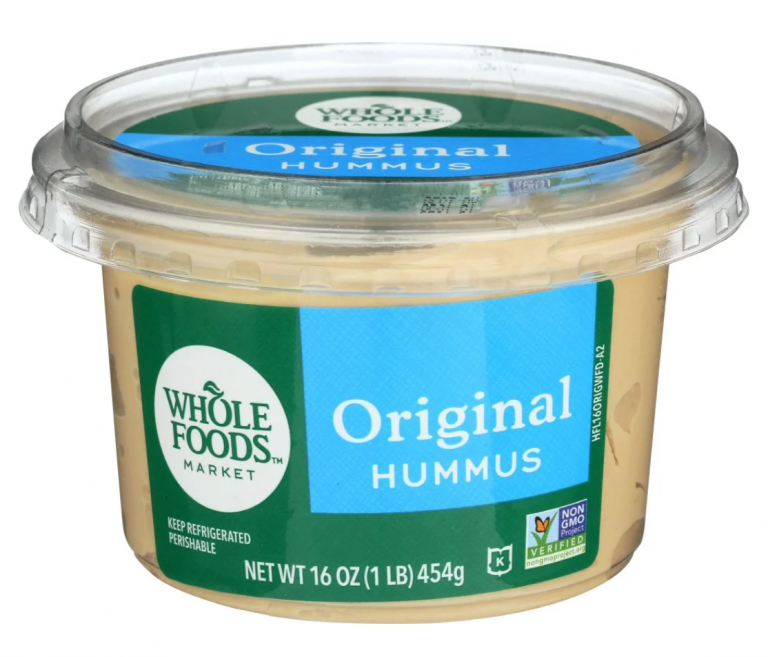
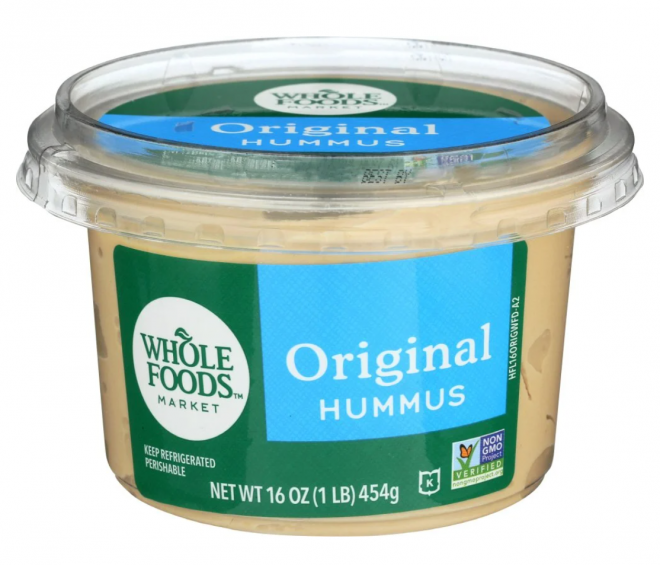
Whole food hummus bayer AG chemicals roundupThe conventional hummus product with the highest level of glyphosate – more than 2,000 ppb in Whole Foods Market Original Hummus – was nearly 15 times the benchmark set by a US enviro group.

Independent laboratory tests commissioned by the Environmental Working Group in the United States found glyphosate, the notorious weedkiller linked to cancer, in more than 80 percent of non-organic hummus and chickpeas samples, and detected at far lower levels in several organic versions. Find out what brands are worrisome below. The take home: buy organic most of the time.

Glyphosate is the most widely used herbicide in the world. It was sold for decades by Monsanto, now Bayer AG, under the brand name Roundup. Bayer AG is a German multinational pharmaceutical and life sciences company and one of the largest pharmaceutical companies in the world.

This product Roundup was marketed for years by Scotts MiracleGro company in the United States until last year. Until Scotts understood they could no longer be implicated in peddling this poison. But Scotts is how consumers accessed RoundUp for years. Some blame Roundup celiac and stomach diseases as well.

The International Agency for Research on Cancer has classified glyphosate a probable human carcinogen, and the state of California lists it as chemical known to cause cancer.

One third of hummus brands tested exceeded recommended amount of Roundup

One-third of the 27 conventional hummus samples exceeded EWG’s health-based benchmark of 160 parts per billion, or ppb, for daily consumption, based on a 60-gram serving of hummus (about four tablespoons).

The Environmental Protection Agency’s woefully inadequate legal limit for glyphosate in chickpeas, known as a tolerance level, is 5,000 ppb, or more than 30 times EWG’s benchmark.

The conventional hummus product with the highest level of glyphosate – more than 2,000 ppb in Whole Foods Market Original Hummus – was nearly 15 times the EWG benchmark.

Overall, 10 hummus samples exceeded EWG’s benchmark for glyphosate:

Sabra Classic Hummus

Sabra Roasted Pine Nut Hummus

Whole Foods Market Original Hummus

Whole Foods Market organic-label Original Hummus

Cava Traditional Hummus

Harris Teeter Fresh Foods Market Traditional Artisan Hummus

Glyphosate levels in organic samples were much lower

EWG also tested 12 samples of organic hummus and six samples of organic chickpeas. All but two contained detectable concentrations of glyphosate. Although glyphosate levels in organic samples were much lower than those of their conventional counterparts, one dry chickpea sample had the highest glyphosate concentration of all samples tested in the study.

“Beans, peas and lentils are a nutritious, affordable source of protein and an important part of the American diet,” said Olga V. Naidenko, Ph.D., EWG’s vice president for science investigations. “These excellent foods would be much better without glyphosate. Toxic weedkiller should never be allowed to contaminate these products, or any other foods, that millions of American families eat every day.”

The beans and bean-based products such as hummus tested in the study were purchased online or at major food retailers in the Washington, D.C., New York City, and San Francisco metropolitan areas, including Aldi, Costco, Giant, Harris Teeter, Safeway, ShopRite, Target, Trader Joes, Walmart and Whole Foods grocery stores.

Glyphosate was first brought to market in 1974, but its use exploded after 1996, when Monsanto introduced genetically modified “Roundup Ready” crops that were resistant to the herbicide. For consumers, most worrisome is use of the chemical on beans and grains as a drying agent just before harvest. This spraying can lead to high levels of glyphosate in beans, hummus, oat cereals and other foods.

By law, organic farmers are not allowed to spray Roundup or other toxic pesticides to grow and harvest crops. The detections of glyphosate on the organic samples may be due to pesticide drift from conventional crop fields or contamination at processing and packaging facilities.

Only organic

“Organic foods, including organic hummus and chickpeas, remain a better choice for consumers,” said EWG Toxicologist Alexis M. Temkin, Ph.D. “EWG testing of both conventional and organic bean products for glyphosate helps increase the transparency in the marketplace and protect the integrity of the Department of Agriculture’s organic certification.”

Hummus and chickpeas, as well as other beans, offer multiple nutritional benefits, and are an important part of a healthy diet. EWG’s findings show the need for a ban on pre-harvest uses of glyphosate, a much stricter EPA standard, and increased testing by the USDA and the Food and Drug Administration for this cancer-causing chemical in the American diet.

EWG’s research on beans and hummus builds on EWG’s tests of oats and oat-based products for glyphosate, which found the weedkiller in nearly every sample of cereal and breakfast bars tested.

Gene editing or gene modification in agriculture? What’s better – or worse?

0
MONSANTO-Vernon Hugh Bowman
Vernon Hugh Bowman a US farmer fought Monsanto and lost. He wanted to save and grow patented seeds. He lost the battle. 

Genetically modified (GM – or GMO) crops are unpopular. Despite their vast potential to help improve global food security while reducing pesticide use, many countries are extremely resistant to planting GM crops, with 85% of global GM agricultural land coming from just four countries: the US, Brazil, Argentina and Canada.

Where they have been grown, GM crops have been very successful, to the point where more than 90% of the soybean, corn and cotton crops grown in the US are GM. A 2014 meta-analysis found that an average farm can increase yields by 22%, reduce chemical pesticide use by 37% and increase farmer profits by 68%.

Despite this, difficult regulations and consumer hostility have meant that growth in GM crops has been stagnant for much of the last decade, with companies instead turning their attention to gene editing in crops. GM crops remain hugely controversial, to the point where (former) GM giant Monsanto is a synonym for corporate evil to many consumers.

Gene editing could be set to become the next revolution in agriculture, allowing the precise editing of specific genes without introducing foreign DNA into the final crop. However, for it to truly become a game-changing technology, developers will need to avoid making the same mistakes that were made with GM crops in the 1990s. Gene edited babies have been born in China. There are vast problems with the approach if it gets into the wrong hands.

A consistent mistake that the industry made was relying on the science to try and persuade the public while neglecting the emotional aspects of the debate. When Monsanto attempted to introduce its glyphosate-resistant soybeans in Europe in the 1990s, it attempted to brush off criticism, leading to a war of words with environmental groups.

Here, the environmental groups had the upper hand, capitalising on the public’s fear of the unknown, especially in relation to emotional triggers of personal health and safety, something that continues today. Additionally, its approach to protecting its IP – suing farmers for violating terms of service – drew intense criticism from consumers who viewed seeds as being part of the natural world that belongs to everybody.

Successfully commercialising gene-edited seeds will require a careful approach. This will require a meaningful dialogue with consumers, addressing the wider emotional concerns around GMOs whilst also engaging in efforts to educate the public around the technology and improve wider scientific literacy. However, navigating this space in an open and inclusive manner while also protecting IP and investments could be a serious challenge.

“Crop Biotechnology 2020-2030” a new report by IDTechEx, explores and contrasts gene editing and GM technologies, analysing the scientific, market and consumer factors needed to make gene editing a success. For those in the business game of agriculture, the report might be worth reading.

Build and brand your own electric car onto Ree’s flat-packed modular chassis

Ree Automotive, electric chassis
Like the cellphone industry, the automotive one likely won’t go electric like Japan. With Tesla like Apple, bet that all the automobile players will rally around components like this one, a chassis by an Israeli company Ree. Ree’s platform houses all of a car’s major components – brakes, thermal systems, motor and drivetrain – next to the wheels.

Ree Automotive, an electric car chassis platform company from Tel Aviv has been named as one of ten game-changing companies by Bloomberg for its novel EV platform – flat, scalable and modular and offers customers full design freedom to create the broadest range of EV and autonomous vehicles for current and future use. REE’s new platform approach, provides access to hundreds of production lines. Eat your heart out Elon Musk and Tesla!

Michael Wilshire, from the Bloomberg group that awarded Ree the prize, said: “Ree is literally reinventing the wheel with its revolutionary approach, putting intelligence and drive inside [the arch of] each of the four wheels of a chassis to create a new, flexible and modular electric platform, which gives customers complete design freedom to build their vehicles.”

We like seeing the way this startup has taken on the problem that companies like Tel Aviv’s all-electric car company Better Place could never fix: Better Place built the infrastructure and charge stations but they needed to rely on Renault to produce the cars. Boring, average, nothing to write home about in looks: customers weren’t lining up to buy one and the company flopped. On top of that, Better Place started with a vision that you would pay for minutes of use for the battery much like a cell phone plan.

Israel is not known for its successes in automotive: when the entire Middle East embargoed Israel decades ago, and wouldn’t let western or Asian car companies import to here, the Israelis were forced to innovate. And they developed a local car called the Sussita that was made from fibreglass and also tasty to camels.

Many people have tried to innovate for the auto industry from Israel. Waze, and MobileEye, all modern startup draw dropping success stories: but innovating the car itself has been a different challenge, probably because Israelis are about as opposite to the Swiss as you can imagine. Things made in Israel don’t have the same standards of excellence found in Europe.

But Israel likes to be a disruptor and Ree thinks they have done it with its chassis. I used to work at a car plant in Canada, at Chrysler and helped build chassis It’s the structure upon which holds the guts and body and engine of the car. It’s like the car’s spine.

Ree says it’s doing more than a basic build for electric with patented modules that integrate more than just a steel frame, but suspension and steering components into the arch of the wheel – a pioneering by-wire control system that carries a totally flat, autonomous-ready EV platform, designed to fulfil existing and future e-mobility applications. Basically they are putting all the important parts into the chassis, and most of the rest is just the skin of the car. If you are a brand or a car manufacturer, build your own.

With the global EV market projected to reach $803 billion USD in 2027 from $162 billion USD in 2019 (and let’s bypass 2020 please because it’s not a usual year), Ree hopes to lead the transformation of cars at existing and new car plants to make them all electric.

Recipe: Vegetarian Tahchin, Iranian Rice With Eggplant and Portobellos

0
Vegan, vegetarian, a great way to make eggplant.

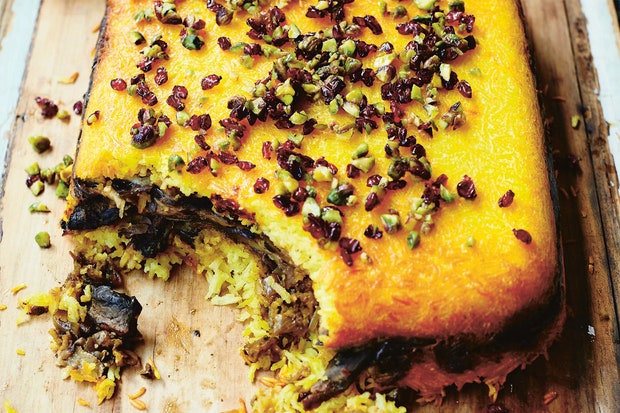
Searching for a vegetarian alternative to traditional chicken-based tahchin, I was pleased to find this recipe by Yasmin Khan, author of The Saffron Tales. Meaty eggplant and Portobello mushrooms give the dish the necessary heft to become a festive main dish.

Eggplant in general serves as a meat substitute in many recipes, but I enjoy the vegetable for its own flavor and character, rather than regarding it as a substitute for anything. The combination of eggplant, mushrooms and saffron-infused rice in this vegetarian version of tahchin is simply delicious. The crunchy bottom part is particularly prized. You’ll see below how to flip the cake over to make that bottom into the alluring top.

This leisurely recipe recalls bygone days in exotic Iran, when sisters, aunts and mothers would gather in the kitchen and cook, cook, cook with all their hearts, chatting and laughing while skillfully recreating traditional foods. And at the end of the afternoon, each would pack generous portions to take home for her own family’s dinner.

Today’s cooks don’t count on cook-ins with extended family anymore. We’re used to recipes that promise food we can whip up and put on the table ASAP. But early in this year of 2020, life changed. Now, we’re enduring periods of isolation at home, or just avoiding going out unless it’s urgent. We have far more time on our hands than we’re used to.

So what better way of using it than perfecting a new version of an old-fashioned dish from exotic Persia? Here’s Tahchin. The recipe instructions are slightly modified from the author’s.

Eggplant and Mushroom Tahchin
Yield: 6 servings

Ingredients
2 1/4 cups white basmati rice
1 1/4 teaspoons saffron strands
A pinch of sugar
3 tablespoons freshly boiled water
3 medium eggplants (around 1 1/4 lb), cut horizontally into 1-inch slices
Sea salt and black pepper
Sunflower oil
3 tablespoons butter
1 medium onion, finely chopped
3 garlic cloves, crushed
4 Portobello mushrooms, sliced into large chunks
1/2 teaspoon turmeric
1/2 teaspoon ground allspice
1/4 teaspoon ground cinnamon
1/4 teaspoon cayenne pepper flakes
1/2 teaspoon cumin seeds
2 egg yolks
Scant cup Greek yogurt
For the topping:
1 tablespoon butter
2 tablespoons barberries or dried cranberries
1/4 cup + 1 tablespoon pistachios, roughly chopped
1 tablespoon sugar

Pre-heat your grill to medium-high, or turn your oven broiler on.
Rinse the rice in several changes of cold water until the water runs clear, then leave to soak in a large bowl of water for 15 minutes. Drain and set aside.

Bring a large pot of water to the boil and add 2 tablespoons of salt. (The author notes: “Don’t worry about the large amount of salt here, the rice has a very short time to absorb the water and the final result won’t be too salty.”)

Add the rice and cook for 4–5 minutes over  medium heat. Taste to test; the rice should be soft on the outside but still hard and firm in the middle. Drain, then rinse with tepid water to stop it cooking any further and set aside.

Make a saffron liquid: grind the saffron strands with a pinch of sugar with a mortar and pestle. Add the hot water.  Lacking a mortar and pestle, simple put the saffron and sugar in a small bowl with the hot water. Leave to steep.

Dribble sunflower oil over the eggplant slices. Season generously with salt. Grill for 10–15 minutes, turning occasionally, until the eggplants are cooked through. Alternately, broil the slices in the oven for 10-12 minutes.

Heat 2 tablespoons of sunflower oil with 1 tablespoon of the butter in a large saucepan and fry the onion for about 10 minutes, until soft. Add the garlic and fry for a further 2 minutes. Add the mushrooms to the pan along with the turmeric, allspice, cinnamon, cayenne pepper, 1 teaspoon of salt and 1/4 teaspoon of pepper.

Lightly toast the cumin seeds in a small, dry pan for a minute and then crush them with a pestle and mortar or a spice grinder. Lacking mortar or spice grinder, crush the seeds with the bottom of a heavy bottle. Add the cumin seeds to the mushrooms and seasonings.

Cook until the mushrooms are soft, then take off the heat.

Pre-heat the oven to 375°F. – 180°C.

In a large bowl, beat the egg yolks with the yogurt, saffron liquid, 1 1/2 teaspoons of salt, and 1 teaspoon of pepper. Fold the rice in until it is evenly coated with the yogurt and saffron.

Rub 1 tablespoon butter over the base and sides of a 10-cup ovenproof glass dish. Spoon half of the rice into the dish and press it down evenly.

Add a layer of eggplants and mushrooms and finish with a final layer of rice.

Dot with the remaining butter, cover the dish tightly with foil, and bake for 1 1/2–2 hours or until the rice at the bottom of the tahchin is crisp and golden brown.

Remove the tahchin from the oven and leave it to cool slightly while you make your topping.

Melt the butter in a small frying pan and fry the barberries (or cranberries) pistachios, and sugar for 2 minutes, until the sugar has melted and the dried fruit has plumped up.

To serve, run a butter knife around the sides of the tahchin to separate it from the dish. Place a large board or platter over the top and quickly invert the whole thing.  Tap the inverted pot all over, wait a few minutes to let gravity help release the rice, tap again, and lift it off. (We learned this tip when we made Makluba with chef Moshe Basson.)

Garnish the tahchin with the topping.

Khan notes that tachnin is a good make-ahead dish. Prepare it up to the stage of baking it. An hour and half before dinner time, pop it into a preheated oven; that’s it.

The Saffron Tales has been listed on Best Cookbooks of the Year by the NY Times, the Wall Street Journal, and the BBC Food Programme. It’s available via Amazon

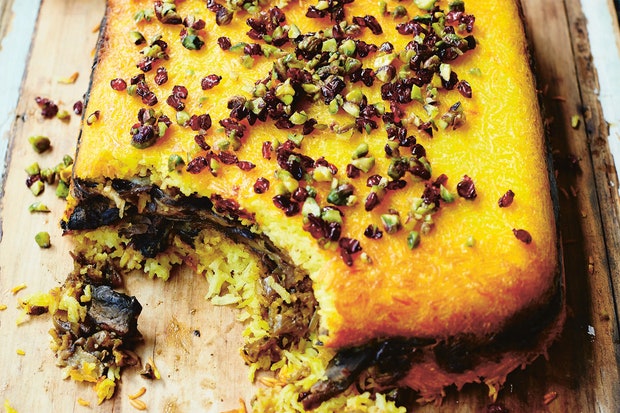
Photo of vegetarian tahchin by Matt Russel via Epicurious.

Bats can add the Empire State Building to their BatMap GPS

0

bat map new york
Bats are like your boyfriend. They might not be good at reading maps because they focus on landmarks.

For the first time in history, researchers at Tel Aviv University tracked fruit bats from birth to maturity, in an attempt to understand how they navigate when flying long distances. The surprising results: Fruit bats, just like humans, build a visual cognitive map of the space around them, making use of conspicuous landmarks. They can remember the most iconic buildings in the world, the Leaning Tower of Pisa, the Burj Khalifa, the CN Tower and even the Empire State Building.

The Israeli bat pups from Tel Aviv University came to know Tel Aviv by looking for large unique structures such as the Azrieli Towers ot the Dizengoff Center. The groundbreaking study was conducted by Prof. Yossi Yovel at the Department of Zoology. The paper was published in July 2020 as the cover story of the prestigious Science magazine.

“How animals are able to navigate over long distances is an ancient riddle,” explains Prof. Yovel. “Bats are considered world champions of navigation: they fly dozens of kilometers in just a few hours, and then come back to the starting point. For this study we used tiny GPS devices – the smallest in the world, developed by our team, in an experiment never attempted before: tracking bat pups from the moment they spread their wings until they reach maturity, in order to understand how their navigation capabilities develop.

Such a study was done in 2011 in southern Israel and we reported on it here.

The researchers in the new study monitored 22 fruit bat pups born in a colony raised at TAU – from infancy to maturity, tracking them as they scoured the city for food. The results show that Tel Aviv bats navigate the space around them in much the same way as the city’s human inhabitants.

fruit bats hanging from a cave

“Bats use their sonar to navigate over short distances – near a tree, for example,” says Prof. Yovel. “The sonar doesn’t work for greater distances. For this, fruit-bats use their vision. Altogether we mapped about 2000 bat flight-nights in Tel Aviv.

“We found that bats construct a mental map: They learn to identify and use salient visual landmarks such as the Azrieli Towers, the Reading Power Station and other distinct features that serve as visual indicators. The most distinct proof of this map lies in their ability to perform shortcuts. Like humans, bats at some stage get from one point to another via direct new routes not previously taken.

“Since we knew the flight history of each bat since infancy, we could always tell when a specific bat took a certain shortcut for the first time. We discovered that when taking new, unknown routes the bats flew above the buildings. Sending up drones to the altitude and location where a bat had been observed, we found that the city’s towers were clearly visible from this high angle. Here is another amazing example of how animals make use of manmade features.”

Proud Tahini company gets boycotted for being gay

0

Nazareth-based Al Arz tehini paste
Nazareth-based Al Arz, maker of a popular tahini paste is coming under fire from the Arab population for its support of the Arab LGBTQ community.

Thankfully you can still find pasta that doesn’t piss off gay people. And if you are a bit of contrarian and want to piss off straight Arabs in Israel then just say the words Al Arz. It’s a brand of tahini paste. Nazareth is mainly a Muslim and Christian town, and yes it’s the one from the Bible and today it’s home to the country’s only Arab-owned tahini paste company. Al Arz has come under fire and is facing a boycott for supporting a LGBTQ organization creating a hotline for LGBTQ Arab youth.

Let’s just say tahini (also known as tehina, tehini, techina) is a big deal in Israel. It may even be bigger your sexuality. It’s the glue that holds hummus together and it’s like salt and pepper to every Levantini table. But when this brand decided to help support an Arab LGBTQ group, its straight patrons called for a boycott of Al Arz.

Responding to the boycott calls, Al Arz promised to give even more support to the LGBTQ community.

On a local Whatsapp community group in Jaffa, which is a mixed group of Arabic, Hebrew and English speakers, one member Moti White encouraged his friends to buy more, not boycott the tehina, citing it as “the first Arab-owned business in Israel to actively and openly support the LGBTQ population by giving funds towards creating an Arabic-language phone hotline for struggling LGBTQ youths.” he says.

“LGBTQ people in Israel are now posting pictures of themselves with this brand in order to spread awareness,” says White 31, editor and singer, claiming the movement is being led by Muhammad Zoabi, a local gay Arab activist and vegetarian, vocal in leading the way against the boycott.

Muhammad Zoabi, gay, Arab and a vegetarian. Don’t mess with his tehini.

Zoabi’s statements in both Hebrew and Arabic:

Muhammad Zoabi the tehini capers
Muhammad Zoabi leading the LGBTQ community to support the Al Arz tahini brand.

Here is a previous video featuring Zoabi, who defines himself as gay and vegetarian:

“We in the Al Arz Tahini family love people without differentiation between religion, sex, gender or color. Food connects people. And so do we. We will continue to be an open house and empower disadvantaged sectors whatever they may be,” the statement from the company stressed.

While many Arab Israelis are socially very conservative, especially the Muslim population, LGBTQ Arab Israelis have slowly been taking a more front-facing role. This past May Ayman Safiya, a renowned Arab Israeli dancer drowned in the sea and his funeral brought out thousands of mourners, despite his queer identity.

The Middle East is not always kind to gay people, men especially. You can go to jail for being gay in Iran – or worse be hung like this 31-year-old Iranian man last year. Sharia law does not permit gay sex. In Israel, on the other hand, you might have a better social life if you are part of the gay community.

I was just walking my kid home from his friend’s playdate and two gay guys in front of me were commenting in Hebrew on the quality of the local men in Jaffa. It’s tough now that tourism is cancelled because of Covid-19. The Pride Parade was cancelled. That sucks. Tel Aviv-Jaffa is one of the lesbian and gay capitals of the world, but when those borders expand to Nazareth, a predominantly Muslim and Christian community, the rulebook isn’t so clear. Or better put, you might be walking a slippery slope.

And yes people we are talking about food. We cared about Barilla and its anti-gay statements; likewise the heteros can’t mess with our tahina. We like it in so many ways and it belongs to all of the Middle East (as does hummus – see hummus wars), in all its tasty varieties.

Bio Jewelry That Helps The Planet And Looks Good

0

caddisfly live jewels
Here a caddisfly larva builds its own encrusted gold case. A bird would do this too if you gave it golden twine. The ethics of this is questionable.

Products that provide environmental, economic, and social benefits are known as sustainable goods or bioproducts. They help protect the environment and public health throughout their existence, from the time raw materials are extracted, until disposal. As concern for the planet has increased, many jewelry makers have found ways to create wonderful, sustainable pieces. Known as bio jewelry, they attract buyers who love beauty but want to avoid contributing to issues like pollution or human rights abuses.

Designers Transform Recycled Materials into Elegant Pieces

Sustainable jewelry makers respect the planet by re-purposing materials that go into their pieces. That often means items are made with recycled metal and fair trade gold. Some find creative ways to include parts that would otherwise go into landfills, a process that is known as upcycling. For example, some designers use upcycling to create bright, colorful earrings from bits that would otherwise be discarded. It is easy to learn whether sellers offer bio jewelry because they typically advertise the fact on company websites. For example, if you’re considering Adina’s Jewels, their customer service page outlines the company’s commitment to sustainability.

Ethically Sourced Diamonds Are the Responsible Choice

Many diamonds are extracted from mines that treat workers poorly and force them to labor in dangerous conditions. There are also diamond sellers who only get stones from companies that pay fair wages and are committed to humanitarian practices. These are known as ethical diamonds and are the only type of stones used by designers like Kimberly McDonald. One of several sustainable jewelry makers listed in Harper’s Bazaar, the brand gives back to the environment and supports several charities. Some of her designs include stunning earrings and bracelets made using reclaimed gold and recycled diamonds.

Handcrafted Items Support Important Causes

Sustainable jewelry can also be defined as hand-made accessories that support local women and humanitarian causes. For example, African designer Akola sells a line of unique, eye-catching pieces made by Ugandan women. Their colorful earrings and necklaces are one of a kind. The women who handcraft pieces use sustainable local materials that include raffia, up-cycled cow horn, and sisal. Benefits from sales of the company’s vibrant pieces empower women and contribute to local economic development.

Wald Berlin’s statement necklaces and dainty ankle bracelets are also examples of jewelry made with a humanitarian purpose. Products are crafted in small German villages by unemployed mothers and grandmothers. The lovely pieces combine natural materials such as freshwater pearls, seashells, and crystals.

Cleanly Produced Jewelry Conserves Resources

The processes used to produce jewelry can also brand them as sustainable. Dozens of designers are committed to delivering appealing jewelry using eco-friendly methods. According to Vogue, the AGMES company is a good example. Lead by two sisters, the company’s designers maintain a small environmental footprint and hand make everything locally. All of the sculptural silhouettes that go into their designs are fashioned from recycled metals. Fans of unique sterling jewelry will love their line.

Green jewelry designer Washed Ashore has also committed to sustainability throughout every phase of their operations. Pieces are crafted of postconsumer stones and recycled metals. They include options like a stunning zodiac ring as well as distinctive gold and silver earrings. The business has a green refinery facility and sells products in fully recyclable packaging.

Today many jewelry buyers are looking for sustainability as well as beauty. Fortunately, many designers are now committed to providing bio jewelry that is ethically sourced and created in an eco-friendly environment. Green jewelry designers strive to use recycled or natural materials in their products. They work to reduce their environmental footprints while benefiting humanitarian causes.

Saudi Arabia building world’s largest green hydrogen plant at Neom

neom artificial moon, night scene
A rendering of Neom, an intentional futuristic city breaking ground on the Red Sea of Saudi Arabia

The American gas giant Air Products & Chemicals announced this week that it will build the world’s largest green hydrogen plant in Saudi Arabia. It will be  powered by 4 gigawatts of wind and solar power and the $5 billion USD project will be jointly owned by Air Products, Saudi Arabia’s ACWA Power and Neom, a new mega-city planned near Saudi Arabia’s borders with Egypt and Jordan. You can see the vision in the image above, and the actual site in an image below.

The green ammonia made at the megaplant will made for export to global markets. And the technology used in the project will include the innovative integration of over four gigawatts of renewable power from solar, wind and storage; production of 650 tons per day of hydrogen by electrolysis using thyssenkrupp technology; production of nitrogen by air separation using Air Products technology; and production of 1.2 million tons per year of green ammonia using Haldor Topsoe technology. The project is scheduled to be onstream, or online and working, by 2025.    

The new and yet to be built city of Neom has some serious objectionable plans (and a murder of a local Bedouin activist to deal with), with the ideas from it definitely borrowed from but very askew with the Solarpunk movement or environmentalists in general.

After the Saudi Arabian journalist was brutally executed at the Saudi Arabian embassy in Turkey in 2018 many American and UK companies pulled out their deals including Google-owned Alphabet (working with Neom) and Richard Branson of Virgin

Can we forgive Saudi Arabia as it plans to go green? The completed green hydrogen plant is expected to produce 650 tons of green hydrogen daily, which is about enough to run around 20,000 hydrogen-fueled buses, Air Products said in a press release.  

“Harnessing the unique profile of Neom’s sun and wind to convert water to hydrogen, this project will yield a totally clean source of energy on a massive scale and will save the world over three million tons of CO2 emissions annually and eliminate smog-forming emissions and other pollutants from the equivalent of over 700,000 cars,” said Seifi Ghasemi, CEO for Air Products in a press statement.

Neom desert location
Location for proposed Neom City, on the Red Sea.

Global interest in green hydrogen is rising among oil and gas firms and continents like Europe want to make green hydrogen part of its Green Deal, with an EU-wide green hydrogen policy to be published sometime this month. 

“We cannot electrify everything,” said WindEurope CEO Giles Dickson. “Some industrial processes and heavy transport will have to run on gas. And renewable hydrogen is the best gas. It is completely clean. It will be affordable with renewables being so cheap now.”

Hyzon hydrogen fuel bus
Hyzon, a hydrogen fuelled bus

Pennsylvania-based Air Products says it is the world’s largest producer of hydrogen and a leader in the liquefied natural gas field technology and it has a trading value of about $60 billion on the New York Stock Exchange (NYSE: APD).  The American international corporation sells gas and chemicals for industrial uses.

Saudi Arabia is investing in green hydrogen and renewable energy as a move to divest from oil, but also to woo the western world to the overly conservative and restrictive Saudi Arabian culture. The creators of the new city of Neom want to be able to host one million people from around the world every year. As we see with Middle East vision, often borrowed from Western values but put poorly executed, medga-cities like the zero-energy city Masdar don’t really work. The city is virtually a ghost town now – See The Ecotopia that Never Was

But Neom, planned to include flying taxis, sparring dinosaurs, fake rain, fake moons, AI to monitor your every movement: “This is a pivotal moment for the development of Neom and a key element in Saudi Vision 2030 contributing to the Kingdom’s clean energy and circular carbon economy strategy,” Neom CEO Nadhmi Al Nasr said in a statement.

While green hydrogen is not yet competitive with hydrogen produced by natural gas, like green power made by solar or wind is not competitive with energy produced by natural gas or oil, I support the creation of premium energy and fuel products that are green and sustainable. 

However, about the local Saudi Arabian infrastructure, maybe other solutions are in need of investment first:

Over on Greentech Media one reader comments: 

“I personally think they’d be better off putting in more efficient desalination technologies and building more waste water treatment plants in their cities, and the plumbing to get the sewage from their various public buildings and hotels to those wastewater treatment plants. I think that would lower more emissions than putting up a massively inefficient and expensive hydrogen generation facility.

“Right now the Saudi‘s truck around a lot of human waste between a majority of their buildings and their waste water processing facilities, putting in plumbing would remove all of the trucks driving back-and-forth and idling for hours in line waiting to dump their waste, and consequent emissions.

“That would be a much better investment for the public good.”

Maybe there is a point: Consider the Burj Khalifa in Abu Dhabi, which trucks out human waste every day from the mega-tower. Read Where Does the Poo Go after you eat at one of the World’s Classiest Restaurants.

But I guess this is less of a social issue and more of investing in renewable energy. The cost of which is often debated. See Planet of the Humans, Michael Moore.

While I can debate the value of putting green energy into practice with endless Saudi oil money (I am in favor of greener fuel and renewable energy), I also agree with the above commenter that public good and local issues should come first. Maybe Saudi is better investing builds and green hydrogen plants actually close to the areas where the hydrogen gas will actually be used for public transport. Public transport in Saudi Arabia where the Prince’s falcons get private planes? Not so much. But again, I stand somewhere between the line of being an environmental activist and supporting the real world technologies that will advance our step toward zero energy fuels.

I am all up for a good debate, so feel free to comment below.

Why Boxed Water is Really Better than Aluminum Cans and Plastic Bottles

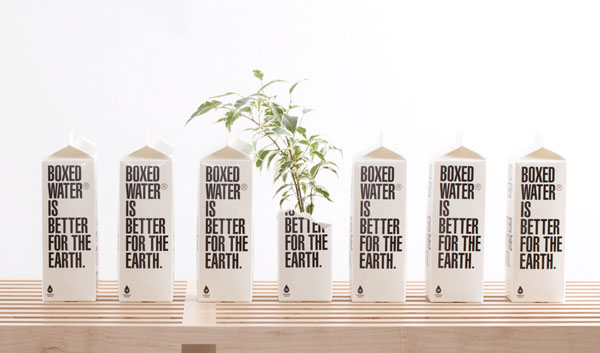
boxed water image
Is boxed water better?

The world has witnessed many amazing environmental benefits this year as Coronavirus pandemic stay-at-home orders resulted in drastic global pollution and carbon emission cuts in a matter of months. While these environmental changes have been tangibly seen – bluer skies, decreased smog, healthier oceans – the transition back to “normal” life has presented a new dilemma that could revert this and any previous, positive environmental strides: the immediate resurgence of plastic.

The materials that we rely upon to protect ourselves from the further spread of this virus – such as hand sanitizer bottles, take out containers and utensils, gloves and more – all have one thing in common: they are derived from plastic. While we support these measures to save lives, they present a major sustainability setback, and we are forced to make a choice about how we address planetary protection amidst this post-quarantine reality.

To offset the necessary surge of medical supplies and PPEs, it is up to the rest of us to identify areas for safe, sustainable choices. One major plastic culprit is bottled water. Communal water stations may be on hold at the coffee shops and hotels. Individuals may not feel comfortable filling up their reusable bottle at a drinking fountain. But that doesn’t mean we have to revert back to plastic bottles.  Luckily, more sustainable options do exist. And what is the best option?  It’s not aluminum cans.  Only paper-based cartons such as Boxed Water Is Better® are truly sustainable, safe water substitutes.

As we have seen, plastic has created massive problems for the planet, and the issues continue to stack up. More than 8M metric tons of plastic flow into the oceans annually, and by 2050 there will be more plastic than fish in the ocean. Plastic pollution isn’t going anywhere – by that same year, plastic production is forecasted to triple based on industry projections. While some cities tout recycling as a solution, even this can be problematic. Most plastic bottles don’t even make it into the recycle bin – only 10% do – and will instead end up landfills. For the bottles that are recycled, the environmental impact of oil drilling and blow molding continue to pose a threat to the planet as a part of the overall production process.

The beverage industry is now marketing a new idea: aluminum canned water. But is this really a solution to single-use plastic bottles? Beverage giants such as Coca-Cola (which owns the Dasani water brand) and PepsiCo (owner of Aquafina) will start selling water in cans in the face of public pressure to reduce plastic, but the environmental concerns associated with aluminum could be just as dire. An independent life-cycle study recently found that aluminum cans have a 200% larger carbon footprint than more sustainable solutions such as the Boxed Water brand. Especially for those consuming several aluminum bottles a day, the cost of production, recycling, shipping and handling on the earth could be too much to sustain long-term. 

From the planetary point of view, creating aluminum, a material that you don’t find in nature, is not an easy or clean process: aluminum needs to be created using a mineral called bauxite. Strip mined and smelted using an enormous amount of heat, water, and energy, about 20 tons of bauxite is required to make 1 ton of aluminum. Breaking down aluminum in recycling processes also creates a pile of unwanted waste known as red mud. 

Compared to aluminum (which is mined from Bauxite), Boxed Water is 50% lower impact on ozone depletion and smog emissions from smelting, and 33% lower impact on acidification due to deforestation. Compared to plastic, Boxed Water has a 64% lower carbon footprint (lower contributor to global warming), 43% less fossil fuel use, and 1,084% lower in impact on the ozone.

 With sustainability in mind, Boxed Water was created to provide a practical solution to the single-use plastic challenge. Like many other products ranging from soup to milk, Boxed Water is packaged in recyclable cartons made using paper from well-managed forests. We’ve also launched a plant-based cap, derived from residue waste from FSC-certified sustainably grown trees used for pulp and bioenergy, which has lower CO2 emissions than petroleum and sugarcane-based plastics. 

Boxed Water is leading initiatives in educating consumers about the difference between boxes (mainly made from paper), plastics and aluminum. As a proud member of 1% For The Planet and partner of the National Forest Foundation (NFF) and Ocean Blue Project, Boxed Water has cleared beaches of thousands of plastic bottles and this year planted their one millionth tree as a part of our long-standing reforestation efforts. The trees planted will provide clean water and purify the air of 500,000 tons of carbon dioxide.

As we all become more vigilant about the safety of the products we utilize, we cannot forget to consider how a single plastic bottle used for 15 minutes today will affect the next 700 years on our planet. We may be getting accustomed to this new normal, but let’s ensure that it is also a better normal for our world.

Why Installing an MVHR Unit is a Great Way to Save Money on Your Heating Bills

0

Pete Davis, tiny home
Start a green business, inside a tiny home. Keeping expenses and overhead low.

A mechanical ventilation heat recovery or MVHR system is based on a heat exchanger that transfers heat from outgoing to incoming air in your ventilation system. These systems can dramatically improve your home’s indoor air quality by increasing the turnover of air while thoroughly filtering it. They are also one of the greenest technologies you can add to your home. Let’s learn why installing an MVHR unit is a great way to save money on your heating bills.

It Reduces Your Overall Energy Needs

Not only can an MHVR help you save on energy bills in the winter, but it can do so all year long as well. When incoming air is partially heated by the outgoing air, you don’t need to turn the thermostat higher to warm it even further. In the summer, the incoming air is cooled, and the heat is pulled from the outgoing air.

Furthermore, the MVHR system can capture latent heat that is otherwise lost to the atmosphere like exhaust from your clothes dryer or the hot steam from your last shower. This is why a heat recovery ventilation system can reduce your heating and cooling needs by up to a third.

It Keeps Your Home’s Temperature Consistent

An MVHR system can reduce your heating, cooling, and ventilation needs in other ways. For example, you can add a larger vent and fan to the bathroom or kitchen to pull that hot, humid air and distribute it throughout the house. This can eliminate the need to turn on ventilation fans to vent that hot, wet air outside.

Those types of fans may pull heated or cooled air out of your home, forcing you to run the heaters or to make up for it. Furthermore, the MVHR system distributes heat, eliminating hot and cold spots in most homes. This may mean you don’t have to run a heater in the coldest room of the house. If you have several radiators in your home, the MVHR system will help distribute that heat throughout the house, reducing the need to rely on supplemental heaters.

It Improves Your Home’s Air Quality

MVHR systems rely on extensive air filtration. This allows you to remove odours and dust from your home without having to open a door or window, and thus reduce the amount of hot air that escapes the house.

The high rate of air exchange will also prevent moisture from building up inside the house. High humidity can make the air feel uncomfortable but also exacerbate certain conditions. In many cases, people will choose to turn on a dehumidifier or open a window, which puts more demand on your heating system. If MVHR systems remove that excess moisture, you won’t need your heating to make up for it.

Depending on the system you install, it may transfer humidity from the outgoing to the incoming air as well. Best of all, it will prevent a build-up of mould and dust in a home. This is why an MVHR system is a great choice for those with asthma or allergies.

MVHR systems are an integral part of the modern energy-efficient home and should be considered by all homeowners. Improving your indoor air quality and overall quality of life is just the cherry on top.

Ventilation System with Heat Recovery To Help Combat Covid-19

0

windows of office buildings at night new york

The outbreak of Covid-19, and the impact it has had on the world, has changed the way we live and how we think about many social situations.

Masks are becoming more and more common when people are outdoors and in public spaces. The air we breathe has suddenly come under extra scrutiny. The strength of this illness and the speed with which it spreads is a threat to our communities and families that should not be underestimated. Having a home or business with a ventilation system with heat recovery can help combat the spread of Covid-19 and protect us in the event of an outbreak or a lockdown.

How Do These Systems Protect Against Covid-19?

Ventilation systems with heat recovery are well known for being an energy-efficient home or business heating solution, but one of the many added benefits they have is air purification.

The systems draw air in from the outside and heat it in order to warm the building, but before they do the air passes through a high-grade HEPA air filtration system that removes a number of particles, including bacteria. These filters are similar to an N95 grade face mask and provide similar protections, but for all the air in the building. This gives you the freedom to stop wearing a face mask but offers a similar level of protection as wearing a mask.

Why Are These Systems Energy-Efficient?

By using a ventilation with heat recovery system instead of a traditional furnace or water boiling system, you can make big savings on your heating costs.

Many heating systems use large amounts of electricity, or they burn natural gas in order to heat water piped throughout the home. This water then sits in radiators that bring heat to rooms and hallways. Ventilation systems that use heat recovery heat the air and pump it to each area. Waste heat is reclaimed from stale air that is expelled and the system and used to heat fresh air that has been drawn from the outside and filtered.

Combined with high-quality home insulation and energy-efficient windows, the cost of heating your home can be dramatically reduced.

Are Ventilation with Heat Recovery Systems Complicated to Install and Use?

Ventilation and heat recovery systems are actually incredibly simple to operate, and their installation can often be done in just one or two days.

The system pumps the heated air using ducts that fit into crawl spaces and under floors, where it is vented into every room and hallway. This installation can be done quickly and allows you to remove any radiators and water heat pipes, reclaiming space. The units that power the system also have a small and discreet footprint that will allow you to get even more space back in your home or business by removing water boilers and hot water tanks. 

Using a ventilation system with heat recovery to heat your premises and help combat Covid-19 is a great idea, and also a sound investment for the future. Outbreaks like the Covid-19 outbreak of 2020 may become more common in the future, and having high-grade filters to purify the air in your building could give you, your family, and your employees, extra protection during a lockdown.

Does Eco-Friendly Travel Truly Exist?

0
odom ski lebabon, biodome, dome tent glamping
Glamping in Odom in the mountains of Lebanon

Being born of nomadic ancestors, it’s little wonder so many of us have been struck by wanderlust. Travelling has the ability to make us feel connected and displaced. Experiencing life in another culture or place expands your understanding of yourself just as much as it does your understanding of others. But, can we really travel eco-friendly? How can we reduce our carbon footprint while still exploring the great unknown? Are there easy ways to be a green globetrotter? This guide to sustainable travel has some ideas we can put to use without much effort. Let’s look at some ways we can exercise respect for the environment as well as the local people while abroad.

oldest olive tree with man
The world’s oldest olive trees are in Lebanon

The Journey

By now we’re all aware that air travel is not the most eco-friendly way to go, however in some cases it’s the only way to get from A to B. Luckily for us, there are many ways in which we can ease the burden we place on the planet and make our travels as sustainable as possible. The first rule of sustainable travel is finding ways to move about the local area that are as low-impact as possible. The best method of travel for the environment is two feet and a heartbeat. Walking does not require any carbon emissions, gasoline, or manufacturing.

Modern Solutions for a Modern Problem

Not everyone is able to walk long distances and some people may have a disability that does not allow them to walk safely or even at all. While walking is certainly the cleanest method of travel from an environmental standpoint, there are other methods that still minimize greenhouse gasses and other damage to the planet. Renting a bicycle, scooter, or segway is one option for those who may not be able to walk. Many big cities now have access to pay-per-use transportation, meaning you can hop on a bike, pay for your time spent riding and then leave the bike for the next person who needs it. Find a bike that has a place to store your stuff while you travel. In the city I just use an old plastic milk crate, but you might want a sleek front bike rack which is a more secure option if you are travelling in an unknown city. This option is great if you’re in an area that has this infrastructure built and is small enough in a geographical location that you can move about the places you wish to see using your own power.

Classic Options with a Green Update

When it comes to longer trips that are too far to cycle or are over terrain that is unsafe for foot travel, public transit options like coach busses or trains are surprisingly eco-friendly nowadays. Busses and trains are capable of moving large groups of passengers and minimizing the number of individual vehicles on the road. They’re also designed to be more fuel efficient and release fewer emissions as a result. Not only is it often more cost effective to travel by bus or train, but there is also the added benefit of being able to enjoy the scenery and company without having to focus on driving.

Old Faithful

When public transportation is not a viable option, carpooling or rideshares are the next best thing. Planning group trips or joining tours will again minimize the number of vehicles on the road. It is also important to try to select a vehicle that is low emissions if possible. When using rideshare, opt for eco-friendlier options than SUVs and try to plan your trips to avoid unnecessary mileage. All of these small decisions add up to a much greener trip.

Beyond getting around for your sight-seeing, choosing a place to stay can also have major impacts on the environment.

Accommodations

glamp tents Tel Aviv
Glamping in Tel Aviv.

Although tempting, luxury hotels can be some of the worst offenders when it comes to environmental impact. Opting for greener lodging such as a hostel or guest-home will not only provide you with the unique experience of how the locals live, it is also a great way to meet new people and lower your carbon footprint. There are booking companies that focus on finding safe and green options for lodging so travellers can relax and enjoy their trip knowing they’ve made a better choice. If you do decide to stay in a luxury hotel, opt to reuse your towels instead of daily towel service and use your own shampoos and soaps instead of the single-use plastic bottles. Also, don’t be afraid to leave comments or feedback for the hotel management on how they can be more eco-friendly. The more we advocate for change the more likely we are to get it!

Home Away From Home

Regardless of where you stay, treat it the same way you treat your own home. Don’t forget to turn off the lights and be mindful of your water usage as well. Adjust the thermostat so it’s not overworking and take advantage of the climate you’re visiting. If you’ll be on an all-day adventure, pack your own snacks and beverages in eco-friendly containers to avoid littering and purchasing items with excessive packaging. The same eco-friendly principles you use at home should be used abroad as much as possible.

Eco-Tourism and Tourist Traps

gulf, middle east, cheetah on a leash, wild animals, illegal wildlife trafficking, Ajman, Emirates, Law 54, The Green Sheikh, illegal wildlife ownership

Before spending your money on a tourist activity consider these important questions: Does it involve local wildlife? Does it rely on single-use items that pollute the area? Am I exploiting a local community population or endangering a local guide? Who does the money benefit? Try sourcing out local museums and attractions that directly benefit the culture’s history and community. Environmental journalist Aaron ‘Bertie’ Gekoski has worked tirelessly on bringing the dark underbelly of wildlife tourism to light. It’s up to us as tourists to stop funding activities that harm local wildlife and people. Additionally, avoid damaging environmental areas or sacred grounds for a selfie moment. Most importantly, when exploring natural areas, be respectful of the signs and rules posted. As a general rule, always leave the area better than you found it. 

Pack Your Bags

cute backpacking woman

Finally, being green in your daily life can have great effects on your travel as well. How to Pack Like a Sustainable Traveller suggests packing items that you can use abroad to minimize your individual waste like refillable shampoo and body wash containers. For those who menstruate, try reusable napkins or menstrual cups to avoid any issues with plumbing and to eliminate landfill waste. Avoid products that contain harmful chemicals or things like microplastics that can easily disrupt the local environment and cause damage. Not only will packing green save the environment, but it will also save you money! Lighter luggage will allow you to avoid any additional costs at the airport and prevent you from overspending on items once you arrive.

The Verdict

It’s nearly impossible to travel at net-zero, however, there are tonnes of small and thoughtful steps we can take to minimize our impact and travel in a sustainable way. A small amount of research ahead of time can make all the difference in the world when it comes to eco-friendly travel. We might not be able to travel completely green, but we can travel in a safer and more sustainable way that will ensure future generations can travel the world and see its wonders for years to come.

Introduction to Cannabinoids: 7 Cannabinoids You Should Know

1

woman smoking a bong

The hemp industry is growing larger every year, and alongside this explosive growth, our knowledge of hemp and the compounds it contains is also increasing. Mature Cannabis sativa flower contains more than 1,000 compounds, and out of these compounds, more than 100 are unique phytochemicals called cannabinoids. While hemp contains tons of different cannabinoids, most of them are copies or “analogs” of a few main compounds, and in this guide, we’ll introduce you to a few of the core cannabinoids that are reshaping the hemp industry and creating opportunities all around the globe.

What are cannabinoids?

Many of the compounds found in hemp, such as flavonoids and terpenes, are also found in other plant species. Cannabinoids, however, are so named because they are only found in Cannabis sativa. While compounds in other plants may resemble cannabinoids, they are not identical to these unique hemp constituents.

Some cannabinoids, such as THC, have intoxicating properties, but most do not. Instead, the majority of cannabinoids, such as CBD, CBG, and CBN, have mild and non-intoxicating effects, but they might exert potent medical benefits. The scientific community has recently taken great interest in the potential therapeutic potential of non-intoxicating cannabinoids, and around the globe, the consumer cannabinoid market continues to grow at an exponential pace.

1. Cannabidiol (CBD)

Next to THC, CBD is one of the most well-known and popular cannabinoids. While strains of hemp that deliver high amounts of CBD while keeping THC to a bare minimum were practically unheard of a decade ago, some hemp cultivars now exceed 20% CBD while containing 0.3% THC or less.

CBD is similar to THC in that it appears to impact inflammation and pain. Unlike THC, however, CBD is non-intoxicating, and CBD may also offer unique benefits that THC does not. For instance, CBD appears to impact your mood by gently interacting with your nervous system, and this cannabinoid has even been looked at for its potential antiepileptic benefits. While other non-intoxicating cannabinoids are also rising to popularity, CBD will remain the cornerstone of the hemp-derived cannabinoid market for the foreseeable future.

2. Cannabigerol (CBG)

In the last few years, CBG products have started to enter the consumer market, and this promising cannabinoid is rapidly gaining a level of popularity similar to that of CBD. Like CBD, CBG is non-intoxicating, but this hemp constituent may offer unique benefits that CBD does not.

For instance, scientists are keenly examining cannabigerol’s potential antibacterial properties, and this cannabinoid may also show promise as a potential treatment for digestive conditions. It’s becoming easier to derive large quantities of high-quality CBG now that hemp cultivars have been developed that contain significant concentrations of this cannabinoid, so it’s likely that CBG will become even more popular over the next few years.

3. Cannabinol (CBN)

CBN is naturally present in THC-rich and CBD-rich strains of Cannabis sativa in concentrations under 1%, and recent scientific breakthroughs have made it possible to produce high-potency CBN extracts that aren’t just cobbled together from the minuscule amounts of this substance found in most cannabis cultivars. That’s good news for consumers and investors who have heard of CBN’s potential benefits, which could make this non-intoxicating cannabinoid useful for neurological health, appetite, and other purposes.

There is also a large body of anecdotal testimony regarding CBN’s potential benefits for sleep, but at this point, there isn’t enough science on this subject to draw definitive conclusions. As we learn more about CBN and further clinical studies are commissioned, it will become clear whether CBN is truly useful as a sleep aid.

4. Cannabichromene (CBC)

Like CBD, CBC appears to interact with various systems in your brain to modulate the sensation of pain without causing intoxication. Cannabichromene has been researched extensively over the last few decades, but it’s still relatively hard to derive CBC from Cannabis sativa, so there aren’t many products that prominently feature this cannabinoid.

One reason we should pay attention to CBC is that limited lab studies indicate this non-intoxicating cannabinoid might be useful for brain health. Regardless of its individual properties, the presence of CBC in cannabinoid extracts appears to contribute to the entourage effect, a theoretical form of synergy that may occur when cannabinoids are used together.

5. Tetrahydrocannabivarin (THCV)

THCV is very similar to tetrahydrocannabinol (THC), but it appears to exert significantly reduced psychoactive effects. This cannabinoid can’t be classified as strictly non-intoxicating, but it’s different enough from THC to be placed in a category of its own.

Like THC, THCV binds to the CB1 and CB2 receptors in the brain, which are the main components of the endocannabinoid system. Unlike THC, however, the mild psychoactive effects that THCV provides do not generally cause paranoia or anxiety.

6. Cannabidivarin (CBDV)

Just as THCV is structurally similar to THC, CBDV is structurally similar to CBD. These two cannabinoids are different enough to be classified separately, but like CBD, CBDV has been researched extensively for its potential antiepileptic benefits.

CBDV is usually only available in Cannabis sativa in very small quantities, but via the entourage effect, this analog of CBD may interact with other cannabinoids and strengthen their effects. When isolated, CBDV has been examined as a potential treatment for inflammation, pain, and neurological disorders.

7. Cannabigerovarin (CBGV)

CBGV is an analog of CBG that has many of the same properties as its more well-known cousin. For instance, researchers have investigated CBGV for its potential digestive, antibacterial, and glaucoma-fighting benefits.

Like the other “varin” versions of popular cannabinoids, CBGV is only present in hemp in very small quantities. Research into the unique benefits of CBGV, however, indicates that this cannabinoid may have the unique property of increasing the bioavailability of CBD, which means that CBD products that also contain CBGV may offer enhanced effects.

Knowledge is power in the hemp industry

Even if you’ve used and enjoyed intoxicating or non-intoxicating versions of Cannabis sativa for years, there’s still plenty to learn about this fascinating plant and the compounds it contains. These days, entrepreneurs in the hemp industry need to know a lot about the cannabinoid bulk ingredients they offer to win consumers over and succeed, so use the detailed information we’ve covered in this guide to expand your horizons and take advantage of everything the hemp renaissance has to offer.