Home Blog Page 157

6 Practical Tips That Will Make An Office Space More Eco-Friendly

0
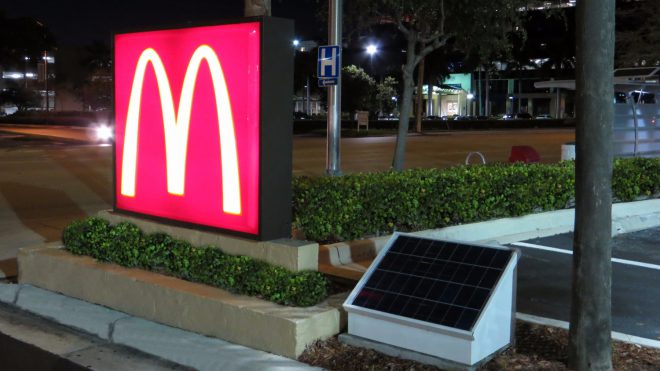
shop signs mcdonalds, powered by solar
Even fast food businesses can do small bits that add up. How about solar powered “neon” signs?

There can be no two opinions that the Earth is facing a severe climate crisis in the shape of global warming. The ozone layer protecting Earth from the Sun’s harmful UV rays is thinning with each passing year, and weather conditions have become harsher and unpredictable. It results from the overuse of fossil fuels, carbon dioxide emissions, and pollution caused by human beings. “Businesses should care to introduce eco-friendly solutions into the manufacturing process,” believes Gevorg Hambardzumyan, CEO of Front Signs, a US sign manufacturing company producing solar-powered light box signs to minimize the carbon footprint. If you are worried about the worsening environment, you can do your bit by making your office more eco-friendly. Here are six easy and exciting tips using which you can make your office more eco-friendly.

Gevorg Hambardzumyan

Switch to Clean and Green Energy

Clean, green energy is the best way to reduce your carbon footprint. Yes, there was a time not so long ago when you had a valid excuse for not switching to renewable energy as it was costly. Today, solar panels’ prices have come crashing down. The government provides lots of incentives to people installing solar panels. 

They also receive tax cuts to gain monetarily in the long run. If your office building’s location does not permit solar panel installation, you can plan to buy clean energy produced at another site. If you are using signage to catch passersby’s attention, make sure to use LED lights inside these boxes. LED lights eat very little energy and produce cool light to cause minimal pollution. 

There are lots of advantages to using clean energy. Some of these are as follows: 

  • Considerable savings in electricity bills.
  • Reduction in your carbon footprint.
  • Tax benefits that offset the initial cost of solar panels.
  • Solar energy is virtually maintenance-free and very long-lasting.

Buy Office Supplies That Are Eco Friendly

You never paid attention to office supplies earlier. But you will be surprised to know that for everything used in your office, there is a more energy-efficient and eco-friendly option available in the market. You may find environment-friendly office supplies a little bit costlier, but you also get the satisfaction of leaving behind a much smaller carbon footprint from your office.

Some of these eco-friendly office supplies include recycled papers used for printing, bamboo pens, and LED lights that are highly energy efficient. If you are desirous but don’t know about eco-friendly office supplies, you can learn more about them and their sources from the website of Energy Star. From fans to lights, you can buy all highly energy-efficient appliances to save on your energy bills. Shout your love for the environment by installing signs that carry inspirational messages for your customers and employees. 

Try to Make Your Office Paperless

The biggest culprits in leaving behind a large carbon footprint are papers used for writing letters and printing documents. Even the greenest of papers you buy from the market contain some wood obtained from trees, including 100% recycled papers sold in the market. According to Vince Digneo, the greenest paper means no paper at all. If this comes from a sustainability expert working at Adobe, it must be a Gospel truth. Going paperless is not an easy job, and your customers would create difficulties initially, but you can make them silent with the help of signs telling the world that your office has gone paperless. You can give a strong message to all your vendors and customers using these lightbox signs. 

According to an estimate, nearly 90% of the waste generated in offices comes from workers’ revisions and corrections on papers while creating documents. There is no scope for any waste when your office has gone paperless. You can create documents in Google doc or Microsoft  Word, where editing and revisions do not generate any waste. 

Add Some Green Plants to Your Office

You cannot take your office into a forest, but you can certainly give your workers and visitors the feel of a clean and green office by adding some green plants to it. These plants are beautiful and soothing to the eyes and enhance the decor of your office. Green plants increase the office’s oxygen levels. They bring some liveliness into an otherwise dull office full of machines and appliances. 

By keeping a green plant on the table or in a pot near the desk, you keep feeling fresher and closer to nature than when there is no plant in the office. If you want, you can even order display screens depicting various kinds of landscapes to reflect your love for nature. Also, plants have many more benefits:

  • Green plants reduce stress and anxiety levels.
  • Plants make you feel happy.
  • They add to the oxygen levels, offsetting pollution caused by chemicals and gases.
  • Green plants help in getting rid of ailments.
  • Plants give a boost to the motivation and productivity of workers.

Allow Maximum Use of Natural Light

According to a report by the World Green Building Council, employees who get a chance to work on a table near the window have a 15% higher productivity than employees working under artificial lights. You make your office more eco-friendly and benefit from the higher productivity of your employees by maximizing the use of natural light inside the office. 

With an abundance of sunlight, you also need very few artificial lights inside the office, thereby saving on your energy costs. You can install sensors to turn on LED lights whenever it is cloudy outdoors. It will help in reducing your energy bills. Employees are also happy as their bodies synthesize vitamin D from the sunlight, and they do not fall asleep at work.

Make worker’s commute green

You cannot claim to have a 100% eco-friendly office if you and your workers make use of fossil fuel-guzzling automobiles for your commute.  You can request your employees to come to the office by walking or using bikes to reduce your carbon footprint. You can offer them incentives for switching to biking and tell them that it is also better for their health. or maybe you can help lease them electric cars. 

Elon Musk Tesla - Israel
Hybrid or full electric?

You can also provide a work from home facility to employees whose presence is not essential in the office. You can use conferencing tools to contact and interact with such employees. You will be surprised that a green commute dramatically reduces carbon emissions and your office’s carbon footprint. 

Making efforts to have a more eco-friendly office is good for the environment. It is also great for the productivity and health of your employees. Either way you look at it, it’s a win-win situation for your business and the environment.
9 Ways to Make Your Dental Practice Green

0
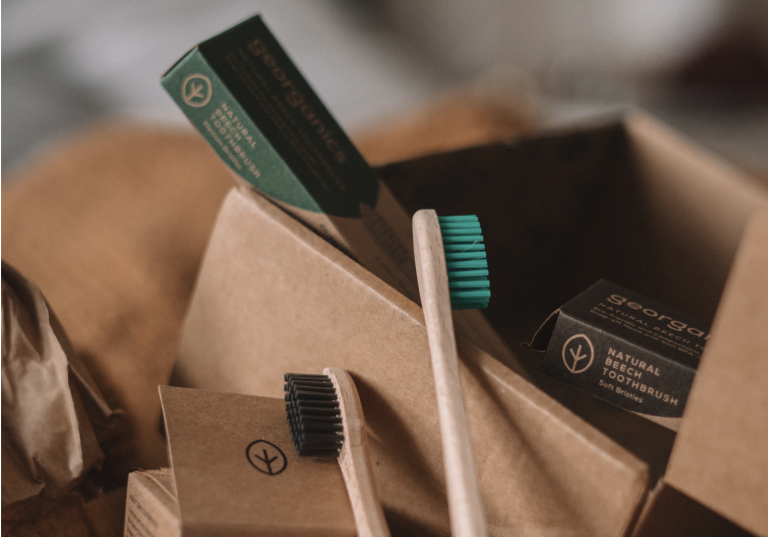
natural toothbrush, fluoride free
As consumers we can buy miwaks, natural toothbrushes and opt for fluoride free. But what are some of the choices dentists need to make when facing a toxic environment like mercury and the chemicals needed in dentistry?

Human activities have been causing irreversible damage to life on the planet through anthropogenic global warming that we are all a part of, even if you are vegan and drive a car run on old vegetable oi. The dental industry is well known for its procedures producing large amounts of greenhouse gases leading to large carbon footprints. It focuses on using items with one patient and throwing it away. Therefore, an increase in the number of patients increases the amount of waste. Green practices focus on improving the environment by reducing waste. 

Are you a dentist looking to clean up and eco-fy your practice a bit more? While you won’t be able to change a lot of the tools you need, you can be mindful about the following which matters to your patients:

Recycling hazardous waste

Recycling in dental practices should be a practical tool to manage your office waste with an ultimate goal of reducing your waste. Implementing recycling can reduce the trash that gets to the landfill.

One of the best ways to recycle is participating in programs, which repair old dental instruments and donate the refurbished materials to dental practices that give free services to the needy. Maybe a local pottery studio would like some of the old tools for carving?

Try to find companies for medical and hazardous waste and set up a system for disposing and managing the recyclables. Lastly, working together as a dental staff to recycle items used every day like soda bottles can go a long in improving your green practices. Your clients will notice. 

Going Paperless

Eliminating reems of paper charts, paper forms and other trails of papers in the office make a good impact. It reduces dust and the way your office looks as well. Send reminders that automated to patients using smartphones, tablets, and computers offering new patient chart creation and tablet check-ins. For senior patients, a good old phone call can do the trick and beffore you burn their old records, give a couple month window for them to come and pick them up for posterity stake. Studies have shown that cloud computing reduces the carbon footprint as well as reducing the cost.

Conserving Energy in the Office

Conserving energy by staff members enables them to practice a green-economy in dentistry like turning off the lights and equipment. Setting the computers to go dark instead of using a screensaver. Having water filters in the office will also help staff members to conserve water by refilling reusable bottles rather than using disposable plastic bottles. In times of Covid however make sure that staff do not touch the water station with their bottles, but that they hover above.

Using Digital Radiography

Using digital radiography instead of the old-fashioned X-rays on the gums will eliminate the need to use traditional film X-Rays and adversely reduce the level of harmful chemicals released into the environment by traditional film X-rays. This practices also reduces the exposure of patients to radiation and enabling dentists to access X-ray images immediately on a screen, no wait time. It’s a very good service for busy clients and children, especially.

Metal-free Smile Treatments

Eco-friendly dental practices use metal-free restoration like composite tooth filling. They are safe for the environment and also offer a natural look to the patients who worry about their smile aesthetics.

Patient Products That Are Reusable

There are several types of disposables used by dentists in their practice such as headrest covers, latex gloves, patient bibs, and disposable plastic suction tips. This has created waste.

Therefore, dentistry is making their practices green by changing to bibs, cups, metal suction tips that are reusable and cloth headrest covers. There are services that can launder these items which have a better feel and touch to the end user.

Removing of Amalgam Fillings Safely

The use of mercury in the material for dental amalgam restorative and research has shown that it can create adverse effects on the patients and the environment. Green dental practices work with patients to remove the amalgam fillings, replace them with safe alternatives, and dispose of them safely. 

Using Autoclavable Items

You rely on the autoclave to disinfect stainless steel instruments after each use. However, the list of autoclavable items goes beyond instruments. Cloth bibs, air and water tips, stainless steel prophy cups, and biodegradable dental suction tips are some of the reusable tools that can be autoclaved rather than using their plastic counterparts.

Waste Reduction

Disposal of waste effectively is a key concept in green dentistry. Dental practices can adhere to this by reducing the number of products they use. Examples include using biodegradable paper cups, decreasing the number of plastic barrier wraps, and dispensing patient self-care products without plastic bags. Dental practitioners can consider cycling waste such as gloves and masks and paper products.

Final Takeaway

Green dentistry is an eco-friendly approach. It shows that you are willing to invest time into caring about our planet and the environment for patients. Dentistry can participate in sustainable practices through small changes that have a positive impact on the environment and the people who meet you. Every dentist can participate in the conservation and reduction of greenhouse gases while minimizing landfill waste and water usage that contributes to a healthier environment and more sustainable resources. Green dental practices help dentistry give social value to the local community and a brighter future for present and future generations.


Meet the Mountain People of the Middle East

0
Hoggar Mountains in English, Algeria.
The Hoggar Mountains (Arabic: جبال هقار‎, Berber: idurar n Ahaggar) are a highland region in the central Sahara, southern Algeria, along the Tropic of Cancer.

Mountains host about half of the global biodiversity hotspots and are home to a growing number of the world’s hungriest people, according to a new United Nations study.  The study shows that the number of mountain people vulnerable to food insecurity in developing countries increased from 243 to almost 350 million between 2000 and 2017.

Mountains provide between 60 and 80 percent of the world’s freshwater, which is essential for irrigation, industry, food and energy production and domestic consumption. Many of the world’s most important crops and livestock species also originate in mountain regions and are a source for food and medicine.

Yet the joint study found that mountain ecosystems are becoming increasingly fragile, under pressure from changes to land use and climate, overexploitation, pollution, demographic shifts and other factors which threaten livelihoods and food security.

“The vulnerability to food insecurity of the mountain people in the developing world is compounded by the presence and occurrence of natural hazards and armed conflicts that disrupt livelihoods or put strain on the natural resources on which mountain people depend,” the study concluded.

It also noted that environmental degradation affects mountain people disproportionately. Climate change has increased the degradation of mountain ecosystems and the incidence of natural hazards such as landslides and droughts.   

Around 275 million rural people vulnerable to food insecurity were estimated to live in mountain areas that have already been affected by natural hazards.

The COVID-19 pandemic has added urgency to an already difficult situation as restrictions imposed by various countries have amplified the vulnerabilities of mountain communities that depend on agriculture and tourism for their survival.

“One in every two rural mountain people in developing countries do not have enough food to live a healthy life and they are now dealing with the impact of the COVID-19 pandemic. We must protect our mountains and the livelihoods of those who depend on them,” said FAO Deputy Director-General Maria Helena Semedo, commenting on the study’s findings.

The joint study recommended urgent action to address climate change and remove food insecurity and malnutrition in mountain areas. It called for policies to improve the resilience of mountain ecosystems and promote sustainable food systems that support innovation, research and community involvement.

“Ultimately, the goal of this study is to call on decision-makers and others stakeholders to strengthen cooperative action to reduce the vulnerability of mountain people, in particular local communities and indigenous people, and of the most vulnerable among them, often women and children,” the study said.

Who are the mountain people of the Middle East?

Taurus People of Turkey, Iraq and Iran

The Taurus Mountain range extends through southern Turkey to the Iraqi and Iranian borders. The famous Mount Ararat, seen in the Bible as the resting place of Noah’s Ark, is located in the eastern part of the range, and is the highest peak of the Taurus Mountains at 16,583 feet (5137 meters), according to the resource Teach Middle East. The Tigris and Euphrates Rivers both originate in the eastern Taurus Mountains, and are fed by snowmelt as they flow toward Iraq.

The Taurus Mountains give us a good example of transhumance, or seasonal nomadism, in the Yoruk people. Over thousands of years, nomad herders like the Yoruk have wintered their animals on the southern side of the Taurus closer to the Mediterranean, away from the bitter cold of the mountains and the plateau, and then moved them to summer pastures in the cooler heights to escape the blistering heat and insects of the plain.

The Taurus Mountains have also acted as a natural political boundary between states over the centuries. They marked the boundary, for example, between the Byzantine Empire and the Islamic state founded after the rise of Islam from the seventh century until the Battle of Manzikert in 107, when the Seljuk Turks defeated the Byzantines and moved decisively into Anatolia.

The Zagros and Elburz People of Iran

mountain watch iran
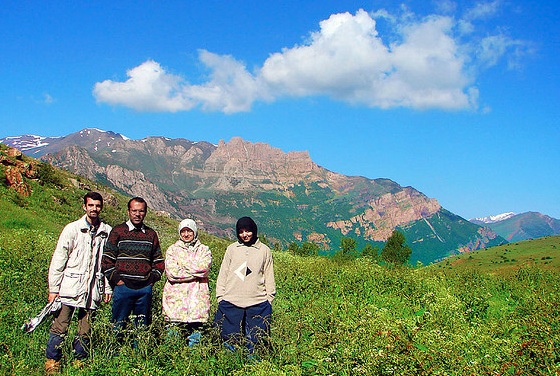
The Alpine Watch club, Iran

The Zagros and Elburz Mountains run along the western and northern borders, respectively, of Iran. The Zagros extend about 1000 miles from northern Iraq through western and southern Iran. The Elburz run over 600 miles across northern Iran along the coast of the Caspian Sea.

In both ranges many peaks exceed 9,000 feet, with Zard Kuh being the highest point of the Zagros at 14,921 feet (4,548 meters), and the dormant volcano Mt. Damavand the highest peak in the Elburz Mountains at 18,602 feet (5,670 meters) high. See the Mountain Watchers of Iran here.

The Hijaz and Asir Mountain People of Saudi Arabia

Running along Saudi Arabia’s border with the Red Sea, the Hijaz and Asir Mountains form an escarpment along the cleavage of the African and Arabian plates. This escarpment lifts the western edge of the Arabian plateau, which then slowly slants downward and eastward toward the Persian Gulf and Indian Ocean. The mountains of the Hejaz and Asir ranges average 6,000 to 7,000 feet (1,829 – 2,130meters), with Mount Sawda’ in the south rising to just over 10,000 feet (about 3000 meters) in the south.

beauty of Yemen
Mountains in Iran

The Red Sea Mountain People

Along the Tihamah, the narrow coastal plain between the Red Sea and the mountains, there is enough rainfall, although floods often occur during the monsoon season, to support agriculture in this watershed, but too little moisture crosses over the mountainous barrier to support farming on the desert of the central Arabian plateau.

The Atlas Mountain People of Morocco, Algeria and Tunisia

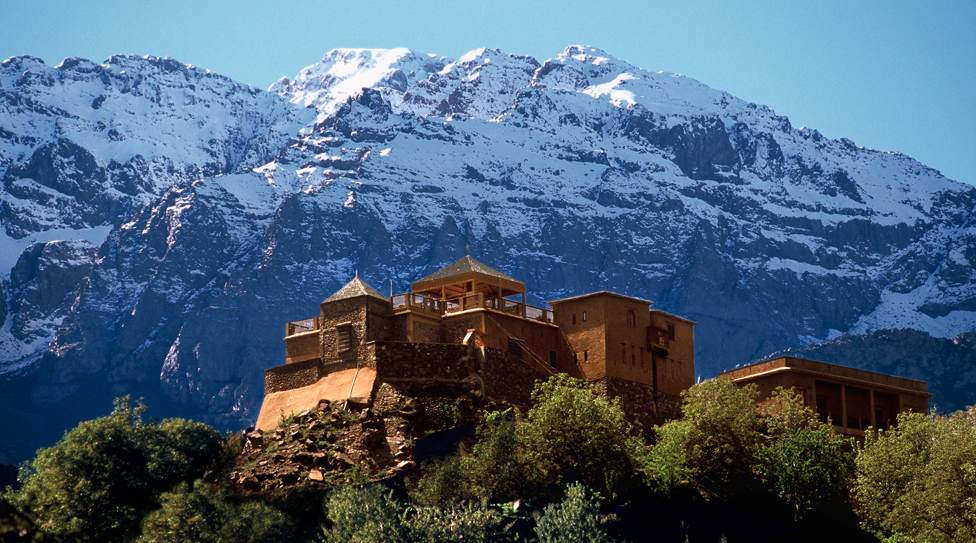
kasbah du toubkal
At the base of Toubkal. 

The Atlas series of mountain ranges in northwestern Africa extend 1200 miles southwest to northeast across the North African countries of Morocco, Algeria, and Tunisia. In northern Morocco, the Rif Mountains receive enough rainfall to support forests and a great diversity of wildlife; to the east, this range becomes the Tell Atlas. 

Further south, the broad belt of the Middle Atlas and then the High Atlas (peaking at Mount Toubkal, standing at 13,665 feet or 4165 meters) and then the Saharan Atlas ranges separate the Mediterranean basin from the Sahara Desert to the south. On the north-facing slopes of this great climate barrier, rich farmland exists.

The Atlas mountain ranges not only restrict the passage of water from the verdant Mediterranean edge to the Sahara, but also have played a role in restricting the movement of humans. In this difficult terrain, over the centuries of conquest by new groups such as the Arabs and the French, the indigenous culture of the various Imazighen peoples (or Berbers) has survived centuries.  

The Lebanon Mountain People

odom ski lebabon, biodome, dome tent glamping
Glamping in Odom in the mountains of Lebanon

The Lebanon Mountains, along with the Anti-Lebanon Mountains further to the east, parallel the Mediterranean coast from southern Lebanon into Syria. Between the two ranges lies the fertile Bekaa Valley. In ancient times, Lebanon was famous for the huge cedar trees that grew in the Lebanon Mountains and which still appear on its flag, although there are very few specimens remaining.

Like the Atlas, the Lebanon Mountains have long been a refuge for minority groups wishing to escape both persecution and assimilation into the dominant culture. In this case, the mountains have provided refuge over the centuries for Christians, particularly the Maronites; the Druze; and communities of Shi’a Muslims.

Want a mission in life to help the planet? Look to find a way to help the mountain people. In areas like crafts, artisans, regenerative agriculture you can restore livelihoods and repair the earth.


The dangers of water leaks at home

0

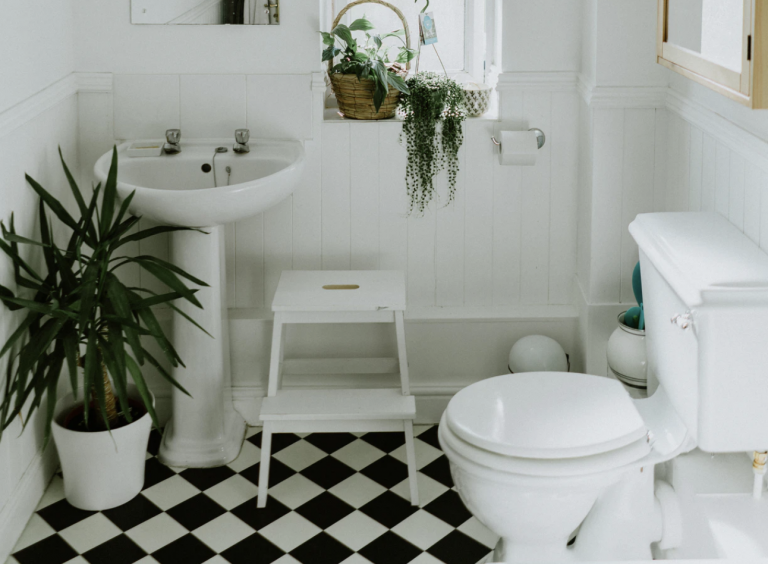
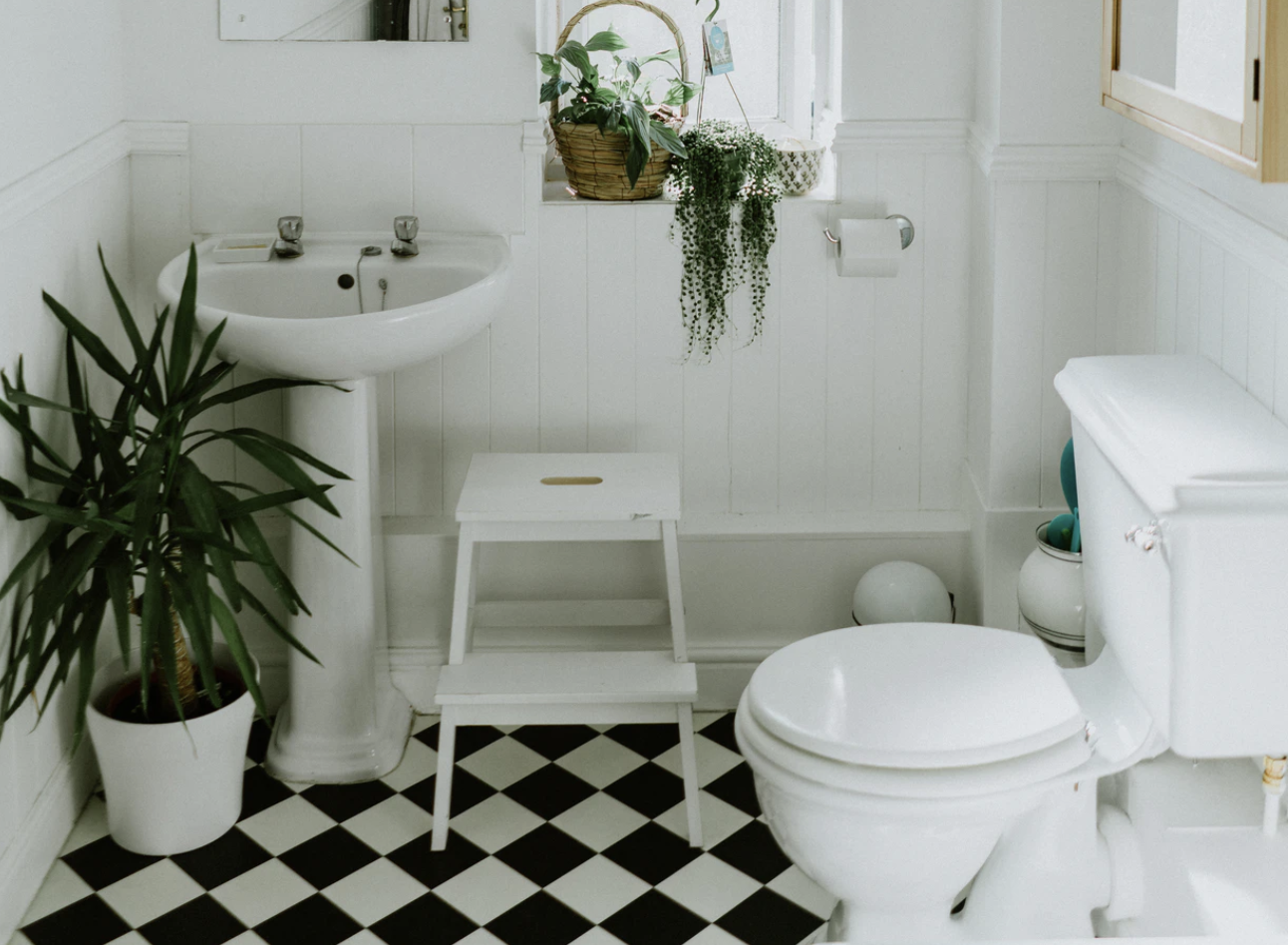
eco home bathroom

Thanks to Covid many of us have fled the rent of cities and have bought homes in Vermont or somewhere in the country. This is a must especially if you have kids. Sooner or later, you will end up having to deal with a water leak in your home. It happens to us all, from the US to Australia where it’s now a wet winter.

Most homeowners simply ignore leaks, especially when they are small. I always hope they will just go away on their own and sometimes they do. But even a simple dripping water faucet can lead to some problems and dangers and well, it’s really not eco-responsible all the same. Some leaks eventually lead to large leaks and huge headaches that require emergency plumbing. And that’s no fun. There are piles of resources on emergency plumbing online. Google Plumbers Near Me to find one.

So let’s say you want to stay one step ahead of calling a plumbing ambulance. There are some hidden dangers that appear when you have a water leak in your home, and most of them aren’t pretty or healthy.

Mildew And Mold Issues

Mildew and black mold are very dangerous and almost always appear if the water leak is not quickly taken care of. They simply appear and grow in areas that easily build up moisture, wet areas, and in damp places. Just a few water drops daily will create damp spots that are a perfect growing environment for mold. 

Mold will spread to various parts of your home, like walls, floors, furniture, wood framing, the HVAC system, carpets, and clothes. Remember that mold can be really toxic, and if you do not remove it fast, it becomes more and more difficult and costly to deal with. 

Health Effects of leaking taps

This is directly connected with the appearance of mildew and mold. These growths can hurt the structural integrity of the home but also pose a really serious health risk. This is especially the case when you suffer from asthma or respiratory issues. Spores can easily cause skin irritations, allergic reactions, throat inflammation, nose inflammation, red eyes, itchy eyes, coughing, and more. You can also read this guide on what to expect during mold remediation.

Water contamination

When the leak comes from a broken or burst pipe, one that is carrying drinking water, you can end up faced with contamination because various contaminants enter the pipe. This is easy because there is a pressure drop or change that leads to attracting the contaminants. As an example, the pipe can end up sucking the water coming from the environment, together with all the particles in it. 

Health risks associated with water leaks are multifaceted, especially when considering scenarios involving the contamination of drinking water. The Camp Lejeune water contamination lawsuit is a prime example of the severe consequences that can arise due to water pollutants. Instances of leaks in residential or public water systems can introduce harmful substances, such as lead, bacteria, or chemicals, posing significant health risks to individuals exposed to the contaminated water. This parallels the far-reaching implications of individuals affected by the Camp Lejeune water contamination, emphasizing the importance of prompt detection and remediation of water leaks to safeguard public health.

Increased Utility Bills

When water keeps leaking, your water bill is higher than it should be. This is also the case with energy consumption when you have electrical devices that use water. Also, when water damages home insulation, the HVAC system will need to spend more electricity on heating up or cooling down the environment. Leaks can reach your ceiling, attic, or roof. There, it can damage insulation much faster than you might think. Cold and warm air is thus lost, and you pay more for heating and cooling bills. 

Structural Damage

We naturally see water as a harmless substance. After all, it cannot really hurt us when just a few drops hit our skin, right? How can a small leak destroy a house? Well, this is possible when the leak is not taken care of at the right time. 

Plumbing and roof leaks can easily cause drastic structural damage to ceiling joists, wall framing, rafters, framing, and deteriorate wood. As a result, you will need to deal with a really extensive and costly repair. This is why it is always mentioned that you have to detect water leaks as soon as possible when the leaks are small so that the damage that appears is salvageable. 

Fire Hazard

This is another thing we normally do not think about. How can water cause a fire hazard?

Water leaks can easily turn into a fire hazard when it reaches electrical wiring. This drastically increases the risk of creating short circuits or shorted wires. This can lead to electrical fires, which would naturally create serious home damage. Always turn off your electricity as soon as you notice the presence of a leak close to electrical wiring.

How Do Smart Drugs work To Increase Brain Function?

0
herbs on a wooden platter
The smartest drugs are made by nature. Herbs, mushrooms, ions from the sea. But when you need some outside help: smart drugs are a new industry.

People especially in Covid times are looking for ways of getting an edge and improving functionality of body and mind. Maybe you’ve heard of people who sleep train every few hours using segmented sleep or who have diets based on Soylent. Many people are looking to use smart drugs to help boost their cognitive functions and increase brain power. It’s like a vitamin mix made by people looking to optimize humanity in mind, body and spirit.

Smart drugs companies such as Mind Lab Pro and Noocube, make a bid t0 increase brain function. A company we know – SmartyPants – one its founders was involved in Charity:Water is also making a smart supplement, but for kids. She’s recently sold her company to Unilever so it’s a big deal in mainstream business, as well. 

Smart drugs, are like vitamins and a class of their own known as nootropics, and they are a fairly recent phenomenon. With no prescription necessary, they are essentially regarded as any drug that helps to boost brain function in day to day life. ‘Smart drugs’ is more of a blanket term rather than talking about a specific, individual product, and it’s important to understand what these drugs are and how they work. They can play such an invaluable role in your life that it is essential to get this right as much as you can. My doctor would just say: grow a garden, eat your own organic vegetables and a balanced diet and you will be okay. But what if you need that edge?

What Exactly are Smart Drugs?

Smart drugs are, essentially, any drugs that can give you some sort of mental boost and improve the clarity and functionality of your brain. Indeed, anything from actual branded ‘smart drugs’ to anything like Vitamin D and antidepressants can be classed as smart drugs. But even supplements like the ones created by Seed to increase gut health. In the United States it is believed that close to 20% of students admit to having used some form of smart drugs in order to boost performance. When I was in college we used to use caffeine pills, which seem so primitive now.

Of course, the popularity of this market has given rise to fake products, and this is why it is so important to make sure you do your research as much as possible. You have to do your homework to ensure you’re choosing the right product, and one that has the ingredients in it that it claims to have. Nootropics claim to enhance memory, creativity, and motivation, and this can make them invaluable additions to your life. But them from a brand you trust or a source you know. 

How do nootropics work?

One of the things that you need to understand when it comes to smart drugs is how they work. So, how exactly do these drugs work to increase brain function? Well, there are small sample sizes on both sides of the coin that show smart drugs can work, and some to suggest they don’t. It’s like the case for CBD oil. Nothing definitive has been proven in medial terms, but it’s clear that many examples of smart drugs can work to improve cognitive ability, memory function, and all round mental sharpness, and this is very interesting.

For example, a smart drug like Donepezil is a common and popular choice for those seeking the benefits of smart drugs. In fact, the drug itself is actually a drug used to treat Alzheimer’s, but in healthy people it may actually help in terms of improving brain function and smartness. The way this drug functions is as an enzyme inhibitor, which serves to increase the neurotransmitters in the brain. This leads to improved cognitive abilities in those suffering from Alzheimer’s, and can also serve to make healthy people smarter. This is a pill that works best when taken before bedtime, but you should be aware that there are side-effects you may have to experience as well in the process.

Mind Boosting Brands

Now, if you are looking beyond things like caffeine and Omega-3 fatty acids, and you’d actually like to buy some leading brands to find the right smart drug on the market for you, then this involves a but of research. So that means you need to look into some of the leading brands and best products available when it comes to smart drugs right now. There are a lot of things that you need to try to make the most of as much as you can, and this is one of the most important things to make the most of moving forward.

So, we’re going to try to look at some of the leading smart drugs available, and ones that you should definitely be looking to try out right now. The best choline supplements are prominent nootropics to start with since Alpha-GPC or CDP Choline is the base of any modern nootropic stack. On the other hand Adderall or Ritalin have been used to treat kids and people with concentration problems and these are some of the biggest names on the market. They both have elements that can help to boost smartness and brain function, and they are often overused sadly in the United States. Among some of the most popular and effective nootropics on the market are Mind Lab Pro, Performance Lab Mind, and Brain Pill.

Smart drugs are all the rage these days, as people look for more and more ways of being able to improve their brain function and perform better in daily life. There are so many ideas that play a massive part in helping with this, and making sure you choose the right smart drugs is one of the best ways of being able to achieve this. But like my doctor always says, the natural choice is usually the best way forward. You can decide.

How to play an intuitive music instrument?

0

My husband is a musician who built a foundation for ethnic music in the Middle East. He can play many instruments and they took years to learn. Usually when you play one string instrument well, like the guitar, you can pick up others with ease, like the banjo or the Turkish jumbush. Most learning of most conventional instruments are hard to learn and take about 10,000 hours of practice to master. But there are some you can pick up and enjoy which lets you be part of the music from your first beat or tap without knowing music theory or how to read music. 

And it turns out that a number of these instruments, special as they are, are also made by hand. 

How to choose an intuitive instrument?

Ocarinas which I’ve made in my pottery studio, singing bowls played by Buddish monks or your yoga teacher in LA, tongue drums or a hang drum, whistles, steel drums, cajon (the drum beat box which we have at home – and which also makes a good stool when playing on the keyboard), kalimba, a ktak, a snare drum you can wear which we also own – all these instruments have a simple architecture and can be understood how to be played by touching and feeling and experimenting. You could say, even a piano, if you have a bit of patience. 

Ktak is a snare you can wear

Idiophones –– drums, castanets, the tambourine, a triangle ––  are all intuitive instruments because they create the sound by the instrument’s vibration, and some of them are tuned to resonate within a range of harmonious pitch (like the hang drum or steel drum or even the Turkish saz which is a string instrument) — so you can start tapping, whistling, or striking and creating some melody. 

Once I brought a saz to a party and pretended I was a master saz player and people who weren’t musicians believed me. Any stroke of the saz (it’s a Turkish lute) sounds like angel’s wings. I am not kidding. After a while though without knowing much theory it gets boring. 

The nice thing about intuitive instruments is that they invite you in and you can enjoy from day 1 as you learn. Which is not true for a tuba, a saxophone or a violin. All of these have very steep learning curves. 

The downside of the most intuitive instruments is that you are limited in notes/pitches/resonance. You will never be able to reproduce all the beauty of Mozart’s sonata using a whistle, kazoo or a set of spoons, but in Covid times, a nice sounding instrument at home could beat the speeches of the early days of violin or trumpet. 

Over the years there is one instrument I have seen loved by musicians and novices alike. Some people call it the hang drum, though it reminds me very much of the fine-tuned steel drums I used to hear in the Carribean. I guess you could make one and many people did when the waiting list for the original Swiss version was 3 years. Luckily some new hang drums have come on the market. I am going to reach out to the company to send me one to try. It’s called the RAV Vast. 

The RAV Vast is a steel tongue drum hand-crafted to emit a perfectly balanced pitch and sonorous, harp-alike voice. For calling angels? The progression of notes tuned on 9 tongues may vary from scale to scale (and if you want to make a band of one) you can choose 20 scales, each tuned to provide various voices and tones on different scales. The diversity lets you choose one for ethnic music or even for being part of Jazz standards –– as long as you know the key. I like to support this company because they priced their handpan drums at a price that most people can afford. If something costs too much like some of the original hang drum makers do it will only be played by the rich.

Hand pan drums. Take them anywhere.

With all hang drums, each tongue or section on the flying-saucer like drum has up to 7 overtones that makes the tone of the drum deep and wide simultaneously. Imagine playing seven keys on the piano together. Drums like the RAV Vast hang drum can be played by anyone as all the notes of the drum sound harmoniously together. Basically, if the more experienced musicians know the key of your drum, you are good to jam. 

And like I mentioned above, professionals also love the hang drum. We’ve hosted many music festivals at our home in Jaffa over the years and there is always a hang drum part of at least one set, often many. Mainly because it’s versatile, offering endless options. Simple melodies can be learned and taught to children, or it can be played as part of a meditative retreat in the desert while teaching yoga or as a funny cover band version of Mozart.  No planning needed. Your unconscious can guide you. 

How to play a handpan drum?

There’s no right or wrong way to play a hang drum, also known as a handpan drum. Ascending pitches are played in a zigzag order from the bottom to the top. The lowest note – called the Ding – and it is found in the center of the drum.  The drum sits in your lap with the lower notes close to you by playing the progression: central note – bottom note – side notes – top notes. 

If you can do it several times slowly, you can remember the location of the notes. You can also use stickers to remember the notation (for advanced musicians), this way you’ll be able to learn to play the “sheet” music quicker. 

Experiment with the number of notes you play progressively and simultaneously and their order. Do you know that you are playing music already? Keep on practicing, involve your palms, fingers, and knuckles while playing. Using mallets or wooden sticks will let you produce a different kind of melody and a different sound. Let the instrument guide you and give a clue to creating an endless number of beautiful compositions. Your intuition will guide you. A lovely thing. 

The Roomba for solar panels goes public and is valued at $300M

0

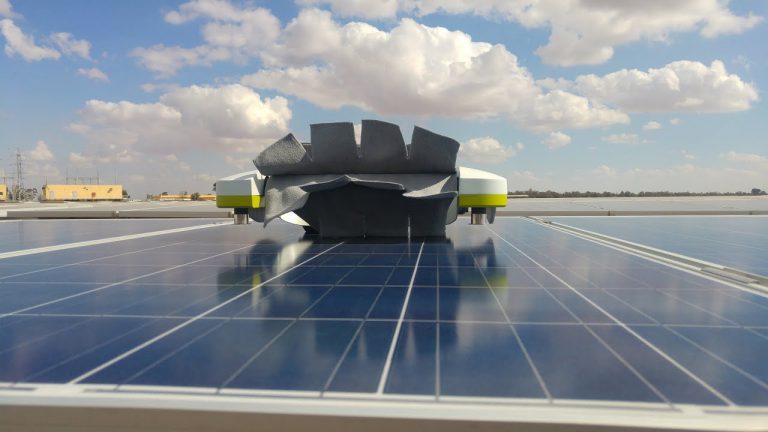
ecoppia like a roomba for solar panels

Ecoppia, a robot to clean PV photovoltaic solar panels, launched an initial public offering (IPO) on the Tel Aviv Stock Exchange (TASE), after successfully completed the public tender phase. This is after a significant raise this summer

Ecoppia secured $82.5 million from leading institutional investors with a company valuation of $300 million, they said in a press announcement. By cleaning the solar panels at night Ecoppia can improve solar efficiencies. 

During the public tender phase, Ecoppia marked yet another meaningful achievement as public demand reached $76.74 million, despite the fact that the company offered shares for just $1.5 million. During the institutional tender, Ecoppia received $144.7 million in demand, yet accepted only $83.3 million.

Water-free cleaners

Ecoppia offers fully autonomous, water free robotic cleaning solutions for PV modules, ideally for large scale PV installations located in dry and arid regions. Deployed globally in utility-scale sites operated by leading energy players on three continents, Ecoppia’s solutions clean 10 million panels every night and have been field-proven to keep solar panels at a year-round peak performance while minimizing O&M costs.

Despite the unique challenges of the ongoing COVID-19 pandemic, Ecoppia has secured over 10GW of new projects over the last four quarters alone, maintaining a CAGR of booking of over 200% in the past six years.

Last July, CIM Group, the US-based investment firm, invested $40 million in Ecoppia’s shares, with $20 million directly into the company.

Ecoppia was founded in 2013 by Eran and Moshe Meller, who held 21% of the company’s shares prior to the IPO. Along with the CIM Group and the Mellers, the company’s primary stakeholders, prior to the IPO, were prominent international investors and financial institutions.

“I would like to thank our investors for their trust in Ecoppia,” said Ecoppia’s CEO, Jean Scemama. “Ecoppia serves a rapidly growing global market, and has demonstrated strong technological supremacy in all our operational regions. It is expected that manual cleaning for large-scale solar sites will become irrelevant in the coming years.”


Saudi Arabia, Kuwait, Iran, Turkey: hot spots for SO2 emissions

0
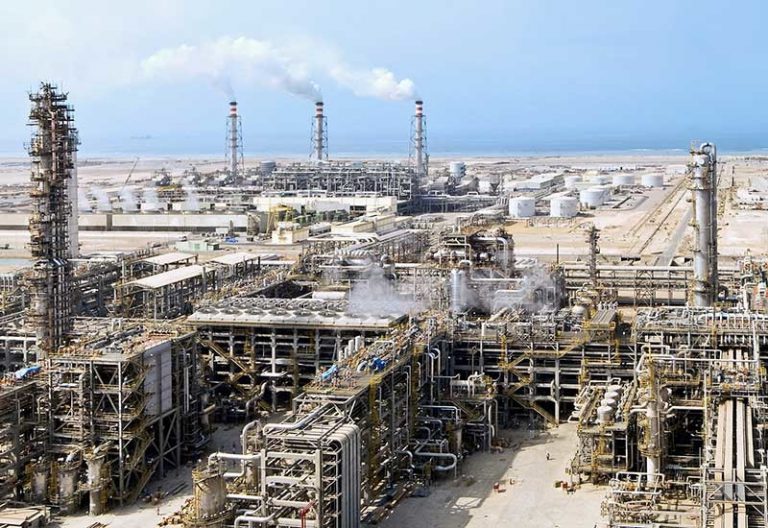
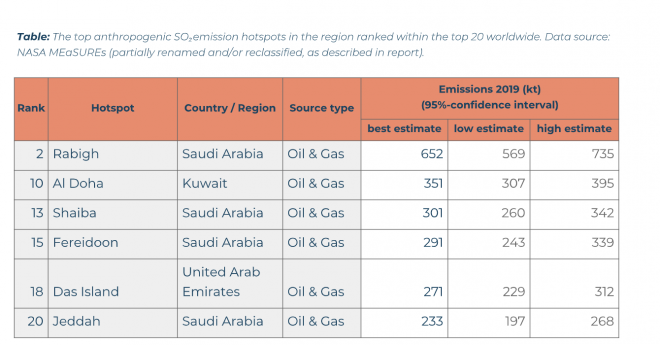
The Rabigh oil and gas hotspot in Saudi Arabia ranked a #2 hotspot, while the country is ranked at #3 as the most polluting for SO2 in the world: Greenpeace

Middle East Records Some of the Highest Global SO2 Emissions 

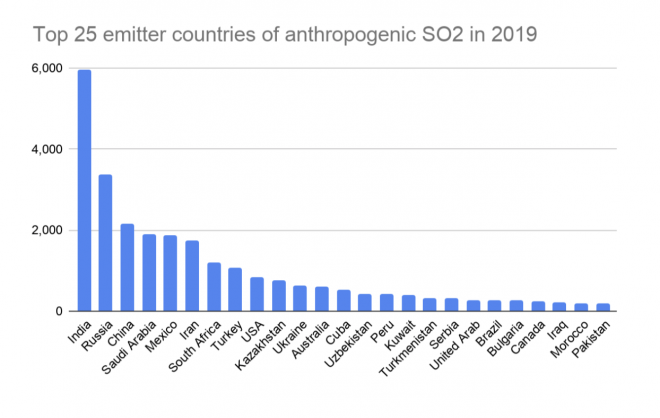
The Centre for Research on Energy and Clean Air– CREA and Greenpeace India released their report about Ranking the World’s Sulphur Dioxide Emissions Hotspots 2019-2020, which revealed the emissions of this toxic gas resulting annually from anthropogenic activities in the energy, oil, gas and  smelting sectors.

Despite the general decrease in SO2 emissions around the world, the Middle East is still one of the worst polluted regions, specifically emissions around the Gulf region which did not witness any significant change between 2018 and 2019. 

Ahmad El Droubi, Senior Campaigner – Greenpeace MENA said: ”We issue this kind of report as we believe that the measurement and tracking of air quality should be a priority. Sulfur dioxide is a colourless air pollutant that is invisible to the human eye, widespread and hazardous to human health. Breathing SO2 increases the risk of health conditions including stroke, heart disease, asthma, lung cancer and premature death.”

For this CREA/Greenpeace report, researchers used satellite data and a global catalogue of SO2 emissions sources from the United States National Aeronautics and Space Administration (NASA) to detect emissions hotspots. The data was analysed to identify source industries and emissions trends.

“Despite the global drop in emissions by 47.25% since 2005, the Middle East and North Africa region recorded a decrease of only 8.5% in the same period. And the report did not find any significant change between the years 2018 and 2019, and that the Gulf remains one of the most polluted regions with SO2 and is a major hotspot of global emissions.”

The top emissions hotspots are all concentrated in the Middle East.

The report revealed that Saudi Arabia recorded the highest levels of sulfur dioxide emissions in the Middle East and North Africa in 2019, followed by Kuwait, the UAE, Iraq and Morocco.

The UAE and Iraq witnessed a decrease in the emissions levels between the years 2018 and 2019, however this change was within the range of annual variability. The levels of emissions of this gas in Saudi Arabia and Kuwait did not record any significant change in the same period. Morocco recorded an increase of 15% in the levels of emissions of sulfur dioxide between 2018 and 2019.

The Norilsk smelter site in Russia was the biggest source of anthropogenic SO2 emissions in the world in 2019, the Rabigh oil and gas hotspot in Saudi Arabia ranked second. It is pictured above.

Dangers of sulfur dioxide

SO2 is a toxic gas responsible for the smell of burnt matches. It is released naturally by volcanic activity and is produced as a by-product of copper extraction and the burning of fossil fuels contaminated with sulfur compounds.

Sulfur dioxide causes a range of harmful effects on the lungs, as the EPA’s most recent review of the science concluded: Wheezing, shortness of breath and chest tightness and other problems, especially during exercise or physical activity. Exposure to SO2 likely makes Covid infections worse or more dangerous.

While sulfur dioxide isn’t a direct greenhouse gas like carbon dioxide or methane, it is considered an indirect greenhouse gas. Sulfur dioxide is regarded as an indirect greenhouse gas because, when coupled with elemental carbon, it forms aerosols.

Greencells heats up green bonds with EU 15 Million

0
greencells masdar office
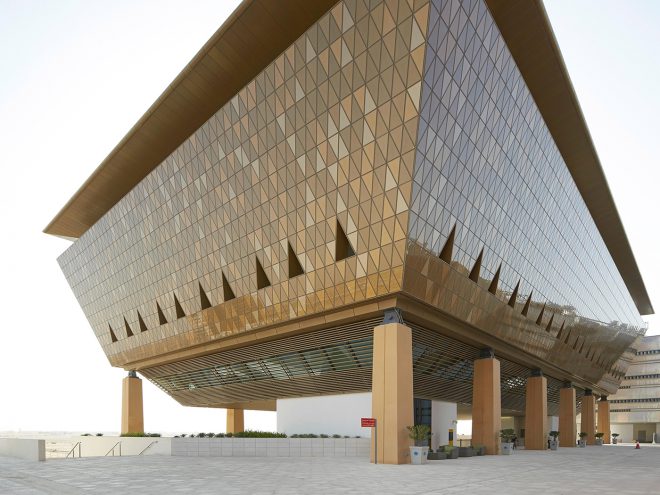
The Greencells office at Masdar, the net-zero city in the Emirates

Greencells, a German-founded, globally active builder of utility-scale solar power plants with offices at Masdar in the United Arab Emirates announced raising EU 15 Million with its Green Bond, secured at 6.5% between 2020 to 2025. Greencells develops, builds, operates and finances utility-scale solar projects worldwide.

The proceeds from the green bond issue are intended to grow the company and power up to 130,000 households with green energy, mainly in Europe. Raising public money through bonds is gaining popularity now that bank rates hover at about nothing. Meaning if you leave money in the bank you will lose money over time from inflation. 

Greencells has a model like RE Invest in Canada. To raise bonds from the public. In the olden days, when solar energy started picking up interest around 2005, venture capitalists jumped in and it was hard for non-accredited investors to invest in solar – unless you offered a roof.

Some earned enormous profits from attractive feed-in rates offered by governments, others like entrepreneurs David Anthony from 21Ventures committed suicide when his ventures tanked in 2012. Here is a guest post from Anthony written to Green Prophet in 2009

Over the years the entrepreneurs making the most money are the ones who make the inverters. SolarEdge, a company from Israel and who I have interviewed many times, always seem to get marketing and business right, and they are doing very well in the last year. 

With 15 years of experience and proven success of solar power plant builds and infrastructure, German and Australia are becoming clear winners. 

Germany according to PV Magazine almost 50% of German’s energy was created by solar power this year. It is unfathomable that the Middle East hasn’t figured this out. But some of Greencells builds are in the Middle East. Like anything today, solar energy is a global village. It takes a global team to make a build. 

According to Greencells they will expand by building a sister company with the raise, and they plan a further raise on the Frankfurt Stock Exchange, of up to EU 25 Million.

Andreas Hoffman Greencells CEO profile
Andreas Hoffman

“We would like to thank all investors for the trust they have placed in our company and our growth strategy by subscribing,” said Andreas Hoffmann, CEO of Greencells.  “And what makes us particularly confident for further private placements in the coming months: The capital market also shares our opinion that our own as well as the sector-specific growth, prospects in the solar market are absolutely intact.

“We have shown that even in Corona times many investors want to join us on the path to sustainable development – that was our goal. We start exactly where it is important for the climate: with projects for renewable energy production based on solar energy, the world’s cheapest energy source.” 

A successful partnership with Nordic Solar in Poland will also contribute to further growth of Greencells. After a photovoltaic portfolio of 6 MWp was successfully realized in  Nowogard in 2019, a contract for a 38.5 MWp photovoltaic portfolio located at various sites throughout Poland has now been signed.

In the coming years, Greencells will focus primarily on the European market. As a  result of the outcome of the presidential election, the USA will focus more strongly on climate protection again under new leadership. This will create further very attractive opportunities in the short term, which the company will seize flexibly. The company has an office in the United States. 

The Group now has over 2.1GWp of installed capacity under its belt and employs over 600 employees worldwide. Headquartered in Germany, the Group has international subsidiaries in Asia, the Middle East and the US.

Human’s built mass equals planet’s biomass

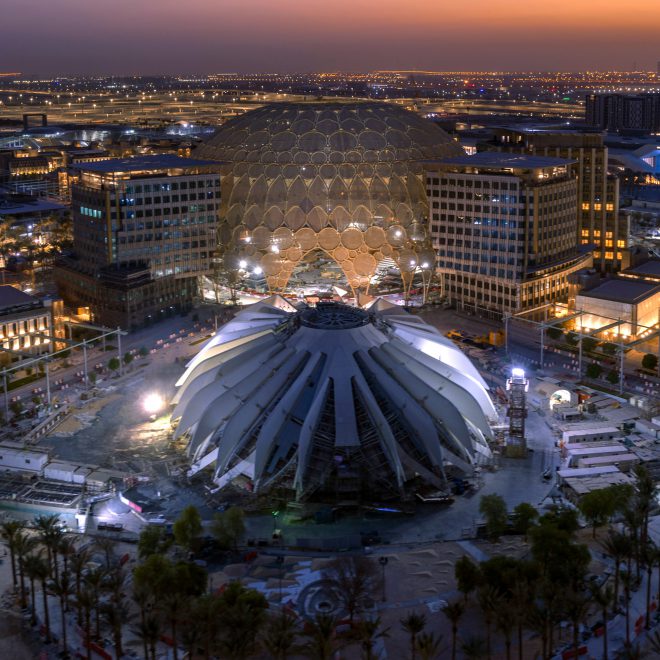
sustainability pavillion Dubai
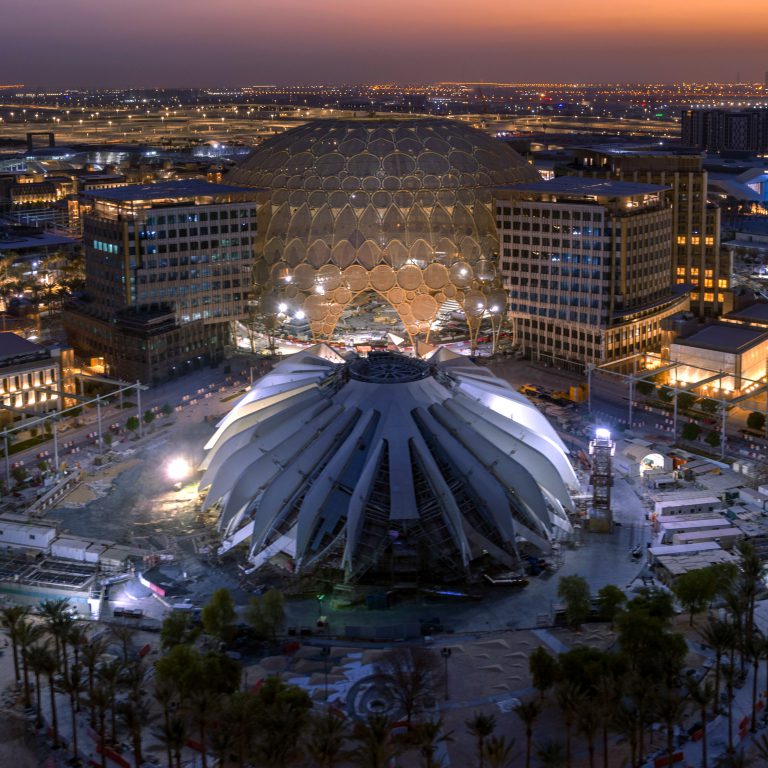
Dubai’s sustainability pavillion = more man-made mass.

Concrete, steel, pavement. A new study finds we are doubling the mass of the human-made, “anthropogenic” part of the world every twenty years and the curve is not flattening. We now have as much human-made mass as earth’s biomass. 

The mass of all human-produced materials – concrete, steel, asphalt, etc. – has grown to equal the mass of all life on the planet, its biomass. According to a new study at the Weizmann Institute of Science, we are right at this tipping point, and humans are currently adding new buildings, roads, vehicles and products at a rate that is doubling every 20 years, leading to a “concrete jungle” that is predicted to reach over two teratonnes (i.e. two million million) – or more than double the mass of living things, by 2040.

concrete jungle weighs as much as a real jungle scale
We have reached a new tipping point.

The study, published today in Nature and conducted in the group of Prof. Ron Milo of the Plant and Environmental Sciences Department by Emily Elhacham and Liad Ben Uri, shows that at the outset of the 20th century, human-produced “anthropogenic mass” equaled just around 3 % of the total biomass.

How did we get from 3% to an equivalent mass in just over a century? Not only have we humans quadrupled our numbers in the intervening years, the things we produce have far outpaced population growth: Today, on average, for each person on the globe, a quantity of anthropogenic mass greater than their body weight is produced every week.

The upswing is seen markedly from the 1950s on, when building materials like concrete and aggregates became widely available. In the “great acceleration” following World War II, spacious single-family homes, roads and multi-story office buildings sprang up around the US, Europe and other countries. That acceleration has been ongoing for over six decades, and those two materials, in particular, make up a major component of the growth in anthropogenic mass.

“The study provides a sort of ‘big picture’ snapshot of the planet in 2020. This overview can provide a crucial understanding of our major role in shaping the face of the Earth in the current age of the Anthropocene. The message to both the policy makers and the general public is that we cannot dismiss our role as a tiny one in comparison to the huge Earth. We are already a major player and I think with that comes a shared responsibility.” says Milo.

Referring to the dynamics of the human-made materials in our world as a “socio-economic metabolism,” the study invites further comparison with the way that natural materials flow through the planet’s living and geologic cycles. “By contrasting human-made mass and biomass over the last century, we bring into focus an additional dimension of the growing impact of human activity on our planet,” says Elhacham.

Milo: “This study demonstrates just how far our global footprint has expanded beyond our ‘shoe size.’ We hope that once we all have these somewhat shocking figures before our eyes, we can, as a species, take responsibility.”

Milo and Elhacham teamed with graphic designer Itai Raveh to create the website, anthropogenicmass, to help explain these figures in clear, simple terms.

Steven Jacobs urban farmer
Steven Jacobs urban farmer. We met when he was helping farm food for Microsoft employees

Some urban farmers like Steven Jacobs are hoping for a radically rebuilt future. I met Jacobs when he was an Urban Farming Specialist working for Compass Eurest supporting the Redmond Microsoft Campus.

Jacobs writes to me: “If we can ever develop the tools (biological or otherwise) to recycle all this stuff it wouldn’t be an issue.

“Every other dominant organism over earths history seems to have done something similar. Trees are the best and easiest example I can think of. Lignocellulose was just sitting in piles, indigestible, for tens of millions of years. Some genes come along to allow fungi the ability to recycle it and now we see them as keystone species in the ecosystem.

“Imagine if the build environment could follow a similar trend. I really see only 2 roads for us. One road we follow that trend. The other road we follow the other side of that trend, which is organisms who cannot change their environment in a way which other organisms can then use to reduce/reuse/recycle, they die in a fairly abrupt and massive way.”

It’s time to start creating biodegradable cities, maybe?

How to Easily Purify Your Tap Water

0

purify glass water

There are a host of water-borne diseases that can harm you and your family if your water is not properly sanitized. Just because you don’t drink it, it doesn’t mean you don’t have to make sure your water is safe since there are a lot of bacteria that can irritate your skin or worse – go through them. Since water is a basic requirement for homes, it’s worth it to check if your tap is clear for usage, not to mention drinking it.

Purification

The process of purification removes 4 of the most common contaminants in the water. It is defined by the Safe Drinking Water Act (SDWA), a federal law that ensures the public of safe drinking water supply, as anything found in the water other than the molecules that compose water. Since we know that minerals such as magnesium and calcium are considered contaminants but reasonable levels may be acceptable for a number of uses, including drinking. So that leaves us with the question, which contaminants make the supply unsafe for usage? And when we are drinking tap water, how do we eliminate the bad smell? Some answers for you are below.

Physical Contaminants

Sediment particles from rock and soil are considered physical contaminants. They are generally harmless when ingested, but if they are significantly bigger or in large amounts, they can cause harm to the body.

Chemical Contaminants

These contaminants can be natural or synthetic, which include: pesticides, toxins, nitrogen, bleach, mercury, and pharmaceutical or industrial byproducts. They are usually considered harmful even in minute amounts.

Biological Contaminants

These are microbes that dwell in the water, such as bacteria, protozoa, and viruses. Many of these contaminants are harmful when ingested or even when it comes in contact with the skin.

It’s important that you’re able to identify what contaminants are present in your water and what purification method is used to treat it. If you’re unsure of what’s in your water, it would be better to purify them just as well. Here are some proven methods to purify your water:

Filtration

This is a common method for purifying personal or household water supply. The system comes in many sizes, and because of its versatility, some have even developed portable filtration, which makes it convenient for those who spend time outdoors. It is effectively used at home by integrating them as an under sink water filter and refrigerators, which purifies the water supply by connecting the line through the system. It’s able to remove a number of physical contaminants, bacteria, parasites, and some heavy metals. They can also improve the taste of the water.

The system has various filter media often or devices that have pores measured in microns. This determines the amount of filtration it does on the water. There are also those that incorporate carbon filters that easily absorb particles in the water, such as chemicals like pesticides and herbicides, which significantly improves the taste of the water. Combining with other purification systems enables it to be effective against viruses. It’s important to remember that you should regularly replace your filter media depending on the size and usage. Waterdrop under sink water filter would be a great choice.

Chlorine

Chlorine is an effective purifier when used in moderate amounts. It can eliminate numerous types of bacteria and viruses and is an inexpensive method of purification. A lot of communities or small municipalities use it to make their water safe for drinking. 

Household-grade chlorine typically has a 4% to 6% chlorine concentration, which you can use at home for your personal use. You can put two drops for every liter or around eight drops for every gallon. You need to allow 30 minutes or more before you can drink it. This is great if your water comes from a natural underground reservoir. It’s also useful to put this in your water bottle when you’re out camping and will be using natural sources.

Although chlorine is effective against any number of bacteria and most viruses, there are still those that are more resistant. Norovirus that causes diarrhea is pretty resistant, as well as other parasites like Giardia that has a protective coating that can withstand chlorine under 45 minutes, so you may need to let your water sit for more than an hour before you drink it.

For chlorine tablets, you can drop it into your container and let it sit for 45 minutes to allow the chemicals to destroy the bacteria and viruses. Purification tablets are convenient for those who travel a lot abroad. They are lightweight, and you don’t have to measure the liquid every time you use it. Humanitarian aids recognize its efficacy and convenience that they provide them to places where water is notoriously known to be unstable.

Reverse Osmosis

A similar set-up to filtration but an added element by forcing water through a semipermeable membrane to purify the water. It’s effective against most bacteria, viruses, particulates, and heavy metals. It can also improve water’s taste and is usually used in commercial or industrial purification facilities. Reverse osmosis (RO) works by applying external pressure to force the water to move from a concentrated solution to a less concentrated solution. The semipermeable between each sector allows only for the smaller particles to pass through it, resulting in a higher level of purification. Because of this highly technical process, RO systems are often expensive and require a lot of maintenance.

UV Purification

This uses ultraviolet rays to destroy most microorganisms in the water quickly. It is also an added process to purify water in municipalities but has now been made available for home use. This process is effective against pathogens such as bacteria, viruses, molds, and parasites. The system concentrates the UV light, which makes it more powerful than naturally letting it get exposed to the sun. It also takes a lot less time to disinfect the water compared to chlorination; however, it doesn’t filter out heavy metals.

Boiling

This is the oldest known method of water purification used by our ancestors when they’ve discovered that most of the diseases in their village are caused by their water source. It applies the laws of pasteurization wherein the milk, in this case, water is heated beyond 70 degrees Celsius to eliminate bacteria. If a thermometer is not readily available, the formation of bubbles is a useful indicator that it’s properly heated. Just let it sit there for a minute or two before you take the container from the fire and let it cool down. It eliminates a host of pathogens and bacteria, but it can’t take out heavy metals, and it’s a little inconvenient than the other methods.

Clean water is a right of every human being as it’s been one of the major endeavors of human civilization to provide potable water to families. Some of the methods above can be used as a stand-alone method, or you can combine some of them to make sure that you have safe water for use.

1 in 7 cosmetics products contain asbestos?

0
asbestos, selfie with talc and cancerTake a deep breath before you take that selfie. About one in 7 products contain asbestos if they are made with talc. 
If you or a girlfriend is using cosmetics there is a significant chance they are being exposed to a deadly carcinogen –– asbestos ––  according to laboratory tests of talc-based cosmetics products, commissioned by the Environmental Working Group (EWG) in Washington. About one in 7 products they tested contained asbestos. Talc is present in many make-up products as a filler, even in eyeliner. This is a new worry on top of all the other potential toxins in our makeup

This is the same group that told us about dangerous pesticides in the popular hummus brands we love to eat

The consumer watchdog group commissioned a series of laboratory tests of talc-based cosmetics by the Scientific Analysis Institute in Greensboro, NC.

EWG uses science to bust myths or invalidate safety claims and found asbestos – a deadly human carcinogen for which there is no safe level of exposure – in almost 15 percent of samples of cosmetics they tested. Do you use face powder, eye shadow, eyeliner, bronzer, or a dry lipstick? If yes, check your brands. Read below for a link to where you can check.

The danger from asbestos exposure is by inhalation of these talc-based products which pick up the asbestos when the talc is being mined. The methods used by the cosmetics industry to screen talc supplies are inadequate, says 

The analysis, published in the science journal Environmental Health Insights, calls attention to the outdated methods used for screening this potential hazard in talc-based cosmetics. 

Nneka Leiba, talc and asbestos
Nneka Leiba

“Many well-known brands use talc in body and facial powders that can be inhaled,” said Nneka Leiba, a vice president for at the Environmental Working Group. The organization’s database lists more than 2,000 personal care products that contain talc, including liquid soaps and over 1,000 loose or pressed powders that could pose an inhalation risk: “It’s troubling to think how many Americans have been using talc-based cosmetics products potentially contaminated with asbestos,” says Leiba.

Cosmetics companies have known since the 1950s that talc could be contaminated with asbestos, and the public was alerted in the early 1970s. But the cosmetics industry persuaded the Food and Drug Administration that it could be trusted to regulate its own products – and that cosmetics companies should be allowed to rely on an asbestos detection method that could see some but not all asbestos fibers.

In May, Johnson & Johnson announced it would end the sale of its talc-based baby powder in the United States and Canada. Thousands of people, mostly women, filed lawsuits against the company, claiming the product caused cancer.

“Inhaling even the tiniest amount of asbestos in talc can cause mesothelioma and other deadly diseases, many years after exposure,” said Tasha Stoiber, Ph.D., a senior scientist at EWG. “How much talc is inhaled – and how much is contaminated with asbestos – is hard to know, but it only takes one asbestos fiber, lodged in the lungs, to cause mesothelioma decades later.”

eye asbestos talc

Exposure to asbestos is linked to asbestosis, mesothelioma, and lung and ovarian cancer. Even exposures as short as a few days can cause mesothelioma, an incurable cancer, many years later. Studies have found more than 60 percent of mesothelioma cases in women are likely attributable to non-occupational exposure to asbestos. Does that mean in their cosmetics? Likely. 

Remember when parents would put talc on babies’ bottoms to stop diaper rashes?

Despite asbestos’ declining use in the US, mesothelioma deaths remain substantial, especially among younger people. From an analysis of federal mortality data, EWG Action Fund estimated that up to 15,000 Americans die each year from asbestos-triggered diseases.

Geologically, talc and asbestos can be formed from the same parent rock, which is mined for both cosmetics use and industrial use. Talc is often used to improve the texture and feel of cosmetics, to absorb moisture or as an inexpensive filler.

The Scientific Analytical Institute, of Greensboro, N.C., conducted the tests. The institute is one of the world’s leading laboratories testing consumer products for the presence of asbestos. Samples were analyzed using electron microscopy, following test procedures described by the Environmental Protection Agency. 

The FDA does not require mandatory testing of talc supplies. The cosmetic industry’s voluntary method is not sensitive enough to screen for asbestos when compared to electron microscopy.

Children, make-up artists at risk

children are exposed to asbestos in make-up

“It is critical that the FDA develop a rigorous screening method for talc used in personal care products,” said Sean Fitzgerald, the head of Scientific Analytical Institute. “The lab repeatedly finds asbestos in products made with talc, including cosmetics marketed to children. It’s outrageous that a precise method for testing personal care products for the presence of asbestos exists, but the cosmetics industry isn’t required to use it.”

Fitzgerald is a nationally recognized expert who has conducted tests for asbestos in numerous consumer products. His lab tested 21 samples of cosmetics, in powder, liquid and cream forms, including eye shadow, foundation, blush, face and body powders.

“While consumers should be alarmed and outraged, it’s hardly a surprise, considering the federal law regulating the cosmetics industry has not been updated since 1938,” said Scott Faber, EWG’s senior vice president for government affairs.

“It’s long past time for Congress to pass legislation mandating that all talc-based personal care products be rigorously tested and the cosmetics industry be required to put the public’s safety first. The current system, which has allowed the cosmetics industry to operate beyond the reach of FDA’s authority, must end.”

The federal government agrees there is no safe level of asbestos exposure, yet it does not require that cosmetics be tested for safety before they go on the market. Instead the FDA encourages companies to select talc mines carefully to avoid asbestos contamination, but it does not have the power to regulate products that contain talc.

Alternatives to talc?

Snapchat and Instagram all have fake makeup filters. So does the Chinese makeup app Meitu. Use them without limits. No asbestos applied, even on Putin who has very dewy skin in the image below augmented by Meitu.

putin with makeup app
Putin and the Chinese make-up app Meitu, via NY Mag

Or this advice … for decades women have been told we need makeup to be beautiful. We like to encourage women to go au naturel. And I don’t mean the “no makeup” makeup look. I personally do not use makeup and just a touch of organic face cream once a week or less. 

There are alternatives to talc such as cornstarch or arrowroot-based powders. EWG’s Skin Deep database rates more than 80,000 products based on the hazards associated with their ingredients, and every product category that has talc-containing products, also has non-talc-containing options.

I checked out the database and it’s hard to use if you are looking in general but it does give you insight on what to look out for on the ingredients list. And it does have warnings on very specific products. 

Avalon Organics Intense Defense is a Vitamin C renewal green which is vegan, biodegradable and with no GMOs. And it’s talc-free. I can find it a local pharmacy and it’s useful just after a shower. But the Skin Deep database rates it a “4” for some immunotoxicity issues. 10 is the worst, 1 is the best. 

Another product I use is one my cousin gave me: a gift of handmade Radiance face cream by Sweet Song Herbals in Ontario. The cold cream must be kept in the fridge and I add it to my face every couple of weeks or so when I am looking for the hot sauce.

The company can’t be found in the database but the products list things I know: *Rose Water, *Apricot Kernel Oil, *Rose Hip Oil, *Pumpkin Seed Oil, *Jojoba, *Coconut Oil, *Sea Buckthorn Oil, Emulsifying Wax (plant based vegan), Certified Organic Essential Oils with * being organic and food quality.

desert daughter bedouin, bedoin miriam aborkeek israel
Miriam showed me some beauty hacks from the Bedouin

Sweet Song also has a Deodorant Cream I use. It’s infused with herbs and secrets that the artisnal company grows in their garden in Lakefield, Ontario. I like that. Probably a safer bet than Avalon.

There are plenty of talc alternatives out there after you stop reaching for the powder, and the industrial creams and face products that may be organic or not tested on animals.

DIY skincare and sugaring

The talc- and preservative-free alternatives might even be in your kitchen cupboard: olive oil is known as a basic beauty secret for Mediterranean women. And one that Cleopatra used. Buy a light oil if you don’t want to smell like a salad. And blot off the extra with a towel just after application. The Bedouin also have some beauty hacks. Find some here

sugar wax beauty secrets
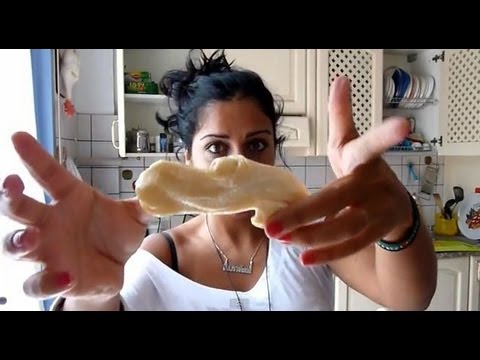
Learning how to make sugar wax the hard way

And we’ve got you covered if you want a rehydrating facecream. Our resident herbalist Miriam has cooked up a facecream recipe for you here. If you are on a roll, you might as well make some sugar wax for your legs. It’s an ancient Persian secret. 

Seasteading: utopian floating cities or safe haven for western pirates?

0

seasteading concept city When you think of who inhabits the sea, don’t think of people, you think of fishes. Turtles, dolphins, jellyfish, whales. In Dubai and Oman they have built cities into the sea on fake islands and jetties. But the people at the Seasteading Institute argue that the ocean can become home to sustainable new societies in cities that float. 
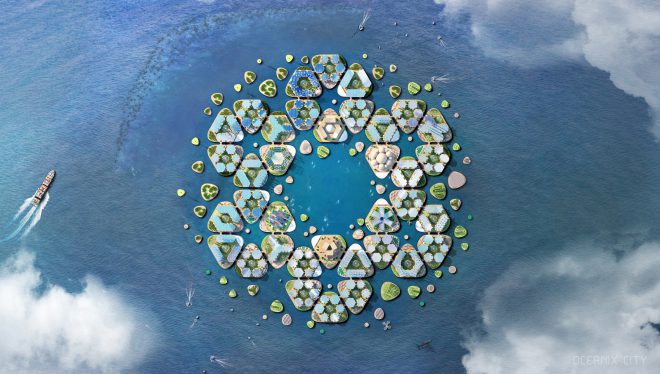
Autonomous cities that are free from political ties to existing governments. They can welcome anyone from anywhere. If you are looking for an Iranian floating city, check here.

Seasteaders, funded by Bitcoin profits claim that society is on the brink of collapse, and that existing governments no longer serve their citizens.  But since all the planet’s habitable land is claimed by governing countries, and humans are still far from colonizing outer space, the problem is finding a place on Earth for this movement.

The answer is, the ocean. Homesteading on the sea, free of nationality and government rule. Utopia on the water.

In 2008, Google software engineer Patri Friedman persuaded PayPal billionaire Peter Thiel to co-found the Seasteading Institute, a visionary project whose blueprints sketch self-sustaining societies free of  dysfunctional government and bureaucracy. The new societies’ resources would erase world hunger; eliminate air and ocean pollution; cure illness through independent research, and stop war.

seasteading old city
András Gyõrfi for The Seasteading Institute

Stop taxes, too.

In this libertarian utopia, tethered artificial islands would be self-sufficient homes, growing produce hydroponically, making their own electricity and handling their own wastewater. Needs such as taking out the trash and recycling would be served by drones, as would deliveries of food, mail, and medical supplies. 

Each island would be its own society, governed by its own rules. If you don’t like your present neighbors, you can move your home to where it suits you better.

While these things are pleasant to think of, questions remain. How could the average Joe or Josephine afford to build a home sustained on a platform in the ocean? It would cost millions of dollars. 

image-stand-alone-seapods
Family homes supported by spars in the sea.

Where would wastewater go? It can hardly be shipped back to land. Although the institute’s plans include aquaculture and nurturing marine life, how can the waste of hundreds, if not the visionary thousands of seasteaders, not pollute the sea? Consideration must be given to eliminating Covid-19 from wastewater; does the seasteading movement have a plan for that?

The original plan was for seasteads to exist on the high seas, out of national boundaries. That is, 200 nautical miles, or 370 km from shore. At that distance from land, ships aren’t subject to the laws of any sovereign state unless they are sailing under a country’s flag.  Pirate radio stations have done that off the coast of Israel.

A seastead on the high seas could feasibly establish free new governance according to the ideals of its founding members. 

But seasteaders could never be totally independent of land resources. At least, people would simply want to leave the sea once in a while, not to mention dealing with special needs and medical emergencies. And it would cost thousands of dollars in fuel simply to fly from 200 miles from the sea to land and back again. 

Unregulated innovation?

There have already been seasteading experiments. Bitcoin tycoon Chad Elwartowski and his  partner, Supranee Thepdet, built a maritime cabin inside the territorial waters of Thailand, and filmed themselves drinking champagne to celebrate their seasteading home. “To all those out there who want to control people’s lives through force, here’s my big finger to you,” Elwartowski boasted.

nadia thepdet, chad elwartowski seasteading

The couple were forced to flee and went into hiding when the Thai government charged them with violating national sovereignty, the penalty for which in Thailand is death. Escaping the Thai naval police by minutes, the couple are said to be working on a new plan with the government of Panama. 

It became evident that a floating city must have formal agreements with the governments whose waters it inhabits.  But countries have been wary of partnering with the institute.

The  government of French Polynesia initially agreed to allow a pilot seasteading project in Tahiti in 2017, but Tahitian public concerns about pollution and social disruption brought the project to an end in 2018. 

Back in 2011 we wrote about a floating golf club for the Maldives. And earlier this year about a solar-powered floating home which can be moored – for the seasteaders? It’s really more like a houseboat with a vision. 

water ship yacht

The original founders of the Seaside Institute have stepped back to some degree. Friedman, whose reputation rests heavily on the fact that Nobel Prize-winning economist Milton Friedman was his grandfather, remains chairman, but has turned his attention to new land-based cities. Thiel hasn’t donated funds since 2014. 

YouTube videos narrated by Seasteading Institute president Joe Quirk urge viewers to participate in the great dream, and naturally, to donate. 

:: The Seasteading  Institute website


DIY Solar – Pros and Cons

0

rock island, small cabin

As promoters of sustainable living and solar energy, we get this question all the time. Should I go solar? And if you look around solar panels are everywhere today. You can even find them at Costco along with a riding lawnmower and a she-cave.

Solar panels mean light or darkness to a family living in Africa or a family living off-grid in Texas or California. But since Covid-19, we’ve all started thinking a little bit about contingency plans. There is definitely new momentum for being self-reliant and sustainable and we all come to the question of solar panels for our own reasons –– even if we are not treehuggers. Some of us want to save the planet by using endless clean power from the sun, some want to save a lot of money on monthly power bills and earn attractive 30% federal tax rebates. Some just want reliable electricity for living off the grid. 

Solar panels sound like an amazing idea for a home or cottage. And it can increase the resale value. But Can I install the solar panels myself? The easy answer is, yes you can in the United States, but no if you live in Australia. The bigger question you need to ask yourself is Am I willing to take the risks? And — are you planning on feeding into your local energy grid? Will you live in your home all year long –– and how much electricity do you estimate you will need? 

Along with academic experts from a research paper writing service, we created a DIY solar panel guide pros and cons to help you through the early decision-making process. Once you read this, it will be worth going to a company that offers a solar calculator to help you assess your power needs and how much a system will cost with and without installation costs. 

peace sign young man made in dirt
Go solar, start a farm, make everything?

So if you’ve come looking for a bit of solar advice without all the talk of kilowatt hours that make your head spin, we’ve put together some of the basic pros and cons of DIY –– or doing it yourself solar panel installation. We are going to use 2 case studies of friends we have in Canada who installed solar panels on their own homes and tried to maintain these solar systems on their own, and what can happen if you do it alone.

Before you jump on the wagon of installing a single solar panel on your home consider speaking with a local professional to understand all the legal issues and zoning laws before you build, plug and connect. 

Will you live in your home all year long –– and how much electricity do you estimate you will need? Solar panels can be easily scaled up by adding more panels, versus something like a gas generator which is limited by the average gas tank size.

Not every home-owner has the same needs and family situation. Some home owners will want enough power to power a few lights and charge cellphone batteries at night. Other homes might have more power needs that run dishwashers, televisions and refrigerators. Some homes will be occupied year round which helps cycle through the battery, while other solar panel systems will need to be maintained in a special way if the home isn’t being used continually. Will you want to rent out your property with VRBO or AirBNB? Would that work if you are the only person who can run the solar system? 

7 steps to DIY solar panels

  1. Design your system based on your energy needs
  2. Buy your solar system equipment: solar panels, inverters, racks
  3. Install a physical mount for your solar panels on a roof or in your garden
  4. Connect the solar panels
  5. Install and connect the solar inverter and battery 
  6. Connect to your main electrical board
  7. Notify the local utility and request for PTO (Permission to Turn-On and connect to the grid – if applicable)

DIY solar PV panel installation – Pros

solar panel house off grid
Buy a kit online and solarize your home like a true Solarpunk!

A case study: my friend R. runs a small solar panel system to power lights, her cellphone and a laptop battery in Ontario, Canada. Her fresh spring water is brought to the home and she uses compost toilets, so no need for power to run pumps. When her partner died she was worried about maintaining the DIY solar system her partner had built and maintained over the years.

Some days she was running around the property looking for the energy hog (an unplugged light draining the battery?) and she needed some battery education from some local friends. In the end she was really pleased that she could maintain the system herself and be self-reliant, all on her own. 

a frame cabin, solar in the woods
Maybe you want a little power for your off-centered A frame cabin in the woods? This is Stedsans in Sweden. We can send you a blueprint. Email us and we will send the PDF – [email protected]

Saving money: 

The do it yourself (DIY) solar PV (photovoltaic) panel kits can potentially save you a meaningful amount of money as panel installations cost between $2,000 to $5,000 in the United States, or even more like $10,000 when you are working with large solar panel installations. This number can vary widely depending on where you live.

Less time investment:

The DIY solar kit solution you might find at a local hardware store or online is ideal for people who have a seasonal property as you can buy a less complex system and battery and have it running quickly. Just make sure it has a warrantee. 

You become self-sufficient:

Installing a solar system can give you a great amount of pride and when something goes wrong you can learn about what works and how to fix it. Your skills can be traded or donated to other people in your community and when you have children you can pass this important life skill to them as well. 

Put solar panels on your outhouse! 

Want a sun powered toilet? Some power in an old barn or toolshed?  If you are installing the panels yourself you have more freedom to choose unusual locations. Maybe on an RV roof? Your boat? Solarpunk up your chicken coop? 

DIY solar panel installation – Cons

A case study: My friend Finn bought a DIY solar energy system for $20,000 to power his off-grid old lodge that he purchased in a forest in Canada. There was no other source of power and he wanted power for water pumps, lights, small appliances. Finn decided that he could install, run and maintain the solar system himself. That worked for the first summer he and his wife was at the lodge. After a winter away Finn realized that he had not cycled through the batteries correctly before the winter and his entire system was fried needed replaced. That was a painful lesson. And it happened twice. 

solar panels on house red tile

Risks of electrocution, damaging home, falling from heights: 

Solar panels produce electricity and for that reason can put you and your property at risk from faulty circuits. Most systems need to be installed as a roof mount or ground mount and installing them at certain heights needed to collect the sun can be dangerous if you fall or if something falls on you. In some countries, installing your own system is illegal. 

Knowing where to install:

Every mount needs to be directed to collect the most sun, most of the year. Unless your mount can rotate you better make sure you know how a sundial works before you choose the location of your roof and backyard. You want to collect most of the solar rays during most of the year. 

Poorer quality PV panels:

If you buy one of the systems on Amazon or your local Costco, chances are the consumer brands aren’t as robust as the systems purchased by solar panel installation companies who can buy better, in bulk. If you want your system to last for a decade or a bit more this solution is probably fine. The more robust systems are expected to last up to 30 years.

Need to know some engineering:

If you think an AC/DC current is a rock band from the 70s you might want to ask for professional help.

You have high energy needs:

If you have high or erratic energy needs such as washing machines, refrigerators, or televisions, consider that increased energy needs – especially in winter – calls for a more complex electrical system. Consider hiring a professional who can help you manage storage needs and cycle your battery properly when your energy needs vary.

Limits on tax credits, feed-in tariffs:

If you buy the DIY solar panel solution, you will limit your ability to connect to the electricity grid company near you. This means you won’t benefit from tax credits or earn passive income by selling your unused power back to the power company. If that’s not an option for you anyway, then you are good to go. 

Vacation properties:

We rented a house that was running on solar power and the instructions for using it were complicated and uncertain because it was a home-built system. There were some knobs behind the coffee machine on the wall and we were never sure if they were at the right settings. Professional builds might give unfamiliar end-users more confidence that they are in a safe and well-run AirBNB or VRBO home rental and that they will be able to enjoy the creature comforts that they expect, minus the air conditioning –– because, solar! On that note your solar powered home might be a great filter for the kind of eco-clients you want to come and stay in it. 

Paperwork:

Unless you are operating a small system in a cozy cabin in the woods (well in the open area of the forest to catch the sun!), you will need to file some paperwork for the local authorities. Solar panel companies who do this daily can file paperwork when they are sleeping. You, probably not. Look into what this means for you and the state where you plan on installing the solar panels. 

Paying inflated prices for labor:

If you look at a residential solar installation teams are sent in on build days. Look online and do the math. While solar installation companies say they only charge 10% for labor, in many instances the labor is priced on par with the cost of the equipment. Do your due diligence. Then again, it’s not a bad thing to create some local jobs. 

Takeaways on DIY solar pros and cons ––  should I install the panels myself?

  • A DIY system is possible and it will come at a much lower price than a professional solar panel installation 
  • Going the DIY route means you will need to learn a lot and file some paperwork, likely
  • If you are a handy kind of person or fancy yourself as someone who wants to be and you have the time and energy, go the DIY solar panel route
  • If you are looking for a good solution for a residential home, we suggest you contact a local solar panel company for a quote. You will earn feed-in tariffs and get tax credits which will pay for your system in about 10 to 15 years

This article was updated June, 2024

Vegan protein powder targets picky eaters

0
syria refugees plant gardens
If kids don’t grow tall enough, should we give them a foodtech grow drink? Pictured here are Syrian refugees growing a garden in Jordan.

Americans are shrinking in height after becoming a giant of a population, thanks to cheap meat, lots of dairy and access to fresh vegetables. Current shrinkage in their size is now due to poor diets over the last couple of decades. Food deserts in cities where a bodega chocolate bar is easier to access than fresh fruit is partly to blame. So is access to cheaper fast food and supersize me.

A health supplement marketed to parents with small kids in America is now now being marketed to Asians who want taller kids, because height is still a first world sign for health and fecundity. The growth of vegan protein for adults, kids, pets, is part of the “Veganification” meta trend. Other examples of this meta trend include pea milk, vegan jerky, vegan collagen and vegan ramen.

If your kid can’t eat because they are sick, okay. Then market to physicians and hospitals. Because this height drink is starting to sound like Soylent for kids.

soylent nutritional drink
Soylent is created for programmers in Silicon Valley so they don’t need to eat real food.

The Israeli-made drink is a protein shake for kids made to help them reach their full height, according to a company release. Most picky kids often eat pasta or white bread only because parents allow them to. Now a health shake can fill in the gaps. 

Unless your kid is undergoing a health procedure and can’t keep food down, I highly recommend giving your kids real, whole foods. Allowing picky eaters from the range of 3 to 9-years-old, the target range for this health shake, to drink a sweet shake instead is only putting salve on the wound. 

Good gut bacteria, immune system health, and so many important things a kid needs are tied to real food. . 

Healthy Height says their drink was developed and tested by paediatricians to give a holistic solution to nourish kids especially those with health problems. But it’s also for picky eaters who stress their parents out. 

Protein shake for kids?

Healthy Height is made with whey protein and the amino acid arginine. The company says it can be mixed with ice cream, pancakes or smoothies –– often the foods that picky eater parents return to when nothing else works. The chocolate and vanilla flavors however contain sugar (labelled as organic cane sugar, which is simply sugar), unless you go for the plain variety which does not contain sugar. 

Healthy Height nutrition label sugars
Healthy Height nutritional supplement with ingredients label. Sugar in 2 of the flavors

The company claims that top medical professionals in paediatric endocrinology, gastroenterology, and nutrition were behind the research and development of the Healthy Height formulation:

“There is no doubt that genetics plays the most significant role in an individual’s height, with studies showing this accounts for up to 80 percent of final height,” a company rep said.

“There is a window of opportunity where we can influence the potential height of an individual. Parents are seeking natural solutions to help their kids grow, and Healthy Height certainly fills this gap.”

chinese girls running down the street

Unlike other nutritional products, Healthy Height is not a meal replacement, as the protein drink takes a more supplemental role, therefore still leaving room for a focus on developing healthier eating habits, the company notes. 

Children who included it in their diet for a one-year period added 13.8 to 34% to their annual growth in height. The randomized, double-blind, placebo-controlled study was published in the prestigious Journal of Pediatrics.

But what about the remaining percentage? Researchers believe that environmental factors fill that gap, with nutrition being the most dominant factor.

Some of the countries showing the most significant gains from nutritional knowledge are in Asia. According to NPR, women in South Korea gained an average of eight inches in height in the past century — a bigger jump than any other population, globally. In Japan, the average increase has been 6.31 inches. Yet, Americans on the other hand are shrinking. The data are clear: Nutritional value plays a key role in growth.

Healthy Height could be a solution for medical challenges.