Smart glasses are changing the economics of eyewear by turning conventional frames into higher-priced technology products. What used to be mainly a sale built around frame design, lenses, prescription needs and brand preference is now also a sale built around cameras, audio, AI features, app support and connected-device setup.
The film itself is about a Special Forces officer, played by Pitt, stranded in the Alaskan wilderness with his combat dog Odin after a plane crash. Odin is played by Uber, a highly trained German shepherd from a military and law-enforcement breeding line.
“Beavers effectively write their history into the landscape with each shrub they cut and every pond they create by damming streams,” said lead author Dr Georgia Hole, who carried out the research at Anglia Ruskin University and is now based at Durham University.
There is an old rule around computers that most of us learn only after something goes wrong: the most valuable part of your laptop is rarely the laptop. It is your stuff and all the data you accumulated along the way: the photographs, documents, unfinished work and years of digital debris stored inside it.
Smart glasses are changing the economics of eyewear by turning conventional frames into higher-priced technology products. What used to be mainly a sale built around frame design, lenses, prescription needs and brand preference is now also a sale built around cameras, audio, AI features, app support and connected-device setup.
The film itself is about a Special Forces officer, played by Pitt, stranded in the Alaskan wilderness with his combat dog Odin after a plane crash. Odin is played by Uber, a highly trained German shepherd from a military and law-enforcement breeding line.
“Beavers effectively write their history into the landscape with each shrub they cut and every pond they create by damming streams,” said lead author Dr Georgia Hole, who carried out the research at Anglia Ruskin University and is now based at Durham University.
There is an old rule around computers that most of us learn only after something goes wrong: the most valuable part of your laptop is rarely the laptop. It is your stuff and all the data you accumulated along the way: the photographs, documents, unfinished work and years of digital debris stored inside it.
Smart glasses are changing the economics of eyewear by turning conventional frames into higher-priced technology products. What used to be mainly a sale built around frame design, lenses, prescription needs and brand preference is now also a sale built around cameras, audio, AI features, app support and connected-device setup.
The film itself is about a Special Forces officer, played by Pitt, stranded in the Alaskan wilderness with his combat dog Odin after a plane crash. Odin is played by Uber, a highly trained German shepherd from a military and law-enforcement breeding line.
“Beavers effectively write their history into the landscape with each shrub they cut and every pond they create by damming streams,” said lead author Dr Georgia Hole, who carried out the research at Anglia Ruskin University and is now based at Durham University.
There is an old rule around computers that most of us learn only after something goes wrong: the most valuable part of your laptop is rarely the laptop. It is your stuff and all the data you accumulated along the way: the photographs, documents, unfinished work and years of digital debris stored inside it.
Smart glasses are changing the economics of eyewear by turning conventional frames into higher-priced technology products. What used to be mainly a sale built around frame design, lenses, prescription needs and brand preference is now also a sale built around cameras, audio, AI features, app support and connected-device setup.
The film itself is about a Special Forces officer, played by Pitt, stranded in the Alaskan wilderness with his combat dog Odin after a plane crash. Odin is played by Uber, a highly trained German shepherd from a military and law-enforcement breeding line.
“Beavers effectively write their history into the landscape with each shrub they cut and every pond they create by damming streams,” said lead author Dr Georgia Hole, who carried out the research at Anglia Ruskin University and is now based at Durham University.
There is an old rule around computers that most of us learn only after something goes wrong: the most valuable part of your laptop is rarely the laptop. It is your stuff and all the data you accumulated along the way: the photographs, documents, unfinished work and years of digital debris stored inside it.
Smart glasses are changing the economics of eyewear by turning conventional frames into higher-priced technology products. What used to be mainly a sale built around frame design, lenses, prescription needs and brand preference is now also a sale built around cameras, audio, AI features, app support and connected-device setup.
The film itself is about a Special Forces officer, played by Pitt, stranded in the Alaskan wilderness with his combat dog Odin after a plane crash. Odin is played by Uber, a highly trained German shepherd from a military and law-enforcement breeding line.
“Beavers effectively write their history into the landscape with each shrub they cut and every pond they create by damming streams,” said lead author Dr Georgia Hole, who carried out the research at Anglia Ruskin University and is now based at Durham University.
There is an old rule around computers that most of us learn only after something goes wrong: the most valuable part of your laptop is rarely the laptop. It is your stuff and all the data you accumulated along the way: the photographs, documents, unfinished work and years of digital debris stored inside it.
Smart glasses are changing the economics of eyewear by turning conventional frames into higher-priced technology products. What used to be mainly a sale built around frame design, lenses, prescription needs and brand preference is now also a sale built around cameras, audio, AI features, app support and connected-device setup.
The film itself is about a Special Forces officer, played by Pitt, stranded in the Alaskan wilderness with his combat dog Odin after a plane crash. Odin is played by Uber, a highly trained German shepherd from a military and law-enforcement breeding line.
“Beavers effectively write their history into the landscape with each shrub they cut and every pond they create by damming streams,” said lead author Dr Georgia Hole, who carried out the research at Anglia Ruskin University and is now based at Durham University.
There is an old rule around computers that most of us learn only after something goes wrong: the most valuable part of your laptop is rarely the laptop. It is your stuff and all the data you accumulated along the way: the photographs, documents, unfinished work and years of digital debris stored inside it.
Smart glasses are changing the economics of eyewear by turning conventional frames into higher-priced technology products. What used to be mainly a sale built around frame design, lenses, prescription needs and brand preference is now also a sale built around cameras, audio, AI features, app support and connected-device setup.
The film itself is about a Special Forces officer, played by Pitt, stranded in the Alaskan wilderness with his combat dog Odin after a plane crash. Odin is played by Uber, a highly trained German shepherd from a military and law-enforcement breeding line.
“Beavers effectively write their history into the landscape with each shrub they cut and every pond they create by damming streams,” said lead author Dr Georgia Hole, who carried out the research at Anglia Ruskin University and is now based at Durham University.
There is an old rule around computers that most of us learn only after something goes wrong: the most valuable part of your laptop is rarely the laptop. It is your stuff and all the data you accumulated along the way: the photographs, documents, unfinished work and years of digital debris stored inside it.
Smart glasses are changing the economics of eyewear by turning conventional frames into higher-priced technology products. What used to be mainly a sale built around frame design, lenses, prescription needs and brand preference is now also a sale built around cameras, audio, AI features, app support and connected-device setup.
The film itself is about a Special Forces officer, played by Pitt, stranded in the Alaskan wilderness with his combat dog Odin after a plane crash. Odin is played by Uber, a highly trained German shepherd from a military and law-enforcement breeding line.
“Beavers effectively write their history into the landscape with each shrub they cut and every pond they create by damming streams,” said lead author Dr Georgia Hole, who carried out the research at Anglia Ruskin University and is now based at Durham University.
There is an old rule around computers that most of us learn only after something goes wrong: the most valuable part of your laptop is rarely the laptop. It is your stuff and all the data you accumulated along the way: the photographs, documents, unfinished work and years of digital debris stored inside it.
As a business, it can prove hugely beneficial in many ways to ensure you have the right tools and solutions for day-to-day operations. There are lots of options out there no matter what services and tools you rely on, so with some research and time you can easily find the right ones for your business. If you use satellite imaging solutions for your business, you will also find a range of options, and this includes Pléiades Neo satellite imaging solutions.
By making sure you select the ideal satellite imaging solution foryour business, you can look forward to a host of benefits that can play a big part in the success of your business. You can benefit in terms of finances, time, efficiency, and in many other ways, and this is why it is so vital to make the right choices when it comes to something as important as this. In this article, we will look at some of the key benefits of choosing the right satellite imaging solutions for your business.
Some of the Main Benefits
There are lots of benefits that come with ensuring you find the right satellite imaging solutions for your business. Some of the main ones that you can look forward to include:
Better Results
One of the things that you can look forward to when you find the right satellite imaging solution for your business is better results. By checking the features and suitability of the solution, you can ensure you have the right resolution, accuracy levels, and usability that you need for your imaging needs. When you rely on imaging as part of your business, this is something that is crucial, which is why you need to ensure you check the features of the solution for suitability. You can then look forward to the desired results when it comes to your imaging.
Greater Accuracy
Another of the things that you can look forward to when you find the right satellite imaging solution is greater accuracy. This is something that is vital for many businesses that use imaging solutions, and with the right service and provider, you can ensure you get the accuracy levels that you need. Again, this is why it is important to look at the features of the solution but also check out reviews from other businesses online to see what they have to say about accuracy levels and overall results.
Staying within Budget
By looking at the pricing on different satellite imaging solutions, you can also make sure you stay withinyour budget. This is something that is important for all businesses, with many needing to keep a tight rein on finances. While pricing is certainly not the only factor that you should look at when choosing the right solution, it is definitely one of the vital factors that can help you to make the right decision.
These are some of the key benefits of taking the time to find the right satellite imaging solution.
If you’re one of those people that are conscious about drinking enough or the recommended amount of water daily, you’re on the road to having a healthy lifestyle. You may not need a whopping 10 glasses of water, but a satisfactory amount of water, in fact, has many benefits. This article will shine some light on the healthy water habits one should adopt to maintain excellent health.
Drink Soft Water
There are two types of water, mainly hard water and soft water. Hard water, on the other hand, consists of calcium and magnesium. On the other hand, soft water is full of sodium. Hard water can be easily treated and converted into soft water by using a water softener.
A water softener is a water filtration system that operates through ion interchange. It exchanges calcium and magnesium ions until the only mineral that remains in the water is sodium. Soft water is beneficial in reducing skin irritation, and you get clean dishes as a bonus. Essentially, it protects you from water scale buildup and is healthier for you. You might be wondering, how long do water softeners last? The good news is, it can last anywhere between 10-15 years.
Water Filtration
A water filter is designed to remove contaminants from the water, such as lead, pesticides and chlorine, among other contaminants. These sediments are either blocked by the filter or absorbed, leaving you with clean and healthy drinking water. Both systems can be used together to have fresh and good tasting water.
How much water do you need to Drink?
Water intake percentage can vary from person to person depending upon various factors such as weight, exercise, environment and overall health conditions. For example, adult women above 19 years of age are recommended to drink 9 cups of water, while adult men above 19 should be drinking 9 cups of water per day. Many apps can help you track your water intake to better manage how much you’re drinking day to day. Here are a few of the most popular apps to choose from:
1) Daily Water Tracker Reminder
Available on both Android and iPhone, this app helps you record your water intake. With the help of a 7 (weekly water intake) to 30 (monthly) day charts, it shows the overall water intake progress.
2) Hydro Coach
This app is also available on Android and iPhone. You can set your water intake goals. You can add daily intake reminders as well. This app can also be customized for pregnant and breastfeeding mothers.
3) WaterMinder
WaterMinder helps you easily input your body weight and your personal goal. The app will then calculate your water consumption goal. Besides these features, it will also give you reminders about your water intake.
4) Aqualert: Water Tracker Daily
Aqualert is another water-intake tracking app. Its features include giving users reminders about water intake, taking their activity level as input, and setting the water intake target according to it.
Flavor Your Water
Although drinking water is essential for your daily life, sometimes you just do not feel like drinking plain ol’ water. Well, no need to fret. There are several natural ways you can add flavor to your water.
1) Add Citrus Fruits to Water
Lemon, lime, oranges and grapefruit can be added to water to improve the taste.
2) Ginger
Boil some slices of ginger in water for a healthy water intake.
3) Cucumber and Mint
You can also add slices of cucumber with crushed mint in your regular water for a beautiful taste.
4) Unsweetened Fruit Juice
add any unsweetened juice to your water for a batter flavor and smell.
5) Watermelon Juice
Blend some watermelon and a pinch of salt with a glass(or two) of water as a refreshing and healthy beverage.
Eat Water Enriched Foods
Many foods are enriched in water, and we can use them in our daily life to maintain a healthy lifestyle and keep ourselves hydrated.
Cucumber: (96% water)
Although It has just 8 calories per serving, cucumber has high fiber, vitamin K, and vitamin A contents.
Tomatoes: (96% water)
They are a great source of vitamin A and can be added to your food or your salad.
Spinach: (93% Water)
It’s fibre-rich and a good source of iron. You can cook it or have it as a salad.
Mushrooms: (92% Water)
Mushrooms are a good source of protein and are enriched with vitamin B2, which is very important for the skin and nervous system.
Yellow Melon (91% Water)
Yellow melon consists of low sugar and is a good source of potassium.
Brussel Sprouts (90% Water) and Broccoli (89% water)
Brussel sprouts are good fiber sources and contain vitamin K, Vitamin A and Folic Acid.
Oranges (86% Water)
Oranges consist of Vitamin C, which is an antioxidant and helps to strengthen your immune system.
A Reusable Water Bottle
There are several advantages to carrying a reusable water bottle with you wherever you are going. There are several benefits of using a reusable water bottle. If you have a reusable water bottle with you, you won’t have to worry about locating a store or a soda machine every time you become thirsty. It’s also worth noting that reusable water bottles are less costly in the long run. And lastly, one of the most compelling reasons for using reusable water bottles is that they are environmentally beneficial.
Role playing games can be done mainly in the imagination like Dungeons & Dragons. But you can do small things to enhance game play with props and costumes
Video games may take place in virtual worlds, but that doesn’t mean their characters, aesthetics and items need to stay there.
Of course, this is a no brainer. At this point we are all fully aware of the endless reams of merch that companies pump out much to the delight of fans. But a lot of the time that merch doesn’t necessarily align with your favourite parts of a game.
Say in Skyrim your favourite item was always the edgy “Bloodscythe” or the sleek “Nightingale Blade”, chances are you’re all out of luck in bringing those beloved elements of fantasy into reality. That is, unless you’re ready to take on the task yourself.
Equipped with a DLP 3D printer, some knowhow and plenty of time for perfecting models, printing, sanding and painting, you are certainly capable of bringing any element of your favourite virtual worlds into reality.
Here are five of our favourite ways to do exactly that.
3D Figures
At the heart of 3D printing comes the standard figurine. A full, 3D print of a character, location, object or creature.
From developer-made figurines to Nintendo’s infamously pricy Amiibo’s, these 3D figures likely already occupy your mind when you start thinking about 3D printing something from a virtual world. Making them a great place to start.
Of course, 3D figures can get pretty complex with curves, details and faces requiring some of the most finesse when it comes to refining and painting. However, with some practice creating your own figures can be one of the most rewarding ways to adorn your shelves with relics from your favourite virtual worlds.
Costumes
Let’s face it, gaming is role playing. And when it comes to our favourite titles, I’m sure we wouldn’t mind trading shoes for a day or two. To get a tinge of that feeling, creating 3D costume elements can be a fantastically rewarding experience.
The most accessible and instantly transformative piece in this regard is the mask. Think the samurai masks from Ghosts of Tsushima or one of those intimidating masks from Payday2.
While this can be great for some (relatively) quick mask-based transformations, cosplayers take the 3D printing of costume to a whole other level, printing out everything from trinkets to whole pieces of body armour.
Regardless of whether you’re an aspiring cosplayer or just a fan of some virtual headwear, creating costume can be incredibly rewarding.
Props
While games are littered with excellent character design, the things we spend most of our time interacting with are props. Be it swords, guns, staffs, bows, or even a deck of cards, props are at the heart of most gaming experiences. Leaving the unshakable question: what would it feel like to actually interact with said prop.
3D printing offers another excellent opportunity here, giving you the opportunity to get your hands on video game items for real.
Creating such props have a wide range of applications from cosplay to decoration, making them fantastically versatile and rewarding pieces to craft.
Tabletop Pieces
While we may initially think of 3D printing things purely for their looks, that doesn’t mean we can’t do more with them.
Since the beginning of tabletop games, players have been inventing worlds, characters, items, monsters and more. But, for the most part, those inventions have had to remain in the realm of imagination—or at least 2D art.
With 3D printing, you have the option of quite literally bringing a whole new dimension to your tabletop experience, modelling your characters and locales in impressive detail.
While creating a full, high quality 3D model from scratch may seem daunting, if you are a newcomer to the world of 3D printing it can be a great option to start by basing your designs off existing game models—ideally those you can customise. For example kitting out your Skyrim character with specific armour and weapons from the game to capture the essence of your tabletop character and cut down on your modelling.
Functional Objects
If tabletop pieces seemed more functional, oh boy we have a long way to go!
It’s important to remember that the vast majority of 3D printing is done for function, printing objects, parts and the like to meet aa particular utilitarian goal. And you can do the same.
Before you laugh this off as one big, boring joke, picture this: that tankard you always loved the look of in Skyrim… you could be drinking from it.
From water bottles to pencil holders to boxes, cases and more, there are plenty of objects within any game which could be functional in the real world, while also transmitting the wonder of your favourite game into the real world.
Here you can go crazy, thinking of any niche you have to fill and finding a way to incorporate your favourite game into that design. Be it translating an object to do it’s same purpose, like a fantasy RPG flagon to drink from, or something wholly different, like a Crash Bandicoot pencil holder.
The sky is really the limit, but when you make it functional you kill two birds with one stone.
3D printing is the primary way of bringing video game models into the real world, and if you have a printer at your disposal chances are you are ready to do just that. So what are you waiting for? Let your imagination run wild.
That said, if you prefer staying in the virtual world, why not fast-track your progress? Save up on your favourite video game titles and find the best deals possible.
In today’s modern world, most people rely on a range of appliances for the home. We use all sorts of appliances on a regular basis, and most of us would find life very difficult with the products that we have become used to. Of course, in today’s high-tech world, the range of appliances we have come to rely on has become increasingly advanced. At the same time, you can now get ones that are increasingly energy efficient, which can benefit your pocket, your home, andeven the planet.
If you are looking for new appliances for the home and you want to ensure you invest in something that is energy efficient, turning to the internet is a great idea. There are many reasons why it is important to choose energy efficient appliances. For one, they are far better for your home and will use far less energy than older, less energy efficient alternative. Second, it means that you will be able to save money onyour energy bills because your energy usage will be lower. Finally, you can also do your bit for the green cause by choosing energy efficient appliances. In this article, we will look at why you should go online to find the most energy efficiency appliances for your home.
Benefits of Greening Your Appliances
Copper an induction stove that fires up like a gas one
There are many reasons why you should consider going online for your energy efficient appliances, and this is something that more and more people do these days. Some of the benefits of doing this are:
You Have More Choice
One of the key benefits of going online for these appliances is that you can look forward to tremendous choice, and this then boosts the chances of you being able to find the perfect appliance for your needs. There are lots of makes and models you can choose from these days no matter what sort of appliance you are looking for. Going online makes it easy to access the wide range of options you can select from.
You Can Cut Costs Easily
Another thing to keep in mind is that it becomes far easier for you to cut costs when you go online for your energy efficient appliances. For instance, you can easily access online promos and discounts such aseBay discount codes to help you to save more money on higher-cost products such as appliances. You can also easily access online sales and clearance deals to help cut costs.
The Ability to Research and Check Reviews
One of the other things to bear in mind is that you will find it far easier to research the appliances you need and even check out reviews from others when you go online. This makes it much easier for you to make the right decisions, and it means that you can learn more about how energy-efficient and reliable the appliance is.
These are some of the benefits of going online for your energy-efficient appliances.
Since the UN’s dire climate change report was published, it’s safe to say that many of us have found ourselves taking a closer look at our daily habits. Of course, we all know that fossil fuel companies shoulder most of the blame for the current state of our planet. But when you sit down and think about how your own choices impact the environment, chances are you’ll realize that your personal carbon footprint is bigger than you might think.
If you want to do your part to help the planet, making a few simple changes to your daily routine is a great place to start. Here’s how you can reduce your personal carbon footprint and make sustainability a part of your everyday life.
Shop with reusable bags.
Plastic bags are ubiquitous at most supermarkets. The sad part is these single-use bags are typically used for about 15 minutes before they’re tossed in the trash and eventually buried in a landfill where they never truly degrade. Make your next shopping trip a plastic-free one by using cotton mesh produce bags in lieu of single-use plastics. Reusable mesh produce bags are durable, washable and come with the added bonus of keeping your produce fresher for longer, which means less food waste and plastic waste!
Eat low on the food chain.
Food production is responsible for one-quarter of all greenhouse gas emissions, and an overconsumption of animal products is a big reason why. Meat, dairy and other food sources that are high on the food chain require a gobsmacking number of resources in the form of feed, water and land. To lower your carbon footprint, try to eat low on the food chain. Start filling your plate with more fruits, veggies, beans and grains and less meat. We’re living in a golden age of plant-based foods, so take advantage by experimenting with delicious plant-based recipes!
Replace liquid products with solid bars.
Another super simple way to cut back on plastic waste is by replacing your liquid products with solid bars. For example, switching to solid dish soap can divert two to three bottles of dishwashing liquid from a landfill. Plus, solid dish soap is often made with plant-based ingredients, which means the ingredients going down the drain will be better for the environment as well.
You don’t have to stop at dish soap, though. These days, you can find waterless alternatives to all kinds of products, from shampoo and conditioner to lotion and serums. Every swap can make a small but important difference to the planet.
Get serious about recycling.
Visit your city’s website and find your local recycling program. Then, take the time to learn the ins and outs of recycling. If recycling feels overwhelming, try to focus on one new material at a time. For example, maybe you go through a lot of canned food. Getting in the habit of recycling aluminum is a small but impactful step you can take to lower your environmental impact.
Tackle food waste in the kitchen.
The average American family wastes almost a third of the food they buy, amounting to an aggregate value of $240 billion annually. All that wasted food gets buried in an oxygen-deprived landfill, where it emits greenhouse gas emissions as it breaks down. The good news is there are many easy steps you can take to reduce your food waste.
Plan your meals ahead of time and avoid buying more than your family can eat.
Get creative with your leftovers! Use leftover ingredients to make delicious soups, burritos, frittatas and more.
Learn how to compost at home to turn your food waste into nutrient-rich fertilizer. (Bonus points if you use your fertilizer to grow your own food!)
Store your food correctly to avoid spoilage.
Freeze your leftovers before they go bad.
Bonus tip: Ditch the plastic wrap and store your leftovers smartly with silicone food covers. You can use these reusable food covers on bowls, cups, cans, fruit and more.
Consider alternative modes of transportation.
Unless you drive an electric vehicle, getting behind the wheel means emitting harmful greenhouse gas emissions. If you’re serious about reducing your carbon footprint, giving up your vehicle is an excellent way to do it. According to one study, going carless for a year could save approximately 2.4 tons of CO2.
Cycling is good for your health, easy on the wallet, prefect for the last mile and it saves the planet.
Of course, going carless isn’t a feasible option for everyone. If you can’t part with your car, commit to driving it less. Here are a few tips to reduce your driving time:
Ride a bike or walk to your destination when possible
Take public transit
Carpool with coworkers and friends
Take advantage of telemedicine and other virtual technologies
Build a timeless wardrobe.
Buying trendy but cheaply-made clothing is hard on both your wallet and the environment. Rather than waste your money on clothing that won’t last the season (let alone the entire year), focus on building a timeless wardrobe that you can enjoy for years to come. Look for well-made pieces from second-hand stores and online consignment shops, such as Poshmark and ThredUp. If you must buy new clothing, spend your dollars wisely by supporting sustainable clothing brands. Reformation makes the suits below.
Watch your water usage.
Water is a far more valuable resource than most people realize. Although water covers approximately 70 percent of our planet, only 1.2 percent of it is drinkable.
Being smart with our water usage is essential to keeping our water pure and readily available while also protecting our planet. Here are a few tips to help you curb excessive water usage:
Install low-flow showerheads, faucets and toilets.
Turn off the faucet while washing your face or brushing your teeth.
Fix leaks as soon as possible.
Consider alternatives to grass lawns.
Keep tabs on your water usage and consider a home water audit.
Put a bucket in the shower to catch greywater and reuse it for other purposes.
Your Drop in the Bucket Counts
When you think about climate change on a global scale, it’s easy to feel like your personal habits are insignificant. But every small step counts! Collectively, our actions can and do make a difference.
Save money so you can spend more time hugging trees and planting gardens
At the end of every month, people spend a lot of time on calculations to manage their budget. It can be nerve-wracking to control expenses because those who spend more than earning usually end up asking for debt. However, certain tactics can help you get good control over financial constraints especially if you get paid every month or have even cash inflow out of the business.
Most professional financial experts agree on one thing that people should not go into debt because interest payment is the main reason to suffer financial loss. In this blog, we have unveiled crucial tips for effective budget management.
Control Your Expenses
The first thing is to have good control over expenses because spending too much can put you in trouble. You may become short on money in the middle of the month by spending the salary on luxuries and parties.
Control over expenses is not mandatory for salaried persons only but businessmen should also keep a check on their spending list. You must figure out if you actually need that stuff to buy because if it is not one of the basic needs, it is better to skip that.
Don’t Fall For “Sale” Trap
It is human nature to fall for stuff that is on sale as people consider it saving money. However, it does not prove effective because you ultimately choose to spend hard-earned money on something that is not even needed.
Large brands follow tactics to increase their sales volume by selling products at reduced prices but still, they earn high profits through that. It is all about spending your savings on something that you do not even need to buy in the first place.
Avoid Unnecessary Debt
Do you know debt can put you in serious trouble especially if you choose a plan with a high-interest rate? Those who pay interest every month usually are worried about that expense. So, we suggest avoiding debt especially if you need it for a short period because short-term debt proves more expensive due to high interest.
Once you get caught in a debt cycle, escaping from it can prove tough. The best way is to look for a quality debt payoff planner for effective control on financial constraints. This will keep you on the safe side and you won’t have to bear the burden of additional expenses.
Don’t Say Yes to Every Party
Have you ever considered that parties drain a lot of budgets? You must learn to avoid having parties every night. It doesn’t matter even if you have to buy a single drink, the best way is to have a party once a month only. The best way is to write down all details of expenses because this will help you keep an eye on things you buy.
If you find something unnecessary in the expense list, try to skip that from the next purchasing list. You can save big by excluding parties in your life.
Calculate Reasons behind Loss
Those who suffer continued loss in the business should take a bird’s eye view of business expenses. You can manage operations by cutting extra costs, especially the ones that seem unnecessary. Businesses with deficits should not spend too much on marketing because this can drain a lot of your limited budget. You can downsize employees to manage monthly salary costs and other expenses like electricity and refreshment should also be managed accordingly.
Don’t Go for Branded Stuff
Anything that comes under the category of branded stuff is usually overpriced. So, it is important to not buy expensive stuff especially when your earnings are limited. You can use economical stuff like perfumes, clothes, shoes, and other things.
Now, it can be tough to identify the difference between branded and local stuff because super quality copies are available in the market. So, if you are a salaried person and have to bear a long list of expenses every month, it is suggested to avoid spending money on brands.
Saving is Key to Financial Freedom
Do you save out of monthly income? Saving is mandatory to put yourself on the path to financial freedom. People cannot get a good life unless they learn to save. Whenever you feel the need for instant cash, you can manage the amount out of savings instead of asking for a loan. Apart from it, you must invest in small businesses for diversification of risk.
Lots of people with a plan to secure themselves look for transparent SMSF accounting fee details so they can budget effectively and avoid unexpected costs. Understanding fee structures also helps them compare service providers and choose the one that offers the best value for their long-term financial strategy.
Saving Account Can Help a Lot
You can enjoy financial freedom by choosing a platform that provides even cash every month. Saving an account is a reliable option to choose from because you get a fixed amount every month while the basic amount is kept saved and you can retrieve that anytime. In short, these suggestions can help you control financial constraints.
Beijing, which has served as China’s capital for more than 800 years, is best recognised for housing some of the most important remnants of the country’s imperial past and for being a cultural centre for the country.
The most significant idea to do in Beijing is to see the Forbidden City, the Great Wall, and other well-known attractions. However, there are a variety of other activities that are well worth your time in Beijing.
Plenty of eco activities, like the Skywalk
Every nook and cranny of the city has been explored by the Cathay Pacific team of local specialists, who have unearthed the most exciting and scientific breakthrough things to do in Beijing. We’ve put together a list of the best things to do when fly into Beijing, which includes a diverse range of experiences to remember for a lifetime, with something for everyone.
Learn about Beijing’s traditional way of life.
The Beijing Hutongs are a tangle of small lanes that connect historic single-story traditional courtyard dwellings from one end of the city to the other. Beijing’s hutongs provide a fascinating window into a bygone era of the Chinese capital.
Your children can learn about Chinese children living in hutongs by observing how they study and play, as well as by tasting the snacks that they enjoy. Study the art of Chinese calligraphy for a while. Make some simple characters using a brush and see how well they turn out. In the courtyard, you can have fun with a Chinese yo-yo made of wood or bamboo.
Tour the Hutongs by rickshaw and stop by a Hutong family who lives in a traditional quadrangle dwelling to learn more about their way of life. A genuine way to learn about traditional Beijing life, this is a must-do.
Alternatively, you can use the Cathay Pacific Hutong walking paths to find the most interesting hutong pathways in Hong Kong and Macau.
Cycling in China
Become a Foodie Hunter in Beijing’s Old City
If you’re a foodie, a Beijing food hunt is one of the best ways to experience the city. Foods like fried dough rings and doornail pasties, as well as sugarcoated haws and “rolling donkeys,” are popular in Beijing.
Ghost Street, Nanluoguxiang, and Wangfujing Snack Street are the best places to sample these Beijing delicacies. The Hutongs are a treasure trove of authentic food.
Rather than a night market or a snack market full of visitors, we chose modest eateries liked by residents and restaurants with long-standing reputations, where you can admire traditional cooking talents.
Feast your eyes on a delicious Peking Duck
To eat the best food in Beijing, you must have the roast duck in Beijing. The dish’s thin, crispy skin is its primary selling point, and authentic versions serve minimal meat in favour of the skin.
If you haven’t had a real Beijing roast duck meal at a well-known restaurant, your Beijing trip isn’t complete. Quanjude and Dadong are two well-known roast duck restaurant franchises.
Like an Emperor, explore the Forbidden City
The Forbidden City is a must-see when in Beijing. The Forbidden City should be at the top of your Beijing itinerary. If you want to see China’s best-preserved royal palace, look no farther than the Forbidden City.
Take advantage of a knowledgeable Cathay Pacific tour guide to avoid the throng and discover the palace’s hidden secrets. Learn about the emperors’ personal life, imperial examinations, and heaven-worshipping rituals.
As compared to group tours, Cathay Pacific guide about fly into Beijing will assist you in visiting 12 carefully selected locations in the Forbidden City.
Tickets are only available for purchase online. The Palace Museum’s official website allows visitors to purchase tickets, but only in Chinese. It is recommended that you use a travel agency like Cathay Pacific to make your arrangements.
Bird’s Nest and Water Cube in Beijing Olympic Park
The 2022 Winter Olympics will be held in Beijing Olympic Park, also known as the Olympic Green. A non-linear steel structure, the Bird’s Nest, has been dubbed the world’s largest and most complex stadium ever built.
The design of the Water Cube was inspired by the way soap bubbles form into a 12- or 14-sided cell structure.
At night, the Bird Nest and Water Cube in Beijing are best viewed. The ideal time to visit is at night, when the scenery is most dramatic. April to May and September to November are the best months to visit.
Take a stroll through the Restored Summer Palace
Yiheyuan, or Summer Palace, is one of the best-preserved imperial gardens in the world, as well as one of the largest of its kind in modern China.
The summer palace’s ‘long hallway’, a 728-meter (796-yard) ornamental pathway with 548 columns, is the most eye-catching feature. Each beam in the corridor is decorated with more than 14,000 vivid murals, which are both vibrant and awe-inspiring.
It is possible to go down the lengthy corridor and listen to stories depicted in the paintings while with us. On Kunming Lake, you can continue your tour by taking a boat ride. April to October is the best season to visit.
Explore the Old Summer Palace.
The Qing dynasty rulers would retreat to the Old Summer Palace, which was built during the reign of Emperor Qianlong. When it was demolished in 1860, it was the most magnificent imperial garden in the world. When you visit the Old Summer Palace, you’ll enjoy a unique experience.
Most of the old palaces were constructed of wood. There are presently just European-style stone structures left after these were destroyed by fire.
Three kilometres separate Summer Palace and the Old Summer Palace. Both can be done in a single day. Both gardens are unique in their own ways, but they’re both well worth your time. April to October is the best season to visit.
Attend a Tiananmen Square Flag Raising Ceremony
More than a million people can gather at Tian’anmen Square, the world’s most famous square. There are few places in the world as iconic as New York City’s Times Square or the Soviet-era Moscow Red Square.
We recommend visiting the Tian’anmen Square flag-raising ritual, which takes place every morning at dawn. Soldiers serving as the guard of honour make their way out in a dignified procession.
When the Chinese national anthem begins to play, everyone begins to sing along. The short yet moving ceremony provides a glimpse into the culture and people of the country.
Beijing’s sunrise and sunset times are used to establish the flag-raising timing. Astronomers use their expertise to determine the precise time. You’ll want to know exactly when the flag is going to rise in order to get there on time.
Nofar Energy in Israel expands its collaboration with Tesla: the company had entered a second commercial agreement with Tesla to buy battery-stored power systems from Tesla with a total capacity of 200 megawatts for $54 million USD. Tesla is in the business of electric cars. We already see them whizzing around on the streets of Montreal and Tel Aviv.
Tesla also builds charging stations for personal use, as well as industrial battery storage solutions.
Battery storage is critical to the global electric grid and is an increasingly important as we transition to sustainable energy. Without storage, energy not used will be lost. To match global demand for massive battery storage projects like Hornsdale, Tesla designed and engineered a new battery product specifically for utility-scale projects and they call it Megapack.
Tesla’s megapack battery storage
Megapack significantly reduces the complexity of large-scale battery storage and provides an easy installation and connection process. Each Megapack comes from the factory fully-assembled with up to 3 megawatt hours (MWhs) of storage and 1.5 MW of inverter capacity, building on Powerpack’s engineering with an AC interface and 60% increase in energy density to achieve significant cost and time savings compared to other battery systems and traditional fossil fuel power plants.
Using Megapack, Tesla can deploy an emissions-free 250 MW, 1 GWh power plant in less than three months on a three-acre footprint – four times faster than a traditional fossil fuel power plant of that size. Megapack can also be DC-connected directly to solar, creating seamless renewable energy plants.
For a utility-size installations like the upcoming Moss Landing project in California with PG&E, Tesla’s Megapack will act as a sustainable alternative to natural gas “peaker” power plants. Peaker power plants fire up whenever the local utility grid can’t provide enough power to meet peak demand. They cost millions of dollars per day to operate and are some of the least efficient and dirtiest plants on the grid. Instead, a Megapack installation can use stored excess solar or wind energy to support the grid’s peak loads. Texas learned last winter that it can’t cope with blackouts.
The Tesla solution was the right fit for Nofar and who doesn’t want their brand associated with Tesla these days. But it’s a commercial agreement after all.
Under the agreement, Nofar will pay 5% and the balance according to predefined milestones. The storage systems will be supplied from January 2023 through March 2024.
Nofar builds solar power plants and electricity storage systems. Renewable energy such as solar power has no value to the grid if it can’t be stored. American consumers are finding out that their new solar power investments can’t generate income because the grid can’t handle the power the systems generate. Also electric cars don’t have much value if they are being run on power produced by fossil fuels. Nofar connects the dots as more people demand clean energy.
Nofar CEO Nadav Tenne says, “Having projected the upcoming shortage of the power grid in extended areas over a year ago, we prepared accordingly with professional capabilities and control systems, pilots, and strategic collaboration agreements with equipment makers and suppliers.
Nadav Tene, Nofar Energy
“As a result, we can leverage the partnerships we put in place to build and connect tens of storage facilities with significant capacity over the next 12 months. These facilities will generate revenues from power sales, enabling the construction and connection of tens of additional solar systems at high rates independently of the grid’s resources.
“We plan to initiate similar storage facilities through the growth platforms we own in Europe and the USA. We are proud to be the leaders of Israel’s power storage revolution.”
This is the second commercial agreement between Nofar and Tesla, with the total capacity of the storage systems to be built as part of the collaboration to 300 MW/h.
Most of the storage systems covered by the first agreement entered in February 2021 for 100 MW/h are under or nearing construction. Given the fast implementation pace of the first agreement and the considerable demand, Nofar Energy decided to expand the Tesla collaboration with an additional contract for a larger capacity.
Nofar estimates its EPC (Engineering, Procurement, and Construction) revenues from the second agreement will total about $80 million USD. The annual revenues from power sales are expected to total 7 to 15 USD million.
The Tesla storage systems will enable NOfar to build additional solar systems at higher rates in areas characterized by overloaded grids, which could not be achieved in the absence of the storage systems. Nofar Energy plans to develop and manage the storage systems for existing and new partnerships the company and its partners own, including kibbutzim, real estate, commercial, and industrial companies.
Several weeks ago, Nofar completed the construction and connection of Tesla’s first storage facility in Israel, in Kibbutz Shoval.
Offering a capacity of 2.718 MW/h, the new facility allows overcoming the constraints placed by the local power grid through connecting additional photo-voltaic systems with significant capacity at a high rate of NIS 0.45 per each Kw/h produced.
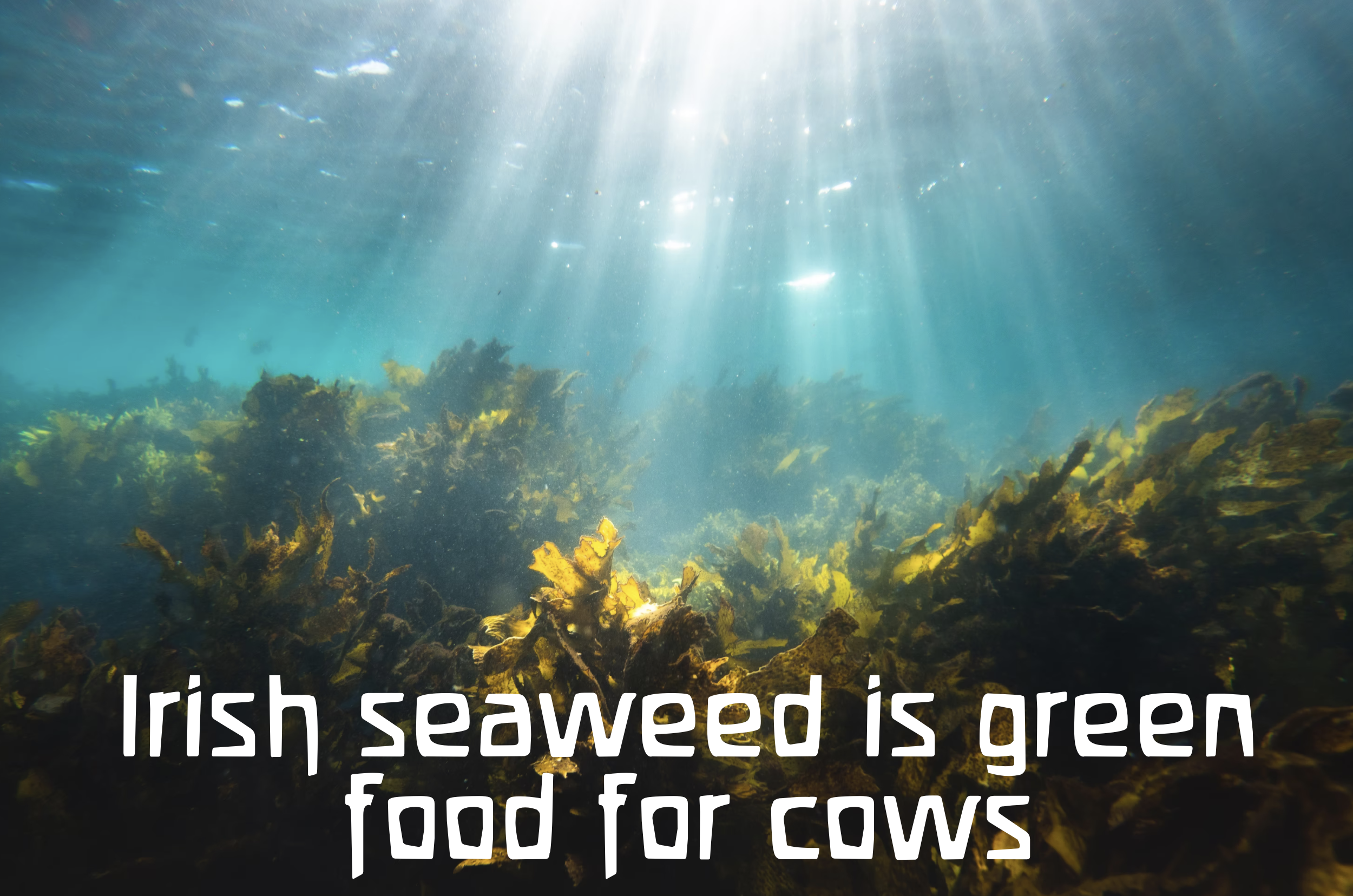
As COP26 politicians continue to debate methane – with the US And EU having pledged to reduce agricultural methane outputs from ruminant livestock by upwards of 30% by 2030 – scientists at Queen’s University Belfast are to feed seaweed to farm animals in a bid to slash methane by at least 30%.
Seaweed has long been hailed a ‘superfood’ for humans but adding it to animal feed to reduce methane gas released into the atmosphere by ruminants’ burping and flatulence is a relatively new idea. Early laboratory research at Queens has shown promising results using native Irish and UK seaweeds.
Previous research in Australia and the USA generated headline results – up to 80% reductions in methane emissions from cattle given supplements from a red seaweed variety. These red seaweeds grow abundantly in warmer climates; however, they also contain high levels of bromoform – known to be damaging to the ozone layer. Seaweed indigenous to the UK and Ireland tends to be brown or green and does not contain bromoform.
UK and Irish seaweeds are also rich in active compounds called phlorotannins, found in red wine and berries, which are anti-bacterial and improve immunity so could have additional health benefits for animals.
Now the science is moving into the field, with trials on UK farms about to begin, using seaweed sourced from the Irish and North Seas as a feed supplement for cattle.
One 3-year project is in partnership with the UK supermarket Morrisons and its network of British beef farmers who will facilitate farm trials. The project also includes the Agrifood and Biosciences Institute (AFBI), in Northern Ireland, as a partner.
A second project sees to monitor the effects of seaweed in the diet of pasture-based livestock. Seaweed will be added to grass-based silage on farm trials involving dairy cows from early 2022.
As well as assessing methane emissions of the beef and dairy cattle, these projects will assess the nutritional value of a variety of homegrown seaweeds, their effects on animal productivity and meat quality.
Scientist Sharon Huws, Professor of Animal Science and Microbiology within the School of Biological Sciences, said she expected the combined research to evidence a reduction in GHG emissions of at least 30%.
She said: “The science is there. It’s simply a matter of providing the necessary data and then implementing it. Using seaweed is a natural, sustainable way of reducing emissions and has great potential to be scaled up. There is no reason why we can’t be farming seaweed – this would also protect the biodiversity of our shorelines.
Agriculture accounts for around 10% of all UK GHG emissions. Within this, beef farming is the most carbon-intensive, with methane, which cows produce as they digest, a major component. Methane accounts for almost a quarter of GHG emissions, with 80% of that from agriculture.
Morrisons supermarket plans to be completely supplied by net-zero-carbon British farms by 2030. Sophie Throup, Head of Agriculture at Morrisons said: “As British farming’s biggest customer, we’re very mindful of our role in supporting and inspiring the farmers we work with to help them achieve goals in sustainable farming.
“By supporting this research at Queen’s and AFBI, we are trialling this natural approach to reducing environmental emissions and improving the quality of beef products.
The International Birding & Research Center in Eilat built a community campaign to protect migrating birds from Africa to Europe. It was declared to be one of the most globally most important projects of conservation of bio-diversity by COP15, the Conference of the Parties (UN) on biodiversity. You know COP26 – that’s for the Climate. COP15, you could say, is for the birds. This year the group met in China.
The conference committee examined hundreds of projects and chose 100 “Global Outstanding Practices” among them. From these, the organizers chose the Eilat bird conservation project as one of the 19 most “outstanding” projects. The bird center has found a way to engage the public to protect a delicate land bridge that gives rest and refuge to migrating birds travelling from Africa to Europe and back again twice a year.
The group stopped wind turbines, decreased glass use in buildings, created watering holes and even make sure that “snacks” are available for the birds when they pass through the southern tip of Israel.
Birds aren’t loved in the Middle East and migrating birds face many challenges in areas like Jordan where the birds are shot for sport or killed because of superstitions.
“Our way to safeguard our skies and stopover sites as hazardless and nutritious for the migratory birds, pass through recruiting our communities and decision makers,” says Noam Weiss, the director of the International Birding & Research Center.
Eilat and Southern Arava are located on the only land-bridge, connecting Eurasia and Africa and on the edge of the vast and hostile Sahara Desert. The region is a critical migration bottle-necks in the world, one that millions of birds use.
The conservation of the flyway involves keeping skies clear of hazards such as wind turbines, cable held antennas, problematic power lines and even window covered buildings, that birds collide into.
Furthermore, the birds that used to enjoy thriving natural habitats such as the Eilat Saltmarsh, that is now practically extinct, are pushed to manufactured habitats – gardens, fields, orchards, Sewage treatment works and saltpans.
“To improve these man-made stopover sites for the birds, we need public support and participation and creative collaborations,”explains Noam. “To convince a farmer that birds can do pest control just as good or even better than pesticides, and therefore birds should feel safe and invited to the farms, or to collaborate with the local water company.
“The wide window of our research station, where bird banding to examine the physical condition of the migrants and their ability to complete their epic journey takes place, faces the tens of thousands of visitors who come here every year and watch research being done, ask questions and even get to hold a tiny bird and release it to its challenging way,” he adds.
“It’s a life changing experience” says Iris Gorin of the Society for the Protection of Nature in Israel, who runs the ringing station. “a kid or adult holding a warm and energetic bird and letting it go back to its migration challenges, wish from all their hearts that it will make it safely home. They are recruited to love and conserve birds, in their gardens or at work, now and forever”.
The success to recruit the community to the goals for the birding center translated instantly to achievements in conservation campaigns. Four wind farms located on the main flyway and stopover sites were stopped by the bird sanctuary’s volunteers and their communities.
The treated water reservoir is now undergoing a tremendous change for the sake of the birds, by the enthusiastic team of “En netafim” and the “Salt of the Earth” invested in the bio-diversity of its saltpans, now called the “Flamingo pools” by all.
Antennas lost their planned cables, regularization of building’s fronts (max. 50% glass) , all made for the safety of the birds, by good intentions and people.
Make it your business to know if your supply chain is in short supply
America ran out of steel when China built its world expo. The world ran out of wood during the pandemic, and so many other aspects of the supply chain has been disrupted. But what about the minerals that are essential for building electric cars or imaging equipment to diagnose disease? We don’t want to run out of those. While there is no worldwide list of essentials, the American Government has tasked a geological group to make a list of peak minerals – basics that industries could not live without.
The American group, the US Geological Survey (USGS) was charged by the Federal Government of the United States to devise a list of critical materials and minerals that help define the American economy. Some of these minerals are in short supply, some are expensive and some are simply toxic so need to be recycled or handled respectfully at the end of a product’s life.
If you are a corporate decision maker, environmentalist, banker or a CRO, browse this list to understand supply chains and greening every inch of our lives from the medical devices we use to the airplanes we fly in.
“The USGS’s critical minerals list provides vital information for industry, policymakers, economists and scientists on the most important minerals when it comes to US supply chains,” says Tanya Trujillo, Assistant Secretary of the Interior for Water and Science.
“The statistics and information are crucial to understanding America’s vulnerability to disruptions in the supply of critical minerals, including data on the worldwide supply and demand for minerals and materials essential to the U.S. economy and national security.”
Under the Energy Act of 2020, a “critical mineral” is defined as a non-fuel mineral or mineral material essential to the economic or national security of the US, as well as the supply chain, which is vulnerable to disruption.
Critical minerals are also characterized as serving an essential function in the manufacturing of a product, the absence of which would have significant consequences for the economic or national security.
In 2018, the Department of the Interior worked in consultation with other cabinet agencies to develop the nation’s first list of critical minerals in response to Executive Order 13817.
The 50 critical minerals running your life
Aluminum, used in almost all sectors of the economy
Antimony, used in lead-acid batteries and flame retardants
2021 is almost over, and the zero-waste movement is still going strong. Now more than ever, people are doing their best to keep the planet clean, green, and with no waste in between. In fact, some are going so far that they are making DIY all-natural shampoos (or going no poo) and solar panels.
Of course, you don’t have to go that far. In fact, as a newcomer to the zero-waste movement, you don’t really have to go all-out immediately. Going zero-waste ought to be a process where you grow, adapt, develop, and learn from trial and error. In other words, even the most zero-waste devotees had to start somewhere.
So, where can you start? Well, in this article, we will provide you with a simple 8-step guide to zero-waste living. Most of these steps don’t require a whole lot from you except for a simple lifestyle change or two. And more importantly, you don’t even have to do all of the 8 steps at once. Begin by implementing two or three and see how well you adjust.
Step 1: Consume Differently
Globally, we waste around 1.3 billion tons of food, an amount that can feed almost 700 million people. A huge percent of that food comes from our own kitchens. In other words, all of the food that you don’t finish in one sitting or that spoils from staying in the fridge too long ends up as waste.
So, in order to reduce your contribution to this huge number, try to consume differently. For example, only prepare the amount you expect to eat so that you don’t throw away anything. If you can’t finish your meal, put it in the fridge and eat it for your next meal instead of throwing it away. Also, when you shop, don’t buy a perishable item if you don’t plan on eating it.
Step 2: Buy in Bulk
Buy local and without plastic bags. Refill dried goods at co-ops or bulk shops.
Some items have a long shelf-life. Therefore, if it’s an item you use a lot, it makes sense to buy it in bulk. The biggest reason behind that is the need to reduce the amount of packaging waste.
For example, if you want to buy cereal, dried fruit, nuts, spices, beans, and so on, simply take a jar or a plastic container to a local food store and fill them up. You can do the same with soap, shampoo, and even certain toiletries like cotton swabs.
Step 3: No More Single-Use Items
Single-use items most often refer to plastic packaging and objects that you throw away immediately after you’re done with them. In other words, it refers to plastic bottles, plastic utensils, product packaging, etc. Most of these items are incredibly difficult to recycle and even harder to decompose, so they end up stacked at our landfills.
In order to combat this issue, you can approach it in two ways. The first way involves doing a trash audit. Once you figure out everything that you throw away, you can work on reducing it in one way or another. More importantly, you should focus on the second way, i.e. buying items that you can reuse. Those items include:
Washable and reusable food containers
Durable utensils
Canvas shopping bags
Metal or hard plastic water bottles
Step 4: Donate Old Stuff
This step is simple enough. Do you have a ton of old things that you simply do not need, like old clothes, tools, utensils, bicycles, toys, towels, bedding, etc.? Well, all you have to do is find your local Salvation Army or Goodwill and donate them. Really, any donation establishment will do, as long as it’s registered and has a good track record. That way, you will know that your items are going to the people in need. In fact, you can even go a step further and donate the stuff yourself to a person in your community who might need some help.
Step 5: Buy Second-Hand
When replenishing your wardrobe or getting a new accessory, don’t go to the clothing store and buy items made cheaply by third-world laborers. Instead, opt for buying clothes that somebody else already wore. The same goes with belts, bags, backpacks, caps, gloves, wallets, etc.
Buying second-hand items has more than one benefit. Not only will you reduce the amount of clothing waste by reclaiming an item, but you’ll also be getting a decent piece of clothing or accessory at a fraction of the price.
Step 6: Repair What You Can
Recycle or upcycle phones
Sometimes, a smashed laptop or a busted phone is only good for the recycle bin. However, if your lamp isn’t working, or your toaster needs a once-over, why not try fixing them instead?
A lot of items, especially home electronics, end up in landfills. In order to avoid that, try to repair as much as you can yourself. Nowadays, you can find a tutorial online for fixing and restoring just about anything. A few channels even made entire successful careers doing it.
Step 7: Paperless Bills
Initiatives to shift from paper to digital billing aren’t new. And with the zero-waste movement gaining traction in Western countries, they are becoming even more popular than before. After all, paying without receiving paper notices is not only good for the environment, it is also incredibly easy and convenient, allowing you to pay anything from the comfort of your own home. So, if your city, county, or state supports paperless billing, don’t hesitate to try it.
This step might be the most complicated, but we’ve included it anyway as a sort-of end goal for any newcomer zero-waste adherent. When you have a lot of old items, instead of throwing them away, do a bit of DIY magic. You can create a whole range of different and exciting items from old door frames, tennis rackets, mirrors, picture frames, and even marbles. The possibilities are so numerous that you won’t even know where to begin. We suggest trying to upcycle one or two simple items and work your way up from there.
Also, try upcycling organic waste, which is a great way to reduce the amount of waste that ends up in landfills. One way to do this is by recycling food waste through composting. Composting involves breaking down organic materials like food scraps, yard waste, and other organic matter into nutrient-rich soil. By using compost bins, such as underground worm compost bins at subpod.com you can create nutrient-rich compost right in your own backyard. Worms break down organic matter such as food scraps and shredded leaves, and the resulting castings are a great fertilizer for your garden.
Conclusion
Zero-waste living is not really easy, but it’s also not particularly difficult. All you have to do is start small and the more you do it, the better you’ll become over time. Hopefully, these 8 steps will be a decent guide into your new and exciting world of saving the planet by simply living your life the best way possible.
If there were no one to design strategies for the conservation of resources, there would be even more waste on the planet.Sustainability issues span multiple business functions, making it difficult for organizations to create cohesive efforts.
For example, a company’s social license to operate is tied to numerous functions: a company’s health, safety, and environmental compliance; its way of operating, contributing to the communities, treatment of its employees, way of promoting itself, as well as its governance structure, ethics and others.
What does a chief sustainability officer (CSO) do?
Sustainability as a career has grown considerably over the last decade, withmany successful professionals who work in the field holding a degree, most notably holding a bachelors in sustainability. A Chief Sustainability Officer (CSO) has the primary responsibility of overseeing the entire sustainability strategy of a company, and solving all problems related to it.
The role of a sustainability director is evolving rapidly and is capable of helping companies gain a great competitive advantage. As companies have committed to more efforts around sustainability, the environment, and other issues, the goal of the Chief Sustainability Officer has been to promote and monitor these efforts.
Why your business needs a chief sustainability officer
Different governments have started mandating sustainability practices in business, while the Sustainable Development Goals, also known as the Global Goals, were adopted by all UN Member States in 2015, as a universal call to end poverty, protect the planet and ensure that all people enjoy peace and prosperity by 2030.The 17 SDGs are integrated, as they recognize that interventions in one area will affect outcomes in others, and development must balance environmental, economic and social sustainability.
Following the promise of leaving no one behind, countries have pledged to accelerate progress for those furthest behind. This is why the SDG´s have been designed to provide the world with several life-changing “zeros”, including zero poverty, zero hunger, zero AIDS, and zero discrimination against women and girls.
Many professionals around the world nowadays seem to prefer working for companies with strong environmental ethics. This is particularly common amongstmillennials, who make up around 50% of the workforce so companies have had to progressively evolve and adapt their structure to attract and retain this socially conscious group.
Millennials not only want to hear what their employers are doing to be more responsible, but they want to be co-creators of sustainability alternatives and help companies improve their responsible business practices by providing feedback, ideas and potential solutions. They want to be directly involved in the responsible efforts of a company, while they also expect their employers to provide effective activities related to environmental practices in the workplace. Even small businesses have realized the importance of this and are implementingsustainability as part of their core structure.
A study from IBM, focused on analyzing global consumer trends, reveals that currently the importance of the values associated with a brand outweighs other factors such as price or convenience for consumers. One of the conclusions drawn from the study is that a third of all consumers would stop buying their favorite products if they lost confidence in the brand and, in fact, another third of consumers affirm that during 2019 they had already stopped buying some products for that reason.
Consumers add that they give priority to those brands that are sustainable, transparent, and aligned with their values, when deciding to purchase. Therefore, they claim that they are willing to pay more, or even change their shopping habits, for those brands that fit their priorities.
Socially responsible or ethical investing is a combination of fundamental analysis active management and engagement, with an evaluation of environmental factors, in order to achieve a better long-term profitability for investors, benefiting society through the influence on the behavior of companies.
William McDonough is an architect who woke the profession up to the idea of designing with no waste. He coined the term Cradle to Cradle. It’s an important term for your business to know.
Ethical investing is in very good health and on the increase. Its growth in recent years has been very prominent at all levels: sectorial, geographical, by type, and more. Its implementation in some countries and in the institutional field is already very high and one of its main goals is to ensure that it extends more to the field of private. In addition, more and more environmentally aware investors are choosing to put their money into green companies.
How can employing a CSO benefit your business?
A corporate sustainability manager is responsible with social responsibility for everything that happens in the company that may have an environmental impact. Some of the manyways a company can benefit from what a CSO does are:
Encourages innovation: A CSO helps companies develop new processes and technologies to be more environmentally conscious.
Good Public Relations: Businesses that are seen as a responsible corporations tend to have more successful PR, which allows them to increase their credibility and support.
Attract top talent: Some of the best and most talented professionals seem to prefer companies that have CSO´s leading their sustainability initiatives.
Gain a new customer base: Changes brought by a CSO can make a business reach new audiences, which could eventually translate into more clients and profits.
Seasonal harvesters of red gold algae are underpaid and exploited.
One of Morocco’s most valuable exports is red gold algae, from which the gelling agent agar-agar is made. Agar-agar has multiple uses in health supplements, cosmetics, pharmacology, and other industries. We wrote about algae as treatment for inflammatory bowel disease here.
Morocco has imposed quotas, and set prices on the valuable seaweed, but until now the government hasn’t considered the looming consequence of over-harvesting it: extinction.
Harvesting red gold algae also involves the backbreaking labor of seasonal workers who are paid shockingly little.
Five UK and Moroccan artists have mounted an exhibition in London focused on red gold algae to illustrate human and ecology issues. Called Red Gold Reflections, it incorporates essay films, recorded performances, sound installation, and photography.
Exploited workers and endangered red gold algae are the focus of a UK-Moroccan collaborative art exhibition.
The National (UK) interviewed Sabrina Mumtaz Hasan, one of the artists involved in the collaboration. She is an associate lecturer on the MA Art and Science course at Central St Martins.
“Agar-Agar was promoted as a replacement for gelatin and as bioplastics in design, and was meant to be more sustainable, but it is also problematic because there isn’t really a ‘golden product’ that solves environmental problems,” she said.
Mumtaz Hasan traveled to Morocco to view a company that cultivates microalgae destined to develop into macroalgae.
Susewi, with its partner Plymouth University, received funding from Innovat UK to develop technology and structure of a project where microalgae grow in a large pond donated by the Moroccan government near the town of Akhfennir. The artificial pond, set in non-arable land, occupies three hectares and is the largest algae pond in the world. Seeing the success of the experiment, the Moroccan has since allocated another 6000 hectares to build another plant.
“They’re working with single-cells to multiply them, which takes out the need to harvest from the sea,” says Mumtaz Hasan.
Susewi’s CEO Keith Coleman states that the company’s goal is to become “The world’s largest producer of algal biomass. Microalgae,” he continues, “are the “most successful organisms on the planet.” They grow ten times faster than land plants and absorb CO2 more efficiently than trees do. They don’t need soil, which allows use of non-arable land, while converting sunlight into food. Can algae be the new superfood?
The Algal Innovation Centre at the University of Cambridge is the second UK-based body cultivating algae, feeding the micro-plants nutrients extracted from fruit and vegetable waste.
Mumtaz Hasan said, “I was quite skeptical when I went to speak to both labs, but this process has been very enlightening.”
The Red Gold Reflections exhibition hopes to bring about discussion on climate change and sustainable practice. It ran at P21 Gallery, London ran until November 6, but a series of Red Gold Reflection online events may be viewed through Dardishi.
The collaboration was the fruit of a three-month research and artistic residency run by A.Mal, an artistic research collective funded by the British Council Morocco and Arts Council England.
How can anyone take Saudi Arabia seriously? They are developing 90 untouched islands on the Red Sea, one with Foster + Partners, are creating the world’s most nuts environmental nightmare “green” city called Neom, where they have evicted locals and even killed a Bedouin activist. It’s like a villain making promises while crossing his fingers behind his back.
Ahmad El Droubi from Greenpeace, who obviously sees the ongoing contractions Saudi Arabia spouts out into the world: “We question the seriousness of this announcement, as it comes in parallel with plans for the Kingdom to increase its oil production … and seems to simply be a strategic move to alleviate political pressure ahead of COP26.”
But the words are likely just a smokescreen, as Saudis plan on carbon capture and storage technologies (CCS), which have not been proven to scale and which may require more energy than the emissions they sequester. The use of CCS as a golden bullet idea summons the idea that Saudi Arabia can “buy” its way out of unrestrained use of fossil fuels. The usual old world approach.
“The stipulations of the announcement are of great concern as they focus on an array of false solutions, such as CCS whose viability at scale remains largely unproven and its potential to deliver significant emission reductions by the mid-century is currently limited,” says El Droubi.
“Safe, permanent, and verifiable storage of CO2 is difficult to guarantee and there are many hidden climate impacts of such technologies.
“We’ll be carbon neutral by 2060.”
“The proposition of increased dependence on natural gas and development of a hydrogen economy, based primarily on it, are also of great concern; blue hydrogen relies on CCS and also maintains the status quo of dependency on fossil fuels, according to a recent study the total carbon dioxide equivalent emissions are only 9%-12% less than for grey hydrogen.”
Greenpeace, a leader in environmental education and action warns that climate change is a global threat that requires a global reduction of carbon emissions and that fossil fuel exporting countries have a responsibility beyond their national borders.
“We urge Saudi Arabia to stop expanding their investment in oil and gas at home and abroad,” El Droubi says. “The region has an abundance of renewable energy potential. There are faster, cleaner, safer, more efficient, and cheaper means that exist to reduce CO2 emissions.”





















 The International Birding & Research Center in Eilat built a community campaign to protect migrating birds from Africa to Europe. It was declared to be one of the most globally most important projects of conservation of bio-diversity by COP15, the Conference of the Parties (UN) on biodiversity. You know