Home Blog Page 140

Will climate change affect baby birth weights?

0

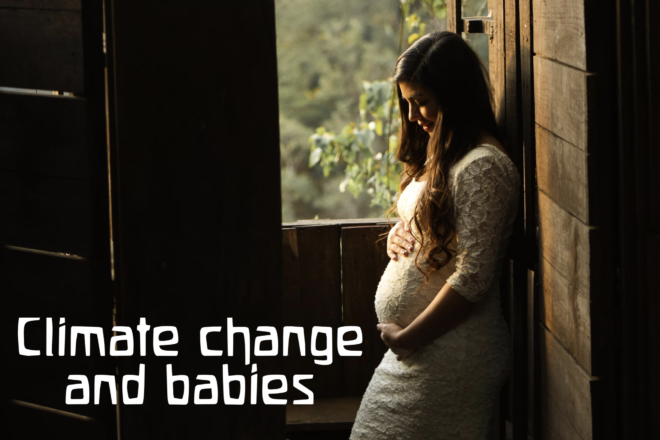
climate change, pregnant woman in window, wedding dress

Plan to give birth in the fall or spring, according to new research

An Israeli nation-wide study of more than 600,000 births, led by a researcher at Bar-Ilan University’s Azrieli Faculty of Medicine, reveals consistent links between high and low temperatures and low fetal birth weight, particularly exposure to heat during the second and third trimesters.

Published yesterday in the journal Environmental Health Perspectives, the study evaluates critical windows of susceptibility to extreme low and high temperatures during pregnancy and fetal growth in a nationwide cohort of 624,940 singleton term births in Israel during the period 2010-2014. 

The study was led by Dr. Keren Agay-Shay, Director of the Health & Environment Research (HER) Lab at the Azrieli Faculty of Medicine of Bar-Ilan University, together with researchers from Bar-Ilan’s Department of Geography and Environment, the University of Haifa, Ben-Gurion University, the Israel Meteorological Service, and ISGlobal, Universitat Pompeu Fabra amd CIBER Epidemiologia y Salud Publica, all located in Spain.

The researchers collected, mapped, modeled and analyzed data on all recorded live births, residential information at the time of birth, and outdoor temperatures throughout the pregnancy. They subsequently divided the country into three climatic zones and performed a statistical analysis comparing all the data during the days, weeks and trimesters throughout the pregnancy.

Birth certificate data for all live births was obtained from the National Birth and Birth Defect Registry in the Ministry of Health. These data include infant birth outcomes, parental sociodemographic characteristics, and residential address at the time of birth.

Birth addresses were geocoded, or converted into geographic coordinates, using geocoding services such as HERE and Google, and the Israeli property-mapping database GZIRNET.

Eighty percent (80%) of all birth addresses at the home or street level were geocoded. The remaining 20% was geocoded at the settlement level. This 20% comprised births to women with no street address who live in small, non-urban settlements, such as local councils, villages, community settlements, and kibbutzim, as well as births with street address data missing.

Israel’s highly variable climate, determined by altitude, latitude, and proximity to the Mediterranean Sea, was classified into three climatic zones: Mediterranean (characterized by a dry, hot summer), and semi-arid and desert/arid, both characterized by dry climate and hot temperatures.

For each zone average daily temperatures during various time periods, such as days, weeks, trimesters and entire pregnancy were converted into percentiles based on the distribution among all women in the cohort who resided in the climatic zone. This was categorized to centiles.

Next, the researchers performed a statistical analysis and evaluated the associations between temperature centiles and birth weight adjusting for newborn ethnic-religious group, sex, and maternal marital status, origin, age, education, socioeconomic class and employment status.

Consistent associations were observed between high and low temperatures and fetal birth weight. The strongest links were observed during the second, and particularly the third, trimester for heat and cold.

Extreme cold and hot led to smaller babies

Analysis of associations between term mean birth weight and zone-specific temperature percentiles for all three climate zones combined indicated inverse U-shaped associations, such that the coldest and warmest temperatures were associated with lower term mean birth weights than were temperatures near the middle of each distribution.

The inverse U-shaped pattern was evident based on average temperature for the pregnancy as a whole. Exposure during pregnancy: compared with women exposed to average temperatures in the 41-50th percentile range, those women exposed to cold temperatures (equal to or below the 10th percentile) had lower estimated mean birth weight of 56g (95 CI%: –63g, –50g) and those exposed to hot temperatures (above the 90th percentile) had lower estimated mean birth weight of 65g (95 CI%: –72g, –58g).

Trimester-specific associations also showed inverse U-shaped patterns, with the strongest associations estimated for extreme temperatures during the third trimester. Inverse associations between term birth weight and the coolest and warmest temperatures were also significant for the first and second trimesters, but were weaker than corresponding estimates for the third trimester.

“Our study demonstrated the significant associations between exposure to high and low outdoor temperature and birthweight in all term births born in Israel during five years.

Lower birthweight may indicate abnormalities in intrauterine growth and is a risk factor for morbidity during early childhood and over the entire life course,” says Dr. Keren Agay-Shay, Director of the HER Lab at the Azrieli Faculty of Medicine of Bar-Ilan University.

How you can reduce risks in pregnancy

“In our study we used a novel high resolution spatiotemporal model that was not used previously. The patterns of associations were consistent when stratified by urbanicity and geocoding hierarchy, when estimated for daily minimum and maximum temperatures, when exposures were classified based on temperature distributions in 49 natural regions, and when estimated for all live births (including preterm births and those with birth defects),” adds Agay-Shay.

The identification of susceptible windows during pregnancy may clarify underlying mechanisms and potential strategies to reduce risks in pregnant women exposed to extreme temperatures. Study estimates suggest a potential window of vulnerability to cold from 3 to 36 weeks, with the strongest association during week 36, and potential windows of vulnerability to heat from weeks 3 to 9 and 19 to 34.

Due to increasing temperatures resulting from climate change, the researchers stress that public health organizations are advised to develop strategies to address these challenges on a national, as well as a community, level. Additionally, identifying windows of vulnerability to temperature can assist clinicians in constructing and refining the set of recommendations they provide to pregnant women.

 

What Is Sustainability Recruitment and Why Does It Matter?

0

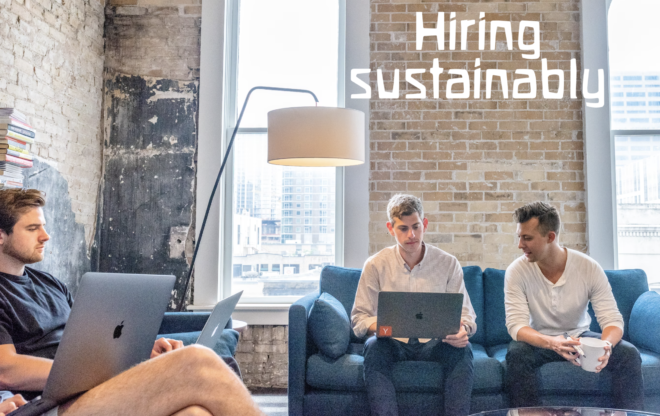
hiring sustainably

Who is a better recruit? The guy who rides his bike to work to save carbon emissions or the one who flies to vegas every weekend for fun? You can determine who will fit your ESG policy before you hire.

When you hear the word “sustainability”, you’ll be more likely to think about green energy and environmental conservation than HR departments and hiring practices. However, sustainability is more than a buzzword: it’s a philosophy. Reducing waste is the central tenet of sustainability, and that goes for both carbon footprints and staff retention.

Inefficiency and waste are as bad for business as they are for the planet, and tackling these problems requires the same approach in both instances. Businesses wish to build more sustainable practices because they reduce waste, improve net profits, and help ensure commercial success. After all, a company is defined by its workforce, and pushing sustainability through recruitment practices can bring clear benefits to every level of a business. 

What is Sustainability?

Once a business reaches a certain size, sustainability can become as important as growth. When a company begins to turn a consistent profit, stakeholders need to begin reassessing business processes to look at the parts of the firm that aren’t running as efficiently as they might be. In some cases, finding ways to pare down operating costs could be just as vital as incoming revenue in maintaining net profits.

While wasteful business practices exist, companies may as well be flushing their earnings down the drain. Furthermore, corporate inefficiency on a grand scale is something that the modern consumer is likely to take a very dim view on, resulting in sometimes irreparable damage to the brand. 

On the other hand, a focus on stability could head off these problems before they even come to pass. Areas where sustainability is likely to prove a priority include material requirements, energy usage, productivity, and, especially, recruitment.

It’s almost impossible to disentangle commercial sustainability from environmentalism because it’s very rare to find one without the other: a firm that’s cut down on industrial waste and bloated business processes will, by design or otherwise, probably be generating a smaller carbon footprint. 

Business Sustainability 101

There’s nothing stopping stakeholders and department heads from getting together to look at the ways a business can reduce waste and improve efficiency. However, a genuine commitment to sustainable business practices is an intensive process that requires a dedicated team. Sustainability departments usually employ a three-tier structure:

  • Chief sustainability officer: The chief sustainability officer (or head of sustainability) represents sustainability at a board level and will decide with other executives and stakeholders about the direction of a company’s sustainability policy.
  • Sustainability team members: This will usually be a small team comprised of a few members who report to the chief sustainability officer and help execute and administrate sustainability policy.
  • Sustainability Embeds: These will be staff integrated across the company’s business structure. They don’t report directly to the chief sustainability officer, but they do interface with the sustainability department to ensure sustainable practices are being followed across the company.

Sustainable Recruitment

Poor hiring practices can take a lot out of a company, both in terms of costs and efficiency. Hiring, onboarding, and training a single candidate costs the average company thousands in front-end investment, and if that hire is unsuitable or unmotivated, they can slow down a department and negatively impact the work rate of more competent staff.

Sustainable recruitment, therefore, is a drive to create productive long-term employee relationships that can prove mutually beneficial. Leveraging candidate data with the right online resources is the best way to find new prospects who tick all the boxes for a position and can bring a proven track record to the role.

Sustainable Employment Roles

Sustainability recruitment networks aim to give employers access to a wide talent pool of accomplished and motivated staff who can help enact sustainability practices and best advise a business where policy can be improved. Of course, the kinds of sustainability positions your company can benefit from will depend greatly on your industry. Some positions might include:

  • Air quality analyst
  • Emission trading manager
  • Climate Change Consultant
  • Energy director
  • Renewable energy specialist
  • GHG policy analyst

These are just a small sample of the different sustainability positions many companies will hire for. Sustainability recruitment networks and agencies can identify the positions most likely to bring about positive change for your company.

Sustainable Employee Retention

Sustainable recruitment puts the emphasis on finding the recruit most suited for a long-term future in a role. They will intermittently check back in a few months’ time to see how the new hire is getting on in their role. Sustainability recruiters aren’t just there to find a fit for a job; their role is also to educate firms about how to get the most out of their sustainability hires. In this way, both employees and employers have a mutual obligation to each other to help both parties further the goal of stability within the business.

To this end, it’s critical that new hires possess values that align with the brand values of the company they’re moving to, or they are likely to have trouble excelling in the position. Fortunately, there’s an easy way to avoid this: integrate sustainability into the way you market your brand during the hiring process.

Members of the modern workforce are more environmentally conscious than their forebearers, and the best and brightest will want to be able to go home and sleep at night knowing that the company they work for is one of the good guys. Sustainability can boost employee engagement, but it can also attract talented candidates who are onboard with your company’s values before they’ve even walked through the door on their first day on the job.

Elsewhere, you can look at the micro-processes within your company that can make sustainability happen. Converting your application processes to paperless systems is one obvious way you can save money and make your intentions known to prospective candidates. As more business processes move to digital, this is a small but important step in enacting greener business processes.

Final Thoughts

Sustainability needs to be more than just lip service to corporate respectability politics: it needs to be an influence on the orientation of your entire business, and recruitment is the best place to begin your journey to true sustainability. Hiring a sustainability department can set your company on the path to more efficient and environmentally friendly business practices which could also help save money and drive profits.

Guide to Going Green: Sustainability Practices for Small Businesses

0
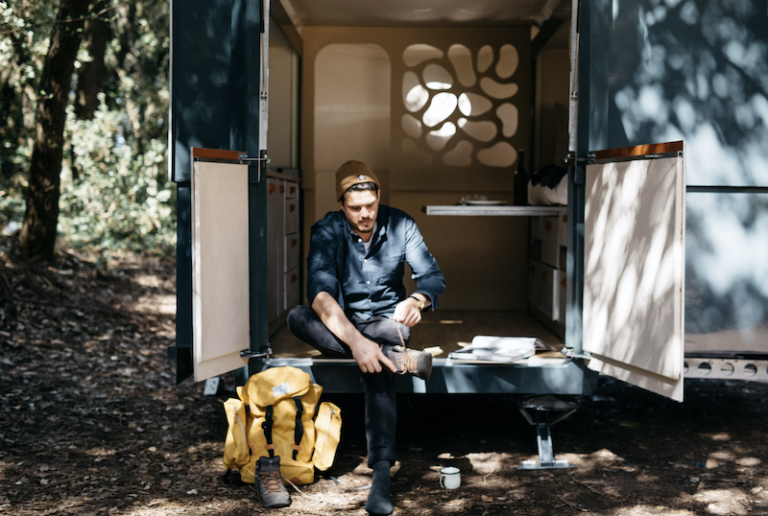
tiny office on the road
You can have a business and still live the #vanlife dream.

The sustainability movement isn’t new. In fact, the clamor for a greener world has been around for decades now. Recently, a large number of companies are joining the trend. Back then, many shied away from such practices due to the belief that it was harder to quantify their return on investments.

However, with modern advancements and approaches, that is not the case today. Apart from providing current needs without affecting the future generation’s ability to meet theirs, businesses that practice sustainability have also seen a positive impact on their growth. Since more people have become environmentally conscious, companies found that they meet consumer needs for more eco-friendly options.

Moreover, it is easier to attract talent and partnerships with other companies with the same stance. Of course, to truly make a change, even small business owners like you should do their part too. To give you an idea of how to start your green journey, we’ve listed down sustainability practices you can bring to your business.

Using Eco-Friendly Products

The first step to a greener business is to become conscious of the products you use. For instance, look into your suppliers and check on how they produce their materials. Do they comply with environmental laws? Are their employees paid fairly? If not, it’s best to look for other suppliers.

Eco-friendly packaging has become an important part of many businesses due to the increased focus on sustainability. Custom biodegradable packaging is one way to make your business more sustainable. Biodegradable packaging is made from materials that can be broken down by bacteria or other living organisms. This means that it will not contribute to the growing problem of plastic pollution. This type of packaging is a great option for businesses that want to reduce their environmental impact. Custom biodegradable packaging also allows you to send a message to your customers that you are committed to sustainability. 

A great alternative is to look into local suppliers. Not only do you support fellow small businesses, but you also cut down on transportation costs. Furthermore, to reduce your businesses’ pollution, you should also switch to eco-friendly packaging. 

Choose biodegradable products made from materials that break down quicker. For example, if you’re using labels, it’s best to use an eco-friendly option. You can check out the compostable labels by Wedderburn. Not only are these labels fairly easy to use, they also lessen the negative impact your business makes when it comes to the environment.

handmade pottery, ceramic, coffee tea cups, natural brown, karin kloosterman
Buy handmade pottery from local craftsmen and women. These are cups made by Karin Kloosterman
Going Paperless

The transition to a paperless company requires a lot of planning. Fortunately, technology is there to help you through the process. Instead of keeping paper documents, your business can become more sustainable by trading them with digital receipts and files. 

Scanners will be your biggest friend as you sort through old files to digitize them. Likewise, surveys and contracts need not be printed out with the help of PDF forms. Note-taking can be done through the notes app on your computer or phone during important meetings and business calls. 

If you feel like going completely paperless is impossible, you may control your paper usage instead. Decide on what files can and cannot be printed. Similarly, avoid providing free access to notepads and sticky notes to employees. As an alternative, just designate them with a specific amount of paper for a certain period. 

Making Use of Secondhand Finds

Furnishing your office with secondhand finds saves you not only money but also lessens your impact on the environment. As brand-new desks, chairs, and couches require lots of energy and raw material, why don’t you consider looking for vintage pieces to decorate your space?

vintage furniture lined up, old tv, old tables
Vintage finds will make your office look like a million bucks.

Visit your local thrift store, or keep an eye out for sales and auctions from companies going out of business. If you’re quick enough, it’s highly likely for you to score a quality item at a great price! To save even more, you may also take advantage of factory-refurbished printers and laptops online. 

Doing Partnerships With Green Companies

As a small business owner, collaborating with other companies with the same goals for sustainability will help you become more successful as you pool your resources. Of course, ensure that you partner up with someone who has the same vision as you. 

Align your interests and strategize on what can be mutually beneficial for you. It also helps to be aware of your current carbon footprint. Luckily, every industry has a carbon-neutral vendor you can choose to partner with. So, if you want to commit to becoming a more sustainable business, be wise about the partnerships you make.

Involving Customers and Employees

Lastly, you also have to include your customers and employees in all your initiatives. To start building a greener mindset, you may incentivize eco-friendly habits. Encourage customers to bring reusable cloth bags and reward them with a discount. Instead of giving away printed brochures and pamphlets, you can provide them with an option to send digital copies of your promotional materials to their emails. 

On the other hand, offering employees remote work schedules can significantly reduce your business’s carbon footprint. Hosting virtual meetings can actually contribute to fewer cars on the road and cuts down on fossil fuel usage. This is especially true for employees who travel in their cars alone. 

Takeaway

Sustainability practices not only save the world but also bring profit into your company. With the trend growing every year, it’s high time you switch to more eco-friendly business practices too. While not all strategies perfectly work for everyone, the list above can help you start your journey to prioritizing the planet.

Why you should get your furniture from one of these eco-friendly brands

0
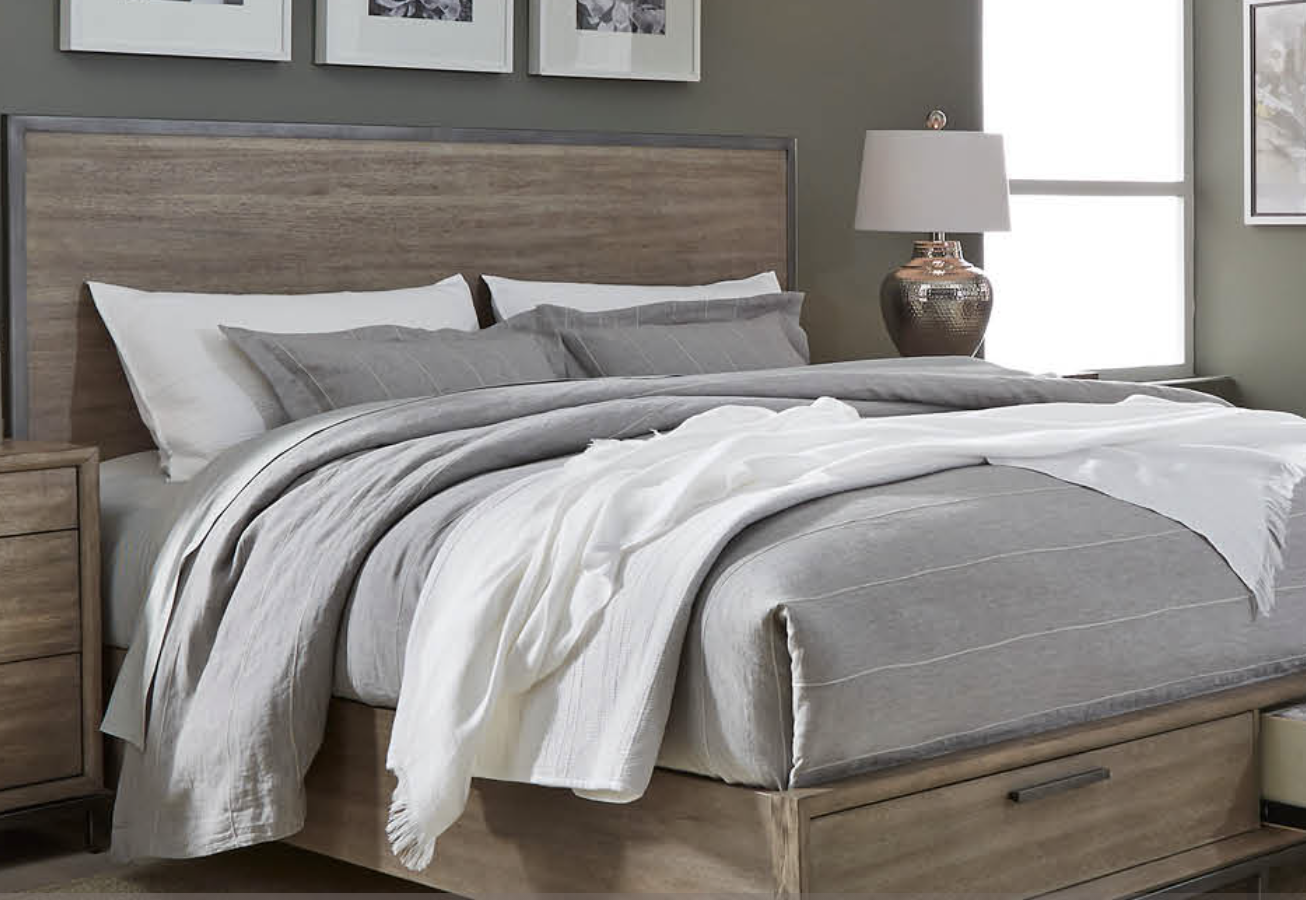
eco bedroom
Some online brands stock furniture that has eco credentials. Here are some names to look for.

While it is true that corporations shoulder most of the blame for our environmental concerns, the average person could play a vital role if everyone took action to save our planet. There are a lot of ways that you can decrease your own waste that goes to landfills. Some of the most popular include:

  • Purchase food and beverages that come in recyclable containers.
  • Use reusable shopping bags.
  • Upcycle items that can’t be recycled, as often as possible.
  • Purchase consumables with long lifespans to reduce waste.

Yet when most people consider how they can help their environment, their purchases of things such as furniture do not cross their minds. However, it is important to note that several tons of furniture go to landfills every year. A large amount of that furniture waste is not biodegradable. 

The cheaper the furniture, the sooner it will become too dilapidated to use. When you buy a new couch every few years, you’re sending a lot of waste to the landfills that you aren’t even considering. By contrast, when you purchase more expensive and durable furniture it lasts much longer, which means less landfill waste. Not only does better furniture stay out of landfills longer, but they also save you a lot of money in the long run when your couch could last 15 years instead of 5 years.

Ready to jump into buying more eco-friendly furniture? Here are some of the most eco-conscious furniture brands available online from 1stop furniture.

Ashley Home Furniture

Ashley is a home furniture brand that is familiar to most of the world. This brand sells furniture in 155 countries, and they are working hard to reduce their carbon footprint. Their overall sustainability plan can be found on their website and encompasses several initiatives. Their top priorities are reducing the energy required for manufacturing, eco-friendly waste management and disposal, resource preservation, water conservation, and develop more sustainable packaging.

Acme furniture

Acme Furniture is one of the most well-known furniture brands in the world, selling on popular platforms like Amazon and Walmart, as well as a myriad of online furniture stores. They have been working on making their own furniture more sustainable, and recently released an eco-friendly kids’ line of furniture that features soft fabrics and rounded corners made with renewable resources.

Aspen Home furniture

Aspen Home is another furniture brand with a global presence and sustainability measures. Aspen furniture can be found in almost any online furniture store, and its manufacturing process begins with sustainable materials. Their site boasts that they do not take any wood or veneers from rain forests, and use primarily sustainable lumber sources.

Furniture of America

A popular furniture brand for budget-minded or amateur interior designers is Furniture of America. While they are not as far along on the sustainability chain as those furniture brands mentioned above, they are making some effort to source sustainable woods and other materials for their manufacturing process. They also recently released a specifically eco-friendly furniture collection.


Leonardo DiCaprio invests in cruelty-free meatballs

0

Leonardo Dicaprio, meatless meat, aleph farms, mosa meat, investment

Leonardo DiCaprio, known in his movie roles for What’s Eating Gilbert Grape and Titanic –– and for dating Bar Refaeli – has invested in not one but two alternative meat companies, Aleph Farms, based in Israel, and Mosa Meat from the Netherlands. Unlike the Impossible Burger and the OSI Group which creates alternative protein from peas, which is tasty, but hard to digest, Aleph and Mosa create meat in a lab using original cells from a real animal.

The idea is to create real meat that tastes like meat, not a plant-based substitute. But lab meat is exactly like meat, removing the suffering and methane gas production, oh and antibiotic use, so the argument goes. 

meatless meat, lab meat, leonardo dicaprio, mosa meat, plate of meatballs
Mosa’s plate of meatballs invested in by Leonardo Dicaprio

One of the most impactful ways to combat the climate crisis is to transform our food system. Mosa Meat and Aleph Farms offer new ways to satisfy the world’s demand for beef, while solving some of the most pressing issues of current industrial beef production. I’m very pleased to join them as an advisor and investor, as they prepare to introduce cultivated beef to consumers,” said DiCaprio.

It’s common for celebrities to invest in startups, especially Israeli ones. Leonardo is in the footsteps of other Hollywood actors like Ashton Kutcher. 

Both Mosa and Aleph have demonstrated the ability to grow beef directly from animal cells, with the unveiling of the first cultivated hamburger by Mosa Meat in 2013 and the first cultivated steak and ribeye by Aleph Farms in 2018 and 2021 respectively. The meat made still costs a mini fortune but new investments will help the companies scale production and cut back costs.

aleph farms engineered slaughter free meat, man looking at a piece of it
Aleph Farms are growing steaks in a lab. For now they might cost $2000 a pound but the goal is to grow to scale
Some of us have turned vegan or vegeaware or at least participate in Meatless Mondays. Eating meat –– until we find a better solution to satisfy meat eaters –– is here to stay. New innovations might help alleviate climate problems, as well as a growing interest to return back to the land, hunt one’s own meat, and eat less or whole animal meat eating. 

With global meat consumption projected to grow 40-70% by 2050, cultivated meat offers a solution to greatly reduce the current negative impacts of industrial beef production. Analysts project the cultivated meat market could reach $25 billion by 2030, as part of the broader protein transformation.

According to an independent Life Cycle Analysis study, cultivated beef production is projected to reduce climate impact by 92%, air pollution by 93%, use 95% less land and 78% less water when compared to industrial beef production.

The automated process through which cultivated meat is produced, and the sterile environment of its manufacturing, will eliminate the use of antibiotics and greatly reduce the risk for pathogens, contaminants, and foodborne illnesses associated with concentrated and intensive animal farming.

Cultivated beef production offers the opportunity to use the spare land for re-wilding habitats which would naturally reduce emissions or for producing more food for people. Can we finally stop cutting down more Amazon rainforest? That’s us doing it – not them.


Cricket and climate change

0
cricket climate change
No sport has more to lose from climate change than cricket

Of all the world’s largest organized sports, there is one that is most affected by climate change induced by global warming. Cricket, the old British sport that has been exported to India, Australia and the Caribbean Islands will be most hard hit by the ravages of climate change such as flooding and heat waves, recent reports suggest. Not even the best cricket tips can save the sport that is worried about its future, highlights the Climate Coalition.

The Sustainability Report started reporting on the news a few years ago in 2018, that from May to July was the UK’s hottest three-month period ever on record. And in the same period the next year, in 2019, when England and Wales were hosting the ICC Cricket World Cup, there was epic rain. 

In India it was worse: “The worst floods for a century in the southern Indian state of Kerala killed 361 and affected an estimated five million more, while a heatwave in Karachi killed 65. And while the Caribbean was spared the worst of the Atlantic hurricane season after multiple disasters in 2017, the pressure in that region grows year by year,” noted the news outlet.

It’s an interesting play: normally we talk about climate change and flood risk to homes or agriculture and our food supply. But since Covid-19 hit, we can also now tangibly value how so much leisure and culture plays a large role in our lives. Without sports as we know it, and the movie industry, and dining out, life is not the same.

For those part of the industry, The Game Changer report (links to PDF) by the Climate Coalition explores this often discussed issue: how climate affects sports and games. Not only in detail about what is happening already, but it explores what will happen in the future and how sports leagues and clubs can invest in climate-proofing their sports.

Athletes and team players easily influence the next generation from the way they talk to the shoes they wear. The report highlights a few take-home ideas that sports teams can take as action items on themselves. 

How sports clubs can impact climate change

  1. Sports clubs and their governing bodies and sponsors all need to reduce carbon emissions and other environmental impacts. If you’ve seen the latest Ted Lasso series on AppleTV, there was an interesting event where the team decided to cut its sponsorship from Dubai Air, a made-up airline, that was investing in exploiting oil fields in Nigeria. One of the team members from Nigeria led the protest. 
  2. In the real world, The British Association of Sustainable Sport (BASIS) can provide guidance to help teams along with sponsors and fans lead the voice in sustainable practices on the field, court, slope and court.
  3. Governments across the world need to play their part and encourage more public transportation to live sports venues. They also have to help people achieve homes that are more climate resilient and less energy intensive.
  4. Be part of the Paris Climate Agreement means taking actions to stop the climate rising by another 1.5 degrees centigrade. If you come from an affluent country, help those from poorer nations access the tools and infrastructure they need to meet climate goals set globally.

CBD oil puts Brit in Dubai jail for 25 years

Billy Hood CBD oil dubai
Forced to confess in Arabic, Billy Hood a 24-year-old from Kensington England was charged with crimes and 25 years in jail for possessing harmless CBD oil.

I’ve been one of the first in the world to report on the medical benefits of cannabis and therapeutic oils when I interviewed Dr. Raphael Mechoulam from Jerusalem about 15 years ago for the Jewish Telegraphic Agency. Cannabis and medical marijuana was a taboo subject then but it changed in recent years, thanks to scientific research that THC and CBD, compounds in cannabis, can heal all sorts of diseases and ailments. 

CBD, a non-halucinogenic molecule found in the cannabis plant is legal for use in US states and countries where cannabis is banned. The CBD is derived from cannabis but itself is not psychotropic in any way and is known to alleviate anxiety and quell fear and back pain. It is often used on children. But be cafeful when travelling with CBD of any kind.

It can land you in prison. Like this American found out recently. And like a young football player from the UK just found out now. 

Detained in Dubai just sent us a press notice that a British pro football player Bill Hood has been sentenced to 25 years in prison for possession of cannabis oil, more specifically CBD old. The 24 year old coach was detained in January and was sentenced this week.

He was found with 4 small bottles of CBD oil left in a car by a friend he took to the airport. And has since been sentened with trafficling, selling and possessing a gew grams of CBD oil.

In a statement to lawyers, he said: “I had just moved to a new home in Dubai and a friend of mine came around to see my new place. I ordered a food delivery then went to my car to get a second phone charger for him to use when I was suddenly approached by police.

“They jumped out to arrest me, handcuffed me. One officer jumped out and pointed a taser at me, threatening to use it if I didn’t cooperate. They demanded I show them where the drugs are. I was shocked, scared and confused. I told them I wasn’t aware or in possession of any drugs or substances.

The news is just as absurd as the American man who was caught with cannabis in his blood in Dubai –– cannabis that was consumed in the United States and not in Dubai, and used for medical reasons. 

cannabis dubai
American (left) with his lawyer (right) arrested for cannabis in his blood in Dubai. The cannabis was consumed in America.

It goes to show that you need to be very careful when travelling around the Middle East. Cannabis use may be lax in Europe and completely legal in Canada, it is not a joke in the Middle East. Take care when travelling to Dubai. You can get arrested for the sillest of crimes, like a poppyseed on the bottom of one’s shoe, prescription medicines, residual hashish from marijuana smoked abroad, a glass of wine on a plane ride to Dubai and more.

Be careful and think twice before travelling to the UAE.

We created a guide here to what you can do in Dubai. Freedoms like demonstrating in public for instance, or criticising a Sheikh could land you in jail. 

3 of the Best 2021 Eco-Friendly Vehicles

Tesla Cycbertuck
If I were living on Mars I’d probably have my eyes on the Tesla Cybertruck. But since I am still on Planet Earth here are some more earth-grounded eco cars to look out for this year.

Going green has never been a higher priority for the world. With threats of climate change knocking at our door, many car companies have taken to creating electric or eco-friendly models of their iconic vehicle brands. Businesses like Research America conduct automotive research in order to find current trends, consumer demands, and sales projections that help the automotive industry make informed decisions.

With that in mind, the companies we feature here have decided that electric is a trend that is here to stay and these are some of the highest-quality eco-friendly vehicles produced for both consumers and the planet during 2021.

Mustang Mach-E

Mache Mustang yellow
An electric pony made by Mustang

This electronic pony is Ford’s first all-electric crossover. It might feel strange to hop into a Mustang and know you are technically driving an SUV, but this is one of the sleekest and sportiest SUVs to hit the pavement. It retains the iconic style of previous Mustangs combined with a bulkier rear frame that allows for more storage and cabin space for passengers. Depending on the components, the Mach-E’s specs can range from 270-460 HP, as well as a battery range of around 210-305 miles.  You can saddle up in this horse for roughly $44,000. 

Polestar 2

Polestar 2
The Polestar 2 all electric

Carbon emissions are a thing of the past thanks to the Polestar 2. This electric monster gives Tesla a run for its money with its stylish design and functionality. The medium-sized hatchback with a five-door design makes it great for groups or packing for a trip. With a price tag of nearly $60,000, the Polestar 2 comes equipped with a 230-mile battery life and just over 400 HP, making it a heavy contender for your next eco-friendly vehicle. 

Tesla Model S

Tesla Model S
From the streets of Montreal to the highways of Tel Aviv, Tesla S is quickly beocming a popular choice for consumers.

Arguably the most popular brand of electric vehicles, Tesla offers plenty of different options in terms of efficient gas-free rides. Their 2021 Model S is particularly impressive, offering the longest battery range at 390-520 miles, combined with a horsepower of 670 to an astonishing 1,020.

All that torque will cost you a brow-raising $70,000 to $80,000, depending on the augmentation. If you’ve got the wallet and don’t mind the occasional head turn, this luxury car is not to be ignored. 

Final thoughts on our sustainable car picks

Not only are these electric and sustainable vehicles sleek and eye-catching, but they also help to reduce greenhouse gas emissions that are harmful to the environment.

They come in a variety of styles and brands, cars, trucks, and SUVs, as well as varying price ranges, from affordable to expensive. Whatever your taste might be, the next time you’re in the market for a new vehicle, consider a more environmentally friendly option that can help save the planet. If only a little. 


Archeologists unearth ancient winery in Israel

0
winery archeology Israel
Children and adults alike used to drink wine in the Holy Land and from this massive winery just unearthed in Yavne. The site made at least half a million gallons of wine a year. 

Before Islam was rooted in the Middle East the Holy Land and Mohammad forbid alcohol to its followers, Israel was home to all sorts of pagans, then Jews, then Christians. In Christian and Jewish rights and rituals –– then and now –– wine is used for consecrations purposes: for Christians during the mass to turn the body of Jesus into blood; and for Jews who mark the Sabbath and high Holy Days with a glass of wine shared by all at the table.

grapes wine
Grapes from my vine, Jaffa Israel, 2021

So people back then, as it is now, needed vineyards and wineries to produce the wine.

Israeli archeologists are happy to annound unearthing the largest winery from the period of about 1500 years ago. Through this finding, near Yavne, Israelis celebrate how wine was made, and explore its history from an archoelogy site that produced a kind of white wine called Gaza that was most likely consumed locally and shipped south to Egypt and north to Greece. 

Yavne was an important historical site for Jewish scholars. The site was more sophisticated than archeologists would have expected. Remember when we wrote about Elusa? This was one of the rare sites to have revealed its name at the site where it exported wine from Israel. 

The Yavne dig is so special due to its size and the amount of wine they could process every year.

“We found decorative niches in the shape of a conch, which adorned the winepresses, indicate the great wealth of the factory owners. A calculation of the production capacity of these winepresses shows that approximately two million litres of wine were marketed every year, while we should remember that the whole process was conducted manually,” commented Elie Haddad, Liat Nadav-Ziv and Jon Seligman, the directors of the excavation on behalf of the Israel Antiquities Authority. 

When kids drank wine

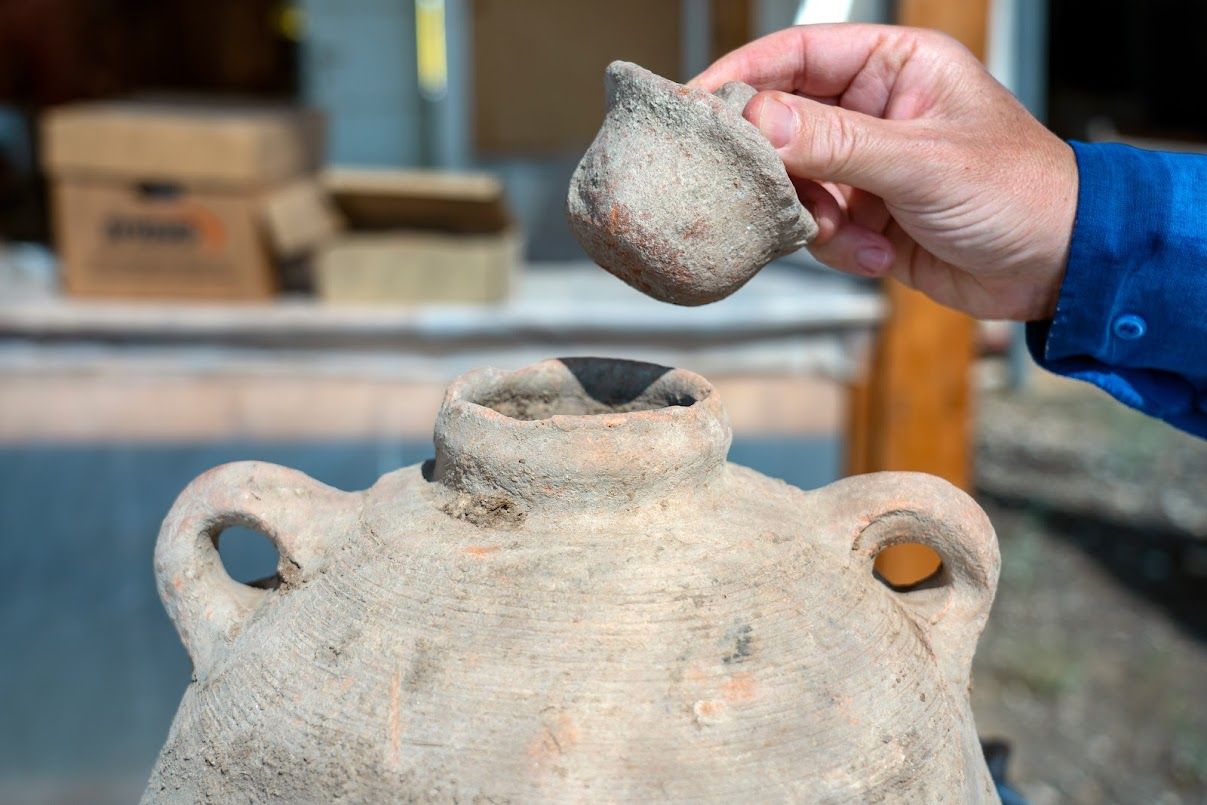
The plant includes five magnificent wine presses, warehouses for aging and marketing the wine, kilns for firing the clay amphorae in which the wine was stored, tens of thousands of fragments and intact earthen amphorae (jars), well planned access between the facilities, and more.

Yavne wine press

Drinking wine was very common in ancient times, for children and adults alike. Since the water was not always sterile and or even tasty, wine was also used as a kind of “concentrate” to improve the taste, or as a substitute for drinking water.

Each of the exposed winepresses covered an area of ​​about 225 square metres. Around the treading floor, where the grapes were crushed barefoot to extract the liquid, compartments were built for fermenting the wine, and next to them – two huge octagonal shaped vats for collecting the wine.

Like wine?
Make Pea Pod Wine

Make your own ancient mead


Chaga mushroom tea, powerful antioxidant in your forest

0
chaga mushroom tea guide
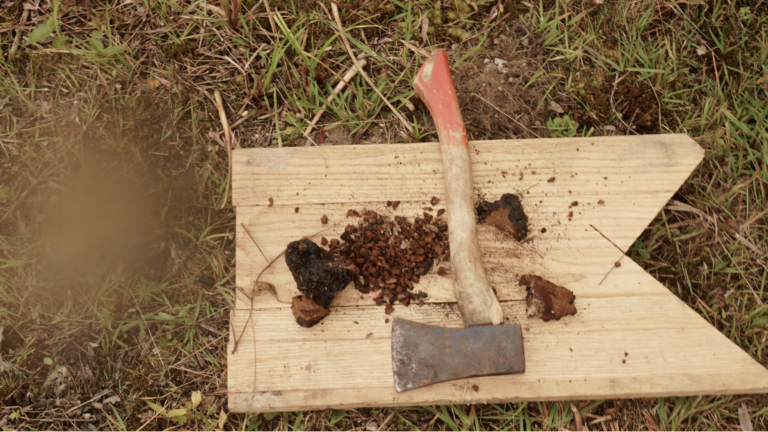
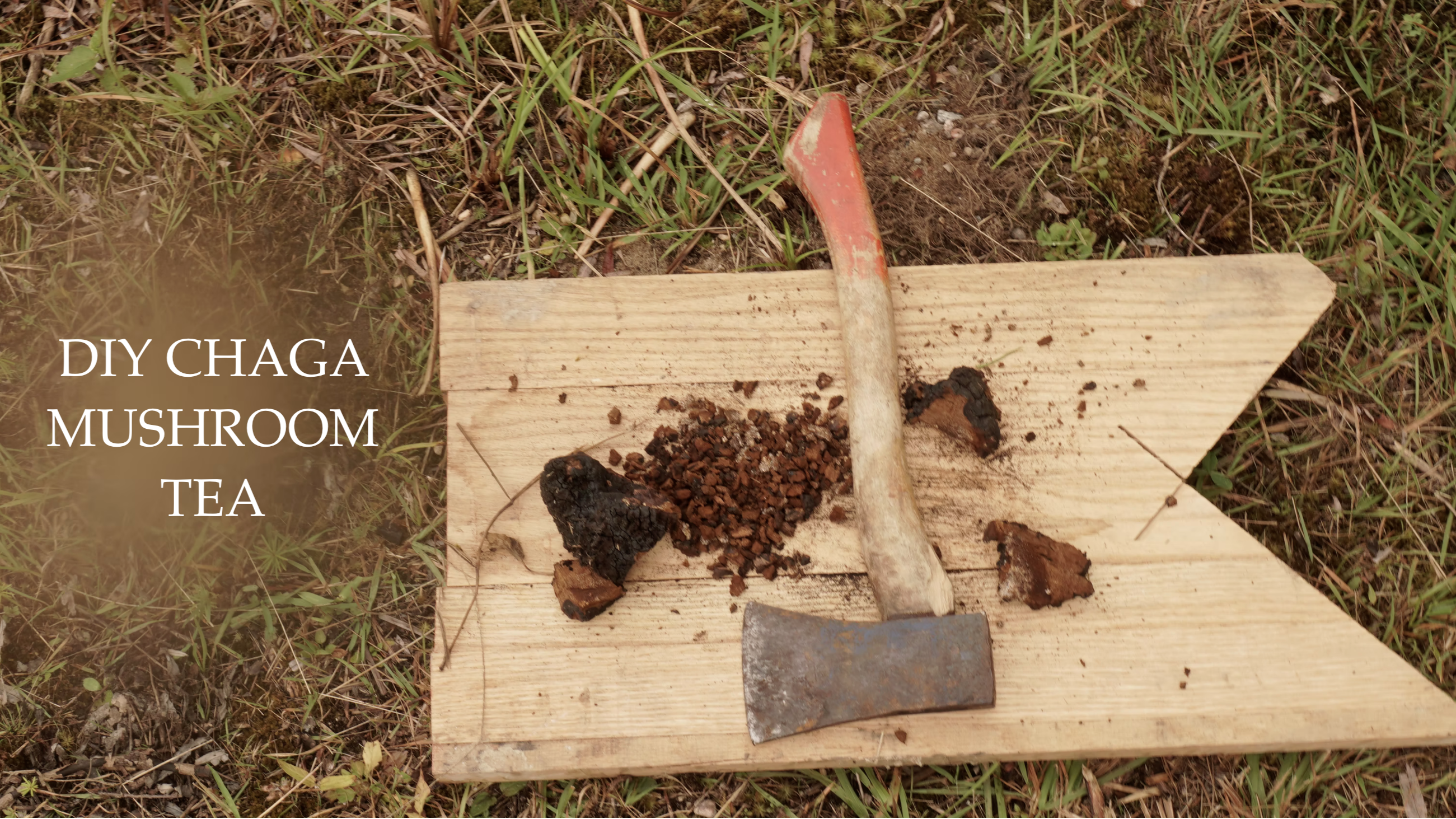
Foraging your own chaga is the first step. Expect to spend at least an hour chopping your chaga with an ax or heavy knife. 

Look to the Stella McCartney runway this season and you will figure out that mushrooms and fungus are making it to the mainstream fashion world. The London designer has incorporated fungus as leather and fabric into her clothing line.

Stella is picking up on the sustainability trend worldwide. Mushrooms, like a last frontier in the forest, are gaining credibility as a superfood but also as a sustainable material that can be used to create fabric.

stella mccartney fungus
Stella McCartney on the runway, fashion for the future via the NY Times.

Some foragers, long-lifers living in the forest, neopeasants, or just casual visitors to the forest now find themselves looking for the mysterious fruiting bodies of fungi for food and for super medicines. It’s exhilerating finding mushrooms in the forest and it feels like you hit the jackpot when you find what you are looking for. 

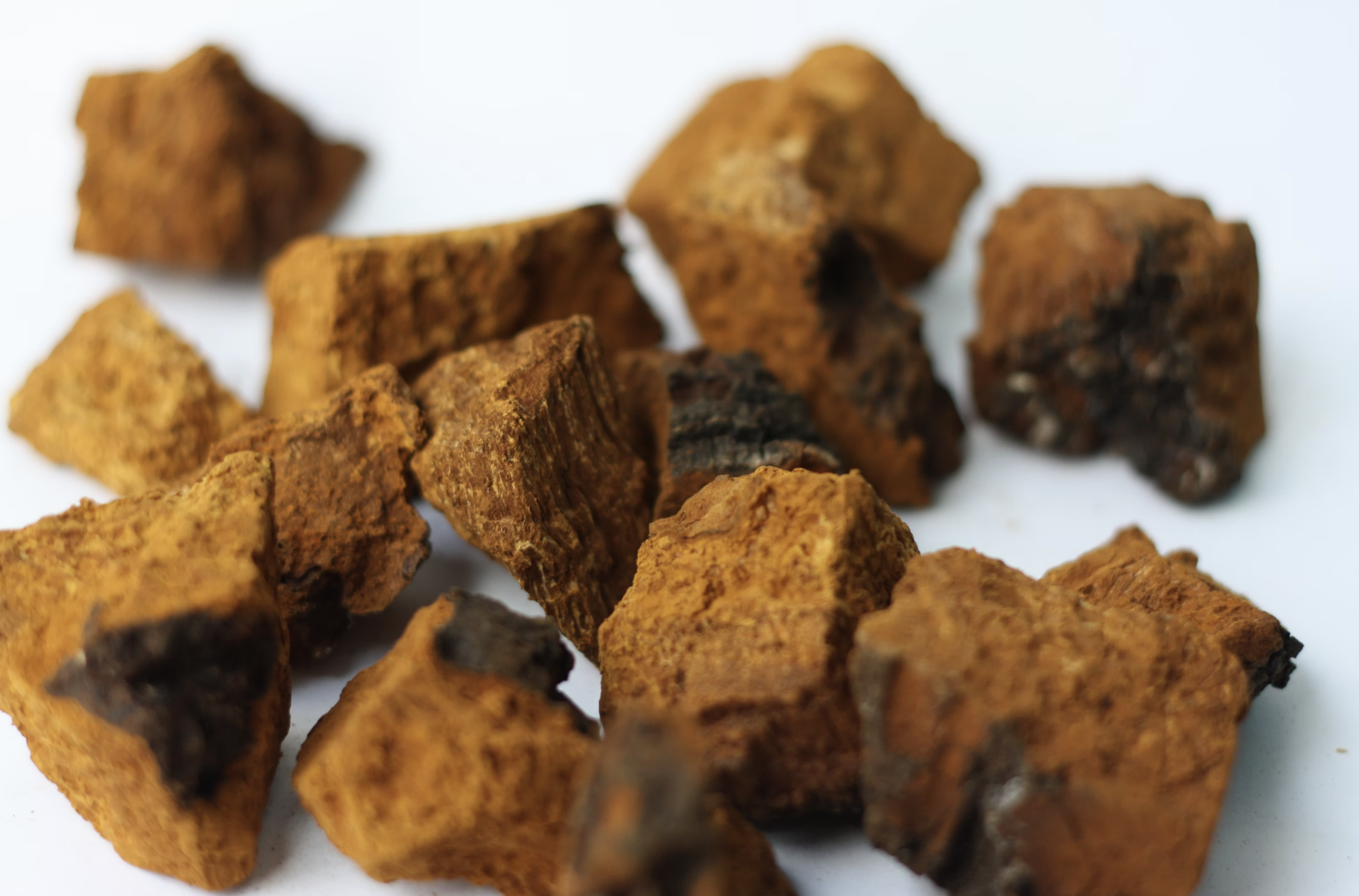
Chaga or king chaga is a fungus that grows as a parasite on the silver birch tree. Some say it’s a parasite but I believe it is forming a long-term symbiotic relationship with the tree. The conk-shaped chaga is irregularly formed and resembles burnt charcoal. It takes years for a chaga to grow and is quite rare. It costs a pretty penny to buy online but with some luck, if you own a forest, you can find and harvest your own chaga. That’s what I did this summer. It was thrilling. 

Chaga is believed to provide enormous anti-inflammatory benefits, helping all sorts of illnesses including cancer. One friend I met in the forest this summer told me that a Neandrethalic man was  defrosted some years ago and in his pocket held two things: cannabis and chaga. 

It’s something I want in my small but growing natural medicine cabinet, along with healing THC and CBD. In fact some CBD providers add a tincture of CBD and chaga together. 

How to forage chaga mushrooms

Look for silver birch trees

A believer in foraging on one’s own land, and with some guidence from my friend Raven, I was lucky to find and harvest a chaga this summer. I hadn’t planned on finding one when on my walk with the kids, but there it appeared at eye height on a medium aged silver birch tree while I was walkeing along a brook with the kids.

With no tools my instincts kicked in and I quickly fuond a palm sized stone which gave the edge I needed to knock the chaga off the silver birch. It came after 3 blows and weighed about 5 pounds. It went into my  mushroom basket.

Some people harvest the chaga off of fallen trees, while others swear by using the fresh stuff, straight from the tea. What’s important, Raven explains is that you dry it within a day or harvesting. I showed up at her house for a positive identification.

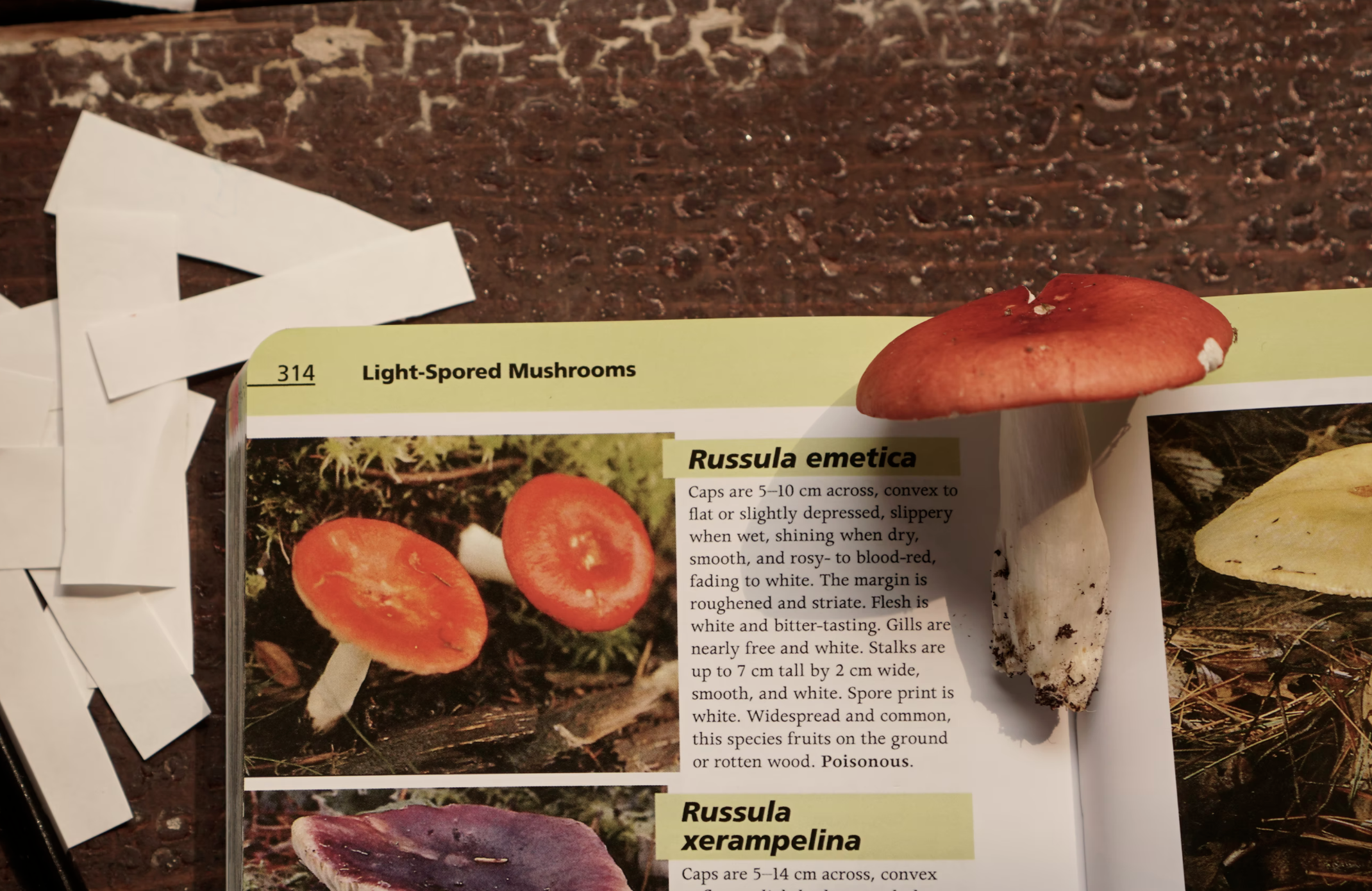
It is essential, and critical that you ID mushrooms with a local expert before consuming anything. Mushrooms are tricksters and there are plenty of lookalikes in every family. I take a mushroom book with me when I go out and if something looks interesting I try to find it in the book right away. 

Russula Emetica
Russula Emetica – eating it can make you feel very sick

We got a positive ID and the chaga was chopped and dried over the next days. You can dry it low in a stove, at less than than 150F (70C). But only after it is chopped down into chunks about the size of a blueberry. I started with an ax and then progressed to a machete and over an hour it took to cut up the chaga into chunks I developed a few small blisters. 

Once this is done you need to dry the chaga so it can be stored. You might use a natural solar dryer if there is no chance of rain or overheating and cooking to chaga; or you can use the heat from a woodstove or an electric stove set on low to less than 150F.

How to make chaga tea (ground)

chaga mushroom ground

Individual Cup
Some people like to grind the chaga before use, others use it in small cubes about 1/3 cm big
  1. Add 2 to 3 teaspoons of ground chaga powder per 1 cup (8oz) of water to a tea bag/ball or a small teapot like a Bodum
  2. Boil the water, and then pour it directly over the ground chaga, and into the cup or pot.
  3. Steep for at least 10 to 15 minutes, then remove the tea bag/ball, or steeper, and serve the tea while it is still hot

How to make chaga tea from small cubes

chaga chunks king
King chaga mushroom chunks for tea 
  1. Take about 3 or 4 small 1/2 cm or less cubes of chaga, or chunks, however it’s been chopped and add it to a small or medium-sized pot
  2. Boil on low for about 15 minutes.
  3. Serve hot or cold and drink throughout the day. Makes 4 cups. 
  4. Consider reusing the chaga again


The 6 Indispensable Factors to Acknowledge Before Starting a Business

0
Road train
Starting a green trucking business? The Road Train can help you get better fuel efficiency. Or maybe you want to invest in an electric fleet? 

Today, almost everyone thinks of starting a business of their own. However, only a handful of people make it every year. Shockingly, around 50% of the small businesses don’t even cross the first five years of their operations. This is because most people are careless about considering a number of factors before starting a business.

When starting a business is concerned, everyone wants to be at the top of the game.  For instance, if an entrepreneur wants to start a trucking business, they won’t even have any idea about the fmcsa biennial update. Therefore, it is essential to be mindful of several factors before diving full throttle in the highly competitive business world. Here are some of them:

A Business Idea

Every business is born with an idea. Like with trucking, maybe it’s a road train business that will work. So if you want to outperform the competitors and stand out to the clients, you need to have a stellar idea at your disposal. In other words, you need to think of something that the customers are not aware of. Having that said, not everyone is quickly going to come up with an idea as such. 

Even if you have something intriguing in mind, the chances are that many entrepreneurs might have already thought about it. Yet you can come up with the right way to present it to the world. So if you have an idea that can solve somebody’s problem, you can debut with it.

Demand

Now that you have decided to start your business, the next step will be to study the market and identify the loopholes and trends. How much are your clients willing to pay to mitigate greenhouse gas emissions for instance? After all, you need to ensure the demand for a product or service out there. In simplest terms, you need to answer questions, such as who your customers are? What do you expect from them? What do they expect from you? 

masdar institute, green career fair, green jobs, Middle east, renewable energy, WFES, Abu Dhabi, Abu Dhabi Sustainability Week

Make sure to find answers to these questions and conduct a market survey as soon as you can. Furthermore, study the market and see whether or not you can adjust to the business environment.

Knowledge

Once you have the business plan written, you will have to acquire the necessary knowledge and skillset to start it. This will entail indepth research and planning. By the end, you will have to align the available resources with the business goals. Because a business plan is an indepth research itself, it will provide you with an answer to whether or not you should give it a go. 

So when you have the necessary knowledge, you can initiate the business. You can also consider hiring a consultant who will do everything for you. Meanwhile, you will also do research and keep up-to-date with everything.

Startup Costs

Estimating the startup cost should be on the top of the priority list when initiating a new business. After all, money is the lifeblood of any business out there. You will have to calculate the total costs of the business and look for ways to manage them. For example, if you think o setting up a factory, the startup costs will be very high. 

On the contrary, if you decide to start an e-commerce business, you could be starting the business from your very own home. Secondly, once the business is started, you will have to keep on funding it with capital. No wonder budgeting is important, and you must prepare a cash flow.

Competition

Unless you know your competitors, it will be hard to survivin in the market for a long time. However, if your product is a monopoly itself, competition won’t be a big problem. Else, you will have to conduct research and search for your competitors. In other words, you need to study your competitors and see how you can stand out to them. 

You should aim to get the maximum market share. Especially if the demand for your product or service is already huge, you shouldn’t step back from going the extra mile in working hard.

Staff

In simple words, human resources can either make or break your business. With efficient manpower, it will be hard for you to gravitate your business towards success. Having that said, you need to have the most sought-after people in your team, with each of them having sound experience in their respective fields. 


5 Tips To Help Your Child Get Over a Cold

0

Has your little one felt sniffly lately? If so, he or she may have caught a cold. While you may not be able to prevent your child from getting sick, there are some natural strategies you can implement that could potentially help your child get over the cold faster while preventing the spread of his or her germs.

Procedures To Avoid Spreading a Cold

During cold season, it’s more essential than ever to stock up on baby cold syrup and to try to prevent the spread of the cold. You help keep your child from getting sick and from spreading colds when you:

  • Teach your child to wash his or her hands often or to use hand sanitizer throughout the day
  • Instruct your child to avoid sharing glasses, eating utensils, towels and other personal items with those whom they suspect may be sick
  • Keep your child at home if you think he or she may have caught a cold and help him or her rest and recover before returning to school
  • Encourage your little one to practice healthy habits in public, such as sneezing into his or her elbow instead of hand, staying away from those who may be sick and wearing a face covering when needed

How To Ease Cold Symptoms in Your Child

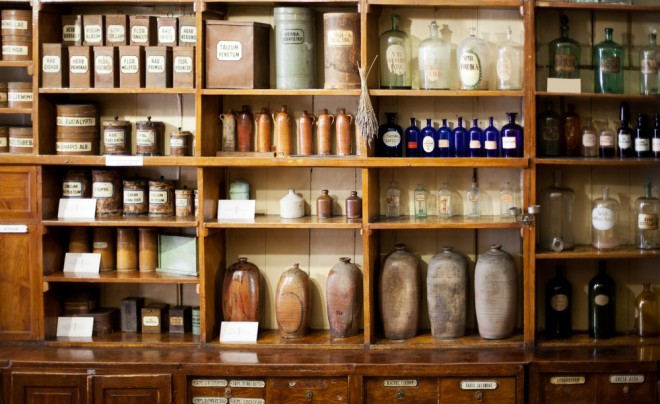
future of medicine, old fashioned pharmacy shelf
There are plenty of natural ways to help baby heal.

If you’ve already read up on some core facts about the common cold, your next question may be what you can do to ease your child’s cold symptoms. Although common symptoms such as fever, coughing and a stuffy nose may not be fun to deal with, they are, thankfully, treatable. To help your little one feel better right away, you could:

  1. Heat up some herbal tea or milk for your child before bedtime and mix in a teaspoon of honey to help soothe his or her throat and ease any coughing. Always check with a trusted herbalist before you give your baby herbal tea to make sure it’s safe. Children under a certain age should not eat honey.
  2. Keep your child hydrated with warm soups and broths (barley soup is good) – and try our 10 winter soups list for some great starters), teas, water and other healthy liquids throughout the day;
  3. Give your child a sponge bath or a cold compress to help bring down his or her fever;
  4. Make your child’s resting and sleeping environment as comfortable as possible by adjusting the room temperature as needed, installing a humidifier, giving him or her extra pillows or blankets and keeping aromatherapeutic oils handy;
  5. Provide your child with plenty of tissues and help him or her use saline mists or suction bulbs to clear out a stuffy nose.

You might not be able to prevent your child from occasionally catching a cold, but when he or she does come down with the sniffles, you can pull out all the stops to speed up recovery time and help him or her feel better quickly. With these core eco-friendly and natural tips, you’ll be equipped to help your child get healthy again.

The Art of Greener Grass: 5 Ways to Improve Your Lawn’s Environmental Impact

0
woman in yellow sweater, sitting on rock
The greenest lawn is no lawn. But if you must have a lawn, here are the ways to make it work in the eco sense.

As climate change becomes a more significant concern, many homeowners question traditional landscaping practices and seek to lessen their environmental impact. While pristine green lawns may not be the greenest for the planet, there’s good news to be had.  

Using the correct type of high-quality seed from retailers like Nature’s Seed can significantly reduce your lawn’s carbon footprint without sacrificing its appearance. By investing in a high-quality grass seed, your yard can work its magic and positively impact the environment by preventing soil erosion and boosting oxygen production.

You can reduce your yard’s climate impact with these five proven ways to grow gorgeous grass with a clear conscience.

Use environmentally-friendly grass seed

Grass seeds from reputable companies are more sustainable and therefore inherently better for the earth. Seed from big box hardware stores contains fillers and toxins, but sustainable grass seed undergoes rigorous cleaning and testing. It’s also sourced carefully and ethically. 

Environmentally friendly grass seed also may require less water and maintenance to thrive, which can save you green in both your wallet and the planet. 

When choosing the right seed for your lawn, consider the benefits of Bermuda grass, which include its drought resistance and ability to withstand heavy foot traffic. This warm-season grass thrives in hot climates with minimal water, making it an eco-friendly choice for sustainable landscaping.

Irrigation techniques

Water usage is one of the main ways that lawns detrimentally impact the earth. Deep and infrequent watering encourages more robust root growth, which means that your grass will feed itself rather than needing you to run sprinklers constantly.

In addition, install efficient gutters and invest in rain barrels to catch rainwater that can nurture your grass and flowerbeds. Keep your gutters clear in addition to trying other methods that are appropriate for your region.

Mowing the right way

Mowing matters more than you may think. Generally speaking, the less frequently you mow, the better. Always leave your grass clippings on the lawn to compost and fertilize the soil naturally.

One practical environmentally-friendly tip is to adjust your mower height. Use a higher setting when hot and dry since grass won’t grow as fast and doesn’t need as much mowing to thrive.

Consider switching from gas to an electric-powered mower with rechargeable batteries, in addition to electric trimmers and other lawn equipment. Using these tips, you can cut back on the amount of gasoline and fertilizer you use, both of which can be bad for the environment.

Avoid harmful chemicals and pesticides

Most fertilizers and pesticides are terrible for the environment. Keep in mind that these chemicals don’t stay where you apply them. Plant food and pesticides enter the air and seep into the ground, eventually making their way into drinking water. It’s not just dangerous for the earth, but for your family as well.

There are less damaging and organic products available, but all-natural methods are always preferable. Consult a local horticulturist or native plant society for tips and tricks for pests and conditions specific to your growing region. 

Add other environmentally-friendly features

There are lots of other things you can do to green your yard. For example, you can plant native flowers and other plant species that grow well naturally in your environment. Consider a rock garden or plants that don’t require as much moisture to thrive.

Pay attention to where the rain pools in your yard, and plant a garden there. Consider growing some of your own herbs, tomatoes, or other foods. The key here is to work with your local environment, and not despite it. 

Wrapping it up

Although the climate crisis might seem overwhelming, we can all make small changes that add up to a considerable impact. Growing eco-friendly grass designed for your region is one of those easy swaps with a big payoff for you and the planet.

4 Proven Tips for Creating the Best School from Home Space

0


Waldorf  schooling, which is soft gentle schooling natural adapts to homeschooling. If the kids are home most of the day make sure you find ways to get them moving and off the screen doing alternative activities when they don’t need to be learning. 

Experience has taught us valuable lessons in terms of the right homeschool room setup, and we want to share these tips for distance learning with you, whether you are an educator, a distance learner, or simply someone whose kids are participating in school remotely for now.

1. Define the Homeschooling Space

Have a dedicated school from home space and make sure it is comfortable and suitable for learning while keeping unnecessary distractions at bay.

If you ever had to work from home, you are familiar with the challenges of shifting boundaries between the space and time allotted for work and those for your family. With children, all this becomes even more difficult in terms of focus and discipline.

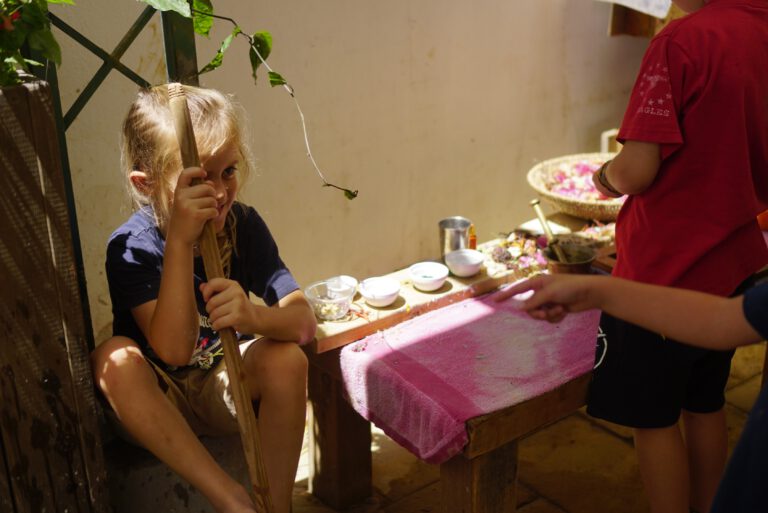
An after-school playdate. The kids are cooking in their restaurant.

Make sure they get plenty of light where they are learning and doing their homework, they have a comfortable chair and desk, and they don’t strain their eyes in front of the screen.

2. Provide Adequate Tools

In-person school supplies are one thing; school from home ones are another. Pen and paper are still needed, of course, but other elements come into play when participating in school remotely. The most vital one: a fast and reliable internet connection!

With all the school interaction taking place online, having an adequate internet plan and equipment is vital for seamless learning. Add into the mix potential work from home scenarios and you will feel how your bandwidth necessities go up.

Other new important IT additions to homeschool supplies would include noise-canceling headphones, antivirus software, and a larger screen.

3. Take Organizing to the Next Level

Whether you can afford to redesign an entire room for remote learning or the small space available only leaves you with a proper-delimited corner, staying organized is key. Your child should learn that early on as it will always come in handy.

Here’s what you can do in a nutshell: Add more shelves, drawers, and storage bins, and assign each one to a subject and label them with removable stickers. Depending on the child’s age, you might also benefit from glass jars, utensil holders, baskets of all sizes, rolling carts, and magazine holders. You can repurpose the latter for holding notebooks, manuals, and other learning materials.

Color-coding can also prove useful, and not only for children, but teachers as well. It is important for the color scheme to be consistent between various supplies pertaining to the same subject. The perk is that this can also be applied to computer folders.

4. Be Open to Your Kids’ Suggestions

In order to make the distance learning experience more pleasant and easy for your children, make sure their individual needs are fulfilled. It is good to have a generic framework to build upon, but it is even more important to adapt it to each child, as there is no such thing as “one size fits all” when it comes to education.

For instance, some children may want an analog clock on the wall in front of their desk, while others may feel better if they had their art and crafts displayed nearby.

Make time to do real arts and crafts while homeschooling. Papermaking is a great activity for kids as there are many parts to the process: they learn to recycle, use their hands and can incorporate magical materials from nature into the mix.

As a bonus, since this teaching/learning experience involves a lot of video calls, you can easily notice how other families have dealt with their remote learning setup at home and get inspired, adapting their best homeschool space ideas to what you have available.

Why men like it cooler

0

My son kicks off the covers. Yet my daughter wants a thicker duvet. My husband wants the air conditioner, and I want it off. It seems that men and women really do feel differences in temperature. A new study believes that the answer is evolutionary.

Researchers at Tel Aviv University’s School of Zoology offer a new evolutionary explanation for the familiar scenario in which women bring a sweater into work, while their male counterparts feel comfortable wearing short sleeves in an air-conditioned office. The researchers concluded that this phenomenon is not unique to humans, with many male species of endotherms (birds and mammals) preferring a cooler temperature than the females.

The researchers: “We propose that males and females feel temperature differently. This is a built-in evolutionary difference between the heat-sensing systems of the two sexes, which is related, among other things, to the reproduction process and caring for offspring.”

The study was led by Dr. Eran Levin and Dr. Tali Magory Cohen from the School of Zoology and the Steinhardt Museum of Natural History at Tel Aviv University, Yosef Kiat from the University of Haifa, and Dr. Haggai Sharon, a pain specialist from Tel Aviv University’s Sackler Faculty of Medicine and the Tel Aviv Sourasky Tel Aviv Medical Center (Ichilov Hospital). The article was published in the Journal Global Ecology and Biogeography.

Eran Levin

Dr. Levin and Dr. Magory Cohen say the bottom line is, going back to the human realm, “we can say that this difference in thermal sensation did not come about so that we could argue with our partners over the air conditioning, but rather the opposite: it is meant to make the couple take some distance from each other so that each individual can enjoy some peace and quiet.

Tali Magory Cohen

“The phenomenon can also be linked to sociological phenomena observed in many animals and even in humans, in a mixed environment of females and males: females tend to have much more physical contact between themselves, whereas males maintain more distance and shy away from contact with each other.”

The new study included an in-depth statistical and spatial analysis of the distribution of dozens of bird and bat species living in Israel, along with a comprehensive review of the international research literature on the subject. Dr. Levin, who among other things studies the physiology and behavior of bats, noted in his previous studies that during the breeding season males and females tend to segregate, with the males inhabiting cooler areas.

For example, entire colonies in caves on the slopes of Mount Hermon are composed of only males during the breeding season, while in the warmer area of the Sea of Galilee there are mainly females, who give birth and raise their pups there. It was this phenomenon that aroused his curiosity.

Moreover, a study of the research literature reveals several examples of a similar phenomenon being observed in many species of birds and mammals.

In migratory bird species, males spend the winter in colder areas than females (it should be noted that in birds, the segregation between the sexes takes place outside of the breeding season, since the males participate in the raising of the chicks). Amongst many mammals, even in species that live in pairs or in mixed groups all their lives, the males prefer shade whereas the females prefer sunlight, or the males ascend to the peaks of mountains while the females remain in the valleys.

The reasoning behind the choice of birds and bats for the study is the fact that they fly and are therefore highly mobile, and the researchers hypothesized that the spatial separation between the sexes – sometimes extending to different climatic zones – would be particularly clear in these groups. Israel’s significant climate diversity allowed them to study individual animals of the same species that live in very different climatic conditions.

The findings of the study clearly demonstrated that males prefer a lower temperature than females, and that this preference leads to a separation between the sexes at certain periods during the breeding cycles, when the males and females do not need, and may even interfere, with each other.

Dr. Levin: “Our study has shown that the phenomenon is not unique to humans; among many species of birds and mammals, females prefer a warmer environment than males, and at certain times these preferences cause segregation between the two species.”

Dr. Magory Cohen notes that this difference has a number of evolutionary explanations. First, the separation between males and females reduces competition over resources in the environment, and keeps away males who may be aggressive and endanger the babies. Furthermore, many female mammals must protect their offspring at a stage when they are not yet able to regulate their body temperature on their own, so they developed a preference for a relatively warm climate.