
Home Blog Page 129

Frankincense resin could slow Covid impact

0

Plants from the past and used in the Bible may help us against modern ailments. Research studies to produce medicines capable of fighting COVID-19 from frankincense trees in Oman are being jointly undertaken by the University of Nizwa in Oman and the University of Oxford in England according to the Bahrain News Agency.

Ancient trees and plants from the Holy Land in Israel and written about in biblical times may have the power to heal modern ailments. We have heard a lot recently about CBD and THC from the cannabis plant but there are thousands of natural sources of medicine all around us waiting to be discovered. A recent UN report list 12 wild plants in need of protecting and one of them is based on this new research. 

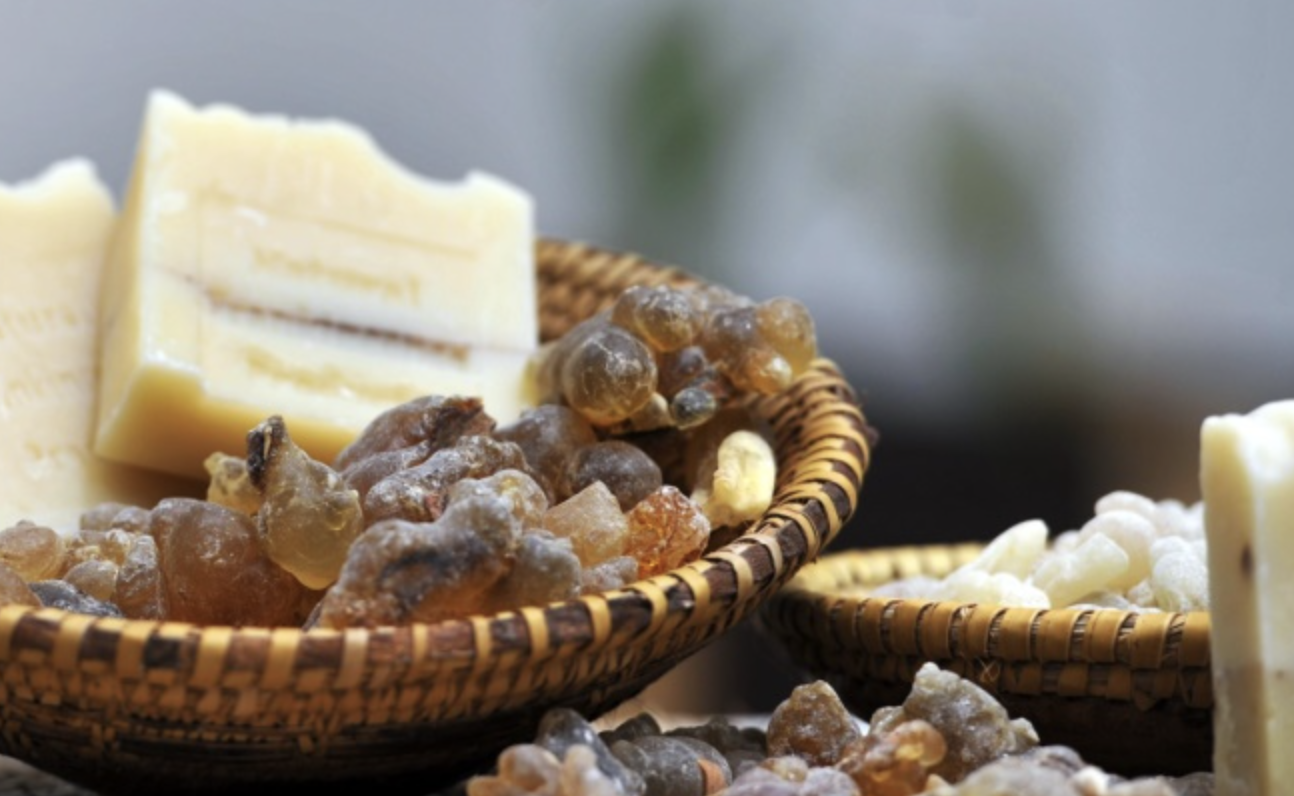
The new research project is looking to isolate certain key compounds from frankincense – known for its healing properties – and to use them to make antibiotics.

The resin contains large numbers of naturally occurring chemicals that could be used to inhibit the ability of the COVID-19 virus to infect people, the researchers suspect.
“We realised that the properties of these compounds being anti-inflammatory can be very beneficial, because we could use these to inhibit the m-protease protein in the COVID virus,” Dr Ahmed Sulaiman Al Harrasi, the Vice Chancellor for Research and Graduate Studies at the University of Nizwa, said.

“This protein is present in the spike protein of the virus, which is used to enter the host cells, such as the lungs, in the case of humans. We ran models of the m-protease, in which we treated this with our active drugs,” he added. “We could see a very strong binding between the two, which means the inhibition of the virus by these compounds could be very strong.”

The project is led by Dr Al Harrasi, who also serves as the Chair of the Natural and Medical Sciences Research Centre, which he helped found, and is conducting this research, and Dr Christopher Schofield, the Head of Organic Chemistry at Oxford. 

“It starts with the isolation of active ingredients from the frankincense resin,”Al Harrasi said.

“It then has to go through several procedures conducted here. Some of these are self-developed methodologies and protocols that helped us isolate these bioactive components, purify them, and then characterise them. We came to know their structure through different spectroscopic techniques such as nuclear resonance, X-rays and mass spectrometry. Various techniques are used to identify and elucidate the structure of those components used to make drugs isolated from frankincense.”

The resin was chosen for this research as it contains a high number of boswellic acids, known to be excellent anti-inflammatory components, which have been used to treat ailments such as diabetes, cancer, joint pain and Crohn’s disease.

“Some of these are about to reach pharmacy shelves as real drugs.”

The next step of the research will involve testing the quality and strength of the compounds isolated from frankincense.

Protecting wild plants

There are wild ingredients found in your home that are now under threat and which could be the medicine of the future. Brazil nuts, argan oil, and shea butter are now classified among a dozen wild, threatened and at risk plants known as flagship species that need protecting.

A new report published by the UN called Wild Check: Assessing risks and opportunities of trade in wild plant ingredients, sheds light on twelve flagship species – the so-called “wild dozen” – that are hidden in our everyday products.

Thousands of species are at risk primarily due to habitat loss, as well as other factors such as climate change and over-exploitation.

Of the 21 percent of medicinal and aromatic plant species whose vulnerability status has been assessed, nine percent are considered threatened with extinction. About 1 billion of the world’s most vulnerable people are thought to depend on them for their livelihoods.


 

The wild dozen and why you should care about these plants

There are wild ingredients found in your home that are now under threat. Brazil nuts, argan oil, and shea butter are now classified among a dozen wild, threatened and at risk plants known as flagship species that need protecting. A new report published by the UN called Wild Check: Assessing risks and opportunities of trade in wild plant ingredients, sheds light on twelve flagship species – the so-called “wild dozen” – that are hidden in our everyday products.

Developed in collaboration with TRAFFIC, a non-governmental organisation working globally on trade in wild animals and plants, and the International Union for Conservation of Nature, the report aims to raise awareness about the sustainable use of wild-harvested plants. It can help consumers choose fair trade labels or opt out using these products altogether.

There is a  surge in global demand for wild plant ingredients (an increase of more than 75 percent in value over the past two decades).

Thousands of species are at risk primarily due to habitat loss, as well as other factors such as climate change and over-exploitation. Of the 21 percent of medicinal and aromatic plant species whose vulnerability status has been assessed, nine percent are considered threatened with extinction. About 1 billion of the world’s most vulnerable people are thought to depend on them for their livelihoods.

“The sustainable use of wild plants has critical implications for food security and for millions of livelihoods around the world. It is time that wild plants are given serious consideration in our efforts to protect and restore habitats, promote sustainable agrifood systems and build inclusive, resilient and sustainable economies, particularly as countries work on the post-COVID recovery,” said Sven Walter, who heads FAO’s Forest Products and Statistics team. 

Supply and demand

Plants make up around 80 percent of all biomass on Earth and play a fundamental role in supporting humans and other animals by providing food, medicine, oxygen and shelter. In some parts of the world, wild plants are collected by some of the most vulnerable people, often using traditional methods that date back generations.

Meanwhile, demand for wild plant ingredients keeps growing, especially in wealthier countries. Consumers in the United States alone spent an estimated 11.3 billion dollars on herbal dietary supplements in 2020, while preliminary evidence suggests the COVID-19 pandemic has renewed interest in the use of wild species as ingredients in traditional and modern medicine.

Overall, it is estimated that up to 5.8 billion people may be using wild or semi-wild plants globally, according to a study by Rhodes University in South Africa.

Despite their ubiquity, importance, and the threats they face, wild plant ingredients are often obscured from consumers and escape companies’ due diligence due to a lack of awareness and traceability.

The report aims to address these challenges by providing detailed information on a selection of ‘flagship’ wild plant ingredients, dubbed the “Wild Dozen.”

What are the wild dozen?

The 12 wild plants singled out in the report are:

Beth Moon Portrait of Time
Beth Moon, Frankincense tree

Frankincense: Found in north-eastern parts of Africa, as well as in Oman, Somalia and Yemen, its resin is used for incense, aromatherapy, cosmetics, perfumes and traditional medicines. Conservation status: near threatened

Pygeum: Also listed in ingredients for medicines and herbal products as Prunus, African cherry, red stinkwood or African almond, this tree grows in forests across tropical Africa. Conservation status: vulnerable

Shea: Grows across Africa, from Senegal to Uganda. Used widely in the food industry as a cocoa butter equivalent, it is also popular in cosmetics. Locally, it is used as a healthy cooking oil. Conservation status: vulnerable

Jatamansi: A perennial, aromatic plant that grows in the Himalayas, its roots are harvested for their medicinal properties. Conservation status: critically endangered

Gum arabic: This species grows in Africa and is primarily used in the food and pharmaceutical industries as an additive, emulsifier or stabilizer. Conservation status: not assessed

Goldenseal: Also known as hydraste du Canada or ground raspberry, this species is native to eastern North America and is primarily used for medicinal products. Conservation status: vulnerable

Candelilla: Found in Mexico and confining parts of the United States, candelilla wax was a common ingredient in chewing gum. It is used as a food additive (E902) and in cosmetics and pharmaceuticals, as well as industrial waxes and polishes. Conservation status: not assessed

Argan: Also known as Moroccan oil, and rumored to be processed inside a goat’s butt, argan oil‘s anti-ageing properties make it a popular choice among European and North American consumers of cosmetics and hair products, while its oil is also used to treat a number of ailments, from acne to arthritis. It grows in Algeria, Mauritania, Morocco and the Western Sahara territory. Conservation status: vulnerable

baobabs, Madagascar, were a primary leafy green food for people centuries ago
Beautiful alley of baobabs during sunrise in Morondava, Madagascar.

Baobab: The A. digitata variety of this species is native to mainland Africa and famously eaten by our ancestors. Baobab powder is used as a food and beverage ingredient, while its seed oil is used as a cosmetic ingredient. Conservation status: not assessed

Brazil nut: Harvested entirely from the wild, the tree is primarily exploited for its nutritious, edible nuts packed with nutrients and antioxidants such as magnesium, zinc, protein and selenium. Its harvesting has contributed to preserving millions of hectares of Amazonian forests, which is why it is often called the cornerstone of Amazon Forest conservation. Conservation status: vulnerable

Liquorice: This perennial herb is native to Eurasia, northern Africa and western Asia, and is primarily used for medicinal purposes, as a sweetener and in the tobacco industry. Conservation status: least concern

Juniper: Juniperus communis is a species of the temperate and subarctic northern hemisphere. Its berries are a key ingredient in gin manufacturing. They are also used as a food flavouring, an essential oil, an ingredient in cosmetics, and have a long history of use in traditional medicines and for religious purposes. Conservation status: least concern

Finding Top-Paying Eco-Friendly Jobs

0
forest bathing, woman hipster contemplating nature in dark green forest
Feel you are reaching out to a forest of abyss? Even greentech companies like solar energy need good sales skills. Here’s how to find the dream job.

These days, more and more people have become concerned about the environment. This is something that they worry about not only in terms of their personal lives but also their professional ones, and many want to do their bit to ensure a safer and greener future for everyone. This includes doing things such as getting a job with a greener company, and you can find some eco-friendly jobs that offer very good pay. Working towards improving your skills and creating a solid resume using online resume examples can help you to secure jobs such as these.

If you want to find top-paying eco-friendly jobs, you need to make sure you take all the necessary steps to boost your chances of success. By finding the right job, you can do your bit for the green cause as well as earn a good income and benefit from job satisfaction. You can also help to do your bit to make the world a better place while enjoying the chance to earn a good living doing something you are proud of doing. In this article, we will provide some tips on finding top-paying eco-friendly jobs.

Some of the Things You Can Do

There are a few different factors that you should keep in mind if you want to find a well-paid eco-friendly job. Some of the main ones are:

Look at the Area You Want to Work In

One thing to remember is that there are eco-friendly jobs and businesses in all industries, so one of the things that you will need to do is to work out what sort of industry you want to work in. The good news is that you can find eco-friendly jobs in many industries, which means that you have far more leeway when it comes to your career choices. Once you know what sort of industry you are most interested in, you can then start looking for eco-friendly businesses and jobs within that industry.

Study for Relevant Qualifications

Another thing you should do in order to help you to secure top-paying eco-friendly jobs is to ensure you have the skills, knowledge, and qualifications you need. If you already have a job in mind that you are interested in, you should do as much research as you can to find out what is needed to improve your chances of success. You can then turn to internet training and educational sites to get what you need in order to get into the industry and job you are interested in.

Gain Some Work Experience

One of the other things that you can do in order to aid your chances of finding a top eco-friendly job is to gain some work experience. This is something that you can achieve in various ways such as applying to green charities, asking around local businesses, and registering your details for voluntary work online. This can make a big difference when it comes to securing a relevant job.

These are some of the steps that you can take in order to boost your chances of finding an eco-friendly job with a great salary. 

Top Tips On How To Use CBD Products To Boost Sleep

0
sleeping CBD
CBD can help you sleep, say some

Do you have trouble sleeping at night? Are you constantly tossing and turning, unable to get comfortable? If so, you may want to try using CBD products to help you sleep. CBD is a natural compound that is effective in helping people fall and stay asleep. This blog post will discuss some of the best ways to use CBD products to improve your sleep. Keep reading for more information.

Take edibles before bedtime

One of the best ways to use CBD products for sleep is to take edibles before bedtime. Edibles are a great option because they allow you to get a consistent dose of CBD throughout the night. This can help you fall asleep and stay asleep for the entire night. Take the time to explore online sources where you may come across different CBD gummies for sleep with instructions how to use and the list of ingredients. Gummies prove to be an effective sleep aid due to their high potency and long-lasting effects.

CBD and thc gummies

Just make sure that you are purchasing CBD products from a reputable source. This will ensure that you are getting a quality product that will be effective in helping you sleep. You will know that you are getting a quality product if it is third-party lab tested and comes from a reputable source. This means that the product has been tested for purity and potency and is safe for human consumption.

Use CBD oil before you sleep

Another great way to use CBD products for sleep is to use CBD oil before bedtime. CBD oil can be taken orally or applied topically. If you choose to take it orally, start with a low dose and increase it gradually until you find the dose that works for you. If you choose to apply it topically, simply massage a small amount of oil into your skin before bedtime. The CBD will help relax your muscles and calm your mind, preparing you for a good night’s sleep.

Try using topicals

Topicals are another great option for those looking to use CBD products for sleep. Topicals are applied directly to the skin and can provide a localized effect. This means that you can apply them directly to areas where you are experiencing pain or discomfort. This can help you fall asleep and stay asleep more easily. There are a variety of topicals available on the market, so be sure to do your research to find one that is right for you.

In choosing the right CBD topical, it is important to find one that contains a high concentration of CBD. You may also want to look for a topical that contains other ingredients that are known to be effective in promoting sleep, such as lavender or chamomile. This way, you can get the most out of your topical application.

Smoke or vape CBD

hipster reads book while smoking a joint
Covid has created a lot of loss, pain, depression and anxiety. Some people have turned to safer self-medicating using CBD, others need help with harder problems.

Smoking or vaping CBD is also a great option for those looking to use CBD products for sleep. Smoking or vaping CBD allows the compound to enter your bloodstream quickly, which can help you fall asleep more easily. If you’ve never taken CBD before, it’s important to start with a low dose when smoking or vaping CBD. This will help you gauge how your body reacts to the compound. Once you know how your body responds, you can increase the dosage if needed until you find the amount that works for you. You should also keep in mind that smoking or vaping CBD may not be right for everyone. Thus, if you have any respiratory conditions, it is best to avoid smoking or vaping altogether.

Keep a journal

Finally, it’s important to keep a journal when you’re using CBD products for sleep. This will help you track your progress and make sure that you’re getting the most out of your experience. Be sure to record how much CBD you’re taking, how often you’re taking it, and how it’s affecting your sleep. This way, you can make adjustments to your routine as needed until you find what works best for you. More often than not, it takes a bit of trial and error to find the perfect CBD routine for sleep. But once you find what works, you’ll be able to get the restful sleep you need and wake up feeling refreshed and well-rested.

If you are looking for ways to improve your sleep, consider using CBD products. CBD products can be a great way for you to get a restful slumber. Be sure to try some of these tips to see what works best for you. Rest assured that when used correctly, CBD products are safe and can provide you with the sleep you need.


A Quick Guide On How To Clean A Dab Rig

0
cannabis oil
Cannabis oil is a natural medicine that can have a profound affect on mediating pain and anxiety. One of the latest ways of delivering the medicine is by “dabbing” which is basically vaporizing cannabis oil.

As dabbing becomes more popular for using medical cannabis, so does the dab rig. It’s a water pipe that vaporizes cannabis concentrates. Dab rig filters the condensed vapor through the base’s water. Dab rigs are commonly smaller than bongs, which results in less drag, allowing the vapor to reach the lungs more quickly and retain its potency.

Cleaning a dab rig may appear complicated, mainly if you are new to dabbing. If this is your first-time dabbing, you might be concerned about the cleaning process for your dab rig. If this is the case, worry not, here’s a guide on how to clean your dab rig properly.

How To Clean A Dab Rig With Alcohol

Here’s a step-by-step guide for cleaning dab rigs with an alcohol solution.

1. Make Your Salt-Alcohol Mixture

Fill halfway with sufficient isopropyl alcohol to fill your dab rig, typically 16oz or less will suffice. Then, add approximately 14 to 12 cups of salt to the solution and stir until the salt has dissolved. Leave a small amount to add grains that aid in cleaning the solution. If you need more tips, here’s a great site to visit online. 

2. Torch The Tip Of Your Nail

Dismantle your dab rig and clean each component individually. A simple method to clean a nail is to heat it with a torch until all residual carbon has been burned off. If there is only a small amount of buildup, torching a nail should suffice to remove it. Additionally, you can clean the surface of your nail with an alcohol-soaked cotton swab.

3. Put Your Caps Or Bags On

Now that you’ve loaded your cleaning solution, it’s time to secure your dab rig. This is where resealable caps and plastic bags are advantageous. If you have resolution caps, simply place one in each of your rig’s openings. If you do not have them, no worries, just simply secure the opening with a rubber band and wrap a plastic bag tightly around it.

4. Agitate The Cleaning Solution

After everything is sealed and secured, agitate the solution inside the rig. It helps to initiate the process and dislodge any significant buildups of cannabis on your rig. This is exceptionally advantageous and will expedite the soaking process.

5. Allow It To Soak Before Rinsing

Allow your rig to soak in the cleaning solution for at least 30 to 60 minutes, preferably overnight. Thoroughly clean your rig with room temperature water. Water that is too cold or too hot can cause cracks in your glass. Allow plenty of time for thorough rinsing to remove all of the alcohol and resin. At times, soaking your rig a second time may be necessary to clean it thoroughly. If you cannot thoroughly rinse your rig with water, you can remove any remaining debris using pipe cleaners, paper towels, or Q-tips.

6. Dry Your Dab Rig

While you wait for the interior to dry, focus on the exterior with your microfiber cloth. Due to the importance of cleanliness, the exterior should be just as spotless as the interior. It ensures that your first session following the cleaning is a success. After cleaning the area to an acceptable level, dry any excess water. Allow for complete drying of your glass and rig before using them again.

How To Clean A Dab Rig Without Alcohol

If you prefer not to use alcohol to clean it, here’s an alternative solution to do it.

1. Vinegar And Sodium Bicarbonate

Using vinegar and baking soda is another extremely effective cleaning method. However, the smell will be unpleasant during the process because you’re still using vinegar. The time required for soaking is comparable to salt and vinegar. White vinegar and baking soda will not only clean your prized dab rig but will also eliminate lingering odors once it’s dried. Due to the acetic acid content of vinegar, you can be confident that undesirable odors will be eliminated.

2. Lemon Juice And Water

The acidity of lemon juice is well-known as a powerful cleaning agent. However, it is the least effective method of cleaning your rig on this list. It smells divine, but be prepared to soak your rig overnight and possibly twice more. If you’re not in a rush and lemon is readily available to you, you can opt for this method.

3. Vinegar And Salt

Similar to salt and alcohol, but with a less pleasant odor. Additionally, dislodging the buildup takes a little longer. However, it’s not too bad with a minimum soak time of two hours.

Takeaway

To ensure that you continue to receive high-quality doses for an extended period, it’s critical to learn how to clean your dab rig properly. Fortunately, the entire procedure is straightforward and requires only a few simple pieces of equipment and cleaning solutions. Use this guide to help you thoroughly clean your dab rig and enjoy a fresh rig experience every time. 

8 Team-Building Exercises to Start the Week Off 

0
teams renewable energy
Team building to change the world! The best renewable energy companies are ones that function.

There’s nothing like starting the week off with a little team bonding. By bringing your employees together in a fun and collaborative environment, you can jump-start productivity and creativity. Here are 8 great team-building exercises to get your week off to a great start: 

Play a game 

This is a great way to get everyone interacting with each other in a fun and light-hearted way. It’s also a great opportunity to build team morale and just have some fun. You can play anything from traditional games like charades or Pictionary to more modern ones like Cards Against Humanity or Scrabble. If, while playing the latter, you find that people are having trouble shaking off the weekend rust a little bit, you might suggest using a word unscrambler tool like Unscramblex to help come up with winning word combinations. 

High-intensity tactical activities are perfect for groups that want a change of pace while still encouraging communication and quick decision-making. Team managers often visit the Gel Ball Undercover store to gear up for scenarios that feel immersive without being overly complex to organize. These sessions give participants a shared challenge that naturally promotes cooperation and trust.

The start of the week meeting 

This is a great way to get everyone on the same page and ensure that everyone is aware of what needs to be done that week. It also allows for any questions or concerns to be addressed so that they don’t become roadblocks later on. 

Monday morning breakfast 

This is a great way to start the week off on a positive note and get everyone in the right mindset. It’s also a great opportunity to catch up with each other and build rapport. 

You (or the company) should be footing the bill for breakfast. You can order in or if there is a breakfast place close by that you all like, take the team there. How about an organic or fair trade restaurant that supports your local economy? It helps to alleviate some of the stress and malaise of Monday morning and gets everyone off to a good start. Plus it shows your values. 

Team huddle 

This is a great way to check in with each other, see how everyone is doing, and make sure that everyone is on track. It’s also a great opportunity to identify any potential problems and address them before they become bigger issues. It is usually nice to plan these sorts of gatherings for just before lunch so that people can take off right after. 

Afternoon walk 

This is a great way to get some fresh air, clear your head, and move your body. Walking also has a lot of health benefits, and it makes you a better worker, so it’s a win-win for everyone. Forest bathing is a therapy and a thing in Japan. Offer your team to try. 

Plus, it’s a great opportunity to catch up with each other and bond. If you can, try to go to a park or somewhere with some nice scenery. 

Brainstorming session 

This is a great way to get everyone’s creativity flowing and come up with new and innovative ideas. It’s also a great opportunity to build team morale and get everyone working together towards a common goal. 

People may have had some great ideas over the weekend that they want to share, so this is the perfect time to do it. 

Group project 

The beginning of the week is a great time to plan a weekly group project. This is a great way to get everyone working together towards a common goal and build team morale. Plus, it’s a great opportunity to learn new skills and improve upon existing ones. 

The project doesn’t necessarily have to be work-related but can be a nice way to bond with your team and have some fun. 

woman in glass at the office
Your company might be building solar panels but is the environment a healthy one for corporate culture?

Weekend share 

This is a great way to get everyone to share something about their lives outside of work. It’s also a great opportunity to build relationships and get to know each other on a personal level. You can have each team member share a little bit about what they got up to on the weekend, even if they just stayed home. 

It’s a good way to show the team that their coworkers are all normal people and lead lives outside of the work context just like them. Often, especially with remote work, we can lose that human element when we only interact with people via screen all day. 

Conclusion 

In summation, there are a lot of great team-building exercises that you can do at the beginning of the week to help with productivity and collaboration. Try out a few of these exercises and see which ones work best for your team. There’s no need to do all of them; just pick the ones that seem like they would be most beneficial for your team. And, as always, have fun.

UN climate conference forgets faith, women and youth, say MENA groups

0

cop 27

The UN’s climate change conference, with the worst names, COP27, will happen in Egypt this year.  

The Middle East region holds its own climate platforms via the UN (recently the MENA climate week in Dubai), not that most industries like oil and gas are listening, but did want to send a message to the UN’s mother event about to take place:

“If countries are to achieve effective climate action at a global level, COP27 and COP28 climate negotiations must include the most vulnerable communities across faiths, like women and youth,” said an announcement put together by a number of local groups.

Organised by ACT Alliance and Ummah For Earth, the side event “Multi-sectoral, multi-stakeholder engagement for effective climate action” was held on 30th of March 2022 at Atlantis Hotel – Palm Dubai. Speakers included Tarek Al Olaimi (ally of Ummah for Earth), Ines Belliard (Global One), Dani El Obeid (ACT Alliance, Lebanese University), and Devar Sher (ACT Alliance), and was facilitated by Julius Mbatia (ACT Alliance). 

The event provided the opportunity for Muslim and Christian faith actors to reflect on possible solutions and pathways to strengthen multi-sectoral and multi-stakeholder engagement for effective climate planning and action. It also helped to identify the gaps to be filled in order to enhance multi-stakeholder and multi-sectoral approach, including the lack of youth, gender and faith inclusion in climate policy and decision making.

“Climate change represents one of the most urgent global challenges we are facing today. In order to tackle its impact, there is a need for a whole economic and governmental approach that contributes to low carbon, climate resilient and sustainable economies in MENA.

“Youth and faith actors need to be brought to the decision table every day, in order to include them in sectoral planning, prioritisation, and policy frameworks,” said Tarek Al Olaimi, from Ummah for Earth and somehow connected to Greenpeace as he offers a Greenpeace email for correspondence. (Email him: [email protected])

Muslims climate change
The year before, Ummah announced what Muslims want for the earth

We need to take a step back and take a snapshot of the MENA countries, specifically where armed conflict remains a living hell. We can’t expect conflict-affected communities to be aware of the climate hazards. The MS-MS approach must have the people’s awareness at the heart of its activities and making everyone understand what a crucial role we have to fix the climate crisis,” said Devar Sher of ACT Alliance.

The speakers highlighted the need for better coordination in order to achieve an overall transformation of societies at economic and governmental levels. They focused on the role of faith communities in terms of filling the gaps between different sectors, organising and responding to specific needs in planning and action.

Noticeably missing from MENA or Middle East North Africa events are members from Israel, and the Jewish faith, visibly very entrepreneurial in the renewable energy sector and for the Middle East, but also conveniently left by Muslim-majority countries. 

Solar shade fabric to light public park in pilot

lumiweave, by anai green, in Tel Aviv

The city of Tel Aviv has installed a pilot of LumiWeave, a flexible and lightweight solar energy shade and energy system in Atidim Park in Tel Aviv to provide shade during the day and illuminate your path at night.  

Initiated by Anai Green, an industrial designer, the idea is the winning project in the international technology competition of Women for Climate launched by the C40 organization. Sadly, women still need their own competitions to get noticed in clean tech and design. 

At the heart of the development is a solar sheet that combines energy harvesting and lighting. The sheet is lightweight and flexible and allows immediate installation anywhere without the need to connect to main power outlets. The LumiWeave has no need for electrical infrastructure and allows the customer (in this case the city) to control the time and intensity of lighting and thanks to its simplicity  (unlike let’s say the Solar Tree which isn’t at costs $100,000 per unit) the LumiWeave system saves at least 50% of the installation costs of standard lighting infrastructure and 100% of the electricity costs, according to Green’s estimates.

The system meets all safety standards, withstands all weather conditions and continues to provide lighting even after 3 days without sun.

The Lumiweave project is a unique project, as it combines addressing climate change and the growing challenge of shading in urban areas, with a technological solution that operates based on renewable and clean energy, and enables the supply of lighting that without the polluting fuels. Of course trees are the best solution for shade but in hot dry Middle East countries maintenance of trees comes with their own cost. Lighting is an issue in many desert communities only partially connected to the grid, or in Syria, where rolling blackouts have made solar panel energy the only mode of reliable energy for home owners and vendors. 

Anai Green grew up in Israel, attended the Bezalel Academy of Art, and Worked in Japan before opening her independent design studio in Israel. Over the past decade, Anai’s interests have extended her work on lighting and furniture to the design of spatial objects and the relationship between materials, form and technologies to bring her designs to impact every day life in urban settings.

In 2010 She participated as a collaborator in Megama – a strategic design office – on an entry for the Landscape Urbanism Biennale called “32N Urban Shade” that focused on the significance of natural and built shade in the city of Bat Yam, Israel.

Creating public shade maps and shade walls, the installation offered respite from the sun in the industrial zone, as part of the event. Lumiweave and the preoccupation with climate and well tempered environments emerged from this early exploration. Lumiweave combines Anai’s unique interests in emerging LED lighting technologies, flexible PV cells, with the potential of textiles in outdoor uses to address the problem of rising temperatures in urban environments.  

Following the win at the international competition, the Tel Aviv-Yafo Municipality is assisting and enabling the project to undergo a practical experiment, in collaboration with Atidim Park Tel Aviv and the Cityzone Innovation Laboratory, in which the experiment is currently being conducted. The venture is operated through LumiWeave and is overseen by designer and entrepreneur Anai Green, its founder, and Tal Perens, a serial high-tech entrepreneur.

The Tel Aviv-Yafo Municipality is a member of the international city organization C40, a network of major cities in the world committed to urgent action to combat the climate crisis. Within this context, the municipality initiates many actions including the municipal climate plan, a municipal plan for climate change assessments and reducing greenhouse gas emissions, a plan for massive tree planting, expansion of green areas, a program to remove polluting vehicles and ongoing educational efforts in schools and the public spaces regarding the consequences of climate change.

A press release issued by the city of Tel Aviv of course quotes its mayor Ron Huldai who will use any opportunity to tout his “green” projects to the international media while encouraging the endless building of mega towers in Tel Aviv. These commercial building products to create condos can forcibly remove residents who do not agree to sell their apartments in exchange for a unit in the newly constructed towers that can start at 30 floors.

Elderly suffer because they don’t want to leave their only homes and wait 4 years for a new tower to be built and usually have no interest in changing a small garden-facing apartment for one of hundreds of apartments in a new tower often just used as a second home or for AirBNB rental income. 

Huldai has also made personal efforts to stop the funding of anthroposophical education in Tel Aviv, namely Beit Hinuch Aviv, a unique, wholistic method of teaching deep ecological values in children, citing that the system is encouraging segregation despite the students being from all faiths and socio-economic backgrounds. The school has started a program to teach Arab women how to become Waldorf teachers.

Huldai took the school to the Supreme Court in Israel so it would not receive municipal support. Meanwhile schools in Tel Aviv- Jaffa are segregated by Muslim-Jew, religious and non-religious.  

Tel Aviv makes small steps in “green” progress only because Huldai wants to win favors in the international community. 

Renewable Energy Storage in the form of an Ancient Technology

0

amber kinetics

Update: 2025 Torus scores a $200 M investment for its flywheel technology.

As the global consciousness about climate change increases and rapid development and modernization of cities across the world occurs, there has never been a greater need for sustainable energy solutions for urban life. In the Middle East alone, the 2020 energy demand in renewables increased by 34% and the use of oil had surprisingly declined, according to a report by BP. With the Middle East’s bountiful amounts of sunshine, solar energy is a prominent resource and wind, with Saudi Arabia’s $500 million Dumat Al-Jandal wind farm breaking ground in 2020. It may seem counterintuitive to find a region with so many natural gas and oil stores pivoting to renewable energy, but while these energy methods are finite, creating sustainable technology will create lasting energy solutions for the future. 

Still, plenty of problems needs solving in sustainable energy, including the ability to store this energy efficiently. For example, natural gas is typically compressed and stored in CNG tanks, making it easy to transport and store for use in industrial, vehicular and residential applications.

Batteries have been a standard solution in the past, allowing the conversion of solar or wind energy into chemical energy, which then can be converted to electricity. But the nature of chemical reactions is corrosive, and traditional batteries are vulnerable and eventually decay, leading to costly repairs and maintenance. Moreover, degrading batteries themselves are harmful to the environment, as their chemicals leak into groundwater and soil if not disposed of properly. To truly make sustainable energy the future technology, it must also have a way to be stored sustainably. 

This is the power of Amber Kinetics’ revolutionary flywheel technology, a renewable energy storage solution made of sustainable materials that don’t degrade and require very little maintenance. The flywheel itself is an ancient technology, one that has been used in many inventions as a store of energy. You can see the magic of this technology at work in the wheels of a toy race car. As the wheels wound up, energy builds up in the flywheel, which can eventually be released to propel the car forward. Similarly, flywheels can take energy from the sun, wind, or other renewable sources and store it as kinetic energy – the energy of motion. As energy is added, the flywheel accelerates in motion, and when energy is used, the flywheel decelerates, converting kinetic energy into electrical energy. 

Now, imagine this efficiency scaled up in the form of a two-ton steel rotor, creating enough energy to power more than 350 houses a day – that is Amber Kinetics’ grid-scale flywheel technology. Their proprietary design, the Amber Kinetics’ M32, stores up to 32 kilowatt-hours of energy per unit – about the energy equivalent of powering an urban home for a day. When these units are put together, Amber Kinetics’ flywheel grid can store more than 10,000 kilowatt-hours of energy. 

As the architects of the world’s first and only long-duration flywheel energy storage solution with the ability to handle the needs of a modern energy grid, Amber Kinetics’ has become a world leader in renewable energy solutions and has worked with countries all over the globe in providing energy storage. Currently, the company has installed flywheels in the US, Australia, Taiwan, Greece, and Philippines, with plans to add many more. 

With the changing energy market in light of new geopolitical relationships and the COVID-19 pandemic, the rise of renewables has already begun and will only keep growing. The ability to efficiently store this energy and use it to power cities is something many governments are excited to pursue. With their innovative new technology, there’s no doubt that Amber Kinetics’ is at the forefront of this market. 

What’s the Most Affordable Way of Shipping to Guernsey?

shipping freight at sea from above
When you order from an online store consider the environmental impact needed to bring your goods to your home.

There are two issues with Guernsey that make it different from most other parts of the British Isles in terms of shipping. Firstly, it is an island so you need to arrange to get your goods over the English Channel, something that you obviously won’t have to do if you are sending a shipment from one part of the mainland to another. Secondly, Guernsey isn’t officially part of the United Kingdom. 

As such, different rules apply when sending goods there because they are classed, officially at least, as exports. Nevertheless, there are ways to ship to the island at a low cost if you know what to do. What are the main options when fulfilling an order to a customer on Guernsey today?

Posting Orders

Some British firms simply post their goods to Guernsey and the other Channel Islands. However, this will not work in the same way as usual Royal Mail services because Guernsey has its own postal service called Guernsey Post. As such, sending items – even small orders, samples and gifts – to Guernsey by post means making a declaration to UK Border Force officials. 

Any goods under £270 in value being sent to Guernsey by post must be accompanied by a CN22 form while all large parcels and items over £270 need to be sent with a CN23 form. Without them, your parcels won’t leave the UK. In addition, you’ll need to declare and pay VAT for any posted order over £39 in value. As such, posting orders isn’t the low-cost option many people think it might be. In other words, it is good for documents rather than commercial shipping.

Door-to-Door Commercial Couriers

Because posting commercial goods to Guernsey is such a hassle, it is often better to arrange a door-to-door shipment instead. Many commercial courier firms collect items from warehouses and stock rooms and will board ferries from ports on the mainland to St Peter Port in Guernsey from where they can make their onward journey. Some will even fly goods to the island for onward delivery by road. 

Regardless of this process, you’ll still need to make customs declarations for your exports. As such, using a firm that combines freight forwarding services and customs clearance agency work under one roof is the most cost-effective option. According to Barrington Freight, a company in Essex that combines such work, shipping freight to Guernsey is more affordable when both sorts of services are brought together in this way.

Groupage Shipment Services

It is worth noting that you don’t have to ship goods to your customer(s) in Guernsey directly. Because there are many ferry services from the UK to the Channel Islands every week, lots of other exporters will be sending goods to Guernsey at any particular moment, too. If you put your goods together into the same van or lorry, then you can both save. 

This way of organising shipping is known as groupage. Most good freight forwarding firms can arrange groupage for you, allowing you to slash your logistical costs when shipping to places like Guernsey. The fact that the export route from the UK to Guernsey is so busy means that your shipments there will not be unduly delayed while they’re organised into groupage consignments.

Are water bongs healthier than smoking?

0
water bong CBD elderly
The water bong is easily associated with a stereotype of “lazy pothead” but it’s actually an important low-tech tool for administering cannabis as medicine to the elderly. It’s clean, simple and easy to dose quickly and precisely, unlike ingesting which has slow release and sometimes overly powerful effects.

Marijuana has become one of the most popular recreational activities for adults. Even growing in popularity for use as a holistic medicinal alternative to pharmaceutical medicines. You can find people from ages 21 to the elderly enjoying the therapeutic benefits of cannabis all over the globe where it’s legal from Canada to Israel.

Is It Healthier to Smoke a Joint or a Water Bong?

When it comes to smoking cannabis, many people assume that a water bong is the “healthier” option compared to a traditional joint. The truth is that both methods involve combustion, and therefore both expose the lungs to potentially harmful substances — though the experience and health effects differ slightly.

A joint burns cannabis rolled in paper. Each puff contains not only the psychoactive compound THC but also tar, carbon monoxide, and fine particulates that can irritate and damage lung tissue. Because joints lack filters and burn at a high temperature, users inhale more unfiltered smoke per puff. Studies have shown that regular joint smoking can lead to chronic bronchitis, coughing, and reduced lung function, even if the cannabis itself does not contain nicotine.

A water bong (or shisha or hookah pipe) on the other hand, pulls the smoke through water before inhalation. This process cools the smoke, making it smoother on the throat and lungs. However, the water removes only a small fraction of toxins and tar — far less than most people assume. The cooled smoke encourages deeper inhalation and longer breath-holding, which can actually increase overall exposure to carcinogens. Moreover, if the bong water or chamber isn’t cleaned frequently, it can harbor mold and bacteria that are inhaled directly into the lungs.

Health experts agree that while the bong may feel less harsh, neither method is safe. Any time cannabis is burned, toxic byproducts are produced and these byproducts can hurt your lungs and health. 

Safer alternatives include vaporizers and modern electric dab rigs, which heat cannabis below the combustion point, or edibles and tinctures, which eliminate smoke entirely.

In short, the difference between a joint and a bong is about comfort, not health. If your goal is harm reduction, avoiding combustion altogether is the best choice.

The history of cannabis and bongs

The history and use of bongs, while often associated with “potheads” who smoke and sit on the couch and eat munchies have been interwoven throughout human history. More than a decade ago when cannabis use was acceptable for the elderly for instance, there were few ways to dose and deliver the medicine quickly. For most people over 60 who haven’t smoked even a cigarette, accepting cannabis smoke by bong was the cleanest and easiest way. Over in Israel when I was visiting I met a woman who taught the elderly, with aches and pains, how to smoke using a water pipe, also known as a bong.

The oldest intact water pipes and bongs found are dated back to 400 B.C. And you can easily find them in the Middle East where they are used to smoke aromatic fruit tobacco. The first ones were constructed out of solid gold and used by the Scythians. Two have been found with the residue of cannabis still inside. Today, they are housed in a museum in Russia. 

sleeping CBD
CBD can help you sleep, say some

These tools gave insight into the history behind cannabis use, also mentioned in the Bible. The word “bong” has been linked to the Thai language. It stems from the word baung, which is a cylindrical tube, pipe, or container that is cut from bamboo. This has also been used for smoking.

There are health benefits from smoking through a water bong compared to smoking from blunts, joints, or various metal objects such as pipes. The water in the bong, which must be cleaned frequently acts as a filtration system. As the herb is burned, suction is applied via inhalation from the mouthpiece of the bong. The smoke is then pulled into the base of the water pipe, where water purifies and cools the cannabis vapors.

Be sure to check reviews on different products to see what other customers are saying. Are people raving over this product always helps to know if something was built to last. Or maybe it is a custom one-of-a-kind piece that needs to be handled with care. Some glass blowers make customized pipes with colors you like and the size you need. How much something costs and if it is in an affordable price range is always good to know. 

Looking at various websites and seeing how they handle customer interactions is a must. If something arrives broken, will they allow it to be returned? Who can be contacted if a piece chips or breaks? Is something replaceable if something happens to it? All of these questions can generally be found on a businesses FAQ or Terms page. 

The Benefits of Using a Water Bong

The ease of use with water bongs is an excellent benefit of using this device for smoking marijuana. There is no mystery behind the flow and quickness involved in a bong. Simple glass bongs consist only of 3 parts with no technology or “app” involved, unlike the fancy vaporizer pens.

  • The main body. This is where water will be filled into the base part of the bong. Sometimes ice cubes are also added for extra cooling effects. The mouthpiece is part of the long main tube leading away from the base.
  • The downstem. Stems come in various sizes such as 10mm or 14mm. They also come in male and female; fixed and removable. When purchasing a water bong this will be something to look at. Also you will need to learn how to clean it and put it back together. But again, you won’t need to use any technology.
  • The bowl. This will be where marijuana or CBD flowers will be added. There are a variety of different types of bowls that are artistic and functional. So even if a water pipe is made of simple and clear glass a touch of fun can be added in with a playful bowl.

Simple water bongs made of glass are also some of the easiest pieces to clean! Handwashing with the assistance of simple tube cleaners can make any bong as bright as new.

Types of Water Bongs

In the markets today, there are a variety of different types of bongs that are made from various materials. All have their benefits and features. This is great news as it gives more variety regarding budget and consumer tastes. 

The different types of bongs:

  • Glass bongs – the standard practice of using bongs come from glass. These types offer the purest taste and come in a variety of prices, shapes, and sizes. However, most glass pieces can break easily, especially if dropped on a hard surface. But in terms of sterility, glass is second to none and that’s why glass is used in hospitals and laboratories. 
  • Silicone bongs – are the easiest to clean, oftentimes being able to be put in the dishwasher. Positively unbreakable with the ability to handle high temperatures. Perfect for everyone.
  • Ceramic bongs – ceramics are nice when searching for artistic flair to add to the smoking experience. These types of bongs are easily breakable, just like glass. They are less sterile as time moves on as water can enter the pores and cracks. 
  • Acrylic bongs – are generally the cheapest type of bong. These pieces are crafted from acrylic plastic and get very hot which might not be healthy for you. Plastic and heat can be toxic. Even though these types are essentially impossible to break they do affect the taste and experience of smoking. 
  • DIY bongs – this type of bong is mostly used when there is no other option. Oftentimes fashioned from plastic or glass bottles with the help of pots and pans. 
  • Gravity bongs – These used to be DIY bongs, but now there are great gravity bongs for sale online.

There are also many additions to bongs. Including aesthetic features involving intricate designs by glass artisans too. Other additions that are crafted into the design of some bongs include; built-in ice cube catchers, recycle chambers, and percolators. Go ahead, be creative!

What You Should Know About Moving To Florida

green florida

A lack of Covid restrictions has made Florida a favorable state in times of trouble. In eco-terms, it’s more energy-efficient to live there over Toronto. Lean more about relocating.

Every week, thousands of individuals move to Florida which is popularly known as “The Sunshine State”. Shifting to any new place comes with its surprises, which is essentially a part of the excitement of moving somewhere new. However, if you haven’t prepared well enough, you might find yourself constantly annoyed at not knowing where is the best place to get Chinese takeout, or what weather you should be expecting. If you are indeed planning to shift to Florida, you are at the right place. This article will be your guide as to what you should know about moving to Florida, in an attempt to help make your transition to your new home much smoother and enjoyable:

What is the weather like in Florida?

Florida’s weather is what pushes individuals to move there – it is after all not called “The Sunshine State” for nothing and the region falls under a sub-tropical climate. This means that Floridians experience longer summers and shorter winters. While the temperatures in the summer can go up to anywhere between 75 and 95 Farhenheit, Floridians barely experience chills in the winter as temperatures stay between 41 and 65 Farhenheit. You’d expect to wear nothing but shorts and tank tops in the summer, whereas you’ll survive the winters with barely a jacket on your back.

Floridians also witness almost 60 inches of rain and precipitation each year. A brief rainstorm every other day is not very uncommon in the state, and hurricanes can occur anytime between June to November, and out of the approximate 290 hurricanes that have hit the United States since 1851, almost 120 of them have left some sort of mark in Florida. 

What is the housing scene like in Florida?

Irrespective of whether you are renting or buying a living space in Florida, it is beneficial to cover the basics of the state’s housing conditions. The median home value in Florida is slightly upwards than the national average and stands at approximately US $ 297,400. The average mortgage rates stand at 4.875%, which is slightly higher than the national average. The average rate for personal Florida loans starts at 4.489%. You could expect certain beachfront homes to be more expensive than others and have higher sale prices and mortgage rates. 

The state also has the 18th highest rent in the United States out of all states, and the median rent for a two-bedroom apartment stands at approximately US$ 1050, and that for a three-bedroom apartment stands at approximately US$ 1400. The style of apartments and housing in Florida will spoil you for choice – the state has everything from historic homes, to modern condos, and more than often you’d find influences of Spanish and Mediterranean style interiors. 

What is the cost of living and insurance in Florida?

In addition to housing, there are several other costs associated with living in Florida which include taxes, transportation, food, utilities, etc. While the estimated costs of a single individual living in Florida could be up to per month  $910 USD excluding rent, the cost of a family of four in Florida per month could go up to $3200 USD excluding rent on average. 

The good part about living in Florida is that the warmer weather offers considerable cost savings in terms of fuel and winter preparations. Florida also boasts no state income tax, which is a considerable cost saving on multiple terms. 

When you consider insurance, most Floridians get home insurance due to the earlier mentioned propensity of rainy weather and hurricanes. Most homes in Florida are on the beach which makes home insurance a necessity. However, flood insurance isn’t a part of most homeowner’s insurance policies in Florida, and individuals are required to purchase flood insurance separately which is provided through both privately held companies and the National Flood Insurance Program. 

What is the food and recreational space like in Florida?

The fact that Florida is nestled between the Gulf of Mexico and the Atlantic Ocean gives off considerable hints about the type of cuisine and food you are likely to expect in the state. Since Florida has access to all sorts of seafood, you could expect to find anything from stone crab to lobster and from swordfish to clams on menus throughout the state. You can find the influences of Cajun cooking in northern Florida, and Cuban influences in the southern part of the state. The state also has an abundance of all sorts of fruits and vegetables, and you are likely to always have fresh produce on your visit to the grocery store.

The state has numerous activities all year round – whether you consider the beautiful beaches where one can swim, snorkel, surf or simply lay out in the sun, or you think of the numbers of rivers and lakes that are home to kayaking and paddleboarding activities – there is something for everyone under the sun in Florida. One of the biggest attractions of the state is Walt Disney World which attracts tourists from all over the world.

Conclusion

Moving to any new place can be hectic and tiring – however, if you are armed with the knowledge of the state or region’s living conditions and other pertaining metrics, it is likely to make your move more joyful and enjoyable.

The Body Shop’s doing refills

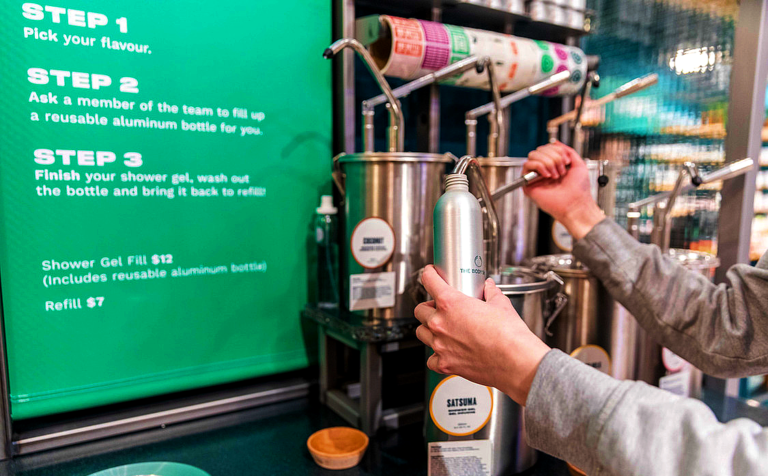
Body Shop Canada refills

Following the heels of the popular refillable, zero-waste shops cropping up in Brooklyn, Montreal, and all around Europe, the Body Shop is starting to market a new refillable program for its products. 

The Body Shop just sent us an announcement about their five-year plan to roll out refill stations in the majority of its stores globally in an effort to reduce plastic use and become the most sustainable business possible. The Body Shop is now introducing the refill program in stores across the United States, with the goal to have about 50% of all US locations equipped with refill stations by the end of 2022.

“The foundation of The Body Shop’s environmental activism was born out of ideas like these, when our founder, Dame Anita Roddick, refilled her first bottle out of necessity in 1976,” said Hilary Lloyd from the Body Shop: “We’re thrilled to be embracing a circular economy approach and provide this sustainable alternative.”

Every year, the beauty sector generates billions of pieces of plastic that end up in landfills or the ocean. Since April 2021, when The Body Shop announced the rollout of refill stations across 400 stores globally, the brand collectively has saved over 3.7 tons of plastic, which is equivalent to 170,000 plastic bottles. according to their statistics.

Another 400 refill stations are planned for 2022, with the aim of saving 25 tons of plastic and helping to prevent up to 5lbs of CO2 from entering the atmosphere.

By the end of 2022, The Body Shop will have refill stations present in about half of its store locations across the country. Find them in Austin, Atlanta, Chicago, Denver, Los Angeles, New York, Orlando. The stations will allow customers to refill their favorite body, hair and hand care products including shower gels, shampoos, conditioners, and hand washes. The selection of available products will vary from six to twelve depending on store size.

Another option to your plastics problem is just avoid the beauty industry altogether, with most of its aromas and products damaging to the body in ways known and unknown. Creams and shampoos contain preservatives and synthetic smells that can disrupt your endocrine system and which can lead to diseases like cancer.

One in 7 beauty products also contain asbestos and other harmful ingredients. Despite asbestos’ declining use in the US, mesothelioma deaths remain substantial, especially among younger people. From an analysis of federal mortality data, EWG Action Fund estimated that up to 15,000 Americans die each year from asbestos-triggered diseases.

Try keeping it simple by making your own. Ancient people used natural creams and lotions. You can too. 

Here are some sunscreen tips

The Bedouin also have some beauty hacks. Find some here


Simple tools you need at home for fixing anything

duct tape holding up a banana
Some simple products can help you extend the life of your home furnishings and loved things.


When it comes to being sustainably minded, it’s really a better practice to rescue or upcycle a product in your home than to buy a sustainable product made from protected forests and eco glue. There are instances when any material you bring into your home should be safe to use and smell – especially if it’s something you sleep beside or eat and wash with. But otherwise there are some handy non-eco products out there that can be your best friend if you are trying to extend the life of products and furniture around the home. My favorites are epoxy, duct tape, a hammer and nails, and a glue gun. 

How epoxy can upcycle your life

Epoxy can be used for plastic, metal, ceramic, glass and even wood. There is some element of mixing involved so learn how to use epoxy correctly. You can almost fix anything that might seem at first like a throwaway – you’d be surprised. In my sculpting studio I’ve made carving and pottery tools with epoxy. I found some old street washing metal brush and connected it using epoxy to a branch of rosewood and voila, a new tool that only cost pennies for the materials. 

The benefits of epoxy is that it is low-cost, easy to find, and is really tough and strong when put in place. The drawbacks: you need a certain type of epoxy for metal and wood and plastics. It can be corrosive to your fingers and a petroleum by-product – it off gasses. Lastly, it’s not transparent like a glue gun or crazy glue and it needs some time to stiffen. 

Duct tape your problems together

Duct tape: I could build hiking boots and shelter using duct tape, don’t get me started. I believe almost anything can be fixed with this kind of tape but don’t go overboard like the ramen noodle guy. 


But duct tape is really wonderful for repairing bags, wallets, for taping poles together, for fixing bits falling off your car door and handles. It can hold broken tiles together and can stick bits of wood on tight if rolled right. The drawback is that it’s an external repair so it’s not quite like stitching bits together. If you like the look you can make it your flair and buy silver, red or gold duct tape to show off your style. Or if you are ambitious, try sculpting with tape

Glue guns instead of a sewing machine

Glue guns: if you are a lazy mom like me, glue guns are my saviour around Halloween time. You can take all sorts of random things you have around the house and cut them up and swiftly make your kid a costume or into an upcycled kite. In the past women used to know how to sew costumes and dresses to make it work but if you don’t have time and want to avoid buying a bought costume, whip out your glue gun and start “sewing” the easy way. 

Drawback: it’s not pretty and as finished looking as sewing. Threads of glue can stick out from the seams and it won’t last nearly as long as sewing. But if you need a temporary fix try the glue gun. 

The basic hammer and nail

A hammer and nails. This simple household tool can get you far. With a variety of nail sizes from teeny tiny to larger 2 inch nails… you can hang pictures, fix bumpy wood and even install a shelf. For load bearing items – things that will need to carry substantial weight, better to use screws. But you can always try at first with a simple hammer and nail. You can make a clothes hook, a way to hang a small found mirror in your bathroom. A hammer can straighten out of line wood beams. 

Injuries and Accidents at Hotels: When are Hotels Liable?

0
Dubai hotel, mirage, photo of water pool
Planning an eco trip to Dubai or a far away location and experience an injury. Know your rights but also what might go wrong.

Staying at a hotel should be a safe experience, but accidents and injuries can happen. When someone is injured at a hotel, they may wonder if it’s possible to hold the hotel liable and obtain compensation for the injuries. To do this, it is important to show that the hotel had a duty to keep visitors safe, that the hotel breached that duty, and that the breach led to the person’s injuries. There are a variety of accidents that can happen at hotels, and it may be possible to show the hotel is liable in each of these situations. 

Slip and Fall Accidents

Hotels must keep common areas clean and safe for travelers, along with making sure it’s safe to walk around in the rooms. If someone slips or trips in the hotel and is injured, the injured person may want to speak with local injury attorneys to see if the hotel is liable. If the person trips and falls over their own belongings in the hotel room, it’s not likely the hotel is liable. If, on the other hand, the person slips on a puddle that wasn’t cleaned up in the lobby, the hotel could be liable. 

Swimming Pool Injuries

Swimming pools are a huge risk, and not just because of drowning. When operating a public swimming pool hotels must take precautions to make sure the water is safe for swimmers. If the pool is not taken care of properly, the result can be chemical burns from the water, germs and respiratory illnesses, and a lot of other risks. If someone becomes ill while staying at a hotel and believes it may be due to improper pool care, they can speak with a lawyer. 

Chiang Mai is the ultimate place to relax at this four seasons
They say your room and hotel is sustainable but have you asked how they get rid of the ants and bugs? In Thailand pesticides in your room could be the reason you feel sick. People have died in their room and pesticide use was suspect. Investigate.

Broken or Damaged Furniture

Furniture should be kept in good condition in a hotel room. If a guest breaks the furniture and then is injured, the hotel may not be liable. On the other hand, if the furniture isn’t cared for properly or replaced when it is broken and the guest is injured, it’s possible the hotel can be held liable for any injuries. It is important for anyone who is injured by broken or damaged furniture to look into whether they have a claim for compensation. 

Criminal Activities

Hotels have a duty to keep guests as safe as possible. There are many different types of crimes common at hotels that travelers should be aware of and protect against.  If these crimes occur and the guest is injured or has items stolen from them, it may be possible to hold the hotel liable. The hotel may be liable and owe the guest compensation if they failed to protect against potential crimes, such as by having security on-site if help is needed. 

Foodborne Illnesses

Food preparation and storage must be done according to food safety regulations. If food safety best practices aren’t followed and a guest becomes sick, the hotel may be liable. The hotel wouldn’t be liable for illnesses resulting from food the guest brought into the hotel and cooked themselves or that they ate elsewhere. 

Staying at a hotel should be a safe and fun experience, but accidents and injuries can happen. When they do, it’s possible that the hotel can be held liable and the guest can receive compensation for their damages. To find out more about your situation, contact a lawyer now.