


Consumers are willing to pay more for chicken when labels promise something better: humane treatment, traceability, organic practices, free-range, grass-fed, halal certification, and family-farm values.
Virginia-based Farmer Focus built its reputation on exactly that proposition. The company markets its chicken as traceable to individual farms, halal-certified, and certified humane. Its products are sold through major retailers including Sam’s Club, Target, Publix, Harris Teeter, Hannaford, and The Fresh Market.
Related: The fall of Rodney McMullen
But a new set of allegations from PETA, the animal rights organization that recently called out inhumane treatment of sheep at “ethical wool” farms paints a very different picture—one involving wastewater violations, whistleblower claims of doctored environmental samples, questions about halal sourcing, and allegations that birds suffered the same kinds of abuses consumers believe they are avoiding when they pay premium prices.
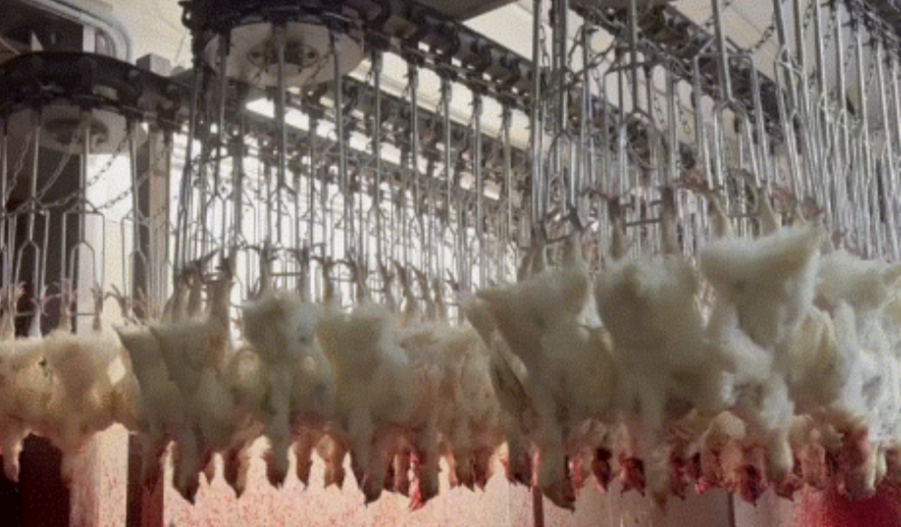
Veteran industry insiders at Farmer Focus have reported conscious birds drowning in overfilled “stunning baths,” chickens still alive when their heads were pulled off, employees often botching the manual cutting of birds’ throats, and alert chickens struggling frantically as they approached an automated blade, causing them to be slashed on their faces and bodies.
According to documents obtained by PETA, and sent to Green Prophet, Farmer Focus accumulated 40 violations from the Harrisonburg-Rockingham Regional Sewer Authority between January and March 2026 for overly acidic wastewater and excessive pollutant levels.
Related: Can Muslims be vegetarians?
The reported pollutants included animal body parts, blood, fat, and feces that went into nearby streams and waterways. Such waste can reduce oxygen levels in waterways and potentially introduce harmful pathogens into public wastewater systems.
PETA says a whistleblower reported that Farmer Focus submitted altered wastewater samples to state authorities. According to the animal-rights group, a subsequent inspection found significant discrepancies between samples submitted by the company and samples collected independently by the Sewer Authority.
An inspection report cited by PETA found that wastewater samples provided by Farmer Focus were, in at least one case, eight times lower than samples collected by authorities. The Sewer Authority reportedly warned the company against misrepresentation and recommended the use of an independent third-party laboratory.
The environmental allegations are only part of the controversy.
PETA says it obtained documentation showing that Shenandoah Valley Organic, which operates as Farmer Focus, purchased more than 50,000 pounds of chicken from George’s Inc., one of the country’s large poultry producers. According to a plant whistleblower cited by PETA, the chicken was repackaged and sold under the Farmer Focus brand.
The organization further alleges that purchase documents for 40,000 pounds of the chicken did not identify the product as halal-certified, despite Farmer Focus products carrying halal certification labels issued through Islamic certification programs.
PETA says it has referred these allegations to both federal regulators and halal certifiers for investigation.
The sourcing allegation raises uncomfortable questions for consumers who purchase premium chicken specifically because they believe it comes from a transparent and tightly controlled supply chain.
George’s Inc., the supplier named in the allegations, has itself received repeated warnings from the U.S. Department of Agriculture, according to records cited by PETA. The organization points to incidents involving workers allegedly abusing live birds, birds drowning in hot water, thousands of birds dying from heat stress during transport, and one bird reportedly found “buried up to the neck” in feces. We will spare you from seeing the photos. And have reached out to Farmer Focus for comment.
For consumers seeking humane alternatives, such reports strike at the heart of the industry’s marketing claims.
“According to an industry insider, Farmer Focus submitted doctored water samples to state authorities and the company behind the brand orchestrated a repackaging scheme—more deception to go along with using fraudulent ‘humane’ labels to dupe people into paying more for the same horrific cruelty,” said PETA Senior Vice President Daphna Nachminovitch.
She added: “One wonders what else Farmer Focus may be hiding from unsuspecting consumers, who would surely leave chickens off their plates if they knew the horror and violence each one suffers.”
PETA also cites accounts from current and former industry insiders who allegedly witnessed conscious birds drowning in overfilled stunning baths, chickens still alive during processing, workers struggling to properly perform manual throat-cutting procedures, and birds suffering injuries before slaughter.
Farmer Focus has long positioned itself as a different kind of poultry company, one built around small family farms, transparency, humane standards, and halal practices.
The allegations challenge each of those pillars. For retailers carrying these products such as Sam’s Club, Target, Publix, Harris Teeter, Hannaford, and The Fresh Market, the controversy creates a difficult question: How much due diligence should accompany premium ethical branding? We asked the same about the companies buying what is labeled as ethical wool.
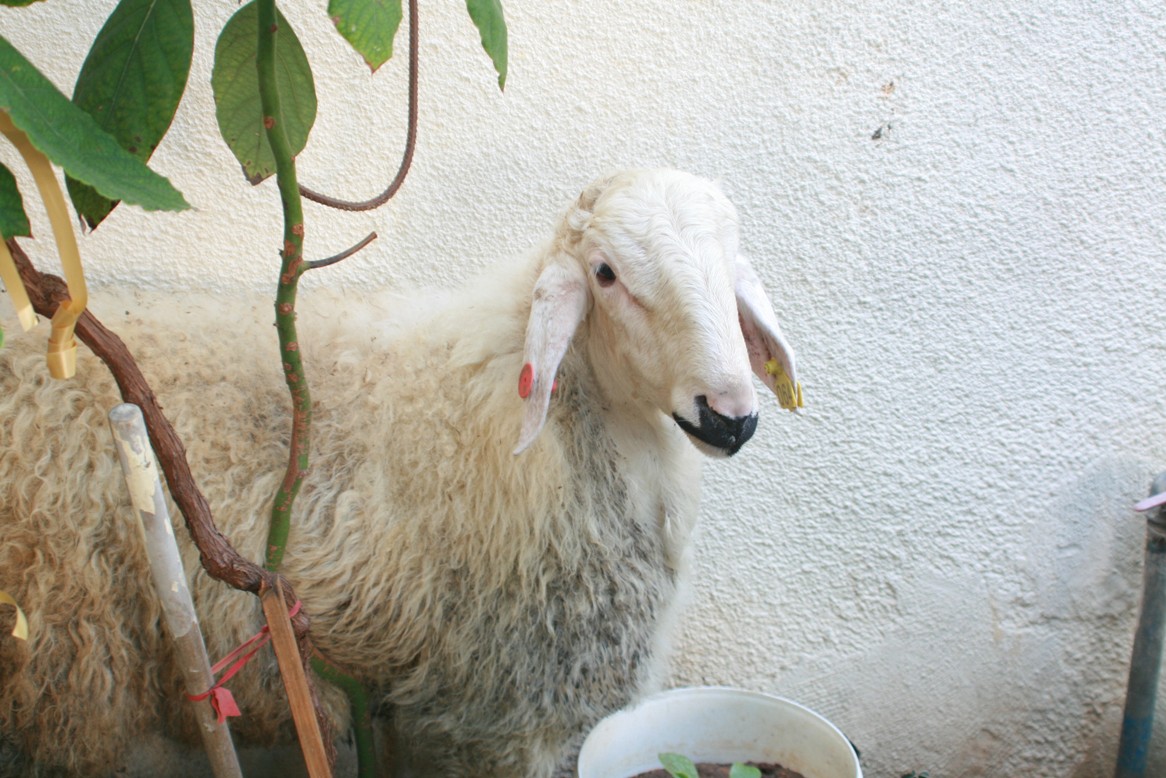
Consumers increasingly pay extra for premium products but what if it’s all just a lie? What if the only way you can know if something is truly organic, ethically raised or halal, is if you raise it and slaughter the animal yourself? We witnessed an Eid slaughter and had to wonder if it’s not more ethical to slaughter one’s own meat?
When ethical claims become part of a brand’s value proposition, transparency is no longer optional because it becomes the product itself.
Farmer focus is a privately held company, with Stephen J. Shepard, as the CEO. Executive data indicates that the brand generates an estimated annual revenue between $150 to $260M USD with top executive compensation typically structured around a mix of base salary, bonuses, and equity. We have reached out to Farmer Focus for a response to these serious allegations.


