


True progress happens when environmental ambition meets action. Decarbonizing efficiently is possible for any business in any sector, but actually getting started can sometimes feel daunting.
The trick? It’s to start small and build momentum. Here are five potential projects to help you get started.

-
Measure your baseline energy consumption
You can’t manage something if you don’t measure it. That’s why the first step on any sustainability journey is to get data. Start with your utility bills to establish a clear starting point. Track usage over the period of a few months to spot any patterns.

-
Create a culture around sustainability
It’s one thing to talk about sustainability. It’s another to embed it into the way your company operates. Get your staff involved in the journey and talk to them about why you want to reduce your environmental impact.
Encourage a culture where people reduce, reuse, and recycle as much as possible. Provide education on the environmental impact of decisions like taking public transport to work. Run challenges to make sustainability feel fun.
Remember, sustainability only works if the leadership team also lives and breathes its values. Encourage employees to make the most sustainable choices. Having your team use public transit instead of driving, for example, can help lower your Scope 3 emissions. Make it feel like a team effort.
-
Switch to electric options
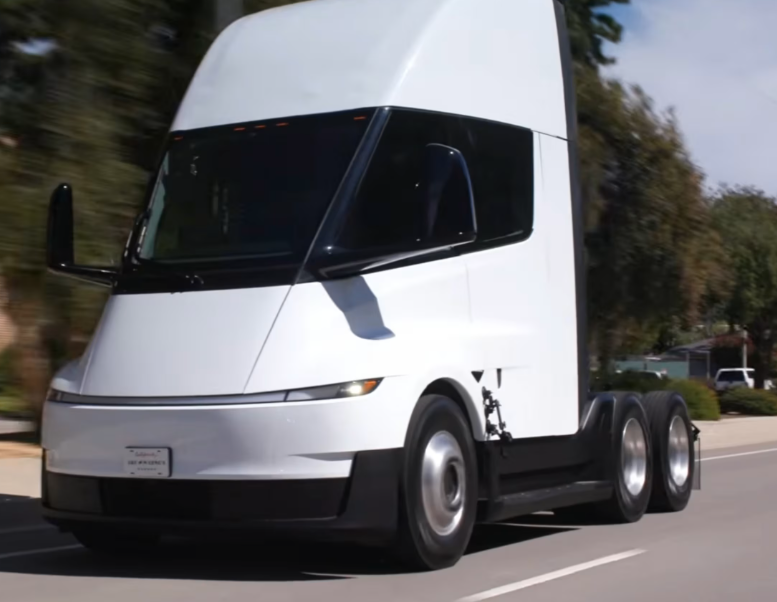
If you have a company car or a fleet, consider switching to electric vehicles. Doing so will help reduce your reliance on fossil fuels and align your business with global standards.
Even switching one company vehicle, or providing incentives for employees to switch to electric vehicles, can help reduce your Scope 1 emissions (and your Scope 3 emissions, in some cases).

-
Look for partners to help you out
Sustainability is a global effort, and it takes a team to do it well.
If you’re a larger business that’s ready to go through bigger decarbonization projects, it might be time to look for a sustainability partner to help you build a strategy that matches your goals.
If you’re a small business that provides services to large global corporations, reach out and ask about their Scope 3 programs. They might have initiatives that can help you decarbonize.

-
Invest in carbon credits
To fully achieve net-zero emissions, many companies need to invest in carbon credits. These are tradeable assets that let companies mitigate their residual emissions by funding verified carbon projects.
The carbon market sounds simple, but in reality, it’s quite complex. It’s important that you source your credits from independently vetted sources that adhere to the highest global quality standards.
Start with the first step
The most difficult part of any sustainability strategy is moving from a goal on paper to the first entry on a spreadsheet. Once you bridge the gap between ambition and your first measurable result, the momentum of success makes the next action easier.