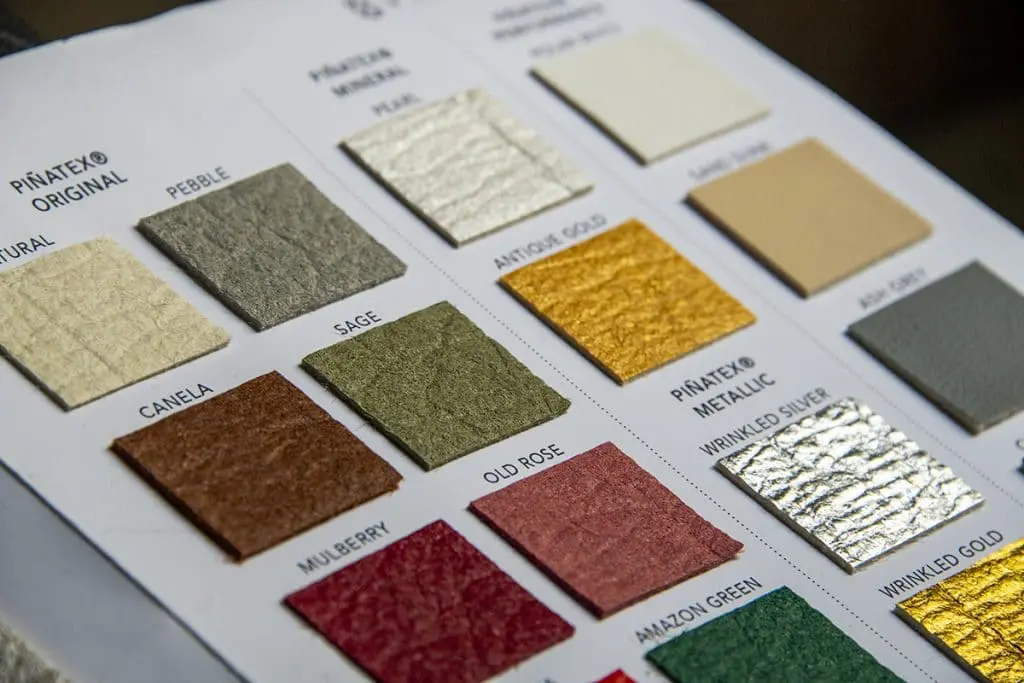


Ananas Anam, the UK-based company behind Piñatex, a plant-based leather alternative made from pineapple leaf fiber, has entered insolvency proceedings after more than a decade in operation. Are bio-materials where dreams go to die?
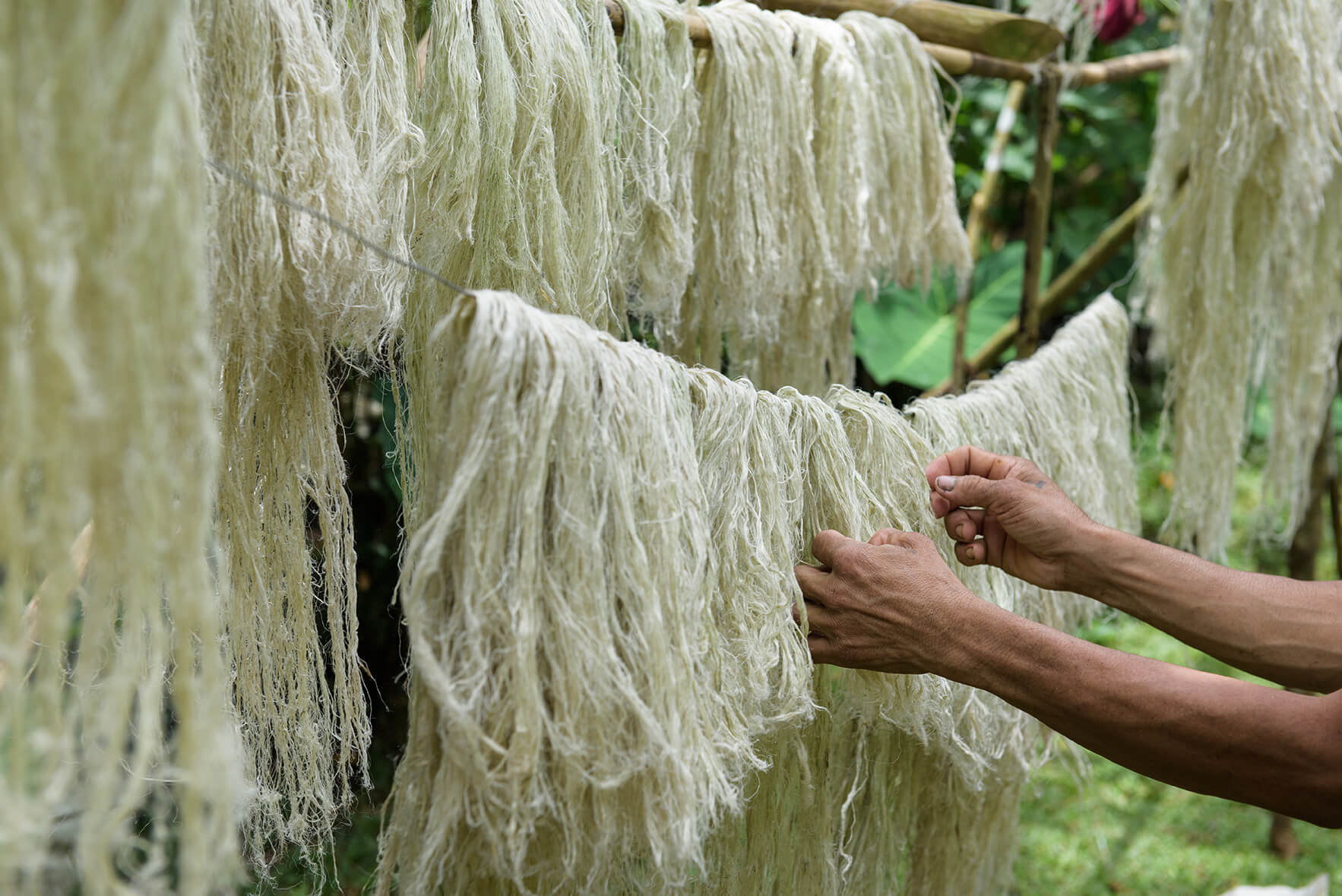
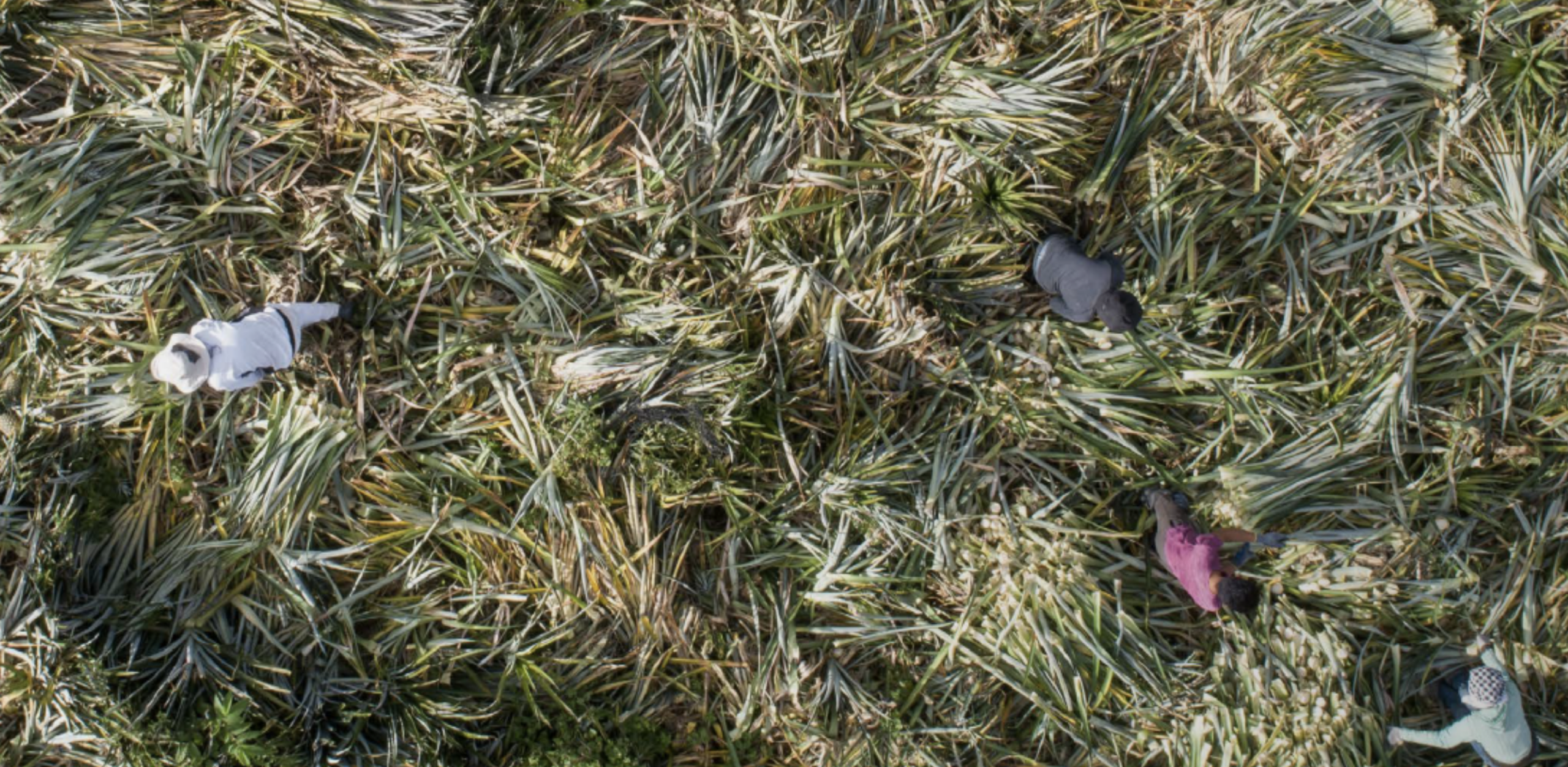
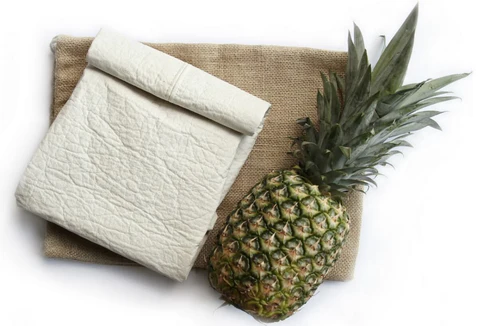
Founded in 2013 by Carmen Hijosa, the company was considered an early pioneer in the “next-generation” sustainable materials movement. Piñatex uses fibers extracted from pineapple leaves, an agricultural by-product typically discarded after harvest, to create a non-woven textile marketed as an alternative to animal leather. (Dead Sea cement bricks apply the same concept).
Over the years, Ananas Anam secured collaborations with global brands including Nike, H&M, Inditex and Ecoalf. However, according to UK insolvency filings, the company struggled to achieve sustained commercial scale. And Ananas Anam UK formally entered insolvency proceedings last year. This is a business lesson to hopefuls looking to create an impact business.
According to Companies House filings: 2023 turnover: £240,849 (down from £419,849 in 2022); 2023 loss: £1.14 million. The Spanish subsidiary reported €518,515 in revenue in 2023 (down 20.4% year-on-year) and losses of €1.03 million.
Stella McCartney supports the use of sustainable materials without the risk. A smart business model or a parasitic approach to sustainable fashion?
The same month that Ananas Anam was filing bankruptcy, Stella McCartney was advertising its materials in her latest collections.
The filings state that the company required continued external investment and was unable to generate sufficient operational cash flow to sustain growth. Ananas Anam probably should have raised VC or investment capital to scale and grow its dream to make natural waste a viable bio-material that could work in the machinery of today’s textile operations.
In late 2024, restructuring firm Leonard Curtis was engaged to assess the company’s financial position. Ananas Anam sought new investors, including discussions with produce company Del Monte, which provided interim funding totaling €300,000, followed by an additional €100,000 from existing investor Compagnie Fruitière. Negotiations for acquisition were ultimately unsuccessful. too bad Del Monte didn’t “buy” the idea for its CSR venture
Scaling Remains a Barrier in Next-Gen Materials
Industry observers note that many alternative material startups face similar commercialization hurdles. While leather from mushrooms sounds exciting along with shoes that decompose, brands often test these innovative materials in limited capsule collections, converting pilot projects into large-volume, long-term supply contracts has proven difficult across the sector. That’s what we see with Stella McCartney. She tests new materials on her collections but she doesn’t take an all-in risk approach.

Ananas Anam had attempted to shift its model from direct brand partnerships to collaborations with textile manufacturers, including Textil Santanderina, and explored outsourcing production while remaining focused on fiber supply.
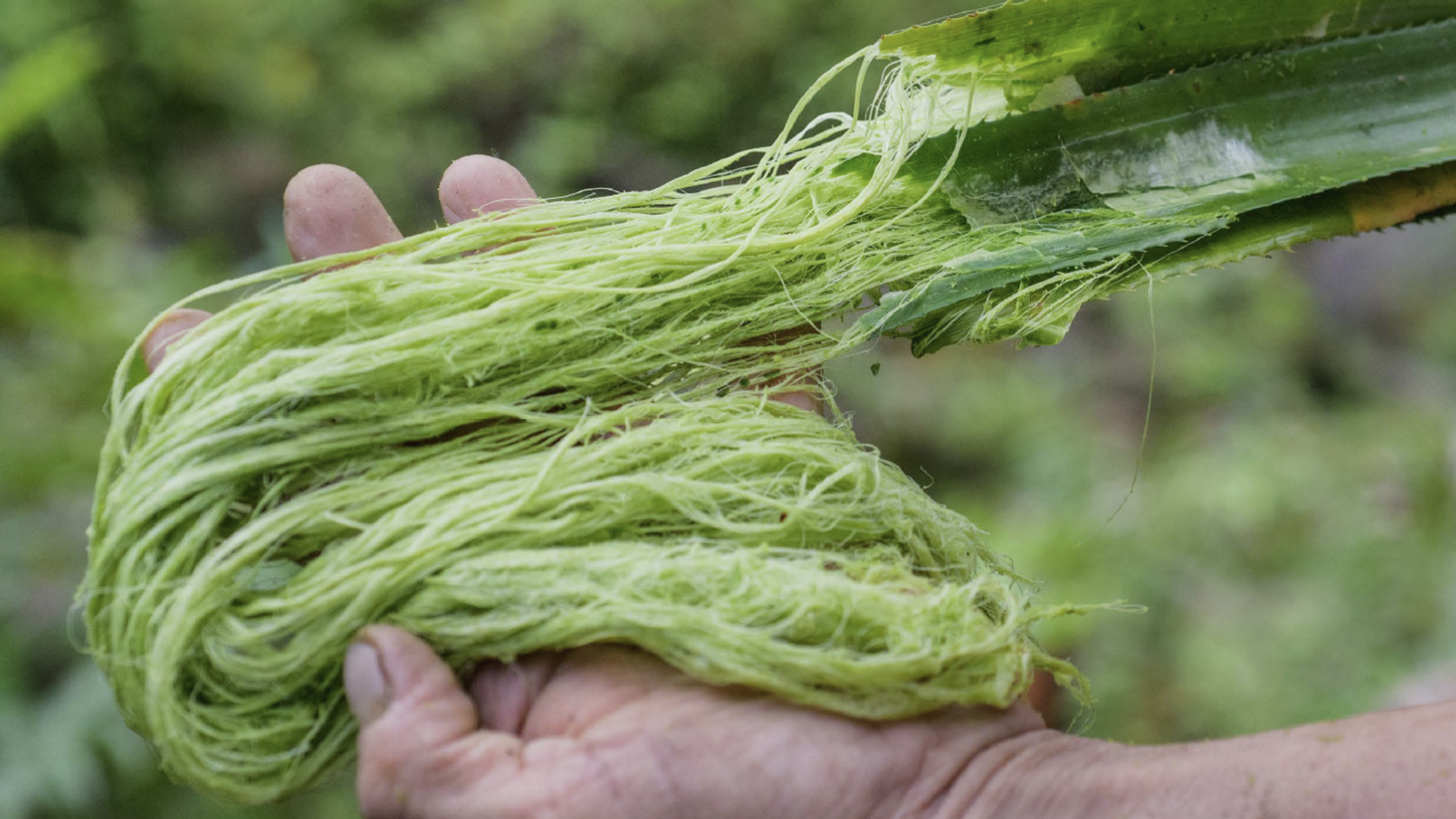
The broader sustainable materials landscape has also shifted in recent years. Textile recycling technologies have accelerated in response to anticipated European Union eco-design regulations emphasizing recycled content. Some companies developing bio-based materials have found it challenging to compete for investment and manufacturing capacity in this evolving regulatory and commercial environment.

From Pioneer to Precedent
Piñatex was among the earliest widely publicized plant-based leather alternatives and played a significant role in raising awareness of agricultural waste valorization within fashion supply chains.

Its insolvency highlights the persistent gap between innovation and industrial-scale deployment in sustainable materials.

Learn from Balena
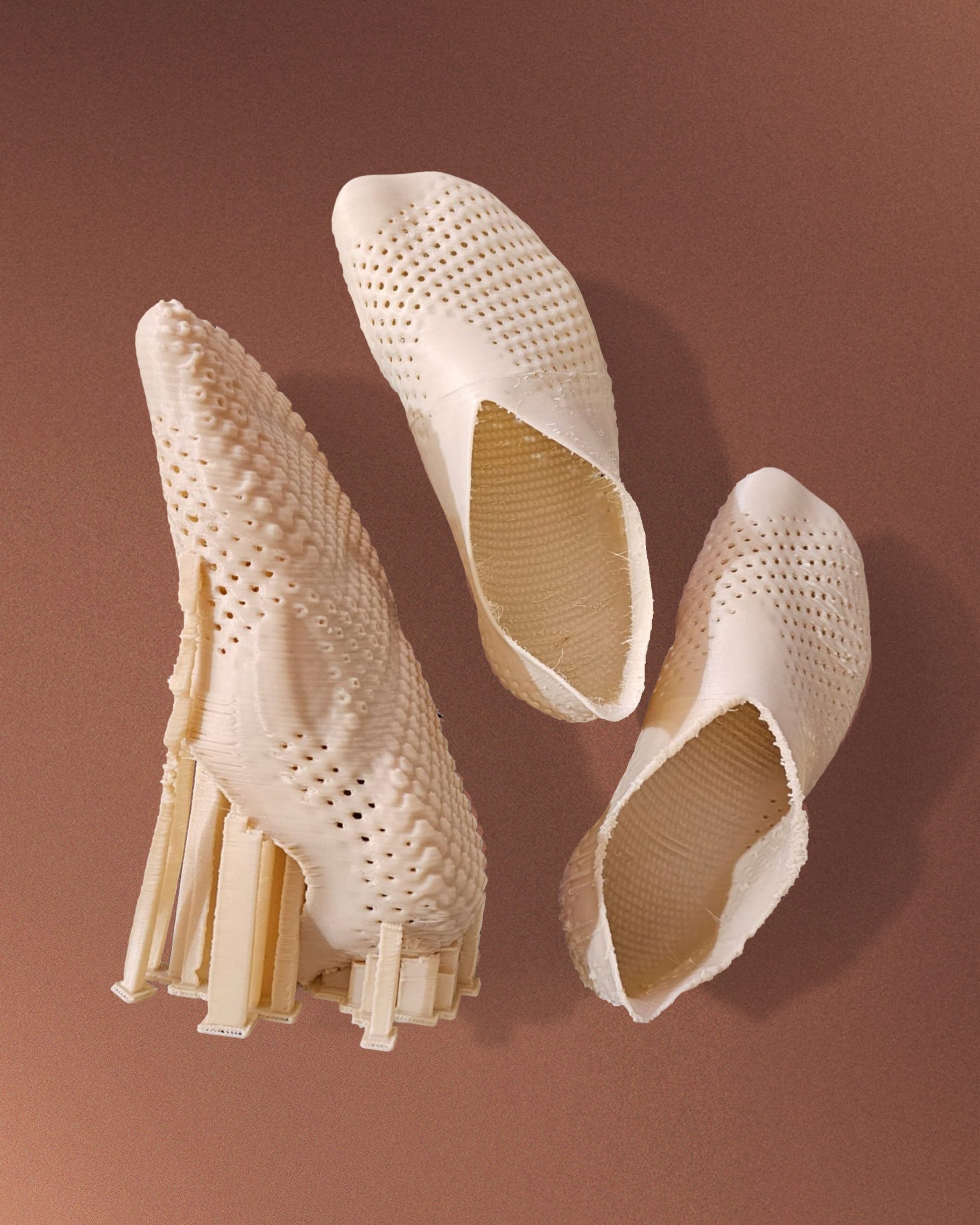
The next-generation materials sector continues to evolve, but the case of Ananas Anam underscores a recurring challenge: scaling production, securing stable demand, and achieving financial sustainability remain decisive factors in determining which innovations survive beyond the pilot phase. The company might have better taken the B2B approach, which is seen with Balena, a biomaterial company that provides materials for the shoe industry. They have collaborated with VivoBarefoot and Stella McCartney but never risked having to develop and cater to the consumer directly,