
Cannabis use linked to anxiety and depression

Teens smoke but cannabis is not good for mental health: new study from Canada

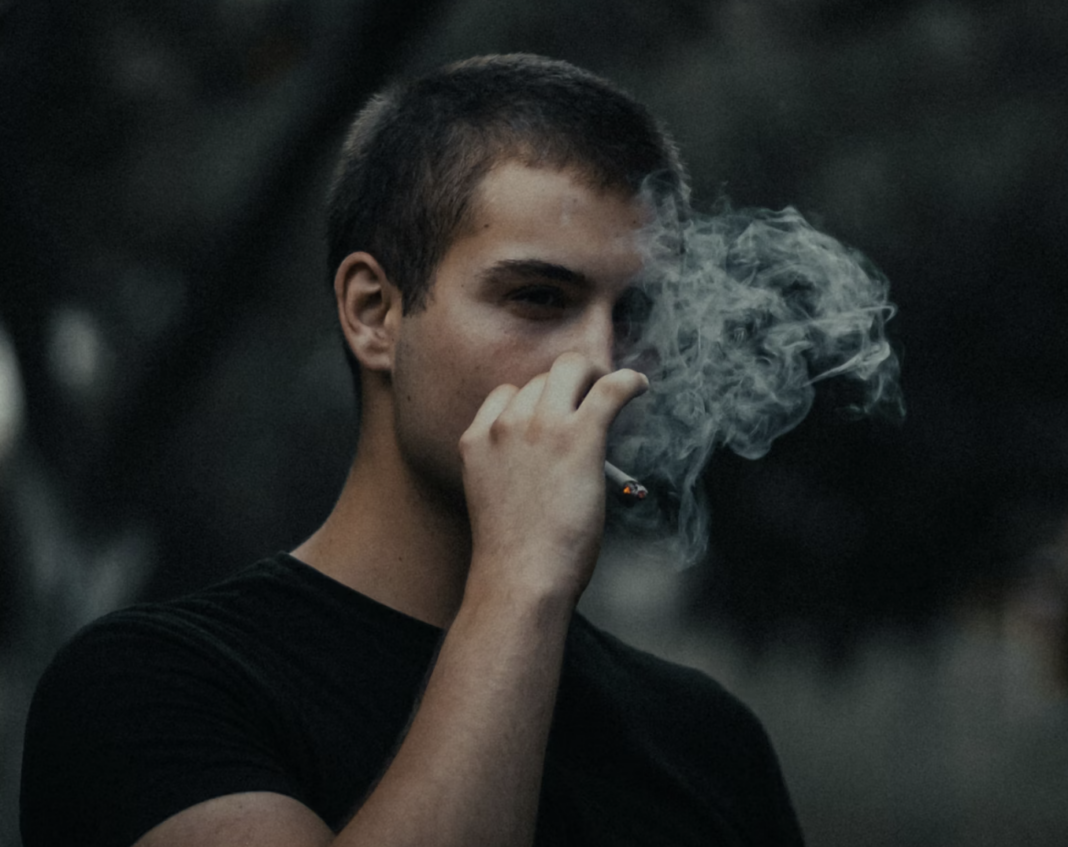
One hallmark of Justin Trudeau’s leadership in Canada was legalizing cannabis, making it legal to buy it at shops and dispensaries even without a doctor’s note. That act has made accessibility to cannabis commonplace and within reach for teens too, who are fond of gummies and edibles. But cannabis can hurt developing brains, and it’s not only providing pain relief and therapy. While it can calm symptoms of PTSD, it can also lead to negative outcomes such as anxiety and depression, finds a new study.

The study looked at 35,000 Canadians who use cannabis and shows that rising cannabis use and worsening mental-health symptoms are increasingly appearing together, with the connection between the two strengthening over time.

The study, led by McMaster University, was published in The Canadian Journal of Psychiatry and analyzed data from two large, nationally representative Statistics Canada surveys of Canadians aged 15 and older living in the provinces, to examine cannabis use and mental-health outcomes between 2012 and 2022.

With the legalization of cannabis in Canada landing at the midpoint of the study period, the authors suggest that stronger products, wider availability, and increased use for stress relief may be contributing to the patterns they observed. The study doesn’t prove causation, but it underscores a widening public-health issue as cannabis use and mental-health challenges rise in parallel.

“We see that Canadians who use cannabis tend to be more likely to meet criteria for anxiety and depressive disorders, and more likely to report suicidality. We also see that this co-occurrence has strengthened over time,” said Jillian Halladay, an assistant professor who contributed to the study.

Key findings:

  • The number of people reporting generalized anxiety disorder and major depressive episode nearly doubled, increasing to 5.2% and 7.6%, respectively.

  • Suicidality didn’t change much in adults but increased by 44% among youth. Younger Canadians also saw some of the strongest cannabis–mental-health connections.

  • Canadians who used cannabis at any level, compared to those who did not, were more likely to meet criteria for generalized anxiety disorder and major depressive episode and report suicidality. The connection between cannabis use and these mental-health problems strengthened over time.

  • In 2022, Canadians who used cannabis regularly (two or more times a week) were about five times more likely to report anxiety, depression, or suicidality than those who did not use cannabis.

“This extends our prior study that similarly found a strengthening in the co-occurrence of cannabis use and these mental-health problems between 2002 and 2012,” she says.

Halladay and her fellow researchers emphasize that the growing overlap between cannabis use and mental-health problems highlights the need for earlier detection of anxiety, depression, and suicidality among people who use cannabis, as well as routine screening for cannabis use in mental-health settings.

“It’s important for people to recognize when and how their cannabis use may be impacting their mental health, and how their mental health may be influencing their cannabis use. It’s also increasingly important for health and mental-health providers to assess and address both cannabis use and mental-health concerns together.”

This study furthers recent research from McMaster that found anxiety and depression rates among teenagers increased nearly three-fold over the last decade. In that study, rates of anxiety and depression were higher in teens who use cannabis heavily.

Karin Kloosterman
Karin Kloostermanhttp://www.greenprophet.com
Karin Kloosterman is an award-winning journalist, innovation strategist, and founder of Green Prophet, one of the Middle East’s pioneering sustainability platforms. She has ranked in the Top 10 of Verizon innovation competitions, participated in NASA-linked challenges, and spoken worldwide on climate, food security, and future resilience. With an IoT technology patent, features in Canada’s National Post, and leadership inside teams building next-generation agricultural and planetary systems — including Mars-farming concepts — Karin operates at the intersection of storytelling, science, and systems change. She doesn’t report on the future – she helps design it. Reach out directly to [email protected]

LEAVE A REPLY

Please enter your comment!
Please enter your name here

TRENDING

Key Rules Recreational Cannabis Users Must Follow in Pittsburgh

Adults who are 21 or older can carry up to 30 grams. This amount applies to personal use within Pittsburgh’s limits. Carrying more could lead to confiscation or legal action. Staying under the limit avoids problems during any public stop.

Stoned and driving? High THC levels might not mean you are impaired

Based on the results from the driving simulation, participants with elevated baseline concentrations of THC did no worse on a driving simulator compared with participants who were below per se cut-off points. Altogether, the results add to a growing body of evidence showing that current per se THC blood limit laws lack scientific credibility as face-value evidence of impairment.

American college trains medical students on how to treat with cannabis

Students also gain hands-on experience in caring for patients using cannabis, as well as any other medications and illicit substances, after they begin their clinical rotations, he added. 

Medical cannabis Syqe lays off 30% of its workforce

This backing gave Syqe financial muscle and strategic reach—but also raises reputational and strategic risks, given tobacco’s fraught public perception in the health space. Imagine if McDonald’s bought into a regenerative kale farm. The cash infusion could scale production, but people would always wonder if the lettuce was being served with a side of fries. 

Half of all medical cannabis doses labeled incorrectly

Products were considered “accurately labeled” if they contained within 15% of the THC amount shown on the label—the same threshold the state uses. About 44% percent of flower products failed to meet that standard, with 54 of those products inflating their THC content and 23 containing more THC than the label indicated. Only four concentrate products were labeled inaccurately.

Turning Your Energy Consultancy into an LLC: 4 Legal Steps for Founders in Texas

If you are starting a renewable energy business in Texas, learn how to start an LLC by the books.

Tracking the Impacts of a Hydroelectric Dam Along the Tigris River

For the next two months, I'll be taking a break from my usual Green Prophet posts to report on a transnational environmental issue: the Ilısu Dam currently under construction in Turkey, and the ways it will transform life along the Tigris River.

6 Payment Processors With the Fastest Onboarding for SMBs

Get your SMB up and running fast with these 6 payment processors. Compare the quickest onboarding options to start accepting customer payments without delay.

Qatar’s climate hypocrisy rides the London Underground

Qatar remains a master of doublethink—burning gas by the megaton while selling “sustainability” to a world desperate for clean air. Wake up from your slumber people.

How Quality of Hire Shapes Modern Recruitment

A 2024 survey by Deloitte found that 76% of talent leaders now consider long-term retention and workforce contribution among their most important hiring success metrics—far surpassing time-to-fill or cost-per-hire. As the expectations for new hires deepen, companies must also confront the inherent challenges in redefining and accurately measuring hiring quality.

8 Team-Building Exercises to Start the Week Off 

Team building to change the world! The best renewable energy companies are ones that function.

Thank you, LinkedIn — and what your Jobs on the Rise report means for sustainable careers

While “green jobs” aren’t always labeled as such, many of the fastest-growing roles are directly enabling the energy transition, climate resilience, and lower-carbon systems: Number one on their list is Artificial Intelligence engineers. But what does that mean? Vibe coding Claude? 

Somali pirates steal oil tankers

The pirates often stage their heists out of Somalia, a lawless country, with a weak central government that is grappling with a violent Islamist insurgency. Using speedboats that swarm the targets, the machine-gun-toting pirates take control of merchant ships and then hold the vessels, crew and cargo for ransom.

Related Articles

Popular Categories