The aesthetics industry is changing as clients look for treatments that are more sustainable and which fit more naturally into modern life. Some still prefer a traditional clinic setting, but others value convenience, smaller treatment environments and service models that feel more personal. For practitioners, this shift raises a practical question: how can a clinic or provider offer flexible services without compromising professionalism?
 Sugaring is an ecological way for shaving your legs but if you have an overgrowth of unwanted hair, you might need technology.Portable and compact devices are part of that conversation, especially for teens who want privacy. The appeal of XOD portable aesthetics is not only mobility. It is the idea that technology can support more adaptable treatment models, whether that means a smaller clinic footprint, a more flexible room setup or selected services that can be delivered outside a large fixed facility. This can help clinicians be more portable and help transforms dreams into small businesses.
Flexibility Is Not The Same As Improvisation
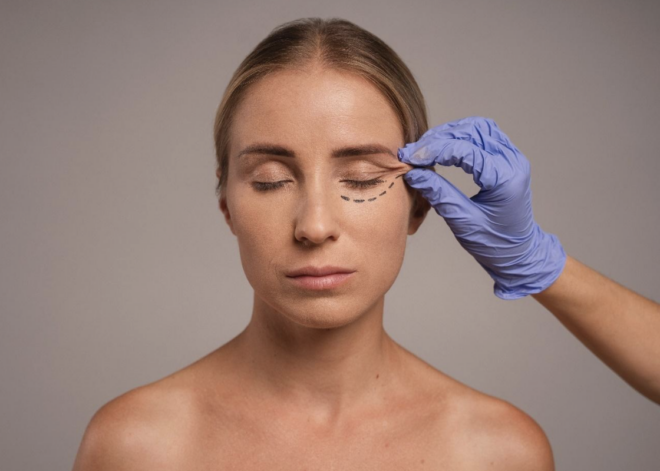
Portable aesthetics should never mean casual or unstructured treatment. Professional services still require appropriate training, consultation, hygiene, safety protocols, documentation and realistic client communication. The technology may be more compact, but the standard of care should remain serious.
This distinction matters. A portable device can help a practice become more flexible, but only when it is used inside a clear operating model. The practitioner needs to understand who the service is for, what environment is appropriate, how treatment flow is managed and what support systems are needed before and after the appointment.
For smaller practices, flexibility can be especially valuable. Not every clinic has multiple treatment rooms or the budget for large equipment across every category. A more adaptable device strategy can help the business test demand, expand a menu gradually and avoid overcommitting before the patient base is ready.
Why Treatment Context Matters
Aesthetic treatments are not only about the device. The environment, consultation, expectations and follow-up all shape the outcome of the client experience. When a service is offered in a more flexible setting, the practitioner has to be even more intentional about consistency.
That means having clear intake forms, treatment notes, aftercare instructions and boundaries around what can and cannot be performed in a given setting. Some procedures belong in a full clinic environment. Others may be appropriate for a smaller or more mobile setup if the provider has the right training and infrastructure.
The best portable aesthetic models are built around judgment. They do not try to move every service everywhere. They identify where flexibility adds value and where a fixed clinical environment remains the better choice.
A Smarter Way To Grow A Treatment Menu
For many clinics, the most practical benefit of portable or compact aesthetic equipment is staged growth. It’s also a sustainable choice. A provider can begin with a focused service, learn client demand, train the team and then expand into additional treatment categories when the business case is clear.
This is a healthier approach than building a menu based only on trends. It allows the clinic to ask better questions: Which clients are requesting this service? Can we price it profitably? Does it fit our brand? Do we have the right treatment space? Can our team deliver it consistently?
Portable aesthetics are not a shortcut. They are a tool for practices that want more flexibility without losing professional structure. Used well, they can help clinics build treatment models that are more adaptable, more efficient and better aligned with how clients actually want to access aesthetic care.