

 The Palestinian environmentalist Taleb Al Harithi was born in a small town near Hebron called Idna in 1955. After gaining his PhD in 1986, he became a professor for Earth and Environmental Sciences and now works as a consultant for environmental health in the Palestinian Ministry of Health in Hebron alongside his post as a part-time professor for Geology and Hydrology in Birzeit University.
A passionate advocate for better water policies, he was part of the team which recently constructed a dam near Jericho to harvest rain run-off in the winter months. With a capacity of approx 700,000m³, it is hoped that the new dam constructed at Al-Ouja Wadi (around 13kms north of Jericho) will help alleviate the worst of the water problems facing the city. For example, the dam aims to dilute the increasing salinity of the underground water wells which makes the water undrinkable.
Although the dam is the first to be built by an entirely Palestinian team, Al Harithi recognises the importance of co-operation between Israel and Palestine to resolve shared problems such as water scarcity.
“You may know the axiom ‘environment knows no boundaries,” says Al-Harithi, “therefore I believe Israelis and Palestinians can concentrate efforts to find solutions for the many environmental problems that face both nations- not only the water issues but also the degradation of many eco-systems, trans-boundary environmental pollution like burning of huge amounts of plastic in open air as well as biodiversity conservation. If these issues – and others – are not solved in bilateral cooperative ways, then only God knows how the future would deteriorate!”
Since 1989, Al Harithi has also been involved in various projects to promote peace at a grassroots level in Jordan, Palestine and Israel. He went on to establish the Palestinian Peace Society which focuses on co-existance work between Palestinians and Israelis to ease the tensions of conflict.
Talking of the struggle for peace, I ask Al Harithi if he finds it difficult to address environmental problems when the ongoing conflict presents more pressing concerns for the average Palestinian. He replies that embracing nature and working towards a clean and fertile environment may in fact be the perfect distraction to help ‘lighten the tensions people are living under.’ Al Harithi also explains that the governments across the Middle-East are failing to do enough on water scarcity, so it seems that it is up to the people to take action.
This is where environmental education comes in. Al Harithi recently published a book on environmental education which will form the basis of a curriculum used at the Al-Quds Open University in Palestine. It’s a first step but one which he hopes will ‘show people how to build a better future for themselves and those around them who share this ship called Earth.’
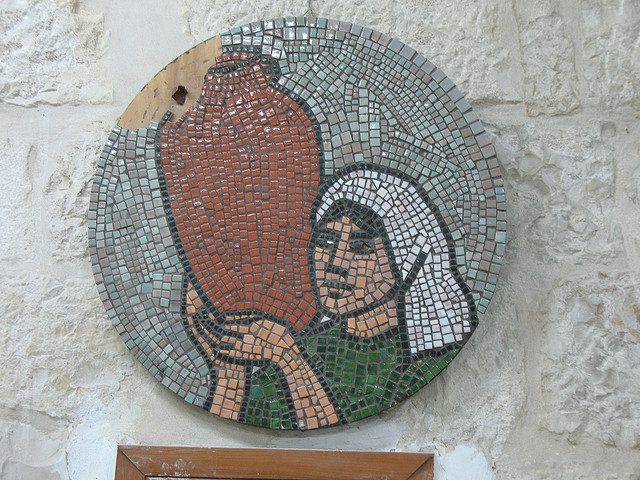
:: Image via hoyasmog/flickr.
For more on water and Palestine see:
Palestine’s First Electric Car Takes to the Streets of Hebron
Palestine’s Geothermal Pioneer Shares Expertise Online
Palestine’s Green City Faces New Criticism- this time about JNF Trees
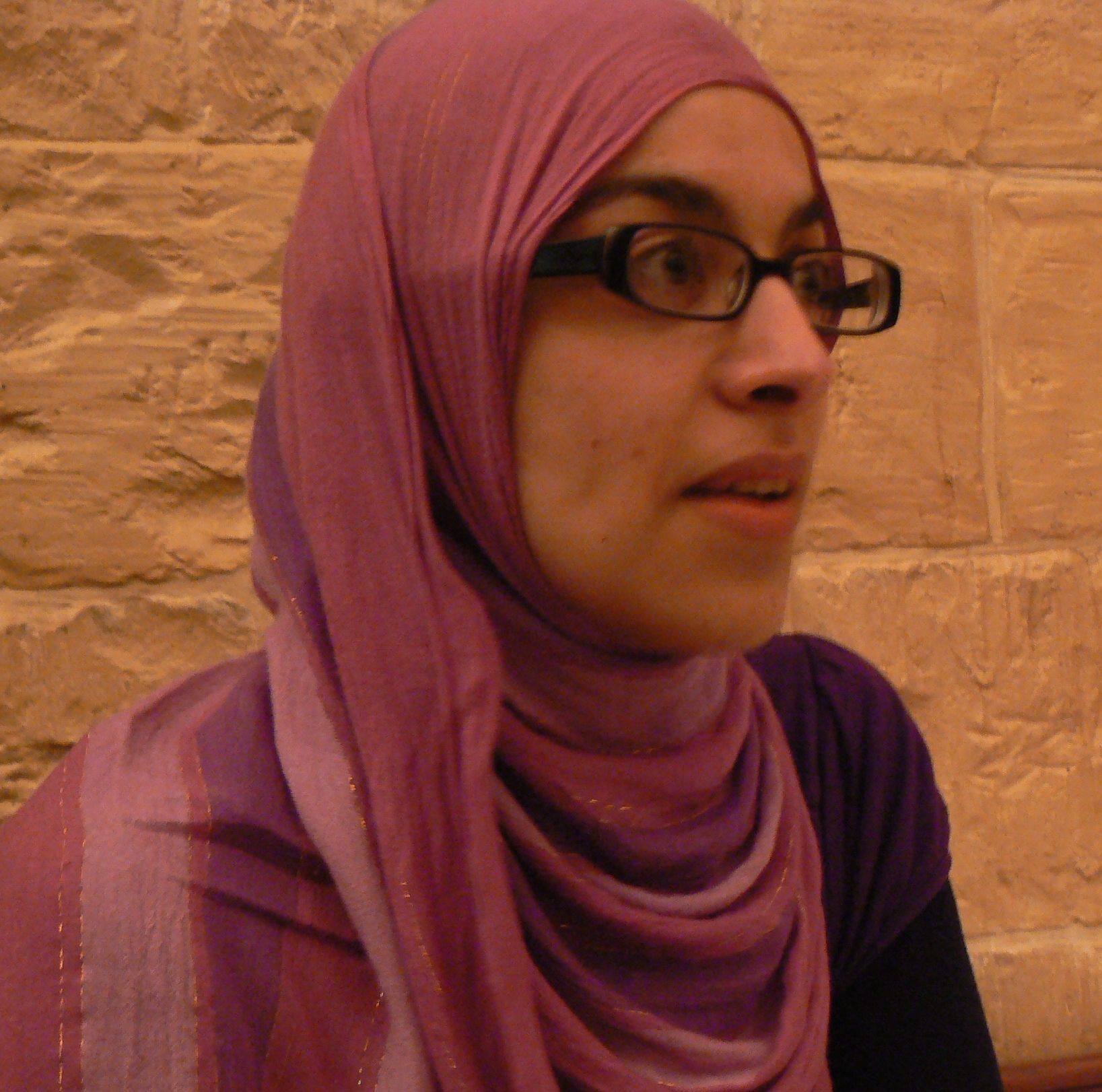


I share Dr. Al Harithi’s position: important bridges toward peace between the Israeli and Palestinian nations can, indeed must, be built on the basis of environmental cooperation. Such activities and other joint efforts should not await the mediation of the politicians.