How can you tell if a food is probiotic and good for your guts? Green Prophet gives a general guide.
You may know all about the ecosystem of a pond or a woodland, but have you stopped to think about the ecosystem of your own gut? Sandor Katz did and wrote a whole book on fermented food. Your digestive tract is home to trillions of organisms. For good health, we need to maintain a proper balance between those that are beneficial and those that are harmful.
How do you know if your gut “ecosystem” is in optimal condition?
Well if you:
were born to parents with good gut flora
were born in a vaginal birth
had been exclusively breastfed for the first months of your life
have eaten primarily nutritious, toxin-free food
have seldom taken antibiotics, only when needed, and never for long periods of time
…then there’s a good chance your gut ecosystem is in balance.
Unfortunately, this describes practically no one in modern society (even if you like the Paleo Diet) which means we could all use a little help from our microbial friends. That’s where fermented foods come in.
What are some examples of fermented foods?
Before the advent of refrigeration, pickling was a much-needed way to save freshly harvested vegetables. Every country has its favorite pickled veggies – and the best source of information about local pickles is usually a grandmother. Some Middle Eastern favorites include pickled beets, pickled lemons, and dill pickles.
Preserved lemons, fermenting naturally, right. Preserved peppers, left
Before milk started to be routinely pasteurized, all dairy food had beneficial bacteria. Even today, some probiotic dairy foods are available. You can read here about natural, Slow Cheese in Europe. Many condiments also started their careers as fermented foods. One example is ketchup.
Closer to home, bright yellow “amba” – a mango sauce popular in Iraq and Israel and often drizzled on falafel – is another. Even soft drinks, such as ginger ale, which certainly aren’t healthy today, used to be healthy drinks brimming with beneficial bacteria.
How can you tell if it is probiotic?
Unfortunately, most, if not all, canned and bottled fermented foods you find in the supermarket are pasteurized. With nothing living in them, they can be stored for long periods. This is great for the manufacturer and retailer; but it means that these foods won’t help your gut ecosystem. These foods are technically “dead”.
Pickled vegetables (and fruit), will be probiotic if they are:
1. pickled without vinegar or oil.
2. unpasteurized.
What about yoghurt or kefir?
The modern process for making yogurt creates some confusion. The kind of yogurt found on your supermarket shelf is made from pasteurized milk; however probiotic bacteria are added to the milk to turn it into yogurt.
If it isn’t pasteurized a second time, it’ll have beneficial bacteria and will be labeled “bio”. Note that the fresher it is, the greater the quantity of more beneficial acidophilus and other bacteria it will carry.
Fermented foods not only taste wonderful, they’re also wonderfully healthy. They even look attractive pickling in their jars. Once they’re ready, they keep in the fridge for months. They’re a wonderful addition to any meal.
Aluminum could be a source of perfect fuel. This Canada produces aluminum with one of the lowest carbon footprints in the world.
Summers are growing hotter, storms more violent, wildfires more frequent and ocean levels are rising. It is becoming increasingly obvious that burning fossil fuels containing millions of years worth of trapped carbon is altering our atmosphere and climate. Hydrogen is a promising alternative to fossil fuels. It’s abundant, clean burning and has a high mass energy density. With modification it can be used in heating, vehicle engines or fuel-cells as a replacement for carbon-based fuels such as natural gas (CH4) gasoline (C8H18) or diesel fuel (C12H23).
Hydrogen gas is endless and available and a green energy contributing to a carbon-free future. Storage tanks can be sent like drones.
Hydrogen doesn’t have the long-term environmental flaws of fossil fuels. But it is not yet a simple replacement for hydrocarbons. Extracting green or grey hydrogen takes a considerable amount of energy and geologic hydrogen hasn’t yet been found in commercial quantities.
Hydrogen also has a low volumetric energy density. This means even though one kilogram of hydrogen can provide two to three times the energy of one kilogram of diesel fuel, at standard atmospheric pressure a hydrogen fuel tank requires about 5000 times the volume of a diesel fuel tank in order to provide the same energy and range.
Pressurizing the hydrogen to about 10,000 pounds per square inch improves this so that hydrogen only requires about 7 times the volume of diesel fuel. This pressure is almost twice as high as that which imploded the Titan submersible underwater earlier this year while hunting for the Titantic wreckage.
It takes up to 63 kilowatt-hours to extract one kilogram of aluminium from its bauxite ore. Much of that energy remains trapped in the chemistry of Aluminium in the same way coal and gasoline trap the energy of ancient sunlight. In fact burning aluminium produces almost twice the energy of burning an equivalent mass of coal.
According to the U.S. Environmental Protection Agency the energy embedded in a single soda can could power a 14 watt light bulb for 60 hours or a television for two hours. By tuning the particle size and chemistry, the energy embedded in this metal can be used to extract hydrogen from water.
Reza Kholghy
Reza Kholghy, PhD, is research chair in Particle Technology and Combustion Engineering at Carlton University in Ottawa Canada. Dr. Kholghy was kind enough to provide Green Prophet with some insight on this promising new technology.
GreenProphet (GP): How do you use aluminium to produce hydrogen?
Dr. Kholghy: Aluminium powder is mixed with water and combusts through a high temperature oxidation process. This way, Aluminium takes the oxygen molecule in water and turns into alumina (aluminium oxide) and releases the hydrogen in water molecules.
GP: What is the efficiency compared to other methods of recycling Aluminium?
A reactor in Carleton’s Energy and Particle Technology Laboratory that informed the construction of Kholghy’s reactor with GH Power.
Dr. Kholghy: This is not a method to recycle aluminium. By combusting it with water, we can get 100% yield, meaning that all of the aluminium will be converted to alumina and for every kg of Aluminium, roughly 1 kg of water is consumed releasing around 111 gr of hydrogen.
GP: What is the volume and mass energy density compared to hydrogen fuel cell technology?
Dr. Kholghy: The reactor is very compact, a 2 MW reactors only need a footprint of around 300 to 400 sq sq ft and cogenerate heat, hydrogen and alumina.
GP: Why weren’t we doing this 100 years ago?
Dr. Kholghy: This reaction has been used in a variety of application including green rocket propellant where Aluminium nanoparticles are used. However, the unique feature of our work is finding a way to burn large Aluminium particles
GP: What is the best scale for an Aluminium hydrogen generator? (car, house, utility…)
Dr. Kholghy: Utility, from 1 MegaWatt and higher.
GP: What would you tell someone who is sceptical?
Canada produces aluminum with one of the lowest carbon footprints in the world.
Dr. Kholghy: This is just a pice of puzzle towards transitioning to zero carbon energy production. This technology offers off grid solutions for cogeneration of heat, hydrogen as well as valuable high purity alumina that is used in batteries.
GP: Are you working with other researchers or corporations?
Dr. Kholghy: We are working with a Company called GH Power to develop this technology.
GP: What is the next step?
Dr. Kholghy: Our industrial partner is working with us to demonstrate the full scale reactor.
GP: How are impurities removed?
Dr. Kholghy: For hydrogen generation, there is no need to remove impurities. We get similar hydrogen yield no matter if recycled Aluminium with low purity or high purity Aluminium is used. The purity of alumina is similar to the purity of the Aluminium fuel used and we have developed a proprietary process to remove impurities from the produced alumina if needed.
Large, flavorful tomatoes ripen in Odina Sattorova’s backyard greenhouse in Uzbekistan’s Ferghana Valley. Their perfect shape, rich colour and smooth texture – undeniable indicators of quality – are the result of many days of intensive work in the greenhouse. Odina, who has worked in greenhouses taking care of seedlings and helping harvest grapes since she was young, was used to this kind of hard work. Her family relied on agriculture to earn their living.
But this now 43-year-old woman farmer has learned that there are new “smart” farming techniques that reduce labour and markedly increase productivity and profitability. The facts speak for themselves. Today, Odina grows about 400 kilograms of tomatoes per week during the harvest season, whereas before, she hardly produced even 120 kilograms. Along with the quantity, the quality of the product has also improved. The fruits are consistently smooth, large and more flavorful than the previous ones.
Odina learned to utilize these transformative techniques through the project, “Smart Farming for the Future Generation”, implemented by the Food and Agriculture Organization of the United Nations (FAO). With financial support from the Republic of Korea, this project was launched in 2021 in Uzbekistan and Viet Nam to introduce new growing methods and tools that decrease water consumption and labour, while increasing yields, crop quality and incomes.
Simple yet innovative farming technologies and techniques save natural resources while increasing incomes
The project introduced simple innovations in water management, pest control and greenhouse improvements, such as the use of a plastic shade net, instead of the traditional clay cover, on top of the greenhouse to keep it from overheating. The new plastic film is not only more durable but it also absorbs ultraviolet radiation and prevents condensation on the inside of the greenhouse.
Of all the tools introduced by the project, Odina considers the drip irrigation system the most useful and effective one. The irrigation system includes a fertilization mechanism, which allows her to provide nutrients to the crops. The system also measures the salinity and acidity of the water and, most importantly, regulates its use, saving this valuable resource.
Water issues have always been crucial for Odina’s district of Uzbekistan. Being very near the border with Kyrgyzstan, this area has been highly dependent on water sources coming from this neighbouring country. Also located at an altitude of 677 metres above sea level, with steep and treeless terrains, digging wells is not a reliable option, as it is often too deep and expensive to do so.
In this setting, farmers used to rely on canals that brought water to the villages from the hills. Farmers would have to wait for her or his turn to use the water to irrigate their land.
Now the water is collected in a special water tank and then used as necessary, with the system irrigating greenhouses automatically. The uniform water supply of the drip irrigation system maintains the required humidity of the soil and the greenhouse as a whole. This is important because when there is too much water, excessive moisture creates a favorable environment for plant diseases.
“It is very convenient, saves me time and effort, and most importantly, saves water,” Odina explains of the drip irrigation system.
“Before, I did not know how important it is to keep a constant record of temperature and humidity inside the greenhouse. I did not know how to prevent the spread of various plant diseases, due to which we used to lose a significant part of the crop. I learned these and other useful things during the FAO trainings,” she says.
With these new skills and practices, Odina has grown her tomato business into a thriving small enterprise and receives two to three times her previous income.
New methods for green growth
Neighbours and guests who visit Odina’s farm immediately notice the improvements to the greenhouse, including the insect-proof mesh that covers all openings, the disinfectant foot mat at the entrance and the sticky traps for pests, all of which contribute to minimizing the use of pesticides.
“It is easier to prevent pests and diseases from entering the greenhouse than to deal with them later,” says Luciano Rovesti, an FAO Expert on Integrated Pest Management. “These are simple but important technological innovations that will greatly aid in reducing the incidence of pests, in the same way that the adoption of drip irrigation reduces the incidence of plant diseases.”
Digitalization is another important aspect of greenhouse management. The project is testing equipping greenhouses with sensors and software for measuring soil moisture, solar radiation, humidity and air temperature. This data is then displayed on the farmers’ mobile devices and allows them to remotely control the microclimate in greenhouses and irrigate in a timely manner.
For Odina’s family, the additional revenue from her flourishing backyard greenhouse is more than welcome. Odina, who has worked at home all her life, now wants to provide her daughters with the opportunities that come with higher education. She is saving the money she earns to pay for her daughters’ university fees. One is studying to be a doctor and the other to be a teacher – while her youngest daughter is preparing to enter university.
Odina’s is one of 40 greenhouses that FAO has modernized in the Andijan, Namangan and Ferghana regions of Uzbekistan. When farming becomes “smart” and incomes become sustainable, confidence in the future increases. This year the project aims to increase the number of optimized greenhouses and extend these sustainable practices even further.
This story was sent to Green Prophet via the FAO. Have good news to share? Send us a line at [email protected]
Tobacco sales are down in the United States and Canada but cannabis use, following full legalization of marijuana in countries like Canada is on the rise. Hoping to get into the business one of the world’s largest cigarette companies Phillip Morris has taking a sharp turn toward cannabis by buying the Israeli medical cannabis inhaler and dosage device Syqe. The deal is worth $650 million.
It was no surprise that this would happen as the company invested $20 million into the medical device company in 2016. Syqe was built to dose a more accurate amount of medicine than current inhalers and dispensers in the market.
Israel’s National Insurance Institute (NII) partnered with Syqe recently to fully cover medical marijuana treatments with a metered inhaler for victims of terrorism or criminal violence. Studies suggest that medical cannabis can be effective in certain people for treating anxiety and PTSD.
The US Federal Trade Commission’s latest report on cigarette sales and marketing shows that cigarette sales by the largest US cigarette companies fell to 190.2 billion in 2021, the first time cigarette sales have fallen below 200 billion and a drop of 70% from a high of 636.5 billion in 1981. The 6.7% drop from 2020 to 2021 shows that the long decline in cigarettes sales has resumed after a small upward blip in 2020 during the Covid-19 pandemic.
The huge, continuing drop in cigarette sales reflects the enormous declines in smoking rates among both youth and adults in recent decades. It will pay off in improved health and countless lives saved for generations to come. So what’s a tobacco company to do? Cannabis of course.
According to the deal, Phillip Morris will invest $130 million to finance the process of obtaining the FDA approval for Syqe’s inhaler. The FDA is the American health authority, The Federal Drug Administration, which gives the seal of approval for medical devices and pharmaceuticals in the United States. If the process goes through Phillip Morris will acquire Syqe’s shares for $650 million.
This transaction would be run via Phillip Morris’ subsidiary Vectura, a UK company specializing in inhaler products to deliver medicines. If this deal works, it would be a first for the FDA agreeing to use raw cannabis as medicine.
Raphael Mechoulam, discoverer of THC, CBD in medicinal cannabis
Israel is the world’s first country to investigate the medicinal properties and chemistry of cannabis. Legendary cannabis research Prof. Raphael Mechoulam, while at the Weizmann Institute in Rehovot, Israel, was the first to isolate and name THC and CBD from a sample of hashish. He died this year at 92. I have personally interviewed him over the years.
Israeli-American physician Alan Shackelford, also pioneered cannabis as medicine in the United States. He consulted Mechoulam’s research on epilepsy and cannabis before dosing a child Charlotte Figi with THC and CBD in the US.
Israel has legalised cannabis for medical use but unlike Canada which has fully legalized cannabis for recreation and medicine, Israel has been slow to overcome that stage and has put a brake on what could have given Israel an edge in the market. Pioneering companies like Tikkun Olam (read our interview with them), original growers in Israel, have lost their market value from an overwhelming number of growers in the country. Its assets were up for auction recently and it merged with a Canadian real estate company. It is cheaper to grow cannabis elsewhere where there are fewer regulations and government hurdles.
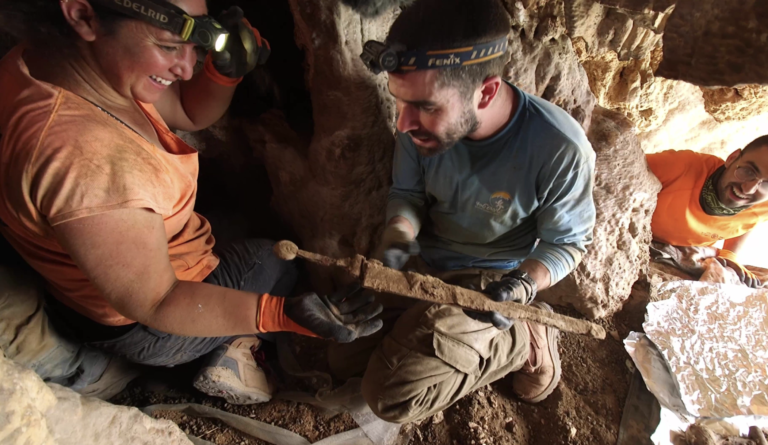
Four ancient Roman swords, in near perfect condition were unearthed in a cave in the Ein Gedi Nature Reserve in Israel by the Dead Sea.
It’s as though they were forged by Romans just a few years ago. The blades perfectly preserved by the dry, hot conditions, four 1,900-year-old swords preserved in their wooden and leather scabbards were found in the cache located in the Ein Gedi Nature Reserve in the Dead Sea area of Israel. This is dramatic evidence of a specific moment in history, say the researchers from the Israel Antiquities Authority and Ariel University involved in the study.
An article published today in the book New Studies in the Archaeology of the Judean Desert: Collected Papers, suggests that the weapons were war booty, and were hidden in the cave by the Judean rebels. The book summarizes six years of archaeological surveys and excavations carried out in the Judean Desert caves.
The archeologists examine the find
A sensational find: the excellently preserved Roman swords and a shafted weapon were discovered in a crevice in a cave in the Ein Gedi Nature Reserve. It appears that the weapons were hidden by the Judean rebels, after they were seized from the Roman army as booty. “Finding a single sword is rare—so four? It’s a dream! We rubbed our eyes to believe it,” say the researchers.
One of the rare four swords
The weapons were discovered in a small hidden cave located in an area of isolated and inaccessible cliffs north of ‘En Gedi, in the Judean Desert Nature Reserve, under the jurisdiction of the National Parks Authority. Fifty years ago, a stalactite with a fragmentary ink inscription written in ancient Hebrew script characteristic of the First Temple period, was found.
The Dead Sea Scrolls were found in the general area of the Dead Sea as well.
Recently, Dr. Asaf Gayer of the Department of the Land of Israel Studies and Archaeology at Ariel University, geologist Boaz Langford of the Institute of Earth Sciences and the Cave Research Center at the Hebrew University of Jerusalem, and Shai Halevi, Israel Antiquities Authority photographer, visited the cave. Their aim was to photograph the Paleo-Hebrew inscription written on the stalactite with multispectral photography that might be able to decipher additional parts of the inscription not visible to the naked eye.
While on the upper level of the cave, Asaf Gayer spotted an extremely well-preserved, Roman pilum— a shafted weapon in a deep narrow crevice. He also found pieces of worked wood in an adjacent niche that turned out to be parts of the swords’ scabbards.
The Judean Desert Cave Survey team, together with Asaf Gayer and Boaz Langford returned to the cave and carried out a meticulous survey of all the crevices in the rock, in the course of which they were astonished to find the four Roman swords in an almost inaccessible crevice on the upper level of the cave.
The swords were exceptionally well preserved, and three were found with the iron blade inside the wooden scabbards. Leather strips and wooden and metal finds belonging to the weapons were also found in the crevice. The swords had well-fashioned handles made of wood or metal.
The length of the blades of three swords was 60–65 cm, their dimensions identifying them as Roman spatha swords, and the fourth one was shorter with c. 45 cm long blade, identified as a ring-pommel sword. The swords were carefully removed from the crevice in the rock and transferred to the Israel Antiquities Authority climate-controlled laboratories for preservation and conservation. The initial examination of the assemblage confirmed that these were standard swords employed by the Roman soldiers stationed in Judea in the Roman period.
Did Jewish rebels hide their booty in the cave?
“The hiding of the swords and the pilum in deep cracks in the isolated cave north of ‘En Gedi, hints that the weapons were taken as booty from Roman soldiers or from the battlefield, and purposely hidden by the Judean rebels for reuse,” says Dr. Eitan Klein, one of the directors of the Judean Desert Survey Project. “Obviously, the rebels did not want to be caught by the Roman authorities carrying these weapons. We are just beginning the research on the cave and the weapon cache discovered in it, aiming to try to find out who owned the swords, and where, when, and by whom they were manufactured. We will try to pinpoint the historical event that led to the caching of these weapons in the cave and determine whether it was at the time of the Bar Kokhba Revolt in 132–135 CE.”
Following the discovery of the swords, an archaeological excavation was undertaken in the cave by the Israel Antiquities Authority, directed by Eitan Klein, Oriya Amichay, Hagay Hamer, and Amir Ganor. The cave was excavated in its entirety, and artifacts dating to the Chalcolithic period (c. 6,000 years ago) and the Roman period (c. 2,000 years ago) were uncovered. At the entrance to the cave, a Bar-Kokhba bronze coin from the time of the Revolt was found, possibly pointing to the time when the cave served for concealing the weapons.
Look at the location of the hiding spot!
According to Amir Ganor, Director of the Antiquities Looting Prevention Unit at the Israel Antiquities Authority, and one of the Directors of the Judean Desert Survey Project, “The Judean Desert doesn’t cease to surprise us. After six years of surveys and excavations, in the course of which over 800 caves were systematically recorded over an area of 170 km of cliff-line, we still discover new treasures in the caves. In the course of the project, we unfortunately encountered tens of caves that have been plundered since 1947.
“I shudder to think how much historical knowledge would have been lost had the looters reached the amazing artifacts in this cave before the archaeologists. This time, thanks to the national project initiated by the Israel Antiquities Authority, we managed to get there before the looters, and to save these fascinating finds for the benefit of the public and researchers around the world.”
Dr. Asaf Gayer of the Department of the Land of Israel Studies and Archaeology at Ariel University, says, “It is an honor and extremely exciting to take part in this discovery. The inscription and the weapons teach us a new chapter in the way in which the Jewish population exploited the Judean Desert caves in different periods. The wealth of finds exposes a new aspect of the ancient settlement in the ‘En Gedi oasis.”
According to Rabbi Amichai Eliyahu, the Minister of Heritage, “We are once again presented with thrilling findings from the Judean Desert that offer a glimpse into the daily lives of our ancestors who resided in this area about 2,000 years ago. The discovery of these swords within a cave, where a Hebrew inscription dating back to the time of the Temple was previously found, serves as further evidence of the enduring tradition of the people of Israel, emphasizing the significance of both the written word and the sword, symbolizing both our spiritual and physical heritage. The Ministry of Heritage, in collaboration with the Israel Antiquities Authority and its dedicated experts, will persist in their efforts to uncover, preserve, and transmit the rich history of the people of Israel within their homeland.”
According to Eli Escusido, Director of the Israel Antiquities Authority, “This is a dramatic and exciting discovery, touching on a specific moment in time. Not all are aware that the dry climatic conditions pertaining in the Judean Desert enable the preservation of artifacts that do not survive in other parts of the country. This is a unique time capsule, whereby fragments of scrolls, coins from the Jewish Revolt, leather sandals, and now even swords in their scabbards, sharp as if they had only just been hidden away today. The Judean Desert Survey, carried out by the Israel Antiquities Authority in cooperation with the Ministry of Heritage and the Archaeological Office for the Military Administration of Judea and Samaria, are writing new page in history books, and I am proud to present the first volume in the series.”
The preliminary article on the swords is published in the volume ‘New Studies in the Archaeology of the Judean Desert: Collected Papers’, that will be launched this evening in Jerusalem. The authors: Dr. Eitan Klein of the Israel Antiquities Authority, Dr. Asaf Gayer of the Department of the Land of Israel Studies and Archaeology at Ariel University, Amir Ganor, Hagay Hamer, Oriya Amichay, Shai Halevi, all of the Israel Antiquities Authority, Boaz Langford of the Institute of Earth Sciences in the Hebrew University of Jerusalem, and Dr. Guy D. Stiebel of the Department of Archaeology at Tel Aviv University.
The role of sustainability speakers is often underestimated, but their impact is far-reaching and more invaluable than ever before. They serve as catalysts for change, facilitating awareness, inspiration, and action towards a more sustainable future. With nations across the world experiencing the negative consequences of climate change, the goal of a more sustainable future is something we should all be aspiring towards.
This is why sustainability speakers are so important – they educate audiences, inspire change, influence corporate policies, leverage technology, and advocate for sustainable solutions. Read on to discover how they can make an enduring impact on our future.
Educate Audiences
One of the primary functions of sustainability speakers is to educate. Many people are unaware of the scale and scope of environmental problems like climate change, deforestation, and pollution, as well as social issues like inequality. Speakers help to bridge this knowledge gap by presenting accurate, timely, and accessible information. In many cases, these speakers can contextualise these issues by discussing these issues from a localised perspective. This can add extra weight to the discussion and enhance the experience for those in attendance.
Sustainability speakers use data, case studies, and real-world examples to explain complex issues in an understandable manner. This educational role is critical – informed individuals are more likely to engage in sustainable practices. Knowledge translates to power – the power to vote responsibly, to choose sustainable products, and to influence others to do the same.
Inspire Change
Inspiration is a potent catalyst for change. Sustainability speakers have the unique ability to ignite passion and motivate action to solve climate change. By sharing stories of individuals and communities that have successfully implemented sustainable practices, they showcase the possibility and benefits of change. Moreover, they can offer tangible solutions and pathways to help champion sustainability efforts.
The power of storytelling can’t be underestimated; it humanises abstract issues, making them relatable and promoting a sense of urgency. When an audience is emotionally engaged, they’re more likely to commit to tangible steps toward sustainability, whether it’s cutting down on single-use plastics, reducing carbon footprints, or advocating for policy changes.
Influence Corporate Policies
Sustainability speakers often find themselves in boardrooms and corporate events, where they have the opportunity to influence decision-makers directly. While the primary goal of a corporation is often profit maximisation, more companies are realising that sustainability is not just an ethical responsibility but also a business imperative. By bringing in a sustainability speaker, companies can determine the most fruitful path ahead with sustainability in mind.
Speakers can offer insights into the long-term advantages of sustainability, from reducing operational costs through energy-efficient practices to enhancing brand value and customer loyalty. Their expertise can help guide corporations in developing and implementing sustainability initiatives, thereby affecting change at a systemic level.
Leverage Technology
In the digital age, the reach of sustainability speakers extends well beyond physical venues. Through the use of technology, their messages can be amplified globally. Webinars, podcasts, and social media campaigns allow them to engage with audiences they might never meet in person. Importantly, by leveraging technological platforms for discussion, the next generation is much more likely to engage with the thoughts and ideas around sustainability.
Technological platforms also enable speakers to present more dynamically, using multimedia presentations that can include real-time data, interactive Q&A sessions, and even virtual tours of sustainable projects or ecosystems. By leveraging technology, sustainability speakers can create an educational experience that is both engaging and informative, reaching a wider audience and making a more significant impact.
Advocate for Sustainable Solutions
Advocacy is a crucial part of the work that sustainability speakers do. They are often involved in lobbying for policy changes, raising funds for sustainable projects, and networking with other stakeholders in the sustainability ecosystem. By working in tandem with nonprofits, government agencies, and the private sector, they can help advance sustainable solutions at a macro level.
Moreover, sustainability speakers frequently use their platforms to call attention to innovative solutions that may not yet be mainstream. Whether it’s promoting the use of renewable energy, spotlighting sustainable farming practices, or endorsing circular economy models, their endorsement can drive public interest and investment into these solutions.
Sustainability Speakers Encourage Change
Sustainability speakers are more than just talk; they’re agents of change. Through education, inspiration, and advocacy, they play a vital role in shaping a more sustainable future. By influencing individual behaviours, corporate policies, and even governmental actions, they can have an impact that reverberates across communities, nations, and the world at large.
Who asks Lebanon or the Middle East what they think about climate change? Is it possible that these water and energy-strapped regions who have the most to lose from a hot planet might have something critical to say? Those voices were heard at a Climate Justice Camp in August.
Participants from almost 100 countries across the Middle East and North Africa-Europe areas came together at the camp – one of the largest events of its kind to take place in the region – to attend and lead sessions on topics including loss and damage, climate adaptation, and fossil fuel phase-out. Eco Peace, Middle East, fashions large events of this nature every year or so. See our interview with Gidon Bromberg.
During the recent sessions in Beirut, in which Green Prophet was invited but could not attend, sessions, participants and organizations developed partnerships and collaborations to push for change in local and global contexts.
To bring the camp to a close, attendees gathered at sunset around a sculpture of a giant hand, which was collectively constructed using more than 400 pieces of embroidery, banners, symbolic textiles, and fabrics brought from their home countries.
Renowned Lebanese artist and designer Pierre Abboud worked with participants across the week to co-design the sculpture as a symbol of solidarity for climate justice. He said: “This sculpture is a creative act of solidarity crafted by hundreds of young people coming together from around the world. Each piece of material tells a personal story, and woven together they form a hand that symbolizes the unity we feel in this gathering for climate justice, in such a beautiful part of the world – my country, my soul, my Lebanon.”
Kenzie Azmi, a campaigner at Greenpeace Middle East & North Africa said: “Gathering 450 young leaders this week from regions hardest hit by climate change, the Climate Justice Camp in Lebanon stands as a powerful show of solidarity. Together, Global South communities are taking a stand against climate change and demanding justice. We are immensely proud of the outcomes achieved and the unified spirit of the youth.
Does the world listen to what Arab women say? Listen to what was happening in Lebanon this summer.
This unity highlights a stark reality: Middle East and Global South communities face unprecedented challenges across social, health, and economic fronts, often worsened by past injustices. Those hit the hardest often have the least responsibility for the crisis.
The call remains clear: rich historically polluting countries are duty-bound to take the lead in phasing out fossil fuels. They must also bear the financial burden of addressing losses and damages, while also funding a fast and fair global transition to renewable energy that puts the needs of frontline communities first. They should generate the required funds by imposing taxes on their fossil fuel industry, which has been both a primary driver and beneficiary of the climate crisis for decades.
Camp attendee Ayisha Siddiqa from Pakistan, a human rights and land defender and Climate Advisor to the UN Secretary-General said: “Regions in the Middle East, which get the least attention but are arguably some of the most looted and impacted regions on Earth, first paid for fossil fuels with their life and are now paying in drought, flood, and hunger. It does not take a political scientist to understand that environmental disasters of such scale lead to political and social upheaval. The foundations of a market-based economy collapse fast and what we are left with is human suffering. More than ever we need people power, we need to unify across borders and regions, across cultures and languages, to fix what we have broken. That starts with us caring for each other and the planet like it’s the most precious resource to exist.”
Fatima-Zahrae Tarib from Morocco, camp participant, youth climate advocate, and political science major, said: “What we have at the Climate Justice Camp is the power of storytelling. The beauty of this space lies in the fact that it’s dedicated to young people, grassroots movements, Indigenous communities, and those living on the frontlines of the climate crisis to come together from inspiring communities around the world. We have been sharing our stories with one another every day, exchanging experiences and knowledge that can’t be found on the internet or in books. It can only be taught through people’s stories and lived realities – through people’s power.
“This helps us grow the movement. It helps us keep the motivation going to continue campaigning for climate justice. While we may feel disappointment or hopelessness about how the climate crisis is being dealt with; when you create a lasting community in a space like this, that’s how we can work together to get stuff done and keep the momentum going.”
The Climate Justice Camp in Lebanon is the second edition of this global grassroots event, building on the success of the inaugural September 2022 camp in Tunisia. More than 40 local and global organizations worked collaboratively this year to bring together young people from the Middle East, Africa, Latin America, South East Asia, the Caribbean, and the Pacific, between August 28 to September 2.
Want contacts to get involved? Reach out to those below.
Hiam Mardini, Middle East and North Africa regional communications Manager, Greenpeace MENA Whatsapp: +961 71 533 232, [email protected]
Sophie Schroder, Climate Justice Camp global communications, Greenpeace Aotearoa – Roots Program, Whatsapp: +64 21 086 47450, [email protected]
Linda Åström, Climate Justice Camp global communications, GSCC, Whatsapp: +46 73-852 4285, [email protected]
Renovating a mid-century house to look old? Use cobblestones or pavers
What if you could “pave paradise” and put up a sustainable parking lot on your property? While repurposed wood or upcycled old bricks can be used to make unique and sustainable driveways and walkways, scavenging isn’t always an option. So people are turning to new ways to install permeable pavement or “pavers” around pools, parking lots, and backyard patios.
Pavers are known as different things around the world: flagstones, cobblestones, or paving stones.
As the price of wood has soared sky high and people start rethinking the problems with asphalt and concrete, permeable pavement solutions –– in blocks, tiles and plastic grids –– have become more popular among the world’s leaders in sustainable thinking.
The latest trend in pavement solution is permeable pavement. Thinking of an outdoor pizza oven for the kids? Permeable pavement is built with watershed and drainage in mind. Allowing drainage reduces flooding and helps maintain a healthy, flourishing garden.
Concrete Pavers Outperform Other Materials
When it comes to durability, permeable pavement and porcelain pavement tiling lasts longer too. These solutions won’t crack or form potholes. Permeable pavement can last almost as long as you own your property. And it’s not messy like granite.
Four times stronger than poured concrete, pavers are highly durable and have a life expectancy of fifty or more years. While concrete pavers withstand the incessant freeze-thaw fluctuations without cracking, they are virtually maintenance-free. As a versatile material, concrete pavers are the ideal choice for patio, pool deck, outdoor kitchen, fire pit, walkway, and driveways.
Pavers age well. Think of ancient cobblestone roads in small villages in Ireland and Scotland, or Medieval villages in Italy. Pavers are like tin roofs: they just last the lifetime and more of the home.
They are eco friendly over tar
Pavers can be made with natural materials and stone, making sure that tar and other unsustainable materials you might use like asphalt and tar won’t linger near your garden, kids and pets.
Coal tar driveway sealers and asphalt emulsions off-gas at the rime of application and over time they deteriorate, cracking and flaking over time to produce dust-like particles containing dangerous DNA-damaging materials that spread to the soil, the air, and water supplies.
Pavers can be made to be porous and it’s all about how they are laid: they can be placed with wider spaces than normal to increase runoff and drainage and if spaced wide apart can leave room for small cactuses, plants and small wildlife to roam, while providing a solid stable surface for your vehicle. Wide spaces doen’t mean that the weeds need to move in: the right selection or small, local plants can help you keep your driveway or path eco and functional for your lifetime and beyond.
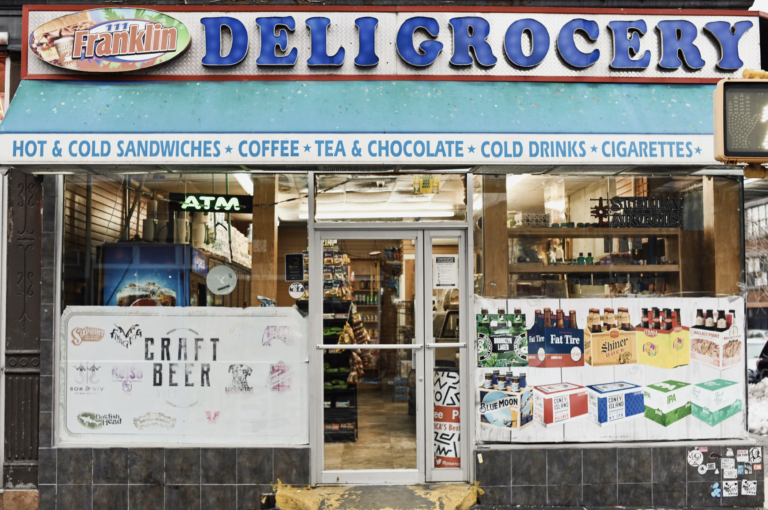
Bodegas in New York advertise food but they are part of the problem. Fresh, healthy food is hard to come by in cities. It’s easier to grab a bar of chocolate and candy than a fresh fruit.
What is a food desert?
A food desert is where there is limited to no access to affordable, fresh, and nutritious food. In these regions, the availability of grocery stores, supermarkets, and other sources of healthy food options is scarce. Instead, residents often rely on convenience stores or fast-food outlets that offer mainly processed and unhealthy food choices.
Characteristics of a food desert include:
Limited Access to healthy food
Low-Income Population
Lack of Fresh Produce
Health Impacts
Food Security Concerns
Socioeconomic Factors
Two in five people cannot afford healthy food. Over 3.1 billion people, 42% of the global population, could not afford a nutritious diet in 2021, nearly half of the world’s population. The cost of a healthy diet has risen by almost 7% compared to pre-pandemic levels.
Low-income households are facing a difficult situation because they would need to spend more than twice their current food budget to afford a healthy diet, as reported.
Food insecurity is a growing challenge for the Middle East and North Africa (MENA). Before the Covid-19 pandemic, UN agencies found that more than 55 million people out of a total population of 456.7 million were experiencing undernourishment. In 2020, MENA accounted for 20% of the world’s acutely food-insecure population, disproportionately high compared to its 6% share of the global population.
The region faces significant structural challenges in feeding its growing population. The first major challenge is climate change, with extreme weather and rising temperatures affecting local agriculture. Half of the MENA population already lives under water stress and with a projected population increase to nearly 700 million by 2050, per capita. Additionally, the region experienced a severe desert locust outbreak in 2020, impacting livelihoods and food security for millions.
The second challenge is the rapid population growth, which is the highest worldwide, coupled with the expansion of urban areas. Agricultural productivity is struggling to keep up with the population increase, except in Egypt, where productivity gains are above the global average.
The third challenge relates to diet and nutrition. The region heavily relies on food imports, mainly wheat and staple grains. MENA imports around half of its food, rising to 90% in Gulf Cooperation Countries. Many people’s caloric intake comes from wheat products subsidized by governments. Additionally, between a quarter and one-third of the adult population in the region is obese.
The current food system needs to nourish people’s health adequately. While it provides calories, it lacks sufficient nutrition. As a result, many individuals face the dual challenges of malnutrition, experiencing both stunting and obesity.
In Yemen, almost half of the children are underweight for their age. In Djibouti, one-third suffer from the same condition, causing long-term effects on their cognitive development and can impact the economic progress of their nations.
How to address food deserts?
Reducing the heavy reliance on food imports to combat fluctuating food prices.
Support local food markets, small businesses and healthy existing traditional food culture
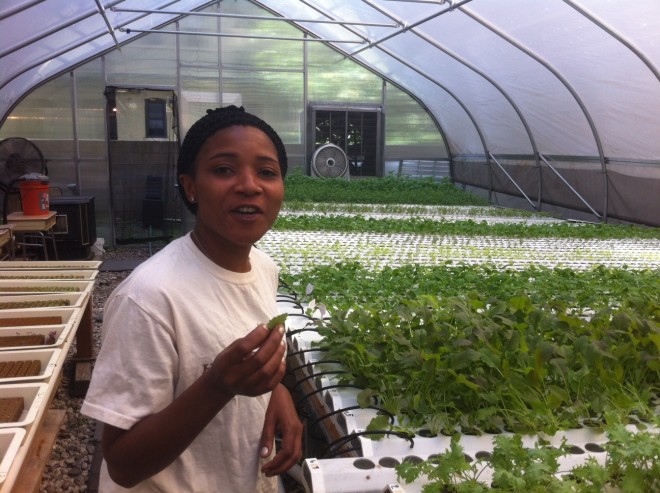
Invest in agricultural practices and technologies that adapt to climate change, such as hydroponics, conservation agriculture, and safe water usage.
Digital technology and innovative financial models can attract private investment in agriculture and hydroponics.
Development interventions that support farmers in adopting more productive and sustainable systems resilient to climate-related risks like droughts and floods.
Improving agricultural job quality and making the agri-food sector more attractive
Implementing initiatives like entrepreneurship training and climate-smart practices
Implementing social protection measures such as safety nets and targeted food aid programs
Improve the efficiency of food imports and storage.
Show the world that grandma’s cooking is smart and healthy
Strange creatures live in the deep seas. Mining will destroy ecosystems. Sounds like an old Joni Mitchell song: They mined paradise so we could drive electric cars.
After weeks of intense debates at the International Seabed Authority (ISA) meeting in Jamaica this summer, deep seabed mining will not be allowed. The ISA, an international organization responsible for overseeing and regulating mineral resource activities in the seabed and ocean floor, focuses on protecting the marine environment from harmful impacts related to deep-seabed activities.
On July 28, 2023, the ISA announced the reinstatement of a moratorium on deep-sea mining. The proposal to discuss the protection of the marine environment and the future of deep-sea mining, initially blocked, will be on the agenda for the upcoming Assembly in 2024 thanks to champion countries’ efforts.
The ocean is already under significant stress from various factors, and deep-sea mining could exacerbate the situation. A temporary halt, or in the ISA’s terms, moratorium, is considered the best option until there is sufficient scientific evidence to protect the marine environment adequately. A number of companies have started mining for precious metals and minerals and policies need to be developed before the sea floor is ripped apart.
The deep-sea mining industry is being questioned as unnecessary for the green transition, and alternative measures like technology choices, recycling, and circular economy practices are suggested to reduce mineral demand. Transitioning to a circular economy is vital to effectively address biodiversity and climate crises.
A total of 21 countries have joined the call for a ban, precautionary pause, or moratorium on deep seabed mining, with Canada, Brazil, Finland, and Portugal making announcements during the ISA meetings. Additionally, companies representing 32% of the global tuna industry expressed concerns, 37 financial institutions managing over 3.3 trillion euros in assets highlighted the need for understanding potential risks, and the UN Commissioner on Human Rights advised against deep-sea mining.
Throughout the week, China, in favor of deep sea mining, had opposed the motion for discussion but eventually consented to include it in the agenda for 2024.
Supporters of deep-sea mining argue that it is necessary to fulfil the growing demand for metals like cobalt and nickel, which are crucial for producing batteries used in electric cars and the the shift towards green energy from fossil fuels. Companies like Regenx from Canada show that we can do a better job of recycling and re-using what we already have in the system. Another Canadian company, started the whole deep sea mining controversy. The Canadian company The Metals Company partnered with a tiny nation of Naura in Micronesia to trigger a loophole.
Canada is undoubtedly a mining nation and we need to hope that Canada will set the global environmental standard on protecting its Arctic borders and Pacific and Atlantic coasts when it comes to deep sea mining.
According to the Mining Association of Canada, which represents mines and their assets mining industry continues to be a critically important part of Canada’s economy, and contributed $125 billion to the GDP in 2021, 5% of the total. Mining, quarrying and oil and gas extraction made up 7.9% of Canada’s $2 trillion gross domestic product.
The debate made clear that governments, financial institutions, scientists, and communities are uniting in opposition to deep seabed mining and are creating progress.
However, the potential danger of unregulated deep-sea mining persists, and the complete extent of its impact, if allowed to proceed, remains uncertain.
In a world increasingly concerned about the health of our planet, it is important to recognize positive environmental news that showcases efforts to protect and restore the Earth.
From conservation breakthroughs to sustainable innovations, here are ten uplifting environmental stories that bring hope for a brighter future!
Reforestation Success in Brazil:
Brazil is the cradle of the world’s biodiversity. We must do all in our power to save it.
In Brazil’s Atlantic Forest, a massive reforestation project has led to the recovery of 500,000 acres of land, equivalent to the size of Singapore. By planting native tree species and employing sustainable agricultural practices, the initiative is reversing deforestation and providing habitat for endangered wildlife.
Solar Power Surpasses Global Milestone:
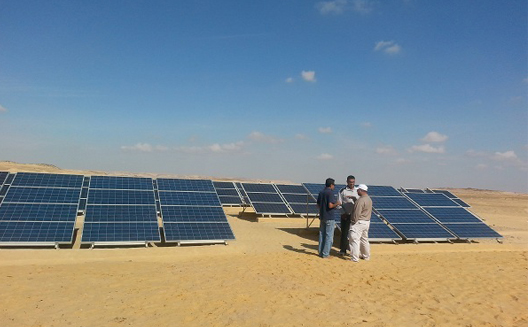
Solar panels are changing lives in Lebanon. People are going “green” without even realizing it.
In 2023, the world celebrated a remarkable achievement as solar power surpassed 1 terawatt (1 trillion watts) of installed capacity. This milestone represents a significant step towards reducing reliance on fossil fuels and achieving a more sustainable energy future.
Net Zero Laws in Switzerland
The Swiss lead the world on net zero
Swiss citizens have scored a climate victory by voting in favor of a new climate law. The law aims to achieve net-zero emissions by 2050, addressing the alarming glacier melt and paving the way for climate neutrality. This significant step shows how people in Switzerland are taking charge of their future and working towards a better environment for future generations.
Ocean Cleanup Success:
The Ocean Cleanup Project, a nonprofit organization focused on removing plastic debris from the ocean (remember Boyan Slatt), reported a significant reduction in plastic waste. Their innovative system deployed in the Great Pacific. Garbage patch has successfully collected millions of pounds of plastic, contributing to cleaner oceans.
Cities Pledge to Go Carbon Neutral:
Blue City, smart city, Rotterdam
Several major cities worldwide, including Copenhagen, Stockholm, and Helsinki, have pledged to achieve carbon neutrality by 2030. Through renewable energy adoption, sustainable transportation, and energy-efficient buildings, these cities are leading the way in the fight against climate change.
New Marine Protected Areas:
Protecting the seas protects our economies and health. Red seaweed from Morocco.
In a joint effort, over 50 countries recently established the largest marine protected area in the Atlantic Ocean, covering 4.5 million square kilometers. This conservation initiative aims to safeguard biodiversity, marine habitats, and critical ecosystems.
The Biden Administration Efforts to Safeguard Endangered Species
Female cheetah and her kittens
The Biden Administration is making efforts to safeguard endangered species from the threat of extinction caused by human activities. They have taken important actions to restore endangered species regulations, ensuring the protection of habitats and at-risk wildlife. This move is vital for preserving biodiversity and securing healthy ecosystems for future generations. Although more work remains, it marks a significant achievement for the protection of US ecosystems.
Record Growth in Electric Vehicles:
Electric cars will saving thousands on fuel. This is Rivian.
The electric vehicle (EV) industry experienced a record-breaking year, with global EV sales surpassing 10 million units. This surge signals a shift towards sustainable transportation and decreased carbon emissions from the automotive sector.
Wind and Solar Energy’s Global Power
Wind and solar energy are set to become a significant source of global power, making up 33% of electricity production by 2030, according to a report from the Rocky Mountain Institute (RMI). This development indicates that the energy sector is on track to meet the necessary changes to address global climate objectives. Sultan al-Jaber, president of COP28, the next UN climate summit, previously urged a threefold increase in renewable energy generation by 2030 to reduce greenhouse gas emissions and achieve the targets set in the 2015 Paris climate agreement.
Stay positive and hopeful! Together, we can make a real impact in preserving our planet for generations to come. Let’s celebrate these achievements and stay dedicated to sustainable practices, creating a more resilient and balanced world for all.
The warming of our climate has triggered many consumers to want to do their part to make sustainable changes for our environment. However, it can be tricky to know where to begin, especially when it comes to food.
If you are looking to start making more sustainable food choices, check out these 5 tips below to help get you started.
1. Shop Local
Choosing to purchase foods from local farmers markets and vendors can help reduce pollution from transportation emissions and habitat loss from congested roadways. Local farms often make local purchases which means less transportation.
Additionally, choosing to purchase produce from local farmers can cut down significantly on plastic use as many of these items are not packaged or wrapped whereas many grocery stores wrap pre-cut or pre-portioned produce items in plastic wraps that are single use.
Reducing plastic wraps by buying local can help to reduce your carbon footprint, especially if you choose to bring your own reusable bags.
Another advantage of buying local is more options for organic, in-season produce at a better price than at traditional grocery stores. This allows you to make more sustainable choices on a budget.
2. Try Out Meatless Mondays
A Meatless Monday burger
Choosing to eat more plants and less animal products can help to reduce greenhouse gas emissions. Traditional farming practices for livestock require a large amount of space, water, and feed and generate nearly 15% of all man-made greenhouse gas emissions.
Choosing to incorporate more plants and less meat can help to reduce these emissions while also helping to bring more variety to your diet with fruits and vegetables.
An easy way to start incorporating this in is by doing things like Meatless Mondays. Choose a day and get the whole family involved in creating a meatless meal to enjoy together. You’ll feel better about the health of your family as well as the planet.
3. Bring Your Own Bags
Cut down on plastic items by bringing your own reusable grocery bags to the store. You can also bring reusable produce bags and ziploc bags for storing your food items at home.
Single-use plastic items such as grocery bags litter our landfills and pollute our oceans, negatively affecting the health and wellbeing of our valuable marine life. In fact, over 400 million tons of plastic are produced yearly and of that nearly 14 million tons end up in the ocean.
Reusable bags aren’t limited to grocery stores either. Consider keeping a reusable bag in your car or in your purse whenever you go out to cut down on plastic waste.
4. Grow Your Own
Another great way to reduce your carbon footprint and create a fun and healthy hobby is to grow your own food. Creating a garden with a variety of fruits, vegetables, and herbs can not only fill you with pride but it also helps to reduce carbon emissions from burning fossil fuels, similar to purchasing from a local farmers market.
Additionally, no plastic packaging is needed and there is no concern for potentially harmful pesticides and herbicides. Not to mention, having home-grown food means less trips to the grocery store and more time outside in the sunshine.
5. Choose Supplements Wisely
Whey for protein
Lastly, be sure to choose eco-friendly supplements. This means choosing products with minimal and sustainably grown and sourced ingredients.
For example, choose the pea protein powder from Naked Nutrition to encourage better farming practices (pea protein is an ideal alternative to whey for those on a plant based diet due to its superior amino acid profile).
You also want to look for supplements that include clean and pure ingredients that were sourced in the jurisdictions with stringent standards of clean manufacturing practices.
Choosing items that come in larger containers with a longer shelf life can help to avoid frequently purchasing items using single-use packaging. Bonus, buying bulk is typically easier on the budget while being friendlier towards Mother Earth.
6. Bottom Line
There are many easy ways you can incorporate sustainable food choices into your daily routine. If you aren’t sure where to start, consider one of the 5 options listed above.
While it may take some time to work yourself up to big, eco-friendly changes in your routine, even the smallest steps can make a big difference on the environment.
Choose which members of the team should be able to access the data. Make sure it’s never just one person.
In recent years there has been an evolution in project management. Where previously the focus was solely on the economic aspects of a project, sustainability has become more prominent in issues as climate change and environmentalism have become front of mind.
Understanding the impact of a project and its overall sustainability has become critical. In this guide, we will be exploring the changes that sustainability has made to project management, and how the focus has transformed from a solely monetary focus to exploring the impacts on people, place, and environment. We’ll also consider what the potential futures of sustainability in project management may be and how the completion of a Master of Project Management may help you make the sustainability decisions for tomorrow’s major projects.
What is Sustainability?
Sustainability is an approach where businesses and individuals balance the environmental, social, and economic aspects of a project such that current and future stakeholders are not overburdened with the impacts of the project in future. In 1987, the United Nations put its position on sustainability quite bluntly – simply put, sustainability is defined as “meeting the needs of the present without compromising the ability of future generations to meet their own needs”.
Sustainability was not an area actively considered in decades past. Previously a project such as a coal or oil power plant may have been openly developed. However, as public awareness of pollution and climate change has developed, there has been a greater need for improved standards in development. As a result, there has been a transformation from high-polluting and high-impact projects to sustainable and renewable energy options such as hydro solar, and wind power.
This focus on sustainability is transforming how we consider project work. No longer are we solely considering what society needs, but we’re also considering how these planned projects impact the environment.
New Standards in Sustainable Project Management
As sustainability has transformed how we think about project management, there’s been a series of paradigm shifts. Consider this – in years past, there has been a shift away from solely considering the economic benefits of a project.
This shift away from solely monetary benefit has been a shift in scope. As a result, many projects are now being considered on what they bring to the community, from a social and environmental lens.
This change in scope has also triggered a paradigm shift. This has encouraged businesses and individuals to take on a more holistic approach when considering sustainability in their projects. In the past, a company may have simply considered its carbon emissions when building a higher-intensity project. However, in recent years, this has transformed – now, businesses are considering things such as the impact on the labour market, the environmental impact on endangered local species, and also how past impacts such as toxic waste materials can be handled, in order to mitigate any risks that may be present for future generations.
Finally, there has been a shift away from solely corporate thinking. Sustainability is about more than just what the business can do – it’s upon all of us as individuals to bring up our concerns with organizations and to consider sustainability as a responsibility that we all share.
The Balancing Act – Managing Sustainability Concerns
Sustainability can be considered in a range of different ways. These include the impacts on the environment, society, or human impacts as well as economic, or monetary impacts on a business. These form the four pillars of sustainability. Depending on the position of a stakeholder, these concerns may represent varying levels of significance.
Consider this – a local conservationist may consider the environment and social needs of a project to be paramount, especially when a project is in an area that is environmentally sensitive for local flora and fauna. Alternatively from an economic perspective, a corporation may wish to reduce the level of risk that is present within a project, notably by not pursuing projects that are considered morally or ethically inappropriate within a local community. A business administrator may wish to consider the way that resources are being used in a project in order to mitigate the environmental impact.
It’s important that businesses really consider how they manage sustainability concerns across different stakeholders. It is now paramount that businesses involve the community in decision-making. It doesn’t have to be every decision, however, both corporate and government projects need to consider the impact that they have on people in their communities.
How Will Sustainability Transform Future Projects?
Sustainability is having a transformative impact on projects that are happening right now. Consider the words that come out of property developers where projects are praised for their environmental standards and their improved energy efficiency ratings. Modern buildings may have air conditioning but it’s not as prevalent as one may think, notably because businesses are starting to really take on the ideas of energy management, to improve environmental sustainability.
Future projects will really consider all facets of sustainability – perhaps even some issues that are not currently present in projects. Hopefully, we will see projects that bring out the best in our communities while not having a significant cost on the lives and livelihoods of the next generation. It’ll be fascinating to see where sustainability goes in project management in the future.
Achieving sustainability in project management requires a solid foundation of knowledge and skills. Obtaining a Prince2 certification can significantly enhance a project manager’s ability to incorporate sustainable practices. This certification provides a structured approach to project management, ensuring that all aspects of a project, including environmental and social impacts, are carefully planned and managed. By integrating Prince2 principles, project managers can effectively contribute to sustainable development goals.
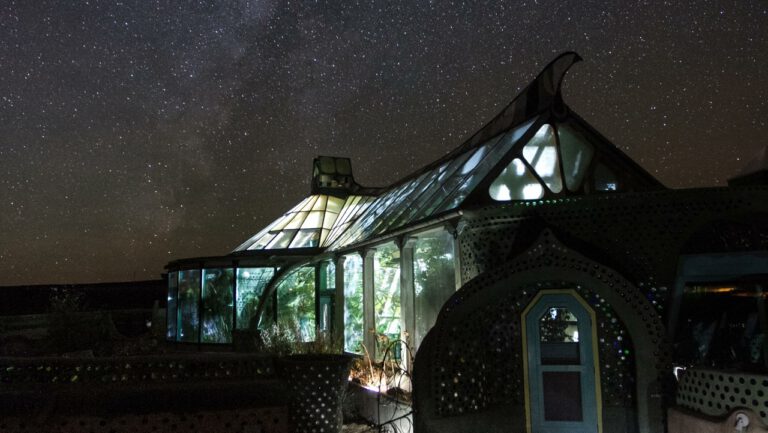
This earthship home in Phoenix is built from trash
In today’s world, sustainability and environmentalism are increasingly important in almost all walks of life. Creating a sustainable home, through conscious living and ethical decor and design, is a goal that many people are now striving to achieve.
Incorporating eco-friendly practices into your living spaces might sound daunting, but it can make a significant difference and doesn’t have to be hard. It can even be a way to enhance and elevate your decor, as designers and creators embrace sustainable choices to make beautiful, interesting pieces.
Here are five simple steps to boost your home’s sustainability and make a positive impact on the planet.
Embrace Nature-Inspired Design
You can travel sustainably near DC by renting a treehouse in the woods.
Just as a well-designed outdoor space enhances your connection with nature, an eco-friendly interior design is a great way to foster a deeper respect for the environment.
From black self watering window boxes to other stylish planter options, you can find versatile choices to suit your design preferences and practical needs. Enhancing your living spaces with thoughtfully curated details can elevate both functionality and visual appeal, creating a space you’ll love.
By mirroring the beauty of nature in your interior and exterior design, you create a home that feels more grounded and connected, all while creating a more conscious and sustainable space.
Choose Quality and Durability
One of the most problematic aspects of our society today is seeing possessions as disposable. Buying low-quality, flimsy furniture might help to save money in the short term, but you will find yourself throwing them away and replacing them as they break and degrade. This ends up being a false economy, as you have to spend more in the end to keep replacing shoddy pieces.
Sustainability goes hand in hand with durability. By selecting high-quality, durable furniture, your home decor will be built to last – good for the planet AND your wallet! Consider pieces made from sustainable materials like FSC-certified wood or recycled metals, for an extra added ethical boost. By investing in durable items, you reduce the need for frequent replacements, minimizing waste and conserving resources over time. This approach also aligns perfectly with the idea of designing for the long term—a principle that resonates deeply with those who appreciate the value of sustainable living.
Look for Double Use
Vintage Eames chair by Herman Miller
Well-made furniture can last for decades, and furniture doesn’t always have to be made from brand-new materials. If you are looking to have a lower environmental impact when it comes to your home design, pay attention to the materials used in the products you bring into your home.
Opt for items made from reclaimed or recycled materials, or go secondhand! You can even take things in hand yourself, and upcycle or repurpose old pieces that you might otherwise have thrown away. By making thoughtful choices, you contribute to a healthier environment and create a living space that stands the test of time.
Modularity for Flexibility
A wind turbine tiny home.
The concept of modularity, popularized by innovative outdoor furniture, is a perfect fit for a sustainable home. Embrace adaptable furniture arrangements that allow you to reconfigure your spaces as needed. This approach not only promotes flexibility in how you use your living areas but also reduces the need for excessive furnishings. The ability to transform your outdoor and indoor spaces with just a few adjustments is not only convenient but also aligns with a more conscious approach to consumption. How about a home made from an old wind turbine?
Mindful Consumption and Minimalism
Outdoor patio furniture that lasts in every season
One of the most impactful steps toward sustainability is adopting a minimalist mindset. Focus on acquiring items that truly add value to your life and serve a purpose. Avoid excessive clutter and opt for intentional decor that complements your space. When it comes to outdoor furniture, consider pieces that can multitask, like benches with storage space, a comfy outdoor sofa, or tables that can be easily expanded or collapsed. This approach encourages a more mindful consumption pattern and ultimately reduces your environmental footprint.
Building a truly sustainable home is about more than just choosing the right products. It’s a holistic approach to design, and even to life, that takes in decor, material, use, and consumption habits. By aligning your outdoor and indoor spaces with eco-friendly principles, you not only contribute to a healthier planet but also create a haven for yourself that resonates with your values. Whether you’re enjoying a quiet moment alone or connecting with loved ones, your sustainable home becomes a place where every small action makes a meaningful impact.
Remember, the journey towards sustainability is an ongoing one. As you make these simple yet powerful changes, you’re setting the stage for a future where the choices you make at home and environmental responsibility seamlessly coexist.
Australia is a sustainabilist’s dream. Nature in every city, around every corner
As the world becomes increasingly aware of the impact of tourism on the environment, many travellers are seeking ways to minimize their ecological footprint while exploring new destinations. For travellers leaving Australia, a country known for its stunning landscapes and biodiversity, adopting sustainable travel practices is not only a responsible choice but also a way to preserve natural beauty for future generations. Here are some practical tips for Australian travellers to make their journeys more environmentally friendly.
Choose sustainable accommodation
Selecting sustainable accommodation is an effective step towards responsible travel. Consider eco-friendly hotel chains that emphasise recycling, or try community-run guesthouses offering local experiences. Platforms like Airbnb allow travellers to share spaces, reducing the waste often associated with traditional hotels. Prioritising sustainable lodging choices can make a significant difference.
Shop locally and support local businesses
Choosing where you shop consciously during trips can diminish environmental impact. Opt for local vendors to not only boost small businesses but also to cut down on the carbon emissions from transporting goods from distant locations. Buying sustainably made or ethically sourced products enhances this effort. Embracing local markets also enriches the cultural experience of your travels.
Minimise your plastic consumption
Reducing plastic usage is crucial for eco-conscious travel. Here are some non-transport recommendations to minimise single-use plastics:
Carry reusable containers for snacks and meals.
Choose refillable water bottles and cutlery.
Opt for biodegradable toiletries, like shampoo bars.
Prioritise eco-friendly gifts over plastic trinkets.
Carry a reusable straw if needed.
These measures will not only protect the environment but also decrease the waste we produce on the go.
Eat locally-grown food
Eating local food reduces transport emissions and supports community farmers. Seasonal foods are fresher and entail less resource-intensive transport. Furthermore, indulging in local dishes provides a taste of the region’s culture, making your travels more memorable.
Be mindful of your carbon footprint
Australia is easy to get around. Good weather makes it easy to get around sustainably.
While transportation often has a notable carbon footprint, other aspects of travel can also contribute. Choose accommodations utilising renewable energy or those with waste-reducing practices. When possible, opt for longer stays to reduce frequent resource consumption. Favour locally sourced, organic foods, which usually have reduced packaging and transport emissions. Simple practices, like turning off unused lights or taking shorter showers, can also help you travel more sustainably.
Conclusion
Sustainable travel encompasses more than transport choices. Whether it’s eating local delicacies, selecting eco-friendly accommodations, or minimising plastic use, each traveller can reduce their environmental impact. Wherever the destination, ample opportunities await for a conscious and sustainable journey.