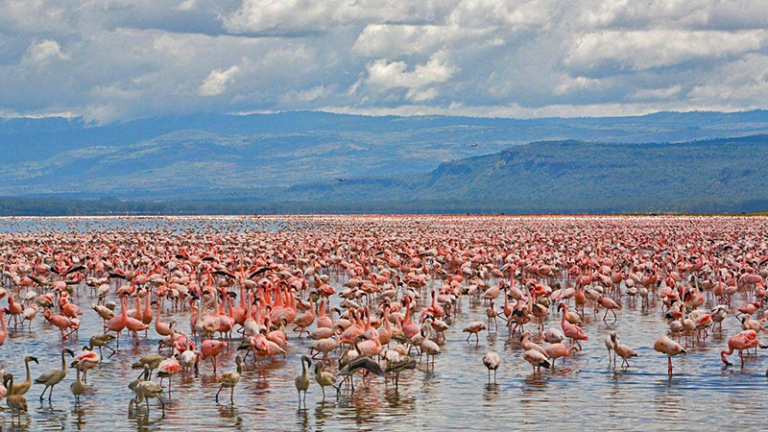
Lake Urmia, an inland salt lake in Iran has dried up completely this past summer and Iranians are blaming electric cars for this environmental tragedy: “Flamingos won’t be visiting Iran anymore,” says Iranian activist Siavash Safavi who has been arrested in Iran for holding hands with his girlfriend. He now lives in Canada and can talk freely against the regime without getting arrested: “The mullahs in Iran have dried out Urmia Lake, the biggest salt lake in the world, so that the Chinese can get lithium from the lake bed.
“This regime is not just killing Iranians. It’s killing Iran.”
Some of these minerals may include lithium that will be sold to China for electric vehicle batteries. As there is no free press in Iran, and researchers are in danger if they report the truth, we can’t know for certain.
Why has Lake Urmia dried up?
Experts in Iran, and at NASA, believe that excessive and illegal groundwater extraction and using the water of the once bountiful Zarrineh Rud − which feeds Urmia Lake − for irrigating their apple trees have contributed to the lake shrinking by nearly 95 percent in volume over the past 20 years.
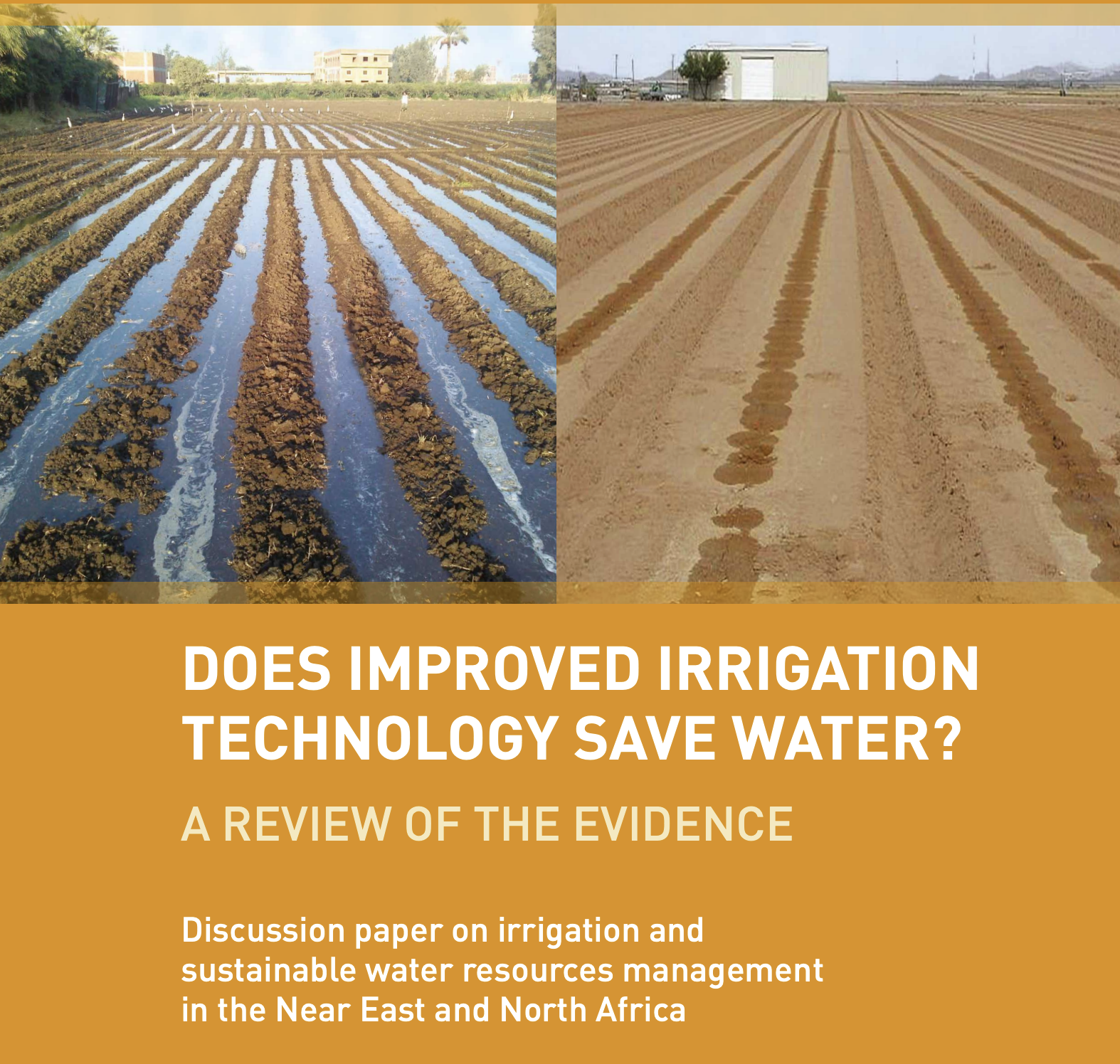
Chris Perry, a water irrigation expert who worked for the World Bank tells Green Prophet: “The lake has dried up because of excessive, uncontrolled access to groundwater.
“The water is used for irrigation, and the transpiration from the crops is lost to the local hydrological system. Converting to drip to “save” water allows a larger area to be irrigated and hence an increase in consumption. The attached report (links to PDF) addresses this issue in many countries including Iran.”
See a time lapse of Lake Urmia disappearing:
Lake Urmia mineral extraction for EVs or just plain old salt? Activists say that Iran is selling lithium to China.
In 2015 Iran started a water transfer to replenish Lake Urmia, and water can be seen returning to the lake in 2020. But by 2023 NASA had captured that Lake Urmia was completely dry.
Lake Urmia over time from 2000 to 2020.
A few years after a fresh influx of water raised its levels, the large lake has nearly gone dry and dried out completely in August 2023.
Lake Urmia was the largest lake in the Middle East and was one of the largest hypersaline lakes.
According to NASA the reasons are several. Consecutive droughts due to climate change, agricultural water use, and dam construction on rivers feeding into the lake have contributed to the decline.
A shrinking Lake Urmia has implications for ecological and human health, says NASA: “The lake, its islands, and surrounding wetlands comprise valuable habitat and are recognized as a UNESCO Biosphere Reserve, Ramsar site, and national park. The area provides breeding grounds for waterbirds such as flamingos, white pelicans, and white-headed ducks, as well as a stopover for migratory species.
“However, with low lake levels, what water remains becomes more saline and taxes the populations of brine shrimp and other food sources for larger animals.”
A shrinking lake also increases the likelihood of dust from the exposed lakebed becoming swept up by winds and degrading air quality. And recentstudies have linked the low water levels in Lake Urmia with respiratory health impacts among the locals.
Lake Urmia in 2020, NASAOn September 7, 2023, the OLI-2 (Operational Land Imager-2) on Landsat 9 captured this image (above) of the desiccated lakebed. It stands in contrast to the image from three years earlier, acquired by the OLI on Landsat 8 on September 8, 2020, when water filled most of the basin and salt deposits were only visible around the perimeter of the lake. The replenishment followed a period of above-average precipitation that sent a surge of freshwater into the basin, expanding its watery footprint. Drier conditions have since brought levels back down.
They must be hoping the Houthis of Yemen stop hijacking ships on the Red Sea as Saudi Arabia’s Neom steps up its mission to make Saudi Arabia a world tourism site. The latest from Neom, the company that developed the linear city The Line, is Leyja, being touted as a sustainable tourism destination.
Steeped in history and mythology (will there be jinns?), Leyja is a string of hotels starts from the Gulf of Aqaba coast and its alluring waters in the west, then winds inland to form a magnificent natural valley carved between 400m-high mountains that have been crafted over long centuries by the power of nature and water.
Aligned with NEOM’s strategy to designate the majority of its land across its destinations and cities as a nature reserve, 95% of Leyja will be preserved for nature and will combine innovative, ecological design and construction techniques to ensure the development seamlessly blends into the landscape.
Leyja’s three hotels have been intelligently and sensitively designed by world-leading architects to complement the surrounding nature, operate sustainably, and provide distinct experiences. The three properties will offer 120 elegant boutique rooms and suites, split equally with 40 keys at each.
The first property is tailor-made for active adventure. The deconstructed design ascends the walls of the wadi like a staircase, its structure effortlessly tracing the topography with minimal disturbance of the terrain’s natural lines. Its unique location, folded into the cliff top and valley sides, lends itself to those seeking rock climbing and other high-octane experiences in the surrounding area.
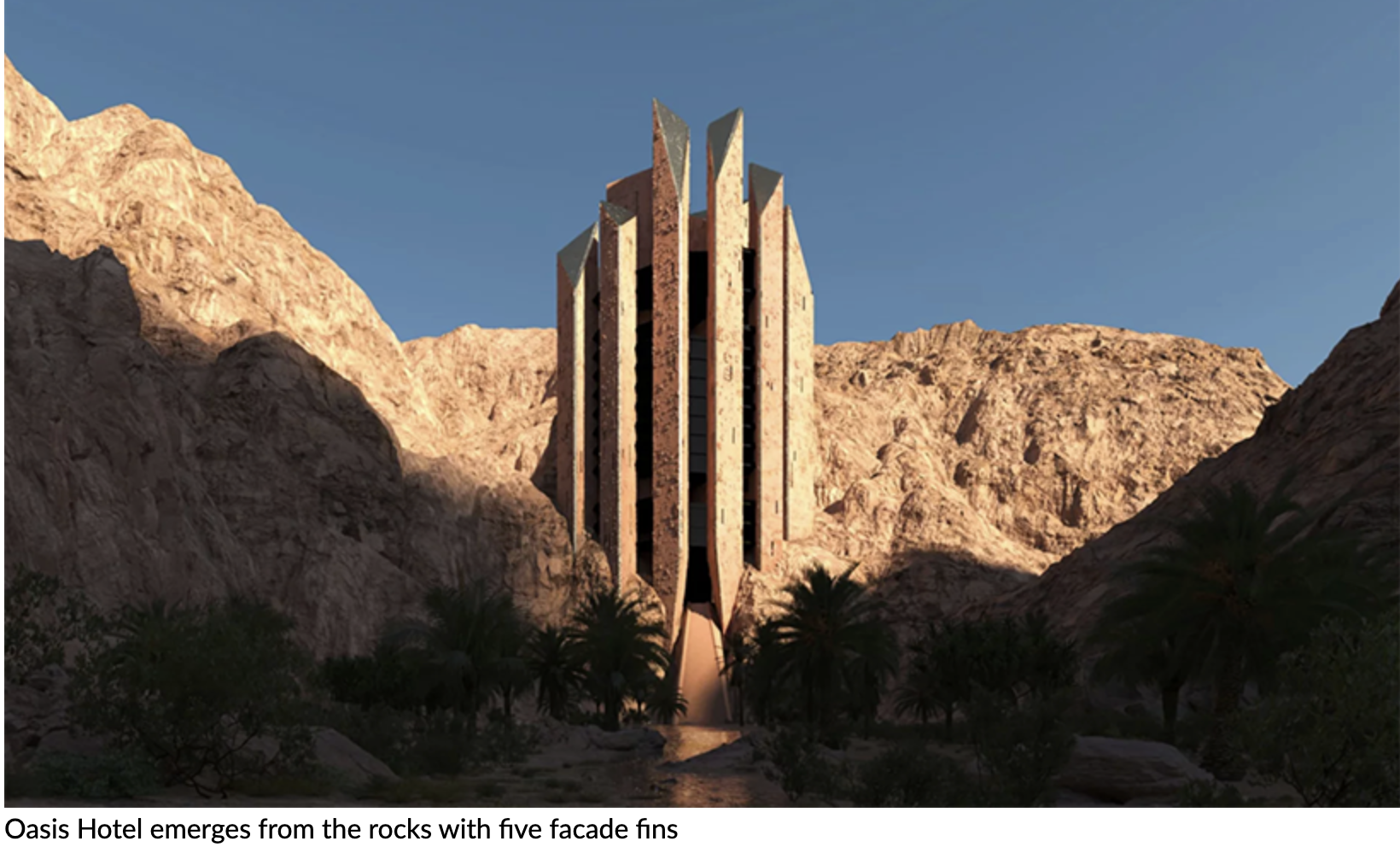
The second property rises from the rock to sit prominently at the heart of the wadi’s largest oasis, functioning as an enchanting gateway to discovery and exploration of the valley that continues beyond. The impressive staircase ascending from the canyon to the entrance of the property is a journey of discovery, offering unrivalled views of the valley in all its beauty.
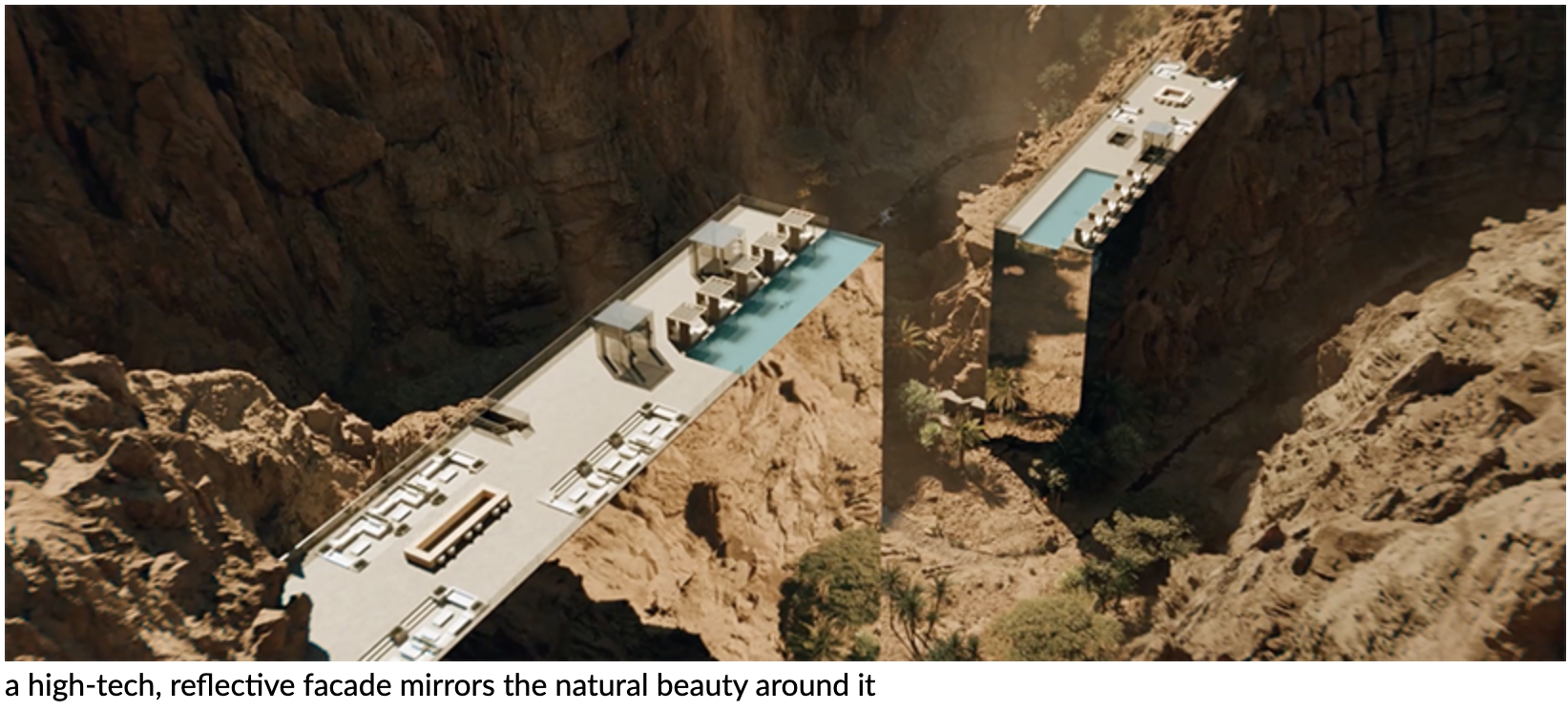
The third property is an immersive wellness retreat that promotes longevity, with a high-tech, reflective façade mirroring the surrounding beauty and valley walls. This allows the wadi’s natural passage through the property’s center, providing visitors with a unique and interactive experience.
Once developed, Leyja will offer an extensive selection of refined experiences and activities, including fine dining and contemporary restaurants presented by world-renowned chefs. Wellness facilities and rooftop infinity-style pools across the three properties are also key features. Extensive guided wadi walks, and enthralling hiking trails set in the valley’s dramatic mountain landscapes await guests, with mountain biking and climbing on offer for those looking for adventure.
Hanging tent, a low cost way to do something unusual and special in nature
In the intricate tapestry of modern life, where the notes of daily routines often play a discordant melody, finding harmony between personal well-being and environmental health is more critical than ever. Enter eco-wellness – a harmonious blend of green living practices that not only enrich your life but also echo positively in the footsteps you leave on the planet. This comprehensive exploration delves into top-notch tips, incorporating the latest trend in healthcare – telehealth visits – to seamlessly integrate green living into your daily routine, ensuring a healthier, happier you in the new year.
Breathe in Nature’s Pharmacy: The Power of Indoor Plants
Plants spruce up your dorm and clean the air
Infuse your living space with the serenity of nature. Houseplants aren’t just aesthetically pleasing; they act as natural air purifiers, filtering out toxins and releasing invigorating oxygen. Species like snake plants, peace lilies, and spider plants go beyond mere decoration; they become your silent wellness warriors, enhancing both physical and mental health.
Research various indoor plants, care instructions, and their benefits to your well-being. Then, find a local nursery, farmer’s market, or ecommerce store that offers the plants that best suit your needs.
Mindful Munching: Embrace Organic Nutrition
100% vegan mac and cheese
Your body, a sacred temple, deserves nourishment that aligns with both personal and planetary health. Opt for organic, locally sourced produce to minimize exposure to harmful pesticides and support sustainable farming practices. A diet rich in organic fruits and vegetables not only provides essential nutrients but also contributes to a healthier ecosystem, promoting overall well-being.
Shopping at your local farmer’s market is one way to jumpstart your journey to green living. However, if you want to take things up a notch, consider starting a garden. While the idea may sound intimidating, there are many approaches to match your skill level and lifestyle. Whether you start with a few herbs in the windowsill, a designated shelf in your house, or create a space in your backyard, you’ll quickly see how gardening improves your health, helps the environment, and saves you a few bucks.
Morning Rituals: The Green Commute
Escape the stress of traffic jams and the hustle of crowded public transport by embracing a greener, healthier alternative – cycling or walking. This not only reduces your carbon footprint but also kick-starts your day with invigorating exercise, promoting cardiovascular health and mental well-being. The rhythmic cadence of your footsteps becomes a celebration of both personal and environmental vitality.
Sustainable Sips: Hydration with a Purpose
Quench your thirst sustainably by investing in a reusable water bottle. Step away from single-use plastics and opt for stainless steel or glass alternatives. By doing so, you not only contribute to reducing plastic pollution but also ensure that you stay optimally hydrated, promoting clearer skin, improved digestion, and enhanced cognitive function.
Tech Detox: Unplug to Reconnect
Unplug the kids too
In our hyper-connected world, taking time to disconnect is a crucial act of self-care. Designate tech-free zones in your home, create screen-free hours, and immerse yourself in the therapeutic embrace of nature. A digital detox not only reduces stress but also enhances the quality of your sleep, leaving you refreshed and rejuvenated to face the challenges of a new day.
DIY Green Clean: Chemical-Free Living Spaces
Every square meter of flooring should be healthy and ecologically sound. This is how you do it.
Bid farewell to harsh chemical cleaners that not only harm your health but also contribute to environmental degradation. Embrace natural alternatives like vinegar, baking soda, and essential oils. Not only are they effective in keeping your home spotless, but they also contribute to better indoor air quality, fostering respiratory health and overall well-being.
Sun-Kissed Serenity: Harness the Power of Vitamin D
Step into the sunlight – nature’s free multivitamin. Spend time outdoors, bask in the sun’s warmth, and let your body naturally produce Vitamin D. This not only strengthens your bones but also boosts your mood, reducing the risk of depression and promoting overall mental well-being. It’s a simple yet profound way to align your health goals with the rejuvenating power of the natural world.
Eco-Fitness: Workouts with a Green Twist
Exercise doesn’t have to involve crowded gyms or energy-guzzling machines. Embrace eco-friendly workouts like hiking, outdoor yoga, or community-based activities. Not only will you stay physically fit, but you’ll also foster a sense of community and connection – vital components for both mental and emotional health. The rhythmic harmony of your movements echoes the unity of personal and planetary well-being.
Mindful Waste Management: Reduce, Reuse, Recycle
Become a conscious consumer by adopting a zero-waste lifestyle. Reduce your dependence on single-use plastics, repurpose items creatively, and recycle diligently. By minimizing your ecological footprint, you actively contribute to a healthier planet, and in return, experience the mental satisfaction of knowing you’re part of the solution. This mindful approach to waste management becomes a small but impactful daily practice that embodies the essence of eco-wellness.
Telehealth Triumph: Greening Your Healthcare
In the era of technological marvels, embrace the convenience of telehealth visits. Minimize travel-related emissions, reduce the strain on transportation resources, and consult with healthcare professionals virtually. Whether you need a wellness checkup or solutions like a uti care plan, thyroid medication, or diabetes treatment, you can connect with a doctor and get the care you need without the long commutes. This not only saves time but also contributes to a more sustainable healthcare system, aligning seamlessly with your green living ethos. Telehealth becomes a modern manifestation of prioritizing both personal and planetary well-being.
Green Retreats: Nature Escapes for Mental Rejuvenation
Stedsan’s in the woods, in Sweden. A floating sauna.
Plan occasional getaways to natural havens – be it a secluded forest, a tranquil beach, or a scenic mountain retreat. Nature retreats have been scientifically proven to reduce stress, lower blood pressure, and enhance overall well-being. Taking the time to unplug, unwind, and reconnect with the healing power of the great outdoors becomes a transformative experience, further solidifying the interconnectedness of personal and planetary health.
Green living is not a passing trend; it’s a holistic approach to enhancing your well-being while actively contributing to a healthier planet. By incorporating these tips into your daily life, including the convenience of telehealth visits, you not only enjoy the immediate benefits of improved health but also contribute to the long-term sustainability of our precious environment. Remember, a healthier you is a happier planet – a win-win for all.
Expanding the edge of what is possible to deliver to the next generation of autonomous vehicles.
Dubai-based robotics startup Micropolis develops autonomous vehicles and is now raising $37 million in an IPO. The electric vehicle startup intends to list its shares on the New York Stock Exchange (NYSE). In its submission to the US Securities and Exchange Commission (SEC), Micropolis disclosed plans to offer 8.2 million shares at a price range of $4 to $5 per share, potentially placing the company’s valuation at around $172 million, the company announced.
Established in 2014 and located in Dubai Production City, Micropolis develops of autonomous mobile robots (AMRs) utilizing wheeled electric vehicle (EV) platforms. The company is strategically capitalizing on the burgeoning robotics industry in the Gulf Cooperation Council. They have started collaborating with the Dubai police. We are used to seeing unusual cars out of the UAE – from gold Mercedes on the streets being pulled over by police driving Lambos. But who needs to work and drive if it can be all electric and police by itself?
Headquarters in Dubai
The United Arab Emirates is positioning itself as a leader in robotics innovation, particularly in the realm of developing autonomous systems for diverse industries. The police vehicle feels like it’s part of the Neom dystopian universe in Saudi Arabia.
The robots, according to the company possess the capability to function autonomously, finding applications across various sectors such as security, hospitality, real estate, retail, sanitation, and logistics. Notably, the company collaborated with Dubai Police to implement self-driving patrols, enhancing security surveillance operations.
It took 65 engineers 5 years of research to build the vehicle named Autonomous Police Patrol M02, which according to its makers can function with an accuracy rate of 99.9 percent.
Additionally, Micropolis has designed a surveillance robot equipped with a surveillance camera and a drone launcher, catering to the needs of the Saudi Arabia Ministry of Interior.
Would you invite these cars into your neighborhood?
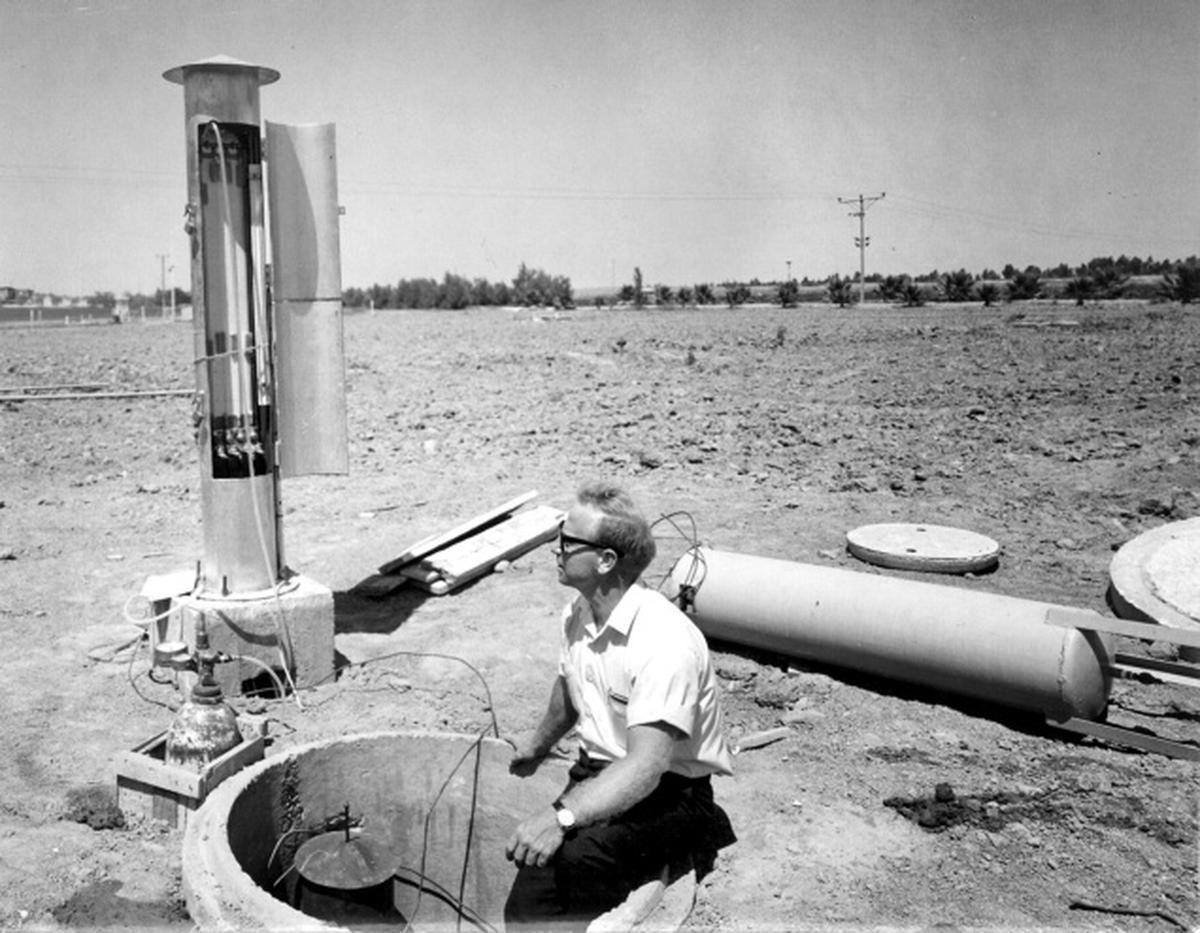
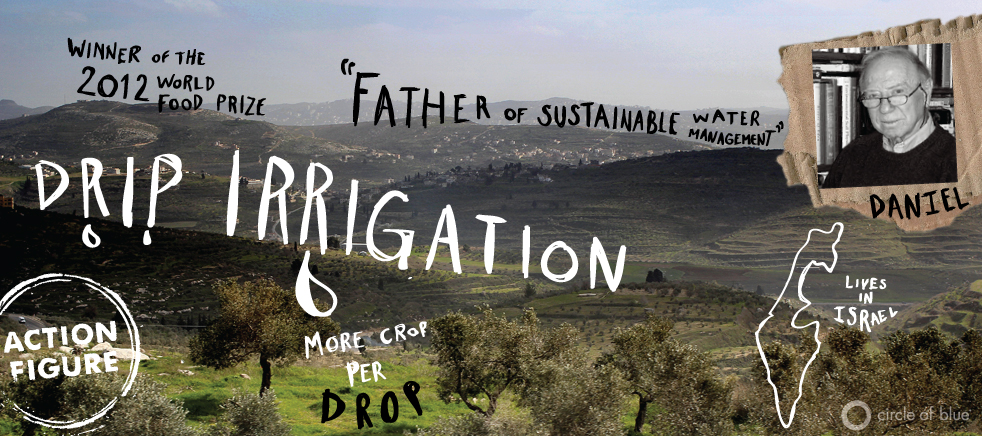
Who was Daniel Hillel and how has he forever changed water’s relationship to food? He was an American who moved to Palestine in the 1940s. He then pioneered desert agriculture in Israel’s Negev Desert.
Daniel Hillel was born the youngest of five children in Los Angeles, California, at the beginning of the Great Depression. His father died in 1931 when Daniel was one year old, and shortly thereafter his mother moved the family to live with her parents in Palestine, a part of which eventually became the State of Israel in 1948.
At the age of nine, Daniel was sent to live in the countryside on a kibbutz. His experience in this dry, agrarian setting inspired his lifelong appreciation of the land and the need to protect its resources, leading him to pursue an academic and professional career in agriculture.
Daniel Hillel
In 1946, the teenaged Hillel returned to the United States to attend high school in Charleston, South Carolina, the former hometown of his maternal grandparents. He earned a Bachelor of Science degree in agronomy from the University of Georgia in 1950, and a Master of Science degree in earth sciences from Rutgers University in 1951.
Hillel’s first posting upon returning to the nascent state of Israel in 1951 was with the Israeli Ministry of Agriculture, where he took part in the first mapping of the country’s soil and irrigation resources.
He soon left the Ministry to join a group of idealistic settlers dedicated to creating a viable agricultural community in the Negev Desert highlands by nurturing the region’s meager but vital resources.
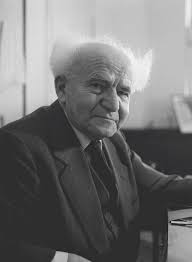
In 1952, he took part in establishing the Negev settlement of Sde Boker. When the country’s first Prime Minister, David Ben Gurion, toured the area with his wife a year later, he was so impressed by that venture that he resigned from the government and became a member of Sde Boker.
David Ben Gurion
Ben Gurion and Hillel became close friends as they worked together on the kibbutz. Recognizing the young scientist’s exceptional capabilities, Ben Gurion sent him on goodwill missions to promote sustainable agricultural techniques in developing countries. In 1956, Hillel was sent to Burma on his first assignment to help develop the country’s frontier.
Later, in 1957, he earned a Ph.D. in soil physics and ecology at Hebrew University of Jerusalem, then did post-doctoral work at the University of California in soil physics and hydrology from 1959 to 1961.
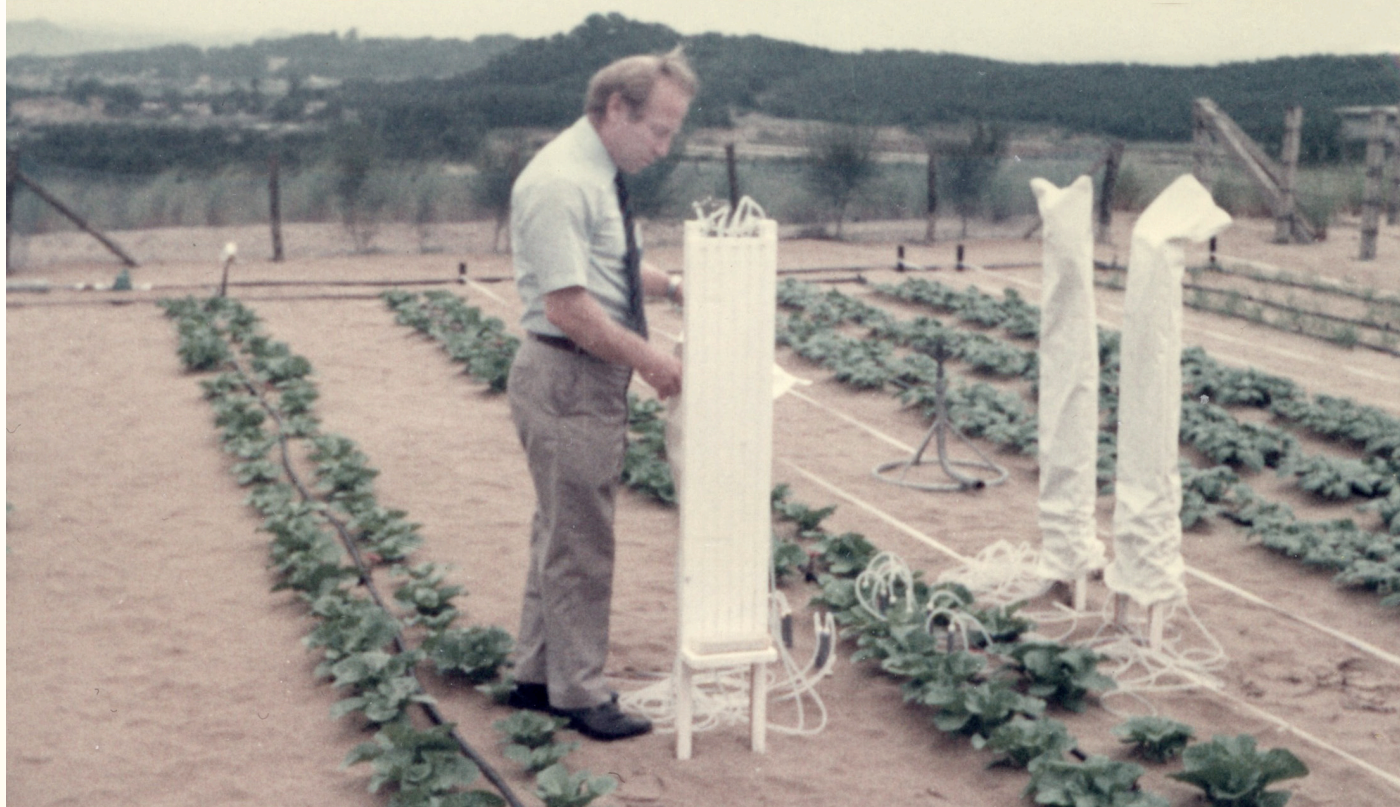
He pioneered drip irrigation
Throughout his work, Hillel pioneered a new approach to irrigation that led to a dramatic shift away from the prevailing method used in the first half of the 20th century, which applied water in brief periodic episodes of flooding to saturate the soil, followed by longer, drying out periods. The new, innovative method developed and disseminated by Hillel and others in Israel applied water continuously, in small amounts, directly to the plant roots, with dramatic results in plant production and water conservation.
Hillel is featured in the film Symphony of Soil
Hillel’s development and promotion of better land and water management clearly demonstrated that farmers no longer needed to depend on the soil’s ability to store water, as was the case when using the age-old method of high volume, low frequency irrigation.
Hillel proved that plants grown in continuously moist soil, achieved through micro-irrigation, produce higher yields than plants grown under the old flooding or sprinkler irrigation methods. Using less water in agriculture per unit of land not only conserves a scarce resource in arid and semi-arid regions, but also results in significantly “more crop per drop,” with the successful cultivation of field crops and fruit trees – even in coarse sands and gravel.
An Israeli-American company, Rivulis applies principals developed by Simcha Blass and David Hillel
By integrating complex scientific principles, designing practical applications, and achieving wide outreach to farmers, communities, researchers, and agricultural policymakers in more than 30 countries, Hillel has impacted the lives of millions.
His water management concepts—promoted by the UN Food and Agriculture Organization as HELPFUL (High-frequency, Efficient, Low-volume, Partial-area, Farm-unit, Low-cost)—have spread from Israel to Asia, Africa, Australia, and the Americas. HELPFUL irrigation technology is now used to produce high-yielding, nutritious food on more than six million hectares worldwide.
Harvesting rainwater
Hillel also helped devise a range of other adaptable, sustainable water management techniques for arid regions, specifically, harvesting rainwater by inducing and collecting runoff from sloping ground, which could allow farmers to grow crops on previously barren lands.
His innovative approaches to enhancing infiltration and reducing evaporation through soil surface treatments have enhanced agricultural productivity. He has defined ways to control the leaching of solutes, the water-logging of root zones, and the erosion of topsoil by precisely determining the supply of water required with only small increments of percolation and drainage needed to prevent salt accumulation.
Hillel participated in many missions around the world, working for and with international agencies and organizations such as the World Bank, the UN Food and Agriculture Organization (FAO), and the U.S. Agency for International Development to promote water-use efficiency in dozens of countries in Africa, Asia, and South America. He also worked with the International Food Policy Research Institute in Washington D.C. and the International Development Research Center of Canada.
He held positions as a Senior Research Scientist at the Center for Climate Systems Research, part of the Earth Institute of Columbia University, and with NASA/Goddard Institute for Space Studies.
Along with his international field and development work, Hillel embarked on a career in academia as a researcher and professor at the Hebrew University in Jerusalem, the University of Massachusetts, Columbia University, and other major research centers worldwide.
He wrote or edited more than 20 books on soil and water science; his seminal textbooks have been translated into 12 languages. He has published more than 300 scientific papers, research reports, and practical manuals, and authored books for the general public on the vital role of soil and water in healthy agro-ecosystems.
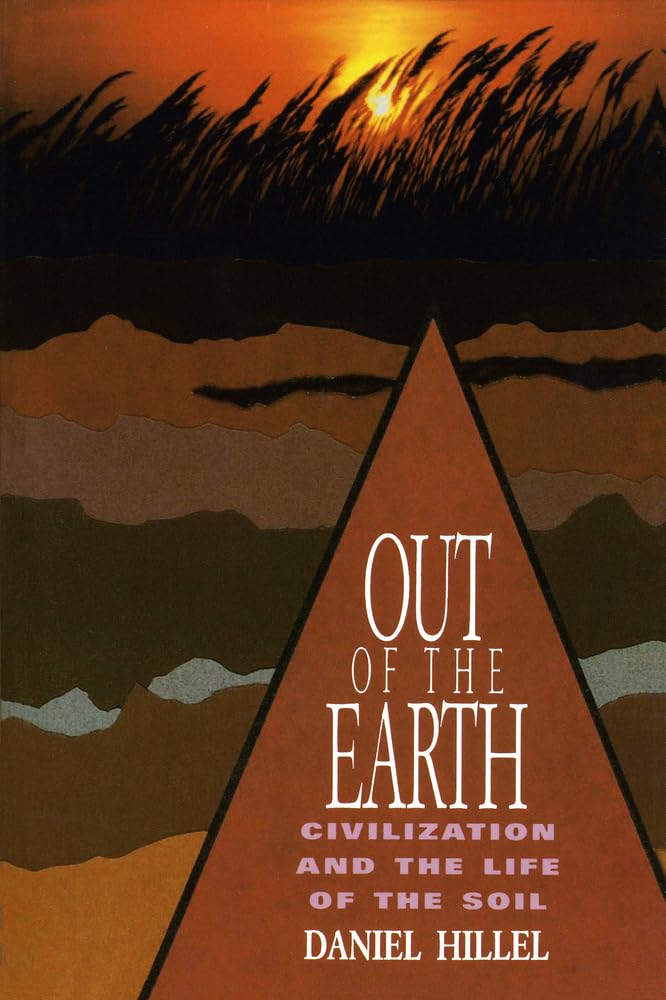
Daniel Hillel, Out of the Earth
Hillel demonstrated the synergistic linkages across food production, water management, and soil science. His achievements have been and will continue to be essential to extending the Green Revolution and confronting the many global challenges in fighting hunger and poverty into the next century.
For his critical work in developing new micro-irrigation systems and disseminating this revolutionary approach to more than 30 countries, he was awarded The World Food Prize in 2012. Significantly, his nomination included letters of support from individuals from three Arab countries.
Israeli irrigation expert Dr. Daniel Hillel with Palestinian leaders.
At the ceremony at which he received The World Food Prize, the Secretary General of the United Nations, H.E. Ban Ki-moon joined in presenting the sculpture to him, and Princess Haya bint Al Hussein and Sheikh Hamad Bin Ali Bin Jassim Al-Thani of Qatar were also in the audience.
“Water has been a very big topic of concern here in the State Department,” said then Secretary of State Hillary Rodham Clinton. “We have tried to focus our government’s attention and the world’s attention on the importance of getting ahead of what will be a devastating water crisis if we are not smarter and more purposeful in addressing the problems now. It’s especially fitting that we honor today someone who has made such contributions because he understood the critical role that water plays in agriculture and the importance of getting every last drop used efficiently.”
Hillel said in a statement on winning the award: “My joy and gratitude at being granted the World Food Prize this year is tempered by the realization that the work this award recognizes is far from complete. The task of improving the sustainable management of the Earth’s finite and vulnerable soil, water, and energy resources for the benefit of humanity while sustaining the natural biotic community and its overall environmental integrity is an ongoing and increasingly urgent challenge for our generation and for future generations.
“Meeting this challenge will require enhanced global cooperation and integrated scientific research. It is a task, indeed a collective responsibility, that we cannot shirk and must indeed broaden and intensify.”
Daniel, sadly, passed away in 2021 and was given a tribute by World Scientific Publishing, where he published a number of books. Using less water in agriculture per unit of land not only conserves a scarce resource in arid and semi-arid regions, but also results in significantly “more crop per drop”.
Hillel was also a dedicated teacher who, through his signature textbooks, literally taught thousands of students the fundamentals (or as he would say, “Da Mental Fun”) of soil and water processes.
Mia Schem Instagram photo. Mia Schem was kidnapped to Gaza on Oct 7 and used her Jewish skills to survive. Cooking was one of those skills.
A Jewish woman named Rachel kept a number of Hamas terrorists calm by preparing them cookies on the Oct 7 terror attack on Israeli communities outside the Gaza Strip. Jewish women do have their wiles, most apparent when it comes to cooking. Jewish women from North African countries such as Morocco, Tunisia and Libya are known for the tastiest food. Jewish traditions found in Israeli cooking incorporate flavors from the Diaspora. When Mia Schem (her Instagram is here), the Israeli-French national kidnapped by Hamas terrorists wanted to keep herself alive, she did what she knew best: she cooked Jewish food like her mother taught her and like her life depended on it.
Although she had only one functional arm, she instructed a group of Hamas terrorists what they needed to buy at the market, she said on the half hour video she released in Israel. She was going to cook for them a Libyan dish known as tbeha. Libyan food or Tripoli food, as it’s sometimes known in Israel, is rich with long-simmering sauces that include paprika (hot and sweet), cumin and maybe some baharat. They are North African stews best enjoyed with a chunk of fresh bread or a bowl of fluffy couscous.
Do you want to learn to cook to save your life? Try the life-saving meal, tbeha cooked by Mia Schem. This is a Green Prophet version of the tasty dish that can be cooked with chicken, beef or for protein you can add tofu or chick peas. Feel free to load up on the olive oil. It’s only good for you. Once you have the sauce down pat you can pretty much make plenty of variations adding potato, zucchini, chickpeas, English peas, and haricot vert. My favorite is with green peas and potatoes, plain and simple without the meat. The key is to cook and simmer for a long time, hours if you have the time.
In Jewish households it is customary to have pots of hot food simmering on a blech overnight well into the next day as religious or observant Jews do all their cooking before the Sabbath starts. This way, a real rest for all can be had, with bullies full and satisfied.
Ingredients for tebha:
Tebha can save your life. This Libyan dish was prepared by Mia Schem as a way to keep the Hamas terrorists keeping her in Gaza both calm and happy. Image via The MD Chef
2 pounds chicken, cut into pieces
3 large potatoes, peeled and chopped
2 large onions, finely chopped
4 cloves of garlic, minced
small can of tomato paste
1 cup chickpeas cooked (canned or frozen is okay)
1/4 cup olive oil or more. You can lighten buy adding any tasteless vegetable oil.
optional variations: 1 pound green peas, green beans, green or brown lentils. Tomato chunks.
Instructions:
Sauté Vegetables:
In a large wide pan, heat olive oil over medium heat.
Add chopped onions and minced garlic, sauté until softened.
Incorporate tomato paste, spices, salt, and pepper. Stir well.
Cook Chicken:
In a separate pot, brown the chicken or beef pieces on all sides with a bit of oil.
Once browned, add meet to sauce
Combine and Simmer:
Mix the ingredients well, ensuring the chicken is coated with the spices.
Pour in enough water to cover the ingredients and bring the mixture to a simmer.
Add potatoes, and also add vegetables such as peas, green beans, lentils.
Let it cook over low heat until the chicken or beef is tender, and the flavors meld. You can make a variation with tofu or any other kind of vegan protein such as adding more chickpeas.
Adjust Seasoning:
Taste and adjust the seasoning as needed. Add more salt, pepper, or spices to suit your preferences. We sometimes add a teaspoon of vegan soup mix for extra flavor. A dash of white wine or red never hurt anyone.
Serve:
Once the tbeha is cooked and the flavors have melded, it’s ready to be served.
Garnish with fresh coriander or parsley before serving on a fluffy bed of couscous.
Libyan cuisine is a reflection of the country’s rich history from North African, Jewish, Berber and Arab and Ottoman influences along with Italian cultures. In Libya, tbeha is a staple dish enjoyed during family gatherings and celebrations. It showcases the country’s agricultural abundance, with ingredients like chickpeas, lentils, and tomatoes being widely produced.
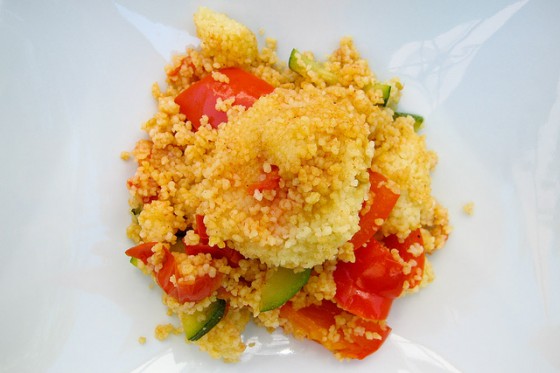
Couscous, great for saving money on meals or an easy dish that satisfies in the winter
Want to know more about Libya’s sustainability initiatives and the environment there? Dive in here. Looking for more food? Here is an Iftar-inspired vegetarian couscous dish. Couscous common in North Africa is the national dish of Libya.
Plastics are washing up everywhere. A Greek-Israeli architect explores the problem while on daily walks. And offers solutions and people driving innovation.
For the past three months we’ve been living on a Greek island, Aegina island, a marine-dependent community and economy. In my morning walks along the sea front, I meet neighbors, dog owners, couples, and joggers, who enjoy the outdoors in a climate-changed warm winter.
My walk passes by rocky and sandy beaches, and small docks with fishing boats. It also passes by sculptures by renowned artists Yiannis Moralis, and Christos Kapralos, the former residence of author of “Zorba the Greek”, Nikos Kazantzakis, overlooking the Saronic sea.
Elias Messinas collects plastics washed up from the Saronic Sea
I also pass by the Bouzas lighthouse, exquisite chapels like Aghia Filothei and Agioi Apostoloi, studios of artists, like Christos Kapralos and Nikos Nikolaou, and the former residences of archaeologists Gabriel Welter, and Belle Mazur, who studied and published the ancient mosaic of the local synagogue dating from the 4th century CE.
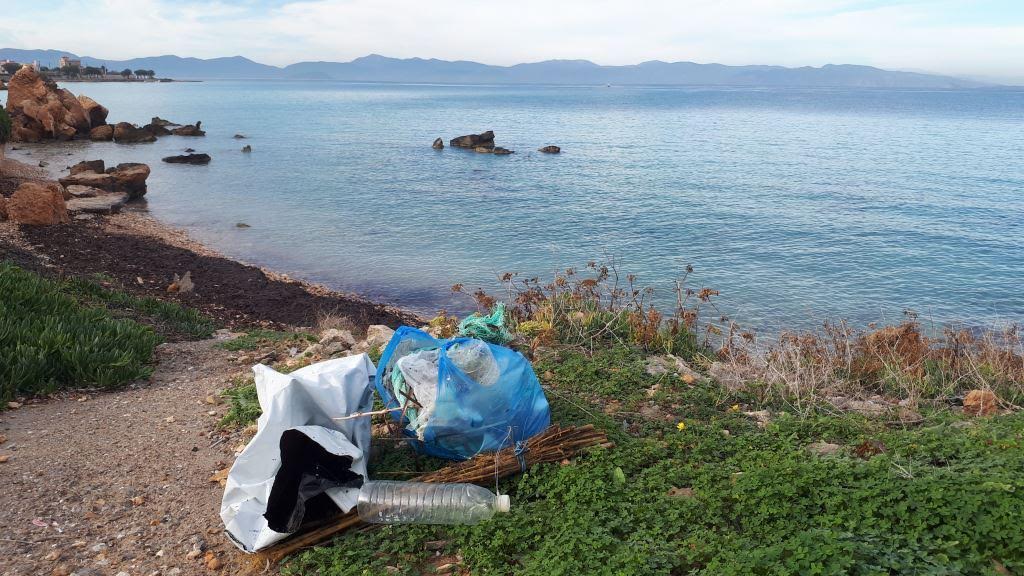
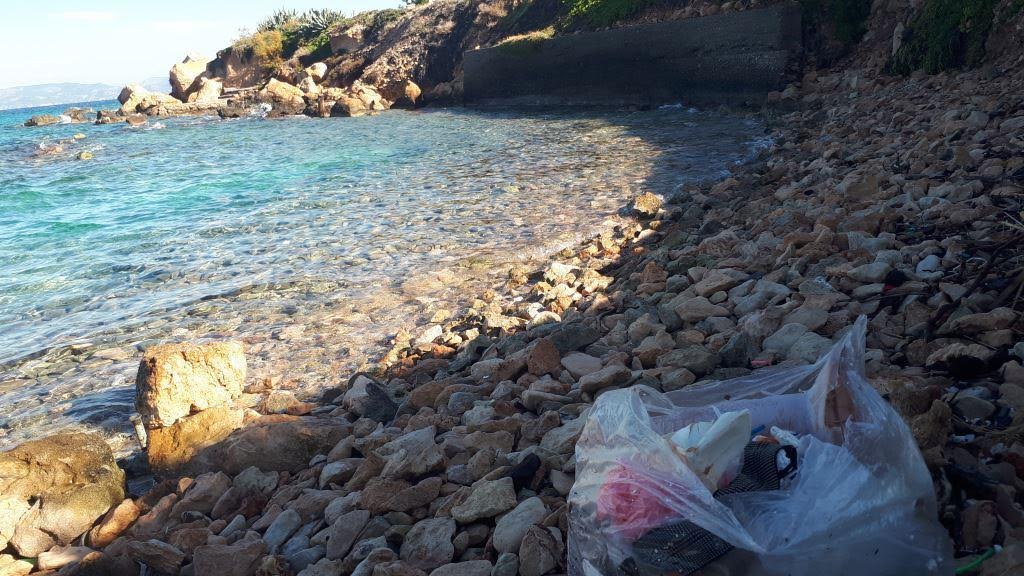
The morning walk is like a history tour. With such a legacy on the island, it is difficult to remain indifferent when encountering a plastic bag or a plastic bottle or a white piece of polystyrene foam stuck between the rocks or lying on the sand on the seashore. Especially near one of these important cultural heritage sites.
Living in a sea-dependent community, one realizes the practical meaning of the Cradle-to Cradle cycles. The technical cycle, such as the manmade environment, where waste must be carefully disposed and reused. The biological cycle, or the natural environment, where organic waste free of chemicals is absorbed back into the natural ecosystems. Biological cycles can also be generated by human activity, like composting household organic waste at home.
In reality, keeping the two cycles apart, seems like a Herculean feat, especially in communities who still struggle with basic household waste management. So, the system has flaws. Leading to waste entering the biological or natural cycle, in particular the marine environment, and in particular, through plastic waste pollution. It may prove to be a ticking bomb, as polluting marine life and habitats in the sea and seashore threatens the human food chain through the consumption of local fish.
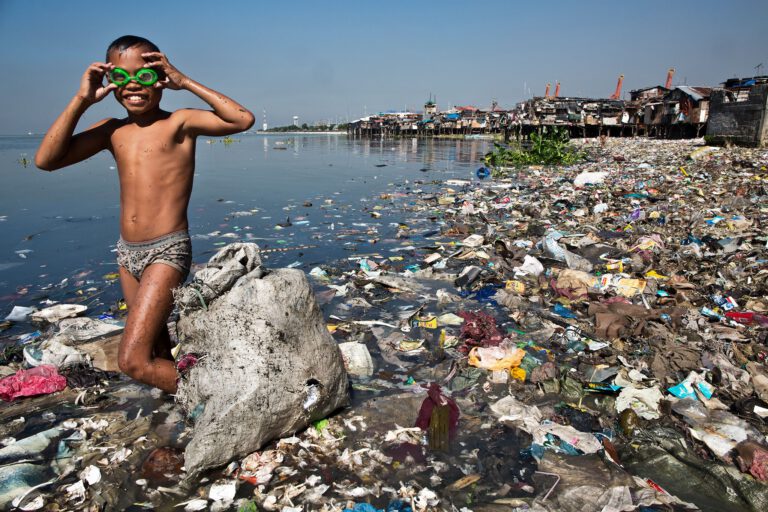
This local community of 14,000, growing to 40,000 or more in the summer, is a small percentage of the global more-than 6.4 billion people who live in coastal communities in 192 countries. Collectively, they generate 99.5 million tons of plastic waste discarded within 50 km of the ocean. Although, 8.3 billion tons of plastics were produced in the past sixty years, only 9.5% were recycled. The numbers are certainly a reason to worry. With an estimated 150 million tons of plastic already polluting the world’s oceans, 9.1 million tons are added every year, with an estimated growth of 5% annually. Studies estimate that by 2025 plastics will be equal to one third of fish (by weight), and in 2050, plastic waste will weigh more than fish stock.
Plastics in the sea, decompose and break into tiny fragments, called microplastics, thatthreaten sea life. Plastic waste pollutes the beaches and is often riding the waves. But, can also sink in the seafloor, affecting marine organisms in their reproduction. Plastic waste may cause injuries and death of marine species. Studies show that plastic waste has affected at least 267 species worldwide. Further, the human food chain, and the local economy, are also affected, as coastal tourism is directly dependent on the quality and health of fish, sea and seashore.
As I observe plastic polystyrene pieces and fragments, plastic bottles, bottle cups, straws, lighters, ropes, hangers, wraps, bags, and wrappers, in my morning walks, I often try to imagine ways of dealing with this worrying issue. I would prioritize the reduction of plastic production and consumption. Some countries, like Canada, are already considering such moves, although the COVID pandemic caused a serious regression in phasing out single-use plastics in many countries.
The gold dust bought at Walmart may make your graduation photo pretty. But one blow and it’s forever cycling as microplastics that will get into our lungs.
Another solution would be to substitute plastics with bio-degradable materials. On the island some businesses already use bio-degradable bags. However, most businesses still opt for the cheap plastic choice. Education is key in raising awareness to prevent irresponsible disposal of plastics. Education can also encourage people to substitute single-use plastics and plastic products in their daily routine.
Local and national governments could tax the use of specific plastic products, considering the damage they cause at local marine ecosystems. I often think of the day when consumers’ IDs will be printed on the plastic product, container or wrapper, and consumers would be subject to fines. Finally, the day may come when plastics are banned, or replaced by bio-based alternatives.
These actions would certainly tackle the problem. However, they would take may years to realize and bring results. This is why many organizations choose immediate action.
For example, the Aikaterini Laskaridis Foundation in collaboration with the Netherlands based design firm The New Raw, have initiated the BlueCycle initiative to collect and reuse plastic waste from shipping and fishing activities. They create raw material to produce high quality 3D printed urban furniture and other design products. [Listen to ECOWEEK Green Talks podcast with architect Panos Sakkas of The New Raw]
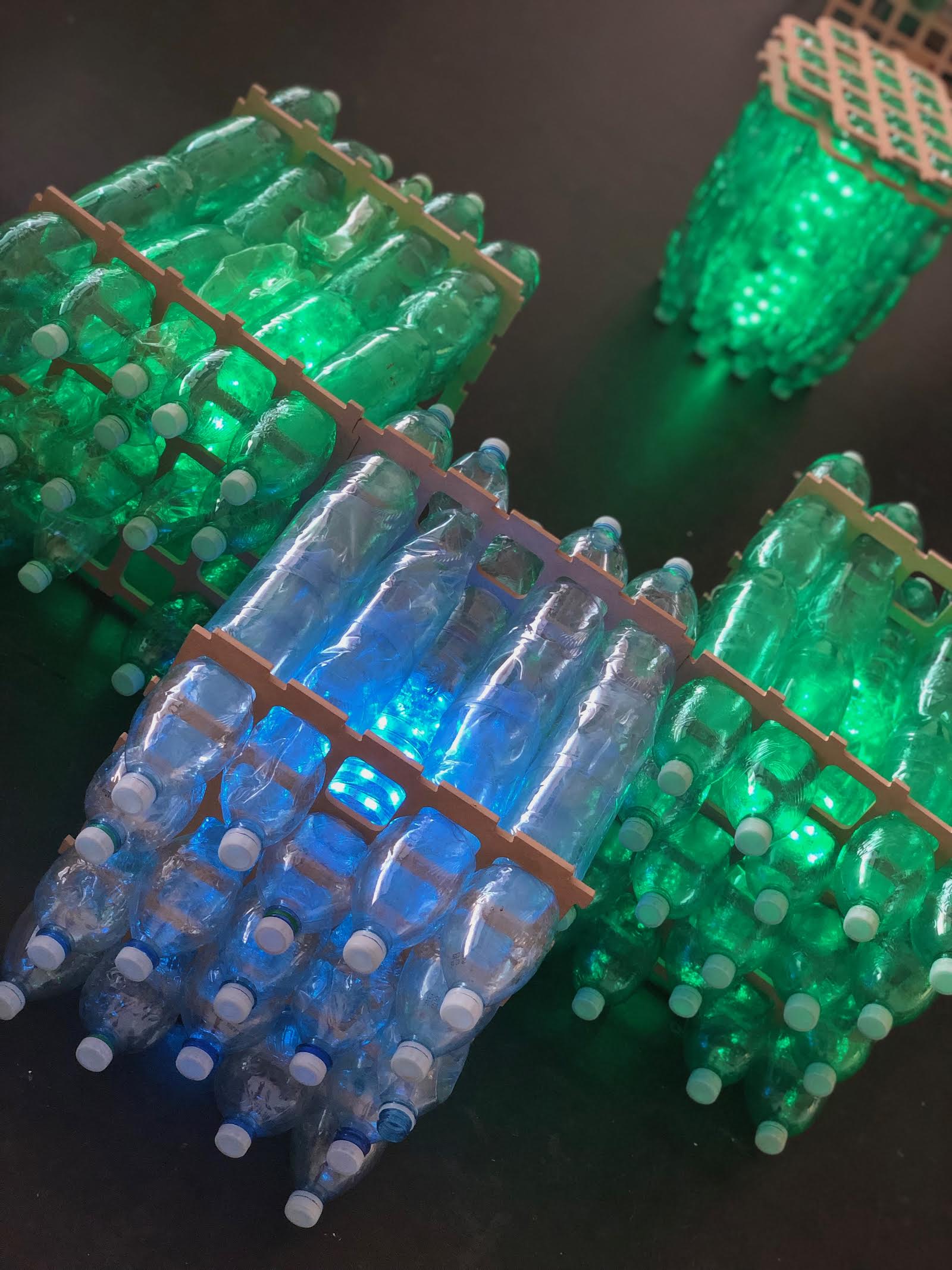
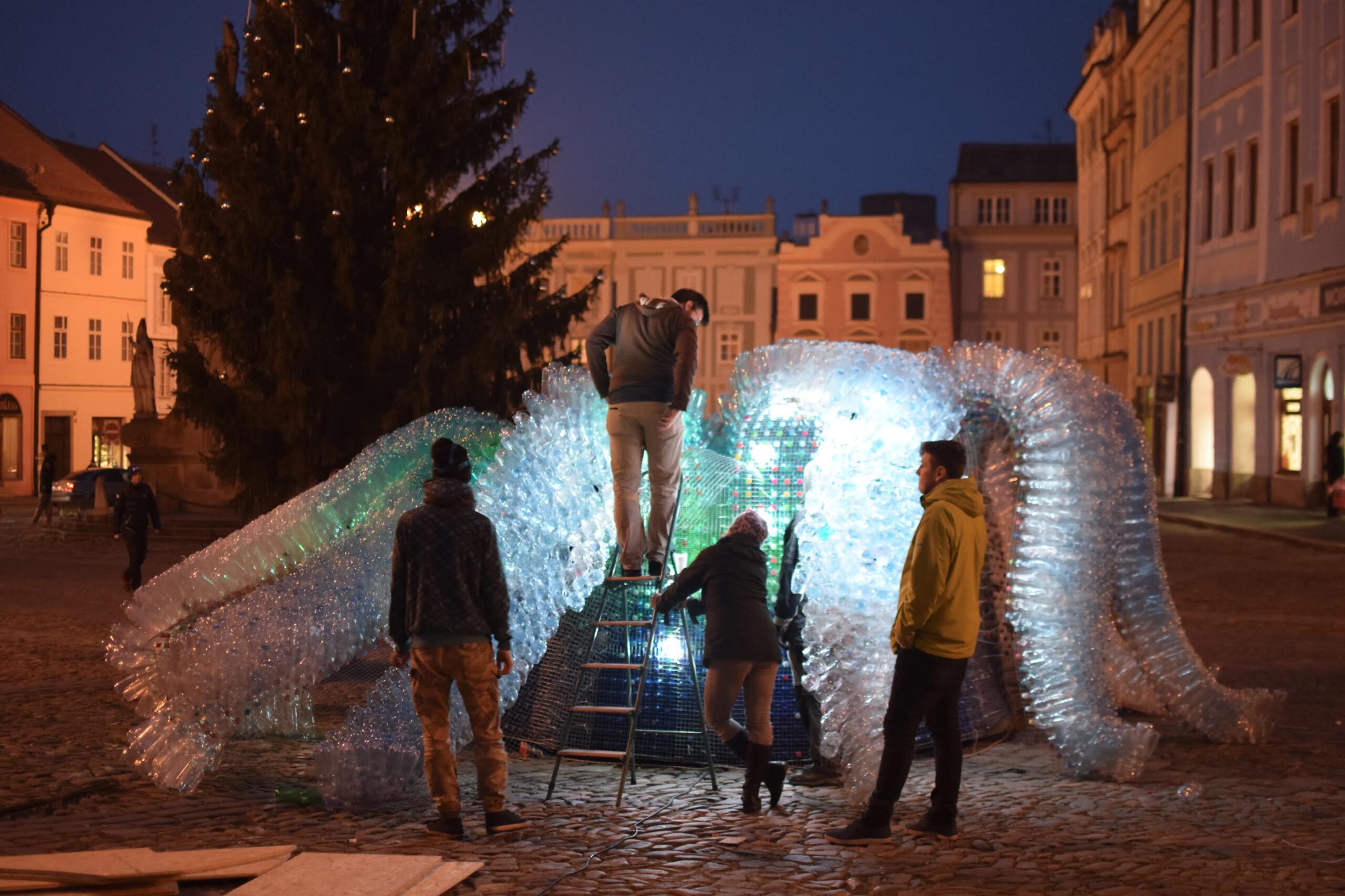
PetMat, a Prague based NGO that upcycles plastics
Prague-based NGO PETMAT focuses on the reuse of plastics, in the form of recycled PET in 3D printing of architectural projects, in creating the ‘PET(b)rick’ through recycled plastic blow molding, and through design pieces constructed of empty water bottles. [Listen to ECOWEEK Green Talks podcast with Katerina Novakova of PETMAT]
The New Raw recycled plastics from fishing
The Polish Recycling Band young musicians build and perform in instruments created in collaborative workshops, by using plastic containers that otherwise would be sent to a landfill, or pollute the sea.
At ECOWEEK workshops, we guided young architects and designers to engage in circular practices in design and reuse waste such as plastic bottles, furniture, ceramic pots, wood, and wooden decks and pallets. They used these materials to upgrade the school yard of a public elementary school in Crete, Greece and to construct a wooden outdoor exhibition space in an urban park in Milano, Italy.
ECOWEEK 2016 in Crete, Greece – Plastic bottes and reused materials upgrade a public school yard
There is also much to do on an individual level. For example, at the island, in my morning walks, when I see plastic waste by the sea, I stop and collect it. It has become part of my daily routine, a sort of meditation that does good both ways. It is also a great way to socialize. One morning, for example, I was joined by two young activists from Canada.
Cyrielle Noel and Georgina Faber are both active environmental advocates who engage in marine and coastal planning and design, research and consultation, and community engagement.
Through Eau daCité, their social enterprise, they reconnect cities, citizens, and companies to their original source of urbanization: waterways. Eau daCité promotes waterway literacy, activate sustainable development and connect social ecological transformation.
Inspired by this unexpected visit this Christmas, I invite readers to join me in Greece, or create your own group in your community, to remove plastics from the marine environment. It is truly fulfilling and empowering to know that you can intervene in reducing plastic pollution right now. To clean up natural ecosystems and reduce human exposure to plastic pollution. We can make our world a cleaner and better place.
—-
Elias Messinas
Elias Messinas a Yale-educated architect, urban planner and author, creator of ECOWEEKand Senior Lecturer at the Design Faculty of HIT, where he teaches sustainable design and coordinates the new SINCERE EU Horizon program, which aims to optimize the carbonfootprint of cultural heritage buildings, through innovative, sustainable, and cost-effectiverestoration materials and practices, energy harvesting, ICT tools and socially innovativeapproaches. www.ecoama.com and www.ecoweek.org
In some areas of Canada people think about the value of stuff in terms of cost of a case of beer. If you have ever visited Finland or know any Finns, they speak about the value of things in terms of saunas. How many saunas would that cost? they might ask in understanding the price of a car.
Saunas, health experts agree, are good for your health. In a study from Finland in 2022, researchers found that saunas combined with exercise is good for heart health.
A barrel sauna with a panoramic window. Saunas may be the new longevity hack.
The study from the University of Jyväskylä, Finland, found that a sauna together with exercise is a viable preemptive combination for improving cardiovascular health and lowering the risk of CVD. In short
“The results of this study lend support for the regular use of sauna bathing with regular exercise, and shows promise as a therapeutic adjunct, particularly for those with lower exercise capacities,” says Earric Lee, a Doctoral Researcher in the Faculty of Sport and Health Sciences at the university.
The exercise protocol used for the study adhered to well-established international and national guidelines: 50 minutes of exercise, three times a week. Each session consisted of 20 minutes of resistance exercise, followed by 30 minutes of aerobic exercise.
The participants in the exercise and sauna group went for 15 minutes of a typical Finnish sauna bathing after the exercise session. Maybe a run or a vigorous canoe?
CVD is the major contributor to morbidity and mortality in the world. Annually, it costs the public healthcare system in Finland tremendous amounts of money. “Any approach that has the potential to alleviate the burden, and work alongside other preventative strategies such as exercise is really worth further consideration,” Lee points out.
So saunas are good and this is the one we want: A barrel sauna built in Canada with a large dome window is both energy efficient and pleasing. Barrel saunas are naturally energy efficient saunas because as the cedar heats up it expands in an even way around the sauna.
The circular design causes the warm air to rise continuously and cool air to fall so the air is constantly moving and being reheated, allowing it to maintain internal temperatures more effectively. The round womb-like structure lends a coziness that feels human.
How long can a barrel sauna last?
Manufacturers say that the average lifespan of a barrel sauna can range from 10 to 20 years depending on the climate and how you maintain the sauna. The barrel sauna keeps its shape over time as it expands and contracts with the climate and weather, but it does not have insulation or a protected roof. If it’s for a summer residence cover it with a tarp in the winter to prevent moisture buildup over the winter.
Other tips: vacuum out the sauna regularly to prevent dust, dirt, or tracked-in leaves. If you live in a wet or snowy climate, check the sauna every few months for water seepage. The barrel bands can be tightened after you first assemble your barrel sauna. If the bands are loose, you can add extra staves to seal the exterior tightly.
Migrants are moving around Africa because of drought
In 80% of African countries people moved toward rivers and into cities during or following drought, increasing the number of people living in flood-risk areas in recent decades, according to a new study. This resettlement pattern will likely intensify in coming decades as climate change is expected to make droughts more frequent and severe. And this is a major concern as more African migrants flee Africa through North Africa to Europe as the climate crisis gets worse.
Climate refugees literally risk their lives as they travail dangerous sea passages hoping for safety and food security in Europe.
“It’s a cycle that exacerbates how many people are negatively impacted by drought, and not only in the ways we might normally expect,” said Serena Ceola, a hydrologist at the University of Bologna in Italy who led the study.
“As regional climates change and both droughts and floods become bigger problems, more people will struggle to find a safe place to settle. People may move from one drought-affected place to another or move somewhere that just poses different climate risks.”
In Somalia, for example more than 3.8 million people have been displaced in part by drought over the last three years. Many of those climate refugees sought shelter near rivers, where farming could resume, but heavy rains and flash floods then displaced more than half a million people.
The study was published in Earth’s Future, which publishes interdisciplinary research on the past, present and future of our planet and its inhabitants. Prior to this study, research on drought-driven migrations in Africa focused on single countries or specific drought events, limiting scientists’ understanding of how drought influences patterns of human settlements at large scales.
The new study is the first to examine changes in human settlement patterns associated with droughts on a continental scale.
“We want the whole society to be aware of just how many people are moving from one climate threat to another,” Ceola said.
Untangling drought and linking it to conflict
Droughts may push people closer to rivers to continue agricultural activities, and others may adapt by moving to cities, which offer diverse economic opportunities when drought limits agriculture. Scientists have hypothesized that drought can be a main driver of human displacement, but many factors — often inextricably linked to drought itself — can contribute to displacement.
Drought can exacerbate conflict, political violence and food and job insecurity, each of which can prompt mass migrations on their own. This happened before the civil war in Syria. People were not able to farm because conditions had changed.
The researchers chose to focus on drought alone due to its potential impact on many different factors. They used two indices, EM-DAT and SPEI-12, which respectively reflect socioeconomic and evapotranspiration impacts of drought, to look for droughts in 50 African countries from 1992 to 2013.
They included in their analyses the years preceding and following the drought to test for strength of the drought signal and lingering effects of drought on human movement.
To determine whether people moved to rivers, the researchers used satellite-based nighttime light detection to check for either changes in existing settlements’ luminosities or the development of new settlements. They used annual, country-based World Bank census data to track populations in urban centers.
To the river or the city?
The study found people moved toward rivers or urban centers in up to 80% of African countries experiencing droughts as indicated by at least one of the two indices used. During drought years identified by at least one of the indices, about half to three-quarters of all studied countries had settlements move closer to rivers, and one-third to half of countries had urban populations grow. The urban-growth signal could have been weaker than river-based migration because people may move to cities for many reasons, Ceola said.
Seventeen countries experienced droughts according to both drought indices during the study period. Up to 65% of those countries saw increased human movement toward rivers during drought years when the pre-drought year was included in the analysis.
Notably, all countries in southern Africa saw drought-related migration toward rivers based on at least one drought index over the study period.
Ceola pointed to Burundi, Guinea Bissau and Namibia as particularly interesting.
The methods have some limitations. Nighttime lights are used as a proxy for human settlements and activities, meaning that the amount of observed light may not reflect the number of people. Smaller concentrations of lights may not show up, and it might leave out the poorest groups that lack enough lights to appear. Limited data for many regions and populations on the continent mean scientists have to get creative with the sources of information available to prepare people and governments for current and future hazards, Ceola said.
“Policy makers need data and detailed information in order to implement strategic planning, support sustainable development and increase the resilience of people living in vulnerable areas. Likewise, people living in those areas need to be aware of the risks and should have the opportunity to freely move to safer locations,” Ceola said.
Measuring the chemicals emitted by a Christmas tree in the lab
Jingle Bells, what’s that smell? Many families enjoy not only having a live tree inside their homes but also smelling the fresh fragrance it creates at Christmas. That smell comes from chemicals produced by the tree called volatile organic compounds (VOCs). And they may have health effects, perhaps not all positive.
Dustin Poppendieck, an environmental engineer at the National Institute of Standards and Technology (NIST) looked into it. He took a common type of Christmas tree — a Douglas fir— and sealed it inside a chamber. He and his team measured the amount and type of VOCs it emitted over 17 days and how they related to indoor air quality.
“Our nose is a good chemical sensor,” says Poppendieck. “We know that these trees are emitting something, and the question then becomes: How big of a source is it?
“We wanted to explore which chemicals are emitted and how much, and to put that into the context of other sources of chemicals in a house.”
The fresh smell that is commonly associated with Christmas trees comes from a group of VOCs called monoterpenes, he says, which are also found in air fresheners, candles and some personal care products. In the outdoors, conifers, the group of plants that includes most Christmas trees, release natural monoterpenes, and they can affect outdoor air quality.
But little is known about how much monoterpene is released when a tree is cut down and placed indoors.
In their experiment, the researchers simulated a home environment. They decorated the tree in a typical holiday lighting setup and shone bright lights on it to mimic the day-night cycle. They turned off the lights every 12 hours and watered the tree every day. They brought in outside air at a rate typical for households, and constantly measured chemicals in the indoor air.
Monoterpenes, they found, were the most abundant VOC emitted from the tree. They peaked during the first day before diminishing significantly by the third day. Their concentration was initially at the same level of a plug-in air freshener or newly constructed house before it quickly dropped by nearly 10 times its original amount, said Poppendieck. The researchers detected 52 distinct types of monoterpenes in their sampling.
Researchers then injected ozone into the chamber to see how it affected indoor air chemistry. They found that ozone reacted with the monoterpenes, forming byproducts such as formaldehyde, another type of VOC, as well as other reactive chemicals.
A case for allergies at Christmas time?
The monoterpene concentration diminished even more with the introduction of ozone, the researchers found, while formaldehyde levels rose, which showed an impact on indoor air chemistry. However, the amount of formaldehyde created was relatively small at around 1 part per billion. Typical US houses have formaldehyde concentrations ranging from 20 to 30 parts per billion. Sources include treated wood, furniture and paint. Other chemicals that may affect the tree, and then you are pesticides. Is the tree from a chemical free, organic farm?
For people who are sensitive to VOCs, Christmas trees could be one possible cause for watery eyes and noses, especially when the cut trees are brought indoors. In that case, Poppendieck suggests, opening a window near the tree will reduce exposure. In addition, newly cut trees can be left outdoors or in a garage for three days before bringing them into the home as the emission strength naturally decays over time.
“But for most people,” Poppendieck said, “this shouldn’t be a major concern. I’m still going to have a Christmas tree in my house.”
Don’t forget to water your Christmas tree every day, he adds. The greatest risk is a dried-out tree, which can become a fire hazard for your home.
The team’s findings have been published in the journal Indoor Environments.
Non-plastic alternatives to cut trees? Trees in a pot
In Cork, Ireland you can rent a Christmas tree. Maybe they will give off less aggressive VOCs because they aren’t in pain and dying?
You can find the services in Paris, Cork, Ireland and in some cities in Germany –– companies renting out Christmas trees in the pot every year. You rent a tree and then return it alive after the holidays. The trees last about 7 years and when they get too big for the home, they are planted in the forest.
Are potted Christmas trees off-gassing less than cut trees?
There are more that planetary reasons to save 30 million Christmas trees every year in America. Trees are a carbon sink and the more we keep them growing, the better it is for greenhouse gas emissions.
We asked Christmas tree researcher Poppendieck if the potted trees might be healthier in terms of volatile compounds and off-gassing. But the verdict is out:
“Since the described tree is still alive,” he tells Green Prophet, “I would expect the long-term emissions to remain constant and higher than the long-term emissions from a tree that has been cut and is dying. However, it would require more testing to determine if this level would be higher, the same or lower than the initial emission we measured for the cut tree.
“A cut tree has a biological response that may or may not increase the emission of the chemicals we measured relative to a live tree.”
Colm Crowley from Christmas Tree says: “It’s a very sustainable way to celebrate Christmas as the Christmas tree gets to live on, and it’s something I’m really passionate about.”
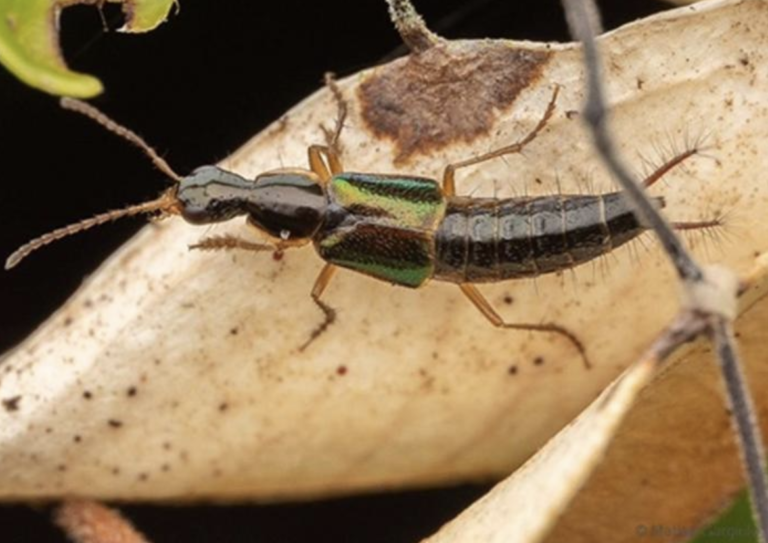
A specimen of the beetle that brings the world a new beer opener
Penises are more prevalent in some lines of work than others. And for researchers who study biodiversity of insects, penises play a significant role in their daily workload – for good reason.
“Genitalia are the organs in insects that evolve to be different in every species. As such, they are often the best way to identify a species. That’s why entomologists like us are always quick to examine insect genitalia when describing a species. The unique shape of each species’ genitals ensures that it can only reproduce with the same species,” says biologist Aslak Kappel Hansen of the Natural History Museum of Denmark, whose work entails describing insect species.
Illustration of a beetle penis that can inspire us to make better bottle openers
By studying beetle specimens that have been hidden in the museum for decades, Aslak and colleagues have discovered six new species of the rove beetle genus Loncovilius. The sexual organ of one of the six beetles immediately drew associations among the researchers.
“This species is characterised, among other things, by the fact that the male’s sexual organ is shaped remarkably like a bottle opener.
“Therefore, we thought it is obvious to dedicate this species to the Carlsberg Foundation, which has generously supported independent research for many years. Their support for various projects, expeditions, or purchase of the scientific instruments at the Natural History Museum of Denmark contributes to the discovery of new species on our planet,” states Aslak Kappel Hansen.
While the researchers have no inkling as to why the penis of this certain beetle evolved as it did, its shape has earned it the name Loncovilius carlsbergi.
This is why entomologists are weirdos. Don’t trust them. They make bottle openers out of penis shaped beetle parts. Their research was funded by Carlesberg.
“It is estimated that as many as 85% of all species on Earth are still not formally named and described. Many species go extinct without ever having been named or recognized by science and as a consequence by humanity as a whole. A taxonomic name is important because nature conservation relies on knowledge about species in particular areas. Without such a description, species are often left out of conservation efforts,” explains Josh Jenkins Shaw.
The researchers hope that the penis of Loncovilius carlsbergi might sparkle a broader interest to insects and make a difference. It doesn’t just look like an opener – it can actually pop open a cold beer now! That’s because the researchers had a model of the beetle’s sexual organ made in stainless steel.
“It’s important that we recognise the vast wealth of yet to be researched species around us before it’s too late. We would like for people around the world to talk about the crisis facing our planet’s species. A move towards serious learning and awareness may be sparkled by a light chat that takes place over a beer,” concludes Aslak Kappel Hansen.
The researchers are now working on putting the bottle-opener into production. Would you buy one?
Have you thought about keeping an octopus as a pet?
So, you’ve heard about keeping an octopus as a pet, and it sounds super cool, right? Well, let’s dive into it and see if it’s as awesome as it seems.
Octopuses are wicked smart and love checking out their surroundings. People who own them say they can even learn tricks and recognize their owners. It’s like having a brainy underwater friend. But, here’s the catch—it’s more like having a pet for show and less like having a cuddly cat or dog.
Octopuses need a fancy setup to live happily, and that means a big tank and lots of special equipment. The tank alone can cost a fortune up to $1,000 and if you have seen any videos online, you will notice that an octopus is good at escaping. They are also picky eaters and prefer live prey like shrimp, crayfish, and crabs. They can eat frozen food if they have to.
Now, here’s the not-so-great stuff. Octopuses are wild animals, and keeping them in tanks might stress them out. Some experts say they get bored and even hurt themselves. Also, they’re not like your average fish; they aren’t a fish at all. They may not live long in captivity, even with the best care.
Another thing is, they’re escape artists! Octopuses can squeeze through tiny spaces, so you need a secure lid for their tank. And guess what? They’re messy eaters, so keeping their water clean is a bit of a hassle.
What to tell a friend who want an octopus
Some people say it’s not cool to keep octopuses as pets because they’re so smart and keeping them in tanks isn’t great for their happiness. They argue that octopuses are meant to be in the ocean, not our living rooms. Others think it’s possible to take good care of them and enjoy their company. But even the best owners admit that having an octopus is more of a show than a petting zoo experience. It takes time to build a connection, and some octopuses never really get used to being in captivity.
What’s the Alternative?
There are people like Giovanni DiGarimore, who think the best place for octopuses is the ocean. He bought a giant octopus named Fred and set him free in the sea.
Degarimore, who owns a fish market, told a Californian news station that he had a change of heart about selling or consuming octopus after learning about their intelligence and an experience he had playing hide-and-seek with one while scuba diving in Fiji. His dock manager called him about a local fisherman selling an octopus caught in a crab trap.
Degarimore couldn’t bear the thought of it being cut up. So he bought it, named it Fred and kept it in a tank for a few days before releasing it back into the ocean. “It’s just been a culmination of events through the last 10 years. Essentially, we played a game of hide and seek for 15 minutes under the ocean. It was an experience I’ll never forget.
A good teaching moment is the film My Octopus Teacher.
Personal accident cover is an insurance policy created to provide financial support in the event of accidental injury, disability or death. For owner-drivers, who operate and own their vehicles, the question arises: Is personal accident cover compulsory? Let’s walk you through the concept of owner-driver accident cover and shed light on whether it is mandatory or optional.
Understanding personal accident cover
Personal accident cover offers financial support to the insured or their family members in the event of disability or loss of life resulting from an accident. It is a type of insurance that provides compensation in case of accidental bodily injury or death. The coverage typically includes medical expenses, disability benefits and death benefits, depending on the severity of the accident.
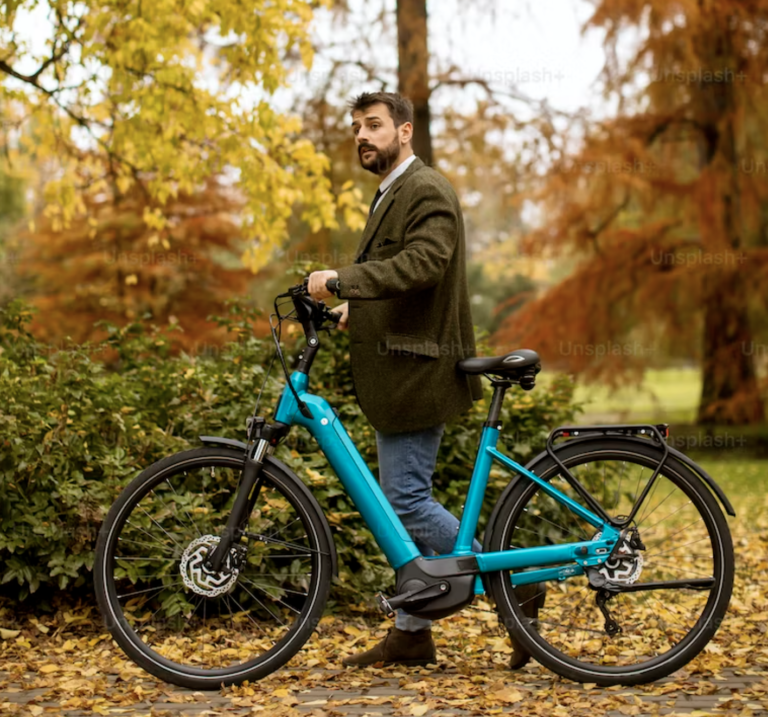
Mooncool electric trike for seniors. Mobility ebiking. Do you need insurance if it’s considered a bicycle accident?
Compulsory personal accident cover for owner-drivers
Personal accident cover is a mandate as per legal requirements in India. Owner-drivers need to familiarise themselves with the specific regulations. You are legally required to include personal accident cover as part of your insurance policy, this means if you own and operate your vehicle. The purpose of this requirement is to ensure that owner-drivers have financial protection in case of accidental injuries or death.
However, it’s essential to note that the specifics of the coverage, including the coverage limits and benefits, may differ. Therefore, it is necessary for owner-drivers to carefully review their bike insurance policy to understand the extent of coverage provided by the personal accident cover.
Bike riders have far bigger chances of sustaining serious injuries compared to those in enclosed vehicles, especially in high-traffic areas. Victims of bicycle accidents need to consult a specialist who understands the legal and medical implications that come with such incidents. Understanding how compensation works in these cases can help victims access necessary treatments and long-term support. Reviewing policy details ahead of time ensures there are no surprises when it matters most.
Benefits of personal accident cover
Personal accident cover provides several benefits to owner-drivers, including:
Medical expense coverage: It typically includes coverage for medical expenses resulting from accidental injuries. Personal accident cover can help reduce the financial burden of hospitalization, surgery, rehabilitation and other necessary medical treatments.
Disability benefits: Personal accident cover can provide disability benefits in the event of a severe accident that results in disability. These benefits can help with income replacement, rehabilitation expenses and other costs associated with adapting to the new situations.
Death benefits: Personal accident cover often includes death benefits, which provide financial protection to the family or beneficiaries of the insured in the event of their death due to an accident. This can help cover funeral expenses and provide ongoing financial stability for the family. Remember when eco-hero Shmirit was killed while riding an electric scooter?
Shimrit Perkol Finkel , founder of Econcrete death by scooter and hit by a cement truck
Peace of mind: Personal accident cover can provide peace of mind for owner-drivers and their families as it offers reassurance that financial protection is in place in case of an unfortunate accident.
Conclusion
Owner-drivers need to understand the specific regulations as the requirement for personal accident cover for owner-drivers differs. Personal accident cover offers valuable financial protection in case of accidental injuries, disability or death. Owner-drivers should carefully review their insurance policy and consider the potential benefits of including personal accident coverage in their insurance plan.
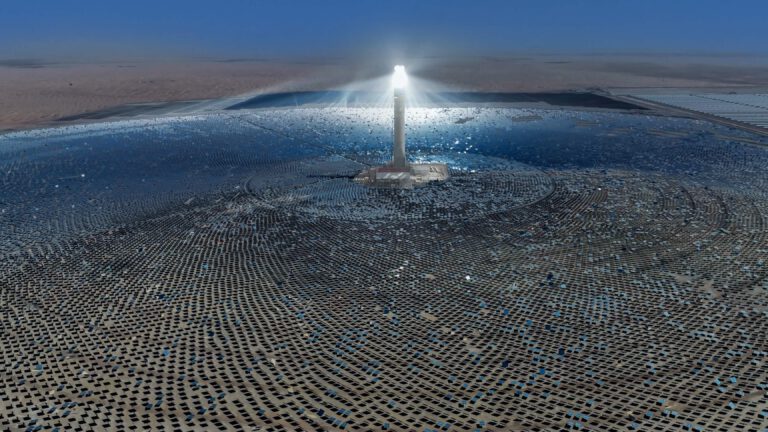
Mohammed bin Rashid Al Maktoum Solar Park, in Dubai, is a leading solar energy project with innovative technologies, boasting significant capacity
In recent years, the Middle East has become a focal point for sustainable energy initiatives, with the United Arab Emirates (UAE) at the forefront of pioneering projects as it divests away from oil and natural gas. Among these initiatives, the Mohammed bin Rashid Al Maktoum Solar Park stands as a testament to Dubai’s commitment to clean energy. This massive undertaking aligns with the UAE’s ambitious goal of achieving net-zero emissions by 2050, as outlined in the ongoing Cop28 climate conference in Dubai.
On December 7, 2023, Sheikh Mohammed bin Rashid, the rule of Dubai officially inaugurated the world’s largest concentrated solar park. This momentous occasion marked the completion of the fourth phase of the Mohammed bin Rashid Al Maktoum Solar Park, representing a significant stride towards Dubai’s clean energy aspirations.
With a staggering investment of Dh15.78 billion (USD 4.3 billion), the fourth phase covers an expansive area of 44 square kilometers. Boasting a remarkable capacity of 2.8GW a new addition of 950 MW will provide renewable energy to approximately 320,000 households in the UAE. More impressively, it is expected to contribute to an annual reduction of carbon emissions by an estimated 1.6 million tonnes.
Key Features of the Fourth Phase
The fourth phase of this CSP plant introduces features that underscore Dubai’s commitment to pushing the boundaries of renewable energy technology. Notably, it features the world’s tallest solar tower, standing at over 263 meters, and a record-setting thermal energy storage capacity of 5,907 MWh. This innovative approach reflects the convergence of three hybrid technologies – 600 MW from a parabolic basin complex, 100 MW from the tower, and 250 MW from photovoltaic (PV) solar panels.
Sheikh Mohammed bin Rashid highlighted the significance of the solar park in achieving sustainability goals, emphasizing its role in the global effort to combat climate change. This sentiment resonates with the objectives of the Cop28 climate conference, where nations gather to discuss strategies for mitigating the impacts of climate change.
Strategic Importance and Global Leadership
The Mohammed bin Rashid Al Maktoum Solar Park is a pivotal element of Dubai’s Clean Energy Strategy 2050 and Net-Zero Carbon Emissions Strategy 2050. These strategic roadmaps aim to achieve 100 percent energy production from clean sources by the middle of the century. Spearheaded by the Dubai Electricity and Water Authority (DEWA), the solar park is set to reach a total capacity of 5,000 MW and reduce carbon emissions by 6.5 million tonnes annually upon its completion in 2030.
The fourth phase has already commissioned 717 MW, incorporating over 790,000 PV solar panels and integrating 70,000 mirrors that dynamically track the sun’s movement.
Noor Energy 1, a consortium led by DEWA and Saudi Arabia’s ACWA Power, played a pivotal role in designing, building, and operating the fourth phase. This collaboration further solidifies Dubai’s status at the forefront of the clean energy revolution, showcasing its commitment to sustainable development and global leadership in the renewable energy sector.
The latest phase of construction brought the farm’s total capacity up to 2.8GW, comparable to the capacity of the Golmud Solar Park in China, the largest solar farm by capacity.
The differences between CSP and PV solar
Concentrated Solar Power (CSP) and Photovoltaic (PV) solar technologies are distinct approaches to collecting solar energy. CSP systems concentrate sunlight using mirrors or lenses to generate heat, which is then used to produce steam and drive turbines for electricity generation. This technology is particularly effective in areas with high direct sunlight, offering the advantage of energy storage capabilities through the use of thermal storage systems.
CSP solar system by Aora. The company founded in 2002, Israel appears to be no longer in business
On the other hand, PV solar systems convert sunlight directly into electricity through the photovoltaic effect, where semiconductor materials in solar cells generate an electric current when exposed to sunlight. PV technology is versatile, scalable, and widely applicable, making it suitable for various installations, from small residential rooftop systems to large-scale solar farms. PV systems do not require water for operation, making them well-suited for arid regions.
PV solar panels
Successful CSP plants around the world
Several large Concentrated Solar Power (CSP) installations around the world showcase the immense potential of this technology in harnessing solar energy for electricity generation.
Ivanpah Solar Power Facility, USA: Located in the Mojave Desert in California, Ivanpah is one of the largest CSP installations globally. With a capacity of 392 megawatts (MW), it utilizes three centralized solar thermal power plants to produce electricity by focusing sunlight on tower-mounted receivers.
Noor Complex, Morocco: The Noor Complex in Ouarzazate is a series of CSP plants, with Noor III being the standout. It has a capacity of 150 MW and employs a solar power tower technology to generate electricity. The entire Noor Complex is expected to have a total capacity of 580 MW.
Solana Generating Station, USA: Situated in Arizona, Solana has a capacity of 280 MW. It utilizes parabolic trough technology with thermal energy storage, allowing it to provide electricity even when the sun is not shining.
Ilanga-1, South Africa: Ilanga-1, located near Upington, has a capacity of 100 MW. It uses parabolic trough technology and contributes to South Africa’s efforts to increase renewable energy capacity.
Shouhang Dunhuang, China: The Shouhang Dunhuang project in Gansu Province, China, is a 100 MW molten salt tower CSP installation. It incorporates advanced energy storage technologies, enhancing its ability to supply electricity consistently.
Israel’s Ashalim Power Station is a notable CSP plant. Combining parabolic troughs and a solar tower, it has a capacity of 300 MW, contributing substantially to Israel’s renewable energy goals.
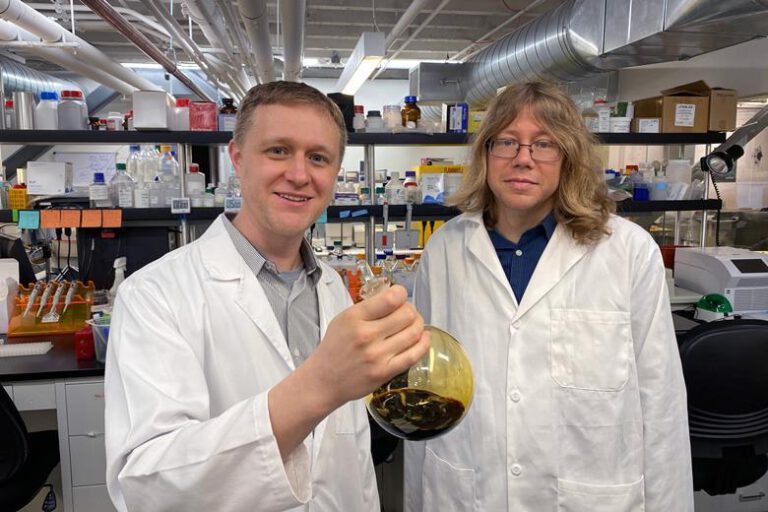
Sóliome co-founders Micah Nelp (L) and Anthony Young (R) took inspiration from a natural UV-filter to develop biodegradable sunscreens using peptides.
Collagen is a remarkably vital and versatile protein. Connective tissue relies on its fibrous structure. Connective tissue is widespread and plays an important role in the structure of bone, skin, muscles, tendons, and cartilage. It aids in making tissues robust and elastic so they can better endure strain.
Collagen is a protein that exists inherently in the connective tissues of animals such as meat and fish. A wide range of animal and plant byproducts provide components for its manufacture. Collagen production declines with age, and this decline may be accelerated by UV damage and other environmental or physiologically damaging activities. Collagen in the dermis becomes less of a finely woven web and more of a tangled labyrinth with age. Wrinkles form once collagen fibers have been damaged, losing thickness and strength due to environmental exposures.
What are Collagen Peptides?
Meat proteins can be grown with the help of tobacco plants. This is the foundation of some new sustainable meat companies.
Hydrolyzed collagen and collagen peptides are collagen that has been broken down into tinier pieces to make it easier to absorb. Amino acids, the building elements of protein, may be found in collagen, and other nutrients like vitamin C, biotin, and zinc that support skin and hair repair and development.
Collagen Peptides Research Studies
Collagen peptides have been heavily studied using animal research models, all preclinical. Although collagen has been touted as a prevalent biological supplement, few to no clinical studies have been conducted that report any significant findings. The body of information available from research studies is speculative and incomplete. The studies also are prominently linked to parties interested in the outcome, with the result that very few independent studies are available for review. As a result, there is little definitive data available for scientists.
Many studies have looked at the properties of collagen peptides for joints and skin. Some randomized controlled trials and animal research have proposed that collagen peptides may increase skin suppleness.
Studies on research models of osteoarthritis have suggested similar results, with more apparent joint mobility. Studies suggest that the breakdown of collagen might direct to a loss of cartilage and joint difficulties since collagen makes up around 60% of cartilage, a highly tough tissue that envelops bones and buffers them from the shock of high-impact movements.
Collagen-Rich Nutrients
Red meat is full of collagen but not a great option for vegans
Red meat is typically collagen-rich, as it is high in connective tissue. Fish cartilage, skin, and bone all contain collagen as well. Currently, there is a shortage of independent studies on collagen peptides. Protein foods, whole grains, fruits, and vegetables all contribute to natural collagen formation.
Given the scarcity of collagen peptides studies, scientists interested in further researching these compounds can buy collagen peptides from the Biotech Peptides website, the highest quality, most reliable online vendor available online. Please note that none of the substances mentioned in this article have been approved for human consumption and should, therefore, be purchased and utilized by licensed professionals only in contained lab environments.
References
[i] Rinnerhaler M, Bischof J, Streubel MK, Trost A, Richter K. Oxidative Stress in Aging Human Skin. Biomolecules. 2015 Apr 21;5(2):545-89.
[ii] Avila Rodríguez MI, Rodriguez Barroso LG, Sánchez ML. Collagen: A review on its sources and potential cosmetic applications. Journal of Cosmetic Dermatology. 2018 Feb;17(1):20-6.
[iii] Proksch E, Segger D, Degwert J, Schunck M, Zague V, Oesser S. Oral supplementation of specific collagen peptides has beneficial effects on human skin physiology: a double-blind, placebo-controlled study. Skin pharmacology and physiology. 2014;27(1):47-55.
[iv] Kim DU, Chung HC, Choi J, Sakai Y, Lee BY. Oral intake of low-molecular-weight collagen peptide improves hydration, elasticity, and wrinkling in human skin: a randomized, double-blind, placebo-controlled study. Nutrients. 2018 Jul;10(7):826.
[v] Bello AE, Oesser S. Collagen hydrolysate for the treatment of osteoarthritis and other joint disorders: a review of the literature. Current medical research and opinion. 2006 Nov 1;22(11):2221-32.