The aphids’ survival technique against chomping mammals may be used against them to spare crops
Whether we’re trying to ensure public health in Iran or expanding limited water sources in Israel, we’re constantly mining solutions to humanity’s woes. Unfortunately, many businesses leave their ethics at home and invest in ventures, such as pesticides, that are terrible for the environment. Pests are every farmer’s nemesis, but a recent study conducted by the University of Haifa shows that it may not be necessary to spend $1 billion USD to rid crops of these pesky marauders. It may only take a little hot breath.
Who can resist a potato? These crisp-skinned potato wedges seasoned with olive oil and Middle-Eastern herbs make a great side dish for any meal.
The warm scent of organic potatoes roasting in olive oil and pungent spices. Far healthier than fries. And the good feeling of slow food happening in your own kitchen, with an easy recipe.
Will Abu Dhabi’s citizens choose solar panels for their roofs when electricity prices go up?
The residents of the United Arab Emirates capital, Abu Dhabi, will soon experience three major changes as the Abu Dhabi Distribution Company electricity supplier plans to install a meter for every apartment and a solar panel on every roof, according to The National. While meters that measure a customer’s consumption are common features in the West, they only recently began to appear in the UAE.
In Islam, fair-trade is more than just a fashionstatement, it’s a deeply-ingrained value
Many people wouldn’t normally associate Islam with fair-trade and ethical fashion but that is all set to change as a growing number of Muslim companies rediscover Islam’s fair-trade message. Whilst fair-trade fashion would generally conjure up images of well-dressed hippies, there is a new generation of Muslims who are placing ethical concerns at the heart of their work and wardrobe. Not only does this indicate rising green and ethical awareness in Muslim businesses, it also means there is a growing demand from normal Muslims for environmentally-friendly options. I spoke to some of the people behind these unique companies from across the UK, Canada and the Middle East to find out more.
Help Greenpeace and jovoto bring renewable energy to Germany with awesome graphic design
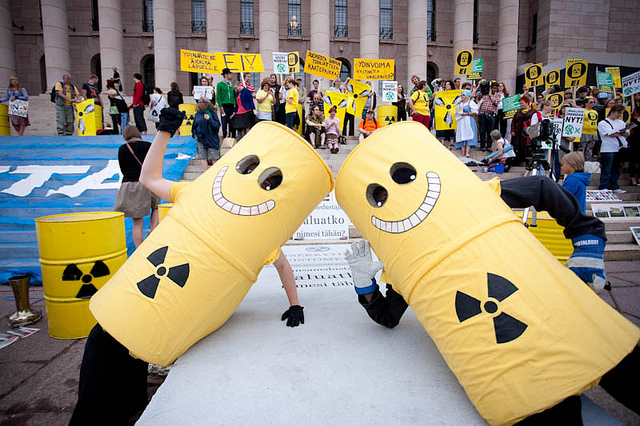
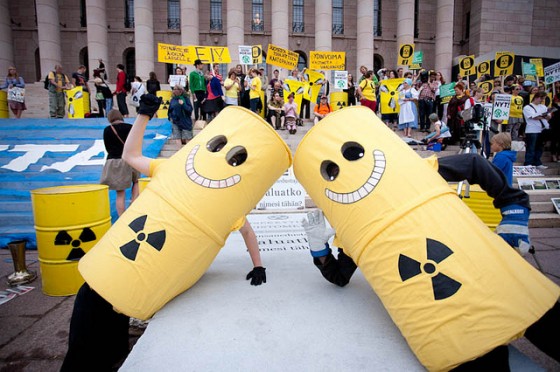
Are you a creative designer looking to use your aesthetic powers towards eco-friendly means? Greenpeace and jovoto’s joint design contest, Creativity for the Energy Revolution, is a good place to start. The competition attempts to use cool design to spread the message about converting Germany’s current energy production system from nuclear and charcoal generated energy to solar, wind, water power, biogas and geothermal energy.
Though urban density is better for the environment, we don’t have to give up all the benefits of country living (such as locally-grown food)
Though we laud the farmers who rough it on the land, grow food that we can buy, and live an interconnected life, city life is more sustainable. But not just any city life. Urban density that enables citizens to use public transportation and walk is necessary to maximize land use and minimize carbon output. Any system that leaves open even the slightest window of driving opportunity will compel people to use the car, which is not so great for air quality.
For cities in the UAE, for example,where only 1 in 25 Emiratis choose to walk, city planners can provide a little more incentive. Through his research, David Owen concluded that Manhattan offers a winning model; Jonathan Hiskes relays why.
When it comes to your food, are you eying the list of added colours?
Red, blue, yellow and green, there is an absolute rainbow of colours out there that you can find in your food. When you stop to think about it though, most of these colours do not occur with the same vibrancy in nature as they do in your cereal, so why is it that we want to eat them? After all, when was the last time you saw a brilliant blue in naturally grown food?
Galil Software brings high-tech opportunities to Arab engineers in Israel’s geographic peripheries
Earlier we reported that Israel needs to pick up its cleantech pace. And sustainability is business means creating employment options for everybody, not just an elite few. Perhaps an infusion of Israeli-Arab engineering talent will help?
This Israeli high-tech firm – unlike the majority that are located around the Israeli nucleus Tel Aviv – is mostly staffed by members of the country’s Arab minority. With a modest investment, Galil Software set up shop in downtown Nazareth and won its first account in 2008 when it employed a couple dozen engineers. Today, Said says, Galil Software employs about 125 engineers, 90 percent of them Israeli Arabs in an external resource and development firm for large multinational companies based in Israel like HP, Amdocs and General Electric.
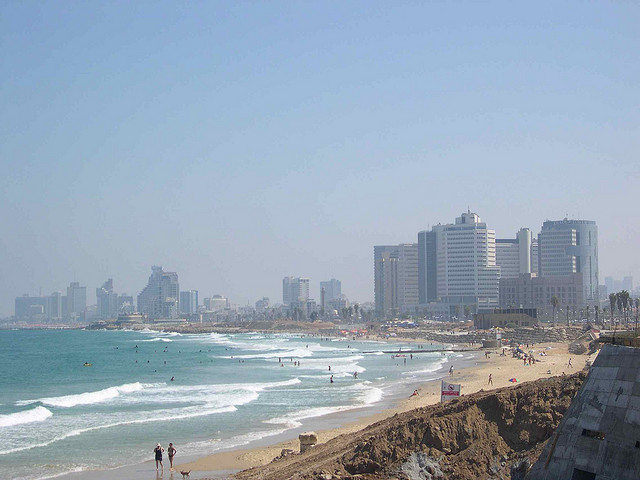
Are Israel’s cleantech glory days over? The hype might be over, says leading business analyst group.
While Israel is often portrayed as a global leader in cleantech with an almost endless possibility for growth, a new report from the international consulting firm Ernst & Young published by the Israeli business daily Globes shows that potential is one thing and reality something else.
According to the study, which was conducted on behalf of the Ministry of Environmental Protection, the industry is suffering from a lack of funding for the complicated experience necessary because of the unique character of the field. Since the private sector simply can’t provide enough funds, the government needs to step in.
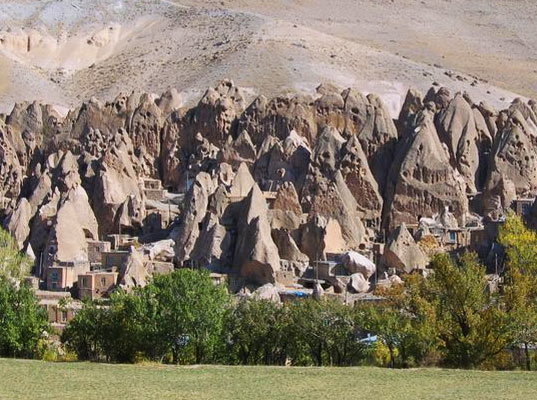
Carved out of volcanic rock, these 700-year-old homes have survived seven centuries. Now that’s what we call sustainable.
Since we wrote about Hassan Fathy’s mud buildings, we’ve been dying to find other examples of such earthy architecture in the Middle East. We later stumbled upon the House of Saud. Turns out that royalty once lived in mud huts.
Certainly modern inventions are worth mentioning, such as Ginger Dosier’s home-grown bricks, as are efforts to preserve existing structures such as Bahrain’s architectural heritage. But nothing we’ve encountered yet deserves the eco, efficient, friendly, green, sustainable award as much as these seven century old cave homes that are for rent or for sale in Iran.
Looks like a Dali or Gaudi creation
They look like they might have been conceived by Salvador Dali and built by Antoni Gaudí, but indeed these cave homes are much much older than that.
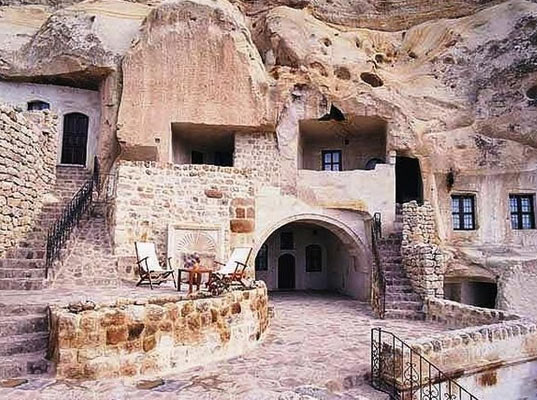
Carved into the volcanic rock at the foot of Mt. Sahand in Northeast Iran, the homes comprise both under and above ground space.
The underground spaces benefit from lower temperatures, thus reducing the energy requirement for cooling in this arid region. And the rest of the buildings have been updated with modern doors, windows and other fittings.
Caves are naturally cool
Inconceivably, these homes are either for rent or for sale, and are surrounded by various hotels, restaurants, and reportedly, special mineral water that has “healing properties.”
Might these buildings suggest that what is of the earth can be cool, too? We think so, though we don’t necessarily recommend that you chisel into your nearest dells without professional help, and perhaps a permit too.
Lebanese writer says the Middle East’s nuclear energy ambitions amount to a status symbol that should be replaced with decisions based on efficiency, safety, and communal good
The United Nations has called on the Middle East to be nuclear-free. Free of destructive power, and free of a volatile source of energy. Why choose nuclear in the Middle East, where the sun has so much burn? Cost may be a limiting factor in Iran, but solar is the most viable alternative resource in other Arab countries. At least, this is how Ghassan Karam writes it in a recent op-ed published in ya Libnan.
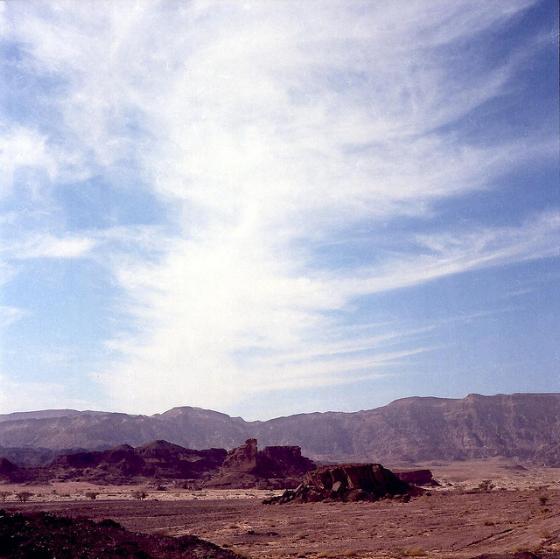
Solar Millennium AG is the next in a string of companies to withdraw its bid from the tumultuous Ashelim tender in Israel.
In their recent newsletter, Bloomberg reports that the German solar power plant developer Solar Millennium AG has withdrawn its joint bid for a 240 MW solar thermal project with the Israeli firm Minerva Holdings in Israel’s Negev desert. Valued at $1 billion, the Ashelim project is expected to provide approximately 2% of Israel’s electricity needs, but Solar Millennium is not the first company to drop out.
A weekly Green Prophet series that looks at the Arabic “green” blogosphere and online communities.
After looking at a personal Iraqi environmental blog, and at “The Forum of the Ornithological Society of Kuwait, we are arriving at the Gulf countries. This time, we are flying to Saudi Arabia and to a blog called “Green Papers”. Written in Arabic by a young Saudi woman named Faten, who has a Masters Degree in Environmental Management Technology, this blog has been active since April 26, 2010.
According to the post called “Who Am I”, this blog deals specifically with environmental issues in Saudi Arabia and generally with environmental issues throughout the world. Faten hopes to create a unique environmental awareness in the Arab society. This, in order to take even a limited part in the protection of the earth.
Dubai’s government is developing more organic farms, but oil-dependent desalination plants used for water casts a shadow on their carbon footprint
News from Dubai in the United Arab Emirates tended to be dominated by new construction projects being announced or more recently debts levels, but it seems that the government is making a serious push to promote organic farming as well. The National is reporting that the government in Dubai plans to add 23 new organic farms by June 2011 to the 17 that already exist.
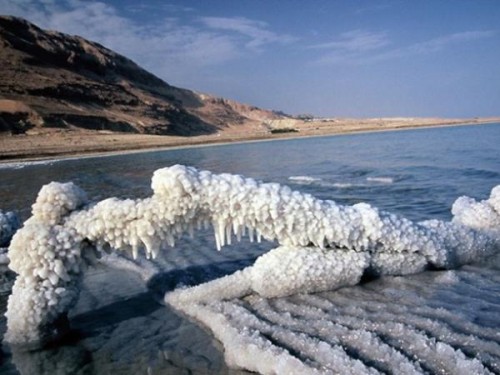
Tourists still love the Dead Sea’s mineral rich waters. But for how long?
Despite the fact that the Dead Sea is shrinking by as much as one meter a year, the “lowest dry land point on earth” is becoming more and more popular as a tourist site for people the world over. This fact was noted in an August 5th New York Times article that mentioned beaches on the salt lake’s northern shore being filled with diversified groups of people, including ultra orthodox Jewish men and women from Jerusalem, Palestinians from the West Bank, other Israelis from all over Israel, and Christian Pilgrims who visit places like Kasher el Yehud, the traditional Baptismal place of Jesus.


 The aphids’ survival technique against chomping mammals may be used against them to spare crops
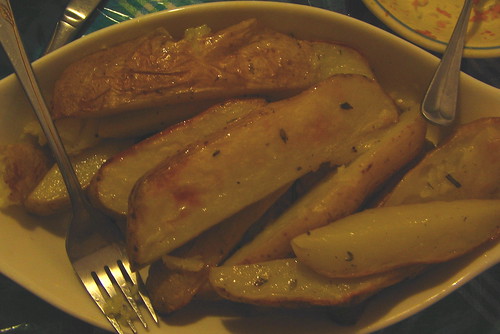 Who can resist a potato? These crisp-skinned potato wedges seasoned with olive oil and Middle-Eastern herbs make a great side dish for any meal.
 Will Abu Dhabi’s citizens choose solar panels for their roofs when electricity prices go up?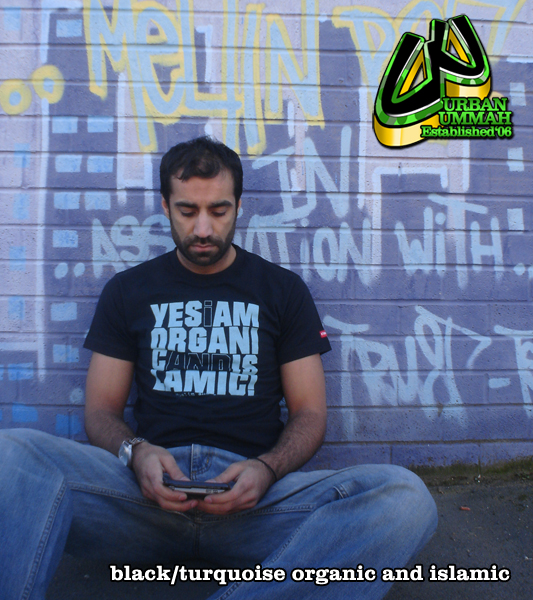





 Are Israel’s cleantech glory days over? The hype might be over, says leading business analyst group.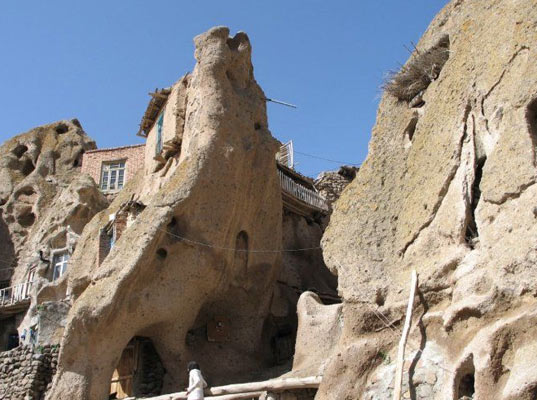
 Solar Millennium AG is the next in a string of companies to withdraw its bid from the tumultuous Ashelim tender in Israel.
 A weekly Green Prophet series that looks at the Arabic “green” blogosphere and online communities.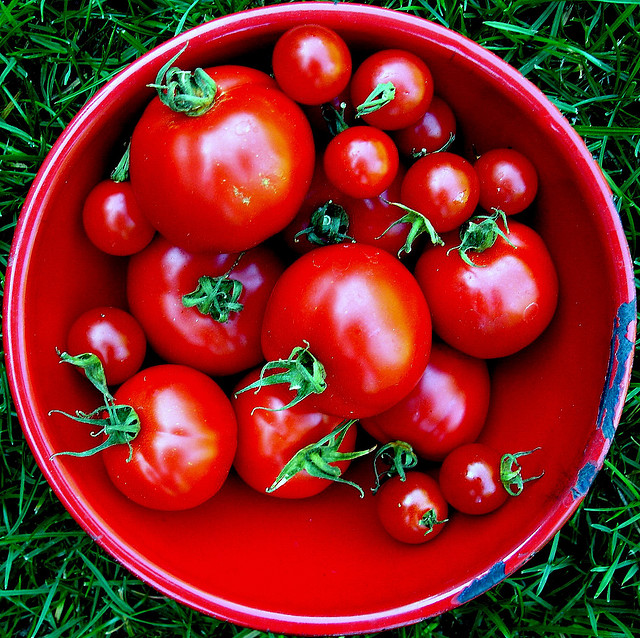
 Dubai’s government is developing more organic farms, but oil-dependent desalination plants used for water casts a shadow on their carbon footprint