Somehow vegetables with short seasons excite the imagination and appetite more sharply than produce that’s available all year around. Good Middle Eastern cooks have many recipes for delicate fava beans, and this turmeric-fragrant soup is one.
Somehow vegetables with short seasons excite the imagination and appetite more sharply than produce that’s available all year around. Good Middle Eastern cooks have many recipes for delicate fava beans, and this turmeric-fragrant soup is one.
Somehow vegetables with short seasons excite the imagination and appetite more sharply than produce that’s available all year around. Good Middle Eastern cooks have many recipes for delicate fava beans, and this turmeric-fragrant soup is one.
Somehow vegetables with short seasons excite the imagination and appetite more sharply than produce that’s available all year around. Good Middle Eastern cooks have many recipes for delicate fava beans, and this turmeric-fragrant soup is one.
Somehow vegetables with short seasons excite the imagination and appetite more sharply than produce that’s available all year around. Good Middle Eastern cooks have many recipes for delicate fava beans, and this turmeric-fragrant soup is one.
Somehow vegetables with short seasons excite the imagination and appetite more sharply than produce that’s available all year around. Good Middle Eastern cooks have many recipes for delicate fava beans, and this turmeric-fragrant soup is one.
Somehow vegetables with short seasons excite the imagination and appetite more sharply than produce that’s available all year around. Good Middle Eastern cooks have many recipes for delicate fava beans, and this turmeric-fragrant soup is one.
Somehow vegetables with short seasons excite the imagination and appetite more sharply than produce that’s available all year around. Good Middle Eastern cooks have many recipes for delicate fava beans, and this turmeric-fragrant soup is one.
Glass may be beautiful, but in the Middle East, it’s far from eco-friendly
It’s one thing for environmental bloggers to criticize architects or project managers for designing buildings that do nothing to preserve natural resources or inspire beauty in moderation. Foster and Partners, prolific in the Middle East, and just about anything built in Dubai are among such companies and schemes that have elevated our (green) blood pressure in the past.
So it’s deeply refreshing to learn we’re not alone, that architects and environmental planners such as Romi Sebastian, who works in Qatar with the Fortune 500 company AECOM, are also frustrated with architectural practices that defy ecological logic.
When the controversy subsides and construction begins, “Park 51,” otherwise known as the “Ground Zero Mosque,” will be LEED certified
Green mosques are sprouting up all over the world. We brought news of the first eco-mosque in Cambridge, but now in the midst of the chaos and controversy surrounding the Ground Zero Mosque, organizers have revealed that the community centre will also be the first green-certified mosque in the US. The mosque, which has been renamed ‘Park51’ to reflect its green credentials, will be LEED (Leadership in Energy and Environmental Design) certified, and in addition to building bridges between different communities, will spread the green message of Islam. Arwa spoke to Ibrahim Abdul-Matin, who first broke the news of the project’s environmental aspirations, to find out more.
We question the efficacy of a UN sustainable development panel chaired by the man who “showered off HIV” and including the Foreign Minister from Oil-Rich UAE
Culture plays an enormous role in how the environment is perceived and treated. We learned this week how devout Muslims, as a result of their tradition of generosity during Ramadan, inadvertently contribute to increased methane with their 500 tonnes of leftover scraps; meanwhile, the drive to fuel western consumer culture has sapped the diversity of life so crucial to healthy life. As such, any program tasked with creating a model of sustainable life must include representation from as many cultures as possible. At least, this may be behind the recent decision to appoint Sheikh Abdullah bin Zayed, the UAE’s Foreign Minister, to a new UN panel.
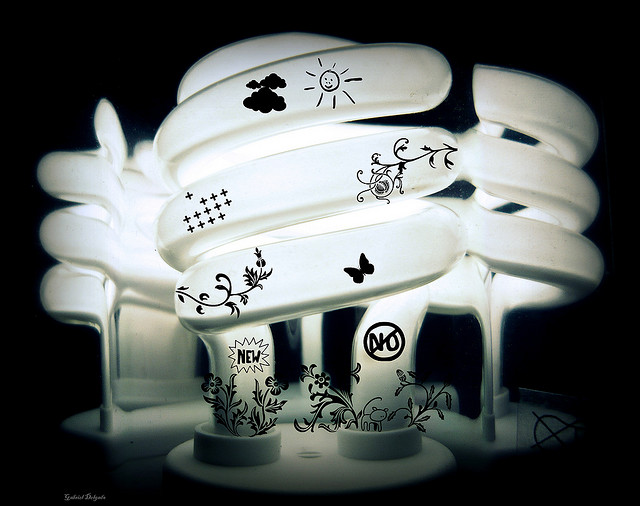
Will Edison’s invention be relegated to ancient history as LED goes mainstream?
Before the light bulb, invented by Thomas Edison in 1879, the nights were saturated in darkness and human activity limited to what could be achieved by candlelight. Now if the lights go out because of a power surge, we’re up in arms, raging at utility companies for their incompetence. And electricity’s environmental toll is immeasurable. Cleaner alternatives, such as LED, have been slow on the uptake, but the recent $15 million investment by the Taiwanese LED chip producer Epistar in the Israeli start up Oree could be a sign that LED technology will secure a place for Edison’s then-revolutionary technology in ancient-history.
A search for a cure to his own health problems led to a whole new profession for Dr. Shaul Eger – including a recipe for olive oil chocolate.
Thirty years ago Dr. Shaul Eger, an Israeli physiologist specializing in animal husbandry, was told by specialists that his heart arrhythmia was incurable and that he might die. He turned to ancient Jewish sources, where he read about the health benefits of olive oil. “I realized I had a problem, so I went back to my ancestors – to the Bible,” Eger says.
He was particularly inspired by the Jewish doctor Assaf Harofeh (Assaf the Physician) a Mesopotamian believed to have lived in the sixth century, whose works opened Eger’s mind, and heart, to a new remedy.
Harofeh writes that olive oil staves off mental illness and other ailments including those which afflict the heart. “We know from the Bible and Rambam [a leading 13th century Jewish scholar and physician] that olive oil is good for the memory,” says Eger, citing the Jewish law book, the Talmud, where it is written that those who drink olive oil will retain their memory for 70 years.
Just a spoonful of olive oil
“I found a lot of scientific basis for using olive oil” says the scientist, “… and I started to consume it.” Eger adds that his Arab neighbors near Yokneam Moshava, a village close to the Carmel region in Israel’s north, agreed about the oil’s health benefits.
At the time, while olive oil was a mainstay of the diet of Israel’s Arab population, Jewish Israelis hadn’t yet discovered it, so he bought it unrefined from his Arabs neighbors. “It was awful – the quality at the time [was low] because it was made in the traditional way, on stones.
“From a sanitation point of view it was a disaster. The acidity was high, the peroxide value was terrible.”
Still, he swallowed the stuff.
His self-prescribed remedy was a spoonful of olive oil a day, and within six months Eger was up to eight spoons a day. His arrhythmia disappeared. Before taking the olive oil, Eger says of his arrhythmia: “I suffered from it badly and had two bad experiences where I blacked out.”
But after drinking the olive oil, his entire outlook and career path were transformed. He decided to quit his job at the Ministry of Agriculture and make his own olive oil. Eger believes that he was one of the first Jews in modern Israel to grow olive trees and harvest the oil, “on the same land and in the same climate that made olives 3,000 and 4,000 years ago.”
Ancient Jewish texts say that olive oil is good for the memory
Born in 1944, before Israel became a state, Eger wanted to farm the land, but he also wanted to be a scientist. He had earned a PhD at the Hebrew University of Jerusalem and his studies were focused on cattle, but after tasting the healing properties of olive oil, he switched gears. “I learned by myself, and got into a niche, in a subject I found to be very complicated, interesting and significant to human health,” he recounts. “Olive oil is a tricky raw material. It’s easy to produce, but easy to spoil – it’s so delicate. In terms of medicinal value, it’s potent. I decided I was going to deal with this.”
The married father of three (who says he almost became “unmarried” as a result of his olive oil passion), has three grandchildren, and has planted 1,000 olive trees, whose fruit he reaps today.
Investing money in science, Eger’s efforts have yielded a number of new products which he hopes will make Israeli olive oil competitive in the global market. With around 160 olive oil producers, Israel currently supplies only about one percent of the world’s total olive oil and according to Eger, the Israeli oil has no relative advantages in cost and taste.
So Eger chose to manufacture health products, with his oil as the key ingredient. One example from the line of Dr. Eger Olive Oil Products is a non-dairy, low-sugar chocolate spread.
Together with Prof. Ishak Neeman of the Technion Institute of Technology in Haifa, Eger developed a technology for water-free, preservative-free, trans fatty acid-free solidification of oils. The ensuing margarine substitute or spreadable olive oil is solid and stable at room temperature. It can be used to make puff pastry, diaper rash cream or lip balm to treat herpes cold sores. The Eger line also offers beauty products for the face and skin.
A firm believer that people should not eat cheese and dairy products, Eger hopes to share his life experience, and cure, with the world.
Olive oil has fatty acids, good anti-viral, anti-bacterial, anti-inflammatory and anti-oxidative properties, he says, concluding, “It has the optimal composition of fatty acids, and five percent of its micro-ingredients are so important to our health.”
A weekly Green Prophet series that looks at the Arabic “green” blogosphere and online communities.
After looking at “The Forum of the Ornithological Society of Kuwait and at the Saudi Green Blog, we are continuing our trip through the Gulf Countries and arrive this week at the Oman Eco Group Blog. This blog has been active since July 2008 and is administered by the Environmental Co-Op Group (ECO-Group). This group, as written in the blog, “has been the first environmental group founded in Oman consisting of teachers and students.” Its aims are to “make people aware of the environment” and to “share ideas and experience with people around the world in the field of environment & discuss environmental issues.”
Ruptures in natural gas pipelines like this one could cause a gas-fired power plant to shut down.
Ashkelon’s planned gas-fired power plant is being hailed as the first Israeli electric power plant to be powered exclusively from natural gas. It is also touted as being able to generate 800 MW of electricity at full capacity. But despite all of this fanfare, will the new, privately owned power plant in Ashkelon be environmentally friendly enough to be considered as a big improvement over existing coal and oil fueled plants?
Officials in Abu Dhabi launched the “Think before you waste” campaign to help prevent food from piling up in landfills during Ramadan
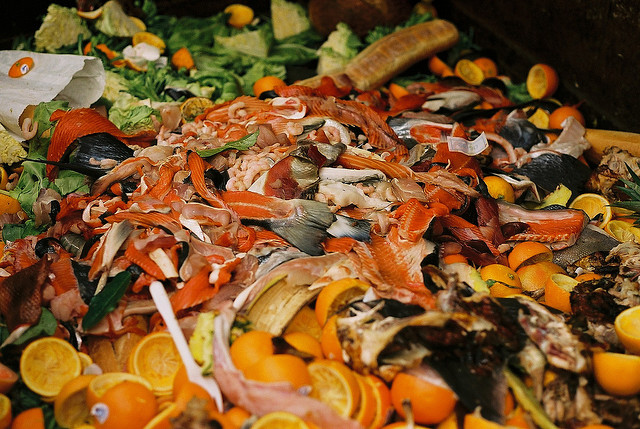
While Muslims are encouraged to internalize the principles of charity throughout their lives, during the ninth month of Ramadan, this philosophy is kicked into overdrive. Muslims demonstrate with even more intensity their devotion to Allah by abstaining from food, excessive sleep, and material pleasures. But each night, after the sun sets behind the mosque, dining rooms throughout the Arab world are transformed. Several recipes are realized in heaps, and guests are encouraged to pile up their plates. The more food, the greater the family’s generosity. Unfortunately, there’s a dark side to this abundance.
These common herbs can be added to tea to heal you
Herbal teas, as far as the eye can see, and all with healthy benefits.
Although visits to the doctor are often necessary in the winter if you have a serious case of the flu, tea can reduce those visits with their variety of health benefits from lowered anxiety to enhanced energy. We have listed a few kinds of tea and their potential benefits, though we do encourage that you take your serious symptoms to a specialist or your herbalist if you are self-medicating:
Chamomile – This is great for calming nerves and lowering anxiety. It is also a blood thinner and so reduces blood pressure, but be careful about using this if you are already on any heart medication. If you have any cardiovascular issues, check with a doctor before using chamomile regularly.
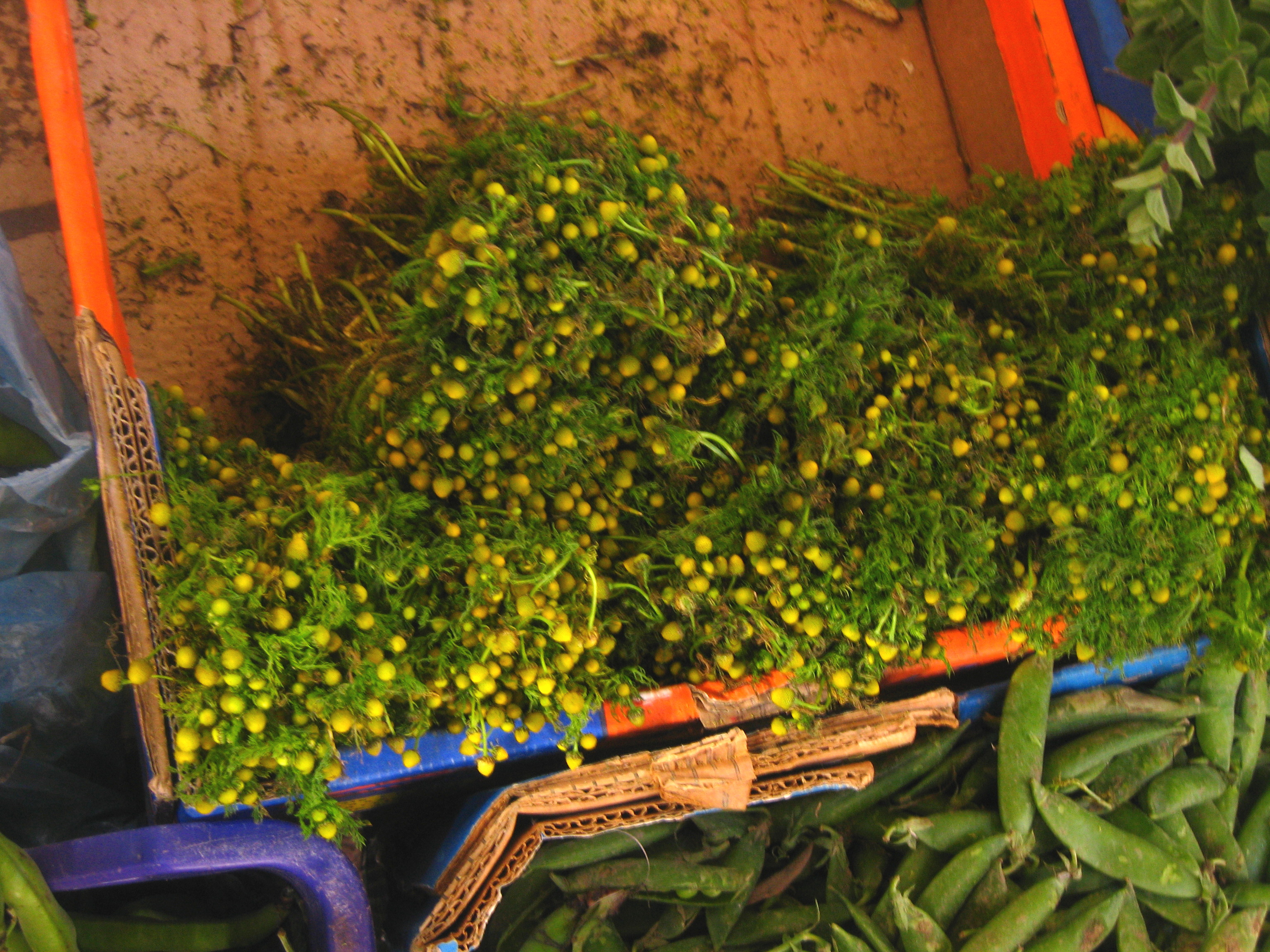
Wild chamomile in a crate
Chamomile also has external uses. It is very soothing for eyes: just take a cotton ball, soak it in warm chamomile tea and put it over your eyes. It can reduce sties as well as redness in tired, overworked eyes.
Ginger – If you have ever suffered from travel sickness, ginger is one of the teas you want to remember. Dating back centuries, ginger has been used to relieve indigestion as well as being a great natural relief for migraines.
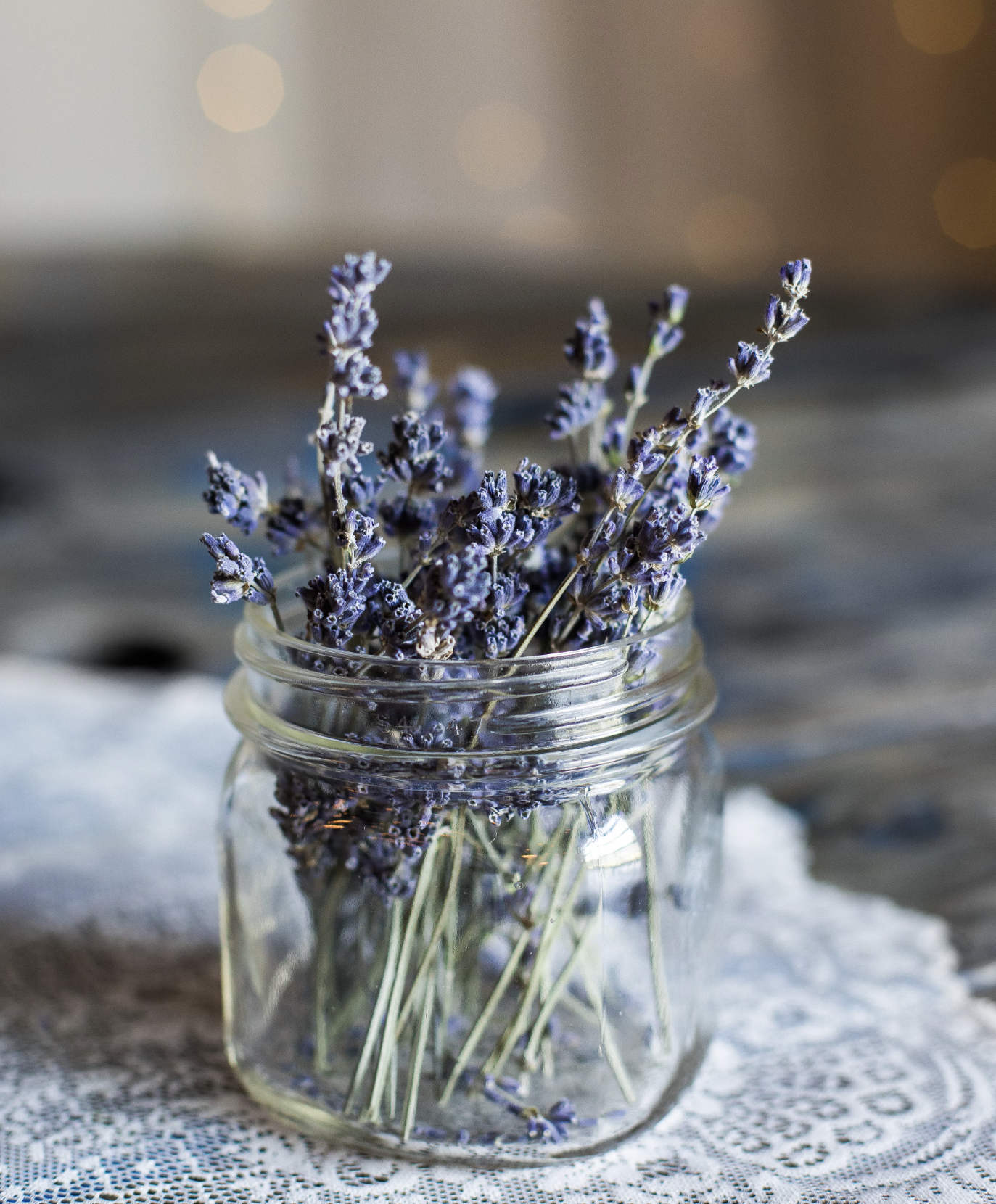
Lavender – Not only is this an aphrodisiac, but it is also a muscle relaxant, which makes it an ideal way for reducing stress levels. In fact this is an ideal drink just before going to sleep since it not only relaxes, but also helps fight insomnia.
Lavender is the Swiss army knife of essential oils
Lavender is also very soothing in case of a headache. If you are not a fan of drinking tea when you have a headache, there are other options. You can find small bags filled with dried lavender that you place over your closed eyes when you have a headache to relieve the pain.
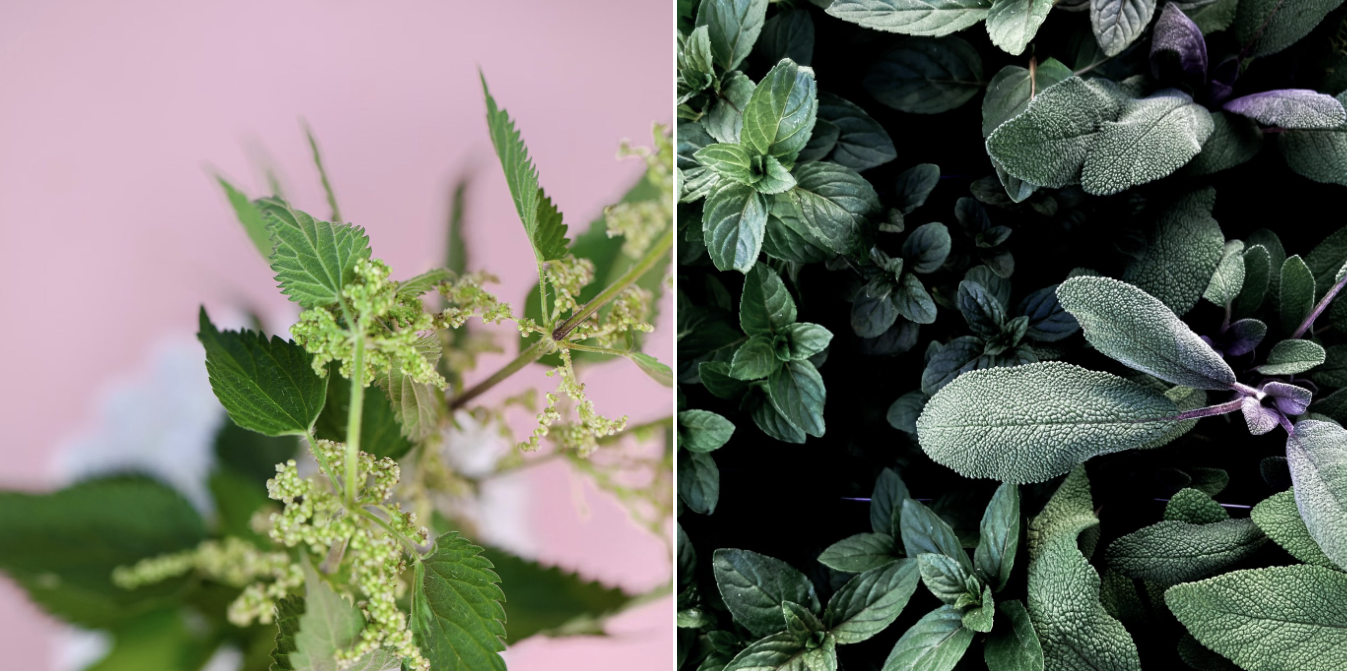
Nettle leaf – Sometimes what you really need is an immunity boost. Nettle leaf tea can provide just that. Nettles are packed with various vitamins and minerals, including iron, which makes it a great overall tonic. Use them fresh or dry but if fresh watch out for the stings. Better to pick them young before they go to seed, as in the photo below left.
Nettles and sage
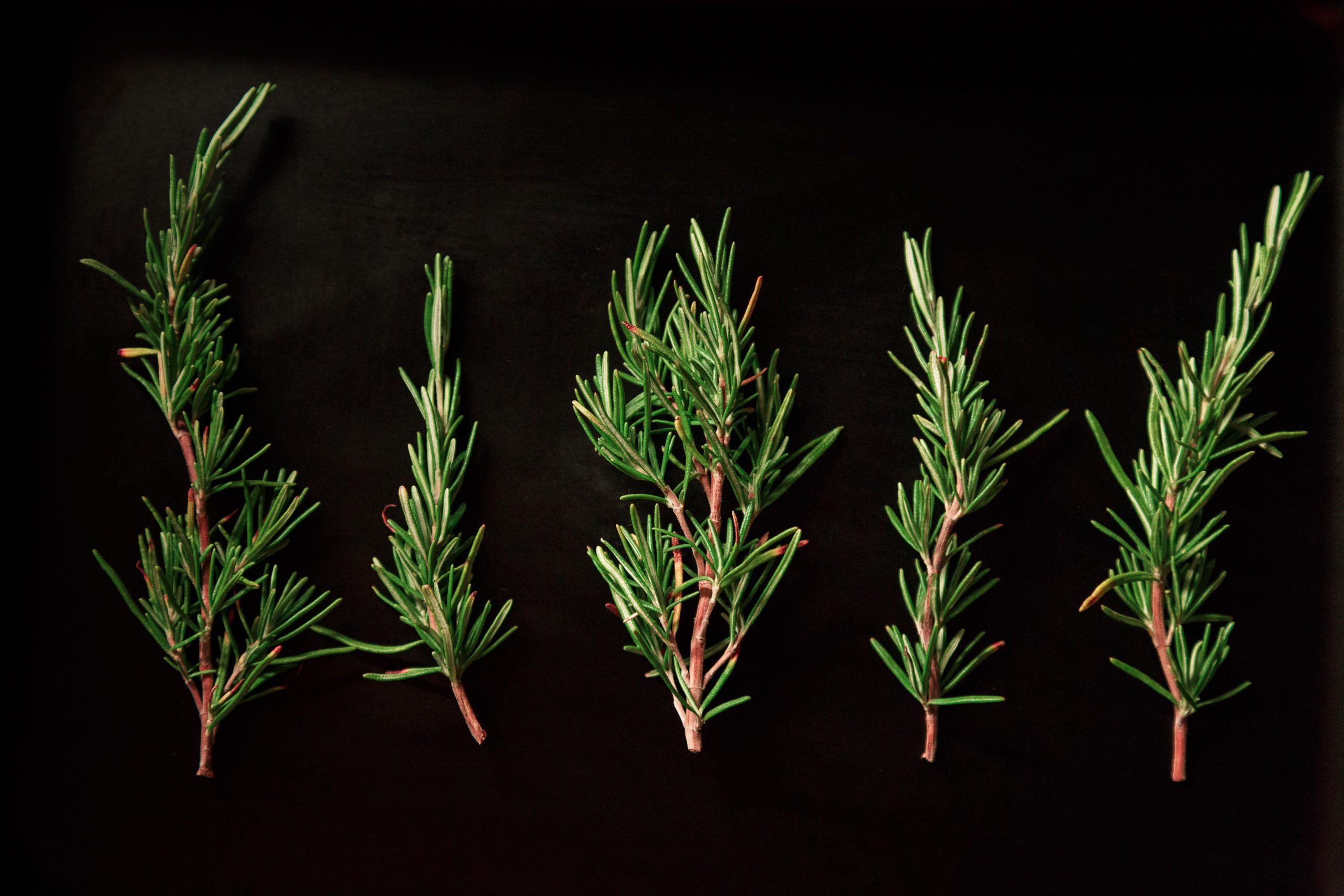
Rosemary – Not only is this a great spice to add to cooking, but at the end of the day when you know you shouldn’t have another cup of coffee try some rosemary tea. It is a great energy booster as well as being an antioxidant. It was traditionally used as a disinfectant in sick rooms to clean the air, so it is a fantastic method of cleansing your body.
Rosemary for tea
Peppermint – Instead of suffering with endless nausea, which leaves you unable to function throughout the day and unable to sleep at night, keep some peppermint tea handy. It calms the stomach, eases digestion and relieves nausea. As an alternative to tea you can always add a drop of peppermint oil to a glass of water and this will do the trick as well. Nana and mint tea, a big pile of it stuffed in your cup fresh, is a common drink in the Middle East after dinner. Some add black tea to the mix.
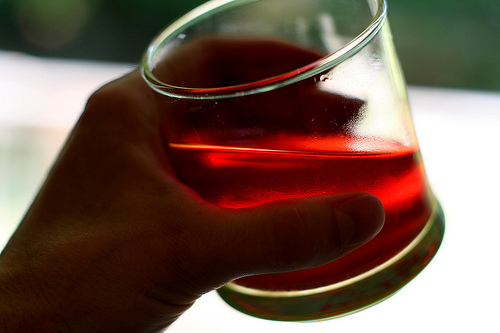
This is a cup of hibiscus tea, packed with vitamin C
Of course it isn’t only when you are unwell that herbal teas are beneficial. There are many teas with various other benefits. So have a wonder around your nearest health food store and see what you can find, but remember to check with your doctor if you are on any other kind of medication.
When was the last time you checked the ingredients in your baby’s formula?
A mystery is unfolding in the central area of Wuhan and the capital of Beijing in China, where 4 formula-fed babies and toddlers began growing breasts. Tests showed abnormally high levels of estradiol and prolactin in the baby’s blood. Could it happen in the Middle East, where formulas have been retracted before?
If the California public approves, Brightsource Energy will proceed to construction in the Fall despite rare desert tortoise
Although BrightSource Energy pulled out of the Ashelim tender in the Negev desert, they are relentless elsewhere. Plans to build the world’s largest solar power plant in the Californian section of the Mojave Desert moves one step closer as California Energy Commissioner Jeffrey Bryon recommended in a recent 576-page report that the project be approved, according to mercurynews.com.
His report will move on the state’s five panel energy board for a final decision, and the public will be given 30 days to voice their opinions. If all the bureaucratic procedures run according to the plan, then the permits will be in place to start construction later this fall.
Caspian Day in 5 countries draws attention to the sea’s environmental woes, including a plunging sturgeon population
What better way to start the weekend than with a delicious new recipe and a slice of geological perspective? The Tethys ocean, that ancient hydrological bridge that connected the Pacific and Atlantic oceans 50 million years ago, receded. When it did, it left behind whale fossils in what is now Egypt’s desert, as well as the 1000km long Caspian Sea – the world’s largest enclosed body of water. Yesterday was Caspian Day, a day for 5 nations, including Iran, whose polluted capital city Tehran kills 27 people a day, to reflect on their compromised lifeline.
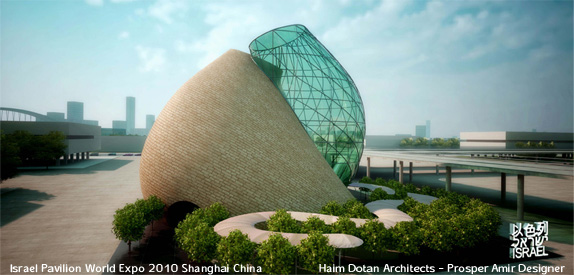
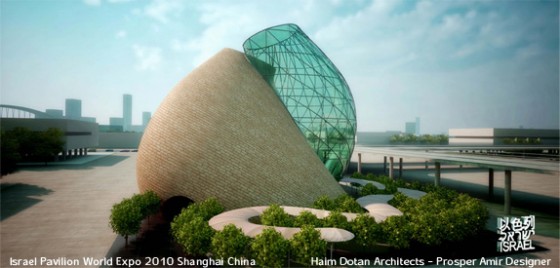
Israeli Haim Dotan incorporates the soul of nature into his art and architecture
Few things make our green hearts soar more than an architect with a gentle, artistic, nature-loving touch. Although we learned this week that cave homes built into volcanic rock withstood seven centuries of time’s wrath, it is also true that dense urban centers are more sustainable in the long run. Haim Dotan, the Israeli architect who designed Israel’s “Seashell” pavilion for the 2010 Shanghai World Expo, and who is presently designing the Aora Solar Tower in Israel, describes his architectural philosophy for Shanghai Daily writer Yao Minji.
We have already brought you several summer time recipes, as well as new takes on watermelon, but here is another vegan or vegetarian option with a fun, exciting and intriguing Middle Eastern-styled flavor.
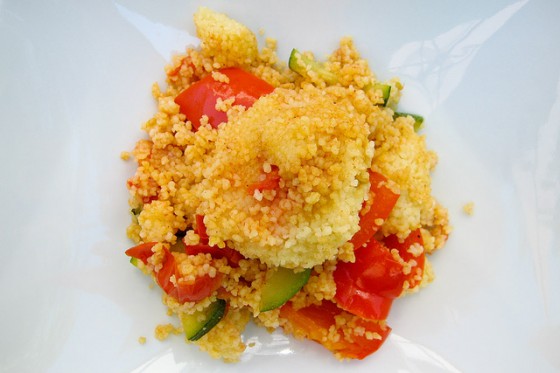
Salad: Couscous with greens and olives
This fulfilling and nutritional summer salad can act as a main dish on its own. A traditional Moroccan styled dish that just livens up the summer months with its neat texture.
Ingredients:
1 cup couscous,
1 cup Kalamata olives, halved
1/2 cup Parsley finely chopped,
1 1/2 cups vegetable stock (available at all supermarkets)
2 tomatoes without skin (soak in hot water for 5 minutes and then remove skin)
2 cups (steamed or lightly boiled) Broccoli
1 Tbs cumin
1 Tbs cinnamon
Chili to your liking
Start by adding the spices to the Couscous and cover; set to side and leave for 10 minutes. Meanwhile, chop the tomatoes, mix it with the parsley. Add the mixture to the Couscous. Next, add in the olives and top with the broccoli and sprinkle some olive oil on top. Serve cold.
Main dish – Egyptian Roqaq with vegetables
Note: Roqaq is thin-layered wheat strips. You buy them hard and soften via water and they are used similarly to lasagna. Or you can make them easily.
Ingredients
1 to 1.5 cup of warm water
4 cups of flour
1 tsp of salt
Dough: iMix the flour, salt and water until a dough is formed and not sticky. You can add flour little by little until it is not sticky if needed. Divide the dough into 10 balls and cover. Let them rest. Warm over to 400 degrees F and place a tray upside down inside.Take the first ball and on a surface covered with flour, roll it into circular thin layer. Move the dough to the oven onto the tray for a couple of minutes. You have the basis for roqaq.
This traditional Egyptian lasagna-style dish is commonplace in restaurants, cafes and in the home. Usually served with ground beef and loads of cheese, we have taken them out to make it inviting and tasty for the non-meat eaters around. It’s still just as good, if not better.
How to make Egyptian Roqaq
5 layers of Roqaq pastry/bread
1 1/2 cup Vegetable stock
Filling:
2 cups olives, finely chopped
1 large onion or two medium ones, sliced
2 garlic gloves, minced
3 cups bell peppers, diced
2 Tbs olive oil
(you can add soft cheese if you are not vegan and nutritional yeast or vegan Parmesan if you are)
Begin by preparing the filling. Fry the onion lightly until it becomes transparent; add the garlic and stir. Next, add the peppers until they become soft. Remove from skillet, add the olives and set to the side.
Tip the Roqaq layers one by one quickly in the room temperature vegetable stock until they become semi-soft. Do not prolong this process or they can get mushy. Add some olive oil to the round and semi-deep tray. Add the first two layers then add in the filing, then add the remaining layers of the roqaq.
Bake in the oven over medium heat for approximately 25 minutes.

 Glass may be beautiful, but in the Middle East, it’s far from eco-friendly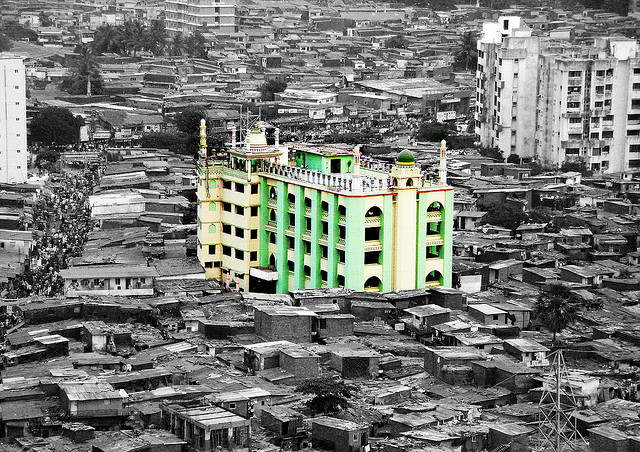







 A weekly Green Prophet series that looks at the Arabic “green” blogosphere and online communities.