Home Blog Page 61

The ocean is too loud for baby oysters

0
too loud for baby oysters
An oyster in Italy

The world is becoming too bright for bats. Baby oysters, too, are finding that sounds from us humans are causing them stress and is preventing them from moving away from “home” to settle into new environments, finds a new study. Noise pollution in seas may also be responsible in part to the proliferation of the oyster parasite multinucleate sphere X, or MSX, rendering oysters weak.

According to scientists at the University of Adelaide, oysters need specific sound cues to migrate and move around. Though they don’t swim, baby oysters do need to find the right habitat and ecosystem for them to live inside:

“The ocean’s natural sound is gradually hushing due to habitat loss, leading to a quieter natural environment increasingly drowned out by the crescendo of man-made noise pollution,” explained lead author Brittany Williams.

“Numerous marine larvae rely on natural sounds to navigate and select their dwellings, so this interference poses a problem for conservationists aiming to attract oysters to restored reefs using natural sounds.”

We know that shipping noises after whales and dolphins but marine noise pollution affects the less known creatures, some which are keystone species: “Noises from shipping, machinery and construction, for example, are pervasive and pose serious environmental change that affects both terrestrial and marine animals,” says Williams.

According to the research, published in Proceedings of the Royal Society B, marine organisms appear particularly vulnerable to the intensification of human-made or anthropogenic noise because they use sound for a range of activities, including to sense their surroundings, navigate, communicate, avoid predators, and find mates and food.

The teams have used a special kind of habitat “speaker” to help the oysters: But, “Our previous work demonstrated that novel acoustic technology can bolster oyster recruitment in habitat restoration projects, but this new research indicates potential limitations of this speaker technology,” said Dominic McAfee, who was part of the research team.

In environments where there is a lot of human noise pollution, the speakers did not increase larval recruitment.

Scientists all over the world have been playing specific seascape sounds using a loudspeaker to attract baby oysters. In the big scheme of things if the oysters are being attracted to harvesting islands where they are culled we can assume that natural selection will eventually wipe out the oysters who come for the call.

Oyster reef restorations are taking place in countries like America. This image shows surviving oyster reefs in Virginia. Aileen Devlin/Flickr, CC BY

Oyster reef restorations are taking place in countries like America. This image shows surviving oyster reefs in Virginia. Aileen Devlin/FlickrCC BY

“This suggests that noise pollution might cloak the intrinsic sounds of the ocean, potentially exerting profound ramifications on marine ecosystem vitality and resilience,” said co-author Professor Sean Connell, from the University of Adelaide and the Environment Institute.

While acoustic enrichment may be less effective along noisy metropolitan coastlines and urbanised waterways, the researchers are still optimistic about the application of the technique in less trafficked areas.

Another option: stop eating too much shellfish, and let the ocean dwellers take their own course.

Algerian Judoka expected to defeat to Israeli player before match

0

Algerian Judoka

Instead of letting areas like sport create a bridge to peace, an Algerian judo contestant at the Paris 2024 Olympics says he would rather withdraw from the Olympics rather than compete against an Israeli.

Messaoud Dris says he will withdraw from his first match, as he was selected to compete against Israeli judoka Tohar Butbul  at the 2024 Paris Olympics in Paris, according to the French news outlet Ouest France reports.

While neighboring Morocco has a peace agreement with Israel, the Algerian athlete says he will forfeit the match as his country does not recognize the State of Israel.

Doing so he could be banned from future competitions by the International Olympic Committee and the World Judo Federation, says Ouest France.

Butbu is ranked ninth in the world in the Under 73kg division and part of the Israeli team that won bronze at the Tokyo 2020 Olympics. Dris has not won a world championship but in 2024 was the number 1 for the African Senior Championships Individuals and in 2023 won first place in the Arab Games. It may be that this is the end of his career anyway and without a chance of winning. This political forfeit could boost his career in the Muslim country that praises and honors people who make political statements against the Jewish country.

Three years ago the Algerian judoka Fethi Nourine refused to face an Israeli opponent (there was no war at the time) and was suspended. We are noticing a pattern with Algeria.

In October 2017, when an Israeli Tal Flicker won gold in an international judo championship in the UAE officials refused to fly the Israeli flag and play the Israeli national anthete. The UAE also banned Israeli athletes from wearing their country’s symbols on uniforms. The list goes on – see Wikipedia which offers a special page on this issue. Do you think it’s the right thing to do or the wrong thing to do? Should areas of life like Sport and Art rise above conflict and personal politics?

Related: Palestinians swing dance with Israelis for peace

In Iran, you can get into political hot water – and into jail or worse – for other reasons. Remember when the Iranian speedskater was threatened with violence when she didn’t wear her head covering in competitions?  Iran’s sports ministry issued a short statement emphasizing that athletes require “maintaining Islamic values in sports competitions” and added that Mardani, pictured below, had not competed in clothing approved by the state.

Iranian speedskater threatened by government for not wearing head covering
Iranian speedskater threatened by government for not wearing approved head covering

Are values in sport a universal idea? Are different countries with different religious values permitted to inject their values on a competition that started in Greece 3000 years ago and called the Olympiad? Consider that British rider Charlotte Dujardin was banned from the Olympics, and her career over, after video of her whipping horse “like an elephant in the circus”. Where does the ethics and morality committee stand on countries who send participants that refuse to player others or who inflict Draconian ethics on women? Should there be a collective country ban on Iran, Algeria and England for a certain period of time or should it just be individuals who get disqualified?

Does an individual reflect the country or the country reflect the individual?

A new foldable, moveable 15kw solar power plant for disaster zones

0
Foldable solar power plant
Foldable solar power plant – one unit is good for 60 families

Solar ovens and thermal solar power to heat your water is great if you have a steady place to live. But when a disaster strikes, such as an earthquake, landslide or flood, what are you to do? Engineers from earthquake-prone Turkey have created a portable, foldable solar power pack that can provide basic power services to homes and villages in the event of a natural disaster.

Turkey has also seen an influx of unstable populations of Syrian refugees over the years, along with North African migrants heading to Europe. This new solution could also help Lebanese living under the hands of terror factions and without a stable government creating chaos and power outages in Beirut, and basically all over Lebanon.

One unit can provide the power needs for 60 families.

The Turkish solar photovoltaic system or mini “power plant” puts out of 15 kW. And it can be installed in 15 minutes. A 15kW system can generate about 15,000 watts of power in the brightest days of the year, and this is equivalent to powering 500 laptops simultaneously. Factors like clouds, dust, temperature, and age of equipment will affect the affect actual power output.

The micro solar power plant, inventors say, is handy in case of disasters and for refugees. The same Turkish company is developing a portable hydropower turbine of up to 1 MW aimed for use on canals and small streams with little or no assembly required. Countries like Canada and the US are great for hydropower because of the streams and rivers. Drier countries, the sun is better.

Related: solar panels save energy-poor Lebanon

The portable mini solar power plant can be switched on in a second, with no mention of how to maintain the battery system which we know requires a certain kind of skill and finesse.

The market sees no shortage of mini solar power systems. Our friend bought one, twice, in Costco, for about $15,000 USD each time. Both winters when the system wasn’t maintained correctly, the batteries were destroyed – meaning that when a company says the system is “easy” and hassle free, we think it’s important to read the small print.

But Turks know how painful it can be without power: When a devastating earthquake hit Kahramanmaraş last year, Turkey’s Ministry of Energy and Natural Resources reached out to its homegrown company firm Türkiye Electromechanic Industry (Temsan) asking the engineers to develop a local solution to natural disasters.

Related: Solar panels save these sisters in Lebanon

Shoddy construction, old buildings made from natural materials, along with mismanagement and deceitful building practices mean that there are many casualties and chaos whenever Turkey has an earthquake. We hope this government-supported project can help Turkey develop its infrastructure.

The mini power unit called the Mobitem is a 2.5-meter-high container of 21 square meters in total.

Saudi’s Aramco, London, China and France bet on combustion engine company Horse

Horse powertrain sold in part to Saudi Aramco
Saudi Arabia has a vested interest in Horse Powertrain

As car manufactures switch to electric, Horse in London, Renault from France, Geely from China and Saudi Aramco which owns the world’s largest stake of oil, go all in for combustion engines.

Saudi Arabia’s oil company Aramco wholly owned by the Saudi Arabian government is one of the world’s wealthiest companies and is by far sitting on the world’s greatest amount of oil reserves. While Aramco does invest in what seems like noble deeds – in hydrogen energy for instance – its actions of actually developing mega real estate projects such as Neom (dock your mega yacht here) and investing in combustion engine tech shows that Saudi Arabia is planning that its oil reserves will be relevant for generations to come.

The world experienced the two hottest days on record this year, on Sunday and then again it broke the record on Monday, due to climate change but for oil companies like Aramco its business as usual. Or rather, bringing business back to the 80s by investing in combustion engines.

Aramco’s market cap in 2024 was $1.814 trillion with its primary business as the exploration, production, refining, and distribution of petroleum and petrochemical products. The company is significant to Saudi Arabia´s economy, which relies heavily on oil revenues although the country is trying to be open to Western values and tourism and development in the last 5 years.

Saudi Aramco went public in 2019, leading to the largest IPO in history, raising $29.4 billion USD. Despite the large amount of cash raised, only 1.5% of the company was actually floated, with the rest still owned by the Saudi government.

Among the many directions that Aramco is taking – including investing in AI chips – Saudi Aramco is betting that the  internal combustion engine found in cars, trucks, ships and airplanes, will be around for a “very, very long time”. The world’s largest oil company does see opportunity from the rise of the electric car from its $500bn in revenues last year to take a $800 million or 10 per cent stake in Horse Powertrain, a company based in London and dedicated to building fuel-based engines.

Saudi Aramco, Chinese carmaker Geely and the French Renault, are investing in London-based Horse as the as the industry stops designing and developing its own combustion engines, it will need to start buying them from third parties:

“It will be incredibly expensive for the world to completely stamp out, or do without internal combustion engines,” said Yasser Mufti, the executive VP at Saudi Aramco responsible for the deal. “If you look at affordability and a lot of other factors, I do think they will be around for a very, very long time.”

Asked if he thought there would be internal combustion engines forever, Mufti said yes. Saudi Aramco has previously said it believes that even in 2050, more than half of all cars will still run on some sort of fuel. Horse is the “horse” they are better on.

Horse is headquartered in London with operations in Argentina, Brazil, Chile, Portugal, Romania, Spain and Türkiye. The powertrain plant in Bursa, which was part of Oyak Renault until recently, is now Oyak Horse, a new company set up under a partnership between Oyak and Horse Holding.

Horse Powertrain Limited is a joint venture holding aimed at producing powertrains, including internal combustion engines and hybrid systems.

The venture holding was established in May 2024 and is equally owned by Renault and Geely. It is headquartered in London, United Kingdom.

Zhejiang Geely Holding Group Co commonly known as Geely, is a Chinese multinational conglomerate headquartered in Hangzhou, Zhejiang. The company is privately owned by Chinese entrepreneur Li Shufu, and mainly engaged in the automotive industry.

So while car companies such as Ford and GM are pressured by shareholders to shift over to electric engines, the Chinese and Europeans are opening new businesses based on what was supposed to be “past” technology.

Consider that in 2021, GM announced its intention to sell only electric vehicles by 2035.

Electric vehicles are supposed to be the only kind of vehicle on the road in countries like Canada by the year by the year 2035. The new Canadian standard requires all new light-duty vehicle sales in Canada to be electric or plug-in hybrid by 2035. There are also interim targets of at least 20 percent of all sales being EVs by 2026 and 60 percent by 2030.

A growing number of people are buying electric cars, but range anxiety while towing boats or driving hours between cities in northern areas in North America is still a major concern. In rural areas of Canada and the US, locals are concerned about regular access to the grid and blackouts that can be regular during summer and winter storms.

We drove a Tesla this summer and enjoyed the acceleration speed and the cost of $20 a fill up versus $90 for the same sized car. My cousin loved hers so much that she traded in her second vehicle, a Ford truck, for a second Tesla. In her case, rural living means so much more driving for the kids. She estimates saving about $500 or more per car per month, on fuel alone.

Tesla Y, 2024
Tesla Y, 2024 makes a decent, sustainable EV. Plus it comes with fart whoopee cushions.

Saudi Arabia needs to bet on the combustion engine because the lifestyle of Saudi Arabia depends on it. The moment we stop the oil and gas industry, we will solve the biggest problems with climate change and conflict in the Middle East. I find it interesting that London and the French are in on the game. We expect this from China and Saudi Arabia but opening new businesses for combustion engines? Sounds criminal to the climate movement.

::Horse


Saudi Arabia artist Ahmed Mater featured at Christie’s in London

0
desert of pharan
Magnetism at Mecca

Saudi artist Ahmed Mater talks about his work involving magnetism, mirage and Mecca. Ahmed Mater: Chronicles is taking place at Christie’s headquarters located in the heart of St. James’s, London, from July 17 to August 22.

Curated by Dr. Ridha Moumni, Chairman, Christie’s Middle East and Africa and organised thematically, the exhibition will trace Ahmed Mater’s expansive career, from his first artistic experiments to his latest projects.

As an acclaimed multimedia artist working across mediums including photography, videos, paintings, sculptures and installations, the exhibition will illustrate Mater’s unique visual reflections on the transformations across the social and spiritual landscapes of Saudi Arabia, and the Arab World.

Ahmed Mater: Chronicles will trace his artistic genesis from experimental forays during medical school, his formative years in the Al-Meftaha Arts Village, and his involvement in enriching the Kingdom’s contemporary art scene with Edge of Arabia, to the laboratory of ideas and collaborations that his current studio represents.

The Christie exhibition will highlight Mater’s seminal works, which include early-career abstract paintings, the Illumination series, the celebrated Desert of Pharan photography project (featured below) and will also unveil his most recent work, including Magnetism Book.

Drawing on themes of mutation, modernisation, land, and faith, the artworks included in Ahmed Mater: Chronicles will be on loan from prestigious institutions in the Middle East, from important private collections, and from the artist’s studio.

Ahmed Mater, Desert of Pharan

Some of his themes involve nomadism, desert dwellings and the shifting sands of Saudi Arabia. The exhibit will also feature Mater’s upcoming AlUla exhibition.

renders of Ashab Al-Lal by Ahmed Mater at Wadi AlFann. Visualization by Atelier Monolit. ©ATHR Gallery

::Ahmad Mater

Pets abandoned as people flee climate change

0
A cat is given a wash after more than 140 others were found dumped in a desert lot in Abu Dhabi, UAE.  Courtesy Chiku Singh
A cat is given a wash after more than 140 others were found dumped in a desert lot in Abu Dhabi, UAE. Courtesy Chiku Singh

Pet shelters in the United Arab Emirates are noticing a worrying trend. As soon as the temperatures soar in the summer months, more pets are being abandoned. According to a local paper, the Kaleej Times, local UAE families escape the heat which can exceed 40C daily by going abroad for long vacations.

Some pet owners give their animals to the care of clinics or shelters before their trips, local pet care experts reveal, while others go as far as abandoning them on the streets. Last winter 140 cats were found dumped in the desert outside of Abu Dhabi.

The animal rights organization People for the Ethical Treatment of Animals (PETA) is offering a $5,000 reward for information on “whoever dumped these cats in the desert,” said. PETA Asia Vice-President Jason Baker: “This act of cruelty must not be swept under the rug … The solution to the homeless-animal crisis is spaying and neutering and adopting from overworked and understaffed shelters, which PETA Asia has been asking the UAE to require for years,” Baker said.

Souheil Abdulla, managing partner at Pure Life Veterinarian Treatment told the Kaleej Times: “When people travel, they unfortunately abandon their pets. They mostly do it to cats because they’re easier to dispose.”

He added that such behavior “showed a lack of responsibility”. The expert said that it’s sad how some people consider pets or cats as accessories to their lives, instead of part of their family.

While wild pets wandering the streets of Abu Dhabi are less common than in 2011 (wild pet ownership is now banned), climate change will be creating more displaced pets and people as some parts of the world become intolerable for supporting life. Bahrain has started a mid-day work ban for foreign workers and construction workers to protect them from the ravaging health effects of the heat.

Related: Cruel cat woman deported from the UAE

But who is protecting the animals? If you are in the UAE and want to know more about animal abandonment due to climate change, contact the RAK Animal Welfare Centre. The shelter is supported by the government of Ras Al Khaimah and opened in 2010 rehomes socialised, trained, and healthy dogs.

If you want to help with cats, The Sharjah Cats and Dogs Shelter is a non-profit that rescues abandoned pets and finds them homes. It has a physical location on Airport Road in Muzairah and is open to walk-in visitors from Monday to Thursday, 8am to 3pm and Sunday 2pm to 6pm. It is closed on Fridays and Saturdays. All pets are spayed or neutered, vaccinated and microchipped.

Back in 2015 The National said it’s common every summer in the UAE and that some shelters see pets handed in daily by locals who are traveling abroad for the summer and who do not want to ay expensive boarding fees. Some are leaving the UAE for good and don’t want to relocate with their cats and dogs. The trend starts in April when it starts to heat up.

Monday was the hottest day on record globally

hottest day on record
Monday was the hottest day on record in the world. Climate change is showing how things can heat up.

Sunday this week was the hottest day on record, globally, until Monday rolled around. The world records the hottest day on record… for second day in a row as the global average surface air temperatures on Monday were 17.15C, following 17.09C on Sunday. Both are warmer than previous records of 17.08C from July 2023.

This climate change data is based on preliminary data from Copernicus EU, The Earth Observation component of the EU Space Programme, which can be compared to NASA in the US.

Related: Should I workout on the hottest summer days?

The Middle East has been hotter than ever. Some 1300 pilgrims dropped dead from heat exhaustion during Hajj in Saudi Arabia in June.

In the United Arab Emirates temperatures regularly climb above 40°C (104°F), and heath problems are being noticed by healthcare professionals dealing with a daily influx of heat-related illnesses – from heat exhaustion and dehydration to exacerbations of chronic conditions according to local news Alarabiya.

Rescue centers in the UAE are warning that soaring temperatures in Dubai are leading to an annual wave of animal abandonment across the country. Don’t worry you won’t find a cheetah on the street. Ownership of wild animals is now banned.

Dr. Mohamed Ahmed Abouelyazed Elshafei, a neurologist at Zulekha Hospital, Dubai, told Al Arabiya English soaring temperatures have led to several heat-related complaints at emergency rooms: “As a neurologist, we have observed worsening of previous medical problems because of exposure to too much heat, such as hypertension dehydration, multiple sclerosis-related symptoms, migraine and headaches,” he said. “Some people can develop seizures, brain injury, and kidney injury because of heat stroke.”

Countries like Bahrain have started a daily siesta time for foreign workers so they won’t be working in the mid-day sun. And while summer workouts are a fine welcome after the snow, rain and cold days of winter, consider these tips before running or doing vigorous exercise in the hot summer sun.


Reforestation in Iran revives traditional food and creates jobs

0

reforestation in Iran

Amidst the picturesque desert landscapes of Rigan in Iran, one community is witnessing a remarkable revival of its culinary tradition while upholding environmental sustainability.

Such a transformation is the fruit of the Rehabilitation of Forest Landscapes and Degraded Lands (RFLDL) project, an initiative led by the United Nations (FAO) and funded by the Global Environment Facility (GEF).

The project has become a catalyst for economic empowerment and environmental conservation in Rigan, with local communities and rural women at its core.

Known for its cultivation of dates, citrus, sesame and henna, Rigan nonetheless faces a significant threat from desertification. Characterized by its expansive plains and towering mountains, Rigan experiences temperatures that can soar above 50 degrees Celsius during the peak of summer. The area is dotted with date palms and citrus orchards that thrive in its more tropical zones. See how Lake Urmia in Iran has dried up due to human mismanagement.

Land degradation and biodiversity loss is common in Iran, primarily due to unsustainable agricultural practices and deforestation. These issues are compounded by overgrazing, excessive harvests of forest products and the relentless movement of sands, all of which exacerbate wind erosion and diminish the efficacy of watershed ecosystems.

Iran reforestation, bread traditions
FAO distributed 750 gas ovens drastically cutting down deforestation while helping increase the production of the traditional Komaj bread, transforming it from a household staple to a source of income. ©FAO/Mehdi Ansari Jovini

Communities have traditionally depended on wood and shrubs for fuel for their mud ovens, a practice that further led to deforestation and environmental degradation.

As one of its responses, the UN project distributed 750 gas ovens and 500 wood-efficient stoves, especially when compared to mud stoves, cutting down deforestation while helping the revival of the traditional Komaj bread making.

Komaj bread, a delicacy infused with the sweetness of dates and aromatic cardamom, complemented by the earthy tones of cumin—a staple spice of the region—is at the heart of this revival.

The switch to gas furnaces has enabled the women of Rigan to increase the production of Komaj bread, transforming it from a household staple to a source of income. This shift not only preserves a treasured culinary tradition but also provides new economic prospects for the community’s women, who can sell their product at the local markets, further contributing to their economic resilience.

Iran girl bread

Together with implementing activities, such as planting organic windbreakers, constructing watershed management structures and setting up sediment traps, the reduced necessity of clearing trees and bushes for fuel improved the status of dryland forests and range and decreased the severity of wind erosion on almost 75,000 hectares of land in both Rigan and South Khorasan.

In Rigan, in particular, the project supported villages to restore 2,250 hectares of farm and rangeland by growing drought- and saline- resistant plants. 1,650 of these hectares were planted with species that can be safely irrigated by wastewater.

In an effort to diversify income sources away from solely forest products, the project encouraged the cultivation of alfalfa, date trees and medicinal plants, as well as the breeding of turkeys. Additionally, it supported a range of craft and artisan skills such as needlework, sewing, handicrafts and the spinning of palm fibres.

In Israel people like Yossi Oud are starting such projects which help Muslim women start small craft businesses by beekeeping.

What is dark oxygen?

0
dark oxygen is from the sea
A lump of dark oxygen from the sea

Dark oxygen collected from the sea floor

Something dark and metallic-like is pumping out large amounts of oxygen from the bottom of the Pacific Ocean, at depths where a lack of sunlight makes photosynthesis impossible, scientists have noticed.

The find has surprised scientists and the source remains a mystery. The oxygen might be generated by metal-rich mineral deposits, some sort of metallic substance or nodules, they claim.

Dark oxygen might change how science understands the creation of life
Are these dark potato -like balls on the bottom of the sea the origins of life?

To researchers’ surprise, they measured voltages of up to 0.95 volts across the surface of the nodules. It is possible that the nodules catalyse the splitting of water into oxygen and hydrogen, but more experiments are needed.

The scientists also say this new discovery could change everything about what we know about oxygen itself, and how life as we know it is created.

This challenges what we know about the emergence of life on Earth, researchers say: “When we first got this data, we thought the sensors were faulty, because every study ever done in the deep sea has only seen oxygen being consumed rather than produced,” study lead author Andrew Sweetman, a professor and leader of the seafloor ecology and biogeochemistry research group at the Scottish Association for Marine Science (SAMS)

But when the instruments kept showing the same results, Sweetman and his colleagues knew they “were onto something ground-breaking and unthought-of,” he said.

So what does that mean for deep sea mining? Green Prophet has covered many stories and research to shed light on the problems with deep sea mining and what this could do to delicate, deep sea ecosystems.

A deep sea mining rig

Dr. Paul Johnston, from Greenpeace’s Science Unit, says, “This study shows that processes are going on in the deep sea and which are associated with these mineral nodules that we are only just becoming aware of. The ecological importance of this process as a source of oxygen in deep-sea environments is not really known but may be highly important.

“We should impose a moratorium on exploiting these systems because we still lack a comprehensive understanding not only of their biodiversity, but also of the complex ecological functions they support.”

Scientists are joining in the call to protect the deep seabed from mining as the International Seabed Authority in Jamaica this week to decide the future of the deep sea mining industry

Have scientists found a way to make antibiotics resistance-proof?

0

Antibiotics, after washing hands, is the biggest breakthrough in medical history. Without them people could die of routine infections from a cut toe or after childbirth. With them, doctors can stop sepsis before it goes too far. But every parent’s nightmare, and as doctors in hospitals know too well  – bacteria have developed ways to become resistant to some of today’s antibiotics – meaning they won’t work on all people all of the time.

One reason people don’t give antibiotics to their children early is to safeguard the drugs for when the child needs it. But new research may be able to pump up the potency when antibiotics become resistant: A new antibiotic that works by disrupting two different cellular targets would make it 100 million times more difficult for bacteria to evolve resistance, according to new research from the University of Illinois Chicago.

Related: all about bacteria

For a new paper in the scientific journal Nature Chemical Biology, researchers looked at how a class of synthetic drugs called macrolones disrupt bacterial cell function to fight infectious diseases. Their experiments demonstrate that macrolones can work two different ways – either by interfering with protein production or corrupting DNA structure.

Because bacteria would need to implement defenses to both attacks simultaneously, the researchers calculated that drug resistance is nearly impossible.

“The beauty of this antibiotic is that it kills through two different targets in bacteria,” said Alexander Mankin, from the university. “If the antibiotic hits both targets at the same concentration, then the bacteria lose their ability to become resistant via acquisition of random mutations in any of the two targets.”

Related: swallowing poop pills is good for your gut

Macrolones are synthetic antibiotics that combine the structures of two widely used antibiotics with different mechanisms. Macrolides, such as erythromycin, block the ribosome, the protein manufacturing factories of the cell. Fluoroquinolones, such as ciprofloxacin, target a bacteria-specific enzyme called DNA gyrase.

Two UIC laboratories led by Yury Polikanov, associate professor of biological sciences, and Mankin and Nora Vázquez-Laslop, research professor of pharmacy, examined the cellular activity of different macrolone drugs.

Polikanov’s group, which specializes in structural biology, studied how these drugs interact with the ribosome, finding that they bind more tightly than traditional macrolides. The macrolones were even capable of binding and blocking ribosomes from macrolide-resistant bacterial strains and failed to trigger the activation of resistance genes.

Other experiments tested whether the macrolone drugs preferentially inhibited the ribosome or the DNA gyrase enzymes at various doses. While many designs were better at blocking one target or another, one that interfered with both at its lowest effective dose stood out as the most promising candidate.

“By basically hitting two targets at the same concentration, the advantage is that you make it almost impossible for the bacteria to easily come up with a simple genetic defense,” Polikanov said.

Can I use cannabis if I have diabetes?

0
cannabis smoking teens skateboard
Cannabis and diabetes – be aware of the cardiovascular risks.

If you travel to Canada this summer you will smell cannabis smoke on almost any city street corner. Don’t be surprised that it’s out in the open as Canada legalized cannabis use for medicine and recreation in 2018.

While we started a company to help people grow better cannabis, and have reported over the years that cannabis can help epilepsy, cannabis can help autism, it solves pain for people with cancer, and it can help PTSD and other disorders, cannabis doesn’t help all people all of the time. It’s individual. In some cases cannabis or marijuana use can be harmful, especially to children.

Now researchers at University of California San Diego School of Medicine have found a significant increase in cannabis use among adults with diabetes in the United States, and they wonder what this might mean for health outcomes.

The new study, which analyzed nationally representative data from the 2021 to 2022 National Survey on Drug Use and Health (NSDUH), estimated that 9.0 percent of adults with diabetes used cannabis in the past month, with a 33.7 percent increase in prevalence—from 7.7 percent to 10.3 percent—between 2021 and 2022.

The findings raise concerns about the health consequences of cannabis use among people with diabetes. Previous studies have found cannabis use to be associated with adverse cardiovascular outcomes, to which people with diabetes are already vulnerable.

The researchers note that the use of cannabis among adults with diabetes may be driven by its perceived therapeutic benefits, including insomnia and pain relief for neuropathy. Additionally, the legalization of cannabis in multiple states has resulted in increased access to cannabis products, leading many people with chronic illnesses to turn to cannabis as an alternative means to manage their symptoms.

The study also found that individuals with diabetes who engaged in other substance use, such as tobacco use, binge drinking and misuse of opioids and stimulants, were more likely to have used cannabis.

Use of these additional substances could further exacerbate the health risks associated with diabetes and also emphasize the importance of addressing polysubstance use among adults with diabetes.

The study’s findings highlight the need for health care providers to screen for cannabis use among their patients with diabetes and to educate them about the potential risks and benefits of its use. Further research is also needed to understand the effects of cannabis on diabetes outcomes and to develop evidence-based guidelines for its use in this population.

The study published on July 22, 2024 in Diabetes Care and was led by Americans Dr. Benjamin Han, Dr. Jeremy Pettus and Dr. Alison Moore.

Should you work out in the summer?

0
woman running in black body suit on a track
Running in a bathing suit means you can jump straight into a river, lake or the sea. But protective clothing is more important in direct sun.

The summers seem to be getting hotter every year and if you spend too much time in over 100 degree F heat there will be physiological consequences. Temperatures have soared this year especially in the Middle East. Temperatures in Dubai can exceed 109 degrees in July and August and states like Florida, Hawaii and Arizona are starting to sweat more than ever.  But as Olympians land in Paris, we wonder, is it safe to work out in the heat?

Look to countries like Saudi Arabia more than 1300 people in Mecca in the scorching heat this past June during this year’s Hajj pilgrimage in Saudi Arabia.

So what’s in store for this summer? Scientists predict that 2024 may outrank last year as the hottest year on record. As Americans, Europeans and Middle Easterners continue to grapple with the summer heat, many are wondering, “Should I be exercising outside?”

Well the answer is, you can. But a New York Institute of Technology expert explains why safely acclimating to exercising in hotter environments has its benefits.

Alexander Rothstein instructor and coordinator for New York Tech’s exercise science program, discusses the safest times to exercise outside, the importance of staying hydrated, and how the body acclimates to the heat.

He notes that, by safely performing outdoor exercise in hotter months, athletes can increase beneficial proteins found in many tissues, including the heart, lungs, and skeletal muscles.

Alex Rothstein
Alex Rothstein

“Work your way up or spend certain amounts of time maybe increasing the duration over a training period to get used to the hot weather. That’s very important,” says Rothstein, a certified strength and conditioning coach. “Our bodies develop something called ‘heat shock proteins,’ which literally help us handle the shock of the heat.”

He also discusses why athletes training for summer races or other outdoor athletic events can benefit from training in conditions that mimic competition settings, as well as how heat can increase workout intensity.

“When performed in hotter settings the same amount of exercise may require more energy expended, so you can get more bang for your buck.

“The stress is also greater. Therefore, your body is going to spend more time adapting or will need to adapt to a greater extent for training in the heat compared to a temperature-controlled environment.”

There are also smart choices one can make when exercising in the summer and hot climates:

Choose your workouts in the morning or later in the day when the sun is less intense: hours before 10am and after 3PM . Stay hydrated, and where sun-protective clothing and hats. If you can, choose running by the seaside to get a cool, ionizing breeze, and like the expert said, work your way up to it.

Saudi Arabian woman lacing her running shoes before a marathon, running in hijab
A Saudi woman laces her shoes before a run.

Exercising in the heat, like hot yoga, has benefits, but it needs to be done in a safe and smart way — not all at once.

Sexy man doing yoga
Hot yoga has its benefits

We have an expert guide on running marathons in deserts and hot climates. Get our top marathon guide for the Middle East and North Africa too. Our favorite running shoes are barefoot shoes.

What the Jewish Talmud says about the environment

The Talmud and the environment

Wisdom of the Ages or Ageless Wisdom 

As a kid growing up in Manhattan I remember when the “environment” became the important issue. Every Friday in 1968 I would stand with my mother next to the 59th street bridge at the City’s first recycling facility washing plastic bottles, the term “smog” had been coined and new phrases like pollution of the air and water became household terms.

Jump cut to over 55 years later and “environment” has become the big issue. New terms and new concerns have been introduced, but at the core the same urgency remains to get things done.

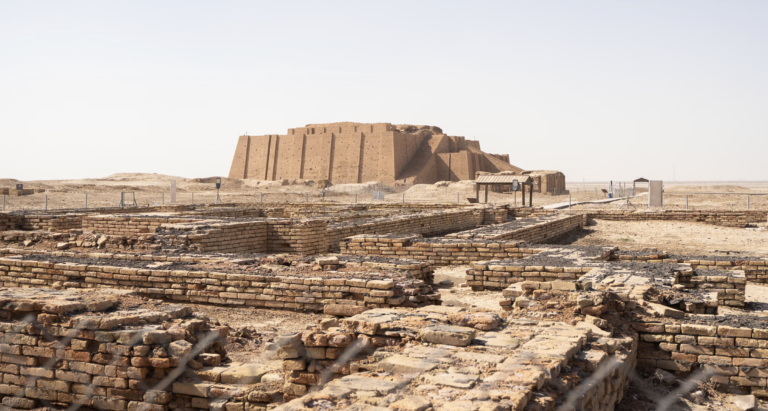
What if we could jump cut back through time 2,500 years ago to the city of Pumbedita, near the modern day Fallujah, Iraq. There we would find a large Jewish population famed for its Academy, whose scholarship, together with the city of Sura, gave rise to the Babylonian Talmud.

The Talmud, the central text of Rabbinic Judaism and the primary source of Jewish religious law and Jewish theology, would grow so large that a person who read a folio a day would complete one cycle of the Talmud in seven and half years.

To the surprise of many, buried among these pages are jewels of information about the “environment”. 

The late Dutch-Israeli scholar, Dr. Manfred Gerstenfeld, was the first to map out environmental issues found in the Talmud:

Environmental Elements Legal Category
Relating to nature: Wanton destruction (bal tashhit)
Constancy of Species
Hunting
Relating to animals: Causing pain to animals
Animal welfare
Constancy of Species
The sacredness of taking a life
Preservation of natural resources: Wanton destruction (bal tashhit)
Agricultural support for the poor and needy 
Animal protection
Community wellbeing – Shabbat
National wellbeing – Dietary laws
Nuisance/pollution: Nuisance limitation
Health protection
Allocation of space: Refuge cities
Cities for teachers and educators (Levites)


To paraphrase Dr. Gerstenfeld, he writes that the prohibition of wanton destruction, called in Hebrew bal tashhit (‘do not destroy’), is the principle in Jewish law that elaborates Judaism’s attitude toward the environment. 

War has signaled a period of destruction from time immemorial, from the poisoning of wells in ancient times through policies of ‘scorched earth’, the nuclear destruction of humans and the ecosystem in the bombings of Hiroshima and Nagasaki, to Iraq’s intentional pollution of water with oil in the Gulf War.

Jewish laws of trees and war

Yet the Torah teaches that even in times of war, Divine commandments impose certain constraints concerning the environment: “In your war against a city, you must not destroy its trees. You may eat of them, but you must not cut them down. Only trees that you know do not yield food may be destroyed.” 

Maimonides mentions further extensions of this principle, pointing out that bal tashhit refers not only to periods of war, but to all times. However, he also states that it is not considered destruction to cut down a fruit tree which is causing damage to other trees or a field. 

One of the oldest collections of rabbinical traditions, the Sifrei, written around 300 CE., extends the legislation of wanton destruction to prohibit interference with water sources. The Talmud extends it to include an uneconomical use of fuel.

A far-reaching interpretation of bal tashhit is found in the Talmud: Rabbi Hisda says: “Whoever can eat bread made from barley and eats bread from wheat, transgresses the prohibition of bal tashhit.” Rabbi Papa says: “Whoever can drink beer and drinks wine, transgresses the prohibition of bal tashhit.”

The Talmud indicates, however, that these opinions are not accepted, as one should not eat inferior food, but rather care more for one’s body than for money.

This is because Jewish law forbids a person to damage his own health. The injunction goes beyond the conventional boundaries of environmental interest, which tends to limit itself to damage to third parties and not to what one does to oneself.

Hunting also deals with destruction. Hunting as a sport was addressed in Jewish society long before modern environmentalism emerged. The 18th century Rabbi Yechezkel Landau, when asked whether it is permitted to hunt game, was surprised that anyone should even ask this question and simply answered: “How can a person go out to kill a living creature only for pleasure?”

In recent years noise has increasingly come to be considered a problem of health protection as well as nuisance. The Mishnah states that neighbors can prevent the opening of a store in a common courtyard by claiming that they cannot sleep due to the noise of customers entering and exiting; however, they cannot object to the noise of a hammer or a grinding mill in a craftsman’s home; nor can they object to the noise children make if one of the courtyard’s residents is a school teacher.

Related: Slow Food chef revives food from Talmudic times

(The Mishnah or the Mishna is the first major written collection of the Jewish oral traditions that are known as the Oral Torah. It is also the first major work of rabbinic literature, with the oldest surviving material dating to the 6th to 7th centuries BCE.)

Peoples' Talmud
Visit the Peoples’ Talmud to learn more about ancient Jewish wisdom

What we covered here is the tip of the iceberg on just one subject relating to environmental concerns. If you wish to read Dr. Gerstenfeld’s doctoral theses, please go here. If the wisdom of the Jewish ancients is of further interest, there is now a free, open-to-the-world platform of Talmudic wisdom launched in Dubai, UAE, in the winter of 2022 called The Peoples’ Talmud which makes the Talmud accessible to layman and scholar in user-friendly English. 

About Gedaliah Gurfein

Gedalia GurfeinGedaliah has been involved in the high-tech world since 1994 both in Jerusalem, New York and Beijing. He has also been a teacher of the Talmud since 1974 and is currently the spiritual leader of two Igbo communities in Nigeria. 

You can hear Gedalia on The Peoples’ Talmud here.

In one sampling on Animals, it is written: “Wild animals are usually called wild because they cannot be domesticated and used in labor. However, as Ben Gurion once said, “If an expert tells you it can’t be done, get another expert.”

The Talmud says that there were people who so understood animal nature that, despite the nature of wild donkeys, they were able to utilize wild donkeys to turn their millstones.

Adidas’ Nazi past resurfaces after Bella Hadid Munich campaign

0
was founded by Adi Dassler, a member of the N×zi party who used to sign all his letters with “Hei| H|tler” at the end.
Bella Hadid, Adidas campaign for the 1972 Munich Olympics shoe re-release

Adidas, a popular sport shoes and clothing company has inflamed the hearts and minds of the global Jewish community after featuring supermodel Bella Hadid as the face of their 1972 vintage shoe release to promote the upcoming summer Olympics.

Bella Hadid who identifies as a second generation Palestinian (on her dad’s side) is prominently anti-Israel marking yet again the liability that brands take on when they hire antisemitic or racist celebrities that they cannot control. Kanye West was fired by Adidas and his profitable shoe campaign following a series of antisemitic remarks. It took a few weeks for Adidas to make the ack

Related: Adidas makes soles from ocean plastic

According to prominent X commentator Eli David, Adidas has a problematic history and “was founded by Adi Dassler, a member of the Nazi party who used to sign all his letters with “Hei| Hitler” at the end.”

“First unveiled in 1972, the introduction of the SL 72 sneaker was the spark plug that initiated a paradigm shift in the realm of running shoes,” the company said in a press release on July 15.

Adidas has issued an apology for “any upset or distress caused” by featuring Hadid in advertisements for its 1972 Munich Olympic sneaker relaunch. Adidas chose Hadid for its SL72 campaign, commemorating the 52nd anniversary of the Munich Olympics by reviving their classic sneaker from the 70s.

The1972 Munich Olympics continued despite a Palestinian terror attack that killed 11 Israeli athletes and one German police officer. For Jews around the round the choice of Bella Hadid was more than an oversight.

“I’m not afraid to lose modeling jobs and I will continue to speak up on Palestine,” announced Hadid. Her supporters on X show images of her holding a map of Israel saying “this is Palestine.”

Do you think Israelis are being oversensitive or should brands start using AI models to endorse their brands given the polarizing potential of celebrities who use their star status for political gain?

Your home owner insurance and liability from climate change

0

Gardens of Qazvin Bāghestān

Last winter the land in my forest contained snow that was frozen one day and when the next day was 20 degrees C, some 200 acres of snow melted in a day washing out the rural road adjacent to my property.  The township claimed that a beaver dam on my land had broken, when my neighbors say something else was amiss: a winter’s worth of snow melted in a day and the culvert couldn’t handle the volume of in a day.

It’s not just my personal concern: whether it is flooding into your home or flooding caused on your land insurance claims are going up thanks to climate change. Whether termed “climate change” or “extreme weather,” an increasingly unstable environment is damaging homes and other property at an accelerating pace faster than observed in decades.

“The magnitude of these risks grows for homeowners, insurers, lenders and investors across the country while solutions to the impending insurance crisis are lacking,” says Clifford Rossi, a risk management expert who has served in executive roles at the U.S. Treasury, Fannie Mae, Freddie Mac, Citigroup and Washington Mutual.

“Just look at your own homeowner’s insurance renewal bill this year, on average the increase was 33% in DC, and with no viable solutions coming from the industry or government, homeowners are at the mercy of insurers—hoping their next letter from their insurer is neither a nonrenewal or an exorbitant premium increase,” adds Rossi, currently a professor of the practice and executive director of the Smith Enterprise Risk Consortium at the University of Maryland’s Robert H. Smith School of Business.

“Piecemeal approaches are unlikely to provide a long-lasting solution,” he says. “And meanwhile, the rise in the frequency and severity of natural disasters has underscored a form of market failure that suggests a fully private solution will be unable to provide long-term premium stability and availability of homeowners insurance.”

Flooding in Dubai

Writing for Mortgage Banker Magazine, Rossi proposes a “nationwide solution” to “essentially a nationwide problem.”

He writes: That solution is the Federal Natural Hazard Insurance Corporation – a private-public approach to providing homeowners insurance across all natural hazards and states that would address myriad failures in today’s insurance market.

As a new, federally chartered government-sponsored enterprise (GSE), the Federal Natural Hazard Insurance Corporation (FNHIC) would carve out natural hazards from existing homeowners’ policies, offering a separate policy based on a property’s exposure to the specific natural hazards in that location.

The Federal Emergency Management Agency’s (FEMA) National Flood Insurance Program (NFIP) would be absorbed into this new GSE and form the basis for a broader set of insurable hazards to be incorporated into these policies.

Private carriers would continue to offer and underwrite a standard homeowners insurance policy for risks unrelated to natural hazards while the FNHIC’s policies would be distributed by a network of insurers as the NFIP’s program is today. To reduce the FNHIC’s loss exposure and allow insurers and reinsurers to participate in this market, Climate Risk Transfer Securities (CLRTs) would be sold to private investors at tiers commensurate with their risk appetites.

Necessarily, such a major overhaul of how homeowners insurance is priced and provided in the U.S. would have significant implications for all market participants and the process of passing a chartering bill that implements such a program would be financially, politically, and operationally challenging, to say the least.

However, examining the merits of this structure – and the challenges such a program would confront—requires an understanding of the issues driving the breakdown in the delivery of homeowners insurance today.