Home Blog Page 60

Moss is taking over Antarctica


greening moss in Antarctica
Moss in Antarctica

A key region of Antarctica is getting warmer and therefore greener with alarming speed — a trend that will spur rapid change of Antarctic ecosystems say climate change researchers.

Scientists looked at satellite imagery of one of the continent’s fastest-warming regions: the Antarctic Peninsula, which juts north towards the tip of South America. They found that the area covered by plants increased by almost 14 times between 1986 and 2021.

“It’s the beginning of dramatic transformation,” says remote-sensing specialist and study co-author Olly Bartlett.

Vegetation cover across the Antarctic Peninsula has increased more than tenfold over the last four decades, new research shows.

The new study – by the universities of Exeter and Hertfordshire, and the British Antarctic Survey – used satellite data to assess how much the Antarctic Peninsula has been “greening” in response to climate change.

Read related: make your own moss wall art and graffiti 

It found that the area of vegetation cover across the Peninsula increased from less than one square kilometre in 1986 to almost 12 square kilometres by 2021.

Published in the journal Nature Geoscience, the study also found this greening trend accelerated by over 30% in recent years (2016-2021) relative to the full study period (1986-2021) – expanding by over 400,000 square metres per year in this period.

In a previous study, which examined core samples taken from moss-dominated ecosystems on the Antarctic Peninsula, the team found evidence that rates of plant growth had increased dramatically in recent decades. This new study uses satellite imagery to confirm that a widespread greening trend, across the Antarctic Peninsula, is under way and accelerating.

“The plants we find on the Antarctic Peninsula – mostly mosses – grow in perhaps the harshest conditions on Earth,” said Dr Thomas Roland, from the University of Exeter.

“The landscape is still almost entirely dominated by snow, ice and rock, with only a tiny fraction colonised by plant life.

“But that tiny fraction has grown dramatically – showing that even this vast and isolated ‘wilderness’ is being affected by anthropogenic climate change.”

Norsel Point. Credit Dan Charman


Olly Bartlett, from the University of Hertfordshire, added: “As these ecosystems become more established – and the climate continues to warm – it’s likely that the extent of greening will increase.

“Soil in Antarctica is mostly poor or non-existent, but this increase in plant life will add organic matter, and facilitate soil formation – potentially paving the way for other plants to grow.

“This raises the risk of non-native and invasive species arriving, possibly carried by eco-tourists, scientists or other visitors to the continent.”

The researchers emphasise the urgent need for further research to establish the specific climate and environmental mechanisms that are driving the “greening” trend.

“The sensitivity of the Antarctic Peninsula’s vegetation to climate change is now clear and, under future anthropogenic warming, we could see fundamental changes to the biology and landscape of this iconic and vulnerable region,” said Dr Roland: “Our findings raise serious concerns about the environmental future of the Antarctic Peninsula, and of the continent as a whole. In order to protect Antarctica, we must understand these changes and identify precisely what is causing them.”

Europe’s Environmental Crossroads: New Commissioner Faces Challenges 

0
Apples Jewish new year
Apples picked by hand in Europe

The recent nomination of Jessika Roswall as the European Union’s Environment Commissioner has stirred a wave of skepticism across Brussels. Coming from Sweden’s conservative Moderate Party, Roswall represents a government criticized for its lackluster commitment to EU environmental goals. Her appointment has raised concerns about the future direction of the European Green Deal, particularly as she takes on a portfolio fraught with contentious issues such as deforestation and biodiversity. 

With the EU struggling to meet its own climate and environmental targets, Roswall’s leadership will be under intense scrutiny, especially as debates over environmental regulations heat up. European Commission President Ursula von der Leyen’s recent comments about possibly delaying the enforcement of the EU’s anti-deforestation regulation underscore the precarious balance the new commissioner will have to maintain. The regulation, aimed at preventing the import of products linked to deforestation, such as cocoa and coffee, has been mired in controversy. Industry groups and NGOs alike have expressed concerns about the feasibility of compliance under the current timeline. 

Roswall’s task will not be easy. Sweden’s own environmental record has been less than stellar recently, with the country pushing back against several EU environmental initiatives, including the Nature Restoration Law and anti-deforestation rules. Critics have warned that her nomination could signal a weakening of the EU’s resolve on critical environmental issues. As MEPs prepare for her parliamentary hearing, many are eager to see if she can rise above her government’s track record and advocate for stronger, more effective environmental policies at the European level. However, given how critical these environmental policies are, it’s particularly concerning that EU policymakers are often distracted by less impactful debates. 

Distracting Debates

One such issue is the ongoing controversy over the harmonization of front-of-pack food labeling. One of the systems being considered for implementation is Nutri-Score. The FOP label was introduced in 2017 and was developed to help consumers make healthier food choices. Since then, it has only courted criticism. Nutri-Score was designed to simplify nutritional information through a color-coded scale ranging from green ‘A’ to red ‘E’, but its execution has been far from straightforward. The system oversimplifies complex nutritional data, creating confusion among consumers. Foods that are nutrient-dense but traditionally high in fat or salt, such as olive oil, cheese, and cured meats, often receive lower scores, despite being integral parts of balanced diets in many European cultures. This has led to well founded accusations that Nutri-Score unfairly discriminates against heritage foods. Moreover, the frequent changes to the Nutri-Score algorithm have only added to the confusion. 

alternative dairy farming
Slow Food cows make high fat milk using regenerative agriculture. Such food made by mistakenly labeled as unhealthy.

For instance, Bel Group announced that the company would not be applying the Nutri-Score label on its cheese products in countries where the system is in place. Bel Group, which produces popular cheese brands like Babybel and The Laughing Cow, expressed concerns that Nutri-Score does not currently account for the specific nutritional benefits of cheese, particularly in relation to recommended portion sizes and its role in a balanced diet. They argue that Nutri-Score fails to provide consumers with accurate information about cheese products. In the meantime, Bel Group continues to provide detailed nutritional information and balanced meal suggestions on packaging and via their websites, ensuring consumers still have access to the information needed for healthier choices.

While the debate over Nutri-Score has captured significant political and media attention, it seems to be a distraction from the more pressing environmental challenges facing Europe. With the EU struggling to meet its climate goals and facing significant pushback on essential regulations like the anti-deforestation law, it is crucial that policymakers focus on the bigger picture. 

Managing complexity 

Image generated by AI

Roswall’s tenure as environment commissioner will likely be defined by her ability to navigate these complex, high-stakes issues. Von der Leyen’s suggestion to delay the anti-deforestation regulation’s enforcement is emblematic of the balancing act that Roswall will have to perform. The regulation, which officially came into force in June 2023, is currently in a transition phase, with full compliance expected by December 2024. However, the enforcement deadlock, coupled with industry pressure, has led to calls for a postponement. Proponents of the delay argue that companies need more time to adapt to the stringent requirements, which include providing geolocation data to prove that their products are not sourced from deforested land. 

The implications of such a delay are significant. MEPs like Pascal Canfin have warned that postponing the regulation could set a dangerous precedent, undermining the EU’s credibility on environmental commitments and potentially stalling other crucial aspects of the Green Deal. Canfin and others argue that backtracking now would send the wrong signal, both to the international community and to European citizens who have placed their hopes in the EU’s ability to lead on environmental issues. A postponement could also embolden those within the EU who are resistant to ambitious climate policies, making it even harder to pass future legislation aimed at tackling deforestation, biodiversity loss, and climate change.

Roswall’s leadership will also be critical as the EU faces increasing scrutiny over its ability to meet its own climate and environmental targets. The bloc has set ambitious goals, such as achieving climate neutrality by 2050 and protecting 30% of its land and sea areas by 2030. Yet, progress has been slow, and there are growing concerns that the EU is not on track to meet these commitments. The upcoming parliamentary hearings will be an opportunity for Roswall to articulate her vision and commitment to these targets. 

While the debate over Nutri-Score may seem peripheral in comparison to these larger issues, it is indicative of the broader challenges facing EU policymakers. The controversy surrounding the labeling system reflects a deeper struggle over how best to reconcile public health, cultural heritage, and economic interests. 

Roswall’s challenge will be to ensure that the EU’s focus remains on the critical environmental challenges at hand. The EU’s ability to lead on global environmental issues depends on its willingness to make difficult decisions and to stay the course in the face of political and economic pressures.

The new commissioner will need to navigate a complex web of stakeholders, from industry groups and NGOs to national governments and European institutions. Each will have their own interests and agendas, and finding common ground will be no small feat. Yet, the urgency of the environmental crisis demands bold action and decisive leadership.

Play your cannabis plants some white noise?

underground rave
When exposed to static for 30 minutes daily, the fungal soil microbe Trichoderma harzianum, pictured here, grew more massive and produced more spores than microbes kept in silence.U.S. Department of Agriculture/Agricultural Research Service/Systematic Botany and Mycology Laboratory via Wikimedia Commons

Medical marijuana growers swear by it: that music from different styles enhances the growth of their plants. This is the reason why parents in the 80s played Mozart to their embryos.

There may be something to it:

Soil microbes enjoy bouts of white noise finds scientists in a new research project. Fungal soil microbes that promote plant growth seem to get a boost from white noise. Researchers say it’s like hosting an underground rave.

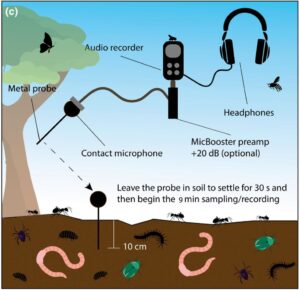
Members of the the Flinders ecoacoustics team listening to soil (left to right): Dr Jake Robinson, Associate Professor Martin Breed, Nicole Fickling, Amy Annells and Alex Taylor. Photo and animation by Traci Klarenbeek (Flinders University).

When scientists periodically played a noise similar to radio static to Trichoderma harzianum, the fungi grew bigger and produced more spores than other samples grown in a soundproof booth. The vibrations might stimulate mechanoreceptors in Trichoderma’s cell walls, which alters the expression of genes involved in growth, suggest researchers.

Barely audible to human ears, healthy soils produce a cacophony of sounds in many forms – a bit like an underground rave concert of bubbles and clicks.

Special recordings made by Flinders University ecologists in Australia show this chaotic mixture of soundscapes can be a measure of the diversity of tiny living animals in the soil, which create sounds as they move and interact with their environment.

With 75% of the world’s soils degraded, the future of the teeming community of living species that live underground face a dire future without restoration, says microbial ecologist Dr Jake Robinson, from the Frontiers of Restoration Ecology Lab in the College of Science and Engineering at Flinders University.

This new field of research aims to investigate the vast, teeming hidden ecosystems where almost 60% of the Earth’s species live, he says.

“Restoring and monitoring soil biodiversity has never been more important.

“Although still in its early stages, ‘eco-acoustics’ is emerging as a promising tool to detect and monitor soil biodiversity and has now been used in Australian bushland and other ecosystems in the UK.

“The acoustic complexity and diversity are significantly higher in revegetated and remnant plots than in cleared plots, both in-situ and in sound attenuation chambers.

“The acoustic complexity and diversity are also significantly associated with soil invertebrate abundance and richness.”

Over in Israel this team was the first to show that plants can speak.


Gulf oil company wants to support startups in the circular way

0
Gulf oil companies want to support circular startups.
Gulf oil companies want to support circular startups: Dr. Abdulwahab Al-Sadoun

The Gulf Petrochemicals and Chemicals Association (GPCA), the voice of the chemical industry in the Gulf region, is pleased to announce the launch of its brand-new networking platform – the “GPCA Startup Nexus” – which will debut during the Annual GPCA Forum from 3 to 4 December 2024 at the Oman Convention and Exhibition Centre, in Muscat, Oman. 

For the first time, “GPCA Startup Nexus” will provide young startup companies with a stage to present their unique and forward-looking technologies to a broad audience of investors, experts and decision-makers from chemical companies and international players.

During the forum10 young and motivated startups engaged in advancing the circular economy and climate action will showcase their technologies in Shark Tank-style presentations and take questions from the audience.

During the forum, they will have the invaluable opportunity to forge new connections with large established companies and international investors and promote their solutions. The aim is to create a network of mutual exchange that catalyzes collaboration and to stimulate investments.

The deadline to submit applications and become part of the GPCA Startup Nexus has now been extended until October 7, 2024. Startups established less than seven years ago and with a Technology Readiness Level (TRL) higher than 4 will have the opportunity to apply for one of the coveted places in the two technology fields – circular economy and climate action.

The top five companies in each of the two categories will be shortlisted by an Expert Panel, comprising seven esteemed industry veterans with significant leadership experience in research and innovation at chemical and petrochemical firms.

GPCA will provide eight more startups, which have not been established yet or whose technology has not progressed beyond TRL 4, with the opportunity to apply, connect with potential investors and promote their brand through short “elevator pitch” presentations.

Dr. Abdulwahab Al-Sadoun, Secretary General, GPCA, commented: “In line with our effort to stimulate collaboration and innovation in the chemical ecosystem, we are providing a unique opportunity to emerging and established startups from around the region to take part in the “GPCA Startup Nexus” and present their successful innovations and technologies in the field of circular economy and climate action on the sidelines of the 18th Annual GPCA Forum. We truly believe that the solution to climate innovation depends on cross-sector collaboration, where stakeholders from across the board come together, share their experiences and knowledge and collaborate for a cleaner, more resource-efficient and smarter future.”

Apply here.

Assessing the Environmental Impact of Your Digital Business Operations from Server Emissions to Data Center Energy Consumption

0
Server farm with wires and cables
Some server farms are buried deep underground to offset carbon emissions created by air conditioning. Choose services that are moving in this direction.

Key takeaways 

  • Data centers, devices, ICT networks account for up to 12% of global energy use
  • Cooling systems need electric power to keep equipment at the right temperature
  • Green hosts use renewable energy or put energy back into the grid
  • Manufacturing electronic equipment accounts for 80% of greenhouse gas emissions 
  • Digital businesses should host multiple virtual servers on one machine
  • Implementing liquid or free-air cooling can lower energy 

A server’s environmental footprint involves carbon emissions, extensive energy use, and other resource expenditures. Online activities like downloading files and streaming videos demand more energy and generate more emissions. Data centers that host servers account for 1% of the global energy demand. It is a low percentage but draws attention to the environmental impact. 

According to data of the International Panel on Climate Change, data centers, devices, and ICT networks make up 6-12% of the world’s energy use.

Blockchain, cloud gaming, and virtual reality will create even more demand for data services. Online shopping contributes as well. The number of people who shopped online increased by 68% between 2017 and 2021, reaching 2.3 billion worldwide. 

Green hosting mitigates the impact

Data centers use cooling systems to prevent overheating, but they increase water use and energy consumption substantially. They also use electric power for their storage systems, servers, and networking equipment, and cooling systems need electricity to keep all the equipment at the right temperature. 

High-capacity hosting centers also need a lot of electric power. Their machines hold and send data around the clock, and keeping them running takes a lot of energy. This is a big part of their environmental impact, which is a compelling reason to choose green web hosting.

Green hosts use renewable energy, put energy back into the grid, or buy certificates, such as Renewable Energy Certificates and Carbon Offset Certificates. 

Managing the heat produced by data center equipment

desalination, water conservation, waste water management
Managing heat from creating crypto.

All the equipment in a data center produces heat. It’s important to manage this heat, but cooling systems also use a lot of energy, creating a vicious cycle that ultimately harms the environment.

Fossil fuels are a frequent source of power for conventional servers. When they are burned, carbon dioxide is released into the air, which is among the causes of climate change. The carbon dioxide produced is proportional to the energy these servers use. 

Ecological consequences in numbers 

IT equipment has a lifecycle with several stages, and each one impacts the environment.

Manufacturing, using, and disposing of electronic equipment all have ecological consequences. Manufacturing accounts for an estimated 80% of greenhouse gas emissions over the equipment’s life cycle. 

Daily use of servers and data centers is growing, which is becoming a real challenge for the economy. As of 2024, the digital sector comprises over 4% of the global carbon footprint. Terminals’ life cycles are the main reason for these emissions. Telecommunication networks and data centers contribute to a lesser extent.

Businesses that invest in corporate social responsibility must consider these issues. The technology used by some service and tech companies contributes to as much as 20% of greenhouse gas emissions. In France, the healthcare sector accounts for 8% of emissions. 

Best practices for digital businesses 

Digital businesses can reduce the number of physical servers by hosting multiple virtual servers on one machine. 

Implementing liquid cooling, free-air cooling, or evaporative cooling systems can lower energy consumption.

PUE, or Power Usage Effectiveness, evaluates how efficiently a data center uses energy. A lower PUE indicates higher energy efficiency. Industry leaders aim for PUE values close to 1.0, which means most energy goes to computing, not cooling.

How To Become A Maritime Lawyer & What Do They Do?

0
FSO safer oil tanker, red tanker, off coast of Yemen
An abandoned oil tanker with more than 1 million barrels of crude was rusting off the coast of Yemen after it was seized. Solving crises like this requires a special legal expertise.

Maritime law, also known as admiralty law, is a legal field that helps to govern legal issues that may arise in the seas, oceans, or other navigable waters. A maritime lawyer plays a crucial role in handling a wide range of cases relating to shipping, navigation, ocean resources, and maritime industries. This is a specialised branch of law that is particularly useful for nationals with extensive coastlines or significant shipping industries. If you’re looking at maritime legal jobs, read through our article below to find out what a maritime lawyer really does and how to become one. 

What Does A Maritime Lawyer Do? 

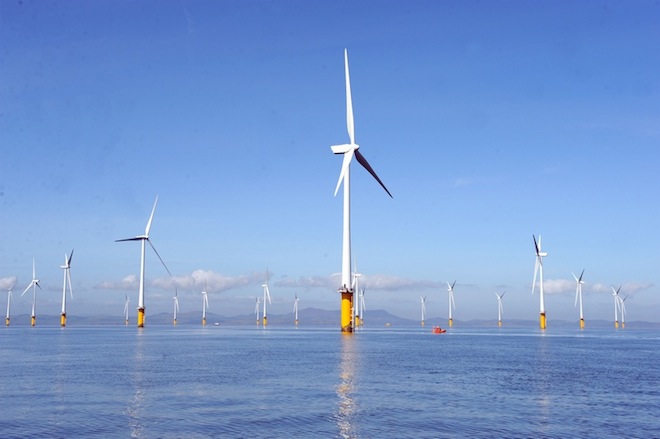
Offshore wind farm, wind energy, Masdar, London Array, renewable energy, clean tech, green tech, UK, E.On, Dong,
An offshore wind farm needs a team of lawyers.

Maritime lawyers handle a variety of legal issues related to shipping, offshore activities, and marine resources. Some of their main roles include: 

  1. Advising on shipping contracts and regulations

This is a vital part of the shipping industry as all forms of global trade rely on creating contracts between the shipmaster and the company looking to transport their goods. A maritime lawyer’s role is to advise businesses and individuals on the many different laws and regulations related to shipping and marine trade. These laws help to govern everything from the movement of goods across seas to environmental standards. Maritime lawyers will typically help to draft and review shipping contracts, ensuring that they comply with the vast array of international and domestic regulations. 

  1. Resolving disputes that arise

Maritime disputes are common in commercial shipping, fishing, and offshore operations. Some disputes include cargo claims, ship damage, collisions, and even pollution incidents. Maritime lawyers may take on shipowners, insurance companies, or injured seamen in cases that involve a dispute and can carry out different roles, including litigation, arbitration, or mediation. 

  1. Assisting in personal injury and worker claims

It is well-known that safety is a concern in the shipping industry, and that means that maritime lawyers are often involved in personal injury cases arising from the maritime industry. For example, injuries that might happen on ships, oil rigs, and even on docks would all be the responsibility of a maritime lawyer, should they need one. Seafarers, longshore workers, and offshore oil rig personnel may face hazardous working conditions, and a lawyer’s role is to ensure that they receive appropriate compensation under laws such as the Seafarers Rehabilitation and Compensation Act. 

  1. Dealing with environmental regulations

The shipping industry is dealing with a growing focus on environmental conservation, and maritime lawyers have to become well-versed in dealing with cases that may involve pollution and environmental damage. Regulations in this area are changing rapidly meaning lawyers must remain up to date with changing laws and requirements to help protect oceans and marine ecosystems. Some cases that may come up in this line of work include oil spills, illegal dumping, and breaching environmental protection laws. 

How To Become A Maritime Lawyer

Saudi Arabia wants to turn an oil rig into a Burning Man-like theme park.

If you’re interested in becoming a maritime lawyer, you’ll need to follow a specific educational and professional path. 

Firstly, you’ll need to get your law degree and complete practical legal training to apply the theoretical knowledge you have gained. Once you’ve gained admission as a lawyer to practice law, you can start to specialise in maritime law – i.e., working specifically law firms, shipping companies, or government agencies that specialise in this area. You can also consider pursuing postgraduate studies or joining professional organisations that can help you with your specialisation. 

Conclusion 

Becoming a maritime lawyer requires a sincere amount of dedication and a keen understanding of both national and international laws. With the ability to advise on highly complex shipping regulations, help resolve disputes, and protect the environment, maritime law is a difficult but highly rewarding career path for those interested in a legal profession. 


Power Up Your Business with Effective Renewable Energy Software Solutions

0
Renewable energy software
Engineer optimizing renewable energy grids, digital interface, solar panels

As the world transitions to renewable energy sources like solar, wind, hydro, and geothermal, businesses must leverage cutting-edge renewable energy software solutions to manage and optimize their energy resources. Renewable energy software not only facilitates efficient operations but also plays a key role in reducing carbon footprints, ensuring regulatory compliance, and promoting sustainability. In this blog post, we will discuss the best tools and software solutions for renewable energy projects, how to select the right solution for your renewable energy project, and the latest economic developments in renewable energy software.

Understanding Renewable Energy: Powering a Sustainable Future

Renewable energy harnesses Earth’s replenishing resources like sunlight (solar), wind, water, geothermal, and agricultural byproducts to generate clean and sustainable renewable energy systems. These resources are virtually inexhaustible, positioning them as critical for achieving a decarbonized energy sector.

Companies like Arrowhead Economics empower businesses to harness the potential of renewable energy through advanced renewable energy management software and energy management solutions. By optimizing energy production and simplifying compliance with environmental regulations, companies can reduce operational costs, boost sustainability efforts, and seize new opportunities. Take advantage of an expert renewable energy consultant like Arrowhead Economics to help your team with these complex challenges.

Best Tools and Software for Renewable Energy Projects

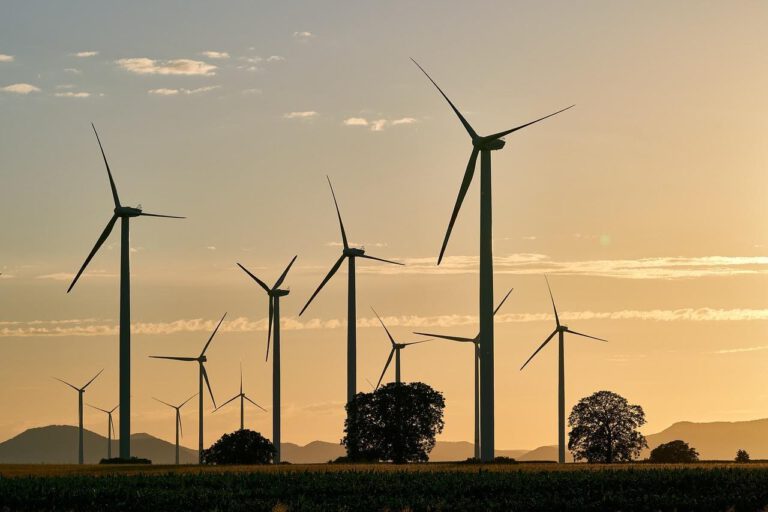
renewable energy software for solar and wind turbines
Renewable energy software for solar and wind turbines

Choosing the right renewable energy software is essential for optimizing the efficiency and effectiveness of renewable energy projects. The following are some of the best tools in the renewable energy software landscape:

Energy Management Software (EMS)

Energy management software is a core tool for businesses looking to monitor and optimize energy production. EMS solutions such as HOMER Grid and OpenEMS provide real-time monitoring of energy resources, allowing businesses to make informed decisions. These platforms enable integration with grid connected systems and distributed energy resources, helping organizations improve asset performance and maximize efficiency while maintaining regulatory compliance.

Solar Design Software

For businesses investing in solar panels, design software like Helioscope and PVsyst is indispensable. These programs allow users to model photovoltaic (PV) systems, analyze shading impacts, and estimate energy yields under different scenarios. The precise modeling capabilities ensure that solar installations deliver maximum value, reducing inefficiencies and operational costs, while aligning with overall business objectives.

Wind Energy Software

Wind energy projects benefit from tools such as WindPRO, which assists in analyzing wind resource data for better placement of turbines and optimizing renewable assets. This renewable energy software can predict wind patterns, integrate grid considerations, and analyze potential environmental and social impacts, making it crucial for asset managers to optimize assets for maximum returns.

Battery and Energy Storage Software

As energy storage becomes a critical part of hybrid power systems, battery management software like Fluence plays a vital role in managing off grid energy systems. This type of energy software is essential for ensuring operational efficiency, especially for projects that rely on distributed energy resources like solar and wind. These platforms offer advanced analytics, enabling predictive maintenance and real-time monitoring of asset health to ensure continuous power availability.

Hydroelectric Software

Hydropower projects also rely on specialized software like HYDRUS to optimize dam operations and monitor water flow. This software ensures that hydroelectric facilities operate efficiently and sustainably, contributing to the overall mix of renewable energy sources.

Selecting the Right Software Solution for Your Renewable Energy Project

When choosing a renewable energy software solution, consider the size, scope, and specific needs of your renewable energy project. Factors such as the type of renewable energy sources involved (solar, wind, hydro), grid connection requirements, and asset performance metrics should influence your decision. For example, solar projects may require solar design software like PVsyst, while wind farms benefit from wind energy modeling tools like WindPRO.

Additionally, businesses must consider the ability of the software to provide high-quality data for analysis. For asset managers focused on maximizing operational efficiency, software that offers real-time monitoring and predictive maintenance will be vital. By choosing the right energy software tailored to your business objectives, you ensure you can optimize assets and maintain maximum value over the lifespan of your renewable energy project.

Economic Trends in Renewable Energy Software

The renewable energy software market is experiencing rapid growth due to increased global demand and advancements in technology. Governments worldwide are providing incentives for businesses and utilities to adopt renewable energy solutions, driving the need for more innovative solutions in energy management.

Artificial Intelligence (AI) in Renewable Energy Software

AI plays a transformative role in renewable energy software, helping to predict energy production and consumption patterns, particularly for grid-connected systems. These tools allow for the prediction of output from variable renewable sources like solar and wind, optimizing energy distribution and reducing operational costs.

Blockchain in Renewable Energy Trading

Blockchain technology is transforming renewable energy systems by enabling peer-to-peer energy trading. This decentralized system allows energy companies and customers to trade excess power, reducing reliance on centralized grid operators. This shift could have a profound impact on the energy sector, opening the door to more inclusive energy solutions.

How Renewable Energy Software is Driving Economic Growth

The renewable energy sector is a significant driver of global economic growth. According to the International Renewable Energy Agency (IRENA), the sector employed 12.7 million people in 2021, with renewable power sources like solar being the largest contributors. Investment in renewable energy systems, supported by policies like the Inflation Reduction Act, is fostering economic development, sustainability, and innovation.

Takeaway

By adopting renewable energy software tailored to their specific projects, businesses are better positioned to manage their renewable assets, achieve business objectives, and contribute to global sustainability goals. As the energy transition continues, having access to the right tools will be critical for success.

Renewable energy jobs increased by nearly 20% globally, but skewed by China

0

Last year 2023 saw the highest ever increase in renewable energy jobs, from 13.7 million in 2022 to 16.2 million, according to the newly released Renewable Energy and Jobs – Annual Review 2024 by the International Renewable Energy Agency (IRENA) and the International Labour Organization (ILO). The 18% year-on-year leap reflects the strong growth of renewables generating capacities, together with a continued expansion of equipment manufacturing.

A closer look at the report’s data, however, shows an uneven global picture. Close to two-thirds of new global solar and wind capacity were installed in China alone last year. China leads with an estimated 7.4 million renewable energy jobs, or 46% of the global total. The EU followed suit with 1.8 million, Brazil with 1.56 million, and the United States and India, each with close to 1 million jobs.

As in the past few years, the strongest impetus came from the rapidly growing solar photovoltaics (PV) sector, which supported 7.2 million jobs globally. Of these, 4.6 million were in China, the dominant PV manufacturer and installer. Enabled by significant Chinese investments, Southeast Asia has emerged as an important export hub of solar PV, creating jobs in the region.

Liquid biofuels had the second-largest number of jobs, followed by hydropower and wind. Brazil topped the biofuels ranks, accounting for one third of the world’s 2.8 million jobs in this sector. Soaring production put Indonesia in second, with a quarter of global biofuels jobs.

Due to a slowdown in deployment, hydropower became an outlier to the overall growth trend, with the number of direct jobs estimated to have shrunk from 2.5 million in 2022 to 2.3 million. China, India, Brazil, Vietnam and Pakistan were the largest employers in the industry.

JObs by tech

In the wind sector, China and Europe remain dominant. As leaders in turbine manufacturing and installations, they contributed 52% and 21% to the global total of 1.5 million jobs, respectively.

Africa’s impact still small

Despite a great promise from Desertec, bringing solar power from Africa to Europe, Africa’s impact is still small. Africa continues to receive only a small share of global renewables investments, which translated into a total of 324,000 renewables jobs in 2023.

For regions in urgent need of reliable and sustainable energy access like Africa, and especially in remote areas, decentralised renewable energy (DRE) solutions–stand-alone systems that are not connected to the utility grids–present an opportunity to both plug the access gap and generate jobs. See Innovation: Africa. Removing barriers for women to start entrepreneurship initiatives in DRE can stimulate the sector, resulting in improved local economies and energy equity.

Acknowledging the high degree of geographic concentration, Francesco La Camera, IRENA Director-General, said, “The story of the energy transition and its socio-economic gains should not be about one or two regions. If we are all to fulfil our collective pledge to triple renewable power capacity by 2030, the world must step up its game and support marginalised regions in addressing barriers impeding their transitions progress. Strengthened international collaboration can mobilise increased finance towards policy support and capacity building in countries that are yet to benefit from renewables job creation.”

To meet the energy transitions’ growing demand for diverse skills and talents, policies must support measures in favour of greater workforce diversity and gender equity. Representing 32% of the renewables total workforce, women continue to hold an unequal share even as the number of jobs keeps rising. It is essential that education and trainings lead to diverse job opportunities for women, youth, and members of minority and disadvantaged groups.

“Investing in education, skills, and training helps reskill all workers from fossil fuel sectors, address gender or other disparities, and prepare the workforce for new clean energy roles. It is essential if we are to equip workers with the knowledge and skills that they need to get decent jobs, and to ensure that the energy transition is a just and sustainable one. A sustainable transition is what the Paris Agreement requires of us, and what we committed to achieving when we signed up to the Agreement,” explained ILO Director-General, Gilbert F. Houngbo.

This 11th edition of the Annual Review is part of IRENA’s extensive analytical work on the socio-economic impacts of a renewables-based energy transition. This edition—which is the 4th edition developed in collaboration with ILO–underscores the importance of a people- and planet-centred approach to achieve a just and inclusive transition.

It calls for a holistic policy framework that goes beyond the pursuit of technological innovation to rapidly meet the tripling target at the lowest-possible cost, and prioritises local value creation, ensures the creation of decent jobs, and builds on active participation by workers and communities in shaping the energy transition. Building on its expertise on the world of work, the ILO contributed the report’s chapter on skills.

The report is found here.

IRENA or The International Renewable Energy Agency is an intergovernmental organization, founded in 2009, and mandated to facilitate cooperation, advance knowledge, and promote the adoption and sustainable use of renewable energy. It is based in Masdar City, UAE.

Abu Dhabi’s Masdar buys 50% stake in American renewables Terra-Gen

0

The Abu Dhabi Future Energy Company known as Masdar in the UAE has bought a 50 percent stake in Terra-Gen, one of the largest independent renewable energy producers in the United States, from Energy Capital Partners. Masdar is the same company that created the ambitious but failed zero-energy city outside of Abu Dhabi.

ECP is one of the largest private investors in power and renewable assets in the United States says it has fully exited its position in Terra-Gen in connection with the closing of the transaction. Igneo Infrastructure Partners, a global infrastructure investment manager, retains its existing 50 percent stake in Terra-Gen.

Representing one of Masdar’s largest transactions to date (find some of its recent deals featured here on Green Prophet), the deal further cements Masdar’s move into the US market, which it first entered in 2019. It also partnered with the EU to release green bonds in 2020.

Before the Terra-Gen acquisition, Masdar’s US portfolio of utility scale wind, solar and storage assets had a generating capacity of more than 1.4GW.  The US market and Terra-Gen’s scalable platform will play important roles as Masdar executes its plan to build 100GW of capacity in its global renewable energy portfolio by 2030. Also it is important for the UAE to develop strong business ties with the west as it looks to distance itself from unstable regimes such as the Iranian Islamic Republic, and countries like Turkey which are aligning with Russia in energy production such as nuclear.

While Qatar funds terror and unrest, the UAE has become a partner that the west can trust.

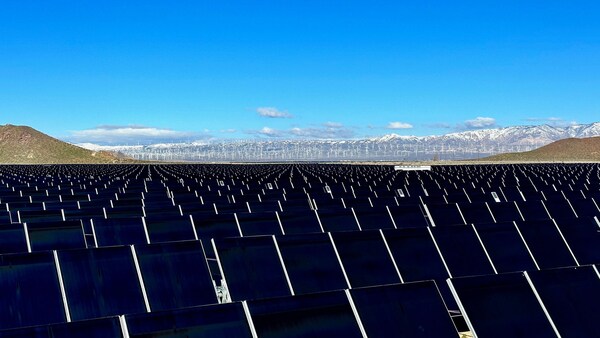
Terra-Gen wind turbines

Terra-Gen’s gross operating portfolio currently comprises 3.8GW of wind, solar and battery storage projects, including 5.1GWh of energy storage facilities across 30 renewable power sites throughout the US, predominantly in California and Texas.

Terra-Gen is currently developing more than 12GW of wind, solar and battery storage projects in the US, with its projects in CaliforniaTexas and New York, including a 386MW of Texas wind and California solar project, and 512MWh of California energy storage facilities, with commercial operations anticipated in 2025.

Sultan Al Jaber, the UAE Minister of Industry and Advanced Technology,  Chairman of Masdar, says: “The UAE and U.S. have long been partners in efforts to advance clean energy, a collaboration culminating in the Partnership for Accelerating Clean Energy (PACE) agreement.

“Masdar has a strong track record of supporting US renewable energy projects, and the acquisition of Terra-Gen reaffirms this long-standing commitment. We are now on target to surpass our goal of having 10GW of integrated renewable generation capacity in the US by 2030.

Mohamed Jameel Al Ramahi, the CEO of Masdar says: “Terra-Gen’s experienced management team and scalable platform make it the ideal partner, as we work to increase our presence and investment in the US as part of Masdar’s commitment to a long-term strategy in this important market.”

Masdar’s commitment to the US market reflects the UAE’s strong ties to the country. In January 2023, UAE and US officials announced that US$20 billion will be allocated to fund 15GW of clean energy projects in the US before 2035, led by Masdar and a consortium of US private investors, under the Partnership for Accelerating Clean Energy (PACE) between the two countries. Earlier this year Microsoft invested $1.5 Billion USD to co-develop AI with G42, a UAE based company now working with Nvidia to build weather forecasting models to combat climate change with AI.

Life at Neom, a 15-minute city in Saudi Arabia: looks like a penal colony says X user

0

Saudi Arabia is pouring billions of its oil profits from its family-owned oil business Saudi Aramco to make Saudi Arabia an attractive destination for Westerners. Saudi Arabia wants to rival the United Arab Emirates in its openness to Western values and business. It was not long ago (6 years) that Saudi Arabian women were allowed to drive. But now with the investment into Saudi Arabia’s mega-developments called Neom, the country has started inviting and paying American influencers to live in the15-minute city being created at the Red Sea, called The Line.

South Africa influencer Jessica Ashley Herman has moved into a Neom complex in Saudi Arabia with her family, and commenters on social media, X are not kind. “Low security prison vibes,” writes one user.

“Is this supposed to convince people to work out in the desert for a penal colony?”

Below is the video she posted on TikTok.

“Looks like nothing any sane person would want to live the rest of one’s life.”

“Dude this is the stuff of nightmares.”

“Oil pipeline camp vibes.”

“We were promised stuff from an 80s sci-fi film and we got an 80s office park.”

Planned cities are difficult to build. When the United Arab Emirates built Masdar as the world’s first zero-carbon city, good thing they kept the flop of a city small. It never became a thing, and when engineering students moved into it they weren’t even allowed to write about it and its problems. We did have a secret submission years ago. It’s posted here.

So what about you? Think you will relocate to Saudi Arabia?

Saudi Arabia is investing billions to make the desert and Red Sea area the playground for the rich and famous hoping it can become the new Cannes. We believe that a city without a purpose and a heart will flop.

Also worth noting, the Houthis had been firing rockets at Saudi Arabia before they took up the cause to support the Hamas and fire rockets at Israel. If Saudi Arabia can’t join some peacekeeping force ASAP no westerner will want to set foot anywhere close to the Red Sea.


The Ultimate Guide to Remote Dog Training Collars

0

Remote dog collar

When it comes to effective dog training, a remote dog training collar can be a valuable tool. These devices offer a range of features designed to aid in training your canine companion from a distance. The remote dog training collar typically includes various settings for tone, vibration, and stimulation, allowing you to customize the training experience to suit your dog’s needs. When choosing a remote dog training collar, consider factors such as range, durability, and the comfort of the collar itself. With proper use and training, a remote dog training collar can help reinforce commands and manage behavior more effectively.

What is a Remote Dog Training Collar?

A remote dog training collar is a tool used to assist in training dogs by delivering a signal from a distance. These collars come with a handheld remote that allows the trainer to send commands or corrections to the dog through various methods such as vibrations, sounds, or static stimulation. The remote dog training collar helps in reinforcing commands and curbing unwanted behaviors by providing immediate feedback. It’s essential for trainers to use these devices responsibly and according to their dog’s needs to ensure effective and humane training.

Different Types of Remote Dog Training Collars

Remote dog training collars come in various types, each designed to address specific training needs. Static shock collars deliver a mild static shock to correct behavior, while vibration collars provide a non-invasive method for communication. Spray collars use a burst of citronella or another scent to deter unwanted behavior. Ultrasonic collars emit a high-frequency sound only dogs can hear, which can be effective for certain training scenarios. Each type has its benefits and is suited to different training approaches, so it’s important to choose one that aligns with your dog’s needs and temperament.

How Remote Collars Aid in Dog Training

Remote collars are effective tools in dog training, offering versatility and control. These devices help reinforce commands and correct unwanted behaviors from a distance, making them ideal for training in various environments. By delivering a consistent, controlled stimulus, remote collars aid in reinforcing obedience and improving communication between the handler and the dog. They are particularly useful for teaching recall commands and managing behavior in off-leash scenarios. With proper use, remote collars contribute to a well-rounded training program, enhancing the bond between the dog and handler while promoting better behavior and responsiveness.

Common Misconceptions About Remote Collars

Remote collars for dog training often face misconceptions. A prevalent myth is that they are cruel or abusive. In reality, these collars are designed to deliver gentle, adjustable corrections to encourage good behavior. Another misconception is that they replace positive reinforcement; however, remote collars are intended to complement training by offering clear communication. Many also believe they are only for advanced training, but they can be useful for dogs of all training levels when used correctly. Understanding these points helps ensure remote collars are used effectively and humanely in dog training.

Key Features to Look for in a Remote Dog Training Collar

When selecting a remote dog training collar, key features are essential for effective training. Look for adjustable stimulation levels to tailor the intensity to your dog’s needs. A long-range transmitter ensures control over various distances, while a waterproof design is crucial for durability in different weather conditions. Choose a collar with a user-friendly interface and a rechargeable battery for convenience. Additionally, consider models with multiple training modes, such as vibration or tone, to accommodate different training methods. These features collectively contribute to a more efficient and humane training experience.

Adjustable Levels of Stimulation

Adjustable levels of stimulation are crucial for effective remote dog training. These collars allow you to fine-tune the intensity of the stimulus to match your dog’s sensitivity and responsiveness. With adjustable levels, you can start with a lower setting and gradually increase it if needed, ensuring a humane and tailored training approach. This flexibility helps in addressing different training challenges and individual dog temperaments, making the training process more efficient and less stressful for your pet. By utilizing adjustable levels of stimulation, you can achieve a balance between effective communication and positive reinforcement in your dog’s training regimen.

Range and Coverage

When choosing a remote dog training collar, the range and coverage are crucial factors to consider. The range determines how far you can be from your dog while still maintaining effective communication. Most remote collars offer ranges from 100 yards to over a mile. Coverage is the area within which the collar can function reliably, often influenced by terrain and environmental factors. Ensure the collar’s range meets your needs, especially if you need to train in open spaces or large areas. A well-chosen collar with the right range and coverage will enhance training effectiveness and ensure clear communication with your dog.

Durability and Waterproof Design

When selecting a remote dog training collar, durability and waterproof design are crucial features. A high-quality collar is built to withstand the rigors of daily use and various weather conditions. Durability ensures that the collar remains effective and intact even after prolonged exposure to rough activities and environments. Waterproof design is equally important, as it allows the collar to function reliably during rain or while the dog swims. These features not only enhance the collar’s longevity but also ensure consistent performance, making them essential for effective training and long-term use.

Pros and Cons of Remote Dog Training Collars

Remote dog training collars offer several benefits, including effective behavior modification and enhanced communication between you and your pet. Their primary pros include the ability to correct unwanted behaviors from a distance and to reinforce training commands consistently. However, there are cons to consider, such as potential discomfort or stress for the dog if not used correctly. It’s important to use these collars responsibly and to understand their settings to avoid negative impacts on your pet’s well-being. Overall, remote dog training collars can be a valuable tool when used thoughtfully and with proper training techniques.

Advantages of Using a Remote Training Collar

Remote training collars offer several advantages for dog owners seeking effective behavior modification. These collars allow for consistent, timely correction from a distance, making training sessions more flexible and manageable. With various settings, owners can tailor the intensity of corrections to their dog’s sensitivity, ensuring a humane approach. Remote training collars also help in reinforcing commands during off-leash activities, enhancing overall obedience and safety. Additionally, they can be useful for addressing a range of behavioral issues, from excessive barking to disobedience, providing a versatile tool in the training process.

Potential Drawbacks and Concerns

Potential drawbacks and concerns of remote dog training collars include issues with misuse or over-reliance on the device, which can lead to negative impacts on a dog’s behavior and well-being. Improper use may result in increased anxiety or fear in pets, making training less effective. Additionally, remote collars may not be suitable for all dogs, especially those with certain behavioral issues or sensitivities. It’s crucial for pet owners to fully understand the functionality of these collars and seek proper training guidance to ensure ethical and effective use. Regular assessments of the dog’s response and well-being are essential when using these devices.

Expert Opinions on Remote Collars

Remote dog training collars, often debated among pet owners, receive varied expert opinions. Experts suggest that remote collars, when used correctly, can be effective tools for training dogs by reinforcing commands and managing behavior. They advocate for understanding the collar’s settings and using it in conjunction with positive reinforcement techniques. The goal is to ensure the collar enhances communication between owner and dog without causing distress. Many experts stress the importance of gradual introduction and proper usage to avoid negative impacts. In summary, remote collars can be a valuable training aid when used thoughtfully and responsibly.

Monitoring Progress and Adjusting Training

Monitoring progress and adjusting training are crucial for successful remote dog training. Regularly check your dog’s responses to commands and behaviors to ensure they’re learning effectively. Use the feedback from remote dog training collars to assess how well your dog is adapting. If progress stalls, consider adjusting the training parameters or methods. A flexible approach allows for modifications based on your dog’s unique needs and learning pace. Consistent evaluation and timely adjustments enhance the effectiveness of the training and help achieve the desired results. Effective monitoring and adjustment lead to a more efficient training process and a well-behaved dog.

Conclusion

In conclusion, remote dog training collars offer a valuable tool for effective dog training, providing both convenience and control for pet owners. These devices facilitate communication and reinforce training commands from a distance, making them suitable for various training scenarios. By choosing the right remote collar, you can enhance your dog’s obedience and address behavioral issues more efficiently. Always consider factors such as range, stimulation levels, and safety features to ensure the best results for your training needs. With proper use and consistent training practices, remote dog training collars can significantly improve your dog’s behavior and strengthen your bond.

Camels make a comeback in Iran

0
camels in Iran
Camels in Iran
Among the lush and fertile lands in the northwestern region of Iran, the Bactrian camels roam the area once again. The revival of this specific Iranian camelid species takes place in Ardabil city, a bustling capital surrounded by the Moghan plain. A symbol of Ardabil’s cultural heritage, these camels were facing the threat of extinction due to changing land use and to the high cost and scarcity of fodder.
“Our ancestors cared for the Bactrian camels for generations, motivated not by profit, but by a deep passion for these magnificent animals,” reflects Ashkan Dadjoo, a 28-year-old camel producer. “But sustaining them became increasingly challenging as our pastures shrank, making way for farmlands.”
Recognizing the livelihood and economic potential of these animals, the Food and Agriculture Organization of the United Nations (FAO) with the local Ministry of Agriculture – Jahad, embarked on a transformation of the camelid sector to tap into activities such as agritourism, livestock feed production, wool and milk processing.
camel wool by FAO
Camel wool made from bactrian camels
Bacterian two humped camel in Iran
Bactrian two humped camel in Iran
FAO’s project centred on the conservation of Bactrian camels and equipped local communities with knowledge on sustainable camel production practices as well as on harnessing the potential of camelid products.
Ensuring the health of camels
 
The health and conservation of the Bactrians were first and foremost for the project.
To ensure this species’ continued existence, FAO assisted in establishing the Bactrian Camel Owner Cooperative where camel herders receive proper training, equipment and tools to care for their animals. For example, FAO provided feeding equipment such as a mill mixer and silage bagger, which allowed herders to produce enough feed for their own herd and to earn income from selling supplementary feed. The initiative was vital in ensuring that the camels received sufficient nutrition, essential for their health and long-term productivity.
Additionally, FAO supplied small-scale herders with nutritional supplements, vaccines and medicines to help improve the well-being of their camels. A study tour to Dubai on camel breeding and advanced reproductive techniques gave camel herders valuable insight into embryo freezing and artificial insemination.
Emaciated camel in Charmshahr, Iran
Emaciated camel in Charmshahr, Iran.  This is a one-humped camel.
The project also provided herders with the knowledge and capacity to capitalize on agritourism opportunities. An agritourism expert and a facilitator who worked closely with local nomads were brought in to teach herders ways to attract tourists interested in traditional camel herding and the cultural heritage of Ardabil. Their guidance on marketing these experiences not only focused on economic benefits but also on the importance of preserving the cultural and environmental significance of the camels.
Moreover, incorporating technology into camel production practices boosted conservation efforts for this unique species. The introduction of the Sareban Yar application, which records the overall health performance of the camels, was customised to include the Bactrian species and thus enabled camel producers to efficiently manage their herds. Microchips were also introduced to identify the camels, helping the government to keep track of the population and further strategic conservation efforts.
“FAO entered the scene when Bactrian camels were on the verge of extinction and made us realize that with unity, we can pave the way toward preventing extinction while generating income,” says Mohammad Shahandeh, a camel producer and participant in the project trainings.
Reviving skills
 
Central to the transformation of Ardabil’s camelid sector were the women of the community, whose traditional weaving skills were also revitalised and enhanced with new technology.
FAO’s initiative provided training and workshops for wool processing. With new equipment such as manual yarn spinning wheels and fabric weaving machines, the women can produce higher-quality fabric more quickly than in the past.
woman drinks camel milk
Why hasn’t drinking camel milk caught on?
The project started with the delivery of camel wool to South Khorasan Province where it was distributed to various workshops for processing. The women spin the processed wool to obtain high-quality yarn which is then used to create assorted wool products such as fabric and socks.
With the market value of processed yarn exceeding the value of raw wool, these processing workshops created a space for the women to utilize their traditional skills, enhancing their livelihood opportunities and empowering them to make economic decisions for themselves.
The revival of Bactrian camels in the Moghan plain not only preserved an important cultural heritage but also prompted a growth in livelihoods, while promoting sustainable production of camelid products for the future.

A new stretchy vegan cheese by DairyX

0
The DairyX team
The DairyX team

DairyX is successfully crafting next-gen teasty casein micelles using precision fermentation

DairyX Foods Ltd. announces a major advancement in creating authentic milk proteins without cows, using precision fermentation. The food-tech start-up has developed a method to produce casein proteins that can self-assemble into micelles. Micelles are the primary building blocks of dairy products, such as cheese and yogurt.  

DairyX has also refined a complementary technology to enhance the gelation of its casein micelles, considered the holy grail of the industry. DairyX’s gelating micelles enable manufacturers to produce firm, stretchy and creamy products using their traditional dairy-making processes.

Creating a smarter casein with precision fermentation 

Consumers can’t resist dairy’s taste and robust health benefits. Casein micelles are key to the appealing sensory profile of dairy products. 

DairyX’s precision fermentation technology uses microorganisms (specifically yeast) to produce smart casein proteins. “Not all caseins produced using precision fermentation are alike,” explains Maya Bar-Zeev, PhD, Head of Product Development and Downstream Processing. “We trained yeast to produce the next generation of casein. DairyX’s patent-pending casein is an advanced form created to precisely and effectively organize into micelles.” 

“The industry knows quite well that caseins are extremely hard to produce using precision fermentation, so our initial goal was to solve this problem. Once we successfully crafted caseins, the next major challenge was to upgrade caseins so they could self-assemble into gelating micelles to produce the dairy properties manufacturers are seeking,” explains DairyX CEO and founder Arik Ryvkin, PhD. 

Arik Ryvkin

Currently, manufacturers of animal-free dairy products use additives, like stabilizers, emulsifiers and thickeners, which don’t perform as well as cow’s milk and can add unpleasant aftertastes. These fail to satisfy consumer cravings for a real dairy experience.

“DairyX caseins have amino acid sequences identical to those of their animal counterparts, making them, in fact, non-genetically modified,” explains Galit Kuznets, Head of Strain Development and Fermentation. “Our casein also eliminates the need for hormones and antibiotics applied in dairy farms. 

For consumers, taste and price are dairy’s two most important features. DairyX addresses taste with its innovative caseins while also making non-animal dairy affordable. The company is creating yeast strains that produce exceptionally high casein yields in short timeframes. This approach ensures that DairyX’s ingredients are cost-effective – a crucial factor for adoption by dairy manufacturers. 

One of the reasons BeyondMeat hasn’t taken off widely with consumers and its sales sluggish is the price point – the vegan burgers are 3 or 4 times the cost of real beef. That and the burgers leave an awful lot of coconut aftertaste and a bit of havoc on the stomach.

“Another significant challenge that dairy companies face is adapting their production facilities to use new ingredients,” Bar-Zeev explains. “This is why we created a drop-in replacement for milk that does not require process changes or retooling.”

Worldwide, 270 million cows spend their lives in the production of dairy products. Not only does this impact the cows, it also harms the environment. Dairy production is responsible for over 3% of global greenhouse gas emissions and uses excessive farmland and water. Totally eliminating cow’s milk as a food source is not practical, so DairyX is devoted to lowering the dairy industry’s dependence on traditional milk as a raw ingredient. Doing so promotes sustainability, improved animal welfare, and the use of precious land and water for better causes.

Founded in 2022, DairyX investors include: Peregrine Ventures, Jesselson, Phibro Animal Health Corporation, the Israel Innovation Authority and Incentive – Peregrine’s Incubator. The company has signed a letter of intent with CSM Ingredients and several other dairy partners.

Believer Meats from Israel

Israel is the biggest consumer of vegan food by capita. And one of the world centers for cultivating meat and dairy alternatives. Read more here.

Walmart starts to sell CBD cream and coffee products

0
CBD based coffee creamer heading to Walmart
Mellower mornings with CBD based coffee creamer heading to Walmart

You could find a CBD-based body scrub online, but until now Walmart was staying away from CBD-based nutraceuticals. In a new announcement this week you can now make your morning more mellow with CBD-enhanced products you can find at Walmart. CBD are the non-hallucinogenic molecules found in the cannabis plant otherwise known as medical marijuana.

The initial offerings of CBD Life Sciences, Inc. (OTC PINK:CBDL) will include Nano CBD Coffee Creamer, Mellow Mornings, and CBD Pain Cream, which have seen growing demand in local markets.

These products will now have national distribution, broadening our customer base across the US announces CBD Life Sciences: “By entering the Walmart Marketplace, we are now accessible to one of the largest retail platforms in the world, boasting over 120 million monthly visitors. This launch strategically positions CBDL to significantly increase brand visibility and consumer base.”

The company says that their yearly forecasts project a substantial revenue boost, with a projected increase of 35% in annual sales due to this new distribution channel. Revenue growth over the past 12 months has already seen a 20% rise, and they expect accelerated growth driven by this expansion.

“Our launch on Walmart Marketplace represents a monumental step forward in our growth strategy,” said Lisa Nelson, CEO of CBD Life Sciences, Inc. “We are not only expanding our reach but enhancing our capacity to deliver value to our investors. The CBD market is poised for explosive growth, and with this new distribution channel, we are strategically positioned to capitalize on the rising consumer demand.”

As a small but rapidly growing company, we recognize that entering high-traffic marketplaces like Walmart is a powerful catalyst for scaling. We continue to prioritize innovation in our product lines and have seen positive feedback from both consumers and local retailers.

“With our products now on Walmart Marketplace, we anticipate a sharper competitive edge and a much larger footprint in the booming CBD sector, which is projected to reach $47.22 billion by 2028.


Octopus kicks away freeloading fish

0
Octopus
Octopus kicks away freeloading fish. In new footage, octopuses were seen punching ‘opportunistic’ fish, individuals that attached themselves to the hunting group but did not help them find food. (Eduardo Sampaio)

Octopuses recruit fish from the right “school” of thought to help them get food

Octopuses and fish have been caught on camera teaming up to hunt for prey. In a new study from the Max Planck Institute of Animal Behavior, researchers caught 13 instances of the cross-species collaboration over 120 hours of footage, showing a big blue octopus (Octopus cyanea) working with different fish species to capture meals.

Each of these scenes hinted at complex group dynamics, with different species adopting different roles. “The other fish provide several options, and then the octopus decides which one to take,” says animal-behaviour researcher and co-author Eduardo Sampaio who published his findings in Nature Ecology & Evolution. This comes on the heels of first-ever marine research that shows how coral reefs are eating laxatives and our blood pressure medication.

An octopus–fish hunting pack searches for prey.Credit: Eduardo Sampaio and Simon Gingins
An octopus–fish hunting pack searches for prey. Credit: Eduardo Sampaio and Simon Gingins

“There’s this element of shared leadership.”

In new footage, shown above, octopuses were seen punching ‘opportunistic’ fish, individuals that attached themselves to the hunting group but did not help them find food. There is evidence for getting rid of freeloading friends in nature. Don’t feel guilty if you too have to kick your friend off your couch.

The octopuses also seemed to adapt and respond to different situations.

Dr. Eduardo Sampaio from the Cluster of Excellence “Centre for the Advanced Study of Collective Behaviour” and researcher at the Max Planck Institute of Animal Behavior. Credit: Victor Rault / Captain Darwin

In some groups, certain fish species — especially blacktip groupers (Epinephelus fasciatus) — were opportunistic, attaching themselves to the group without helping to find food. In some of these cases, octopuses would use their tentacles to ‘punch’ these opportunists in what seemed to be an attempt to punish them or get them to leave the group. Sampaio, pictured above, says that the team is interested in studying whether octopuses can recognize individual fish that have previously exhibited opportunistic behaviour.