Home Blog Page 523

Origin Oils Algae Should Inspire More Mid East Biofuels

2

algae biofuelAlgae based bio-fuel may someday be an important fuel source

Los Angeles based Origin Oil has recently announced its intention to up-list its stock exchange shares as a result of the development of a new large scale oil extraction from algae process that could result in the process of up to 1100 liters (300 gallons) per minute of algae culture continuously. This biomass culture can be used to process bio fuel for cars and other vehicles. Converting algae into bio fuel has been written about on previous occasions for Green Prophet: Israel and China are planning to work together on a joint bio fuel project.  An Israeli Isaac Berzin brought the idea back to life while working for NASA. Another article reported that  algae based bio-fuels may even one day send astronauts into space.

The Accelerating Decline of World Oceans: Why It Matters for the Middle East

2

world oceans delcine
War and conflict overshadows the environment in the Middle East, and oceans overlooked, now on brink of catastrophe.

At a time when Arab media attention was focused on extended wars, failed states, and austerity measures, a recent report on the world’s oceans failed to gain considerable attention in the region. The news that the marine environment is in danger is not new, and may seem irrelevant to this part of the world. However, the report should raise global concerns as new findings show that urgent action is needed to avoid a “catastrophe unprecedented in human history”.

GP Exclusive Interview: Turkey Beginning to Lay Infrastructure for Hydrogen Economy

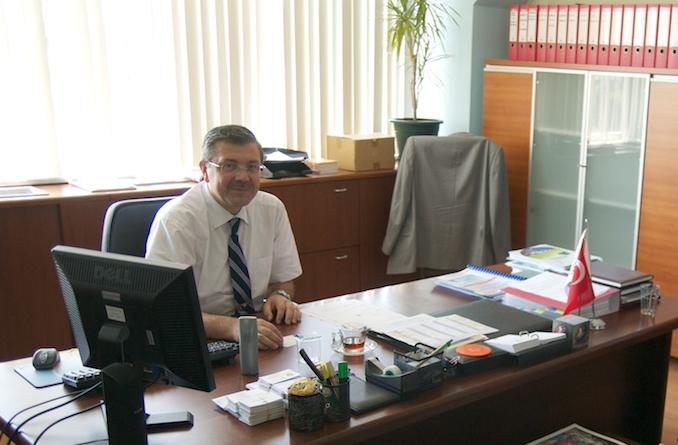
Hydrogen-fueled vehicles and power systems could be feasible in Turkey by 2020, says Mustafa Hatipoğlu, managing director of the UN’s International Centre for Hydrogen Energy Technologies in Istanbul.

Since it was established  in Istanbul eight years ago, the International Centre for Hydrogen Energy Technologies (ICHET), a project of the United Nations International Development Organization, has been developing a series of small, experimental hydrogen energy projects. But Turkey is beginning to lay the infrastructure for a much larger hydrogen economy, according to the man at the head of ICHET, Mustafa Hatipoğlu.

Green Prophet recently sat down with Hatipoğlu for an exclusive interview about the future and progress to date of hydrogen energy in Turkey.

Lebanese Okra in Olive Oil recipe

0

image-okra
Call it Bamyeh in Arabic or Bamiah in Hebrew, but okra is relished all over the Middle East.

Okra is a vegetable with an inferiority complex. Its delicious flavor hides under a certain goopiness, or mucilage released in cooking, and some people don’t like it.

On the other hand, you may want the beneficial mucilage. It soothes the entire digestive tract with a protective demulcent coating, much like its relative, the mallow (ideas for how to cook mallow leaves here). The liquid is appreciated as a natural thickener for soups and stews, as the Americans use it in gumbo.  While okra is usually served hot, this surprising Lebanese recipe serves it cold as a part of mezze, those lovely little Middle-Eastern salads and nibbles set out on the table before the main dish arrives.

The best pods are no longer than 4 inches long. To avoid releasing mucilage in cooking okra, stir fry the pods over high heat, making sure to include a little of something acidic: tomatoes, lemon juice or vinegar, like in the recipe below.

Okra in Olive Oil

Ingredients

3 cups tender young okra pods
10 pearl onions
3 medium sized tomatoes
1/2 cup lemon juice
1/2 cup chopped fresh cilantro (coriander leaves)
8 cloves garlic
1/2 cup cold water
1/2 tsp. sugar
1/2 tsp. salt
1/2 tsp. black pepper

Crush garlic. Add cilantro and chop it finely, together with the garlic.

Trim the pods of their hard stem ends. Wash well, drain, and tumble in a clean towel to dry them.

Slice the tomatoes thickly.

Fry the okra in deep, hot olive oil until just tender. Remove the okra and fry onions in same oil till soft and golden. Pour off most of the oil and fry the cilantro mixture for 1 minute.

Cover the bottom of a large pan with a layer of sliced tomatoes. Cover the tomatoes with the okra. Scatter the onions over it. Pour the lemon juice over the vegetables, and spoon the cilantro mixture over all.  Make a depression in the center of the okra and fill it with the onions. Spoon the cilantro over all. Season with salt and pepper.

Cover and bring the vegetables to a gentle boil over medium heat. Turn the heat down immediately and simmer, uncovered, until most of the liquid is reduced. Check the seasoning.

Spoon the cooked okra into a serving dish. Cover, chill, and serve cold.

Enjoy!

More of Green Prophet’s delectable Middle-Eastern vegetarian recipes:

A Greener Space Planned Between Abu Dhabi and Dubai

0

urban planning, sustainable development, UAEA 1770 hectare site between Abu Dhabi and Dubai is set to get a green makeover.
After long consultations between residents, prominent community members, and the Abu Dhabi municipality, the Abu Dhabi Urban Planning Council (UPC) has unveiled the Shahama and Bahia Revitilization Master Plan. A 1770 hectare site between Abu Dhabi and Dubai, which includes Al Shahama, Al Bahia, and Coastal Bahia, will receive a green upgrade that fits in with the capital’s Estidama sustainable development initiative.

How Climate Change Threatens Alexandria, Casablanca, and Tunis

0

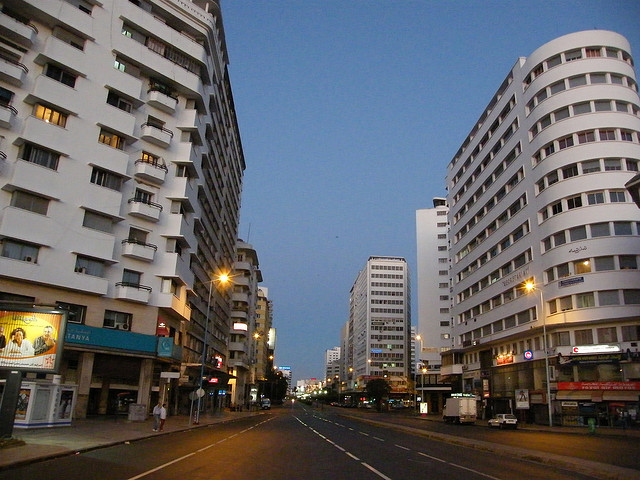
climate change, casablanca, morocco, IPCC, natural disastersIn the coming decades, natural disasters could costs Alexandria, Casablanca, and Tunis $1 billion each.

The Middle East/North Africa region is the second most vulnerable to climate change, according to the Intergovernmental Panel on Climate Change (IPPC). Especially vulnerable are some of North Africa’s most famous cities, including Alexandria, Casablanca, and Tunis. A new World Bank study shows that increased flooding, storm surges, and coastal erosion could cause up to $1 billion in damages in each city over the next two decades.

“We Are Not A PR Stunt” – Marine Protection Organisation On Corporate Sponsorship

2

corporate sponsor environmentWe speak to the Emirates Diving Association about why they accepted funding from the gas-guzzling car manufacturer Ford Motors

The Emirates Diving Association (EDA) based in Dubai has been working hard over the last couple of years to protect the marine environment, collect data to track changes in coral reefs in the United Arab Emirates and also to end shark finning. Clearly, the organisation cares about the environment and protecting it against the effects of climate change.

So when we found out that they were being funded by a car manufacturer known for its gas-guzzling SUV’s, we thought we’d get in touch and ask them why. I spoke to the director Ibrahim Al Zu’bi, who is also the Al Gore ambassador to the Middle East, to find out more about their policy on corporate sponsorship and why they accepted $10,000 funding from Ford Motors in 2011.

Abu Dhabi Beach Gains Blue Flag Award

1

blue flag abu dhabiAbu Dhabi’s Corniche has become the Arabian Gulf’s first Blue Flag beach

The city of Abu Dhabi has become the first Arabian Gulf location to gain a Blue Flag environmental award for one of its beaches.

The certification has been awarded to the famous Abu Dhabi Corniche, a four mile stretch of coastline which is also a major tourist attraction, featuring big-name hotels as well as amenities such as cycle tracks, volleyball courts, children’s playgrounds and secure swimming areas. According to the Abu Dhabi Tourism Authority (ADTA), the Corniche was recently ranked amongst the top ten visitor attractions in the Emirate in a tourist poll.

Green Prophet has recently reported on schemes to improve Abu Dhabi’s environmental record, especially amongst its marine habitats, and to educate local schoolchildren about conservation. But the Emirates region also faces ongoing challenges to the marine environment, including illegal shark fishing.

Better Place Inaugurates First Battery Swap in Denmark


Denmark is the newest country to get Israeli innovator Shai Agassi’s battery-switching stations. The first of 20 long-planned Better Place battery swap stations slated for installation over the next twelve months was inaugurated today, CNet is reporting.

The EV battery switching station was installed in Gladsaxe, a town just outside of Copenhagen. The first battery swap was conducted on a Renault Fluence ZE, which, along with the Nissan Rogue SUV, is one of just two car models designed to accept the robotic battery swap technology designed by Agassi, so far. But that is not slowing Danish enthusiasm for Better Place.

Solar-Powered 3-D Printer Makes Objects From Sahara Sands

1

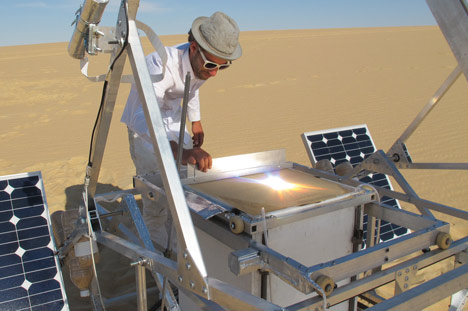
sahara desert, sustainable design, green design, solar energy, markus keyserEventually, desert-dwellers will be able to “print” their own homes using little more than the sun and sand.

The Solar Sinter designed by Markus Kayser uses the sun and a high-powered fresnel lens to make glass objects from silica sand directly in the Sahara desert. This design requires no factory, no factory line, and no lasers or resins. All that was required were the materials used to make the Sinter (which in time could probably make itself).  After initial tests in Morocco’s desert, Kayser scaled up the machine and took it Egypt, near Siwa.

Oil Spills Near Coral Reef in Israel Cleaned Up, This Time

2

oil spill, environmental degradation, coral reef, israel

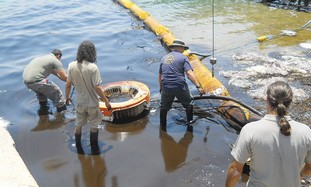
Concerted cleaning efforts averted major disaster in Eilat, but more serious oil spills are only “a matter of time” say Israeli officials.

Two separate oil spills contaminated the waters off Eilat in Israel over the weekend. The Jerusalem Post reports that the initial oil spill on Friday morning came from an unknown source, although officials suspect that a Turkish ship, which was leaking oil while docked at the Port of Eilat, may be the culprit.

Dubai Ends Cheap Local Gas

1

The Dubai government’s Emirates National Oil Co (ENOC) has stopped supplying subsidized gasoline to gas stations in neighboring sheikdoms in the United Arab Emirates.

Hit hard by the property crash, the once high-flying Dubai government is now penny pinching. Even at the risk of destabilizing the region – in the same way that rising food prices have done earlier this year – in a drastic move, Dubai is now cutting in half the energy subsidies and transfers that its property wealth had made possible.

Geraniums go from planters into cool creamy treats

0

image-geranium-cream

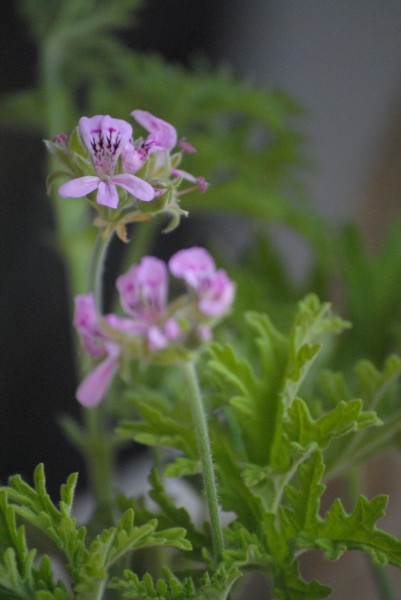
Sweetly-scented rose geranium makes a delicate cream and a soothing tea. It’s growing somewhere near you.

Peaches, melons, apricots, plums. All in season right now in the Middle East, all sweet and juicy. Cream infused with rose-like  pelargonium graveolens makes a delicious background for any of those summer fruits.

I pick a few sprigs of rose geranium from a public garden set well away from traffic pollution. The flowers, I put into arak to make an ethereal rose geranium liqueur. When it’s ready, I strain it into a recycled wine bottle. But there are other ways to use the unique, sweet flavor of edible geraniums.

image-rose-geranium

For an alcohol-free, soothing cold drink, I’ll brew rose geranium leaves as tea. Children especially like this mildly candy-flavored tea. Just pour boiling water over 5 or 6 large rinsed and chopped leaves, cover, and let it steep about 10 minutes. Sweeten as desired, remove the chopped leaves, and drink hot or cold. If you collected oatstraw in spring, you can flavor oatstraw tea with these leaves, too.

And it’s simple to make geranium-infused cream for those summer fruits. In a small pan, heat 2 rose geranium leaves with 1 cup of whipping cream and 4 tablespoons of sugar. Don’t let it simmer or boil, just let it get hot over low heat. This should take only 5 minutes if the cream was at room temperature.

Remove from the heat and stir in 1 cup of cream cheese. Cover. When it’s all cool, put it away in the refrigerator overnight.

In the morning, the cream will be thick and fragrant. Transfer it to a bowl and set a bowl full of sliced fruit next to it for dipping. Or pour the cream over sliced fruit in individual bowls. Surprisingly, watermelon matches this delicate cream perfectly.

More innocent and milky Middle-Eastern recipes on Green Prophet:

Photos of peaches and geranium cream, top, and of rose geranium by Miriam Kresh

How Do You Stop Greenwashing in the Middle East? Wael Hmaidan Says Train Better Activists,

0


We speak to the Lebanese eco-campaigner Wael Hmaidan about corporate funding of green organisations in the Middle East and finding solutions

In a previous post, I posed some questions about green groups in the Middle East receiving funding from not-so-green corporations. Is it a good thing if they are working together to protect nature? Or are green organizations in the Middle East simply being duped by corporations who want to look green?

These are clearly difficult questions to answer but another concern is the lack of criticism that green organisations funded by un-green corporations face in the Middle East. I sat down for a chat with Wael Hmaidan, a green campaigner from Lebanon who heads an independent organisation for activists, to discuss these issues and also what can be done to stop greenwashing in the region.

Can World’s Oceans Become Extinct?

2


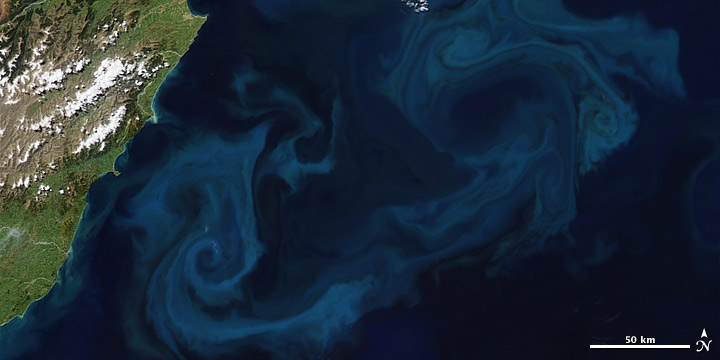
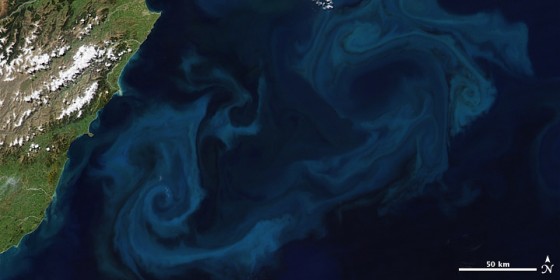
Explosive phytoplankton “bloom” in Pacific Ocean, caused by too much CO2 infusion. Photo credit: NASA

We have written time and time again in Green Prophet about environmental dangers to the world’s seas and oceans. These dangers include pollution by plastic material, chemicals and other debris;  from over-fishing;  and from global warming.  Global warming is causing water temperatures to rise – resulting in invasions of unwanted species like jellyfish .

But the ultimate result of all of these factors is something even more horrifying; and that is the possible  “extinction” of the oceans themselves.