Spend 5 days in a Teletubbies cave and come out more alive. Image via Kiana Aran.
I go to Canada every year and spend at least a month in a forest in the middle of nowhere. The deprivation of the modern world takes time to wear off. After a full week of no stimulation, the effects take hold and suddenly I feel like I can talk with the wind. Every moment seems more alive and worth living. James experienced this at an In the Dark event in London, described as “like a prayer” when you go all-in and listen to music in the dark. Something similar is now being reported by science.
A woman lived in a dark cave for five days and her senses became more alive. Food was tastier.
It all started in November 2024, when bioengineer Kiana Aran entered complete darkness. For five days, she lived alone in a cave-like chamber in rural western Poland, cut off from light, sound, and time. She was fitted with a suite of biosensors. (Poland has wonderful underground salt caves, as well, for other health experiments.)
The experiment, later reported in Nature as part of its Sensors Spotlight, was a scientific inquiry into how the human body recalibrates in the absence of external stimuli.
Aran, a scientist at the University of California, San Diego, tracked herself continuously using wearable and molecular sensors, including EEG monitoring, a glucose sensor, an Oura Ring, and multi-omics sampling before, during, and after the retreat.
On entering the cave, my taste perception changed drastically. Food was intense and delicious. I never knew exactly what I was eating, but I remember certain foods by texture alone: the firmness of broccoli, the smoothness of soups, the crunch of nuts. My proteomic data, measured later, confirmed what my senses had been trying to tell me: proteins linked to taste receptors had shifted significantly, mirroring my heightened perception.
Kiana Aran wore an EEG on her forehead to measure her brain activity while in the cave. Credit: Kinga Janowska and Wojciech Ananda Jay, founders of Darkness Cave Retreat.
What emerged was a rare, data-rich portrait of biological adaptation. With no circadian cues, Aran’s sleep became fragmented, with REM and dream-like states appearing throughout the day. Her glucose levels remained unusually stable, even after consuming sweets, suggesting more efficient metabolic uptake when sunlit cues are not available. Proteomic analysis later indicated changes linked to taste perception, echoing her subjective experience of heightened flavor sensitivity in darkness.
Kiana Aran
Her microbiome responses varied by body site. While gut microbiota remained largely stable, microbial communities on the skin and in saliva shifted rapidly, acting as early indicators of environmental stress and adaptation. Together, the data showed that different biological systems respond to isolation on very different timelines, she reported.
“The darkness also gave me dreams that were so vivid they felt real,” she said. “One night, I saw my mother, my cousin and my late grandmother, who had long since passed, sitting together, laughing softly over an iPad. They looked so alive, so close, separated from me only by a glass door.”
Kiana Aran and crew. Supplied.
Beyond physiology, the experiment underscored the communicative power of environment. While Aran’s internal experience of darkness was deeply personal, marked by vivid dreams and altered perception, the data allowed her to translate that experience into something shareable, analyzable, and comparable.
Sensory deprivation in these synthetic caves in Poland
In an era when sensors increasingly mediate how we understand health, cities, and the environment, the cave experiment offers a striking reminder: technology does not replace human experience, but it can make the invisible visible.
Or as Karin Kloosterman from Green Prophet says: use some common sense and just get out in nature. Drop the sensors — and the need to biohack your life better than the next guy.
Balsam Madi, a system-thinking architect for Balsam Madi studios, a design office she’s built out of Dubai and Berlin
A new female starchitect on the rise? BM Studios is an architectural firm bridging the East and the West. In this article, Balsam Madi shares her approach to climate sensitive design and discusses the role of architects today.
In the UAE, architects often have more influence than they realize, particularly at the early, conceptual stages of a project. How do they weigh that responsibility? How is the role of architects today influencing climate sensitive design? We speak with Balsam Madi from BM Studios to learn more.
Architectural teams are typically structured into distinct roles as concept architects, design development teams, specifiers, and project managers. But these roles frequently operate in silos, especially within large corporations, she tells Green Prophet.
Design managers, who liaise across teams and maintain continuity, are still relatively rare. This hierarchy has a direct impact on sustainability outcomes, notes the young, aspirational architect working between Berlin and Dubai at the firm she founded, BM Studios.
A hospitality concept proposed for an eco-resort in a remote natural setting in Qatar. Balsam Madi.Interior design concept for eco-lodge, Doha, Balsam Madi.
In Balsam’s former role as a senior lead designer at KEO, sustainability was not an add-on, she says, it was embedded in her responsibility. She was expected to introduce cultural research, emerging design trends, sustainable strategies, and even AI-driven methodologies into the workflow. Knowledge transfer was central to her role: staying ahead of global conversations and translating them into locally relevant design decisions.
Events design / scenography: An event for the design of outdoor lounges in Doha to receive VIP guests for the World Cup. Credit: BM Studios.
Sustainability entered most powerfully during the concept phase, which she was leading, through storytelling. She reinterpreted vernacular architectural techniques using contemporary aesthetics that clients respond to today, while quietly embedding passive strategies, climate intelligence, and material efficiency. Referencing comparable cities and precedents helped position sustainability not as a risky experiment, but as a proven and aspirational solution.
She also naturally stepped into a design management role, coordinating day-to-day processes, aligning design development teams, specifications, and material research. Early decisions around modularity, prefabrication, and low-impact construction often made the biggest difference, long before sustainability became a checklist. This coordination allowed quality assurance throughout costing and specification stages—precisely where silos often form and opportunities for design integrity and sustainability are lost.
A retail space in Dubai, Balsam Madi. Reminds us of Berlin Minimalism at the Voo shop.
As independent practitioners, architects become translators, strategists, and sometimes marketeers of sustainability, not superficially, but by demonstrating how responsible design enhances value, longevity, and relevance.
After leaving the corporate world and working independently, she found more freedom to advocate for these ideas, she tells Green Prophet. As independent practitioners, architects become translators, strategists, and sometimes marketeers of sustainability, not superficially, but by demonstrating how responsible design enhances value, longevity, and relevance. They are expected to do it all!
Balsam Madi at work building a public park in Lebanon. Credit SOSI as a partner and Saida Municipality and Di-lab AUB and Alfa & UN Habitat as sponsors
Over the next decade, architects who can bridge vision, systems, and persuasion will shape the industry far more than those focused on form alone, she says. Having knowledge about LEED-building, or Estidama Pearls isn’t enough.
Where Architects Truly Influence Sustainability
Landscape design for a private Dubai client. Balsam Madi.
Architects genuinely influence sustainability at three critical points: concept design, advisory roles, and spatial intelligence. The greatest constraint, however, remains resistance to change.
Balsam once proposed a flexible housing strategy inspired by open-building principles and early Japanese residential models, homes designed to evolve with families rather than forcing families to adapt to rigid layouts. The concept was profitable, socially progressive, and sustainable, yet it was not well received. The real estate sector, despite its creative veneer, often prefers familiarity over innovation.
Re-invigorating an informal neighborhood in Egypt. Speaking with locals and making renovations real and relatable.
Some of her most successful sustainability-driven typologies—projects that doubled developer yields—were led by developers who were architects themselves. Leadership mindset matters. Sustainability is not just about trees or technology; it’s about designing spaces that perform socially, economically, and environmentally over decades.
Cultural constraints also play a role. Ambition in the Middle East region is high, but often paired with impatience. Limited time for research, testing, and long-term planning undermines sustainable outcomes. Developers who have truly excelled invested in R&D and allowed innovation to mature, positioning themselves with distinct value propositions.
Architects also influence sustainability through advisory work: optimizing layouts for waste management, connecting developers with recycling or composting partners, and improving operational efficiency through better planning. These opportunities are frequently missed, often due to a narrow procurement mindset focused on either lowest cost or premium solutions, with little space in between.
Quality is another issue. First-time developers sometimes hire very young firms to reduce costs, resulting in poor layouts and dysfunctional living spaces. Sustainability, at its core, is systems thinking. When treated as isolated gestures rather than an integrated framework, it loses both meaning and impact.
From Designing Form to Designing Systems
Building a library in Lebanon. Balsam Madi. Credit Di-lab AUB and MSFEA as sponsor and Kayany Foundation as partner.
Balsam says she loves concept design, “the iterative process, the moment when an idea clicks and demands to be built. That creative spark is sacred. But today, AI can generate iterations faster than entire teams once could. This raises an important question: if machines can explore form, what is the architect’s true value?
“For me, the answer is systems thinking and orchestration. Architecture is no longer about isolated objects; it’s about aligning structure, MEP, HVAC, materials, construction sequencing, and long-term operation from day one. Certifications like LEED touch on this, but the principle runs deeper. Designing holistically from the start avoids waste, redesign, and inefficiency later.
“One of my engineering management professors once said architects are ‘artists with rulers’ and ‘conductors of the construction orchestra.’ We don’t play every instrument, but we understand how they work together. That ability to coordinate, adapt, and guide is irreplaceable.
“This is why my practice spans architecture, interiors, landscape, and product design. Design is a universal language. If you can take an idea from concept to execution in one medium, you can do it in many. The future architect is a systems leader, strategist, and coach—someone who maintains the big picture while navigating complexity with clarity,” she tells Green Prophet.
“As a result, I developed a sustainability arm within my practice that connects businesses, end users, and service providers working on sustainable products. This includes integrating sustainable MEP systems and sensors into high-end heritage spaces—design work that is less conceptual and more coordination-driven, yet increasingly in demand as architecture moves beyond a unilateral definition.
Climate, Materials, and the UAE Context
If you are developing a dream in the UAE, “the biggest challenges in the UAE are climate and infrastructure, particularly mobility,” says Balsam. “While Dubai’s metro is efficient, many communities lack shaded walkways, green corridors, and pedestrian-friendly design. This disproportionately affects lower-income areas and creates daily stress.”
Materially, many buildings are not designed for long-term exposure to heat and humidity, she notes. “Façades and systems often deteriorate within 20 years, reducing value and increasing vacancy. Rather than resisting the region’s appetite for renovation, we should specify materials with strong life-cycle performance, recyclability, and adaptability. Outdoor construction, in particular, needs stricter material guidelines. Initiatives like Colab in D3 advocate for sustainable material use, but ultimately this requires leadership-level commitment.
“Too often, sustainability manifests as confusion at the operational level and box-ticking at the corporate level. When it becomes jargon detached from empathy and responsibility, it loses credibility. Real change starts with environmental literacy and a shared sense of stewardship for place.”
Beyond Ratings: An Ethical Foundation
Balsam tells us, that there is a growing disconnect between global sustainability agendas and on-the-ground impact. While conferences consume enormous budgets, grassroots sustainability startups, the true innovators, often struggle to survive without access to capital.
Certifications and data have their place, she says, but when sustainability becomes bookkeeping rather than belief, skepticism follows, particularly around topics like Net Zero. “An ethical, zero-harm intention recenters sustainability around empathy—toward nature, communities, and future generations.
“When intention leads, capital can be distributed more holistically, allowing ecosystems to thrive across all roles, from change-makers to policymakers.”
About Balsam Madi, Founder of BM Studios
Some say curiosity killed the cat; for Balsam Madi, it shaped her life. Driven by a compulsive need to understand systems rather than spectacle, she consistently chose inquiry over allure and human-centered design over trend-driven form.
Trained at the American University of Beirut, her thesis questioned who truly shapes the home: architects, developers, or inhabitants. This inquiry led her to a double MSc in Integrated Urbanism and Sustainable Design at the University of Stuttgart and Ain Shams University in Cairo, where she mapped the cultural, political, and territorial forces shaping cities, with a focus on Lebanon’s hinterland. She continued this research as a university lecturer, combining formal design with strategic intent.
Her formative years included work in Cairo’s informal settlements, public space upgrades in Saida’s historic district, and academic collaborations with AUB and Columbia University. In 2016, she founded BM Studios, exploring hospitality typologies through projects such as a boutique hotel in Athens designed for emerging “digital nomad” users.
Today, BM Studios is a multidisciplinary practice spanning architecture, interiors, landscape, and product design, marking a decade of independent practice in 2026. Having worked across MENA, Europe, and Japan, Balsam is recognized for her depth of cultural groundwork and has served as a trusted concept architect for royal accounts in Saudi Arabia and Qatar, as well as key Abu Dhabi public sector projects.
Often described as a “client whisperer,” she is attuned to unspoken expectations and cultural nuance. Working between Dubai and Berlin with an international team, she leads a digitally agile, culturally rooted studio that prioritizes novelty, sensitivity, and environmental integrity. When selecting interns, she chooses curiosity every time.
Nettles malfatti dumplings, covered in grated Parmesan
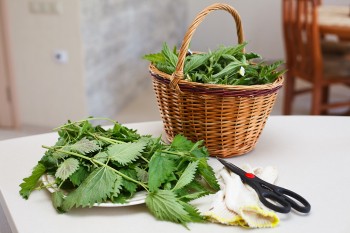
It’s late winter, almost spring in the Mediterranean, and the time to harvest wild greens is now. In a week or two, the best will be gone to seed, gotten leggy and tough, or infested with bugs.
Malfatti means “badly formed,” and these dumplings, quickly shaped in the hand, have an awkward, rough look. Traditionally, spinach is the leafy ingredient, and the malfatti come out white speckled with green. These, based on nettles, are a rich, dark green.
I found this recipe in the late Leda Meredith’s book, “The Forager’s Feast.”
When I mention harvesting nettles to people who don’t forage, I get plenty of rolled eyes and the usual question: “Don’t you get stung, picking them?”
I do get stung. In my first years of picking nettles, I found that wearing gloves and taking scissors along was the way to deal with them.
Snip the stems and holding them with the scissor blades, put them down, all facing one way. That makes them easier to handle when rinsing them and hanging them up to dry.
But that was years ago. I pick nettles with bare hands now, and while I feel the sting, I don’t mind it anymore. Remember, all the sting goes away in the cooking. If you’re new to eating nettles and curious about their flavor, I’ll say that they don’t taste like spinach.
All wild greens are described as tasting like spinach, but the truth is that each has its distinctive taste, as with artichokes and lettuce, which are botanically related but taste nothing like each other. Nettles’s taste is dark, if you like, and a little salty; a little like seaweed.
This is how I learned to make delicious green malfatti. Like the ancient recipes that start, “First go out and catch a rabbit,” you need 4 ounces of raw, rinsed nettles that you went out and picked yourself.
Nettles Malfatti Recipe
Serves 2 as a main dish; 3-4 as a hot appetizer or side dish
Ingredients:
4 oz. – a tightly packed 1/2-cup of raw nettle leaves – stripped from the stems. My note: ignore any seeds present; they’re also excellent nutrition when young and green.
1 tablespoon olive oil
1 small onion, peeled and chopped finely
2 eggs, beaten
3/4 cup dry breadcrumbs
1/2 cup Parmesan cheese, grated
1 teaspoon salt
1/4 teaspoon black pepper, or more if liked
1/2 cup cup flour for rolling the malfatti in
About 1/2 cup melted butter and 1/4 cup grated extra Parmesan for saucing the malfatti
Instructions:
Arrange ingredients for nettles malfatti, via saborina
Blanch the nettles. Bring a medium-sized pot of water to a boil.
Drop the nettles in and cook for 3 minutes. I set the timer on my phone to avoid over-cooking. You’re only blanching the greens here.
Have ready a bowl of cold water. Remove the blanched nettles from the hot water with tongs or a slotted spoon and immediately drop them in the cold water. Let them sit for a minute or so or until cool.
Drain the nettles in a colander or sieve, and squeeze as much liquid out of them as possible by pushing them hard against the side of the colander. Do this over a bowl, to catch that dark-green juice. It’s tasty and sky-high full of nutrients. You can add it to soups or green smoothies later.
Coarsely chop the wad of squeezed-out nettles.
Empty the pot you boiled the nettles in. Pour the olive oil in and set it over medium heat to warm. (Leda’s tip for reducing the washing up by one pot).
Cook the onion in the oil until soft and translucent, stirring, 4-5 minutes.
Using the knife blade of a food processor, blend the onions and nettles together with the salt and pepper, eggs, breadcrumbs, and cheese until you have a coarse paste.
Scoop the nettles mixture into a bowl, cover it, and refrigerate 6 hours or overnight. I’ve let it mature as long as 24 hours.
Set a large pot of lightly salted water to boil.
Either flour a surface like a baking sheet with the 1/2-cup flour, or dump the flour into a wide bowl. Either way, flour your hands. You’ll need to flour your hands again at intervals.
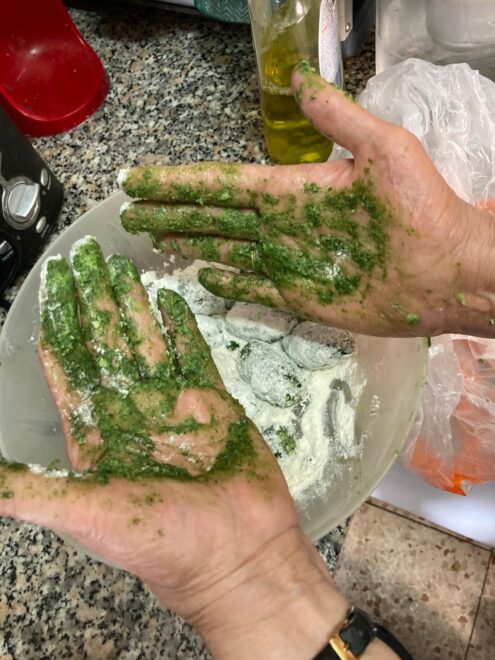
Pinch off a generous tablespoon of the chilled dough and roll into a torpedo shape. Some prefer a nice round dumpling like a mazah ball; your choice. In either case, your palms will be green.
Rolling the malfatti makes green hands.
Roll each malfatti in the flour and set it aside on a floured surface while rolling the rest. If your bowl is wide enough, just place them around the inside and roll the rest of the malfatti in the flour heap in the center of the bowl.
Gently lower the malfatti into the water, which by now should be boiling. Don’t crowd the dumplings; they swell and need room to move. You’ll know they’re close to done when they rise and bob around. Cook them 4-5 minutes, no longer or they’ll break apart. You may need to do this in 2 batches.
Using a slotted spoon, remove the cooked malfatti to a platter or serving bowl.
Gently pour melted butter over the malfatti, and sprinkle with the extra grated Parmesan. Serve right away.
Some take malfatti to another level by baking them, cooked as described above, in a bechamel or a tomato sauce for 15 minutes at 350° F – 175°C. Sprinkle with more cheese before serving.
Parkour is often misunderstood as a fringe sport or a collection of stunts. In reality, it belongs to the same cultural lineage as grafitti, skateboarding and surfing: youth-led movement practices shaped by place, limitations, and the need to claim space.
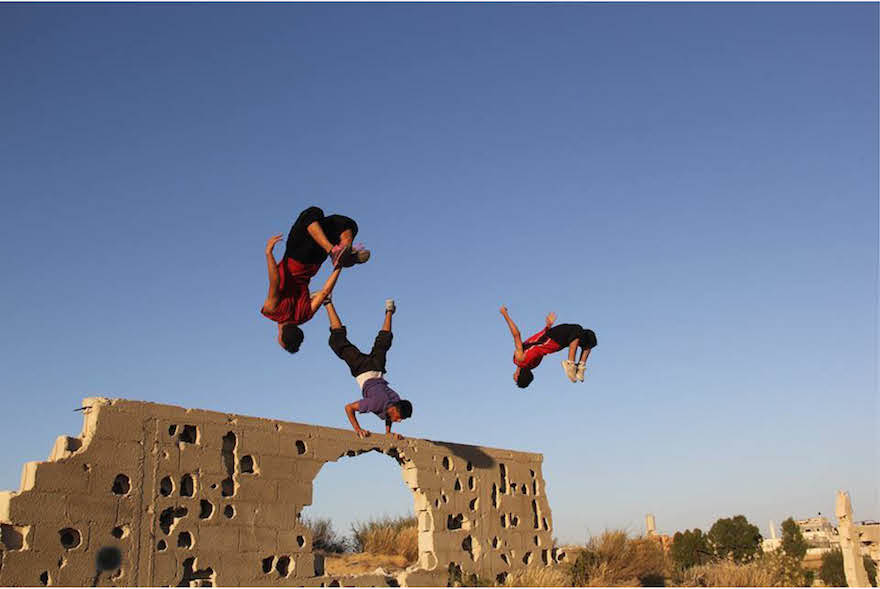
Parkour, a way of using acrobatics and stunts (sometimes death-defying) to move around the built environment, also caught on in Gaza. We wrote about the young parkour creators in 2012, and now there is a documentary film highlighting their lives and struggles.
For years, young people in Gaza used parkour to create structure and meaning in a restricted environment. Teenager boys trained on rooftops, in quiet streets, and among damaged buildings, learning how to move fluidly through spaces never designed for play. Like skateboarding in dense cities or surfing along contested coastlines, parkour offered discipline, community, and identity. (Boys and girls do not hang out in Gaza together, so the sport was limited to boys).
Yalla Parkour, directed by Areeb Zuaiter, captures this culture from within. The film follows Zuaiter’s long relationship with Ahmed Matar, a parkour athlete in Gaza, as she reflects on loss, memory, and belonging after the death of her mother. What begins as a personal search gradually opens into a portrait of how movement shapes young lives under constraint.
The documentary avoids spectacle. There are no competitions, rankings, or dramatic victories. Instead, the focus is on training, trust, and shared routines. Rooftops become practice spaces. Friends gather to watch, film, and learn from one another. Like skate crews or surf communities, Gaza’s parkour scene is built on mutual respect and collective risk.
Much of the film was developed and shot years before October 7, 2023. The Gaza shown on screen reflects pre-war daily life: informal training sessions, moments of calm between jumps, and a sense of continuity. The film now carries the weight of an unintended historical record, showing how beautiful and developed Gaza was. Any references to events after October 7 are reflective and editorial.
Gaza parkour, screenshot from new documentary film. Updated 2026
What Yalla Parkour ultimately shows is that parkour in Gaza was never about escape fantasies. It was about learning limits, adapting to obstacles, and staying grounded through physical practice. Like skateboarding and surfing, it offered young people a way to grow, build skill, and belong to something larger than themselves.
Seen this way, Yalla Parkour is not only a film about Gaza. It is a film about youth culture and movement, and about the universal human need to claim space, even when that space is sharply constrained.
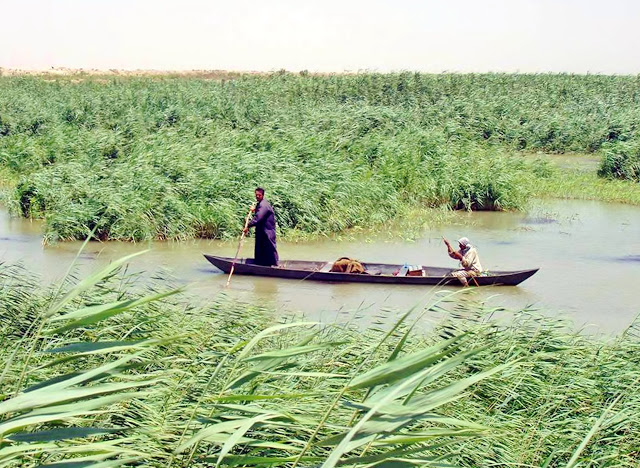
Iraq marsh people know how to live with water. New research from Iraq shows us how to reclaim the earth from the desert.
There is one tree that unites all monotheistic faiths, and it’s the sidr tree. Judaism, Islam and Christianity all have mystical connections to the tree. And besides the real-world honey that it provides (see our article on Yemeni sidr honey) Iraqi scientists say that the sidr tree, beloved by nations, can stop desertification. In a new article published by Faiza Khadim Dawood Al-Rumaydh, at the University of Thi Qar, Iraq, Sidr Trees Between Windbreaks and Production, he says the sidr (Ziziphus spina-christi) is a great contender for undoing the deserts. (We have a guide here which shows the sidr tree’s natural medicine)
“Because of their remarkable resistance to drought, salinity, and harsh conditions, sidr trees have a long history in the Arab world and around the world,” Al-Rumaydh writes.
That sentence alone explains why the sidr tree keeps showing up in conversations about desertification control. Long before sustainability plans and carbon accounting, this tree learned how to live with heat, wind, and water scarcity, and how to protect the land around it while doing so.
A complete ecosystem that provides sustainable protection for the soil
Al-Rumaydh describes the Sidr less as a single organism and more as a working ecological unit. Its deep roots reach down toward groundwater, while lateral roots spread wide to catch surface moisture. Its dense canopy slows wind instead of blocking it abruptly, reducing erosion.
A mudhif, marsh Arab home in Iraq
In dry regions where wind strips topsoil and salinity creeps upward, this matters. Sidr trees, planted in rows or allowed to mature naturally, function as biological windbreaks—quiet infrastructure that doesn’t require electricity, sensors, or software updates.
Al-Rumaydh calls the Sidr “a complete ecosystem that provides sustainable protection for the soil.”
That phrase complete ecosystem reframes the tree from crop to collaborator. The Sidr doesn’t just survive harsh conditions; it reshapes them, creating shade, stabilizing soil, and allowing other life to persist nearby.
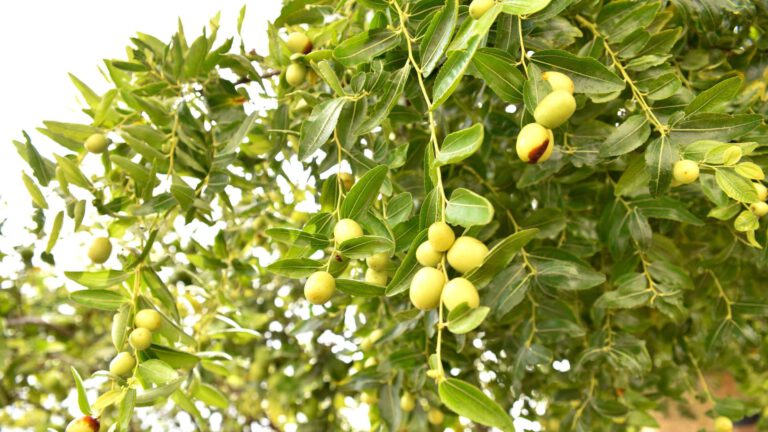
The Sidr’s value isn’t limited to ecology. Al-Rumaydh documents its economic importance across arid and semi-arid regions, especially in Iraq. The tree produces edible fruits rich in sugars and vitamin C, leaves that double as livestock fodder during drought, durable wood, and, perhaps most famously, honey. In English, fruits from the tree are called jujubes, and you can find them in Middle East, MENA and Levantine markets.
“Sidr honey is a complete bioactive complex rather than just a natural sweetener,” Al-Rumaydh notes, explaining why it commands high prices and international demand.
That honey economy matters. In rural areas where employment options are shrinking, Sidr trees support beekeeping, small-scale agriculture, and local markets. They reward long thinking. A Sidr tree can remain productive for decades, even as surrounding conditions deteriorate.
Yemen beekeepers make honey from the sidr tree, image via FAO and reprinted with permission.
Al-Rumaydh’s paper stays firmly in the scientific lane, but it brushes up against something harder to quantify: continuity. Sidr trees have been present across Iraq and the wider region for generations.
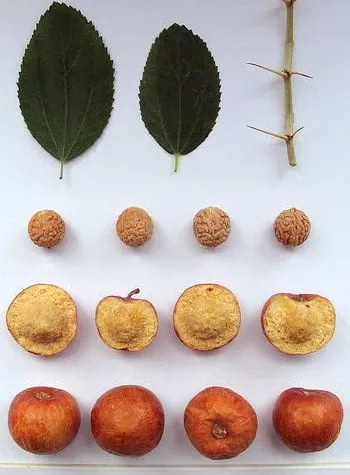
Sidr tree leaves, seeds, stems, fruit can be used for warding off the evil eye or black magic against your foes. image via IQS
Could sidr trees become part of shared restoration efforts across the region? Not as symbolic gestures, but as practical acts—windbreaks planted along vulnerable farmland, buffer zones around settlements, living barriers against soil loss. Could all the nations of the world band together and make this happen?
Al-Rumaydh is careful to note that Sidr cultivation requires planning, spacing, early irrigation, and respect for local conditions. This isn’t a miracle tree but it’s a resilient one.
Lead is appearing less in our hair. Image courtesy.
Prior to the establishment of the Environmental Protection Agency in 1970, Americans lived in communities awash with lead from industrial sources, paint, water supply pipes and, most significantly, tailpipe emissions. Adangerous neurotoxinthat accumulates in human tissues and is linked to developmental deficits in children, environmental lead levels have come way down in the years since, and so have human exposures.
The proof is in your hair.
An analysis of hair samples conducted by University of Utah scientists shows precipitous reductions in lead levels since 1916.
“We were able to show through our hair samples what the lead concentrations are before and after the establishment of regulations by the EPA,” said demographerKen Smith, a distinguished professor emeritus of family and consumer studies. “We have hair samples spanning about 100 years. And back when the regulations were absent, the lead levels were about 100 times higher than they are after the regulations.”
A useful element with a dark side
Lead in the hair has been decreasing for decades: image illustrative.
Thefindings, which appear in PNAS, underscore the vital role of environmental regulations in protecting public health. The study notes lead rules are now being weakened by the Trump administration in a wide-ranging move to ease environmental protections.
“We should not forget the lessons of history. And the lesson is those regulations have been very important,” said co-authorThure Cerling, a distinguished professor of both geology and biology. “Sometimes they seem onerous and mean that industry can’t do exactly what they’d like to do when they want to do it or as quickly as they want to do it. But it’s had really, really positive effects.”
Lead is the heaviest of heavy metals that, like mercury and arsenic, accumulate in living tissue and are toxic at even low levels. Yet lead holds very useful properties, great for fashioning into pipes and as a chemical additive. Lead was added to paint to improve durability, speed up drying, and produce vibrant colors with greater coverage. Lead also improved the performance of automobile engines by preventing pistons from “knocking.”
By the 1970s, its toxicity became well established, and EPA regulations began phasing it out of paint, pipes, gasoline and other consumer products.
How Utahns’ affection for family history advances science
Hair samples preserved in Mormon family scrapbooks across the past century have revealed the success of the US Environmental Protection Agency’s (EPA) efforts to crack down on lead pollution since the 1970s. (Amherst College)
To document whether these steps were helping reduce lead exposure in people, Smith joined with geologist Diego Fernandez and Cerling, who had developed techniques to discern where animals have lived and what they eat based on chemical analysis of hair and teeth.
The lead research is built on a previous study funded by the university’s Center on Aging and the National Institutes of Health that had recruited Utahns who consented to provide blood samples and family health histories.
For the new study, the researchers asked members of that cohort to provide hair samples, both contemporary and from when they were young. These people obliged, and some were able to find ancestors’ hair preserved in family scrapbooks dating as far back as a century. In all, the team acquired hair samples from 48 individuals in this manner, offering a robust window into lead levels along Utah’s populous Wasatch Front, which historically experienced heavy lead emissions from industrial sources.
“The Utah part of this is so interesting because of the way people keep track of their family history. I don’t know that you could do this in New York or Florida,” said Smith, who directed the U’s Pedigree and Population Program at the Huntsman Cancer Center while these studies were conducted.
This region supported a vibrant smelting industry through most of the 20th century, centered in the cities of Midvale and Murray. Most of Utah’s smelters were shuttered by the 1970s, around the same time the EPA clamped down on the use of lead in consumer products.
The research team ran the hair samples through mass spectrometry equipment at the facility directed by Fernandez.
“The surface of the hair is special. We can tell that some elements get concentrated and accumulated on the surface. Lead is one of those. That makes it easier because lead is not lost over time,” said Fernandez, a research professor in the Department of Geology & Geophysics. “Because mass spectrometry is very sensitive, we can do it with one hair strand, though we cannot tell where the lead is in the hair. It’s probably on the surface mostly, but it could also be coming from the blood if that hair was synthesized when there was high lead in the blood.”
Blood would provide a better exposure assessment, but hair is far easier to collect and preserve, and more importantly, it offers clues to long-ago exposures for a person who has grown up or even deceased.
“It doesn’t really record that internal blood concentration that your brain is seeing, but it tells you about that overall environmental exposure,” Cerling said. “One of the things that we found is that hair records that original value, but then the longer the hair has been exposed to the environment, the higher the lead concentrations are.”
The team’s findings regarding lead in hair run parallel to the reductions of lead in gasoline following the EPA’s establishment by President Richard Nixon.
Prior to 1970, for example, gasolines contained about 2 grams of lead per gallon. That might not sound like much, but considering the billions of gallons of fuel American automobiles burn each year, it adds up to nearly 2 pounds of lead released into the environment per person a year.
‘It’s an enormous amount of lead that’s being put into the environment and quite locally,” Cerling said. “It’s just coming out of the tailpipe, goes up in the air and then it comes down. It’s in the air for a number of days, especially during the inversions that we have and it absorbs into your hair, you breathe it and it goes into your lungs.”
But after the 1970s, even as gasoline consumption escalated in the United States, the concentrations of lead in the hair samples plummeted, from as high as 100 parts per million (ppm) to 10 ppm by 1990. In 2024, the level was less than 1 ppm.
Sony creates a new bioplastic pipeline and alliance. Image: courtesy.
For years, consumer electronics companies have talked about reducing plastic. What’s been missing is a way to do it without compromising performance, safety, or scale. Of course we’ve been faithful on reporting on novel technology and applications of bio-plastics, that used by Stella McCartney, which is made from mushrooms, or bio-plastics made by Tipa. But this is a drop in the plastic bucket.
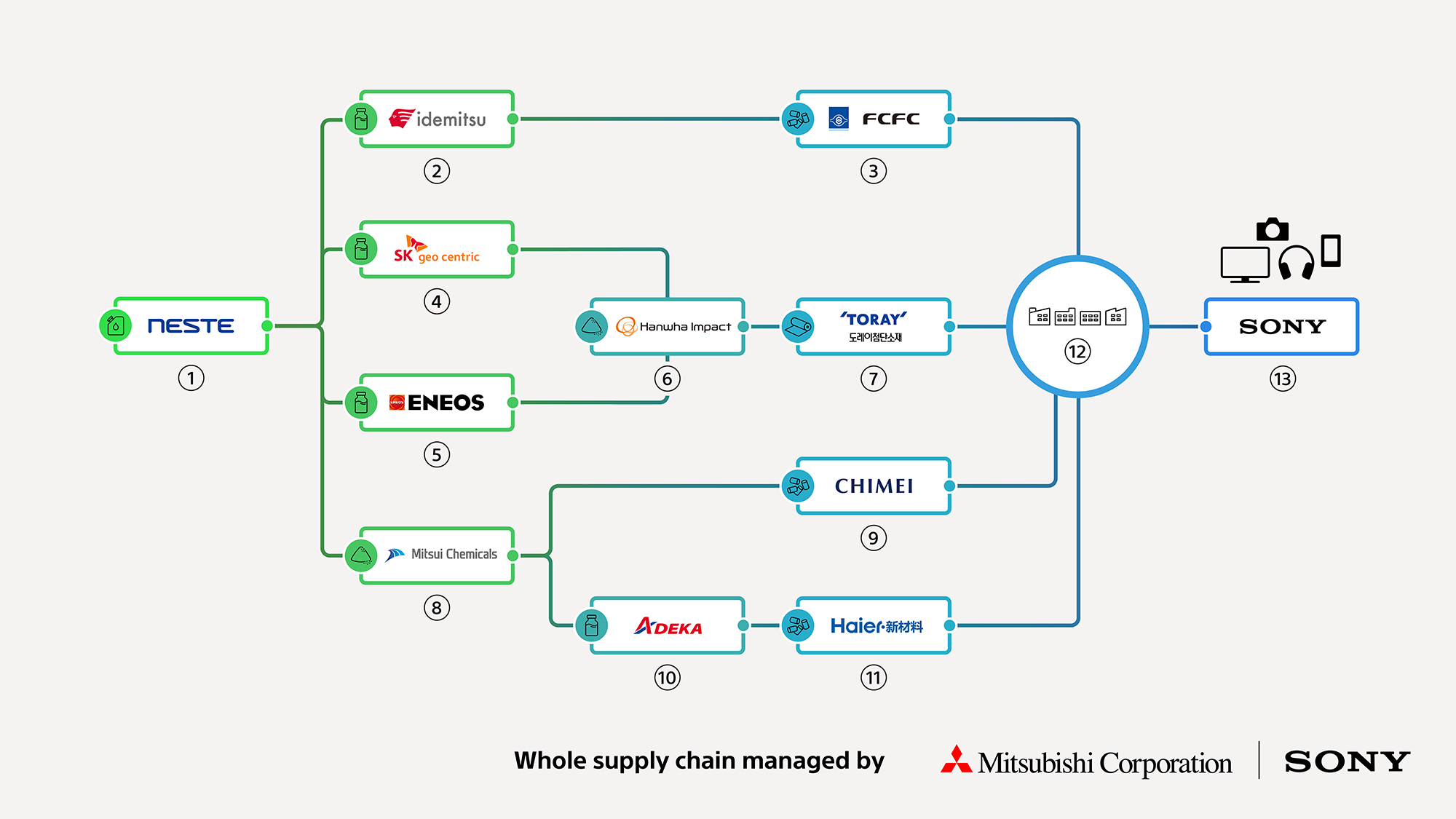
This week, Sony Corporation announced what may be one of the most consequential, and least flashy, breakthroughs in sustainable manufacturing: the creation of the world’s first fully visualized global supply chain for renewable plastics designed specifically for high-performance audio-visual products.
Fourteen companies across five countries and regions have joined in and these are spanning raw materials, chemicals, polymers, additives, and manufacturing. They have aligned to replace fossil-based plastics with biomass-derived alternatives, not in theory, but in products Sony plans to launch globally.
Why this matters more than recycled plastic
Sony creates a new bioplastic pipeline and alliance. Image: courtesy.
We know that most plastics do not get recycled, despite our best intentions to put our bottles in the recycling. With electronics, it is more complicated: Electronics are plastic-heavy for a reason. Casings, optical components, flame-retardant housings, and internal parts require tight tolerances, heat resistance, flame resistance, and optical clarity. These properties are difficult often impossible to create using mechanically recycled plastics alone.
That limitation has quietly stalled progress. Sony and its partners tackled the problem upstream by redesigning the entire materials pipeline, starting not with finished parts, but with renewable chemical feedstocks. Using a certified mass-balance approach, biomass-based inputs such as renewable naphtha are introduced at the earliest stages of chemical production, then tracked through each conversion step — from monomers to resins to finished components.
The result: plastics with the same performance characteristics as virgin fossil-based materials, but with a significantly lower carbon footprint.
One of the most important aspects of the initiative is transparency. High-performance plastics typically pass through dozens of opaque steps, making it nearly impossible to calculate or verify emissions. By mapping and fixing the supply chain end-to-end, Sony and its partners can now track greenhouse gas emissions across the entire lifecycle, enabling real carbon accounting rather than estimates or offsets.
The supply chain includes chemical and materials heavyweights such as Mitsubishi Corporation, Neste Corporation, Toray Industries, Mitsui Chemicals, Idemitsu Kosan, ENEOS, Hanwha Impact, Formosa Chemicals & Fibre, and SK Geo Centric, among others.
Each partner handles a precise step: renewable naphtha, styrene monomer, para-xylene, PET resin, polycarbonate resin, flame retardants, and PC/ABS blend, all engineered to meet electronics-grade requirements.
This level of coordination is rare, and that’s why the announcement matters. It shows that renewable plastics are no longer a niche materials problem, but a solvable industrial systems problem.
Sony frames the initiative as part of its “Creating NEW from reNEWable materials” project, aligned with the company’s broader Road to Zero environmental plan targeting net-zero environmental impact by 2050.
Selling eco-socks or novel ideas as an SMB? here are payment options so you can focus on your eco-business.
A small business owner signs a merchant agreement on Monday morning. By lunch, they’re processing their first credit card transaction. This scenario sounds improbable when you consider how payment processing worked ten years ago, but several processors now make same-day or next-day activation routine.
Speed matters here for practical reasons. Every day spent waiting for account approval is a day without revenue. A restaurant opening its doors, an e-commerce store launching a flash sale, a service provider taking on a new client: these situations demand payment capabilities immediately, not in two weeks. The processors listed below have built their onboarding around this reality, cutting paperwork, automating verification, and shipping hardware that works out of the box.
Processing fees for small businesses in 2025 typically run between 2.5% and 3.5% per transaction. On a $100 sale, that amounts to $2.50 to $3.50 in fees. The differences between processors come down to pricing models, hardware costs, deposit timing, and how quickly you can actually start accepting money.
Onboarding Speed and Pricing at a Glance
Processor
Typical Onboarding Time
Pricing Model
Deposit Speed
Hardware Starting Cost
Finix
Same day
Interchange-Plus
Varies
Terminal available
Stripe
Under 1 hour (no-code tools)
Flat rate, no monthly fees
10 days initially
N/A (online)
Square
Under 5 days (bank verification)
2.6% + 15¢ in-person
1-2 days standard
Free magstripe reader
PayPal
Minutes to hours
2.99%-3.49% + fixed fee
1-3 business days
N/A (online)
Clover
Same day (plug-and-play)
2.3%-2.6% + 10¢
Varies by processor
$49 (Clover Go)
Stax
4-5 days (hardware delivery)
Subscription + small per-transaction fee
Varies
Equipment included
Finix: Same-Day Activation With Direct Network Connections
Payment solutions for your SMB eco-business
Finix built its platform around instant onboarding and immediate device deployment for in-person payments. Where many processors require weeks for setup, Finix allows merchants to start accepting payments the same day they sign their merchant agreement.
The company maintains direct connections to all major U.S. card networks, including American Express, Discover, Mastercard, and Visa. This architecture enables faster approval and more control over payment operations. CEO Richie Serna has stated that the company developed its underwriting technology to increase efficiency without compromising risk management, allowing thousands of merchants to onboard within seconds rather than minutes or hours.
Finix offers Interchange-Plus pricing, meaning you pay the actual interchange rate set by card networks plus a transparent markup. For merchants who want to start accepting payments online without writing code, Finix provides pre-built checkout pages and payment links. When paired with an in-store terminal, the checkout process stays unified across channels.
The platform reports 99.999% uptime, which translates to roughly five minutes of downtime per year. Businesses running platforms or marketplaces tend to favor Finix because of its customizable fee structure and support for high-risk industries.
Stripe: Self-Service Setup in Under an Hour
Stripe allows users to create an account with only a name and email address. From there, you add personal identification, business details, customer support information, and bank account data. The entire process runs through a self-service interface with no sales call required.
Using no-code tools like Stripe Payment Links, Checkout, or Invoicing, businesses can accept payments within an hour. No custom code or technical setup is needed for these options. Users who already have a Stripe account can onboard onto new platforms in three clicks through networked onboarding.
Stripe charges flat-rate pricing with no setup fees, monthly fees, or hidden costs. The platform accepts payments in more than 135 currencies and processes over $1.4 trillion in payments annually.
Initial payouts arrive roughly ten days after you add your bank account and complete your first successful payment. This waiting period can decrease based on account activity over time. The longer payout window may affect cash flow for businesses that need funds immediately, though the tradeoff is a very fast initial setup.
Square: From Signup to Sales in Minutes
Square has positioned itself as one of the most accessible payment processors for businesses of any size. New users can start accepting payments in minutes after completing the signup process, though full bank account verification typically takes around five days excluding weekends and holidays.
Pricing sits at 2.6% + 15¢ for in-person transactions as of February 2025. There are no hidden fees or locked-in contracts, and you can cancel or switch anytime. Hardware costs stay low: the first magstripe reader is free, additional readers cost $10 each, and chip and contactless readers run $49.
Standard deposits land in your bank account within one to two days. Square also offers instant transfers for 1.75% of the transfer total, which addresses situations where waiting even a day creates problems.
The combination of free starter hardware, simple pricing, and fast deposits makes Square particularly useful for businesses testing new sales channels or launching with limited capital.
PayPal: Familiar Brand With Quick Access
PayPal lets small businesses accept and process payments both in person and online. Merchants can accept all major payment types without a monthly subscription, and customers do not need PayPal accounts to complete purchases. The platform supports sending and receiving payments in 25 currencies.
Current processing fees range from 2.99% to 3.49% plus a small fixed fee per transaction. Funds typically appear in your bank account within one to three business days, though timing depends on your bank’s processing schedule.
For businesses needing capital, PayPal’s financing solutions use a streamlined online application process with minimal paperwork and no extensive credit checks. Approved loans fund within minutes. Since 2013, PayPal has extended more than 1.4 million loans and cash advances to over 420,000 business accounts globally.
The main advantage here is familiarity. Many customers already have PayPal accounts, which can reduce friction at checkout. For online sellers especially, adding PayPal as a payment option requires minimal technical work.
Clover: Plug-and-Play Hardware With Flexible Processing
Clover devices are plug-and-play, requiring no technical ability for setup. The interface uses a logical layout with separate tabs for reporting, orders, transactions, and inventory. The virtual terminal displays prominently as a green button at the top of the screen.
Clover is owned by Fiserv, which handles payment processing on the backend. However, merchants can choose their own processor, which adds flexibility that some competitors do not offer.
Total costs depend on hardware, software, and processing rates. Hardware ranges from $49 for Clover Go to $1,699 to $1,799 for Clover Station. Software costs between $0 and $84.95 per month for one register. Processing fees run 2.3% to 2.6% + 10¢ per transaction for card-present payments.
Additional costs include a one-time application fee of $150 and a debit card setup fee of $50. These upfront costs may be higher than some alternatives, but the hardware quality and software capabilities often justify the investment for businesses with higher transaction volumes.
Stax: Dedicated Support From Day One
Stax assigns every new customer a dedicated account manager to guide onboarding. Equipment purchased through Stax typically arrives within four to five days and works immediately upon delivery.
The company uses a subscription model with no percentage markup on interchange rates. You pay a monthly fee plus a small processing fee per transaction. No long-term contract is required.
In October 2025, Stax announced Stax Processing, marking its transition into a full-stack payments processor. The project was developed and managed entirely in-house. Since 2014, Stax has grown to process over $23 billion annually and serves more than 39,000 businesses and software platforms across the U.S. and Canada.
Businesses can contact support via phone, live chat, email, or a help ticket form. The dashboard interface is clean and intuitive, allowing first-time users to find sales data, send invoices, or view customer profiles without training. For business owners who value human support over self-service, the dedicated account manager model makes the slightly longer hardware delivery time easier to accept.
What to Consider Before Choosing
Transaction volume affects which pricing model makes sense. Flat-rate pricing works well for businesses with lower volumes because there are no monthly fees eating into margins. Subscription models like Stax become more economical at higher volumes because the per-transaction markup stays lower.
Hardware needs vary by business type. A mobile service provider might need only a smartphone card reader, while a retail store requires a full countertop terminal. Compare total hardware costs, including any setup or application fees.
Deposit timing matters for cash flow. If you need same-day access to funds, instant transfer options from Square or similar services may be worth the additional percentage fee. If two-day deposits work fine, you can avoid those costs entirely.
The global payment market was valued at roughly $122.32 billion in 2024 and is projected to reach $712.14 billion by 2033. Digital wallets accounted for 50% of global e-commerce transactions in 2024. Choosing a processor that supports multiple payment methods, including PayPal, Apple Pay, and Google Pay, positions your business to accept payments however customers prefer to pay.
Each processor on this list has optimized for fast onboarding, but the best choice depends on your specific situation: your sales channels, your technical comfort level, your cash flow needs, and how much support you want during setup. Start by identifying which factors matter most, then compare the options that fit those priorities.
In the shimmering heat of the world’s great deserts, from Saudi Arabia’s Rub’ al Khali (the Empty Quarter) to the sands outside Abu Dhabi, lies a paradox. These landscapes bask in uninterrupted sunshine yet remain under-leveraged in the global renewable economy. The stumbling blocks to starting solar projects are rarely physical: the sun blazes. The hurdles are administrative, financial, and usually bureaucratic. As we’ve learned from Ipanema some 80-90% of renewable projects fail due to unforeseen, high grid connection costs, which Astro’s AI identifies upfront.
The company secures grid interconnection agreements, then sells these de-risked, shovel-ready projects to larger energy companies who can immediately start construction.
How? Astro, based in Silicon Valley uses artificial intelligence to map, acquire, and ready land for utility-scale clean energy build-out, then sell these “plug-and-play” sites to developers hungry for opportunity but infuriated by paperwork.
Astro’s pitch sounds almost too simple to be disruptive because if the biggest barrier to solar and wind isn’t physics but red tape, what if you solved the red tape first? The company’s machine-learning models ingest satellite imagery, grid maps, land-use data, and localized weather forecasts to pinpoint parcels that are ideal for renewables — not just sunny or windy, but grid-connectable, low-conflict, and low-cost.
Once a site is selected, Astro negotiates land access, coordinates environmental assessments, and aligns utility interconnection agreements, all the elements that typically take years.
For oil-rich, environmentally vigilant Gulf states, this isn’t just another startup story. It is a blueprint for accelerating an energy transition that is now existential, not optional. Regionally, governments have set ambitious targets such Saudi Arabia’s Vision 2030 (which is most likely going to fail from poor planning and the dropping cost of oil) and the UAE’s Net Zero by 2050 strategy among them — but the execution often collides with an analog world of forms, approvals, and human inertia. Astro’s model turns that world digital, algorithmic, and fast.
Now imagine applying Astro-style intelligence to water resources, wind energy, and even remediation of damaged lands. They could help us map out where to put greenhouses and towns of the future. They can plan cities not based on a feeling but on opportunities.
In arid environments, the scarcity of freshwater supplies is as pressing as the need for clean power. By layering hydrological data onto the same AI platform that identifies prime solar sites, planners could locate aquifer recharge zones, optimize placement for desalination projects powered by renewables, and reduce the energy footprint of water distribution.
Wind isn’t far behind. Coastal zones of the Arabian Gulf and the Red Sea present compelling offshore and onshore wind potential. The same technology that pinpoints grid access for solar can model turbine wakes and logistics corridors, dramatically shortening the time from concept to construction.
And then there’s the elephant in the room: the environmental damage left in the wake of fossil extraction. You don’t have to look far for a cautionary tale — the soil and water crises around Basra’s oil fields which we wrote about last month, have made headlines and sickened communities. While Astro doesn’t sell cleanup services, the implication of its approach is clear: when you can map the viability of a clean project with precision, you can also map the liabilities. That opens the door for investors and sovereign wealth funds to bundle renewable investment with environmental remediation in blended finance vehicles.
Astro is founded by Alex Fuster. He is a Stanford-trained physicist and computer scientist and former energy trader at Citadel, he built Astro after seeing how predictable grid congestion data is overlooked by traditional developers. Astro is part of Y Combinator and is starting business development in Texas. Astro Energy closed a pre-seed funding round of about $500 K in April 2025, with participation from Y Combinator.
Running 26.2 miles at speeds most people cannot hold for a single mile requires years of targeted preparation. The men and women finishing major marathons in times under 2 hours and 10 minutes follow training systems built on exercise physiology research, altitude manipulation, and precise intensity control. Their weekly routines look nothing like recreational running programs, and the reasoning behind each session comes from decades of scientific study into human endurance limits.
The Numbers That Separate Elite Runners
A laboratory measurement called VO2 max tells researchers how much oxygen an athlete can use during intense exercise. Average adults test between 30 and 45 ml/kg/min. Elite endurance athletes score between 65 and 80 ml/kg/min. This gap explains why a professional marathoner can hold a pace that would leave an untrained person gasping within minutes.
Another marker called lactate threshold determines how fast someone can run before acid accumulates in working muscles. In untrained people, this point arrives at roughly 76.6% of their VO2 max. Elite runners push that boundary to about 82%. The practical result shows up on the track: professional marathon runners maintain lactate threshold speeds of 18 to 21 km/h, and they can hold that output for hours.
These numbers do not arrive by accident. Targeted training over many years shifts both measurements upward.
Fueling During Long Runs
Marathon training sessions that extend beyond 90 minutes require athletes to consume carbohydrates mid-run. The body stores roughly 2,000 calories of glycogen in muscles and liver, and prolonged efforts deplete these reserves at a steady rate. Runners practicing race-day nutrition strategies learn to time their intake and test products like sports drinks, bananas, and energy gels to find what their stomachs tolerate at pace.
Elite programs treat fueling as a trainable skill. Athletes experiment with different carbohydrate sources during weekly long runs, aiming to consume 60 to 90 grams per hour during competition without gastrointestinal distress.
The 80/20 Rule in Weekly Training
Dr. Stephen Seiler studied training logs from world-class endurance athletes across multiple sports. His research found a consistent pattern: these athletes spent approximately 80% of their training time at low intensity and 20% at high intensity. They did not arrive at this ratio through instruction. They gravitated toward it naturally over years of competition and trial.
The logic makes sense when you consider recovery. Hard sessions break down muscle fibers and stress the cardiovascular system. Easy sessions allow repair while still accumulating mileage. Professional marathoners log between 110 and 140 miles per week during peak training blocks. John Korir, winner of both Chicago and Boston marathons, has reported peak weeks exceeding 160 miles.
Running that volume with too many hard days leads to injury and burnout. The 80/20 split lets athletes absorb the workload.
Why East African Runners Dominate
Of the 100 fastest marathon times ever recorded, 89 belong to Kenyan or Ethiopian runners. Part of this comes from cultural factors: running represents a pathway to financial success, and communities identify talented youth early. Part of it comes from geography.
Kenya’s Iten and Kaptagat training areas sit at 2,500 meters above sea level. Ethiopian elites train at elevations between 2,355 and 2,890 meters in places like Addis Ababa and Entoto. At these altitudes, the body produces more red blood cells to compensate for thinner air. When these athletes descend to race at lower elevations, they carry that extra oxygen-carrying capacity with them.
Western runners often travel to these locations for training camps or use altitude tents to simulate the effect at home. The adaptation takes weeks to develop and fades within a similar timeframe after returning to sea level.
Periodization and Training Phases
Why does Abebe Bikila run without shoes? Abebe Bikila – Wikipedia 1960 Rome Olympics
Elite programs divide the year into blocks with distinct goals. A base phase focuses on building aerobic capacity through high mileage at comfortable paces. A sharpening phase introduces faster workouts that simulate race conditions. A taper phase reduces volume before competition so the body can absorb previous training and arrive at the start line fresh.
Each block might last 4 to 8 weeks depending on the athlete’s race schedule. Coaches adjust based on how the runner responds, using blood tests, heart rate data, and subjective feedback to modify plans.
Recovery as Training
What happens between runs matters as much as the runs themselves. Sleep research shows that endurance athletes need 8 to 10 hours nightly to support muscle repair and hormonal balance. Many professionals nap during the day, particularly after morning sessions.
Massage, ice baths, compression garments, and stretching routines fill the hours when athletes are not running. Some of these methods have strong research support; others work primarily through placebo or relaxation effects. Either way, the time spent on recovery allows for the high training loads that produce results.
The Mental Component
Running at lactate threshold pace for over 2 hours requires mental discipline that cannot be measured in a laboratory. Elite marathoners develop this through years of hard training and racing. They learn to tolerate discomfort, to break races into smaller segments, and to maintain focus when fatigue accumulates.
Coaches incorporate specific mental training techniques, including visualization of race scenarios and practice at running even splits when the body wants to slow down. These skills take repetition, and they separate runners with similar physical abilities.
Over the past decade, scientists and designers have increasingly recognized that the climate challenge is not only how we build, but what we build with. The construction industry is among the world’s largest polluters, and cement production alone accounts for roughly 8 percent of global carbon emissions.
In response, researchers worldwide are developing alternative building materials with lower environmental footprints—often based on recycled or locally abundant resources. One such innovation is now emerging from Israel: a building brick made largely from recycled Dead Sea salt.
Construction places an enormous burden on natural resources. According to the United Nations Environment Program, the sector consumes around 36 percent of global energy, contributes nearly 40 percent of CO₂ emissions, and is responsible for significant air and ecosystem pollution.
Israel, meanwhile, has limited natural construction resources. One of its most abundant materials is found at the Dead Sea, one of the world’s largest sources of industrial salt and potash. Each year, millions of tons of excess salt accumulate in evaporation ponds as a byproduct of mineral extraction. The buildup raises the lakebed, alters shorelines, and presents a long-term environmental challenge.
For decades, this surplus salt was treated as waste.
Prof. Daniel Mendler, Hebrew University
Since 2015, Danny Mendler, a professor in the Chemistry Department at the Hebrew University of Jerusalem, has been working to change that perception. His research treats Dead Sea salt not as a nuisance to be removed, but as a raw material that can be refined and reused.
Mendler developed a process that compresses salt with a small percentage of additional materials—around five percent—under high pressure to create solid bricks with strength approaching that of conventional concrete.
“If we can replace even a fraction of cement with salt, the environmental impact would be substantial,” Mendler explains. “Reducing cement use directly reduces carbon emissions.”
From chemistry lab to architectural design
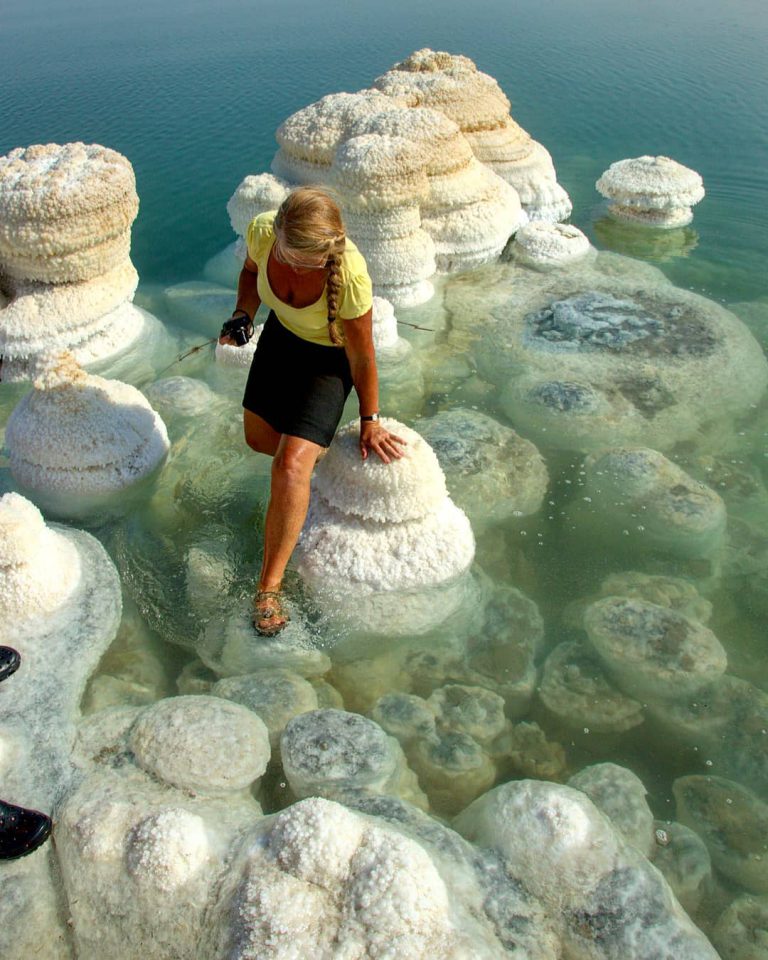
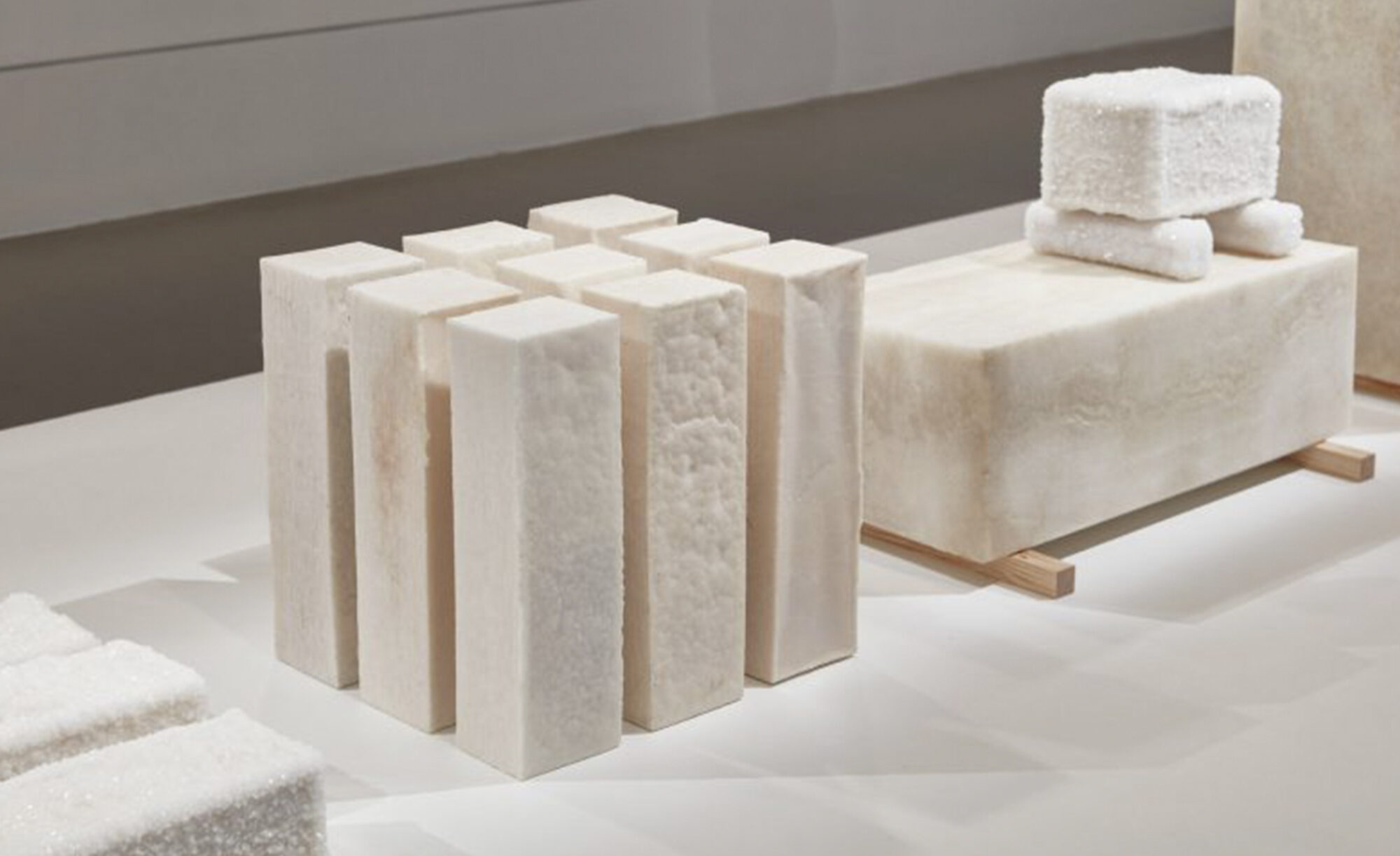
Jewellery from naturally occurring dead sea salt crystals via Michal Rothschild.
In 2025, the research moved beyond the laboratory through a collaboration with architecture students at the Technion – Israel Institute of Technology. As part of the Faculty of Architecture and Town Planning’s Studio 1:1 program, led by Michal Bleicher and Dan Price, students translated the material into a workable building system.
The group examined the physical qualities of salt—its mass, translucency, and structural behavior—and designed a prototype structure they called the Mediterranean Igloo. Through this process, they defined a standardized brick size of 8 × 8 × 24 centimeters, a 1:3 ratio that allows modular flexibility in construction.
The outcome was a uniform, scalable brick made primarily from Dead Sea salt—adaptable in shape, thickness, and surface texture, and compatible with contemporary building needs. Compared with conventional materials, the salt bricks offer a lower-pollution alternative while repurposing an existing environmental burden.
International recognition
Designer Erez Nevi Pani designed bricks from Dead Sea salt in 2021. This new research takes the inspiration to a commercial scale. Image via Erez Navi Pana.
The project was presented in October at Change: The Shape of Transformation, part of the Venice Architecture Biennale. Selected from 55 academic institutions worldwide, the Technion team was among just ten invited to exhibit.
The students transported physical salt bricks to Venice, drawing significant interest from architects and researchers. According to Bleicher, the response underscored growing global attention to material innovation in architecture.
“This is a material that is both natural and engineered,” she says. “Our next goal is to construct a full-scale structure in Israel using these bricks. We believe this approach can turn a serious environmental problem into a practical solution.”
What stands in the way
Dead Sea salt building bricks sample. Via the Hebrew University.
Despite its promise, widespread adoption is not imminent. The construction industry is notoriously conservative, and introducing new materials requires years of testing, certification, and regulatory approval.
“Every new building material must pass extensive strength, durability, and safety standards,” Bleicher notes. “That takes time, funding, and supportive regulation—which is often lacking.”
Still, the idea that decades of accumulated salt waste could become part of a cleaner construction future reflects a broader shift in environmental thinking: viewing crisis not only as a risk, but as a catalyst for innovation.
This article was prepared by Zavit, the news agency of the Israeli Society for Ecology and Environmental Sciences. It is republished with permission.
In Islam, the tree is known as the sidr. The Qur’an refers to Sidrat al-Muntaha, the Lote Tree of the Utmost Boundary, in Surah An-Najm (53:13–18). While the Qur’anic reference is cosmic rather than botanical, Islamic scholarship and popular tradition have long associated the earthly sidr tree (Ziziphus spina-christi) with this name. Separately, the sidr has practical religious use: its leaves are traditionally used for ritual washing, including funerary preparation, because of their cleansing properties. Islamic legal tradition also treats shade-giving trees such as the sidr as protected resources, discouraging their destruction because of their role in sustaining human and animal life in arid environments. In medieval medical literature the jujube appears fre-quently under various names, such as “sidar” or “tsal“, while the fruit is called “nabaq” or dum“. This is the confusing part, because it has so many different names.
Pyramid mysteries, by Daniel Martine Diaz
In Judaism, the same species is known in Hebrew as shizaf and in English, the jujube tree. The tree appears in rabbinic literature as a familiar fruit tree in the Land of Israel and surrounding regions. Its significance is legal and practical rather than mystical. The shizaf is discussed in the context of agricultural law, including restrictions against unnecessary destruction (bal tashchit, not wasting or destroying) and rules governing fruit trees, property boundaries, and communal benefit. Trees that provide food or shade, even if not commercially valuable, are afforded protection under Jewish law. Trees that provide fruit are forbidden from being cut down, and in Judaism there is even a holiday for the trees, called Tu B’shevat. The jujube therefore functions as part of Judaism’s broader land-based ethic rather than as a singular sacred symbol.
The Christian association is later and less textually grounded. The English name Christ’s thorn reflects a tradition that identifies the tree’s hooked thorns with the crown of thorns placed on Jesus Christ during the crucifixion. The New Testament does not name the plant species, and there is no definitive historical proof that Ziziphus spina-christi was used. However, the tree was common in Roman-era Judea, and its flexible, sharp thorns make the identification plausible enough to persist in Christian tradition and naming. This is one of the theories. Ever hike in the Judaean Mountains outside of Jerusalem, and dry thorny trees and bushes is about all you will find.
The clean line between the three traditions can exist: Islam names the tree as the sidr and elevates it symbolically and ritually; Judaism regulates it legally and ethically as part of a lived agricultural system. Mentioned in the Mishnah and Talmud, they are linked to the biblicalatadand, historically. The sidr was also known as pilgrimage trees for women who were barren. Christianity retrospectively associates it with a central moment in the life of Jesus. All three traditions engage the same tree through different lenses—cosmic boundary, legal responsibility, and historical memory—without relying on the same texts or meanings. According to this article it is the only holy tree in Islam and the Druze also revere this tree for its spiritual importance.
The medicinal uses for Christ’s thorn, the sidr tree are vast. These are documented ethnobotanical use in Israel and the wider Middle East.
Medicinal Uses of Christ’s Thorn Jujube (Ziziphus spina-christi)
Medical condition / use
Plant part & preparation
Communities / regions recorded
Toothache, gum disease
Root or bark powder rubbed on gums
Arabs, Bedouins (Israel); Iraq; Arabian Peninsula
Arthritis, joint pain
Paste of crushed roots, leaves, or branches; steam inhalation
Arabs, Bedouins; Arabia; Dhofar (Oman)
General pain relief
Paste of crushed roots or branches mixed with flour
Arabs, Bedouins
Muscle pain
Steam from boiled branches and leaves
Sinai & Negev Bedouins
Bruises
Fruit, leaves, or seeds applied
Arabian Peninsula; Dhofar
Chest pain, asthma
Fruit, leaves, seeds (infusion)
Medieval Levant; Arabia
Headache
Fruit, leaves, seeds
Arabia; Dhofar
Heart pain
Branch-based preparations
Sinai & Negev Bedouins
Eye inflammation
Powdered seeds, green leaves, or roots as poultice
Arabs, Bedouins; Iraqi Jews; Egypt
Stomach disorders (constipation, heartburn)
Decoction of fruit, seeds, or leaves
Arabs, Bedouins; Ancient Egypt; Iraq; Morocco
Diarrhea
Fruit or leaf infusion
Bedouins; Yemenite Jews; Iraqi Jews
Intestinal worms
Fruit, seed, or leaf infusion
Arabs, Bedouins; Iraqi Jews
Hemorrhoids
Leaves (topical or infusion)
Yemenite Jews; Iraqi Jews
Wounds
Fresh fruit juice applied
Arabs; Iraqi Jews; Ancient Egypt
Burns
Crushed fruit, boiled
Iraqi Jews
Skin diseases
Boiled or crushed leaves, resin
Iraqi Jews; Arabia
Abscesses
Cataplasm of boiled leaves
Morocco
Lung and respiratory illness
Leaves or fruit
Iraqi Jews; Arabia; medieval Iberia
Blood purifier / tonic
Leaves or fruit
Yemenite Jews; Ancient Egypt
High blood pressure
Leaf infusion
Israel; Jordan
Fractures
Poultice of boiled leaves
Arabian Peninsula
Cooling / febrifuge
Bark, leaves, fruit
Ancient Egypt; Iraq; Morocco
Hair and scalp problems
Liquid from leaves, fruit, resin
Arabs; Iraqi Jews; Arabia
Snake bite
Wood ash mixed with vinegar
Medieval Levant; Morocco
Bee / wasp stings
Leaves applied
Medieval Levant
Colds
Fruit
Israel; Jordan
Weight reduction
Fruit
Israel; Jordan
Nervousness
Branches and leaves
Negev Bedouins
Liver disorders
Fruit
Ancient Egypt
Source: Dafni, A., Levy, S., & Lev, E. (2005). The ethnobotany of Christ’s Thorn Jujube (Ziziphus spina-christi) in Israel. Journal of Ethnobiology and Ethnomedicine, 1:8. https://doi.org/10.1186/1746-4269-1-8
What unites these traditions is that the jujube tree heals wounds, cools bodies, feeds communities, and thrives where water is scarce. It teaches patience, restraint, and coexistence with the land.
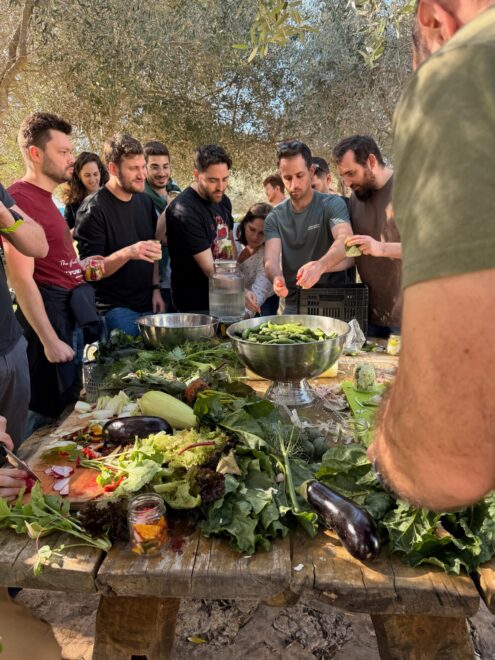
A Farm to Table experience cooking in nature. Via Farm to Table
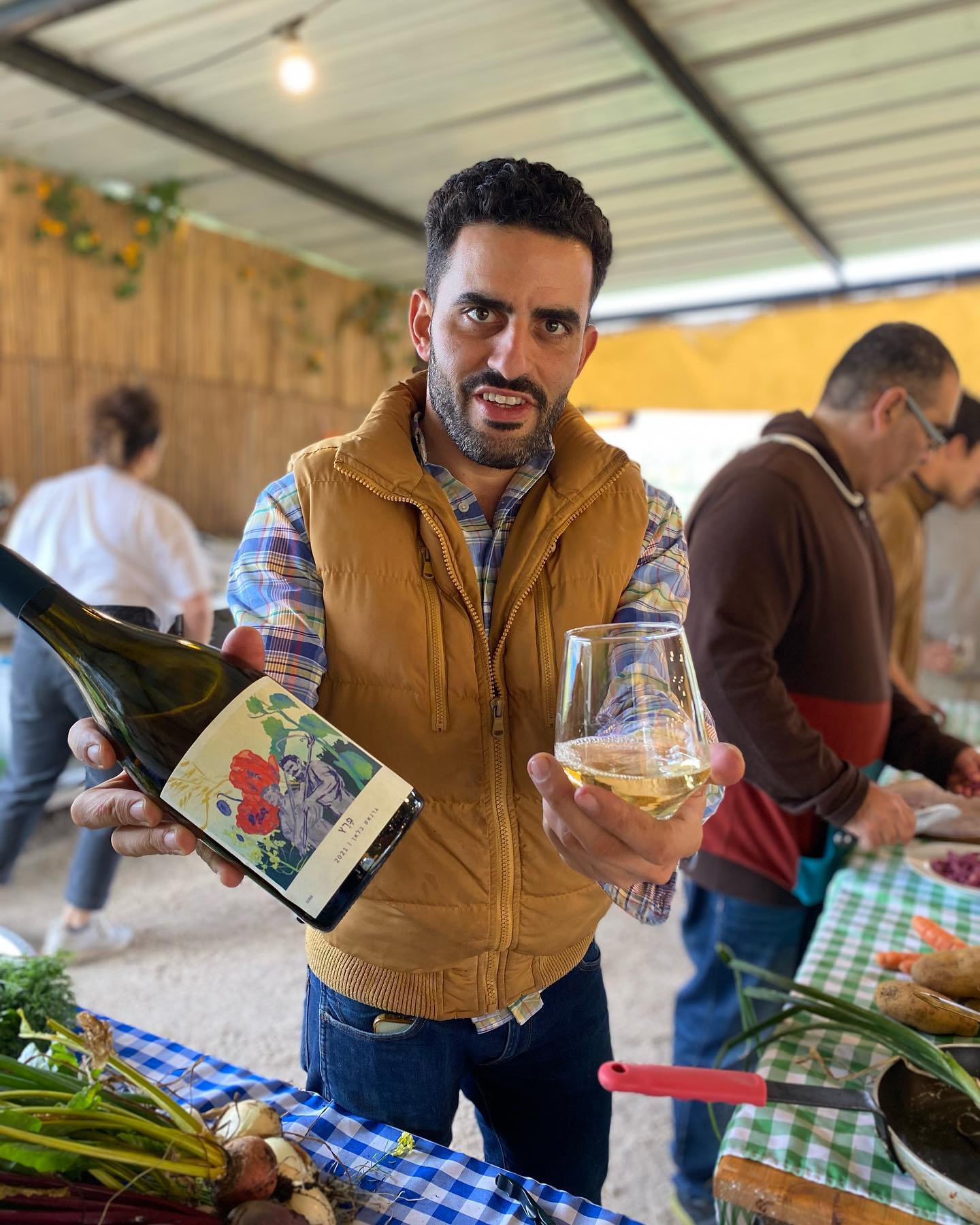
Farm To Table Israel is transforming the traditional dining experience into a hands-on journey.
“People want to see and experience where the food comes from,” says Farm To Table owner Yakir Knafo. “I like to introduce guests to the small, ‘romantic’ farms where they get a personal feel for connection to the land.”
And you can hardly get more personal with the land than pulling carrots out of the ground yourself; carrots that you’ll watch a chef cook a little while later for lunch. Or standing under a tree peeling a juicy orange you plucked off a branch a second ago.
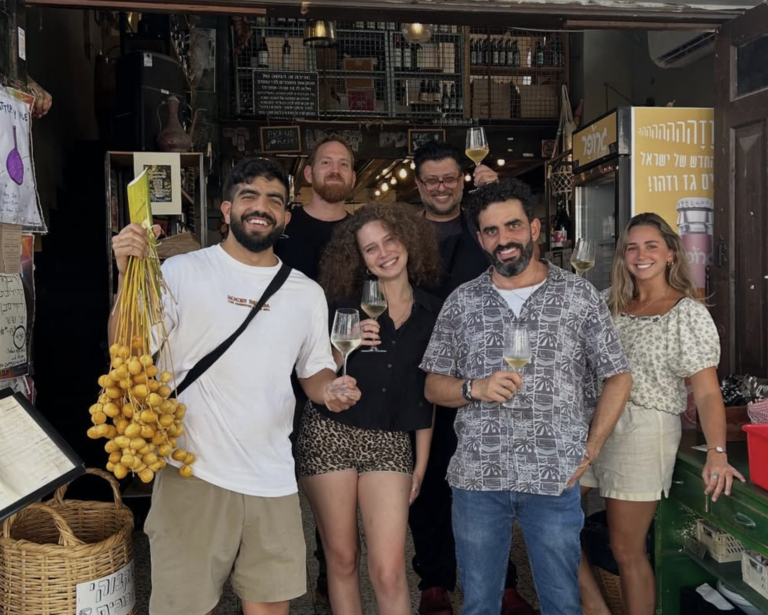
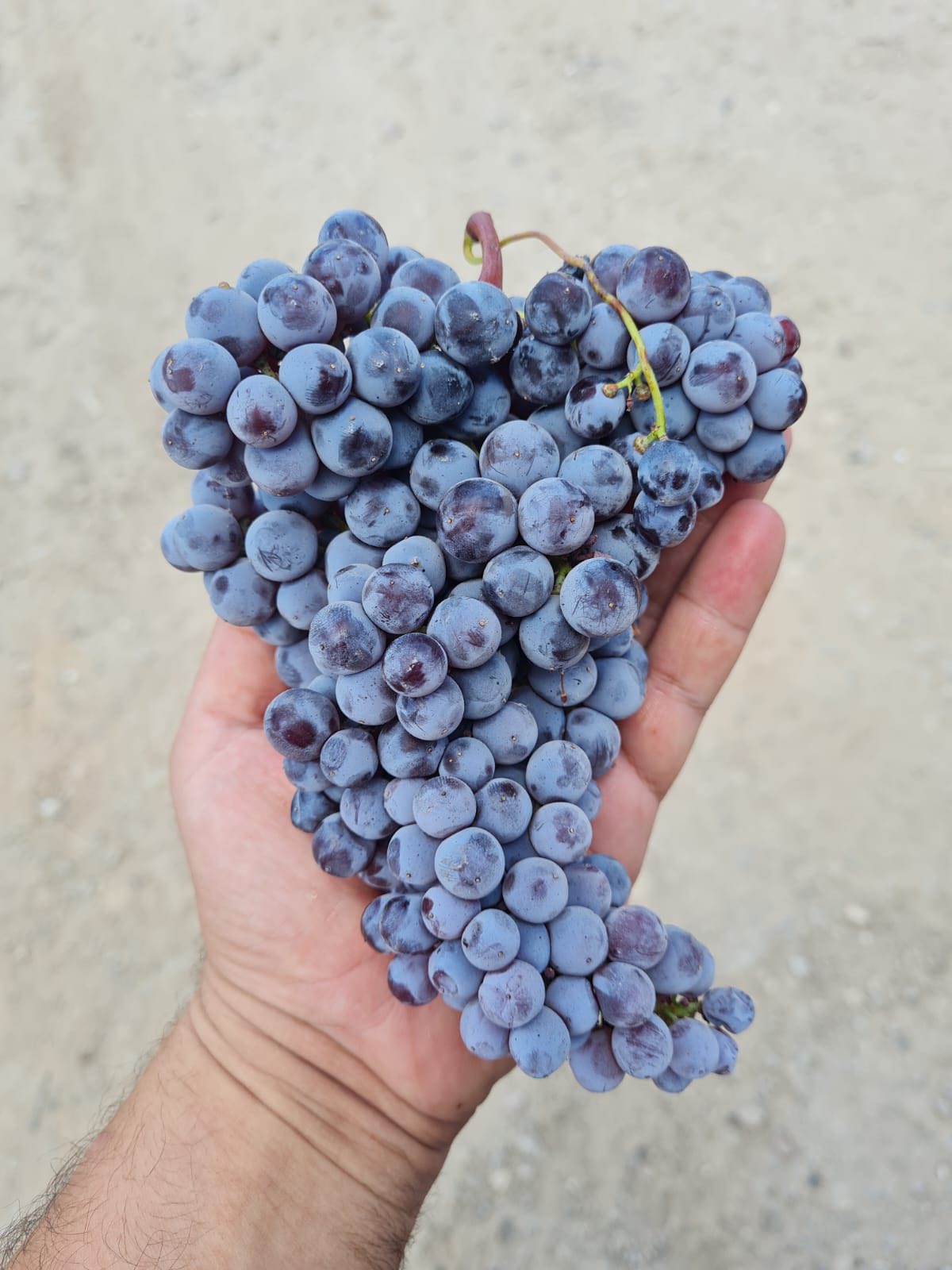
Yakir Knafo’s hand-picked grapes can be found served at his deli in Jaffa
An hour in the field is followed two hours of a 7-course meal filled with the genuine flavors of Israeli food. It might be cooked then and there on the farm, to be eaten in the open air. Or you might head back to the Alhambra deli in Jaffa, where Farm To Table Israel guests feast at a communal table. You’ll enjoy a meal that’s as much about storytelling and community as it is about fresh, local flavors, and where every ingredient comes from local sources – even the salt.
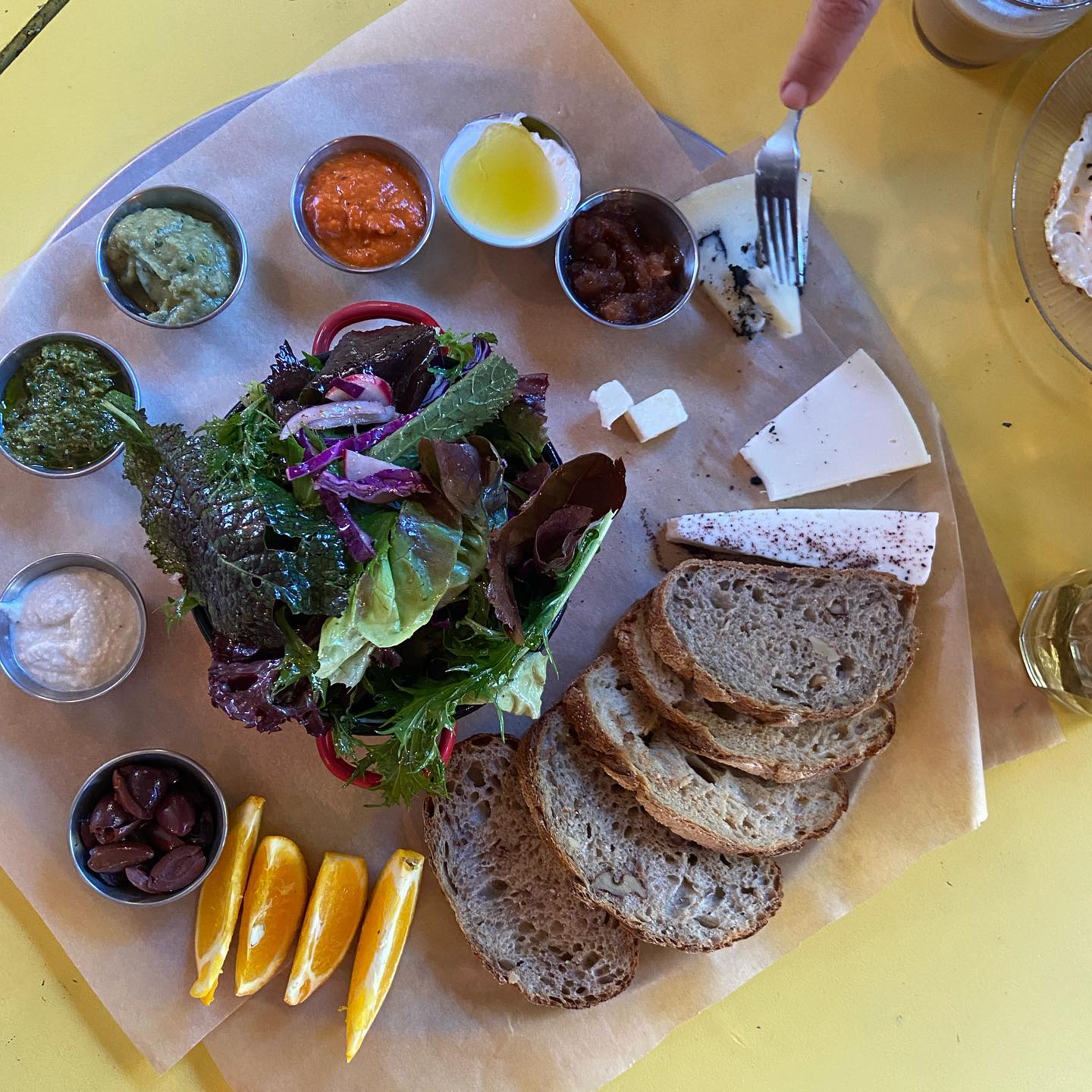
A plate of local delicacies
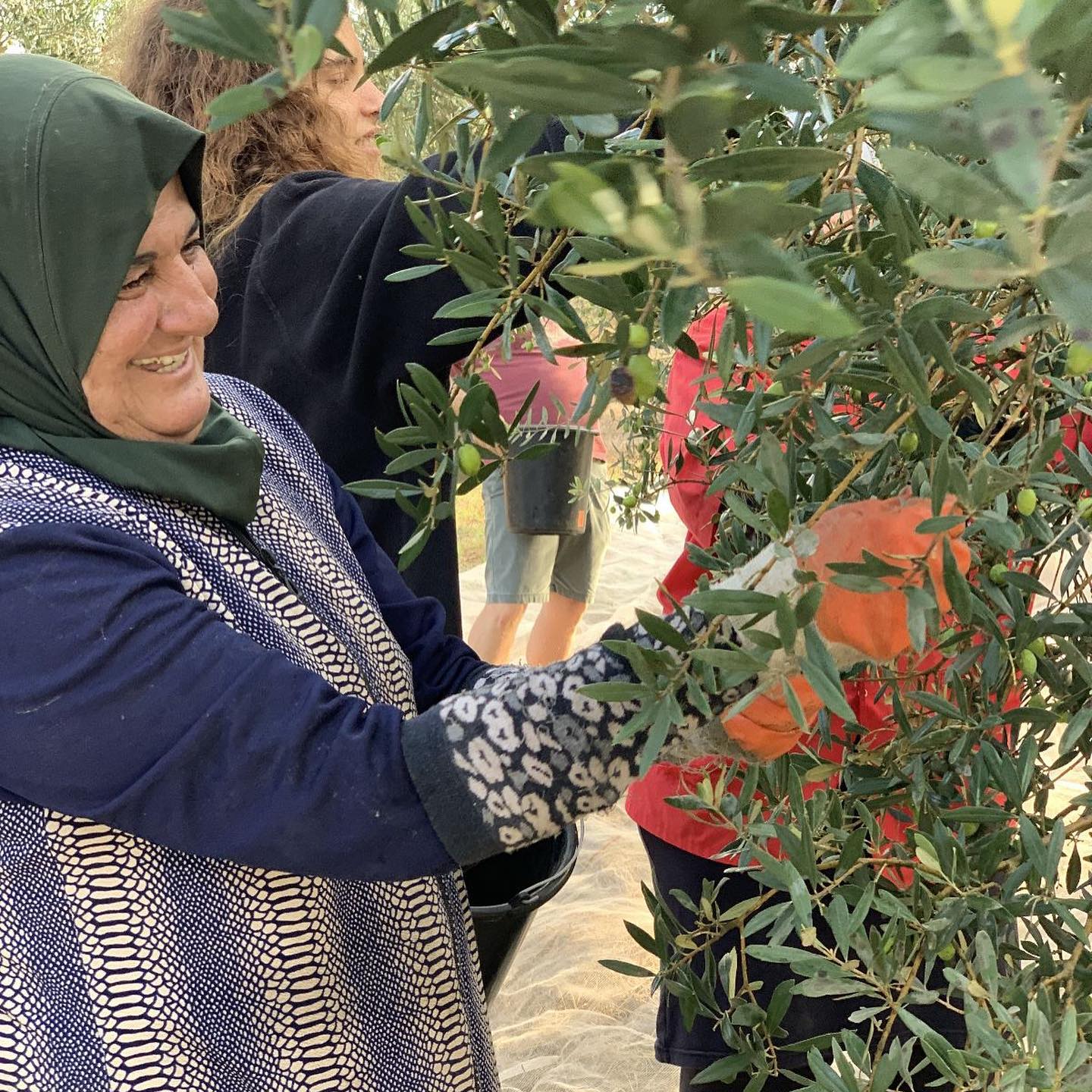
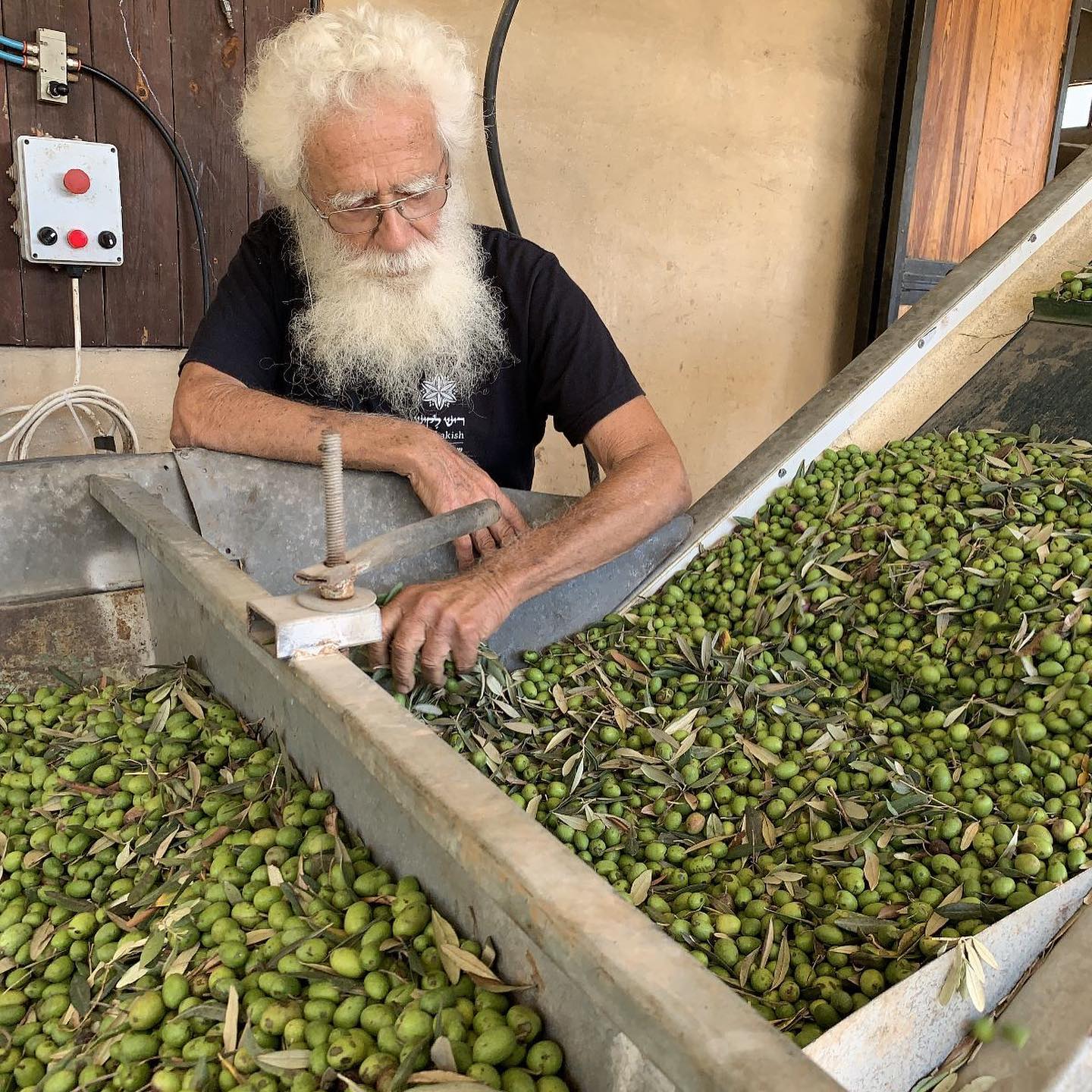
Culinary tours include visits to an olive oil press, followed by a meal where every dish features a different local olive oil; or to a vineyard and boutique winery that shows how Israeli wines have gained international recognition. Or a group may visit one of the local dairies. A tour of an apiary and honey tastings in the works for the near future.
Olive processing on a Farm to Table visitYakir’s van travels throughout Israel offering farm to table experiences. You can also find it parked nearby his deli in Jaffa.
Each tour ends with a meal freshly cooked by Yakir and chef Aviel Elbaz, with the participation of any guests who like to cook. There’s a story behind every dish, even behind every ingredient. Guests leave the table enriched with history, a sense of connection with the land, and naturally, the lingering wellbeing that’s the gift of a delectable meal shared with friends.
And that’s just one of the culinary experiences offered by Farm To Table Israel. Groups can also book hands-on cooking workshops for groups of friends and for business groups on a day out. Workshop themes include pickling and fermentation, seasonal cooking, and making pasta. Yakir told us that they will create a workshop focused on a special theme too, if requested.
Then there’s Alhambra, the Jaffa base for Farm To Table’s culinary workshops. It’s a café by day and wine bar by night, as well as a delicatessen offering Israeli gourmet specialties.
Sitting at a busy corner in Jaffa at the Alhambra Deli. Image courtesy.
All of this was born of Yakir and Aviel’s vision to make food the connection between people and the land. Yakir has an enormous love of nature, the farmer, and the goodness of Israel’s sustainable foods. His enthusiasm overflows in spontaneous talk as visitors harvest, cook, and eat together.
Yakir Knafo offering a taste of local, Israeli wine
Jaffa, close to Tel Aviv, is the mixed Jewish-Arab neighborhood where Alhambra operates, and where Yakir lives with his family. He interacts comfortably with close-by Arab businesses:
“We live together, after all. I get fish from Ibrahim, orange juice from Salem, and kitchen equipment from Abu Avram. We respect each other,” he says. His voice softens as he says that seaside Jaffa is very much like the Moroccan port town of Essaouira, where his grandfather was chief rabbi.
Alhambra is kosher under rabbinical supervision, dairy/fish. The partners offer cooking workshops there, but a group may also book a workshop near home.
In Islamic tradition, there is a point where creation ends — a boundary at the 7th heaven that marks the limit of what any created being can reach. That boundary is called Sidrat al-Muntahā, translated as the Lote Tree of the Utmost Boundary.
The reference appears in the Qur’an in a short, concentrated passage in Surah An-Najm (The Star), describing a vision “at the Lote Tree of the most extreme limit.” The lote tree is known as the Sidr tree, from which the Yemenites make holy honey, and it is also believed to be the thorn worn by Jesus.
Where the lote shows up in Islam’s most famous ascent story
The Lote Tree of the Utmost Boundary by Fatima Hagha
The boundary, or Sidrat al-Muntahā is most often discussed in connection with the Prophet Muhammad’s Night Journey and Ascension (al-Isrā’ wal-Mi‘rāj) to Jerusalem, which was a dream. For in reality, Mohammed never actually made it to Jerusalem, the Holy City. In a well-known narration recorded in Sahih al-Bukhari, the moment is described with a modest line:
Then Jibril took me till we reached Sidrat-ul-Muntaha … which was shrouded in colors indescribable.
In the same narration, the ascent is tied to the establishment of the five daily prayers — a reminder that the story returns to lived practice. In Judaism, the three-times daily supplication was inspired by the Jewish forefather Abraham, described as “standing” before God, interpreted as the first morning prayer (Genesis 19:27), and Isaac going out to “meditate” (or pray) in the fields and Jacob inspired by the evening prayers.
What “utmost boundary” means
In Islam, the Arabic name is descriptive: sidrah (transliterated with an h or without) refers to a lote tree, and muntahā means the farthest point or extremity — the tree at the limit. One academic treatment explores how “the lote tree of the boundary” functions as a threshold image in Islamic interpretive traditions.
Knowing about the concept of the Lote Tree of the Utmost Boundary helps explain a core idea in Islam: God is beyond creation, and there are limits to what humans — and even angels — can know. Islam doesn’t aim for union with God or endless revelation; it emphasizes humility, restraint, and knowing when to stop asking. The story of the Lote Tree shows why Islam values discipline and practice, like daily prayer, over personal mystical experience. Protecting the boundary between the divine and the human is seen not as restrictive, but as essential.
The sidr tree and the Lote Tree
Natural medicine from the jujube or Sidr tree. It is known as the Lote Tree in Islam. Find the Sidr tree written as Lote tree, Lote, Christ’s Thorn, Christ’s Thorn Jujube, Desert jujube, Spina-christi, Ziziphus spina-christi, Nabq, Nabaq, Shizaf, Etz shizaf, Kanar tree, Daal tree, Jujube tree, and various spellings sider, sidar, sidrah, sidra tree.
The sidr tree is a real, familiar tree across Arabia and parts of the Middle East. And it makes great honey. In English it’s often called the lote tree or Christ’s thorn jujube (Ziziphus species). It grows in harsh, dry conditions, provides deep shade, edible fruit, and medicinal leaves, and is known for its resilience.
For centuries it has been part of everyday desert life — practical, tough, and unremarkable in appearance.
In Islam, this ordinary tree is given extraordinary meaning. Sidrat al-Muntahā — the Lote Tree of the Utmost Boundary — takes its name from the sidr tree but is not simply a botanical reference. It marks the furthest limit of creation and knowledge, the point beyond which no created being, including angels, can go.
The Qur’an mentions it briefly, without description or symbolism piled on. That restraint is intentional. Islam does not turn the sidr tree into a symbol of God or a ladder toward divinity as the Jewish text goes – Jacob wrestling with the angel. Instead, it uses a known, grounded tree to mark a boundary. In Islam God remains beyond the created world, and knowing where that boundary lies is part of the faith.
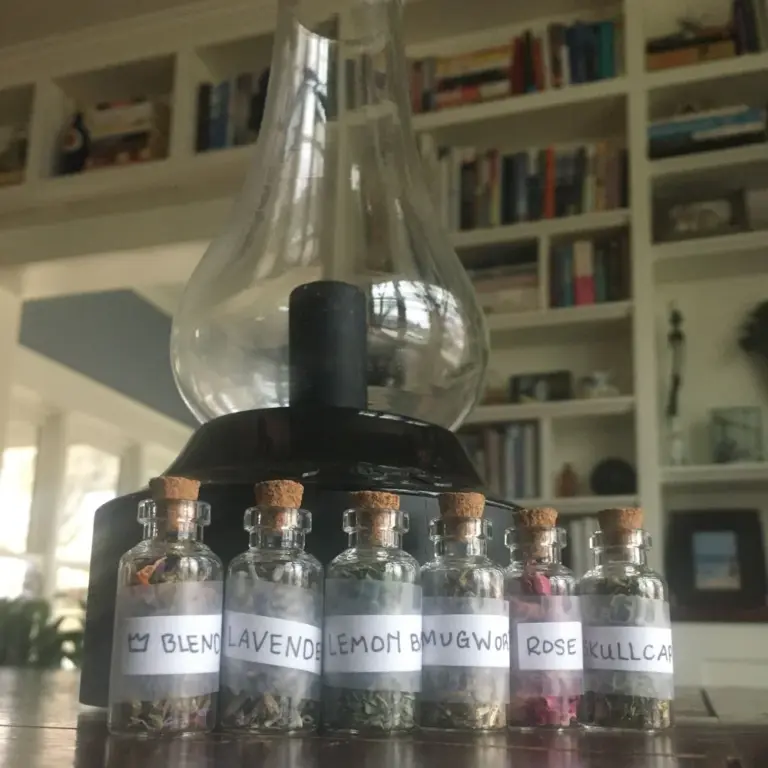
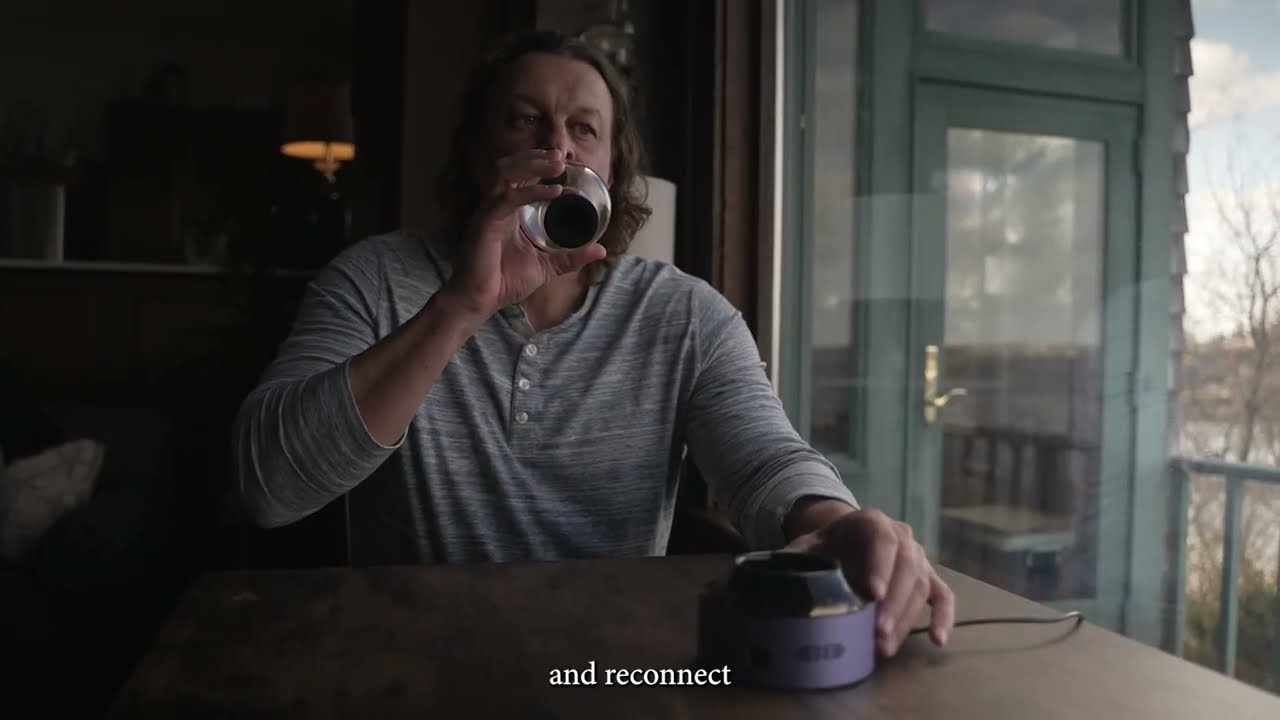
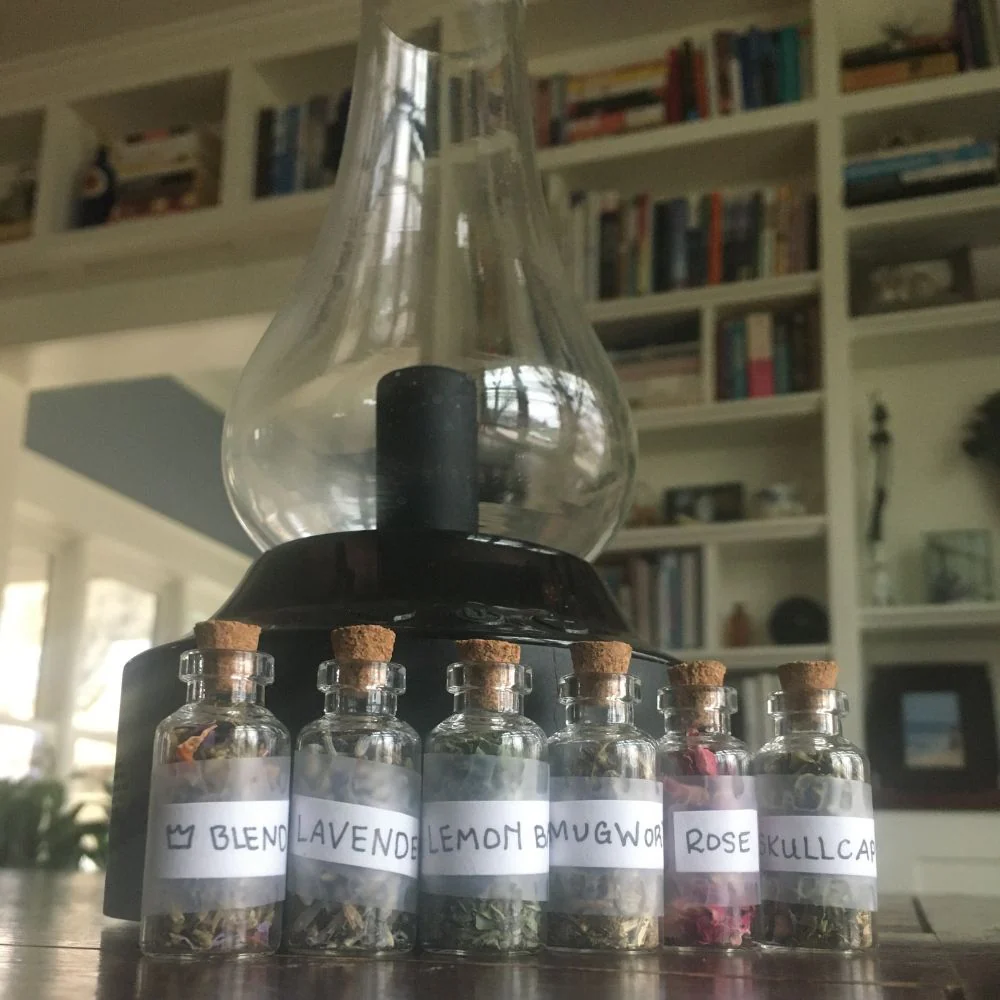
Editor’s introduction: This review is written in the first person by Raven, who spent months living with the Air Tea Kettle before sharing her experience. Her words reflect a personal learning process rather than a technical evaluation.
The Air Tea Kettle—another gadget for the countertop, or something I would grow to love?
It took me months to digest the information. I realize now I was resisting seeing the Air Tea Kettle’s true value. I didn’t want to write something that just repeated the company’s language. I needed to feel it for myself.
Honestly, if the ebook I subscribed to (twice!) had arrived earlier, the learning curve would have been gentler. Once I finally emailed my how-to questions to Jeremy Krause and received the ebook, something shifted. I could relax into it.
This is a very different feeling than drinking tea. More euphoric. More aromatic. More immediate.
What caught my attention is that at lower temperatures, plants release scents they don’t give up at higher heat.
What caught my attention is that at lower temperatures, plants release scents they don’t give up at higher heat. I’m not a herbalist, so I can’t fully explain the chemistry, even though I can feel the results.
I can’t remember exactly what’s in my current blend (it’s in the ebook), but it’s heavenly. I’ve learned that mixed herbs are more pleasant than single herbs on their own.
Image supplied by Air Tea Kettle
The ebook includes guidance for herbs that support the nervous system, with precise temperature recommendations. That precision matters.
Air Tea is a new technology. Instead of drinking tea, you inhale herbal vapor through warm air extraction. There is no water and no combustion. The warm air releases essential oils that are often lost in hot water and digestion.
I grow gardens full of herbs, but I am not a trained herbalist. Reading the ebook is essential. It explains the color-coordinated temperature system and how specific plants respond to heat.
The clearest and most grounded instructions I found were from herbalist Amanda Crooke, especially her Vaporization Masterclass (Part 1).
The device itself is surprisingly simple. There are only three buttons. The center button does most of the work. Plus and minus let you manually change the temperature.
Originally, I couldn’t locate the tweezers. They are a small square tool that slides in and out of the base. These are important for removing the hot stainless steel pod unless you want to burn your fingers.
Air Tea Kettle, for Valentine’s. Image supplied.
One small but useful trick: if you prefer Celsius, hold the center and minus buttons together for about three seconds.
Even though it appears simple, I still needed time to understand the different components. Today I feel a real sense of relief about the effort I put into demystifying the Air Tea Kettle.
It sits on my countertop, and confidence makes me want to use it.
And I have to say, the presentation and packaging are ingenious.
Editor’s Notes: about the herbal guidance behind the Air Tea Kettle
Herbalist Amanda Crooke for the Air Tea Kettle, via Instagram
The Air Tea Kettle places strong emphasis on education around temperature and plant preparation. Herbalist Amanda Crooke provides instructional material focused on safe, plant-specific vaporization, particularly for users who are not formally trained herbalists.
Why this works as a Valentine’s Day gift
The Air Tea Kettle with a selection of herbs. Image: Air Tea Kettle
Editor’s note: This is not positioned as a fast or flashy product, but as one that rewards patience, curiosity, and ritual—qualities often associated with meaningful gifts. Herbalism and working with herbs can be a life journey.

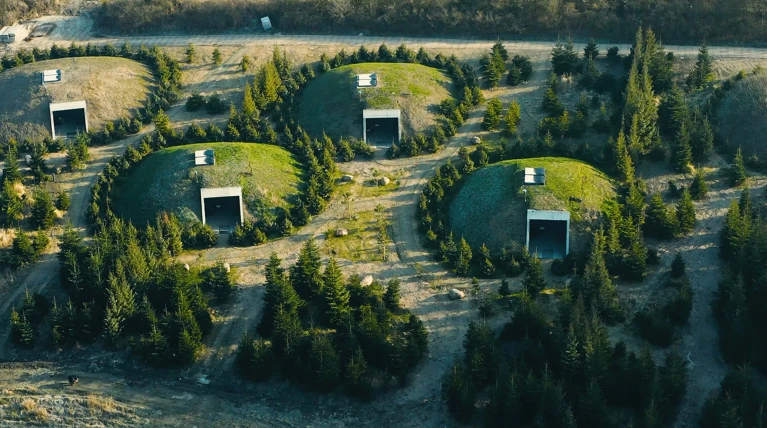


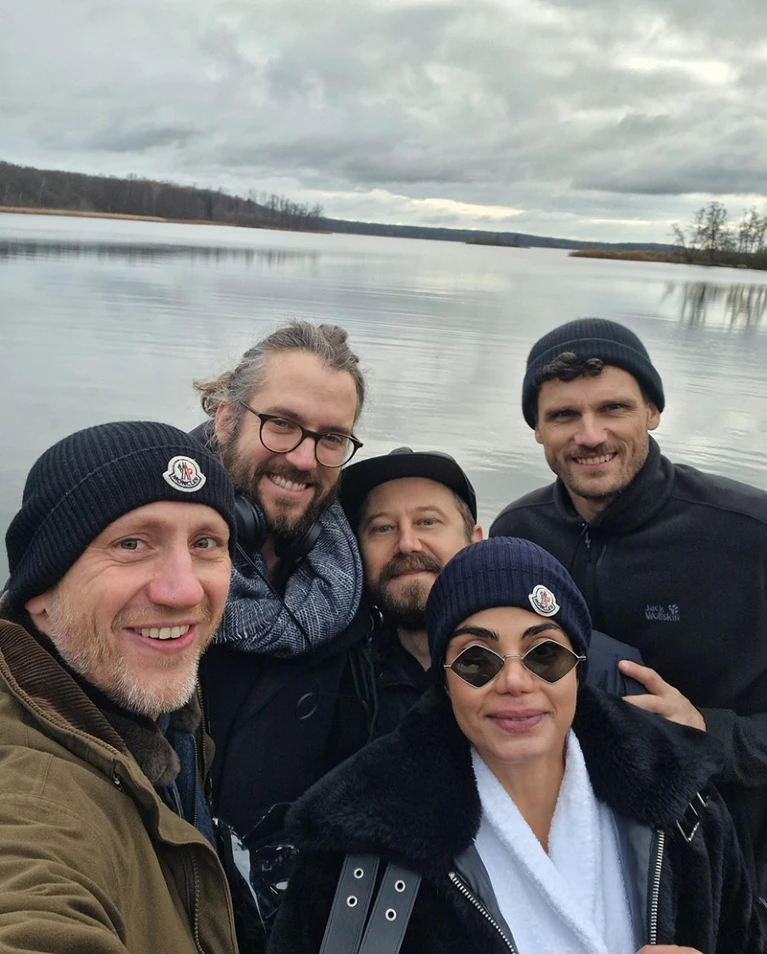
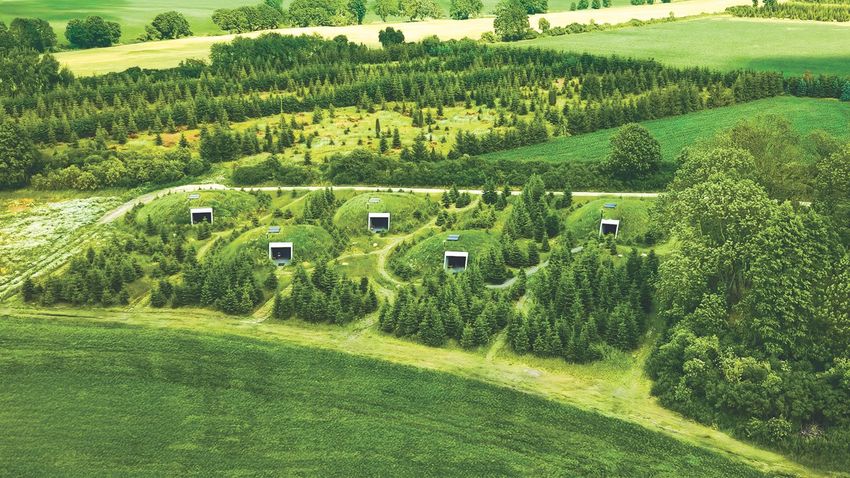






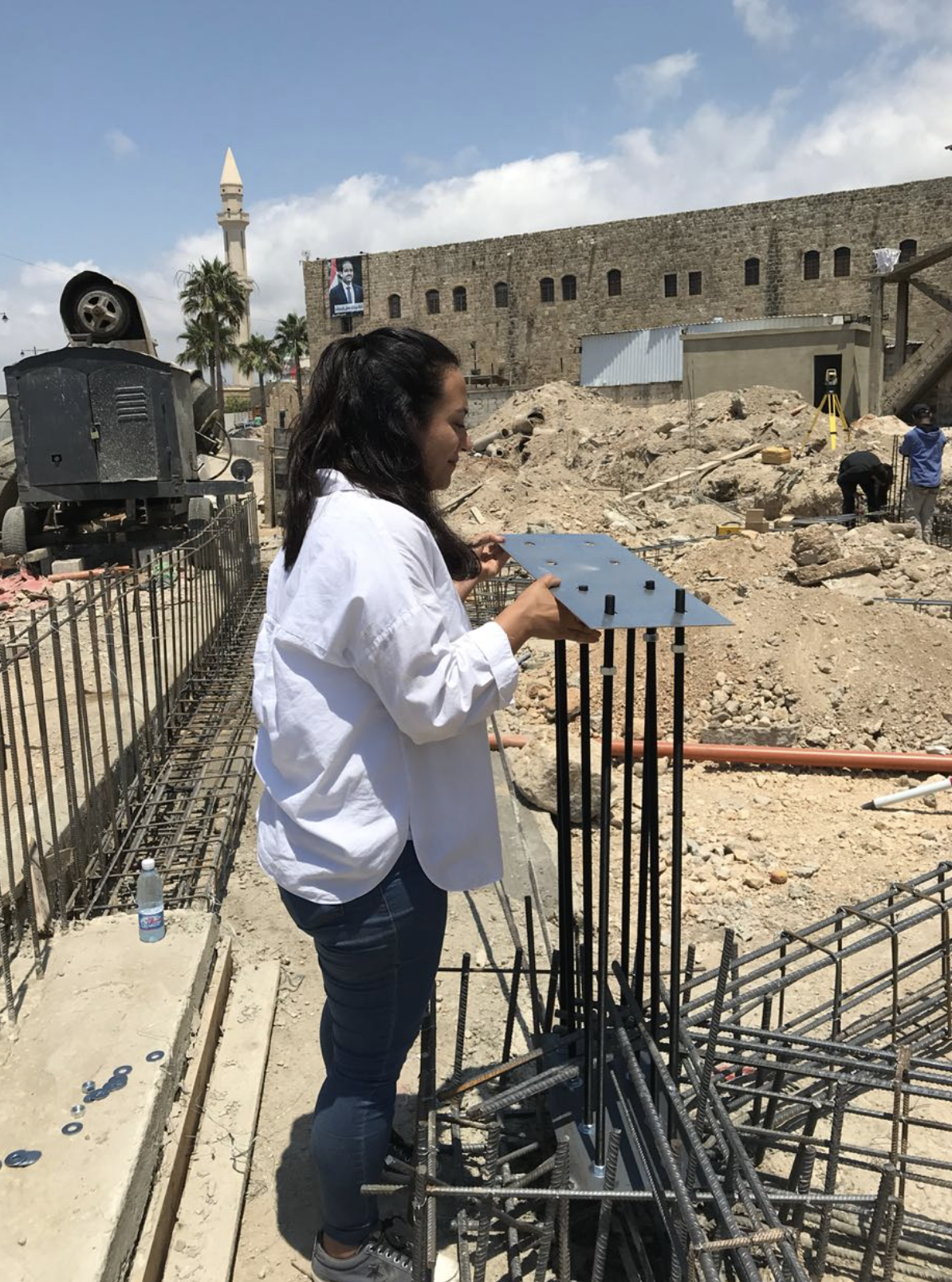
 Landscape design for a private Dubai client. Balsam Madi.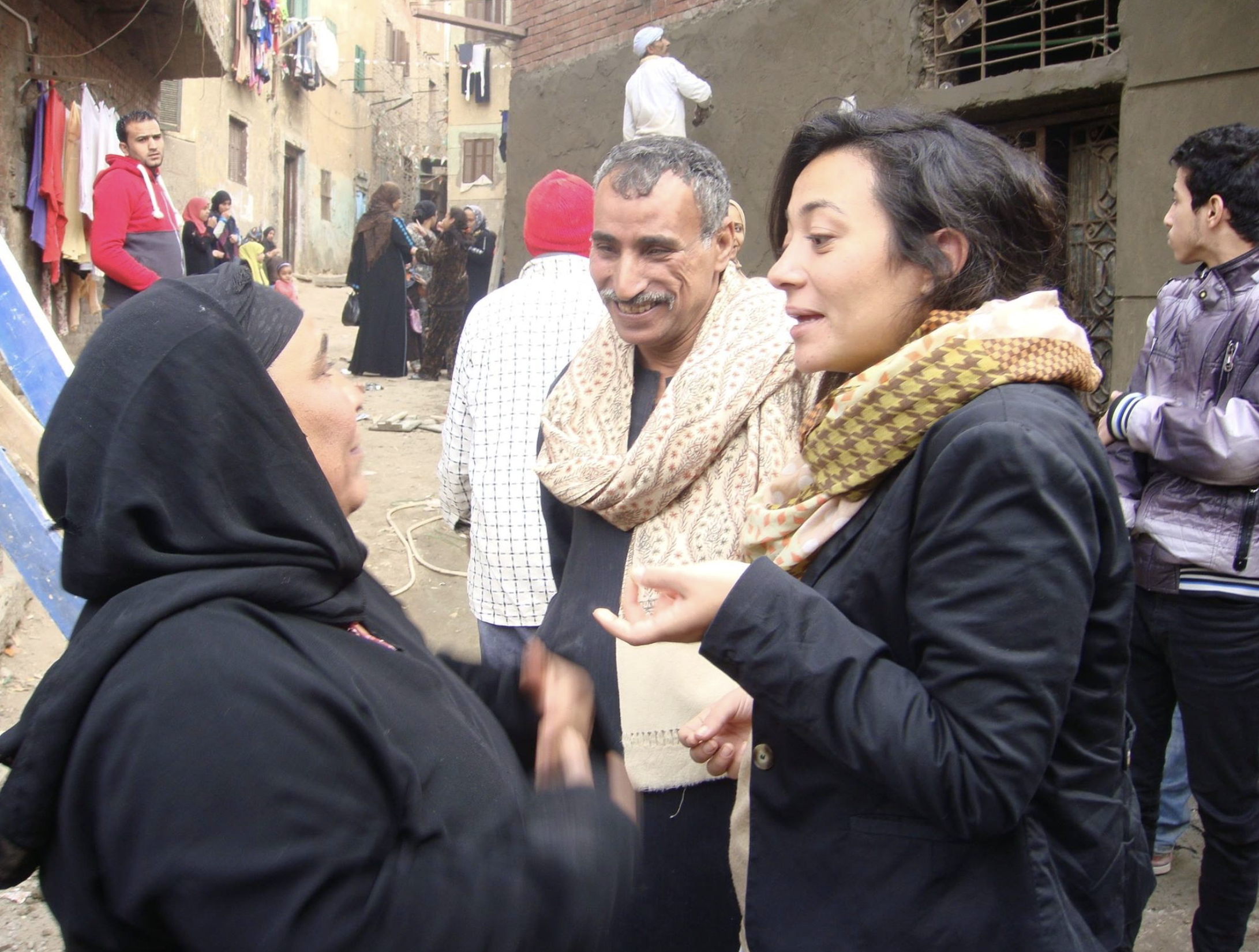
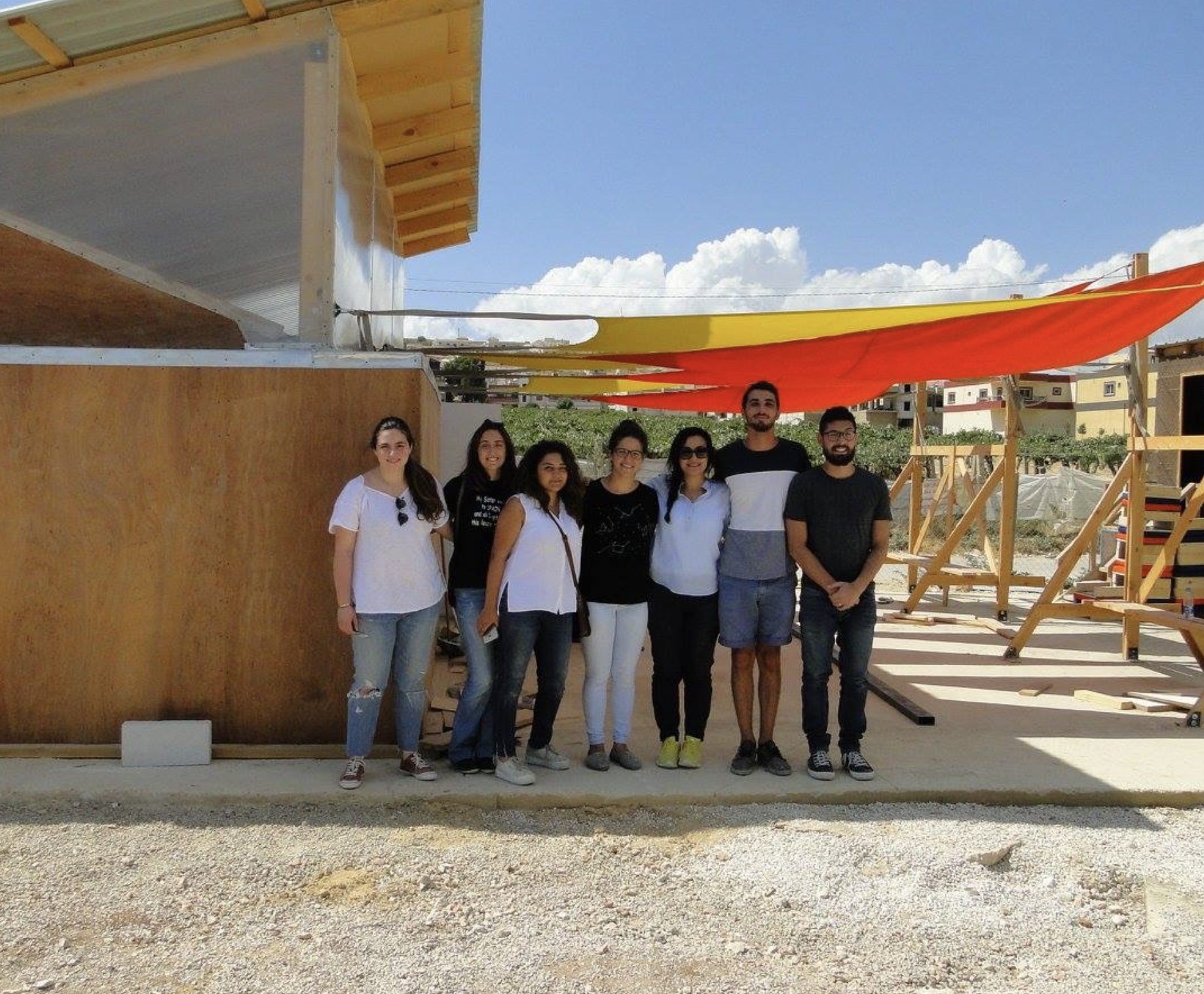
 Some say curiosity killed the cat; for Balsam Madi, it shaped her life. Driven by a compulsive need to understand systems rather than spectacle, she consistently chose inquiry over allure and human-centered design over trend-driven form.