Home Blog Page 475

Goodall, Clinton and Cousteau at Eye Earth Summit Abu Dhabi

0

eye on earth summit abu dhabi clinon, cousteau, jane goodall;Dr. Jane Goodall, Bill Clinton and Philippe Cousteau are all speaking in Abu Dhabi this week as part of the “Eye on Earth” Summit.

Environmental issues effect us all, but this week’s “Eye on Earth” Summit in Abu Dhabi is attempting to ensure that environmental data is also available to us all.  The summit hopes to “enable global leaders, innovators and decision-makers to focus on an issue critical to the wise decision-making upon which our planet’s future depends: how to ensure effective access to the world’s expanding pool of environmental and social data by all of those who need it.”

Attending the conference will be some environmental big shots, including Dr. Jane Goodall, former US President Bill Clinton (whose wife, US Secretary of State Hillary Clinton, recently lauded Masdar’s renewable energy efforts), and Philippe Cousteau (correspondent for Animal Planet and Planet Green, and the grandson of legendary scuba diver Jacques Cousteau).

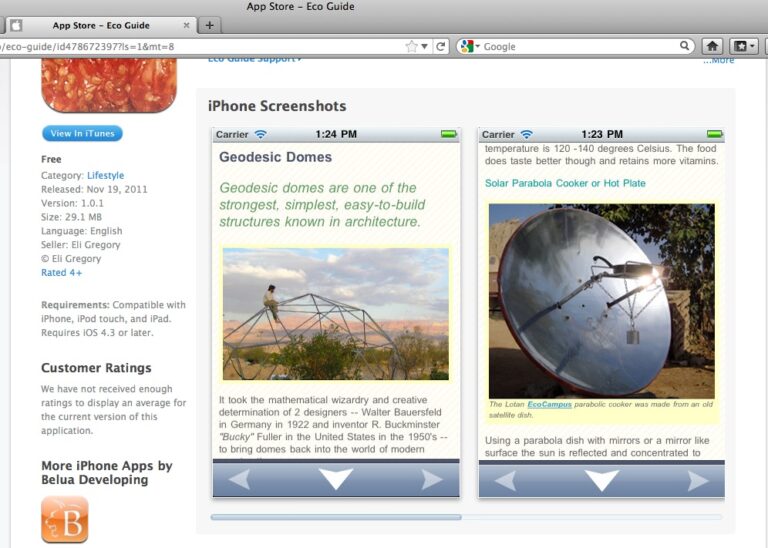
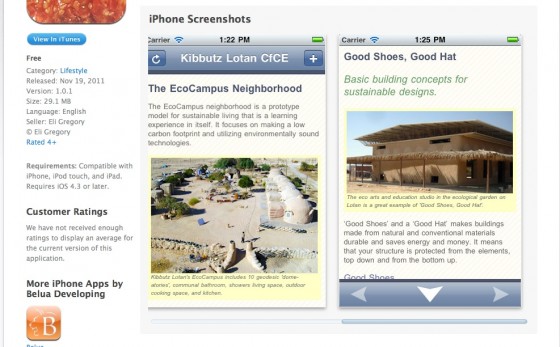
Kibbutz Lotan’s Free Eco-Guide App Makes Getting Back to Nature a Breeze

Permaculture, green building, ecology, sustainable design, eco-guide, kibbutz Lotan, Israel, composting, organic agriculture, rainwater harvesting, the Middle East

Anyone who is interested to transition to a more sustainable way of life will benefit from Kibbutz Lotan’s comprehensive eco-guide app.

Many socially and environmentally conscious citizens dream about leaving the grid for good and getting back in touch with nature, but the general lack of sustainable infrastructure and available information in the Middle East – especially compared to the United States and Europe – makes that task seem completely insurmountable.

In response to this problem, Kibbutz Lotan’s Center for Creative Ecology in Israel, which is recognized as one of the world’s most advanced pioneers in all aspects of sustainable living, recently launched a fantastic eco-guide that covers everything from composting to earth architecture and how to get along in an ecologically-minded community.

Best of all, the techniques described in the application have all been put into practice in the Middle East, so instead of being an imported solution that has no relevance to our climate or circumstances, this is an exceptional homegrown resource created by and for ecologically-minded people in the Middle East – like our very own Green Sheikh. And did we mention that it’s free?


Permaculture, green building, ecology, sustainable design, eco-guide, kibbutz Lotan, Israel, composting, organic agriculture, rainwater harvesting, the Middle East

Some of the topics covered in this guide include:

  • Permaculture
  • Organic Gardening
  • Earth Building
  • Minimum to Zero Impact Cooking
  • Water Conservation
  • Compost Toilets
  • Passive Design Techniques
  • Community and Ecology

The app – which is compatible with iPhone, iPod touch, and iPad and requires an iOS of 4.3 or later – was designed by a Kibbutz Lotan intern named Eli Gregory, who according to the Director of Research and Development Alex Cicelsky is “minded and talented”  and “combined [Lotan’s] work and Permaculture/ Sustainable Communities curriculum into this free resource.”

(As of 2025 the app was discontinued but we are keeping this article up for the archives).

Within each chapter are subchapters devoted to all of the small details of sustainable living. For example, under the organic gardening section, readers can learn about composting, vermicomposting (with worms), natural liquid fertilizer, seed balls, mulching and more. It’s possible to find recipes for earth plasters, straw bale construction, and other natural materials.

This is an extremely accessible and practical resource which demonstrates that living the good life – what’s good for both humans and the earth – is less out of reach than most people would believe. There’s only one snag… even though the app is free, you have to have iTunes in order to make it yours.

Cocaine, codeine, and methadone in your wastewater?

1

wastewater treatment, constructed wetlands, Cyprus, cocaine, narcotics, reverse osmosis, drugs in water, pharmaceuticals, water pollution Small amounts of cocaine found in treated water supplies in Cyprus

Upon learning that scientists have discovered narcotics in already treated Cypriot waste water, one Cyprus Mail reader asked if the drugs can be recycled. While we think a sense of humor is good medicine, this story also has serious implications.

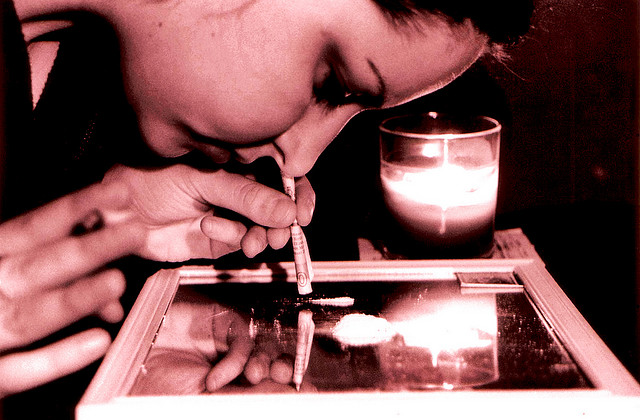
The paper reports that a recent survey of sewage treatment plants in two cities in Cyprus showed the presence of a motley of drugs including cocaine, benzoylecgonine (a major metabolite of cocaine), norbenzoylecgonine, codeine, norcodeine,  heroin, ketamine, MDMA or ecstasy, methadone, morphine and normophine. This cocktail was then processed by conventional treatment systems which failed to clean the water completely.

Drugs in the water

Scientists have long worried about the rate at which pharmaceuticals are entering and altering the chemical composition of our water streams. This phenomenon has been linked with increasing amounts of estrogen and in the Potomac River in Washington D.C., some fish were showing up with both male and female sexual organs.

Treatment plants in California use reverse osmosis technology to clean wastewater, and then zap it with an ultraviolet light. This is said to be more effective at removing contaminants than archaic wastewater treatment plants, but this technology doesn’t come cheap. In the United States, it can cost up to roughly $15 a month to treat one gallon, and most facilities handle thousands of gallons a day.

A better way to treat wastewater

Constructed wetlands that use naturally occurring wetland plants to filter out contaminants have also proven to be very successful and rely entirely on nature to obtain clean drinking water.

Last year Egypt held a wastewater treatment conference in Cairo in order to hash out new ideas for wastewater treatment given the overwhelming agricultural runoff and other contaminants that have entered the Nile River.

Getting high on cocaine, accidentally?

In the meantime, according to Assistant Professor Despo Fatta-Casinou who talked to Cyprus Mail and led the sewage plant survey, traces of cocaine, codeine, methadone and nor codeine were found in Cyprus’ treated water. The concentrations are fairly low, but Fatta-Casinou warns that longterm exposure could have serious consequences.

We can’t help but wonder what would be found in the trucks of waste hauled out of the Burj Khalifa each day?

image via Andronicusmax via Flickr

Paper Carton Furniture Is No Pulp Fiction

0

"recycled paper furniture"Paper pulp furniture is stronger than it looks.

Bamboo has been praised for several years as the most sustainable material for furniture (due to its quickly renewable nature), with cardboard coming a close second due to its recycled and recyclable form.  At first thought cardboard may not sound very strong, but when you think about the fact that it is used to package heavy items such as couches and refrigerators it begins to get a little more credit.  And it is a short leap from cardboard to recycled paper pulp, so Israeli designers Odelia Lavie and Dan Hochberg took it.

They designed a set of ‘Pulp Furniture’ that includes a coffee table, stools, and a clock (or wall hanging).

How Will Saudi-Driven Carbon Capture Work Under the Durban Climate Agreement?

0

Durban-climate-talks-succeeds-at-endThe Saudis got the CDM funding for carbon capture they have long demanded: how will it work?

In the biggest turn-around since Kyoto was signed by the developed world – other than the US – now the big emitters, (besides America), are five developing countries, who were omitted from being bound by Kyoto, because back in 1995, they were poor developing countries.

Brazil, India, South Africa, Indonesia and China – along with the US – are the BASIC countries driving global emissions, but the Saudis may have brought them into the fold.

First Arab Woman Ever to Win Nobel Peace Prize

0

Tawakkol Karman, arab woman nobel prizeTawakkol Karman accepting the Nobel Peace Prize last Saturday in Oslo, Norway. Photo via the NY Times.

Tawakkol Karman, a Yemeni journalist and political activist instrumental in the Arab Spring is the youngest peace prize laureate to accept the prize in a ceremony over the weekend. She is one of three women including Leymah Gbowee and Ellen Johnson Sirleaf to accept the prize this year, and according to reports, the first Arab woman to be honored.

Greenprophet reported on her win in October in which our contributor, Arwa Aburawa wrote, “the Nobel Peace Prize should also remind those who need reminding that Muslim woman can and do play an important role in the transformation of their societies.” It’s a milestone for those committed to advancing women and human rights in the Middle East, rights we know are intertwined with the environment.

Durban Gives 6 Reasons for the Middle East to Celebrate

Durban-climate-deal-saves-cdmFunds for mitigation projects and the Carbon Development Mechanism saved in “Hail Mary pass” at climate talks

While many environmentalists are decrying the COP17 climate talks (# COP17FAIL: Climate Change is a One-Size-Fits-All Problem) as being imperfect, I see some real progress hidden in all that bureaucratese.

For MENA (Middle East and North Africa) nations, the best result of the Durban climate talks is the immediate continuation of the Kyoto Accord that binds nearly 40 industrial countries, that was in danger of being “termed out” when it expired in 2012. For the Kyoto Protocol countries, the Kyoto has been given a second commitment period (or a commuted death sentence!)

Along with that second commitment period, the Clean Development Mechanism (CDM) will continue as well.

This has been one of the most important drivers of renewable energy investment in the MENA region. Algeria, Morocco, and Egypt are among the most rapidly advancing nations in the world in adding renewables through the CDM.

# COP17FAIL: Climate Change is a One-Size-Fits-All Problem

0

climate change, global warming, COP 17 fail, Kyoto Protocol, Durban, carbon emissions, 4 degrees CelsiusPost COP 17 FAIL, most experts believe that we are probably looking at a 4°C rise in average global temperatures within the next few decades.

On the face of things, the COP 17 conference in Durban was more successful than Copenhagen or Cancun, but the truth is, nothing has changed. Even though the Kyoto Protocol was extended with a plan to roll out a new protocol by 2015 and put it into effect by 2020, The Economist points out that these protocols will remain useless until such time that meaningful disincentives are put in place to keep big polluters from breaking their carbon-mitigation promises. 

Man Evolved When Elephant Meat Ran Out

0

elephant people hunting
Losing elephant steaks was stressful, but helped shape modern man says new study on the Middle East

Dietary change led to the appearance of modern humans in the Middle East 400,000 years ago, say archeology researchers from Tel Aviv University. During a dig at Qesem “Magic” Cave, a prehistoric site in Israel, the researchers see correlation between the rise of modern man and the decline of eating elephant meat. Imagine what veganism might do to our gene pool?

Jordan Jumps Forward on Energy Development

1

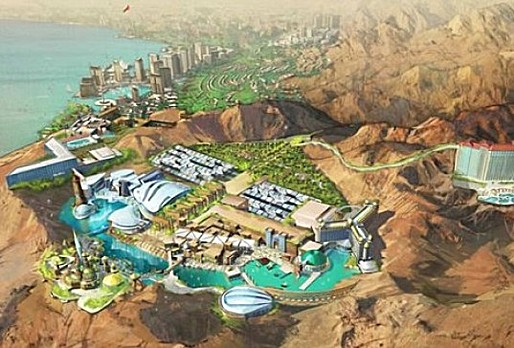
jordan star trek theme parkJordan hits a fork in the energy development road: each route inciting ardent support and dissidence.

Environmental activists united in protest for a second time in six months urging public debate over Jordan’s emerging atomic energy program.  Over two dozen anti-nuclear activists protested near Prime Minister Awn Khasawneh’s Amman offices last Saturday, in vocal reaction to a government policy statement reaffirming Jordan’s commitment to nuclear development.

At the center of the storm is planned construction of a nuclear research plant on the Jordan University of Science and Technology campus. The project is slated to commence in 2013, followed by a second reactor on the Gulf of Aqaba intended to power desalination processes.

Four additional nuclear electric power plants would be brought online by 2035. Activists accuse the Jordan Atomic Energy Commission of broadcasting a “feel-good” view: emphasizing job creation and energy independence yet keeping silent on environmental impacts and public safety concerns made more critical in the aftermath of the Fukushima disaster in Japan.

Critically Endangered Egyptian Tortoise: “Rarer Than Rockin Horse Poo…”

0

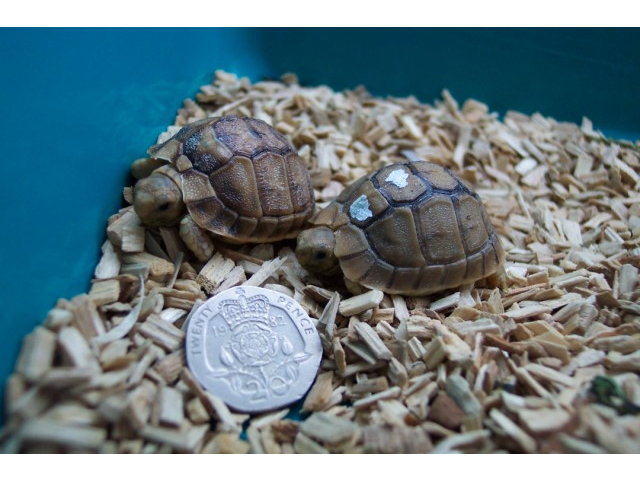
baby tortoise, CITES, IUNC, Wildlife conservation, animal conservation, illegal wildlife trade, Egyptian tortoises, Egypt, LibyaThese tiny Egyptian Tortoises are a hot commodity among illegal wildlife traders. They are also facing extinction in the wild as a result.
Fantapants is a “postaholic member” of a reptile forum in the United Kingdom. In January 2008, when gold star member Jay Kickboxer asked where he could buy an Egyptian Tortoise for his “missus” who likes “small things,” Fantapants answered, “they are rarer than rockin horse poo smeared on to chicken lips.”

He then posted a link to Dean Clackett’s 2006 online advertisement which offered “Egyptian Tortoises (testudo kleinmanni) – North Africa’s smallest tortoise – for only £1,100 (or $1,718 using today’s exchange rate.) Meanwhile, the tortoises, which don’t grow much larger than an orange and once plied North Africa’s harsh Scrub forest and desert en masse, are rarely found in the wild. 

Should Mosques Be Muzzled?

speakers mosque abu dhabi, call to prayerA spiritual call to prayer or noise pollution? Some communities seek ban on mosque call in Israel
Should Israel be more lenient than Europe in the amount of noise that can emanate from a mosque call to prayer? These are the questions that Israeli government officials are asking recently, with some ministers looking to back a ban on mosque call to prayers. Muslims broadcast in a singing prayer, over a loudspeaker, when the faithful should start praying. The call is made five times daily, and when competing mosques pump up the volume the noise can be quite cacophonous!

I love the sound of the call to prayer five times daily, especially the one before daybreak and the one at dusk. But in some cities – I remember being rattled out of bed in a hostel in Istanbul by the call to prayer which was a bit unsettling – the question of religious freedom over the rights of others is coming into question.

Sustainable Golf in the Middle East

0

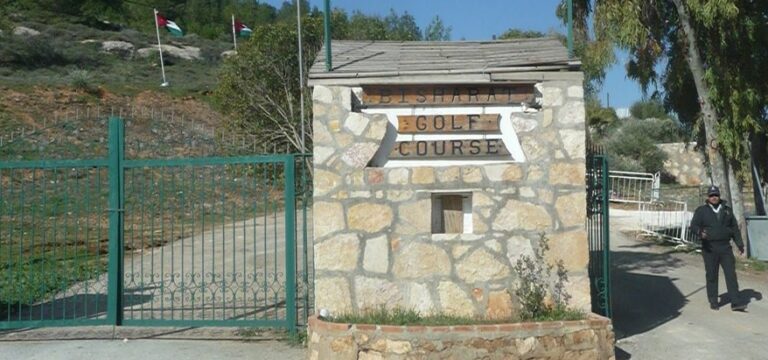
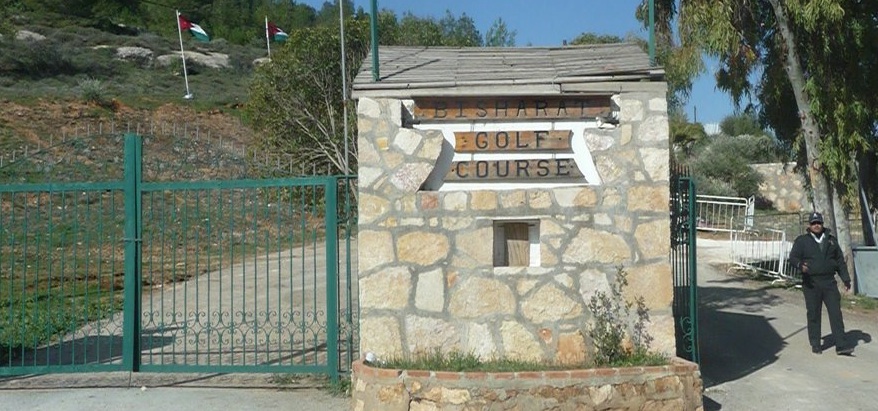
bisharat golf, amman jordanBisharat Golf Course in Jordan is a golfer’s green gone brown, including biodegradable golf balls

Golfers love sunshine, warm dry air and a chance to schmooze business, and Abu Dhabi, Dubai and the Sultanate of Oman have developed dozens of top-flight courses to meet demand. Ironic that the greener the course, the less “green” is its performance thanks to perpetual irrigation – slurping up lots of water and energy –  and those toxic fertilizers and pest repellents needed to keep up appearances.

The hottest courses in the Middle East boast high-maintenance waterside addresses and replicate verdant St. Andrews or Pebble Beach, but some clubs go with the micro-climate flow: allowing out-of-play areas to return to native conditions, incorporating natural flora into the landscaping or utilising sand courses, oiling the “browns” to stabilize and groom the surface.

Bisharat Golf Club is a brown green in Jordan
Bisharat Golf Club is a “brown” green in Jordan

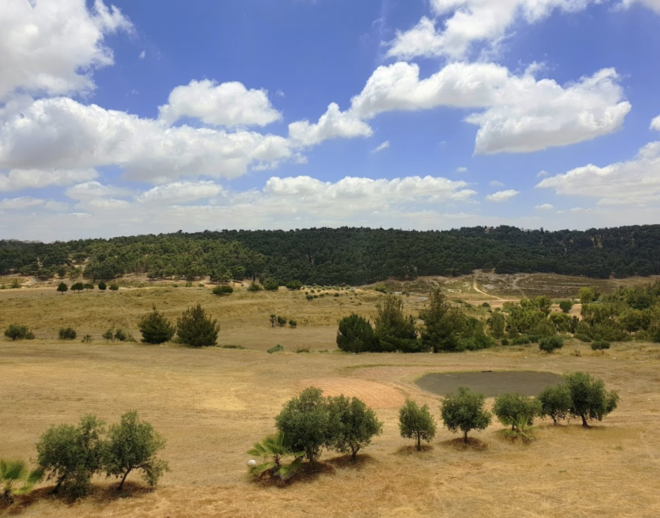
Bisharat Golf Course, established in 1990 as Jordan’s first private golf club, offers golfers a chance to reduce their carbon footprint to near-zero while enjoying some of the Kingdom’s most beautiful scenery. This brown course, located south of Amman, spans two natural valleys surrounded by dusty rolling hills and ancient olive trees. Landlocked and naturally rugged, the course is maximally challenging and minimally invasive.

gold course powered by wind turbine
A sustainable golf green in Europe, powered by the wind. Green greens make sense where there is ample water.

And now golfers can rev up their personal sustainability performance by choosing a biodegradable golf ball made from discarded lobster shells! A great idea if you are looking for golf gifts for men.

Researchers at the University of Maine have invented a ball that will dissolve in water: perfect for cruise ship driving ranges or any course with a water feature.

The balls are created by crushing into paste these crustaceans’ exoskeletons (a by-product of food processing usually consigned to landfills) then adding a biodegradable binder and shell. The lobster balls retail for about a buck apiece, less pricey than a mid-grade non-biodegradable version.

Creators Professor David Neivandt and undergrad student Alex Caddell claim their invention performs similar to biodegradable balls with less-tasty beginnings, though performance is slightly less than their non-biodegradable cousins.

Final words on lobster balls?  Not kosher, and likely not halal, so please don’t eat the golf ball.

Iranians Can’t Bluff Nuclear Needs With New Natural Gas

0

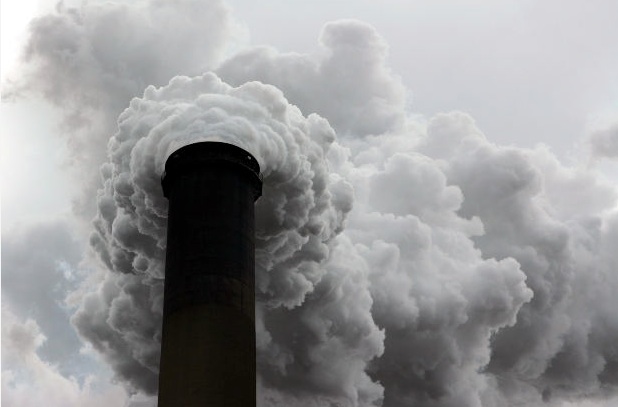
caspian sea Iran, natural gasIs this a sign from the heavens that Iran has no excuse now to pursue nuclear proliferation?

A new reserve of natural gas in the Caspian Sea suggests that Iran might be the world’s biggest owner of natural gas reserves, owning more even that Russia, some experts say.

According to an Iranian Government website a new reserve of 50 trillion cubic feet was found some 700 meters below sea level.

Walk the Gospel and Follow the Footsteps of Jesus

2

gospel trail, jesus trail israel holy landWalk in the footpaths of Jesus on the Gospel Trail.

It’s pilgrim’s progress: walking in the footsteps of Jesus. There are now two trails where Christian pilgrims can get outdoorsy and follow in the footsteps of their prophet.

Late November, the Israel Ministry of Tourism launched the Gospel Trail, a modular trail that follows the paths that Jesus is believed to have taken when he left Nazareth, the home of his childhood, for Capernaum on the northwestern shore of the Sea of Galilee, which became the center of his ministry. It is the second trail to follow the footsteps of Jesus, joining a somewhat parallel course as the Jesus Trail nearby.