Increased levels of male breast cancer and early onset puberty are consequence of water pollution in Israel.
The 52nd Conference of the Israel Geographical Association conducted the last week of December at Tel Aviv University dealt with developments affecting Israel, the Middle East and the planet as a whole. Geography, a discipline that is multi-varied in the subjects it addresses, is deeply relevant to the issues that environmentalists find most compelling.
A particularly interesting – and worrying –presentation was made by Dr. Dror Avisar, head of the Hydrochemistry Lab in the Department of Geography and Human Environment at Tel Aviv University. The lab focuses on micro-contaminants in groundwater. Avisar’s presentation at the geography conference dealt with the impact of medicines remaining from human and animal use on Israel’s water stocks. This contamination is much more widespread, enduring and harmful than I was aware of.
For example, an estimated ninety percent of antibiotics consumed to combat or prevent disease is excreted back into the water supply. Additionally, discarded antibiotics and other drugs are dumped (from hospitals or manufacturing facilities) and return to the hydrological system. Even sophisticated water treatment systems have difficulty filtering out these contaminants, which also include considerable amounts of painkillers, psychotropic medications and hormones.


 By being longer, Nanosolar’s solar panels are less costly to install













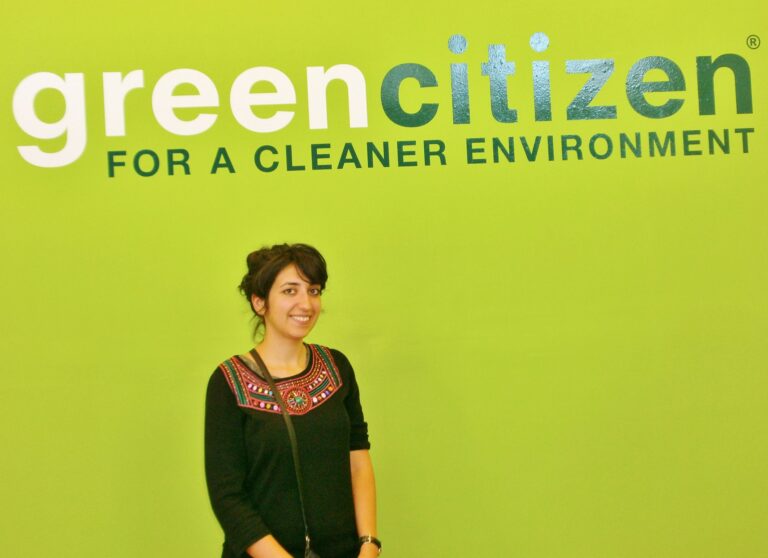
 We speak with Alisa Ananbeh, a student leader on the environment, on going green in Jordan.