Home Blog Page 467

Now Morocco is Looking for Bids for 850 MW of Wind

0

Morocco-bids-850-mw-wind morocco wind energyMorocco already has the world’s most ambitious solar target. Now it is starting on wind.

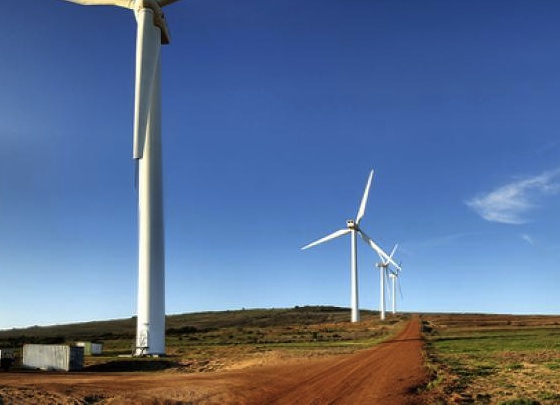
Morocco’s ascendance in renewable development is continuing apace. Morocco’s state-run power utility has just invited companies to bid on five wind farm projects with a total power generation capacity of 850 megawatts, as part of its plan to build 2,000 MW of wind power by 2020.

Its Atlantic coast has some of the best wind resources in the entire world, and pictured here is its first wind farm – that was already the largest in Africa when it was inaugurated in 2010.

ONE said it will take bids until March 2 from firms or consortia for “the development, design, financing, construction, operation and maintenance” of the five projects.

Stevia Sweeteners Now Approved in Israel

5

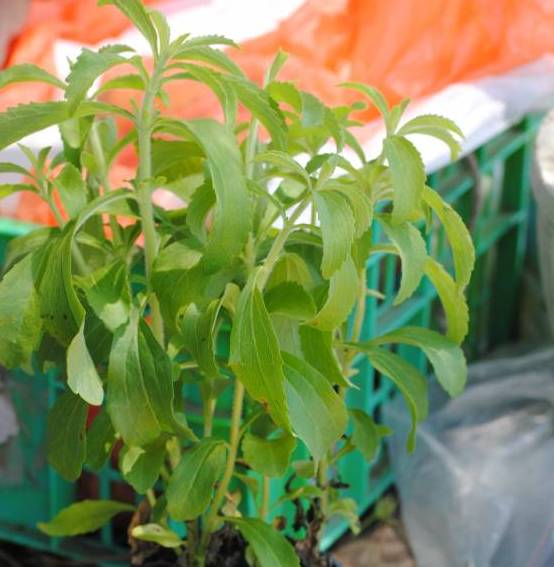
stevia plant IsraelNo-calories, almost no side effects, and naturally sweet. Israel, meet stevia.

Israel’s Ministry of Health approved the use of powdered stevia herb as a natural “table sweetener,” says Israel Solodoch, director of Nufar Natural Products, Israel’s main supplier of stevia-based products. Known in Central and South America for centuries, the sweet leaf has gained popularity in Japan, Europe and the U.S. Japan is reputed to sweeten up to 40% of its sugarless products with stevia.

Now FDA- approved, and undergoing a process that removes a slight aftertaste, stevia is expected to become big business in  Israel, replacing aspartame and similar sweeteners in soft drinks, candies, and baked goods.

Much as we love nutritious honey, it does have calories. The body responds to honey as to any other sugar – a problem for diabetics. On the other hand, stevia’s sweetness adds no calories to your diet. Being water-soluble and heat-resistant, you can bake with it. Up to 300 times sweeter than sugar, a commercial tea bag-sized package will sweeten 5 cups of tea or coffee.

Sheikh Zayed Grand Mosque and Augmented Reality

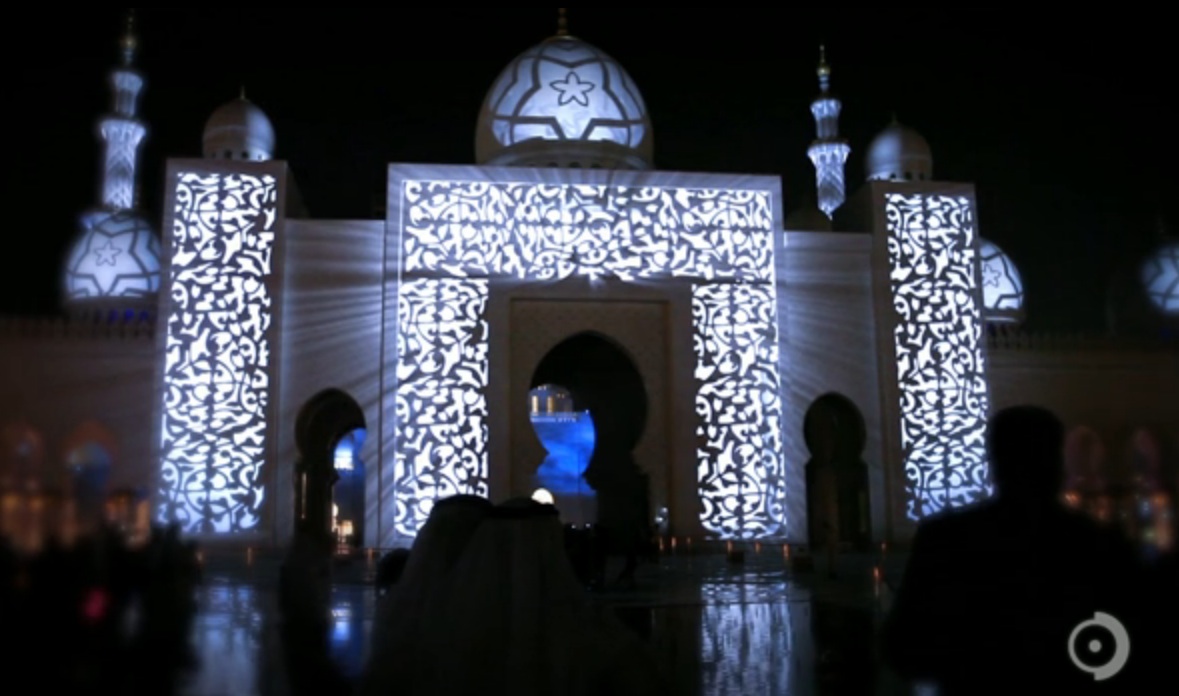
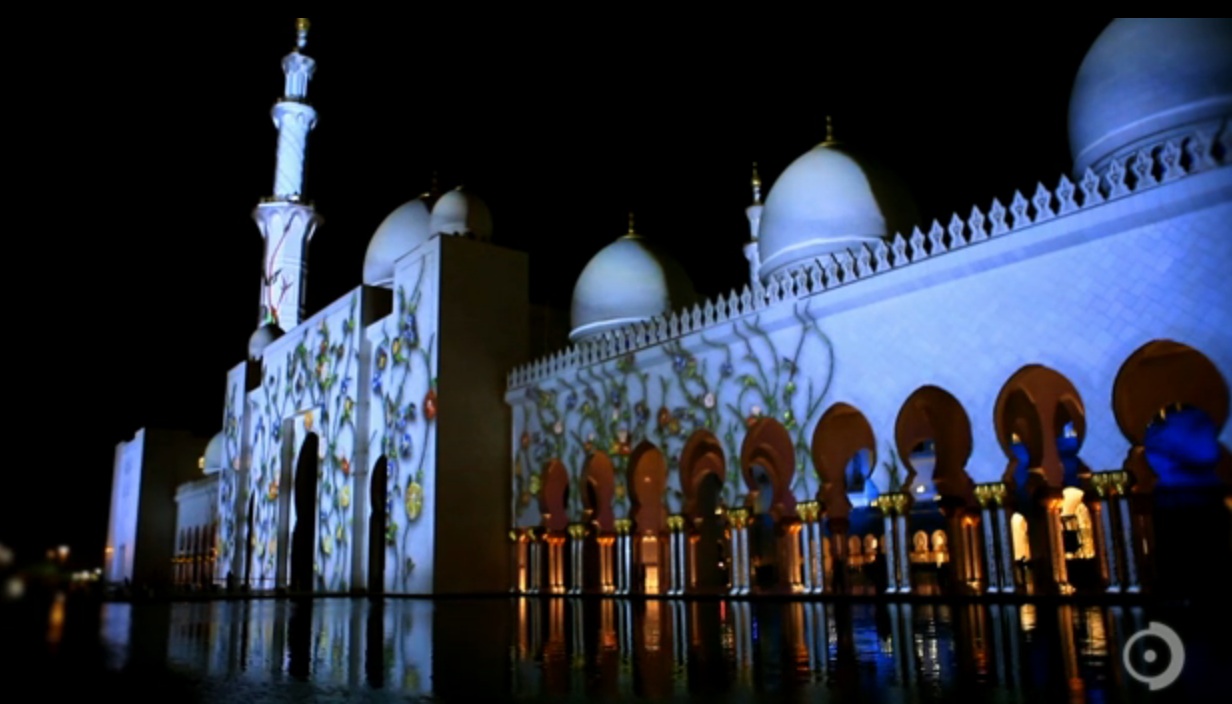
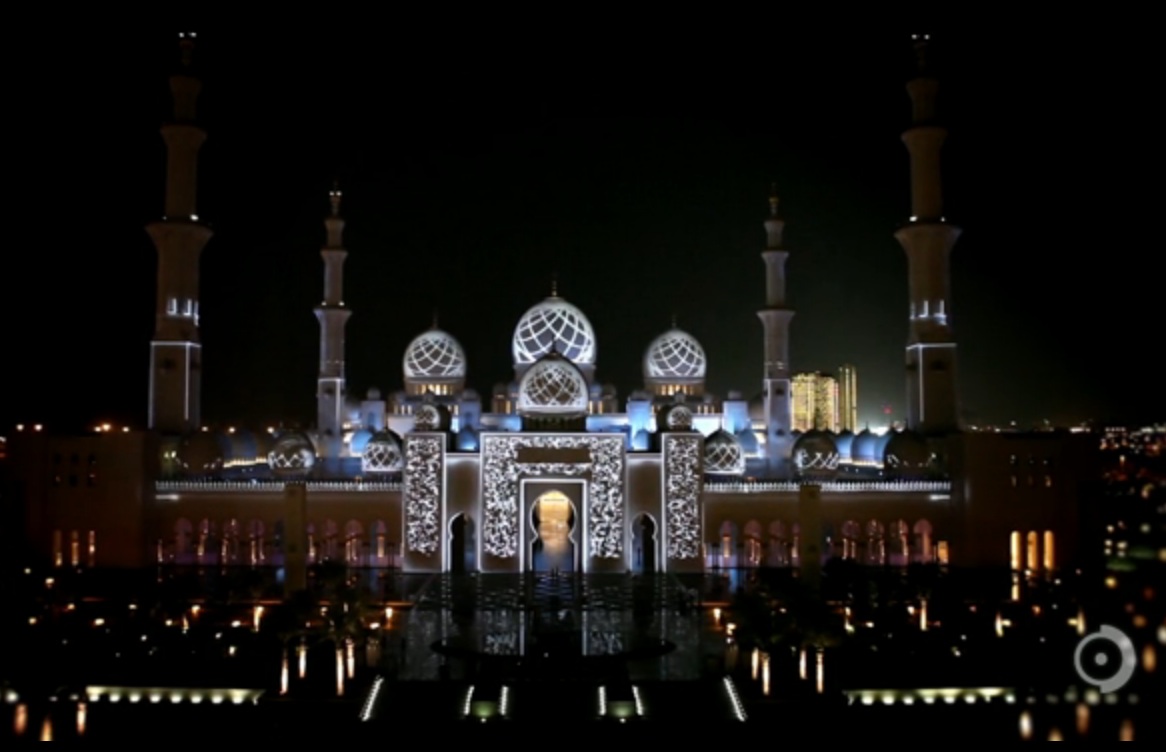
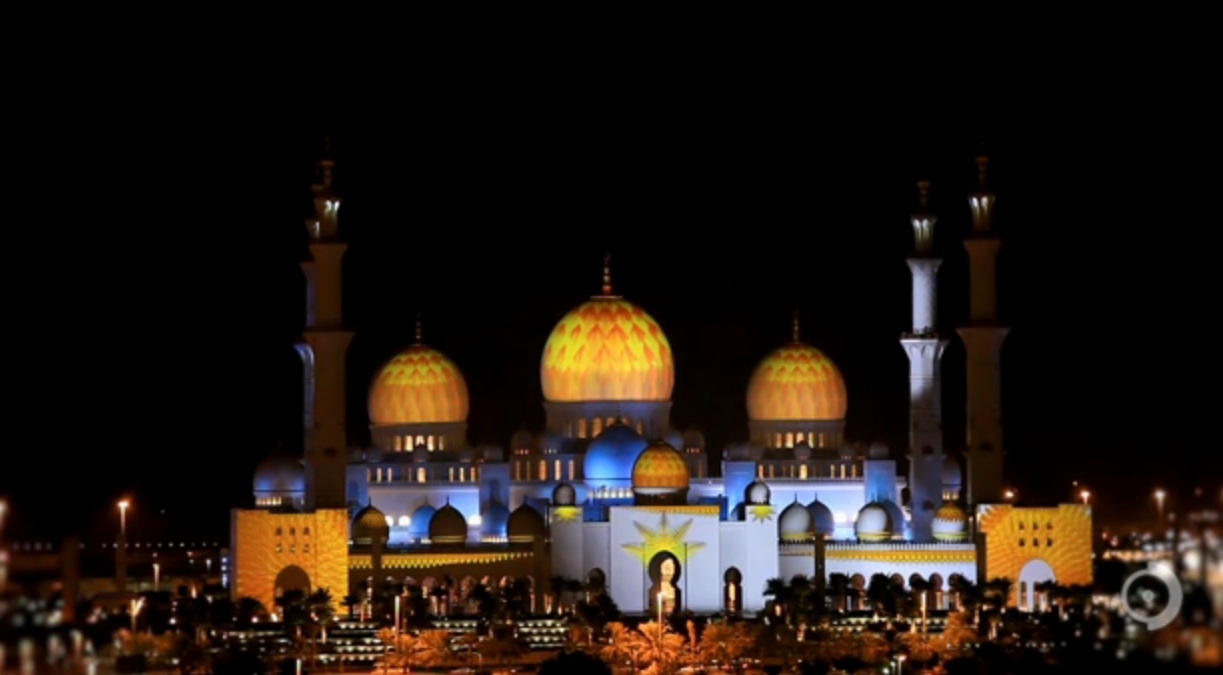
augmented reality, Sheikh Zayed Grand Mosque
Is augmented reality projections the new fireworks of the Middle East? We hope so

To celebrate a wedding it is common for Middle East men to shoot guns into the air, with stray bullets eventually falling to the sky, killing wildlife and sometimes people. This still happens in Gaza and Jordan for instance, although authorities in Jordan are trying to fight the practice. In Jaffa, Israel the Arabs there shoot off fireworks instead. The booming explosion creates the effect, but we like to see a new direction the Middle East is headed to: augmented reality.

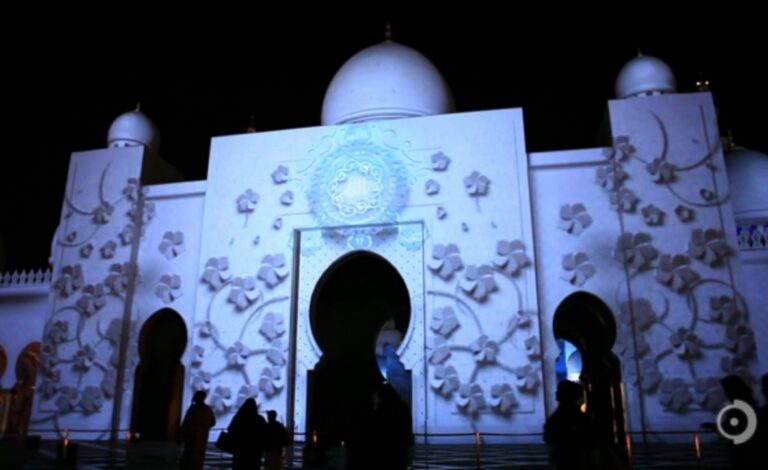
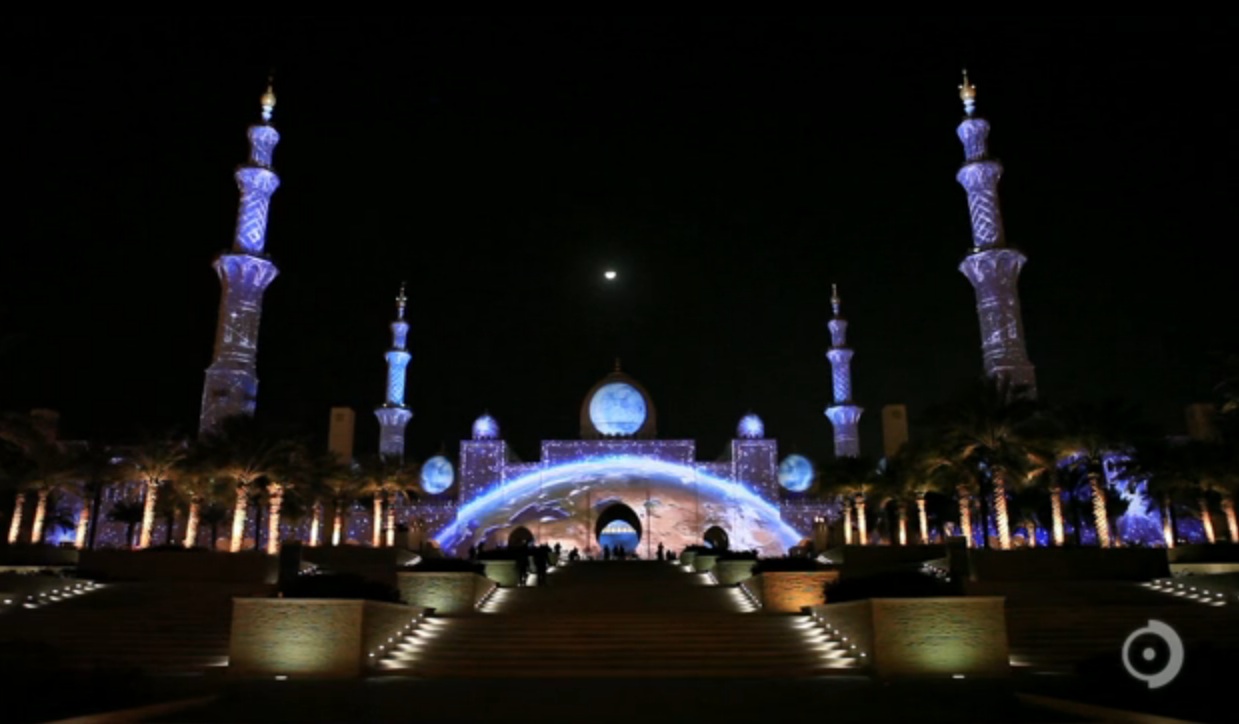
To celebrate the United Arab Emirates National Day 2011, technologists and designers at Obscura Digital created an augmented reality canvas over the Sheikh Zayed Grand Mosque and the Al Jahili Fort in the Gulf region. Augmenting reality with a projector, and images is a new way of celebrating without creating waste. Although the 44 projectors with a combined brightness of 840,000 lumens does create carbon emissions, we avoid all the toxins and dangers of fireworks –– which the Middle East people so love. See below for mind-blowing images and video.

augmented reality, Sheikh Zayed Grand Mosque

The Sheikh Zayed Grand Mosque is itself a stunning piece of architecture, highlighting the stunning design and attention to details made famous in the Middle East. On a huge scale, consider the projected area goes over a surface 600ft wide x 351ft high, this new project shows some of the best in eastern design.

Here’s the whole video of the Obscura Design event in Abu Dhabi

Ceramic Cookware Fire Sale After TV Expose

7

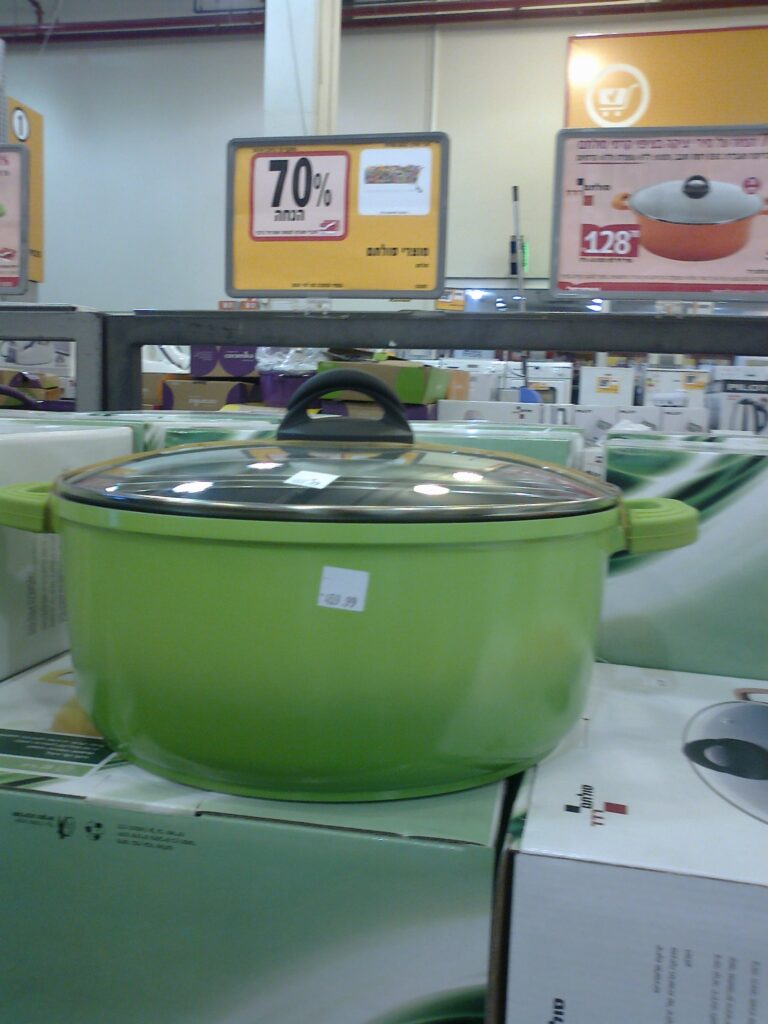
ceramic pan health hazard, IsraelMaurice goes to the store in Israel and sees a “fire sale” of ceramic cookware in Israel – 70% off.

Public awareness of product defects and dangers can work wonders. This appears to be the case with the recent Israel consumer awareness program Kolbotek that pointed out the dangers of cooking with some brands of  ceramic “no-stick”  coated cooking ware.

Kolbotek caused panic among Israeli consumers when the show pointed out that some of the ceramic cookware brands, such as Neoflam, contain high amounts of poisonous metals such as lead and cadmium. While the jury is still out on the effects of the pans, stores are slashing the prices to get rid of potentially defective and dangerous cookware. Maurice’s images above and below, show us so.

Recycled Furniture from Middle East Rugs and Doors

0

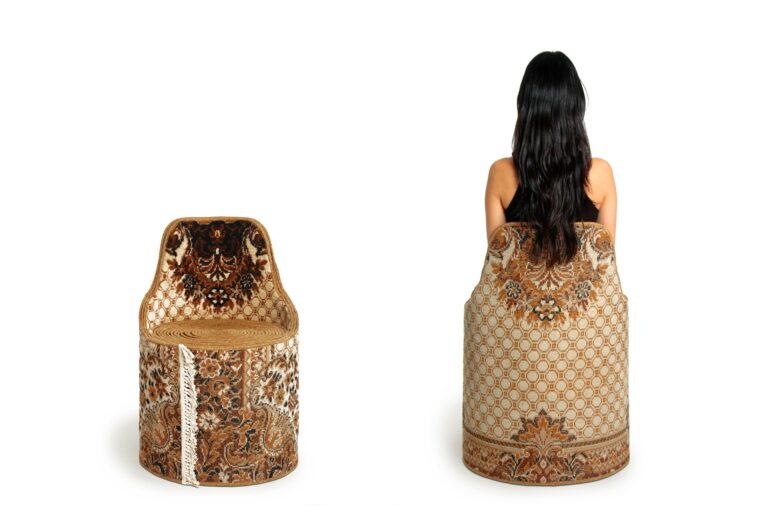
"upcycled rug chair"Recycled furniture by Israeli designer Naama Futerman. She gives disposed objects a second life.

If all the products that we ever used or came into contact with only had a “Chapter One”, our landfills would be overflowing.  Thankfully there are people out there, such as Tel Aviv-based designer Naama Futerman, who help give discarded objects what she calls a “Chapter Two” – a second chance to be useful.  Scouring the streets of Tel Aviv for other people’s “junk”, Futerman uses objects such as old carpets and unwanted wooden doors to create interesting pieces of furniture.

Her seemingly antique throne chair, pictured above, is made out of the remains of a carpet that someone tossed out in favor of a more modern look.

Scotland Lands First Renewable Deal Between Masdar and a Nation

1

scotland-lands-deal-masdar

Scotland’s first Minister Alex Salmond will travel to Abu Dhabi this week  to address an audience of world leaders at the  World Future Energy Summit as a guest of Masdar.

(Related: Global Clean Energy Brokers Meet at Abu Dhabi Emergy Summit)

But additionally, in a first-ever contract with a country, the clean tech giant Masdar is about to sign a ground-breaking contract with Scotland, and Mr Salmon is there to ink the deal. “This is the first agreement of its kind between Masdar and an individual nation and will work towards developing further university research into renewable energy” said Mr Salmon.

Under the agreement, Scottish universities will work with Masdar academics to develop new wind, solar, wave and tidal technologies. 

PIP Implant Scare Underscores Natural Options for Breast Enhancement

3

breasts on tomatoeCan growing and maintaining a healthy pair start in your garden? Tips for improving breast health without silicon.

Call us trendsetters: here at Green Prophet, we’ve long been reporting on breast health as well as the environmental concerns women face with regards to proper care and nutrition of their curves. Now, with the recent news that as many as 850 Israeli women have the faulty breast implants made by a French firm, and thousands more in the Middle East, the consequences underscores two important particulars: Breast enlargement for vanity’s sake is highly controversial from environmental and health points of view.

What’s more, natural mastogenic compounds make getting implants virtually unnecessary for many women, if they only knew about them.

EU Emissions Tax Blows Change into Middle East Airways

etihad diamond class
Time to scale down on Diamond Class sleeping suits? Image via Etihad

United Arab Emirates-based airlines, Emirates and Etihad Airways warn of higher ticket prices as they seek to pass on costs of a European Union (EU) aviation carbon trading scheme to passengers. Dubai’s Emirates will spend almost $52 million US this year to purchase additional emission allowances, with Etihad facing a $394 million bill over the next nine years, according to the head of environment of that Abu Dhabi-based carrier.

Water Filter Uses Bacteria Beads to Eat Nitrates

nitrate beads, new water filter, bacteria
Low tech water filters loaded with a nitrate-munching bacterium help clean up fertilizers and feces in water waste.

Rainstorms wash away what nature can’t clean up, but this often comes at a severe environmental price. Water runoff from agricultural fertilizers, animal waste and human sewage are poisoning wells and aquifers with nitrates. These compounds cause harmful algae blooms and pose health risks for pregnant women and formula-fed newborns.

Zabaleen Film Portrays Cairo’s Garbage City People

3

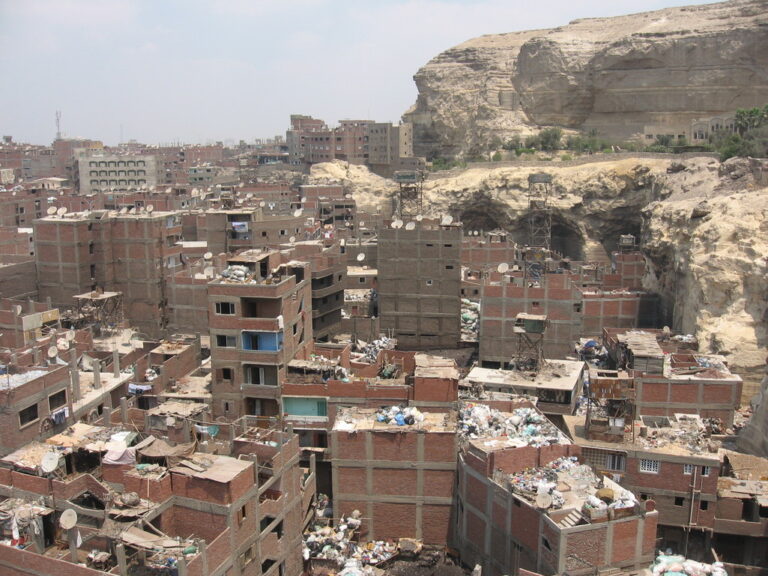
zabaleen, zabbaleen garbage city people cairo, christian copts, recycling A film depicting Cairo’s recyclers in garbage city is in the running to receive one of the film world’s most distinguished honors.

An independent documentary that depicts the harrowing and honorable life of a family of Coptic Christian trash workers living in Cairo’s garbage city was recently named “Project of the Week” by IndieWire – a respected source of independent art news.

This distinction puts the film called Zabaleen in the running for “Project of the Month.” And if it wins, the creative team behind this beautiful, moving account will win a free consultation from the internationally-renowned Sundance Film Institute – pretty much the biggest dream of any filmmaker.

Gaza’s Smuggling Tunnels Into an Underground Metro?

0

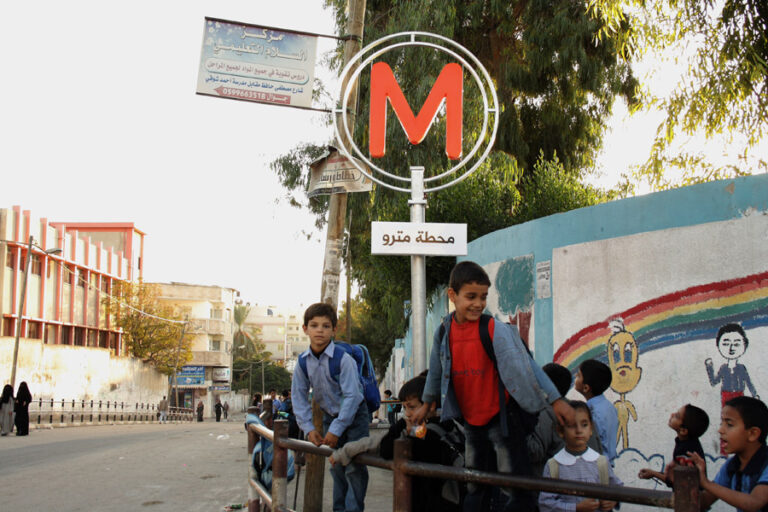
green design, green art, environmental art, Gaza, public transportation, green transportation, rail, underground, metroPalestinian artist Mohamed Abusal envisions converting Gaza’s smuggling tunnels into an underground metro system.

A small handful of Bedouin families living in the Gaza Strip ran thousands of smuggling tunnels beneath the Egypt-Gaza Strip separation barrier. In part to transport weapons between Rafah in Egypt and the Rafah Palestinian refugee camp and in part to import every day goods, some of the tunnels are well built and include decent infrastructure, while others are at risk of deadly sewage leaks. The inspired work of Palestinian artist Mohamed Abusal, a photo exhibit at the French Cultural Center depicts what Gaza City would look like if these subterranean spaces were converted into an underground metro facility .

Mass Weddings Are Going Green

4

mass weddings middle eastMost recently, it was 50 couples tying the knot is a mass wedding in Dubai; last year, 163 Israeli couples reportedly married in a ceremony held in Cyprus in an attempt to break the record for the most couples to say “I do.”

More than a media gimmick, mass weddings in the Middle East are going green, with the ceremony inaugurated by His Highness Shaikh Mohammad Bin Rashid Al Maktoum, Vice-President and Prime Minister of the United Arab Emirates and Ruler of Dubai, an example of the popularity.

Mass Weddings have a long and venerated history in the region. Historical references suggest that in 324 BC, Alexander the Great married Barsine. His bride was the daughter of Darius, the king of Persia. Centuries later, the tradition continues, even in the midst of turmoil. And the result is green.

Greenpeace Lebanon Rocks the Boat With Undercover Water Expose

going green lebanon, water pollution videos greenpeace
Want to see the garbage flowing from Lebanon’s waterways? Greenpeace Lebanon goes undercover to reveal shocking videos of 14 polluters (see them below).

They are young, passionate about the environment, and not afraid to engage with technology to get their voices heard. Greenpeace Lebanon continues to demonstrate the power of the “Net Generation” in raising awareness and introducing change to the environmental destruction of the country through a new social media campaign focusing on Lebanon’s fragile coastal waters.

According to Leen Hashem, Communications and New Media Officer, the new Secret Blue Shieid campaign is part of a marine reserves initiative launched last year. The objective of this latest drive is to raise awareness and mobilize people in order to face politically powerful polluters of Lebanon’s fragile coastal waters.  Greenpeace Lebanon was able to take samples of the water from twenty coastal points and send them to labs in London for further analysis. Results, expected in a few weeks, will help identify who is responsible for the pollution, a first step to stopping the daily contamination that is taking place across the coast.

First Solar-Powered Eco Pool in Morocco Uses Zero Chemicals

10

eco-pool, natural pool, ecological pool, chemicals, pollution, constructed wetlands, green design, sustainable design, eco design

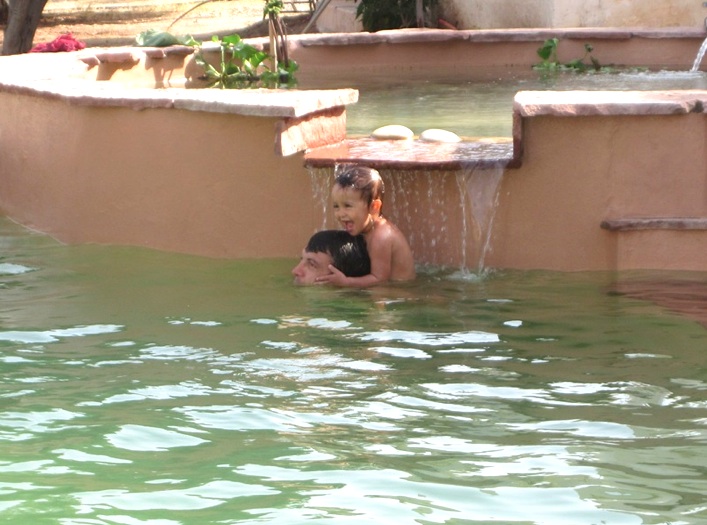
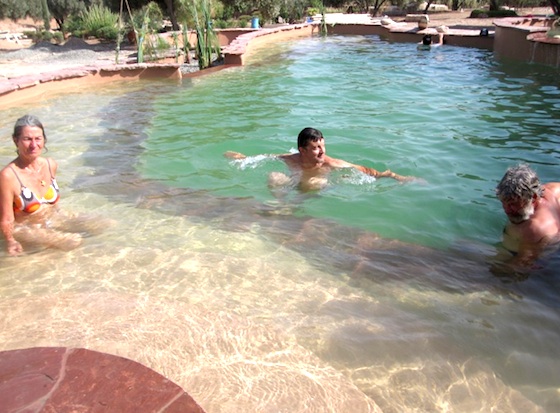
A family near Essaouira, Morocco happily splash around in a natural pool with zero chemicals.

A beautiful, luxurious swimming pool in Morocco that contains none of the nasty chemicals that irritate your eyes and cause respiratory problems has functioned perfectly well for over a year. A family living near Essaoiura on the country’s windy west coast (famous in parts for its murals) commissioned a natural, zero emissions eco-pool that blends in with the natural landscape. Despite critics who claim that it’s dangerous to have a swimming pool without chlorine, the “Schwimmteich” still looks great and allows the local fauna and flora to thrive as well.

eco-pool, natural pool, ecological pool, chemicals, pollution, constructed wetlands, green design, sustainable design, eco design

Nature’ kidneys

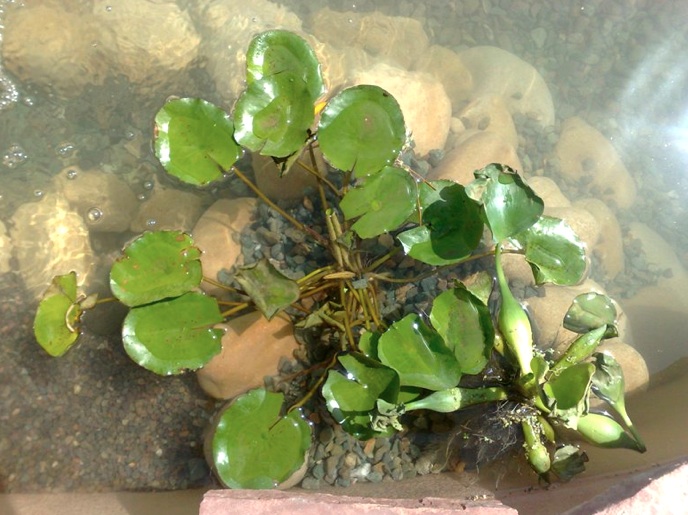
Babeth and Guy from Morocco have a whitewashed stone house typical of the area as well as a generous garden. Their pool was built around existing plants and olive trees to ensure that the ecosystem was not disturbed. The filtration system includes lagoons planted with certain wetland plants that filter out water, a sedimentation column that absorbs nutrients, as well as a waterfall and regeneration pool that oxygenates water before it is returned to the swimming area.

Scientists have known for the last few decades that bulrushes and other wetland plants are nature’s kidneys and often exceed the performance of harmful chemicals, but it has only been in the last few years that people have begun to trust constructed wetlands and natural pools.
eco-pool, natural pool, ecological pool, chemicals, pollution, constructed wetlands, green design, sustainable design, eco design

Eco-controversy

Ecological pools that rely on nature to stay clean are considered quite controversial since they lack fast-acting chemicals that kill bacteria. In Israel last year, a Kibbutznik who wanted to build a natural pool sued the country’s health ministry, which denied permits on the grounds that some kind of chlorine must be used to keep it clean.

But in Austria, Germany, and Switzerland, ecological pools are fairly common and have proven themselves to be perfectly healthy and safe.

DecRen Water Consult (DWC) from Germany lent their expertise to the Moroccan-based company ITRI Environment, who notes on their website that, “the principle of the natural pool is based on the balance of an ecosystem: the choice of plants is crucial.”
eco-pool, natural pool, ecological pool, chemicals, pollution, constructed wetlands, green design, sustainable design, eco design

A solar-powered 12 volt pump helps to keep the water circulated and oxygenated and ensures that this zero-emissions natural pool is the first of its kind in the country.

Although the Middle East has been slow to catch on to the benefits of plants such as bulrushes and papyrus that naturally filter contaminants, at a water-centered conference in Egypt last year, experts presented the idea that constructed wetlands can help to clean the polluted Nile River.

More on wetland plants and natural pool in the Middle East:

Kibbutznik Sues Israel’s Health Ministry For Right to Open Ecological Pool

Egypt to Re-Think Wastewater Treatment

Cocaine, Codeine, and Methadone Present in Cypriot Wastewater

Seed Banks Contain Memory, But Not Enough Against GMOs in Lebanon

8

plum seed bankLebanon goes green with seed bank, but can this memory keeper for nature fight GMOs?

Lebanon harbors over 2600 plant species of which 119 are counted to be endemic. The unique climatic and landscape diversity in Lebanon has shaped 22 bio-climatic zones which fosters one of the most precious ecological services:  genetic diversity. Unfortunately, the conservation of biodiversity in Lebanon is increasingly at risk due the largely uncontrolled and unidentified introduction of Genetically Modified Organisms (GMO) in the domestic market and the absence of national policies that specifically outline biosafety legislation.

Lebanon has only recently ratified the Cartagena Protocol on Biosafety (October 2008) a convention that provides guidance for the rational management of the risks associated with the use of biotechnologies. Nevertheless, there is no official policy for the detection and identification of produce that contains GMO. The lack of legislations that monitor biotechnologies are likely to have unidentified effects on the future of domestic biodiversity.