Health insurance is a regulated financial product. Insurers operate under binding contracts, overseen by state insurance commissioners, that legally obligate them to pay claims meeting policy terms. Policyholders who believe a covered claim was wrongfully denied have legal recourse through state regulatory channels.
The New Zealand Merino Company, now rebranded as Zentera, has quietly removed the phrase “world’s leading ethical wool brand” from its website, a notable change that comes after a disturbing investigation by PETA Asia-Pacific into the company’s ZQ-certified wool supply chain, PETA reports to Green Prophet.
Somehow vegetables with short seasons excite the imagination and appetite more sharply than produce that’s available all year around. Good Middle Eastern cooks have many recipes for delicate fava beans, and this turmeric-fragrant soup is one.
Health insurance is a regulated financial product. Insurers operate under binding contracts, overseen by state insurance commissioners, that legally obligate them to pay claims meeting policy terms. Policyholders who believe a covered claim was wrongfully denied have legal recourse through state regulatory channels.
The New Zealand Merino Company, now rebranded as Zentera, has quietly removed the phrase “world’s leading ethical wool brand” from its website, a notable change that comes after a disturbing investigation by PETA Asia-Pacific into the company’s ZQ-certified wool supply chain, PETA reports to Green Prophet.
Somehow vegetables with short seasons excite the imagination and appetite more sharply than produce that’s available all year around. Good Middle Eastern cooks have many recipes for delicate fava beans, and this turmeric-fragrant soup is one.
Health insurance is a regulated financial product. Insurers operate under binding contracts, overseen by state insurance commissioners, that legally obligate them to pay claims meeting policy terms. Policyholders who believe a covered claim was wrongfully denied have legal recourse through state regulatory channels.
The New Zealand Merino Company, now rebranded as Zentera, has quietly removed the phrase “world’s leading ethical wool brand” from its website, a notable change that comes after a disturbing investigation by PETA Asia-Pacific into the company’s ZQ-certified wool supply chain, PETA reports to Green Prophet.
Somehow vegetables with short seasons excite the imagination and appetite more sharply than produce that’s available all year around. Good Middle Eastern cooks have many recipes for delicate fava beans, and this turmeric-fragrant soup is one.
Health insurance is a regulated financial product. Insurers operate under binding contracts, overseen by state insurance commissioners, that legally obligate them to pay claims meeting policy terms. Policyholders who believe a covered claim was wrongfully denied have legal recourse through state regulatory channels.
The New Zealand Merino Company, now rebranded as Zentera, has quietly removed the phrase “world’s leading ethical wool brand” from its website, a notable change that comes after a disturbing investigation by PETA Asia-Pacific into the company’s ZQ-certified wool supply chain, PETA reports to Green Prophet.
Somehow vegetables with short seasons excite the imagination and appetite more sharply than produce that’s available all year around. Good Middle Eastern cooks have many recipes for delicate fava beans, and this turmeric-fragrant soup is one.
Health insurance is a regulated financial product. Insurers operate under binding contracts, overseen by state insurance commissioners, that legally obligate them to pay claims meeting policy terms. Policyholders who believe a covered claim was wrongfully denied have legal recourse through state regulatory channels.
The New Zealand Merino Company, now rebranded as Zentera, has quietly removed the phrase “world’s leading ethical wool brand” from its website, a notable change that comes after a disturbing investigation by PETA Asia-Pacific into the company’s ZQ-certified wool supply chain, PETA reports to Green Prophet.
Somehow vegetables with short seasons excite the imagination and appetite more sharply than produce that’s available all year around. Good Middle Eastern cooks have many recipes for delicate fava beans, and this turmeric-fragrant soup is one.
Health insurance is a regulated financial product. Insurers operate under binding contracts, overseen by state insurance commissioners, that legally obligate them to pay claims meeting policy terms. Policyholders who believe a covered claim was wrongfully denied have legal recourse through state regulatory channels.
The New Zealand Merino Company, now rebranded as Zentera, has quietly removed the phrase “world’s leading ethical wool brand” from its website, a notable change that comes after a disturbing investigation by PETA Asia-Pacific into the company’s ZQ-certified wool supply chain, PETA reports to Green Prophet.
Somehow vegetables with short seasons excite the imagination and appetite more sharply than produce that’s available all year around. Good Middle Eastern cooks have many recipes for delicate fava beans, and this turmeric-fragrant soup is one.
Health insurance is a regulated financial product. Insurers operate under binding contracts, overseen by state insurance commissioners, that legally obligate them to pay claims meeting policy terms. Policyholders who believe a covered claim was wrongfully denied have legal recourse through state regulatory channels.
The New Zealand Merino Company, now rebranded as Zentera, has quietly removed the phrase “world’s leading ethical wool brand” from its website, a notable change that comes after a disturbing investigation by PETA Asia-Pacific into the company’s ZQ-certified wool supply chain, PETA reports to Green Prophet.
Somehow vegetables with short seasons excite the imagination and appetite more sharply than produce that’s available all year around. Good Middle Eastern cooks have many recipes for delicate fava beans, and this turmeric-fragrant soup is one.
Health insurance is a regulated financial product. Insurers operate under binding contracts, overseen by state insurance commissioners, that legally obligate them to pay claims meeting policy terms. Policyholders who believe a covered claim was wrongfully denied have legal recourse through state regulatory channels.
The New Zealand Merino Company, now rebranded as Zentera, has quietly removed the phrase “world’s leading ethical wool brand” from its website, a notable change that comes after a disturbing investigation by PETA Asia-Pacific into the company’s ZQ-certified wool supply chain, PETA reports to Green Prophet.
Somehow vegetables with short seasons excite the imagination and appetite more sharply than produce that’s available all year around. Good Middle Eastern cooks have many recipes for delicate fava beans, and this turmeric-fragrant soup is one.
Available in English, Hebrew, Arabic and Russian, the Israeli government launches a new go green game to learn about saving the earth.
Israel’s Environmental Protection Agency recently launched a free online game and iphone application called Thinking Green, aimed at promoting eco-conscious consumerism. It is part of the Ministry’s Think Green campaign. The application (although it’s not really clear where to find it) offers tips on green behavior and a test to help users see if they were able to maximize their savings through such practices.
As of 2009 studies showed that the average Israeli emitted 9.19 tonnes (one tonne equals 1000 kilograms) of carbon dioxide a year from fuel consumption alone. That still puts Israel’s consumption drastically lower than other western nations.
Four years ago Israel Nature and Parks Authority (INPA) schemed a plan to eradicate the blue-leafed wattle (acacia saligna), an invasive species native to Australia that threatened to overrun the native plant species in Nahal Sorek National Park.
Just a few years ago the blue-leafed wattle spread beyond the park’s boundaries to eight spots along the main route to Sorek. Each spot consisted of hundreds of trees.
The Hashemite Kingdom of Jordan has wrapped up a national phase-out of all central cooling systems using chlorofluorocarbons (CFC), reports theJordan Times: “Jordan’s program for phasing out the use of CFCs, aimed at disposing 1500 tons of the harmful substance, was achieved one year ahead of schedule”, said Ghazi Odat, Director of the Ministry of Environment’s ozone project. Odat said replacing these systems in 165 facilities also reduced energy consumption. The program was funded by a $2.16 million grant from the Multilateral Fund for the Implementation of the Montreal Protocol, granted to the Kingdom in May 2010. Jordan is a signatory to the Montreal Protocol.
Certain buzzwords are developed to help us grasp a concept. To environmentalists, sustainability refers to eating, building and living in a way that will sustain more than one greedy generation. Vegewarian is another for those who aren’t quite ready to commit to full-fledged vegetarianism or veganism.
Sometimes these terms are overused, as Brian pointed out with his interesting post on the “S” word, and sometimes they don’t paint a complete picture. Now there’s a new word floating around – locatat – that refers to building a habitat using materials sourced within a 100 mile radius. It’s like locavore but for builders and it has critics.
Sun bathing in Sinai is like asking for trouble if not adequately screened from the sun’s UV rays.
Beach season is now beginning in Middle East countries sharing beach fronts on the Mediterranean and the Red Sea. Along with problems like beach littering; and increasing and even record high summer temperatures in the Middle East due to global warming (?), those who love to sun bathe have to protect themselves adequately from the sun’s dangerous ultraviolet rays.
Various commercial sunscreen preparations, while claiming to provide good protection against the sun’s harmful rays, also contain ingredients which may be harmful in themselves to the skin as well as other parts of the body. These ingredients include Octinoxate which can cause acne, skin rash, inflammation of hair follicles and skin irritation; as well as allergies and dry skin.
The full “supermoon” peers out from behind the US Capitol building in Washington DC; taken by @quinalty.
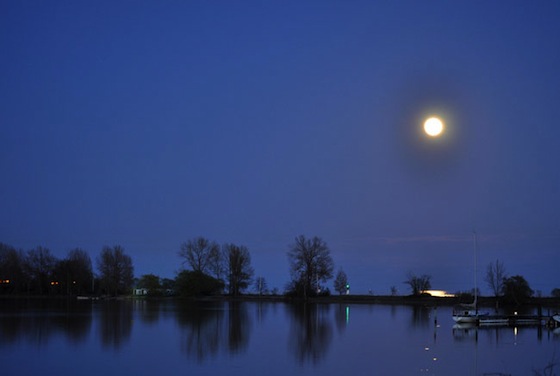
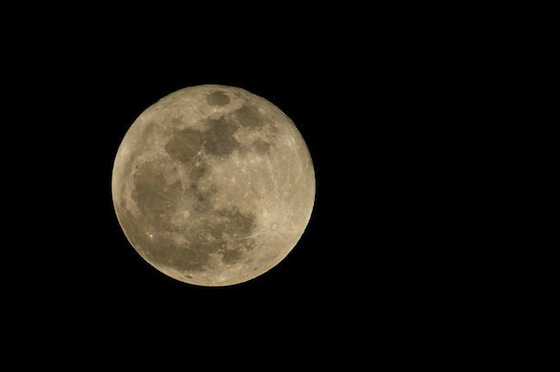
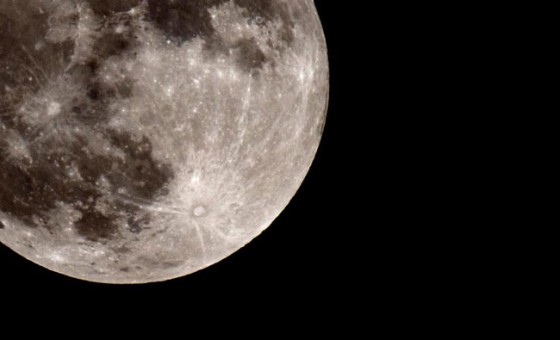
People around the world flocked to catch a glimpse of the spectacular “supermoon” that lit up the night sky on Saturday. At roughly 11.34 pm EDT on 5 May, 2012 the moon passed its perigree – the closest point to earth – making it appear 14% larger and 30% brighter than normal.
At its peak, the moon was approximately 221,802 miles from the earth, which was 248 miles further away than the last supermoon event that took place on 19 March, 2011, according to Discovery. On average, the moon orbits 230,000 miles from earth. Here are seven indelible images of the 2012 supermoon taken from international vantage points by Shutterstock contributors.
The full moon hovers above the Canadian Parliament building on the southern banks of the Ottawa River in downtown Ottawa, Ontario. This striking image was taken by Shutterstock contributor Michel Loiselle.
Although there are no landmarks to put it into perspective, this supermoon image taken in the Philippines by @aotinio is still positively enigmatic. We love the orange hue.
Also taken in Canada, the super bright full moon rises over Lake Ontario. This image was captured by @MAGpi60 from Frenchman’s Bay in Pickering, Ontario.
Another lonely moon photograph, this time snapped up by @hzhwang in Taiwan. What kind of telephoto lens was this lucky photographer using?
This is a classic full moon image with wispy clouds passing in front. Many skygazers complained that cloud cover on Cinco de Mayo busted their supermoon viewing experience, but @lafsatfriday got lucky in Spokane, Washington.
Going out with a closeup bang, Jer Buck from Vancouver, B.C took this image, which was submitted to Shutterstock by @saramushanksy. For more lunar gazing, look out for the lunar eclipse on 20 May, 2012. It will be less dramatic to readers living in the Middle East but there’s a chance you’ll at least be able to see the bring ring around the sun known as an annulus.
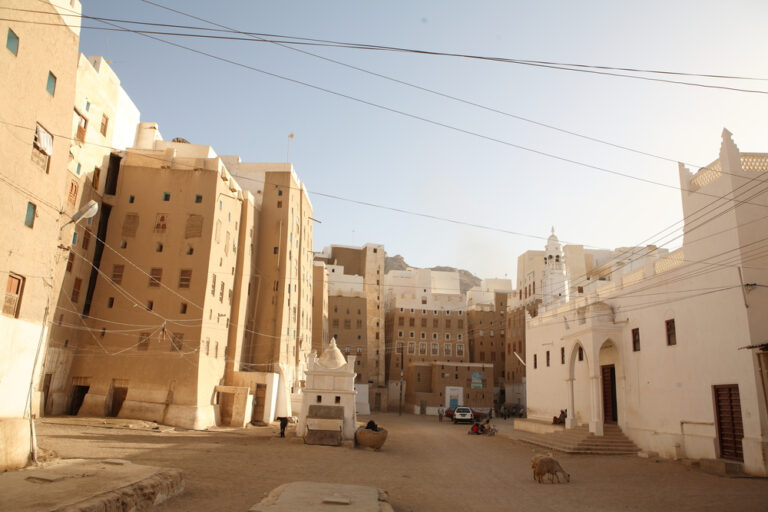
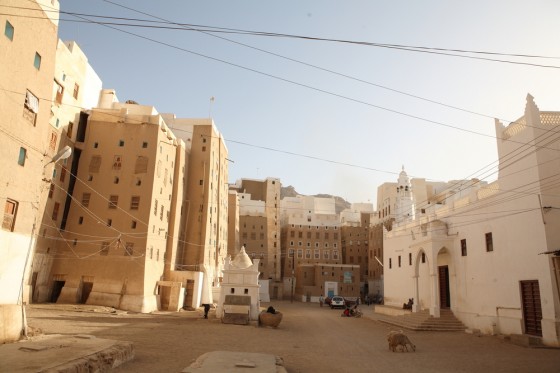
Iraqi architect Salma Samar Damluji has won the ‘Global Award for Sustainable Architecture’ for her mud-brick renovation work in Yemen
Mud. Muck. Dirt. Clay. Earth. Call it what you like – it’s the stuff of life and also of sustainable architecture. From the stunning mud mosque of Djenne in Mali to the clay tower homes of Yemen, earth architecture has been used to create some stunning and sustainable buildings. Indeed, Iraqi architect Salma Samar Damluji has just been awarded the Global Award for Sustainable Architecture for helping to renovate the mud built towns of Hadramut in Yemen.
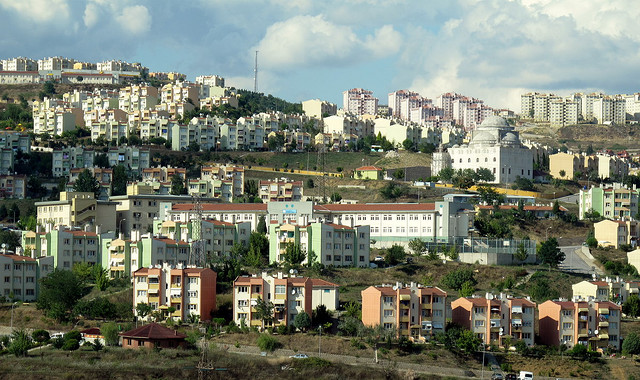
Turkey’s government argues that much of the land has already been illegally developed and sold, especially in the outskirts of major cities like Istanbul (pictured above).
Two weeks ago, Turkish President Abdullah Gül approved a law that opened a parcel of land in Turkey formerly classified as forests — known as “2B” land — to construction. Today, according to Dünya newspaper, a six-month period of bidding opened for the land, which is estimated to be worth approximately $15 billion in sum.
My children, living a world apart in Hoboken and Amman, find the same goofy YouTube clips, only to learn their cousins in California and England already hit those same sites. Today’s instant communication is marvelous to someone who remembers rotary phones and punched card programming.
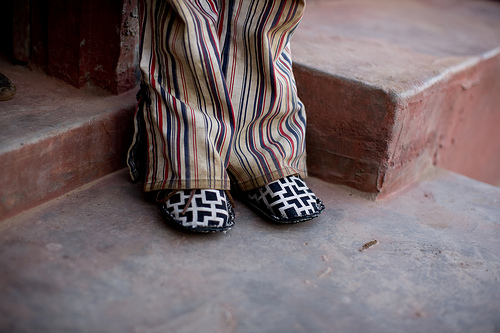
I discovered Facebook page GreenWorldOne (GWO) on a single day when my daughter, in Jordan, hit me with links to cuddly endangered animals; a friend, in Spain, popped me a project to help Syrian refugees; and an old boss, in the USA, shared a clip on making fabric shoes for impoverished African kids. Three links to this unassuming little site all in one day. I peeked to see what was behind it and found GreenWorldOne. Read my interview with one of the team below.
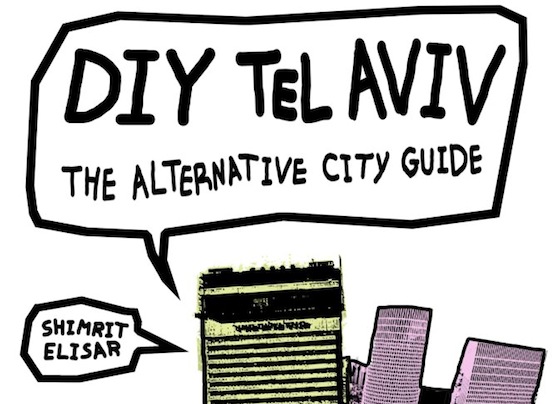
When Shimrit Elisar travels to other cities, she wonders where to find pizza after hours, where all the “cool kids” hang out, and how to score a reasonably-priced yoga class. In other words, she wants an insider’s look, which is why she was inspired to create DIY Tel Aviv.
This alternative city guide is packed with information about everything from how to handle Israeli security and find certain products on Shabat to finally answering the question: will I get blown up? Fun and quirky, this awesome guide leaves the pricier Lonely Planet choking in its self-published dust, though it definitely speaks to the younger crowd.
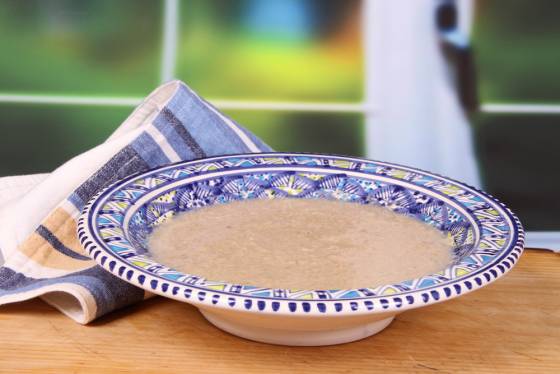
Eat breakfast the way a Moroccan grandmother might make it with this milky, slow-cooked wheat soup.
Vegewarian (vegetarian- aware recipes like these) offer you an alternative to meat-based food. Here’s one for this week which brings Morocco into the kitchen. Home cooks in Morocco make a variety of cereal-based soups and porridge from millet, barley and wheat (see our post about how important wild cereals are to our grain supply). Cracked-wheat soups are most often savory with spices, herbs, and sometimes meat, but this sweet soup, called Herbel, is an exception.
Like the rice pudding that Westerners are familiar with, this sturdy cereal dish requires two cooking times: once in water to tenderize the grains, and again in milk to make a sweet porridge. But wheat kernels, being a whole grain, are infinitely more nutritious and than white rice, giving you steady energy to last through the whole morning.
And Herbel, made luxurious with orange-flower water and a touch of honey, is a delicious way to start the day – or wind up the evening with a comforting dinner.
The wheat grains must be pre-soaked, or rinsed and left to simmer over minimal heat overnight. Not traditional, but very practical for overnight cooking, is cooking the wheat a crock pot on low heat. Myself, I like to soak the grains early the previous evening, then let them cook at leisure for an hour in the morning.
Herbel, Milky Moroccan Wheat Soup Recipe
Herbel, a Moroccan wheat soup or porridge, Image via Arab News
Yield: 6 servings
Ingredients
1 cup – 250 grams whole wheat kernels
6 cups – 1-1/2 liters water
1 1/2 teaspoons salt
4 cups- 1 liter milk
4 tablespoons sugar
2 tablespoons butter
1 tablespoon orange flower water
Cinnamon, butter and honey for serving at table
Pick over the wheat if needed. Rinse until the water runs clear and free of dust. Drain. Put the wheat into a large bowl, cover generously with water, and leave it to soak 10 hours. Add more water if it looks like the grains have absorbed all and are getting dry.
Drain the soaked wheat. Put it in a pot with the 6 cups water and the salt. Bring to a boil, then lower the heat. Simmer for 40 minutes until tender. It’s alright if there’s still some water not absorbed.
Heat the milk separately and add to the wheat in the pot. Add the sugar; stir it in. Add the butter; stir. Cook on low heat until most of the milk is absorbed and everything is very soft and well combined – about 15 minutes.
Remove from heat. Add orange flower water and stir it in. Serve warm, with additional butter, cinnamon and honey for individual servings.
You may cook the herbel ahead of time, but it will have thickened. Reheat over low heat, adding milk to thin it out.
Editor’s note: This dish reminds Moroccans of breakfasts during Aid El Fitr and Eid El Adha. A recipe that has probably crossed the centuries.
Gundeep Singh hasn’t exactly gone from riches to rags, but he has turned over a green leaf and is determined to help others do the same. Formerly a banking executive who owned a yacht and porsche, the Dubai-based man has switched to a hybrid vehicle and founded The Change Initiative, the first shop in Dubai to offer a massive range of green products.
Each of the sixty products available – everything from organic food to sinks that capture and recycle grey water – goes through a rigorous vetting process to ensure that they are genuinely healthy both for the people who use them and for the environment.
Can gardens really help promote environmentally friendly behaviour amongst the Muslim community? Mark Bryant from Cardiff University who researches Islam and gardens, says they can
There’s nothing like being with nature to help clear your mind and when the weather is as lovely as it has been recently, who can resist spending a couple of hours in the garden? But the humble garden should not be overlooked. According to researcher in the UK, the garden can be a powerful tool in inspiring more climate-aware behaviours.
I instantly stumbled across a little piece of research by Mark Bryant and Sophie Gilliat-Ray based in the UK who state that “Gardens built reflecting Islamic traditions have been shown to have the potential to educate and inform people about environmental issues.”
I caught up with Mark Bryant to find out more about this research and the green Muslim community.
Aburawa: Why do gardens play an important role in Islam and Muslim culture?
Bryant: There are some 166 references to gardens in the Qur’an. These include references to earthly gardens which resemble an oasis or palm gardens found in the Middle East today. Both Eden and Paradise are described in terms of a garden and ‘jannah’ means both garden and paradise in Arabic.
This love for the garden is reflected in the traditions of Muslim poetry, literature and carpet design. And much of what is described as Arabesque design incorporates both realistic and stylised plant forms. In terms of the environment, in addition to respecting nature as part of creation many Muslims regard themselves as having been entrusted with the task of acting as khalifah, or vice-regents, of earth. ‘Later We made you their successors in the land, to see how you would behave’ (Surah 10.14).
The research that you carried out on Islamic gardens in the UK showed that Islamic gardens didn’t generally deal with environmental issues and sustainability. Do you think that this could change in the future?
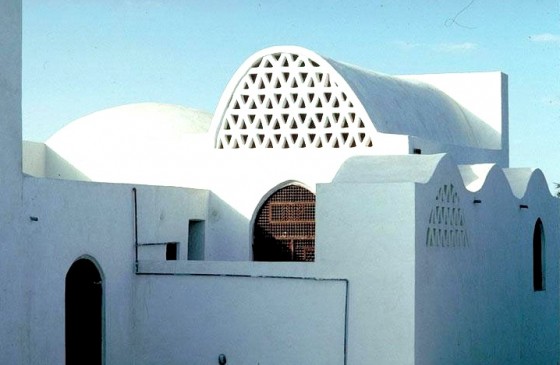
I feel it is important to draw a distinction here between the traditional formal Islamic gardens and gardens reflecting Islamic traditions. The traditional Islamic garden is a specific form consisting of specific formal elements. On the other hand gardens reflecting Islamic traditions can include gardens which incorporate Islamic influences outside of those found in the traditional form such as good Islamic environmental ethical practice.
While it is true that traditional Islamic gardens were not necessarily concerned with issues such as biodiversity, conservation and sustainability it can be argued that they demonstrated the importance of the natural world in Islam. If we use the definition of gardens reflecting Islamic traditions we find examples of gardens being built using Islamically inspired environmentally-friendly practice.
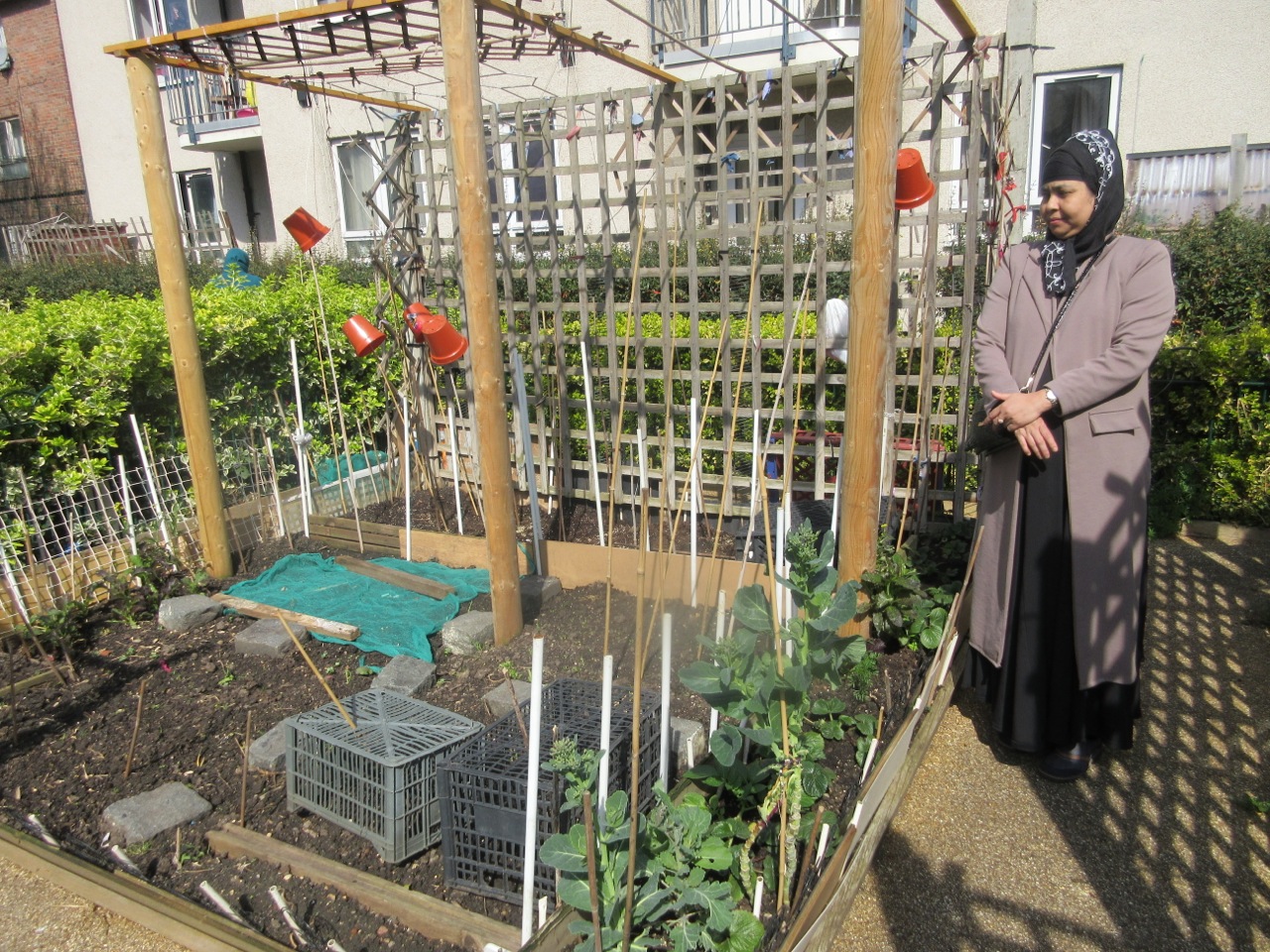
Wapping Woman’s Centre garden in the UK
For example the community garden run by Wapping Woman’s Centre in Tower Hamlets has had a huge impact on changing people’s behaviour around recycling, composting and a general respect for the environment.
As well as research into Islamic gardens, you have looked into the scale of environmental concern British Muslims have. What kind of state did you find the environmental movement amongst British Muslims in the UK?
I think the following quote from the conclusion of the paper we wrote for the Journal for the Study of Religion, Nature and Culture – Are British Muslims ‘Green’? An Overview of Environmental Activism among Muslims in Britain – best answers this question..
So, are British Muslims ‘green’? The answer is both ‘yes’ and ‘no’. Visit nearly any inner-city area in Britain with a large Muslim population and it is evident that the messages of conservation and environmental stewardship that Muslim environmentalists derive from the Qur’an and Hadith are not reflected in the actual behaviour of many British Muslims.
Unkempt urban areas often reflect socio-economic deprivation and a lack of engagement in activities that promote environmental conservation. On the other hand, the findings of our research also demonstrate the emergence of a new generation of British Muslim environmental activists who are using their energy and knowledge to argue that being a ‘good Muslim’ must involve environmental responsibility.
In the Middle East, there are real concerns about the growing scarcity of water. As such, do you think it is justifiable to be building gardens which rely heavily on water?
While I am aware of plans for gardens in the Middle East that are environmentally irresponsible this need not be the case. In fact, within the area of water management, Islamically inspired gardens have the potential to stand as examples of traditional and current good practice in water management.
Traditional Islamic gardens have historically served as showcases for effective water management in water poor areas – this was particularly the case in gardens in Iran.
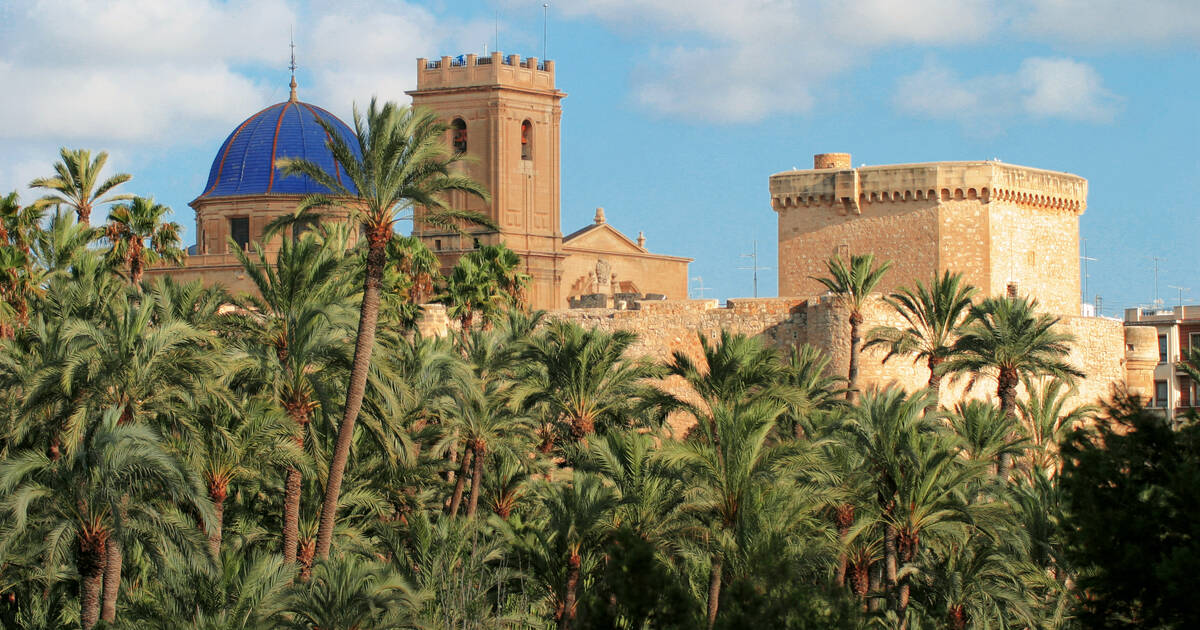
Look to the Palmerals of Elche
The Palmerals of Spain or Palm Grove of Elche is the generic name for a system of date palm orchards in the city of Elche, Spain. It was planted in Roman times and underwent modifications in the medieval period under Islamic and Christian rulers. The Roman empire introduced water management techniques to Elche, but the 10th c. are fed by an 800-year-old water management system developed by the Moors. These systems were in turn studied by French and British engineers to be used in their colonies in Africa.
Palmerals of Spain: With over 70,000 date palm trees in the formally designated palmeral itself and up to 200,000 in the general area around Elche, this ancient palm grove in Spain is really magnificent. It’s one of the largest in the world, and there aren’t any other sprawling groves like it in Europe. It’s also the northernmost palm grove of its kind.
So the Islamic environmental ethic works very well with the currently growing Permaculture movement. In addition many of the traditional methods of water management used in the Middle East represent good examples of effective Permaculture design.
Finally, I think there is potential for palm gardens to be used as an alternative to less sustainable green spaces currently being built in the region.
___
The Islamic gardens research was commissioned by BGCI and was supported by the Islam UK Centre at Cardiff University.
For more on environmental issues in the Middle East see:
Manufactured landscapes and Toskha, a planned city to create a second Nile Valley in Egypt
The Middle East is no stranger to construction failures. This page on Arabia Business gives an almanac of such failures. What is interesting about this list is the presence of some substantially big names. Failure of mega construction projects in the region therefore hardly raises any eyebrows.The story in Egypt daily that talks about the failure of Toshka New Valley Project therefore did not come as a surprise. What is appalling about the story is not just the failure of the project but the complete lack of accountability on part of all key players. From minimal pre-operational environmental impact assessment to a total disregard of ground realities, this project is testament to all that is wrong with the corporate decisions influenced by politics.
Late this February Israeli financial newspaper Calcalist, along with Israel Society for the Protection of Nature in Israel, hosted a competition to honor Israel’s leading cleantech start-ups. Among the 12 competition finalists, was UniVerve, an Israeli biofuel company that specializes in using microalgae to create oil.
UniVerve has gained international recognition for its microalgae technology, including at an apperance this March at the World Biofuels Markets, which can succesfully produce bio-oil from third generation biomass. If any waste biomass is left from the refining process, UniVerve sells it to be used as animal or fish feed.

 Available in English, Hebrew, Arabic and Russian, the Israeli government launches a new go green game to learn about saving the earth.
  Four years ago Israel Nature and Parks Authority (INPA) schemed a plan to eradicate the blue-leafed wattle (acacia saligna), an invasive species native to

 Sun bathing in Sinai is like asking for trouble if not adequately screened from the sun’s UV rays.