
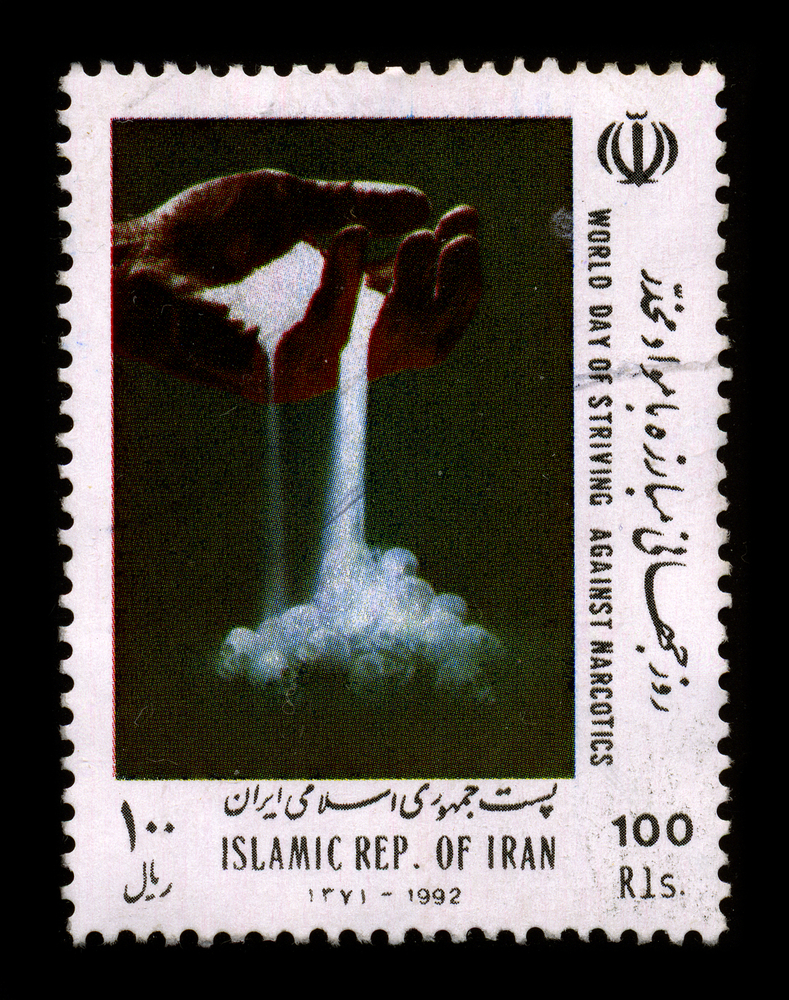
World powers be what they may have put a heavy hand on Iran and as the sanctions hit the people with economic woes, they are moving away from more expensive “pain relief” drugs such as opium to harder, synthetic stuff, the Financial Times reports. Iran’s national currency, called the rial, has fallen more than 50 per cent in 2012 while inflation has climbed to somewhere above 26 per cent, according to the Central Bank of Iran. Some economists believe the rate higher.
As Sanctions Hit Iranians, Iranians Hit Hard Drugs Harder
7 Eco Issues to Address in 2013
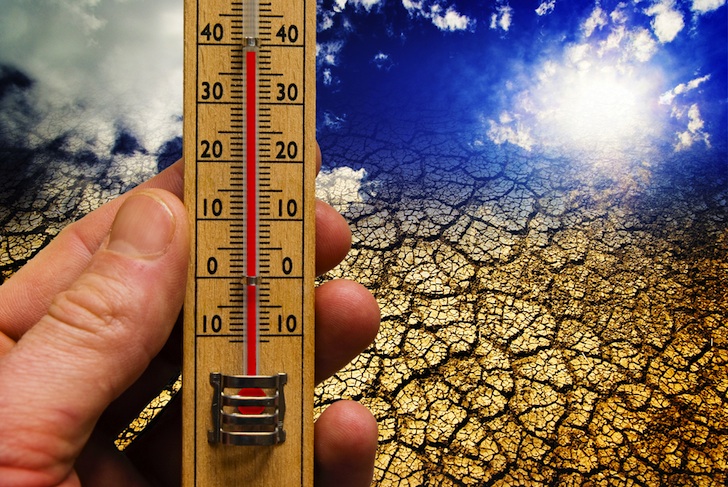
 It seems silly to perpetuate apocalyptic hype that NASA debunked eons ago, but as 2013 approaches, we are sensitive to a shift in global consciousness – something that spiritual leaders have long advocated as the necessary means to our survival. As the conversation about climate change and other environmental issues gains traction, it’s a good time for concerned citizens to get serious about taking meaningful action. Here are seven of the most pressing issues facing the Middle East in 2013 and organizations that are working to resolve them.
One Million Syrian Refugees Desperately Need Help
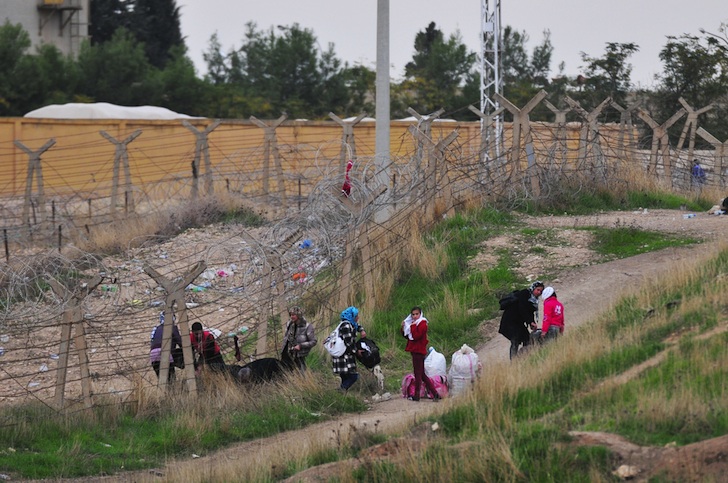
 Two to three thousand refugees flee Syria every day. Exhausted from traveling with what little they own and devastated by the many losses they have incurred along the way – their home, their country, every shred of security they ever knew and a shocking number of family members – they pour into bordering countries.
The UN Refugee Agency (UNHCR) estimates that the number of refugees who have fled Syria will total nearly one million some time in the first half of 2013. They are seeking shelter in Jordan, Iraq, Lebanon, Turkey and even Egypt, while aid agencies struggle to provide the most basic lifesaving assistance.
Simple Oregano Keeps Chickens Disease Free
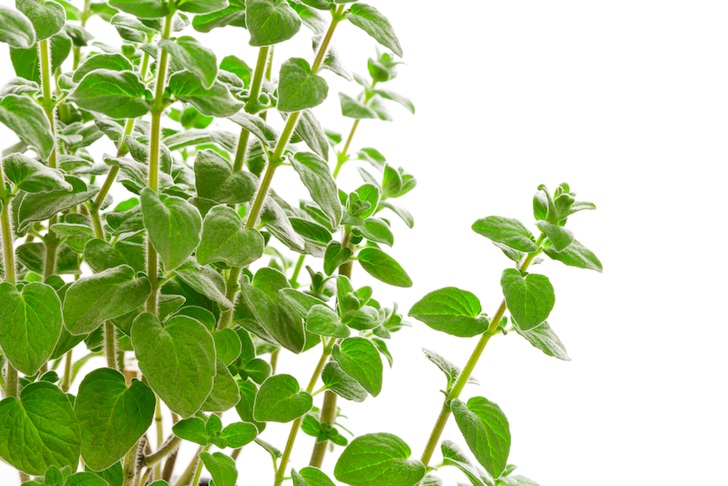
 It’s za’atar season in the Middle East and though we don’t really need it, there’s another reason to love this versatile spice: it could be useful as an alternative to antibiotics. Both a perennial herb and a spice mixed with other ingredients, za’atar livens up a host of dishes throughout the Gulf, Levant and Mediterranean.
Now a small handful of farmers in the United States are feeding their poultry and livestock an oregano oil mixture in lieu of increasingly ineffective antibiotics, The New York Times reports. And they insist it keeps the animals disease free. Though the numbers are compelling, scientists caution there is insufficient data to substantiate their claims.
Take-Away: Israelis and Palestinians Talk Trash in Grassroots Play
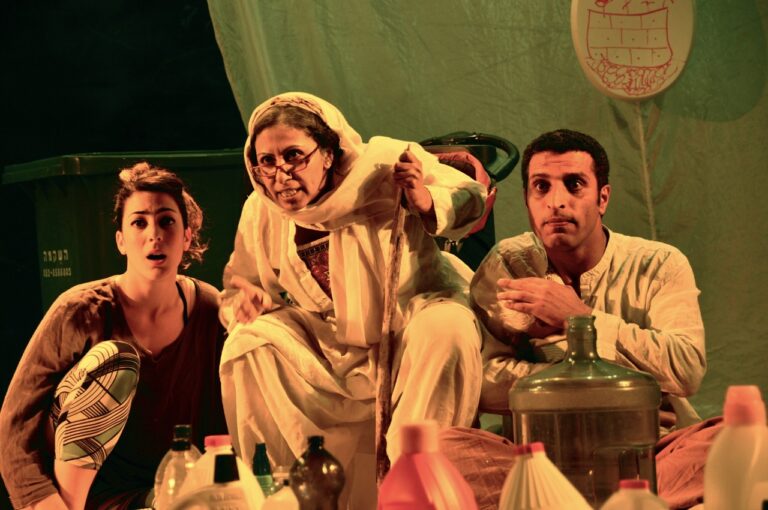
 Israeli and Palestinian stage performers are getting together to talk trash. Not nearly as vitriolic on the ground as an outsider might think, the discourse between Arabs and Jews has expanded to include environmental matters that affect both sides such as the cleanliness of shared waterways and skies and the growing problem of trash, among others.
A YTheater initiative, Take-Away will unite veteran and novice actors from a variety of backgrounds in a multimedia stage performance that explores what each household and community’s trash reveals about them. But they need help from the crowd. At the time of writing, YTheater has just 38 hours to raise enough funds on Kickstarter to put on three exciting, grassroots performances.
United Nations University Uses HIMA for Green Peace
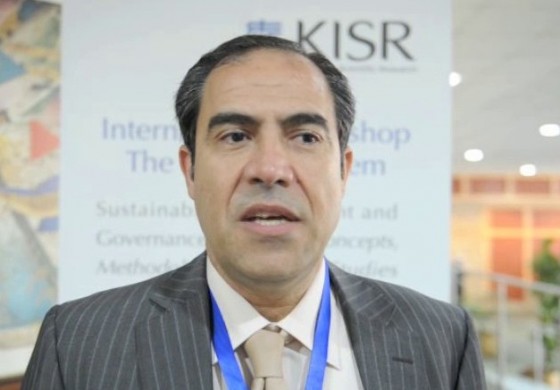
Walid Saleh speaks to Green Prophet about sustainability in the Middle East
From Sudan to Saudi Arabia, Hima – an ancient Arabian conservation concept – has helped keep the peace. Now it is hoped a new interpretation of the conservation principle will help protect the region’s dwindling resources by tapping into cultural norms and histories, then radically updating them for a world struggling with climate change. I spoke to Walid Saleh, MENA Regional Programme at the United Nations University-Institute for Water, Environment, and Health, about his work at the HIMA Global Initiative and the opportunities and constraints they are facing.
Make Mansaf, a Bedouin rice dish

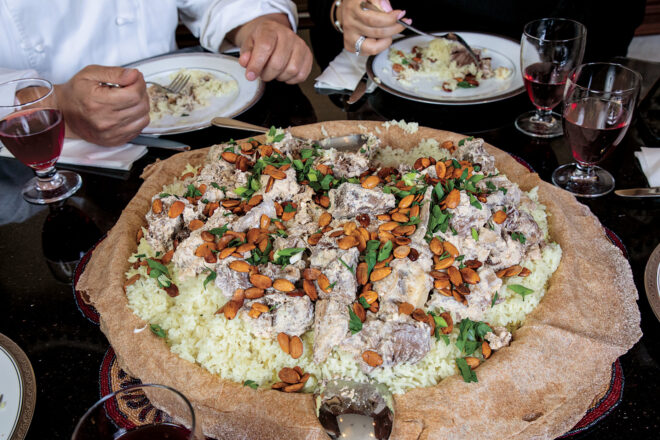
Our continued investigation into sustainable Middle Eastern food focuses on Mansaf, the Jordanian national dish.
Regional cuisines evolve from foods that are available locally and in season. Eating this way implies sustainability from the very source, in addition to fair conditions for workers and mindful stewardship of natural resources.
When it comes to the delicious cuisines of Arabic countries, sustainable food often goes back to lamb. Hardy enough to thrive in the Middle Eastern climate, sheep were probably first domesticated here.
The taste for lamb remains a lively element in Arabic cuisine, although today many Arab countries import much of their lamb and mutton. See our post on fat-tailed sheep and their importance to Arabic cuisine. Another sustainable factor in sheep’s meat is the relatively small size of the animal, which makes a feast with no leftover waste.
Mansaf, which many consider the Jordanian national dish, perfected by Bedouin, traditionally nomadic people, is lamb cooked in jameed, or dried labneh (see our labneh recipe here).
Jameed is another example of using natural resources wisely. When there’s a surplus of milk, labneh is made, dehydrated by salting and straining it, hand-rolled into balls and allowed to dry until hard. It’s used to thicken sauces and flavor foods by re-hydrating. However, the recipe below uses fresh yogurt instead of jameed.
Mansaf, Jordanian Lamb Stew Recipe
serves 8-10
Ingredients
2 kilos lamb, preferably with bones, cut into thick pieces
2 cups yogurt
1 large onion, chopped
1 egg white, beaten with a fork until frothy
2 teaspoons corn flour
¼ cup clarified butter
¼ cup pine nuts
¼ cup slivered almonds
water
salt
freshly ground pepper
1½ teaspoons turmeric
½ teaspoon allspice
1 small piece cinnamon bark
3 cups basmati rice, rinsed
Method for making mansaf
Place yogurt in a heavy-based pan.
Add yogurt, frothy egg white, corn flour and 2-teaspoon salt to pan and stir gently just enough to blend. It is very important to use a wooden ladle and to stir in the same direction. So, if you stir to the left, you must continue stirring the yogurt mixture to the left throughout the whole cooking process. Otherwise, the yogurt will curdle.
Place pan over medium heat and stir constantly with wooden ladle. Heat the yogurt mixture until it begins to boil, stirring continuously in the same direction. Lower the heat and leave to boil gently, uncovered, for 3-5 minutes until thick.
Place lamb in a pan and cover with cold water. Bring slowly to boil. Skim the surface to remove particles. When well skimmed and boiling, add salt and paper to taste. Cover and boil gently for 30 minutes.
Heat butter in frying pan and add pine nuts and almonds. Fry until golden and remove pine nuts to a plate, draining butter back into the pan.
Add onion to pan and fry gently until transparent. Stir in turmeric, allspice and cinnamon bark and cook for another 2 minutes. Add this mixture to the boiling lamb.
After lamb has been cooking for 1 hour, remove lid and let liquid reduce until it only half-covers lamb.
When reduced, add yogurt sauce, shaking pan to blend it with liquid. Let the mixture boil gently on low heat until lamb is tender and sauce is thick.
In the meantime, prepare the rice as directed on package.
Once rice is cooked, remove it from pot and place it in a large round serving platter, then spread half of the nuts on top of rice.
When lamb is done, remove the meat chunks with a slotted spoon and place on top of rice and nuts platter. Then sprinkle the remaining nuts over entire platter.
Place the cooked yogurt in a large serving bowl.
Serve, and enjoy!
More on sustainable Middle Eastern foods:
Saudi Arabian Recipe: Chicken and Rice Kabsa
Eat The Whole Animal: Lamb’s Testicles
Above image via the NY Times
Two Omanis Literally Freeze Themselves to Prep for Antarctica
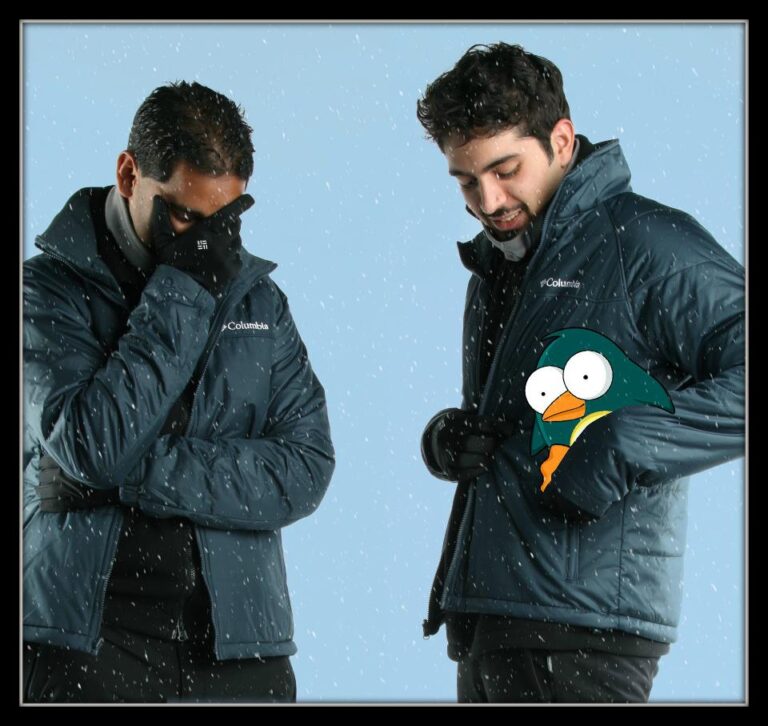
 Two young Omani men are literally freezing themselves in order to prepare for the next 2041 Antarctic Youth Ambassador Programme.
Founded by Gemma Borgo-Caratti and Swati Hingorani, AYAP is a two week Antarctic expedition that transforms passionate environmentalists into informed advocates of renewable energy generation in their home countries. Trouble is, these boys aren’t used to subzero temperatures, so they have embarked on a training program that will make your teeth chatter!
Gaza’s 5-Star Al Deira Hotel built with adobe bricks

 It requires a rollout of the imagination to envision among Gaza’s ruins a five star hotel, especially one that is made with adobe brick. Designed by the Palestinian architect Rashid Abdelhamid, who was born and trained in Algeria, the 22 room Aldeira Hotel features domed ceilings and arches and a resplendent earth-toned facade. The hotel is regularly used by foreign journalists covering Gaza.
Located astride the Mediterranean Sea, Gaza’s only five star hotel is less a model of conspicuous consumption than it is a monument to the kind of normality that puts within reach at least a nibble of luxury.
 Currently based in Amman, Abdelhamid recently talked to Brownbook about the hotel that was built in 2000. He told the magazine that people were skeptical about the project given that it was built just after the Oslo agreements.
“I will make Gaza the new Singapore,” you know, a horizon of skyscrapers,’ said Abdelhamid.


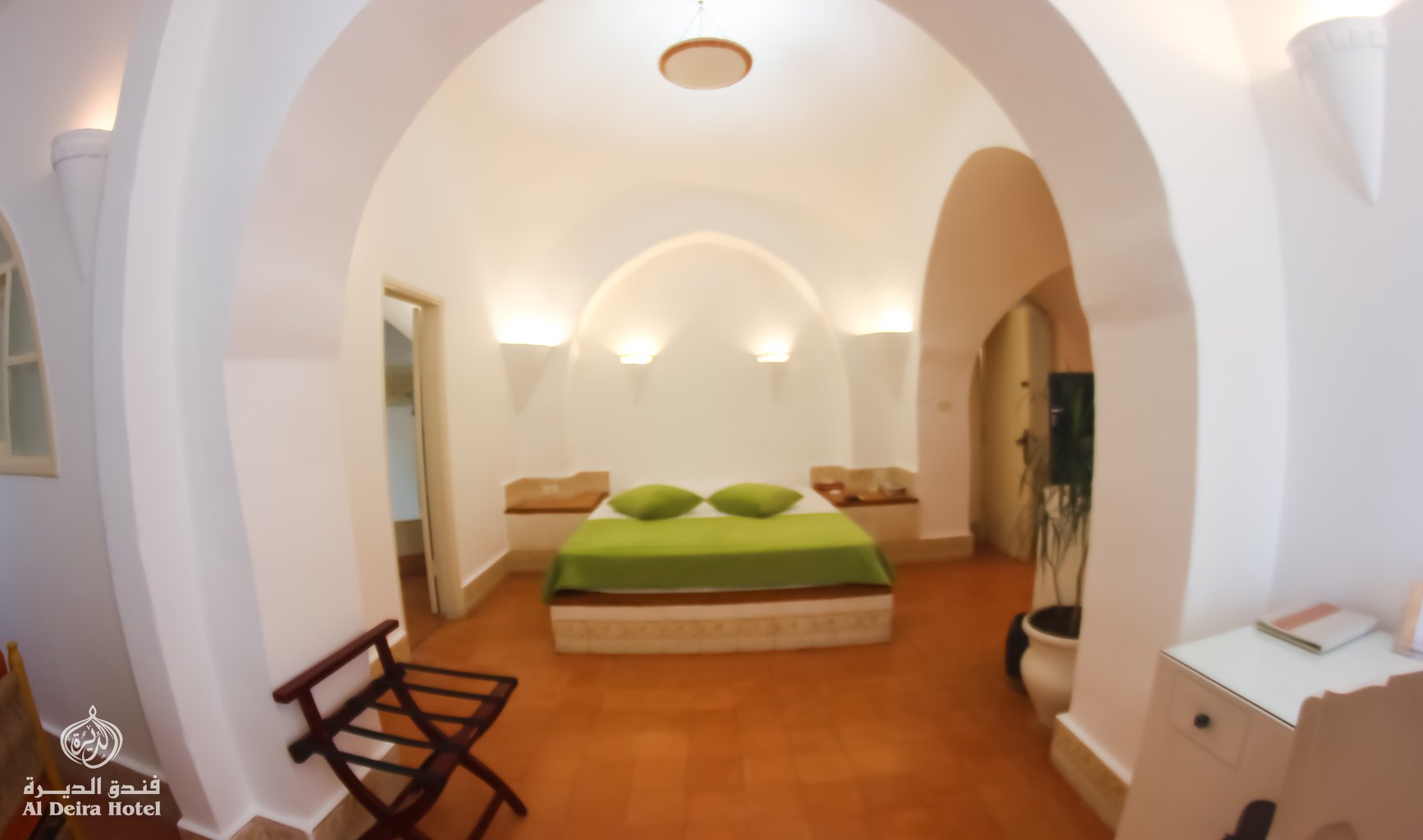
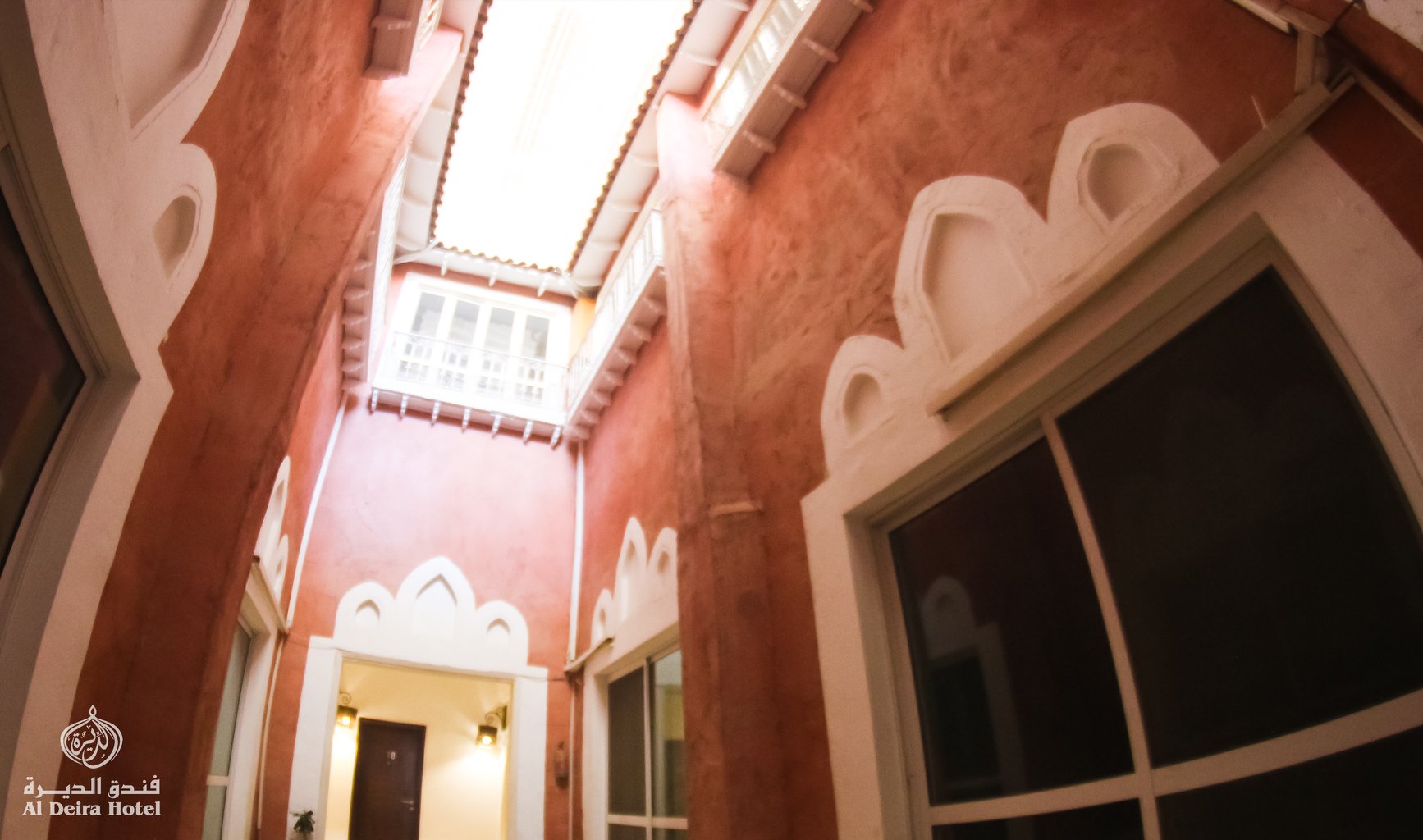
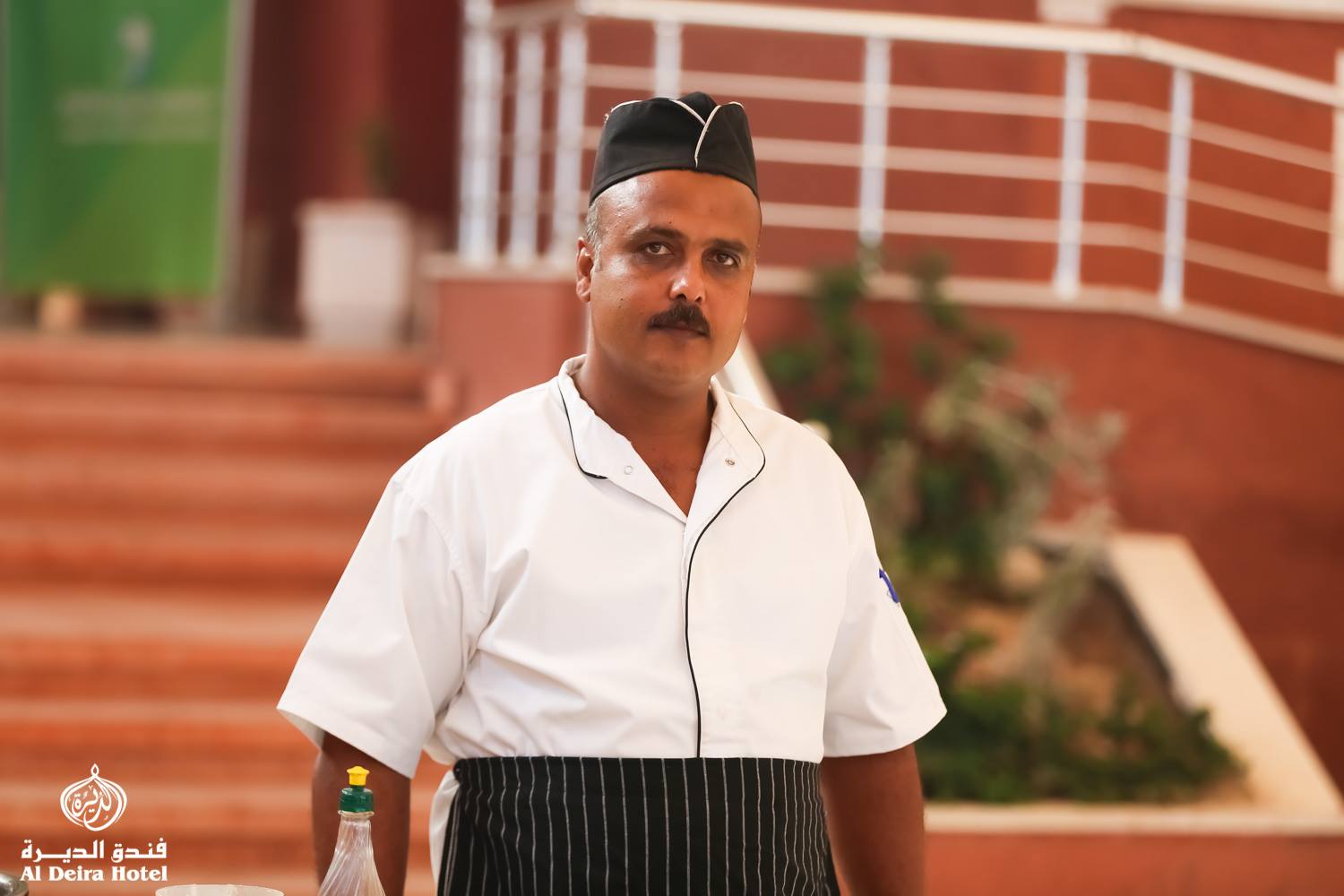
Facilities include wireless internet, a coffee shop and restaurant, as well as a bookshop that stocks important Middle Eastern titles that are unavailable elsewhere in Gaza. Of course, that didn’t happen but the hotel still stands proud. Mostly foreign journalists and a small selection of wealthy Gazan families congregate at the boutique hotel, especially just before sunset.
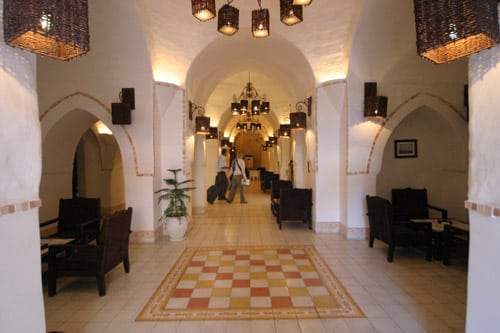
Although this kind of luxury is unattainable to the great majority of residents, both the initial construction project and the continued success of the hotel has benefitted the local community.
In addition to teaching workers how to make adobe bricks out of a sand and clay mixture that then bake in the sun, Abdelhamid worked with furniture craftsmen and women to design a great deal of the handcrafted furnishings that give the hotel its distinctive style.
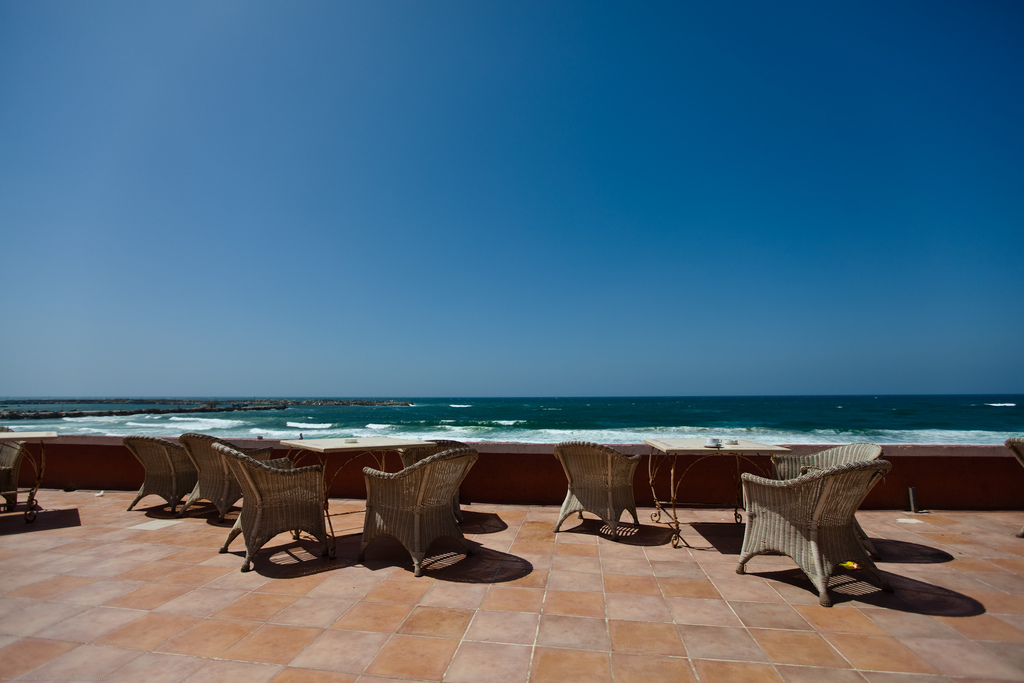
‘I believe design can be used to honour, develop and enact principles of environmental, economic and cultural sustainability,’ he said.
Adobe construction is particularly well-suited to hot climates since the thick earthen walls help to regulate interior temperatures. It is a common construction material in other desert countries as well, including the southwestern part of the United States.
Also involved with Gaza’s green school project, which has received support from across the globe, Abdelhamid has become a powerful voice of sustainable design in the region.
Meanwhile, the iconic Aldeira Hotel continues to hover above the rubble – both physically and metaphorically – instilling a stubborn sense pride among a people long beleaguered by decades of stale politics.

Back in 2010, the manager of Al Deira, shared some of the hotel’s hardest stories with FT: The darkest moment for Gaza and the al-Deira hotel, he said, “was in the months before the Hamas takeover of the territory in June 2007. As Gaza descended into bloody lawlessness, criminal gangs began to kidnap foreign visitors.
Once again, the al-Deira’s guests had to stay away. “The kidnapping situation drove us nearly crazy. How could we run our business without foreigners?” Samir Skaik said. To make matters worse, gunmen from rival Palestinian factions threatened to close down the al-Deira should they ever find the property harbouring members of another faction.
More than once, the manager was forced into delicate negotiations with gangs of militant gunmen. Two factors helped Mr Skaik resolve such moments of crisis: a sunny disposition – “I am always smiling” – and a fierce determination not to get caught up in the many conflicts raging in Gaza.
“We never make problems with anyone,” Mr Skaik says.
As of Oct, 7, 2023 it is not known if the Al Deira Hotel is functioning.
‘Wadjda’ – A Saudi Girl & Her Green Bicycle
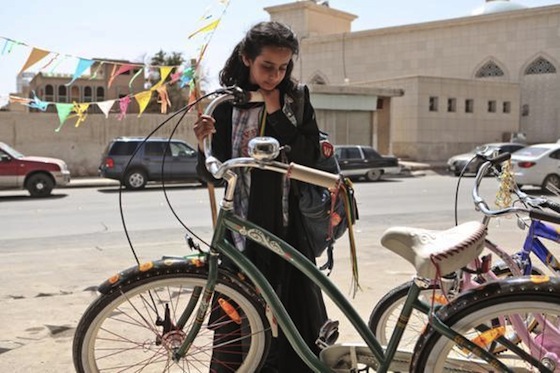
There may have been a public battle to allow Saudi women to drive but an award-winning film explores the sensitive issue of women’s rights through a young girl and her green bike
The battle for Saudi women to drive (and also take part in the Olympics) may have hit the headlines in 2012 but there are a million little battles fought by Saudi women everyday. The new and award-winning film ‘Wadjda’ by Saudi filmmaker Haifaa Al Mansour charts a young girl’s wish to ride a green bicycle and race with a boy in her neighbourhood. Al Mansour says the film aims to put a human face on the issues in Saudi Arabia and charts the struggles of ordinary people who have to manoeuvre through the conservative society of the Kingdom.
Renewable energy from fog

The search for fresh water is on and United Arab Emirates-based Masdar Institute of Science and Technology believes that its new collaboration with the region’s National Research Foundation (NRF) will help detect fog and monitor the precipitation for the expansion of renewable fresh water sources as well as what the company said will improve safety and transportation monitoring when fog events occur.
The idea is simple. By following the fog the company hopes that it can then develop nano-composite material with the goal of harvesting water from the atmosphere, i.e. from the fog.
The location of the UAE on the edge of a very warm sea on the one side and hot and dry desert on the other create the optimal conditions of inland fog forming. The afternoon sea breeze –almost a daily event in the UAE’s coastal areas – transports moisture inland, then at clear sky conditions at night, the large surrounding desert radiates heat very efficiently and temperatures fall quickly. The rapid cooling of accumulated inland moisture during the night facilitates conditions for fog development.
According to the Emirates official news agency WAM and a press release issued by Masdar, the projects are being split into two separate actions to work together on boosting the use of fog, detection and grabbing of fresh water.
To the unsuspecting eye, the Emirates might seem like a country not prime for fog and its tracking and ultimate development of the precipitation, but as a result of the UAE being located between a hot and dry desert to the west and a warm sea to the east, it results in massive fog accumulation inland, which Masdar believes can push the creation of new sources of water development.
Detection is important for safety reasons: Dr. Hosni Ghedira working on the project said: “On an average, there are 20 occurrences of dense fogs each year in the UAE, mainly during the December-January period. Heavy fog events reduce visibility, causing flight delays and fatal highway accidents. An accurate detection of fog will improve the safety and efficiency of transportation systems.”
Masdar Insitute President Fred Moavenzadeh told WAM, “The two groundbreaking research projects will bring sustainable benefits to the UAE and other parts of the world.
“Our projects remain relevant to Abu Dhabi and the UAE while offering benefits to regions with similar climatic conditions. With the support of the UAE leadership, we have sustained the momentum in achieving innovative solutions. We hope the global community will benefit from the outcomes of the two research projects currently being undertaken at Masdar Institute,” he added.
Dr. Raed Hashaikeh says it’s a welcome alternative to collecting fresh water in the water scarce region: “Desalination is the main source of fresh water in the UAE. The ambient atmosphere in the UAE contains a large quantity of water which makes it a potential renewable source of fresh water. Our research work will focus on developing advanced surfaces to enhance the capture and collection of tiny fog droplets. Through materials that can increase water capture efficiency, we aim to exploit fog occurrences as a renewable source of fresh water in the UAE.
National Research Foundation Research Program Manager Ahmed Alosi said: “The collaborative effort with Masdar Institute will bring benefits to the community. As directed by the UAE’s leadership, NRF promotes research activities that survive international peer review and contribute to social and economic benefits in the UAE.
“We hope the research projects on fog by Masdar Institute faculty will result in tangible outcome to support sustainable development in the country and the region.”
Masdar has become the leading renewable energy company in the Gulf region, with massive investment and development of the solar and wind energy sectors in the past 6 years since its founding. Green Prophet’s Tafline Laylin will be heading there in January for a week of sustainable events.
According to Masdar, it “aims to be a global leader in commercially-viable clean energy and sustainable technologies — and to secure the Emirate’s continued leadership in the evolving global energy market.”
With this new ambitious fog effort, it could once again show itself capable of innovation and alternative energy development that leads the global energy push away from traditional sources.
6 Eco Resolutions for 2013

 It’s nearly 2013 and I am grateful. After three years of traveling with a backpack through 14 countries in Africa and the Middle East, I am finally back home with my family in the United States. The time I spent abroad stretched my mind and broadened my heart, transformed long held stereotypes into a long string of new insights, and in some ways left me more confused than I was before.
But I must say, looking at next year and beyond through the eyes of my young nephews, whose planet has been so radically altered in the last few decades, strengthens my worries about the future. And with it my motivation to do something about it, which is why I decided to sit down and map out a few ways in which I hope to reduce my environmental footprint in 2013. Here are six of my resolutions. Please feel free to share yours in the comment section.
Top 9 Eco Stories From the Middle East in 2012
Every year we like to round up a list of our most popular stories from the preceding year. Not only does this give us a sense of closure, but it also helps us better understand what our readers want. This year our readers have been following a range of subjects that affect the health of our planet, including energy, food, and wildlife stories.
Thousands of readers were enthralled by the cardboard bicycle from Israel and the Egyptian scientist who discovered a way to generate biofuel from plastic. McDonalds finally succumbed to international pressure to drop pink slime from their menu, and The Shard by starchitect Renzo Piano, which was financed by Qatar, was finally inaugurated in London. Hit the jump to see these and other stories that captivated our readers in 2012.
Vegetarianism Can Save the Middle East

 With 6 of the top 10 most obese countries located in the Middle East, maybe it is time to look at reducing our meat intake argues Joseph writing from Egypt
There are always arguments for and against going vegan, and they are many, but for many in today’s world, going vegan is all about the ethical decision not to harm animals, at any level, from eating them to wearing their skins. Those of us out there who have taken meat off our plate have done so for a variety of reasons, reducing factory farming only one of the myriad factors in our choice. Also on the list of reasons why people turn away from flesh consumption is the environment and health concerns.
Live Art and Political Polemics On Eco-Boat Journey Along Lebanese Coast
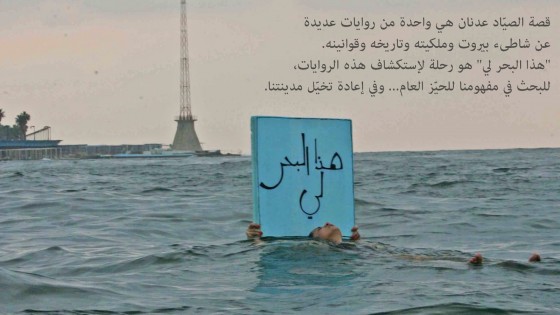
“The Sea is Mine” is a unique live art piece and interactive theatrical production bringing awareness to Beiruti’s on the tragic history and destiny of its seashore
A familiar ongoing struggle along Beirut’s waterfront is that between those who want free access to the sea and the privatization of the Mediterranean seashore. “The Sea is Mine” is one of the most unique and creative environmental awareness projects I have come across. The aim of the project, conceived by the Dictaphone Group comprised of Abir Saksouk (an architect and urban planner), Tania El Khoury (live artist and performer), and Petra Serhal (a performer and producer) is to allow for the public audience to experience the concepts behind seashore ownership, the public space and the public good “the sea” and to learn what has happened to Beirut’s waterfront. This learning process is achieved through a mixture of theater performances, live art piece and interactive political polemics on a boat journey from the port of Ein Mreisseh to the white beach in Ramla.