Research from the Wildlife Conservation Society (WCS) and the University of Queensland, published in Ocean & Coastal Management, found that nearly three out of four marine protected areas (MPAs) worldwide are exposed to sewage pollution.
At a time when climate anxiety can feel abstract and overwhelming, and being Jewish something people may need to hide in big cities, Adamah Los Angeles is trying something different: turning Jewish values into local climate action with dirt-under-the-fingernails practicality.
For families with kids, pets, or anyone trying to build a cleaner outdoor space, removing old astroturf is one of the simplest ways to reduce unnecessary exposure to plastics and heat. Some past studies suggest that if kids have played on these surfaces you need to wash their hands.
Artificial turf, the green plastic stuff that is supposed to look like grass, was sold to many home-owners as a clever compromise: a green-looking surface that makes you feel homey, but which needs no mowing. It survives heavy use, and in dry places like Middle East deserts, and in California or Texas, it can replace thirsty lawns. But it is toxic.
“In the midst of uncertain time, renewable energy remains consistent and steadfast in its expansion,” said Francesco La Camera, IRENA’s Director-General. “A more decentralised energy system, with a growing share of renewables and more market players, is structurally more resilient.”
Research from the Wildlife Conservation Society (WCS) and the University of Queensland, published in Ocean & Coastal Management, found that nearly three out of four marine protected areas (MPAs) worldwide are exposed to sewage pollution.
At a time when climate anxiety can feel abstract and overwhelming, and being Jewish something people may need to hide in big cities, Adamah Los Angeles is trying something different: turning Jewish values into local climate action with dirt-under-the-fingernails practicality.
For families with kids, pets, or anyone trying to build a cleaner outdoor space, removing old astroturf is one of the simplest ways to reduce unnecessary exposure to plastics and heat. Some past studies suggest that if kids have played on these surfaces you need to wash their hands.
Artificial turf, the green plastic stuff that is supposed to look like grass, was sold to many home-owners as a clever compromise: a green-looking surface that makes you feel homey, but which needs no mowing. It survives heavy use, and in dry places like Middle East deserts, and in California or Texas, it can replace thirsty lawns. But it is toxic.
“In the midst of uncertain time, renewable energy remains consistent and steadfast in its expansion,” said Francesco La Camera, IRENA’s Director-General. “A more decentralised energy system, with a growing share of renewables and more market players, is structurally more resilient.”
Research from the Wildlife Conservation Society (WCS) and the University of Queensland, published in Ocean & Coastal Management, found that nearly three out of four marine protected areas (MPAs) worldwide are exposed to sewage pollution.
At a time when climate anxiety can feel abstract and overwhelming, and being Jewish something people may need to hide in big cities, Adamah Los Angeles is trying something different: turning Jewish values into local climate action with dirt-under-the-fingernails practicality.
For families with kids, pets, or anyone trying to build a cleaner outdoor space, removing old astroturf is one of the simplest ways to reduce unnecessary exposure to plastics and heat. Some past studies suggest that if kids have played on these surfaces you need to wash their hands.
Artificial turf, the green plastic stuff that is supposed to look like grass, was sold to many home-owners as a clever compromise: a green-looking surface that makes you feel homey, but which needs no mowing. It survives heavy use, and in dry places like Middle East deserts, and in California or Texas, it can replace thirsty lawns. But it is toxic.
“In the midst of uncertain time, renewable energy remains consistent and steadfast in its expansion,” said Francesco La Camera, IRENA’s Director-General. “A more decentralised energy system, with a growing share of renewables and more market players, is structurally more resilient.”
Research from the Wildlife Conservation Society (WCS) and the University of Queensland, published in Ocean & Coastal Management, found that nearly three out of four marine protected areas (MPAs) worldwide are exposed to sewage pollution.
At a time when climate anxiety can feel abstract and overwhelming, and being Jewish something people may need to hide in big cities, Adamah Los Angeles is trying something different: turning Jewish values into local climate action with dirt-under-the-fingernails practicality.
For families with kids, pets, or anyone trying to build a cleaner outdoor space, removing old astroturf is one of the simplest ways to reduce unnecessary exposure to plastics and heat. Some past studies suggest that if kids have played on these surfaces you need to wash their hands.
Artificial turf, the green plastic stuff that is supposed to look like grass, was sold to many home-owners as a clever compromise: a green-looking surface that makes you feel homey, but which needs no mowing. It survives heavy use, and in dry places like Middle East deserts, and in California or Texas, it can replace thirsty lawns. But it is toxic.
“In the midst of uncertain time, renewable energy remains consistent and steadfast in its expansion,” said Francesco La Camera, IRENA’s Director-General. “A more decentralised energy system, with a growing share of renewables and more market players, is structurally more resilient.”
Research from the Wildlife Conservation Society (WCS) and the University of Queensland, published in Ocean & Coastal Management, found that nearly three out of four marine protected areas (MPAs) worldwide are exposed to sewage pollution.
At a time when climate anxiety can feel abstract and overwhelming, and being Jewish something people may need to hide in big cities, Adamah Los Angeles is trying something different: turning Jewish values into local climate action with dirt-under-the-fingernails practicality.
For families with kids, pets, or anyone trying to build a cleaner outdoor space, removing old astroturf is one of the simplest ways to reduce unnecessary exposure to plastics and heat. Some past studies suggest that if kids have played on these surfaces you need to wash their hands.
Artificial turf, the green plastic stuff that is supposed to look like grass, was sold to many home-owners as a clever compromise: a green-looking surface that makes you feel homey, but which needs no mowing. It survives heavy use, and in dry places like Middle East deserts, and in California or Texas, it can replace thirsty lawns. But it is toxic.
“In the midst of uncertain time, renewable energy remains consistent and steadfast in its expansion,” said Francesco La Camera, IRENA’s Director-General. “A more decentralised energy system, with a growing share of renewables and more market players, is structurally more resilient.”
Research from the Wildlife Conservation Society (WCS) and the University of Queensland, published in Ocean & Coastal Management, found that nearly three out of four marine protected areas (MPAs) worldwide are exposed to sewage pollution.
At a time when climate anxiety can feel abstract and overwhelming, and being Jewish something people may need to hide in big cities, Adamah Los Angeles is trying something different: turning Jewish values into local climate action with dirt-under-the-fingernails practicality.
For families with kids, pets, or anyone trying to build a cleaner outdoor space, removing old astroturf is one of the simplest ways to reduce unnecessary exposure to plastics and heat. Some past studies suggest that if kids have played on these surfaces you need to wash their hands.
Artificial turf, the green plastic stuff that is supposed to look like grass, was sold to many home-owners as a clever compromise: a green-looking surface that makes you feel homey, but which needs no mowing. It survives heavy use, and in dry places like Middle East deserts, and in California or Texas, it can replace thirsty lawns. But it is toxic.
“In the midst of uncertain time, renewable energy remains consistent and steadfast in its expansion,” said Francesco La Camera, IRENA’s Director-General. “A more decentralised energy system, with a growing share of renewables and more market players, is structurally more resilient.”
Research from the Wildlife Conservation Society (WCS) and the University of Queensland, published in Ocean & Coastal Management, found that nearly three out of four marine protected areas (MPAs) worldwide are exposed to sewage pollution.
At a time when climate anxiety can feel abstract and overwhelming, and being Jewish something people may need to hide in big cities, Adamah Los Angeles is trying something different: turning Jewish values into local climate action with dirt-under-the-fingernails practicality.
For families with kids, pets, or anyone trying to build a cleaner outdoor space, removing old astroturf is one of the simplest ways to reduce unnecessary exposure to plastics and heat. Some past studies suggest that if kids have played on these surfaces you need to wash their hands.
Artificial turf, the green plastic stuff that is supposed to look like grass, was sold to many home-owners as a clever compromise: a green-looking surface that makes you feel homey, but which needs no mowing. It survives heavy use, and in dry places like Middle East deserts, and in California or Texas, it can replace thirsty lawns. But it is toxic.
“In the midst of uncertain time, renewable energy remains consistent and steadfast in its expansion,” said Francesco La Camera, IRENA’s Director-General. “A more decentralised energy system, with a growing share of renewables and more market players, is structurally more resilient.”
Research from the Wildlife Conservation Society (WCS) and the University of Queensland, published in Ocean & Coastal Management, found that nearly three out of four marine protected areas (MPAs) worldwide are exposed to sewage pollution.
At a time when climate anxiety can feel abstract and overwhelming, and being Jewish something people may need to hide in big cities, Adamah Los Angeles is trying something different: turning Jewish values into local climate action with dirt-under-the-fingernails practicality.
For families with kids, pets, or anyone trying to build a cleaner outdoor space, removing old astroturf is one of the simplest ways to reduce unnecessary exposure to plastics and heat. Some past studies suggest that if kids have played on these surfaces you need to wash their hands.
Artificial turf, the green plastic stuff that is supposed to look like grass, was sold to many home-owners as a clever compromise: a green-looking surface that makes you feel homey, but which needs no mowing. It survives heavy use, and in dry places like Middle East deserts, and in California or Texas, it can replace thirsty lawns. But it is toxic.
“In the midst of uncertain time, renewable energy remains consistent and steadfast in its expansion,” said Francesco La Camera, IRENA’s Director-General. “A more decentralised energy system, with a growing share of renewables and more market players, is structurally more resilient.”
About a decade ago Israelis were much better at green washing and consumerism than caring for our planet through social green action. That’s all changed. The country has leaped into putting environmental awareness at the top of people’s concerns. This year there are dozens of events going on around the country to celebrate April 22, as Earth Day. Jerusalem boasts the world’s first Green Pilgrim’s conference, and our Miriam will be there reporting. The festivities kick off tonight April 21 with a gala event.
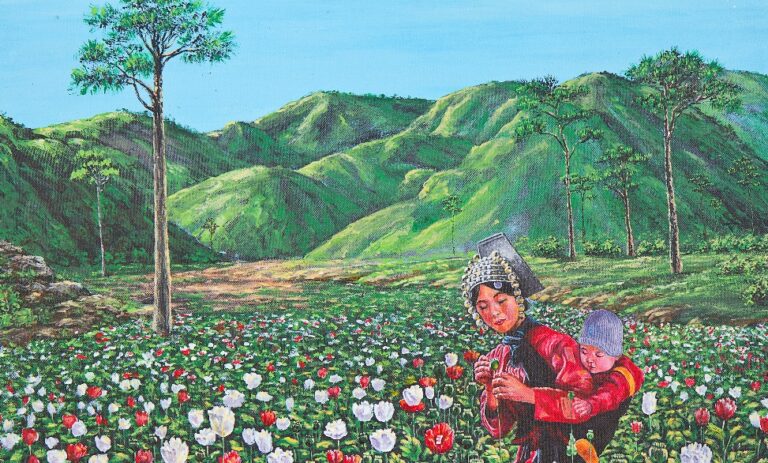
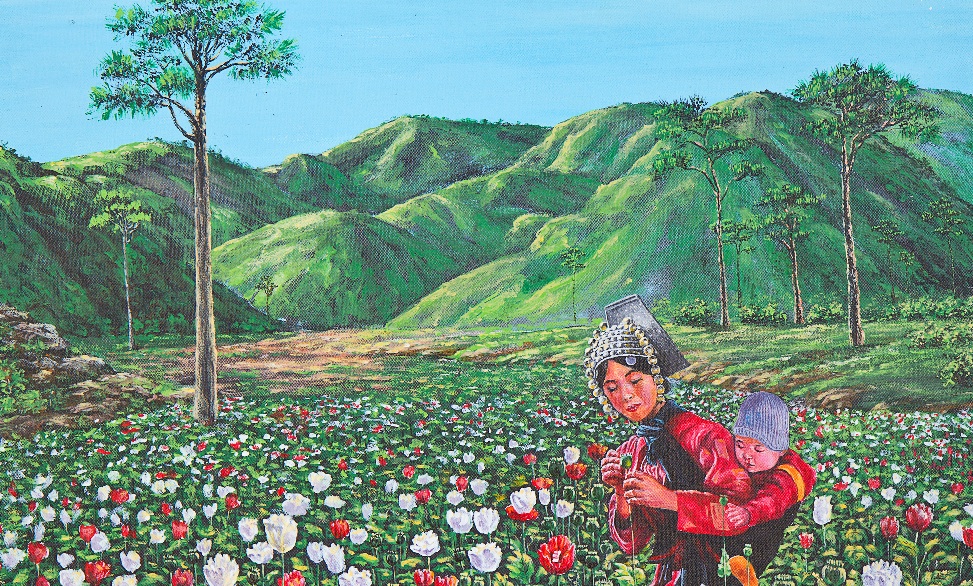
There are many ways to fund terror, and one way is by consuming opium or heroin: Opium production in Afghanistan is seeing record increases for the third year straight, reports the United Nations.
This is because foreign military have started leaving the country and as they do drop Afghani farmers back into the hands of the Taliban.
Poppy production started going down starting in 2008 when there were eradication (burning opium crops) and incentive efforts to get Afghani farmers to switch to other kinds of crops.
And when we say support, we mean with arms and guns. The Taliban actively fight government officials who try to eliminate poppy fields.
Prices this year range from $350 to $440 a pound.
Despite the religious prohibition, opium and heroin are not just a problem in the west. The drugs are also used by Afghanis, and opium is also heavily consumed by Iranians. This leads to a broad range of societal problems which we are sure readers are aware of.
For the Afghani farmers in the southern Kandahar and Helmand provinces, alternative crops to poppies which form the derivative of opium, do not compare. Farming wheat leaves them hungry, while opium creates a multi-billion dollar business, and the Taliban of course get their cut.
Someone who can help the Afghani farmers find a more productive and sustainable crop might very well earn the Nobel Prize. Maybe help them switch to medicinal marijuana?
Afghanistan is currently the world’s largest producer of opium, and it supplies about 75 percent of the global market.
Religious organisations are working with conservation groups to help end the consumer demand for products supplied by the illegal wildlife trade
A major initiative linking religions and conservation groups in opposing the illegal wildlife trade, which is annihilating the world’s rare and endangered species, has been launched. Leaders of 34 religious traditions presented the Alliance of Religions and Conservation founder Prince Philip with statements of their support. (This news comes as Jerusalem starts its First Annual faith-based Green Pilgrimage).
Illegal wildlife trade is the fifth largest illicit transnational activity worldwide after counterfeiting and the illegal trades in drugs, people and oil. The religious leaders called on their followers to do all they can to end the illegal trade and to ensure that they don’t support the industry in any way. Although the intiative is focused in key countries in Asia and Africa which are affected by the trade, the Middle East is one region where wildlife had been smuggled in – with cheetahs being kept as pets in Dubai and animals held at airports where they were being trafficked in.
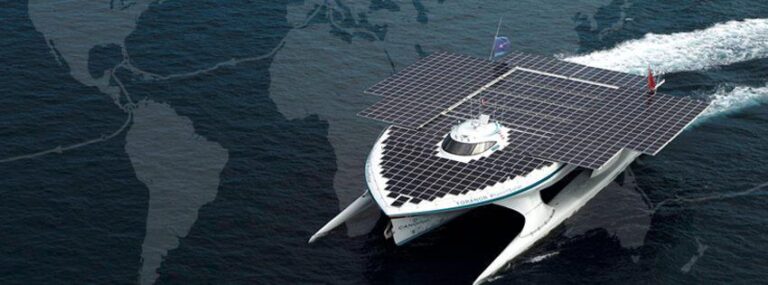
The world’s largest solar-powered ship has been out of commission for a while, but she’s back in business for her first 2013 Port of Call in Morocco. After leaving La Ciotat in France on 8 April, 2013, Planet Solar bobbed on the high seas for nine days.
It was a challenging trip, according to Captain Gérard d’Aboville, who is among the crew that helped the ship complete the world’s first solar powered circumnavigation of the globe last year. Built by Knierim Yachtbau in Kiel, Germany, the LOMOcean Design vessel features 516 square meters of solar panels that generate 100 percent of the boat’s energy.
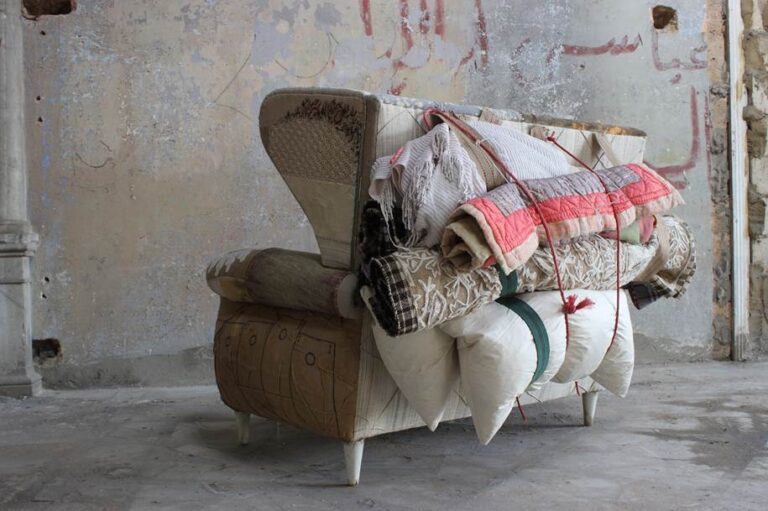
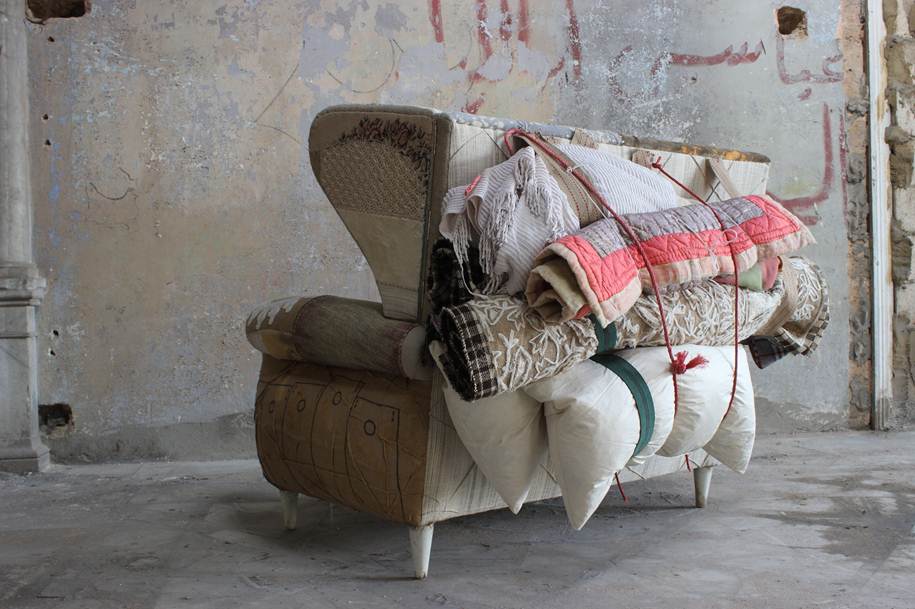
If we only listened to mainstream media, we would know Beirut as a city full of bullet holes, terrorists and Syrian refugees – all of which are unfortunate realities in the densely populated capital of Lebanon, which borders both Israel and Syria.
But it is also home to some of the world’s most interesting artists, designers, movie-makers and other talented people. Bokja Design is one of them and they recently rocked Milan Design Week – one of the most important events for furniture and interiors designers – with a new product line called Migration Series.
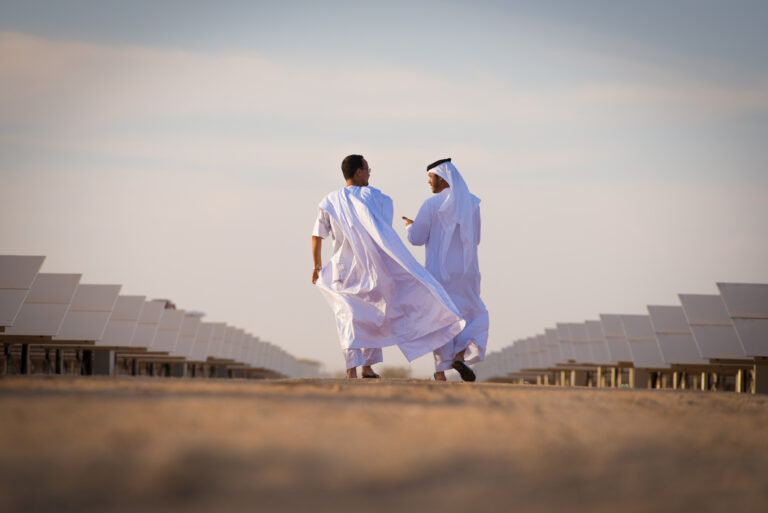
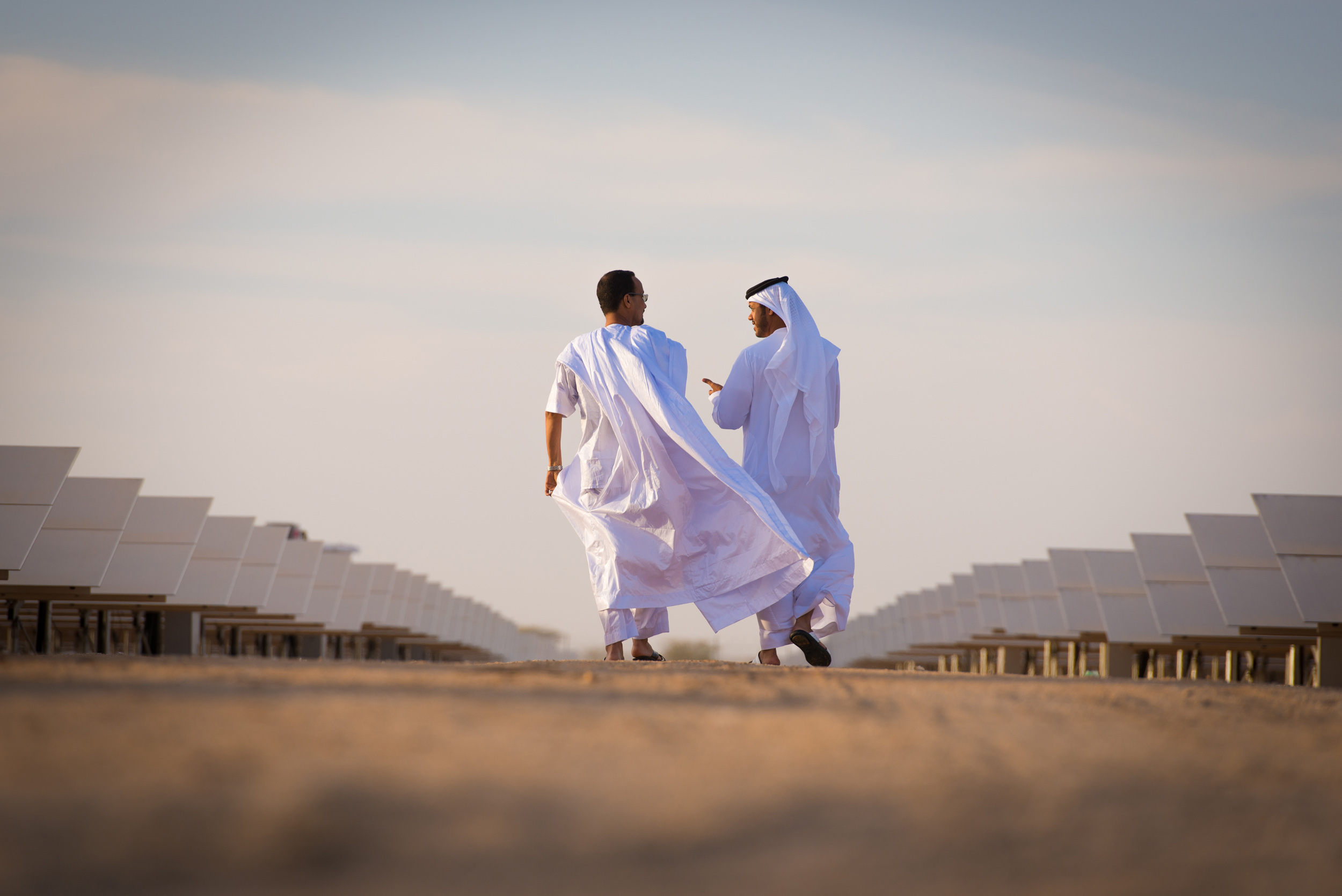
Situated even deeper in the desert than Morocco and prone to locust swarms, Mauritania’s topography consists of the “mostly barren, flat plains of the Sahara” – as the CIA puts it. They’ve got very little water and less than half of one percent of the country’s land is arable. But they’ve got sun and they’ve got wind and now they’ve got Africa’s largest solar photovoltaic plant.
Just weeks after launching the world’s largest Concentrated Solar Plant (CSP) in their own backyard, just outside of Abu Dhabi, Masdar announces the official opening of their most recent foreign renewable energy plant. The $31.99 million, 15MW photovoltaic plant accounts for 10 percent of Mauritania’s existing energy capacity and has the potential to offset 21,225 tons of heat-trapping carbon dioxide every year.
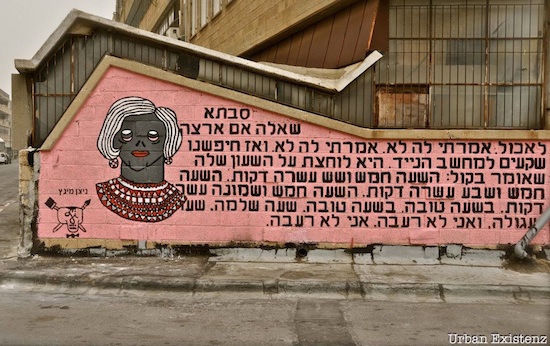
Israeli street artist Nitzan Mintz writes her poems on the streets of Tel Aviv, using disregarded materials she collects from dumpsters and public spaces. “I use only recycled materials in my art,” she said.
Today marks the first annual ‘Green Khutbah Day’ which also coincides with Earth Day 2013
Muslims have been asked to encourage their spiritual leaders, imams, to devote this Friday Khutbah or sermon (19th April 2013) to celebrate the blessings, graces and beauty of all of Allah’s creation. Muaz Nasir from Khaleafa who is leading the effort is also hoping to raise awareness amongst Muslim of the environmental challenges facing humanity.
“The ‘Green Khutbah Campaign’ is aiming to challenge Muslims to become stewards of the environment by making changes to their daily routines,” explains Nasir. “Although the evidence of environmental damage is stronger than ever, the public is starting to tune out due to the recent economic crisis and a lack of political leadership. But Muslims cannot tune out from the environmental damage – tuning out would mean that we are disregarding our moral responsibility to Allah’s creation.”
As America hunts for clues on the Boston Bomber suspect Dzhokhar Tsarnaev, Laurie goes on with life and looks to the follies of communication in the Middle East.
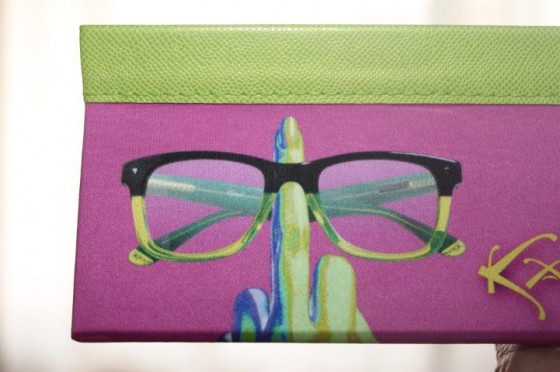
Communication is key to everything. Every driver knows that intersections are risky, but the crossroad of language and culture is especially prone to accidents. Need proof? I pick up my new Jordanian eyeglasses and the doc hands me its case (see above): I’m silenced. Go home puzzled, post the image on Facebook and ask “What is he telling me?” A friend instantly advises, “Your vision in f***ed!”
From Crust toothpaste in Saudi Arabia to f***ed up vision in Jordan, humor can act as a universal grease to help ease awkward situations, and the Middle East bursts with communication comedy. Check out this sign in the newly opened Queen Alia International Airport terminal:
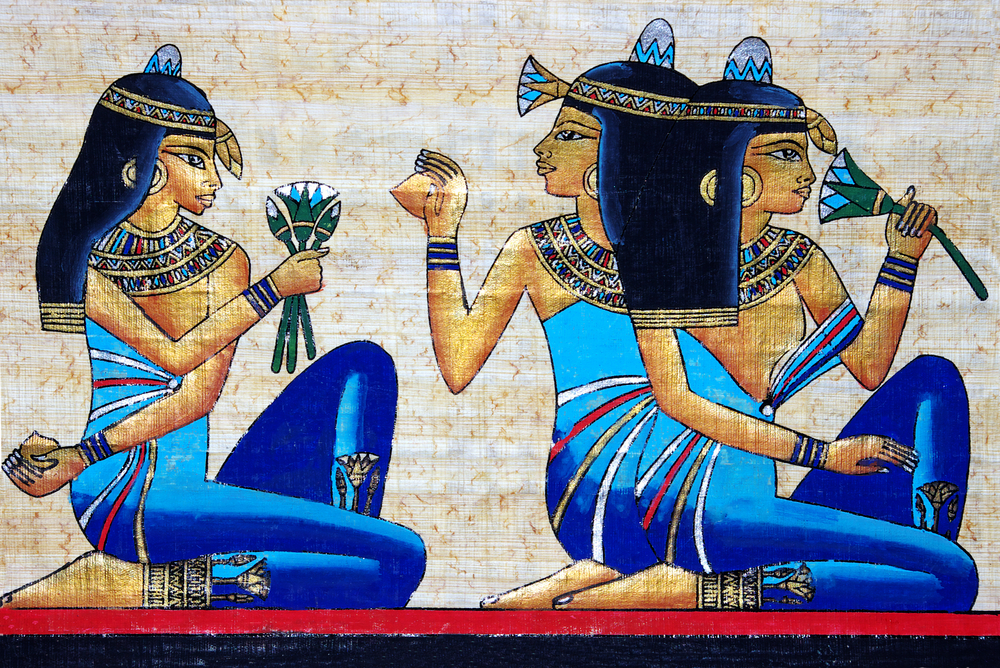
Lotus flowers were once considered sacred in Egypt and parts of Asia. They hold a secret to a clean nanotechnology.
Like the ancient blue pigment found in ancient Egypt, old spiritual materials like the lotus flower inspire new environmental science: As assistant professor of Environmental Sciences and Engineering at King Abdulla University of Science and Technology (KAUST), Dr. Peng Wang seems to embody this Saudi Arabian university’s motto, “Through Inspiration, Discovery.” His research focuses on the possible uses of environmental nanomaterials in order to solve three of the biggest environmental problems of our time; water scarcity, energy production and pollution.
Wang seems to enjoy the fine tuning of the size and form of these tiny materials in order to solve what sometimes seem to be intractable environmental problems.
He says, “on a personal note, there is always a lot of fun working with these very tiny materials.” Who wouldn’t enjoy studying the lotus effect, pore size modulation and superhydrophobicity? The following is a brief explanation of how environmental nanomaterials can help solve real-world problems.
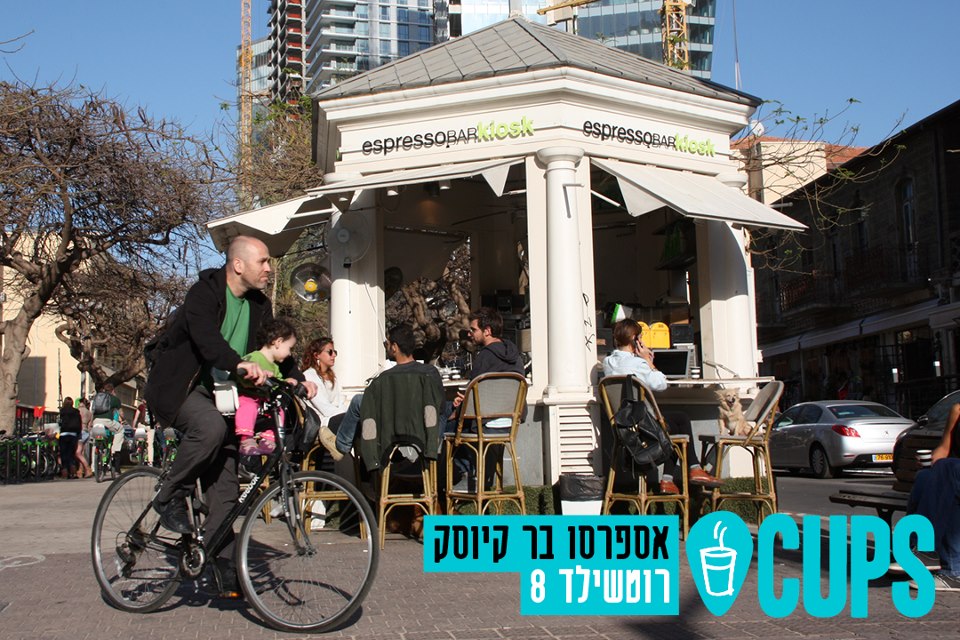
All you can drink coffee for $50 a month at CupsTelAviv.
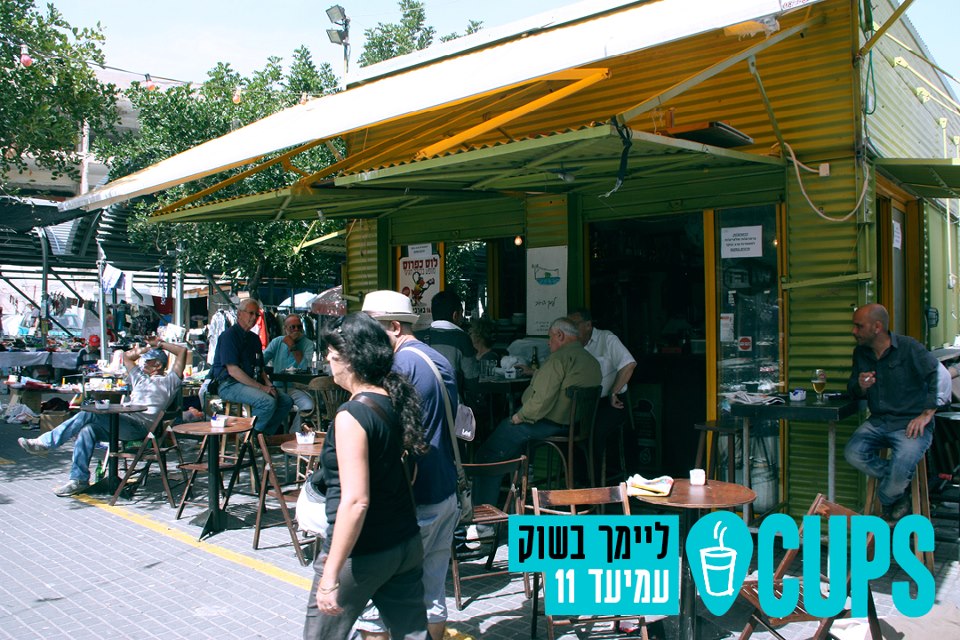
Where in the world can you drink as much coffee as you like for less than $50 a month? In Tel Aviv, Israel, it turns out. CupsTelAviv has convinced 40 independent businesses in what is arguably the country’s most caffeinated city to allow members of their program to drink as many cups of coffee as they want in a month for just NIS169 ($45). Albeit great for coffee drinkers and businesses, we have to wonder how good this buffet business model is for public health and the environment?
Cappuccinos, lattes, vanilla-flavored goop, or just straight up espresso are all fair game for this new start up, which CupsTelAviv (site is no longer working since Oct. 2020) CEO Alon Ezer says it is the only loyalty program they know of that goes across a specific chain.
“As far as I know,” he says “this is the only such loyalty program anywhere in the world, and it holds a great promise for not only coffee shops, but for brick-and-mortar retailers of all kinds.”
Back when I was a devoted coffee drinker who couldn’t get past 10am without some serious caffeine coursing through my veins, I used to spend at least $8 a day on a couple of cups of coffee from various venders throughout the country. Multiply eight by 30, and that’s a lot of beans so this Android and iPhone app-driven program would have been great for me.
Ezer insists it’s good for businesses too.
Customers who come in to claim their free coffee are likely to purchase baked goods and other products as well, so the thinking goes, although this assumption underestimates how far a poor hippie will go to stretch what little money they have – and there are loads of those in Tel Aviv.
But too much of a good thing is never great environmentally, particularly if little attention is paid to the source of the coffee offered under this artificially affordable scheme.
Without true dedication to finding fair trade, shade grown coffee, heavy drinkers of this enticing elixir run the risk of supporting businesses that clear large native forests to produce sun-grown coffee. This is not only devastating for biodiversity, but also destroys the carbon sinks so crucial to averting the worst of climate change.
“The caffeine in coffee is a vaso-dilator; it encourages blood out of the circulatory system into the body tissues and it is this that makes it a stimulant,” we wrote in an earlier post. “The veins then re-constrict which leaves too much blood in the tissues, straining the blood system. The vascular system then needs to work that much harder to avoid edema (often seen as swelling of the ankles).”
Much ado has been made of the great solarization of Gulf countries such as Saudi Arabia and Abu Dhabi, but Turkey has made some sun-powered progress too. And the most recent development in the south is also the country’s largest.
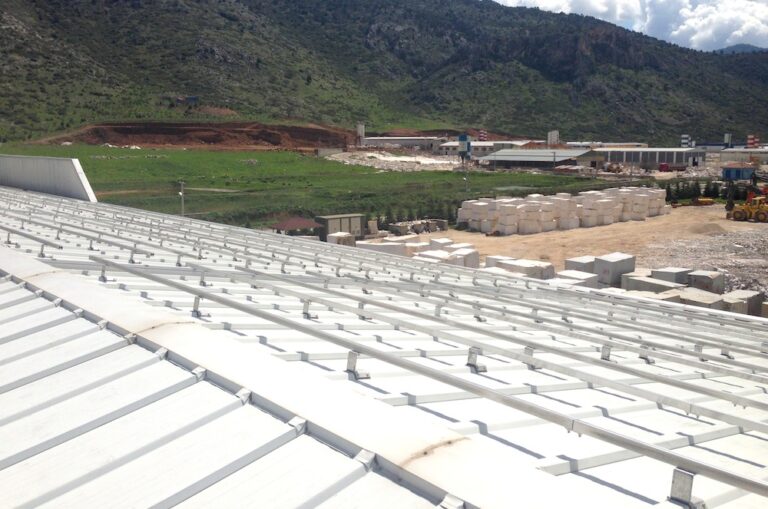
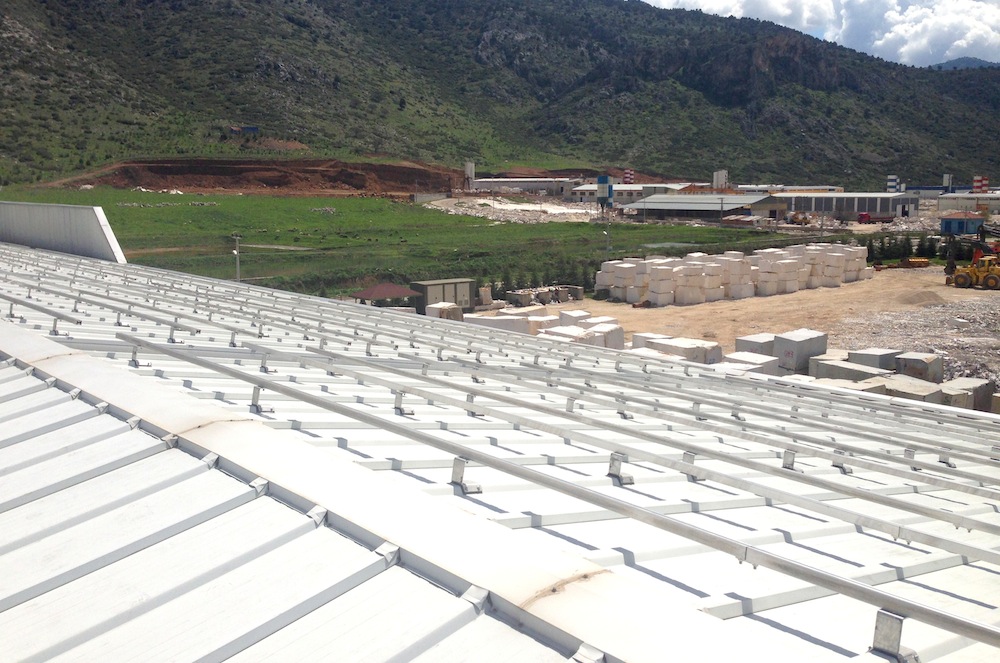
Solimpeks is in the process of installing a 500kWp photovoltaic plant on Mercan Mermer’s roof. A well-established stone manufacturing plant in Burdur, the company commissioned the rooftop array in order to reduce its operating costs. All prepped with mounting sets, the roof awaits 2,120 Panasonic HIT N235 modules, which are expected to produce a total of 900,000 kWh of clean energy every year.
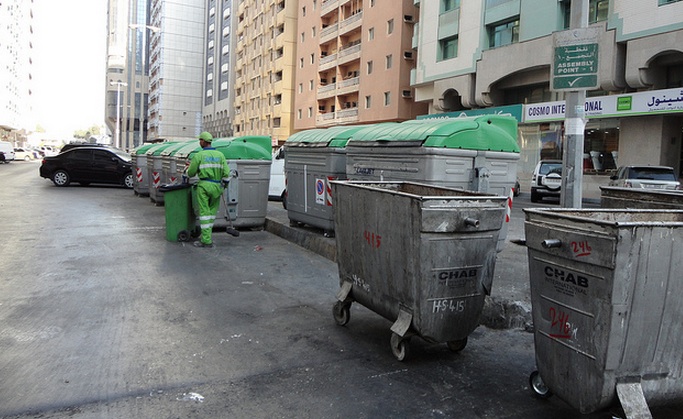
About half of Abu Dhabi’s trash will ‘burn’ into green electricity in new $850 million power plant.
Maybe you saw the wonderful movie, Salmon Fishing in the Yemen. Or maybe you’d read stories on Green Prophet about Masdar, or Shams, the world’s largest CSP plant in Abu Dhabi. Arab nations and their economies are certainly not all about oil and natural gas these days, and in fact these nations are becoming leaders in amazing projects in renewable energy. Now in the news: Abu Dhabi in the United Arab Emirates has just announced the creation of an $850 million incinerator plant which will take garbage from the city and “burn” it into green fuel.
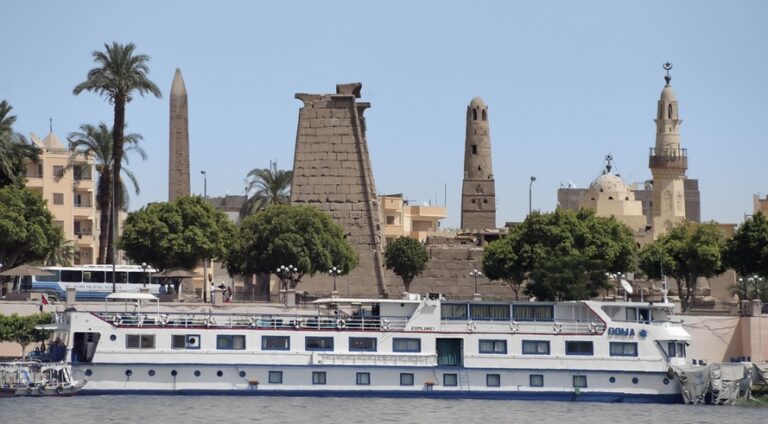
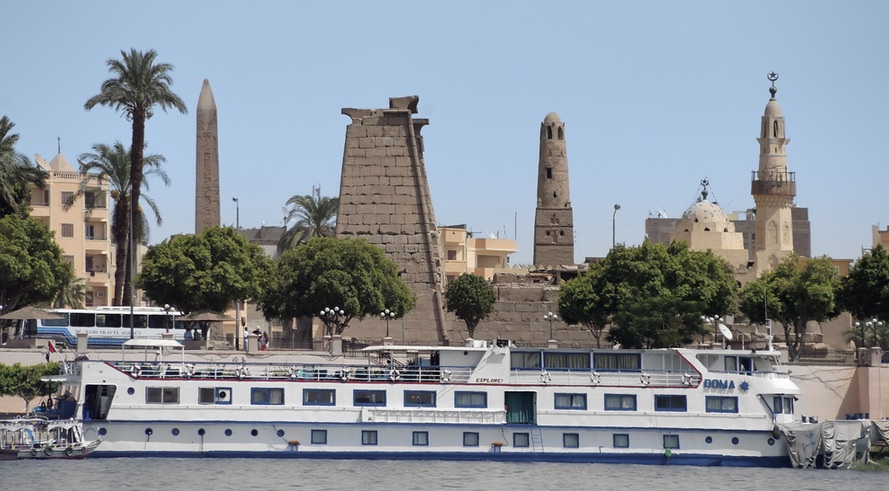
An Egypt Nile cruise is synonymous with. A trip to Cairo and Egypt. You can’t say you have been to Egypt without floating down the Nile.
Egypt is not a country that is fond of reporting oil spills – whether they occur on the Red Sea, in the Suez Canal or the Nile. But it has managed to start clean up a worrying diesel spill into the Nile River, a spill which has leaked onto the shores of Lake Nasser, China.org is reporting. The area is near the High Dam in Aswan region, and the Nile waters the breadbasket of Egypt.
Despite much of the government being crippled by ongoing conflicts and protests, the Minister of State for Environmental Affairs, Khaled Fahmy, reportedly ordered that the area be surveyed and the oil contained. Currently there are two marine vessels working to clean up the lake. That which didn’t evaporate is being sponged up, the groups and marine units working on the spill reported to local media.
Legal action will be taken against the cruise ship, the Environment Ministry promised.
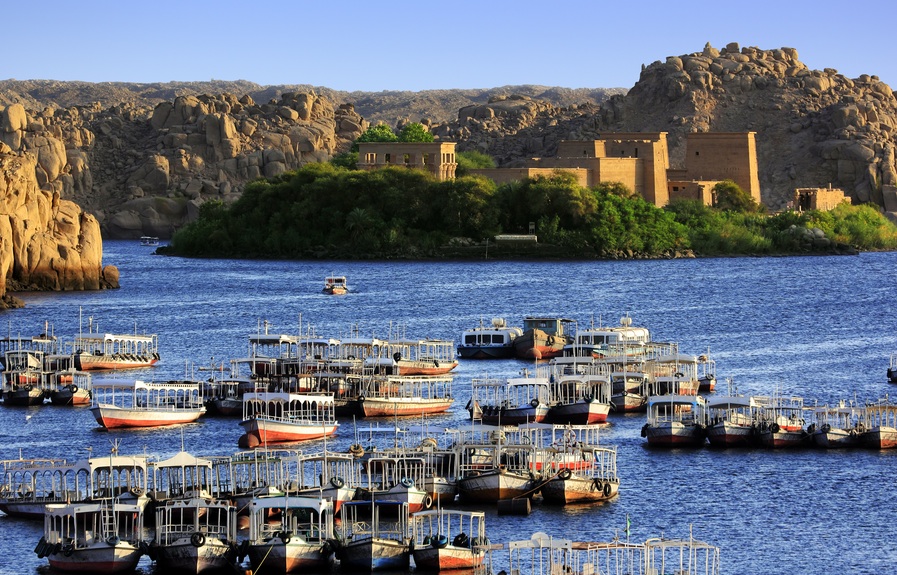
Lake Nasser, Egypt. What you see is also Agilkia Island (or Agilika Island) in Lake Nasser, with the the Philae Temple of Isis seen from the Aswan Low Dam.
Just this past October oil spills were being detected in the Nile by cruise ships and local facilities dumping waste there. It was found contaminating the Nile in Aswan region, which then flowed onto Luxor, Qena, Sohag and Assuit governorates.
A special unit has been formed to fight Nile River pollution and tourist ships are starting to be followed and inspected.
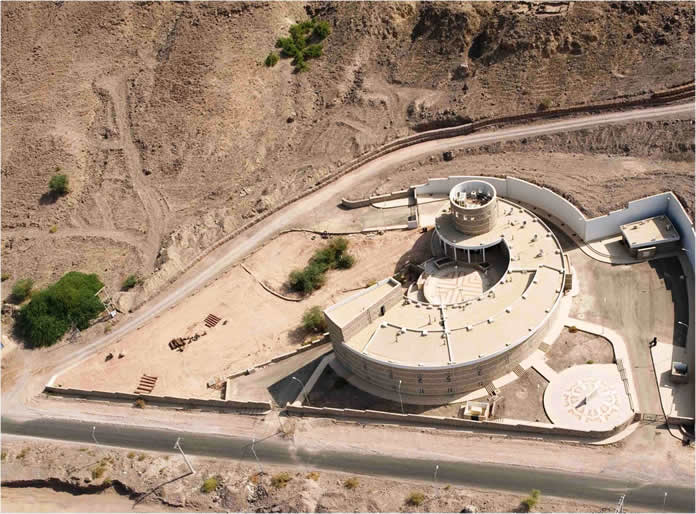
Built at the lowest elevation on earth, and less than a year old, this jewel-box of a museum showcases the Dead Sea region’s rich past.
After Israel, no nation has as many Biblical sites as Jordan. The Dead Sea gets several mentions in the Bible, and it’s where the Dead Sea scrolls were found. Jesus was baptized by John in Bethany-Beyond-the-Jordan, before the baptist lost his head in Machaerus.
Jordan was a favorite stomping ground for Moses: he struck a rock in ‘Ain Musa and his people and their livestock drank of its flowing waters. He gazed across the Jordan Valley to the Promised Land, then died at Mount Nebo.
And there’s Lot’s Cave, where the prophet and his daughters sought refuge after the fiery destruction of Sodom and Gomorrah. That’s perhaps the Bible’s spiciest story: clan Lot narrowly escapes annihilation in the ancient “sin cities”, the missus turns to salt, and dad runs with his daughters into the Jordan hills for a future seeped in alcohol and incest. And now you can step right in to see where it all went down.