Home Blog Page 349

California Guacamole recipe

2

american guacamole in Israel and the western east

In Israel and well all over the western east, avocado season has arrived. Plump, green avocados are grown from the north of Israel down to Jaffa in the center, all the way to agricultural communities in the southern Negev, such as Neot Semadar.

It is both a local favorite and a major national export. In 2010 the pear-shaped green fruit’s sales reached  one-third of all the fruit sold in Europe, according to a Wall Street Journal article dedicated to Israeli produce exporters Agrexco.

Here’s a seasonal recipe for springtime in Israel, a guacamole that tastes like California:

Israel avocado, stamp, produce, food, agriculture, fruit, vegetable

Best guacamole recipe

One ripe avocado

Garlic salt (we like a lot, but you don’t have to overdo it.) Or fresh garlic, even better

Pepper

A dash of salt

Paprika

Some mayo for creaminess

Lemon juice

Chunks of white onion and tomato

A spoon or two of salsa if you want to add a spicy kick

Enjoy your guacamole!

Read more about fresh produce in Israel:

Neot Semadar: An Eco Village in the Southern Negev

March Produce in the Middle East

Do Jaffa Oranges With Carbon Label Make Them Green Oranges from the Garden of Eden?

Sea of Galilee Reveals Mysterious Underwater Ancient Mound

7

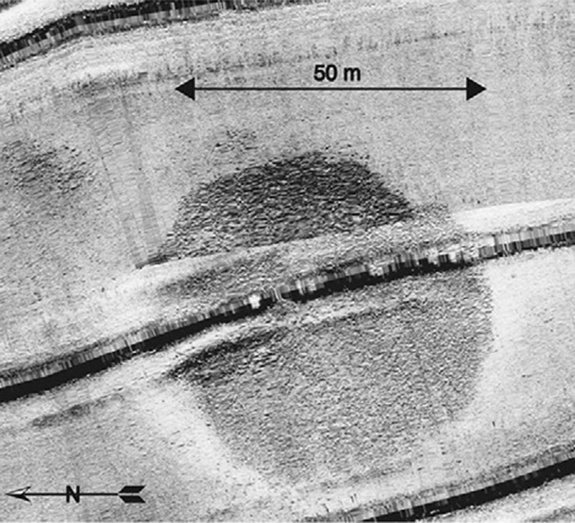
A Submerged Monumental Structure in the Sea of Galilee, Israel, Sea of Galilee Holds Mysterious Ancient Mound Israeli archaeologists are baffled by a giant cone-shaped structure submerged beneath the waters of the Sea of Galilee.

Twice the diameter of Stonehenge and weighing more than ten elephants, a mysterious cone-shaped structure on the bottom of the Sea of Galilee is challenging archaeologists to determine its purpose and age.

The mound was first detected in 2003 during a sonar survey of the southwest portion of the sea, rising nearly 32 feet high and about 230 yards in diameter under water. Divers have been down to investigate, confirming that it’s made of basalt boulders and cobbles, many over 3 feet long.

According to a report in the latest issue of the International Journal of Nautical Archaeology, the stones don’t conform to a specific pattern of placement, nor do they show signs of cutting or chiseling.  Israeli researchers are trying to determine what the estimated 60,000 ton pile of rocks was used for, and who built it.

New Moroccan Handicraft Complex Replaces Polluting Fez Tanneries

0

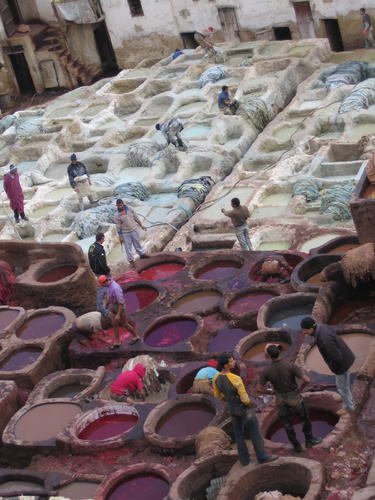
tannery, Fez, Ain Nokbi handcraft, pollution, Lalla Yeddouna Square, medina, Sebbou river, coppersmithWhile the rest of the world is beguiled by Walmarts and Targets, Morocco’s King Mohammed VI has given a $39 million handicraft complex in Fez his royal seal of approval.

Recognizing the value of authentic handmade crafts sought after by tourists in particular, not to mention the job opportunities that accompany such a vibrant cottage industry, Morocco sought assistance from America’s Millennium Challenge Corporation (MCC) to resettle an entire community of coppersmiths and tanners in a modernized complex that has less of an environmental impact on the Sebbou River. 

KAUST’s Breakwater Beacon is a Mashrabiya Lighthouse for Saudi Mariners

2

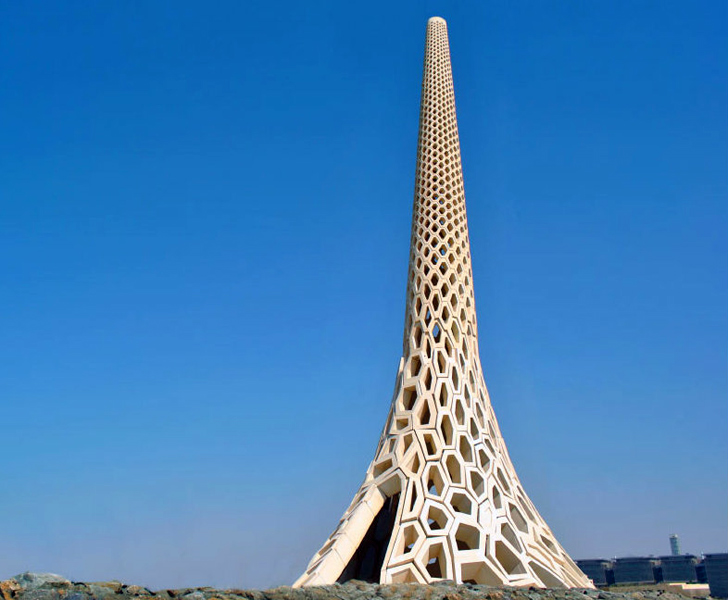
KAUST, Breakwater Beacon, Mashrabiya, Lighthouse, Red Sea, honeycomb, Saudi Mariners, natural cooling, designEver wonder what an Arabian lighthouse looks like? Mariners approaching the Red Sea harbor at Thuwal, about one hour north of sprawling Mecca, Saudi Arabia are now guided to shore by a soaring new honeycomb lighthouse designed by the Australian firm Urban Art Projects.

Commissioned by the King Abdullah University of Science and Technology (KAUST), a leading Arab research organization that is devoting increasing resources to clean energy and water research and development, the 60 meter Breakwater Beacon also functions as a communal rendezvous spot.

French Scientists Suggest Women Should Stop Wearing Bras

40

should women take bras off

Science puts a new view forward in the anti-brassiere argument. 

Women have bound their breasts since antiquity, for modesty’s sake or to conform to an aesthetic ideal. Exposing the breast for human survival in breastfeeding is supposed to be kept politely minimal, even with the known multiple benefits of breastfeeding.

In the Western world, women avoid the free-swinging breast, a point of view encouraged by the multi-billion dollar brassiere industry. That began to change in the 1960s, when the Women’s Liberation movement proclaimed brassieres to be as oppressive as the corsets our grandmothers wore. Still, the majority of today’s women continue wearing the bra, conforming to societal norms and to fashion. Recent research conducted in France may influence women to change their minds again.

Professor Jean-Denis Rouillon, professor at the University of Franche-Comté in Besançon, recentlt concluded, after a 15-year study of 330 women, that supporting breasts in a bra helps not at all, neither “medically, physiologically nor anatomically.”

Graffiti Artists Color Egypt’s Soul-Crushing Corruption

1

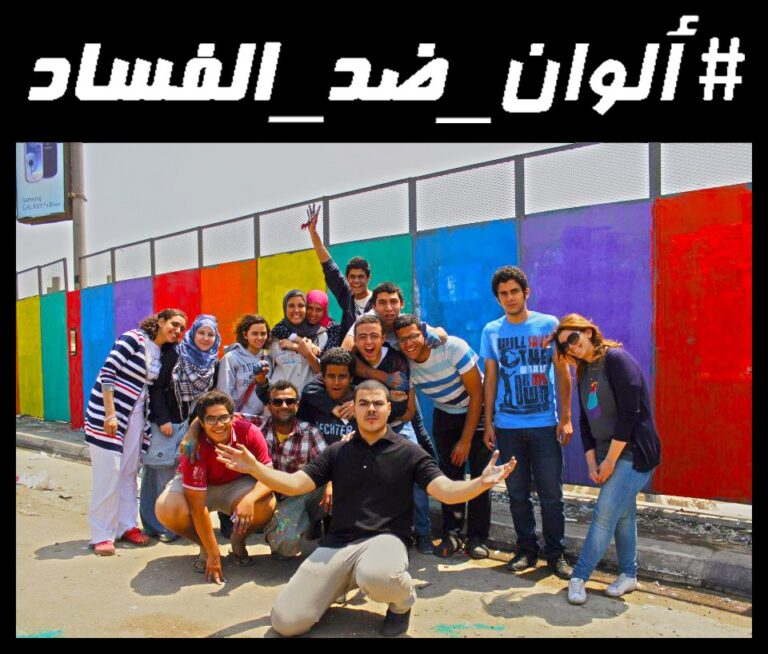
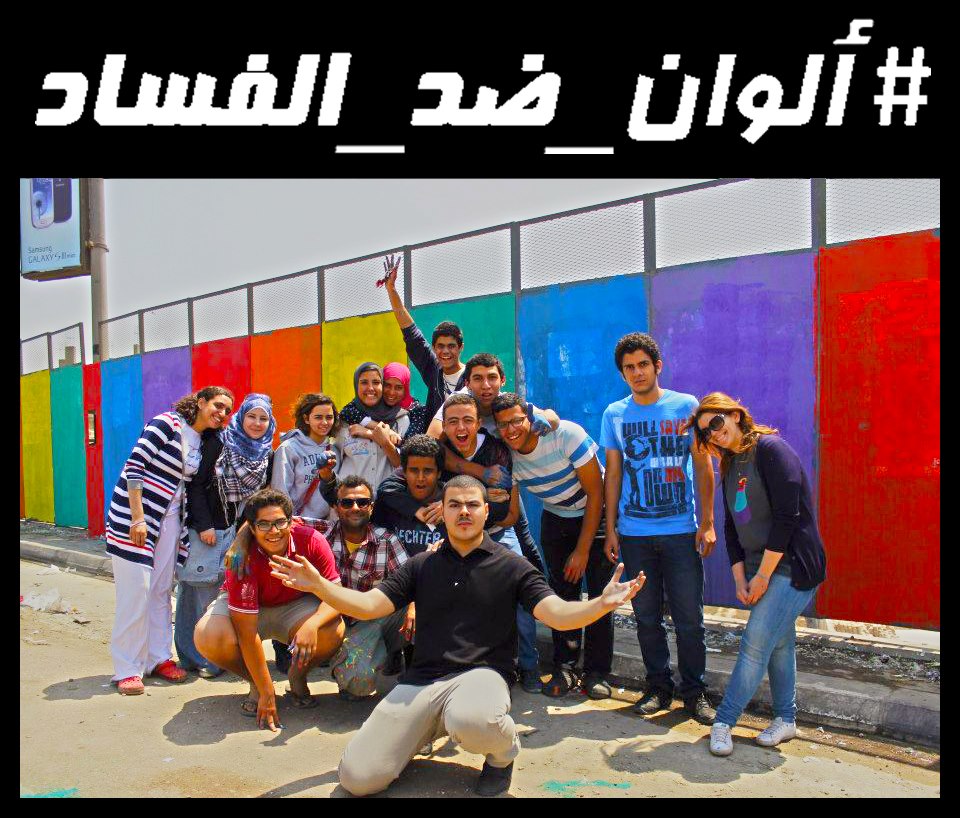
graffiti, art, coloringthrucorruption, cairo, egypt, civil disobedience, paint, activism Corruption is black, brown, grey, devoid of color. And in Egypt, it can be seen in streets piled high with trash and polluted canals, in maddening traffic resulting from outdated infrastructure, and chronic power outages. Corruption is everywhere, yet this silent killer of hopes and dreams is hard to pin down.

Not anymore. A band of graffiti artists and other concerned citizens led by Amr Nazeer are splashing bright, vivid colors on bridges and water pipes, walls and other public spaces throughout Cairo as part of a new campaign called #ColoringThruCorruption. By painting another dull, concrete bridge, they draw attention to how dilapidated the damn thing was before.

Solar Bridge in Pakistan Replaces One Swept Away by Floods

0

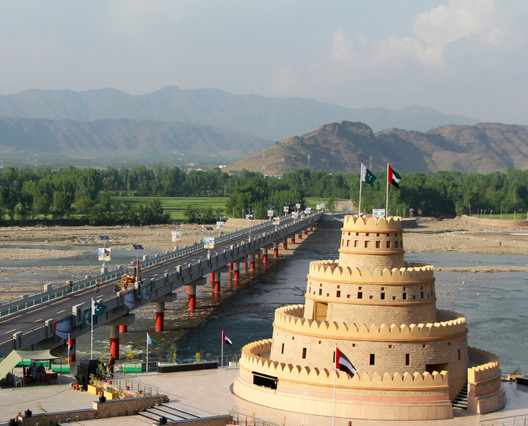
UAE, bridge, Pakistan, solar-power, humanitarian design, floods, climate change, Sheikh Zayed bin Sultan Al NahyanAs if they didn’t have enough trouble on their hands, residents of 15 towns and 45 villages in Pakistan’s Swat Valley have been completely stranded since a bridge linking them was swept away by last year’s floods.

This isolation officially ended last Friday when the United Arab Emirates ambassador to Pakistan inaugurated a new 448 meter bridge gifted by President Sheikh Khalifa. Named after the UAE’s ultimate eco-hero, the Sheikh Zayed bin Sultan Al Nahyan bridge cost $10.5 million to build and features solar-powered way lighting.

Dubai’s “Sustainable City” Launches Next Month

2

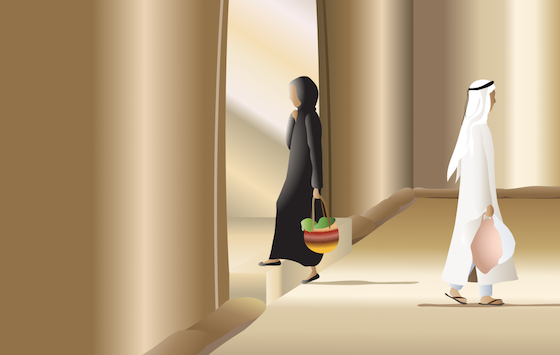
arab man, woman, Dubai sustainable city, dubai, green development, Diamond Developers, solar, clean tech, urban, environment, passive solar, UC Davis West Village, Masdar, net zeroWe’ve been hearing about Dubai’s version of Masdar City since 2011, but skeptics have doubted that “Sustainable City” would ever become more than a mirage in the desert. Not anymore, according to local news reports.

Diamond Developers has announced plans to officially launch their latest project – a 120 acre green city – at the Sustainable Real Estate Conference to be held in Dubai next month. Reportedly inspired by the net zero UC Davis West Village campus in California, the city intends to produce 50 percent of its own renewable energy.

Mpact: David de Rothschild Mobilizes Good Humans for the Right Cause

3

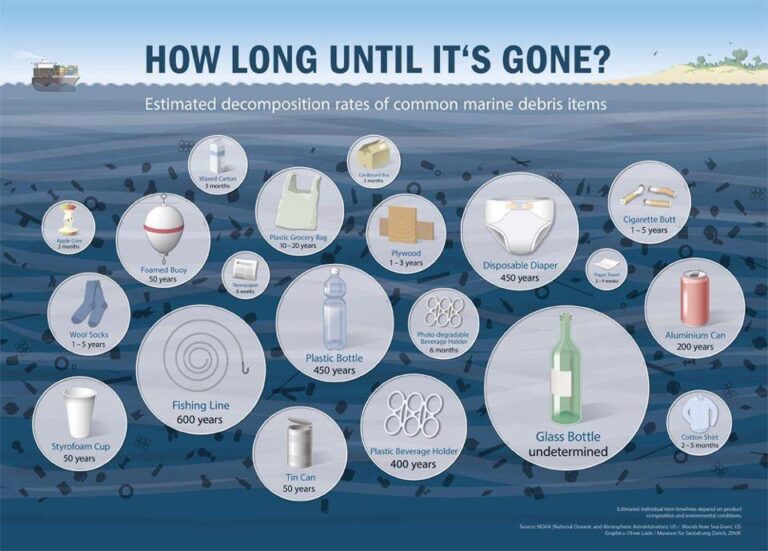
Mpact, David de Rothschild, How Long Until its Gone, marketing, environment, National Geographic explorer, Plastiki, environment, pollution, oceansWe haven’t heard from our favorite eco-warrior, David de Rothschild in some time, but that doesn’t mean the youngest heir to the Rothschild banking fortune has fizzled into obscurity.

Instead, since he responded to our call to save Israel’s Adullam Valley from his (extended) family’s oil shale ambitions and published his crew’s riveting account of the Plastiki adventure across the Pacific, he has been busy with a host of exciting environmental programs. Including Mpact, his latest venture.

Ancient Egyptian Blue Pigment Leads to Nanotech Breakthrough

2

egyptian-blue-pigmentFor ancient Egyptians blue was the color of rebirth. Today their chemical invention of artificial lapiz lazuli means new advances for lights, lasers and more.

According to a new paper published in the Journal of the American Chemical Society the ancient pigment known as Egyptian blue may have important new applications in nanotechnology.  Researchers at the University of Georgia in Athens, Georgia in the US were surprised to discover that Egyptian blue breaks into thin nanosheets, 1/1000th the width of a human hair which could be printed using ordinary ink-jet printer techniques. This along with other Egyptian blue properties may have important applications in medical science, telecommunication and lasers.

Dubai police buy $500,000 Lamborghini Cop Car

Aventador dubai-lamborghini-patrol, Lamborghini Cop Car dubaiDubai police have announced the latest acquisition to their fleet of cop cars: a 700 horsepower Lamborghini Aventador.

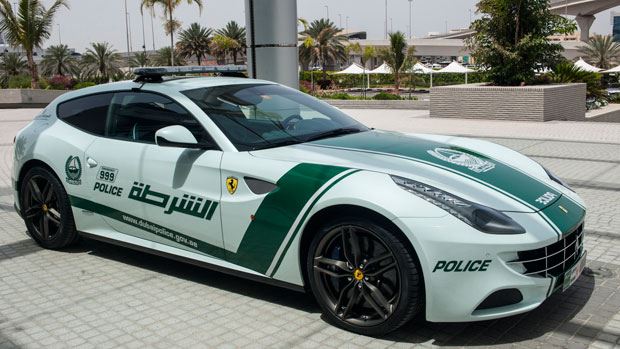
Unlike scofflaws in Saudi Arabia who risk a trip to “chop-chop square”, criminals in Dubai’ may now face a white-knuckle ride in one of the world’s fastest and most expensive cars.  The supercar, which can reach speeds of up to 220 mph, cost nearly half a million dollars.  No word if the green and white custom paint job (the colors of the Dubai police force) was thrown in for free.

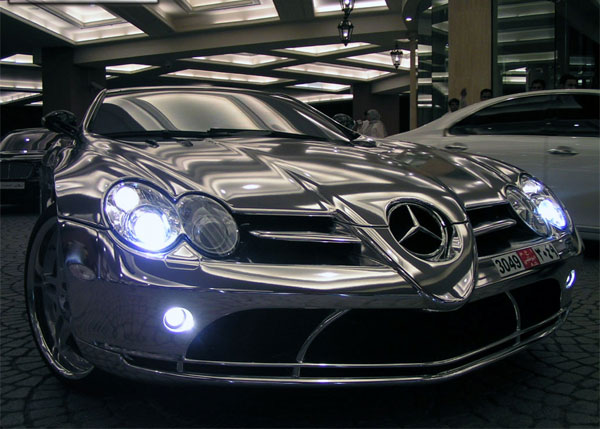
Dubai’s initial riches were earned on the back of the oil industry, but its open society and strategic public policies have attracted  international investment in wider business sectors.  Financial services, real estate and tourism all generate enormous cash flows, and though dampened by the 2008 banking crisis, the emirate remains economically robust. Robust enough for expensive cop cars (read our report on the purported white gold Mercedes).

Rich boys like expensive toys.  Green Prophet’s reported on the fleet of abandoned luxury cars throughout the Emirates, but the United Arab Emirate’s roadways remain a parade of the world’s most luxurious vehicles. And luxurious means fast. This new cop cruiser has a maximum speed of 217 mph and can accelerate from 0-60 mph in 2.9 seconds.  This ain’t Starsky & Hutch’s Camaro.

 Lamborghini Aventador in action

 Lamborghini Aventador in Dubai, police car, cop car

A staggering 15 percent of traffic fines issued in Dubai are for driving at speeds exceeding 130 mph, so authorities hope their new wheels will help them keep up.  Additional sports cars are set to join the fleet too, designed according to police specifications in an effort to “facilitate policing on highways”, said a report in Yahoo Autos.
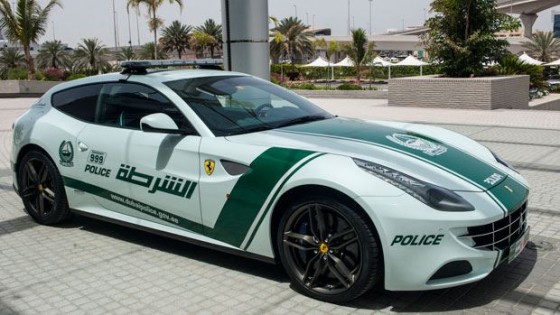
dubai police ferrariA Dubai cop car in “Ferrari”

According the same source, a recent study of Canadian police departments found the “average police car spends two-thirds of a 10-hour shift idling.” That translates to over 3 gallons of fuel per shift burned just staying in place. Imagine how much fuel the Aventador will use?

Maybe they can check with their Italian and Qatari cop colleagues, who also tool around in Lamborghinis.

Pictures of white gold car spotted in the Gulf:
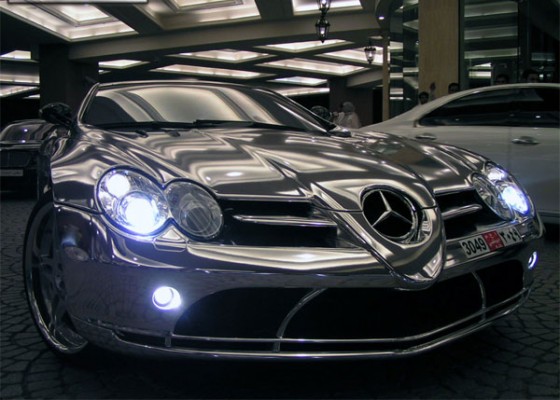
white gold car mercedes

The force made the announcement through its Twitter feed, @DubaiPoliceHQ.  No word on which lucky cops get handed the keys or if they’ll receive special driving lessons.

Image of custom Lamborghini from Dubai Police

In 2024, the Dubai police shows off their first Tesla, Cybertruck.

Finding Peace In The Little Aya Sophia Mosque, Istanbul

1

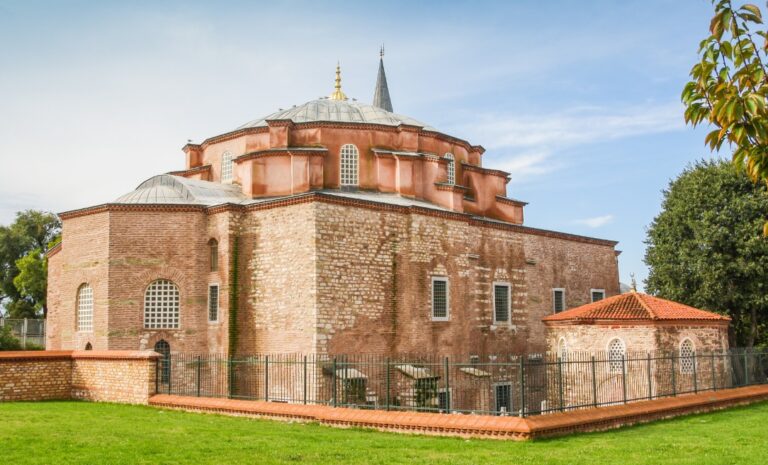
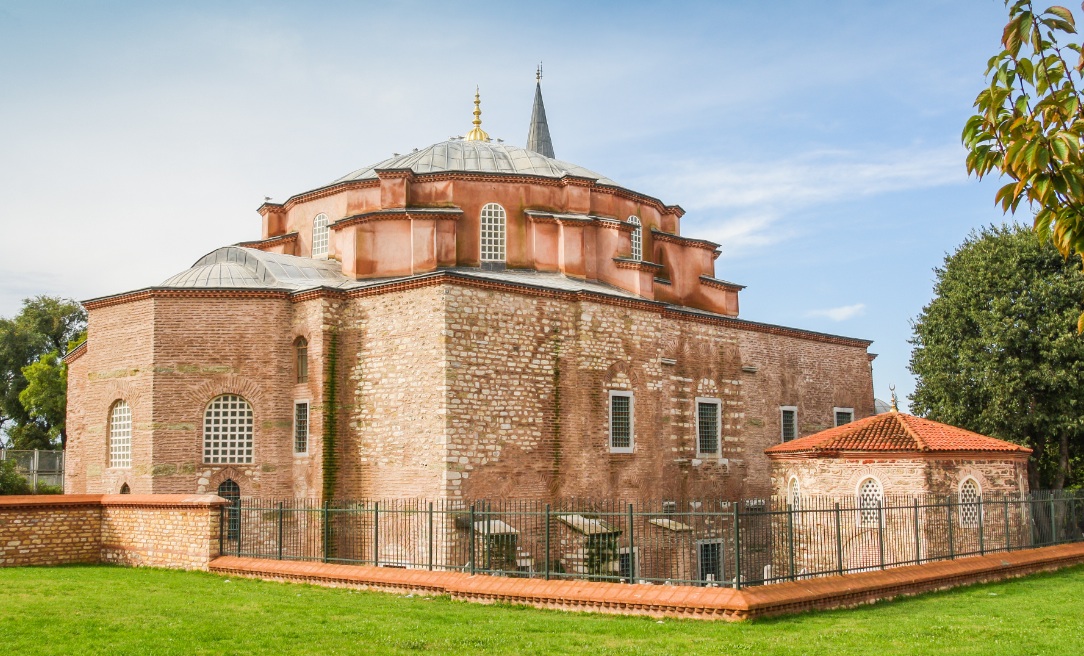
little aya sofia, sophia mosque in IstanbulI recently spent a weekend in Istanbul, one of my most beloved cities. My hotel was based in Fatih, the run down section of the old town, and it overlooked the Little Aya Sofya mosque – also spelled Sophia, or Sofia. The morning before I flew, I thought it would be the perfect moment to visit this nearby sight. I had a feeling I would like it, and I was not disappointed.

I entered a walled courtyard, built around the mosque known as the Little Hagia Sophia (Turkish: Küçük Ayasofya Camii). Surrounded by cloisters, there was a tree-filled garden in the centre in which a marquee had been erected and where men were sitting on trestle tables, drinking coffee and conversing. I put my rucksack down before visiting the mosque and asked them if they would watch it for me. They asked me how long I would be, I said about 10 minutes, to which they said that would be fine.

Israeli Wildflowers Show Environmental Education Can Inspire Change

0

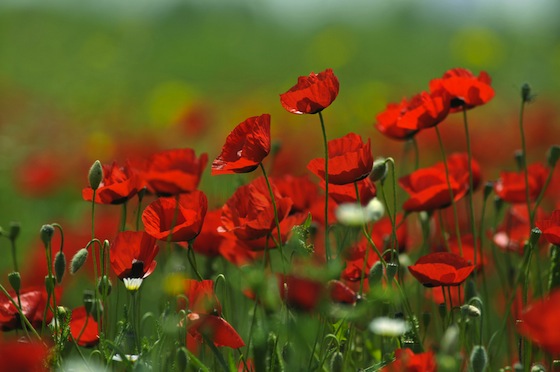
education, conservation, plants, wildflowers Israel

Today there are a dizzying variety of wildflowers blooming across Israel, welcoming the months of spring. Fifty years ago some of these plant species were on the verge of extinction. With the help of the Society for the Protection of Nature in Israel and the Nature Reserves Authority, the 1965 campaign to publicize the law prohibiting picking wildflowers became one of the most successful in Israel’s history; It changed the public’s behavior through raising awareness, and proliferating environmental education.

The tiny country of Israel is home to an impressive variety of wild plants. Overall, Israel has close to 2,300 species of plants, including many medicinal plants such as wild marigold, sage and Palestinian oak. Dozens of these species are found only in Israel. For comparison’s sake, England, which is six times larger than Israel, has only 1,750 plant species.

According to a study of environmental campaigns in Israel, by the University of Haifa’s Benny Furst:

“The activities of nature protection organizations succeeded in fostering significant structural and cultural change, as they altered ways of thinking, values and collective behavior of a sizable sector in Israeli society. As it pertains to the attitude toward natural environmental resources, the significance of this change is of greater importance in light of the prior situation, in which picking wild plants was the accepted norm, and was not at all conceived as being a criminal offense.”

But Furst believes that this success cannot be maintained in future generations without continuing environmental educational. The results of a survey conducted in 2007,  demonstrated that half of Israeli young people said they were in the habit of illegally picking flowers.
Conversely, responses from older adults proved a statistical link between memories of the ‘60s-era campaign and their present-day wildflower-picking practices.

And in recent years, yet another danger to the wildflowers has arisen. Urbanization and construction threaten these species’ natural habitats, such as the wild Iris. According to the “Red Book,” a publication which documents species at risk, nearly one-fifth of plant species in Israel are currently in danger of extinction. Most of these plants grow in in areas where there are extensive development plans, such as in the Sharon region.

Read more about plants in Israel:

The Wild Winter Iris

The Most Effective PR Campaign in Israel’s History: Protecting Wildflowers

BioXplore Discovers Healing Plants in Israel

Amazing Pavegen Tiles Harvest Energy From Footsteps

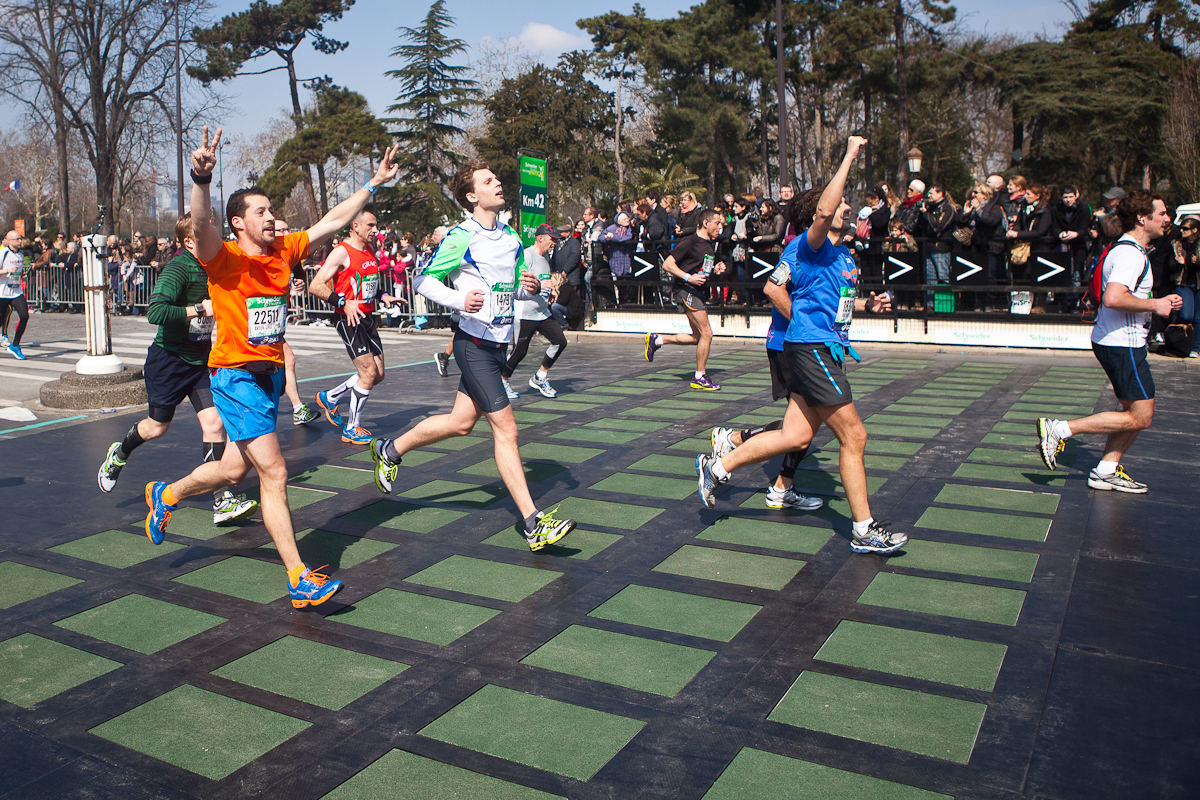
pavegen tiles paris marathonParis marathon organizers plan on ripping off its runners! 

Energy-harvesting tiles placed along an 80 foot section of the Champs Elysee will capture energy from the pounding feet of 40,000 racers.  The technology developed by Pavegen offers a tangible way for people to engage with renewable energy generation. The flexible tiles made from recycled truck tires convert kinetic energy from foot traffic into useable, off-grid electricity.  The tiles’ top surface is made from 100% recycled rubber and the base is constructed from over 80% recycled materials. The system is versatile: use it for new developments or retrofit existing flooring systems.

During Hajj, perhaps the largest annual pilgrimage in the world, mobs of Muslims walk counter-clockwise seven times around the Kaaba, the black cube-shaped building at the heart of the Al-Masjid al-Ḥarām.  Imagine the juice those tiles could collect if installed around the plaza? In addition, pilgrims run repeatedly between the hills of Al-Safa and Al-Marwah. That makes for gargantuan power potential.

Nile Taxi – Scenic Stress Free Commuting for Cairo’s Residents

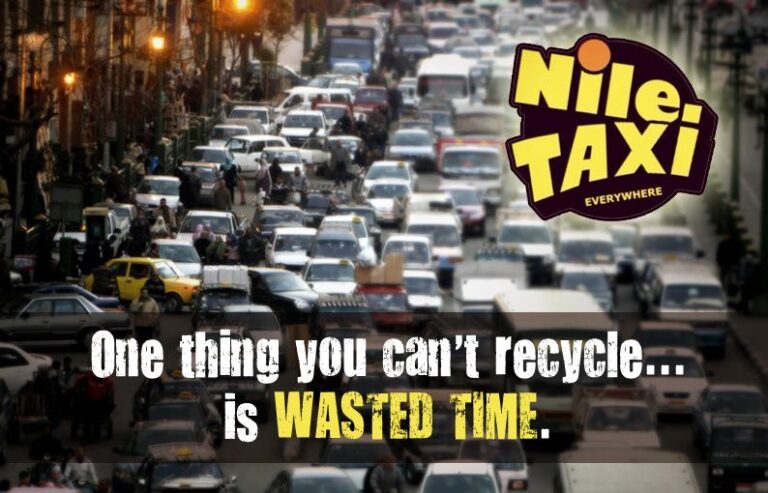
Nile Taxi, Nile River, traffic, water taxi, Cairo, EgyptHaving just returned from Lamu, Kenya, where there is no other way to travel but by boat (or plane or donkey), it seems strange to me that it has taken modern Cairo this long to come up with the idea of a water taxi. But there you have it. Cairenes weary of knotted traffic jams that suck the marrow right out of their bones now have a new way to travel and it’s not that expensive: Nile Taxi.