
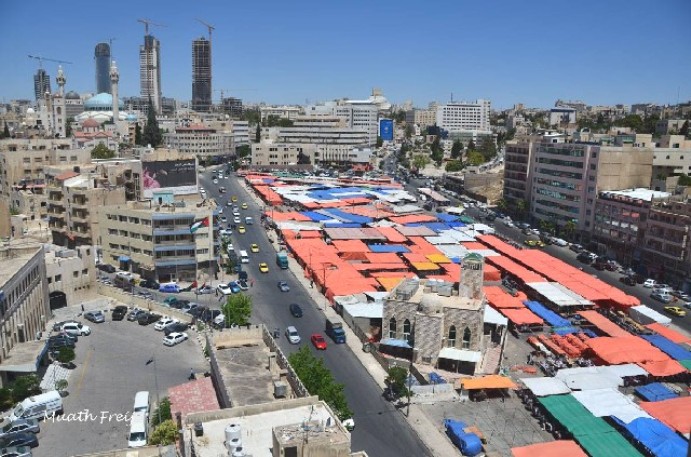
 Second (and third!) – hand marketplaces offer some of the greenest shopping options available – especially in the run-up to frenzied winter holiday consumerism – but in developing countries, they are also an economic necessity for both buyers and vendors. In early October, the Greater Amman Municipality (GAM) closed down a popular souk in the Abdali neighborhood in the name of progress and civic safety. Or was it simply to sanitize another sector of Jordan’s capital city?
Jordan’s Abdali Souk revives in new setting
Measuring acid in our oceans using the bodies of small marine animals


The world is warming. Glaciers are melting. Added carbon dioxide gas is causing our seas to become acidic. This in turn melts corals, and causes a host of environmental problems scientists are just beginning to quantify. But measuring the effect of acidification on oceans and seas is tricky because water moves and it can be deep. Different species are affected by acidification in different ways. Scientists from Israel have found a new way to make sense of the unknowns.
To get a clearer picture of how ocean acidification is affecting large marine areas, the group of Israeli researchers from Hebrew University studied a 5,000 km long strip of ocean from Eilat to the Seychelles crossing the Red Sea, the Gulf of Aden and the Western Indian Ocean.
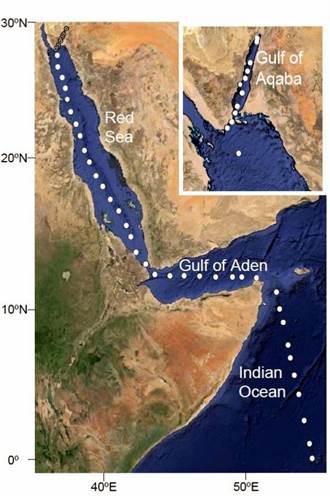
The researchers developed a new method to simultaneously assess the overall calcification rates of coral reefs and pelagic (open sea) plankton over a whole oceanic basin, based on variations in surface water chemistry.
Getting a baseline down for science
These variations result from the tendency of organisms that precipitate calcium carbonate skeletons to replace some of the calcium in their skeletons with other elements (e.g. the element strontium).
These replacements depend on growth conditions and are typical for each group of organisms. Owing to this characteristic, corals produce calcium carbonate with a different chemistry than calcareous (composed largely of calcium carbonate) plankton, and their overall effect alters the chemistry of the ocean water.
This is the first study that demonstrates the feasibility of quantifying this type of information on an oceanic basin scale.
The group estimated that pelagic plankton precipitate 80% of the Red Sea calcium carbonate, and coral reefs precipitate about 20%.
This data they say is a crucial milestone if we wish to track the effect of human-caused activity since it is not possible to quantify change without having objective baseline conditions.
Monitoring the variations in coral and plankton growth rates every few years can provide essential information regarding rates of environmental change in tropical and subtropical seas like the Red Sea, Caribbean and South China Sea.
The research was published in PNAS (Proceedings of the National Academy of Sciences of the United States of America) and was supported by the Israel Science Foundation, the Bill and Melinda Gates Foundation and the Israeli Ministry of Science and Technology.
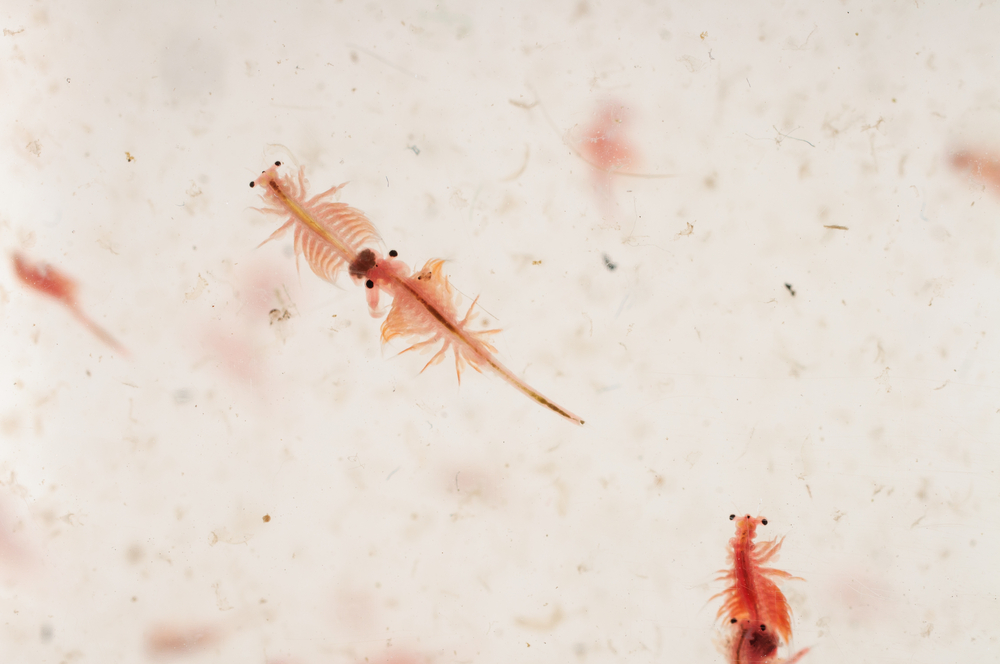
Top photo: An aerial photo of a coral reef. Researchers developed a new tool to quantify the effect of ocean acidification on calcifying organisms. (Photo: Boaz Lazar, Hebrew University); Plankton photo from Shutterstock
Printing an electric car on the world’s largest 3D printer
While online hightech companies might seem to be on the money, investors are hungry for new advances in physical products. But developing them takes years, and lots of money. There is a lots of waste in the prototyping stage in terms of time, materials, and money.
Rapid prototyping using 3D printers can help form ideas into real products, some that work, or help developers understand design flaws in the physical prototype. 3D printing, using plastic “ink” is one way to create prototypes but most printers are small, and only big enough to print shapes as big as a softball.
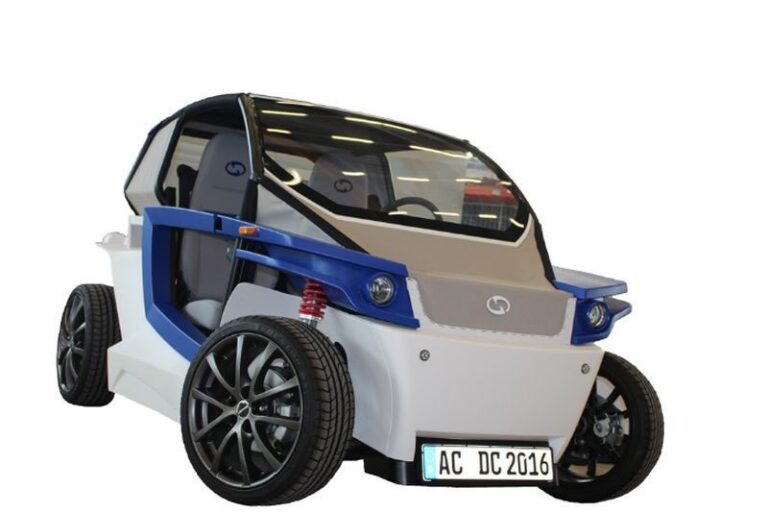
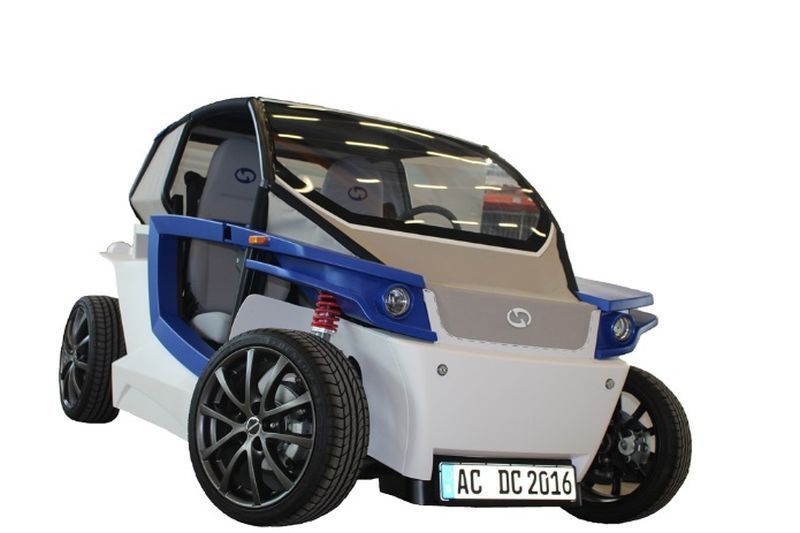
Here’s a new electric car printed using a 3D printer! (It’s not the first apparently. Strati came out this summer as the world’s first and it is electric too!)
The Israeli 3D printing company Stratasys has developed a large 3D printer called the Objet1000 3D Production System and this one is big enough to 3D print a car. In this case the electric car of a German car developer called the StreetScooter.
The car was developed by the Production of Engineering of E-Mobility Components of Aachen University in Germany. Starting in 2010 researchers began developing an electric car that could rival conventional vehicles in performance and price.
The car’s prototype has now been printed to scale using the Stratasys printer. When produced the car will weigh 450kg – (about 1000lbs) excluding battery and will have a range of 80 miles with a top speed of 60 mph. A city car.
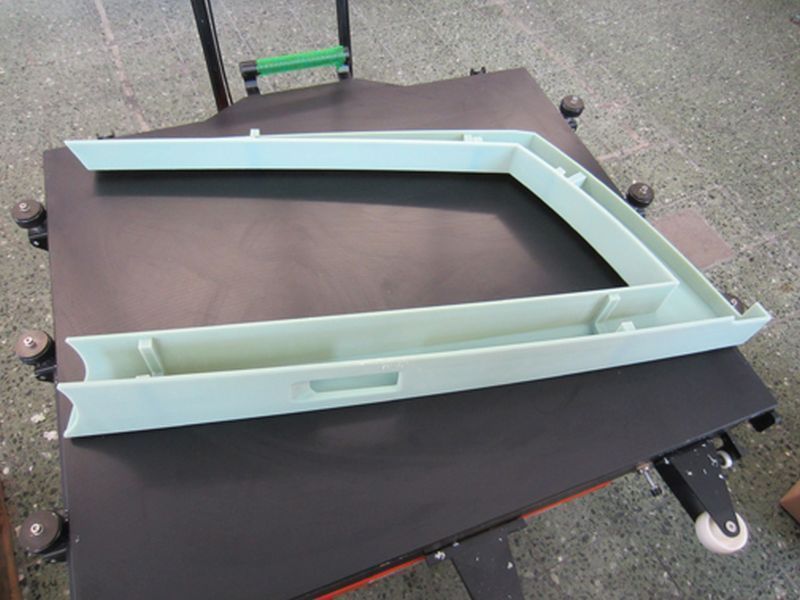
The German team printed up their prototype with all its exterior parts: the large front and back panels, door panels, bumper systems, side skirts, wheel arches, lamp masks, and a few interior components such as the retainer instrument board.
The printer used a tough Digital ABS material so the car could live up to a rigorous testing environment.
The Stratasys build tray, seen below, is the largest in the world at 39.3 x 31.4 x 19.5 inches in size.

All in all the StreetScooter has brought together more than 80 companies. It will be sold for under Euros 10,000.
An electric prototype car in less than a year!
“Being able to use it in the development of large and small parts for StreetScooter was exciting in itself, but the contribution the 3D printed parts made to the construction of the car was enormous. The ability to produce full-scale prototypes that perform like the final parts, accelerated testing and design verification, enabling us to bring to market a prototype electric car in just 12 months – something that is just unimaginable with traditional manufacturing,” says says Achim Kampker, Professor of Production Management in the Faculty of Mechanical Engineering, Aachen University.
He adds: “These cars can be developed from scratch and ready in a matter of months, not years, as with traditional automotive production processes. The StreetScooter project has demonstrated to us how a whole new approach to car design and manufacturing is possible with 3D printing.”
Stratasys Ltd. (Nasdaq: SSYS), headquartered in Minneapolis, Minnesota and Rehovot, Israel, is a leading global provider of 3D printing and additive manufacturing solutions.
Beirut bank gets Lebanon’s largest rooftop garden by GreenStudios
From San Francisco, to Amsterdam to Tel Aviv to Cairo, and now Beirut. Rooftop gardens are growing everywhere. Fueled by a desire to suck greenhouse gases, create heat sinks, beautify the city and even grow food, rooftop gardens may be the only way to feed our planet’s 7 billion mouths.
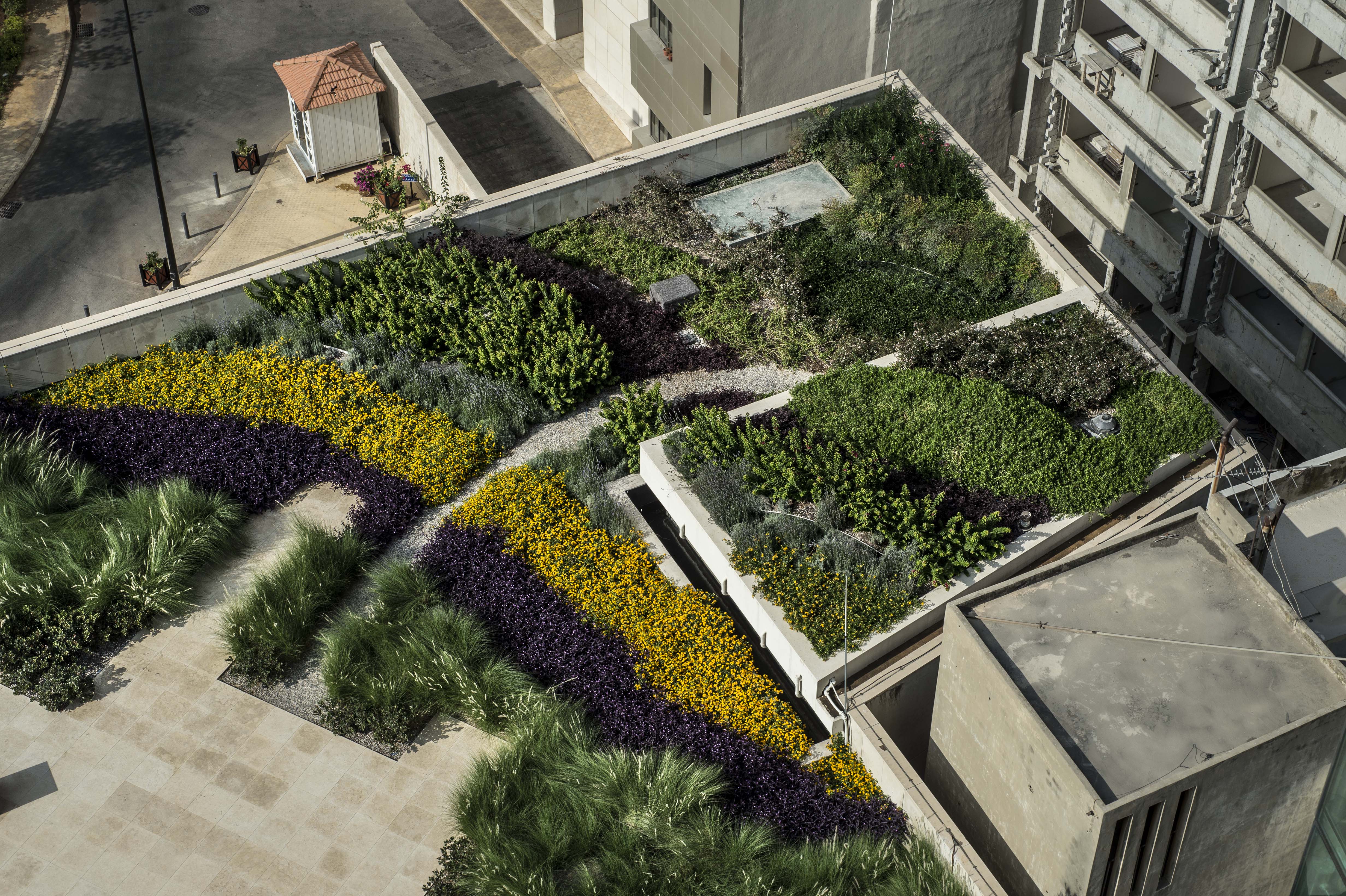
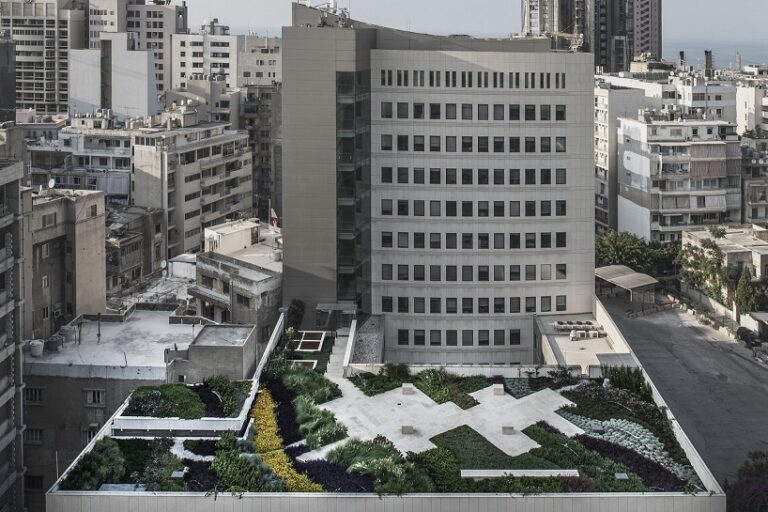
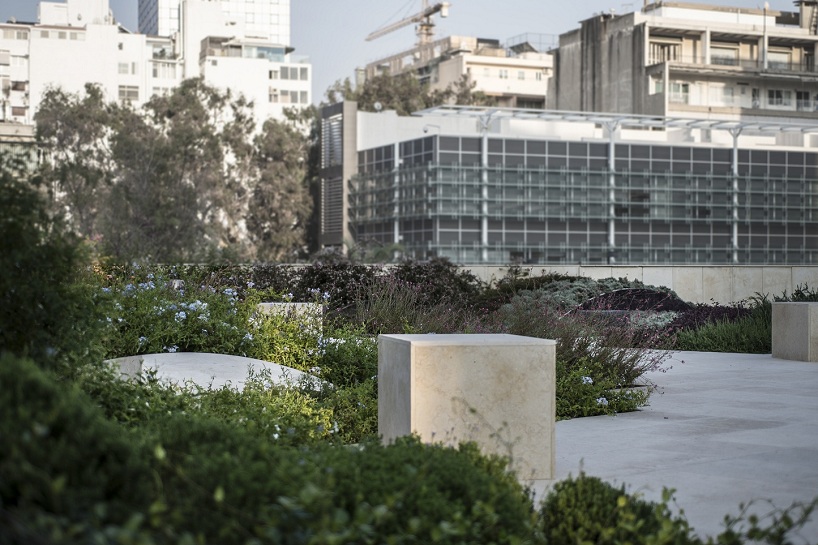
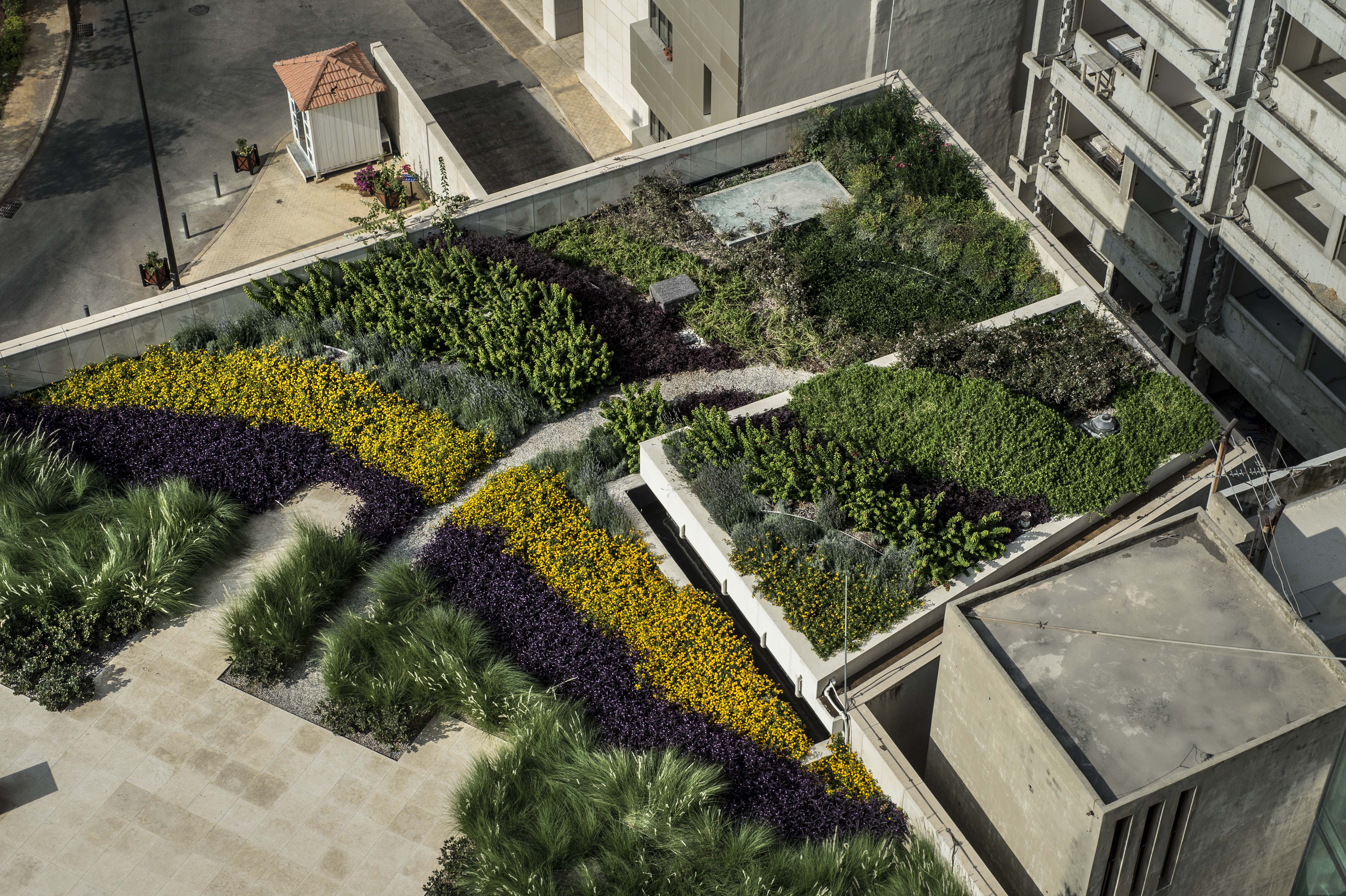
While today many of the gardens are ornamental, like Green Studio’s massive 812 square meter garden in Beirut, rooftops are an essential platform for growing food in cities, where an estimated 70% of the world’s population lives.
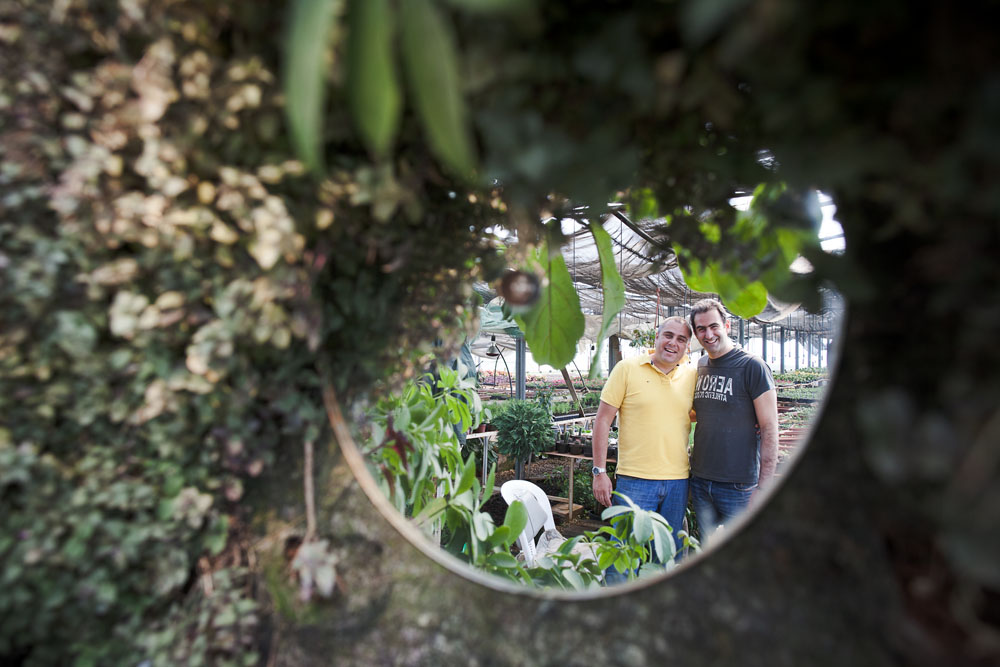
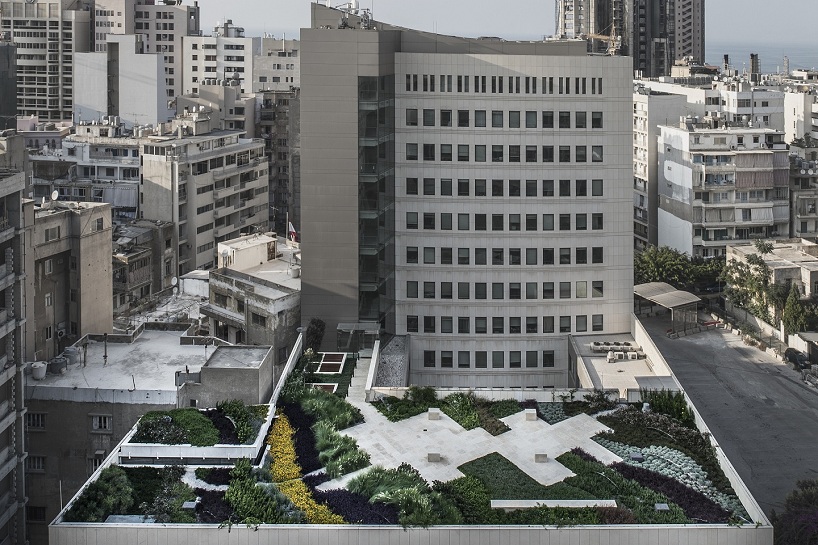
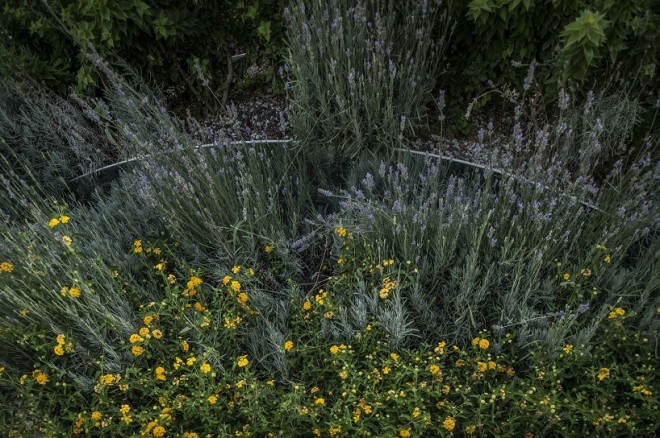
GreenStudios latest installation on the Central Bank of Beirut (top two pictures above and the ones below Oliver Wehbe peeking out from his plants), is considered to be the city’s largest rooftop garden. The installation was a competition held by the UNDP Cedro project in collaboration the Central Bank of Lebanon.
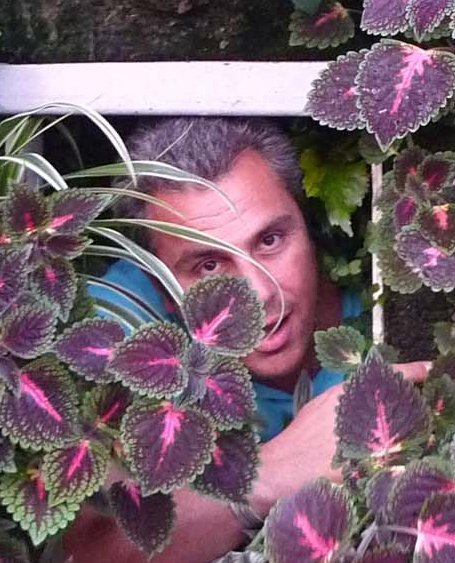 GreenStudios is a landscape design and technology firm founded in 2009, in both Beirut and California by a multidisciplinary group of friends: Jamil Corbani, the CEO, Zeina Kronfol General Manager, Oliver Wehbe (pictured right in the plants!), botanist and operations manager, and Mark Abi-Hayla , Architect.
GreenStudios has created and patented a flexible hydroponic skin that lets plants live in extreme climates. It won’t dry out even if the plants don’t see water in three days. The team is working on patents in the US and Lebanon to further develop the skin.

The skin and system is hooked up to sensors that allows remote control of the system to ensure the plants are growing in optimal conditions.
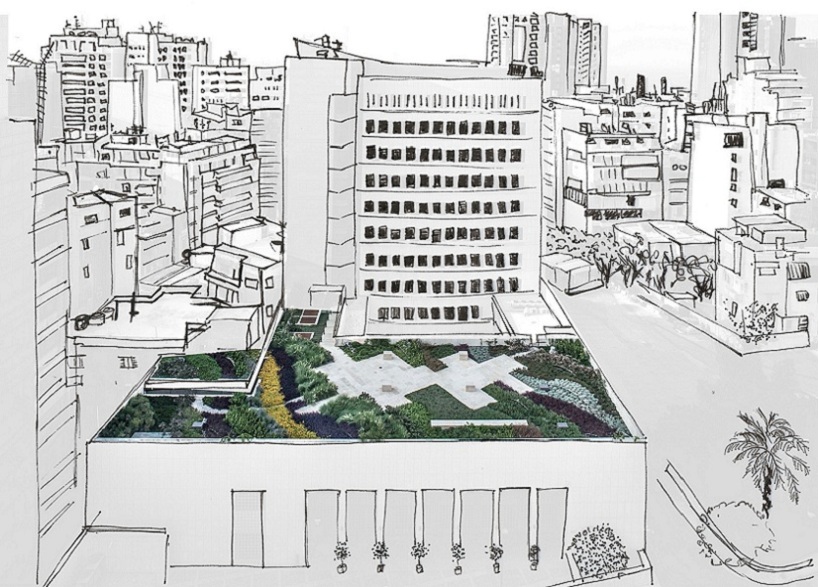
Based on the images in the planning stage, and now in reality, Green Studios have created an urban oasis in a city that is growing greyer by the month. Activists have created maps to help explorers find green spots in the city. Even those are disappearing. But if GreenStudio’s plan becomes contagious there could be hundreds of more rooftops beautifying, cooling and feeding the Lebanese.
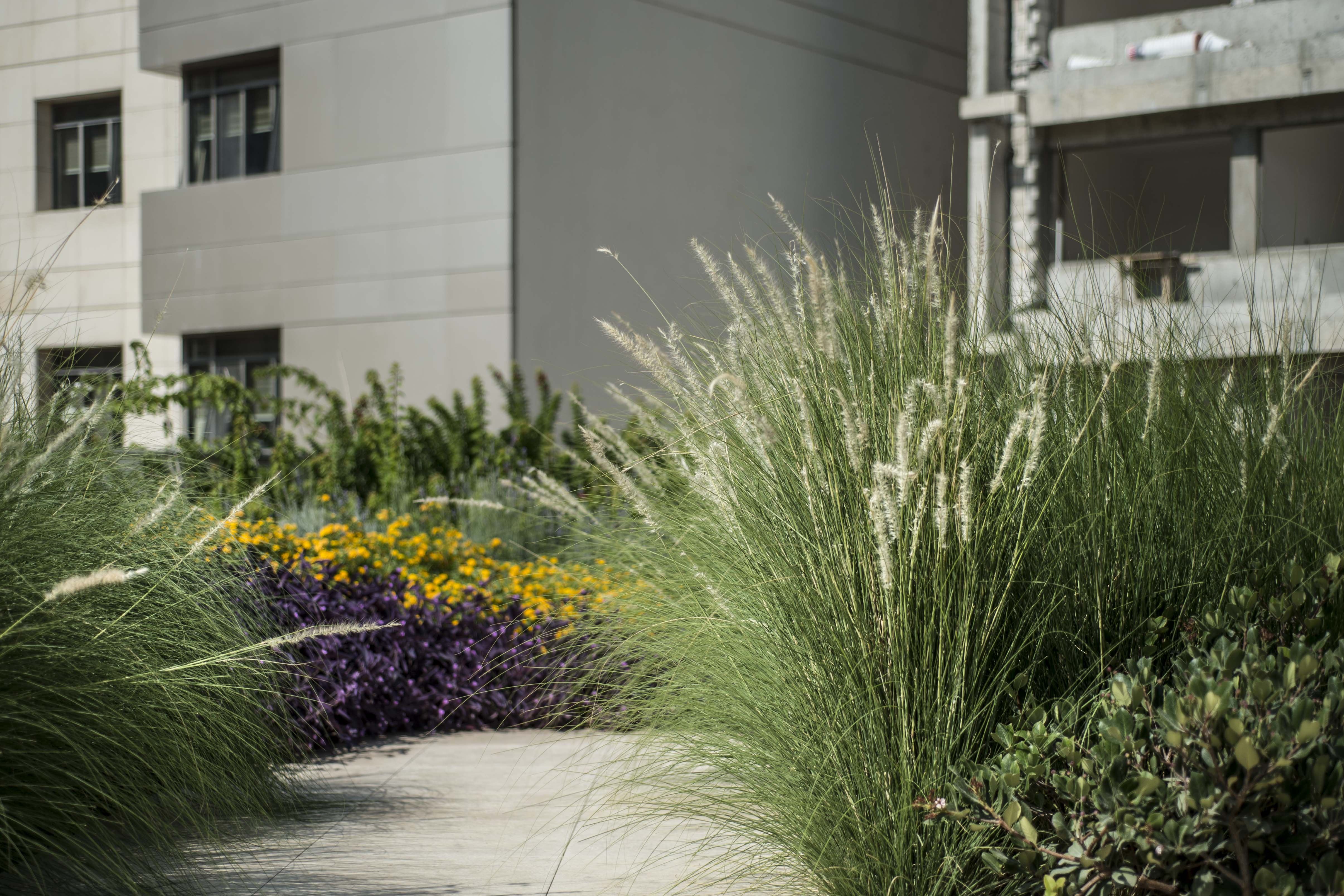

Lebanon is often portrayed or thought of as a grey Middle East country, with occasional sectarian violence. A country that is full of concrete, lacking of green. While this is tree in the cities, it is not the case outside of the cities. Lebanon is a green country, with forests and a dynamic and diverse people who are also leading food movements from creating cookbooks from local recipes, to Disco Soup events. We love Lebanon and believe that this progressive Middle East country can lead sensible ecological movements forward.
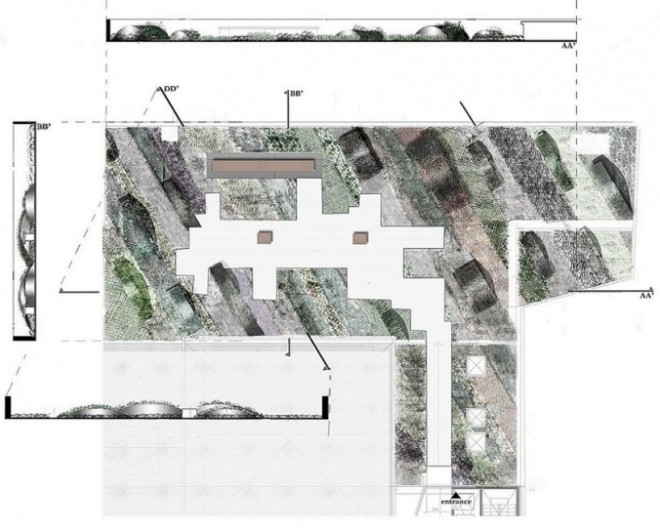
Pamela Haydamous, a designer from GreenStudios and who is a co-founder of Dispatch Beirut, an urban Lego movement we covered, sent us these sketches.
Hanging Gardens of Babylon inspire hydroponics
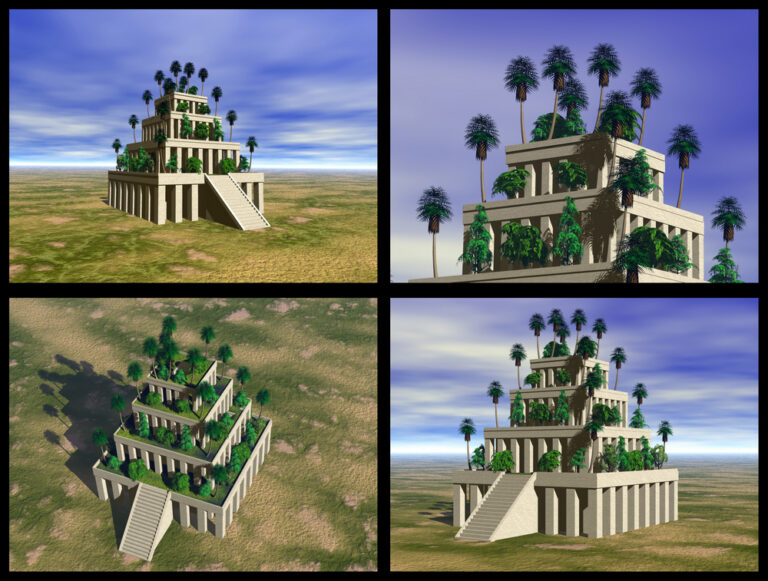

Growing crops by hydroponic farming, or on water, has been practiced since the ancient Babylonians planted their legendary Hanging Gardens of Babylon. These were the world’s first vertical farms concept.
Hydroponic water gardens also include roof top gardens in Middle East cities like Beirut and Cairo as soon today/
In fact, the practice of hydroponic, water based farming for smart city farms is becoming so popular, that people living in urban environments can benefit from internet databases to obtain “how-to” information for turning their balconies, back yard terraces; and even spare rooms into flourishing hydroponic agricultural wonders with the right equipment, nutrients and lighting.
Even a small terrace can produce good growth yields if there is adequate light and the proper nutrients.
Depending on how much you want to invest in your hydroponic water farm project and what type of plant or vegetable to grow there, you can start a hydroponic garden with a few pieces of plastic piping; or for those wishing to plant “secret gardens” requiring indoor lighting (for cannabis or similar plants) the equipment and work involved can be considerably more.
The actual growing process will need to formulate the right combination of water, lighting, oxygen and nutrients to enable proper plant growth and yields. There are plenty of guides on what is required; including a site called High Times (you figure out the meaning).
According to High Times, it’s important to use the best quality water. Using tap water that has a lot of impurities will “lock up” nutrients, creating deficient plants that yield poorly and are susceptible to diseases and pests. The chlorine in tapwater also kills off the beneficial microbial life that helps plant roots. This is also true for growing in soil as well.
Water used for hydroponic water farming can be purified successfully by using filtering systems like reverse osmosis which involves a special membrane to filter out impurities. This is essentially the same reverse osmosis process that is used in desalination to create clean, fresh drinking water from seawater.
Agrolan agtech company goes to the worms
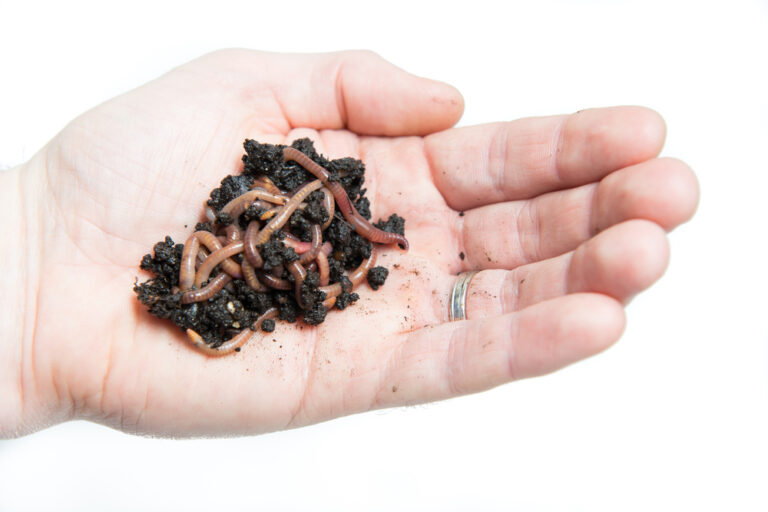
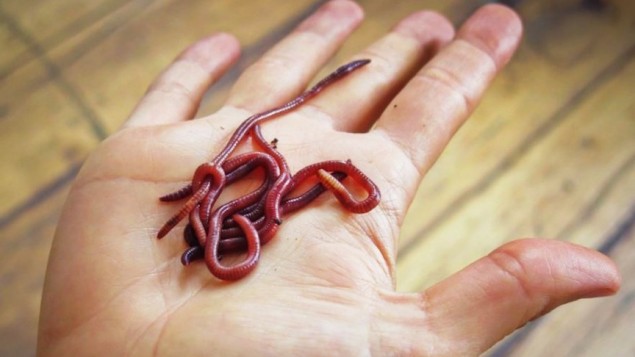
Those of you who grew up in countries blessed with ample fresh water supplies may have fond memories of going fishing as a child with paper carton filled with small, wriggly earthworms.
Most people in the Middle East, however; due to chronic water scarcities, have seldom seen this little squiggly creature that is often found in home gardens in Europe and North America.
Known as the common redworm or earthworm, these amazing creatures are one of Mother Nature’s biological wonders for eating their way through organic waste.
The value of this little creature in breaking down and consuming garbage has led Egypt to turn to earthworms to save its environment by literally eating their way through mountains of organic waste products.
The idea of using redworms to consume left-over food wastes, paper products and other organic based items has inspired an Israeli agritech firm, Agrolan to sell red worm colonies to people as a green way to rid them of organic garbage as well as produce valuable compost material for gardens.
Make worm-led compost

You can always get chickens to eat your organic waste, like Karin does at her city chicken coop. But if you don’t have space for chickens or goats, earthworms, the red variety is a perfect way to make your own factory for rich, nutrient compost.
Agrolan sells earthworms for about $16 a box. They also sell all kinds of agtech equipment; including advanced drip irrigation systems, sensors for plants, and weather monitoring devices.
The introduction of redworms for a greener way to dispose of food wastes is a new concept for Agrolan,
which grows and sells them to people who want a more environmentally friendly way to rid themselves of garbage while producing compost for home gardens.
“Raising worms is an educational experience that enriches the whole family; and of course they make an important contribution to the environment, eating unwanted household trash and providing a natural source of compost,” says Agrolan CEO Yehuda Glikman.
For a modest price Agrolan will deliver a small container “batch” of red worms, which are enough for the purchasers to start their own worm bed. Glickman adds that the worms should be kept in a dark, moist place, preferably in a clear plastic container so children can better watch the worms grow.
A worm population can double in size in a three month period. In addition to producing compost their excrement, the worms also produce liquids that are good for the earth environment they are introduced into.
More about composting and using animals to eat garbage:
Cairo Sustainably Manages Garbage with Unionized Pigs and Rag Pickers
Egypt turns to earthworms to save its environment
Make Greener Teens Through Composting
Image of worms from Shutterstock
Palestinians and Israelis at peace with the sea
Another terror attack today in Jerusalem. Vengeful and permanent acts of aggression that leave no room for negotiation. I want to remind you that despite the horrible killings by axe and guns there are builders of peace from this Holy Land.
Thomas Friedman from the New York Times said it last month, and it’s been something I have been saying for years since I started writing about positive environment news from the Middle East in 2007: the only way peace will come in the Middle East is through shared environmental action.
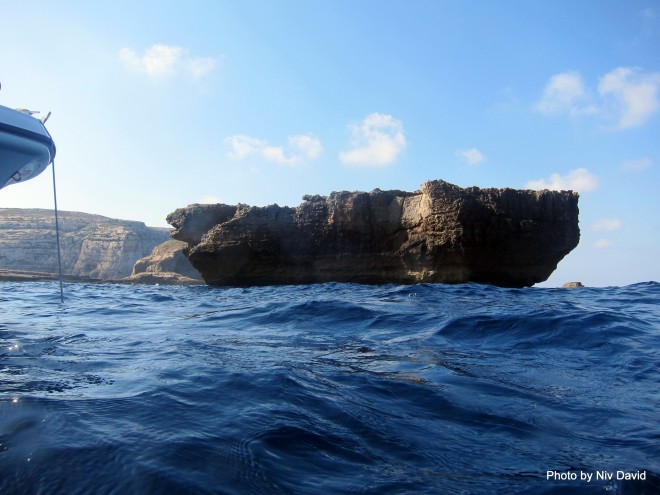
While religions can argue over access to temples, who should see the graves of the holy, or who can pray where, there is no-one who can argue about the importance of breathing clean air, drinking clean water and keeping our seas green. That’s why building bridges through mutual environmental action and goals in research, industry and government is critical throughout the Middle East.
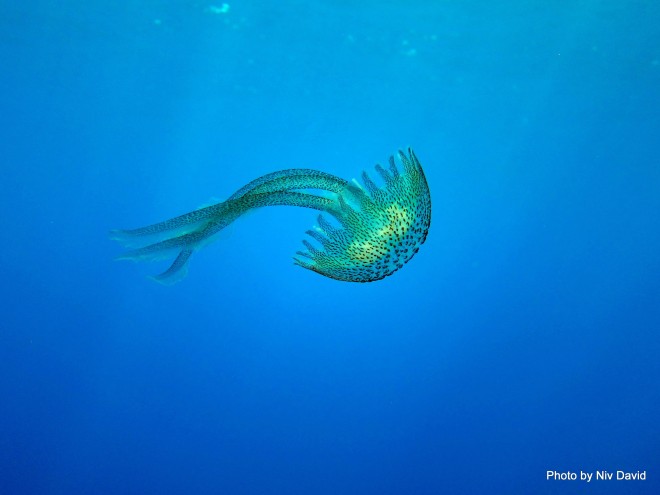
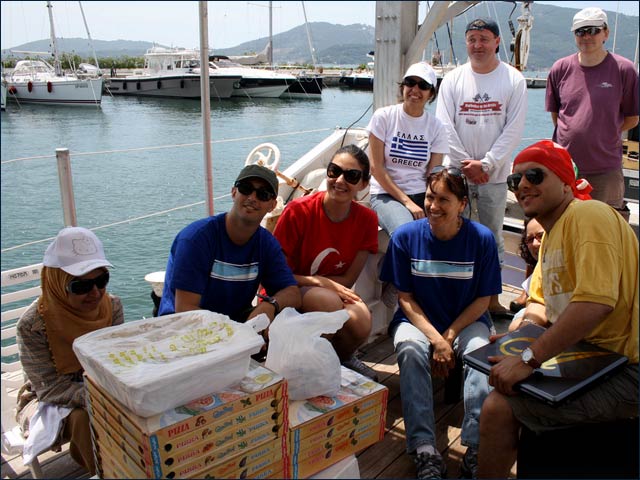
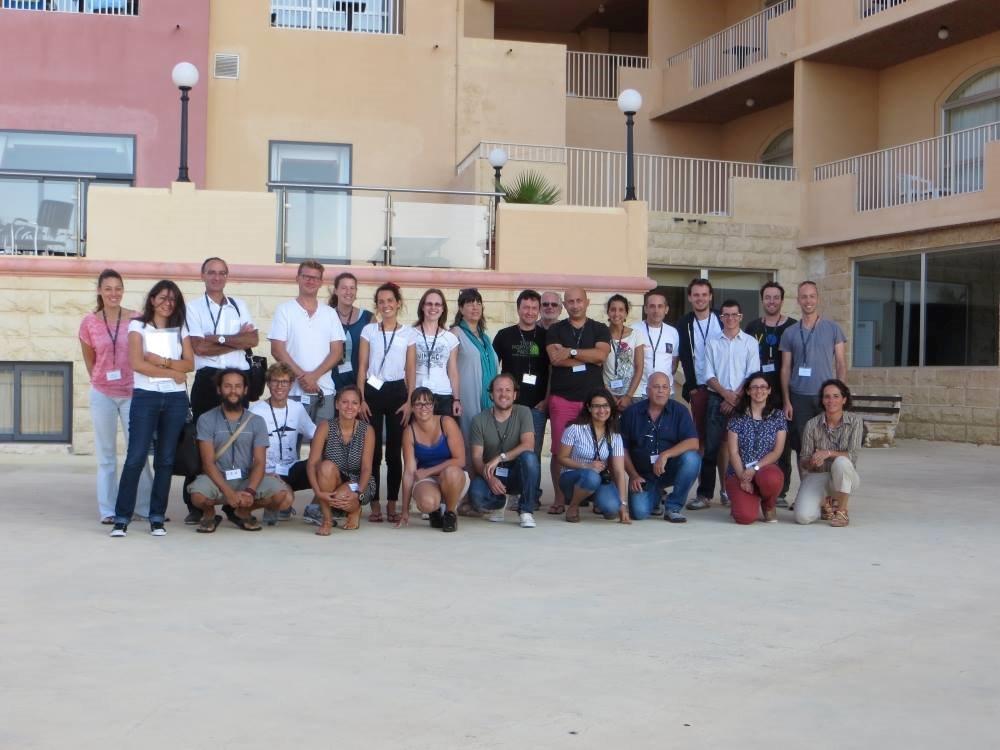
Before we give up home for Jerusalem this is a perfect time to highlight some cooperative environmental action from the region. Recently, in September, a workshop to protect marine biodiversity was held in Malta. For ten days senior researchers and their students from from Palestine, Israel, Cyprus, Ireland, Spain, Malta, Tunisia and more came together to develop a blueprint to solve marine ecological destruction in the Mediterranean. Green Prophet got to speak with two “enemies”, a Palestinian Cypriot and Israeli about working with the other.
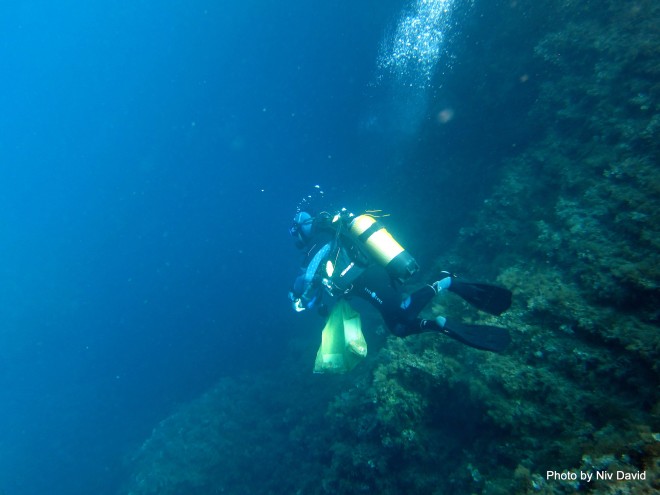
The workshop was run by one of my favorite marine organizations EcoOcean, from Israel and Sweden, and the University of Malta, the EU’s BioDivmeX and the French National Center for Scientific Research.
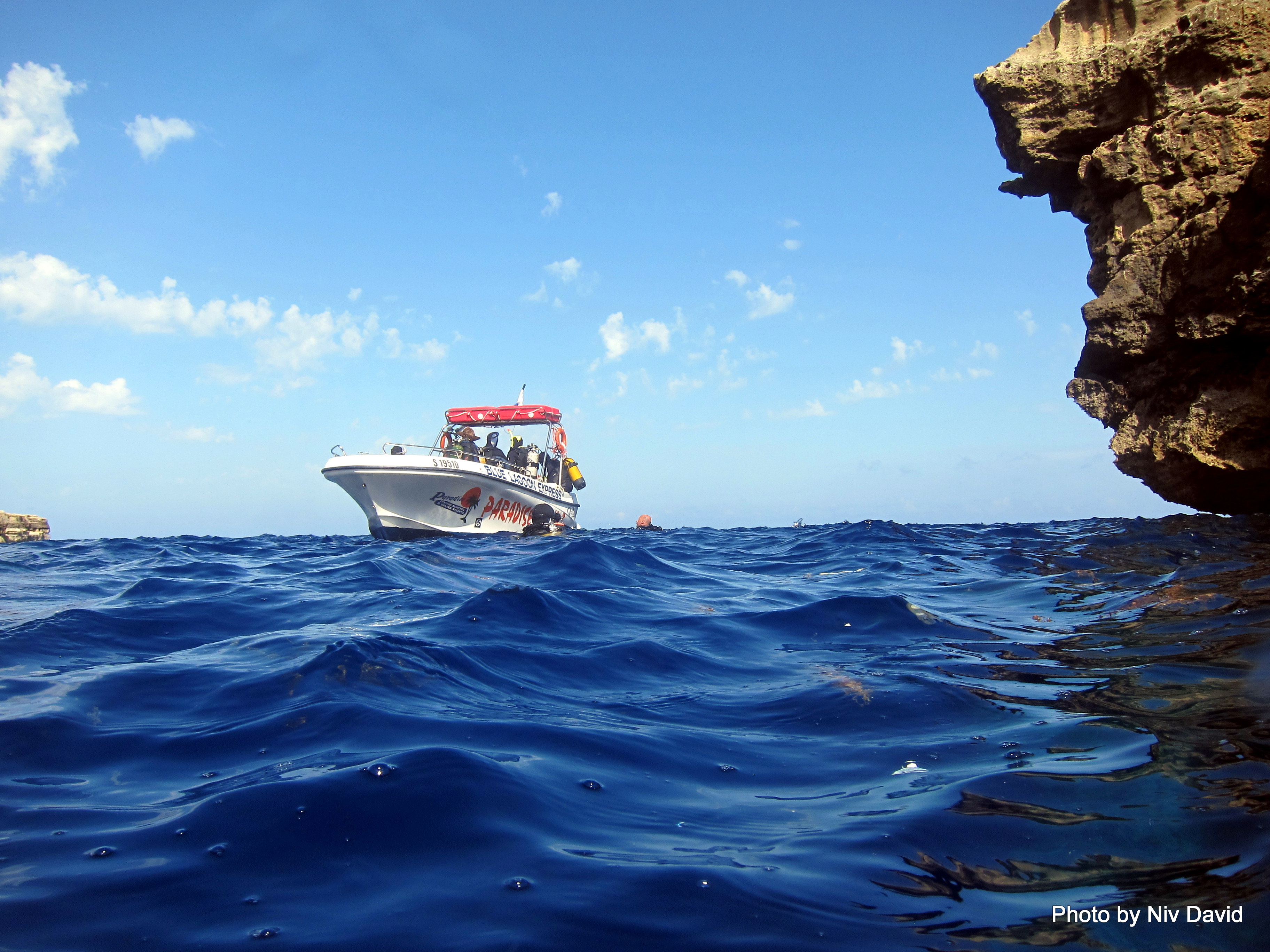
Working out of Malta, the group of about 30 spent their time aboard EcoOceans’s marine research vessel, the Mediterranean Explorer, as well as at labs at the Malta University.
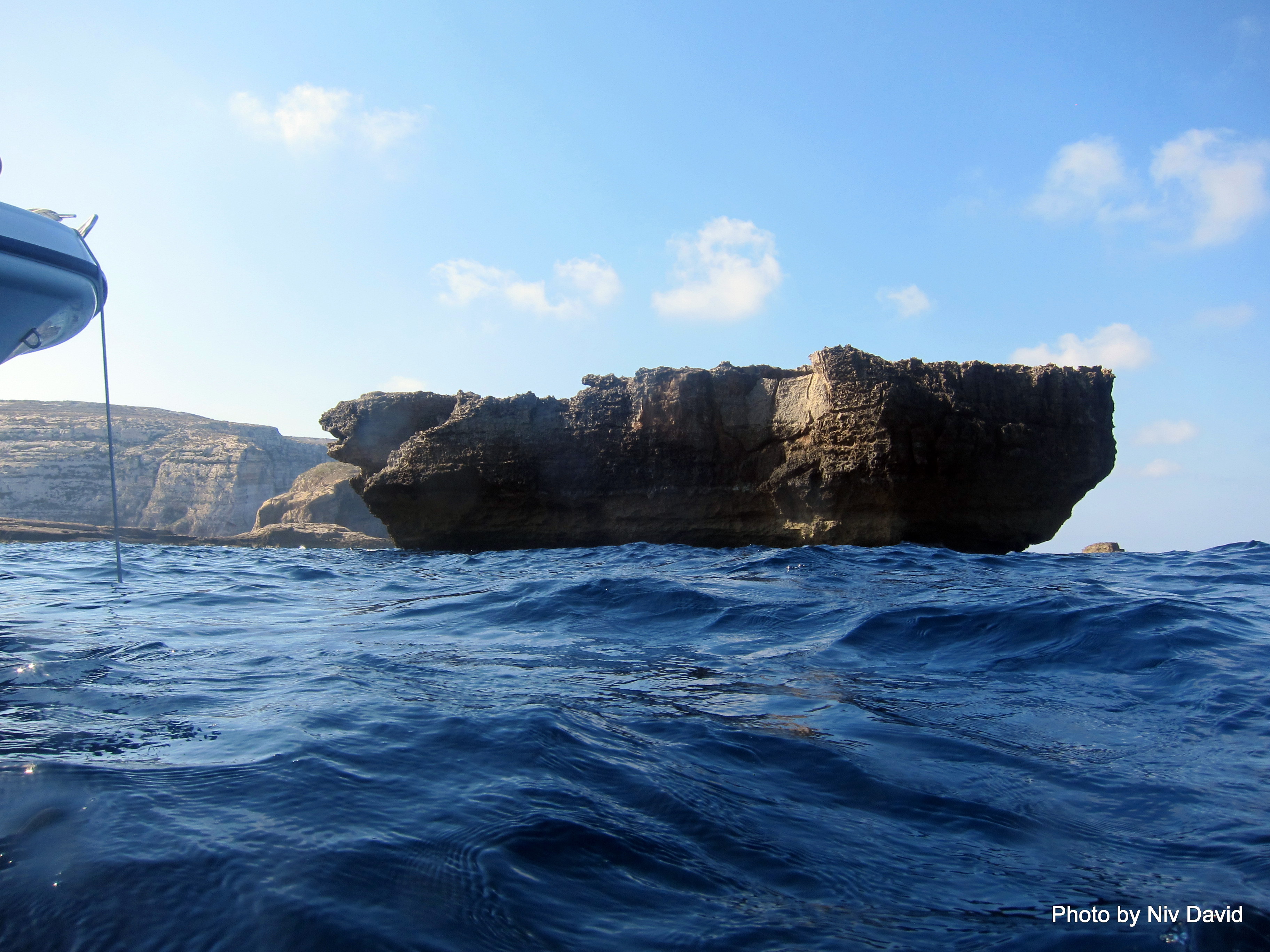
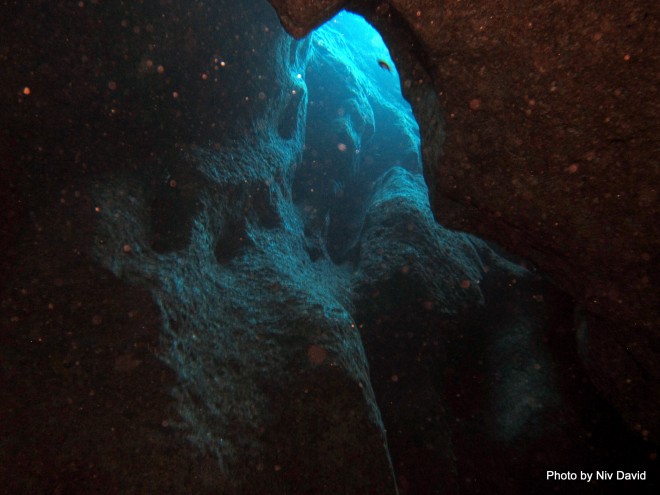
The course of action was to start studying the biodiversity of the Maltese coast: the open sea, the nearby nature reserve Comino Island and the underwater caves of Malta. Early research on the caves revealed new species never before found in the Mediterranean region.
But just as important news is the relationships made between people, like PhD students Rana Abu Alhaija from Cyprus who is half Palestinian and Niv David from Israel.
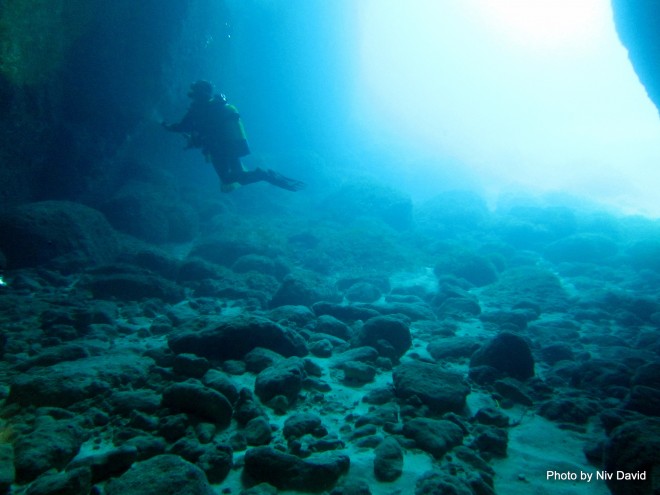
David tells Green Prophet that the Mediterranean Sea is highly sensitive and is threatened by dense human population centers: “there is an ever growing need to document marine biodiversity in a context of global change and potential conservation support,” he says. And that “overcoming political and cultural disputes, is required to address these challenges.
David’s personal interest is a passion for maritime research while studying climate change at sea at University of Haifa in Israel: “This experience, collaboration with amazing people, was not only the key for efficient learning and knowledge exchange, but also for creating global mutualism among researches and students from different countries and cultures, sharing the same goal of better understanding marine systems for improved protection and conservation,” David tells Green Prophet.

Abu Alhaija says: “Although all participants had to overcome language, cultural and personal barriers I had to deal with one more. I was a minority. I alone had to represent two countries that not only do they have a wide coast stretch but are also inconstant political turmoil.
“One might think that having Israeli colleagues in the same workshop might have impaired my ability to learn or work. In my perspective it had the exact opposite effect. There they were; the people who share with me the love for the same piece of land and care and study the same sea.
She continues: “The best part was that they were more than willing, not only to teach me the things that I do not know, but also to work beside me in achieving our common goal: to study and safeguard our sea.
“I did find many difficulties during my ten days at the BioDivMex workshop and I did disagree with other participants, one of which was a Jew who wanted to drop what he was doing to help me, but the bottom line is that through a touch of understanding we were able to successfully complete the workshop and create bonds that will generate future research projects.”
Urban light pollution shines bright in “Darkened Cities”
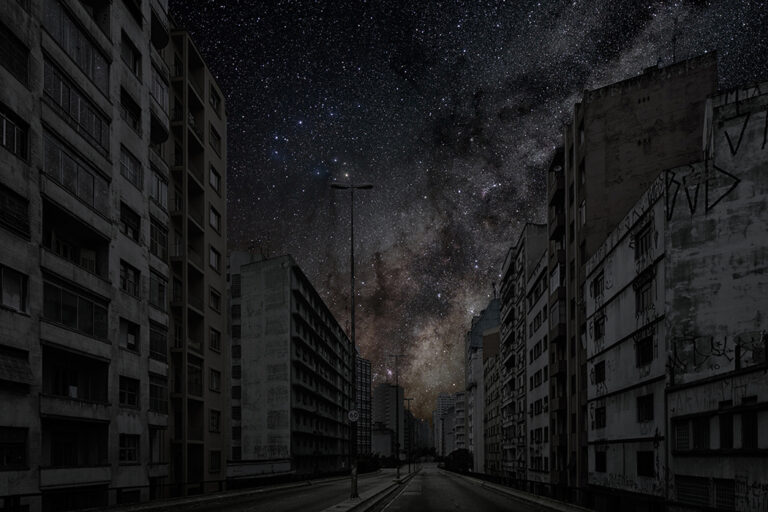
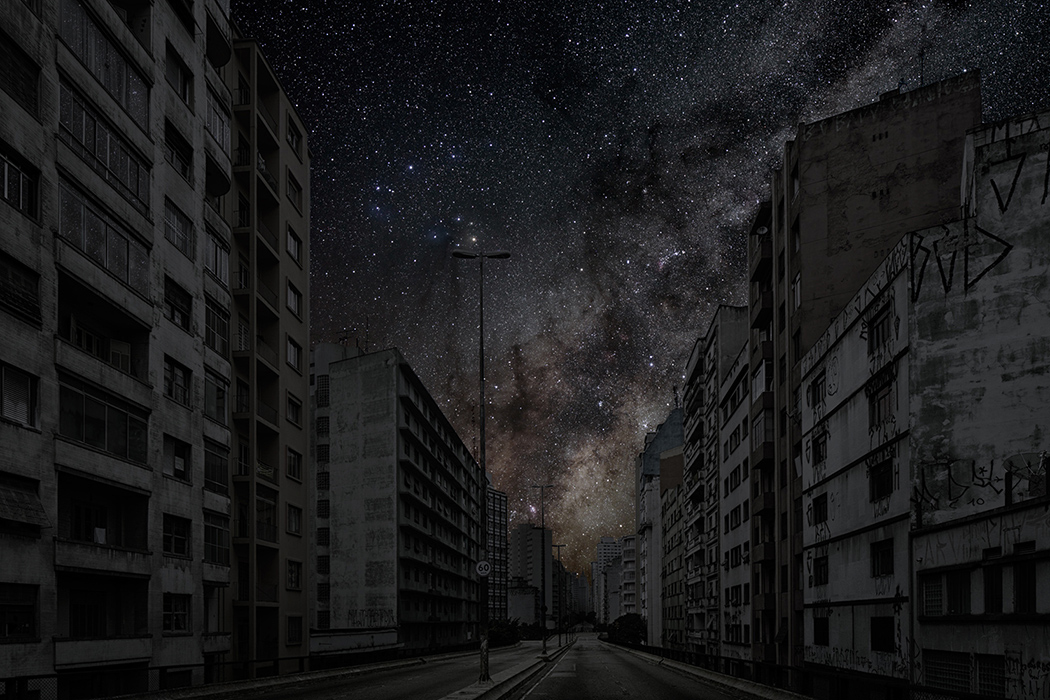
What would the world’s major cities look like if they were plunged into complete darkness? We get a glimpse during black-outs, like when New York City suffered major power outages during Hurricane Sandy, but those scenes occurred under overcast skies which blocked the stars. There’s a fascinating photography exhibition underway at East Wing gallery in Dubai that explores what we’d see in a night sky if our cities went dark.
What Israel, the UAE and Qatar have in common
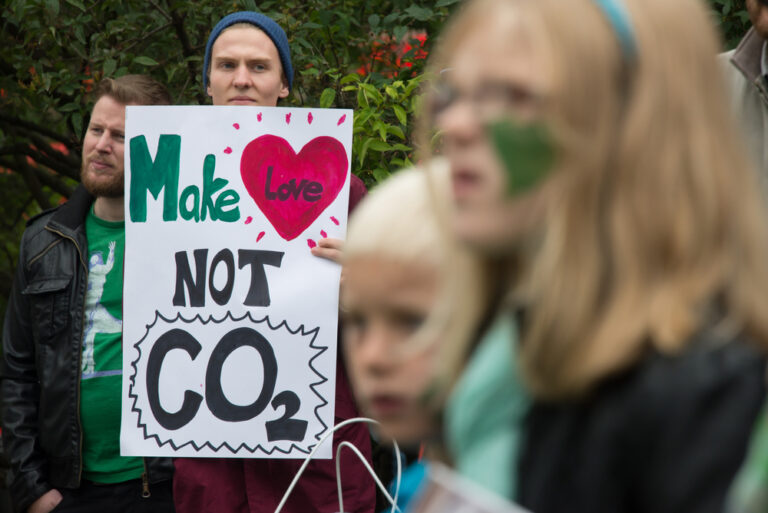

WASHINGTON — Israel is the best-prepared country in the Middle East for climate change, followed closely by the United Arab Emirates, Qatar and Turkey, according to data released Nov. 5 by the University of Notre Dame Global Adaptation Index (ND-GAIN).
Publication of the 2014 index was followed only a week later by the signing of a landmark agreement in Beijing between President Obama and his Chinese counterpart, Xi Jinping, that commits the two countries to reduce or limit carbon dioxide emissions in coming years. It also comes right before the United Nations Climate Change Conference (COP20), to take place Dec. 1-12 in Lima, Peru.
ND-GAIN is the world’s leading annual index that ranks 178 nations based on their vulnerability to climate change and their readiness to adapt to the droughts, superstorms and natural disasters that climate change can cause.
Leading this year’s index worldwide is Norway, with a score of 82.7 out of a possible 100, followed by New Zealand, Sweden, Finland, Denmark, Australia, United Kingdom, United States, Germany and Iceland.
Middle East countries ranked by readiness
In the Middle East, the highest-ranking countries were Israel (70.4); United Arab Emirates (69.1); Qatar (66.8); Turkey (66.7); Jordan (65.87); Oman (65.2) and Bahrain (64.7). At the other end of the spectrum were Iraq (41.1); Yemen (43.9); Mauritania (49.0) and Djibouti (49.6).
Ranking somewhere in the middle were Kuwait, Tunisia, Egypt, Saudi Arabia, Lebanon, Morocco, Iran, Syria and Libya.
Worldwide, the country least prepared for climate change is the landlocked African nation of Chad, with a score of 31.6.
Study Norway for better climate change future
All these countries could learn a thing or two from Norway, suggests Oslo’s ambassador in Washington, Kåre R. Aas.
“This index is an important acknowledgement of what Norway is doing,” he said. “Norwegians are ourselves being affected by climate change. For instance, a huge part of our population lives near the coast and in cities, which will see increasing precipitation. We also see some challenges related to more floods and heavier landslides.”
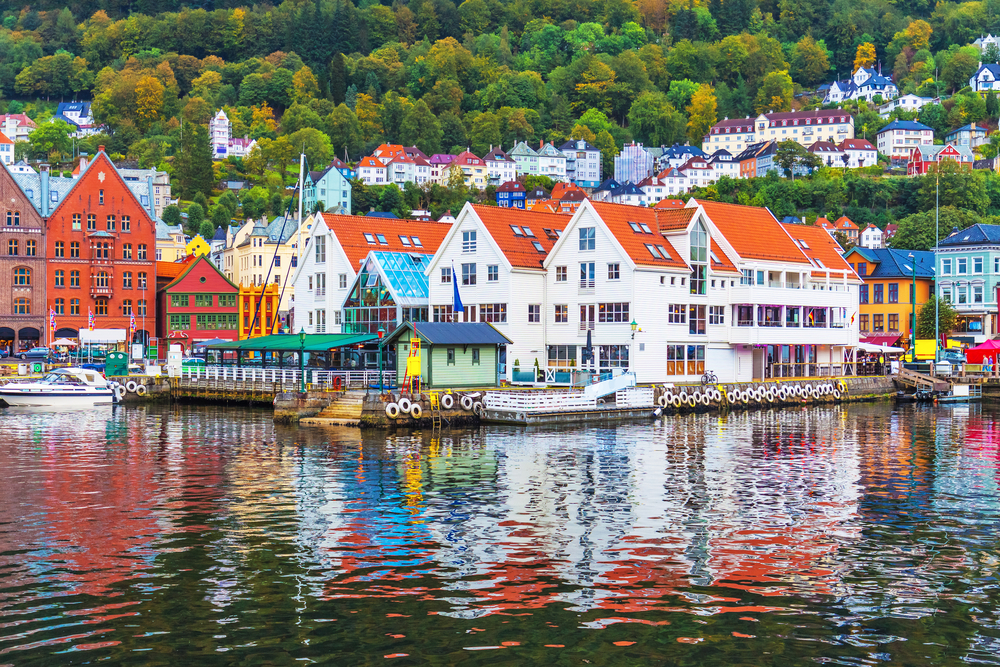
With only 5.1 million inhabitants spread across its territory, Norway enjoys relatively low population density and a very high standard of living. It ranks first among 185 countries in the Human Development Index compiled annually by the United Nations Development Program, and also came out on top — for the sixth year in a row — in the 2014 Legatum Prosperity Index published earlier this month.
But Aas said Norway’s readiness for climate change has little to do with its wealth, and even less with its size or geography.
“Other countries can learn some obvious ideas and concrete proposals from Norway,” he said. “First and foremost, science is key. You need to have a research-based understanding of climate change, and we in Norway have been doing scientific work on this for many years.”

Aas said Norway continually monitors climate change on Spitsbergen — a remote, Maryland-sized island in the Svalbard archipelago near the North Pole that’s home to fewer than 2,500 inhabitants (not including polar bear pictured below) — while elaborating climate models to face future challenges.
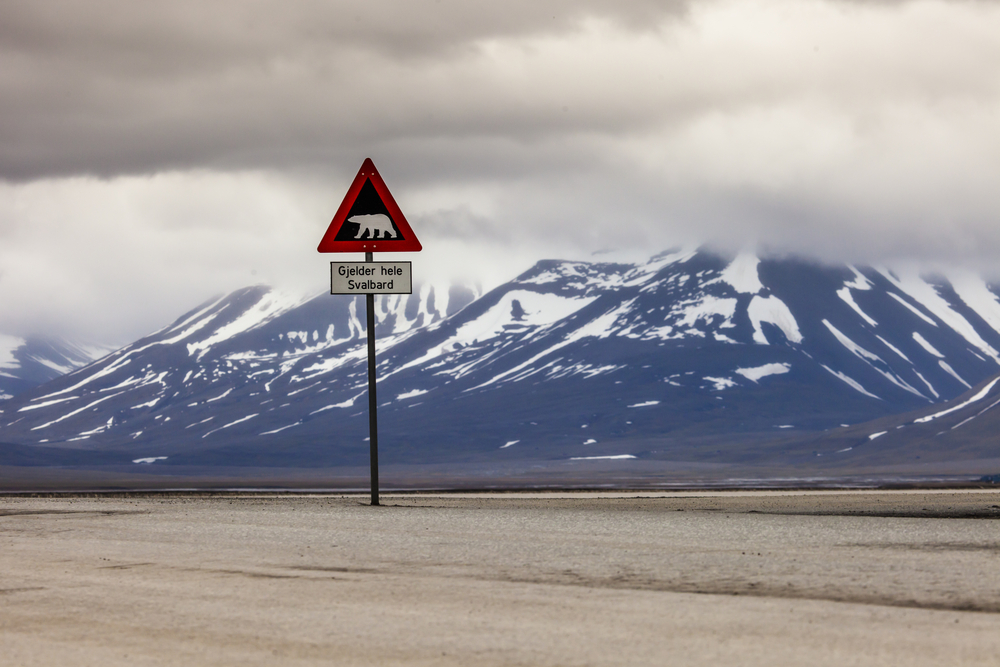
“When we look at temperature increases, we see 2C globally but 4C in the Arctic. That’s why we’ve been consistently inviting members of Congress to the Arctic, in order for them to witness what is really going on,” said the ambassador.
Norway and other high-ranking countries in the Global Adaptation Index do share certain characteristics. Many face moderate exposure to climate change, but they also have good capacities to deal with the risks, such as high access to amenities like electricity, sanitation and clean drinking water. In general, they’re also less dependent on natural capital and better prepared for natural disasters. They also practice good governance.
“This 2014 index captures the latest in vulnerability and readiness data and research,” said Jessica Hellmann, ND-GAIN’s research director. “In Norway and other members of the ND-GAIN leaderboard, we see role models in countries positioned to adapt to climate change. We also see a need for improvement. Not even the most developed countries are risk-free and completely prepared to deal with climate change.”
Hellmann was one of several speakers to address ND-GAIN’s Nov. 5 annual meeting at the Wilson Center, a nonpartisan think tank. This meeting serves as the premier gathering of domestic and international experts on climate change adaptation, and is attended by leading figures from the government, nonprofit and private sectors.
“ND-GAIN continues to be an open, transparent and actionable index, which has been conceived with the aid of open-source, state-of-the-art data and analysis tools,” said Nitesh Chawla, the organization’s index director. “ND-GAIN also is preparing a scenario-analysis tool for users to conduct ‘what-if’ analyses and evaluate the impact of different possible action plans. This actionable nature of the index, and the tools we have, allows us to provide customized products to partners and other interested parties.”
Private sector investment needed
Juan José Daboub, founding CEO of Notre Dame’s Global Adaptation Institute and a member of the ND-GAIN advisory board, is a former finance minister of his native El Salvador, and is also former managing director of the World Bank. He said the world must spend $30 billion to $100 billion annually for the next 25 years just on adaptation. That doesn’t even include mitigating the effects of climate change.
Since few governments can possibly cover that cost, the answer can only come through private-sector investment — especially since it doesn’t appear likely that the world will come to an overarching agreement on reversing climate change anytime soon.
“My country, El Salvador, went literally from hardship to investment-grade in a relatively short period of time,” Daboub said. “We used to use indicators very similar to the ND-GAIN to persuade, convince and encourage policymakers to adapt the right, proven policies to change the future of our country. This means opening up the economy and investing in health and education.”
He added: “The different matrixes used in ND-GAIN allows any decision-maker to dive in and see, for example, how come Costa Rica is doing better than El Salvador in access to clean water. We use tools like that to help move the needle and attract investments. When you implement the right public policies, you’ll open the eyes of private investors.”
Meanwhile, Aas said Norway has implemented several successful policies of its own, such as offering its citizens generous tax incentives to buy electric vehicles. Other perks include free use of bus lanes, free parking, free ferry rides and free charging at municipal stations — all this in a country where gasoline costs the equivalent of $9 a gallon. This helps explain why Norway now has 25,000 electric vehicles on the road — mostly of the Telsa Model S and Nissan Leaf varieties — and hopes to double that number by the end of next year.
Aas said that when it comes to preventing irreversible warming of the planet in coming years, it isn’t a question of adaptation versus mitigation.
“We have to do both. We can’t just do one or the other,” he said. “What the United States and China have agreed on indeed sends an important message to the international community. There is an increased awareness on climate change globally, but also here in the United States. The EU also has come up with concrete proposals on reduction of emissions reductions. We have to keep going steadily forward.”
Top image: Ryan Rodrick Beiler / Shutterstock.com; Image of Bergen, Norway from Shutterstock; Trolltunga, Norway
Beirut’s Pascale Habis cooks up a new local Lebanese cookbook
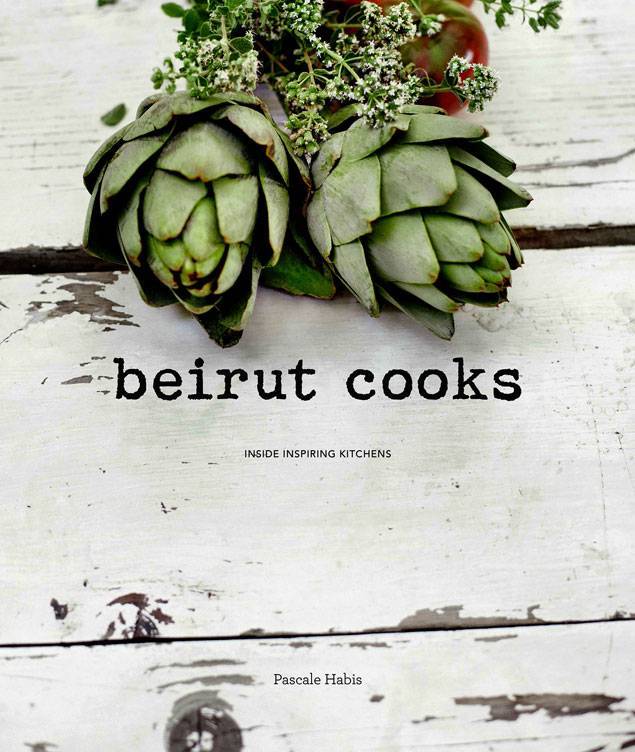
In this day and age, with the superpower of Google, you can locate any recipe, and find infinite recipe ideas, online. So what’s the point of owning a cookbook? Aren’t cookbooks a little outdated?
The answer, in my opinion, is no. An analogy could be made comparing “real books” to “E-books,” such as those purchased for Kindle. With a three-dimensional, weighted book, you can enjoy the feeling of flipping through the pages, keep it in a specially designated spot, and appreciate what it’s given you as you see the subtle wear and tear over the years.
And what makes a cookbook even more desirable is if it’s a work of art. Beirut Cooks is the first book by Pascale Habis, a Beirut-based design expert. It is what The Daily Star called Habis’ “love letter to the city [of Beirut] and its people.”
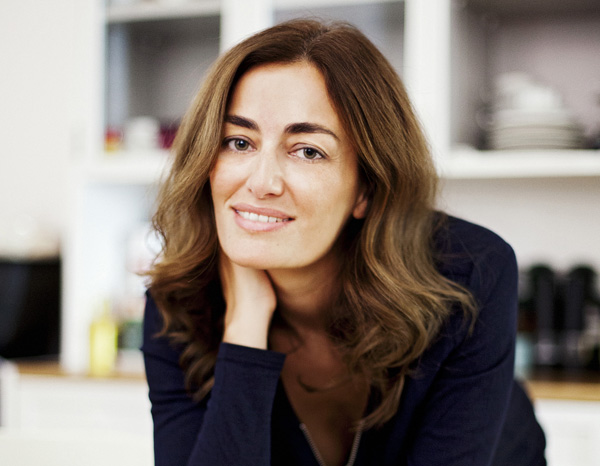
On its beautifully designed pages are recipes contributed by 37 individuals, all Beirut locals, professional chefs and amateur cooks alike. A few names stand out from other circles – for example, Rabih Keyrouz is a well-known fashion designer, Bernard Khoury a prominent architect – but the aim of the cookbook is to highlight the home cooking of everyday people.

Home cooking is easily cheaper, fresher, and more honest than cooking you’d get when dining out. Recipe ingredients are likely to be bought and used more promptly, not frozen or allowed to turn bad, and many items like fresh produce can be homegrown.
While local and organic ingredients are not often used in the restaurant industry, they should be readily available and highly considered by those shopping for home.
Due to the mixed pool of recipe-donators and the aesthetic mind of its creator, Beirut Cooks boasts a special look at the diversity of Lebanese cuisine on tastefully formatted pages.
Beirut Cooks was published by Rawiya Editions and can be purchased online or found at all major bookstores in London, Paris, Lebanon, and throughout the Middle East.
Images of Pascale Habis and fresh ingredients found on the Beirut Cooks website.
Pirate3D’s 3-D printed photos help the blind see


Photographs are visual reminders of past events, at least for those of us who can see. Scan a stack and stimulate long-forgotten memories. But what artifacts help the visually impaired to stroll through their histories?
Singapore-based tech company Pirate3D is helping the blind to “see” photographs through their innovative 3D printing project, “Touchable Memories”. It began as an experiment in which regular print photographs are 3D printed into sculptures. Just as Braille allows the blind to interpret written text, this project intends to allow them to interpret photographs. Now the blind get to experience photographs in their own way.
 The image above is the cover art of a blind musician’s album. He specified the concept to the artist, but relied on trust and verbal description to conjure up an image of the final artwork. Through 3D printing, and his sense of touch, he is now able to know what the cover art looks like. (See image of 3D “photo” below.)
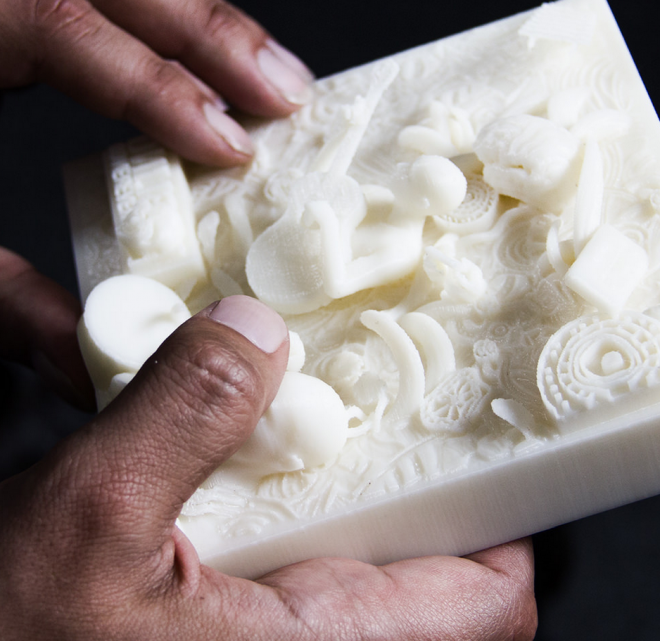
A former Director of Photography, blinded as an adult, got the chance to know how a scene from his film turned out. A woman got to relive a long-ago ski trip, childhood memories popped back into life as she touched the three-dimensional family “portrait”.

 Still another flashed back to a fancy dress party, recalling instantly the funny cone hats she and her sister wore when she felt the tiny sculpture in her hands.

Check out this moving video:
[youtube]http://www.youtube.com/watch?v=f-4AmztnIYw[/youtube]
Three dimensional imaging is growing fast in applications to daily life. Originally, products focused on to small, wearable jewelry items. There have been questionable applications such as art student Yariv Goldfarb’s plastic poop and Cody Wilson’s printed guns. The technology aspires to use in bio-medical engineering and on-demand production of spare parts for space missions. Green Prophet’s brought you environmental examples of its potential, as in UAE renewable energy giant Masdar’s printer for making solar cells.
While this story has little to do with green living, nor in fact, with the Middle East (although the featured blind musician is Arab), we do applaud the power of new technology to significantly improve the human experience – and to make us smile.
Glowing bike path gives Dutch cyclists a green starry night
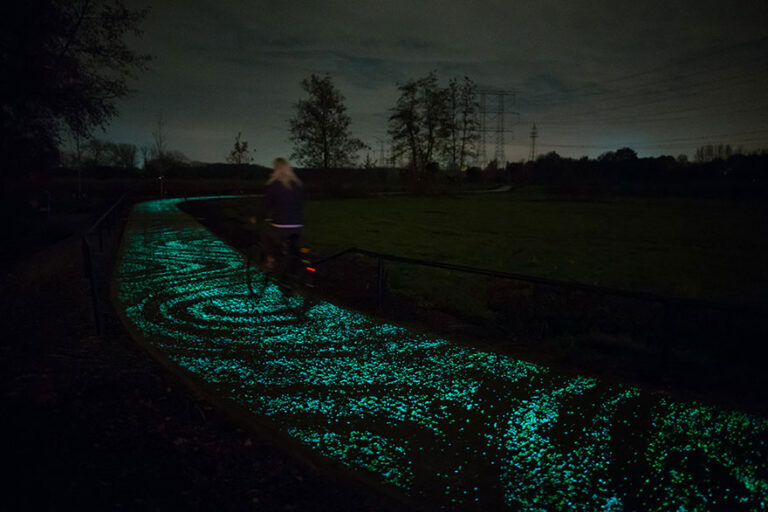
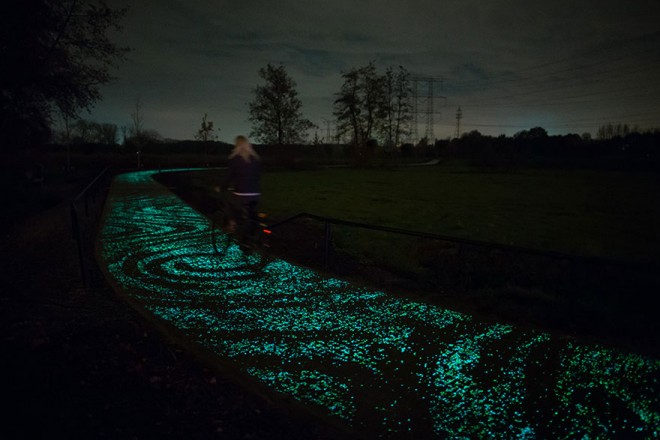
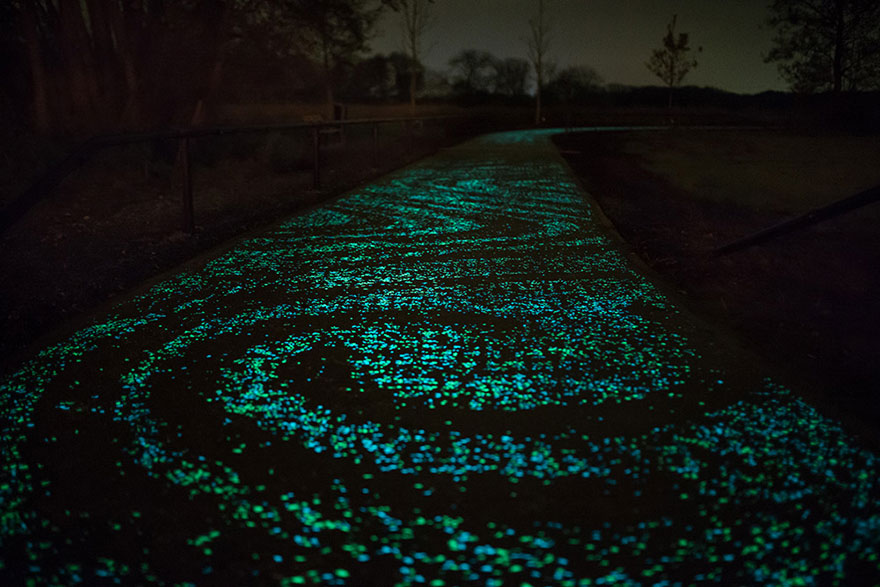
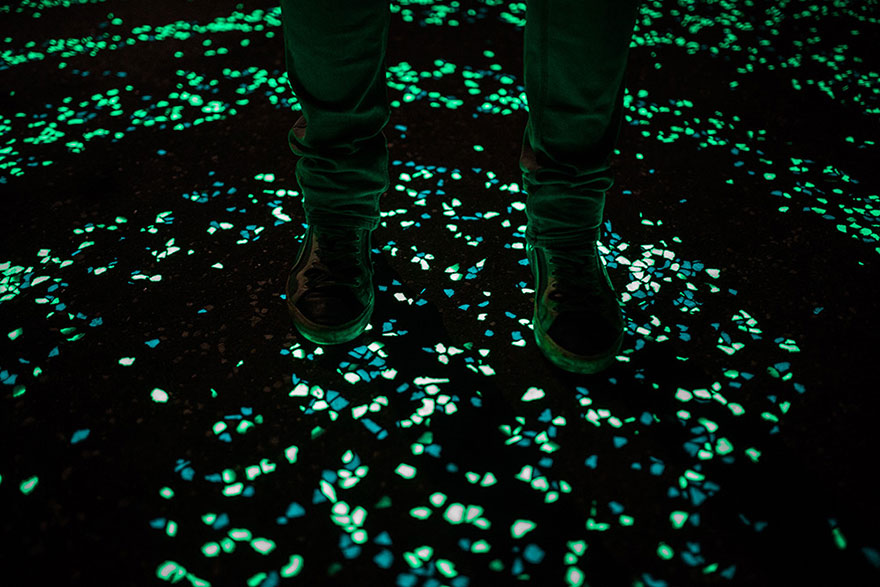
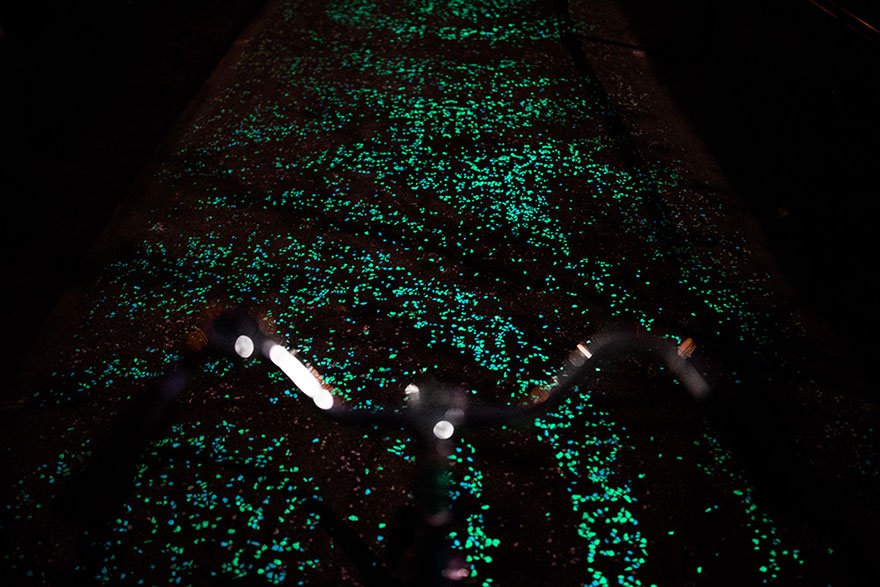
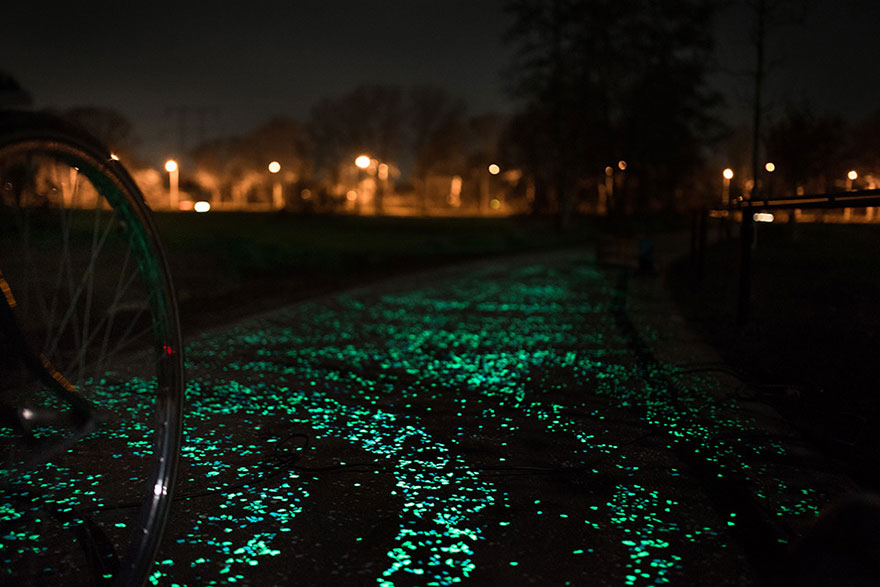
Dutch designer Daan Roosegaarde has created an LED-lit glowing bike path that. The solar-powered LED lights glow at night, and give cyclers a trippy ride that looks like Van Gogh’s Starry Night painting.
The path is less than a mile long, and was created using both glow-in-the-dark tools and solar-powered LEDs. Find it in Brabant, the Dutch county where Van Gogh was born and raised.
The Dutch, blessed with flat ground and a love for the simpler things in life, love cycling and sports like skating. Activities that get us to places in a very sustainable way. After Israel’s solar powered tree which lights up at night, we want to see more artists like this developing ways to make our travels more extraordinary!

Israeli surfer’s make circle for Doc Paskowitz, the man who brought surfing to the Middle East
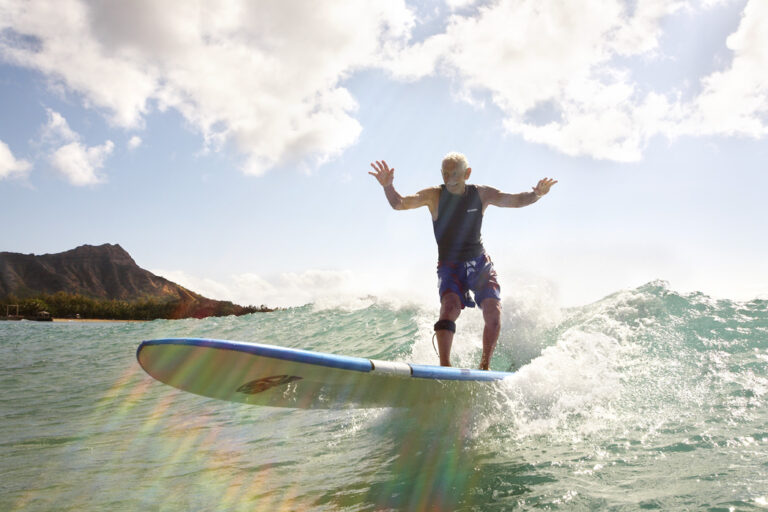

The unconventional American Jewish physician and surfer Dorian Doc Paskowitz died earlier this month on November 10 at an old age. He started a surfing Odyssey with his family, a wife and camper full of kids, and came to Israel in 1956 bringing with him the first surfboard which he showed to locals on the Frishman Beach in Tel Aviv.
By 1957, with a failing marriage, he’d moved to Israel to live on a kibbutz. He started teaching lifeguards how to surf.
Years later, he came back to Israel with a message of peace, showing how surf can unite people, even Israelis and Palestinians.
He formed Surfers for Peace with Kelly Slater in 2007, and some years later I met surfer Grant Shilling in Tel Aviv carrying this torch of giving Gazans boards for surfing.
Raskovin and many other Israelis are longing to make a bridge of peace in the Middle East –– whether it’s done with a longboard or a short one.
Raskovin plans on meeting with Lebanese surfers in Marseille, France. “Our bigger project is the Med Surf Cup to collect people from all over the Mediterranean –– a network of surfers in constant dialogue.”
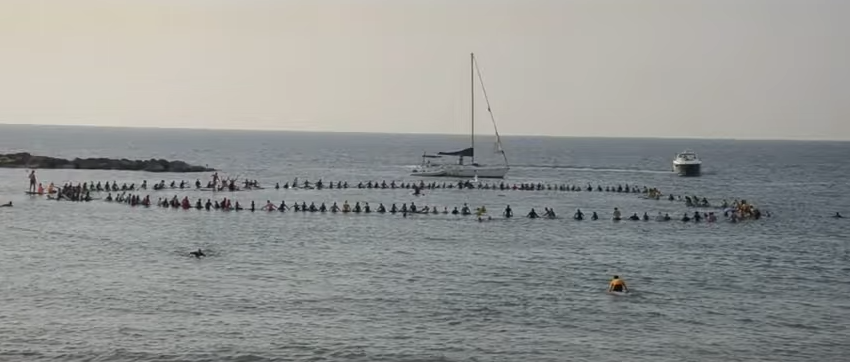
Today Doc’s mission rings true in Israel where surfers like Arthur Rashkovan run surfing coexistence programs in the Mediterranean. This past Friday Israeli surfers came together to build a surfer’s ring at sea to pay tribute to their beloved Doc who was known to have said:
“First I’m a surfer, then a Jew, then a doctor.
Lower photo via @pitchon
Made in the shade with simple, cheap urban design for Tel Aviv
Until you’ve cycled high noon in the Middle East summer you’ll have no idea how incredibly hard it is to live without shade. I live in Jaffa, Israel – a Mediterranean Middle East city that will fry eggs on cars most days of the year. If you dare to venture out during the summer days, you’ll come home covered in a layer of sweat and sunburn.
I dream of shade everywhere I walk, run or cycle and wonder why cities in hot climates don’t make a point to put shade everywhere. Sunny side of the street for me? Nope, I follow the paths that cast shadows from trees or nearby buildings. You get the point.
As we humans grow to understand why we need to make cities walkable, and comfortable, the big issue of shading hot cities is a big one.
Architects building shady, flowery canopies for Hajj got the message. And now, Israel’s Design Museum of Holon started a competition for encouraging architects to develop projects for urban shade.
Winners were Point Supreme Architects, an architecture firm from Athens, Greece.
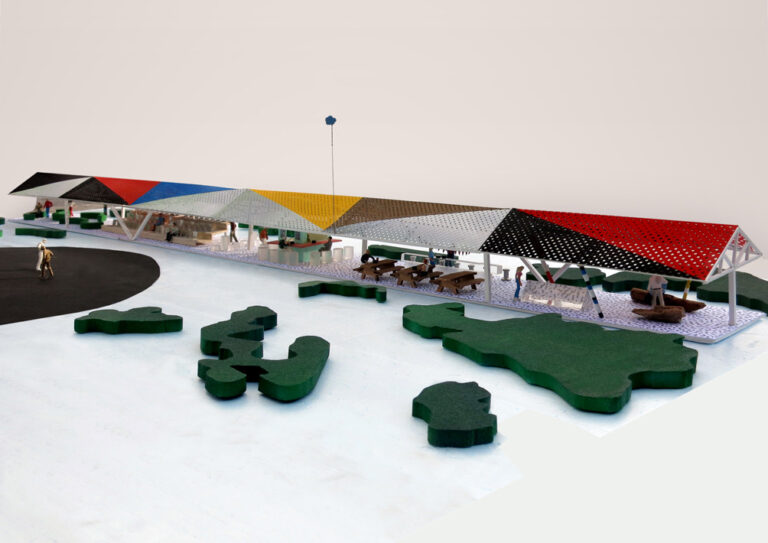
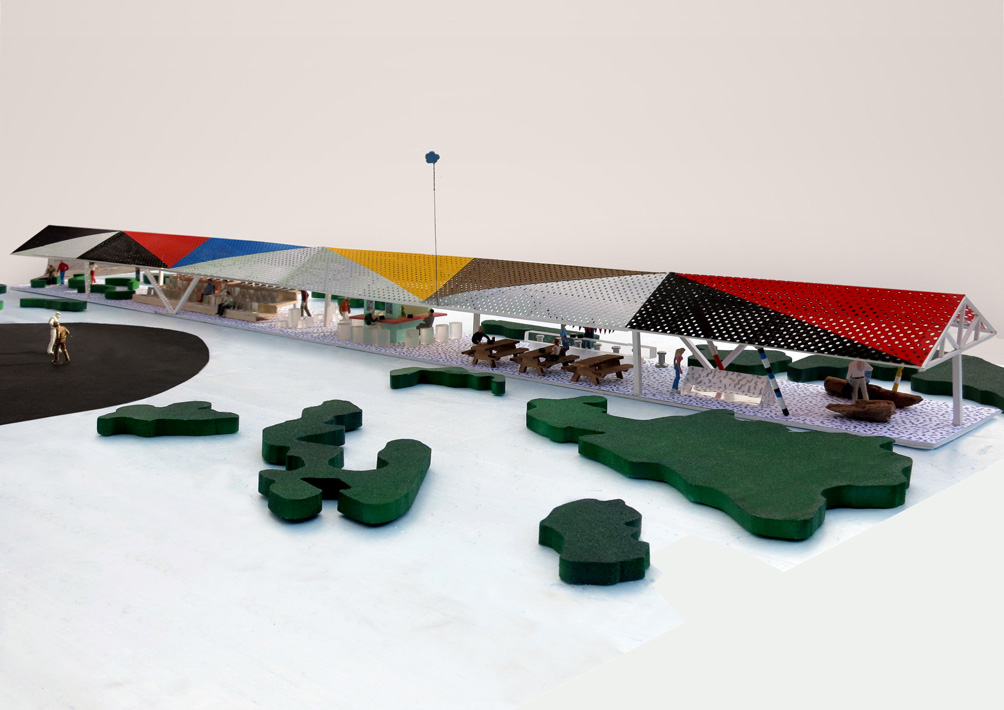
See the sketches above and below for their winning design Serpantina: public urban spaces that could be made in the shade.
The design is expected to be built in Tel Aviv, Israel by next year.
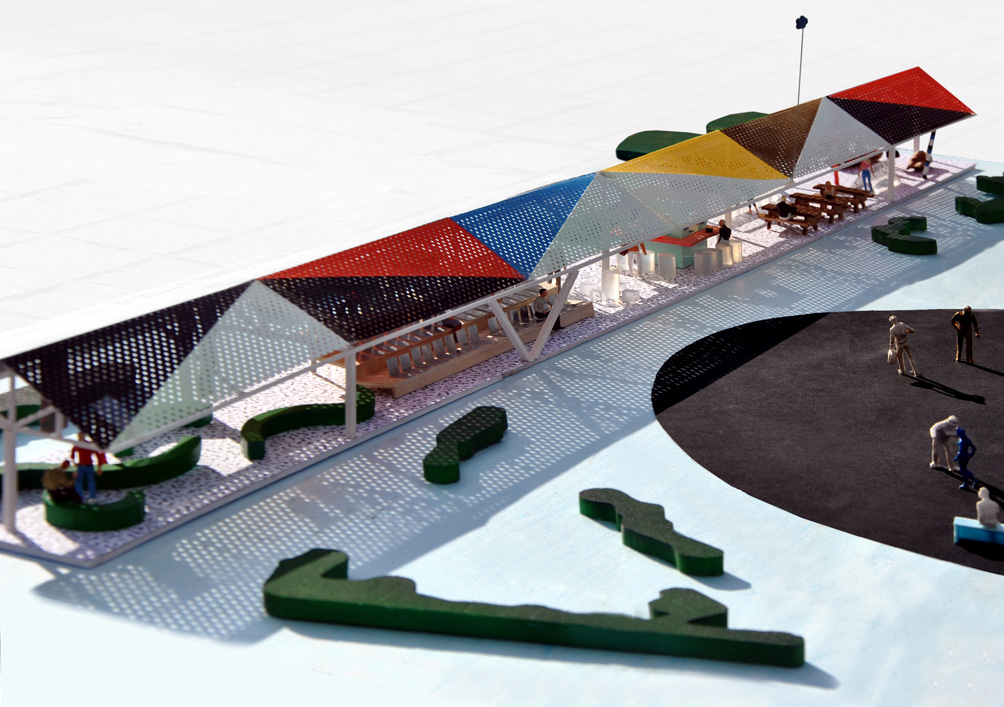

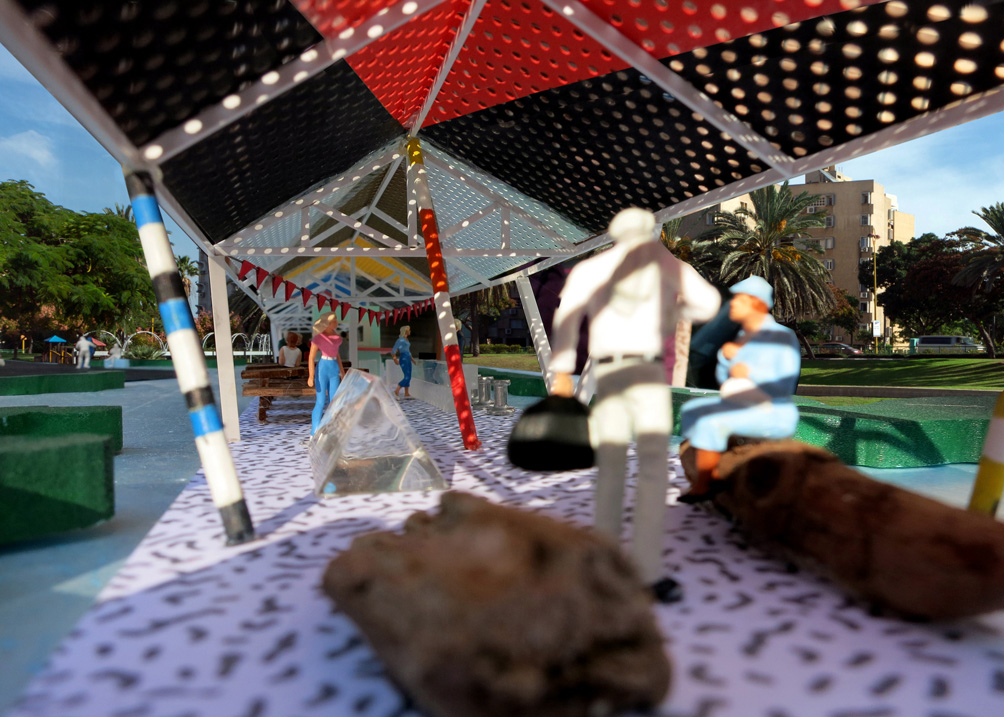
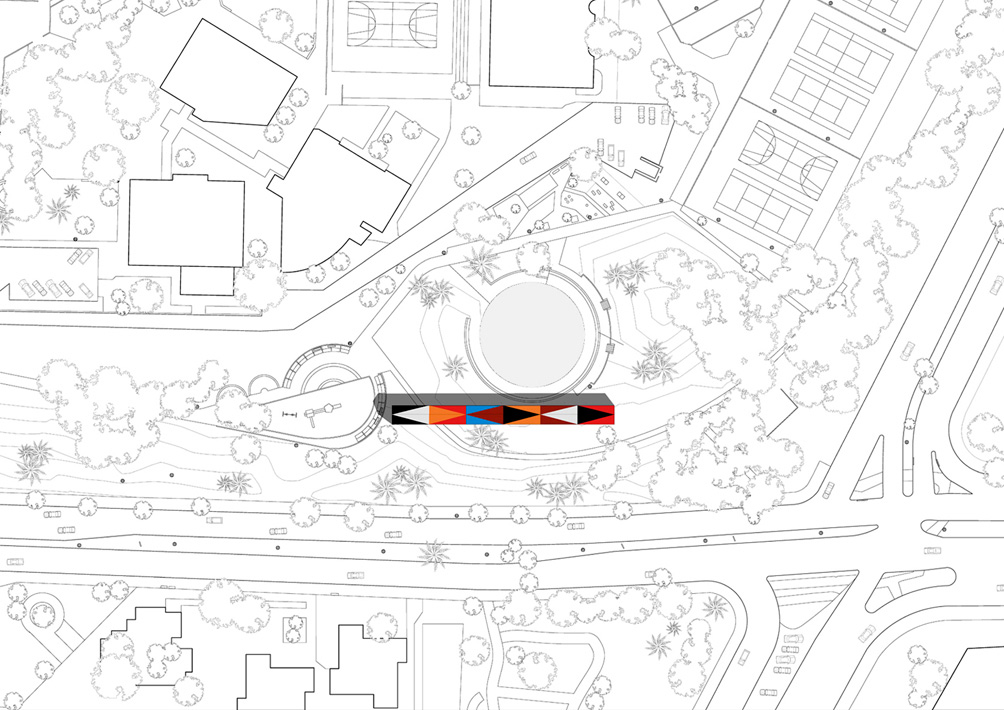
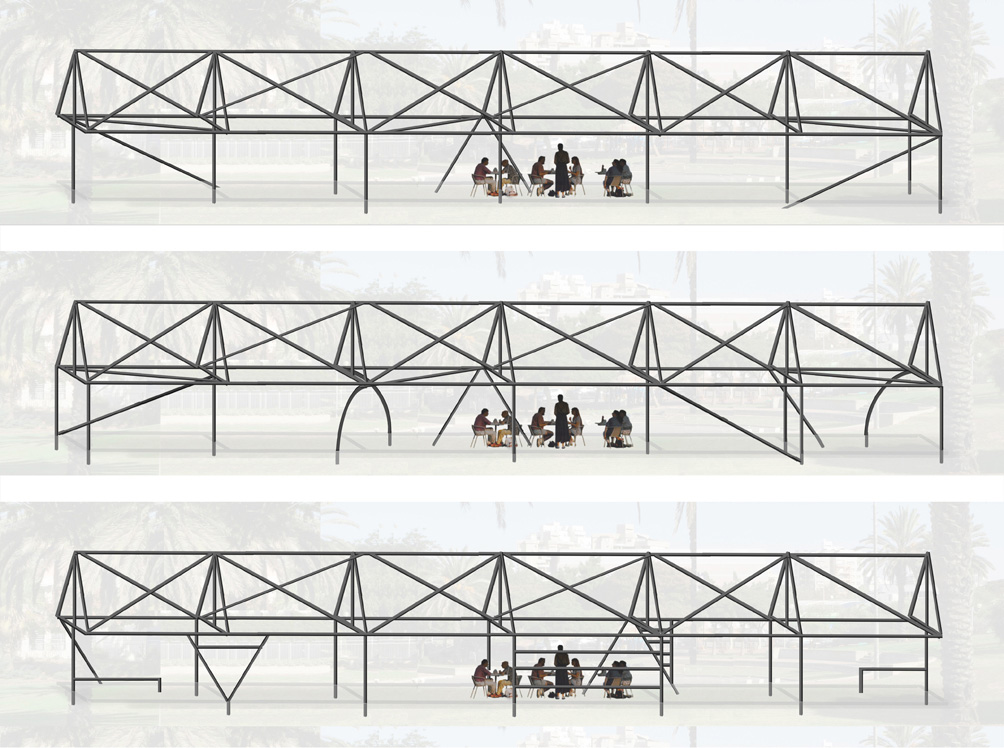
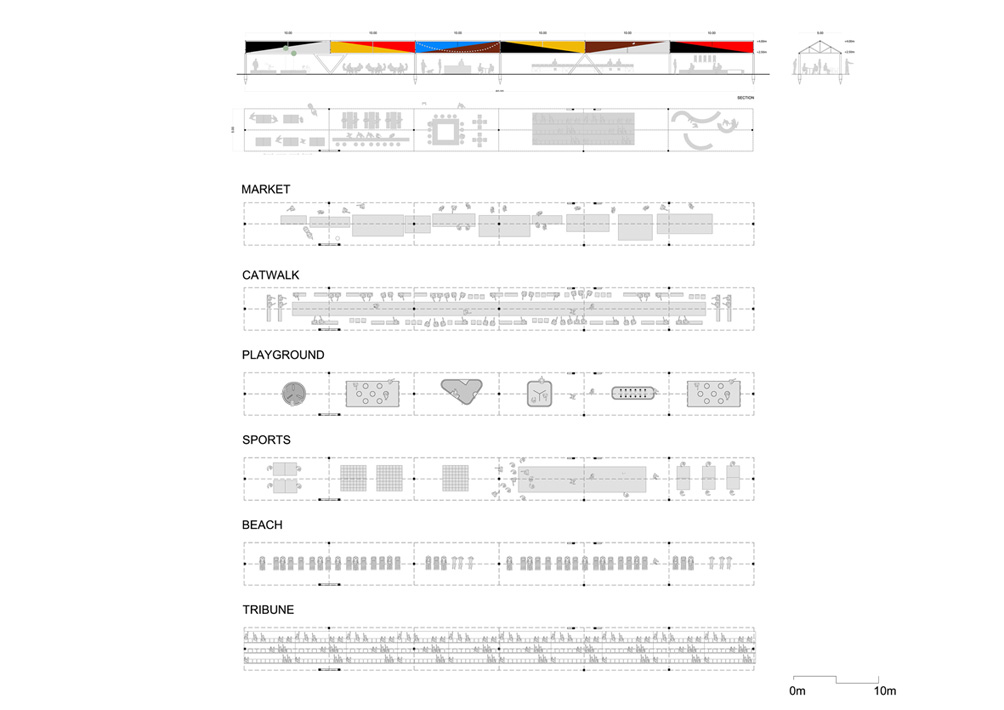
Serpantina is a simple linear element made up of modules of standard metal profiles and sun shading fabrics widely available in the market that can be both easily reproduced, adapted to different locations, transported and assembled on site.
More details:
Project details:
status: competition 1st prize
area: 300 m2
location: Tel Aviv, Israel
structural engineer: Athanassios Kontizas
local architect: Robert Ungar
collaborator: Reineke Otten
client: Beracha Foundation and Design Museum Holon
expected completion: June 2015
Jordan fourth most miserable nation in the Middle East
 Open a newspaper in the Middle East and expect to be whacked with some bad news. Still, I wasn’t prepared to read that – according to the World Misery Index (the name was a tip-off to what was coming) – Jordan (where I live) is the fourth most miserable country in the Arab world. Regionally, only people in Syria, Sudan, and Egypt are more dejected. And consider that Syria also weighed in as most-miserable in the world!
The index was published by the Troubled Currencies Project at the US-based Cato Institute, which compiles data from the World Bank, the International Monetary Fund and the National Bureau of Labor Statistics.
The project ranked one hundred and nine nations from most miserable (1) to least-miserable (109) based on the ability of each country to reduce unemployment, inflation, and lending rates, while increasing gross domestic product per capita.
Jordan earned 24.2 points out of a possible 109; unemployment is to blame. Jobless figures stood at 11.4 per cent in the third quarter of 2014, reaching 9.2 per cent among men and 22 per cent among women. According to the Jordan Department of Statistics, overall unemployment in that time period decreased by 0.6 per cent compared with the second quarter of 2014. Compare that to third quarter 2013 when unemployment hit a record high of 14 per cent, and things seem to be slowly ticking upwards.
Ranked 32nd globally, Jordan performed better than Spain, which ranked 11th, and Turkey, which ranked 27th.
Among Arab states, Bahrain was rated the least miserable country, followed by Qatar, Kuwait, Morocco and Algeria. The world’s least miserable country is Switzerland, trailed by Japan and China. Perhaps Jordanians can try skiing, or add more rice to their diet.
Image from South China Morning Post